“Super Touring era” is a nickname for a time in touring car racing when the rules were meant to make the cars feel more like normal road cars. Fans often associate it with some of the most exciting, competitive racing in that category.
A “hybrid route” means the race cars were changed to use a mix of power sources (like an electric assist alongside the engine). The speaker is saying that, in their view, it didn’t work out as well as hoped.
“Regulations” are the rules that tell teams what they can build and how they can race. Here, the host is saying the rule changes had a big impact on how the series works.
“Budget outlays” just means how much money teams have to spend. The host is saying the hybrid costs are big enough to make it harder for teams and partners to stay involved.
A “panel” here means a discussion show segment where people talk about the races. The host’s point is that if it airs too late, fans won’t connect it to the race they just watched.
Term
BRDC website
The BRDC website is being mentioned as an online source for racing info. The host is saying most viewers won’t go hunting for it, so they may not hear about certain updates until later.
Place
Alton
Alton is being used as an example of one race location on the calendar. The host’s point is that by the time the next race happens, you may have already forgotten what happened at the previous one.
Thruxton is a racing track in the UK. The host is using it to explain that there’s often a gap between race weekends, so news or content from one event can feel old by the next one.
The Honda Integra is a Honda compact car that also had a big racing history. Here, the point is that it was known for being tough and reliable in competition—like a “tank.”
The Acura Integra is a compact car made by Acura that’s meant to be fun to drive while still being usable day to day. In the podcast, it’s brought up because the speaker chose it as their own car. It’s often discussed as a car that feels sporty without being too big or complicated.
Person
Mr Plato
“Mr Plato” is a reference to a famous British touring-car driver. In this context, the host is saying Plato had strong opinions about the Integra, even though the car proved tough.
Timing screens are the live race-information displays used by teams to track lap times, sector times, and other timing data. In a touring car pit/garage environment, engineers use that data to judge pace, manage strategy, and spot changes in performance lap-by-lap.
Race engineers are the technical people on a racing team who help the driver. They use data and experience to suggest changes and tactics during the race.
This is a race version of a Renault Laguna that was used in touring car racing. Touring car rules shape what parts you can change, so teams build a special race car based on a road-going model.
James Thompson is a famous British race driver. In this episode, the host talks about him as a champion who did especially well in the older touring-car era.
Ash Sutton is a current British touring car driver. The hosts are saying they’d love to see how he’d do in a super touring car, because they think he’s exceptionally talented.
A “super touring car” is a touring-car category built around the Super Touring regulations, known for high-performance, closely matched cars and intense wheel-to-wheel racing. The hosts want Ash Sutton to drive one to see how his style translates to that older, more aggressive touring-car format.
Steve Neal is discussed as a team boss who kept the “Dynamics” team together for a long period. The host credits him with building an incredibly successful racing team that was competitive across multiple eras of the series.
“Astronomical costs” is the host’s way of describing how expensive it has become to run BTCC teams and campaigns. The discussion links those costs to talent leaving for other series and questions whether BTCC can survive in its current form.
“GT” here means Grand Touring racing, a different motorsport category where teams and drivers often move when costs rise in touring cars. The host argues that many drivers end up in GT because it’s where the money and opportunities are, even if it’s not cheaper.
Topic
TCR prize money vs touring cars
They’re comparing how much prize money different racing series offer. The point is that one series (TCR) rewards winners with money, while the other (touring cars) doesn’t do that as much.
A “pay driver” is someone who helps pay for their racing seat. The discussion here is about whether the sport relies on that kind of funding or mostly on team/series support.
Synthetic fuels are fuel made by people rather than pumped from the ground. The idea is lower emissions, but they can cost a lot—so racing gets more expensive.
They’re asking how to make it cheaper to race, ideally cutting costs in half, but still keep the championship respected and attractive. It’s about finding the right balance between money and status.
They’re talking about the race series changing its rules about hybrid technology—adding it, then removing it later. Those changes can make racing more expensive and force teams to adapt quickly.
It means the racing series uses cars that are based on regular sedans you’d see on the road. The rules usually keep the race cars looking and behaving like those production models.
This is about how the race weekend is organized—like when qualifying happens and how many races you get. If the format changes, teams often have to change their strategy.
Silverstone is one of the UK’s best-known race tracks. It’s generally longer and faster than some other venues, so teams have to set the cars up differently.
They’re comparing Silverstone to a shorter track called Nock Hill. Short tracks usually have more frequent turns and braking, so the racing feels different.
“Metal fabricating costs” refers to the expense of machining and forming metal parts used to build race components. When these costs rise, teams may reduce development pace or adjust budgets for parts and fabrication work.
Term
IT infrastructure
It’s the team’s computer setup—things like laptops and networks. Teams use it to manage data and keep everything running smoothly.
Person
Alan Gow
Alan Gow is a person mentioned in the BTCC conversation. The host is using his name to make a joke about not being able to predict what will happen next.
In F1, drivers have a group that represents them and helps make sure they’re involved in decisions. The host is saying touring cars should have something like that, so drivers can agree on important changes.
A cost cap is a rule that limits how much racing teams are allowed to spend. The host thinks touring cars haven’t reached the point where a cost cap would work smoothly.
“Boost” is the extra pressure (often from a turbocharger) used to increase engine power. In this segment, the host ties boost to rule changes and driver consultation, implying that how much boost teams/drivers are allowed to run affects competitiveness and race outcomes.
Tyres are the rubber contact patch that determines how much grip the car has. In racing, tyre rules and tyre behavior can heavily influence how fast you can go and how you plan your race.
“Go back to basics” means stop over-complicating things and use a simpler, clearer set of rules. The host thinks that could lower costs and make drivers feel the changes are more sensible.
Universal parts are parts that can be used on lots of different cars instead of being custom-made for just one team or model. That usually helps teams spend less money because they can share the same parts.
A “salvage route” means using parts taken from wrecked or scrapped cars instead of buying new ones. It can save money, but you have to make sure the parts are safe and allowed to be used.
Second-hand parts are used parts from older cars. Teams might use them to save money, but they still have to make sure the parts are in good enough shape and allowed by the rules.
Term
pay tiers
“Pay tiers” means people get different levels of access or benefits depending on how much they pay. The concern is that it could make it harder for some teams to participate the way they do today.
Budget caps are rules that limit how much racing teams can spend. They’re meant to keep the competition fair so richer teams can’t just buy their way to better results.
Netflix is a streaming service where you watch content online with a subscription. The hosts are discussing whether putting motorsport documentaries there could still reach lots of people.
Term
behind the scenes documentary
A behind-the-scenes documentary is a film format focused on what happens off-track—team operations, preparation, and personal stories. In motorsport, it’s often used to grow fan engagement and create new sponsorship opportunities.
Engine oil is the liquid that keeps the engine parts from grinding against each other. It also helps cool the engine down. In racing, companies that make oil often sponsor teams because the oil is used constantly and the branding shows up everywhere.
Tires are what actually grip the road or track. They affect how well the car turns and stops. In racing, if the series already has an official tire supplier, teams can’t just swap to a different tire brand as a sponsor.
A scholarship program is money and support for drivers who have talent but not the cash to race. The point here is to help more people get into racing, instead of only the wealthy being able to afford it.
A “gentleman’s grid” means the race is mostly filled by rich hobbyists who can pay their way in. The concern is that expensive racing can block talented younger people from getting a chance.
“Legends” is the name of a racing series they’re talking about adding to the BTC weekend schedule. The host’s point is that if it shows up every race, it might get less exciting, and not every track is a good fit.
A one-make series means everyone races basically the same car model. Because the cars are so similar, it’s easier to compare driver skill and racecraft instead of raw car differences.
Car
Porsche Sprint
“Porsche Sprint” is a Porsche racing category mentioned in the show’s discussion of touring-car support races. The point being made is that it may not help drivers progress as effectively as the main Carrera championship.
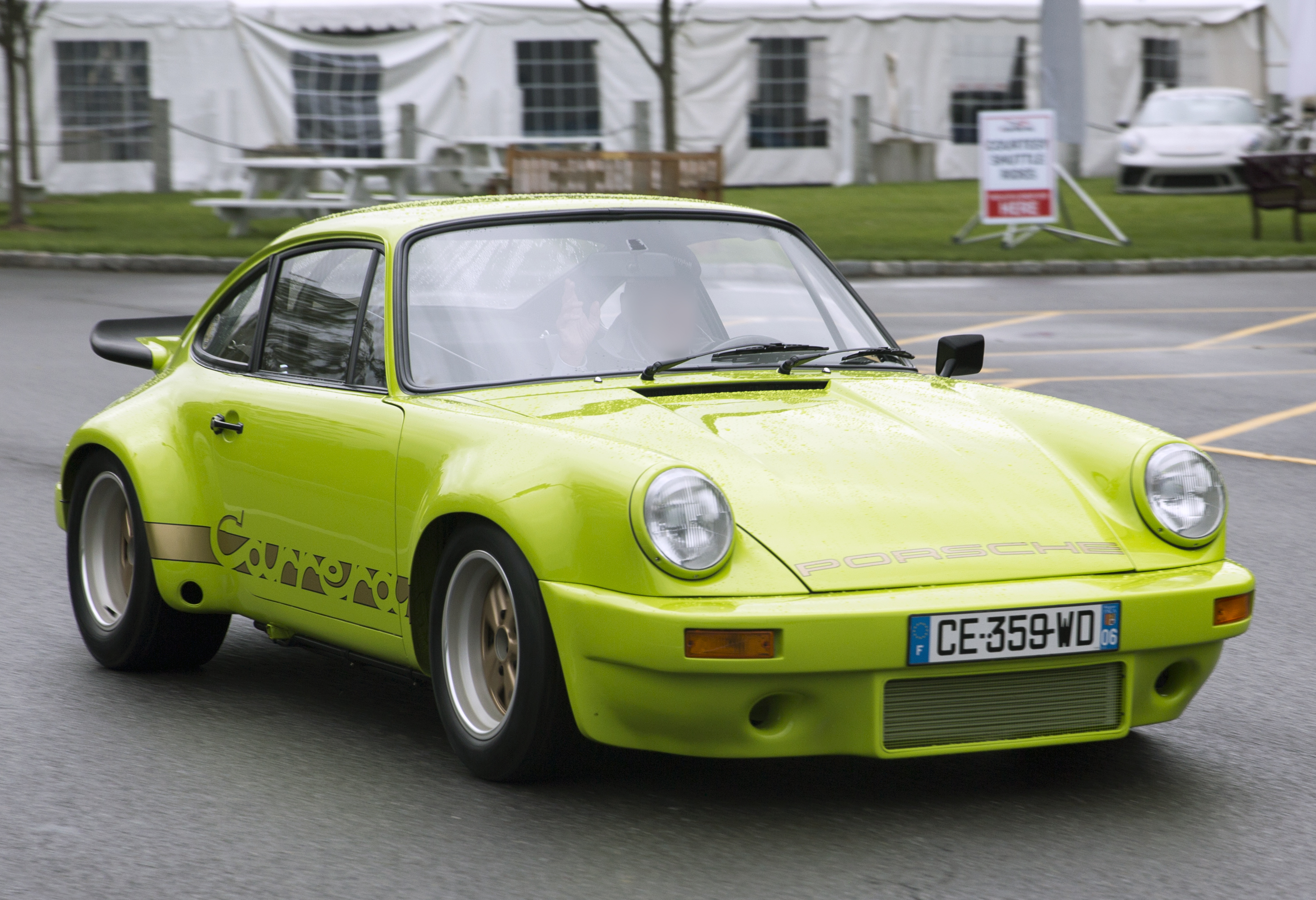
The Porsche Carrera RS is a special, performance-focused version of the 911. It’s designed to be faster and more track-ready than a regular version, with changes that help it handle and accelerate better. It gets mentioned in racing talk because it’s closely tied to how race cars are built for speed.
A feeder series is like a training league that helps drivers get noticed and move up. The host’s point is that this series doesn’t really bring the next touring-car drivers through the usual route.
“TOCA grid” means the group of drivers racing in the touring-car series supported by TOCA. The host is saying some talented drivers have left that touring-car scene.
Term
F4
F4 is a junior level of open-wheel racing for up-and-coming drivers. It’s meant to be a cheaper way to start in single-seaters before moving up to higher levels like F3 and F2.
The TOCA paddock is basically the “base” area for touring car teams during a race weekend. The host is saying many F4 drivers don’t plan to stay in touring cars long-term.
Term
F2
F2 is a level of racing just below F1. It’s a big test for drivers because the cars are faster and the competition is tougher.
Term
F3
F3 is a higher level of open-wheel racing than F4. It’s where drivers try to show they’re ready for the next step up, like F2.
Fiesta Juniors is a junior racing series built around Ford Fiesta-based machinery, aimed at developing younger drivers. The host argues it could better fit as a stepping stone into touring cars than F4 does.
Term
JSCC
JSCC is a junior racing series acronym. Here, the host is saying it’s a good stepping stone for drivers who want to move into touring car racing.
The Ford Fiesta is a small hatchback car. In touring-car racing, series organizers often pick one specific model so the racing is closer and more about driver skill. Here, they’re talking about the Fiesta-based racing that’s already happening.
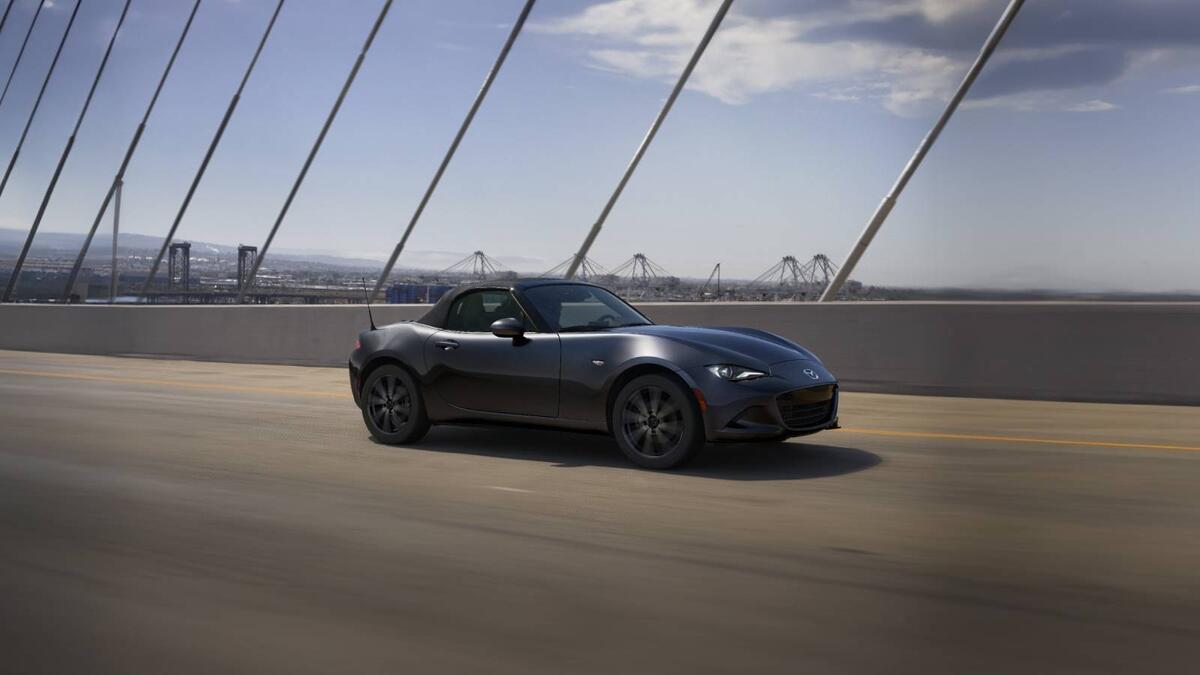
The Mazda MX-5 is a small, lightweight sports car. An “MX-5 Cup” is a race series where most competitors use the same model, which helps keep the racing close and makes it a good stepping stone for drivers.
The Civic Cup is a one-make racing concept built around the Honda Civic. The hosts mention it as something they like, but question whether it fits touring-car racing specifically.
A one-make championship is a race where most drivers use the same car model. Because the cars are similar, it’s harder for teams to “buy” speed with upgrades, so driving skill matters more.
“Clioz” is a racing series based on the Renault Clio. When it’s a one-make championship, everyone races the same car model, so it’s easier to judge who’s driving best.
A junior championship is a stepping-stone race series for drivers who are earlier in their careers. The hosts are debating whether it would be affordable enough to attract talent compared with other entry paths.
Simon Ingram is a driver they’re talking about as being stronger than most of the field. Even so, the hosts say the racing still stays competitive because top drivers keep battling each other.
“Positions” just means where each car ranks on the track. If cars are close, they can trade spots often as the race goes on.
Term
Ferrari GT
“Ferrari GT” means Ferrari’s racing cars in the GT class. Those cars are race-prepped versions of road cars, and engineers often work on how they perform and handle in GT racing.
A pit lane walkabout is a time when fans are allowed into the pit area near the race cars. It’s usually when you can meet drivers, get autographs, and take photos.
Term
autographs
Autographs are signatures from the drivers, usually on photos or programs. The host is saying touring car events make it easier to meet drivers for that kind of interaction.
Brands Hatch is a famous race track in the UK that hosts touring car racing. People mention it because it’s a place where fans can get very close to the cars and drivers.
Gearbox oil is the fluid that helps the transmission work smoothly. The host is saying you’re close enough at touring car events to notice those smells.
Burning rubber is the smell you get when tires get very hot and wear quickly during hard driving. The host is using it to explain the “you can smell it” feel of being close to the cars.
“Tin top” is racing slang for touring cars that look like normal road cars with a closed body. When they say “premiere tin top series,” they mean the most important/leading touring-car championship.
A “learning curve” means it takes time for teams to figure out how to adapt when rules change. The first season with new regulations often requires new car setups and adjustments.
Nick Hamilton is a race driver in touring cars. The hosts are saying he’s already scored well this season, which usually means he’s been finishing near the front consistently.
Term
outright points
“Outright points” means points you earn for your overall finishing position in the race. It’s not just points for beating people in your own group—it’s based on where you finished overall.
Matt Jackson is a racing driver the hosts mention as an example of someone who progressed through touring cars. They’re using him to illustrate how drivers can move on to bigger wins later.
Yvonne Muller is a racing driver the hosts bring up as someone who progressed from touring cars to major success. They’re using her as another example of the sport’s talent pipeline.
Person
Colin Turferton
Colin Turferton is one of the drivers mentioned in the hosts’ “history of the sport” list. They’re using him to show that touring cars have produced drivers who can succeed elsewhere too.
Matt Neal is another driver mentioned as an example of someone who did well in touring cars and then went on to bigger success. The hosts are using him to emphasize how tough and high-skill the series is.
Rob Collard is mentioned as a driver who won championships in GT racing after doing well in touring cars. The hosts are using him as another example of crossover success.
Darren Turner is mentioned as someone who didn’t fully click with touring cars, even though he was very strong in GT racing. The hosts are basically saying not every great driver adapts to every type of race.
Person
Dare I say, look at what Dan Kamich did
Dan Kamich is a driver the hosts talk about as an example of someone who joined touring cars and found it tough to fight for the title. They’re using his experience to show how competitive the series is.
“Formula forward” here sounds like the hosts mean single-seater “formula” racing experience. They’re saying that coming from that world doesn’t automatically make touring cars easy.
LIVE
Something a bit different this week, we are answering your questions.
Hello, welcome back to the British Touring Car podcast. We are going to battle through
the heat, so I apologise for any background noise, but we do need the fans on, because
if you haven't noticed, it's been extremely hot in the UK.
We always said this podcast is by the fans, for the fans. We've got three of them in front of us today.
So yeah, we thought we'd bring you to somewhere different. This is where I work, it's in the
workshop, and we're going to have, or go through questions and answers, which you have posed to
us. We put a Facebook and Instagram post out what a couple of weeks ago now. And we've been really
pleased with the response. Thank you for all the questions that you've sent in, and we're
probably actually going to have to break this into two sections.
We are. So this is part one of a two-part series. We'll record the second part probably in a
slightly different location when it's not as hot. We have been wanting to do this a little bit sooner,
but as you will all be aware, the UK has had a heat wave this week of consecutive days over 35
degrees, which is not conducive to recording, unless your name is Gary Linnaker. Well yeah,
unless you're Gary Linnaker, I'd have podcast offices, which we do not. So yeah, we've decided
this is the coolest of the days we've got, and we're going to crack on with it with your questions
answers. Yeah, so we've got a mix of more serious questions and more fun ones. We're going to
intersperse them together and try and keep it fairly lighthearted. But there are plenty of
things that you want our opinion on, so we're going to give them to you. Right, we'll start off then
with Paul, who asks us, do you see the sport gradually declining, or is there hope for the
future? We'll start off on a positive note. That would be me then. Yeah, I always hope for
growth and development, but I understand that within sport, there's going to be
plateaus and possibly even dips. And we've seen that throughout the touring cars across the years.
We had these early 2000s, where we only had one, maybe two manufacturers, and we had maybe six
cars for that manufacturer. And it all looked a little bit bleak, especially coming after the
Super Touring era. But I do think certainly, probably what, 2008 to maybe 2015, we had a
really good, strong Touring car series with the amount of manufacturers,
independence, the amount of different drivers that we had coming in and through the sport,
not necessarily all of them staying for a long amount of time. But I think we've had good variation,
and we're coming more into a plateau at the moment, I would say, especially with how the
grid's looking. We're leveling out to more of a 20 to 24 car grid. Some might say more quality,
and Alan Gao would say. Others may say less opportunities for other people.
It's really difficult to define what success is within touring cars, in my opinion, anyway,
I don't know whether that's the same for you. Yeah, so I think that all sports has peaks and
troughs. Like we've seen it this year with football, and they're sure an Arsenal fan,
you've probably found the Premier League quite dull this year at the top, because it's been a
different way of doing it. We've had peaks and troughs in F1, you see it in NBA. We both follow
a lot of sports, and I think it's fair to say we both see peaks and troughs in the sports.
I think we are in a bit of a trough at the minute, and I think that basically comes down to that,
in my opinion, they got the regulations wrong over the last couple of years. They went down the
hybrid route, it didn't work, they've been there after a couple of seasons. But of course,
what that doesn't cover is, okay, it's not as simple as ripping the thing out and chucking it in the
bin. That costs a lot of money. That's a lot of teams back having to find extra funds to run a
system that only worked for a couple of years, and that puts manufacturers off, that puts sponsors
off, that puts drivers off. It puts independence off. It's a big budget outlays, and if you're
going to change and intersperse changes throughout season after season, rather than keeping some
sort of consistency, then you're going to struggle to keep some manufacturers and even
independence within the sport. I think the other problem they have is that they're always trying
to copy F1, and for good reason, F1 is the biggest motorsport series in the world. However,
there always seem to be two steps behind and done on perhaps the cheap. I'm thinking about the
on the limit series, which I think is very good, but it's hidden away on YouTube, and not everybody
has come to be using YouTube or accesses YouTube, or would think of an evening, I'm going to sit down
and watch YouTube. Why is it not being shown on ITV, particularly in this summer break? It would be
perfect to have that on a Sunday morning for the next 67 weeks while we have no during cast
to watch. One thing I certainly think is that Gao, he needs to expand his horizons. He seems very
narrow-minded in the way that he thinks of the way to develop things, especially around the sport,
not necessarily within the sport, but what I'm talking about is bringing in a younger demographic
like you and I. I'd like to class this as still young. He needs to go down more of a social media
route, because that seems to be the way that the world is developing at the moment, and more people
are consuming more content online, and that kind of needs to be the way that it goes. If you want
to bring in that young demographic and build up that supporter base once again.
And in fairness, they are looking out, so we have moved race on to TikTok. We have
still got it on a free-to-air channel, which I think is really important, because as good as
the F1 is, it is locked behind a paywall, and if you haven't got the money to pay it, then you can't
watch it. And they are also doing a lot more of Instagram sort of fun driver content this year,
which I think is hitting well with trying to get the younger demographic in. The biggest
problem I've got there, though, is there's no point bringing the younger demographic in on the fan
site if you can't bring through the next generation drivers. And that is where the sport is really
struggling at the minute, because we haven't got a junior series. We haven't had one for now three
seasons. There is question marks over how effective the new one will be, of course,
because it's brand new to the sport. And you think about it, the grid is not a particularly young
grid anymore. Dexter and Dara will be the youngest on the grid, I think. And after that,
it's fairly, I'm not saying it's an old grid, but we've not got the same conveyor belt of youth
coming through that we used to. And I think part of that is decline of teams like Team Hard, who
would bring through the scholarships. Part of it is the costs. Most 18 year olds who are racing at
the minute, maybe fiestas can't get a budget to come together to the touring cars. So they're
going to have a route. They're going to TCR, they're going to GT. And it always blows my mind
that to race in McLaren is cheaper than racing a touring car. That is, I haven't talked about GT,
not F1. Motorsport has always been expensive. But I think until we look at ways that we can
reduce that cost and try and bring in the next generation of fan and driver, the sport isn't
a bit of trouble. What I would like to see personally, and don't get me wrong, they do a good job
at the moment. But we see the three main presenters that we've got on ITV. And yeah, Tim Harvey is
there, Paul O'Neill is there. They have been in the sport, but they've been out of the
driver's seat for a long while. I'd like to see, yes, we've got Jade coming through as well, but
I'd like to see more drivers that have been there and done it come in and do bits and pieces like
that, maybe behind the scenes content and stuff like that, because I feel it's going to be more
engaging. Yeah, I think I've said to you before that I don't watch it in detail, but the Ted's
notebook, I think would be perfect sort of thing to have on the touring cars, particularly as
if you've got a panel in race three, you generally don't hear about it until the next race weekend,
unless you're an anorak like us and go searching for it on the BRDC website.
And unfortunately, if you've got a break like now, if somebody had a panel team race three at
where we've just been, Alton, by the time it gets round to Thruxton, you've probably, I mean,
I've forgotten we've even gone to Alton, that's just shown then. So, you know, I think that is a
bit of a problem. Shall we go to a fun question to try and bring the move back up? So this is from
Ross. I like this one a lot. If you were team owners, what drivers and cars, parcel present
you having now allow a three car team? I was going to say, can I clarify? Is it a three car
allow a three car team? I've also picked team boss as well, just to throw something else in
there. Well, so my car, I've gone for the Honda Integra. Yeah, I can understand that. It was an
awesome car of its day. And it was much maligned by a certain Mr Plato for how strong and robust
the car it was. Yes, it was a tank. Controversial when it came in in its time, because the rules
and regulations that were in place of the cars that could be run within the series. But it
was voted in effectively. And it was a car to be feared. Agreed. No, a fantastic car. You might
as well do your I'll just shut my phone before you might as well do your whole team line up
rather than my three car or my three driver line up. Yeah, driver one for me. You have to put
our son in there. He can drive any car. Yep, agree. And he will get the most out of any car. So I
think he has to be in there. And next driver, I'm going for someone old school, just to bring back
that that classic effect of racing and the the controversy that came with him as well,
which is John Clelland. Oh, I was not expected to hear that today. And the combination of all
three of my drivers may not necessarily get on in a team, but will certainly get good quality
racing. And I think all three of them should well be up the front. My final driver is for
Brixie. I do you have an idea. Yeah, I understand that. He's a driver that just came into the
series, did what he needs to do and then left and just going, yeah, I've done my two titles.
That's enough. I'm off. They come back of course, though, for a little bit. I think if he'd have
been in the series for a prolonged amount of time, then he would certainly have more driver's titles
behind him. And he was just a class and quality driver of his time. Dean Bosson, I think it has
to be Dick Bennett. It is a solid option. Even when we were at Stetson and we were lucky enough to
be in the WSR garage, you could see how he was just reading that technical data off of the timing
screens and looking at it every single lap for both cars, making sure he knew exactly what was
going on at every single point in the race. Even though you've got the two race engineers for each
driver, also looking over those bits, he wants to be involved. He knows what goes on in the sport
and he's a stalwart of the sport and brought so much talent through. Very good. Right. Okay,
so I'm going for the Nescaf Goldblend Renault Laguna as my car from the super touring era.
That is, honestly, I'm still not convinced it's a better livery than that we've ever seen since then.
Quality. Quality livery, quality car and a quality time of touring cars. A time we can't go back to
no matter how many people want this to. And for good reasons, I think another question,
perhaps on part two, we'll cover in. So I'm going with that car. I'm going with a driver
James Thompson. What a driver. A champion.
They didn't stay in the sport because he went to win other series. Such a good driver.
And I think a little bit forgotten in modern day touring car because his success was mainly in
the super tour era and the early 2000s as well, to be fair. But what a driver he was.
In a similar style, I'm going for Ash Sutton, like you say, I want to see him drive a super
touring car because I would love to see how he gets on with it. Even more lairy, wouldn't
they? Exactly. And as you've alluded to there, he's probably going to be a five-time champion
if I've jinxed him there. I'm so sorry. But he's probably going to be a five-time champion by the
end of the year. And he is, in my opinion, the most naturally gifted driver I've seen in my lifetime.
So definitely would like to see him in the car. And I suppose to relive old memories, it would be
Plato as the third driver to put him back in that car and maybe see if he could get another title
because he should have more than the two he has. Yeah, he should. But he was always foot to the
floor, take all risk necessary or more than necessary sometimes to try and win outright.
And we've already said before, that's why he hasn't won as much or as many titles anyway,
as he probably should have done. And if I was going to go for a team boss, which I'll go for the
late great Steve Neal, kept that dynamics team together for a very long period, made it an
incredibly successful racing team. And they were a force to be reckoned with in every era
they drove in the series. So yeah, Steve Neal for me as the team boss. So the next question
comes from David. He asks, can the BTCC survive in its current form? And how can we keep teams and
drivers with the current astronomical costs? I think the short answer is no, it can't survive in
its current form because it is so expensive. And we're seeing a lot of top talent go to other
series, not only on costs, I think it's important to know that every driver is going to the GT or
of a series because of costs. There's also prestige and racing for the GT. It's not the
cheaper rock, it's not the cheaper cousin of the touring cars. But I also think that
if you are a driver who's got to raise funds, it gets, I think we perhaps into Colin Turkington,
they get a point where you think, what is the point of me raising so much money just to go racing
in a series that doesn't have any prize money, doesn't have any, any benefit really to the
driver other than personal pride and honour. It's always back for me that TCR are able to offer
money for winning stuff. That is bonkers and touring cars doesn't. Used to. Used to. Obviously,
this comes up a lot on social media or all these drivers pay to me that no, there's very few pay
drivers on the grid. I think there's probably less than five of my guests on the grid. And even
those who imagine probably are heavily subsidised still bring sponsors to the teams.
So, I don't think it can survive in its current guys. I don't know what the answers are because
it just feels like it's getting more and expensive. Obviously, this year we've got
rid of the hybrid and that saves some money. Obviously, we're looking at synthetic fuels,
that's not cheap. But there's got to be a way of raising a lot of money goes into the sport.
So, it's got to be a way of making money go into the teams. Another question that is very
along a similar line to that was also from Gary. So, he says with Collard Proctor and Lloyd in
recent seasons struggling to fund their driver. We've seen this with a lot of independent drivers.
How could we halve the cost of competing without damaging the prestige of the championship?
I think as the format stands at the moment, if it stays the same for too long, it can feel stagnated.
So, I can understand why after maybe a five-year period you try and change things up just a little
bit. But I would say that in recent seasons we've had too many changes too quickly.
Yes, I agree with you on that.
Whether that's just format or, as you say, bringing the hybrid in going, yeah, we've done that now
and then kicking it out after three seasons. We got to a stage where hybrid was working
pretty much. And I can see from both sides of the fence, basically, yes, it's a very expensive
thing to have in there. But they're also trying to look at more economical ways of trying to run
the cars or run the championship. They need to keep sort of like a core nucleus as to what
touring cars is. So, yes, it's a saloon car championship. Yes, we race around the certain
tracks that we have around the UK. I'd quite like to see the formats across a weekend changed up
sometimes. Maybe even having certain formats for certain weekends, not necessarily a set format
across the whole season. So, maybe putting more emphasis on a weekend, a long circuit at Silverstone
rather than a weekend at Nock Hill, where it's a nice short track circuit. So,
yes, you've got to have good nucleus there, but there have got to be changes that happen over
a period of time. Otherwise, you get people going, oh, yeah, it's the same race in same weekends,
same, same, same. And people gradually do get a little bit bored of it.
Yep, agreed. But bringing changes also difficult within a sport, because it can be costly.
Yeah, and if I was to defend the BTCC here from you, which I don't often do, I would say that
is that we live in absolutely crazy times. We have got lots of problems going on in the world,
without turning us into a political broadcast. There are lots of problems in the world, which
are causing knock-on effects in every industry. Costs of the basics such as fuel, well, metal
fabricating costs, all that sort of stuff has gone through the roof in recent years. We all know
that from the business you work in. I see it to a lesser extent with just even like computing
parts. You might not think about that for a touring car team, but they all need laptops,
they all need IT infrastructure, and all that has gone through the roof as well.
So it is getting hard on a global scale because of what's going on in the world and
who's in charge of certain countries and what their policies are. And I'll leave that there
for that. And it is having knock-on effects in everyday life. And I think that you,
Alan Gow, as all-seeing as he may be, cannot predict what certain presidents or countries are
going to close or open or attack or defend. It needs to be down to natural disaster,
and where we source components from. One other thing that I think we need to think about with
this is, it's certainly not obvious as to how much of a say the drivers within the championship
have towards what happens in the championship. Yeah, I think you're right because we see within
F1 we have a driver's committee and they have to be able to agree to vote on things that happen
within F1. And I think we need to see more of that within the touring cars. And it's not just
necessarily the people that are on the grid for that season or the previous coming
season. I think it needs to be a couple of maybe younger drivers or drivers that have just moved
on from the sport that need to be within that system because they've seen either what's working
or new drivers can bring new ideas. I think they do have a system, but I don't think it's
necessarily as powerful as the F1 Union. I also wonder, and I don't like this idea necessarily,
because I think touring cars isn't in the place where this works yet,
cost-capping teams. I think it's clear to see on the BTC grid what teams have money and what
teams don't. They've all got money but in varying forms. And going back to your point as well,
I don't know, when the rules are changed, it always comes out saying every driver or the
driver is unanimously in favour of this. I'm not going to drop names into the hat here,
but we spoke to a lot of drivers throughout the season. And I'm struggling to find anyone that
has supported some of the changes that have come in over that. I'm not saying what changes,
I'm not saying what drivers, but I'm saying that having spoken to several of the grid,
and actually you hear it in interviews when they talk to Louise and the tyres about the boost.
And now I know some people say, well, they're not winning.
It feels like they're not consulted on it.
Yeah, people always moment they're not winning. However, I would say that across the paddock,
nobody really seems massively happy about what we've got at the minute. I do wonder whether
touring cars has tried to, and this might help our costs, is go back to basics. Let's stop
messing about with trying to even out races and have this person have less boost and you've
got to have this boost system and you've got to run that tyre. Let's just go back to basics.
The only thing I would say, and I've got this written down, so it is a very fine line to tread
between cutting costs to make sure you can get as many good quality drivers into the sport as you
can, but also making sure that manufacturers go, yes, that's a series that we want to be in.
Yes, yes. Because we see the financial benefit through branding and stuff like that,
that we can get. So it's very easy to go, yes, there should be more universal parts across cars
and stuff like that to bring costs down, but then manufacturers go, well, I want to put our own
twist on that. I want to design that. I want to design that to try and get that edge within the
sport, because if you're winning the sport, you're generally getting the most amount of coverage.
Just to add on to the back of those, I think you can't just blame the series for the things.
Teams have got to be a bit smarter too. We've seen that with Playtoe this year about going
down the salvage route, which is something that other teams haven't. But you think about it,
I live near a scrapping heart. There are piles and of cars in there that you could
quite easily strip parts from. And that's it. Again, you work in the business, you know that you
can get decent second-hand parts on the market. I'm not saying we turn it into a banger race,
but I think every panel has got a dent in already, but what I'm saying is...
Well, by the end of the weekend, it turns into that.
There is that. Yeah, I think, as I say, teams have got to also have a little bit of responsibility
in finding new innovative ways of getting around this. But I don't think you can just
halve the cost and expect the same championship hype, but because, again, to defend Al and Gal
in the series, it's not free to hire the circuits. It's not free to put on the medical care for
the weekend. It's not free to pay the insurance that keeps us safe when we are there and falling
over wise because we're not looking where we're going. I think you've also remember that this
is a sport that has got access that rivals any other motorsport series that you could go to.
You go to F1, you're not getting given three miles of the paddock unless you've got the
right pass. Here are the touring cars, you've got all that access. I never want to see a situation
where we start having pay tiers for what we have now. I think that's something we need to make sure
we avoid. You mentioned earlier about budget caps, and yes, it is a possibility. We've seen them,
as you mentioned, within F1, and we've got teams within F1 that still actually don't
spend up to that budget cap in hats. Or spend over in catering, which can happen.
But I think you're going to need to get increased visibility through sponsors. More sponsors
coming into the sport will always bring more money. You need to possibly become more mainstream,
and yes, we've got this long running deal with ITV. It's ITV4, and I do wonder whether we need
to get back to the days where we can get on to BBC, BBC2, maybe. Or just ITV1. What else
are there on a Sunday on ITV1? The only thing that I would say, and you mentioned it earlier,
about being behind a paywall. I would suggest that most people, and do let us know if you don't,
but I think most people nowadays do have a subscription service, if not many, whether that
be Netflix. Well, you say that, but I'm thinking of your mum straight away. No, I know. Who would
struggle to watch it going behind that? But if you're bringing in, if you're moving it to
wards of paywall and something like Netflix, I think you'll still get a good amount of numbers
viewing. I'm not sure. No? I think it could offer the opportunity for future investment
as well, though, if you're going on to somewhere like Netflix. I mean, we've seen that there's
going to be the behind the scenes documentary made for play-toe racing. It's going to be
interesting to see where that finally ends up, whether it's going to be YouTube, whether it's
going to be Amazon, Netflix, whatever. And what the response to that is going to be. And I think
if that gets a really positive response, and it's done well, then we could see more teams,
more drivers do it. We've also seen Dan and I do his behind the scenes stuff, which is really
interesting. And he uses it to his advantage to gain more coverage and more sponsorship income
through doing YouTube. My last point on this will be as well. I think we need to go back to
attracting non-racing sponsors to the grid somehow. You look at all the cars and the
majority of sponsors are in the industry in one way or the other. Gondola Day to Shredded
Wheat, Nescafe Gold. I know we can't have alcohol or cigarettes advertised on cars
anymore. Although you could get around it behind a zero for argument's sake, which you have seen
in F1 with Peroni, Nazzaro on the Ferrari and stuff. I think that every car now is basically
covered by stuff that's in the business. And I think that is a problem. We've gone for having
a fairly wide-ranging sponsor set, Airwaves, another one that comes to mind. And we're now
in a situation where it is purely tools, oils. And the problem is, is that people don't go
to an event to go and buy valveline oil. They might go to an event and have to have airwaves and
then go, oh, I'll go to the shop and buy that. I mean, that's the problem now is that we've got so
stuck with certain types of brands on the grid. And let's freebies. Let's freebies. You can't
really give away samples of engine oil. It doesn't really work. But also, that means that it's very
difficult for some jobs to bring their own motorsport-based sponsors to a grid that already has
motorsport-based sponsors because you can't have Toyo tires for argument's sake as your sponsor
when there's good gear that are providing the current tires. You can't have Miller Oils as
your main sponsor if your team is using a different oil, if they're using valveline for argument's
sake. And I think that's a big problem. Do let us know your thoughts down in the comments as to
how you think the championship could be improved, how you think they can reduce the budgets needed
to be able to get onto the grid and any improvements that you think would be good going forward.
And your reasoning behind it. I said that's my last point. This is not my last point.
We need a scholarship program. It's as simple as that. We need a scholarship program otherwise
we're going to end up with a gentleman's grid full of over 50-year-olds who are doing it because
they've got the income to do so. We need a proper scholarship program. Back onto something a little
more fun now. Message from Stuart came in. He said, should legends become a permanent addition to the
BTC circus? Yes. No. Okay. And is there a series you would add to the circus and what would you
remove? Okay. So the reason I'm saying no for legends is I know it's going to be an unpopular
answer is that, A, at the minute, then novelty keeps it interesting. Okay. I think as soon as
you have the same series over and over again every weekend, no matter how fun it is, you will get bored
of it. Second of all, I don't think every circuit we go to suits the legends and I don't think that
I can see your point on that one. Yeah. I do wonder whether now we only normally see one set of legends
yet we sometimes see the Scottish ones as well. I do wonder whether there are other series and I
haven't looked fully into this as to whether there are bigger legends out there. But a one make series
I think is a really good idea. Agreed. I agree. And if you've got something that could be adaptable to
the longer circuits and to the shorter circuits, then that would be highly beneficial. Yeah. I
want to make it clear. I love the legends. They are incredibly fun to watch. However, as I say,
I just think that their novelty makes them interesting as well. I think that as soon as you
bring it in full time, you'll get bored of it. Same as the Mini Micolias that we'll see at
Throxen when we go there in a few weeks time. It wouldn't work brand out every circuit we go to and
you get bored of it because of the constant changing of position stuff. Yes, it's exciting to
watch, but that's because it's different. And once you see it every week, week in week out,
it won't be as exciting. So is there anything on the current format that you would take away and
not have a back? Yep. There's two series. One's controversial. One I don't think is
controversial. I don't think the Porsche Sprint adds a great deal. Sorry very much. I like the big
Porsches. I'm not as sure. I don't like that. the fact we have two Porsche championships
or sometimes three Porsche championships in the series. What I find difficult with those is
they're not at every single event. And then we find it difficult to keep up with what the
championship is doing with the Porsche Carreras. We know the drives that are in there. We can
follow how well they're doing in the championship. It's very easy to follow because they're on pretty
much every touring car round and they do extra stuff outside of the touring cars.
Live from us. I have a bit as well. It's not a feeder series. You're not getting the next touring
car driver coming through Porsche Carrera because if they're successful in the Porsche Sprint, they go
to Porsche Carrera GB and if they're successful there, they go to GT or Super Cup or Porsche
Scholarship Program, etc. Agreed. I think that we've lost a lot of real good talent off the
...Jewish, Foisin. And now, dare I say, the current Porsche one is a bit of a gentleman's racing club.
It's sort of the touring car drivers that aren't interested in touring cars anymore and I don't
think it's as exciting. However, I keep the GB because I think they are so fast and so good
to watch out in an actual circuit. Not so much on the Tele, but on the circuit. I don't get rid of
the Sprint because I just don't... It's up for me and you're going to hate this. You might push
me off this tyre stack. Oh dear. I would get rid of the F4s. So I would get rid of the F4s as well.
Because at the end of the day, the long-term aim for those F4 drivers is not to be on the TOCA
paddock. Their aim is to go into Italy or F3 and to go to F2. My reasoning for getting rid of the
F4s is they've always, to me, felt a little bit out of place in the only single-seater group.
Yes, okay, sometimes you have catering and stuff like that. But the only out-and-out single-seater
that we have with the touring car package, and it just feels a little out there. Yeah, I agree.
When you see F1, you get F2, F3. And Porsche. And the Academy. And Porsche. And the Porsche.
But generally, all single-seaters vying to go up the stages. F4 doesn't feel like it fits in well
for me. And I would replace that with something like Fiesta Juniors or the JSCC. I really don't
understand. And okay, I do sort of understand there are politics that goes on behind between
different clubs and what is willing to be accepted into Bach or BRCC and stuff like that.
But I think the JSCC is the perfect stepping stone to go into the touring cars or even possibly
into Porsche. Yeah, so obviously, I understand that F4 offers a relatively cheap way in. And it's
cheaper to get on the Toyota Grid than is the FIA F1. Would I get that? But we take that away from
it. I agree with you. I just don't think that there's very few drivers on the F4 Grids whose
dreams is to race in the touring cars. These are supposed to feed a series that, to be honest,
the system isn't working because nobody's coming through this series. That's a different problem
for a different day. In terms of what I'd replace, I agree with the Fiesta Juniors. I think we should
have a junior. I know we're getting that potentially next year, but I just don't understand. Why would
you make a new Juniors when you've got a really, really good, talented pool of drivers in a series
that is really fun to watch? We've both seen Fiestas before. Obviously, Lewis Turkington is
driving in those currently. Go grab that. Go get a ready-made one and plonk it in rather than
shrine-building one from scratch. I'd also like to see something a bit fun, maybe like the Mazda
MX-5 Cup, something like that. Just something a bit different, a bit fun that will come into it.
I also quite like the Civic Cup, but perhaps not for a touring car. I agree with you. I like a
one-make championship. I enjoyed the days that we had the Clioz in there as a one-make. We had the
Saacupra Championship in there as a one-make. I think they were really good for being a feeder
series into the touring cars. Nowadays, it is a much bigger jump-hopping cost, which we've already
spoken about. But if those costs come down, it will be really interesting to see how the junior
championship, if it ever comes to fruition, what the costs are comparing that to the JSCC
and the Fiestas. I completely agree. I think that it will be more expensive is my initial thoughts.
Right. I think this is probably more aimed at me than it is for you. I shall read it out.
It's fine. It's probably a fair comment. This is from Dan. I know you love Amon.
For some positivity and fun, what are your top five things that you think the series gets
right? Actually, I think it is important that we do stop and look at what the positives of the
sport are. It's always easier to be moaning than it is to be grateful or to be positive,
particularly for me as a fairly negative person. Did you struggle to find five things?
I did not struggle to find five things. I did not struggle to find five things. So,
would you like to go 111 Yeah, that's absolutely fine. First thing first is, generally,
we get close racing throughout the whole field, whether it's, okay, if we do have two drivers,
like we've got Simon Ingram, who seem to be that class above the rest, they're still normally
fighting each other rather than one of them just running off in the distance and winning
every single weekend. Some of that's down to the format, not necessarily all the time,
but then generally throughout the grid, we have battling, whether it's 3456
810 cars in a group, they're nearly always fighting lap after lap and positions,
positions, chop and change quite often, which keeps, for me, the racing exciting and the sport
exciting. Yep, I would agree with that. One thing I would say, or my first thing would say that
despite what we might say about cost, et cetera, it still attracts the top talent in the racing
world. We've got multiple champions on the grid, Vaughan Shedden, Tom Ingram, Ash Sutton.
We've got Jason Plater coming back to the series of a brand new team. You've got
Carroza and Spencer Aldridge over Napa and Xcelerate as two top engineers, that's the
word, thank you, two top engineers in their field. Spencer's doing some work with the Ferrari GT.
I was going to finally get in coached out to do elsewhere around the world.
I think that whatever you might say about, oh, it's too difficult to enter, et cetera,
you are still seeing top quality names and drives. Even if you take away those elite levels,
look at your Dan Cowiches, your Ricky Colards, your Tom Chilton's, there is still a lot of brilliant
talent in this series. And there's a lot of drivers going through. I know that I've been a bit
moaning on this episode about not having enough talent going through, and I still stand by that,
but there is young talent on the grid as well. Charles Rainford, Dow De Leon, Dexter Patterson,
three, Mikey Doble, four, really, really fairly new drivers to the sport who have taken to it
up to water and adding such value to the series. My next one, I would say, and this is more for
current BTCC, and we've seen struggles with this in the past, is we have still big manufacturers.
We've got Mercedes, we've got Hyundai, we've got Ford, we've got Toyota, we've got big name brands
there that are willing to invest their time and their money into this sport. Yes, it could always
be better, but remember, it has been a lot worse before. Oh, it has. And so I think we're in a
period now where, yes, we've got a nice mix of cars. Yes, they're all moving towards the saloon
because they're finding the fastest way to build their race cars. They're suiting these regs.
Exactly. Different shapes suit different regs. But we could always see more manufacturers. We
could see BMW come back as a manufacturer, Audi, Renault. You name it, there's a saloon car generally
out there that you could probably plonk into a touring car format. And I think to be able to
have that happen, we're going to need to look at costings and it'd be beneficial for them.
I agree. My second one is accessibility. Look, tickets have gone up, but generally they're still
under about 35 quid. And for that, you get generally 10 races with a pit lane walkabout,
where you can get your autographs and access to the paddock all day unless there's a
we're on my brand's hatch rates in the middle of the aisle. The access fans get
straight onto the barriers around the circuit to watch the racing up close,
getting to bump into your driver at any point throughout the day. And generally they're happy
to, I mean, this has been involved in something, generally they're happy to stop and have a quick
word of selfie, an autograph, etc., etc. Go try that in F1. If you're going to Silverstone this
year and you've just got a standard ticket, go see how close you can get to the F1 in a circle.
Go see if you can get Lewis Hamlin to stop for an autograph or a selfie. And that's not saying
Lewis Hamlin's horrible won't do it. I'm saying is that if you want to get to that kind of action
of a sport, you spend the thousands and touring cars has kept the fan at the heart of all it does.
I think it's got some things wrong with the fans. I wouldn't say they're perfect, but I think that
for that access, the fact you can go to and I always say, I said it after we even back after
lockdown, the smell of a touring car event because you're that close, you can smell the engine oil,
the gearbox oil, the fuel, the burning rubber, it is that is so and it's also free to watch on
the telly as well. One thing I'm also going to take from that because that was actually my next
point was costs for the fans is you go to any other event, not just necessarily motorsport,
you go to a concert, that's what 34 hours and you're spending hundreds of pounds
rather than spending okay between 40 and 50 quid for a day for the ticket. Yes, okay,
there are extra costs involved, but you can reduce that by taking your own packed lunch and
own beer. Exactly, own bits and pieces, whereas you can't do that necessarily with a concert,
can you? Good luck trying to get a 12 pack of buds. It's not just looking at the comparable
events within motorsport, it's looking at comparable events within the UK. It's actually a really
cost efficient way of entertaining the family for the day. Remember, under 13s go for free.
Yeah, I completely agree. My next point is that, I mean, is this right? I
don't really know. Longevity, lots of motorsports have died away when they've started up and they've
never really ever got anywhere. Dare I say that a few years ago TCR were going to be the next big
thing and I think they've been semi successful but they haven't taken the touring car crown as the
premiere tin top series of the UK in my opinion, other opinions may vary. I think that you're
looking at sport that has been here since the 60s, certainly predates our time and it's still
existing today. It's still getting fans wanting to flock to the circuits every time it's in town.
It's still getting people turning it into the telly that we go all over the country to watch it.
We started a blooming podcast. The longevity of the sport means that by its very definition
it's getting something right. You've already mentioned accessibility for the family, which
was another one of my points. I'm going to go on to my final one now, which is the preparedness of
the series. Generally, you'll come in and by April, May time, you've got the calendar for
next season. You know where you're going to be going. Yes, okay, there is criticisms within that
of being, oh, it's the same calendar, reproduced every single season. But you know where you're
going. The tracks are familiar. Everyone kind of knows them. That's good and bad, but yeah.
Good and bad. Yes, I agree. But I would generally say that for general news stories,
announcements, there is good correspondence between the series and the fans. Yes, it can
always be better with regulations, certainly for the last couple of seasons and how they work and
bits and pieces like that. But there's always going to be a learning curve when you're bringing
in new bits and pieces for that. I would generally say, and the coverage that we get
on a Sunday from normally half past 11, all the way through to 6 o'clock on one TV channel
is pretty damn good. Would agree, would agree. My last point, it would be standard of a bit of
driver in the series. Yes, there has been seasons where you've got a few drives that aren't necessarily
as competitive as the others. We look at this season, Nick Hamilton has already taken a Jackson's
overwind for the weekend. Outright points as well.
You look back through the history of the sport, how many amazing drives have he had come through
a series? Matt Jackson, James Thompson, Yvonne Muller, Colin Turferton, Matt Neal. Drivers that
have gone on to be world touring car champions, GT champions in Rob Collard. There's an almost
endless list of drivers that have gone on to do other bits and pieces and been competitive
within it. And also there's lots, people might say, well, what about all the bad drivers? Yeah,
okay, there's been some, but actually sometimes it's not the sport for them. Darren Turner comes
to mind, never really settled in the touring cars, but an incredible GT driver and a long driver.
And I think that's the, in itself, is a good thing, is that it tracks drives in other series,
so come and give it a go. And okay, it doesn't always work, but surely you want to see, and
actually I think it just proves how hard and how competitive touring cars is that you can have a
driver of Darren Turner's caliber, who still did all right in the touring cars, by the way,
but that driver caliber comes in and struggles a little bit. And we've seen it with other drivers
recently. Dare I say, look at what Dan Kamich did, his formula forward and in Porsche's, and he came
in, yes, he was very close to winning a championship, we won't talk about that too much for his sake.
But we can see how in the last 34 seasons, he's really struggled to
go and be there in that final moment of the championship, to still be competing,
because it shows the quality of the other drivers that he's trying to compete against.
Absolutely, absolutely. I mean, that is a thing the touring cars does get right,
is that it does attract top talent. And that top talent coming in and struggling is actually
a good thing. It shows just how darn difficult this series is, and how good the drivers like
Sutton, Shed and Ingram are, that they are still getting results in this series.
So then, possibly the most critical question of today. Is this the last one, is it?
Not quite. Not quite. So it comes from Dan. He says, out of the both of you,
who would do you think would finish higher in a race? Running race or driving race?
Because he's running, I'm definitely winning. Yes, driving race.
I think you would probably have more speed than me, but I think you're more prone to making
an error by pushing too hard. Okay. I think I'm a little bit more, I think I'd be a little bit
more careful, and perhaps, therefore, tortuous and hairstyles in this situation.
Would you turn it into an approach? Yeah, I can see you getting, I can see if
somebody nudged you behind, you get to be angry, whereas I would probably not get as angry.
I think most drivers would. I've seen you with road rage.
Yeah. I doubt I'm going to be cut up by an elderly woman in a master who doesn't understand
how a traffic light works. The only thing I would say is I think just knowing our general
driving styles as well, I would say I'm possibly slightly smoother, which sometimes accounts to
a little bit more speed. It can do. I would say that when we play racing games, you're generally
a bit quicker as well. That was my uppercut. But then you're a bit nerdy and you'll spend hours
looking online about how to set the car up. I remember we did that F1 joint championship,
which I was robbed off because the series broke down in the last race, and I was disqualified
for reasons that didn't make any sense. You would spend hours finding out the best wing set up,
but I will say some of that was to your downfall. I remember one race that season you put the
set up on that was horrendous. Attention to detail though, I think over a season,
I think I would probably have it. Yeah, I think overseas you'd be better,
you'd be quicker than me. I think I'd be better suited in the garage in terms of planning and
set up. Do you think it would depend on the circuit that we went to? So if you picked your
favourite circuit on the touring car calendar, do you think you would come out on top?
No, it's something on diet, not kills. What I'm hearing here is that we should go go passing
and see who's quicker. That's what I'm hearing here. Definitely. Right, we've got 12 more
questions. One more question. And it is possibly the funniest. Oh, we're ending this part on a
really funny note. Okay, go on then. So this comes actually from your other half. It does.
Would you rather take on 10 chicken-sized ash-sutons or one ash-sutton-sized chicken?
One ash-sutton-sized chicken. The idea of 10 slightly irritable, potentially handy chickens
or ash-sutons, sorry, even if the other side is chicken, they can gang up,
they can be a bit aggressive. I think I could take one chicken-sized ash-sutton.
See, I'd go the other way around. I'd go for 10 chicken-sized ash-sutons.
He may be tenacious. Yeah, but a little mansinger might set in if he's a chicken size.
I've got a decent-sized right boot. Yeah, but there's 10 of them and they can flap a bit.
I reckon I could take a chicken. No, I've seen a ready-to-get sometimes when he's
got out of a car. Do you remember when Plato, it's next and he came out and said he's got all
the paperwork filled up? Yeah, I'm taking on the big chicken. But remember, is this...
Yeah, but a big chicken that's ash-sutton-sized, who's not massively tall anyway,
but he's not, it's not Matt Neal level, is he? He's not a giant.
It's less, it's going to be those-sized as a chicken, whereas I think ash-sutton in a
chicken form would still want to fight. Have you been around chickens before?
Yeah, but you've been around a farm. They just sort of...
Yeah, but they just go around clucking. They're not going to come out. If I'm in an enclosure of
them, like Jackass style, I don't think the chicken's going to come and try and knock me over,
whereas I think I'm in an enclosure of ten ash-sutons who are small and chicken-sized.
They're going to come over and want to start a fight. That depends on what you've said to them.
Well, yeah. I don't know. I'm taking my chance with the big chicken. And then if I win, imagine
the Sunday roadside of afterwards. Fair enough. Fair enough. We gave that far too much thought.
If you have any further questions for us that you may want us to put into the next Q&A, do let
us know down in the comments below. And if you haven't already, please do subscribe. Get the
bell on as well to make sure that you don't miss any of our future content. And if you haven't
already, go back and watch some of our old bits and pieces. We try and bring you up to date with
all the news throughout the BTC season, reviews, reviews of race weekends and everything in between.
Yep. And once again, thank you for bearing with us if there was any background noise you can hear.
This is an incredibly hot day in an incredibly hot workshop. But if we didn't get it done today,
I don't think we actually would have been able to fit everything in before Turing Cars actually
comes back because it's back not too far away now. No, it isn't. But until next time,
we'll see you again soon and stay safe in the sun. Bye for now.
About this episode
Recorded in the BTCP workshop during a UK heat wave, the hosts run a two-part Q&A that weighs touring-car health, costs, and the path to the next generation. They argue recent regulation choices—especially hybrid rules—didn’t work, while entry grids are leveling out around a 20 to 24 car field. The discussion turns to fan access (free-to-air and TikTok), why junior pathways are missing, and how rising expenses threaten BTCC’s survival in its current form.