
BYD
BYD is a company that makes electric cars and batteries. Here they’re talking about new, faster charging they say is coming to the UK.
flash charging
“Flash charging” means charging an EV very quickly. Even if the charger is capable of high power, the car and battery temperature still affect how fast you can actually charge.
1500 kilowatt charging
1500 kilowatts is how much electrical power the charger can provide. In theory it means faster charging, but only works if the car can handle that power too.
200 stations
They’re saying there will be about 200 charging locations. More locations generally means it’s easier to find a working charger when you need one.
car tax changed on April 1
They’re talking about a UK tax rule that changed on April 1. That can change how much money you pay to own or run an EV.
99% uptime
“Uptime” here means how often the public fast chargers are working when people show up. 99% uptime is a target meant to make charging more dependable.
public charger reliability
Public charger reliability is how consistently chargers work for drivers without errors or downtime. The hosts discuss both the regulatory expectation (99% uptime) and the observed real-world success rate, then aim to explain the technical causes of failures.
rapid charges
“Rapid charges” are the fast public chargers you use to top up quickly. The hosts are saying these chargers aren’t meeting the reliability target yet.
social loosing
“Social loosing” appears to be a transcription error for “social leasing,” a UK-style scheme idea where eligible low-income households get access to EVs via subsidized leasing costs. The segment frames it as a way to broaden EV adoption beyond higher-income buyers.
ZEV mandate review
A ZEV mandate review refers to reassessing rules that require a certain share of new vehicle sales to be zero-emission vehicles (ZEVs). Changes to the mandate can affect pricing, availability, and incentives for EV deals in the short term.

Z9 Denza Z9
The Denza Z9 GT is the first EV they expect to use the new “flash charging” setup in the UK. It’s a premium BYD-related car, and the idea is that the same battery/charging tech will eventually show up in more mainstream BYD models.
blade battery
BYD’s “blade battery” is a specific battery design used in their EVs. The hosts are saying BYD tends to introduce newer battery tech in top models first, then later it shows up in more affordable cars.

Byd Seal
The BYD Seal is another BYD EV they mention as getting the newer battery tech. They’re using it to show how BYD rolls out improvements across different models.

Atto 3
The BYD Atto 3 is used as an example of a more common BYD EV that eventually gets the newer battery tech. The point is that the newest tech doesn’t stay only in the most expensive models.
1500 kilowatts
1500 kilowatts is the headline charging power they’re talking about for this new “flash charging” system. It’s far higher than most highway chargers today, which is why they need special infrastructure to handle it.
Gridserve
Gridserve is one of the companies running fast charging hubs on UK motorways. The hosts mention it to compare today’s top speeds (around 350 kW) with the much higher flash-charging target.
10% to 70% in five minutes
This is a benchmark for charging speed: going from 10% battery to 70% in about five minutes. They also warn that you only get that kind of speed if your EV has the right battery setup.
minus 30 Celsius
They’re saying the fast-charging results still apply even in very cold weather (around -30°C). Cold temperatures can make EV batteries charge slower, so this is meant to reassure listeners about winter performance.
CCS2
CCS2 is the common charging plug used on most EVs in Europe. Even if you plug into the new stations, your car will only charge as fast as its own system allows.
on-site battery storage
This is like a “battery buffer” inside the charger. Instead of forcing the power grid to deliver the full huge charging power instantly, the station stores energy first and then releases it quickly when you plug in.
super fast charging
Super fast charging means you can charge an EV much quicker than usual. How fast you actually go depends on both the charger and your specific car.
open network
An open network means the charger isn’t locked to one car brand. More EVs should be able to use the same charging points if they’re compatible.

Nissan Aria
The Nissan Ariya is an electric crossover. The podcast mentions it to explain that you can plug it into a fast charger, and it will charge as quickly as the car allows.

Volkswagen Id4
The Volkswagen ID.4 is an electric SUV. The podcast is talking about charging it on a fast charger and how quickly it can charge, which depends on the car’s own charging limits.
infrastructure
Here, infrastructure means the chargers and the electrical work around them that make fast charging possible. If the planning assumptions are wrong, the network may not fit how people will charge in the future.
dwell time
Dwell time is how long you’re parked at the charger. If charging gets much faster, people may stop for less time, which changes how nearby shops and services make money.
charging window
A charging window is basically how long you need to stay at the charger. If it becomes much shorter, people will spend less time at the services nearby.
expensive car supplement
It’s an extra tax the UK adds if a car costs more than a certain amount. Even if the car isn’t “luxury” in the usual sense, the price threshold can make some EVs pay more.
luxury car tax
It’s an extra tax the UK charges for more expensive cars. In this episode, they’re saying EVs can get caught by it because batteries make the car cost more.
battery packs
“Battery packs” refers to the large rechargeable battery modules installed in an EV. The host argues that battery cost is a major reason some otherwise normal family EVs can cross the price threshold that triggers extra tax.
zero emission vehicles threshold moved from 40 to 50 000 pounds
The government raised the cutoff price for EVs to get the better tax treatment. So more EVs now qualify and pay less tax, even if the car itself hasn’t changed.

Tesla Model
They’re using the Tesla Model Y Long Range to show how the new EV tax cutoff helps real buyers. The car’s price is in the range that used to trigger extra tax, but the higher cutoff means it no longer does.
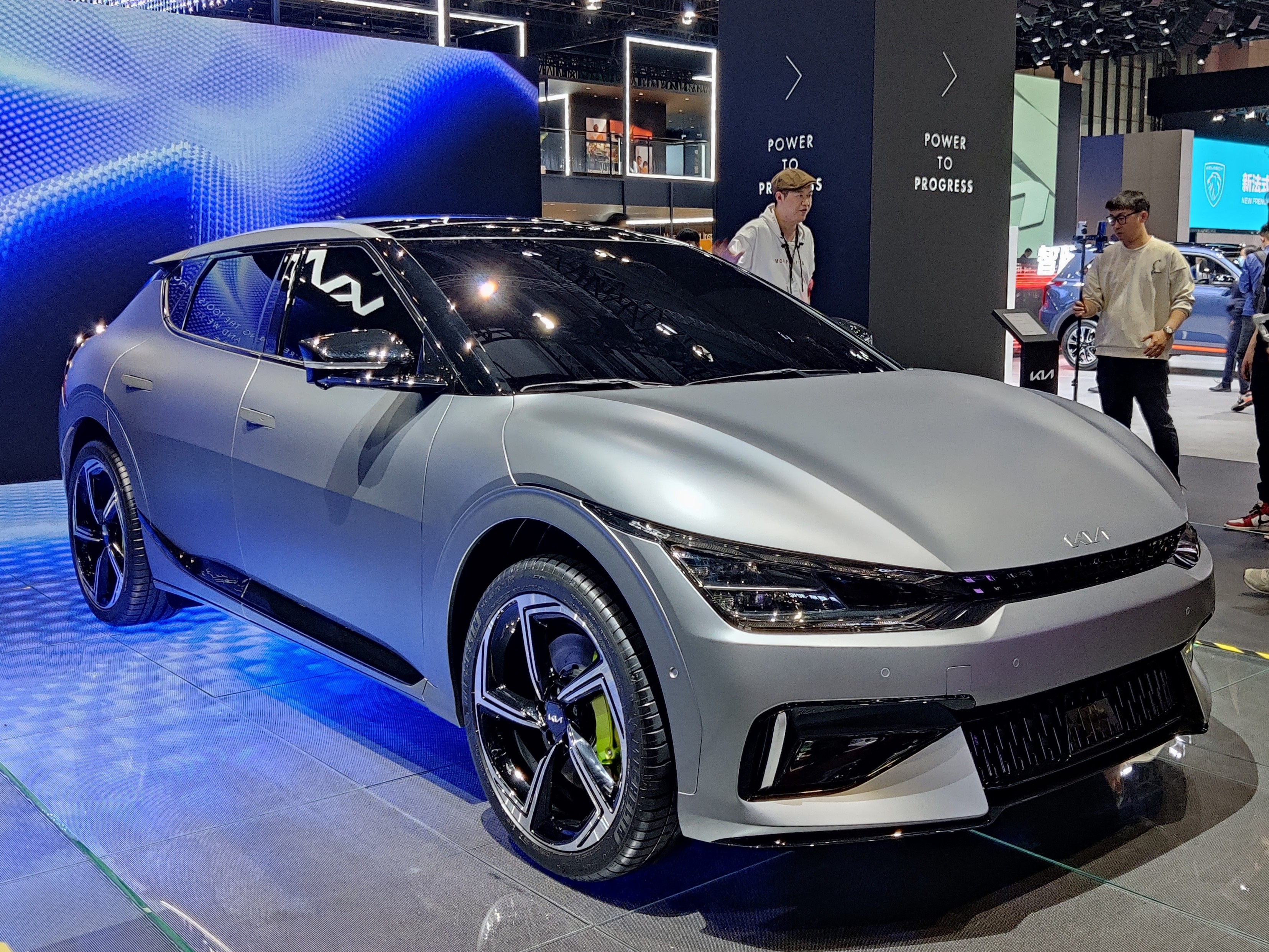
Kia EV6
They mention the Kia EV6 GT-Line as another EV that used to pay extra tax because it was just over the old cutoff. With the new higher cutoff, it should qualify for the better treatment.

Hyundai Ioniq
They’re saying the Hyundai Ioniq 6 Long Range is one of the EVs that now falls under the higher tax cutoff. So it should avoid the extra tax that applied before.
BYD Seal Excellence
They include the BYD Seal Excellence to show how the new EV tax rules affect everyday buyers. Because it’s in that price range, it should no longer pay the extra tax that used to apply.

Bmw I4
They mention the BMW i4 M50s as an EV that’s still expensive enough to keep paying the extra tax. The new rules help many EVs, but not the most expensive ones.

Porsche Taycan
They bring up the Porsche Taycan to illustrate the “not everyone benefits” side of the tax change. Very expensive EVs can still fall outside the exemption.
benefit in kind rate
If your employer provides an electric car, the tax system treats that as a benefit to you. The “benefit in kind” rate is the percentage used to calculate how much tax you owe for that perk.
company car tax
“Company car tax” in the UK is calculated using the BIK rate and the car’s value, determining the employee’s tax cost for receiving a company vehicle. The segment notes that the change effectively means an extra 1 percentage point in the BIK rate for electric cars.
BIK change
They’re talking about a change to the EV tax rules for company cars. When the change starts matters—some people are affected immediately, while others may not be able to change their situation after buying.
total cost of ownership calculation
Total cost of ownership means looking at the whole cost of having a car—like tax, running costs, and payments—over time. The episode’s point is that the overall math can change even if the car’s price tag stays the same.
rapid charging bay
A rapid charging bay is the fast-charging spot at a public station. It’s meant for quicker charging than regular outlets, and the episode links it to specific rules for 50 kW+ chargers.
public charge point regulations
These are UK rules for public EV charging stations. They set performance expectations—like how often the fast chargers should actually be working—so drivers aren’t left with broken or frozen stations.
kW
kW is a measure of charging power—higher kW usually means faster charging. In the episode, they’re talking about chargers that are 50 kW or more.
first time success rate
It’s basically: when you plug in, how often does it actually begin charging right away. A charger can be “working” but still refuse to start if the payment or software part has a problem.
contactless payment system
A contactless payment system lets you pay by tapping a card or phone at the charger. The segment explains that these systems are built similarly to vending-machine payment terminals, so they can fail in comparable ways when the payment workflow or backend is down.
API call to the network server to authorize the session
Before charging starts, the charger has to “check in” with a remote computer to confirm you’re allowed to start. If that check fails, you can be stuck at the charger with no charging even though the plug is working.
cable management
Cable management is how the charging cable is routed, supported, and handled at the station. Poor cable management can lead to damage or wear that prevents the plug from seating properly, causing charging failures that are maintenance-related rather than technology-related.
maintenance failures vs technology problems
The hosts distinguish between failures caused by maintenance (damaged cables, weather screen damage, poor plug fit) and failures caused by the underlying charging technology or network systems. This matters because maintenance issues can often be fixed quickly with better upkeep and parts replacement.
public charger failure
Public charger failure refers to situations where a driver can’t start charging at a shared station. The segment frames this as a bigger barrier for people who can’t charge at home (e.g., renters or households without driveways), because they rely on public infrastructure.
Tesla Supercharger network
Tesla Superchargers are fast charging stations run by Tesla. The episode is saying Tesla’s network is often more reliable than many other public charging options.
Osprey
Osprey is a company that runs public EV charging stations. In this episode, they’re saying Osprey’s chargers tend to work reliably.
reliability data
Reliability data is basically a scorecard for how dependable charging stations are. If a network has good reliability, it means you’re more likely to be able to charge when you show up.
reporting requirements
Reporting requirements are official rules about what information companies must share. In this case, it’s about publishing charging network performance so drivers can pick more dependable places to charge.
social leasing
Social leasing is a program that helps lower-income households get access to an EV without paying the full cost upfront. It’s basically a more affordable way to lease a car.
two-tier transition
A two-tier transition means the EV shift isn’t helping everyone equally. Some people get cheaper access to EVs, while others are stuck with higher costs and dirtier cars for longer.
universal credit
Universal Credit is a UK government benefit for people on lower incomes. In this plan, it helps decide who qualifies for cheaper EV leasing.
lease car insurance maintenance and charging all in one payment
Bundling lease car insurance, maintenance, and charging into a single monthly payment is a “one bill” approach to EV ownership costs. It reduces the need for separate budgeting and can make the total cost easier to predict for households with tighter finances.
scrappage element
A scrappage element is extra help if you trade in an old car. The older car gets taken out of use, and you get a discount toward the EV lease.
vehicle levy on heavy SUVs
A vehicle levy is a tax or fee applied based on vehicle characteristics, intended to influence purchasing and usage. In this proposal, the levy targets heavy SUVs, which the speaker says are getting heavier and more expensive, and argues it would help fund the transition.
electric car grant
An electric car grant is money from the government to make EVs cheaper. The idea here is to use the existing grant money to help different people who aren’t getting it now.
fleet turns over slowly
This means people keep older cars for a long time before replacing them. If that happens, some households—especially lower-income ones—may not benefit from cheaper EV running costs quickly.
zero-emission vehicles mandate (zv mandate)
This is a government rule that pushes car companies to sell more electric/zero-emission cars over time. If they don’t meet the required targets, they can face financial penalties.
ZEV mandate fine
If a car company doesn’t sell enough electric cars to meet the rule, it has to pay a penalty for each car short. The speaker says companies may weigh discounts against paying that penalty.
electrification
Electrification means moving from gas/diesel cars to electric cars. It also implies companies investing in making and supporting EVs.
mandate pressure
A government rule sets targets for EV makers. If the targets are strict, companies often lower prices to meet them. If the targets get easier, the discounts usually shrink.
Tesla's supercharger network
They’re saying Tesla’s own fast-charging network tends to work more reliably when you plug in. That’s partly because it’s designed around Tesla cars.
five minute speed
They’re referencing a claim that you can charge very quickly—around five minutes. But the hosts say you only get that benefit if your EV has the right BYD-compatible battery.
salary sacrifice
Salary sacrifice is when you trade some of your take-home pay for a benefit your employer provides. With EVs, that can change how tax is calculated, so it may make the car cheaper than it looks at first.
benefit in kind changes
In the UK, if your employer gives you something valuable instead of cash—like a company car—that can be taxed as a “benefit in kind.” If the rules change for EVs, your tax bill can go up or down even if your salary stays the same.
T&E
T&E is a group that focuses on transport policy and how it affects the environment. In this context, they’re one of the organizations saying the same thing about EV policy.
EVs accessible for everyone
They’re talking about whether EV support will help everyone afford EVs, or mainly benefit wealthier people. The idea is whether the transition to EVs becomes “two-tier,” where some people get help and others don’t.
public charging attempts failing
This is about EV charging stations in public not working properly—like when you try to plug in and charge, but it won’t start or fails. It’s a practical issue that affects whether EVs are convenient day-to-day.
lease deals
A lease deal is an offer to pay monthly to use a car for a fixed period. At the end, you typically return the car (or sometimes buy it, depending on the contract).