
C.R.E.A.M. #90 - Ben Wants a 458, Lorry Chat and Quail Update
About this episode
The crew juggles real-world car prep and Nürburgring nerves: Ben’s rattly TDI gets its belt system refreshed, while the team’s Fiesta ST “temporary steed” arrives with minor rear damage and mismatched panels after a quick, tight-schedule purchase. Will vents about BMW M3 exhaust hardware chaos and missing gaskets ahead of the trip. Rory celebrates a Mercedes-Benz logo on the road after a long-dormant revival, though a possible damper/PTU noise is worrying. The week’s highlight is a short Revolto loan, sparking debate over modern Lamborghini madness versus the Mercilago.
⚪️ Get 20% off your next Car Vertical check using code CREAM 👉 https://www.carvertical.com/gb/landing/v3?utm_source=infl&a=TDC&b=38b26e3a&voucher=cream20🔴 Get 15% off MOTUL using the code TDC: https://www.clubmotul.co.uk
🍦 Follow C.R.E.A.M. socials!https://www.instagram.com/carsruleeverything/Edwin: https://www.instagram.com/edwin.klinkenberg/Will: https://www.instagram.com/willchandlr/ 📬 Enquiries: [email protected]
alternator pulley
"and so I've had the [52.6s] awks belt done, the awks belt tensioner and also the alternator pulley, which is another thing."
The alternator pulley is the wheel on the alternator that the belt runs around. If it’s worn out, it can make annoying noises, and replacing it can quiet things down.
An alternator pulley is the pulley attached to the alternator that the drive belt runs over. If the pulley bearings or pulley condition are worn, it can cause rattling, squealing, or vibration that improves after replacement.
TDI
"And now it is nice. It's better. Yeah. It is a TDI. So it's still sort of is a rattly engine."
TDI is a type of diesel engine used by Volkswagen. It uses a turbo to help it make power, and diesel engines can sound a bit different—sometimes even “rattly” if something in the setup isn’t right.
TDI is Volkswagen’s branding for a turbocharged diesel engine. Diesel engines often have a distinct mechanical sound, so “rattly” behavior can be related to how the engine and accessories are running.
drive belt system
"Well, we worked out that now every single thing in the, apart from the crank, every single thing in [84.3s] the drive belt system has been replaced. So in theory, hopefully it's all good."
The drive belt system is the belt-and-pulley setup that powers things on the engine. If you replace parts there and the noise gets better, it usually means the problem was in the belt or pulleys, not the whole engine.
The drive belt system is the set of belts, pulleys, and tensioners that route power from the engine to accessories like the alternator and other components. If noises improve after replacing parts in this system, it often points to worn belt/tensioner/pulley components rather than the engine itself.

Ford Fiesta ST
"And then the red thing sat behind you, if you're watching, is my in yours. Yeah, [99.5s] sure. In quotations, Fiesta ST. Your temporary steed. It is. We are going to the Nurburgring [105.7s] this very Thursday coming."
The Ford Fiesta ST is a sporty version of the Fiesta, made to be more fun to drive. In this episode it’s Ben’s backup car for a trip to the Nürburgring.
The Ford Fiesta ST is a hot hatch built for sharp steering and quick, fun driving, typically powered by a turbocharged engine. Here it’s Ben’s “temporary steed” while his own car is being sorted, and it’s the car they plan to take to the Nürburgring.
Nürburgring
"In quotations, Fiesta ST. Your temporary steed. It is. We are going to the Nurburgring [105.7s] this very Thursday coming. And Ben, you're very scared, are you not?"
The Nürburgring is a very famous race track in Germany. It’s known for being long and challenging, so driving there is a serious test of both the car and the driver.
The Nürburgring is Germany’s famous motorsport complex, best known for the Nordschleife (“the North Loop”), a long, twisty track that’s become a benchmark for car performance and driver skill. Trips there are a big deal because the track punishes mistakes and stresses cars.
fiesta ST
"It was interesting looking for a fiesta ST. If you have seen it, you'll know that this is a great car. And it's never been on track."
A Fiesta ST is a sportier, faster version of the Ford Fiesta. It’s the kind of small “hot hatch” people buy for fun driving, not just commuting. Here, they’re talking about one they found to buy.
The Ford Fiesta ST is a hot-hatch version of the Fiesta, tuned for sharper steering, stronger acceleration, and a more driver-focused setup than the standard Fiesta. In this segment, they’re specifically talking about finding and buying a Fiesta ST that’s never been on track.
on track
"And it's never been on track. We were on quite a tight schedule to get it bought."
“On track” means the car has been driven on a race circuit. That kind of driving is harder on parts than normal commuting, especially tires and brakes. They’re discussing whether this car has seen that kind of use.
“On track” means the car has been used on a racetrack, which can increase wear on brakes, tires, and suspension compared with normal street driving. The hosts mention the car is “never been on track,” then later suggest the damage/panel mismatches might indicate track use.
car vertical report
"Obviously, when we bought this, we did a little car vertical report on it. And it turned out that there has been a little bit of rear damage on this car, which is fine."
A vehicle history report is a document that checks a used car’s past using records from databases. It can reveal problems like accident repairs or whether parts were replaced. They used it to find rear damage on the car they bought.
A vehicle history report (here, via CarVertical) compiles records from different sources to help spot red flags like accident damage, mileage inconsistencies, or prior write-offs. The hosts use it to identify rear damage and panel mismatches on the Fiesta ST.
rear damage
"And it turned out that there has been a little bit of rear damage on this car, which is fine. We've never written off or anything like that, but I had a little assessment at the rear."
Rear damage means the back of the car was hit at some point and may have been repaired. Even if it looks okay, repairs can sometimes affect how the car tracks or handles. They’re using it to explain what they found on the car.
Rear damage means the back of the car has been impacted or repaired, which can affect alignment, suspension geometry, and how straight the car drives. In this case, they say it’s not a full write-off, but it explains the mismatching panels they noticed.
written off
"And it turned out that there has been a little bit of rear damage on this car, which is fine. We've never written off or anything like that, but I had a little assessment at the rear."
“Written off” means the car was considered too badly damaged to be worth repairing, so it’s treated like a total loss. They’re saying this car had damage, but it wasn’t in that category.
Being “written off” means an insurer or authority declared the vehicle a total loss after damage, typically because repair costs exceed the car’s value. The hosts say the Fiesta ST has rear damage but was never written off, which usually implies it wasn’t treated as a total loss.
mismatching panels
"So there's a few mismatching panels on this car because we think it's been on track. We will get to that."
Mismatching panels are parts of the body that look different from the surrounding panels, usually because they were replaced or repainted. It often points to prior repair work after a crash. They’re using it as evidence of the car’s history.
Mismatching panels are body panels that don’t match the rest of the car in fit, finish, or color—often a sign of repair after an accident. Here, they connect the mismatches to the idea the car may have been on track and then repaired.
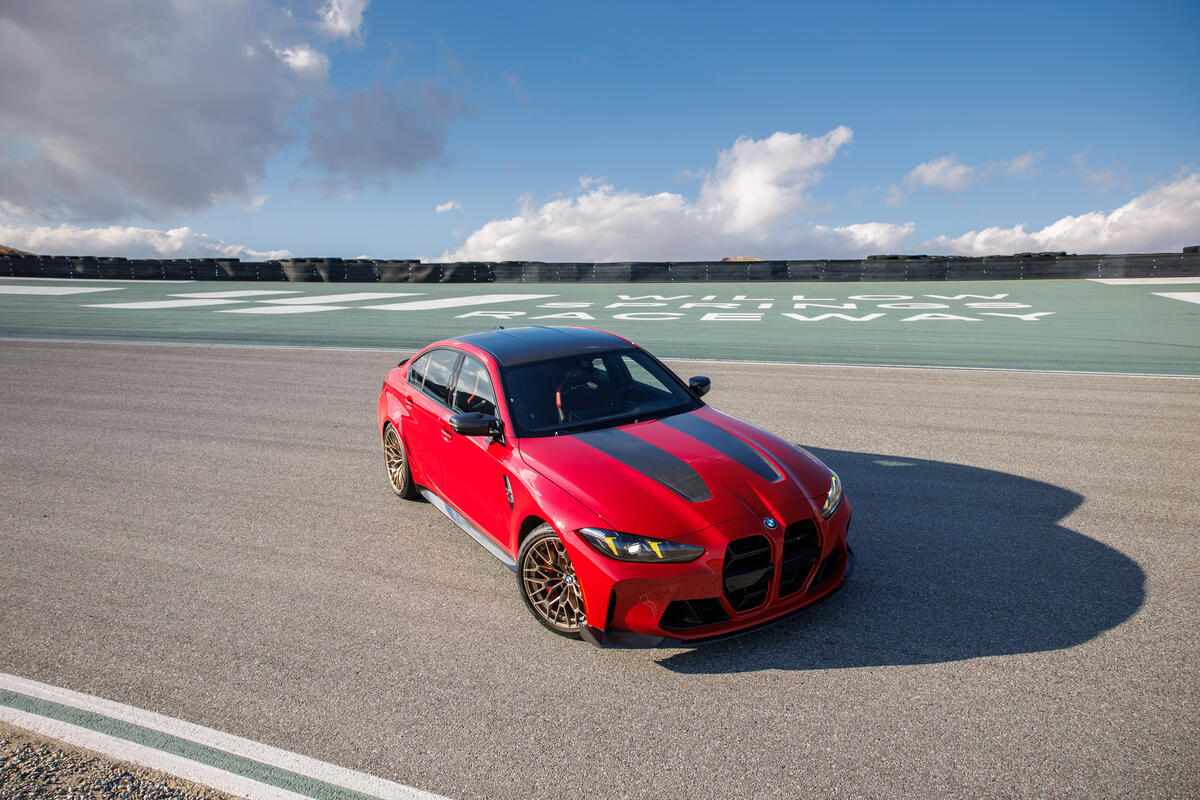
BMW M3
"And I've been so excited. I've been getting my M3 ready and prepped."
The BMW M3 is BMW’s performance version of the 3 Series. In this story, it’s the car the speaker is getting ready, and they’re fixing an exhaust problem before they leave.
The BMW M3 is BMW’s high-performance 3 Series model, known for its track-focused tuning and enthusiast following. Here it’s central because the speaker is preparing their M3 and dealing with exhaust cracking and missing gaskets before a trip.
exhaust hardware
"replace my exhaust hardware. You 46m3 owners will know your exhaust hardware goes very crispy."
“Exhaust hardware” refers to the physical exhaust components—like sections of the exhaust system, flanges, and related mounting pieces. In this segment, the speaker says their exhaust hardware has been getting “crispy,” leading to cracking in the midsection.
exhaust cracked
"And I removed that and my exhaust cracked. I was a crack in my midsection. Ben has that often."
When the exhaust “cracks,” it means part of the exhaust system has broken. That can make the car louder and can let exhaust gases leak out.
A cracked exhaust means the exhaust system has split or failed at a seam or section, which can cause exhaust leaks and loud noise. Here it’s described as a crack in the midsection, and the speaker has to weld it up temporarily.
gaskets
"I had to basically weld it up and then I realised that all the gaskets were missing, even though I bought a gasket repair kit."
Gaskets are the sealing parts that stop exhaust from leaking where two exhaust pieces meet. If the gaskets are missing, the exhaust can leak and not fit correctly.
Exhaust gaskets are seals used between exhaust components (like flanges) to prevent exhaust leaks. The speaker says the gaskets were missing even though they bought a gasket repair kit, which would prevent a proper seal after the exhaust was welded/installed.
steering rack
"Rory's talking about changing his entire steering rack and doing other things."
The steering rack is the part that turns your steering wheel movement into the motion that actually steers the front wheels. If someone replaces it, it usually means the steering feel or alignment is being fixed.
A steering rack converts the driver’s steering wheel rotation into left/right motion for the tie rods, which then steer the wheels. Replacing an entire steering rack is a significant job because it affects alignment and steering feel.
alignment
"I still need to book in an alignment and get nacy road gas."
Wheel alignment is the adjustment of suspension angles (like camber, toe, and caster) so the tires contact the road correctly. Getting an alignment done after suspension or steering work helps prevent uneven tire wear and improves steering accuracy.
two tyres
"I still need to book in an alignment and get nacy road gas. I need to put two tyres on."
Tyres are the tires. Replacing two of them can improve grip and steering, especially if the old ones are worn or uneven.
Tyres are the tires on the car, and replacing “two tyres” usually means swapping the pair on one axle or side to restore grip and balance. Doing this alongside alignment and suspension work is common because tire condition strongly affects steering feel.
Mercedes-Benz logo
"It's up there though, in my top three best rules because the Mercedes-Benz logo is now on the road and I've driven it."
The Mercedes-Benz logo is the badge on Mercedes cars. They’re saying the Mercedes is now on the road and they’ve driven it, but it makes some odd noises.
The Mercedes-Benz logo identifies the car as a Mercedes-Benz, a brand known for luxury-focused engineering and a wide range of performance models. Here, the host is describing a Mercedes-Benz they’ve driven, including noises and a suspected suspension-related issue.
damper
"There's a weird noise coming from a damper. I think it is... it will especially make it when I hit like a bump or something. So I think it is a damper and I already know there's a slightly leaky damper."
A damper is basically the shock absorber that smooths out bumps. If it’s making a weird noise—especially when you hit a bump—it may be worn out or leaking.
A damper (shock absorber) controls how quickly the suspension moves, keeping the car stable over bumps and reducing bounce. A “weird noise” from a damper often points to wear, leaking fluid, or internal failure, and it can get worse with driving over rough surfaces.
PTU
"It goes... is it an A320? The sort of, yeah. Just neb us. The PTU then? I think that might actually be what it is."
PTU is short for a power-transfer part in some all-wheel-drive cars. It helps send power to the wheels, and they’re wondering if that unit is making the noise.
PTU usually stands for Power Transfer Unit, a drivetrain component used in some all-wheel-drive systems to route torque to the appropriate axle. The host suspects it could be the source of the noise, which suggests the issue might be related to the AWD transfer hardware rather than the engine.
SBR
"Now, I think it's just a front and I have been told, the guys at SBR said you can get them rebuilt, you get them resealed, but there's like a six to eight week lead time on that"
SBR is the shop the host is talking about that can service the car’s shock absorbers. They can rebuild them, but it takes time to get the parts back.
SBR is referenced as a specialist that can rebuild and reseal the dampers. In this context, it’s acting like an aftermarket or service provider for suspension components.

Lamborghini Murciélago
"and then when the Murciaga happened, I went back to them and said, look, it'd be really cool to do a little comparison video of Murciaga versus Revolto."
traction control
"Like, yeah, you could go more mental, you could make it, you could take traction control off and make it real drive only, but they can't."
Traction control is an electronic system that limits wheel spin by reducing engine power and/or applying brakes when the tires lose grip. The speaker mentions turning it off as a way to make a Lamborghini feel more “real drive only,” implying a more raw, less electronically managed driving experience.
SV
"But I just think if you go standard for standard, not saying, what about an Aventador or an exhaust, what about an SV or an SVJ?"
SV is Lamborghini’s label for a more performance-oriented version of an Aventador. The host is using it to say you have to compare similar “levels” of cars, not a base model to a top one.
SV is Lamborghini’s designation for a performance-focused Aventador variant (Super Veloce). In this segment, it’s used as part of a comparison set (standard vs SV vs SVJ) to explain why the Revuelto’s “league” depends on which trim you’re talking about.
SVJ
"what about an SV or an SVJ? Because it's not comparable. I'm saying, like, what is the standard versions of those cars?"
SVJ is Lamborghini’s name for a more hardcore version of the Aventador. The speaker is saying you can’t compare a normal car to an SVJ, because the SVJ is a much more extreme setup.
SVJ is Lamborghini’s designation for a more extreme, track-focused variant of the Aventador line (Aventador SVJ). The host uses it to argue that comparing “standard” versions across models is the only fair comparison, because SVJ-level cars aren’t directly comparable to base trims.
TVR
"It feels like, I didn't even drive it, but even the passenger seat, it feels like driving a normal sports car versus driving like a TVR, where it goes, why none of this, this isn't helpful."
TVR is a British car brand that’s known for making very raw, intense sports cars. The host is saying the Revuelto feels similarly intense—like it’s more likely to feel wild than calm.
TVR is a British sports-car brand known for raw, driver-focused cars that can feel less “tamed” than many modern supercars. The speaker compares the Revuelto’s intensity to a TVR, saying it feels like it wants to be dangerous or unsafe—in a cool way—rather than feeling like a normal, compliant sports car.
flagship V12
"That is what Lamborghini does best. It's flagship V12 is, I don't want to say good value for money, but if you want that same package elsewhere..."
A “flagship V12” means the best, most important V12 engine a company makes. Here, they’re saying Lamborghini’s main V12 is the thing they’re known for.
“Flagship V12” refers to a brand’s top-tier V12 engine offering—typically the most advanced or most representative V12 in the lineup. In this context, it’s Lamborghini’s headline V12 that defines the brand’s performance identity.

Mclaren F1
"but if you want that same package elsewhere, you're going to pay double, triple, whatever, how much more money with a Zonda or a McLaren F1 or a GMA..."
The McLaren F1 is one of the most famous supercars ever made, known for being very special and very expensive. Here it’s mentioned to show that comparable top-tier supercars cost huge money.
The McLaren F1 is a landmark supercar famous for its extreme engineering and distinctive three-seat layout. In this segment, it’s used as a pricing/positioning comparison point for how much you’d pay to get a similar “flagship” level of supercar experience.
mid-engine V12
"cool, now this is just what we do, mid-engine V12, and it's still a proper V12, NAV, the hybrid stuff, but it doesn't actually affect much the way it drives."
A “mid-engine V12” is a car where a V12 engine sits closer to the middle of the vehicle instead of the front. That usually helps the car feel more balanced and agile when turning.
A “mid-engine V12” means the V12 engine is mounted near the center of the car (typically behind the front axle and ahead of the rear axle). This layout helps balance weight distribution and can improve handling response, which is why it’s a common supercar architecture.
hybrid stuff
"it's still a proper V12, NAV, the hybrid stuff, but it doesn't actually affect much the way it drives."
“Hybrid stuff” means the car uses both gas and electricity. They’re saying the electric parts don’t completely change how the car feels to drive.
“Hybrid stuff” refers to hybridization technologies—using an electric motor and battery alongside the internal-combustion engine. The speaker’s point is that, despite the hybrid components, the driving character remains largely unchanged.
engine out jobs
"Some jobs, it's racking up a lovely little list of engine out jobs, that car. So maybe over the winter, I might look into that..."
“Engine out jobs” means the mechanic has to take the engine out to fix something. It’s usually more work (and more money) than normal repairs because everything has to be disconnected and removed first.
“Engine out jobs” are repairs or upgrades that require removing the engine from the vehicle to access components that are otherwise difficult to reach. They’re typically labor-intensive and expensive, which is why the speaker frames it as a list of work to tackle over the winter.
Cormorant Motorsport
"So I gave it to John at Cormorant Motorsport, and he's done a load of bits, actually. There's a load of bits."
Cormorant Motorsport is a car shop that did work on the speaker’s car. They’re describing it as a place that handles multiple fixes and keeps the owner updated.
Cormorant Motorsport is the shop the speaker uses for work on their car. The segment highlights an enthusiast-style relationship where the shop performs multiple “bits” and communicates options back to the owner.
wide body kit
"Come back and it's a McGann GT3. It's the wide body kit."
A wide body kit is a set of parts that makes the car look and sit wider. People do it so they can run wider tires, which can help the car grip more in corners.
A wide body kit is an aftermarket set of body panels (fenders, sometimes bumpers and skirts) that increases the car’s width. On track cars, it’s commonly used to allow wider tires and improve the stance for better cornering grip.
remap
"Yeah. So it now has a completely different tune on it. I had no idea what remap it had to now."
A remap means the car’s computer is reprogrammed. That can change how the engine responds and performs, especially after other mods like an exhaust.
A remap is reprogramming the engine control unit (ECU) to change how the car runs—often for throttle response, fueling, and ignition timing. In performance contexts, it’s frequently paired with other changes like exhaust and intake to match the new setup.
EFI
"It has a proper tune from the guys at EFI. I think it is different exhaust, different wheels now."
“EFI” is the name of the company that tuned the car’s computer settings. They adjust the tune so the engine runs right with the mods that are on the car.
Here, “EFI” refers to a tuning shop or engine management specialist that provided the car’s “proper tune.” In practice, EFI tuners typically calibrate the ECU for the car’s specific hardware changes (like exhaust and wheels).
coolant replaced with water
"Oh, it's had coolant replaced with water, water for the ring. It's very, very handy. So no fines for me."
They swapped the car’s coolant for plain water for track driving. Water can cool the engine really well during hard use, but you typically don’t leave it like that long-term.
Replacing coolant with water for track use is a common motorsport practice because water transfers heat very effectively. It’s usually done temporarily for events (“for the ring”), often with the expectation that the car will be returned to proper coolant afterward.
I&I's water
"Yeah, but I am running the I&I's water. I feel free to go. [854.4s] New Clarke's new timing belt, loads of loads of loads, loads and loads of bits."
They mention “I&I’s water,” meaning a particular water setup they’re using for track cooling. It’s basically the same idea as swapping to water for the event.
“I&I’s water” appears to mean a specific water setup or mixture provided by a shop or team (I&I) for track use. The important part is that it’s being used as a cooling strategy “for the ring,” implying temporary track cooling rather than normal coolant.
timing belt
"Right. So you've rolled four times and shot the track. [851.6s] Yeah, but I am running the I&I's water. I feel free to go. [854.4s] New Clarke's new timing belt, loads of loads of loads, loads and loads of bits."
The timing belt keeps the engine’s timing lined up—so valves open at the right moment. If it breaks, it can cause serious engine damage, so it’s something you replace on schedule.
A timing belt synchronizes the crankshaft and camshaft so the engine’s valves open at the correct times. It’s a critical wear item—if it fails, many interference engines can suffer major internal damage.

BMW M6
"... If I had to queue up on the plane later as well. M6 toll as well. I got stopped by that. Bad headwind..."
The BMW M6 is a faster, sportier BMW made by BMW’s performance team. It’s meant for strong power and more aggressive driving than a standard BMW. People bring it up when they want to talk about performance cars in real-world situations.
The BMW M6 is a high-performance version of the BMW 6 Series, tuned by BMW’s M division for stronger acceleration and sharper handling. It’s the kind of car that stands out in conversation because it’s a serious performance machine rather than a normal everyday BMW. In the podcast, it’s mentioned alongside travel/traffic anecdotes, which suggests it was part of a memorable driving or commuting moment.

Ferrari 458
"[1074.2s] I would like a Ferrari. [1076.9s] Here we go. [1078.0s] And I'd really, really like a 458."
The Ferrari 458 is a Ferrari supercar with the engine in the middle of the car. It’s famous for being fast and exciting, and for the way it sounds and drives.
The Ferrari 458 is a mid-engine supercar from Ferrari known for its naturally aspirated V8 and sharp, high-revving character. It’s a modern classic in the enthusiast world because it blends everyday usability with track-capable performance and a very distinctive sound.

Jeep Renegade
"No, of course not. I had Jeep Renegade. Very similar."
The Jeep Renegade is a small SUV. Here, it’s mentioned as the kind of rental car someone had instead of the Ferrari they were talking about.
The Jeep Renegade is a compact SUV from Jeep, known for being a small, urban-friendly SUV with off-road styling cues. In this segment, it’s used as a stand-in rental car that’s “very similar” to what someone else rented.
Maranello
"But there's lots of places in and around Maranello where you can rent a Ferrari. And the experience is actually fantastic because they do not care at all."
Maranello is Ferrari’s home area in Italy. The point here is that near Maranello you can find companies that rent Ferraris.
Maranello is the home of Ferrari in Italy, and it’s where many Ferrari-related experiences happen. The speaker references it because there are “lots of places” around Maranello where you can rent a Ferrari.

Ferrari A430 Scuderia
"I did one many, many years ago. I saved up all of my pennies and I drove a 430 Scuderia. They don't normally have cars as exciting as like this limited edition"
The Ferrari 430 Scuderia is a more hardcore, lighter, more performance-focused version of the 430. It’s the kind of special Ferrari enthusiasts rent or chase when they want something closer to a track car.
The Ferrari 430 Scuderia is a track-focused version of the 430, built around weight reduction and sharper handling. It’s notable because the “Scuderia” name signals a more extreme, lightweight, performance-oriented Ferrari than the standard 430.

Roma
"And 458 is relatively old. Lots of the other cars are like Cali T's and Roma's. They had a 296."
The Ferrari Roma is a modern Ferrari grand tourer with a V8 engine. The host is just name-dropping it as one of the other cars they saw.
The Ferrari Roma is a front-engine, V8-powered grand tourer known for its modern styling and everyday usability compared with more track-focused Ferraris. In this segment it’s mentioned alongside other cars at the event as part of the host’s comparison set.

Cali T
"And 458 is relatively old. Lots of the other cars are like Cali T's and Roma's. They had a 296."
The Ferrari California T is a Ferrari with a turbo V8 and a more comfortable, long-distance style. The host is just listing it among other cars they saw.
The Ferrari California T (often shortened to "Cali T") is a front-engine Ferrari with a turbocharged V8 and a grand touring focus. Here it’s mentioned as one of the other cars in the lineup compared to the 458.
458 Spyder
"So I thought, you know what? They had a 458 Spyder. Oh, a Spyder. An option where you could drive it through the hills."
A Ferrari 458 Spyder is a Ferrari with a V8 engine and a convertible roof. The host is talking about driving one and noticing warning lights and how the car felt worn and sticky.
The Ferrari 458 Spyder is a V8-powered convertible version of the 458 line, designed to be driven with the top down. In this segment, the host is describing a real-world test-drive experience and issues like a persistent engine warning light.
O2 sensor
"Because I was like, to me, I think that's probably, it didn't drive any different. It's probably a O2 sensor. And he went, this lies."
An O2 sensor is a sensor that checks the exhaust to help the engine run correctly. If it’s not reading right, the car may turn on the engine warning light even if you don’t feel a big change.
An O2 sensor (oxygen sensor) measures how much oxygen is in the exhaust so the engine control unit can keep the air-fuel mixture correct. If an O2 sensor is failing, it can trigger an engine warning light even if the car still feels mostly normal to the driver.
suspension
"Which is the only thing left in that car. Because all the suspension was pretty shot. But God, it was fantastic."
Suspension is what helps the car ride smoothly and grip the road. When someone says it’s “pretty shot,” they mean it’s worn out and the car won’t feel as good to drive.
Suspension is the system of components that connects the wheels to the car and controls ride quality and handling. The host notes the suspension was “pretty shot,” meaning it was worn or damaged enough to hurt how the car drives.
coupé
"Famously, you're a coupé man. But 458 Spyder, I enjoy a lot. Because before, when we were talking about it, you'd say you said you'd still have a coupé or a Spyder."
A coupé is a car shape with a fixed roof and usually two doors. The host is basically saying they usually prefer that style, but they still like the Spyder (the open-top version).
A coupé is a car body style with a fixed roof and typically two doors, often emphasizing a sportier silhouette. Here, the host contrasts preferring a coupé with enjoying the Ferrari 458 Spyder’s open-top layout.
horsepower hunter's trajectory
"You're just following a horsepower hunter's trajectory. Ben's going with, he's like, well, if he won't let me drive the Aventador on the road, perhaps he'll let me in the 458."
It’s basically a playful way of saying someone who loves fast cars tends to keep moving up to more powerful ones. Here, it’s used to describe Ben’s dream-car path.
“Horsepower hunter’s trajectory” is a metaphor for how an enthusiast’s car wants and buying path tend to progress toward increasingly powerful cars. In this context, it frames Ben’s dream-car chase as a logical step-by-step escalation.
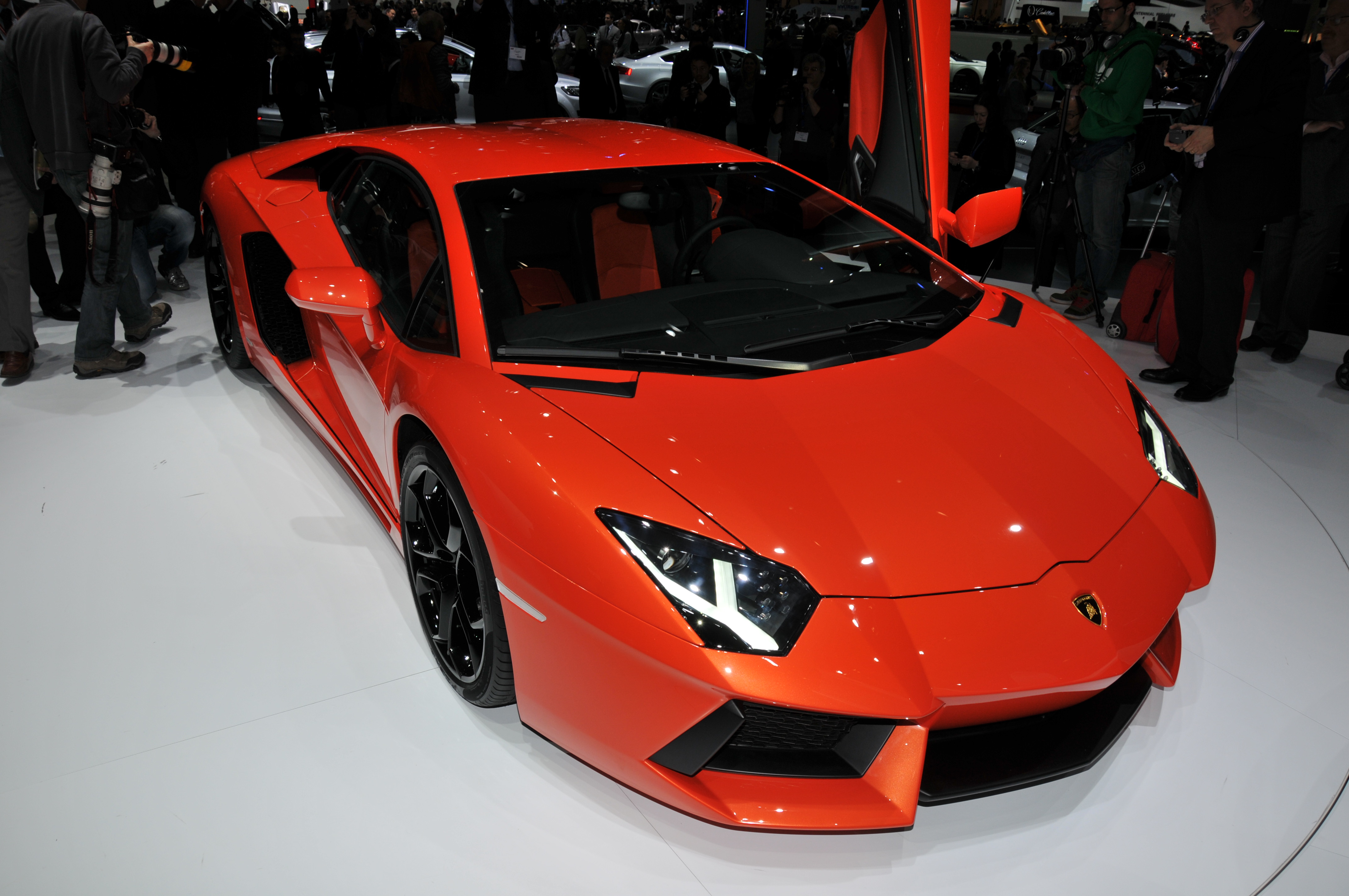
Aventador
"Ben's going with, he's like, well, if he won't let me drive the Aventador on the road, perhaps he'll let me in the 458."
The Lamborghini Aventador is a very high-end supercar with a powerful engine and a dramatic look. Here, it’s brought up because Ben is trying to get permission to drive it.
Lamborghini Aventador is a mid-engine supercar known for its aggressive styling and V12 character. In this segment, it’s mentioned as a car Ben wants to drive, implying it’s part of a dream-car comparison.
generation by generation
"So we're just going generation by generation up. [1511.8s] Yes. [1512.1s] I looked at F8s for a while because they really get me tingling..."
It just means looking at the newer version after the older version. The host is comparing different “steps” in the Ferrari lineup to see what they like best.
“Generation by generation” means comparing cars across successive model updates (newer versions replacing older ones). In this segment, it frames how the host moves from the 458 to the 488 to the F8 to understand how styling and desirability change over time.
triple exhaust
"[1541.2s] Oh, right. [1541.6s] I say sorry. [1542.1s] Is that like the triple exhaust thing? [1543.4s] It's different."
“Triple exhaust” means the car has three exhaust outlets. The hosts are talking about how that kind of styling/tech might become less common or less exciting over time.
“Triple exhaust” refers to an exhaust setup with three outlets (often arranged as three tips or three pipes). The host is discussing a specific visual/engineering detail—whether Ferrari’s exhaust design is something people will stop doing as cars age and trends change.
Ferrari 430
"But the 458 never stood out to me as a, I prefer, I think the 430 looks cooler to me. But like the 458, especially, although not a huge amount is different,"
The Ferrari 430 is an earlier Ferrari supercar with a V8 engine in the middle. In this part, they’re comparing its looks to the Ferrari 458 and saying they prefer the 430’s styling.
The Ferrari 430 is the predecessor to the 458 and is also a mid-engine V8 Ferrari. The host compares the two designs, saying the 430 looks cooler to them, implying the 458’s styling changes (like aero and bumper work) affect how “clean” it looks.
massive diffuser
"But like the 458, especially, although not a huge amount is different, but there's enough differences with that massive diffuser, a different bumper and whatever else where it looks so much better than an normal one."
A diffuser is a shaped part under the back of the car that helps air flow in a controlled way. When someone says “massive diffuser,” they mean it’s a big, noticeable aero piece that can also make the car look more aggressive.
A diffuser is an aerodynamic panel under the rear of a car that helps manage airflow as the car moves. A “massive diffuser” indicates a more aggressive aero setup, which can improve stability and also strongly influences the car’s visual “race car” look.
DRLs
"Now the headlights, the DRLs, how many of those are there? ... Why is that? V8."
DRLs are the lights that run during the daytime so other drivers can spot the car more easily. Here, they’re talking about how many DRL “pieces” the headlights have and why that design looks the way it does.
DRLs (daytime running lights) are lights that automatically turn on during the day to make the vehicle easier to see. In this segment, they’re counting the number of DRL elements on the Ferrari 458 and linking the design choice to the car’s V8 identity.
LED headlights
"Then claimed that the Audi RS6 deliberately has 10 LED headlights in the headlight, is ridiculous and an afterthought and not a piece of design language."
LED headlights use LED lights to produce the beam. Because LEDs can be arranged in different segments, the number and layout of the LED elements can affect how the headlights look.
LED headlights use light-emitting diodes as the light source instead of older bulb technologies. LED units can be built with multiple segments, which is why the host discusses a specific count of LED elements and whether that complexity looks purposeful.
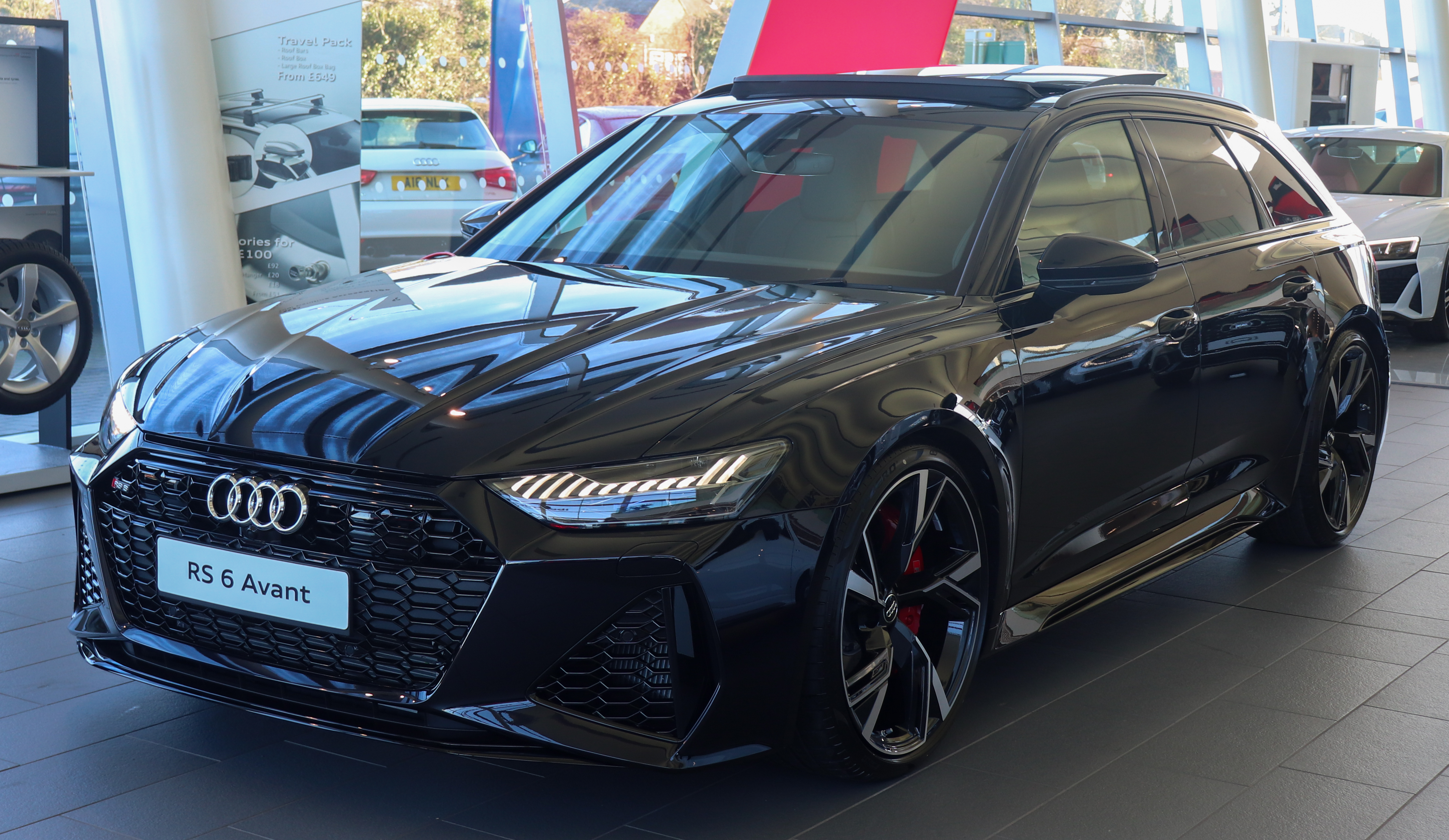
Audi Rs6
"That's a Ferrari. Then claimed that the Audi RS6 deliberately has 10 LED headlights in the headlight, is ridiculous and an afterthought and not a piece of design language."
The Audi RS6 is a super-fast, high-performance Audi wagon. They’re talking about the headlights and saying the way the LEDs are arranged feels like an afterthought rather than intentional design.
The Audi RS6 is a high-performance version of Audi’s A6 wagon, known for its fast, practical “supercar-like” performance. The host criticizes Audi’s headlight design claim—specifically the number of LED elements—arguing it’s more about packaging than coherent design language.

F8
"But then whenever I think about it, I like the F8 the most. ... The quad lights is it for me. ... The F8 is like the modern version of the 458"
The Ferrari F8 is another mid-engine Ferrari supercar, newer than the 458. In this part, they’re mainly debating the front headlight design—especially the “quad lights”—and how it makes the car look right to them.
Ferrari F8 is a mid-engine supercar that replaced the 488-era styling direction with a more aggressive, modern look. The hosts focus on its front “quad lights” design and how it relates visually to the Ferrari 458—arguing the F8’s lighting signature is the key detail.
quad lights
"But then whenever I think about it, I like the F8 the most. The quad lights is it for me. I've always, when the 458 came out, I always thought it was really awkward looking"
“Quad lights” just means the car has four headlight elements up front instead of two. The speaker is saying that specific headlight layout is what makes the Ferrari F8 look right to them.
“Quad lights” refers to a headlight arrangement using four individual headlamp elements (typically two per side) rather than a simpler two-light setup. In this discussion, it’s used as a styling cue for the Ferrari F8’s front-end look.
9000
"Would you care about engine, but that's the thing is I want the 458 engine because it's always at 9000."
“9000” means the engine is spinning around 9,000 times per minute. They’re saying they like the Ferrari 458 because it feels like it wants to live up in that high-RPM zone.
“9000” here is shorthand for engine speed near 9,000 RPM, emphasizing a high-revving driving character. The speaker is contrasting what they want from the Ferrari 458 engine experience—staying at very high RPM.

Ferrari 488
"And even the 488 goes down to like way below that. But it's a turbo engine. So it just doesn't, and it is, that is apparently an excellent engine."
The Ferrari 488 is a Ferrari supercar that uses a turbocharged V8. Turbos can make lots of power efficiently, so it can feel quick even without the engine screaming to extremely high RPM like some older naturally aspirated cars.
The Ferrari 488 is a turbocharged V8 supercar (not naturally aspirated), and it’s known for strong acceleration with a broad torque curve. Here, the host contrasts it with high-revving NA engines, emphasizing that turbo power can be “efficient” and “fast” even if it doesn’t rev as extremely.
turbo engine
"But it's a turbo engine. So it just doesn't, and it is, that is apparently an excellent engine. I have absolutely no doubt, but because it's very efficient and it's very fast"
A turbo engine uses a device that squeezes extra air into the engine. That helps the engine make more power and torque, so the car can feel quick even if it doesn’t rev as wildly as some older naturally aspirated engines.
A turbo engine uses a turbocharger to force more air into the engine, allowing it to make more power (often with better low-to-midrange torque) than a comparable naturally aspirated engine. In this segment, the host contrasts turbo power with a “high-revving NA” feel, arguing that turbo cars can still be very fast and efficient.
torque
"and it still revs quite high and it's got more torque and it is overall better. But it isn't a ridiculously high-revving NA VA. Yeah, that's cool."
Torque is the engine’s twisting force. More torque usually means the car can feel stronger and accelerate harder, especially when you’re not at the very top of the rev range.
Torque is the twisting force an engine produces, and it strongly influences how quickly a car accelerates, especially at lower speeds. The host says the turbo car has “more torque,” tying that to why it can be “overall better” even if it isn’t as high-revving as a naturally aspirated setup.
NA VA
"But it isn't a ridiculously high-revving NA VA. Yeah, that's cool. So is it, I think, is that pin in Farina's 458?"
“Naturally aspirated” means the engine pulls in air without a turbo or supercharger. People often associate naturally aspirated engines with a more traditional feel, including higher-revving behavior.
“NA VA” here is shorthand for a naturally aspirated engine, meaning it makes power without a turbocharger or supercharger. The host is contrasting the naturally aspirated experience—especially high RPM revving—with turbocharged engines that may deliver strong torque and efficiency without the same extreme rev character.

Ferrari F12
"I know F12 was basically the last big V12 pin in Farina. But I think it is pin in Farina. Yeah."
The Ferrari F12 is a Ferrari with a V12 engine. People often talk about it as one of the last big naturally aspirated V12 Ferraris before the brand moved toward turbocharged engines.
The Ferrari F12 is a V12 grand tourer that’s often cited as one of the last “big” naturally aspirated V12s in Ferrari’s modern lineup. The host mentions it as a benchmark for when Ferrari stopped making that kind of V12, placing the 458 discussion in the broader timeline of V12-to-turbo transitions.

Ferrari 550S
"Now, unfortunately, it's sad news. There have been some Ferrari 550s that have come up and I've been looking at"
The Ferrari 550 is an older Ferrari with a V12 engine. The host is saying some of these cars have appeared for sale and they’re interested in checking them out.
The Ferrari 550 is a classic Ferrari V12 grand tourer (the “550” family is known for its naturally aspirated V12 character). The host says Ferrari 550s have come up for sale and they’ve been looking at them, which makes it a key buying-interest reference in the segment.

BMW 550S
"...tely, it's sad news. There have been some Ferrari 550s that have come up and I've been looking at auctio..."
The BMW 5 Series is a larger, more comfortable BMW meant for everyday driving. It’s not a tiny car, and it’s usually chosen by people who want a mix of comfort and performance. In the podcast, it’s mentioned because someone is looking at cars to buy.
The BMW 5 Series is a mid-size executive sedan known for balancing comfort, practicality, and performance options. It comes up in the podcast in the context of auction or shopping talk, suggesting the speaker is considering specific cars or values. That makes it relevant because the 5 Series is often a “serious” choice for buyers who want everyday usability with BMW driving dynamics.

Sierra Sapphire Cosworth
"...at I think just came in today, actually. I said a Sapphire Cosworth. Well, I've got a list of some of my favorites th..."
The Sierra Sapphire is a version of the Ford Sierra that’s known for being more performance-oriented. The “Sapphire Cosworth” name is especially associated with faster, turbocharged versions. People bring it up because it’s a classic performance car from that generation.
The Sierra Sapphire is a performance-focused variant name associated with the Ford Sierra range, most famously in high-output “Cosworth” form. It’s discussed because it represents a well-known era of Ford’s rally-bred and turbocharged performance. In the podcast, it’s mentioned as part of a list of favorites, indicating it’s a standout enthusiast choice.

Ford Sierra
"My dad drove me home in a Fiesta. No, in a Ford Sierra Cosworth. And then the week after, he slammed it ..."
The Ford Sierra is an older Ford car. “3 Doors” just means it has three doors instead of four. Some versions of the Sierra were made to be especially quick, which is why people still talk about them.
The Ford Sierra is a late-1970s to 1990s-era Ford model known for its aerodynamic body and, in some versions, high-performance variants. A “3 Doors” Sierra is the shorter-door-body style that many enthusiasts associate with the car’s classic look. It comes up in stories like this because certain Sierra variants (including performance ones) were memorable, especially when driven hard.
Ford Sierra Cosworth
"My dad drove me home in a Fiesta. [2024.3s] No, in a Ford Sierra Cosworth. [2027.7s] And then the week after, he slammed it into the side of a police car and lost his license."
The Ford Sierra Cosworth is a faster, more performance-oriented version of the Ford Sierra. It was made with help from Cosworth and is famous for being a turbocharged, rally-style hot hatch/sedan before that term was common.
The Ford Sierra Cosworth is a performance-focused version of the Sierra, built around Ford’s Cosworth-developed turbocharged engine. It’s especially known in enthusiast circles for its rally-bred reputation and for being a quick, rear-wheel-drive “everyday supercar” in its era.
parcel shelf
"There wasn't room in the back seat, so I was put on the parcel shelf in a bassinet."
A parcel shelf is a flat shelf behind the back seats where you can put bags or small items. The speaker is saying they put a baby there, which is exactly the kind of thing that wouldn’t be considered safe today.
A parcel shelf is a rear shelf area behind the back seats (common in coupes and some hatchbacks) used to store items. In this story, the speaker describes placing a baby on the parcel shelf, which highlights how older car interiors were sometimes used differently than modern child-safety expectations.
bassinet
"so I was put on the parcel shelf in a bassinet. The 80s were a crazy time."
A bassinet is a small bed for a baby. They’re describing putting the baby in one on the back shelf area of the car.
A bassinet is a small, portable infant bed. The speaker uses it to describe how the baby was positioned on the parcel shelf, emphasizing the improvised (and unsafe by today’s standards) use of interior space.
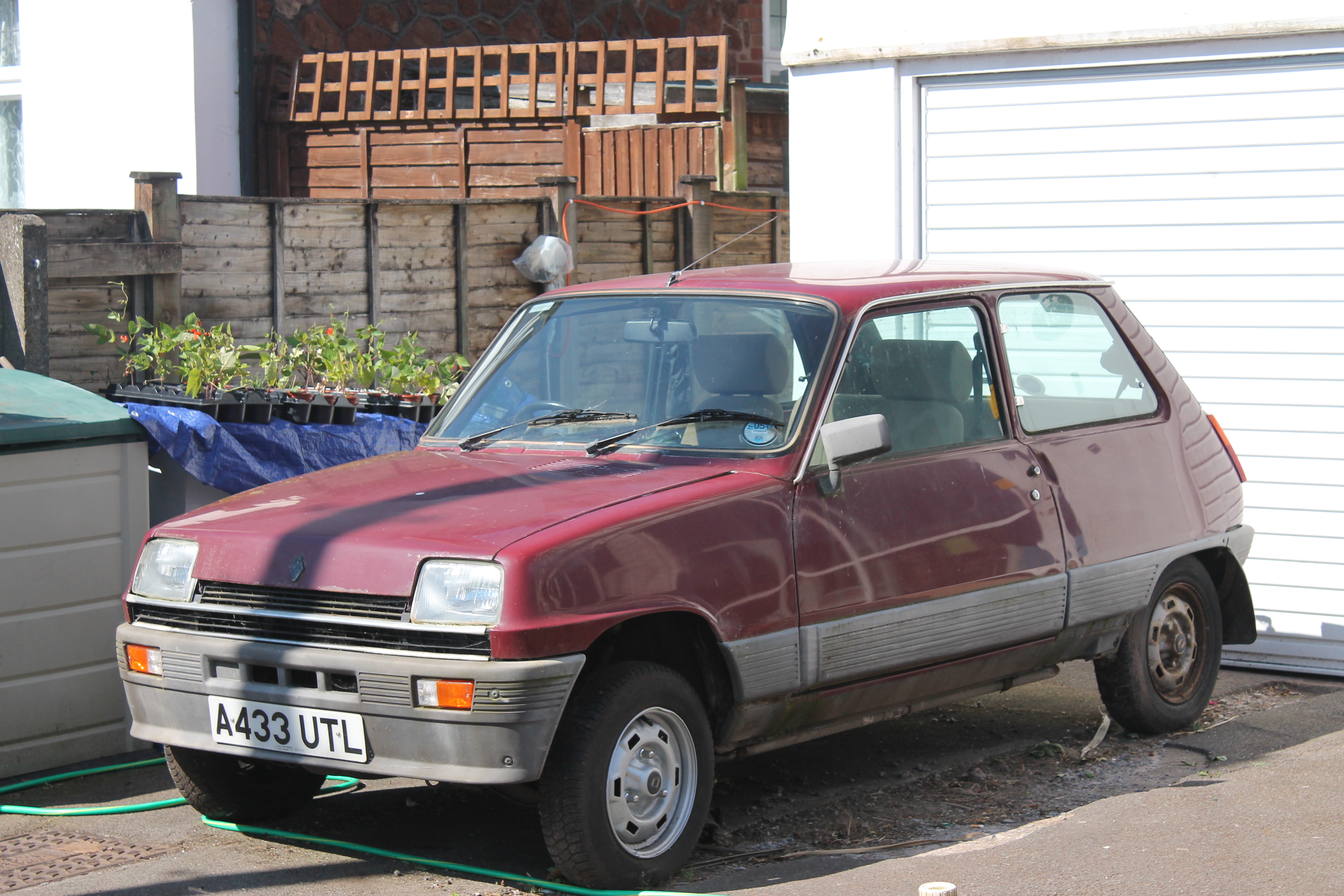
Renault 5 GT turbo
"In 1993, my dad brought me home in a tungsten metallic Renault 5 GT turbo."
This is a turbocharged, sporty version of the Renault 5. It’s a small car that was made to be quick and exciting to drive.
The Renault 5 GT turbo is a hot-hatch version of the classic Renault 5, notable for its turbocharged engine in a small, lightweight package. In enthusiast circles it’s remembered for being quick and fun while still being compact and practical.

DC5 Integra type R
"There was not me, but my eldest daughter, now six was brought home in a Milano red DC5 Integra type R."
The Honda Integra Type R (DC5) is a special performance version of the Integra. People like it because it’s built to feel sharp and engaging, and it revs high.
The Honda Integra Type R (DC5) is a front-wheel-drive performance hatch/sedan that’s famous for being driver-focused and naturally aspirated. The DC5 generation is especially known for its high-revving character and track-ready reputation.

Acura Integra
"...ter, now six was brought home in a Milano red DC5 Integra type R. Wow."
The Acura Integra is a compact car made by Acura. The “Type R” version is a higher-performance trim that’s meant to drive more like a sports car. The podcast mentions it because it’s a notable, specific Integra variant.
The Acura Integra is a compact performance-oriented car known for its sporty driving feel and enthusiast following. In the podcast, it’s mentioned in the same breath as a “DC5 Integra Type R,” which is a more track-focused, higher-performance trim. That’s why it stands out: it’s a specific, well-regarded version of the Integra line.

Alfa Romeo Milano
"...my eldest daughter, now six was brought home in a Milano red DC5 Integra type R. Wow."
The Alfa Romeo Milano is a car model made by Alfa Romeo. In the podcast, it’s mentioned as part of a personal story about what was driven or brought home. It’s basically being used as a reference to a specific car.
The Alfa Romeo Milano is a compact car model name used by Alfa Romeo, and it’s referenced in the podcast as part of a family story. In this context, it’s mentioned alongside another car model, suggesting the speaker is recalling a specific vehicle brought home. That makes it relevant as a personal, real-life reference point rather than a technical deep dive.

1999 Mondeo ST200 estate
"On behalf of my daughter, she was brought home in a blue 1999 Mondeo ST200 estate."
This is a Ford Mondeo wagon (estate) called the ST200. It’s a stronger, sportier trim than the regular Mondeo, but still meant to carry stuff.
The Ford Mondeo ST200 estate is a performance-leaning version of the Mondeo, with “ST200” marking a more powerful trim than the standard models. The estate body style adds practicality (more cargo space) while keeping a sportier intent.
RS body kit
"Well, I was brought home in a 1994 Mondeo two litre GLX estate load on coils with a full RS body kit back in 1998."
An RS body kit is a set of exterior parts that makes a car look more like Ford’s RS performance models. It usually includes things like bumpers and side skirts.
An RS body kit refers to Ford’s “RS” style of aftermarket or OEM-inspired exterior parts—typically bumpers, side skirts, and sometimes spoilers—that give the car a more aggressive, performance look. It’s a visual upgrade that can also change how the car’s aerodynamics are shaped, depending on the kit.
load on coils
"Well, I was brought home in a 1994 Mondeo two litre GLX estate load on coils with a full RS body kit back in 1998."
This sounds like the car was lowered using coil springs (or coilover-style suspension). Lowering makes the car sit closer to the ground and can change how it drives.
“Load on coils” appears to be the speaker’s way of describing a lowered setup using coil springs (often paired with coilovers). Lowering changes ride height and stance, and it can also affect handling and comfort depending on how it’s set up.
S2 Avant
"S2 Avant? [2150.4s] Why am I not trying? [2151.6s] So that's the RS2 shape, but just a little bit."
“Avant” is Audi’s word for a wagon (estate). It’s the version with more cargo space than a sedan.
“Avant” is Audi’s name for the wagon/estate body style, meaning it has a longer roofline and cargo area behind the rear seats. In this context, “S2 Avant” ties that wagon body to the higher-performance S2 trim.
cut and shut
"Driven home in a cut and shut Sierra estate that would get stolen weekly [2166.3s] and brought back with a full tank of fuel so it was never reported stolen"
A “cut and shut” is when someone rebuilds a car by cutting it apart and welding it back together from different parts. It can be a red flag because it may hide what really happened to the car.
A “cut and shut” is a repair method where parts of one car are cut apart and welded to another shell to rebuild a vehicle. It’s often associated with salvage or stolen-car rebuilds because it can hide the true history of the chassis.

Ford Escort RS Turbo
"And then in a similar vein to end, Kai Jolly, you have a run up for me as the second best. [2183.6s] As a new human, I was brought home in an S1 Ford Escort RS Turbo. [2188.6s] My son just last year was brought home in a white sapphire Cosworth with 420 wheel horsepower."
This is a performance version of the Ford Escort with a turbocharger. “RS Turbo” means it’s the hotter, turbocharged model, not the regular Escort.
The Ford Escort RS Turbo is a hot-hatch era Escort built around a turbocharged engine and RS performance branding. It’s known among enthusiasts for being a compact, punchy, turbocharged rally-inspired street car, and the “RS Turbo” name signals the specific turbo variant rather than a base Escort.
wheel horsepower
"My son just last year was brought home in a white sapphire Cosworth with 420 wheel horsepower. [2194.3s] That's good. [2194.9s] Crazy."
Wheel horsepower is power measured at the tires. It accounts for losses in the drivetrain, so it’s usually a bit less than the power measured at the engine.
“Wheel horsepower” is the engine’s power measured at the wheels after drivetrain losses through the transmission and differential. It’s often lower than “crank horsepower” (measured at the engine), so it’s a more real-world measure of what the tires actually receive.
motorsport exhaust
"Possibly hybrid. Brille, steel, motorsport exhaust. Okay."
A motorsport exhaust is an exhaust system made to help the engine breathe better and to sound more exciting. It’s usually less about being quiet and more about making the car’s noise and response feel sharper.
A motorsport exhaust is an exhaust system designed for racing use, typically tuned for sound, flow, and responsiveness rather than quietness. Even when it’s street-legal, it often aims to make the engine note more audible and “fruity” compared with heavily muted OEM setups.
OEM sound
"First of all, it plays the OEM sound, which is depressing to hear. Muted."
OEM sound is the sound the car makes when it’s stock from the factory. People compare it to louder or more characterful exhaust setups to see how much the factory tuning mutes the engine note.
OEM sound refers to the factory (original equipment manufacturer) sound design—how the car’s exhaust and intake are tuned from the factory. Enthusiasts often compare OEM sound to aftermarket or race-style exhaust notes to judge how “authentic” or muted the engine character feels.
aftermarket
"[2300.3s] Let's get a VAR. [2301.6s] So you're going to tell us which one's standard and which one's aftermarket? [2304.2s] You can probably tell."
Aftermarket just means parts or upgrades that aren’t made by the car’s original manufacturer. People use them to change how the car looks, drives, or sounds.
An aftermarket part or modification is one made by companies other than the original vehicle manufacturer. In car talk, it usually means swapping in a non-OEM exhaust, intake, or other component to change performance, appearance, or—like in this segment—sound.

Ferrari F8 Tributo
"[2310.1s] Standard? [2310.7s] F8 Tributo. [2314.6s] Sorry."
The Ferrari F8 Tributo is a mid-engine Ferrari with a twin-turbo V8. Here, they’re talking about whether a setup is “standard” or “aftermarket,” and how that affects the sound you hear from the car.
The Ferrari F8 Tributo is a mid-engine Ferrari built around a twin-turbo V8, designed to deliver supercar performance with a more driver-focused feel than some of Ferrari’s more grand-touring models. In this segment, it’s brought up as the “standard” option versus an aftermarket alternative, implying a discussion about how different exhaust/noise setups change the car’s character.

McLaren
"[2328.1s] Yeah. [2328.5s] And McLaren's are kind of okay. [2331.5s] Not okay having that noise, but they're not known for being a great sounding car."
McLaren is a supercar brand. In this discussion, they’re saying McLarens can have less-than-perfect exhaust sound and still be okay because of what the brand is known for.
McLaren is a supercar brand known for performance-focused engineering and, in many models, a reputation for not always having the most “musical” exhaust note compared with some Italian rivals. Here, the hosts argue that McLarens “get away with it” when the sound isn’t ideal, because the brand’s identity is tied to efficiency and how the cars behave dynamically.
Turbo noise
"[2340.7s] It's like, I'm allowed to sound a bit M because I'm just good at what I'm doing. [2343.8s] Turbo noise. [2344.3s] But the whole thing with the Ferraris, you're supposed to be,"
Turbo noise is the special sound a turbocharger makes as it spools up and builds boost. It can sound like a whoosh or a chirp, and different exhaust setups can make it more noticeable.
Turbo noise refers to the distinctive sounds produced by a turbocharger—often including intake whoosh and compressor/blow-off sounds—especially when the throttle is lifted or the boost is building. The hosts are contrasting how that noise can be perceived differently across brands and exhaust setups.

Ferrari
"[2343.8s] Turbo noise. [2344.3s] But the whole thing with the Ferraris, you're supposed to be, [2346.9s] you're supposed to be a bit flamboyant and a bit mental."
Ferrari is a famous Italian supercar brand. They’re saying Ferraris are supposed to feel more exciting and expressive, including how they sound, compared with other brands.
Ferrari is an Italian supercar brand with a strong identity around drama, flamboyance, and a more theatrical character—especially in how the cars are marketed and how their exhaust note is expected to feel. In this segment, the hosts contrast that expectation with the “noise” they’re discussing and bring up a specific Ferrari color reference.
Viola SE30
"[2353.0s] Yeah. [2353.5s] There was a Temuraria recently with that. [2355.3s] The purple, the Viola SE30 purple color."
“Viola SE30” is a named paint color used on Ferraris. It’s the kind of detail enthusiasts care about because it identifies the exact shade, not just “purple.”
“Viola SE30” is a specific Ferrari paint color name. Named paint codes like this matter to enthusiasts because they’re tied to a particular shade and often to special editions or customer requests, making the car’s look instantly recognizable.

BMW 8 Series
"I'm driving other cars. I'm driving the 8 Series, I'm driving the E46."
The BMW 8 Series is BMW’s big, comfortable highway cruiser. It’s meant for long drives and feels more “driver” oriented than many luxury cars.
The BMW 8 Series is a grand tourer (GT) built for long-distance comfort and high-speed cruising, with BMW’s traditional focus on balanced handling. In enthusiast circles it’s often discussed as a more driver-focused alternative to softer luxury cruisers.

BMW E46
"I'm driving other cars. I'm driving the 8 Series, I'm driving the E46. E46? Right."
The BMW E46 is a specific generation of the BMW 3 Series. Car people like it because it’s fun to drive and there are lots of parts and guides for it.
The BMW E46 is the 3 Series generation from the late 1990s to early 2000s, known for strong chassis feel and a huge enthusiast aftermarket. It’s especially popular because many E46 variants are easy to work on and have well-documented performance and reliability communities.
coil packs
"I messed up how to put coil packs in, but after that, it purred."
Coil packs are part of the ignition system that create the spark that lights the fuel in the engine. If they’re put in the wrong way, the engine can run rough or not start correctly, but once they’re installed right, it should smooth out.
Coil packs are the ignition components that generate high voltage to fire the spark plugs. If they’re installed incorrectly (wrong connectors, swapped positions, or poor seating), the engine can misfire or run poorly—exactly what the host says happened before it “purred.”
oil finder
"because they have an oil finder that lets you put your reg in or your car in, and it tells you exactly what fluids you need for that car."
An “oil finder” is a tool that helps you pick the right fluids for your exact car. Instead of guessing, you enter your car details and it tells you what oil types to use for the engine and other drivetrain parts.
An “oil finder” is a product-matching tool (often on a website or in an app) that uses your vehicle’s registration or model details to recommend the correct engine oil and other lubricants. In this segment, it’s described as telling you the right engine oil, differential oil, and gearbox oil for the specific car.
gearbox oil
"What engine oil, what diff oil, what gearbox oil, the whole thing."
Gearbox oil is the fluid that keeps the transmission’s gears and moving parts lubricated. Using the wrong type can cause extra wear or shifting problems, so matching the correct spec matters.
Gearbox oil is the lubricant for the transmission/gearbox, designed to reduce friction and wear while also managing heat. Different transmissions (manual, automatic, dual-clutch) can require different oil specifications, which is why the host emphasizes the oil finder matching the correct fluid.
diff oil
"What engine oil, what diff oil, what gearbox oil, the whole thing."
Diff oil is the special oil that goes in the differential, which is what sends power to the wheels. It needs to handle heavy forces, so it’s not the same as engine oil.
“Diff oil” is the lubricant used in the differential (the final-drive unit that splits torque to the left and right wheels). It’s different from engine oil because it’s formulated for the differential’s loads, temperatures, and—depending on the car—limited-slip or locking behavior.
Motel brake fluid
"we're also going to run some Motel brake fluid. They do RBF 660, RBF 700, and a bunch of others, depending on what sort of use you're going to get out of your car."
Brake fluid is the fluid that makes your brake pedal actually squeeze the brakes. For track driving, they’re talking about using a higher-performance brake fluid to help it keep working well when things get hot.
Brake fluid is the hydraulic fluid that transfers pedal force to the brake calipers. The segment specifically discusses using “Motel brake fluid” for track use, implying a higher-performance fluid choice for better resistance to heat and fade during hard braking.
RBF 660
"They do RBF 660, RBF 700, and a bunch of others, depending on what sort of use you're going to get out of your car. We'll probably put 660 in this because it means that the pedal"
RBF 660 is a particular type of performance brake fluid. They’re choosing it because it fits the kind of driving they expect to do, especially when the brakes are worked hard.
RBF 660 is a specific brake-fluid product grade mentioned by the hosts, positioned as a track-oriented option. They say they’ll likely use 660 here, and the follow-up implies it’s chosen based on the intended driving conditions and brake-pedal feel under use.

Actros Mercedes Actros
"But to me, they look the same. But the Mercedes Actros, that looks the balls. Do you know what?"
The Actros is a large truck made by Mercedes-Benz. It’s built for commercial driving, like moving goods over long distances. The podcast mentions it because it stands out visually and is seen as a proper heavy-duty truck.
The Mercedes-Benz Actros is a heavy-duty truck platform used for long-haul and demanding commercial work. It’s often discussed in terms of how capable and “serious” it looks and feels compared with lighter trucks. In the podcast, the speaker specifically calls out the Actros as visually impressive, which is why it’s brought up.
Mercedes Actros
"The Mercedes Actros. [3141.4s] It looks quite sad, I think."
The Mercedes Actros is a big freight truck made by Mercedes-Benz. It’s the kind of truck you’d see on highways hauling goods, and the hosts are commenting on how its design looks.
The Mercedes Actros is a heavy-duty long-haul truck line from Mercedes-Benz, built for motorway freight work. In this segment, it’s used as an example of how some modern European lorries can still look “old-school” in styling despite being current.
cab over
"Hold on, that's just... That's called a cab over. Where you're sat on top of the engine. You sit on the engine."
A cab-over truck is built so the driver sits up above the engine. That usually lets the truck be shorter overall while still carrying the same amount of stuff.
A cab-over (cab-over-engine) truck is one where the driver sits above or very near the engine, so the cab is positioned forward over the powerplant. This layout makes the vehicle shorter for a given cargo length, which can help in tight urban or industrial settings.
Scania
"What's European like a Scania?"
Scania is a company that makes big trucks. In Europe, Scania trucks are very common, so mentioning Scania is a shorthand for “European-style trucks.”
Scania is a Swedish truck manufacturer known for heavy-duty commercial vehicles, especially in Europe. When someone compares “European” trucks to Scania, they’re usually pointing at the common cab-over/tractor styles and overall design language used in that market.
forward control truck
"We've got a cab over truck or a flat nose or a forward control truck. Have a cab sitting directly above the front axle."
It’s a truck where the driver’s seat is moved forward, closer to the front wheels. That helps the truck fit better while still carrying what it needs to carry.
A forward control truck is a cab-forward truck layout where the cab is positioned much closer to the front axle. This is often used to maximize cargo length while keeping the overall vehicle length manageable.
flat nose
"We've got a cab over truck or a flat nose or a forward control truck. Have a cab sitting directly above the front axle."
A flat-nose truck refers to a front-end design with minimal hood length, giving a more squared-off profile. It typically goes along with cab-forward layouts where the engine/hood area doesn’t extend far in front of the driver.
long nose trucks
"Conventional or long nose trucks have a traditional hood in front of the driver. I saw a real recently of a tour of one of them."
Long-nose trucks have a more traditional front with a long hood in front of the driver. The engine sits farther forward, so the truck’s front end is longer.
Long-nose trucks (often called conventional or long-hood trucks) have a traditional hood in front of the driver. That means the engine compartment extends forward, creating a longer front end than cab-over designs.
analog dials
"And the guy said in the video, he was like, [3299.2s] Yeah, this one's got all analog dials. [3302.2s] But why do you want that?"
Analog dials are the old-school gauges with needles (like a speedometer). A modern setup might use a screen instead, showing the same info digitally.
“Analog dials” are traditional gauge-style instrument displays (like speedometers and tachometers) with physical needles and markings. In trucks, they’re often contrasted with modern digital screens that can show more information but rely on software and screens.
manual lorry
"[3314.7s] But what do people prefer? [3315.6s] Do people want a manual lorry? [3316.5s] Do you want that?"
A “manual lorry” is a truck where you change gears yourself using a clutch and a stick. Some people like it because it feels more hands-on and controllable.
A “manual lorry” means a truck equipped with a manual transmission, where the driver selects gears using a clutch and gear lever. Enthusiasts often prefer it because it gives more direct control over engine speed and gear selection during work driving.
clutch
"[3316.5s] Do you want that? [3317.2s] Do you want a lovely deal-cut clutch lorry? [3319.6s] As far as I'm aware, I think in the US, they want manual lorries."
The clutch is the pedal/part that lets you smoothly start moving and change gears. When you press it, it disconnects the engine from the gearbox so you can shift.
A clutch is the mechanical connection between the engine and the transmission that lets the driver smoothly engage or disengage power when changing gears. In a manual lorry, clutch feel and wear can be a big part of day-to-day drivability for work use.
emissions compliance
"[3336.2s] European trucks, 11 to 13 litre engines. [3339.5s] Optimised for fuel efficiency and emissions compliance. [3342.8s] American trucks, 12 to 15 litres."
Emissions compliance means the truck is set up to meet government limits on harmful exhaust gases. If it doesn’t meet the rules, it can’t be legally operated or sold in that market.
Emissions compliance refers to meeting legally required limits for exhaust pollutants (like nitrogen oxides and particulate matter) set by regulators. Truck engines are often tuned and equipped with emissions-control hardware to stay within those rules.
fuel efficiency
"[3336.2s] European trucks, 11 to 13 litre engines. [3339.5s] Optimised for fuel efficiency and emissions compliance. [3342.8s] American trucks, 12 to 15 litres."
Fuel efficiency means how far the truck can go on a given amount of fuel. Better fuel efficiency usually means lower running costs and cleaner operation.
Fuel efficiency is how much distance a vehicle can travel per unit of fuel. For trucks, it’s a major design target because operating costs are dominated by fuel burn, and it also ties directly into emissions performance.
gearboxes
"And then you just said gearboxes. European tends to be automated manuals, standard."
A gearbox is what lets the engine use different “gears” so the truck can be efficient at both slow speeds and highway speeds. Different gearbox types change how much shifting happens and how smooth the drive feels.
A gearbox (transmission) uses multiple gear ratios to match engine speed to driving conditions. In heavy vehicles, the choice of gearbox strategy—manual vs automated manual vs automatic—changes how often the driver shifts and how the truck maintains efficiency and drivability.
automated manuals
"European tends to be automated manuals, standard. I think this is SMG."
Automated manuals are basically a manual gearbox, but the car handles the clutch and shifting for you. You don’t have to move a gear lever yourself, but the underlying gearbox is still “manual-style.”
Automated manuals are manual transmissions where a computer controls the clutch and gear changes. They can feel like a manual but shift automatically, and they’re common in some European commercial fleets because they can be efficient and predictable.
SMG
"European tends to be automated manuals, standard. I think this is SMG. American trucks tend to be older fleets, still run 18 speed manuals,"
SMG is BMW’s system for automated shifting—think of it as a manual gearbox that changes gears electronically. Instead of you operating the clutch and shifter, the car does it for you.
SMG (Sequential Manual Gearbox) is BMW’s automated manual transmission system used in some performance models. It uses electronics and hydraulics to perform clutch engagement and gear changes in sequence, aiming to deliver quick shifts without a traditional manual pedal/lever operation.
18 speed manuals
"American trucks tend to be older fleets, still run 18 speed manuals, modern fleets shifting to automatic."
An 18-speed manual truck has a lot of different gear ratios. That can help the engine stay in the right rev range, but it also means more shifting and more effort for the driver.
An 18-speed manual refers to a heavy-duty truck transmission with many gear ratios, typically arranged to keep the engine near its efficient RPM range. More gears can improve drivability and fuel economy, but it also increases the complexity and workload for the driver.
Fast and Furious gearbox
"They have the Fast and Furious gearbox. Yeah, that with a nice short ratio diff."
They’re jokingly comparing the shifting behavior to the Fast & Furious movies, where gear changes happen constantly. The point is that the gearbox is changing gears a lot instead of staying settled.
This is a pop-culture reference to the “rapid shifting” vibe associated with the Fast & Furious movies, used here to describe an aggressive or very frequent gear-change pattern. In real trucking terms, it’s pointing at how often the transmission is cycling through ratios rather than holding one gear.
short ratio diff
"Yeah, that with a nice short ratio diff. Just the whole way down."
The differential ratio affects how fast the wheels turn compared to the driveshaft. A “short” ratio usually helps the truck pull and accelerate better, but it can make the engine spin faster when you’re cruising.
A “short ratio diff” means the differential gearing is set up with a shorter (numerically higher) ratio, so the driveshaft turns more for each wheel rotation. That typically improves acceleration and keeps the engine in a better RPM range, but it can raise engine speed at highway cruising.
three-fair
"It's that three-fair. That's a physical job."
This sounds like a misheard term, but the idea is that it describes a very hands-on, physical shifting routine for the driver. The speaker is emphasizing how much work it is compared with automated shifting.
“Three-fair” appears to be a mishearing/transcription of a specific heavy-truck driving technique or gear-related term. The surrounding context suggests it’s describing a physical, driver-intensive shifting pattern rather than a standard passenger-car feature.
draggy box
"Do 100 to 200 run on a draggy box? Also, how much powers do you have?"
“Draggy box” is slang for a car that feels like it’s fighting against resistance—like wind or mechanical friction—so it doesn’t keep pulling strongly at higher speeds.
A “draggy box” is a slang way to describe a vehicle that’s aerodynamically or mechanically “draggy,” meaning it creates a lot of resistance as speed increases. In drag racing talk, it often implies the car loses momentum quickly after the initial acceleration.
rest-o-modded
"we've taken the F8, the design, the technology of the new car, and we've rest-o-modded it, made it look like that iconic, that timeless 458"
A restomod is when someone keeps the vibe and looks of a classic car, but updates the important modern parts underneath. In this case, they’re talking about making a newer Ferrari feel/behave like it’s a classic 458 in appearance.
A restomod is a restyled and modernized classic car: the look of the original is kept (or recreated), while key mechanicals and technology are updated for better drivability, performance, and reliability. Here, the host describes taking a Ferrari F8’s design/technology and modifying it to visually resemble the Ferrari 458.
turbocharged
"but the turbocharged F8, you can pick up for a pittance."
Turbocharged means the engine has a device that squeezes extra air into it, which helps it make more power. They’re pointing out the F8 is turbocharged, and that could make it a better-value buy compared with the classic 458.
Turbocharged means the engine uses a turbocharger to force more air into the cylinders, allowing more power from a smaller displacement engine. The host contrasts this “turbocharged F8” with the classic 458, implying the F8’s modern forced-induction setup is part of why it could be cheaper later.
Lotus Amira vibes
"It's got Lotus Amira vibes over the rear reporter."
They’re comparing the car’s rear styling to the Lotus Amira, basically saying it gives off a similar visual vibe. It’s not a mechanical term—more of a design/shape comparison.
“Lotus Amira vibes” is a styling comparison to the Lotus Amira, a modern Lotus concept/production design associated with a particular rear-end look. The host is using it as a shorthand for how the modified car’s rear styling feels—specifically referencing the “rear reporter” in the next phrase.
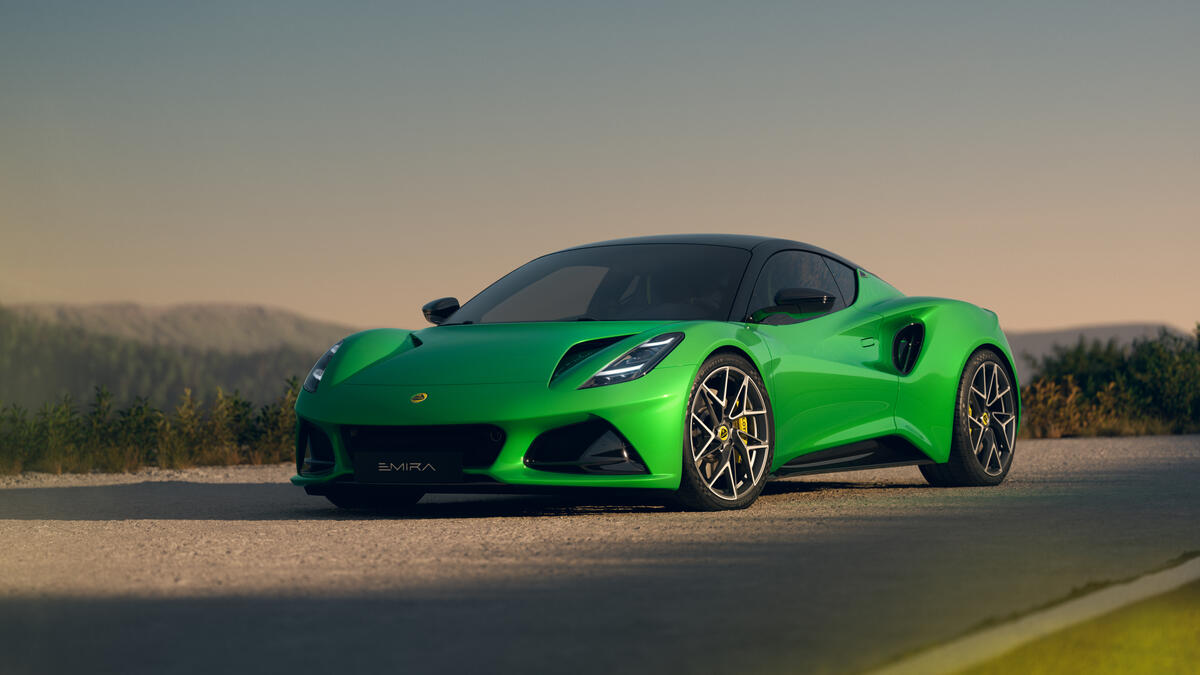
Lotus Amira
"I'm an enjoyer of that. It's got Lotus Amira vibes over the rear reporter. It is interesting."
The Lotus Emira is a sports car made by Lotus. It’s designed to feel fun and responsive when you drive it. People mention it because it keeps the “Lotus” style and driving character in a newer car.
The Lotus Emira is a modern mid-engine sports car from Lotus, built to deliver a lightweight, driver-focused driving experience. It’s often discussed because it represents a key chapter in Lotus’s newer lineup and carries the brand’s “feel” into a more contemporary package. In the podcast, it’s referenced as having “Lotus vibes,” which points to its character and styling cues.
rear reporter
"It's got Lotus Amira vibes over the rear reporter."
A “rear reporter” here means the rear plate/trim area at the back of the car. They’re saying the design they’re showing looks good around that part.
“Rear reporter” is an enthusiast nickname for the rear license-plate area/trim panel (often the section that visually “reports” the car’s identity at the back). In this context, it’s used to describe how the modified rear styling sits around that area.

Revuelto
"The ride there was interesting. Revuelto and Tuscany, I regretted my life with the Rift Do..."
The Lamborghini Revuelto is a very high-performance supercar. It’s made to be extremely fast and exciting to drive. The podcast brings it up because the ride experience stood out to the speaker.
The Lamborghini Revuelto is a modern supercar from Lamborghini, designed to deliver extreme performance with advanced powertrain technology. It’s discussed because it represents Lamborghini’s latest direction in the supercar lineup at the time of its release. In the podcast, it’s mentioned alongside another car name and the speaker’s reaction to the ride, suggesting the driving experience was memorable.
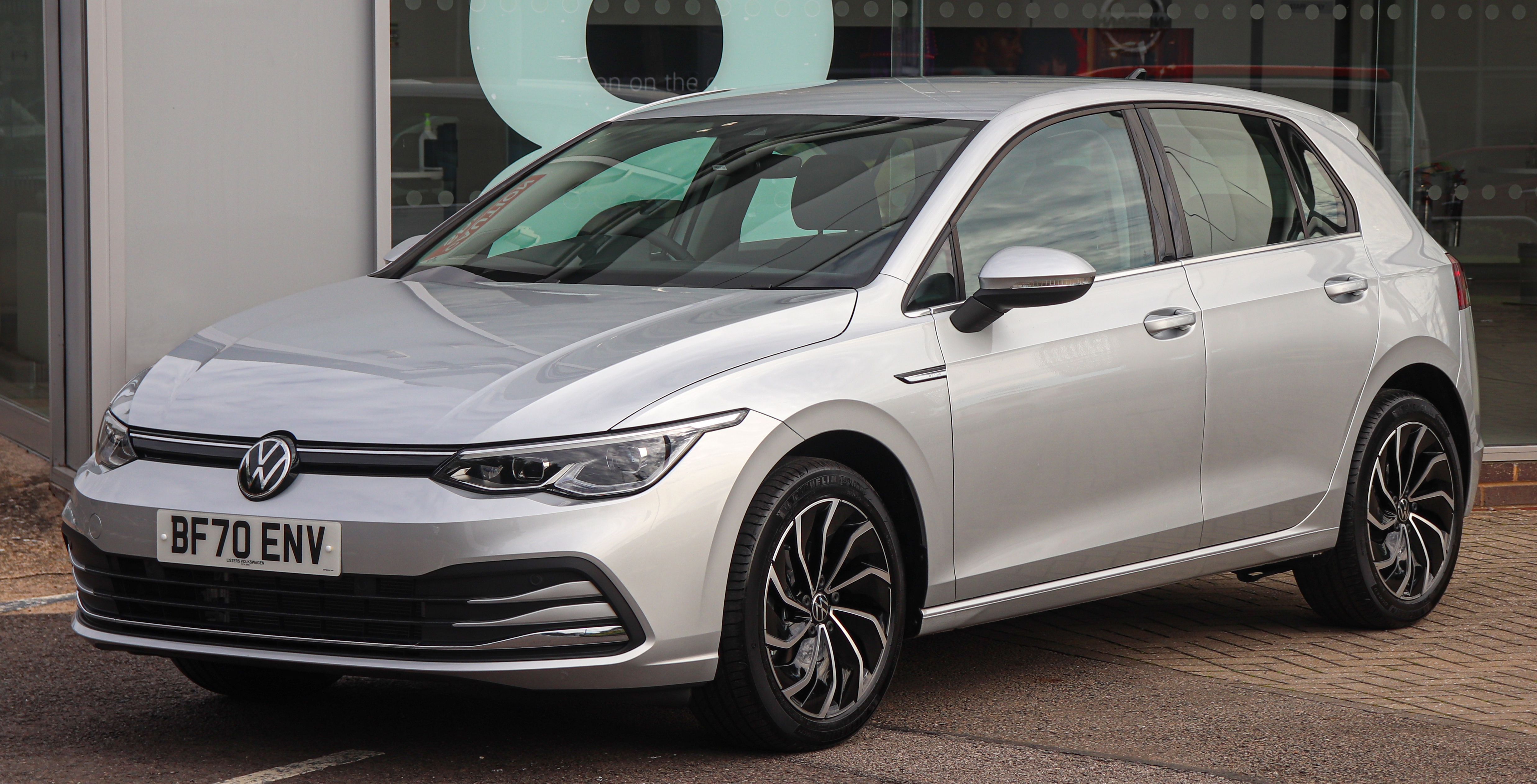
Volkswagen Gti
"They were... We were looking at a 288 GTI on a ramp. Exactly."
The Volkswagen Golf is a common compact car that’s made for everyday use. A “GTI” is a sportier version that’s meant to be quicker and more fun to drive. The podcast mentions it because someone was looking at a specific performance Golf.
The Volkswagen Golf is a widely known compact car line that’s popular for its practicality and wide range of trims. In the podcast, it’s referenced in the context of looking at a “288 GTI,” which points to a specific performance-focused Golf variant. That’s why it’s mentioned: it’s a notable, enthusiast-oriented Golf rather than a basic one.
split rims
"And they have speed line, like split rims. And I've realised that all cool wheels that are made from"
A split rim is a wheel made in sections instead of one solid piece. Racing setups sometimes use them because they’re easier to work with and can be made for specific tire and performance needs.
Split rims are wheel designs made from multiple pieces (typically two halves) that can be assembled around the tire. They’re common in motorsport and on some rare performance cars because they can be built stronger and tailored for racing fitment and tire changes.
Speed line
"They go to a speed line, they go to an OZ, they go to a whoever. Now, granted, most wheels aren't actually made by the manufacturer."
Speedline is a company that makes wheels for performance and racing cars. The host is using it to show that many “cool” wheels come from specialist wheel makers, not the car brand itself.
Speedline is an aftermarket wheel brand known for making wheels for performance and racing applications. In the segment, it’s used as an example of how OEMs and race teams often source wheel designs from specialist manufacturers rather than making everything in-house.
OZ
"They go to a speed line, they go to an OZ, they go to a whoever. Now, granted, most wheels aren't actually made by the manufacturer."
OZ is a wheel brand that makes aftermarket wheels for faster cars and racing. The point here is that many car brands outsource wheel manufacturing to companies like OZ.
OZ (OZ Racing) is an aftermarket wheel brand that supplies wheels for performance cars and motorsport. The host groups it with other wheel makers to explain that OEM wheels are often produced by specialist companies.
Ronal
"They go to a wheel manufacturer like Ronal or someone, or PBS back in the day, and say,"
Ronal is a company that makes wheels for car makers and for the aftermarket. The host is saying that car brands often work with wheel specialists instead of making wheels themselves.
Ronal is a wheel manufacturer that supplies wheels to OEMs and the aftermarket. The host mentions it as an example of a company that can produce a wheel design for a car brand or collaborate on a performance/race wheel.
PBS
"or PBS back in the day, and say, can you make this design?"
PBS is mentioned as an older wheel-making company. The host uses it to illustrate that car brands have long relied on specialist wheel makers.
PBS is referenced as a historical wheel manufacturer example (“back in the day”) that car makers could approach to produce wheel designs. In this context, it supports the broader point that wheel production is often outsourced to specialist manufacturers.

288 GTO
"So, for instance, the 288, if you look at a 328 wheel, it's just a cast normal wheel for cost and whatever. Whereas a 288 GTO has like a split rim race car wheel."
The Ferrari 288 GTO is a rare, high-performance Ferrari from the late 1980s. The host is pointing out that it can have more race-style wheels (like split rims) compared with cheaper, more basic wheel setups on related models.
The Ferrari 288 GTO is a homologation-focused supercar from Ferrari’s late-1980s era, built for high-performance road use with racing-derived hardware. In the segment, it’s specifically tied to having a split-rim-style “race car wheel” compared with a more cost-focused wheel on the 328.
cast
"it's just a cast normal wheel for cost and whatever. Whereas a 288 GTO has like a split rim race car wheel."
Here, “cast” means the wheel is made by pouring metal into a mold. The host is saying that cast wheels are usually cheaper, which is why some cars use them instead of more race-style wheel designs.
In wheel talk, “cast” refers to making the wheel by pouring molten metal into a mold (casting). Cast wheels are often used for cost and manufacturing efficiency, while more race-focused wheels may use different construction methods.
19 inch
"They are a Fox wheel. ... Which one? The 19 inch."
“19 inch” means the wheel is 19 inches across. Bigger wheels usually use shorter tires, which can make the ride feel firmer.
“19 inch” refers to wheel diameter. Wheel diameter affects tire sidewall height and steering feel—larger wheels usually mean shorter sidewalls, which can change ride comfort and impact harshness.
Fox
"Oh, on a 46M3. That is a Fox wheel. So, Fox make that."
“Fox” sounds like the name of the wheel manufacturer. Wheel brands matter because they make specific styles that fit certain cars.
“Fox” here is being used as a wheel brand name. In enthusiast wheel talk, brand names often indicate specific designs, construction styles, and fitment patterns that are common on certain OEM or aftermarket setups.
CSL wheel
"And then there's so many things like that. The CSL wheel. I don't know how many wheels are actually just made by the manufacturer."
“CSL wheel” means a wheel design tied to a BMW CSL model. People recognize these wheels because they’re distinctive and often stamped with the maker’s name.
“CSL wheel” refers to wheels associated with the BMW CSL (often discussed as a specific BMW M model variant). The key point is that certain special editions use distinctive wheel designs that enthusiasts recognize by name and markings.
BBS
"The CSL wheel. It's a BBS. It's stamped on it. BBS, a little, I can't remember the number."
BBS is a famous wheel brand. If the wheel has “BBS” stamped on it, that means BBS made that wheel.
BBS is a well-known German wheel manufacturer. When someone says a wheel is “stamped” with BBS, they’re pointing to the maker’s identity—BBS wheels are popular because of their design heritage and typical build quality.
exhaust manufacturers
" [3929.2s] And there's a few who can't actually say the brands, [3931.6s] because we weren't even meant to say then. [3933.6s] There are brands who make well-known exhaust manufacturers [3936.7s] and they make exhausts for Bentley and whoever else,"
Exhaust manufacturers are companies that make the parts in a car’s exhaust system. Sometimes a car brand uses an outside supplier, so you won’t always see the supplier’s name on the finished exhaust.
Exhaust manufacturers are companies that specialize in designing and building exhaust systems (like headers, mid-pipes, and mufflers) for automakers and other brands. In many cases, the exhaust may be produced by a supplier and then installed on multiple vehicle models without the supplier’s name being visible.
outsourcing
" [3945.9s] So they do a lot. [3947.0s] There's a lot of outsourcing from these companies, [3949.4s] which makes sense. [3950.1s] But if you made anything in the house, it would take a long time."
Outsourcing means a company gets parts made by other companies instead of building them all in-house. Car brands often do this to save time and use specialists for certain parts.
Outsourcing is when a company hires external suppliers to build parts instead of making everything internally. In the automotive context, this is common for components like exhaust systems because specialized suppliers can produce them faster and at scale.
US banning cars made in China
"The main thing though is that it's to do with the US banning cars made in China or associated with China or Russia."
They’re talking about a US rule that can block certain cars from being sold there if they’re linked to China (or Russia). That means a car might be built in one country but still not show up for sale in the US.
This refers to a policy-driven restriction where the US limits sales of certain vehicles based on their manufacturing origin and/or association with China (and sometimes Russia). For car shoppers, it can change which models are available in the US even if they’re built elsewhere or by the same global brand.
Polestar
"And it's obviously Polestar is owned by Geely who also own Volvo. And they share some design DNA and that's Chinese company."
Polestar is a company that makes electric cars. In this discussion, they’re explaining why Polestar cars might be affected by US rules, based on who owns the brand.
Polestar is an EV brand best known for its electric vehicles and for being closely tied to Volvo and Geely through ownership and shared engineering. Here, the hosts connect Polestar’s corporate ownership to the idea that certain cars could be restricted in the US.
Geely
"And it's obviously Polestar is owned by Geely who also own Volvo. And they share some design DNA and that's Chinese company."
Geely is a car company from China. The hosts mention it because it owns Polestar (and also Volvo), which they say is part of why Polestar cars could be restricted in the US.
Geely is a Chinese automaker that owns Polestar and also owns Volvo. In this segment, Geely’s ownership is used to explain why certain EVs could be treated as “associated with China” under US policy.

Polestar 3
"The interesting thing is that as far as I'm aware, the Polestar 3 is built in America. Oh, interesting."
The Polestar 3 is an all-electric SUV made by Polestar. They’re talking about it being built in one place, then shipped elsewhere, and how rules can stop it from being sold in the US.
The Polestar 3 is Polestar’s electric SUV, built around a modern EV platform and designed for long-distance, family-friendly use. In this segment, it’s specifically discussed in the context of where it’s built and how that affects whether it can be sold in the US.
North Swindon
"They're built in North Swindon now. It's, I can't remember, someone commented it before,"
North Swindon is a location in the UK where Polestar vehicles are said to be built in this segment. The hosts use it to explain the logistics: cars can be manufactured in the UK, shipped abroad, and then still face sales bans depending on destination-country rules.
Revuelto
"So I had the Revuelto since last Thursday. It is now Monday. Handed it back this morning. So over the weekend I used it. And now it was silver that car. So it's relatively subtle in terms of color. But it is a Revuelto."
The Lamborghini Revuelto is a very high-end supercar from Lamborghini. It’s the kind of car that stands out a lot, and here the host is saying even in a subtle silver color it still gets tons of attention.
The Lamborghini Revuelto is Lamborghini’s latest flagship supercar, known for its high-performance hybrid powertrain and aggressive, angular styling. In this segment, the host is describing how the Revuelto looks in silver and how much attention it draws in public.
German prison
"[4276.9s] We can't take it to the America. [4278.1s] Do not go to Matthew Legal. [4279.3s] You can be put in German prison."
They’re joking that Germany is so strict that you could end up in “prison” over something car-related. It’s not a literal legal claim—more like “they’ll really enforce the rules.”
“German prison” is a humorous way to describe the strict enforcement and legal consequences in Germany. In car culture, it often gets used to imply that rules around driving, registration, or vehicle compliance can be taken very seriously there.
in control
" [4343.0s] And I said, did you, did you actually like enjoy it? [4345.8s] She went, I closed my eyes. [4347.1s] It was too fast. [4348.0s] I closed my eyes. [4349.3s] I think everyone got a lot in control."
When someone says the car feels “in control,” they mean it feels stable and not scary in a bad way. It suggests the driver can keep it predictable even when it’s fast.
“In control” here is about driver confidence and the car’s behavior under high power—whether the car feels predictable and manageable rather than chaotic. It’s a passenger-focused way of describing stability and traction.
thrust mode
"He said, it said thrust mode, not possible just for Edwin."
“Thrust mode” sounds like a performance setting that makes the car feel more aggressive when you accelerate. Here, they’re saying it didn’t work the way they expected.
“Thrust mode” is a manufacturer-specific performance setting name that usually changes how aggressively the car responds during acceleration. In this context, the speaker implies the mode wasn’t available or wasn’t possible for a specific person/car setup.

TVR Tuscan
"... like it. The fastest car he's ever been in was a Tuscan race car. He was like, okay, that's a fast car."
The TVR Tuscan is a sports car made by TVR in the UK. It’s known for being exciting to drive and for feeling very fast. People talk about it because it can leave a strong impression when you experience it.
The TVR Tuscan is a British sports car known for its raw, lightweight feel and big performance character. It’s often brought up because it represents TVR’s reputation for exciting, driver-centric cars. The podcast mentions it as the fastest car the speaker’s “he” has been in, highlighting its impact.

GTR
"So even if you've been in a GTR or something, [4404.3s] the gulf is smaller."
They mean the Nissan GT-R, a very fast all-wheel-drive sports car. They’re saying that if you’ve already experienced something like that, the jump to an even faster car won’t feel as dramatic.
“GTR” refers to the Nissan GT-R, a performance car famous for its all-wheel-drive traction and strong acceleration. Here it’s used as a comparison point: if you’ve already been in a very fast car like a GT-R, the “step up” to a more extreme track car feels smaller.
toe in
"I'm turning and I can feel the toe in the front end. [4445.9s] I do feel the rear end bite on the event doors a little bit better."
Toe-in is how the wheels are aimed relative to each other. It can make the car feel more stable or more responsive when you turn, especially at speed.
Toe-in is a wheel-alignment setting where the front edges of the tires point slightly toward each other. It affects steering feel and stability, and in a track context can change how quickly the car responds and how it behaves under cornering loads.
rear end bite
"[4445.9s] I do feel the rear end bite on the event doors a little bit better. [4450.4s] But you know, the Revolta really makes up with a thousand horsepower."
“Rear end bite” means the back tires are gripping and helping the car stick to the road while you’re turning. When it’s strong, the car feels more controllable and eager to follow the steering.
“Rear end bite” is a driving-feel description meaning the rear tires are gripping well and helping the car rotate or hold traction through a corner. It’s often associated with setup choices like differential behavior, tire choice, and alignment, and it can be especially noticeable when transitioning from turn-in to mid-corner.
launch control
"But we can, meanwhile, what we can do is take 15 people out. [4457.4s] Yeah, okay. [4458.2s] Do you want to do a launch control?"
Launch control is a mode that helps a car accelerate as hard as possible from a stop. It coordinates the engine and traction so you get a strong start without just roasting the tires.
Launch control is an electronic driving mode that optimizes engine output and drivetrain behavior for the hardest possible standing start. It typically manages throttle, transmission shift timing (or clutch engagement), and traction control so the car accelerates quickly without immediately spinning the tires.
Request an Explanation
Heard something you'd like explained? We'll add it to this episode.
Sign in to request explanations for terms you heard.
Want to learn more?
Browse our glossary for plain-English explanations of automotive terms, jargon, and concepts.
Help improve this episode
See something that's not quite right? Our annotations are AI-generated and can sometimes miss the mark. Click the flag icon on any annotation to suggest a correction.
2 community members have helped improve this episode.