OEM parts are the same kind of parts your car was originally built with. Using that quality helps the part fit correctly so it works the way it’s supposed to.
A cabin filter is a small filter that cleans the air inside your car before it blows out of the vents. If the new one doesn’t sit right, air can sneak around it and you don’t get the full benefit.
DIY means doing the work yourself instead of taking it to a mechanic. Some cars make cabin filter changes easy, while others are more annoying to reach.
Having the right tools matters for interior trim and fasteners because cabin filter housings often use clips and grommets. Using improper tools can break clips or damage surrounding panels, leading to poor reassembly or rattles.
Clips and grommets are the little fasteners that hold the cabin filter cover in place. They usually need to be popped out carefully so you don’t break them.
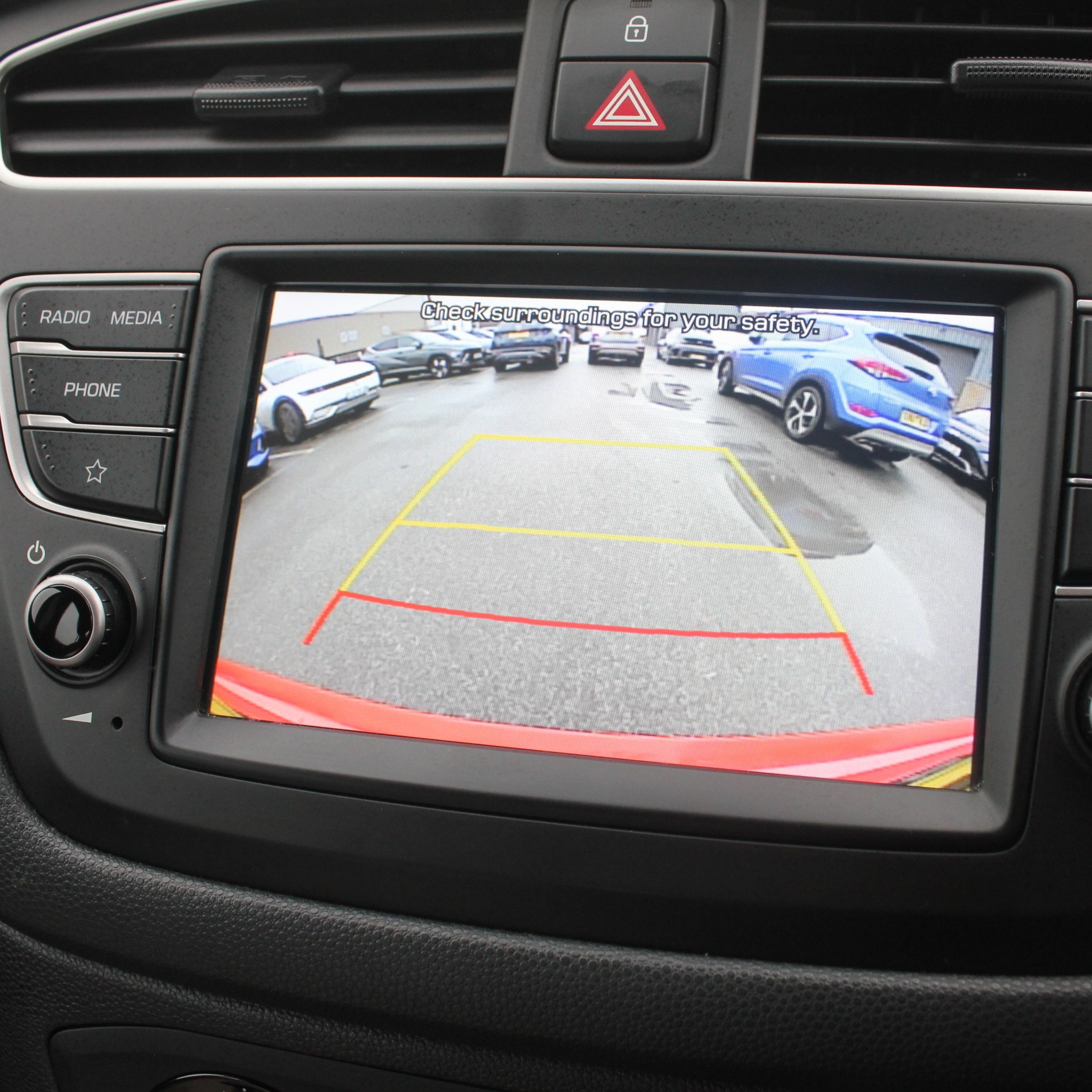
A rear camera is the little camera that shows you what’s behind your car on the screen. If it goes out, it can be the camera, the wires, or the box that connects it to the screen.
The control unit (module) for a rear-camera system processes the camera’s signal and routes it to the vehicle’s screen. If the module fails, repair may be limited, and replacement of the module is often required.
Continuity testing is a way to confirm the wires are “connected” end-to-end. If the wiring checks out, the problem is more likely the camera or the control box.
This means the fuel pressure drops after you shut the car off. When that happens, the engine may not start right away until the fuel system builds pressure again.
Fault codes are error messages your car’s computer saves when it notices something wrong. A scan tool can read them to help figure out what system is causing the issue.
The fuel system is everything that gets gas from the tank to the engine. If starting behavior changes after key cycles, it can point to a fuel delivery problem.
The intake is the opening where outside air gets pulled into your car’s heating and air system. If that area is contaminated, treating it can help remove odors.
Recirculating means the car reuses the air already inside the cabin. That can help a smell-fighting product work through the HVAC system more effectively.
The firewall is a wall between the engine area and the inside of the car. It’s a common “safe zone” when you’re trying to keep things away from the engine.
Rodents are drawn to garages when there are food sources and nesting opportunities. The speaker’s point is that removing attractants (like pet food or spilled feed) reduces the likelihood of mice entering and then moving into the vehicle.
Wheel sensors tell the car how fast each wheel is spinning. If one sensor is reading wrong, the car may think there’s a braking/traction problem and respond as if ABS should engage.
A test drive is used to reproduce intermittent drivability or braking complaints under real-world conditions. For ABS concerns, the technician may drive at the same speed/road type and observe whether the ABS activation or pedal feel occurs.
One tiny leak can make a big-looking puddle. The spot size can be misleading, so the car still needs to be checked even if it doesn’t look “catastrophic.”
In an automatic transmission, the torque converter uses fluid to transfer power from the engine to the transmission. When it starts failing, the car can feel like it’s shuddering or jerking, especially when you’re driving faster.
“Cycling” means the lock-up clutch repeatedly engages and disengages instead of staying smoothly locked. That behavior can create intermittent shudder or shake, which is a common diagnostic clue for torque converter/lock-up control issues.
Your car’s owner’s manual tells you what maintenance to do and when. It’s the safest way to make sure you’re doing things the way the manufacturer expects.
A pressure washer uses high-pressure water that can force moisture and debris into places they don’t belong. Under-hood electronics and seals may not be designed for that kind of direct blasting. Using a gentler garden hose reduces the risk of water intrusion and corrosion.
Under-hood electronics include sensors, wiring connectors, and control modules that can be damaged by direct water intrusion. Even if components are water-resistant, they’re typically not designed to be hosed down aggressively. Avoiding the electronics reduces the risk of intermittent faults or corrosion.
LIVE
You know what that means time once again to talk cars more specifically the problems you are having with yours your car
Your truck your van and you know you need to bring it in for service
It's your favorite dealer your favorite shop, but you want to know what could be wrong what you could be facing
It's always good to have more information and the guy that's going to give you that you'll give you a little analysis over the radio
Is next awful from Lloyd's automotive, etc. We like to say, etc. We'll get to the bottom of that in a while Nick. Good morning to you
Morning Jenny Nick is an ASC certified technician among other things wears a lot of hats
And I was thinking, you know, we've been doing this show a long time a long time. I think I keep saying it's around 30 years and
For those maybe our new listeners. We appreciate them checking us out
I don't want to say where were you 30 years ago, but as far as and you mentioned it you were a kid working for Dan Burns
What was your background? How did you ever get in this business to begin with? That's right
I I started working for Dan at a amical gas station on Randolph Avenue in St. Paul
Before I turned 16, so I was still 15 years old
Worked at that gas station through high school
Kind of undecided young man and decided to join the Marine Corps after high school kept in touch with Dan throughout that time and
Upon finishing my time in the Marine Corps. I started working at Lloyd's automotive
That was 1998 I believe and I've been there since so I've a
Joke I've had had two bosses Dan and Uncle Sam and now I'm not my own boss
So other than my wife, but I won't ask you which you prefer
As far as bosses, but yeah, you've got great people. You surround yourself with some great people
They're doing no down on there often
So anyway, we would just wanted to give a little kind of a thumbnail sketch of your background
And to our listeners take the opportunity to join if you you don't have to be a motorhead or a gearhead
It was he liked to say if you drive a car and you're having problems
That's all it's all we need you can call and chat with Nick if you like or just send him a text if that's easier
Some folks are already doing that very thing one number will get you either six five one four six one
Nine two two six and we always like to say get a hold of Nick earlier sooner rather than later
Our time goes by so quickly Nick takes his leave around 745 making way for Ted Ferrell's wine chat
So let's hear from you. We'd love to hear from you call text
six five one four six one
nine two two six
Looking at a text from Mary who says hey Nick
What is the actual function of the cabin filter and how often should it be replaced?
Good question, Mary. It is a good question
It cleans the air coming through your HVAC system no different than your furnace at home
Especially as the the spring season comes and we have the pollen and that cotton wood and all those
Things flying through the air it'll collect that if you live on a dirt road
It'll definitely help clean that air before it comes into the cabin of the vehicle
As far as replacement goes it's in the maintenance schedule and it really depends on where you're driving how you drive
I referenced, you know the spring season
It's gonna dirty up a lot quicker than the spring to live on the rural area on a dirt road
That also is going to contribute to that making it more of a
sooner replacement, but I would say
Annually maybe every two years
Depends how many miles of driving where you live, but to have it looked at it's not the worst idea
You know, I was thinking when I looked at Mary's text about changing that to cabin filter and I've done that often myself
Fortunately, my car is easy easy to do that
But I noticed if I kind of
Usually I'll get the OEM in original equipment that seems to fit perfectly sometimes when I stray and I thought
Let's try this one. Sometimes I have to shoehorn that thing in and again
Is OEM now granted they're made elsewhere too
But it seems to be the better fit when you when I least when I go to OEM
Yeah, there there are a lot of parts houses around town and they all sell good quality parts
Also, there's a value line or economy line
Sometimes those value economy line parts and filters don't quite fit the same
and keep in mind when you put that
Cabin filter or engineer filter in if it doesn't fit exactly right that might allow for some of that unfiltered air to make its way by
And so kind of defeats the purpose
So I would say, you know, if you're replacing the cabin filter
You have the one removed from the vehicle compare it to the one that you're installing if they're different pause
Asking questions, right? Don't just assume all I'll make it work
Because it may not fit may not work
So I would say try to get you know OE quality I would call it
And like I said, there's a lot of parts houses around town that'll sell something possibly or likely made from the same
Manufacture that made that filter originally so there's there's options out there
But keep in mind like I said, there's oftentimes a value line and then like an OE quality or upper level
I would try to stick with the upper level one that might cost a dollar or two more
But definitely worth the worth the investment. I mentioned it's pretty easy with my vehicle and has been
What about some vehicles? Are there differences in
You know, could the the do it yourself or do it or in some cases is it pretty difficult?
All over the board and my most
Whether it's the cabin filter engineer filter or a battery, you know, we talk about something's more simpler maintenance items
we used to do in yesteryears and
Finding them can be the trick and then having the right tools, you know
But the cabin filter a lot of times there's clips and
Grommets that need to be removed and if you don't have the right tool to pop that free
You might damage it or crack the plastic
Then you develop a rattle and then how you got this rattle inside the vehicle. It's driving you nuts. So
Be cautious, right? If you have the tooling you have to know how watch a video
Investigate and if you're confident take it slow if you're running in trouble stop
Don't don't force something don't break something because all that does is end up costing you more money long run
Yeah, and you're right videos. I've learned a lot from from the google, you know certain videos. It's amazing
Now you can sometimes of course get bad information, but well, that's true, too
Yeah, that two minute video isn't always accurate. You know, they they edit and cut that I can
I promise who we see people come in like hey, I need to have this replaced and I've watched the video online
Like yeah, I've seen the same video and it doesn't go exactly quite that smoothly sometimes
Well, let's like to do it yourself for your home improvement
You can see in a half hour show they do this and they remodel the whole room in 30 minutes and
With no problem
Uh a question related to filters to see a listener heard us talking about the cabin filters
But just generally and I think this is a good question too because I've been tempted to try it
What about texter says these washable filters? Are they any good? What what have you heard about those?
You know, that's another
Aftermarket product out there that they there's researchers and engineers that stand behind those products and believe that they're better than the original equipment
They flow better than all these options and I can't
Deny that or prove that because I don't know what I do know is that they require maintenance
So if you're the type of person that's going to forget it
Leave it it might make it actually worse if you're somebody's on top of it
You're kind of really into it and you're trying to you know maximize the potential by all means I don't see anything wrong with that
But I feel like most of us get excited about it
And then at that six month interval or whatever the interval is that they remove it and clean it and re-oil it whatever might be
They forget to do it and then it actually makes it worse
So I would I would do a little self-assessing before I went on that road. Yeah, and again
I haven't tried it. Maybe it's great, but I I kind of prefer the original equipment stuff
And if I can stay on top of it, you're right
Some of us get kind of lulled in complacency
On on any of the maintenance for that matter if you have any kind of a car care question
We love to hear from you either by phone or by text again
Here's the number
6514619226
6514619226
Texture wants to know how can I get my rear camera to work again?
You guys do that at Lloyd's you have to repair any of these
You know backup camera stuff
We we have and to be honest most likely three issues the camera itself
What seems to be the most common issue just because it's in the element that being on the road
Sometimes there's a wiring issue
Or it's the the control unit where the
Screen is so there's not a whole lot of repair. Unfortunately uses a replacement component type situation
But it's worth investigating to make sure we don't have damaged wiring somewhere
You know going from the back with a vehicle in front of the vehicle things can happen
But if we have good continuity and good wiring
We can prove that the the camera whether or not having any output at that place
It's likely replacement of the camera
But you need to do your due diligence to free just assume that that's the issue
Absolutely. All right. Hang on Nick. We'll take a bit of a break here and be right back on the other side
Keep in mind the nick will be with us until about 745
So don't wait if you have any kind of a car care question. Love to hear from you 651
4619226 I can tell you that today be kind of a breezy day gusting as high as 35 miles an hour
How about the warmth we're going to get up to near 58 degrees today near 68 tomorrow nice sunday tomorrow right now
22 here a new stock 830 w cco
Had a good saturday morning to you this one happens to be the 28th march last saturday of the month of march
If you're just joining us next awful from Lloyd's automotive a lc certified technician there
Answering as usual any kind of a car care question you may have
Up until about 745 call us or text us
6514619226
Nick I was thinking we always like to tell folks who maybe need the help of Lloyd's
Tell us about how we find you guys if we need the help
But I know you know how to get hold of a standing
Oh, yeah, we see we see you often
But if you don't know how to get hold of you have a question you can always call us or at 651
2281316 and if you happen to be in st. Paul
We're at 982 grand avenue. That's two blocks east of leccington parkway
And if you need more information check out our website, which is Lloyd's automotive dot net
Thank you, nick. We'll get you that information when nick takes his leave, which is about 745 this morning in the meantime
Looking at a text that says this
2012 jeep liberty
When starting the engine keeps cranking over but will not fire
Turn the key off try starting again and the engine fires right up. Do you have any idea what's going on there?
I wonder if my first curiosity is that the fuel pump
It's a fuel pump bleeding down and when you cycle the key, it'll run for a few moments to prime itself
Maybe that first prime is not enough to get it to
To get the pressure where it needs to be so on that second cycle a second key stroke
That that pump runs the second time and it gets enough fuel pressure to get the vehicle running
That'd be something we would check obviously we'd see if there's any kind of fault codes
Something ignition wise timing wise, but my first thoughts is something related to the fuel system
Okay
Well, here's one we got to get checked out. How do you get the mouse odor out of air ducts leading into the heater system?
Well, first of all
To change that cabin filter and then what would you suggest? I mean could could that critter
What's left of the critter be around somewhere? Yeah, uh, be careful
So take it slow take it easy. You're right. Get the cabin filter out
If there's any with the cabin filter removed anything you can clean with a shop vac or handheld vac do that
There's also some products that you can spray on the intake and the intake is typically at the base of the windshield on that cowling
There's products that are like the ionizer that kind of freshen the air per se
And they're made for that so go to a parts house parts store. Tell them what you're looking for
They'll have a product made specifically for that
And you can follow the instructions typically put on recirculating or open fresh air
And it draws that air through and kind of runs it through the duct work to kind of clean things out
If there's actual debris and it's that strong
I would probably tell you take it to the professionals
Let them carefully remove some of the panels some of the duct work
The last thing I want you to do is as I referenced earlier as you break something in that dash
And then you have this rattle that's going to stick with you for the rest of the life of the vehicle
So let the pros take that apart this assemble to try to gain access to wherever there might be some debris that needs to be cleaned out
Yeah, indeed. I think I do the same thing. I remember years ago with another vehicle
I had I I'm not sure if it was like a mildew smell or whatever
Uh, but what I did maybe that wasn't a good idea, but I did what you suggested
I had the car running and the air circulating from outside air and I sprayed lysol spray
Uh into the uh, I didn't sit in the car while I was doing it
But that seemed to work
But they then again there was
The disinfectant will work, you know and just you know use the moderation don't go crazy with it as always
You know a little goes a long ways and you know once again if it's something more where there's
Likely initiative to be cleaned take it to the pros
I I because we'll see that people say I tried to get it myself and then they end up having to buy this
Piece of duck work or this this thing that's hundreds of dollars
You have to remove half the dash to access it and it just becomes something that seems so simple
It ends up being something very costly. So just take your time
But yeah, definitely start with a new filter and some sort of
Lysol or one of these products to help try to clean out that that dewy or mildewy smell. Yeah, good luck with that
All right, another text my son's Ford truck had to be towed yesterday because although it
Remote started it would not move
The dealer found a mouse nest with wires chewed
Can mouse magic or another repellent be used inside the hood to prevent this?
Boy I talked to my daughter about this issue because she said mouse and squirrel type problems with her vehicle
But what what about that?
It it those mice and other critters really can do a lot of thousands in some cases
Then they can well you've had issues. Yeah, we had a wiring issue. We had to deal with here on one of your vehicles
So it uh, it happens. So you can try the
Get online there, you know, you hear about the dryer sheets mouse magic
Um, all these products and they probably do help the other thing you can do is if you're parking the garage
Make sure there's no bird seed make sure there's no dog or cat food
Make sure there's nothing that is drawing them into the place where the vehicle is
If you're parking on in the driveway outside your house and you're parking on the one side near
The the yard and the trees maybe park to the other side
You try to try to do something different to figure out how they're getting into the vehicle
The best the best remedy is to keep them out of the vehicle because like those products do help, but there's no foolproof way
Yeah, and I wondered too and we've talked about this
With with my daughter about this mouse mouse magic, which I find works
but I don't know about these little packets of
Paper paper kind of teabag big teabags with this peppermint smell stuff in it
If that wouldn't catch fire when you got it under the hood in your car. What do you think?
Well and be careful, you know, if you're putting, you know
You know, I don't know how to practice. I don't know sticking things where they don't belong
You don't want getting stuck in the air intake, you know, but you know off to the side along the firewall away from the
Uh the engine itself, but keep in mind that a lot of times these
Critters are making nests or looking for the warmth. Obviously, we're coming out of the winter season
So they'll start finding the venturing the way out
Um next time it's in for service. Hey while you're changing my oil or inspecting my vehicle
A lot of times they can poke around all the ratio is nothing nesting
If there is a nest there you can vacuum it all get it out of there
Take that away that that point away from them make it move along to the next place
But you know, it really starts with trying to keep anything out of your garage or you park your vehicle
That draws those critters in because all you do is attracting them once they have a food source
Now they need to find a home and where you don't want this inside of your garage inside your car in your home
So, uh, just try to try to try to find a way to remedy that and keep keep them away
Yeah, a lot of damage they can be done. All right. Hang on, Nick
We're gonna have a look at that forecast. We still have more show to come
Nick will be with us for about another 15 minutes
So if you have any car care question, love to hear from you six five one
Four six one nine two two six from new stock a three. Oh, of course. This is w cco
We'll take those questions specifically car care questions this morning at least for
Eight to ten minutes or so from right now
Denny along back with Nick Stoffel from Lloyd's Automotive in St. Paul answering those car care questions as usual
And as usual Nick, we still have more to come
Texture says this
2008 Ford Edge all-wheel drive 190,000 miles on it good shape runs great
Daughters college car. I want to apply the brake pedal occasionally
It'll feel like the anti-lock brake will kick in you'll hear the noise for every second and then it goes away
This is uh, dry roads. What do you think is going on there with that abs feel to it?
you know, that's a
That's a completely uncommon problem and oftentimes what we'll see is a lot of times the way the abs system is built
The the re-lector ring which is rotating with the wheel the sensors reading that and if there's any debris or dirt
Caught up in there
It could skew that reading and it might confuse the system for a split second making that occurrence happen
So I would say it's not emergency next time it's in service try to find a way
That the the service center the dealership whoever can duplicate that say every time I drive at this speed this road
This condition this will happen and try to have them take it for a test drive and duplicate that to see if they can
Feel that they could also, you know, take a scan tool along for the drive
Read the speeds of all four wheels see if one of them is fading out shows a little different speed
Because that's what the car is doing the car sees all these sensors at the wheels
It sees a change whether you're stopping or accelerating thinking either you're skidding or spinning the tires
And when it sees that it's going to activate those safety systems. No, so you're not skating or you're not spinning out
So the car is doing its job. So it sees something different
So it's turning the system on once it sees it's okay. It shuts it off
So something's happening intermittent there that the best part is to get a whole or catch it in the act
Once you can catch it in the acting figure which component isn't working as as it should
I'm looking at nick at a text. I'm sure you could have a dozen answers to this one
But the textor says this I noticed yesterday. There was a somewhat large area of oil
On my garage floor. I'm sure there's more than one reason as to why but we're a few things most likely as to why
Would you ever ask like what color is it? Maybe?
well
Do as I say not as I do and I mean by that is I've been known to kind of dabble and taste it see what it tastes like
I don't you probably shouldn't do that. I've done this long enough that I'm like, oh, what is this?
Oh, it's oil. It's antifreeze, you know, it's transmission fluid. It's you know, whatever
But don't do that. What you can do is take a sample bring it into your shop. Have them take a look at it
Or bring it to me and I'll take a taste but no, just kidding
But you gotta be careful and also keep in mind a small droplet will spread and look like a huge
mess
So just because there's a spot on the ground doesn't mean that you're out of whatever fluid
It does mean it needs to be looked at, you know, maybe maybe drain plug gas gets leaking a little bit
So it's not significant, but over time it can cause it to be low on oil
There's other systems, you know, if something has a leak a lot of these systems are hydraulic systems
You know transmissions are not designed to be driven when they're low on fluid
So if you see a spot on the ground, you're noticing something different
Take it in for service mention that to them
Maybe put a paper towel on the ground let it absorb a little bit
Bring that sample in or put a piece of cardboard down let it drip onto it a little bit just to keep
You know any information helps us figure out what's going on
Yeah, and uh, I recall uh watching your technicians do an oil change
You know after all all is said and done and they're putting the the pan plug back and you know putting everything back together
They will clean you guys will kind of spray some cleaner
You know because this stuff can drop out on other parts of the car, right?
and uh, absolutely
and I think it was a
Couple weeks back we were talking about how you know whoever the wisdom was to put the oil filter upside down
And of course
They put these little drain pockets
They're supposed to get the oil out of there and get but what happens is it collects there and then there's a drop here
Drip there. So we've developed systems to try to prevent from the customer having to deal with any of that after the fact
But a lot of times the way these vehicles are designed
There's a little bit of oil that will spill that requires some cleaning
Another text says this and they give your transmission torque converter is going out. What are the symptoms?
Well, a lot of times I feel a shutter especially to get up to highway speeds
Which is kind of engaging into that lock up type situation. You'll kind of feel a shutter
A little shake or if you're accelerating
We're going to go pass somebody a little bit and you're trying to get out of that lock up
And the lock up is where the transmission kind of relaxes. I guess the best way to put it
But if you're if it's cycling in and out of that lock up or disengaging and you feel a little bit of a shutter
That's kind of oftentimes a telltale sign
I know my generic answer is always like we can test drive it with a scan to read the data
But ultimately that's what it comes down to but if you notice something and here's the the driver of the consumer's responsibility
Boy, this seems different. This feels different. This sounds different. That's the card telling you I need to go to the doctor
It doesn't mean you have to go and do all the work
But at least figure out what's going on because oftentimes there's a problem that can be dealt with
You know, let's say the transmission was a little bit low on fluid. It was creating this the shuttering sensation. You top it up
It's fine
The other option is you ignore it you drive for six or nine more months
Then it creates excessive wear and tear and now you got to repair on top of
Refilling the fluid so try to try to do the little part do the maintenance do the top up keep on top of things
But once again, if your car is acting differently than it normally has
Take it in and have it looked at very good
Nick here's the 2014 tundra five seven four point seven v eight the engine calls for zero twenty oil
Any advice on running five thirty overseas markets recommend five thirty for the same engine
I guess, uh, Texas is the five thirty runs quieter. What would you think about changing viscosity there?
I'm gonna say yep. Uh, no, I don't uh, my my answer is and we get this question from time to time
You know, sometimes they'll have a recommended sometimes are very required. Sometimes there'll be variations depending where you live
Try to stick within what the manufacturer recommends
Um, especially vehicles under warranty
The lesson you want to do is something out of what they recommend to somehow affect the warranty in the vehicle
If your vehicle is well past its warranty and you want to try something by all means you can fit a little bit
I wouldn't go too far off one edge of the other
Uh, the five thirty is a little bit heavier. Is it going to be a little bit quieter? Maybe uh, but could affect fuel economy some emission systems
Yes, so that that's how the trade-off here is keep in mind. It's not just noise
But how the operation of the vehicle is with a certain specified oil
So do your research follow the owner's manual if it's under warranty absolutely do what the manufacturer tells you do not want to risk
Affecting that warranty coverage if you have a problem. So that's that's the best part later in its life
If you want to do something do your research and just don't go too far off the edge
Andrew is the guy that sent this text and he followed up with the text. He's got 350,000 miles on that vehicle
Yeah, in that situation, you know, you try a little bit heavier oil
You know, because a lot of wear and tear a lot of valve train stuff is had seen but younger years and the younger miles
You know, its knees don't hurt like ours do right? So
You know in that situation. Yeah, I would try maybe a little bit if it quits up
It makes the car run a little bit better by all means you've made an adjustment to accommodate its age and mileage
But just don't go too far, you know, that's that's a little bit. It's just enough to go too far than you create other problems
Talking about mice and critters in vehicles that Texter says how does the mouse get into a car climbs the tires?
Menards and other stores
Have a tire spray to repel them from getting into
So far has helped
Someone I know this person know mice for a year
So I hadn't heard of that. So it's some kind of a repellent
on the tires
I have not I don't know either. I guess and then once again follow the instructions on the can
I don't want to use some sort of product is going to affect the the tire the rubber itself, you know
So just be careful, you know, everything's worth a try in moderation. Just don't just don't go too far
Yeah, absolutely
Here's a text and this is probably our final one
We usually get around in the springtime when the cotton balls are flying around
But Texter wants to know should the radio radio be cleaned by
I guess they mean that do it yourself or maybe they see leaves or something
from last fall
It's doable, isn't it? But you got to be careful
Absolutely, and you know, it used to be there was a grill on the front of a vehicle and you could see through
You could see the condenser in the radio and you could get in with your garden hose
I said garden hose not pressure washer only use a garden hose
And you could kind of wash off and get some of that cotton wood and that debris out of there
A lot of times you can still access it with the hood open. Just be careful. Don't go crazy. You know, you don't you
This is you know, you're trying to carefully rinse something out. You're not trying to
Rearrange what's gone under the hood. So no pressure washer a garden hose with a regular nozzle
Concentrated towards the radio the condenser which are in the front of the vehicle
Try to avoid the electronics as much as you can obviously there's somewhat water resistant waterproof because it's under the hood
And they they do get some moisture, but they're not designed to be hosed out
So just be cautious if you don't know ask, you know, look online take it into your shop. They can help you too
Absolutely taking in winning down. All right, nick. We have to run. Uh, how do we find the Lloyd's on a motor please?
Absolutely, if you have any questions, we will always answer your questions 6 5 1 2 2 8 1 3 1 6
Once again, if you're in St. Paul around the corner of Grand and Chatsworth
Two blocks east of Lexington Parkway
If you need more information you can find on our website, which is Lloyd's automotive.net
And I hope we can find you back here next week. What do you say?
We'll do it. I'm actually taking a spring break with my kids. So we're headed west. So it's going to be an early morning
But that's okay. I like the morning, but you're going to do that. All right, we'll look forward to that and you're going to look
Forward to that trip too. Thanks, nick. We'll talk to you next week. Uh next awful from Lloyd's on a motor
About this episode
Nick, an ASE-certified tech at Lloyd’s Automotive, fields listener questions on common springtime issues. He explains what cabin air filters do, why pollen and dirt roads shorten replacement intervals, and how to choose OE-quality filters so they seal properly. DIY tips get cautioned: forcing clips can cause dash rattles, and “washable” filters only work if you’ll actually maintain them. The show also covers rear camera failures (often wiring or the camera/control unit), removing mouse odors and nests, and preventing critter damage. Other topics include intermittent ABS feel, diagnosing oil spots, transmission torque-converter shutter symptoms, and whether to change oil viscosity while staying within manufacturer specs.
What is the purpose of the cabin filter and how often should it be replaced? Are washable filters a good idea? The process of repairing the rearview camera. Reasons why a car can't start. Getting smells out of your vehicle. How to prevent critters doing damage to your vehicle. What it feels like when the transmission starts to have trouble. Ask our car care expert Nick Stoffel of Lloyds Automotive. Visit lloydsautomotive.net 651-228-1316.