The Chevrolet Camaro is a popular sports car that many people enjoy because it’s fast and looks cool. It’s often talked about because it’s a fun car to drive and has a strong fan base. The E30 is actually a different car, a type of BMW, which might have been mentioned to compare how they drive.
The BMW 3 Series is a small, fancy car that’s fun to drive and feels nice inside. People like it because it’s comfortable but also sporty. The E30 is an older version of this car that many people really love because it looks cool and drives well.
The Chevrolet Avalanche is a big truck that can carry lots of stuff and also has space inside like a car. It’s special because you can open a part between the back and the seats to carry longer things. Many people use it for a long time without problems if they take care of it.
The BMW 5 Series is a fancy, comfortable car that many people like because it drives well and has nice features. The 2013 528i has a smaller engine with a turbo to help save gas, but it needs regular care to keep it running smoothly. It’s a good car if you want something both nice and fun to drive.
Finding out why a car makes strange sounds can be hard because the sound might come from many places. Sometimes you need special tools or a good listener to find the problem.
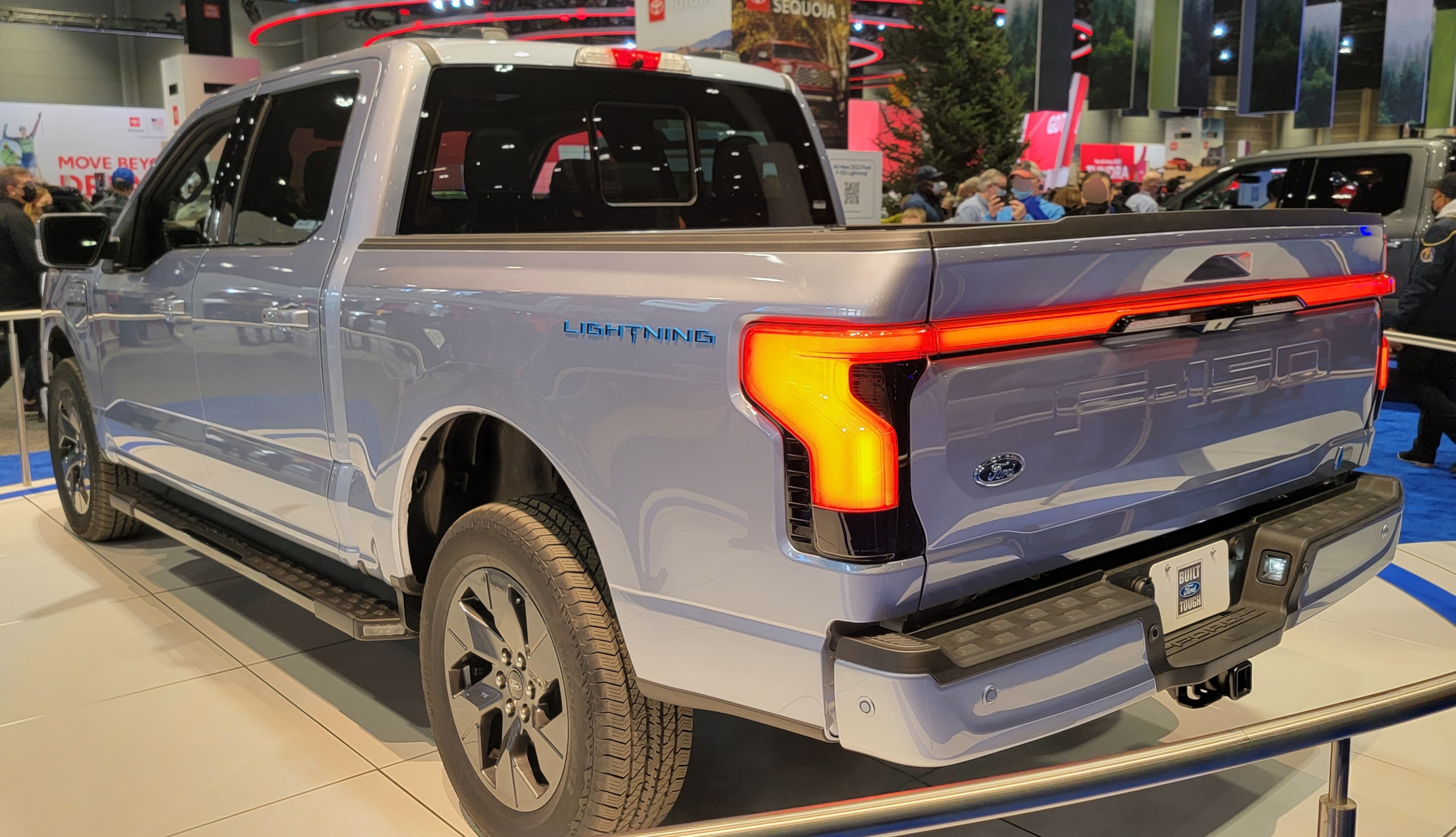
The Ford F-150 is a very popular big truck that many people use for work or driving around. It has a special engine that uses a turbo to give it more power while saving gas. Sometimes, these engines can have problems if not taken care of, but many people fix or replace parts to keep them running well.
The Acura MDX is a nice, comfortable SUV that many people like because it’s reliable and has good features. The 2019 version is newer and has lots of safety tools, but sometimes the engine parts like the camshaft might need fixing. It’s a good car if you want something fancy but dependable.
The Ford Explorer is a medium-sized SUV that many families use because it’s roomy and can go off-road. The 2003 Sport Trac version is special because it has a truck bed in the back. It has a 4.0-liter engine that works well, but some older ones might have engine problems if not looked after.
The Chevrolet Spark is a very small and cheap car that’s easy to drive in the city. It doesn’t use much gas and is simple to fix, like changing small parts that help the engine run. It’s a good car if you want something affordable and easy to take care of.
Limp mode is when a car slows down and doesn't work like normal because it thinks something is wrong. It does this to protect itself from getting hurt.
LIVE
Welcome to the Under the Hood Show podcast.
Thanks very much for listening and don't forget you can subscribe to our YouTube page
or follow us on Facebook and watch our Facebook live videos when we do the show every week,
Thursday morning from 9 to 11 central and we do have some podcast sponsors.
Berkeley won classics, your key to collect your car insurance.
And road ready wheels, replica OEM wheels add huge savings.
Use the offer code hoodie for even more.
And by car dash part over 200 million used parts ready to ship to you fast.
Thanks for listening to the Under the Hood Show podcast.
Here's the show.
This is Under the Hood.
Welcome to the Under the Hood Show.
We are glad to have you with us.
Russ Evans is here to answer your automotive questions.
Hey, thanks for joining us under the hood.
Shannon Nordstrom is not here this week to answer your automotive questions.
I'm Chris Carter.
I am here to answer your calls at 866-594-4150.
Anything we need to get to before we start taking calls?
I don't think there's anything pressing as far as recalls or, you know.
There's stuff, not a lot of bunch, not a lot of bunch of recalls right now.
There's just automotive news.
Regular stuff.
Let's stop moving and shaking.
Let's get to the phones right away.
We're going to talk to Dean first.
In Minnesota, Dean, you're on the Under the Hood Show.
What can we do for you?
Well, I accidentally kind of picked up this Roush Mustang at the end of October.
Dang it.
I really didn't get to drive it before I got it put away in the storage.
But I've got a question on, um, I've heard Russ talk about, I think on that Camaro,
he drives once in a while that E30 he uses in that.
I was wondering if that possible I could run E30 in this Roush Mustang?
Well, I don't run it once in a while.
I run it every single tank.
There's only been a couple of tanks that I have not run it in there,
where I've just put the premium in there and it's tuned to run only on premium.
That's why I run the E30 in it, but it would work either way.
Shannon runs, he's been putting E30 in since day one when he bought his,
his new truck back in 21, uh, 22, whatever it was there.
And he's had zero, zero issues with it.
I don't know, I know a lot of people that are, are doing that just for the octane.
The engine's able to adjust on its own.
If it can't, then it's going to turn the check engine light on
because it's going to give you a fuel trim code and say, hey, it's running too lean.
We need more fuel.
And as far as we can adjust, mine stays positive on fuel trims by about plus eight.
And it could run to plus 17 before it'll turn a light on.
So I've got a long way to go.
We see a lot of cars come in that are running poorly.
Got a vacuum leak, need spark plugs, even with a dirty fuel injection system
that are running plus 11 or 12 running straight gasoline.
So I would think that you, you got to make that decision for yourself,
but I would think it would be, it would be fine.
It should run fine.
It would definitely run fine if you decided you want to have it tuned
to run premium fuel and to run on, on a more of an E30 blend.
So you could get the take advantages of the higher octane
and that little more alcohol content.
When you run it, get the best performance and then you could also run premium fuel.
Right, but you could run at least the 91 octane that's in the book.
Yeah. And you must do that.
That's important to prevent detonation and stuff,
but you could take advantage of running E30 to get the best performance
plus fuel economy while it's in there,
but still be able to use a straight premium when you're not around a premium pump.
So if your home area is predominantly around an E30 place,
you could tune it just for that,
but still be able to use premium if you're out of town.
That's what I do on mine.
Because if I take mine across country,
I've got to use just a premium sometimes.
I have to look out for the pump.
Dean, how many miles have you put on it since you bought it in the fall?
Oh, probably.
I just drove it home pretty much when I put it in the storage.
I haven't hardly driven much at all.
How excited are you to get it out this spring?
Well, I'll tell you, you know, I remember when I called in and I picked up,
I complained that Roush pickup would only do one on one.
Yes.
Yes.
Well, this one does way better than that.
Is it supercharged?
Yes.
670 horse according to the book.
I am looking forward to getting it out.
Yeah, I bet.
Thanks very much for the call, Dean.
Good luck.
866-594-4150.
That's, I do miss that feeling of getting the car out.
Now, since I had a car for a few years that was put away for winter,
spring makes me think of that.
So I'm kind of sad.
If you remember last year, I sent you.
Do you remember the text I sent?
I said, the good news is,
today was the first day I thought about getting my car out of storage.
And it only made, it made me sad just a little bit.
That's the good news.
The bad news is it's February 7th.
And I've already thought once about getting the car out of storage and taking it out.
It was a kind of a rough summer for me last year.
866-594-4150.
Let's talk to Mark here on the end of the hood show.
Mark, what can we do for you?
I have a, actually my daughter has a 27207 Chevy Avalanche.
And she's owned it for more than 30,000 miles.
I'm not exactly sure, but she could remember the transmission had ever been serviced.
And of course, do nothing about the history before she got it.
And so I took it to a transmission shop and had them look at the dipstick.
And it was really, really black and they strongly recommended getting it.
The fluid changed.
And I remember listening to your show in the past that said, well, sometimes it's a bad thing to do.
If it's really overdue.
And I asked the guy about that.
And I asked if it could cause some problems by changing it out.
And he didn't think so.
He said that there's maybe a more of a concern in older vehicles.
And so I had the transmission serviced.
And a week later, the transmission went out.
And so I guess I don't know how that, I forget what you said would be an alternative
to changing out that whole fluid.
So I wanted to be just update us all on what your thoughts are on that.
Sure.
Well, the thought behind that is if you have any transmission of any year and the fluid
is so burnt that you're missing, let's say 80 or 90% of your clutch material in there,
because it's all in the pan.
It's gotten so hot, the fluid's oxidized and it's just smoked.
It's like when you throw sand under your tires, when you're on slippery ice to get traction,
that material in there is providing that traction.
If you flush it out completely, you remove that.
And it would be the equivalent of spraying fresh water on that ice
instead of having sand under your tires.
So for us, when we see one come in that a customer is eager to get a flush done,
we say, great, preventive maintenance is the best thing you can do to keep your car going.
We have a lot of people do that.
But if you bring it in and I pull that stick out and it is so black that I don't feel comfortable
with it, I tell them the alternative is to start saving your money now.
You might go with this black fluid in there for a couple more years if you don't drive too hard
or don't tow anything and you can save up the money and get ready for a transmission.
If you flush it now and you do have that damage already done and you got all that material in
that pan, it's very possible that it could quit and now you're stuck with the repair
bill a lot sooner, plus the money you just spent for the flush, which is not real cheap anymore.
So the best thing you can do is get it flushed on a regular basis before that fluid turns
black. We turn away about 10% of all the people that want to get one flushed because they're too
dark. And I bring the fluid to them and I show them, I say, look at this. This is not supposed
to be as dark as your tire. It's supposed to be reddish brown, a dark, you know, brown,
really darker color. That's fine. But when it turns black, there's a problem.
And is there a little bit of an art to it or a finesse to know when to do it? Or like in his
case? Not everybody, not everybody will know right on. If you do it every day, we see the fluid,
we see transmission fluid every day. And I know what it looks like, what it smells like.
Unfortunately, what it tastes like as it comes down to the car when I'm underneath it too.
But it's got a certain thing about it. And you can tell when I just don't feel comfortable
anymore. And that doesn't mean that every single one will do that. Because if you have a transmission
and you heated up one time from over towing, you may only take off 10% of the clutch materials.
So you got 90 left, but it got so hot, it oxidized the fluid, turned it black. That's what that means.
And if it turned it black, it's going to be so bad that it can't protect anymore. And the wear is
going to be extremely accelerated. So if it just occurred, and you still got good clutch material,
flushing it would be great. But you can't always tell that sometimes you can put a scanner on it,
you can drive it, see what clutch indexes are on certain models of vehicles like crisis and things.
You can see if there's any codes coming up. All those kind of things are important. But there's
no one way to tell 100%. But we try to err on the side of caution. Because back in the beginning,
20 years ago, if we saw black fluid, we just assumed less flush it. But after having four or five
quit within a couple of weeks, we said, we got to stop this. This is at least give the customer
the option and say, if you want to flush it, it's possible it could fail. Or it could save it.
Mark, I just want to ease Mark a little bit in that it's not necessarily nefarious or just wrong.
That transmission had already failed. If you flush it and it quits, it means it had already
failed and you've just removed the garbage in there that was holding it together. And if you
hadn't done it, you would have been saved some amount of time. It could have quit in another
month. It could have quit in another year. But it was on its way out really quickly,
especially with bad fluid in a bad transmission. It's going. Does that help you out, Mark?
Yeah. Yeah, it seemed to be running fine until I hit service.
There's nothing that a service can do to harm that transmission that wasn't already,
that had already happened to it. It had already failed. You just removed the
superglue in there that was holding it together and fluid should never hold a transmission together.
That's just a band aid in there. This is luck. Mark, thanks very much for the call. Good luck.
866-594-4150. That's the number to reach us here at the end of the hood show.
Let's talk to Todd. You're on the end of the hood show. Todd, what can we do for you?
Hi guys. Hey, I have a 2013 BMW 528i. It's the next drive. Got about 96,000 miles on it.
And probably for the last year, I've had somewhat of a fluttering noise.
It's in the front end of it. I mean, the engine area. And it's pretty prevalent around 35 to 50
miles an hour. And then it's quite down a little bit. We can still hear it almost sounds like there's
nail in a tire. It's got like a fluttering. And if I take my foot off the accelerator,
it'll go away a little bit. But then as I add power or you're in cruise, you'll start to hear
that more prominently. And we've kind of working with mechanics, pretty good mechanics that we've
been trying to figure this out and just knew about you guys and said, let's give those guys a shot.
So that's what I can tell you up to this point. Narrow it down is the hard part because you can't
what you can. We've done it somewhere. Maybe somebody riding under the hood is that that's
not good. You shouldn't do that. Not that I can't say I've seen it happen before, but long time ago,
maybe. But that's pretty much what you got to do. You got a camera or something. There's technology
now to see that stuff. You got to look and you got to listen. But the thing with the camera is
a camera is going to show a picture. It's it doesn't listen the way a human can. You know, a human
hear a gunshot in the woods, don't shoot twice because then they can locate you. You know,
that type of thing. It's like under a car. If I hear a ticking noise, think about that, Chris. If I
point a camera at this room, oh yeah, and something's making noise over here,
you can't isolate where you don't know where it's coming from. You know, it's there in that room,
in that picture, but where is it coming from? Unless you know the noise.
From what I've seen on those cars, I suspect something with the belt drive on the engine
or something with the exhaust. Sometimes the exhausts on those will leak at the manifold to the
head, but only one under a load. And so when you're going down a road, you get it, you get
enough load on it that it'll do it. But in the parking lot, you can't because if you step on the
brake and the throttle at the same time, well, when it cuts off the throttle, but that little bit
you can get heats up the exhaust so much that it can seal that leak temporarily is that manifold
swells up. But going down the road, it's just the right speed. You don't have a ton of load, but you
you do have a little more RPM and you can get that tick noise out of it. Seen a lot of leaky
manifolds on those things. Those we usually take a flashlight, go right around the edge
slowly and look between where the manifold meets the head and look for any chalky black marks on
there to see if it's coming through. And it may be on the bottom side where it's a little harder
to see. That's a tough one. Noise, vibration, and harshness, they call it.
The microphones, the magnetic microphones. You can get closer, but that requires so if you've got
like we do a set with four mechanics years, what are they called? That's what they're called.
So you you put them in and you got to have the ones with the microphones. The old ones used
to be a piece of metal that would just pick up a resonance like a microphone, how a microphone
works, but this actually uses a real mic listening like live stream. And you
you listen and see which one is closest, which one is loudest, this flutter noise,
and then you remove the other ones. And you move this one a little bit north, a little bit south,
a little bit, you know, you move it a little bit, or it's like, I'm a warmer, I'm a colder,
and you move it until you get close enough to the item you think is doing it. And then you
isolate that. It's a tricky thing back at dealerships.
Certainly tricky if you have to get up to speed every time.
Yeah, and it's a long expensive process when you're at a mechanics, but you know,
back at the dealership, we call this noise, vibration, and harshness, NVH diagnosis. And
they warranty paid for it. If it was something that was, you know, if a service advisor could
drive it, say, oh, yeah, I hear that squeak under the hood and somewhere, it's not supposed to do
that. Let's find it and it can get expensive. They would, they would pay pretty good, but only
if you found it. So a technician would have to very thoroughly document how they found the noise,
what steps they did, and why it took them, what it did, because it like Ford doesn't just want to
pay out four hours diagnosis for, oh, you found the squeak. Well, it took you two minutes to fix
the squeak. It was, this bracket was rubbing right here. Why did it take so long to find it? You
should have found it quicker. So you need to really, this, the story you can write is what really
pays the extra time when you're, when you're at a dealership warranty type thing.
Does that help you out at all, Todd, on the sound?
Yeah, we're sitting here listening to y'all. So it is helpful. One question real quick if you
have more seconds or so. What about a wastegate? What about the wastegate?
Well, the wastegates on these do make noise. I'd assumed you'd already ruled this out because
they do make noise and BMW has said the noise is normal. Ford has also said any noise coming from
their turbochargers are considered normal now. People have heard rattles and fluttering sounds
and squeaks and boost noise. And it happens so often they determine that this in no way affects
the performance of the vehicle. It's just a normal noise that you just have to get used to. So they
have called it normal now and replacing the turbo doesn't always guarantee the noise will be completely
removed forever. It may change it temporarily, but it doesn't fix it. And a lot of shops have adopted
this same same procedure because we can put in a used engine with 100,000 miles and have zero
noise from an EcoBoost turbo on a Ford F 150. And we can have a customer vehicle come in with 30,000
miles on the same engine that's never been touched and perfectly maintained with a lot of noise in
it. They're both normal. One may have noise, one may not. And it's just how the turbo develops over
its life. But if you suspect a turbo, you get those chassis ears, the mechanics ears with the
microphones and you get them very close to that area. See if you can hear the noise, compare that
to other engines, place them out at four places on the engine and then see if you've got that that
noise. Can you adjust the wastegate to see if it changes the noise? No, okay, it's fixed the way it
is and you got what you got. You can use a scanner and you can activate it and change it as you
drive down the road. You could have somebody riding with you that uses like the snap on scanner with
two way communication and you command the wastegate at different positions, turn it off as you're
driving, see if the noise goes away. If it does, you can pretty much be sure that's where your
issue is coming from. There you go. All right, thank you. Todd, thanks very much for the call.
Good luck. That's one unfortunate thing about me, like my car that had the wastegate issue,
now I can picture the wastegate on that car and that's the only picture I have in my mind of
how a turbo could possibly work. That's the only setup. I mean, when I think of turbos, I just
look at it and go, oh, there's just a little bolt there. If you just tighten that, it'll change a
little bit. Yours was adjustable. Yeah. Intentionally. Yeah. And unhooked intentionally, apparently,
because once we hooked it back up, ooh, doggy. Until the way boom. Yeah, it started all my problems.
The Under the Hood Show podcast is brought to you by exclusive sponsors like Berkeley One
Classics, celebrating 50 years, your key to collector car insurance. And by car-part.com,
with over 200 million parts, find them online at car-part.com. And by Road Ready Wheels,
OEM replica wheels at a huge savings, roadreadywheels.com. Thanks for listening to the Under the
Hood Show podcast. When you need parts for your car, finding them is half the battle. And we have
a great source for you to find those parts you need at great prices. If you need parts,
whether it be for a brand new car or going back about 20 years, it doesn't matter. Check out
car-part.com. It's fast and it's easy. Over 200 million parts strong all across North America.
Over 4,000 recyclers to choose from, giving you the largest selection available. Whether it's an
engine, transmission, doors, seats, or wheels, you can find them on car-part.com. We even let you
know what parts from other models and years fit your car. Many recyclers supply pictures of their
parts too. We even have a mobile app. Search US and Canada or buy from your local independent
recycler. Whichever you choose, buying recycled is good for the environment and good for your wallet.
If you're a repair shop, there is a professional version available for you at no charge.
That's car-part.com. Car-part.com. Check it out today. What would your vehicle be without wheels?
Our partner at Road Ready Wheels has wheels, thousands of wheels, affordable in stock and ready
to ship to you. Replace or upgrade your damaged or plain steel factory wheels with new OEM looking
road ready wheels. Maybe steel is the way to go for you to mount a second set of winter tires,
or you just don't like the aluminum look. Road Ready Wheels has many choices for you.
Go to roadreadywheels.com and use their online vehicle selection tool to help you find the
wheels that fit your vehicle. Mercedes Cadillac Ford Chevy Chrysler and many more with the OEM
fit and look that you want. Save 10% at checkout when you use the code hoody for being a loyal
under the hood show listener. New OEM wheels can be expensive with some wheels that cost 500 or
more from the dealer. Many of those from Road Ready Wheels are about half of that,
saving you some serious cash. Use your factory TPMS sensors and caps too. Go to roadreadywheels.com
to find out more. That's roadreadywheels.com. When I got my first specialty car, I called
up my agent and had him put it under my regular auto policy and had very minimal coverage,
even dropping coverage in the storage months to keep the cost down. That was before I met the
professionals at Berkeley One Classics. I'm Shannon Nordstrom, host of the Under the Hood
show with Russ Evans and Chris Carter. Berkeley One Classics ensured me with an agreed value
policy. That means if you suffer a loss, there's no haggle over the value of your vehicle. They
also show me that I could ensure my vehicle for what it was really worth and keep my coverage year
round and still save money. I did not know that my homeowners policy did not cover my car when it
was stored in my garage for the winter. For 50 years, Berkeley One Classics has ensured a wide
range of vehicles from sports cars and rare exotic cars to antique vehicles including cars,
trucks, tractors, and motorcycles. Berkeley One Classics makes it easy to get a quote. Just visit
them on the web at BerkeleyClassics.com and use their online quote tool or give them a call
1-800-603-3330. That's 1-800-603-3330. Welcome back everybody. It's time to get back under the hood
with a motor medics. 866-594-4150. That's the number to reach us here at the Under the Hood
show. Don't forget you can watch the show on our YouTube channel. If you subscribe there,
you could win a hoodie if you join the hoodie fan club at UnderTheHoodShow.com. Like Darryl
Crisp, congratulations from our friends over at Berkeley One Classics. They're celebrating over
50 years of collector car coverage and Universal Technical Institute. You find them at UTI.edu.
Place to turn to to learn more about a trade you want to get involved in. That could be
auto mechanics, could be marine mechanics, could be aviation mechanics, CNC machinings.
Check all that out at UTI.edu, Universal Technical Institute.
Let's talk to Angelo in Chicago. Angelo, you're on the Under the Hood show. What can we do for you?
How you doing guys? I love your show. I just want to say you guys get me through the day.
I drive a mail truck and I'm like, the reason I'm calling is there was a columnist in the
tribune with Bob Weber. He was called the motor mouth or he passed. And I would love reading
the stories. People even from out of state saying, you know, I got this problem. What do you suggest?
Well, you guys are my remedy for it. Cool. Thanks, man.
Yeah, yeah. But I also, I drive a 19 MDX,
accurate MDX, and I got the camshaft replaced. I don't know, maybe at 60,000 miles for warranty.
Now, does that include changing the trans fluid?
Yeah, when you're on this car, some of the maintenance items, coolant, trans fluid,
trans fluid you should do. Are you asking if they should do it or if you should do it?
Yeah, no, because, yeah, because, well, basically they put in a new trans, maybe when I was at 60,000
miles. Right. So I don't know, do I need to do the trans fluid at 30 or?
Yeah, if they, so if you had a new transmission put in, the transmission fluid in this car,
typically we like to change those about every 30,000 miles. We do that on the Honda's and
that's what I was thinking. Okay, okay. On the Honda's and the Acura's, it's a pretty standard,
it just prevents the thing from failure. We had an earlier call where somebody was talking about
changing fluid, but they thought the fluid was too dark. Once it gets to that point, yeah, you
don't, it's, it's iffy. I mean, you got to really make hard decisions whether you want to change it
or not. But in your case, you've got a transmission that should be in good shape yet, but those are
drain and fill transmissions. So they cost a little bit less and it's a good preventive
maintenance issue. Okay, okay. Yeah, but other than that, I got no other problems with the car. I
mean, I love it to death. So they're nice cars. We like them. Yeah. They hold up well, especially
if they're taken care of. Oh yeah, and the value because I had a CRV before this and I think I
sold it for was 176. It was a 14. I sold it six years later and I got five grand from it.
So yeah, they hold their value well. They do and they, they hold up for a while. If you maintain
them, if you don't, you're going to end up with the problems like everybody else, but they're,
they're a little easier to maintain as far as cost wise. You know, the oil changes aren't
horrible because they take less fluid, the transmission and the differential. Those are
not too hard to do either because they take a little bit of fluid and it's not super expensive
fluid. So you can do that maintenance on those and feel good that you've done everything you can
to take care of the car. Angelo, this is, this is relevant to it. Thanks very much for the call.
If you miss an episode, you can catch it wherever you get your podcasts and we just added. There's
over a thousand episodes up there to listen to now. So you can go back for quite a ways and we've
got, we're nine years, eight years, something like that, right? Yeah, of episodes, but when we
go back a whole lot further than that, but we've got a, there's, there'll be a few ads you'll hear
in there that are no longer relevant. And if you're a regular show listener, you'll know that if
you're listening to something 10 years ago, don't expect that to, you know, that sale to be still
going today. Yeah. If you're listening to something 10 years ago, our advice may change, may have,
may be incorrect. We learned, we learned stuff that's, that's different now, but that's what
makes it, makes it fun. You can, our advice, take the, take the ride with us. I am pretty confident
that my batting average is still right on. You know what I mean? I don't think anybody's
going to go back and be surprised if I gave a wrong answer or, or today. Same. It's, there's no,
well, you've been, you've been sitting in on a good car advice show for, I have been listening
to this show over 20 years. So you, you think you'd pick up a thing or two. I've noticed you have.
And it's right in my headphones too. It's not like I'm passively listening. I'm listening
specifically. Yeah. And then you, then you go back and listen to it again sometimes. So
yeah, I mean, poor producer Doug, he listens to your four times. He knows, he knows the shows,
but he's gotten down by memory, but I, I listened to him as well. When I, when I turn on, when I'm
done, I will have the podcast on in the car and I listened to each show at least once on different
podcast sites. So I can tell if there's an issue with the podcast site or, or something like that,
or if it's in our feed, if it's in our feed, it's in every single site. If it's in one site, no,
it has nothing to do. Plus we've got thousands of listeners downloading the show every week.
If you're the only one that has an issue, it's probably your phone or whatever you're listening
on because I would get more than one. When I, when I all of a sudden get a hundred emails
within an hour after a show is released, I know I've, I've got to go right back to it.
I think next time you and Shannon can't be here, me and Doug could probably do the show.
No problem without you guys. Yeah. I know. Yeah. I'll just look it up quick. I have a computer.
It'll be a piece of cake. Wait, let me go listen to the old show. There have been some car shows
over the years that would, would do that. They'd be like, well, let me pull out the
Hanes manual and see what they say about that. And we'll try to help you out with this.
We could do it. Doug, you could do it. It wouldn't be. I mean, I wouldn't call in to get any car
questions answered that week, but you just do this. Yeah. We'll just do a couple hours. I'll take
the afternoon off. Eight, six, six, five, nine, four, four, one, five. Oh, let's go to Nebraska
and talk to Craig. You're on the end of the hood show. Craig, what can we do for you?
All right. Thank you for sharing your expertise. You're very welcome. I've got a,
got a 2003 Explorer Sport Track pickup with a four liter, less than 50,000 miles on it.
When I back it out of the garage, it has a gentle lop, lop, lop, lop. And it takes 530 oil,
but I drive it and I don't notice any particular problem, but open the hood up when I get back
and occasionally, I'd say occasionally it's not quite rhythmic. Here's a wall, wall, wall.
I don't know what's going on. Got any ideas? Oh boy. Does it do it only when you're moving?
No. Like I say, I put it in, in park and let it idle and open the hood and I hear this strange
noise. Hmm. That was weird. Almost sounds like it's misfiring, but if it's not, if it's not steady,
that's not a misfire. If it's just an occasional thing, they have had a, there was a few torque
converter issues on these explorers that usually that only was occurring though when you were headed
down the road when they were in gear. That's a, I do notice when I lean up against it that I get a
vibration from time to time. So yeah, it could be a misfire. Yeah, it might have a,
it might have a random misfire that is coming from one of the ignition coils wearing,
you know, that's a tune up item. Coils and plugs are, are one of the things that are,
and vehicles with plug wires, you know, everything you said plug wires, but if you got plug wires,
plug wires and spark plugs, if you've got coil packs without any spark plug wires, then it's
ignition coils and spark plugs, but it's a, it's something that gets neglected very often until
the car is missing. Do you know when the last time you had those replaced was Greg?
Never. Okay. Yeah, then it's time. So that might be worth it. That might be worth it as a diagnosis
tool just because it's due anyways, right? It's 23 years old. It's, they're, they're made to last
about five years. Okay. How many miles around? Less than 50,000. Okay. Well, it's, it's,
it's low enough that everything should still be in pretty good shape, but it's also old enough that
just air can break things down. Just, just the normal sitting age, like a belt, belts and hoses,
they get old, they crack, they dry out. Same thing happens with those, those coil wires and coils and
things like that. Does that help you out there, Craig? Yeah. Appreciate that. I figured we were
probably heading that direction. That 530 oil is still appropriate for it. Yeah. Whatever the
factory recommended on that is, is still what they're, they're putting in those and should,
should protect it very well. Where could he go or any of us go? Like this one, it was 530,
and it will assume it still is. That does change on some vehicles. How do we find that out? Because
we, you say that, use whatever the manufacturer recommends. When that does change, how do we
find that? A lot of the websites will have that on there with, for us. You would, right? I mean,
I brought my car to you, you would have that. And then, and then there's, there's
sites out there who specifically specify in oils and weights. That's, they just,
that's what they do. They look up these things, they get the Boltons, they post them on their
website. So it can be, it can be found, but for us, it's easy. We have a system we use, the
Mitchell system, all that is the same way. You go there, you, you click on your car and it tells
you what oils in it. In fact, you could go to advanced auto parts. Oh yeah. And maybe you're
getting oil for your car, oil filter, you're changing yourself, or you're just going in,
you're going in to say hi and say, Hey, I'm curious, what kind of oils my car take? They pull it up,
and their system is connected the same way we are with Mitchell and all that. And it'll say,
this car, it's under what's listed as vehicle specific, tells you the fluid for your engine,
your coolant, your transmission fluid, your differential fluid, transfer case, and engine
oil. It's all right there. So that'd be a good, good choice for you. I have learned over time
that it's always good to ask or tell them what you're doing, even if you know what you're there
for. Like I've gone before and like gone to get a bulb. Right. I've taken the bulb out of my car
and and seen what the bulb is gone in and said, here I'm getting this and they've looked it up
and go, Oh, you can get this one or this one and this, you know, and do you have this on your car?
Yes. Oh, then this one will be better because it'll do, you know what I mean? Just it's always good
to check. Otherwise, I mean, sometimes you don't, you don't have to, but we have some cars come in
and the, the ball, I had one yesterday. I was working on a little s10 truck and it had the wrong
bulb in it. So there's a 31 57. There's a 30 57. There's all these different numbers for plugging
tail light bulbs. You get the wrong one. They're a little different wattage and they, they work a
little differently and they can cause the blinker to blink fast or slow or maybe not at all. And
you think, Oh, it's not working. We need to put a different bulb in there. So if you go in, they'll
tell you what it's supposed to fit. And there you go. And, and you're right there in the store.
So you can pick up what you need while you're there. Craig, thanks very much for the call. Good
luck. That sport track, that Explorer sport track, a little ahead of its time. And I think the name
didn't help it because it didn't explain it. An Explorer sport track doesn't, first of all, it's,
it's still called an Explorer. So people I think didn't quite catch on and the sport track didn't
really say what it was. If it had been called an Explorer sport truck,
Explorer sport truck or a truck, they got a new truck or a different name all together. I think
they used to call them. They have one fifties. They had the Ford Explorer, which is like a
right one 50. And it's an Explorer on the fence. There's a package. They do that every once in a
while. They'll switch something up and change it. And when you say what your car is, you have to
explain whether it's the new thing that it is or whether this or that. Oh, you have one of those
866-594-4150. That's the number to reach us here at the end of the hood show. Let's go to you,
Don. Talk to Shelly here on the end of the hood show. What can we do for you?
Hey guys, I've got a 2008 Dodge three-quarter ton, the 5.7 liter engine. And the engine runs great,
but it's got a quirk. It will, if it's cold, I don't, it could be, you know, 10 degrees below zero
and this engine will start immediately like it's brand new. But if it's been running,
if it gets up to running temperature and then I turn it off, go into the store or something,
come back out, it struggles to start. And I can't figure out what the deal is.
But it does start, right? Every time it just takes a little longer, like maybe 10 seconds to crank
up and go instead of two. Exactly. I pump the gas a little bit and it'll start and then runs great.
Yeah, I think what's happening is you're giving it throttle and it's opening. It's,
it's giving it more airflow as well. So it's firing up. It's probably running a little too rich.
Knowing what we do about the injector system on the 5.7 in these rams, I'd say they're probably
getting dirty and they're probably dripping a little fuel. When you shut it off, it's
dripping in there, making it a little too rich. You go to crank it and it's basically flooded.
So when you crank it and you give it a little throttle, opens up a little more air coming through
there, you're good to go. One of the things that could help this that we've done in our
own shop is using a kit like the CRC guaranteed to pass emission system cleaner to help clean out
the injectors and make sure those pintles seal shut 100% when you shut the engine off
and they don't drip in there. Now the reason why it would start faster when it's cold,
they, they like being rich when they're cold and the computer adds a little extra fuel.
You're just adding even a little more fuel, not so much that it's flooded, but just so much that
it's enhancing that choke procedure. So it fires up even faster when it's cold. It's ready for it.
Yeah. Back in the older, back in the old school days, when we used to have a lot of fuel pressure
regulators mounted to the rails, which this one no longer does. It's just got a, a returnless system
that fuel pressure regulator would leak and fuel would leak back into the,
into the vacuum system and it would make it rich and it would do the exact same thing,
start good cold, even better than normal. It's like, man, my truck's been starting better these
days, the last few weeks, but it's harder to start when it's warm because that thing would leak,
especially when it was warm, it would be worse as far as dropping fuel. And so I think that's
probably what's happened. Cleaning that out may take care of all your issues. That's the first
place we could start. Yeah. Before you spend a lot of money and start throwing parts at something,
CRC guaranteed to pass G2P. Try it out. Excellent. I will do that.
Shelly, thanks very much for the call. Good luck. And if he hasn't ever had it,
if he hasn't had it professionally cleaned in a long time,
professional cleaning is, is always good in our shop. We use the Justice Brothers system
for the professional cleaner with the machine and we'll clean that thing out and we will clean
everything out. And that's where, that's where we would start. If we, if you brought this in and said,
Hey, this thing's not running right. We need to use a professional fuel system cleaning. We're
going to check this condition of the spark plugs, the basic tune up stuff, of course. But what he's
specifically talking about is almost always caused by a rich condition, which the scanner will help
us identify to. And, and if we see that, we're going to the cleaning first. And if he uses our
partner CRC and it, it doesn't totally fix it, but changes it, then he knows for sure that's
where it is. Kind of, I mean, that's a good way to, for the price of a one tank full. Yes.
866-594-4150. Let's go to Pennsylvania and talk to Don. You're on the end of the hood.
So Don, what can we do for you? Hey guys, I hope you remember me. I'm the guy with the million
dollar Tahoe that has millions of problems with it. Dollar forever problem. Yeah.
So, um, I had the replacement engine put in and it wiped out a bunch of stuff because
obviously oil was flushed around in the piston rings and then whatever, it just wiped out everything.
So the thing has never ran right since I bought it. I got 20,500 into it's been at the Chevy
dealerships and everything. And they diagnosed it as a piston ring and cylinder eight locked.
I said, no, something's not right. What are the symptoms? What's it doing right now?
Well, believe it or not, I'm the one that just got it running right. So anyways, but what it was
doing was, it was the timing was going all over the place. It was given, it was misfiring and
a lot of cylinders was bouncing all over the place. It would go into limp mode,
but if I threw it in first gear and just mashed it, it would come out of limp mode
and start running right. The shifts were hard. Everything was just going nuts. So
the main wire for the coil packs down on the lower above the oil pan was broke.
So I soldered that back up, taped it up and I pulled the ECM big plug out and just reamed it back
and forth and shoved it back in, cleared everything up. So my other issue now I'm having
that says, roll over sensor fault. And I have a high voltage in my brake pedal.
It's saying on the code reader. So where would I begin to even start on that?
That's a new one to me. I mean, as far as that code, we've never experienced that.
If I saw that though, the first thing that my thought would be would be there's a problem
with that ABS module or a grounding issue like a wiring issue with that ABS module.
If I remember right, all that grounds up on that left front driver side frame rail under the hood.
I think it's just forward either just forward or just rear of that control arm on the driver
side, but it's on that frame rail. If I remember right, and we've had some of those come loose and
give you all sorts of wacky codes in the brake system and that that's possible what's going on.
But also those are known for issues with the brake control module that hydraulic
control unit that runs the ABS and all that and they can give all sorts of weird, weird codes.
But if you've got other ones you've been experiencing, I definitely check those grounds.
Sounds like you got a lot going on the roll over the roll. What about that roll over the
roll over valve in the tank? I don't know if that's if that's what they're probably what
they're referring to in that. That could be the sensor back there in the tank top of the fuel tank.
Oh the top. Yeah. Okay. All right. I think yeah. All right. Now this has been a nightmare.
Yeah. This is the one that the guy tried to put the engine in it and he forced the bell
housing back cracked its lip on the bell housing and broke the transmission pump. Oh no. We've
seen that happen before. It's horrible when it happens but it does unfortunately. Yep.
Yep. So I got that's how I got up to this point and I always remember what you said.
You always got to ask yourself is the car worth it before you go putting the money into it? You
know what I mean? Oh yeah. That's the big that's always the big question isn't it?
Yeah. So there's one more thing that maybe one of you guys can ask me do they make a conversion
for those airbag systems? For the suspension? Yes. Yes they do. You could take them off and
put regular regular springs back there. Yep. Because all of my motors are shot. You can get
those that that is so if you go and visit just go into advance auto parts and tell them you're
looking for a suspension conversion to do just what you told me the air to standard and they
have different ones available. They have some from R not is available. I believe they even have one
in their own brand that would work but talk to them they'll be able to show you the picture of it
tell you what what comes in the kit to convert it and then you'll be able to put that back
at a whole lot cheaper price and maybe even get rid of some of these codes if you've got some shorts
in that system. Perfect. There you go. Perfect. That's why I call it. What's the hold on a second
Don what's the what's he getting look at for the conversion? I don't know. The last couple we've
done on different vehicles were about 600 bucks so I've seen him from four to six. You're 600 more
in Don. We just did one on a Bonneville was 295 just for the rear so you can't afford to get rid
of this truck now. Yeah. No that you're absolutely right. Yeah. Listen I'm not lying to you I sent
it to a garage and I said I have a myth in my engine can you tell me what it is because I think
it's electrical. The guy calls me up because I got it fixed. He said new spark plugs new wires
new only new coil packs. I said why'd you do that the ones that were on there were brand new but
anyway and one oh no. Guess what the bill was too much. $100. I'm not I'm laughing with you Don
because you're not at you with you because I've been there bro. I want to go back to the earlier
call about the Tahoe. Yes he said the million dollar Tahoe. He could force it into first
and step on it to make it come out of limp mode. That seems like a bad idea.
Right. Yes. Okay. I mean thin limp mode. There's probably a problem with the vehicle
so I don't know how I let him I let that slide but it's been sticking in my head. That's not
and obviously he's got he's got a lot of other things on his mind with this truck
and he had but but when he said that I was like that seems like you shouldn't do.
No. Okay. Now my now would not be my first choice. I'd want to find the problem
fix the problem and then see before I step on it. Now in his defense he's made a lot of choices
where he's done the right thing for the first choice so he might just be down to this choice
on that thing so I don't want to you know I don't want to put it too much on him but
Edward that one made me think oh that doesn't seem like a super great idea. That'll do it for
this hour of the Under the Hood show and don't forget you can go to our YouTube channel and
watch the show live while we're doing it and anytime you want on YouTube. With Russ Evans this
is Shannon Orts from thanking you for tuning into the Nordstroms Under the Hood show. Have a great
day and remember PTLA. The opinions heard on this program based on the many years of experience of
Russ and Shannon are offered for entertainment value only and as a guide to your repair needs.
No claim to repair or cause is given or implied. Always consult with your own certified technician
and follow all safety procedures before attempting any repair. To be a part of the show call 866-594-4150.
Find out more by visiting Underthehoodshow.com. Under the Hood is produced by Prairie House
Productions. All content is the property of Nordstroms Automotive Incorporated and may not
be used without our permission. Copyright Nordstroms Automotive Inc.
About this episode
The show covers a range of automotive questions from listeners, including the use of E30 fuel in a Roush Mustang, the risks of flushing old transmission fluid, and diagnosing a fluttering noise in a BMW 528i. Russ Evans shares expert advice on fuel tuning for performance and economy, explains why changing severely burnt transmission fluid can cause failure by removing clutch material, and offers troubleshooting tips for unusual engine noises. The episode blends practical maintenance insights with real-world caller stories, highlighting the nuances of vehicle care and repair decisions.
Under The Hood is America's Favorite Car Talk Show. Free Car Repair Advice given to anyone who needs it. You can save money on car repairs and get your car going faster. Three guys hanging out talking cars and any repair problem you may have. Check us out on our podcast on any site and watch on YouTube live. Thanks for Tuning in and Tuning Up! Here are today's callers. Using e30 Ethanol in a 2017 Mustang. Can it be done? Did a transmission flush kill my transmission? 07 Avalanche Is my turbo noise normal? 13 BMX 528IX 03 Explorer is it missing? Why does my truck start hard when hot? 08 Ram 2500 5.7 Gas engine The million dollar 08 Tahoe is back