Limp mode is when your car slows down and won't let you drive fast because it has detected a problem. It's a way to protect the car from getting damaged.
Traction control helps your car stay on the road when it's slippery, like in rain or snow. It stops the wheels from spinning too fast when you accelerate, making it safer to drive.
Reflashing is like updating the software on your phone, but for a car's computer system. It can fix problems or make the car run better by using new software from the manufacturer.
Unintended acceleration is when a car speeds up on its own without the driver pressing the gas pedal. This can be dangerous and has led to many safety investigations.
The rear main seal is a part of the engine that keeps oil from leaking out. If it breaks, oil can spill out, which can be a big problem for the engine.
The intake is the part of the engine that brings in air. It's important because the right amount of air helps the engine run better and more efficiently.
Drilling out means making holes bigger in parts of the engine to let more air in. But if the holes are too big, it can cause problems with how the engine runs.
Carburetor cleaner is a special spray that helps clean parts of the engine, especially where fuel and air mix. It removes dirt and gunk that can cause problems.
Throttle body cleaner is a spray that cleans a specific part of the engine called the throttle body. This part controls how much air goes into the engine and needs to be kept clean for the engine to work well.
PCV is a system in cars that helps clean up harmful gases from the engine by sending them back to be burned again. This helps the engine run better and reduces pollution.
Injectors are parts of the engine that spray fuel into the engine for combustion. Keeping them clean helps the engine run better and use fuel more efficiently.
The Ford Ranger is a small truck that many people use for work or personal projects. The 1996 version has a four-liter engine, which gives it good power for carrying loads.
These codes mean that the engine is getting too much air compared to the amount of fuel it should have. This can cause the engine to run poorly and use more gas.
The mass air flow sensor helps your car's engine know how much air is coming in so it can mix the right amount of fuel. Cleaning it can help the engine run better.
Road Ready Wheels is a company that sells wheels for cars. They have many different styles and types, including ones that look like the original wheels that came with your car.
OEM means Original Equipment Manufacturer. These are parts made by the same company that made the original parts for your car, so they fit perfectly and work well.
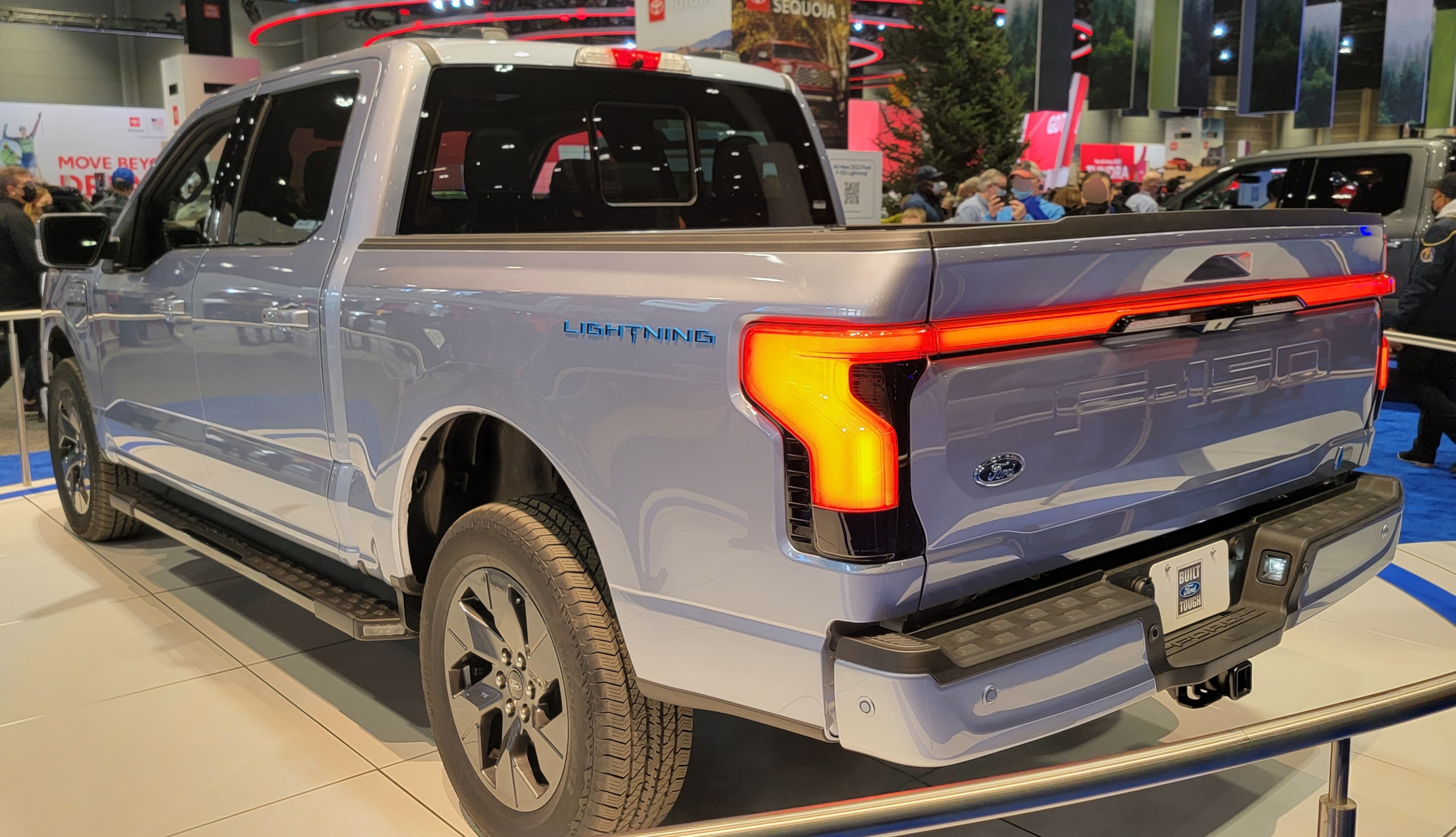
The Ford F-150 is a popular truck that can be used for work or personal use. The 2018 version has a good engine that saves fuel while still providing enough power for heavy tasks.
The turbo waste gate is a part of the turbocharger that helps manage how much power the engine gets from the turbo. If it doesn't work right, it can cause problems with the engine's performance.
The Ford Bronco is a tough SUV that can handle rough terrains and is great for outdoor activities. It was brought back after many years, and people love it for its cool design and ability to go off-roading.
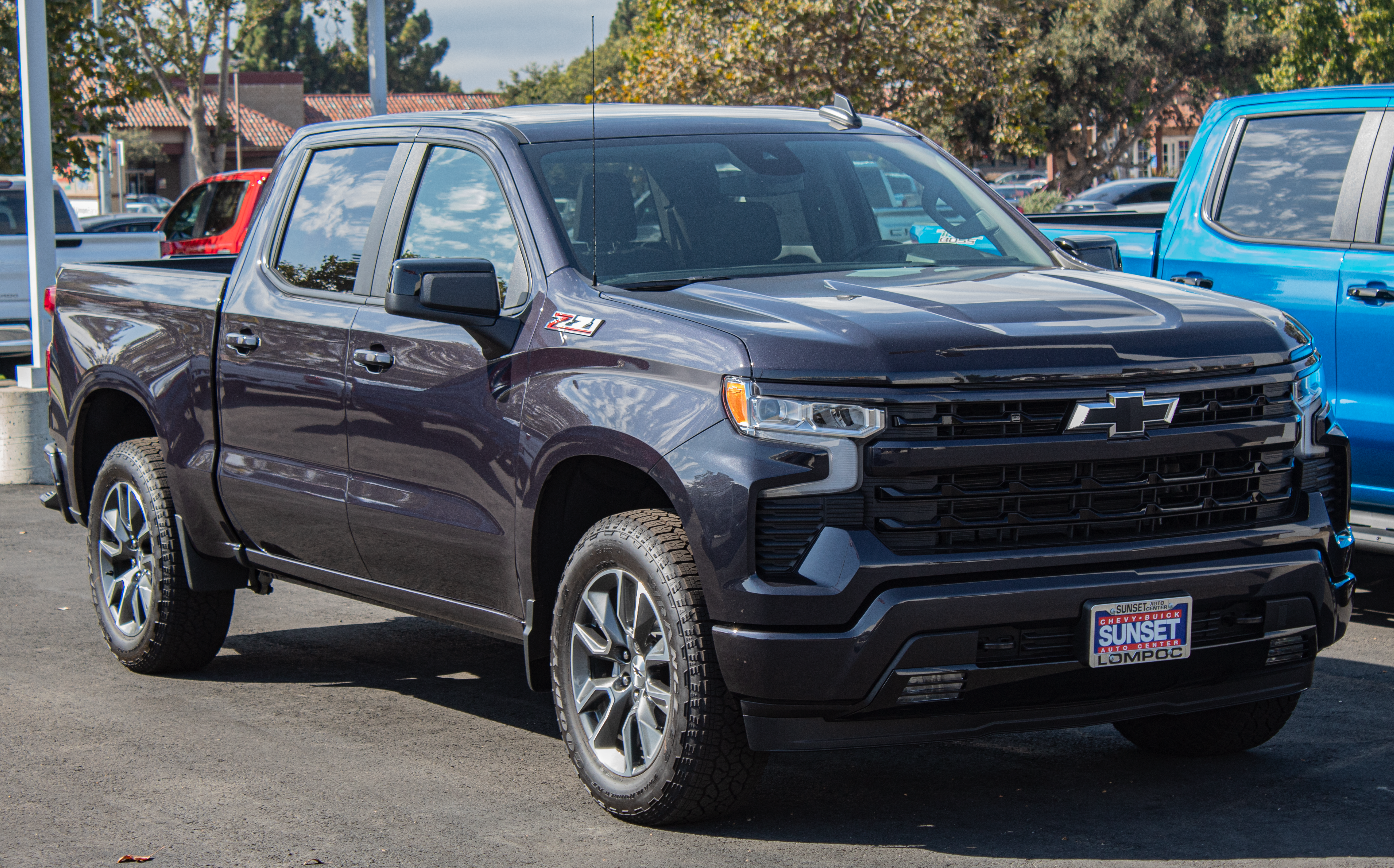
The Chevrolet Silverado is a big truck that many people use for work or hauling things. Some 2019 models have a problem where they use too much oil, which means you might need to check and add oil more often than usual.
LIVE
Welcome to the Under the Hood Show podcast.
Thanks very much for listening and don't forget you can subscribe to our YouTube page
or follow us on Facebook and watch our Facebook live videos when we do the show every week,
Thursday morning from 9 to 11 central.
And we do have some podcast sponsors.
Like Berkeley One Classics, your key to collect your car insurance.
And Road Ready Wheels, replica OEM wheels at huge savings.
Use the offer code hoodie for even more.
And by car dash part over 200 million used parts ready to ship to you fast.
Thanks for listening to the Under the Hood Show podcast.
Here's the show.
This is Under the Hood.
Welcome to the Under the Hood Show.
We are glad to have you with us.
Russ Evans is here to answer your automotive questions.
Thanks for joining us Under the Hood.
Shannon Nordstrom is here to do the same.
Welcome, Hoodies.
Thanks for tuning in so we can help you tune up.
I'm Chris Carter here to answer your calls at 866-594-4150.
Quickly before we get to calls, there's a lot of calls coming in.
We'll get to them.
Shannon, you were out snowmobiling.
Were all laws and common sense followed?
Yes.
Okay.
That's good to know.
We had a very, very good time.
Okay.
Good.
Everyone's safe.
Everyone's safe.
Did all of the snowmobiles make it back in one piece?
Did you read the text?
All of my snowmobiles made it back in one piece.
All right.
Yeah.
A friend of mine still was able to ride his, but there was a booboo.
Not all the pieces were there.
No.
And we had to creatively hold it together on the trail.
And not all of your snowmobiles came back with the same parts they left with.
Yes?
That is true?
I had a...
Yeah, we had one of them that had a blown belt going across the lake at speed.
At common sense speeds.
You were driving the, what is it?
The 55 mile an hour DNR regulated speed.
Isn't that what it is?
I think that's what it is.
55?
I'm not sure.
45?
Well, let's talk to Jeff from...
Let's go to North Dakota and talk to Jeff and change the subject.
Jeff, you're on the end of the hood show.
What can we do for you?
Thank you, take on my call.
You bet.
I have a 2021 Toyota 4Runner.
It only has $6,000 miles on it because it's primarily a winter vehicle.
And recently I've had an event end of January.
I was going to get on a busy street.
And when I pushed on the accelerator, it went into lip mode.
And on the dash, it said brake and accelerator pressed simultaneously.
And I was not doing that.
And that kept doing it.
And then I got where I was going and I started it up again and it was fine.
But I still made an appointment for the next morning anyway to have it checked out.
And they said everything checked out fine.
There's no codes, nothing's wrong with it.
That night we went out for dinner and it did it constantly.
To the point where it was like somebody was not happy with me because why are we driving this
vehicle?
And then it was kind of slippery that night.
We're early the day before it wasn't.
And it got to the point where it kind of got better, where it would go into a little bit
of traction control before it would go into lip mode.
So the next morning I brought it in again and they were interested.
Yeah, we'll take it, bring it in right away.
And they had it all day long and they said they could not get it to duplicate.
Everybody was dry of it.
And it got to the point where they said, okay, it did it once.
But they couldn't re-duplicate it again and there was no codes, nothing was wrong.
And then finally they still get in closing time, they said, come pick it up.
And then they told me that they had been in touch with Toyota corporate engineers.
And made it sound like nothing was wrong.
But it has never done it since then.
So I'm just wondering if there would be something going on behind the scenes.
Because I went down a long rabbit hole on this whole thing.
And it all ties back to the programming that's put into the vehicle with
the accelerator issues they had back in the 2000s, early 2000s or whatever it was.
So I just want your thoughts on it.
Yeah, that was over 20 years ago.
Well, I'm flummoxed as to who could have been upset that they were in that vehicle.
That's a mystery to me, I can't imagine who that would be.
So this only did it one time and it's never did it again?
No, no, it did it multiple times the first time and then I made the appointment.
And then after they had it for four hours, they said there's nothing wrong,
no codes, nothing's wrong with it.
But then it did it all that night after I picked it up.
And it did it constantly over and over again.
And then I brought in the next day and then that's when the next appearance happened.
When they said, okay, we had to do it once, but they really weren't sure.
There's no codes.
They can't do anything.
They've been talking that.
Yeah, if there's nothing in there that's a hard fault,
even if the shop sees the problem, that problem has to occur continuously
and never stop for them to be able to find it.
If they got in it and you had 10 people at that dealership drive the car
and say, oh yeah, I see it doing it right now.
And then they plug into it.
They try to diagnose it and it doesn't do it continuously.
It could do it just once here and there.
They are never going to find it.
It needs to be broken every time they try to accelerate.
Then they can find it because while they're testing it, if it's not actively occurring,
there's no way to find out what it is.
That's like, I don't even know what to compare it to.
It's just not possible to find it.
But if it's a hard code, then they'll say, okay, we've discovered this issue
because of this code that's being set.
We should replace this component.
I'm kind of curious when you said you went down the rabbit hole.
I'm assuming you started asking a lot of questions on the internet and you ended up
with someone saying that it was safeguarding programming that was put in back from years ago.
All cars do this now.
If you step on the brake in the gas, most of the time it won't give you a message,
but it won't accelerate.
It's made to shut off the throttle when you step on the brake.
So if it's got a bad brake switch and the brakes are actually being activated,
if somebody was following you and saw that your brake lights came on when you were trying
to accelerate, that would be a great tell right there because there's no codes.
It thinks it's doing what it's supposed to, but it's going to turn on.
And weather differences could affect that if you've got a problem with that brake switch.
So it thinks you're braking, but you're not braking because that is standard.
It's supposed to do it.
Yeah.
They checked all that stuff.
Everything was perfect.
Nothing was wrong with it.
But it just intrigued me that it was after they had contacted Toyota corporate engineering
that all of a sudden I haven't had the problem anymore.
Well, they may have tried something.
If it was in there and they didn't make any repairs,
they may have just reflashed everything in the software just to see what would happen.
They're like, well, we couldn't find anything.
You got some updates that need to be done.
Let's do it.
Because almost every car is going to have updates after it's three or four years old
because it's parts where parameters need to be changed in order to not have lights come on.
Did you know, did they say if they did any programming to it or did they just analyze?
They were really quiet about it.
It was just kind of like when that came up, the Toyota thing engineering,
and all of a sudden it was like, well, they were done talking about it.
And that's not unusual at all because the techs to do or to say...
No.
Well, no, but I know techs, Russ knows techs that are in dealerships.
And there's times where they've got a resource to reach out to.
If they're beating their head against the wall and they're not figuring something out,
they've got a path they can follow that connects them to the resources at the manufacturer,
including engineers, if they need to go that far.
And the service managers, they have to elevate things,
but they have an ability to do that.
That is not unusual for that to happen.
But I would just, like Russ said, I'd be curious if that phone call
or that email exchange or whatever it was led to them saying,
hey, why don't you hook up to this thing and we're going to update the software.
This shouldn't be it.
But we'll do this and then just see.
Or whatever they said or whatever they did.
We're going to do this and don't.
But we do know that with confidence that because of the noise from the unintended
acceleration challenges that were out there, I mean, we talked about this in the show where
they even took it to NASA engineers trying to figure out and said,
there's no way that could have happened with the safeguards that they had.
And that's when the advent of the floor mats with the pegs in them to hold them back.
So they don't slide up under the accelerator.
All that came into play was all during that time.
And like Russ, I'm repeating him again, but they did put safeguards in the systems
just to make sure even more safeguards, just like the throttles have redundancy
on the contacts in them, numerous ones on them.
So before with the electronic throttles to have safeguards in place.
So I think that I would, I appreciate you, Colin.
I'd let my heart not be troubled about it because at least it's not where it is
completely stopping you.
It goes into that limp mode and you're able to get somewhere
and it hasn't happened now for months.
Yeah, about a month.
Yeah, close to a month.
And we've had some, you're in North Dakota.
What part of North Dakota are you in?
Fargo.
Fargo.
We've had some crazy temperature swings.
We've been super cold.
We've been moist.
We've been, now you're probably experiencing better weather.
You know, we've been all over the board here this winter.
So, you know, those things can affect the environment too, the ambient surroundings.
And I think, you know, those are such good vehicles.
This is highly unusual, obviously.
Is it, is it possible or is he going internet crazy a little bit that he brought it in?
They talked to the corporate engineers.
The corporate engineers fixed something and said, don't tell anybody.
Is that logical or is it possible?
I think that's conspiracy theory too much for me.
I think that if they found something and said, you know what, we reflashed the computer,
they didn't know if that would fix it or not.
But we're going to, we want to get everything reset.
It's just like your home computer.
Sometimes the printer doesn't work.
Yeah.
And you just, you're like, I can't figure out what's going on.
And you just restart everything.
Relate it and reinstall it.
Well, no, not even that.
You just started, you restart the computer and the printer works again.
Everything reconnects.
Yeah.
You know, that, it's, that happens.
It, this, these, these are sophisticated systems in these vehicles.
There's, there's computer can bus networks talking to each other all over the vehicle.
Sometimes my printer doesn't work if I don't use it for like a month and a half.
And I'm not taking it outside.
No.
It's not raining where I take it.
Well, and then you find out the kids took all the paper out of it.
Yeah. Where, why is it out of, where's the paper?
Jeff, does that help you out at all or just kind of let you move along?
No. Yeah, that does help me out quite a bit.
So I'm not going to worry about it because it's been driving perfectly
over since that I'm going to go with, they maybe reflashed it like you said and cleaned it up.
There you go. Jeff, thanks very much for the call.
Oh, that's the number to reach us here at the end of the hood show.
Let's go to Pennsylvania and talk to Tom.
You're on the end of the hood show.
Tom, what can we do for you?
Hi guys. Thanks for taking my call.
You bet.
I have the 17 equinox with the rear main seal needing replacing any tips or tricks.
Fix the problem that caused the rear main seal to leak
before replacing the rear main seal.
If you pull the oil cap off and you've got pressure in there while it's running,
that's what caused that seal to blow out of there.
They never fail on their own.
I've never once seen one fail because of where they just don't.
Highly unlikely.
What happens is...
No, I'm aware of the reason.
It was very cold here that we haven't had it.
It froze up and I have all the symptoms.
I'm just going to pull the engine and want it to know if there's anything specifically I should look for.
Nothing special.
Dormant products makes a complete rear cover for that.
We use them in our shop, in our partner bars.
You get the whole cover with the seal in the middle.
It even comes with a little ring that goes on there to protect it as you're putting it together.
I see.
Now that's what I'm going to buy.
Do you know about the man of old fix?
No.
Do you know about the man of old fix for that?
That was on my list here.
Did you have a little hole in the intake?
No.
You don't need to do that.
No.
Because that only clears out the center hole.
It doesn't clear out all of it.
When you pull the intake off, which is going to be really easy for you if you're pulling the engine,
probably 10 minutes, take it off.
You can either buy a complete updated intake that will have larger passages,
but only to the point where the engine will still run fine because if they're too big,
if they're drilled out, it won't run properly.
But there's one in the center where they're showing you to drill on YouTube.
But then that tees off to four ports, one in each cylinder.
Those will clog up as well.
You need to just take a little pick and clean out the carbon that's in the center one.
And then spray some carburetor cleaner or throttle body cleaner into that hole and make
sure it flows out of all four ports and then blow it out with compressed air.
That's what happens to the engine.
That plugs up with a tiny bit of carbon and then you get that back pressure.
And then once that happens, the tube that you see that you're talking about that
froze up that goes from the air cleaner down to the engine, it's got a little loop in it.
They make a tube that's straighter so that the gravity lets the moisture flow back into the
engine and with it breathing properly, it'll flow right on through and keep that tube clean.
And you won't need a catch can and you will have an engine that runs properly.
Now to keep that clean, you can either use an emission system cleaner kit and use it regularly,
you know, about once a year will usually do it, but you've got to spray it in there.
It will go into the intake port, the CRC kit we use, it has, you put it into the intake,
you introduce it there where the throttle body is in the air cleaner and it pulls it in and it
gets sucked through those ports as it's vacuumed in through the, it's not really, it's a PCV,
but it's a passive PCV without an actual valve.
It just has those drilled ports, but it'll suck it in there and clean those out.
And that's what you're looking for to keep that clean because those engines,
they do get a bad rap because that plugs up and then it blows the rear seal out,
the motor locks up because it's out of oil or it burns a lot of oil, sticks the piston rings,
and then they wear the cylinders and then it consumes oil even with a new intake.
And now what we found is if you do the maintenance on them,
they have a lot less chance of the failure.
Okay. Yeah, I've only been putting the B12 in like every other oil change,
but I never did the actual spraying it in the intake.
See, that'll get into the fuel system and it will clean the injectors,
which is perfect on that engine too. You do need to clean the injectors,
but you also need to go through that intake so it'll pull it through that port,
which is the cause of the failure on these in most cases.
And this is a 2.4 that was used like from 2012 to 20 or 13 or what was that at?
No, it's trying to get my ears right there, but it's,
it was a long range of use on that engine.
Eight to go back that far.
Eight to 20.
Yeah, yeah, that's the 2.4 that was real common.
And there's a lot of these vehicles on the road and then they were still putting engines in them.
Well, gosh, yeah, I mean, they're good vehicles.
Yeah, they hold their value really well,
surprisingly compared to their bigger brother's vehicles that are not holding the
value as well. I think it's just a popularity thing.
When I was trying, Tom, thanks very much for the call. Good luck.
When I was traveling, I was sitting next to some musicians from the Royal Philharmonic Orchestra
and they were speaking German.
And it was much like listening to that conversation between Tom and Russ to me.
I didn't.
Basically, the engine was trying to operate with its nose plugged.
And you got to take a pick and it couldn't breathe.
And then make sure it goes to the floor.
You had to open it up so it could breathe.
Otherwise it's building internal pressure and it's popping the most easy to move
piece out is the rear main seal on the crankshaft.
And then it lets the oil fall out of the engine and you got problems.
866-594-4150. Let's go to Arkansas and talk to Jill.
You're on the end of the hood show. What can we do for you?
Okay. I have a 96 Ford Ranger and it's a four liter.
And I keep getting a code PO171 and 0174. I know it's both banks lean.
Yeah.
And I've...
What have you done to it?
I'll let you speak first.
No, have you done anything to it? Replace anything?
Okay. So I've cleaned the mass air flow sensor.
I've cleaned the throttle by just because I've checked for vacuum leaks.
Not with a smoke detector, but spraying, you know,
carpeting around all the, you know, intake and all that.
Nothing. It idle is perfect. It doesn't run rough or anything like that.
And so whenever I clear the code, it comes on right after...
Right off, it comes on exactly off idle.
When I go to take off, it will pop the light on.
And I'll check the code into 171.
So now I am down to where it said it could be a fuel filter or a fuel pump.
So I put a pressure gauge on it and I don't have...
And now it's either going to be the filter or the pump, I do believe.
Reason being is this morning I go out there and it's only getting to 28 with key on engine off.
Started it up. It went to 32 running.
I disconnect the vacuum regulator and nothing changes.
So I don't know, could it be the regulator or do you...
It is either a fuel filter.
It should go up with the regulator disconnected.
And I think those would go up to about 46 or 48 pounds.
So it sounds like it's a little bit up there.
If that's, you know, if you've got low fuel pressure, start with a filter, of course.
And see if the pressure goes up.
Right, of course.
And if it doesn't, then you'll probably need a little pump in there to get it.
But once you get the pressure where it's supposed to be,
even though you clean the mass airflow sensor, we've seen lots of those that fail.
The sensors just wear out internally and they can't, there's a resistor in there
and a little transistor in it.
It heats a wire and it has to measure how much the computer measures,
how much amperage it takes to keep that wire at a certain temperature.
And if that starts to fail, it can't do that any longer.
And that's a very common part to fail.
So are you saying once I get my fuel, my fuel pressures up where they need to be,
and if it happens, that would, that should be where I should go next.
That's, that's what I would do.
Okay. And it is, like I say, it is a 96 with 158,000 miles.
So it is 30 years old, that pump in the tank.
So that could still possibly be, but for sure.
I know the filter first filters.
Oh man, I bet that filters really bad.
Is it internal filter?
No, it's external on that one.
Luckily, well, he's in Arkansas.
So hopefully that'll come apart up here.
The lines would break trying to take it out because it'd be so rusty.
Gotcha.
Yours is probably clean.
The end of the hood show podcast is brought to you by exclusive sponsors
like Berkeley one classics, celebrating 50 years, your key to collector car insurance.
And by car dash part.com with over 200 million parts.
Find them online at car dash part.com and by road ready wheels.
OEM replica wheels at a huge savings road ready wheels.com.
Thanks for listening to the under the hood show podcast.
When you need parts for your car, finding them is half the battle.
And we have a great source for you to find those parts you need at great prices.
If you need parts, whether it be for a brand new car or going back about 20 years, it doesn't matter.
Check out car dash part.com.
It's fast and it's easy over 200 million parts strong all across North America.
Over 4,000 recyclers to choose from, giving you the largest selection available.
Whether it's an engine, transmission, doors, seats or wheels, you can find them on car dash part.com.
We even let you know what parts from other models and years fit your car.
Many recyclers supply pictures of their parts too.
We even have a mobile app search us in Canada or buy from your local independent recycler,
whichever you choose buying recycled is good for the environment and good for your wallet.
If you're a repair shop, there is a professional version available for you at no charge.
That's car dash part.com.
Car dash part.com.
Check it out today.
What would your vehicle be without wheels?
Our partner at Road Ready Wheels has wheels.
Thousands of wheels, affordable in stock and ready to ship to you.
Replace or upgrade your damage or plain steel factory wheels with new OEM looking road ready wheels.
Maybe steel is the way to go for you to mount a second set of winter tires
or you just don't like the aluminum look.
Road Ready Wheels has many choices for you.
Go to roadreadywheels.com and use their online vehicle selection tool to help you
find the wheels that fit your vehicle.
Mercedes Cadillac Ford Chevy Chrysler and many more with the OEM fit and look that you want.
Save 10% at checkout when you use the code hoodie for being a loyal under the hood show listener.
New OEM wheels can be expensive with some wheels that cost 500 or more from the dealer.
Many of those from Road Ready Wheels are about half of that saving you some serious cash.
Use your factory TPMS sensors and caps too.
Go to roadreadywheels.com to find out more.
That's roadreadywheels.com.
Welcome back everybody.
It's time to get back under the hood with the motor medics.
866-594-4150.
Don't forget if you miss an episode of the show you can catch it wherever you get your podcast.
And you can also watch us do the show on our social media channels.
If you subscribe to the YouTube channel and join the hoodie fan club at underthehoodshow.com
you could win a hoodie.
Like Jeffrey Yeager no relation to Chuck.
Congratulations from our friends over at Berkeley One Classics celebrating 50 years of
collector car coverage.
Do you know that for a fact?
No.
Okay I would just let that hang out there.
Okay and Universal Technical Institute.
Find them at UTI.edu.
They didn't.
They're those folks that train mechanics.
All sorts of.
They didn't know what would happen.
They didn't know what would happen.
Whether it would turn into liquid or.
It's like he's going to break the sound barrier and what's going to happen.
He might just.
I watched the first space shuttle enterprise launch off the 747 modified for test runs and
they're like okay let it go.
See what happens and they're like well it should fly.
It's plane shaped.
It worked.
But what was even more.
It was in the same breath on YouTube basically as the Soviet space shuttle.
There was nobody on that.
It was remote control.
That's even more impressive don't you think?
Back then yeah.
Yeah back then for the 70s when you've got a.
If it worked.
I mean we don't know.
I mean we don't know if they said it did.
It wasn't AI.
I mean at least we have that right.
Yeah true.
But a lot of people don't even know.
There was a Soviet space shuttle that looked just like it.
Just like ours.
I wonder how that happened.
866-594-4150.
Let's go to Pennsylvania and talk to Rod.
You're on the end of the hood show Rod.
What can we do for you?
I've been listening to your show for a decade or more and find it to be awesome.
I love it.
Thank you.
Thank you.
So I have an 18 F-150 with the 2.7 EcoBoost 100k miles and over the last year or so it started
to develop a ringing rattling noise on startup that over a period of maybe you know 10 minutes
as the car gets completely warmed up disappears.
I had initially hoped or thought this was a heat shield rattle but crawling around underneath
of it I can't find a loose heat shield and so now I'm worried it's a turbo waste gate
that's acting up on me and so if that's true my main question is how long can I go with
this before I think about a repair.
Maybe forever.
Ford's actually got a nice little bulletin.
You remember that one?
Dan you read it at a meeting.
So Ford came out with this bulletin and said if you have a brand new truck or you have a
truck with 100,000 miles it is normal for our turbocharged engines to rattle and creak and
make ringing noises from the day they're purchased and I wonder if they didn't do that as a way out
of some of the warranties like when they say oh it's perfectly acceptable to burn three
quarts of oil in a thousand miles that's our standard as long as it meets that you're not over
but I haven't seen a lot of turbos fail after they've developed that noise.
I have a customer with one of these and he pulls a boat all over the country with this thing not
not overweight it's probably 50% of what it could pull but it pulls all over the place.
Things been ringing since he bought the truck with 150, 160,000 miles and I think it's got
275 on it now which is a lot for one of those but it's also had timing chains completely
replaced in it the whole kit and that's that's what you got to worry about more than the
more than the turbos is those timing chains when they start start getting loose on them and
but then you fix them and they keep going and as long as you pull within their
rated value and be very conservative about it 70 in that 70% range they seem to pull
and be very strong for a long time when you get up in there that 80% which is what we recommend
for everything and and that the manufacturers recommend at the most that starts that's fully
loaded and you get times where you're hitting 100 because 80% doesn't account for wind it says
we could have wind we could have a little extra load so if we're at 80
occasionally we'll bump up against the 100 but if you're at 70 you're going to be even lower
and when you tow that's that's hard on a vehicle it's really that's like they call it like high
impact exercise you tell me I don't I don't pull anything with this truck really you should last
you got two or three thousand pounds small trailer oh that's perfect that's that's just
a little exercise for that vehicle I would listen to that rattle and not be too concerned with it
until it becomes a source of burning oil because you're getting oil in the intake tubes or okay it
rattles so bad that you're getting boost codes because you've got an under boost condition
and it's not making the boost anymore that's when I really get nervous but that rattle
light upon acceleration and definitely when you first start it is pretty much considered normal
I hear it if I don't hear it on one of those trucks when I started up I'm really surprised
we have a we have a we have a bronco raptor and it makes noise on startup and we had to go back
in for just normal service and I just said guys you want to listen to that is that is that normal
for this it's only got 12,000 miles on it and they came back with that answer
they said it's normal they said the turbos are going to make some noise when it starts up and
it just it doesn't sound normal to me at all and since since we're used to hearing pretty much
like I said it's rare to hear one not do it I believe what they're saying when they say look
we've studied this it's fine but if I only heard this on 10 percent or even let's say even I'd go
as high as 30 if 30 percent of every one of these I heard no matter what the mileage did it I'd say
no they're just throwing that out there to cover it up you know just like the oil usage thing
because if you have a with the oil thing I'll say it again because it just irks me to no end
when somebody calls me and says I have a 2019 Silverado and it burns two quarts of oil every
thousand miles but they won't do anything because they said it's normal it's a you go out to your lot
and pick 50 vehicles off that lot of any kind any make you pull that dipstick and they're not going
to burn oil so don't tell me it's normal for this one to burn oil when the rest of them do not
that's a cover up do they say it's normal or acceptable acceptable yeah yeah some of the
it is not acceptable it leads to catalytic converters plugging up early it damaged engines
lots of lots of issues Rod thanks very much for the call good luck you just reminded me
we haven't gone up to that OHV yet with the off-road area up by Appleton and come on man I'm go
kind of selfish let's talk to George you're on the end of the hood show George what can we do for you
say I have a a 2018 Cadillac XD 5 it's got about 82,000 miles on it and on Monday my wife was coming
back from town and she swirled you know a little bit right left right left to miss something on
her road and she got this steering assist action or steering assist reduced action required message
so she dismissed it and we didn't think much of it so I looked a little bit on the internet but
the next day she went she started the car with the remote start in the garage and when she went
out to open the garage door she's thought that the engine sounded like it was running louder than
normal and so when she got in and hit the start button that message popped up again and so she
dismissed it again and then she drove like 240 miles and turned the car on and off a couple times
and that message never appeared again and we drove it again yesterday about 20 miles and no message
again so we're wondering just what it sounds like from internet stuff that I looked up it was
like they called it the water outlet or something and I don't have a code reader so I can't see if
there's any codes what um just entertain me a little bit further what kind of caddy is it 18
caddy what what model an xp5 oh I didn't hear was yeah it's got this yeah it's got this six cylinder in
it that you're not done with this it's gonna keep coming back if it's got a steering assist more than
once it either has low voltage because it has an alternator issue or a wire issue that's it's
melted at the alternator we've seen that on those or you've got it you're gonna need a more than
likely a steering the electric steering gear for that which it's electric assist those fail a lot
you know as far as steering gears go all the electric steering units fail a lot at at some
point you'll see it in different vehicles some are better than others but with these yeah you'll see
it'll fail and then the steering is going to be more it's just more difficult to turn it's going
to take both hands to turn it and you're only going to be able to turn it while you're rolling
right but you will be able to still turn it you know she's trying to drive in a parking lot she's
gonna think she can't turn it at all because you won't be able to unless you roll the car
the faster you're going the easier it's going to be to move it on its wheels
yeah the part about I looked on the internet a little bit and they talked about a the water
outlet or a thermostat problem causing causing that that to come up there was a there I don't
know some kind of a service bullet than this guy was talking about if it's leaking on electronic
components yeah if it's leaking on electronic components yes okay if you've got a thermostat
housing and it's leaking onto the belt and the belt slips it will give you a steering assist
issue that could that can happen so that's in that alternator you've got to look at the
charging system and make sure it's functioning properly because if the voltage is low you're
going to get steering assist pretty quickly that um the the part that's odd to me more is
when she opened the garage door and thought it sounded louder that has really no correlation
was a car running in a closed garage that's the first thing yeah did it did it echo different
or something this is the her normal correct right yeah but I mean we've started it before in there
and it's usually fairly quiet so I was wondering if it was the the engine fan that was running
you know just after well air pump there's an air pump in there so yeah that that air pump would
echo and if it was 20 degrees colder than normal then anything could really I mean that it could
be something but it that that's a normal thing for one time when you listen yeah especially if
you're hyper aware of that your car has an issue and she just used the menu on the steering wheel
to cancel um what the message that came up yes so there was never a code set per se it was a
message no no check engine light came on or anything like that correct that's correct yeah no no
check engine lights or anything like that so you're saying that the generator or alternator would we
check the the voltage on the output of the alternator or the at the battery to see how that's
yeah it needs to be checked at the at the battery but you also need to inspect that belt to make
sure it does not have coolant leaking on it because if it does have coolant leaking on it
on the front side of that engine it's going to cause it to slip and it's it's not the belt
alternator that's the problem it's the coolant getting on it causing it to slip that's why they
put splash shields under the car one of the reasons they want to keep water from the road
and snow and things from getting in there because once the belt gets wet it'll slip
it's got a lot of traction going on in there that still has a power steering pump on it
no electric it's running low on voltage if the alternator so that I got it I was
I wasn't tracking what you're doing there okay some of these modern cars an alternator could draw
10 to 12 horsepower so it's really got so then they get a low voltage situation and then it causes
George thanks very much for the call good luck 8 6 6 5 9 4 4 1 5 0 that's the number to reach
us here at the end of the hood show let's talk to Kurt you're on the end of the hood show Kurt
what can we do for you yeah I heard you talking anapheres or fluids uh just when I
threw it in here before the break and and I thought you know you might have a
an answer I got 97 grand marquee uh with that uh what is it 4 6 v 8 kind of the common engine
knows of crown victors etc uh I pretty much what's happened and we'll we'll say about five months
go 5 000 miles give or take either way pretty close I I believe I was pretty much completely
out of anapheres in the reservoir and uh well I guess maybe I hadn't glanced at it for a while so
I filled it up I was just looking the other day and uh it was completely drained again now this is
when it had been sitting overnight or several nights whatever both times so it was completely
a cool uh engine and so now within five five months 5 000 miles uh roughly uh it's completely
drained again I have no idea where that fluid is going I have not seen any leaks on the floor
or haven't noticed any uh during driving periods uh just don't don't know where it's going just
kind of wondering what where do you start on that knowing what we do about those cars the first
place I would look would be to take that coolant reservoir take the one bolt out of it slide it
out of its bracket look at the bottom side of it the bottom side of those will develop a crack
the four torus will do the same thing I believe it's the same bottle and it will run down that
crack down the inner fender liner into the corner of the car and just dissipate underneath it'll
blow away as it's going and it happens when it gets warmer so when it's cold
it's not like it sits there and run leaves a puddle in the driveway it just does it under
pressure when it's warm and it it will just get down below that level and it'll kind of stay there
the engine won't overheat but it's too low sometimes your heater won't work as well as it should
if you go to advanced auto parts you can ask them for a coolant reservoir bottle if you discover
that's what it is and you can choose any one of them they'll probably have two maybe three and you
just pick the best price or the one you want they're all going to be a good quality part
and then putting taking it off and putting it on is really simple you've got the one hose clamp on
the end of it and then you've got the one nut that holds it on the hardest thing is going to be
getting the nut off of there you're going to you know make sure you don't break it if you do
don't worry about it too much you can put a bolt and a nut through the fender from the bottom the
fender liner just put a nut on top of it that's what that's what we do but we see a lot of those
reservoirs leaking we pressure test them of course we're doing it when it's cold it's in the shop
it's not running and sometimes we can't find it and then I pull that bottle off turn it over and I
look at the bottom and I can see like a little dirt line it's a it's a line that's stained with that
coolant but it's damp on there so I know it's been leaking there it's kind of an off-color yellowish
clear so you can you can really see where it's distorted under there but I'll I bet that's probably
where it's leaking from that's the most common the second most common would be the intake manifold
the whole intake yeah and that's got the thermostat housing integrated into it
right they corrode in the corners yep and they will dissipate a little bit of antifreeze and then
the heat of the engine can yeah because they get the valley it goes into the valley and burns it away
you typically smell yeah just a little bit that sweet smell antifreeze when it's that either well
either one of them but the one when it's burning on the engine you somebody with a keen nose should
smell that one I got one leaking up at the shop right now can you smell it from here I might be
able to yeah here I got a good nose for that it's only a few miles you're like a bomb sniffing dog
you just antifreeze sniffing dog but that is something that is a common issue and I know
dormant products sells a you know a much better than original intake manifold that we we've sold
a lot of in the in the past not as many of those in that era but there's still a bunch of them on
the road because you're we're assuming we're assuming we're assuming you're not seeing any antifreeze
on the floor like you said and you're not getting anything into the oil or else you'd notice that
no no I've checked that diligently yeah just quickly what's a lot of labor involved for you
to do that job besides I'm not talking the tank but the manifold is that a lot of labor on on your
end to have that done for me or it's a few hours yeah it's not awful it's a few hours to do it
yeah it's a plastic intake it's got stuff hooked to it that takes as long as anything and then
it can be checked before like in our shop we do one of these we inspect it first get you a free
estimate and then you can decide if you want to fix it you know Kurt thanks very much for the call
good luck 866-594-4150 let's talk to Greg you're on the end of the hood show Greg what can we do for
you I got a 2018 Dodge Durango with a 36 in it with a P0171 code and we're getting about 25% fuel
trim on bank one we've smoke tested the intake compression tested the leak down tested it tested
the back pressure in the cat and just can't get that fuel trim straight out we've done a few injectors
in these vehicles it's very likely you've got one that's clogged or electrically not the same as the
others first step easiest without taking it out you can test each injector as you go see what the
resistance of them is and if they're all the same then you can put a fuel pressure gauge on it
key on engine off with it with the fuel pump running turn that injector on and see what your
your drop is see how fast it drops and watch it on all of them and you just do it one at a time
and then you start the engine in between to clear out that fuel go to the next one turn it on and
so on and you go through and sometimes you'll find that there's not much of a drop on one or
it's a very slow slow drop of the gauge whereas the other one's just right down to zero as soon as
you activate it that's telling you that injector is dirty it's it's clogged up and most of the time
you'll just replace it because cleaning it's not really an option without a reverse flow injector
cleaner setup that's how they rebuild a lot when they say they're rebuilt but what they do is they
put them on a bank backwards plug them in they activate some blows them out backwards they make
sure they flow test well without the screen and if they do they put new screens in them new o-rings
and package them up and and then they're you know refurbished okay all right sounds good would that
make the upstream and downstream oh two sensors mimic each other if they're both running really
lean it's a good indication that the car is actually lean if you've got one that's rich
and one that's lean it's usually one sensor that is failing they're both getting a lean signal but
one is failing thinking it's a little richer than it is so the computer says oh we're we're fine we
don't need to give it any more fuel so if you've got a down even a downstream sometime if that's
reading um telling the computer that things are really rich that it and then the other one might
show really lean so you know oxygen sensors on especially on a chrysler like that can really
throw things off and if they've got to a hundred thousand miles already they they may be failed
they wear out they're like a spark plug they only have so much time on them with the zirconium that's
in them and once it's used up it's they they get very slow and stop working is this would it be
sensical if he hasn't ever would you just if you're trying to if well if you're fighting a fuel
term issues and and it's got over a hundred thousand miles one of the first things that
we look at is the fuel injectors so i would say yeah i would i would check them all you could even
switch them from one bank to the another take all the driver's side put them on the passenger side
then you get a 174 exactly right i just remembered it earlier the hour he said he had a 171
and a 174 both banks wouldn't you think that'd be a one and two bank yeah and then i figured two
was was rich or two what are two and three well there's upstream there's downstream rich and there's
lean so it's a pretty good deductive listening and reasoning how about me huh yeah could you do it
tomorrow again no no i know where that goes yeah i knew that yesterday i just don't remember it
that's totally we'll call your show tomorrow morning hey uh chris doc i've got a question
uh i've got a po 174 and with a three six in that era don't ever underestimate to make sure you do a
leak down test and make sure all the valves are healthy and and uh you know make sure the engine
state of health is good why'd you have to say that just like because he owned one personal experience
that'll do it for this hour of the under the hood show remember you can watch the show on
our youtube channel and you can always find us at under the hood show dot com you can also
find out there how and where you can listen to the under the hood show anywhere in the united
states and dare i say world under the hood show dot com for russ evans shannon nordstrom i'm
chris carter thanks for joining us on the under the hood show with russ evans this is shannon
nordstrom thanking you for tuning into the nordstroms under the hood show have a great day
and remember ptla the opinions heard on this program based on the many years of experience of
russ and shannon are offered for entertainment value only and as a guide to your repair needs
no claim to repair or cause is given or implied always consult with your own certified technician
and follow all safety procedures before attempting any repair to be a part of the show call 866 594
4150 find out more by visiting under the hood show dot com under the hood is produced by prairie
house productions all content is the property of nordstroms automotive incorporated and may
not be used without our permission copyright nordstroms automotive ink
About this episode
The Under the Hood Show dives into a listener's puzzling experience with a 2021 Toyota 4Runner that unexpectedly entered limp mode, raising questions about potential programming issues. The hosts discuss the complexities of modern vehicle electronics, the importance of diagnostic codes, and the role of manufacturer engineers in troubleshooting. With humor and expertise, they explore the impact of environmental factors on vehicle performance and share insights on how dealerships handle elusive problems. The episode is packed with practical advice for navigating dealer interactions and understanding vehicle technology.
Under The Hood gives car repair advice to callers over the air and on their you tube channel if you want to ask questions in the comments instead of calling. youtube.com/@underthehoodshow All calls are done without using any in-studio computers. Watch the show to see for yourself. Call to get on the air 866-594-4150 Here are today's callers. 1. 21 4 Runner won't accelerate brake override is on 2. 17 Equinox Rear main oil seal leaking how to fix 3. 96 Ranger Runs Lean P0171 and P0174 4. 18 F150 Turbo rattle 5. 18 Caddy XT5 lack of steering assist 6. 97 Mercury Marquise coolant leak 7. 18 Durango P0171 lean fuel trim one bank facebook.com/underthehoodshow underthehoodshow.com