
new tires
“New tires” just means the tires were replaced. Tires strongly affect how smooth the ride feels and how well the car sticks to the road. If the car is in the shop for tires, you often need a loaner.
Stalantis
They’re talking about Stellantis, the big company that owns several car brands. The host is saying the dealer they use is part of that group, which is why they got a Dodge loaner. It helps explain why different brands show up at the same dealership network.

Dodge Hornet
The Dodge Hornet is a small SUV/crossover that Dodge tried selling for a short time. The host is talking about how it was priced, marketed, and then taken back off the market. They also mention getting to drive a higher trim called the GT.
GT model
“GT model” means a nicer/sportier version of the car compared to the standard one. The host is saying they finally got to drive that sportier trim. Different trims can change how the car drives and feels.
suspension is taught but not rough
This describes suspension tuning: “taught” typically means firm control and less body movement, while “not rough” suggests the ride is still compliant over bumps. Together, it’s a balance between handling stability and comfort. Listeners may benefit from understanding how spring/damper tuning and tire choice affect this feel.
turbocharged
“Turbocharged” means the engine has a device that forces extra air into it. That helps the car make more power, often making it feel quicker. The host is saying the turbo power contributes to how the car drives.
four-cylinder engine
A four-cylinder engine is an engine with four moving pistons. It’s often chosen to save fuel, and in this case the speaker says it’s surprisingly strong.
zero to sixty sprint
“Zero to sixty” means how fast a car can go from stopped to 60 mph. People use it to compare how quickly different cars feel like they accelerate.
firm suspension
A firm suspension means the car doesn’t “float” much over bumps. It can feel more controlled in corners, but it may feel less comfortable on rough roads.
subcompact
“Subcompact” means a smaller SUV size. It usually drives more easily in traffic and parking, but it may not have as much space as bigger SUVs.

Honda Crv
The Honda CR-V is a bigger SUV than the HR-V. They’re both crossovers, but the CR-V is usually roomier.

Honda Hrv
The Honda HR-V is a small SUV. It’s smaller than the CR-V, so it’s usually easier to park and drive day to day.

Toyota Corolla
The Toyota Corolla is usually a regular car, but the speaker is talking about it being used for a smaller SUV-style vehicle. The idea is that Toyota is trying to sell a crossover in the Corolla name.
tariffs
Tariffs are extra taxes on imported products. If cars are imported, tariffs can make them more expensive to sell, which can affect whether a model stays on the market.
25% unimported vehicles from Europe
The speaker is talking about a 25% tax on certain cars coming from Europe. That kind of tax can raise the price of the car and hurt sales.

Jeep Cherokee
The Jeep Cherokee is a Jeep SUV. The speaker says Jeep stopped making it, so you’d expect dealers to sell something else instead—but they didn’t.

Chevy Bolt
The Chevy Bolt is an electric car made by Chevrolet. When it first came out, dealers often didn’t have many on display, so it was harder for shoppers to see and consider it.
dealer promotion and showroom visibility
The main point is that if a dealer doesn’t put the car where people can see it and doesn’t advertise it, fewer people will notice it and buy it. Visibility matters a lot for sales.
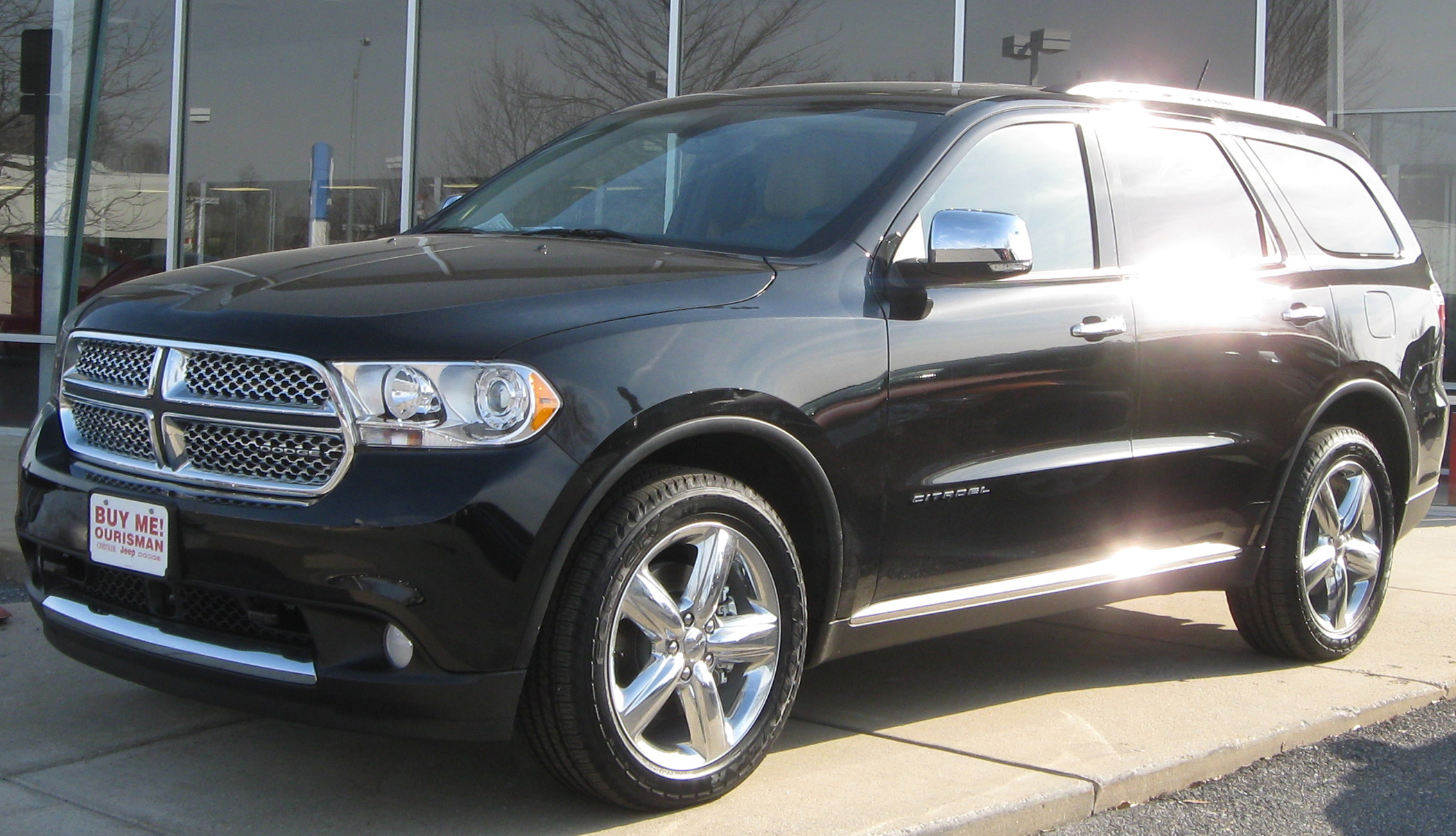
Dodge Durango
The Dodge Durango is a Dodge SUV, usually with room for more than just two people. The hosts are using it to show what kinds of Dodge vehicles dealers actually keep on hand.

Jeep Wrangler
The Jeep Wrangler is Jeep’s iconic off-road SUV, known for its removable doors and roof and its strong brand identity. The hosts use it as an example of a model that dealers stock heavily because it matches what Jeep buyers expect.

Jeep Grand Cherokee
The Jeep Grand Cherokee is Jeep’s mainstream SUV that blends everyday comfort with off-road capability. The hosts mention it alongside the Wrangler to illustrate which Jeep models dealers prioritize because they’re strong brand fits.

Audi Q5
The Audi Q5 is a popular luxury SUV. They mention it to show that the Jeep Grand Cherokee is competing with well-known SUVs in the same general class.

BMW X5
The BMW X5 is a bigger luxury SUV. They mention it to show the Jeep Grand Cherokee is being compared to well-known luxury SUVs people might consider instead.

BMW X3
The BMW X3 is a compact luxury SUV and a common competitor in the same shopping set as other mid-size SUVs. The hosts use it as a reference point for how the Jeep Grand Cherokee stacks up in perceived value and capability.
Incentive
An incentive is a deal that lowers the price or helps with financing. They’re saying there may not be a big promotion at the dealership, but there is some discount and financing help if you look online.
financing
Financing refers to how a buyer pays for the vehicle over time, typically through a loan with an interest rate and term length. The host mentions that the incentive includes financing that could be “interesting,” implying the deal may depend on credit and loan terms.
soft version of the old Cherokee
They mean the newer Cherokee feels more like a comfort SUV than a rugged, outdoors-focused one. Even if ads suggest it can do the same things, the newer one may not have the practical gear/features you’d use.
CVT type transmission
A CVT is a transmission that doesn’t use set gears. Instead, it smoothly changes ratios, which can feel different than a normal automatic—sometimes less “grabby” when you need power right now.
camping features
They’re talking about whether the SUV has the useful stuff you’d want for camping. The point is that the newer Cherokee doesn’t offer those same camping-friendly features, even on the higher trims.
GM
GM stands for General Motors, a large American car maker. They mention it to compare how big legacy brands’ dealer networks are versus other automakers.
Hyundai
Hyundai is a car brand that sells a lot of vehicles in the U.S. They’re saying Hyundai may have fewer dealers than Jeep/Dodge, but it still sells more cars.
electric cars
They’re talking about electric cars and whether companies are still fully committed to them. The point is that some brands are slowing down or changing plans, while others keep selling electric or electrified options.
Kia
Kia is another car brand in the Hyundai group. They mention Kia as part of the comparison showing other brands are continuing to offer electric or electrified cars.
Electric vehicle sales
They’re talking about how many electric cars people are actually buying. If those sales aren’t as high as expected, car companies may pause or delay new EV projects.
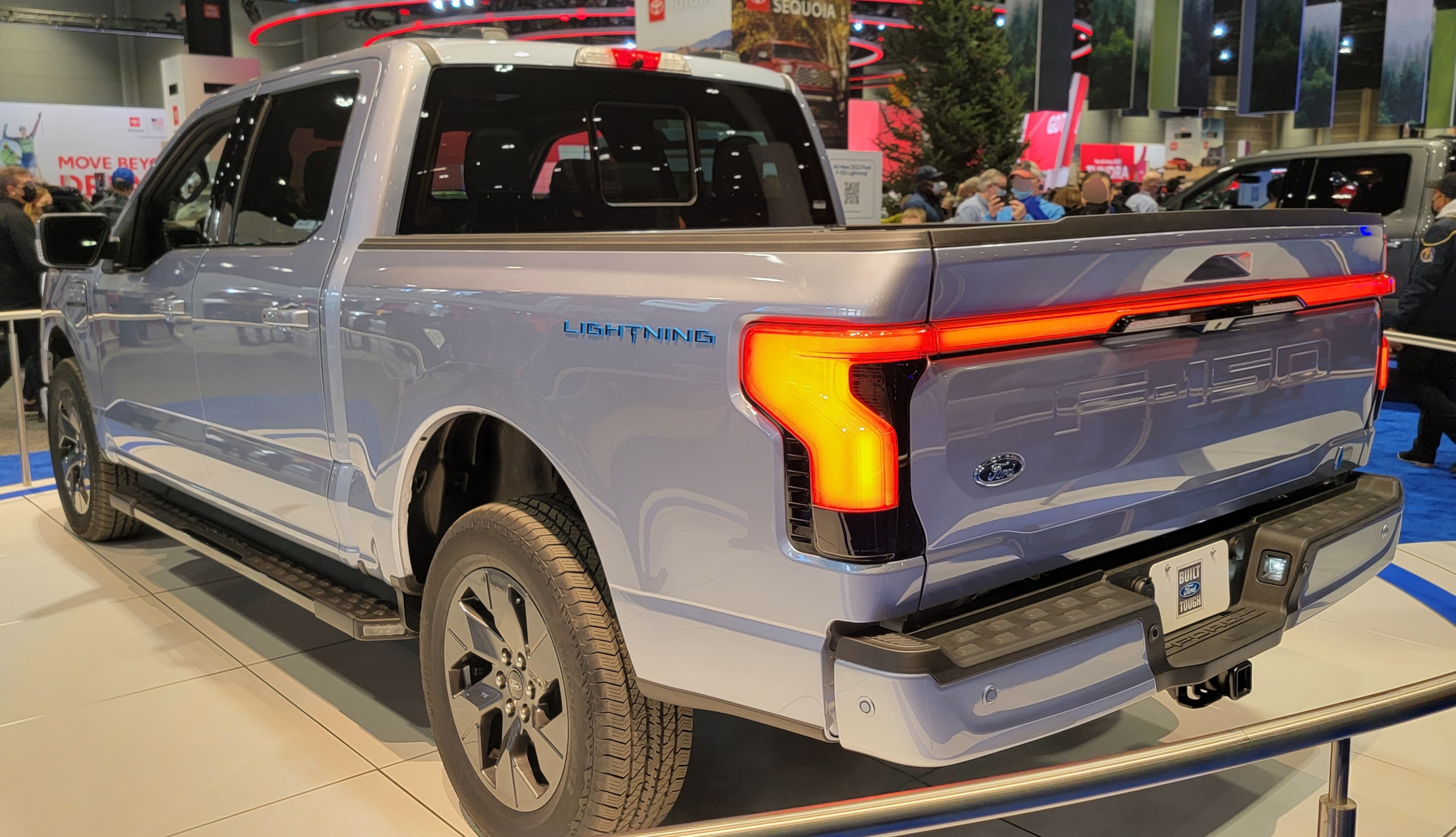
Ford F150 Lightening
The Ford F-150 Lightning is a pickup truck that runs on electricity instead of gasoline. It’s meant to keep the usefulness of a truck while using an EV powertrain. The podcast mentions it in terms of how Ford is talking about it and positioning it to customers.
Stellantis
Stellantis is a big company that makes lots of car brands. If Stellantis is struggling with sales, it can impact specific brands like Jeep and the models they sell.
miserable gas mileage
They’re saying these SUVs don’t get good fuel economy. If a car uses a lot of gas, people may hesitate to buy it or it may sit longer on lots.
miles per gallon
Miles per gallon (MPG) tells you how efficiently a car uses fuel. Higher MPG usually means you spend less on gas, which is why the hosts connect MPG to rising fuel costs.
ground clearance
Ground clearance is how much space the car has between the bottom and the road. More ground clearance helps the vehicle avoid hitting obstacles when driving off-road.

Ford Bronco
The Ford Bronco is another SUV aimed at people who want a rugged, off-road capable vehicle. The hosts mention it because it competes with Jeep’s Wrangler for the same kind of buyer.
body-on-frame
Body-on-frame means the car has a separate “truck-like” frame underneath, and the body bolts to it. It’s often used on rugged SUVs because it can handle rough use, but it can be heavier and less efficient.

Toyota Land Cruiser
The Toyota Land Cruiser is known for being very tough and capable off-road. The hosts bring it up to show that people are still buying rugged, truck-based SUVs in big numbers.
SUV sales competition (Land Cruiser vs Wrangler/Bronco)
They’re debating which popular SUVs will sell the most and why. It’s mostly about Toyota versus Jeep and Ford in the rugged SUV segment.

Boulder Hyundai Bolder
The “Boulder” is a concept vehicle shown by Hyundai at the New York Auto Show. A concept car is not always a car you can buy right away—it’s more like a preview of ideas. The podcast mentions it because it can show where the company might be heading.
BYD
BYD is a car company from China. The hosts are pointing out that BYD is selling a lot of cars in Europe, which challenges the idea that Americans won’t buy Chinese brands.
barriers
“Barriers” here refers to obstacles that make it harder for certain cars—specifically Chinese cars—to sell in the U.S. These can include tariffs, regulations, and other market-access hurdles. The hosts frame them as part of why Chinese brands face a tougher path than they do in Europe.
protectionist
Protectionist means trying to protect local companies from foreign competition. In the past, some people didn’t want Japanese cars coming into the U.S., and the hosts compare that to today’s concerns about Chinese cars.
EV sales up
“EV sales up” means more electric cars are being sold. The hosts are using this to show that at least some automakers are doing better than people assume.
vehicles in stock
The hosts suggest that EV sales may be affected by inventory availability—if dealers don’t have the right vehicles on the lot, customers can’t easily test or buy them. This frames sales performance as partly dependent on supply and dealer stocking decisions.
dealers rant
They’re about to talk about how car dealerships work and whether the sales process is outdated. The hosts imply it affects how people buy cars.
summer car
A “summer car” is a vehicle you primarily use during warm-weather months—often because it’s a convertible or sports car that’s less practical year-round. The hosts suggest that if you can store it and only drive it seasonally, you may find better deals on used examples.
used cars deals vs new-car pricing
They’re basically saying: you can often get the same fun from a used car for much less than buying new. The savings can be big, especially for cars that aren’t driven year-round.

Mazda MX-5 / Miata
The Mazda Miata is a small two-seat convertible that’s famous for being a blast to drive. It’s often a good used-car deal because you can buy one without paying “new car” money.
rusting away
“Rusting away” refers to corrosion that occurs when a car sits unused for long periods, especially outdoors. For convertibles and sports cars, rust can become a major ownership issue because it can affect structural areas and body panels.

Ford Mustang
This is a Ford Mustang GT with a convertible top. The point here is that you can enjoy a more powerful, fun car in the summer without paying full new-car pricing if you buy used.

Mercedes SL
Mercedes SL is a luxury convertible/roadster model line from Mercedes-Benz. The hosts are saying older SLs can be a smart used-car choice if you want the style and comfort without paying for a brand-new car.
buy a good used one
They’re basically saying: don’t feel like you have to buy the newest car. If you buy a good used one—especially from someone selling it or a dealer taking it in trade—you can usually get a better deal.

Toyota Priuses
The hosts specifically call out Toyota Prius hybrids as a strong used-car option for people who want affordable transportation. They also mention early generations (“first” and “second gen”) as especially good deals, emphasizing value and practicality rather than performance.
hybrids
They’re pointing out that a Prius is a hybrid, not a pure electric car. A hybrid uses gas plus an electric system to help it get better fuel economy.
wheelies
A wheelie is when you accelerate so hard that the front wheels come up. It’s usually a sign of too much power for the available grip.
double yellow line
Double yellow lines are usually there to warn you not to pass. They’re often used in spots where visibility or road conditions make passing risky.
rubber burning
When tires spin or get too hot, they can leave black streaks on the road. That’s a sign the tires are losing grip and wearing quickly.
tire wear from burnout/traction loss
If tires are spinning and dragging on the road, they wear out faster. It can also make the car less grippy and potentially damage the tires.
front brakes
When you brake, most of the stopping force goes to the front wheels. If you’re constantly braking hard, the front brake parts wear out sooner.
weight transfer during braking
When you slow down, the car’s weight shifts forward. That makes the front brakes do more of the work.
keeping our aisles peeled / passing cyclists safely
They’re basically saying: watch out for cyclists and be careful when you pass them. Good driving means staying alert and leaving extra room.
four feet
When you pass a cyclist, you’re supposed to leave extra room—often described as about four feet—so they have space to stay steady and you don’t clip them.
flashing lights front and rear
Flashing lights on a bicycle improve conspicuity, especially in daylight glare or low-visibility conditions. Front and rear lights help drivers judge distance and direction, reducing the chance of late detection.
iridescent piece of clothing
Bright or reflective clothing can make you easier to see at night or in bad light. It bounces light back toward drivers, so they notice you sooner.