
Car Pro Radio Show July 18 26 Hour 3
About this episode
Weekly sales and ownership talk kicks off with Todd’s new 2027 Kia Telluride Hybrid and a question about Ford F-150, F-250, and F-350 sales. Callers swap shopping stories—one weighing a Kia Palisade Calligraphy and others debating private-party risk, salvage titles, and why history reports matter. The show then shifts into used-car market mechanics (Mannheim auctions, online bidding since 2020) and practical buying guidance, plus low-speed EV and golf-cart modification segments.
Car Pro Radio Show July 18 26 Hour 3
Hosted by Simplecast, an AdsWizz company. See pcm.adswizz.com for information about our collection and use of personal data for advertising.
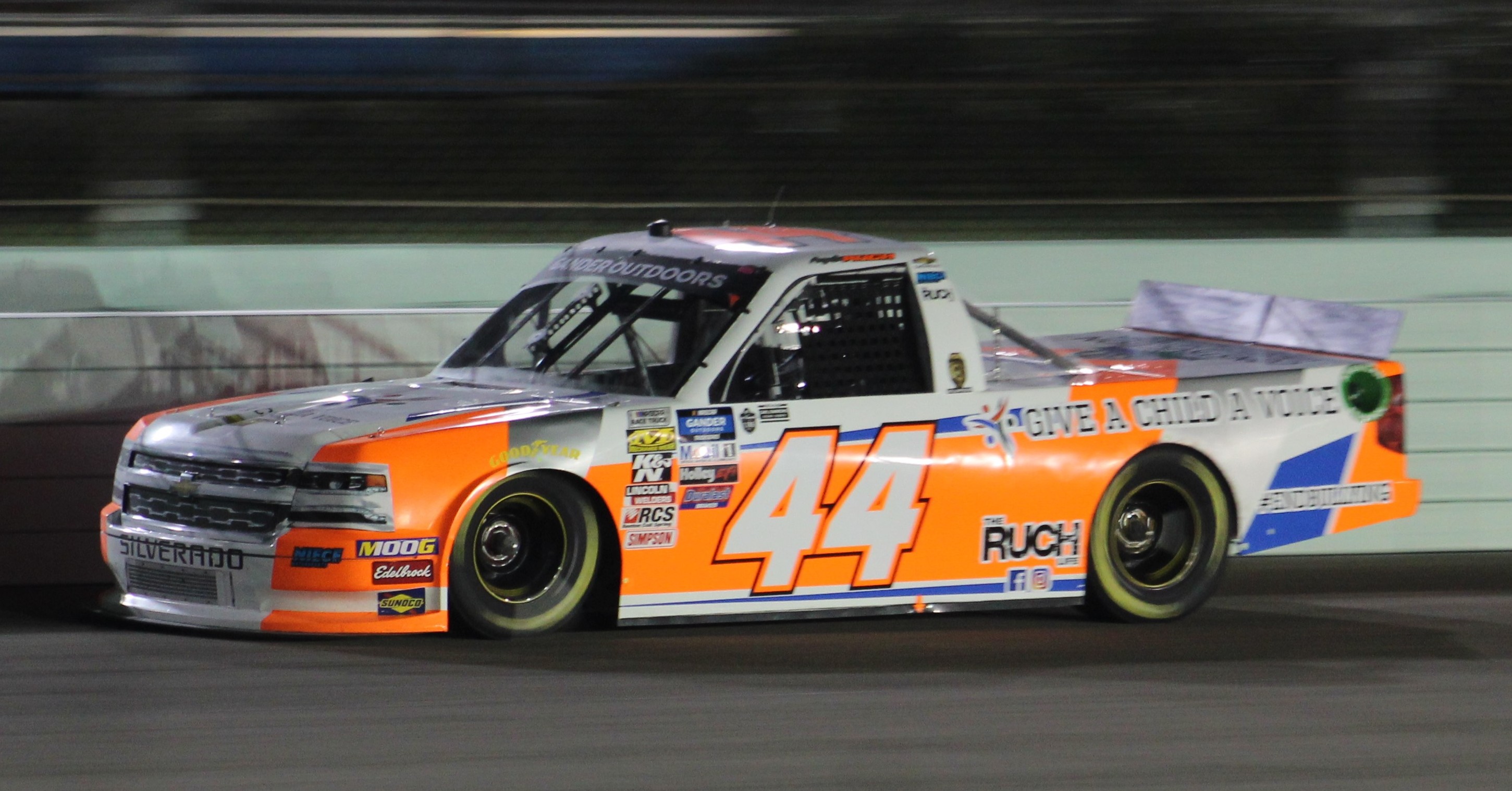
Chevy Silverado
"So next week we'll talk about the Chevy Silverado, so if all you Chevy fans have been chomping [69.1s] at the bit listening to stories about F-150s, then you will get your time next week, and"
The Chevrolet Silverado is a big pickup truck from Chevy. The hosts are saying they’ll cover it next week after talking about Ford’s F-150 this week.
The Chevrolet Silverado is a full-size pickup truck and a direct competitor to Ford’s F-series. The hosts say next week they’ll talk about the Chevy Silverado, positioning it as the next vehicle in their “top 10 vehicles sold” style discussion.
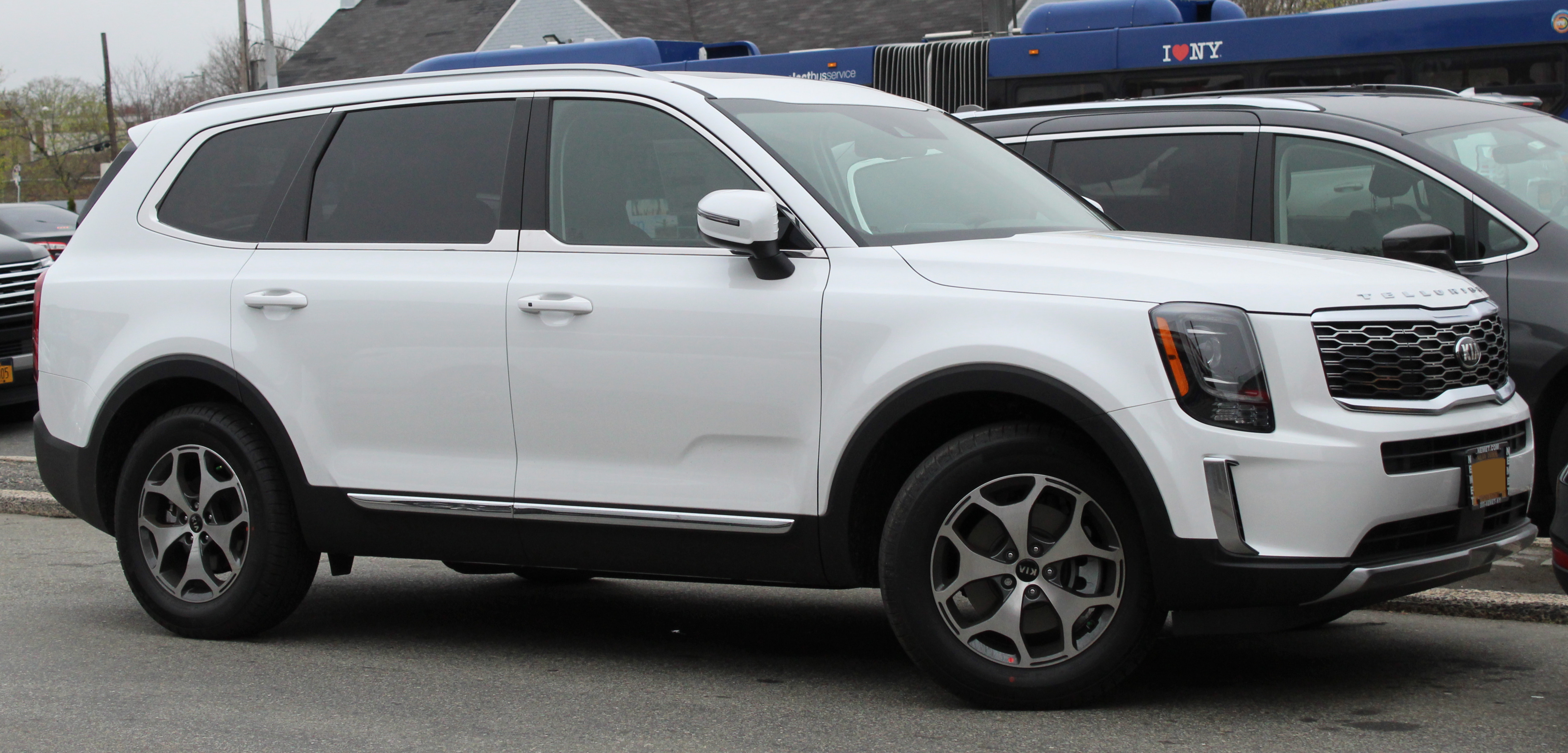
2027 Kia Telluride Hybrid
"He got a new Toyota ride yesterday. [104.8s] I sure did. [105.2s] Yeah, I got a new 2027 Kia Telluride Hybrid."
The Kia Telluride is a family SUV with three rows of seats. This one is a hybrid, meaning it uses both a gasoline engine and an electric system to help with fuel economy.
The Kia Telluride is a midsize three-row SUV, and the “Hybrid” version adds an electrified powertrain to improve efficiency versus a purely gasoline setup. In this episode, Todd Chambliss is specifically talking about a 2027 Kia Telluride Hybrid as his newly acquired vehicle.
Kia Palisade calligraphy series
"We're looking at the sister vehicle, the Kia Palisade calligraphy series."
The Kia Palisade is a family SUV with three rows of seats. “Calligraphy” is the nicer, more premium version of that model, with upgraded features and a fancier interior.
The Kia Palisade is a three-row midsize SUV, and the “Calligraphy” series is Kia’s top, more upscale trim. In practice, that usually means nicer interior materials, more standard comfort features, and a more premium look than the base trims.
self leveling shocks
"Apparently there's self leveling shocks in the back that fail early. Have you heard anything of this?"
Self-leveling shocks are car suspension parts that help keep the vehicle from squatting or leaning when you load it up. If they wear out early, the ride can feel off and the car may not sit level.
Self-leveling shocks are suspension dampers that automatically adjust to keep the vehicle’s ride height more consistent as load changes. If they “fail early,” the car can sit unevenly and ride/handling can feel worse, especially under varying passenger/cargo weight.

Hyundai Palisade
"But I can tell you the Palisade has been a very good vehicle overall. It's been one that everybody loves. People, you know, I mean, it's been a real hit."
The Hyundai Palisade is a family SUV with three rows of seats. Here, the hosts are saying it’s been a popular, well-liked vehicle overall.
The Hyundai Palisade is a three-row midsize SUV known for family-friendly space and comfort-focused tuning. In this segment, the hosts use it as an example of an SUV that’s been broadly well-liked and a strong seller.

GMC Yukon XL
"We've got a Yukon XL and then we've got a Nissan Ultima. They're both paid off."
The GMC Yukon XL is a large family SUV with three rows. Here it’s just mentioned as another paid-off vehicle the buyers already own.
The GMC Yukon XL is a full-size, three-row SUV variant of the Yukon line, built for more interior space and towing/cargo capability than smaller crossovers. In this segment, it’s mentioned as one of the vehicles the buyer already has paid off.
history report
"Be sure you look at a history report. [288.4s] You know, be sure the person is legitimate."
A vehicle history report is a document that shows important past information about a car using its VIN (vehicle ID number). It can reveal things like accidents or title problems so you’re not buying blind.
A vehicle history report compiles records tied to a specific VIN, such as prior ownership, accident or damage events, title status, and sometimes odometer history. It helps you spot red flags before buying a used car, especially from a private seller.
salvage title
"So right now we're looking at a 21 calligraphy with 50,000 on it. [305.2s] And what are they asking for it? [311.6s] Night night team with a salvage title."
A salvage title means the car was considered a total loss after an accident or damage. Even if it’s repaired, it can be riskier to buy because the damage history is more serious.
A salvage title is issued when an insurer determines a vehicle is a total loss due to damage and the car is not worth repairing to their standards. Cars with salvage titles can be repaired and put back on the road, but they often carry higher risk and may have undisclosed damage or quality issues.
vehicle to be totaled
"I will just tell you that when a insurance company deems a vehicle to be totaled [348.7s] and then they go to the auction and the rebuilder like who you're dealing with"
If an insurance company says a car is totaled, it usually means the damage is expensive to fix. Even if the car later gets repaired, it may not be as trustworthy as a car with a clean history.
When an insurance company deems a vehicle to be totaled, it means the estimated repair cost is high enough that the insurer considers the car not economically worth fixing. That decision often follows significant damage, which can affect future reliability and safety even after repairs.
rebuilder
"and then they go to the auction and the rebuilder like who you're dealing with [355.2s] buys one."
A rebuilder is the person or shop that buys a damaged car and fixes it so it can be sold again. How well they repair it can vary a lot, so it matters who did the work.
A rebuilder is the party that buys a totaled/salvage vehicle and repairs it for resale. Repair quality can vary widely depending on the rebuilder’s standards, parts used, and how much they try to minimize cost.
auction
"when a insurance company deems a vehicle to be totaled [348.7s] and then they go to the auction and the rebuilder like who you're dealing with"
After an insurance company totals a car, it often gets sold at an auction. The person who buys it may repair it in different ways, so quality can vary.
In the salvage context, an auction is where totaled vehicles are sold after the insurer declares them a total loss. The buyer (often a rebuilder) can then decide how repairs will be done, which can influence repair quality and cost-cutting.
cut every corner
"They cut every corner that they possibly can repairing it. [365.0s] Yeah."
“Cut every corner” means the repair shop is trying to save money by doing things the easy way. On a repaired salvage car, that can lead to problems later because the work may not be thorough.
“Cut every corner” refers to cost-saving shortcuts during repairs—such as using cheaper parts, skipping steps, or doing less thorough work than required. On salvage vehicles, this can translate into weaker structural repairs or systems that don’t perform correctly later.

Buick Roadmaster
"...w with the car pro Jerry Reynolds and me, the old roadmaster, Todd Chambliss. Now, if you've ever heard people..."
The Buick Roadmaster is an older, large car made by Buick. It’s the kind of vehicle people remember because it was built to be roomy and comfortable. The podcast brings it up as a classic example from the past.
The Buick Roadmaster is a classic, full-size car that’s known for being part of Buick’s older lineup and for its big, comfortable design. It comes up in the podcast as a “classic” reference point, likely tied to the hosts’ history and memories of the model. Discussions like this often focus on what made the Roadmaster notable in its era and why people still talk about it today.
Fiat
"[547.1s] It's a new fiat. [548.3s] It's a fiat. [550.2s] It's sort of like a golf card."
Fiat is a car brand from Italy. Here they’re talking about a small, low-cost electric Fiat.
Fiat is an Italian automaker known for small, budget-focused cars. In this segment, the hosts are talking about a new Fiat EV that’s priced under $15,000.
EV combination
"[554.0s] EV combination. [556.3s] Yeah. [556.9s] That's fair."
“EV” means electric vehicle. The host is basically saying this is a small electric car meant for easy, local driving—not fast highway use.
An “EV” is an electric vehicle, meaning it’s powered by an electric motor instead of a gasoline engine. The host uses “EV combination” to describe a specific kind of low-speed, small electric vehicle setup aimed at short trips.
all electric
"[569.7s] And it's all electric. [570.8s] It's all electric. [571.4s] So you say, oh, it's probably got like a lot of zip, drive and probably goes fast,"
“All electric” means the car uses battery power only. You charge it instead of buying gas.
“All electric” means the vehicle runs entirely on electricity from a battery, with no gasoline engine. That typically implies charging at home or a public charger, and it changes how the car delivers power and how it’s driven.
top speed
"[571.4s] So you say, oh, it's probably got like a lot of zip, drive and probably goes fast, [575.7s] right? [577.0s] No, the top speed around 25 miles an hour."
Top speed is the highest speed the vehicle can go. The host is saying this one is limited to about 25 mph, so it’s not meant for fast roads.
Top speed is the maximum speed a vehicle can achieve under typical conditions. Here it’s used to set expectations for this low-cost electric vehicle’s limitations (around 25 miles per hour), which affects where it’s practical to drive.
golf carts
"And it's probably something if you live in a community where they let golf carts be the deal, it might be a good choice for that."
A golf cart is a small vehicle people usually drive around a golf course. In some communities, they’re also allowed for short local trips.
Golf carts are small, low-speed vehicles typically used on golf courses and in some neighborhoods with relaxed vehicle rules. They’re often powered by electric motors or small gas engines and are popular where short trips are common.
lifted it
"You've got a home. You've got a golf cart. Yeah, I do. And this wouldn't be something you want because you've already got yours. But you've, you've kind of souped yours up a little bit. Oh yeah. I lifted it."
“Lifted it” means the vehicle sits higher off the ground than stock. People do it to fit bigger tires and to handle rougher terrain.
A “lift” raises the vehicle’s ride height by changing suspension or body mounting so the wheels sit higher. On a golf cart, lifting is usually done to clear obstacles and to fit larger tires.
tires and wheels
"I lifted it. It's got big tires and wheels and a crown. I love that."
Bigger tires and wheels usually make the vehicle feel different and can change how it drives. They can help with grip and ground clearance, but they may also change acceleration.
Bigger tires and wheels increase the effective rolling diameter, which can change how fast the vehicle travels at a given motor speed. They also affect ride comfort, traction, and how much power is needed to accelerate.
rear axle ratio
"And I, I changed out the rear, the rear axle ratio. Oh, did you now? So it would run faster."
The rear axle ratio is the gearing that determines how the wheels turn relative to the engine or motor. Changing it can make the vehicle go faster, but it can also affect how quickly it accelerates.
The rear axle ratio is the gear ratio between the driveshaft and the rear axle. Changing it alters the balance between acceleration and top speed—lower (numerically) ratios typically help the vehicle run faster at a given engine/motor speed.

2016 F-150
"I'm just, I only called up to let you know that I am an F-150 driver. And every time I get in that truck, I feel spoiled. What year? It's a 2016 and it's got the 3.5 EcoBoost."
The Ford F-150 is a popular full-size pickup truck. Here, the caller says his is a 2016 model, and he likes it so much that it feels “spoiled” every time he drives it.
The Ford F-150 is a full-size pickup known for being a daily-driver workhorse with lots of engine and transmission options. In this call, the 2016 F-150 is specifically described as having the 3.5 EcoBoost and an automatic gearbox, which is a common enthusiast-friendly combo for strong real-world power.
3.5 EcoBoost
"What year? It's a 2016 and it's got the 3.5 EcoBoost. In it with the six-speed automatic transmission."
“3.5 EcoBoost” is Ford’s 3.5-liter turbo engine. A turbo helps the engine make more power than you’d expect from the smaller size.
“3.5 EcoBoost” refers to Ford’s 3.5-liter EcoBoost turbocharged V6 engine family. EcoBoost engines use turbocharging to make strong power and torque without needing a larger displacement engine.
six-speed automatic transmission
"It's a 2016 and it's got the 3.5 EcoBoost. In it with the six-speed automatic transmission. And I got into it."
This means the truck uses an automatic transmission with six gear ratios. You don’t have to shift manually—the car changes gears for you.
A six-speed automatic transmission is an automatic gearbox with six forward gears. More gears can help keep the engine in a better efficiency or power range depending on driving conditions.

Ford Mustang
"And I got into it. I trained it in a 2013 Mustang with the 5.0 and six-speed transmission. That had the same number of gears, but it had one more pedal on it."
The Ford Mustang is a sports car. The caller says he previously drove a 2013 Mustang with a 5.0 engine and a six-speed setup, and it reminded him of his truck in how the gears work.
The Ford Mustang is a performance-focused pony car, and the 2013 model is part of the S197-generation era. Here, the caller compares his F-150 experience to a 2013 Mustang equipped with a 5.0 and a six-speed transmission, highlighting how gear layouts can feel similar even across very different vehicles.
5.0
"I trained it in a 2013 Mustang with the 5.0 and six-speed transmission. That had the same number of gears, but it had one more pedal on it. Manual transmission."
“5.0” means the engine is about 5.0 liters. It’s a common shorthand people use for the Mustang’s bigger engine.
“5.0” here refers to the 5.0-liter engine displacement used in many Ford Mustang variants. In enthusiast talk, “5.0” is shorthand for the V8’s size and is often used to distinguish it from smaller engines.
manual transmission
"That had the same number of gears, but it had one more pedal on it. Manual transmission. How about that?"
A manual transmission means you shift gears yourself. It usually requires a clutch pedal, which is why the caller says it has one more pedal than the automatic.
A manual transmission is a gearbox where the driver selects gears using a clutch pedal and gear lever. The caller’s “one more pedal” comment is pointing out the extra clutch pedal compared with an automatic.
Mobile One
"Mobile one goes into this thing every 7,500 miles. [767.1s] So I am really, really pleased with it."
Mobil 1 is a brand of engine oil. It’s used to keep the engine parts lubricated, and changing it on schedule helps the engine last longer.
“Mobile one” is shorthand for Mobil 1, a synthetic engine oil brand used to lubricate the engine and help it run cooler and cleaner. Oil choice and change intervals matter because it affects wear and how well the engine stays protected under heat.
500 miles
"Mobile one goes into this thing every 7,500 miles. [767.1s] So I am really, really pleased with it."
That’s how often they change the engine oil—every 7,500 miles. Oil changes on a regular schedule help protect the engine.
“7,500 miles” refers to the oil-change interval the speaker follows. Shorter intervals generally keep oil fresher, which can help reduce engine wear, especially if the vehicle sees lots of stop-and-go driving or heavy use.

Ford Escape
"I'm hoping I can find another two, the 3.5 with the EcoBoost for my wife, [778.4s] but she's currently driving an escape, Ford Escape."
The Ford Escape is a small SUV that the speaker’s wife currently drives. They’re saying the Escape doesn’t use the same 3.5 EcoBoost engine they want.
The Ford Escape is Ford’s compact crossover SUV, and it’s being used here as the wife’s current vehicle. The discussion contrasts it with a different Ford 3.5 EcoBoost application, implying the Escape doesn’t get that same engine.

Ford Maverick
"...r in Mexico and of course, I end up buying a Ford Maverick and they actually come out of the old Ford Mazda ..."
The Ford Maverick is a smaller pickup truck. It’s meant to be easier to drive and park than big trucks, while still giving you a truck bed for hauling. People bring it up because it’s a practical option if you want pickup capability without going “full-size.”
The Ford Maverick is a compact pickup truck that’s built to be practical and more affordable than full-size trucks while still offering truck utility. It’s a notable topic because it represents a smaller, easier-to-own approach to pickup ownership, which many buyers look for when they want occasional hauling without a large truck footprint. In the podcast, it’s mentioned in the context of personal buying experiences and how the model fits into a driver’s needs.
tariff situation
"because of the tariff situation and now because of the North American Free Trade Agreement. [979.3s] And that's up in the air."
A tariff is a tax placed on imported goods, and a “tariff situation” refers to how those taxes change costs and supply chains. The host is saying GM’s Mexico-built trucks have been affected by tariff-related uncertainty.
North American Free Trade Agreement
"because of the tariff situation and now because of the North American Free Trade Agreement. [979.3s] And that's up in the air. [980.6s] NAFTA's up in the air."
NAFTA was a trade agreement between the U.S., Canada, and Mexico. The host is saying the rules around it were uncertain, which can affect how companies build and ship cars and trucks.
The North American Free Trade Agreement (NAFTA) was a trade deal between the U.S., Canada, and Mexico that reduced barriers for goods moving across borders. The host says NAFTA is “up in the air,” implying uncertainty about how future trade rules could affect GM’s manufacturing and pricing.
VIN
"in the newsletter yesterday I had the article I wrote about your VIN. [1001.7s] Everything your VIN can tell you. [1004.4s] If the first number in your VIN is a three, it came out, your car was made in Mexico."
VIN means Vehicle Identification Number. It’s like a vehicle’s serial number, and the first character can tell you where the car was built.
VIN stands for Vehicle Identification Number, a unique 17-character code used to identify a specific vehicle. The host is using the VIN’s first digit as a quick way to infer the country where the car was manufactured.
oil change
"But everything, I get the oil change to every 5,000 miles. And I've got, it's coming right up on 244,000 miles right now."
An oil change is when you replace the engine’s oil. It helps keep the engine running smoothly, and the speaker says they do it about every 5,000 miles.
An oil change is scheduled replacement of the engine oil to keep lubrication and engine wear under control. The speaker mentions doing it every 5,000 miles, which is a maintenance interval choice that can affect long-term engine health.
brakes
"The only thing I've ever done is put, I put three sets of brakes on it and three sets of tires is all I've ever done to it, except for the oil change."
Brakes are what help the truck slow down and stop. The speaker says they’ve replaced the brakes multiple times, which is normal wear on a heavily used vehicle.
Brakes are the components that slow and stop the vehicle, typically involving pads and rotors. The speaker notes replacing “three sets of brakes,” which is a practical indicator of how the truck is used and how wear items are managed over high mileage.
EcoBoost engines
"And I mean, a high majority, 90% all, is the EcoBoost engines. And, but, you know, they've, it's been so good for so long,"
EcoBoost is Ford’s name for turbocharged gas engines. The idea is to get good power without using as much fuel as a bigger naturally aspirated engine.
EcoBoost engines are Ford’s turbocharged gasoline powertrains designed to deliver strong power while improving fuel economy. The speaker contrasts them with the F-150’s 5.0 and claims EcoBoost dominates sales and can offer better fuel economy plus towing-related capability.
3.5
"But if you ever had to go to the 3.5, I don't think you'd regret it. I mean, it's, it's not uncommon to see, you know,"
“3.5” means a 3.5-liter engine. In this discussion it’s the smaller turbo option, and the speaker suggests you wouldn’t regret switching from the bigger 5.0.
“3.5” here refers to a 3.5-liter EcoBoost V6 option in the Ford F-150 lineup. The speaker is comparing it to the 5.0, implying the smaller turbo engine can meet or exceed expectations for power and usability.
fuel economy
"250, 275, 300,000 miles on that EcoBoost and it gets better fuel economy and it's got more horsepower and towing power."
Fuel economy is how far you can drive on a tank of gas. The speaker says the EcoBoost engines get better fuel economy than the alternative.
Fuel economy is how efficiently an engine converts fuel into distance traveled, usually expressed as miles per gallon (or similar metrics). The speaker uses it to argue EcoBoost engines can be more efficient than the 5.0 while still offering strong performance for a truck.

Ford Expedition
"Good to have you. We recently bought a 2024 Ford Expedition to replace an Expedition that we have. And we not..."
The Ford Expedition is a large SUV with three rows of seats. It’s designed for families or anyone who needs lots of space for passengers and gear. The podcast brings it up because the host bought a newer one to replace an older Expedition.
The Ford Expedition is a full-size three-row SUV aimed at families and buyers who need more passenger space and capability than a smaller SUV. The podcast mentions a 2024 model because the host recently bought one to replace another Expedition, which highlights how owners evaluate fit, comfort, and day-to-day usability over time. It’s a relevant discussion topic because full-size SUVs often come down to long-term ownership experience and maintenance planning.
turbo
"They just they just had to rebuild the turbo. And I'm wondering if there's anything else that needs to be done to it. At what mileage did the turbo go out?"
A turbo is a device that uses the engine’s exhaust to spin a fan that pushes extra air into the engine. It can boost power, but it can wear out over time and may need rebuilding.
A turbocharger (often shortened to “turbo”) uses exhaust gases to spin a turbine that forces more air into the engine. That extra airflow helps make more power from a smaller engine, but the turbo is a wear item that can eventually need rebuilding or replacement.
Request an Explanation
Heard something you'd like explained? We'll add it to this episode.
Sign in to request explanations for terms you heard.
Want to learn more?
Browse our glossary for plain-English explanations of automotive terms, jargon, and concepts.
Help improve this episode
See something that's not quite right? Our annotations are AI-generated and can sometimes miss the mark. Click the flag icon on any annotation to suggest a correction.