
Car Pro Radio Show July 18 26 Hour 2
About this episode
Truck and SUV shopping takes center stage, starting with why the Ford F-150 is the “number one selling vehicle in America” and previewing the Chevy Silverado for next week. Listeners share real-world ownership: a high-mileage 2013 F-150 King Ranch, a 2021 F-150 hybrid at 90,000 miles, and maintenance-driven reliability stories. The hosts also cover tech and practicality—CarPlay retrofits, PowerBoost basics, and EV range surprises—before pivoting to Subaru leasing decisions and an electric Subaru review with pricing and range details.
Car Pro Radio Show July 18 26 Hour 2
Hosted by Simplecast, an AdsWizz company. See pcm.adswizz.com for information about our collection and use of personal data for advertising.
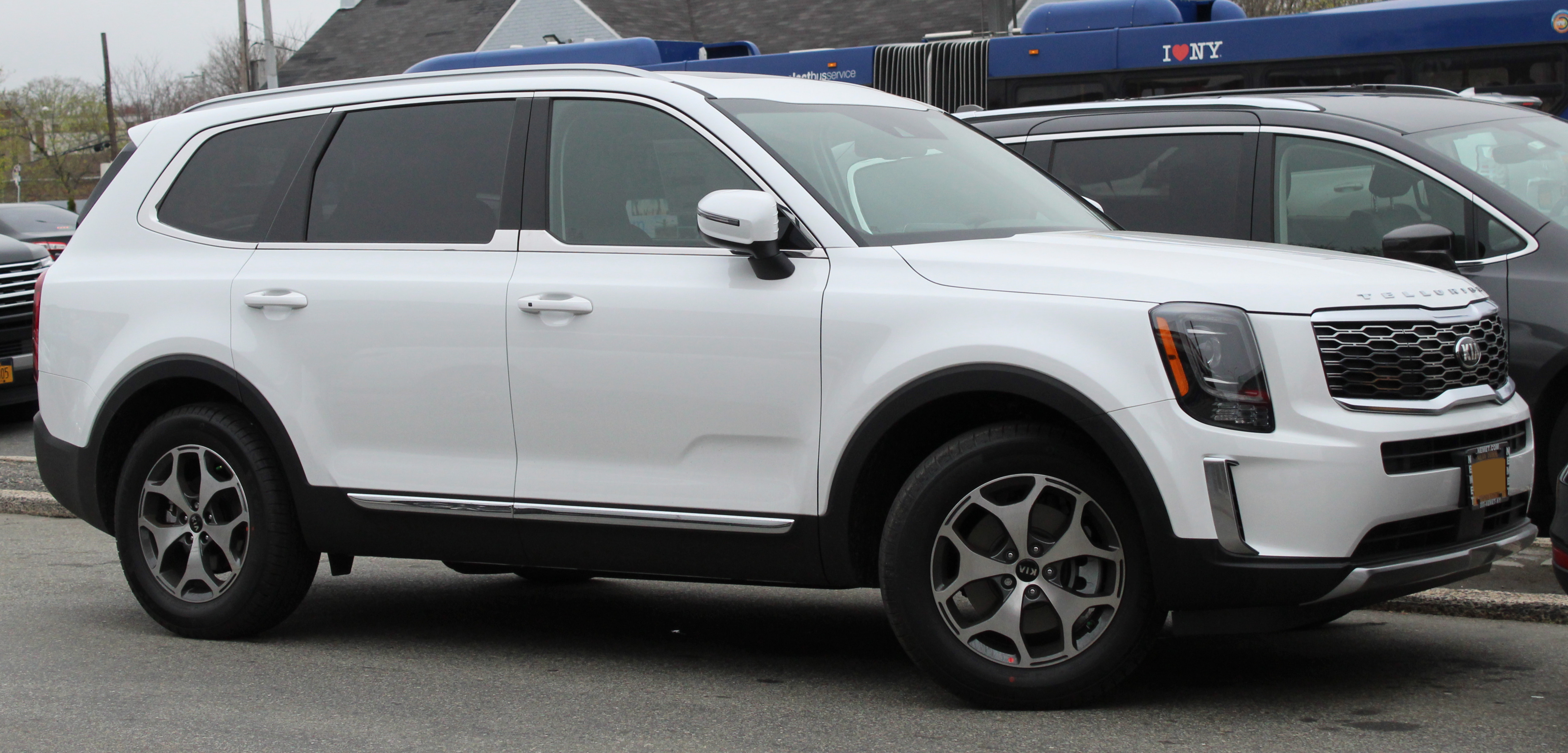
2027 Kia Telluride hybrid
"I got an updated brand new 2027 Kia Telluride hybrid, and I tell you what, the whole thing about hybrids, the hype is certainly proving to be true."
This is a Kia Telluride SUV, and the “hybrid” part means it uses both electricity and gas. That often helps you spend less time at gas stations because it can go farther between fill-ups.
The Kia Telluride is Kia’s midsize three-row SUV, and this specific mention is a 2027 Telluride hybrid. The key point is that it combines an electric component with a gasoline engine, which can improve efficiency and reduce how often you need to refuel.
lease
"Now, you went lease this time. I did, and I'll tell you why. I'm a good candidate for it."
A lease is like renting a car for a few years with monthly payments. When the lease ends, you usually give the car back, unless you choose to buy it.
A lease is a financing arrangement where you pay to use the car for a set period, rather than buying it outright. At the end of the lease term, you typically return the vehicle (or sometimes buy it for a pre-set price).

2013 F-150 King Ranch
"My F-150 is a 2013 King Ranch with the 5.0."
This is a Ford F-150 pickup truck. The King Ranch is a nicer trim level, usually with higher-end leather and interior styling.
The Ford F-150 is a full-size pickup known for its wide engine lineup and huge parts availability. In this case, the speaker has a 2013 F-150 King Ranch, a trim level that’s especially focused on upscale interior materials and comfort features.
transmission rebuilt
"Yeah, the only major issues it's had is it got a water pump, and then of course the transmission is rebuilt at about 220 because of that lead frame issue."
A transmission rebuild is when the shop opens up the gearbox and fixes worn or broken internal parts. It’s a big repair, not a quick service.
A rebuilt transmission means the gearbox was disassembled, inspected, and repaired or replaced internally so it can function like new. Rebuilds are often triggered by wear or damage, and they’re a major cost compared with routine maintenance.
water pump
"Yeah, the only major issues it's had is it got a water pump, and then of course the transmission"
The water pump moves coolant around to keep the engine from overheating. If it goes bad, the engine can run too hot.
A water pump is the component that circulates engine coolant through the cooling system. If it fails, the engine can overheat, so it’s a common “major issue” item on high-mileage vehicles.
lead frame issue
"Yeah, the only major issues it's had is it got a water pump, and then of course the transmission is rebuilt at about 220 because of that lead frame issue."
This sounds like a specific electronics-related problem inside the transmission’s control parts. When that control hardware fails, the transmission can start acting up and may need major work.
A “lead frame issue” refers to a failure related to the internal electronic packaging of a transmission control component. In practice, it can cause shifting problems or other transmission faults that lead to expensive repairs.
King Ranch seats
"Have those King Ranch seats, have they stayed looking good since 2013?"
King Ranch seats are the nicer leather seats that come with the King Ranch trim. The owner is saying they’ve held up well and only needed cosmetic refreshes.
King Ranch seats are part of Ford’s King Ranch trim, typically featuring leather upholstery and distinctive styling. The speaker discusses their durability over time and mentions re-dyeing and re-wrapping to keep them looking good.
synthetic blend
"And I've been religiously on the oil every 5,000 miles with synthetic blend, so hopefully it'll give me a couple more years."
Synthetic blend is a type of engine oil that mixes regular oil with synthetic oil. It’s meant to protect the engine better than basic oil, especially as the miles add up.
Synthetic blend oil is a mixture of conventional oil and synthetic base oil. It’s often chosen as a middle ground for better cold-start and wear protection than fully conventional oil, while usually costing less than full synthetic.
saddle leather
"It's saddle leather, so it's going to show stains and sweat and everything else, but this next generation has been good."
Saddle leather is a leather material used for car seats. The speaker is saying it can show sweat and stains more easily, so it may look worn sooner even if it’s still holding up.
Saddle leather is a type of leather commonly used in automotive interiors, known for developing a patina over time. The host notes it tends to show stains and sweat, which is why seat wear can look worse even when the leather is doing what it’s designed to do.
CarPlay
"anybody that has this generation, you can get a kit to add CarPlay. You upgrade your media infotainment system with a newer Ford version."
CarPlay is Apple’s system that shows your phone’s apps and navigation on the car’s screen. The speaker says you can add it to some trucks with a kit and vehicle-specific setup.
CarPlay is Apple’s in-car interface that lets you run compatible apps and navigation through the vehicle’s infotainment screen. In this segment, it’s discussed as something you can add via a retrofit kit and programming tied to the vehicle’s VIN.
VIN number
"They program it to your VIN number, and that gives you CarPlay just like the newer F-150."
The VIN number is like your truck’s unique ID code. The host is saying the upgrade is set up specifically for that exact vehicle using its VIN.
A VIN (Vehicle Identification Number) is a unique 17-character code assigned to a specific vehicle. Here, the host says the retrofit is programmed to the VIN, meaning the system is configured for that exact truck so features like CarPlay work correctly.
EcoBoost
"For people who don't know, the F-150 power boost is the hybrid version of the EcoBoost."
EcoBoost is Ford’s name for turbocharged gas engines. A turbo helps the engine make more power without needing a bigger engine.
EcoBoost is Ford’s branding for turbocharged gasoline engines. The key idea is that a smaller engine can make strong power because it uses a turbocharger to force more air into the cylinders.
mileage
"What kind of mileage... What kind of mileage are you getting out on the highway?"
Here, “mileage” means how far the truck goes on a tank of gas. They’re asking about highway fuel economy.
In this conversation, “mileage” means fuel economy—how many miles the truck can travel per unit of fuel. They’re specifically talking about highway fuel economy, which is usually different from city driving.
three-quarter ton truck
"That's the caution I give people who want a three-quarter ton truck. And sometimes it's just because they think they look better, and I always caution them."
A “three-quarter ton” truck is a bigger, heavier pickup class meant for hauling and towing. If you don’t actually need that capability, it can be harder to drive and park than a smaller truck.
A “three-quarter ton truck” is a heavy-duty pickup class (commonly called ¾-ton) typically used for towing and payload work. The tradeoff is that it’s bigger and heavier than lighter-duty trucks, so it can feel less nimble for everyday driving, parking, and turning.
one ton truck
"If you need a three-quarter or one ton truck, there's no substitute."
A “one ton” truck is an even heavier-duty pickup. It’s usually for people who really need to tow or haul a lot, because it can be harder to drive and maneuver otherwise.
A “one ton truck” refers to an even heavier-duty pickup class than a three-quarter ton, generally chosen for maximum towing and payload. Like other heavy-duty classes, it tends to be more cumbersome for daily driving tasks if you don’t need the extra capability.
gas power generator
"An EV owner ran out of his range, went to zero, had to recharge with a gas power generator. [557.5s] Why are you even bothering doing that?"
A gas power generator is a machine that makes electricity by burning gasoline. In this story, it’s used to provide power so the electric car can recharge when there’s no charger nearby. It’s more of an emergency backup than a normal charging method.
A gas power generator is a portable engine-driven device that produces electricity using gasoline. In an EV roadside context, it’s being used as an emergency power source to recharge when normal charging isn’t available. This is a niche but important real-world workaround, though it can be slow and inconvenient compared with proper EV charging.
ran out of his range
"An EV owner ran out of his range, went to zero, had to recharge with a gas power generator. [557.5s] Why are you even bothering doing that?"
For an electric car, “range” means how far you can drive before the battery runs out. “Ran out of his range” means the battery got so low the car effectively couldn’t keep going. It’s why EV drivers watch their remaining miles and plan charging stops.
“Range” in an EV context means how far the car can drive on the current battery charge. “Ran out of his range, went to zero” describes the battery being depleted to the point where the vehicle can’t continue normally. It highlights the practical importance of estimating remaining miles and having a charging plan.
EV owner
"of the California Highway Patrol having a little fun with a person who was on the side of the road. [549.0s] An EV owner ran out of his range, went to zero, had to recharge with a gas power generator."
An EV owner is someone who drives an electric car. Instead of using gas, the car runs on a battery that has to be charged. This story is about what happens when the battery runs low.
An EV owner is someone driving an electric vehicle (EV), which relies on a battery and charging rather than gasoline. The segment uses this to set up a real-world scenario where the driver’s battery range runs out. It’s a reminder that EV planning (charging access and route planning) matters.
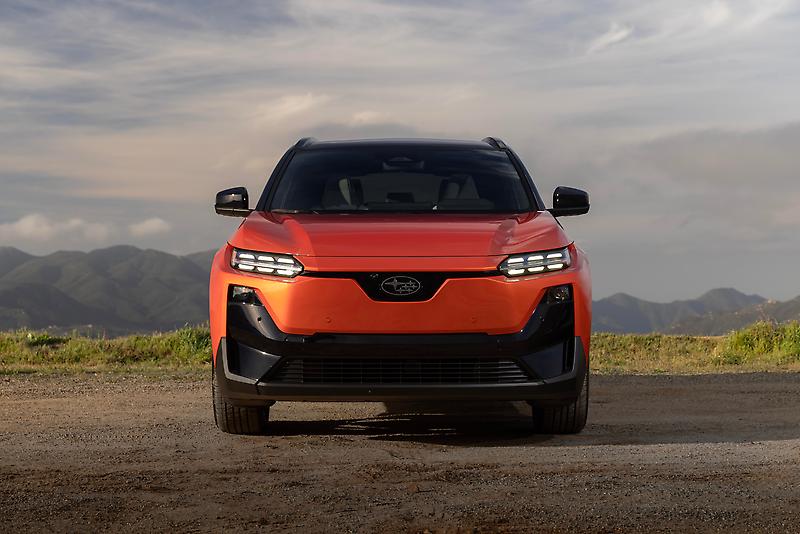
Subaru Uncharted
"And I'm reviewing an electric Subaru this week. It's called the Uncharted."
They’re talking about a Subaru that runs on electricity instead of gas. They’re giving you the main numbers—power and driving range—to help you judge if it’s a good electric SUV.
The host is reviewing an electric Subaru, which is Subaru’s move into battery-electric vehicles. They mention the model name “Uncharted,” plus key specs like horsepower and range to frame how it competes as a small SUV.
338 horses
"Okay. 338 horses. Wow."
“Horses” means horsepower, which is how much power the vehicle can produce. More horsepower usually means quicker acceleration, but it’s not the only factor.
“Horses” here means horsepower, a measure of engine (or motor) output. Higher horsepower generally helps with acceleration and passing, though real-world feel also depends on gearing and vehicle weight.
almost 300 miles of range
"Wow. And almost 300 miles of range. It's not bad."
“Range” is how far the car can go on one full charge. If it’s close to 300 miles, that’s usually enough for a lot of everyday trips without needing to charge right away.
“Range” is the estimated distance the vehicle can drive on a full battery charge. For EVs, range is one of the biggest practical specs because it affects whether you can do daily driving and road trips without frequent charging.
window sticker
"Coming in at 41,000 on the window sticker. Again, marketable car for some folks."
The “window sticker” is the official label on a new car that shows the price and important details. It’s the main thing you look at when comparing cars at a dealership.
The “window sticker” is the official price and spec sheet on a new car, often called the Monroney label. It’s where you’ll find the manufacturer’s suggested pricing and key details that help shoppers compare vehicles.

Subaru Outback
"So I am about to end my third lease upon my Subaru Outback. And I don't know what to do right now. I love the pickup of the Outback, but I don't like the new body styles."
The Subaru Outback is a family car that’s known for being practical and for having all-wheel drive. Here, the speaker is saying they like how it drives, but they don’t like the newer, more boxy look and they’re worried about how much room it has inside.
The Subaru Outback is a popular crossover-wagon built around Subaru’s all-wheel-drive focus and practical family use. In this segment, the host is discussing how the latest Outback’s styling feels “boxy” and how that change affects perceived interior space and driving feel.
new body style
"I love the pickup of the Outback, but I don't like the new body styles. They're really boxy."
A body style is basically the car’s overall shape and design. The speaker is saying the newer Outback looks different—more boxy—and that’s affecting their opinion.
“Body style” refers to the named vehicle shape and design category (for example, wagon-like crossover vs. more traditional wagon proportions). Here, the speaker is reacting to the Outback’s updated exterior design and how it changes the look and perceived proportions.

Crosstrek Cross Track
"Yep. The cross track looks really good, but it doesn't have any pep. Y..."
The Subaru Crosstrek is a small crossover SUV meant for everyday driving. In the discussion, the key point is that it may not feel very fast when you accelerate. People who want strong acceleration might find that disappointing.
The Subaru Crosstrek is a compact crossover that’s typically chosen for its practical size and available all-wheel-drive. In the podcast context, it’s being discussed for how it feels to drive—specifically that it may not feel very quick or “peppy.” That kind of comment usually matters to buyers who prioritize acceleration and responsiveness.
EyeSight system
"You get the all wheel drive, you get the eyesight system, you get it all with the Forester."
Subaru’s Eyesight system is safety technology that watches the road with cameras. It can help slow the car down or even brake automatically if it thinks a collision is likely.
Subaru’s Eyesight system is a suite of driver-assistance features that uses cameras to monitor the road and help with functions like adaptive cruise control and automatic emergency braking. The speaker is using it as a key reason the Forester could match the Outback’s appeal.
all wheel drive
"And it's the same engine transmission. You get the all wheel drive, you get the eyesight system, you get it all with the Forester."
All-wheel drive means the car can send power to all four tires. That helps it grip better on wet, snowy, or rough roads.
All-wheel drive (AWD) is a drivetrain that sends power to all four wheels, improving traction when roads are slippery or uneven. In this segment, the speaker highlights that the Forester includes AWD as part of what makes it a comparable alternative to the Outback.
Boxy
"Everybody's with Boxy this year. Yeah, I know. And the Outback got off to a slow start from a sales standpoint, but now it's doing great."
“Boxy” means the car looks more square and upright, with straighter lines instead of rounded shapes. They’re saying that look can take a little time for buyers to accept.
“Boxy” is an enthusiast shorthand for a more squared-off, upright exterior design with flatter surfaces and straighter lines. The hosts connect it to consumer perception—suggesting the Outback’s boxier look initially slowed sales until people adjusted.

Subaru Forester
"But look, if you've liked your Outback and you get, and the Forester now is more appealing to you, when you get behind the wheel, you're not going to, to be able to tell the difference."
The Subaru Forester is a compact SUV-style Subaru that’s built for everyday practicality. In this segment, they’re basically saying the Outback will feel similar to what Forester buyers are used to.
The Subaru Forester is Subaru’s compact crossover known for a practical, upright design and all-weather usability. The hosts compare it to the Outback, saying that if you already like the Forester, the Outback will feel very familiar when you drive it.

Subaru Ascent
"... seeing Subaru's top that $50,000 unless it's the ascent. I've got, you know, I'm paying what, $5.59 a mon..."
The Subaru Ascent is a three-row SUV, meaning it’s built to carry more passengers than smaller SUVs. It’s often discussed in terms of price because higher trims and options can push the cost up. It’s aimed at families who want space and everyday usability.
The Subaru Ascent is Subaru’s larger, three-row SUV, positioned for shoppers who want more room and an all-wheel-drive setup. It’s mentioned in the context of pricing because it can reach higher price points depending on trim and options. That makes it a frequent topic when people discuss what you get for the money in a family-oriented SUV.
BMW
"And it's like, God, I can go get a BMW for that, you know?"
BMW is a well-known luxury car brand. In this conversation it’s mentioned as an alternative you could buy for the same monthly lease cost.
BMW is a German luxury automaker known for performance-oriented engineering and upscale interiors. Here it’s used as a comparison point for what the speaker could buy instead of the Subaru lease payment.
rims
"And be more careful and don't grind my rims on the curb. ... Well, yeah, you can get insurance for that to cover the rims."
Rims are the metal wheels on your car. Scraping them on a curb can cost money to fix, so the speaker suggests being careful and using insurance if needed.
Rims are the wheel’s outer metal part that the tire mounts to, and they can be expensive to repair or replace if damaged. The speaker warns about not grinding the rims on a curb and mentions insurance that could cover rim damage.
Gilman Subaru North
"Look, I've got, I've got two really good Gilman stores. I got Gilman Subaru North and I got Gilman Subaru Southwest, both at my website."
Gilman Subaru North is a local Subaru dealership the speaker recommends. They’re encouraging you to contact them for a car purchase or service.
Gilman Subaru North is a Subaru dealership location being recommended by the speaker. It’s presented as a place to do business, with the speaker pointing listeners to their website.
Gilman Subaru Southwest
"I got Gilman Subaru North and I got Gilman Subaru Southwest, both at my website. Give them a shot at your business."
Gilman Subaru Southwest is a Subaru dealership the speaker is recommending. They mention it alongside another Gilman Subaru location as a good place to shop.
Gilman Subaru Southwest is another Subaru dealership location recommended in the segment. The speaker mentions both it and Gilman Subaru North as options for listeners.
Jerry Reynolds
"Get some advice from the car pro Jerry Reynolds on the chase.com car pro listener line."
Jerry Reynolds is the person the host points to for car advice. The speaker suggests calling him if you’re unsure about a car decision.
Jerry Reynolds is referenced as the “car pro” who offers advice on the Car Pro listener line. In this segment, he’s positioned as a resource for getting help with car-buying decisions.
Chase.com
"Get some advice from the car pro Jerry Reynolds on the chase.com car pro listener line."
Chase.com is mentioned as the website where you can reach the car advice line. It’s basically the place to go to get help.
Chase.com is referenced as the platform hosting the “Car Pro listener line.” In this context it’s used to direct listeners to where they can get advice.

Ford Explorer
"I bought new and I'm at, I'm about to turn 120,000 miles in a couple of weeks. ... You're talking about a rear wheel, rear wheel drive truck based chassis."
The Ford Explorer is a family SUV. Here, they’re pointing out that this Explorer is built on a more truck-like platform and is set up around rear-wheel drive, which can affect how it rides and drives.
The Ford Explorer is a midsize SUV known for its available body-on-frame-style underpinnings and, in some trims/years, rear-wheel-drive-based layouts. In this segment, the host describes it as a “rear wheel drive truck based chassis,” which is the key enthusiast detail behind how it typically feels and handles compared with more car-like crossovers.

Toyota Highlander
"And so I've been thinking about either getting a new Explorer or getting a Highlander, which I've had before and loved. ... And when you think about the ride and drive of the Explorer that you have versus the Highlander that you used to have, which one do you like the best?"
The Toyota Highlander is another popular midsize SUV. The caller is comparing it to the Ford Explorer based on how it feels to drive and how much space it has.
The Toyota Highlander is a midsize crossover SUV that’s typically built with a more car-like feel than truck-based SUVs. In this discussion, it’s brought up as an alternative to the Ford Explorer, with the caller comparing size/room and ride-and-drive impressions.
stop and start
"So my husband has not been sold on the hybrids. He thinks they're going to do the auto, the stop and start. But I heard what Todd just said about it. It doesn't do that."
“Stop and start” is a system that turns the engine off when you’re stopped and turns it back on when you’re ready to go. It can save gas, but some people don’t like how it feels when the engine restarts.
“Stop and start” is an engine management feature that shuts the engine off when the vehicle is stopped (like at a red light) and restarts it when you release the brake. It’s commonly used to improve fuel economy, but some drivers dislike the feel or sound of the repeated restarts.
rear wheel drive truck based chassis
"The Ford Explorer. You're talking about a rear wheel, rear wheel drive truck based chassis."
This phrase means the SUV is built more like a truck and is set up to drive the rear wheels. That can affect how it rides and how it handles compared with other SUVs that feel more like cars.
A “rear wheel drive truck based chassis” describes a vehicle architecture where the drivetrain is oriented around sending power to the rear wheels, and the structure is derived from a truck-style platform. This often changes ride/handling character compared with more car-like unibody crossovers, and it can influence how the SUV feels under load and on rough roads.
four wheel drive
"Mine is four wheel drive if that makes a difference. Well, it does, but it's, it's rear wheel biased, meaning that until you need the front wheels"
Four wheel drive means power can go to all four wheels for better grip. Here, they’re using it to explain that not all 4WD systems feel the same because they can send power differently to the front vs rear wheels.
“Four wheel drive” (4WD) is a drivetrain configuration where power is sent to all four wheels to improve traction. In this segment, the speaker uses it to set up a comparison of how different systems split torque between front and rear wheels.
rear wheel biased
"Well, it does, but it's, it's rear wheel biased, meaning that until you need the front wheels to pull, you're, you're pushing with the rear wheels."
This means the car usually sends more power to the rear wheels. That changes how it feels when you accelerate compared with cars that send more power to the front wheels.
“Rear wheel biased” describes an all-wheel-drive or traction setup that normally sends more of the driving torque to the rear wheels. The speaker contrasts this with front-biased systems, which tend to feel different in throttle response and how the vehicle “pushes” or “pulls” under acceleration.
front wheel biased
"It's going to be front wheel biased and it's not going to drive the same. Okay."
This means the car usually sends more power to the front wheels. Even with all-wheel drive, it can feel different from a car that sends more power to the rear wheels.
“Front wheel biased” means the drivetrain typically delivers more torque to the front wheels, even if the vehicle has all-wheel drive. The speaker argues this makes the vehicle drive differently than a rear-biased setup, because the front wheels are doing more of the work most of the time.

2010 Honda fit
"Yes, sir. She passed away about 10 years ago, but she had a 2010 Honda fit that had been sitting at my brother's office for about six years."
A 2010 Honda Fit is a small Honda hatchback that’s popular for being practical and easy to live with. Here it matters because it barely got driven and sat for years, so it likely needs a careful check and fresh fluids/repairs before it’s truly ready to use.
A 2010 Honda Fit is a subcompact hatchback known for its efficient packaging and practicality. In this story, it’s notable because it sat unused for years, with only about 10,600 miles, which raises the question of what “stale” maintenance items need attention after long storage.
Tom Ball Honda dealership
"But anyways, since it's been stagnant, my sister took it to the Tom Ball Honda dealership just to get everything reworked and stuff, oil chains and any repairs since the vehicle's"
This is a Honda dealership (Tom Ball) where the car was taken for service. People often use dealerships when they want a thorough inspection and proper maintenance done after a car has been sitting.
This refers to a Honda dealership named Tom Ball, where the owner took the stored 2010 Honda Fit to have work done. Dealership service departments are often used for comprehensive inspections and factory-specified maintenance after long periods of inactivity.
oil chains
"just to get everything reworked and stuff, oil chains and any repairs since the vehicle's"
This sounds like they meant an “oil change,” which is when the engine oil (and usually the filter) gets replaced. If a car sits unused for a long time, changing the oil is one of the first things to do so the engine isn’t running on old, degraded oil.
“Oil chains” is almost certainly a mis-transcription of “oil changes,” meaning the engine oil and filter are replaced. After a car sits for years, fresh oil is important because old oil can degrade and contaminants can build up.
spark plugs
"They told her that they went to change the spark plugs. And because one spark plug came out damaged, that indicated that there was damage prior to the vehicle even getting there..."
Spark plugs are the parts that make the engine’s “ignition spark” in a gas car. If one is damaged or won’t come out, it can sometimes mean the engine has a bigger issue than just the plug itself.
Spark plugs are the small ignition components that create the spark to ignite the air-fuel mixture in a gasoline engine. If a spark plug comes out damaged or won’t come out, it can be a sign of deeper engine problems like corrosion or internal damage.
diagnostic trouble codes
"They said, during the startup attempt, diagnostic trouble codes indicated cylinder misfires prompting me to order replacement fuel injectors."
Diagnostic trouble codes are like the car’s error messages stored in its computer. They help identify what’s going wrong—here, the car was reporting misfires in a cylinder.
Diagnostic trouble codes (DTCs) are fault codes stored by a vehicle’s onboard computer when it detects problems. In this context, the codes pointed to cylinder misfires, which can trigger further parts replacement decisions.
cylinder misfire
"They said, during the startup attempt, diagnostic trouble codes indicated cylinder misfires prompting me to order replacement fuel injectors."
A cylinder misfire is when one part of the engine doesn’t burn fuel correctly. That can be caused by problems with ignition or fuel delivery, so it’s important to figure out which one before replacing expensive parts.
A cylinder misfire happens when one engine cylinder fails to ignite properly during combustion. Misfires can be caused by ignition issues (like spark plugs/coils) or fuel delivery issues (like fuel injectors), so the root cause matters before replacing parts.
replacement fuel injectors
"They said, during the startup attempt, diagnostic trouble codes indicated cylinder misfires prompting me to order replacement fuel injectors."
Fuel injectors are the parts that deliver fuel to the engine. If the car’s diagnostics suggest fuel delivery problems, a mechanic might replace them—but it’s best when the diagnosis clearly points to injectors specifically.
Fuel injectors are the components that spray fuel into the engine’s intake system in precise amounts. Replacing fuel injectors is a common repair when the computer or diagnostics suggest fuel delivery problems, but it should follow a clear cause-and-effect diagnosis.
compression
"Before installing the new injectors, I proceeded to check for compression and leaks."
Compression is a measure of how much pressure the engine’s cylinders can build. If compression is off, it can mean there’s an internal problem inside the engine.
Compression refers to how well an engine cylinder can build pressure during the compression stroke. Mechanics check compression to assess internal engine health; low compression can indicate issues like worn rings, valve problems, or head gasket leaks.
leaks
"Before installing the new injectors, I proceeded to check for compression and leaks."
In this context, “leaks” means something is escaping where it shouldn’t—like air, fuel, coolant, or exhaust gases. Leaks can lead to rough running or misfires.
In engine diagnostics, “leaks” usually means fluid or combustion leaks that can affect performance and cause misfires. Examples include vacuum leaks, coolant leaks, or leaks between the cylinder head and engine block.
fuel filter
"It needs belts. It needs hoses. It needs the oil and filter change. It needs a new fuel filter."
A fuel filter cleans the fuel before it gets to the engine. If it’s clogged, the engine may not get the right amount of fuel, which can cause running problems.
A fuel filter removes contaminants from the fuel before it reaches the fuel injectors. If it’s clogged, it can restrict fuel flow and contribute to drivability issues, including misfires.
5.4
"Yes, I have a 2010 F-150 with a 5.4, and I've got almost 200,000 on it. [1682.7s] I know that 5.4s didn't have a really good reputation, but it's been great."
“5.4” means the engine is about 5.4 liters. Bigger displacement usually changes how the engine feels and works, especially when towing or carrying heavy loads.
“5.4” refers to the engine displacement—5.4 liters—in the Ford F-150. Engine size is a key spec because it affects how the truck makes power and how hard the engine has to work under load.
351
"And you know, that engine actually was a derivative of the 351, which was a great engine for a [1700.7s] lot of years. [1701.3s] So I'm not surprised."
“351” is a reference to an older Ford V8 engine family. The caller is basically saying the newer 5.4 engine comes from the same kind of engineering DNA, which helps explain why it can last if maintained.
The “351” is a reference to Ford’s 351 cubic-inch V8 family, which is known historically for durability. Saying the 5.4 is a derivative of the 351 is a way of linking the newer engine’s design lineage to an older, well-regarded engine platform.
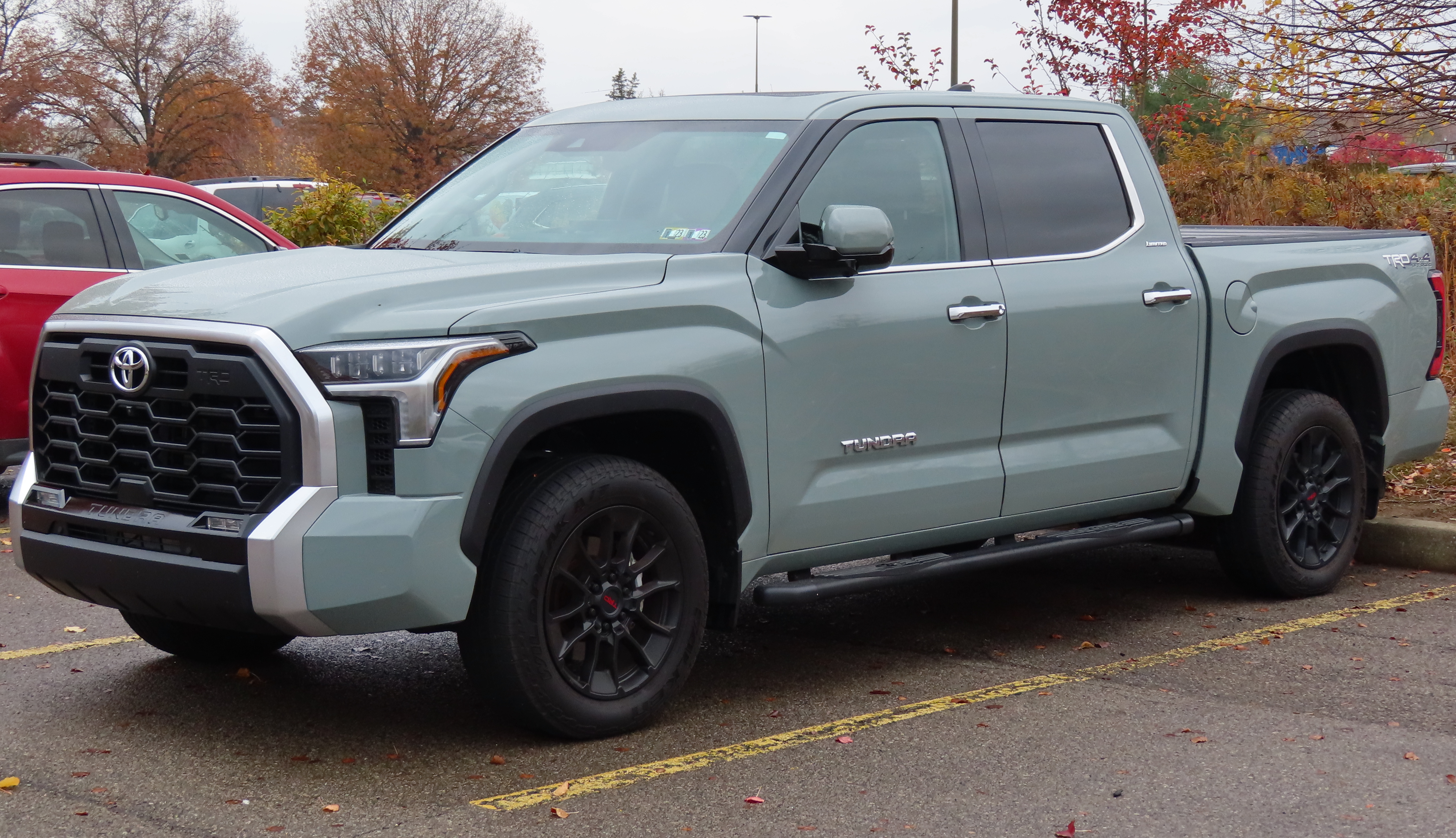
Toyota Tundra
"I had an 86 Tacoma and then a 2002 Tundra. [1727.0s] Both of those trucks had almost 300,000 on them when I sold them."
This is a Toyota Tundra pickup from 2002. The caller is saying they also put a lot of miles on it and it lasted, again attributing that to maintenance.
The Toyota Tundra is a full-size pickup, and the caller cites a 2002 Tundra as another prior ownership experience. It’s included to support their broader point that consistent maintenance is the “common denominator” behind long service life.
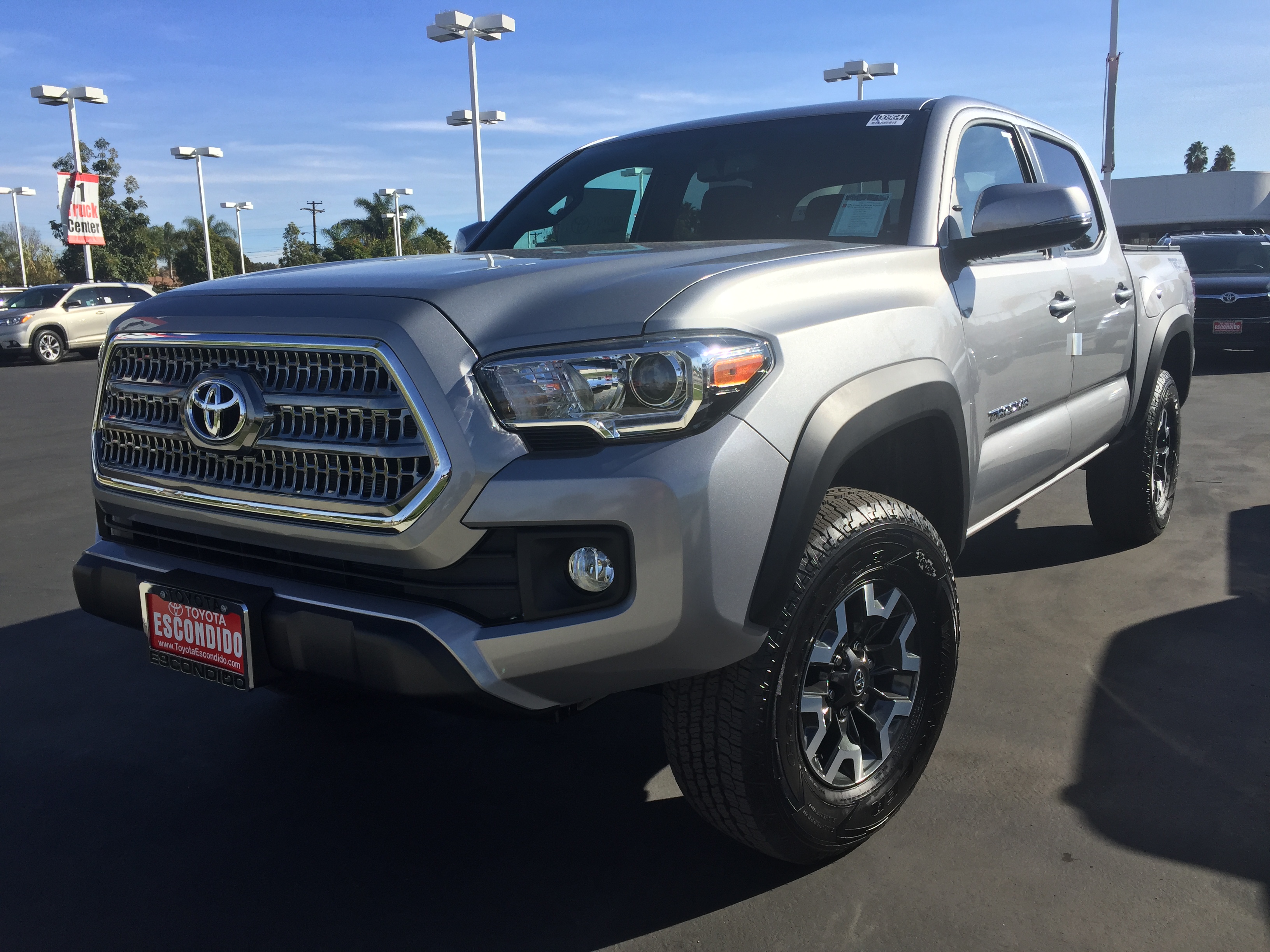
Toyota Tacoma
"I mean, I was a Toyota guy before this. [1722.9s] I had an 86 Tacoma and then a 2002 Tundra."
The Toyota Tacoma is a midsize pickup, and the caller mentions an “86 Tacoma” as a prior truck. They’re using it as part of a comparison to show that their earlier Toyota ownership also went well with maintenance.
maintenance
"So the common denominator here is maintenance. [1736.6s] Yes. [1737.6s] No question."
Here, “maintenance” means doing regular upkeep like oil changes and checks. The caller’s point is that keeping up with that work is what helped their trucks last so long.
In this context, “maintenance” is the idea that consistent servicing—especially oil changes and keeping an eye on wear—drives long-term reliability. The caller frames maintenance as the key factor behind multiple trucks reaching very high mileage.
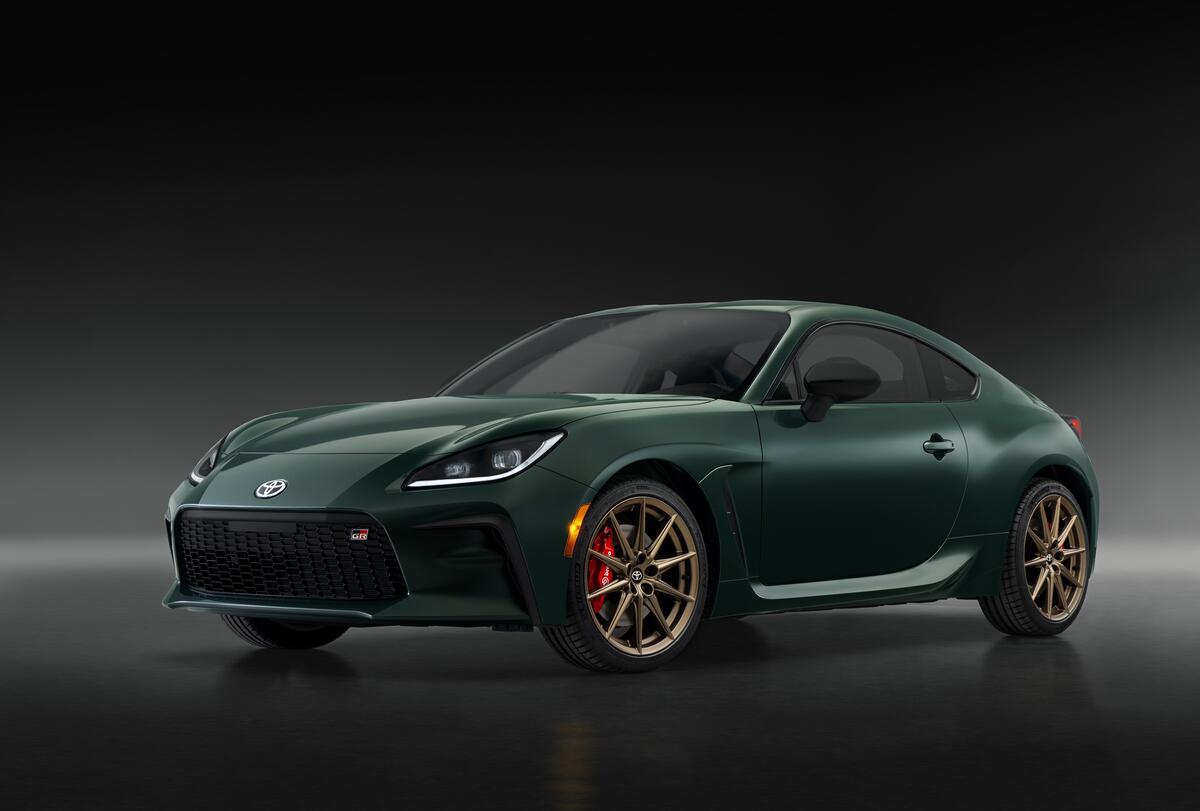
Toyota 86 Toyota
"No question. Well, the 86 Toyota had the 22R engine, and it was bulletproof if you..."
22R engine
"Well, the 86 Toyota had the 22R engine, and it was bulletproof if you do maintenance. [1744.5s] Right."
The “22R engine” is a specific Toyota engine used in older trucks. The caller is saying it’s very tough and can last a long time if you keep up with routine maintenance.
The “22R engine” refers to Toyota’s 2.4-liter 22R four-cylinder used in older trucks and pickups. It’s often discussed among enthusiasts as a simple, long-lasting design when maintained properly.
200,000 miles
"[1745.2s] But you know, people talk about cars today, and they'll all do 200,000 miles if you get [1752.2s] the maintenance. [1752.7s] If you just, you know, if you do the basic maintenance, I'm not talking about going crazy."
“200,000 miles” is a big milestone that people use to judge whether a car will last. The caller is saying it’s achievable if you keep up with normal maintenance.
“200,000 miles” is a common enthusiast and real-world benchmark for whether a vehicle can stay reliable long-term. In this segment, the speaker argues that reaching that kind of mileage is realistic when maintenance is kept up, rather than relying on extreme modifications.
oil and filter change
"[1752.7s] If you just, you know, if you do the basic maintenance, I'm not talking about going crazy. [1758.4s] I'm just talking about oil and filter fluid changes, you know, all the fluids. [1762.8s] That's just such a big deal."
This is regular upkeep: changing the engine oil and filter, plus other important fluids. Doing it on schedule helps the vehicle last longer and run cooler.
This refers to routine service where the engine oil is replaced and the oil filter is changed, along with other fluids (like coolant and transmission fluid). Keeping these fresh helps reduce wear and overheating, which is why the caller links maintenance to reaching very high mileage.
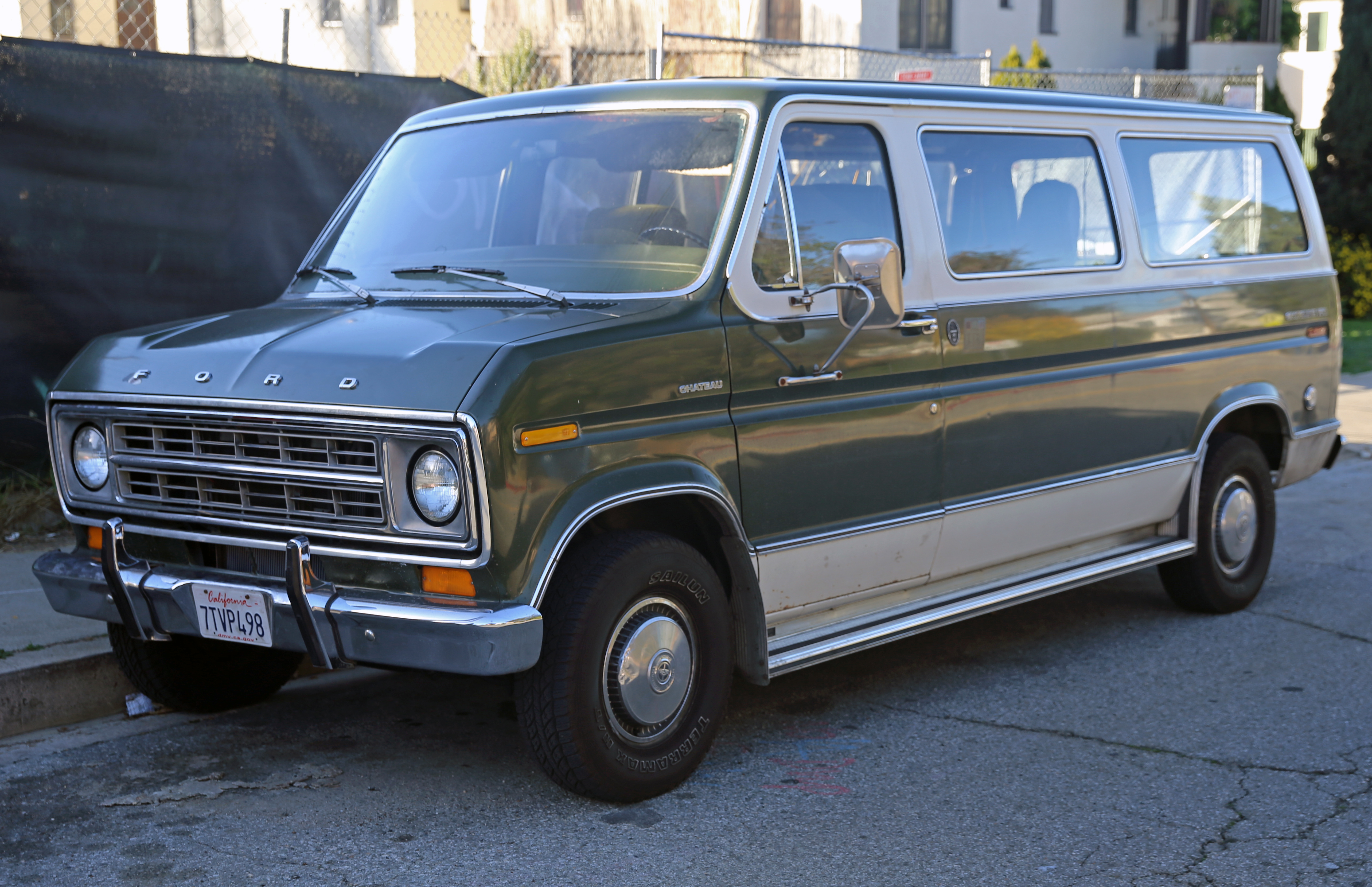
E150
"[1786.4s] Well, I own a delivery business, and we're on our second or third one. [1793.9s] This one I bought with, it's an E150, but it's got the same basic chassis and motor. [1800.4s] It's the van."
The E-150 is a Ford van that’s often used for deliveries and business routes. The caller is saying their van is closely related to the F-150 in how it’s built, so it’s also holding up well.
The Ford E-150 is a full-size van variant built on Ford’s E-Series platform, commonly used for delivery and fleet work. The caller notes it has the “same basic chassis and motor” as the F-150, which is why they’re connecting the van’s real-world durability to the pickup’s reputation.
Kia of Carson
"Of course, they listened to us there and went to Kia of Carson. [1925.8s] And Ahmed Watar is the contact there in the actual messages."
Kia of Carson is a car dealership that sells Kia vehicles. The speaker is saying their experience there was easy and honest.
“Kia of Carson” refers to a Kia dealership location in the Los Angeles area. The segment uses it as the example of a smooth, low-stress vehicle purchase and leasing experience.
Ahmed Watar
"And Ahmed Watar is the contact there in the actual messages. [1930.5s] The dealership should hold a masterclass on how to lease and sell vehicles."
Ahmed Watar is the person the host says they worked with at the dealership. He’s mentioned as the main contact during the process.
Ahmed Watar is named as the contact person at Kia of Carson in the messages discussed in this segment. The host credits him as part of the smooth, straightforward buying process.

2027 Kia Seltos
"Got a brand new 2027 Kia Seltos. [1957.0s] Hey, all right. [1958.0s] Pretty cool car."
The Kia Seltos is a small SUV made by Kia. It’s the kind of vehicle people often choose for daily driving because it’s practical and not too big.
The Kia Seltos is a compact SUV from Kia, positioned between smaller crossovers and larger family SUVs. In this segment, the host highlights a brand-new 2027 Kia Seltos as a “neat little SUV,” suggesting it’s an easy-to-live-with option that impressed them during the buying process.

Lexus TX 350 all wheel drive
"So couldn't be happier with the Lexus TX 350 all wheel drive. [1995.4s] Thank you for what you do."
This is a Lexus SUV called the TX 350. “All wheel drive” means the car can send power to more wheels to help it grip better, especially on wet or slippery roads.
The Lexus TX 350 is Lexus’s larger three-row SUV, and the “all wheel drive” setup means power can be sent to more than just the front wheels. That typically helps traction in rain, snow, or uneven grip situations compared with a front-wheel-drive-only layout.
CarPro certified dealer
"It'll say find a car pro certified dealer near you. [2017.8s] Put your zip code in there."
This is a way of finding a dealership that’s been approved by the Car Pro program. The idea is to make it easier to buy from a dealer that’s more trustworthy or consistent.
“Car Pro certified dealer” refers to a dealer network that’s been vetted or approved through the Car Pro program. The point is to steer shoppers toward dealers that follow a consistent process for pricing and customer experience.
Request an Explanation
Heard something you'd like explained? We'll add it to this episode.
Sign in to request explanations for terms you heard.
Want to learn more?
Browse our glossary for plain-English explanations of automotive terms, jargon, and concepts.
Help improve this episode
See something that's not quite right? Our annotations are AI-generated and can sometimes miss the mark. Click the flag icon on any annotation to suggest a correction.