
third row power folding seatback
This is the back part of the third-row seat that folds automatically with power. A recall like this means the folding action might not be safe and could trap someone.
vehiclerollawayrisk
“Rollaway risk” means the car might start moving by itself while it’s supposed to be parked. The recall is meant to stop that from happening.

Ford Explorer
The Ford Explorer is included in the recall discussion. The concern is that it could roll when it’s supposed to be parked.

Ford F150
The Ford F-150 is part of the recall list here. The issue being discussed is the truck potentially rolling when it’s parked.

Ford Expedition
The Ford Expedition is being mentioned in connection with a recall. The issue is about the car potentially rolling when it should be parked.

Lincoln Aviator
The Lincoln Aviator is mentioned as part of the recall list. The problem is related to the vehicle rolling when it should be parked.

Lincoln Navigator
The Lincoln Navigator is included in the recall discussion. The concern is that it could roll when it’s supposed to be parked.

Ford Bronco
The Ford Bronco is also mentioned in a recall. The host says it applies to Bronco models from 2022 to 2026.
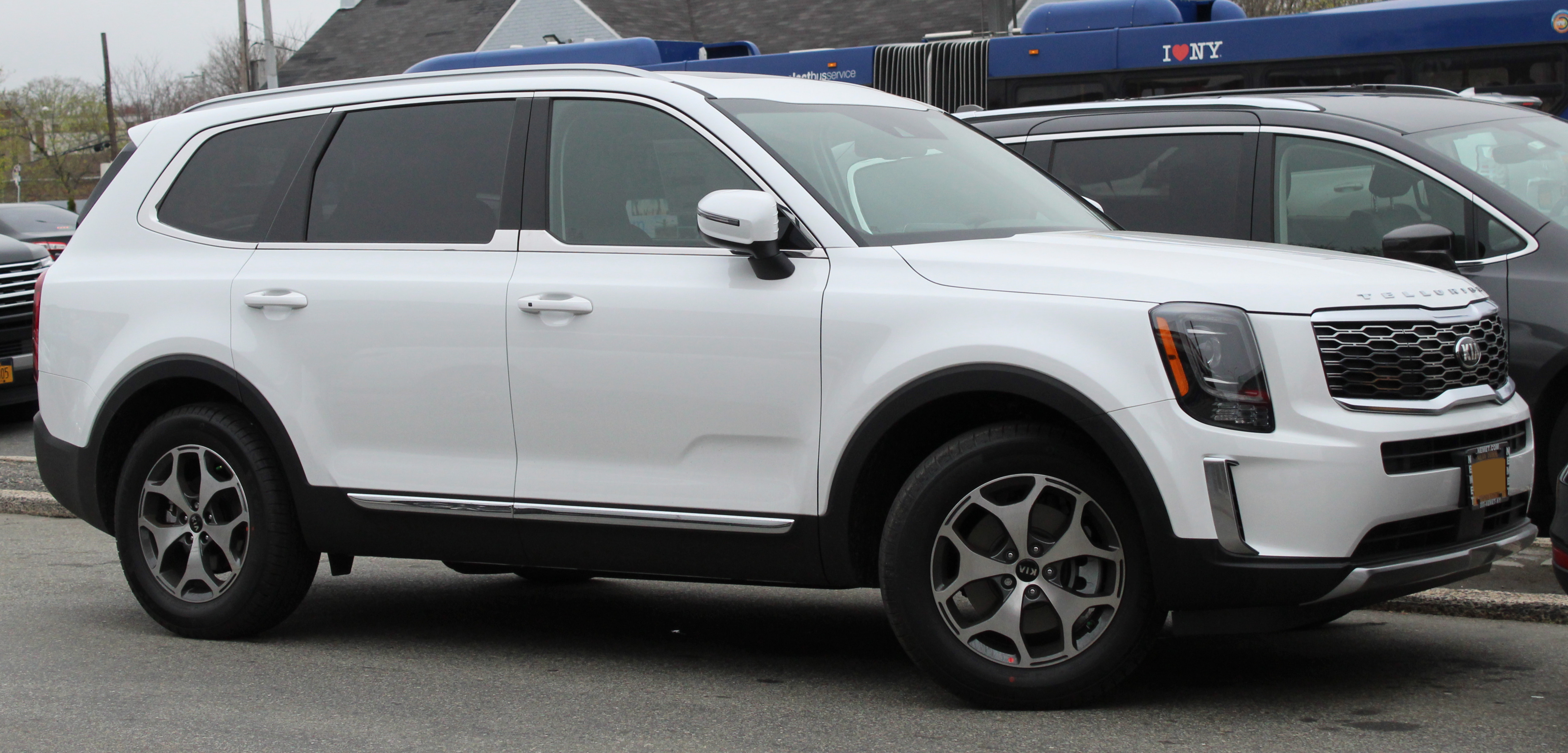
Kia Telluride SUV
This is a recall for certain Kia Telluride SUVs from 2020 to 2024. The problem is the motor that moves the front power seat—it can get too hot and create a fire risk.
front power seat motors
This is the electric motor that moves the front seat. In the recall, that motor can overheat if something in the seat’s sliding mechanism is stuck or wasn’t fixed correctly before.
electronic fuse assembly
An electric fuse assembly is a safety device that interrupts electrical current when it detects an overcurrent or fault. The idea here is that the fuse will “pop” to protect the vehicle from overheating wiring or components.
drive shafts
A driveshaft is a spinning part that sends power from the transmission to the wheels. If it’s put in wrong, the car can vibrate or have drivetrain problems.
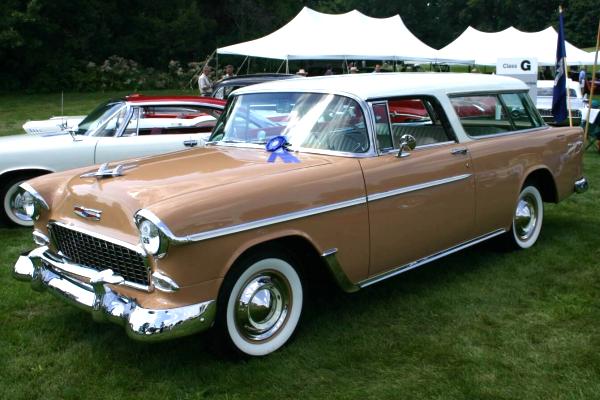
1955 Chevrolet Nomad
This is a 1955 Chevrolet wagon called the Nomad. People care about it because it’s a classic, somewhat rarer version of a Chevy wagon, and it’s often restored or modified—so details like body panels matter.
rear fender well
The rear fender well is the part of the body around the back wheel. If someone cut it, that usually means the car was modified, not left exactly as the factory made it.
delivery wagons
A “delivery wagon” is basically a station wagon that was used for work—like carrying packages or supplies. That background can affect what the car was originally meant for and how it may have been used over time.
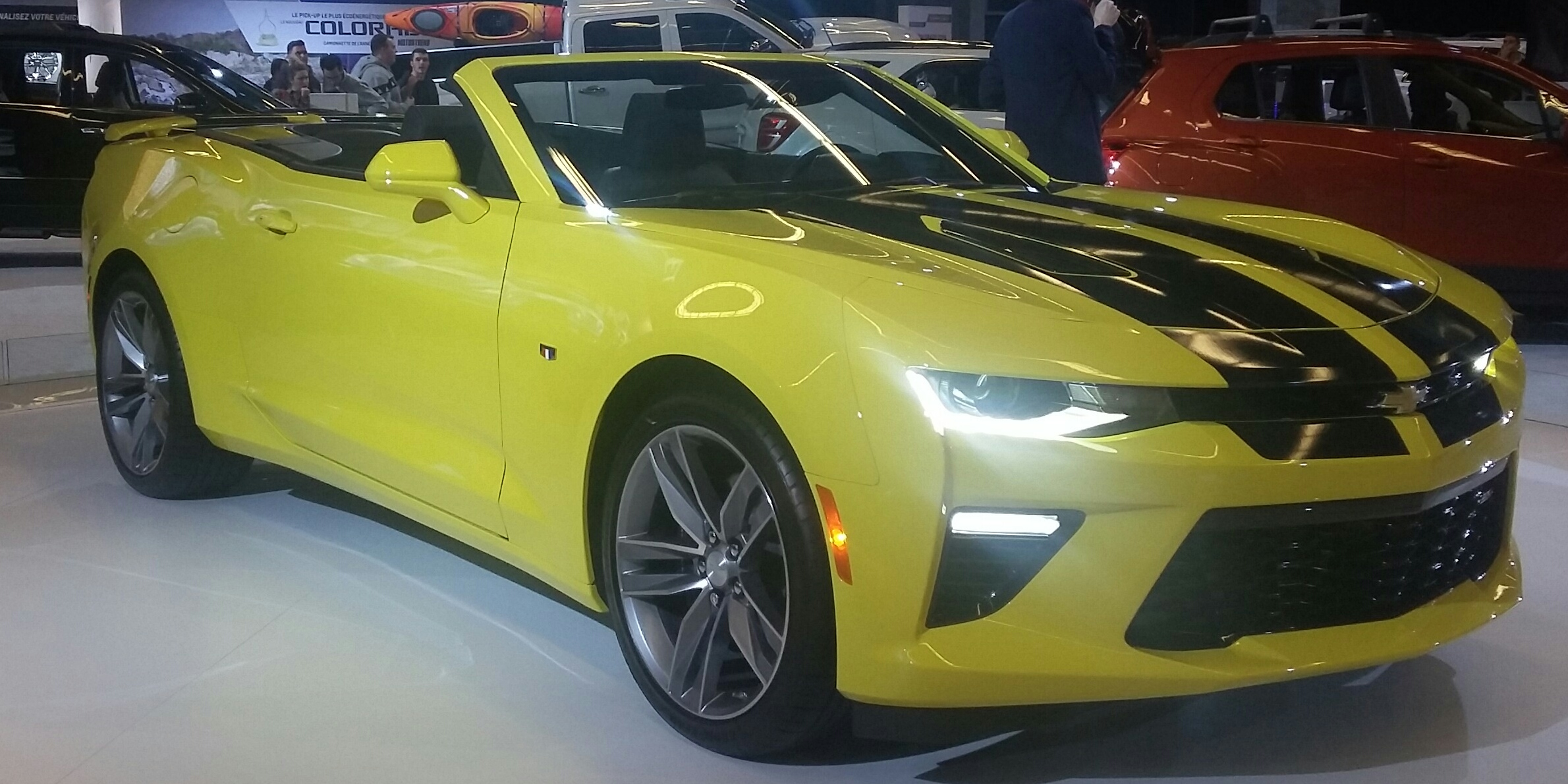
1980 Chevrolet Camaro
This is a 1980 Chevrolet Camaro, a classic American sports coupe. The hosts are talking about how the car’s specific look and trim details can change what it sells for at auction, even if it’s not very powerful.
Z28 wheelson it
“Z28” is a Camaro performance trim name. When someone says it has “Z28 wheels,” they mean it’s got wheel styling that looks like the higher-performance version, which can make it more appealing to buyers.
factory ones
“Factory ones” usually means the parts (like tires) that came on the car when it was new, not cheaper or different aftermarket replacements. Collectors often like that because it can suggest the car is more original.
horsepower
Horsepower is a measure of engine output power—how much work the engine can do over time. The hosts point out the car “has absolutely no horsepower,” using the term to contrast the car’s appearance/appeal with its actual performance.

1959 Cadillac Series 62
This is a classic 1959 Cadillac, and it’s famous for its bold, flashy styling—like the big fins on the back. Here, they’re talking about what it’s worth at auction and even a small mechanical detail about working on it.
Carfax
Carfax is a website/report that summarizes a car’s past—things like accidents or title problems. They’re saying they’ll get that report to help judge the Cadillac.
oil filter
The oil filter is a part that cleans the engine oil. If it’s hard to reach or positioned awkwardly, changing it can get messy—like they’re describing here.
1990 Cadillac Broham
This is a 1990 Cadillac model called the Broham, which is basically a big, comfortable luxury car. They’re introducing it as the next featured car in their auction discussion.
shipping crate
A shipping crate is a protective container used to move something without getting it damaged. If a car is still in one, it often means it hasn’t been driven or handled much.
Krager SS wheel
This is about aftermarket wheels—custom rims people add to change the look. They’re also questioning whether the wheels are the real brand/model or cheaper copies.
gas mileage
Gas mileage means how far the car can go on a gallon of gas. They’re pointing out that this car probably won’t be very efficient to drive.

Oldsmobile Vista Cruiser
The Oldsmobile Vista Cruiser is a classic American station wagon. It’s the kind of car collectors look for because it’s distinctive and from a specific model line, not just “any Oldsmobile.”

1975 Triumph TR6
The 1975 Triumph TR6 is a classic British sports car. It’s known for having a six-cylinder engine, and the episode points out that finding replacement parts can be challenging.
six-cylinder
A six-cylinder engine means the engine has six “power chambers” inside it. Here, they’re saying the TR6 uses a six-cylinder setup, which is part of what makes it feel the way it does.
dual carbs
“Dual carb” means the engine uses two carburetors instead of one to feed fuel. That can make the car harder to maintain because you may need more parts and careful tuning to get everything working right.

1980 MGB
A 1980 MGB is a classic British sports car/roadster. The host is saying this one has issues in the engine bay area, and that kind of problem can be a pain and cost money to fix because parts and troubleshooting aren’t straightforward.
aftermarket alarm
An aftermarket alarm is a car alarm added after the car was built. If it was installed with the wrong wiring or has aged, it can cause electrical gremlins that are annoying (and expensive) to track down.
Kraco radio
Kraco is a brand that sold aftermarket car radios. If there’s a Kraco radio in the car, it usually means someone added electronics later, which can mean extra wiring that might contribute to electrical issues.
1.8 liter engine
“1.8 liter” is the engine size—how much space the pistons move inside the engine. Bigger displacement can mean more potential power, but it’s not the only factor.
starter fluid
Starter fluid is a quick-start spray that helps an engine catch fire when it’s having trouble starting. It’s kind of like a temporary jump for the engine—if something’s wrong, it won’t keep running.
carburetor work
Carburetor work means fixing or tuning the older-style fuel system that mixes air and gas. If it’s not right, the engine might start for a second but then stall.
Chase Murray
Chase Murray is the person the hosts say the car resembles. It’s just part of the story leading into what the car actually is.

1973 Lincoln Mark IV
This is a 1973 Lincoln Mark IV, a big American luxury car from the early 1970s. The hosts are talking about one specific two-door example and how much it sold for at auction.
two-door
A "two-door" car has two doors for getting in and out—one up front and one behind it. It’s a common way to describe the body style, especially for older coupes.
four barrel
“Four-barrel” usually means the engine uses a carburetor with four separate air/fuel passages. It’s a common performance-era setup on older V8s.
400 cubic inch
“460 cubic inch” is how big the engine is—basically its displacement. Bigger displacement usually means more power potential, but it often comes with worse fuel economy.
Tom Yvonne Motors
Tom Yvonne Motors is the shop the hosts mention for getting the car checked out. They’re talking about having the engine and carburetor serviced.
Jeff Heitzmann
Jeff Heitzmann is the person who bid on the car and won. The hosts mention his bid to say what the car sold for.
JC Whitney
JC Whitney is a well-known name for buying car parts (often aftermarket). The hosts are using it as a punchline about parts and upgrades.

Jaguar XK150
The Jaguar XK150 is an older Jaguar sports car. It’s notable because it was the last version of the XK line, and it used a 3.4-liter engine that helped Jaguar build its reputation for sporty cars.

Ford Taurus
The Ford Taurus is a mid-size family sedan. The big idea here is that it moved away from older styling and leaned into better aerodynamics, front-wheel drive, and a more driver-oriented cabin.
front wheel drive
Front-wheel drive means the front wheels do the work of both steering and moving the car. It’s a common setup on many family cars because it can package space efficiently and help with fuel economy.
XCar platform
A platform is the shared “foundation” a car company uses to build several different models. Using one platform can make it cheaper and faster to make new cars, and in this case it’s tied to GM moving toward front-wheel drive and better fuel economy.

Volkswagen new Beetle
The Volkswagen new Beetle is a newer version of the classic Beetle. It keeps the Beetle’s look, but it uses modern mechanicals—front engine and front-wheel drive—based on the Golf.
platform sharing
Saying it’s built on the Golf platform means the new Beetle shares its basic engineering foundation with the Golf. That usually helps manufacturers reuse parts and engineering instead of starting from scratch.
GM ignition switch compensation program
This refers to a GM program created to compensate owners after an ignition-switch problem. If your car had that issue, GM would offer a fix and/or money back depending on the situation.

Tesla Model Y
The Tesla Model Y is Tesla’s most popular SUV/crossover. They’re saying it’s getting a longer version with three rows, aimed at more people and cargo space.
long wheelbase
Long wheelbase means the car’s wheel-to-wheel distance is stretched. That often gives more room inside, especially for rear passengers.
three-row variant
A three-row variant is a version of the car with seating for more people. It’s usually aimed at families that need extra passenger space.
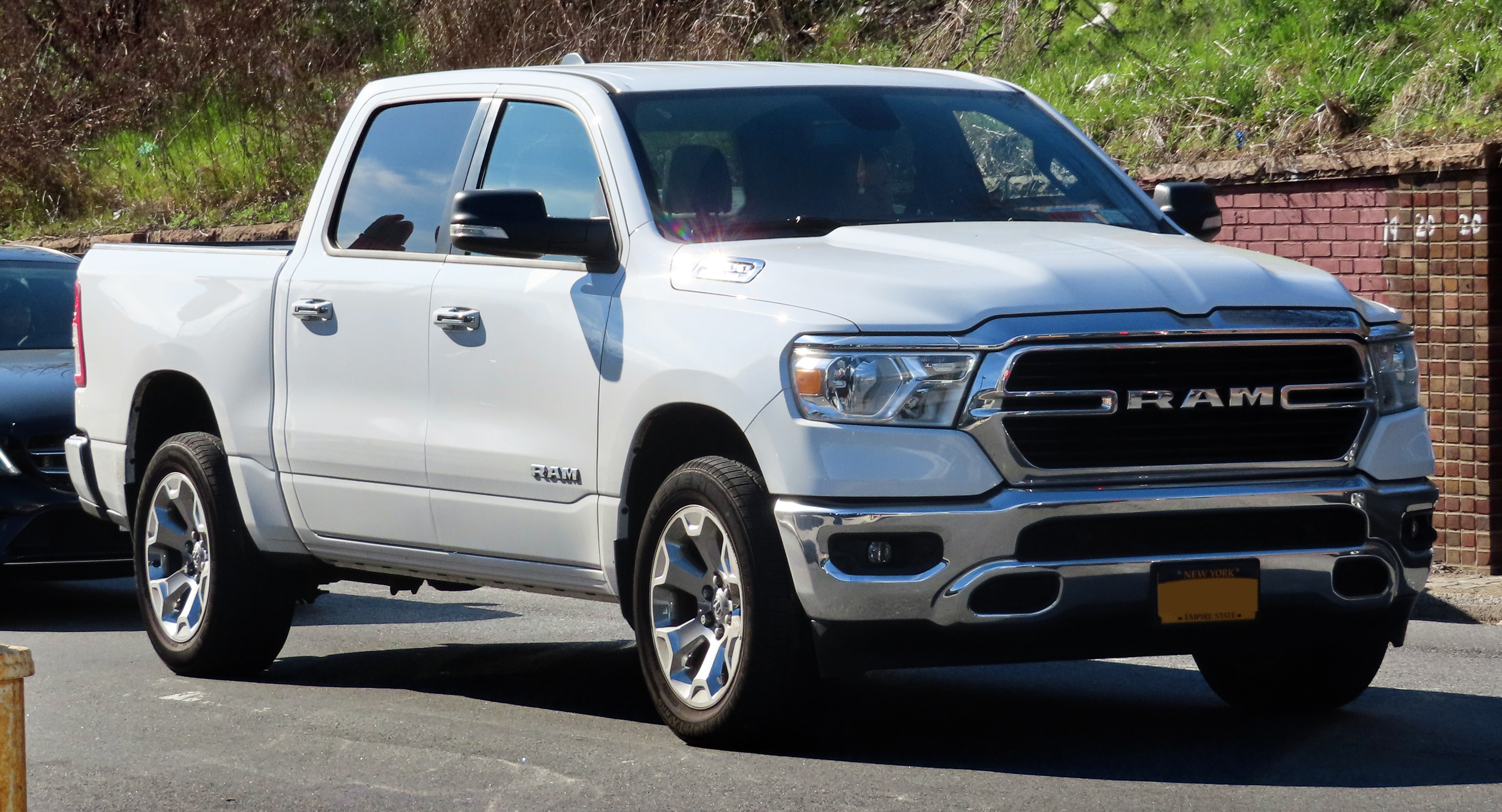
Ram 1500
The Ram 1500 is a popular full-size pickup truck. The hosts are saying it’s doing well enough to help the company’s overall sales.
light-duty pickup
A light-duty pickup is a truck meant more for normal driving and everyday hauling, not heavy industrial work. It’s the kind of pickup most people buy for commuting and weekend use.

Jeep Grand Cherokee
The Jeep Grand Cherokee is one of Jeep’s most popular SUVs. They’re saying sales were down for it along with several other Jeep models.

Honda CR-V
The Honda CR-V is a very popular SUV. They’re saying it sold well because some other brands had fewer cars available, so buyers turned to the CR-V.
GT Tire Company
GT Tire Company is a tire brand/company that’s launching new tires in the U.S. The episode says they’re introducing new passenger and light-truck tire products.
GT brand portfolio
The GT brand portfolio means the different tire lines sold under the GT name. Here, they’re talking about tires for regular cars and light trucks.
passenger and light truck tires
Passenger tires are for cars and crossovers. Light-truck tires are made for pickups and SUVs that may haul more weight or drive differently.