
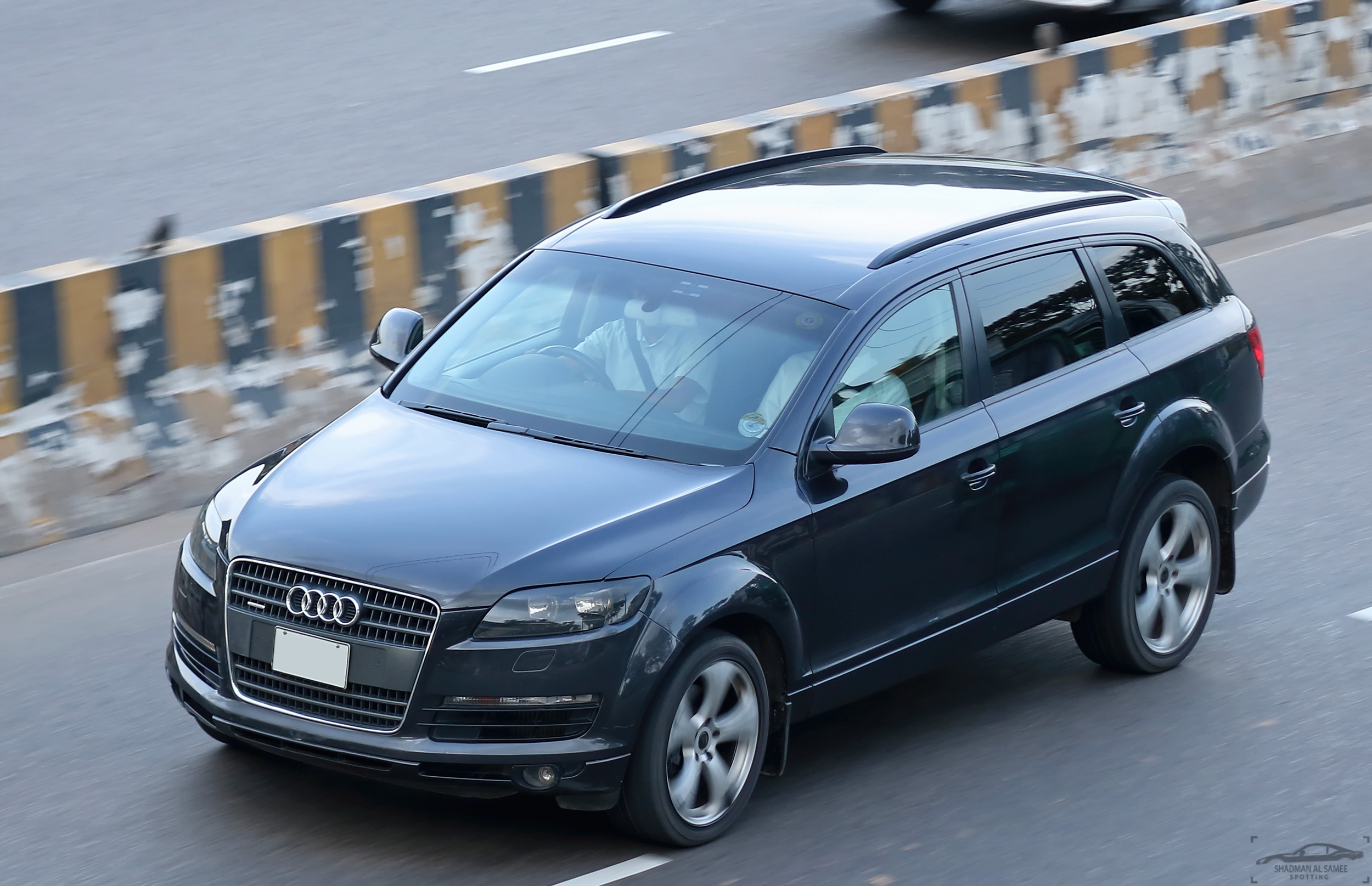
Audi Q7
The Audi Q7 is Audi’s bigger luxury SUV. In this segment it’s brought up as a comparison point to the new BMW X5, even though the hosts don’t think it’s as big of a deal.
BMW design language shift
This part of the episode is about BMW’s new styling direction. The hosts explain why they think it will split opinions and how it ties into BMW’s newer “Neuer Klasse” plan and electric models.
Neuer Classe
“Neuer Klasse” is BMW’s way of describing its next big generation of cars—basically a new direction for how their vehicles are built and designed. The hosts are saying it’s showing up first in concept cars and now in real models like the X5 and BMW’s electric SUVs.
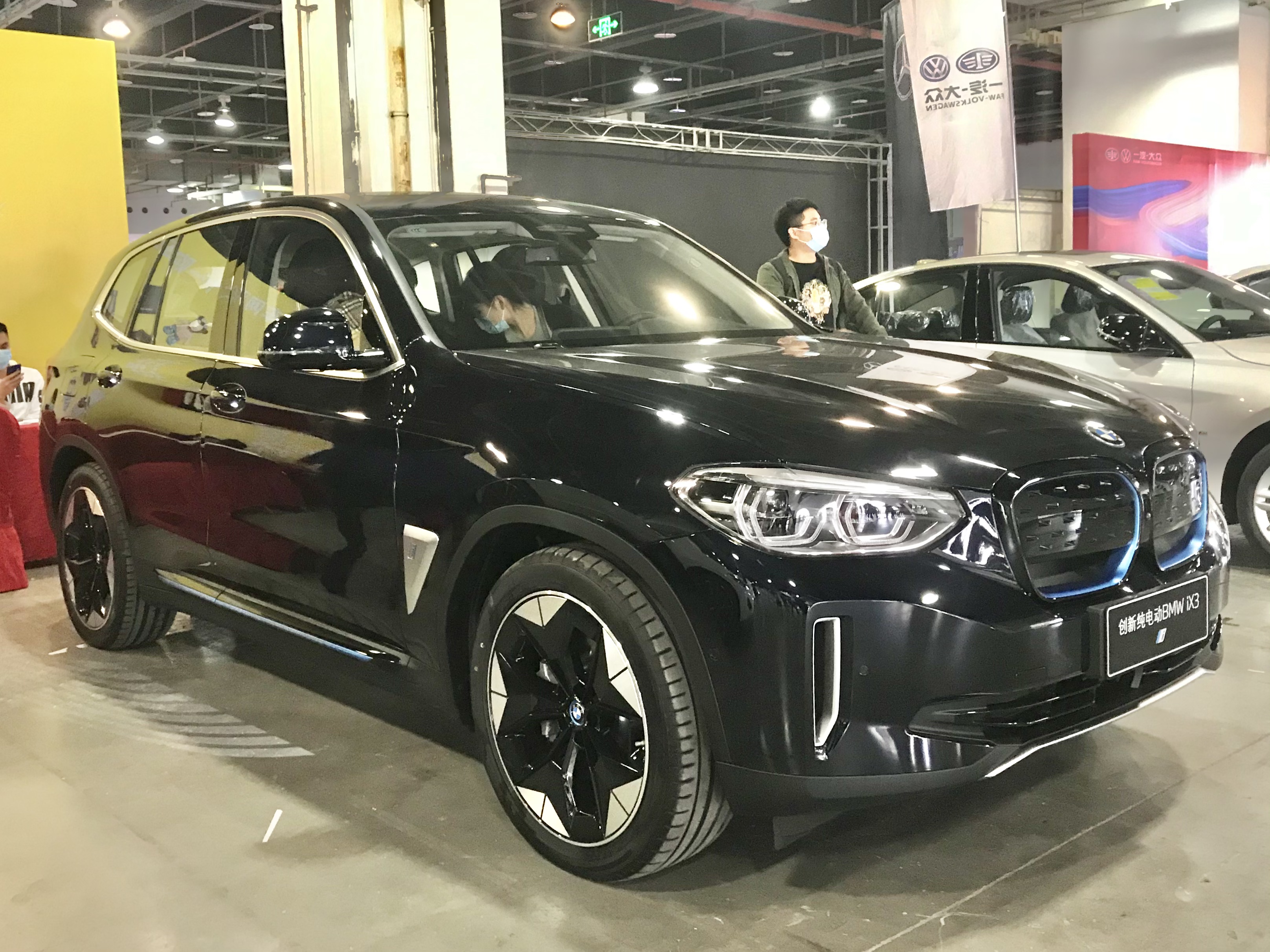
iX3 (G08)
The BMW iX3 is an electric SUV made by BMW. Instead of using gasoline, it runs on a battery and an electric motor. The podcast is talking about it as a step from concept ideas to a real production electric SUV.
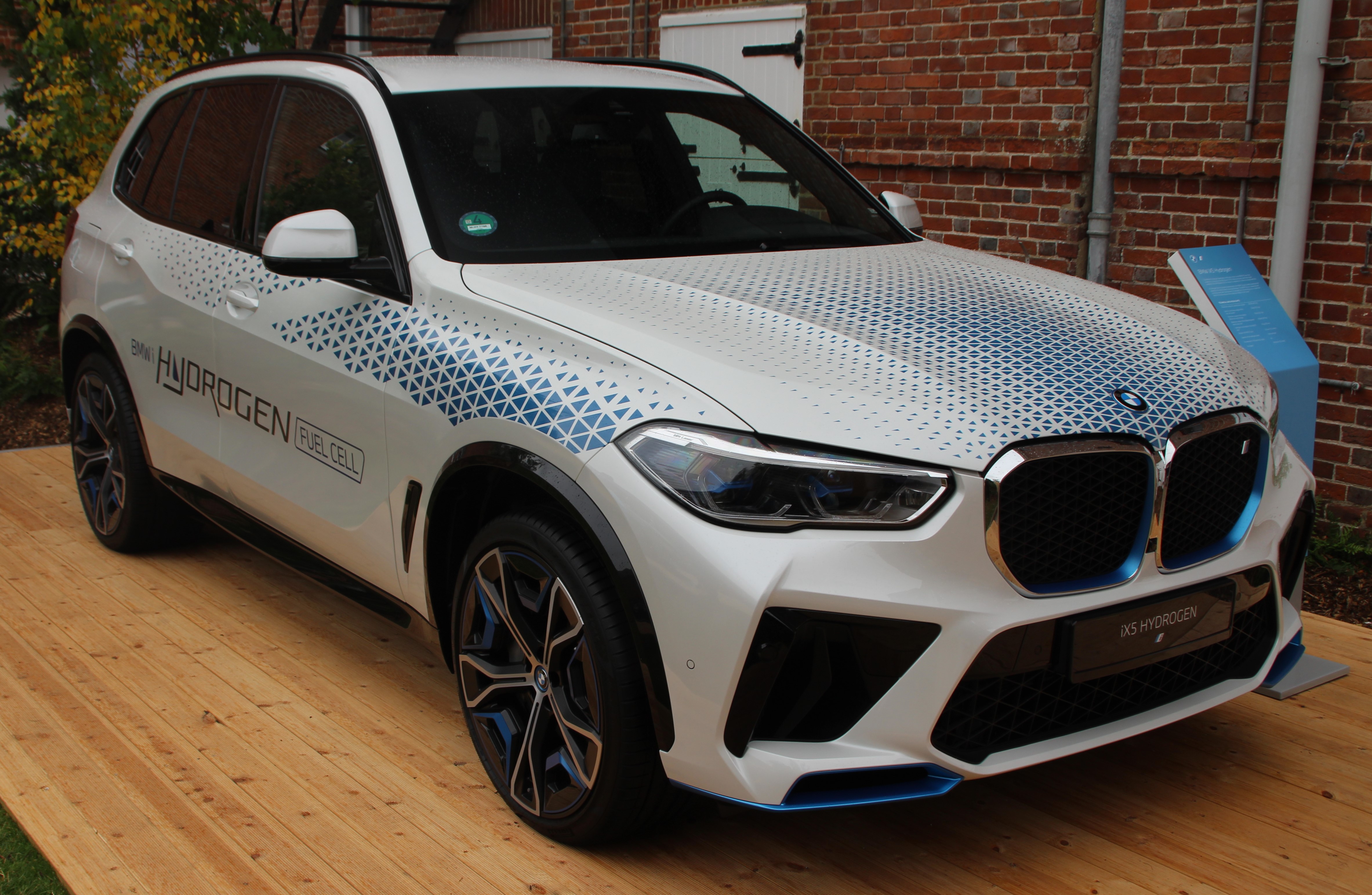
BMW IX5
The BMW iX5 is BMW’s electric SUV. In this episode, they’re using it to show that BMW’s new direction isn’t just for gas models—it’s also being applied to their electric lineup.
crazy huge grills
They’re talking about BMW’s recent habit of making the front grille much bigger than before. It’s a styling choice that some people love and others dislike, and they’re saying the new look may do the same.
kidney grill
A “kidney grill” is BMW’s recognizable front grille shape. It’s the distinctive grille design that looks like two kidney shapes.

BMW X5
The BMW X5 is a luxury SUV from BMW. It’s important to BMW’s lineup because it sells well and makes the company more profit than some other models.

BMW X3
The BMW X3 is a smaller luxury SUV than the X5. In the discussion, it’s mentioned as one of the BMW models that helped the brand move toward SUVs.
SAV
SAV is a BMW term for its SUV-style vehicles. It basically means “sporty SUV,” and it was part of how BMW helped popularize this type of car.
UR
“UR” is mentioned as an older label BMW used for this kind of vehicle before switching to the term “SAV.” The point is that BMW changed the name as the SUV category evolved.

Land Rover Range Rover
Range Rover is a well-known luxury SUV brand. In this conversation, it’s mentioned as a rival to BMW’s X5-style approach.

ML-Class Mclass
The ML-Class is an older Mercedes SUV name. Over time, that model line was renamed and evolved into what people know as the GLE. The podcast is mentioning it to explain where the SUV model history comes from.

M-Class
The M-Class was the older name for Mercedes-Benz’s SUV that later became the GLE. It’s mentioned here to explain how Mercedes’s SUV lineup changed over time.

Mercedes GLE
The Mercedes GLE is another luxury SUV from Mercedes-Benz. They mention it because it’s one of the main competitors to the BMW X5.
powertrain options
Powertrain options are the different ways the car can be powered—like different engines or electric setups. They’re saying the X5 offers many choices depending on where you buy it.
daytime running lights
Daytime running lights are lights that turn on in daylight so other drivers can spot your car more easily. They’re talking about how the X5’s headlights include DRLs as part of its new design.
efficiency
Here, “efficiency” means the car tries to waste less energy—often by reducing air resistance. They suggest the new handle design may help the car move through the air more easily.

Ford Mustang Mach-E
The Ford Mustang Mach-E is an electric Ford crossover. They mention it because it has a similar “hidden” or unusual door-handle style, where you press a button to open the door handle.
belt line
The belt line is a line/crease you can see running along the side of the car. It helps define the car’s shape and how the windows and body relate to each other.
greenhouse
The greenhouse is the part of the car that’s mostly glass around the cabin—like the windows and windshield area. Designers talk about it because it strongly affects the car’s shape.
rear valance
A rear valance is the lower panel at the back of the car, just under the bumper area. It’s mostly about the car’s styling and proportions at the rear.
taillights
Taillights are the lights on the back of the car. They’re not just for safety—they also help define the car’s rear design.
touch materials
“Touch materials” means the surfaces inside the car that you touch every day. In a luxury vehicle, better-feeling materials make the cabin feel more expensive and better built.
engine options
“Engine options” means the car can be bought with different engines or power setups. Different trims may use different engines, so buyers have choices.
old design language
“Design language” is the brand’s overall style—its look and design cues. If a car is “between” two design languages, it can feel like it doesn’t fully match the newer, more modern look.
new design language
“New design language” means the newer styling direction a carmaker is using now. They’re saying the X3 looks more like the updated look that matches the new X5.
door case
“Door case” here means the interior door panel area you feel when you open the door and get in. Hosts use it as an example of how low-cost plastics can make a cabin feel less premium because the tactile experience doesn’t match what you’d expect from a luxury SUV.
one charger for your phone
They’re talking about how many USB/charging ports the car gives you for your phone. Fewer ports means less convenience, which can make the car feel less “luxury” even if the rest of the cabin looks nice.
piano black
“Piano black” is that super-shiny black trim you see on some dashboards. It looks fancy, but it tends to show smudges and tiny scratches pretty quickly.
slate stone
“Slate stone” means they’re using an actual piece of stone as part of the interior trim. It’s a way to make the cabin feel more premium than regular plastic.
projected strip
A “projected strip” is when the car uses a projector to show information on the dashboard area. Instead of a normal screen, it looks like the dials are painted or printed there.
project the dials
“Project the dials” means the car shows the gauge readings by shining them onto a surface. It’s like a heads-up style display for the instrument information.
projected onto the screen
“Projected onto the screen” means the display is created by a projector. Instead of only using a typical panel, the image is thrown onto a screen surface.
Easter egg things
Here, “Easter egg” means a fun hidden feature or surprise in the car’s screen menus. It’s basically the car’s way of adding personality.

BMW E30
An “E30” is a classic BMW 3 Series from the 1980s. An “art car” is a BMW that’s decorated by an artist, and the host is saying the car’s screen can reference that kind of BMW history.
interior lighting
Interior lighting is the lights inside the car. Some cars let you change the color or style of those lights to make the cabin feel different.
North-South
“North-South” here means the steering-wheel spokes are set up like a vertical line—more up-and-down than left-and-right. It’s mostly a design/feel detail the host is pointing out.
kidney bar
The “kidney bar” refers to BMW’s signature grille styling—an elongated, horizontal interpretation of the classic kidney grille shape. It’s a recognizable design element that helps identify BMW models at a glance.
propeller emblem
The “propeller emblem” is the BMW logo. It looks like a little propeller inside a circle, and it’s part of BMW’s recognizable front-end design.
crash safety
Crash safety is how a car is built to protect you in an accident. Things like stronger structures and safety systems can affect the car’s shape, so many SUVs start to look more alike.
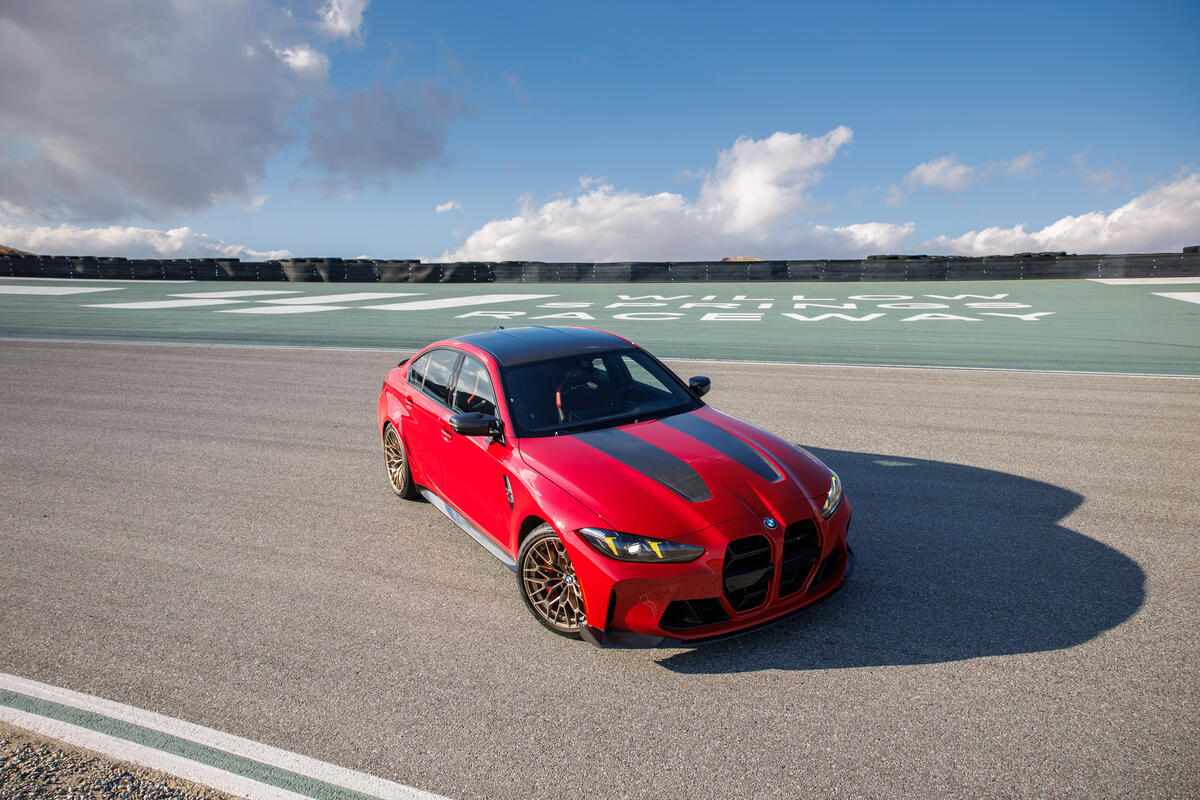
BMW E36 M3
The BMW E36 M3 is an older BMW M3 from the 1990s. People love it because it feels very connected and “mechanical,” not like modern cars with lots of screens and software.
V8
A V8 is an engine with eight cylinders arranged in a V shape. It usually feels powerful and has a distinctive sound. The speaker is talking about switching between different BMW engines they owned, including a V8.
straight six
A “straight six” means the engine has six cylinders in a single row. It’s often described as smooth because the engine’s design is naturally balanced. Here, the speaker is comparing it to a V8 they had later.
supercharger
A supercharger is an add-on that forces extra air into the engine. That extra air helps the engine burn more fuel and make more power. The speaker is saying they installed one to make their BMW faster and more fun.
Hereth Circuit in Spain
They’re saying they did a launch event at a race track in Spain. The track name in the transcript sounds a bit unclear, but it’s definitely a real circuit. It’s included to give context for where they tested or debuted the car.
big screen in the middle
This refers to a modern dashboard infotainment display mounted centrally, often integrated into the instrument panel design. Central “big screens” are a common styling and usability trend on newer cars, replacing or minimizing traditional button-heavy layouts. The speaker notes it appears “tilted over a little,” which is a specific design choice that can affect ergonomics and perceived cabin shape.
Android Auto
Android Auto lets you connect your phone to your car and use certain apps on the car’s screen. It’s mainly for things like maps and music, using your phone’s interface.
car play
CarPlay lets you connect an iPhone to your car so you can use apps on the car’s display. It’s commonly used for maps, calls, and music.
split screen
A split screen means the car’s display is divided into two areas at once. One side can show navigation while the other side lets the passenger do something else.

Dodge Ram
The Ram is a Dodge pickup truck. The hosts are using it as an example of a truck that can show different content on the screen for the driver and passenger.
split tailgate
A split tailgate is a back door that opens in two pieces. It can be handy for loading or even sitting on, but the host says the newer X5 design dropped it because it takes away some trunk space and is harder to fit with the new rear shape.
hatch in the back
A hatch in the back is the rear door that lifts up. They’re comparing it to another style of rear opening and saying that design choices can change how complicated and expensive the car is.
split gate
A split gate is a rear door that opens in two parts instead of one. That kind of design can affect how complicated the car is to build.

Ford Focus RS
The Ford Focus RS is a high-performance version of the Focus. Here it’s mentioned as an example of how engineers sometimes have to compromise on features because of cost or complexity.
dampers
Dampers are the shock absorbers in the suspension. If you change the damper setting, the car can feel softer or firmer and handle bumps and cornering differently.
column stalk
The “column stalk” is the set of steering-column controls (commonly for turn signals, wipers, and sometimes drive-mode functions). Using it for damper controls is a packaging/cost workaround so drivers can change settings without adding extra buttons.
cost and complexity
This means it’s harder and more expensive to offer lots of different powertrain options. Each extra type adds engineering work and parts, which can raise cost and create more things that can go wrong.
48 volt mild hybrid system
This is a small electric-assist system. It helps the gas engine with things like smoother starts and some acceleration, but it usually can’t drive the car purely on electricity for long.
plug in hybrid
A plug-in hybrid can be charged at home or at a charger. You can drive on electricity for some distance, and when that runs out, it uses the gas engine.
EV
An EV is a car that runs on electricity stored in a battery. Instead of a gas engine driving the wheels, electric motors do the work.
diesel and hydrogen
They’re talking about non-gas options. Diesel is a different type of engine fuel, and hydrogen usually means a system that makes electricity from hydrogen to power the car.
fuel cell hydrogen
Fuel cell hydrogen means the car makes electricity from hydrogen while you drive. That electricity then runs the electric motor, instead of using a gas engine.
internal combustion engine
An internal combustion engine is the classic kind of engine that burns fuel inside the engine to make power. Here, they’re talking about doing that using hydrogen instead of regular fuel.
onboard power source
An onboard power source is the car’s own energy system inside the vehicle. For hydrogen cars, it’s what turns hydrogen into electricity while you’re driving.
electric motor
An electric motor is what actually turns the wheels using electricity. In a hydrogen fuel-cell car, the car first makes electricity from hydrogen, and then the motor uses that electricity to move the car.
hydrogen fuel cell car
This is a car that makes electricity from hydrogen while you drive. Instead of burning gas, it uses hydrogen to create power for the electric motor.
hydrogen combustion engines
This means burning hydrogen inside an engine, like how a gas car burns gasoline. It’s a different approach than making electricity from hydrogen in a fuel cell.
range extender
A range extender is an extra system that helps the car go farther when the battery is running low. Think of it as a backup generator that keeps the electric drive going.

Honda FCX Clarity
Honda made a car called the FCX clarity that ran on hydrogen. Instead of using gasoline, it used a special system to turn hydrogen into electricity to power the car.
platinum
Platinum is a costly material used inside hydrogen fuel cells to help the chemical reactions work. Engineers want to use less of it to make the technology cheaper.
membrane
The membrane is a key part of a fuel cell that helps separate the hydrogen from the other side of the reaction. It also helps the fuel cell work efficiently.
electric infrastructure
Electric infrastructure is the network of power systems and charging stations that electric cars rely on. If more people drive electric cars, you need more of this support.
hydrogen source
A hydrogen source is where the hydrogen comes from. For hydrogen trucks to work, you need places to get hydrogen along the routes you drive.
lock in theory
“Lock-in” means once a country starts investing in one approach, it can become difficult to switch later. Here, the idea is that policy and infrastructure pushed people toward electric instead of hydrogen.
road haulage
Road haulage just means delivering freight by truck on roads. For trucks, the fuel/energy plan matters a lot because they drive long distances and need quick, reliable refueling.
Tesla
Tesla is an electric-vehicle brand best known for battery-electric cars, and the speaker mentions it in the context of building large trucks. The point is that heavy-duty trucking is a major test for whether battery-electric or hydrogen fuel-cell solutions can scale.
EV trucks
EV trucks are electric versions of delivery or freight trucks. Because they’re heavy and go far, they need big batteries and fast charging to work well.
massive batteries
“Massive batteries” just means a very large battery. Bigger batteries usually help vehicles go farther, but they also cost more.

Ford Lightning
The Ford F-150 Lightning is Ford’s electric pickup truck. The host mentions its battery size to help explain what “massive batteries” means in practice.
kilowatt battery
They’re talking about how big the battery is using a power-related unit. For EVs, battery size is usually measured in kilowatt-hours, and bigger numbers generally mean more range but higher cost.

Cadillac Escalade
The Cadillac Escalade is a very large luxury SUV. The host is using it as an example of a big, high-spec vehicle—like they think BMW is targeting with large battery numbers.
battery pack
In an EV, the battery pack is the big set of batteries that stores the electricity. A bigger battery pack usually means you can drive farther before needing to recharge.
European cycle
The European cycle is a standardized way cars are tested to estimate how far they can go. Because it’s a test, the results can look better than what you’ll get in real driving.
kilowatts
Kilowatts (kW) are a measure of power. For EVs, higher kW usually means the car can charge faster—if the charger and battery support it.
faster charging speeds
Faster charging speeds means the EV can add electricity more quickly at a charger. Even if the car can charge fast at first, the speed often slows down later as the battery fills up.
all wheel drive
All-wheel drive (AWD) powers all four wheels. It can help the car grip better in rain or snow, and it often costs more than rear-wheel drive.
electric cars
“Electric cars” are cars that run on electricity from a battery. Instead of using gasoline like most cars, they use an electric motor.
plug it in at night
This means charging the car at home overnight. If you do that, you can start the day with a full battery even if the car’s daily driving range is limited.
battery integrated more into the vehicle
This is about where the battery sits in the car. Instead of being just a flat pack under the floor, the battery is built into the car’s structure and even parts of the body.

BMW iX
The BMW iX is BMW’s electric SUV. The host is saying BMW is changing its SUV strategy, and that the new model will take over for the iX.

BMW i5
The BMW i5 is the electric version of BMW’s 5 Series. Here it’s mentioned to show how BMW is organizing its electric lineup across different models.
standalone electric vehicle
A standalone electric vehicle is a car that was designed specifically to be electric from the start. The host is saying BMW previously had some EVs that were built this way, but now they’re changing strategy.
one platform
“One platform” means using the same basic car design underneath for different versions—like gas and electric. The idea is to save money and speed development, but it can mean compromises in how perfectly each version is engineered.
Porsche
Porsche is mentioned as an example of a company that thinks mixing electric and gas development on one shared base can lead to compromises. The host uses it to make a point about EV strategy.
electric version
It means taking a regular car design and making it run on electricity instead of gasoline. Usually that requires major changes under the body to fit the battery and electric motors.

Ford F150
The Ford F-150 is a very common full-size pickup truck. Here it’s mentioned as an example of a gas truck platform that people might try to turn into an EV.
drive shaft
A drive shaft is a mechanical part that sends power from the engine/transmission to the wheels. EVs often don’t need it because the electric motors are arranged differently.
from scratch
“From scratch” means building the EV design specifically for electricity, not just modifying a gas-car design. The goal is to make the battery and motors fit better and work more efficiently.
EV division
An “EV division” is a company team dedicated to making electric cars. Instead of treating EVs as an add-on, they build the whole plan around electric vehicles.

BMW Series Bmw
battery underneath it
This means putting the EV battery in the floor area of a car. It can be a quick way to make an EV, but it may limit how well the car can be designed compared with building it as an EV from the start.
universal platform
It’s a car “body and engineering base” that can be used for different versions. Here, the same basic design is meant to work for both gas cars and electric cars so the company doesn’t have to start from scratch.
EV version
An EV version is the electric version of the same model. Instead of a gas engine, it uses an electric motor and a battery pack.

Dodge charger
The Dodge Charger is a popular American muscle-style car. Here it’s mentioned as an example of a company trying to figure out how to offer an EV option alongside the gas version.
tariff perspective
A tariff is a tax on imported products. “Tariff perspective” means the company is thinking about how where the car is built changes the extra taxes it might face when sold elsewhere.
buttons on the interior
This is about the physical buttons inside the car. The hosts are saying some cars are removing them and putting functions onto screens instead, partly to save money.
air vent controllers
Air vent controllers are the knobs/buttons (or screen controls) you use to set where the air blows and how the climate system behaves. They’re discussing the change from physical controls to screen-based controls.

Tesla Model Y
The Tesla Model Y is an electric SUV. Here it’s mentioned because Tesla changed how you control things like the power seat—using the screen instead of separate buttons and switches.
physical controls
Physical controls are the real buttons and knobs you press to control something. The point here is that the car can do the same job using the screen instead of separate buttons.
wiring
Wiring is the set of wires that carries electricity and signals to parts of the car. If you remove buttons and switches, you may need less wiring to make everything work.
supplier
A supplier is an outside company that makes parts for a car maker. In this example, the seat is sourced from a supplier and priced as a package.
power seat
A power seat is a car seat you can adjust using buttons or switches. It moves the seat for you with an electric motor, so you don’t have to adjust it by hand.
touchscreen
A touchscreen is the screen in the car you tap to control features. It’s like a tablet screen, and in cars it can control things like settings and media.
margin of three to one
This is a business term for how much profit you keep after costs. The point here is that fashion/cosmetics can make bigger profits per dollar than car companies can.
Ferrari
Ferrari is a famous high-end car brand. The host is saying that most brands have to watch costs closely, but Ferrari doesn’t have to be as constrained.
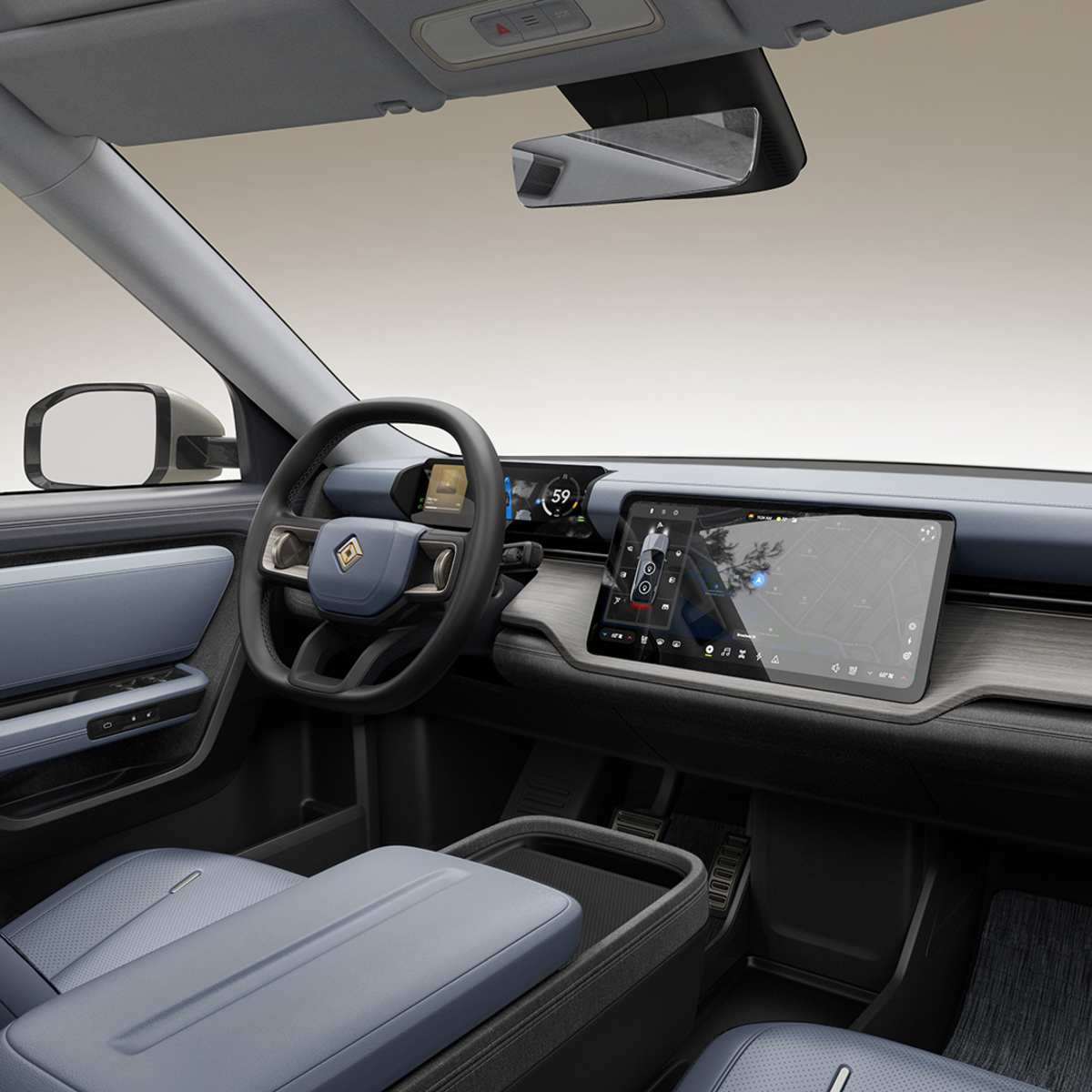
Rivian R2
Rivian R2 is an electric SUV that Rivian is planning to sell. The hosts are using it to talk about how even small interior design details can change how much the car costs to build.
Bluetooth speaker
A Bluetooth speaker is a small speaker that connects wirelessly, usually through your phone. Here, it’s brought up because removing it can save money on the car.
high performance line
A “high performance line” just means a company’s lineup of faster, sportier versions of their cars. The idea is that these models are built to feel more exciting to drive than the regular versions.

Bmws M
The BMW M Coupe (E36) is a sporty BMW coupe made by BMW’s performance team, the M division. It’s based on an older BMW 3 Series generation (the E36). The podcast is bringing it up as an example of BMW moving toward more performance-focused cars.
AMG
AMG is Mercedes-Benz’s performance brand. It’s the part of Mercedes that makes the sportier, more powerful versions of their cars.
Magma series
The “Magma series” is Genesis’ name for a set of special performance versions. The hosts are saying the GV60 Magma is the first real production car showing what that performance line will be.
M-Power
This is the host’s shorthand for BMW’s performance branding. The idea is that BMW uses a special badge to mark cars that are built to be sportier and quicker than the regular models.
performance sub-brand
A performance sub-brand is like a special badge for the “sporty” versions of a brand’s cars. The point is that many luxury brands want a clear identity for their fastest, most exciting models.
Equator GmbH
The host is naming a company tied to Audi’s performance branding. It’s brought up to show that different brands organize their “sporty” identities in different ways.
Hyundai N
Hyundai N is Hyundai’s “sport” badge. The host connects it to motorsport so listeners understand it’s meant to represent the brand’s performance side.
Genesis
Genesis is Hyundai’s luxury car brand. In this discussion, it’s used as an example of how a luxury brand tries to prove it can build performance cars too.

Hyundai Genesis
Genesis is Hyundai’s luxury car brand. The podcast is saying Genesis also competes in racing events like the World Endurance Championship. That’s used to show the brand isn’t only focused on comfort and style.
World Endurance Championship
The World Endurance Championship is a major racing series focused on long-duration races. It’s the kind of motorsport where brands go to prove durability and performance over time.
Le Mans
Le Mans is one of the most famous long-distance races in the world. The host is saying Genesis targets big endurance events like this to show it can compete at a high level.
prototype cars
Prototype cars are early test vehicles that automakers build to try out new ideas. They’re often very dramatic-looking because they’re designed to explore performance and tech before a final production car exists.
coupes
A coupe is a car shape usually with a fixed roof and two doors. The host is saying the brand’s sporty identity can be reflected in cars that look and feel more “coupe-like.”
GTs
“GT” usually means a grand touring car—built for fast, long-distance driving. The host is saying the brand’s sporty image can translate into GT-style cars.
British racing green
British racing green is a classic dark green paint color used in British racing history. The hosts are talking about how different brands and countries often have their own signature racing colors.
tariff issue
A tariff issue means extra government taxes on imported cars. If the car is built overseas, those added costs can make it more expensive to sell or lease.

Hyundai IONIQ 5
The Hyundai IONIQ 5 is an electric SUV that’s generally cheaper to lease than the Genesis GV60. The hosts mention it to show how production location and pricing can affect sales.

Genesis G90
G90 is Genesis’ top luxury sedan name. The speaker corrects themselves from “GV90” to “G90.”

Genesis GV80
The Genesis GV80 is a luxury SUV that Genesis already sells. The hosts use it as a starting point while talking about what’s coming next.

Hyundai Ioniq 9
IONIQ 9 is an upcoming Hyundai electric vehicle name. The point here is that Hyundai plans more EVs beyond the current models.
Genesis GV80 Coupe
This is Genesis’s SUV with a more sloped, “coupe-like” shape instead of a boxier SUV roof. The hosts are saying it looks cooler, but it costs more per month to lease compared with the regular version.
Cayenne Coupe
This is Porsche’s way of making an SUV look more like a coupe by reshaping the roofline. The hosts are saying the Genesis GV80 Coupe is aiming for a similar look.

Porsche Cayenne
The Porsche Cayenne is a luxury SUV made by Porsche. It’s meant to be comfortable for daily driving but still feel sporty to drive. The podcast mentions a Cayenne Coupe-style concept to describe a more stylish version of the SUV formula.

Genesis GV60 Magma
The GV60 Magma is Genesis’s sporty, performance version of its electric GV60. The hosts compare its overall vibe to Hyundai’s IONIQ 5N, but say Genesis dresses it up with more upscale styling cues.

Hyundai IONIQ 5N
The IONIQ 5N is the sporty, performance version of Hyundai’s electric IONIQ 5. The hosts are using it as a reference point to explain what kind of performance vibe the Genesis Magma is going for.

Acura Integra Type-S
The Integra Type-S is the sportier version of the Acura Integra. The hosts are saying the Genesis Magma/Hyundai IONIQ 5N approach is similar in spirit to how the Type-S tries to feel more exciting and youthful.
boy racer vibe
“Boy racer vibe” is enthusiast slang for styling and cabin cues that feel aimed at younger, performance-focused drivers—often loud colors, sporty graphics, and aggressive exterior details. In this segment, it’s used to describe the visual attitude of the IONIQ 5N and how the Genesis Magma channels a similar energy.

Honda Civic Type-R
The Honda Civic Type-R is a sporty, track-oriented version of the Civic. It’s known for being loud and exciting to drive, and the hosts are saying another car feels like a calmer, more thoughtful take on that vibe.

Volvo V60
The Volvo V60 is a luxury wagon, meaning it has extra space behind the seats for cargo. It’s designed to be comfortable for daily driving. The podcast is mentioning it because it seems like a proper wagon, not just a small compromise.
600 horsepower
Horsepower is a number that roughly tells you how strong the car’s power is. The hosts are saying 600 horsepower is a big deal, but it also helps explain the high price.
85,000 parts
“Parts” means the number of individual components inside the car. More parts usually means the car is more complex, which can affect cost and how hard it is to service.
comfort settings
“Comfort settings” refers to driving-mode calibration that softens how the car responds—typically by making the suspension and throttle/brake behavior less aggressive. In this segment, it’s contrasted with more aggressive “race or track” settings.
race or track
Race/track mode is the car’s more aggressive setting. It’s designed to make the car respond faster and feel more “ready” for spirited driving.
flappy paddles
These are paddle shifters behind the steering wheel. Even though an EV doesn’t shift like a gas car, the paddles can still change how the car responds to make it feel more like gear changes.
simulates gearships
This is when an electric car pretends it’s shifting gears. It does it by changing throttle response so you feel a jolt like a real gear change.
cuts the throttle
This means the car briefly reduces power. The goal is to create a noticeable “jolt” so it feels like the car is changing gears, even though it’s still an EV.
engine notes
This is the fake engine sound an EV plays through the speakers. The host says you can turn it off in a comfort setting if you want a quieter drive.
R version
“R” is often used on cars to mean a sportier, higher-performance version. In this conversation, they’re basically asking why “Magma” isn’t as instantly recognizable as an “R” badge.
GT version
“GT” is a common car label that usually means a sportier, more performance-focused version. Here, they’re saying people look for a clear “top performance” name like that.
Genesis GV60 Magma
The Genesis GV60 Magma is a special, more performance-oriented version of the Genesis GV60 electric SUV. They’re talking about how the “Magma” name should help people instantly understand it’s the top/fast version.

Nissan Gtr
“GT-R” usually means the Nissan GT-R, a fast sports car famous for being quick and grippy. People bring it up as a top-tier performance car.
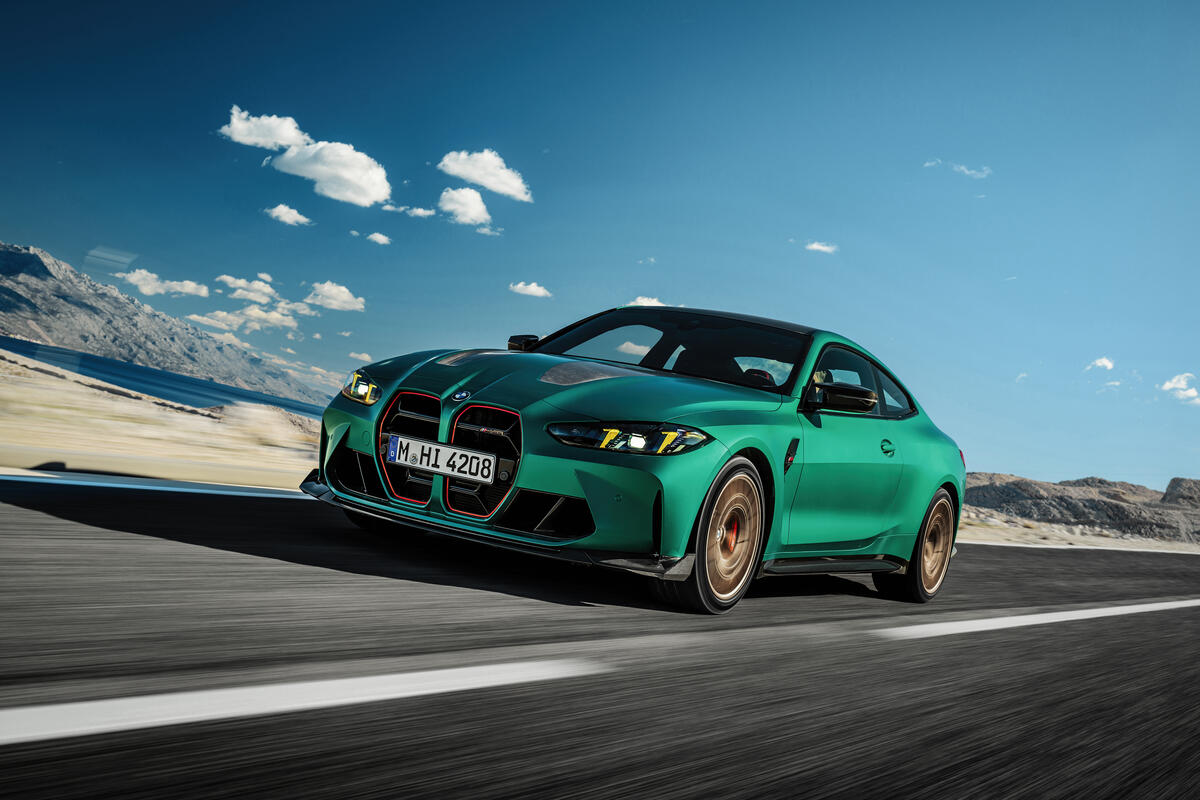
M4 CS
BMW M4 CS is a special, sportier version of the M4. “CS” generally means it’s tuned and equipped to feel more aggressive and track-ready than a regular M4.

Mercedes-Benz Mercedes Benz Amg
The Mercedes-Benz AMG GT is a sports car designed for performance. AMG is Mercedes’ performance brand, so the car is meant to feel faster and more exciting than a regular Mercedes. The podcast is bringing it up in the context of how AMG is used across different models.
sports brand
This is the idea that a “sports” badge can lose credibility if it’s used on too many cars. If it’s not really a performance upgrade, people may stop believing the badge means something.
Nürburgring
The Nürburgring is a well-known race track in Germany. Car makers use it to prove how fast and capable their cars are, because it’s hard to drive well.
Goodwood
Goodwood is a famous UK venue where car makers and racing fans gather. The host went there to watch a car get unveiled.
mid-cycle facelift
A mid-cycle facelift is when a car gets refreshed halfway through its generation. It often means updated styling (and sometimes new features) to keep it competitive.
retuned
“Retuned” means the car’s settings have been adjusted. That can change how it responds when you press the accelerator and how it feels while driving.
central gravity
This is about where the car’s weight “balances.” If that balance point is lower, the car usually feels steadier and handles better when you turn.

911 GT3S
That’s a Porsche 911 model that’s built for track driving. It often has a big, noticeable rear wing, and the host is comparing another car’s wing to that look.

Beetle Volkswagen Bug
The Beetle is a small car with a very recognizable, rounded design. The podcast is comparing it to a “Volkswagen bug” because of how it looks. It also mentions a turbo version, meaning some models use a turbocharged engine for extra power.
aerodynamics
Aerodynamics is how the car’s shape interacts with the air as you drive. It affects things like how hard the car has to work to go fast and whether the car feels stable or “light” at speed.

Audi Tt
The Audi TT RS is a sporty version of the Audi TT, made for quick driving and strong performance. The podcast is also talking about issues that have affected some Audi TT models. That’s why it’s being brought up—so listeners can understand what to watch for.
lift at the rear
Lift at the rear means the back of the car is being pushed upward by the air. That can make the car feel less planted, so engineers add features to push the car down instead.
rear wing
A rear wing is a spoiler on the back of the car. Its job is to help keep the car stuck to the road by pushing down at speed.
downforce
Downforce is the “push down” effect from the car’s shape. It helps the tires grip the road better, which improves handling at speed.