They’re talking about classic cars that are easier on fuel bills. With fuel getting expensive, the “best” classic might be the one that costs less to drive.
They’re talking about a classic Mercedes-Benz 300 SL and what fuel they used. The host is basically saying they didn’t want to pay a higher price for one fuel type, so they used a different blend instead.
The Mercedes-Benz 300 SEL 6.3 is an older luxury car. It’s known for having a very large engine, so it can feel powerful while still being comfortable. People talk about it because it’s a classic example of a big, high-end sedan.
E5 means the petrol has a small amount of ethanol mixed in (about 5%). Different ethanol levels can change how older cars feel and how they behave over time.
E10 is petrol with more ethanol in it (about 10%). Some older cars can run fine, but ethanol can be harder on certain fuel system parts and can change how the car behaves.
Concept
octane mismatch (fuel quality vs engine needs)
They tried cheaper fuel and the engine started making bad noises. That’s often because the fuel wasn’t high enough octane for what the engine needs, so it can knock.
They switched to a higher-quality gasoline (“super” unleaded). Higher-octane fuel can stop the engine from knocking when the engine needs a certain fuel quality.
“Pinking” is a rattly/tinging knock from the engine when the fuel ignites at the wrong time. It usually happens when the fuel isn’t high enough octane for that engine.
Knocking is the engine making a harsh pinging/rattling sound that usually means the combustion isn’t happening correctly. It’s a warning sign—often fixed by using the right fuel octane.
“Piston slap” is a mechanical rattle from inside the engine, often when it’s cold. It’s different from fuel-related knocking, which is more about the engine burning fuel at the wrong time.
Term
whining sound
A whining sound is a high-pitched noise. Here, the host is saying it’s coming from the car’s cabin/driver area, not necessarily the same thing as the knocking/pinking.
They’re talking about trying to save money by using cheaper fuel. The risk is that the car may not like it, and you might hear knocking/pinking or other signs the fuel isn’t right.
This is the fuel economy number the maker says the car should get. In real life you usually won’t match it exactly, because your driving style and conditions are different.
Concept
real-world vs factory fuel economy
They’re pointing out that the official fuel economy numbers don’t always match what you get day to day. Real traffic, weather, and driving style can make the car use more fuel than the brochure says.
“Hyper mile” is about trying to get the best gas mileage possible by driving very efficiently. It usually means driving smoothly and not flooring it all the time.
A “daily car” is the car you drive most days for normal errands. They’re saying classic cars are more fun to drive, so spending on fuel feels less annoying than it does in a boring commute car.
The term “classic car” generally refers to an older vehicle valued for its styling, character, and driving feel rather than pure efficiency. In this segment, the hosts frame classic-car ownership as “fun money,” even when fuel prices are high.
Concept
fuel economy tradeoff vs enjoyment
The segment frames classic-car ownership as a tradeoff: you accept higher fuel costs because the driving experience provides “visceral feel and feedback.” They also discuss the temptation to drive less, but argue that defeats the purpose of owning the car.
“Storage” here refers to keeping the classic car parked when it’s not being driven. The hosts note it already spends enough time in storage, implying that limiting driving to save fuel reduces the whole point of ownership.
This is a discussion of how rapidly rising fuel costs change the economics of driving, especially for “thirsty” vehicles. The hosts treat it as a short-term ownership problem that forces tradeoffs like driving less versus enjoying the car.
They’re saying their go-to move is to look at listings/classified ads for another classic car. Instead of solving the problem directly, they try to find a different car that fits the situation better.
“Tire kickers” is a phrase for people who browse cars/listings and inspect them, often without immediate intent to buy. In this episode, it’s used as a playful framing for how they approach problems: look for a car solution via classifieds.
Term
fill it up
“Fill it up” just means getting gas. They’re saying you might save a bit on fuel, but the car itself can still cost a lot.
The Citroën 2CV is a classic, old-school French car that’s not built to be fast. Even though it’s slow, it can still feel fun because it’s light, simple, and has a very odd, floaty way of driving.
The 2CV’s suspension is known for its unusual geometry and travel, which can make the car feel stable in a way that surprises drivers. The hosts describe a “theory” that you can lean into corners so hard that the car rides up on its side, illustrating how different its suspension behavior is from typical cars.
Car
Citroën 2CV
A Citroën 2CV is a classic, simple French car. The big thing with old ones is making sure the body and frame aren’t rotted, and that it starts reliably—so upgrades like ignition and fresh tires matter a lot.
Some classic cars rust from the frame up. Galvanizing means coating the metal with a protective layer to slow rust, which can be the difference between a car that lasts and one that becomes unsafe.
A vinyl roof is a fabric/vinyl covering used on some classic cars, often for weather sealing and style. It’s a common restoration item because it can age, crack, or leak, and replacing it can be part of a “sorted” example.
MPG (miles per gallon) is a fuel-economy measure used to estimate how far a car can go per unit of fuel. The episode uses MPG to compare classic-car running costs, including realistic expectations like “35 to 45” MPG and a quoted “42 MPG” from an owners club.
Galvanising is a protective coating that helps stop rust. It helps the frame last longer, but other parts of the car can still rust if water gets trapped.
Door bottoms are a common corrosion hotspot because they collect water, dirt, and road grime. The transcript notes the flared shape meant to catch rainwater, but the real-world effect is that these areas still become the starting point for rust.
The Toyota Corolla is a small, everyday car made by Toyota. It’s famous for being dependable and easy to live with. People bring up early versions because they were an important step in making affordable cars that were still reliable.
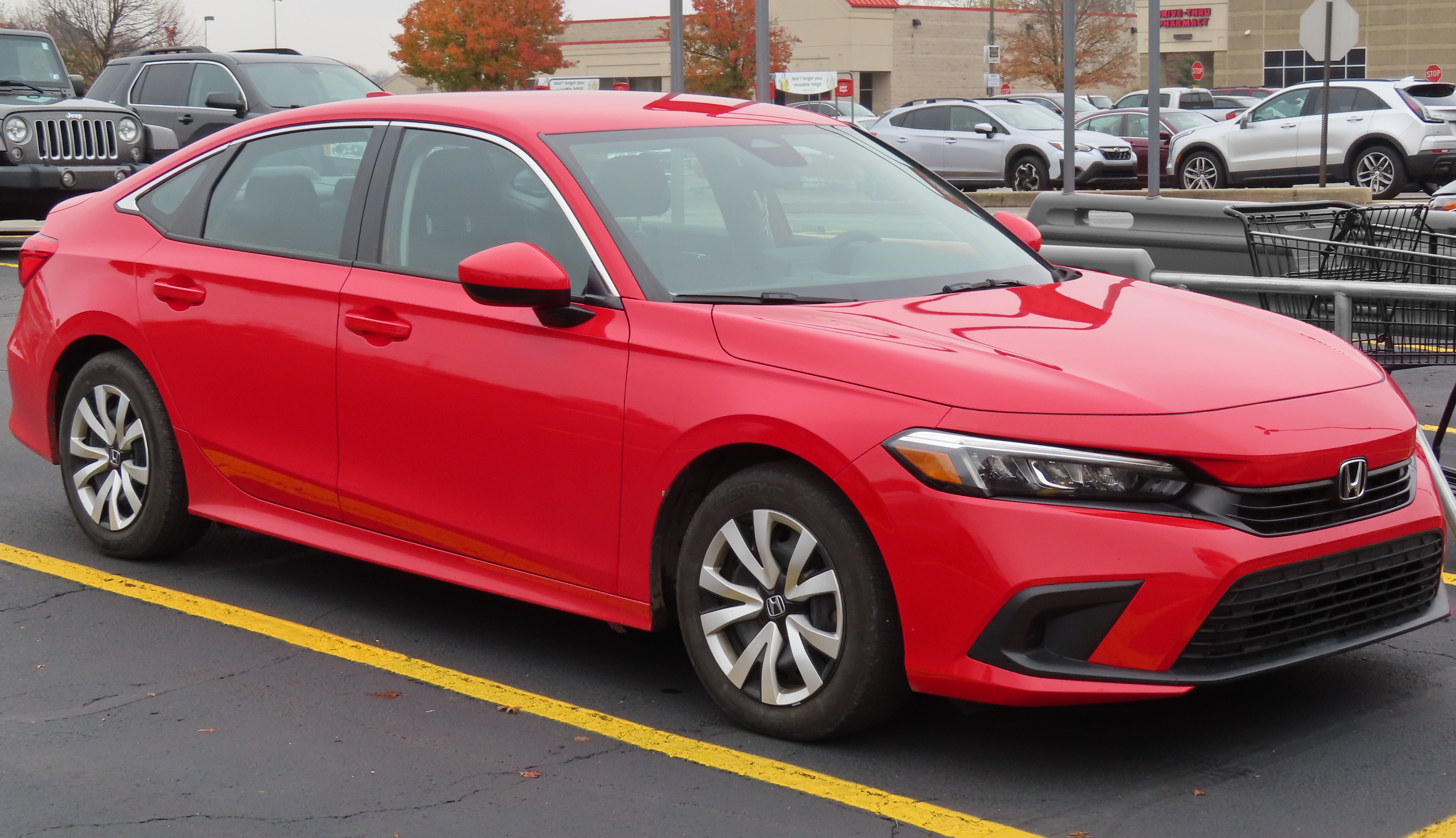
They’re talking about an older Honda Civic that looks very “70s” and has round headlights. It’s a small, simple classic that’s fun to drive and rare enough to feel special.
They’re describing how the engine is cooled and where it sits in the car. Water cooling uses coolant to keep the engine from overheating, and front-engine means the engine is up front.
“Bread van” is a nickname for a Polo body style that looks long and boxy, like a small wagon. It’s recognizable by that big rear shape and two-door layout.
The Volkswagen Polo is a small, everyday car. The hosts like it because it’s comfortable, fits everyone, and—unlike their MG—doesn’t constantly cause problems.
“Bread van” is a slang term for a practical, boxy car body style (often like a small wagon). The hosts mean it’s the kind of car you buy for usefulness, not looks.
Miles to the gallon is how efficiently a car uses fuel. Higher MPG means you can drive farther before you need to refuel, which is why they’re impressed with the Polo.
“Man maths” is slang for the mental accounting people do to justify purchases—often by comparing the cost to savings, value, or how often they’ll use the item. Here, it’s used to rationalize spending “10 grand” on a classic car by focusing on low mileage and fuel economy.
The Volkswagen XL1 is a very rare Volkswagen made to be as fuel-efficient as possible. It has a weird-looking shape designed to cut through the air smoothly, and that’s why it’s such an interesting “economy” classic.
The Volkswagen Passat is a medium-sized car made by Volkswagen. It’s designed for everyday family use and usually looks fairly normal and practical. People mention it as a comparison when another car’s front end resembles that familiar style.
A diesel hybrid uses a diesel engine plus an electric motor. The electric part helps the car use less fuel, especially in stop-and-go or low-speed driving.
Battery degradation means the battery slowly loses its ability to store energy. When that happens, the car can’t drive as far on electric power as it used to.
A fuel crisis is when fuel becomes hard to get or costs a lot more. During those times, people usually switch to smaller cars that use less fuel.
Car
Austin Mini
They’re talking about a 1960 Austin Mini. The Mini was a popular answer in Britain when fuel was expensive, because it was small and used less fuel than bigger cars.
The hosts contrast the Mini’s simplicity with modern cars by noting there’s “nothing there” and that you basically just use the heater (or not). This highlights how older cars often had fewer comfort features, which can reduce complexity and cost.
“Miles to the gallant” is a misspoken/phonetic reference to miles per gallon (MPG), a common fuel-economy metric. The hosts use it to quantify how efficiently the 848 cc Mini could be expected to run, tying MPG to the “economy car” argument.
Super unleaded is a higher-grade gasoline. It’s sometimes recommended for certain engines, and they’re saying that even if you have to use it, it might still be cheaper than buying a different car.
They’re talking about the sounds and smells you notice right after driving a classic car. When the engine and exhaust cool down, parts shrink slightly and can make ticking noises.
They say that after you turn the engine off, the car keeps making noises as it cools. That ticking is usually from hot parts settling and shrinking as temperatures drop.
The speaker describes a practical “classic-car outing” strategy: choosing where to park so the car can be seen and enjoyed by others. This ties into how owners value presentation, photos, and social visibility at events.
They’re using the Kia Picanto as an example of a small car that might take up the space in a way that makes it harder to show off your classic. The point is about parking so people can actually see the car.
The BMW M6 is a powerful, sporty BMW. It’s meant for people who want faster performance than a normal BMW, while still having a comfortable luxury interior. The podcast references driving it with the hood down to highlight its style and driving experience.
“Roof down” means driving with the top open. They’re basically saying it makes the car more fun to use every day.
Term
interior stuff
“Interior stuff” here refers to small cosmetic or maintenance touches inside the car. The host specifically mentions touching up the pedals and painting them, which is common in classic-car preservation to keep wear areas looking presentable.
Pedals are the driver controls for braking, clutch (if equipped), and acceleration. Touching up and repainting pedals is a practical way to address surface rust and keep the cabin looking cared-for on an older car.
Hammerite is a type of paint made for metal. The host is using it to do small touch-ups on the inside of the car, but they’re worried about accidentally getting it on the wrong surface.
When you do touch-up paint inside the car, it’s easy to make a mess—like spilling paint or getting it on the wrong spot. Using gloves and controlling the paint amount helps you avoid ruining the interior.
A bonnet pad is an insulating/lining panel mounted on the underside of the hood (bonnet). It helps reduce engine-bay noise and can improve thermal comfort, but it’s also a visible “fit and finish” item on classic cars—when it’s tatty, it makes the car look neglected even if everything else is fine.
The Triumph Stag is a classic British grand tourer (often discussed for its distinctive styling and period character). Here, the host is talking about replacing a felt bonnet pad for the Stag—an example of how small, trim-level parts can noticeably improve the car’s presentation.
“Thirsty on fuel” is a casual way to say the car consumes more fuel than expected. For classic cars, this can be due to aging engines, carburetion/fuel delivery issues, or simply inefficient design—so it’s a practical ownership consideration even when the car is otherwise fun and reliable.
The MG MGB is a famous old British sports car/roadster. People often talk about what colors look most “right” for that era, and that’s what’s happening here.
Warwick Green is just a particular shade of green paint. Classic-car people care a lot about the exact factory colors because they think it makes the car look more “right” for its era.
The TVR Tuscan is a sports car made in Britain. It’s known for having a strong personality and a distinctive look. People talk about it because certain colors, like “Tuscan blue,” are part of what makes it memorable.
Launch colors are the paint colors a car brand offered when the model first came out. People who love classics care because it can make the car feel more original.
Term
bl car switches
This is about the switches inside certain older British cars. Some switchgear is known for being better quality than others, and people debate which ones are worth keeping.
Overdrive is an additional gear ratio (or function) that lets the engine run at lower RPM during steady cruising. On older cars, it was often controlled via a switch or stalk, so it could be engaged when you wanted relaxed highway speeds.
The Ford Cortina is an older Ford from the UK. The point being made is that some older cars put convenience controls—like windshield wash/wipe—on the floor instead of where you’d expect today.
Car
Land Rover 110
The Land Rover 110 is a classic Land Rover with a longer body. They’re trying to figure out which exact Land Rover it is by looking at the photo, and they think it’s from the TDI-era.
TDI usually means a diesel engine that uses a turbo and direct fuel injection. Here, it’s mentioned to help guess what kind of Land Rover the mystery car is.
A “diff” is part of the drivetrain that helps the wheels turn at different speeds. On some Land Rovers, that area can leak oil, so people sometimes add a catch to protect the ground.
They’ve put something under the car to catch oil drips from a leaking part. It can keep your driveway cleaner, but because the drivetrain gets hot, the soaked material could be a fire risk.
“Crush or caress” is a recurring game/segment where the hosts decide whether they like something about a car or not. They’re also talking about how the decision works between the hosts.
The Rover P6 is a classic Rover saloon. They’re bringing it up as a past example from their recurring segment.
Car
Volkswagen Shiroko
The Volkswagen Shiroko is a classic Volkswagen from the 1970s that was meant to look sporty and stylish. The host is praising its looks and pointing out that many have rusted away, so finding one in good shape is special.
The Ford Capri is a classic sporty-looking car that people associate with the 1970s. The host is comparing it to the Volkswagen Shiroko to explain why the Shiroko felt like the more exciting option.
The Volkswagen Golf GTI is the sporty Golf. The host is saying that, back then, it didn’t always look dramatically different, so the Shiroko was the one that really looked like it meant business.
If the rust has eaten through the car’s main structure, it’s much more than surface work. Fixing it usually means major metal replacement and welding, which costs a lot and takes time.
Concept
restoration economics (cost vs value)
The hosts discuss the classic “money pit” problem: spending a large amount to restore a car versus what it’s worth afterward. They cite a rough restore cost and a much lower post-restoration value, highlighting the risk of over-investing.
LIVE
Are you ready?
Yes.
Here we go.
Just press go.
The Tire Kickers, classic car chat with Max and Matt.
Hello there and welcome back to The Tire Kickers, the show where we talk about classic cars
instead of just sitting here staring into space.
In this episode with petrol more expensive than champagne, is it time to look at economy
classics that sit fuel?
The Tire Kickers.
Also, it's the return of crush or caress.
Should we fire up the crusher and get rid of that bland 80s coupé, the Sorocco?
Or save the Volkswagen that brought style and performance to a yuppie generation like
a warm Saharan wind.
All that plus your comments, observations, complaints and corrections including your thoughts
on car colors, switch gear and believe it or not, nappies for Land Rovers.
And more as we head round the dark side of the moon that is classic car chat, it's episode
54 of The Tire Kickers.
So Matthew, I went to fill up my 1987 Mercedes 300 SL this week and I couldn't face, this
is how awful it was, I couldn't face paying the super price of E5 fuel and stuck in some
E10.
Well, firstly, what a cheapskate.
It's not that much different.
Would you know that, don't you?
That's not a surprise.
Well, yeah, there's no great, great reveal there.
Do you know what?
I'm not sure I'd do that.
I know it's cheaper, but it's a bit dodgier.
How did that go?
I was just so annoyed as I pulled up to the pumps and saw the price and I just thought
I'm going to give it a go.
But guess what?
Princess Mercedes was not happy.
She coughed, she knocked, she spluttered.
So I had to go home, raid the loose change jar, remortgage my house, sell a kidney, rob
a bank and went back to put in some super un-ledded just to keep her happy.
So what happened?
I've got a bit of pinking going on, was there?
It was actually knocking.
I could hear you.
Is that piston slap or something?
I can't remember.
That might be something more serious.
But it was knocking away, it just was not happy.
And you're in tune with the classic car and I could tell that she was really, really
annoyed.
It's the first time I've ever done it.
I only did it out of a temper tantrum.
I just thought, I don't want to pay this price.
Let's see if we can get away with E10.
And I know now I can't.
Well, it normally pinks, doesn't it?
You get that kind of pinking when you go put your foot down because there's not enough
kind of guts in the fuel, it's not an octane in the fuel, is there?
The winging, the slight, it's like whining sound.
That's from the driver.
Normally from the driver's seat in your car, I'm moaning at the price, yeah.
So come on, how much was it then?
I just went to the garage today just to double check and it's for the super un-ledded stuff.
It's £1.85 a litre.
So my car was about a quarter full.
To fill it, it was £101.
Good God.
Yeah, yeah.
I mean, looking around here, price check wise, it's about £172 a litre for super.
For super?
Yeah.
I wonder if that would make sense for me to put a load of fuel in, drive down to your
house, which is about 90 miles.
Fill up with cheaper stuff and drive back.
Well, if you've got the supermarkets, about £160 for a thing, it's not too bad.
Interesting, I did try one of the supermarkets and it did run out of that, so maybe other
people are doing that or maybe they just think nobody's going to be this stupid and don't
deliver any.
Well, the problem is that it's a little bit cheaper around here, but I mean obviously,
you know, my car, as you know, it's got a bit of a drink problem, I can see the gauge
going down and I'm hesitant to drive it like Miss Daisy because I could quite enjoy putting
my foot down.
That's a shame because you look like Miss Daisy when you're driving, so why not drive
on?
In your handbook, what is your factory consumption figure?
Handbook?
I haven't read a handbook.
I don't have a handbook.
You've not read a handbook?
No.
Why would I read a handbook?
What are the five things about your car?
That's the first thing I ever do when I buy a car is read the handbook.
50 year old booklet from British Leyland, sort of Duff Info, no, it's not, well the real
world, I think it probably does about 18.
18, OK.
When I drive it probably does about 16 or 14.
Yeah, I mean I looked at mine today and it does 18 around, in theory when it came out
of the factory, it did 18 around town and 25 on the highway, but I'd be surprised if
I got that.
You know, it is what it is, truly, I mean the cars burn what they burn, don't they?
Well you are playing an instrument, aren't you, with your V8, so that right pedal is
effectively creating music, so it's difficult to, you don't really want a hyper mile as
stacked, what's the point?
No, and also I think, unlike my daily, when you fill your daily car up, it's kind of
like, oh how much, you know, it's boring, because you're doing boring journeys, aren't
you, by and large, with your classic car, you're doing fun stuff, so I look at filling
the car up, although I'm not saying it's great to pay for the fuel, it's fun money,
isn't it?
You are getting enjoyment out of that, I can hear the note coming, I can feel that,
I mean I've been out there today and just driving, it's just so much fun, it's so much
fun driving that car, because you know, you get an enjoyment and a visceral feel and feedback
that you don't get in your daily car, so it's a different thing, when it comes I've
got to put diesel in the daily car probably this week, I'm probably going to moan about
the price there, but with a classic car I can't have sort of suck it up, but I am conscious,
I mean they are thirsty classic cars, aren't they?
Yeah, and there's nothing we can do about it though, isn't it?
I don't want to drive less, because then what's the point of having it?
It spends enough time in storage as it is, so I think we've just got to get out.
It's not the first time we've been in this situation though, I mean I think, you know,
early 70s serious crisis, is there anything, Max, we can do for the short term,
while the fuel prices are going like crazy, can we think laterally on this?
On the tire kickers, our solution to every problem is to head to the classifieds and
see what classic car we could buy to solve the problem, so next time it's which classic car
to buy to deliver world peace, however this time the task is a lot more simple.
Okay, so that's an interesting concept, let's go and see if we can find something,
but what is for sale that we could drive, get the classic fixed, because that's
obviously important, but not go bankrupt when we come to fill it up.
Now, I'm banning you before we go any further from looking at bubble cars, not again.
These have got to be cars that I might actually want to drive and be seen in,
not like that, not those things, so what else is there that we could drive and get the enjoyment
of being in a classic car without a huge road build that will happen when we go to fill it up?
Well, you and I have picked a couple, I'm going to go first because I think this is something
that you and I both like and we would enjoy driving because it gives you that very classic
experience, it's not fast, it's very slow in fact, but it does make you think I'm in a classic car
I'm doing something different, it's not the boring drive and it does save money, so this is a 1989
Citroen 2CV, now you and I both like 2CVs in a weird way, I don't really know why I like them
because they are incredibly slow, but you don't really feel like it's slow when you're driving
it because you're barreling along, you're cornering on the door handles, you've got that crazy gear
shift going on, you've usually got the roof open, I think a 2CV for me is the acceptable small economy
car because it is economy because it's made of nothing, I mean it weighs about two pounds and
actually the interior is quite good fun, you'd have the roof back, you'd be bowling along,
you'd think 30 miles an hour would be flat out, so I think a 2CV is a good economy car choice,
you quite like these as well don't you? Yeah I mean they are called the tin snail for good reason
aren't they and you shut the door and it's like boing and the engine's like a hairdryer, but they're
fun and as you say you can barrel them around, there is a theory that you can't actually roll a
2CV because you can go so hard into the corner because of their unique suspension that they
literally just go up on the side don't they and if you've ever been in one when they go around
the corner it is a bit of a bizarre experience and they are fun, these and the dyands or the
Citroen dyands have become very expensive, these have become very expensive as well, so while we
might be saving at the pumps we're not really going to save a lot on the thing, let's have a look
at this one on your screen now, this is a 1989, 9 grand, 9 grand, that's a lot of money, I remember
when you could get these for 50 quid, that's almost like a grander CC, a thousand pound of horse,
thousand pound of horse, yeah it's a Dershever, this one though is a nice one, it is, galvanized
chassis, new floors, full service, electronic ignition, that's good because they are a bit of
a pain to start, tyres, new tyres, new vinyl roof, only 92,000 miles, so actually for a 2CV
that's not bad, it's that strange man maths isn't it that you spend 9,000 pounds to save
50 quid at the pumps but you would have a laugh doing it in the 2CV, I think they're really good
cars, they're good ones, easy ones to buy these because it all comes down to that galvanized
chassis, if that's been done the rest of the car is fairly, well it's easily replaceable because
it literally can screw it on and off but have you seen the chassis on these when they're actually
dismantled, it looks like a ladder, it's literally a ladder, the whole car sits on basically,
but they do rot in the chassis so if you go to buy one of these or a dyon or something always make
sure that the chassis's been sorted out, it's a new one, it's a galvanized one because then it
went rust because they did have a habit of looking a bit holy, these are fun, I don't know if I could
live with one though long term, I mean they are, you wouldn't want to do long journeys in them would you?
No but you know classic cars don't normally do huge journeys and you are getting you know 35 to 45
realistic miles per gallon so that's not bad actually is it? Will it go slower with a full tank
because that's going to double the weight isn't it this thing? A full tank and four up, can you
imagine that you'd actually be going back in time rather than actually getting anywhere? Yeah okay well
that's a good start, I mean I'm going to throw another one in here because there is an obvious,
there's an elephant in the room classic car wise that would be a really cheap economical car to run
which is stylish and fun and it's your favourite, let me throw it up on the screen, a Morris Miner
how about this, 948 cc of pure fun, do you know if it's never going to be that expensive for me to
ever go by one of these to save money on fuel? 40, 40 miles per gallon, oh god no there's no way I
would drive a Morris Miner because you know I prefer to walk and I'll probably get there quicker as
well, I just know Morris Miner's absolutely not. Well the Morris Miner owners club who, well they're
not going to give you a lift for starters but they say that they drive on past, they've got 42 MPG on a
so you know it's a no brainer, look at it, it looks nice, even in grey this one here looks nice.
I tell you what, while you were chatting I'm flicking through the pictures and we're talking
about the galvanised chassis on the 2CV, look at the door bottoms on these Morris Miners, this is
always where they rust, the door bottoms are kind of flared out just to catch some rain water and
it's exactly what it does, that's what it's really good at this Morris Miner is catching rust
because it's got it all over, chassis, doors, wings, not a Morris Miner, I just couldn't do it.
Now this one's only 4,000 this guy, you buy that for 4,000, get rid of your thirsty merc,
get this, you've got 48 MPG on a run. I think that forum, you just showed me that forum,
I think they said 42. Well yeah, but 42 on a run, maybe widen your horizons a bit,
have some new friends go a bit further and pay less at the pumps, it's a win win win.
I would prefer to drink the petrol myself rather than putting it in that car, I just think they are
so boring and so awful and they drive so badly Morris Miners, give me that 2CV because they're
fun, Morris Miner just know I'm not having it, I think if it's an oil crisis so serious
that it's walk or take a Morris Miner I am walking. Well what have you got this better then?
Let's go back to the previous oil crisis, now what was that 1973, so what did people swap to then?
Now already Japanese car makers were building small efficient cars that nobody noticed,
oil crisis arrived, suddenly people started to buy them, now I'm thinking the Datsun 120Y,
the Toyota Corolla and remember these, the first generation Honda Civics, now I think these are
really really cute cars, they are 1.2 to 1.5 4-cylinder front wheel drive, 1972 to 79 these
were made, it's on your screen now, a Honda Civic gold automatic left hand drive, now I had to go
to France to find this one but I think these original Civics are quite cute cars, there were
loads of them around in the 1970s and 1980s, they used to rust for fun, yes but so did everything else
but they were they were great kind of designs because there was nothing on them that wasn't
there for a reason, they only weighed about 700 kilograms and they look quite cute, they were
tiny, if you and I stood next to this we could probably fit one on as a shoe.
Yes to describe it, are we describing it because we didn't do the show guide like we said we were
going to last week, no too lazy, to describe it as Max says it's the gold little cutesy pockety
Honda Civic with the two round headlights, it's a sort of dumpy looking coupe but it's very period
brown and orange inside, gold on the outside you know with steel wheels and stuff, I mean it's quite
fun, this is an automatic so that's not going to help your MPG much that one, no it's not going to
help your speed either, that would probably be overtaken by that Morris Minor wouldn't it, in
reverse, you've got to go and pick it up from France, how much is it, I think it's seven
thousand euros and it's in Montusuchia in France so that's going to burn your fuel up, picking that
up sounds southern, if you put the man maths aside I would happily drive one of those Honda
Civics because I think they're cute, they're funny, it looks like the car that was in Wayne's world
do you remember that? Yes, yes, yes, yes, yes, but it's been on the look to that, that 70s design,
I think these Civics are quite nice and actually because there's so few around
that's quite retro, if you turned up to your Sunday car meet in that nobody else is going
to be in one. Very true but I don't think you need to go to France or Japan to find a small car, I
mean don't forget as you say the European car makers came back with the the oil crisis thing
as a response to that in the 70s, there'll be little tiny little super minis didn't they, the
Polo is launching 75 I think and it was the entry level kind of economical people's car
but water cooled in front engine, it was under 700 kilos, 40 to 60 horsepower so not really
that fast but that also means it sits fueled as well so what about Polo, 70 chic, that would
do the job wouldn't it? Yeah Polo's are really nice but not many in fact not any have survived,
I was looking around for them and I couldn't actually find one for sale a Mark 1 Polo
so I had to go to the Mark 2 which I think is a really interesting car, the Mark 2 VW Polo
bread van, do you remember this shape it's on your screen now so it's that kind of long elongated
Polo estate shape with two doors and that big back, I think these kind of bread van Polos
were quite nice, my mum had one for a while because she'd come from MGBs and she was so
sick of MGBs going wrong and not starting, we went to one of these VW Polos as a kind of second car
and it just did everything, it was amazing, never went wrong, it was just so reliable, comfortable
all four of us could squeeze in it, they're quite good cars these bread vans and you don't see that
many so I think that's another interesting economy classic, let's just have a look up what the fuel
economy is on there, yeah it'll easily do 40 miles to the gallon so that's quite a good 80s classic.
The man maths again though, this is 10 grand, you know 10 grand for a 1987 Polo Mark 2,
I mean it's got low mileage on 17,000 miles, it's an 1100 car and it's pavo spec isn't it,
you know it's not, okay you might be pleased that you're not filling up that often but
it's not really a wow car, I know people do get excited about these bread vans but it's
quite boring personally. Okay what I've got a slight issue with is on the advert that somebody
has felt stunning, S-T-U-N-I-N, it's stunning, there's a gene fault in that.
It's a trade-off, we might be saving money here but is it at the expense of style, I don't know,
I mean look at this next one, Volkswagen XL1, do you remember those? Yeah I mean this is a really
cool car, it was their big VW economy experiment, I think they spent about a billion pounds developing
this, it's quite difficult to find these, they're quite rare because VW only made about 200 of them
but here's one on your screen now. Oh that's a bit weird, it's like a modern VW is mated with
something from back to the future, so the front end it looks like a sort of VW Passat from now
and you can see the front wheels which are sort of large wheels and then you go back
through the car and it's almost like they've just gone oh I can't be bothered to finish that off,
I'll just smooth it off and they've covered up the back wheel and it looks a bit like the
DeLorean from the back and the thing in the front, it's really weird. This was the kind of
design of aerodynamics at the time, we had a wide front and it tapered off to a narrow back
so the wind would just go around it very smoothly, you're right it is like a Passat that somebody's
sanded down or like a do you know like a bar of soap when you've used it for a bit and it just
becomes smooth and I do think this is a really interesting car, I mean VW spent a fortune on
them made 200 but they said it's a diesel hybrid so they said you could get 280 miles to the gallon
it had I think about 20 miles of EV range which now is probably about two miles now the battery's
degraded but 795 kilograms and kind of real-world tests at the time I looked at some of the road
tests and they were getting 120 miles to the gallon that's pretty good isn't it, I did I've
seen one of these in the flesh recently and they're quite an impressive car because they're
quite wide and they're quite wide at the front but they're quite narrow and they're quite small
inside but then when you step inside and sit inside it just looks like a kind of 2015
Polo or Golf so not as exciting inside as possibly it should be for a billion pounds
but this one here is for sale it is £79,000 well but that is a lot of money to save money isn't it
looking at it it looks like a clay model that it have when they're designing you know the concept
car but what it looks like is they've started at the front and then halfway through they've
Herman do you fancy some sausages and sauerkraut down the bar they've got yeah go on then and
they're all clocked off do you know what this could have been made a British Leyland because
like you know they could have gone yeah let's do the back now it's got a strike now and then
let's just leave it can't be bothered to finish it off it's really bizarre we're going to have to
put some pictures we're going to have to do a show guide can you do a show guide with all the pictures
what I'll do is describe the inside because if you look in the goal wing doors you can actually
see it is just a very boring mark 5 Golf which is kind of a bit of a letdown isn't it for something so
futuristic outside so so far you've to save fuel money you've found us a very expensive two cv a
very expensive vw breadvander and i'm really expensive 80 grand expensive experimental volts
mark and xr1 it's not really as you say man maths here and not regret not really going well are they
no it's not um i've never really thought about this until you started explaining that uh out loud
so it's kind of a bit of a fly in the ointment a floor in my logic so what i'm going to do
is basically do what everybody else did in any fuel crisis in britain is go to one of these this
is on your screen now it's a 1960 austin 7 mini so this has been the answer for britain for like
50 60 years isn't it as soon as fuel gets expensive buy a mini so this is what my kind of ultimate
suggestion to us is to save money and still have fun because what's cooler than a basic mini this is
not a mini cooper it's nothing flash it's just a bog standard mini 848 cc light gray and i just think
that's beautiful particularly from 1960 because it just looks so pure it's just it's kind of old
english white it's got lots of chrome on the front got a little rac badge and then when you go inside
on these minis they're so cute because there's nothing there you're just sitting in an empty
room with a steering wheel because there was nothing in minis that was frivolous you just
either use the heater or not and if you go to the internal pictures i do think a mini is a great
answer because it's still it's too cv cool but i think it's a little bit cooler and also much
better to drive i agree with you i saw one of these in the flesh today and it was just it was
absolutely immaculate like you know pretty much like this one is we're looking on the screen now
but you know they are so small now and as cars get bigger and as we as people get taller this
just looks smaller and i was just i was marbling at how small the wheels were for example they're
tiny they're like scooter wheels they're that sort of size and again this one's not cheap max
yeah that's the problem with these minis isn't it everybody likes them so much this is 15,995 so
again that's a lot of fuel isn't it but it would save it i think minis were 848 ccs were doing about
40 to 45 miles to the gallant because that is quite good fuel mileage but you're right you're
spending 16,000 to get there so what are we going to do what is the conclusion what have we learned
probably not a lot like normal well as usual nothing nothing really useful apart from the
fact that if you want to go and buy an economy car there is some fun stuff out there i mean if this
drags on and on and on in in five years time we'll probably have to all drive these to classic
car meets however at the moment it would probably be cheaper just to grit your teeth and fill the
car full of super unleaded yeah i think in all seriousness we've looked at these there's none
of these has leapt out as a cheap option you know they're all very expensive cars you know they're
all sought after cars and none of them i'm looking at them and thinking do you know i wouldn't give
the stag up for that because for the sake of enjoying that v8 the sake of enjoying that's the
style of that car and enjoying the sound of that car i'm happy to pay a little bit more you know
it is fuel is massively overpriced in the uk it's very tax heavy you know they could cut
the tax and put a smile on people's faces but you know that's not happening anytime so good luck with
that but we've got to grin and bear it well not grin but we've got to just bear it fill up feel the
pain and just enjoy the moment of driving those classics episode 54 of the tire kickers matthew
it's sunny what have you been doing well yeah we just sort of started a little spur in the uk of
about four or five six potentially days of sunshine so i've been out so that i've just got back from
a pub wasn't drinking on the job i'd like to point out um just had a coffee but it was really
annoying actually because i went with a mate and his alpha we had it with the pub we couldn't find a
pub where we could park in front of it so we ended up parking at the back and that's annoying isn't
it because when you go to the pub or somewhere in your classic you want to actually sit and look
at it don't you yeah absolutely i mean i love doing that i love having a drink obviously when we
know that a little bit of a problem but i love when the car comes in and basically you can smell
its heart and you can hear it ticking as it cools and you have a glass of wine and you look at the
car actually it's a good point actually because you don't listen to our cars very much our daily
cars do we but sometimes when i pull the the stack back in the garage and you say switch off the end
switch off the engine you just hear it cooling down and ticking down can't you and it's
like motorbikes you could smell them and hear them as they cooled and contracted yeah when i take
the car out you know to go to a pub or something i do pick a pub based on the car park i don't want
to park somewhere where you you know you're getting it reversed into by a Kia Picanto but also you
want to see it you want to see the car preferably from a from a pub garden table or something or
at the front of the pub so i do pick and choose the cars so people always ask me i'll map those
where the pub best pubs to go to because we can sit outside and watch the cars but there is a pleasure
in that and watching your car because i mean let's face it we all put so much effort into
keeping these cars on the road and polishing them up and cleaning them and making them good
you know it's quite nice to sit and enjoy them isn't it not just enjoy i took mine on a long
journey which i think is actually the probably the longest journey i've done in it i went up to
manchester because i went to see the old car lady who's a friend of this show uh she's been on a
couple of times sam grange bailey and i was doing an episode of her podcast so i took the car up to
south manchester the m6 i drove up there the night before hood down all the way
because it was dry and i thought that's great and i actually think the hood down on the motorway is
good fun um lots of people i can yeah i mean i had a hat and coat on obviously and the heater on mine
is really good and then after i did the podcast i turned around and drove down the m6 in absolute
biblical rain now because it's a misade is i wasn't that worried but i've never really driven it in
the rain before and monsoon on the m6 was not a great place to start so i was a little bit concerned
but actually being a murk the wipers worked great two speed wipers headlights occurred the roof was
perfect it didn't leak a bit and also the heat is so good it kept it from steaming up inside so
surprise surprise the murk delivered in just Germanic efficient fashion it's working really
well for you that car isn't it you're getting loads of use out of it i am do you know i have
actually because i've got a diesel under over i've put the diesel under over in storage because
diesel's so expensive and i've basically started using the murk because i think well i might as
well you know it's the cheap option bizarrely and i might as well just use that for a bit and
it's great you know like you said we've got a few days of sunshine and it's just fab to just get
the roof down every morning and get out in it well between the two cars the murk is more
reliable isn't it probably yeah definitely yeah i mean definitely i mean my stack is really really
usable i've been using it and going out today i went to a car meet this morning uh it was just
nice sunny morning so got out and saw some nice colorful cars i put that on our instagram account
at the tire kickers uk for and have a look at that i also put on there i did a little bit of
interior stuff i i touched up the pedals i painted the pedals they've gone a bit rusty
and i couldn't get them out the car and i saw i had to do it in the car and you know i had to do a
job that i was it's been the most daunting job i've done on the interior which is have paint
nearly interior because i had to take some hammerite paint and put it inside the car in order to
paint these touch up these pedals and i just thought this is this is a recipe for disaster
could you imagine if the if the paint spilled or i jabbed it on somewhere or i i did absent
mindedly touch the brush on the interior it's it's like a it's like a bright um tan interior
might and beige interior i think it's cool i was wearing gloves uh and i put a little bit in a
in a tiny little um cap from a from an aerosol can so i didn't spill it but i touched it up
the job's okay it's not perfect um but it's it's another little bit that's kind of just
brightened up the interior so now i open the door and it looks really really good so i'm really
pleased with that so i'm almost almost done on the interior i've got i've had the bonnet up at the
car show today not to show the engine off just to cool it down after driving well no i actually can
i've got i haven't got engine based shame anymore because on the inside of a stag bonnet it sort of
flips forward and there's a bonnet pad that goes on it uh and mine was pretty tatty when i bought
the car so i have my my wallet has been emptied so it's severely to get one of these new bonnet
pads how much do you think a felt bonnet pad for a triumph stag cost so this is on the inside of
the bonnet it's the kind of insulation that's it yeah it's i mean why you'd have insulation on a
triumph stag it's the last thing that needs insulation the engine bay isn't it but a meter by meter
200 quid i think it was 250 actually but i got it for 200 quid um so i had that fitted but once it
once that's on there it does look good so i had that up so i don't feel embarrassed about that
so little little by little i'm i'm making the car the car is starting to look really good it's
driving really really well apart from the the fuel the you know being thirsty on fuel um it's
going really it's going really well actually i'm i'm pleased with it it is a good buy that car i'm
i'm getting so much use out of it it hasn't quite got the all-roundness of yours i don't think
but it's certainly fun isn't it i mean you've driven it it is fun that engine alone is worth
the money on that car because it is like a musical instrument no i'm enjoying it i am enjoying it is
a sonorous thing um and it is just really really usable and as as the sun's shining and the and
it's warming up slightly i'm really looking forward to the summer in it because it has got legs to go
a bit further than the mic last car did i don't arrive in a sort of sweat like the last car and
that the power steering it's it's it's very i'm very spoiled having power steering and automatic
but i'm really enjoying it you're listening to the tire kickers with max and matt episode 54 of
tire kickers and lots of comments buzzing around on our profiles on instagram and facebook now we
talked about the best colors for classic cars in the last episode and lots of you chipped in on that
jim racetrack on facebook says 60s and 70s cars had some great bright colors especially compared to
modern color charts he's got an mgb in moonstone uh though i thought that was a color on honda s
2000s but that's a kind of greeny gray that looks really good a revo 800 on facebook's got a few
jobs going on at the moment on his classics but he popped his head out of the bonnet max long
enough to tell us that his favorite color is warwick green on a range rover classic oh right
okay that is a nice couple because i remember the original range rovers i think the two doors only
came out with four colors there was a white i think davos white a green uh a bahama gold which is a
bit like baby sick and also they had that tuscan blue i really like tuscan blues on range rovers
oh god only you'd know that i was just i thought that was just a throwaway comment from him about
warwick green and it set you off i'm off for 20 minutes about original launch colors on range
rovers go on what else we got mark parma says clearly the right answer is brown on a stag
he's trying to be teacher's pet he's going to give you an apple uh i personally wouldn't
choose brown on a stag well neither will i uh and i didn't but i found the car um also i'm talking
about brown uh i beth a goddess on insta says got to love a brown car now we know jane she's
got a good taste so i'll take that i'll take that she's being teacher's pet as well she's just been
nice to you i think we also talked about switches last time around too you know which uh which ones
are good and which ones are terrible um this is alan 74 he said uh any bl car switches were
awful mesaeli so got it right the w123 as far as he's concerned is a mic drop car for switch
absolutely you could sit in the w123 and just click the switches all day just for
pleasure because you know how good they are boygold 2020 so 76 disney early 70s british cars had
randomly placed switches cars he said were getting more functions but designers couldn't keep up so
they stuck main beam switches on the floor uh and had overdrive on the stalk i remember
fords of the 70s ford uh cortinas they had the wash wipe on the floor that you could do by a
stag but jasmine's bangers reckons the stag switches are actually pretty good she says the
electric window ones in her stag have been smooth and reliable there's first always surprises her
and delights her she says they're a lot better than the one she has in her rovers darin pendleton
says he has a button on his classic but you actually can't press max because it blows a fuse
it's for his interior lights that he says come on when the door's open anyway but he says he has
to make a mental note not to press the button by mistake it's like don't press this button
isn't it he said the minute he touches it being a few years ago and peter ran photo makes a good
point about the headlight switch fitted to most classics he says it has three settings dim flicker
and off now you remember last time we uh looked at this picture from benjamin moltby uh they had
these two land rovers on the drive and one was covered up which he was kind of making a point
of the cover was good but we had to guess what was underneath it and we didn't know now he sent
another snap to reveal because you said it was like a manoeuvre or something yeah here's the picture
with the two of the two on the drive so we've got the series one on the right which is light blue
and on the left the mystery car is it's just a land rover 110 it's a kind of like a relative it's
a tdi so it's a kind of i think that's a 90s early 2000 so i can't see the registration
well this is why we've got you on because they look exactly the same to me all land rovers look the
same to me no i mean there's a series one on the right this there's one 30 years later on the left
but on the one on the right actually do you remember i said last time i don't think it's a genuine
series one because i couldn't see an oil patch underneath well apparently there's a reason for
that look at the next photo where he's he's got now this is this is benjamin says this is his drive
he describes it as his driveway saver now he sent us a picture we're looking at a picture of the the
undercarriage the underneath of his series one basically it's the land rover diff which is notorious
for leaking oil and wrapped wrapped around it is a kind of a big nappy um which is strapped to the
underneath of the diff to stop it dripping or gushing oil over his driveway but it's essentially
it looks like a big nappy a land rover nappy this could catch on couldn't it that could so i mean
it's a very clever idea because it's attached to by some kind of garden wires so he's he's wired on
this nappy which collects the oil drops the only problem about this is that those diffs get really
hot so once that nappy is full of soaking oil and you're next to a hot diff that could just burn oh
yeah i don't think this goes anywhere it's waiting a restoration um in other news it's interesting
to see where you guys are listening to this from we've had some uh recent this is some very bizarre
places haven't we Max yeah Tennessee uh taiwan johannesburg and iraq as well as uh redding
devan and darby slightly more normal places we're expecting but wherever you are in the world you're
very welcome to listen to this nonsense yes and marcus from germany's been in touch asking for
a car sticker yeah sure no problem marcus will get the one to you you don't see what car you've got
so do let us know and if you do want a sticker we have got a few left uh shoot us a message send
us your address and we'll get one in the post you straight away posting one to germany with
the current cost of a stamp will probably cost less than posting it to darby don't forget you
can find us at the tire kickers uk on instagram and the tire kickers on facebook so it's the tire
kickers and a return of one of our regular features crush or caress yes we've dusted off the
crush of this of course is the feature where we rid the roads of a waste of steel and rubber now
past crushes you remember have included max with the morris minor and me with the ugly rover p6
not this again anyway uh i just think because it's been quite a long time since we've done
crush or caress what are the rules here because i don't think independently one of us can send it
to the crusher we have to have a kind of unanimous vote on this don't we yeah although you're normally
wrong so i don't do sentimental i always because i'm so sentimental and virtually crushed nothing i
just want to keep the entire population of the world's cars together because you know even
like that honda civic if it's ugly i still love it it's just the only morris minor i crush i think
you know sometimes you're like you're very sentimental about oh you know you can't get rid
of that some cars are if they're a bit mere get rid of them this we're talking about the
shiroko the vw shiroko it was vw's capri you remember it was mostly slow you know the gulf
was better packaged and in my mind it was pretty relevant because the the hatches were the thing
weren't they they were the hot thing not the coupes maybe we wanted coupes by then you know
this is i mean you call a capri a cortina in drag and this is really a gulf in drag isn't it
so the early ones maybe but they all rotted to bits like you know like the polos so you're then
into the later ones the later ones i just think they just got bland i disagree just because one
you're saying something and i have to disagree with it and two because i really do think that the
shiroko was a really good car now this was actually the shiroko came out in 1974 it came out before
the gulf not many people remember that because that actually was a replacement to the vw karmann
gear do you remember that one but look at them that kind of 1970s coupé look i think the shiroko
was a really great looking car through the mark one and the mark two we'll talk about the mark
three at the end but the mark one on the mark two are great looking cars and i don't think it was
like a capri because the capri was a kind of standalone car but actually the shiroko was the
kind of gulf alternative because the gulfs were quite boring when they came out and even the gulf
gti it was quite difficult to tell it was a gti it was so subtle so i think if you wanted something
that looks sporty the shiroko was the answer and i think shirokos are great looking cars have a look
at this one now i had to go to germany to find this because they've all rusted away in this country
but this is a 1979 mark one shiroko and the lines are really clean you know it's a really good
looking car the mark one shiroko twin headlights at the front it's kind of like the tapered back
at the back the interior you know it's a gulf but it's still quite stylish and actually that
coupé look just gives it something different i like the front you know i like the double headlights
that's cool and then you kind of you know that looks almost a little bit italian and then you
start going around the car and it just kind of goes a bit bland doesn't it i mean by the time you
get to the interior that's a bit bland the cars of the vw's of this era were very bland you know
they were very povo spec a lot of them and it's okay that's the best i can say about it it's okay
i can't i can't get that excited about it there are better cars to save and i would probably
pull the uh the the instrument cluster out because that's quite cool in these cars and
i'll just crush the rest now you see it's got things that you like it's got a low bonnet light
so it's got a low nose it's a two-door coupé with a kind of cam tail at the back it was that kind
of cam tail period so i think that is quite a good car and actually if you put that next to a mark
one golf i think that is the much more interesting car you know this is crush or caress you know we
are talking about saving or crushing car these though have got probably something that skips
that process all together they've got self-destruct haven't they these cars because they do like to
eat themselves yeah i think i've just got one i found the only one in the uk i could find it's a
1980 on a w and it's a restoration project oh my god look at that and basically there's nothing of it
left i mean it has just rusted away and all the structural parts have rusted away as well there's
just big rust holes in this mark one sure rocket which i think is a real shame because it's a good
looking car but you really do have your work cut out and that's a classic you're going to spend
30 000 to restore it and it's going to be worth nine ten twelve thousand not really that much
oh my god i mean they used to say that you know alphas had chunky steel but look at look at this
i mean it looks as thin as anything you could describe it i think it was blue when it came
out the factory it's now brown um or it's two tone blue and brown every single panel every
single bit has got um rust on and as you go through the pictures it's always like the car's
destructed itself because it comes all the stuff that you need to rebuild it um which is all basically
collected in some of the carriage or does it yeah well that's not like a meccano set is it that's
just bits of metal thrown in the boot saying oh you can weld this in can you it's like a jigsaw
puzzle that is incomplete i mean i mean normally the wheel arches go and they have on this but
oh look at the seals i mean the seals it's integrated oh my god everything's gone i'm
everything i mean is that literally you could you only know it's a shirokko by his dna you
know you'd have to get his dental records to to find out that he actually was his car i mean
that's the problem with them isn't it it's one of the you know well they're not that stylish
but they're not you know i mean this was a lancia then you'd make an effort to restore it but that
all that steel looks so thin that even if you restore it it's just going to go again isn't it
but but but but but what some of the editions of the mark one were really really sexy so there
was a gli there was the fuel injected one with a 1.6 litre bosch katronic that had about 110
brake horsepower 0 to 69 seconds then there was the storm the special uk edition which was same as
the gli under the bonnet but it was a much much sexier looking car now i can't find one for sale
but i have found one that was for sale that is now sold and it's got a youtube video on it
so if you hit play on that video that's coming up now
yeah look i mean looking and listening to this video i mean that engine sounds like it's running
a bit rich but i suppose it's just cold they're revving it up yeah it's all right it's the best
i can say is it's sort of like jay greeny kind of metallicky green a diamond silver green metallic
i think it's the official color um yeah it's okay max i can't get that excited i mean having
seen the rust before i'd worry that if you flawed it the engine would go through the floor um but
you know 33 grand there's a lot of money isn't it that is but that's so rare because there's so many
rusted and that's got all the right shirako storm bits on it it's got the interior bits and the
exterior bits so that is a really good car and again you know that is super rare find another
mark one shirako storm i don't want to i'd rather have a beetle what you never have a beetle well
well actually that's a good point actually you you've kind of you've kind of signed its death
warrant by saying that you'd find another one now that's the problem buy one and then find you need
to find bits for it you're never going to find them are you you're going to be hunting all over
sheds in germany trying to find the bit of trim that you can't miss and that's too much stress for
a car you know classic car you know most people running a classic car do have a job and a life
and stuff and stuff to do they can't devote their life like a race across the world looking for car
parts so you know you do need to have a classic that you know you can get stuff for because otherwise
it's just an absolute headache so for that reason alone i just think it's time to say goodbye to the
shirako right i've listened to you moaning more as the pity and i've got a solution which is the
mark two shirako so there are parts around this one the mark two was a kind of round soft slightly
different shape to it but it's still basically the same kind of vw mechanics underneath and it was
also a mark two golf inside but the mark two shirako i think is a really really goodbye at the moment
because they're cheap they look great they still go those coupe looks it's got that kind of 80s flash
to it that i really like and also i had one of these i had a base version carburetor 1.6 in the
1980s late 1980s and it was amazing it flew because you could absolutely drive it flat out
everywhere because it was so slow great great cars these handled really nicely and also looked
really good as well so i think the mark two shirako takes all the problems with the mark one
which is rust and you can't find any parts and delivers in a mark two shape which is a lot
lot cheaper this one on your screen now is okay it's done 220 000 kms because it was in France
because i couldn't find anyone around it 1983 5 990 euros for a mark two shirako
i've listened to what you've got to say i've seen the pictures on this and i'm prepared to
say that i was wrong okay what hooray da da da i actually like the mark one because this is awful
this one this is just oh god i crushed this down already i mean this is ugly ugly ugly ugly ugly
every side of it is ugly it's got ugly front lights ugly front quarter ugly rear quarter
mark two shirako is a lovely car it's a really really nice design car it's got a shirako written
across the back of it and that's it's nice you've got that on your driving license you can't blame
it for that it's just ugly and the interior is that kind of bland when vw i mean we talked about
switch gear and stuff last week it's just really bland it's got a thumpy switches on the thing it
looks like something's come out of britain yeah but if if that was if you got into a golf mark
two golf gti you'd be wetting yourself because they're saying oh it's got the great golf mark
two gti switches that's exactly the same the shirako is virtually identical to a mark two gti
inside and it's really cool it's a really really cool car and it's got an extra special gauge on it
it looks like a povo basic povo spec coupe i mean it's almost it looks like you can't afford a
golf that's what this looks like it looks like you went into buy the golf and they went oh actually
you can have the cheaper one without the without the rear doors and the steel wheels and it looks
rubbish the golf the golf was was you know that was an economy car the golf could be quite a boring
four-door shopping car and at the same time you could get the gtis which are more exciting
but most of them were base vanilla boring steel wheel golfs and that was quite a dull car in the
1980s if you had the the bog standard shopping golf whereas the shirako it's always a sports car
there was never a boring version of the shirako well there was there was a slow one but it was
always a stylish looking coupe and i think that's what's so good about it it's stylish it went really
well it handled nicely and also it was available for a pretty good price uh in the 1980s some poor
person in france has done 200 had to endure 222 000 kilometers in this tough well it was tough on them
i mean you know being seen in that i mean it's pretty ugly isn't it no it's not and also you've
got much better engines in the mark two you've got the 1.8 injection which is 90 to 110 brake
horsepower around that then you've got the 1.8 16 valve range topper which had 139 brake horsepower
0 to 60 in eight seconds and also it's less tail happy than the capri bodi and doil didn't drive one
it was less rusty than the mark one and it had all the benefits of the mark two golf interior
i think the 1980s mark two shirako is the car to go for if you want a kind of economical classic
stylish coupe that was basically a lot of like classic car word salad as far as i'm concerned
it's just like to crush it it's ugly i you're basically talking up it's like someone trying
to talk up an allegro it's just boring this is a german allegro it's not a boring car because
it's an exciting coupe and coupes are exciting it was it was much better looking than the golf
it's it's not it's ugly it's something i'm sorry that the mark one was okay i like the mark one
had a bit of sort of staggishness to it this one that's condemning it with this one looks like
the bread van no i like mark two shirakas i had one in our family we had three or four i had my
sister's car stuff which was a bit leggy by the time she finished with it but it was a great car
beautiful handling on it it just had a really good feel to it and you could thrash that car
and not really ever feel like it was going to bite you back we've often spoken about on this show
you know you know you've got a good car if you walk away from it and turn around look at it i would
just keep walking to be honest i wouldn't be turning around looking at this it's it's it's
fugly it's not i mean i don't think we're going to agree on this so under the rules that we talked
about really under the rules we talked about at the beginning this is unanimous so you can't
crush the mark one or the mark two but i have been oiling the spigots of your crusher and i will
give you some metal to turn into baked bean cans because this is the mark three shiraka now i hate
this because it's blobby it's ugly it's bland it's become the cheap weapon of choice for idiot
drivers once they've crashed their impractices and mark five goals this is a mark three 2013 shirako
on your screen now and it's just everything i hate about that kind of modern vw styling it
it's blobby it's boring it's meant to be round and aerodynamic but it's not really it's just lost
all the charm of the mark one and mark two shirakos i quite like this oh no i'd have that as a
daily so awful the mark three no i'd have that as a daily not as a classic car but i think that's
quite stylish looking car i mean bear in mind how bland cars are now i mean i'd go back and have
one of those i quite like these in period actually i didn't like the the early shirakos but these as
you say it was like it is it is a coupe golf it looks like a coupe golf now it's got that kind
of fat back side that rena we're doing quite well but but vw just ruined it and it just looks like
it's had all the angles shaved off it it's just a very very boring car it's a modern car i do quite
like that it's dated quite well i think now i think the mark one and mark two had a kind of panache
to them they had a kind of coupe excitement to it this is just a a committee design where they're
trying to tick all the boxes and trying to make something different and it just became even more
boring than a golf no i disagree i disagree and i think i think we're looking at this now i think
actually in context the mark one is probably okay the mark two is definitely going in the
crusher as far as i'm concerned it is it's not it's ugly you i would just keep i'd have kept the
mark one going until it it sort of ran out or rusted one of the two but the mark two i think
is an abomination on the eyes i think it's awful it just looks like a sad it looks almost like a sad
van the mark two whereas this one is not a classic car but it actually looks quite nice from modern
car no the good thing about the shiroko mark three is they're all crashed on a saturday night so give
it another about three or four decent weekends weather and they'll all be upside down in a field
well so what's the conclusion of this then i mean you know there's got to be some sort of consensus
you can't just dig in never has been consensus before the conclusion is you're wrong i'm afraid
because mark one was a great car mark two was a was a fantastic car mark three was rubbish no mark
one looks good mark two looks fuggly and the mark three is irrelevant because there's no
unanimous decision though nothing gets crushed i'm not sure this is how it works but yeah whatever
well that's it for this time the next episode you're here is a special bonus episode done
by max and you guessed it he's going on and on and on about rolls roices and on and on so much
i had an inspection done on a 1974 rolls roice corniche i found for sale in a garage so i've
made a special episode on what to look for when buying a corniche or a shadow okay can we have
a spoiler alert please say you bought it so you can stop going on and on about them no i'm not going
to say i'm building a narrative arc so you'll just have to wait narrative arc oh well i will return
to normal after he's finished wittering on about rollers and we'll be back talking about the austin
atlantic that was britain's attempt to take on the americans without ranger styling now i won't
give away the narrative arc on the austin atlantic but let's just say the american auto industry
managed to survive the austin invasion don't spoil the ending see you next time bye
bye
have you been drinking on the job i had a quick one and quick glass of wine
oh you've changed i got back from the garden center i just thought i'm going to sit outside for a
bit uh look at the cup of wine get the bottle of wine out and i think i'll have one afterwards
i'll just have a quick more first all right we're on we've heard the stag has been out
costing a lot of money in fuel so what have you been doing so what have you been doing
for the return and bollocks it was going so well it's funny i could see that going wrong as i was
looking at the script thinking where's he gonna go with this slow motion car crash right here we go
yeah i've got a whole stop there because there's a wasp just coming just hang on a set i've got
to let it out are you scared of wasps that wasn't a wasp that was an asian hornet it was the size
of the small plane we've actually got more material for the bloopers tape than for the
in program
About this episode
Fuel prices spark a debate on whether to ditch thirsty classics for “economy classics.” Max tries E10 in his 1987 Mercedes 300 SL and gets knocking/pinking, then they brainstorm cheaper classics: a (pricey) 2CV, a Morris Minor (rejected as boring), small 1970s/80s Japanese/European compacts like Civics and VW Polos, and even the ultra-efficient VW XL1—though all prove expensive in “man maths.” They land on the 1960 Austin Seven Mini as the fun compromise, then shift to “crush or caress,” arguing over VW Scirocco generations and their rust/parts realities, plus listener comments on colors, switches, and a Land Rover “nappy” oil trap.
After Max tried to spike his car with cheap fuel, the chat this time turns to economy classics. Which car is the best buy to sip fuel and save cash? Also Matt tries to crush the 1980s icon that is the Scir-coco, the Score-oco, the Sir-coc, the Golf based coupe that was named after a burp. Or was it just wind? Plus your comments and news of an exciting new episode on the Corniche. The car, not the place. Hit play and give your ears 50 mins of classic car pleasure.