Cheapskate Classics
About this episode
Fuel prices spark a debate on whether to ditch thirsty classics for “economy classics.” Max tries E10 in his 1987 Mercedes 300 SL and gets knocking/pinking, then they brainstorm cheaper classics: a (pricey) 2CV, a Morris Minor (rejected as boring), small 1970s/80s Japanese/European compacts like Civics and VW Polos, and even the ultra-efficient VW XL1—though all prove expensive in “man maths.” They land on the 1960 Austin Seven Mini as the fun compromise, then shift to “crush or caress,” arguing over VW Scirocco generations and their rust/parts realities, plus listener comments on colors, switches, and a Land Rover “nappy” oil trap.
After Max tried to spike his car with cheap fuel, the chat this time turns to economy classics. Which car is the best buy to sip fuel and save cash? Also Matt tries to crush the 1980s icon that is the Scir-coco, the Score-oco, the Sir-coc, the Golf based coupe that was named after a burp. Or was it just wind? Plus your comments and news of an exciting new episode on the Corniche. The car, not the place. Hit play and give your ears 50 mins of classic car pleasure.
Follow us on Instagram: @thetyrekickersuk
Facebook: The Tyre Kickers
Finalist - Independent Podcast Awards 2024 & 2025
economy classics that sit fuel
"In this episode with petrol more expensive than champagne, is it time to look at economy classics that sit fuel?"
They’re talking about classic cars that are easier on fuel bills. With fuel getting expensive, the “best” classic might be the one that costs less to drive.
“Economy classics that sit fuel” is a concept about choosing classic cars that are cheaper to run or more fuel-efficient than typical classics. It frames the episode around the idea that rising fuel costs change what makes a classic car “worth it.”

1987 Mercedes 300 SL
"So Matthew, I went to fill up my 1987 Mercedes 300 SL this week and I couldn't face, this is how awful it was, I couldn't face paying the super price of E5 fuel and stuck in some E10."
They’re talking about a classic Mercedes-Benz 300 SL and what fuel they used. The host is basically saying they didn’t want to pay a higher price for one fuel type, so they used a different blend instead.
The Mercedes-Benz 300 SL is a famous classic from the late 1950s, but this episode specifically mentions a 1987 example being fueled. The key point for listeners is that older cars can still be driven today, but fuel choice matters because modern fuel blends can behave differently than what the car was designed for.

Mercedes-Benz Mercedes 300
"...e Kickers. So Matthew, I went to fill up my 1987 Mercedes 300 SL this week and I couldn't face, this is how aw..."
The Mercedes-Benz 300 SEL 6.3 is an older luxury car. It’s known for having a very large engine, so it can feel powerful while still being comfortable. People talk about it because it’s a classic example of a big, high-end sedan.
The Mercedes-Benz 300 SEL 6.3 (W109) is a classic luxury sedan known for its big-engine performance and executive comfort. The podcast context mentions filling up a 1987 Mercedes 300 SL, but the car listed here—the 300 SEL 6.3—comes up as a notable classic Mercedes with a reputation for power and presence. It’s discussed because it represents the “grand touring” side of classic Mercedes: fast, comfortable, and built to impress.
E5 fuel
"So Matthew, I went to fill up my 1987 Mercedes 300 SL this week and I couldn't face, this is how awful it was, I couldn't face paying the super price of E5 fuel and stuck in some E10."
E5 means the petrol has a small amount of ethanol mixed in (about 5%). Different ethanol levels can change how older cars feel and how they behave over time.
E5 fuel is gasoline blended with about 5% ethanol. Ethanol content affects fuel volatility and how older engines handle starting, running, and long-term fuel system cleanliness.
E10
"So Matthew, I went to fill up my 1987 Mercedes 300 SL this week and I couldn't face, this is how awful it was, I couldn't face paying the super price of E5 fuel and stuck in some E10."
E10 is petrol with more ethanol in it (about 10%). Some older cars can run fine, but ethanol can be harder on certain fuel system parts and can change how the car behaves.
E10 is gasoline blended with about 10% ethanol. Higher ethanol content can be more corrosive to some older fuel system components and can affect how certain classic engines start and idle, depending on materials and tune.
octane mismatch (fuel quality vs engine needs)
"I know it's cheaper, but it's a bit dodgier... I was just so annoyed as I pulled up to the pumps and saw the price... went back to put in some super un-ledded just to keep her happy."
They tried cheaper fuel and the engine started making bad noises. That’s often because the fuel wasn’t high enough octane for what the engine needs, so it can knock.
The speaker notes it was cheaper fuel but “a bit dodgier,” then the engine started knocking/pinking, prompting a switch to higher-octane “super” unleaded. This illustrates how using fuel with insufficient octane can cause detonation/knock in engines that need higher octane.
super un-ledded
"...sell a kidney, rob a bank and went back to put in some super un-ledded just to keep her happy. So what happened?"
They switched to a higher-quality gasoline (“super” unleaded). Higher-octane fuel can stop the engine from knocking when the engine needs a certain fuel quality.
“Super un-ledded” refers to higher-octane unleaded gasoline (often marketed as “super” fuel). Higher octane helps resist knock/detonation in engines that require it, which is why the speaker switched fuels after hearing knocking.
pinking
"So what happened? I've got a bit of pinking going on, was there? It was actually knocking."
“Pinking” is a rattly/tinging knock from the engine when the fuel ignites at the wrong time. It usually happens when the fuel isn’t high enough octane for that engine.
“Pinking” is engine knock caused by premature combustion, where the fuel-air mixture detonates too early. It’s often associated with using fuel with too low an octane rating for the engine’s compression and timing.
knocking
"It was actually knocking. I could hear you. Is that piston slap or something?"
Knocking is the engine making a harsh pinging/rattling sound that usually means the combustion isn’t happening correctly. It’s a warning sign—often fixed by using the right fuel octane.
Knocking is an abnormal combustion noise, commonly linked to detonation/premature ignition rather than normal mechanical sounds. In older or higher-compression engines, it can be triggered by low-octane fuel or incorrect ignition timing.
piston slap
"I could hear you. Is that piston slap or something? I can't remember. That might be something more serious."
“Piston slap” is a mechanical rattle from inside the engine, often when it’s cold. It’s different from fuel-related knocking, which is more about the engine burning fuel at the wrong time.
Piston slap is a mechanical noise where the piston moves with clearance and strikes/“slaps” the cylinder wall, often more noticeable when cold. It’s different from combustion knock: piston slap is wear/clearance-related, while knocking is fuel/ignition-related.
whining sound
"The winging, the slight, it's like whining sound. That's from the driver."
A whining sound is a high-pitched noise. Here, the host is saying it’s coming from the car’s cabin/driver area, not necessarily the same thing as the knocking/pinking.
A whining sound can come from several places, but in this context it’s described as coming from the driver’s seat area. That suggests the speaker is distinguishing normal engine noise from the knock/pinking they’re discussing.
using cheaper fuel to save money
"I wonder if that would make sense for me to put a load of fuel in, drive down to your house, which is about 90 miles. Fill up with cheaper stuff and drive back... maybe other people are doing that or maybe they just think nobody's going to be this stupid and don't deliver any."
They’re talking about trying to save money by using cheaper fuel. The risk is that the car may not like it, and you might hear knocking/pinking or other signs the fuel isn’t right.
The segment is about “cheapskate” fuel strategy: buying cheaper fuel (or lower-octane blends like E10) and seeing if the car will tolerate it. It highlights the tradeoff between fuel cost and engine behavior (like pinking) that can indicate the fuel isn’t suitable.
fuel consumption figure
"In your handbook, what is your factory consumption figure? Handbook?"
This is the fuel economy number the maker says the car should get. In real life you usually won’t match it exactly, because your driving style and conditions are different.
The “factory consumption figure” is the mileage/efficiency number the manufacturer publishes for a car, usually based on standardized test cycles. It’s useful for comparison, but real-world driving often differs due to speed, traffic, tire condition, and how the car is driven.
real-world vs factory fuel economy
"Yeah, I mean I looked at mine today and it does 18 around, in theory when it came out of the factory, it did 18 around town and 25 on the highway, but I'd be surprised if I got that."
They’re pointing out that the official fuel economy numbers don’t always match what you get day to day. Real traffic, weather, and driving style can make the car use more fuel than the brochure says.
The hosts contrast the manufacturer’s claimed “around town” and “highway” fuel economy with what they actually see. This highlights how test-cycle assumptions don’t fully match everyday conditions, especially for older cars and when driven enthusiastically.
V8
"Well you are playing an instrument, aren't you, with your V8, so that right pedal is effectively creating music, so it's difficult to, you don't really want a hyper mile as"
A V8 is a type of engine with eight cylinders. It usually makes a lot of power and sounds great, but it can use more gas than smaller engines.
A V8 is an engine with eight cylinders arranged in a “V” shape. V8s are often associated with strong power and sound, but they typically consume more fuel than smaller engines, especially when driven hard.
hyper mile
"...so it's difficult to, you don't really want a hyper mile as"
“Hyper mile” is about trying to get the best gas mileage possible by driving very efficiently. It usually means driving smoothly and not flooring it all the time.
“Hyper mile” refers to hypermiling—driving techniques aimed at maximizing fuel economy. It often means gentle acceleration, steady speeds, and minimizing unnecessary braking, which can conflict with enjoying a powerful engine.
daily car
"No, and also I think, unlike my daily, when you fill your daily car up, it's kind of like, oh how much, you know, it's boring, because you're doing boring journeys, aren't you, by and large, with your classic car, you're doing fun stuff"
A “daily car” is the car you drive most days for normal errands. They’re saying classic cars are more fun to drive, so spending on fuel feels less annoying than it does in a boring commute car.
A “daily car” is the vehicle you use for everyday commuting and errands. The hosts contrast it with a classic car, where fuel costs feel more tolerable because the driving experience is the point.
classic car
"with your classic car, you're doing fun stuff, so I look at filling the car up, although I'm not saying it's great to pay for the fuel, it's fun money, isn't it? You are getting enjoyment out of that"
The term “classic car” generally refers to an older vehicle valued for its styling, character, and driving feel rather than pure efficiency. In this segment, the hosts frame classic-car ownership as “fun money,” even when fuel prices are high.
fuel economy tradeoff vs enjoyment
"it's so much fun driving that car, because you know, you get an enjoyment and a visceral feel and feedback that you don't get in your daily car, so it's a different thing... I don't want to drive less, because then what's the point of having it?"
The segment frames classic-car ownership as a tradeoff: you accept higher fuel costs because the driving experience provides “visceral feel and feedback.” They also discuss the temptation to drive less, but argue that defeats the purpose of owning the car.
storage
"I don't want to drive less, because then what's the point of having it? It spends enough time in storage as it is, so I think we've just got to get out."
“Storage” here refers to keeping the classic car parked when it’s not being driven. The hosts note it already spends enough time in storage, implying that limiting driving to save fuel reduces the whole point of ownership.
fuel prices are going like crazy
"early 70s serious crisis, is there anything, Max, we can do for the short term, while the fuel prices are going like crazy, can we think laterally on this?"
This is a discussion of how rapidly rising fuel costs change the economics of driving, especially for “thirsty” vehicles. The hosts treat it as a short-term ownership problem that forces tradeoffs like driving less versus enjoying the car.
head to the classifieds
"On the tire kickers, our solution to every problem is to head to the classifieds and see what classic car we could buy to solve the problem"
They’re saying their go-to move is to look at listings/classified ads for another classic car. Instead of solving the problem directly, they try to find a different car that fits the situation better.
The hosts describe their “solution” as browsing classifieds to find a different classic car. It’s a topic about using the market (rather than mechanical fixes) to cope with ownership constraints like fuel costs.
tire kickers
"while the fuel prices are going like crazy, can we think laterally on this? On the tire kickers, our solution to every problem is to head to the classifieds"
“Tire kickers” is a phrase for people who browse cars/listings and inspect them, often without immediate intent to buy. In this episode, it’s used as a playful framing for how they approach problems: look for a car solution via classifieds.
fill it up
"...without a huge road build that will happen when we go to fill it up? Well, you and I have picked a couple..."
“Fill it up” just means getting gas. They’re saying you might save a bit on fuel, but the car itself can still cost a lot.
“Fill it up” refers to refueling, and in this context it’s tied to the cost of fuel for classic cars. The hosts contrast saving money at the pump with the reality that these classic cars have become expensive to buy.

1989 Citroen 2CV
"...this is a 1989 Citroen 2CV, now you and I both like 2CVs in a weird way, I don't really know why I like them because they are incredibly slow..."
The Citroën 2CV is a classic, old-school French car that’s not built to be fast. Even though it’s slow, it can still feel fun because it’s light, simple, and has a very odd, floaty way of driving.
The Citroën 2CV is a famously quirky French “people’s car” designed for basic mobility with a focus on economy and comfort over speed. In this segment, the hosts highlight how it feels surprisingly lively despite being very slow, thanks to its relaxed driving character and unusual dynamics.
tin snail
"Yeah I mean they are called the tin snail for good reason aren't they and you shut the door and it's like boing and the engine's like a hairdryer..."
“Tin snail” is just a nickname people use for the 2CV. It means it’s slow and a bit quirky, like a little tin box that moves at snail speed.
“Tin snail” is a nickname for the Citroën 2CV, referencing its slow pace and lightweight, utilitarian feel. It’s a playful way to describe the car’s character—small, basic, and not remotely sporty by modern standards.
unique suspension
"...there is a theory that you can't actually roll a 2CV because you can go so hard into the corner because of their unique suspension that they literally just go up on the side don't they..."
The 2CV’s suspension is known for its unusual geometry and travel, which can make the car feel stable in a way that surprises drivers. The hosts describe a “theory” that you can lean into corners so hard that the car rides up on its side, illustrating how different its suspension behavior is from typical cars.

Citroën 2CV
"electronic ignition, that's good because they are a bit of [502.6s] a pain to start, tyres, new tyres, new vinyl roof, only 92,000 miles, so actually for a 2CV [509.1s] that's not bad"
A Citroën 2CV is a classic, simple French car. The big thing with old ones is making sure the body and frame aren’t rotted, and that it starts reliably—so upgrades like ignition and fresh tires matter a lot.
The speaker is discussing a Citroën 2CV (often written as “2CV”), focusing on its typical ownership checklist: rust-prone structure, recent restoration work, and drivability. They mention an “electronic ignition” conversion and new tires as part of making an older 2CV easier to live with.
galvanized chassis
"because it all comes down to that galvanized [517.8s] chassis, if that's been done the rest of the car is fairly, well it's easily replaceable because [521.8s] it literally can screw it on and off but have you seen the chassis on these when they're actually [526.7s] dismantled, it looks like a ladder, it's literally a ladder"
Some classic cars rust from the frame up. Galvanizing means coating the metal with a protective layer to slow rust, which can be the difference between a car that lasts and one that becomes unsafe.
“Galvanized chassis” refers to a corrosion-protection process where the steel frame is coated with zinc. For cars like the Citroën 2CV, the chassis is a known rust hotspot, so a galvanized replacement/treated chassis is a major quality and longevity upgrade.
electronic ignition
"new floors, full service, electronic ignition, that's good because they are a bit of [498.3s] a pain to start"
Electronic ignition is a newer way of making the spark that starts the engine. It can help older cars start more easily and need less fiddling.
Electronic ignition replaces older ignition components (like points) with a more modern triggering system. On classics, it’s often used to improve starting reliability and reduce tune-up hassle.
vinyl roof
"tyres, new tyres, new vinyl roof, only 92,000 miles, so actually for a 2CV [509.1s] that's not bad"
A vinyl roof is a fabric/vinyl covering used on some classic cars, often for weather sealing and style. It’s a common restoration item because it can age, crack, or leak, and replacing it can be part of a “sorted” example.
ladder-frame chassis (sits on basically a ladder)
"but have you seen the chassis on these when they're actually [526.7s] dismantled, it looks like a ladder, it's literally a ladder, the whole car sits on basically, [538.0s] but they do rot in the chassis so if you go to buy one of these"
Think of the car’s frame like a ladder. That design affects where rust happens and how restorers can fix the structure.
The speaker describes the 2CV’s chassis as ladder-like—two main rails with crossmembers—rather than a fully integrated unibody. This matters because it changes how rust shows up and how repairs/restoration are approached.
MPG (miles per gallon)
"you are getting you know 35 to 45 [562.9s] realistic miles per gallon so that's not bad actually is it? Will it go slower with a full tank [568.2s] because that's going to double the weight isn't it this thing?"
MPG (miles per gallon) is a fuel-economy measure used to estimate how far a car can go per unit of fuel. The episode uses MPG to compare classic-car running costs, including realistic expectations like “35 to 45” MPG and a quoted “42 MPG” from an owners club.
galvanised chassis
"we're talking about the galvanised chassis on the 2CV, look at the door bottoms on these Morris Miners"
Galvanising is a protective coating that helps stop rust. It helps the frame last longer, but other parts of the car can still rust if water gets trapped.
A galvanised chassis means the steel frame is coated with zinc to resist corrosion. It can slow rust significantly, but it doesn’t make the whole car immune—water can still get into seams and other body areas.
rust-prone door bottoms
"look at the door bottoms on these Morris Miners, this is always where they rust, the door bottoms are kind of flared out just to catch some rain water"
Door bottoms are a common corrosion hotspot because they collect water, dirt, and road grime. The transcript notes the flared shape meant to catch rainwater, but the real-world effect is that these areas still become the starting point for rust.
oil crisis
"Let's go back to the previous oil crisis, now what was that 1973, so what did people swap to then?"
An oil crisis is when fuel gets scarce or expensive. When that happens, people usually switch to smaller, thriftier cars to save money.
The oil crisis refers to periods of fuel supply disruption and/or price spikes that pushed consumers toward smaller, more efficient cars. The hosts connect this to why certain Japanese compact models gained popularity when fuel became expensive.

Toyota Corolla
"...em, now I'm thinking the Datsun 120Y, the Toyota Corolla and remember these, the first generation Honda Ci..."
The Toyota Corolla is a small, everyday car made by Toyota. It’s famous for being dependable and easy to live with. People bring up early versions because they were an important step in making affordable cars that were still reliable.
The Toyota Corolla is a long-running compact car known for being practical and widely sold across many markets. In a classic-car conversation, early generations like the one mentioned (the Datsun 120Y and Corolla are grouped together) often come up because they represent the rise of reliable, affordable everyday cars. It’s discussed because these early Corollas helped set the template for what a “normal” family car could be.
front-wheel drive
"they are 1.2 to 1.5 4-cylinder front wheel drive, 1972 to 79 these were made"
Front-wheel drive means the front wheels do the work of moving the car. In small cars, it often helps the car be more space-efficient and economical.
Front-wheel drive (FWD) means the engine’s power is sent to the front wheels, which helps packaging and can improve efficiency in small cars. The hosts mention FWD as part of why these early economy cars were practical during the fuel-price era.
4-cylinder
"they are 1.2 to 1.5 4-cylinder front wheel drive, 1972 to 79 these were made"
A 4-cylinder engine is a smaller engine layout with four cylinders. It’s often used in cars designed to be efficient and affordable to run.
A 4-cylinder engine has four combustion chambers and is commonly associated with smaller, more fuel-efficient cars. In the transcript, the hosts use the 1.2–1.5L 4-cylinder setup to describe the Civic-era economy-car formula.
lightweight (about 700 kilograms)
"they only weighed about 700 kilograms and they look quite cute, they were tiny"
They’re pointing out how light these cars were. A lighter car can feel quicker and use less fuel, even if the engine isn’t very big.
The hosts highlight that these early Civics were extremely light (around 700 kg), which improves drivability and efficiency. Lower mass also helps the car feel nimble even with modest engine output.
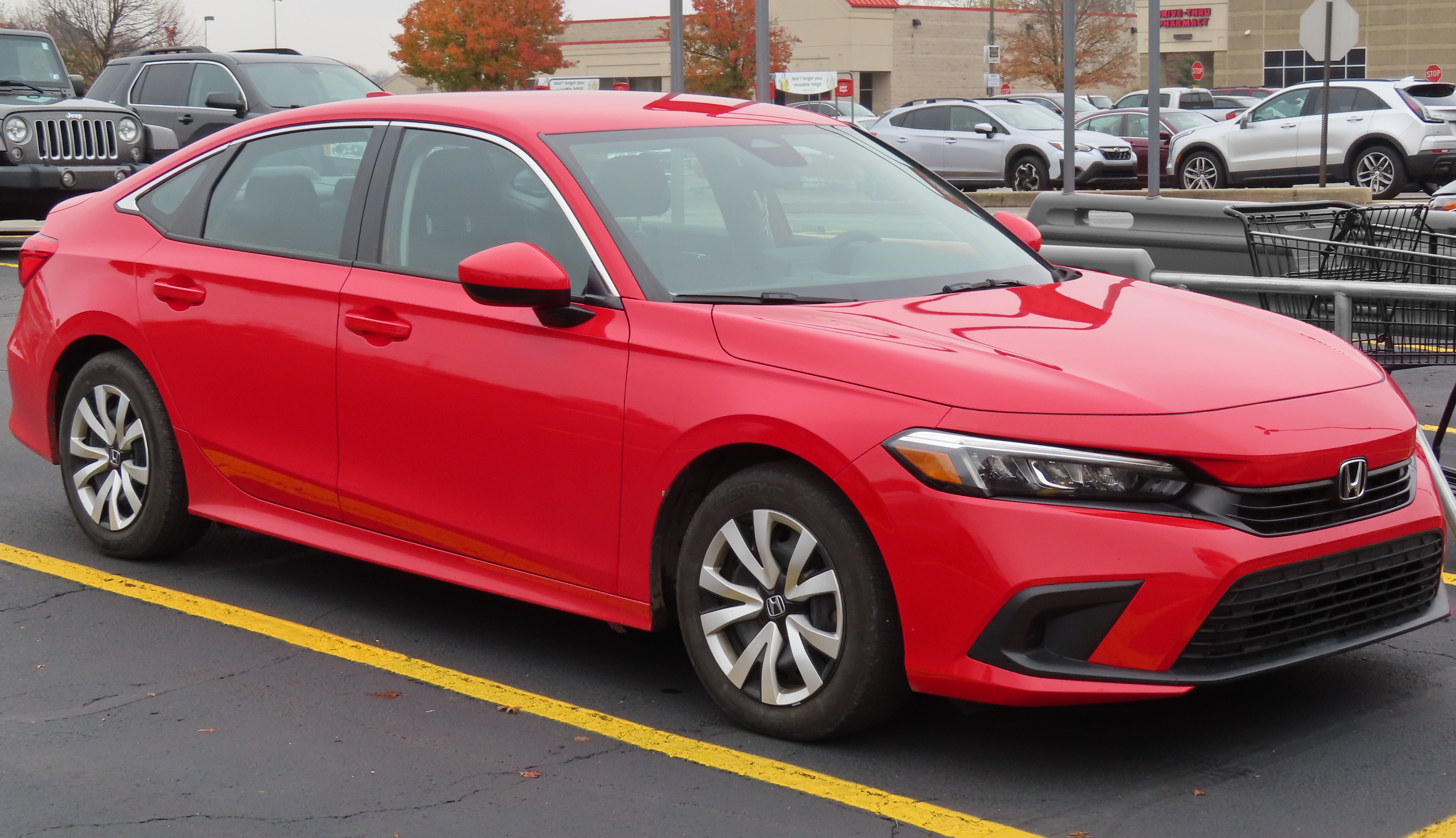
Honda Civic
"[768.6s] Honda Civic with the two round headlights, it's a sort of dumpy looking coupe but it's very period... [816.7s] that's quite retro, if you turned up to your Sunday car meet in that nobody else is going to be in one."
They’re talking about an older Honda Civic that looks very “70s” and has round headlights. It’s a small, simple classic that’s fun to drive and rare enough to feel special.
The hosts are describing a classic Honda Civic with the distinctive two round headlights and a 1970s-era look. They’re emphasizing its period styling, small-car proportions, and how it stands out at car meets.
automatic
"[781.2s] fun, this is an automatic so that's not going to help your MPG much that one, no it's not going to"
They mention it’s an automatic, meaning it shifts gears by itself. Older automatics can be a bit less efficient and not as quick as a manual.
An automatic transmission changes gears for you, which can make a car feel easier to drive but may reduce efficiency compared with a manual in some older designs. The hosts link it to worse MPG and also note it won’t help performance.

Minor Morris Minor
"[785.7s] help your speed either, that would probably be overtaken by that Morris Minor wouldn't it, in"
They bring up the Morris Minor as another old British car. It’s generally known as a small, classic car that isn’t about big performance numbers.
The Morris Minor is a classic British compact car, often associated with modest performance and a simple, durable layout. Here it’s used as a comparison point for speed and drivability.
water-cooled front-engine layout
"[845.7s] but water cooled in front engine, it was under 700 kilos, 40 to 60 horsepower"
They’re describing how the engine is cooled and where it sits in the car. Water cooling uses coolant to keep the engine from overheating, and front-engine means the engine is up front.
“Water-cooled” refers to using a liquid coolant system to manage engine temperature, rather than air-cooling. A “front-engine” layout places the engine at the front of the car, which affects packaging, weight distribution, and how the car is built.
bread van Polo body style
"[876.0s] bread van, do you remember this shape it's on your screen now so it's that kind of long elongated [881.3s] Polo estate shape with two doors and that big back"
“Bread van” is a nickname for a Polo body style that looks long and boxy, like a small wagon. It’s recognizable by that big rear shape and two-door layout.
“Bread van” is a nickname for a specific compact, elongated wagon/estate-like body style used on some early Volkswagen Polos. The term helps listeners visualize the tall, long rear and practical shape compared with a standard hatchback.

VW Polo
"[893.7s] sick of MGBs going wrong and not starting, we went to one of these VW Polos as a kind of second car [899.4s] and it just did everything, it was amazing, never went wrong, it was just so reliable, comfortable [904.7s] all four of us could squeeze in it, they're quite good cars these bread vans"
The Volkswagen Polo is a small, everyday car. The hosts like it because it’s comfortable, fits everyone, and—unlike their MG—doesn’t constantly cause problems.
The Volkswagen Polo is a compact car known for being practical and, in many generations, dependable. Here it’s positioned as an “economy classic” second car that’s comfortable for multiple passengers and delivers strong fuel economy.
bread vans
"[904.7s] all four of us could squeeze in it, they're quite good cars these bread vans and you don't see that [909.0s] many so I think that's another interesting economy classic, let's just have a look up what the fuel"
“Bread van” is a slang term for a practical, boxy car body style (often like a small wagon). The hosts mean it’s the kind of car you buy for usefulness, not looks.
“Bread van” is a common enthusiast nickname for certain compact station-wagon or hatchback-with-utility-body styles, especially in the UK. In this context, it’s describing the practical, boxy Volkswagen Polo variant that’s useful and not flashy.
miles to the gallon
"[909.0s] many so I think that's another interesting economy classic, let's just have a look up what the fuel [914.6s] economy is on there, yeah it'll easily do 40 miles to the gallon so that's quite a good 80s classic."
Miles to the gallon is how efficiently a car uses fuel. Higher MPG means you can drive farther before you need to refuel, which is why they’re impressed with the Polo.
“Miles to the gallon” (MPG) is a fuel-economy measure that tells you how far the car can travel per unit of fuel. The hosts use it to argue that this 1980s Volkswagen Polo is an efficient “economy classic,” estimating it can do about 40 MPG.
man maths
"[920.0s] The man maths again though, this is 10 grand, you know 10 grand for a 1987 Polo Mark 2, [927.2s] I mean it's got low mileage on 17,000 miles, it's an 1100 car and it's pavo spec isn't it,"
“Man maths” is slang for the mental accounting people do to justify purchases—often by comparing the cost to savings, value, or how often they’ll use the item. Here, it’s used to rationalize spending “10 grand” on a classic car by focusing on low mileage and fuel economy.

Volkswagen XL1
"[961.3s] I mean look at this next one, Volkswagen XL1, do you remember those? Yeah I mean this is a really [965.8s] cool car, it was their big VW economy experiment, I think they spent about a billion pounds developing [971.2s] this, it's quite difficult to find these, they're quite rare because VW only made about 200 of them"
The Volkswagen XL1 is a very rare Volkswagen made to be as fuel-efficient as possible. It has a weird-looking shape designed to cut through the air smoothly, and that’s why it’s such an interesting “economy” classic.
The Volkswagen XL1 is a rare, ultra-low-fuel-consumption concept/production car built as a major VW economy experiment. The hosts highlight its extreme rarity (very low production numbers) and its distinctive aerodynamic design—wide front tapering to a narrow rear to help air flow smoothly.

Volkswagen Passat
"...ture, so the front end it looks like a sort of VW Passat from now and you can see the front wheels which ..."
The Volkswagen Passat is a medium-sized car made by Volkswagen. It’s designed for everyday family use and usually looks fairly normal and practical. People mention it as a comparison when another car’s front end resembles that familiar style.
The Volkswagen Passat is a mid-size family car known for practicality and a more conservative design approach. In the podcast, the speaker uses it as a visual reference point for how a front end “looks like a sort of VW Passat,” which suggests the car being discussed has a similar mainstream, everyday appearance. It’s mentioned because the Passat is a recognizable styling benchmark for many people.
aerodynamics
"[1005.8s] design of aerodynamics at the time, we had a wide front and it tapered off to a narrow back [1010.0s] so the wind would just go around it very smoothly, you're right it is like a Passat that somebody's [1014.9s] sanded down or like a do you know like a bar of soap when you've used it for a bit and it just [1018.8s] becomes smooth"
Aerodynamics is how the car’s shape affects how air flows around it. A smoother shape can reduce resistance, helping the car use less fuel.
Aerodynamics is the study of how air moves around a vehicle, and it directly affects drag and efficiency. The hosts describe the XL1’s design—wide front tapering to a narrow rear—as a way to help air flow smoothly around the car, improving efficiency.
diesel hybrid
"them made 200 but they said it's a diesel hybrid so they said you could get 280 miles to the gallon"
A diesel hybrid uses a diesel engine plus an electric motor. The electric part helps the car use less fuel, especially in stop-and-go or low-speed driving.
A diesel hybrid combines a diesel engine with an electric motor and battery. The idea is to improve efficiency by using electricity for some driving and letting the diesel engine work more efficiently.
EV range
"it had I think about 20 miles of EV range which now is probably about two miles now the battery's degraded"
EV range is the distance the car can go on battery power alone. If the battery gets older, that distance usually gets smaller.
EV range is how far a car can drive using only its electric motor and battery. In hybrids, EV range can shrink over time as the battery degrades.
battery degradation
"it had I think about 20 miles of EV range which now is probably about two miles now the battery's degraded"
Battery degradation means the battery slowly loses its ability to store energy. When that happens, the car can’t drive as far on electric power as it used to.
Battery degradation is the gradual loss of a battery’s capacity over time and use. As capacity drops, the car’s electric-only range and sometimes performance can decline.
fuel crisis
"...basically do what everybody else did in any fuel crisis in britain is go to one of these"
A fuel crisis is when fuel becomes hard to get or costs a lot more. During those times, people usually switch to smaller cars that use less fuel.
A fuel crisis refers to a period when fuel supply is limited or prices spike, forcing people to change how they drive and what cars they buy. In the UK context mentioned here, it pushed buyers toward smaller, more fuel-efficient vehicles.

Austin Mini
"...is basically do what everybody else did in any fuel crisis in britain is go to one of these this is on your screen now it's a 1960 austin 7 mini"
They’re talking about a 1960 Austin Mini. The Mini was a popular answer in Britain when fuel was expensive, because it was small and used less fuel than bigger cars.
The segment ends with the host describing a 1960 Austin Mini as a solution during a British fuel crisis. The Mini became famous for being small, efficient, and practical when fuel prices and availability were major concerns.
fuel gets expensive
"50 60 years isn't it as soon as fuel gets expensive buy a mini ... save money and still have fun"
They’re talking about what happens when gas gets expensive. The idea is to choose a car that costs less to run, but still feels fun to drive.
This is the core “cheapskate” premise: when fuel prices rise, people look for smaller, more efficient cars to reduce running costs. The segment uses the Mini as an example of how economy cars can still be enjoyable rather than purely utilitarian.
bog standard mini 848 cc
"...it's nothing flash it's just a bog standard mini 848 cc light gray and i just think that's beautiful particularly from 1960 because it just looks so pure"
“848 cc” is the size of the engine. A smaller engine usually uses less fuel, which is why they’re presenting this Mini as a cheaper way to drive.
“848 cc” refers to the engine displacement of this basic Mini, which helps explain why it’s framed as an economy option. Smaller engines generally consume less fuel, and the hosts connect that to the idea of getting good miles per gallon while keeping the car fun and stylish.
heater
"...there's nothing there you're just sitting in an empty room with a steering wheel because there was nothing in minis that was frivolous you just either use the heater or not"
The hosts contrast the Mini’s simplicity with modern cars by noting there’s “nothing there” and that you basically just use the heater (or not). This highlights how older cars often had fewer comfort features, which can reduce complexity and cost.
miles to the gallant
"...minis were 848 ccs were doing about 40 to 45 miles to the gallant because that is quite good fuel mileage"
“Miles to the gallant” is a misspoken/phonetic reference to miles per gallon (MPG), a common fuel-economy metric. The hosts use it to quantify how efficiently the 848 cc Mini could be expected to run, tying MPG to the “economy car” argument.
super unleaded
"...it would probably be cheaper just to grit your teeth and fill the car full of super unleaded"
Super unleaded is a higher-grade gasoline. It’s sometimes recommended for certain engines, and they’re saying that even if you have to use it, it might still be cheaper than buying a different car.
“Super unleaded” refers to higher-octane gasoline (often premium fuel) used when an engine requires it or when owners choose it for performance/knock resistance. The hosts mention it as a practical workaround for rising fuel costs, implying the car may still be cheaper overall even with premium fuel.
fuel is massively overpriced in the uk
"it is fuel is massively overpriced in the uk it's very tax heavy you know they could cut the tax and put a smile on people's faces but you know that's not happening anytime so good luck with that"
They’re talking about how expensive gas is in the UK because of taxes. If you own a classic, that can make you think twice about how much you drive.
The hosts are discussing how UK fuel costs are driven up by taxes. For classic-car owners, higher fuel prices can change how often you drive and how you budget for maintenance and enjoyment.
car comes in and basically you can smell its heart and you can hear it ticking as it cools
"i mean i love doing that i love having a drink obviously when we know that a little bit of a problem but i love when the car comes in and basically you can smell its heart and you can hear it ticking as it cools"
They’re talking about the sounds and smells you notice right after driving a classic car. When the engine and exhaust cool down, parts shrink slightly and can make ticking noises.
This describes the sensory experience of a classic car after driving—cooling sounds and smells that come from heat cycling components. As engines and exhaust systems cool, metal contracts and you can hear ticking or other noises, which enthusiasts often interpret as part of the character.
switch off the engine you just hear it cooling down and ticking down
"sometimes when i pull the the stack back in the garage and you say switch off the end switch off the engine you just hear it cooling down and ticking down can't you and it's like motorbikes"
They say that after you turn the engine off, the car keeps making noises as it cools. That ticking is usually from hot parts settling and shrinking as temperatures drop.
The hosts connect the cooling/ticking behavior of their cars to how motorcycles sound as they cool. Heat soak and thermal contraction can cause ticking noises, especially around exhaust manifolds and engine bay components.
pick a pub based on the car park
"when i take the car out you know to go to a pub or something i do pick a pub based on the car park i don't want to park somewhere where you you know you're getting it reversed into by a Kia Picanto but also you want to see it"
The speaker describes a practical “classic-car outing” strategy: choosing where to park so the car can be seen and enjoyed by others. This ties into how owners value presentation, photos, and social visibility at events.

Kia Picanto
"i don't want to park somewhere where you you know you're getting it reversed into by a Kia Picanto but also you want to see it"
They’re using the Kia Picanto as an example of a small car that might take up the space in a way that makes it harder to show off your classic. The point is about parking so people can actually see the car.
The Kia Picanto is referenced as an example of a small, easy-to-park car that could block the classic from being seen. It highlights a common classic-car owner concern: visibility and curb presence when parked in public.
hood down
"...the m6 i drove up there the night before hood down all the way... um and i actually think the hood down on the motorway is good fun..."
“Hood down” means the car’s roof is open. It’s a big part of the experience in a convertible, especially on a long drive.
“Hood down” refers to driving with the car’s roof open, typically on a convertible or removable-top car. It changes cabin noise, airflow, and comfort, so it’s a meaningful detail when describing long-distance driving.

BMW M6
"...ast so i took the car up to south manchester the m6 i drove up there the night before hood down all t..."
The BMW M6 is a powerful, sporty BMW. It’s meant for people who want faster performance than a normal BMW, while still having a comfortable luxury interior. The podcast references driving it with the hood down to highlight its style and driving experience.
The BMW M6 is a high-performance version of the BMW 6 Series, built for drivers who want a more powerful, track-capable feel while still being a luxury car. The podcast mentions taking the car up to South Manchester and driving it with the hood down, which points to the kind of occasion and character these cars are known for. It’s discussed because the M6 represents the “serious performance” side of BMW’s lineup.
two speed wipers
"...but actually being a murk the wipers worked great two speed wipers headlights occurred..."
Two-speed wipers let you choose a slower or faster wipe setting. In heavy rain, having the right speed helps you see the road better.
Two-speed wipers are wiper systems with at least two adjustable operating speeds for different rain intensities. The host mentions them working well in heavy rain, which is a practical comfort and visibility point for classic-car use.
roof down
"...we've got a few days of sunshine and it's just fab to just get the roof down every morning and get out in it..."
“Roof down” means driving with the top open. They’re basically saying it makes the car more fun to use every day.
“Roof down” is the same idea as “hood down,” emphasizing open-top driving. The host connects it to daily enjoyment—getting out each morning and using the car regularly.
interior stuff
"...i also put on there i did a little bit of interior stuff i i touched up the pedals i painted the pedals they've gone a bit rusty"
“Interior stuff” here refers to small cosmetic or maintenance touches inside the car. The host specifically mentions touching up the pedals and painting them, which is common in classic-car preservation to keep wear areas looking presentable.
pedals
"...i did a little bit of interior stuff i i touched up the pedals i painted the pedals they've gone a bit rusty"
Pedals are the driver controls for braking, clutch (if equipped), and acceleration. Touching up and repainting pedals is a practical way to address surface rust and keep the cabin looking cared-for on an older car.
Hammerite paint
"...the most daunting job i've done on the interior which is have paint nearly interior because i had to take some hammerite paint and put it inside the car in order to paint these touch up these pedals..."
Hammerite is a type of paint made for metal. The host is using it to do small touch-ups on the inside of the car, but they’re worried about accidentally getting it on the wrong surface.
Hammerite is a brand of paint commonly used for metal surfaces, often chosen because it adheres well and is relatively durable. In this segment, it’s being used for interior touch-ups on pedals, which is a practical but risky DIY approach because spills or smears can be hard to clean from upholstery and trim.
DIY touch-up painting risk (spills/smears)
"...i just thought this is this is a recipe for disaster could you imagine if the if the paint spilled or i jabbed it on somewhere or i i did absent mindedly touch the brush on the interior... i was wearing gloves uh and i put a little bit in a tiny little cap..."
When you do touch-up paint inside the car, it’s easy to make a mess—like spilling paint or getting it on the wrong spot. Using gloves and controlling the paint amount helps you avoid ruining the interior.
The host highlights a common DIY detailing risk: painting in tight interior spaces increases the chance of accidental spills, brush marks, or smears on visible surfaces. Their workaround—using gloves and a small cap to control the paint—illustrates how small process choices can prevent a “recipe for disaster” when doing touch-ups.
bonnet pad
"...on the inside of a stag bonnet it sort of flips forward and there's a bonnet pad that goes on it uh and mine was pretty tatty when i bought the car..."
A bonnet pad is an insulating/lining panel mounted on the underside of the hood (bonnet). It helps reduce engine-bay noise and can improve thermal comfort, but it’s also a visible “fit and finish” item on classic cars—when it’s tatty, it makes the car look neglected even if everything else is fine.

Triumph Stag
"...how much do you think a felt bonnet pad for a triumph stag cost so this is on the inside of the bonnet it's the kind of insulation that's it..."
The Triumph Stag is a classic British grand tourer (often discussed for its distinctive styling and period character). Here, the host is talking about replacing a felt bonnet pad for the Stag—an example of how small, trim-level parts can noticeably improve the car’s presentation.
fuel being thirsty on fuel
"...it's driving really really well apart from the the fuel the you know being thirsty on fuel um it's going really it's going really well actually..."
“Thirsty on fuel” is a casual way to say the car consumes more fuel than expected. For classic cars, this can be due to aging engines, carburetion/fuel delivery issues, or simply inefficient design—so it’s a practical ownership consideration even when the car is otherwise fun and reliable.
power steering
"and it is just really really usable and as as the sun's shining and the and it's warming up slightly i'm really looking forward to the summer in it because it has got legs to go a bit further than the mic last car did i don't arrive in a sort of sweat like the last car and that the power steering it's it's it's very i'm very spoiled having power steering"
Power steering makes the steering wheel easier to turn. Without it, turning the car—especially when parking—can feel much harder.
Power steering uses a pump or electric assist to reduce the effort needed to turn the wheel, especially at low speeds. In classic-car ownership, it’s often a major comfort upgrade because older cars can feel tiring or “heavy” without it.

MGB
"jim racetrack on facebook says 60s and 70s cars had some great bright colors especially compared to modern color charts he's got an mgb in moonstone uh though i thought that was a color on honda s 2000s"
The MG MGB is a famous old British sports car/roadster. People often talk about what colors look most “right” for that era, and that’s what’s happening here.
The MG MGB is a classic British roadster from the 1960s–1970s, known for its simple, friendly ownership experience and lots of aftermarket support. In this segment it’s mentioned in the context of a specific color (“moonstone”), which highlights how enthusiasts debate period-correct paint shades.
warwick green
"max long enough to tell us that his favorite color is warwick green on a range rover classic oh right okay that is a nice couple because i remember the original range rovers"
Warwick Green is just a particular shade of green paint. Classic-car people care a lot about the exact factory colors because they think it makes the car look more “right” for its era.
Warwick Green is a specific paint color associated with certain classic Land Rover Range Rover offerings. Enthusiasts often treat these named factory colors as part of the car’s identity, and debates about them are really debates about period-correct appearance.

TVR Tuscan
"...h is a bit like baby sick and also they had that tuscan blue i really like tuscan blues on range rovers ..."
The TVR Tuscan is a sports car made in Britain. It’s known for having a strong personality and a distinctive look. People talk about it because certain colors, like “Tuscan blue,” are part of what makes it memorable.
The TVR Tuscan is a British sports car known for its distinctive styling and driver-focused character. The podcast mentions “Tuscan blue” and compares it to similar color choices on other classic cars, showing how the Tuscan is remembered not just for performance but also for its visual identity. It’s discussed because TVRs like the Tuscan are often sought after for their individuality and classic-era sports-car feel.
launch colors
"oh god only you'd know that i was just i thought that was just a throwaway comment from him about warwick green and it set you off i'm off for 20 minutes about original launch colors on range rovers go on"
Launch colors are the paint colors a car brand offered when the model first came out. People who love classics care because it can make the car feel more original.
“Launch colors” are the paint shades a car was originally offered in when it first went on sale. For classic cars, matching the launch/early colors is often part of judging originality and authenticity.
bl car switches
"we also talked about switches last time around too you know which uh which ones are good and which ones are terrible um this is alan 74 he said uh any bl car switches were"
This is about the switches inside certain older British cars. Some switchgear is known for being better quality than others, and people debate which ones are worth keeping.
“BL car switches” appears to refer to switchgear used on BL-era cars (British Leyland), which often gets discussed in terms of quality, feel, and reliability. The hosts are setting up a comparison of which switches are good versus terrible.
overdrive
"they stuck main beam switches on the floor uh and had overdrive on the stalk i remember fords of the 70s ford uh cortinas they had the wash wipe on the floor"
Overdrive is an additional gear ratio (or function) that lets the engine run at lower RPM during steady cruising. On older cars, it was often controlled via a switch or stalk, so it could be engaged when you wanted relaxed highway speeds.

Ford Cortina
"i remember fords of the 70s ford uh cortinas they had the wash wipe on the floor that you could do by a stag but jasmine's bangers reckons the stag switches are actually pretty good"
The Ford Cortina is an older Ford from the UK. The point being made is that some older cars put convenience controls—like windshield wash/wipe—on the floor instead of where you’d expect today.
The Ford Cortina is a classic British car line, and in the 1970s it’s known for having some unusual switch placement compared with modern layouts. Here it’s mentioned as an example of floor-mounted controls like wash/wipe.

Land Rover 110
"and on the left the mystery car is it's just a land rover 110 it's a kind of like a relative it's a tdi so it's a kind of i think that's a 90s early 2000 so i can't see the registration well this is why we've got you on because they look exactly the same to me all land rovers look the same to me"
The Land Rover 110 is a classic Land Rover with a longer body. They’re trying to figure out which exact Land Rover it is by looking at the photo, and they think it’s from the TDI-era.
The Land Rover 110 is a classic, long-wheelbase Land Rover model commonly associated with utility and off-road capability. In this segment, the hosts are trying to identify a “mystery” Land Rover based on appearance, and they mention it’s likely a TDI-era vehicle from the late 1990s/early 2000s.
TDI
"it's just a land rover 110 it's a kind of like a relative it's a tdi so it's a kind of i think that's a 90s early 2000 so i can't see the registration"
TDI usually means a diesel engine that uses a turbo and direct fuel injection. Here, it’s mentioned to help guess what kind of Land Rover the mystery car is.
TDI is a diesel engine designation commonly used to indicate a turbocharged direct-injection setup. In this segment, it’s used as a clue to estimate the Land Rover’s era and engine type when identifying the car in a photo.

Land Rover diff
"[1912.1s] ...we're looking at a picture of the the underneath of his series one basically it's the land rover diff which is notorious for leaking oil..."
A “diff” is part of the drivetrain that helps the wheels turn at different speeds. On some Land Rovers, that area can leak oil, so people sometimes add a catch to protect the ground.
They’re talking about the differential (“diff”) on a Land Rover, specifically on a Series One. The differential is a drivetrain component that can develop oil leaks, which is why the host calls it “notorious” for leaking oil.

Series One
"[1912.1s] ...underneath of his series one basically it's the land rover diff..."
“Series One” is an early version of the Land Rover. Older Land Rovers can start leaking oil as seals and gaskets wear out over time.
“Series One” refers to the early Land Rover Series I generation. These classic, simple off-roaders are known for straightforward mechanicals, but like many older vehicles, they can develop oil leaks from drivetrain seals and gaskets.
differential ("diff")
"[1914.8s] ...it's the land rover diff which is notorious for leaking oil..."
The diff is a gearbox inside the axle that lets the wheels spin at different speeds when you turn. If its seals wear out, it can leak oil.
A differential (“diff”) is the gear assembly that allows the wheels on an axle to rotate at different speeds, especially when turning. In older vehicles, worn seals or gasket failures can cause oil to leak from the diff housing.
Oil drip catch under a leaking differential
"[1918.0s] ...wrapped wrapped around it is a kind of a big nappy... strapped to the underneath of the diff to stop it dripping... [1944.5s] ...those diffs get really hot so once that nappy is full of soaking oil... that could just burn..."
They’ve put something under the car to catch oil drips from a leaking part. It can keep your driveway cleaner, but because the drivetrain gets hot, the soaked material could be a fire risk.
The speaker describes a DIY “catch” (a fabric/cloth wrap) strapped under the differential to collect leaking oil before it hits the driveway. It’s a clever low-cost solution, but it introduces a safety concern because the differential gets hot and the soaked material could potentially burn.
Crush or caress
"[1999.3s] ...return of one of our regular features crush or caress... [2004.6s] ...the feature where we rid the roads of a waste of steel and rubber..."
“Crush or caress” is a recurring game/segment where the hosts decide whether they like something about a car or not. They’re also talking about how the decision works between the hosts.
“Crush or caress” is a recurring segment where the hosts judge cars (or car-related items) in a playful way—either “crushing” them (disliking) or “caressing” them (liking). It’s presented as a structured feature with rules about participation.

Rover P6
"[2012.1s] ...and me with the ugly rover p6..."
The Rover P6 is a classic Rover saloon. They’re bringing it up as a past example from their recurring segment.
The Rover P6 is a classic mid-size saloon from Rover, popular in classic-car circles. It’s referenced as another prior “Crush or caress” example, not as the main technical topic of this segment.
Volkswagen Shiroko
"[2055.9s] shiroko the vw shiroko it was vw's capri you remember it was mostly slow [2062.4s] was better packaged and in my mind it was pretty relevant because the the hatches were the thing ... [2142.7s] but this is a 1979 mark one shiroko and the lines are really clean"
The Volkswagen Shiroko is a classic Volkswagen from the 1970s that was meant to look sporty and stylish. The host is praising its looks and pointing out that many have rusted away, so finding one in good shape is special.
The Volkswagen Shiroko is a sporty 1970s Volkswagen coupe/hatchback-style car that was positioned as a more stylish alternative to the more “boring” mainstream options. The speaker argues it looks great, notes it arrived in 1974, and specifically calls out a 1979 Mark One Shiroko with distinctive twin headlights and clean body lines.

Ford Capri
"[2055.9s] shiroko the vw shiroko it was vw's capri you remember it was mostly slow [2062.4s] was better packaged and in my mind it was pretty relevant because the the hatches were the thing ... [2116.7s] like a capri because the capri was a kind of standalone car but actually the shiroko was the [2121.9s] kind of gulf alternative"
The Ford Capri is a classic sporty-looking car that people associate with the 1970s. The host is comparing it to the Volkswagen Shiroko to explain why the Shiroko felt like the more exciting option.
The Ford Capri was a popular European “personal” coupe/pony-car-style car, often used as a benchmark for sporty looks. Here, the host compares the Volkswagen Shiroko to the Capri, arguing the Shiroko was a better-looking and more “sporty-looking” alternative to the more subdued choices of the time.

Volkswagen Karmann Ghia
"[2090.9s] shiroko came out in 1974 it came out before [2096.8s] the gulf not many people remember that because that actually was a replacement to the vw karmann [2102.2s] gear do you remember that one but look at them"
The Volkswagen Karmann Ghia is a classic VW that’s famous for its stylish body. The speaker is saying the Shiroko came along to replace it.
The Volkswagen Karmann Ghia is a classic VW-based coupe known for its stylish, coachbuilt look. In this segment, the host says the Shiroko was a replacement for the Karmann Ghia, framing the Shiroko as the next step in Volkswagen’s sporty styling.
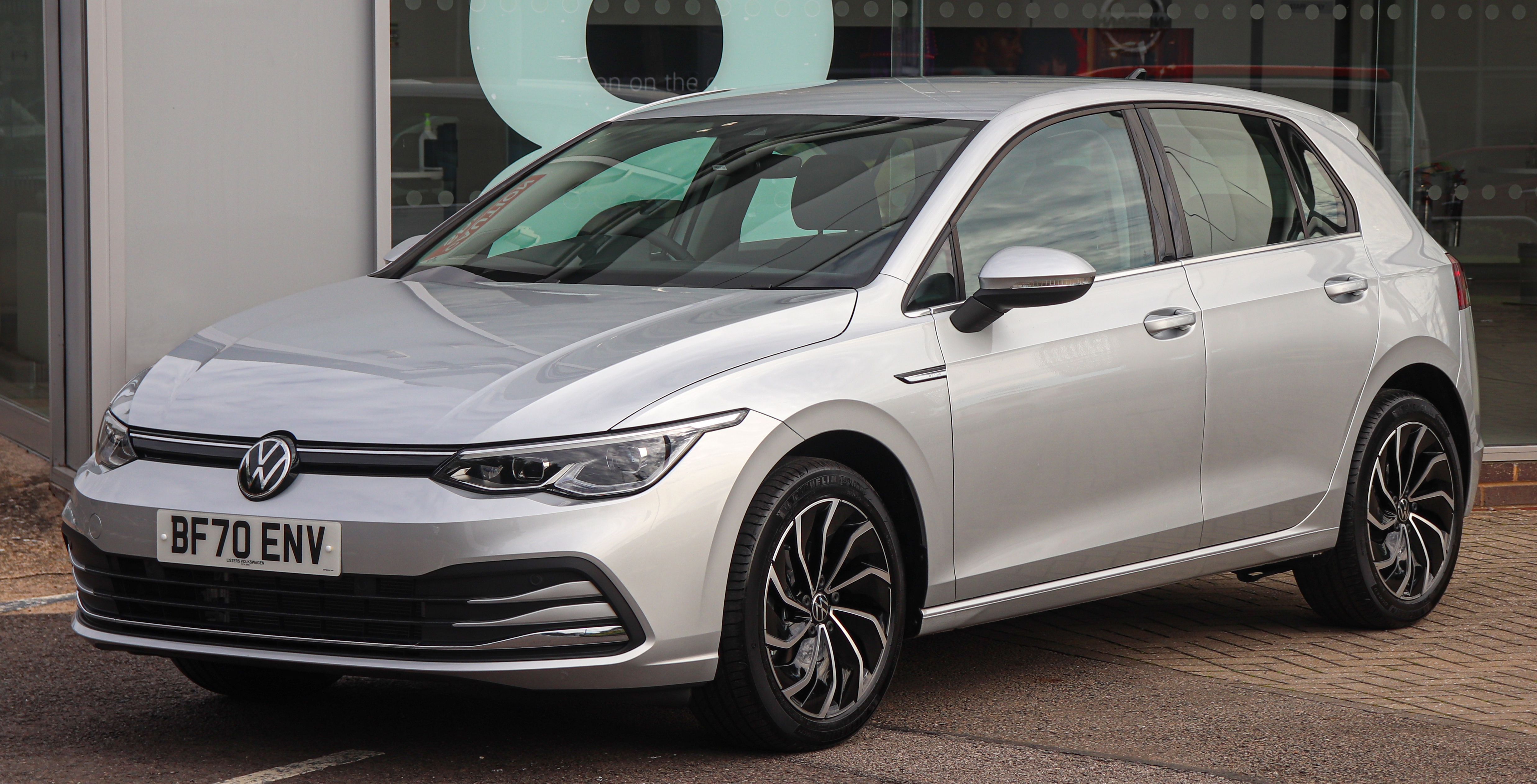
Volkswagen Golf GTI
"[2121.9s] kind of gulf alternative because the gulfs were quite boring when they came out and even the gulf [2127.5s] gti it was quite difficult to tell it was a gti it was so subtle so i think if you wanted something [2132.4s] that looks sporty the shiroko was the answer"
The Volkswagen Golf GTI is the sporty Golf. The host is saying that, back then, it didn’t always look dramatically different, so the Shiroko was the one that really looked like it meant business.
The Volkswagen Golf GTI is the performance-oriented version of the Golf, known for being a subtle “hot hatch” rather than an obvious visual standout. The host says even the Golf GTI was hard to tell was a GTI, using it to argue the Shiroko looked sportier when it came to styling.
deferred maintenance / rusted-away structural parts
"“...there's nothing of it left i mean it has just rusted away and all the structural parts have rusted away as well...”"
If the rust has eaten through the car’s main structure, it’s much more than surface work. Fixing it usually means major metal replacement and welding, which costs a lot and takes time.
When a classic car has rusted away structural parts, it’s not just cosmetic damage—it can compromise the body’s strength and safety. Restoration then becomes fabrication and welding-heavy, often requiring extensive replacement panels and reinforcement.
restoration economics (cost vs value)
"“...you're going to spend 30 000 to restore it and it's going to be worth nine ten twelve thousand...”"
The hosts discuss the classic “money pit” problem: spending a large amount to restore a car versus what it’s worth afterward. They cite a rough restore cost and a much lower post-restoration value, highlighting the risk of over-investing.
Request an Explanation
Heard something you'd like explained? We'll add it to this episode.
Sign in to request explanations for terms you heard.
Want to learn more?
Browse our glossary for plain-English explanations of automotive terms, jargon, and concepts.
Help improve this episode
See something that's not quite right? Our annotations are AI-generated and can sometimes miss the mark. Click the flag icon on any annotation to suggest a correction.
1 community members have helped improve this episode.