
megawatt charging
“Megawatt charging” means an EV charger that can put out extremely high power—around 1,000 kilowatts. That’s intended to recharge a battery much faster than typical fast chargers, but the car and charger have to be designed to handle it.
fast charging
Fast charging is how you recharge an EV quickly using high-power chargers. How fast it goes depends on both the charger and the car’s battery conditions.
kilowatt
Kilowatts tell you how much electrical power a charger can deliver. More kW usually means the EV can take energy faster, but the car still has limits.
amps
Amps measure how much electric flow is moving. Higher amps can help charge faster, but the equipment has to be built to handle the heat and stress.
liquid cooling
Because these chargers are so powerful, they get hot. Liquid cooling helps carry heat away so the charger can keep working safely and consistently.
solar plus storage
This means using solar panels to make electricity and using a battery to save some of it. Then the charger can use that stored energy to charge EVs more smoothly.
photovoltaic generation
This is the solar-panel part—turning sunlight into electricity. On its own it’s variable, so it’s usually paired with a battery to make charging more consistent.
DC energy storage buffer
Think of this as a battery that sits between the grid and the charger. It can provide power to the EV right away, even if the local power supply can’t deliver that peak power instantly.
terminal
Here, “terminals” means the charging connection points where EVs plug in. Upgrading them to higher current helps chargers handle more cars and charge faster.
flash charging 2.0
Flash charging 2.0 is BYD’s name for its fast-charging approach. The goal is to get a lot of energy into the battery quickly, though the exact speed depends on the car and battery state.
state of charge
State of charge just means how full the battery is right now. EVs can charge fastest when the battery is at certain levels, and very low charge can allow higher peak charging power.
LFP battery
LFP is a type of EV battery chemistry. It’s known for being relatively safe and long-lasting, which is why many EV makers use it.
grid buffering
Grid buffering means the charging system can “store and smooth out” electricity demand. Instead of the grid taking a sudden big hit, the system helps even out the load so fast charging is easier on the network.
BEVs
BEV means “battery electric vehicle.” It’s a car that only runs on electricity from a battery, so you charge it instead of buying gas.
plug-in hybrids
A plug-in hybrid is part-electric and part-gas. You can charge it like an EV, and when the battery runs low it uses gas like a normal car.

7 Jq7
Chery JQ7 is a Chery car model mentioned as one of the popular plug-in hybrid options. The point is that Chinese brands have several models selling well at the same time.

Byd Seal
BYD Seal U DMI is a BYD SUV that can run on electricity and also uses gas. In this segment, it’s mentioned as one of the popular plug-in hybrid models selling well in Europe.

BYD Atto 2
BYD Atto 2 is a BYD electric car that runs on a battery. The hosts mention it as one of the models doing well in Europe.
SAIC
SAIC is the company that owns the MG car brand. The hosts mention it because MG’s sales numbers in Europe are coming from SAIC’s lineup.
Cherry
“Cherry” likely means Chery, another Chinese car brand. The hosts mention it because it also sold a lot of vehicles in Europe in March.
tripling overseas production by 2030
This means Chinese automakers plan to make about three times as many cars overseas by 2030. The idea is to produce closer to where customers are instead of shipping everything from China.
Alex Partners
Alex Partners is a consulting company that studies industries and markets. The hosts quote it to support their points about EV competition and expansion plans.
chronic overcapacity
It means there are too many factories making cars compared to how many people are buying. When that happens for a long time, companies often cut prices to sell more cars.
Chang'an
Changan is a Chinese car company. Here, they’re mentioned as looking at where to build electric cars in Europe.

BYD Sea Lion 08
The BYD Sea Lion 08 is a large electric SUV from BYD. The hosts say it’s meant to be a top model in BYD’s lineup and will go on sale later this year.
Beijing Auto Show
The Beijing Auto Show is a big car event in China where companies show off new cars. It’s a common place for EV makers to announce new models.
Ocean series
“Ocean series” is BYD’s way of grouping certain electric cars together as a themed lineup. The hosts are saying the Sea Lion 08 is the top model within that group.

Mercedes-Benz Mercedesbenz Gls
The Mercedes-Benz GLS is a large luxury SUV with room for multiple passengers, often including three rows of seats. The podcast compares another vehicle’s size to the GLS to show how big it is. Bigger SUVs usually mean more interior space and seating flexibility.

Tang Great Tang
The BYD Great Tang is another BYD EV that the hosts use as a tech reference point. They say the newer car is likely using similar battery technology.
dual-chamber air suspension
Dual-chamber air suspension is a suspension system that uses air springs with extra control chambers. It helps the car stay level and ride smoother, especially over bumps or when carrying passengers.
blade battery 2.0
BYD’s “blade battery 2.0” is a newer version of its battery design. It’s the type of battery BYD uses in many of its EVs, and it’s known for being safer and efficient.
rear-wheel steering
Rear-wheel steering means the back wheels can also turn. It can make the car easier to maneuver in tight spaces and feel more stable at speed.
all-wheel drive
All-wheel drive means power goes to all four wheels. It can help the car launch better and stick to the road, especially on slippery surfaces.
LFP pack
An LFP pack means the battery uses a lithium type called LFP. It’s often chosen because it tends to last a long time and is considered safer than some other battery types.

Seagull
The BYD Seagull is BYD’s small, budget-friendly electric hatchback. They’re talking about a refreshed version meant to make it more competitive and boost sales.
China cycle of range
“China cycle of range” is the official test method used in China to estimate how far an EV can go. Different countries use different tests, so the number may not match other range ratings.
IB Advanced Driver System
The “IB Advanced Driver System” is BYD’s driver-assist tech—software and sensors that help with tasks like detecting vehicles and lanes. They’re saying LiDAR was added to make that system smarter.
LiDAR
LiDAR is a sensor that uses lasers to “see” the world around the car. It helps the car understand distances and shapes, which can make driver-assist features work better.
NEV
NEV is a China term meaning “new energy vehicle.” It generally refers to cars that run on electricity or a plug-in hybrid, not just gasoline.

A10 Leap Motor A10
The Leap Motor A10 is another electric vehicle option in China. It’s mentioned as part of the lineup of competing cars trying to attract buyers.
Tego X
The Chery Tego X is a new big hybrid SUV from Chery. They’re marketing it as their top Tego model, targeting families that want a three-row vehicle.

Chery Tiggo 7
three-row SUV market
A three-row SUV has seats in three rows, so it can carry more people. This segment says the new model is aimed at shoppers who need that kind of family space.
pure electric range
“Pure electric range” means how far the car can go using only electricity from the battery. For a plug-in hybrid, it tells you how much of your driving you can do without the gas engine.

Ti7 Fang Cheng Bao
Ti7 is a BYD electric vehicle model that was newly launched. The podcast says it received a large number of pre-orders very quickly, which suggests people are interested in buying it. It’s being mentioned as part of BYD’s latest EV releases.

Formula X
The Formula X is a new two-door convertible supercar being shown by BYD’s Fang Cheng Bao brand. They’re presenting it as the big headline car, with very dramatic styling.
Fang Cheng Bao Super 9 concept
The Super 9 is a concept car—basically a design preview. The hosts say the Formula X uses the same design ideas from that concept.
scissor doors
Scissor doors are doors that open upward in a hinged “scissor” motion. They’re common on flashy sports cars because they look cool and can make getting in easier.
active aero spoilers
Active aero spoilers are aerodynamic elements that move or adjust based on driving conditions to improve downforce and stability. Unlike fixed spoilers, they can deploy or change position to balance performance and efficiency.
hollowed out diffusers
A diffuser is a part under the car that helps direct air smoothly as it leaves the vehicle. “Hollowed out” means it’s sculpted with cutouts to change how the air flows.
full carbon body
“Full carbon body” means the car is made mostly from carbon fiber. Carbon fiber is strong and lightweight, which can help the car feel more responsive.
gullwing
Gullwing doors open upward like a bird’s wings. They’re a dramatic design feature you often see on special sports cars.
battle cockpit
“Battle cockpit” is a name for a driver-focused interior. It implies the cabin is set up to feel more like a performance/race car than a normal car.
retractable steering wheel
A retractable steering wheel can slide or move away to make it easier to get in and out of the car. It’s a convenience and comfort feature, especially in low, sporty cars.
four-point racing harness
A four-point racing harness is a multi-strap seat belt that holds you more firmly than a normal seatbelt. It’s meant for performance driving where you need extra support.

Hyundai Ioniq
Hyundai Ioniq is Hyundai’s line of electric vehicles. In the podcast, it’s mentioned because Hyundai is bringing the Ioniq brand to China and showing a new Ioniq model. It’s essentially a way to organize and market their EVs under one name.
EREV powertrains
EREV means the car is still driven by an electric motor, but it can go farther when the battery runs low. It typically uses a backup system to generate electricity so you don’t have to stop as often.
Qualcomm
Qualcomm is a tech company that makes chips. In cars, those chips help run the big screens and the smart driving features.
CATL
CATL is a company that makes EV batteries. The battery is one of the biggest factors in how far the car can go and how well it holds up over time.
Baidu
Baidu is a major Chinese tech company. In cars, it can provide software and AI features that help with things like navigation and smart driving.
pre-approved for financing
Pre-approved financing is when a lender checks you first and gives you a loan offer before you choose the exact car. That can make buying faster because you’re not starting from scratch at the dealership.
estimate trading value
Trading value is the price the dealer (or lender) expects to give you for your current car if you trade it in. Estimating it early helps you figure out what you’ll likely pay for the next vehicle.
Capital One
Capital One is a company that provides financial services like loans. In this segment, they’re described as using AI tools to help people shop for cars and line up financing.
multi-agentic AI
Multi-agentic AI means the AI is made of several smaller problem-solvers working together. Instead of doing everything in one step, it can handle different parts of car shopping more reliably.
Chat Concierge
Chat Concierge is an AI chat assistant designed to help you shop for a car. It’s meant to guide you through steps like booking a test drive and getting estimates for financing and trade-in value.
layered reasoning
Layered reasoning means the AI thinks through a task in stages instead of guessing all at once. That can make recommendations and estimates more accurate.
live API checks
Live API checks mean the AI looks up current information from other systems while you’re chatting. That helps it avoid using outdated details when it makes recommendations.
Mazda CX-6E
The Mazda CX-6E is one of Mazda’s newer electric SUV models for China. The hosts are saying Mazda is using a partner’s EV technology to get it to market faster.
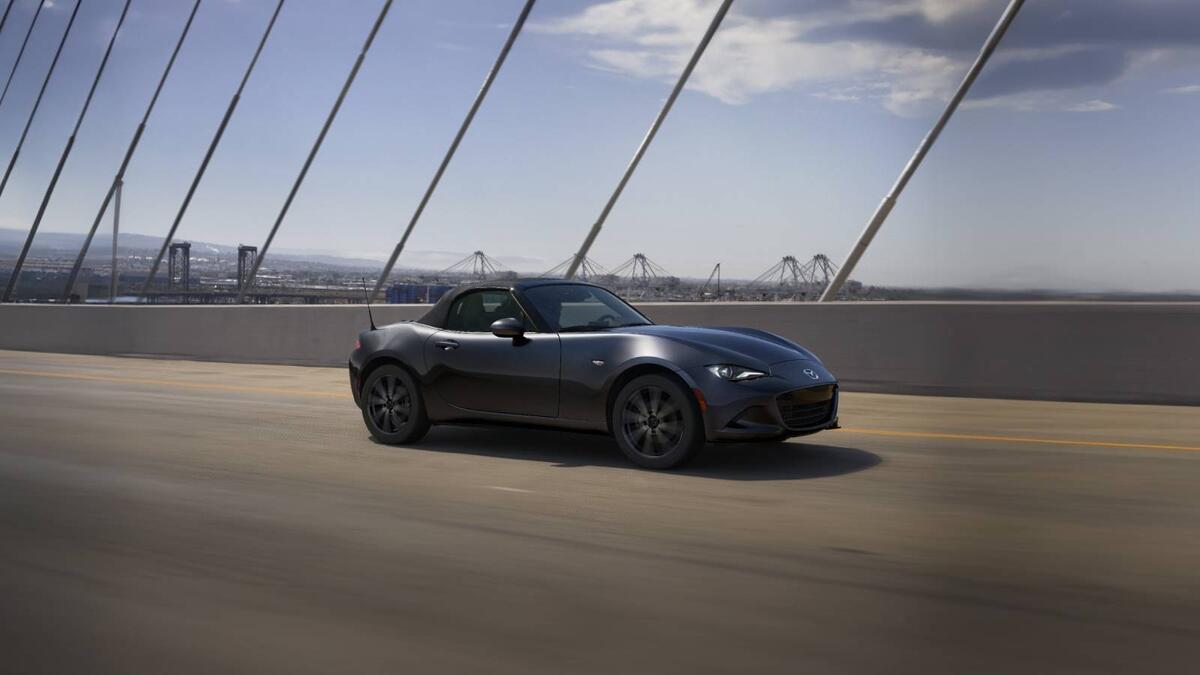
Mazda MX-5 Roadster
The Mazda MX-5 Roadster is Mazda’s popular small two-seat roadster. Here it’s mentioned because the speaker is talking about how Mazda is changing for EVs while keeping its identity.
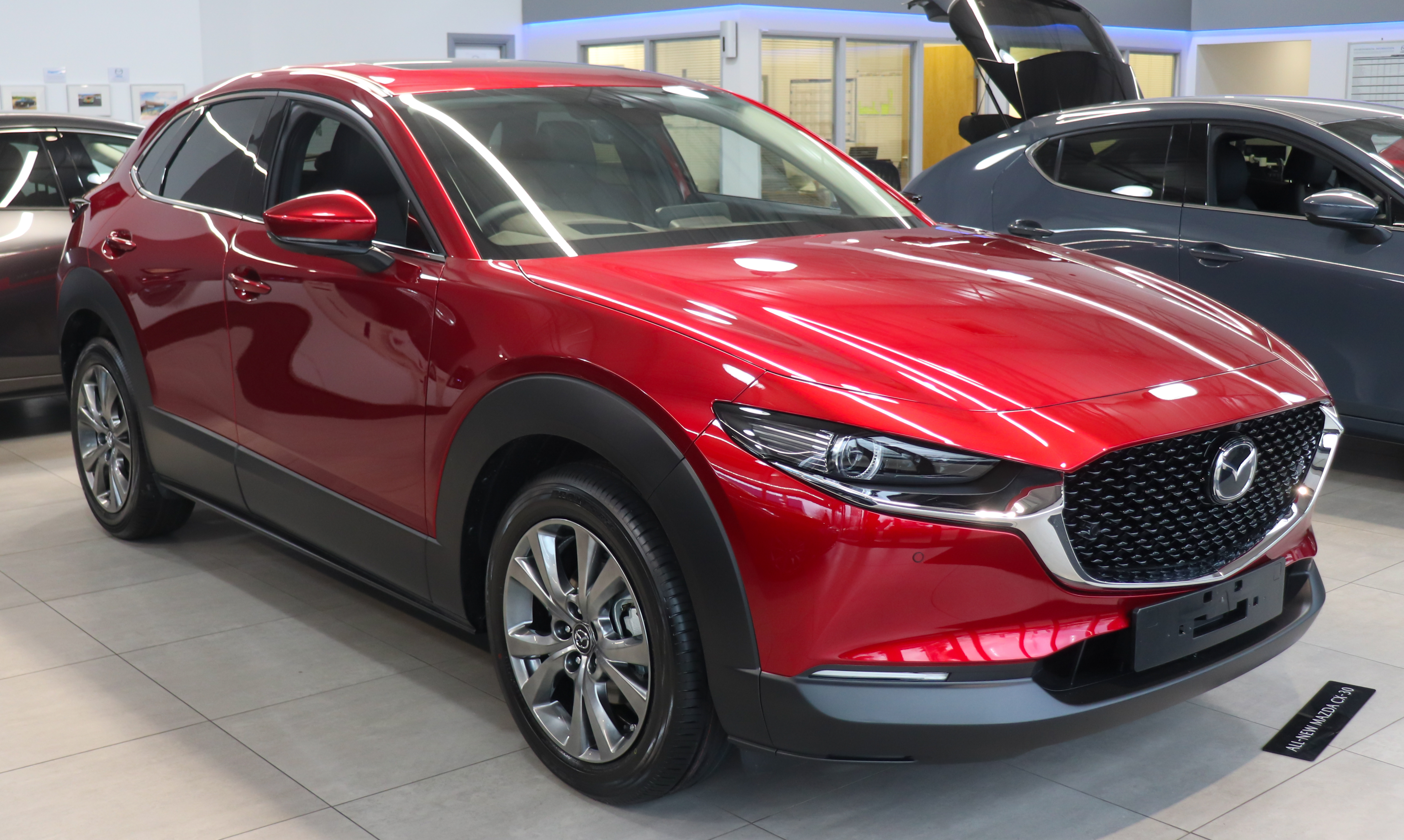
Mazda Cx30
The Mazda CX-30 EV was Mazda’s first attempt at an electric vehicle in China. The hosts say it didn’t do well because it wasn’t a fully purpose-built EV.
BEV conversion
A BEV conversion is when a car that wasn’t originally designed as electric gets modified to be fully electric. It can work, but it may not be as good as a car designed from the start for batteries.
compliance car
A “compliance car” is basically an EV that’s built to satisfy rules or requirements, not because it’s meant to be a big hit. The speaker is implying it wasn’t very competitive with what buyers wanted.
EPA platform
An “EPA platform” refers to a standardized vehicle architecture used to build multiple EV models efficiently. In this context, Chang’an’s EPA platform is the underlying EV “base” Mazda used for its China lineup, enabling faster development and shared components.

6e
Chang’an’s “6E” (EZ6) is a named EV platform or system used to build electric vehicles. The hosts are saying Mazda’s EVs in China are based on this shared technology.
pure BEV
“Pure BEV” means the car is fully electric and uses only battery power to drive. There’s no gas engine used to move the car.
mid-size SUV
A mid-size SUV is a family-sized SUV that’s not as big as the largest SUVs. It’s meant to give you a sense of how roomy and practical the vehicle is.
Xiaomi
Xiaomi is best known for phones and other tech, but it’s also trying to make cars. Here, they’re setting up a research center in Europe so they can better adapt their EVs for European customers.
European R&D center
An R&D center is where a company does engineering work to improve products. Having one in Europe helps the car maker adjust the cars for European rules and customer needs.
European market entry
Market entry means launching sales in a new country or region. The hosts are saying Xiaomi is preparing for Europe before it starts selling there.
fettled and fine-tuned
“Fettled and fine-tuned” is an automotive/engineering phrase meaning to adjust a product for specific conditions—here, adapting software, user interfaces, and system behavior for Western markets. The host implies Xiaomi cars may need additional localization beyond their original Chinese setup.
vehicle dynamics
Vehicle dynamics is how a car “acts” on the road. It covers how it grips, turns, stays stable, and responds when you brake or accelerate.
Rudolph Dietrich
Rudolph Dietrich is the person the hosts say is running the Munich center. They mention his background to show the team has experienced leadership.
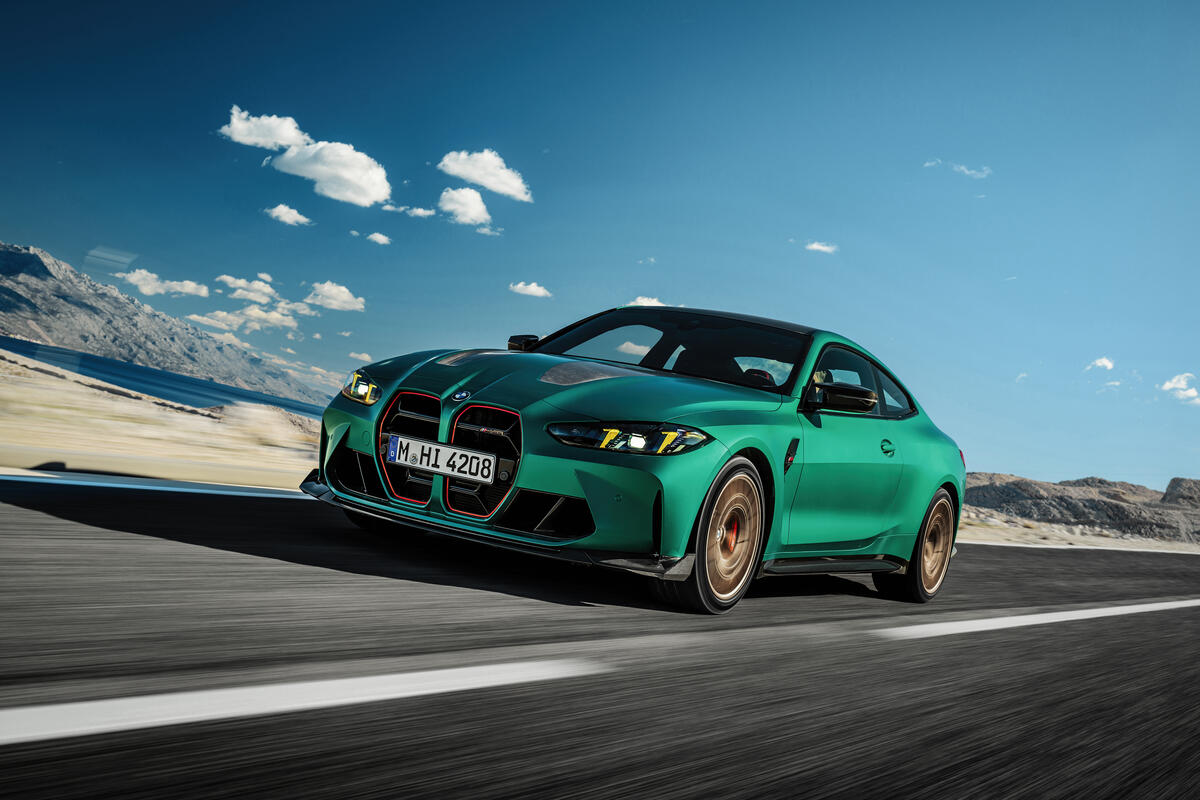
BMW M4 GT3
The BMW M4 GT3 is a BMW race car used in GT3 racing. If someone worked on that project, it usually means they’ve done serious performance and handling engineering for track use.
Klaus Dieter-Grull
Klaus Dieter-Grull is described as leading the vehicle dynamics work. That means he’s focused on making the car handle and respond well.

Bmw 3Series
BMW’s 3 Series is one of BMW’s most popular car models. Here it’s mentioned to show the designer has worked on well-known BMW models.

BMW 4-series
The BMW 4 Series is BMW’s line of sporty compact cars, like coupes and convertibles. It’s mentioned here as part of a resume of major BMW models.

BMW X5
The BMW X5 is a luxury SUV from BMW. It’s mentioned here as part of a resume of well-known BMW models.
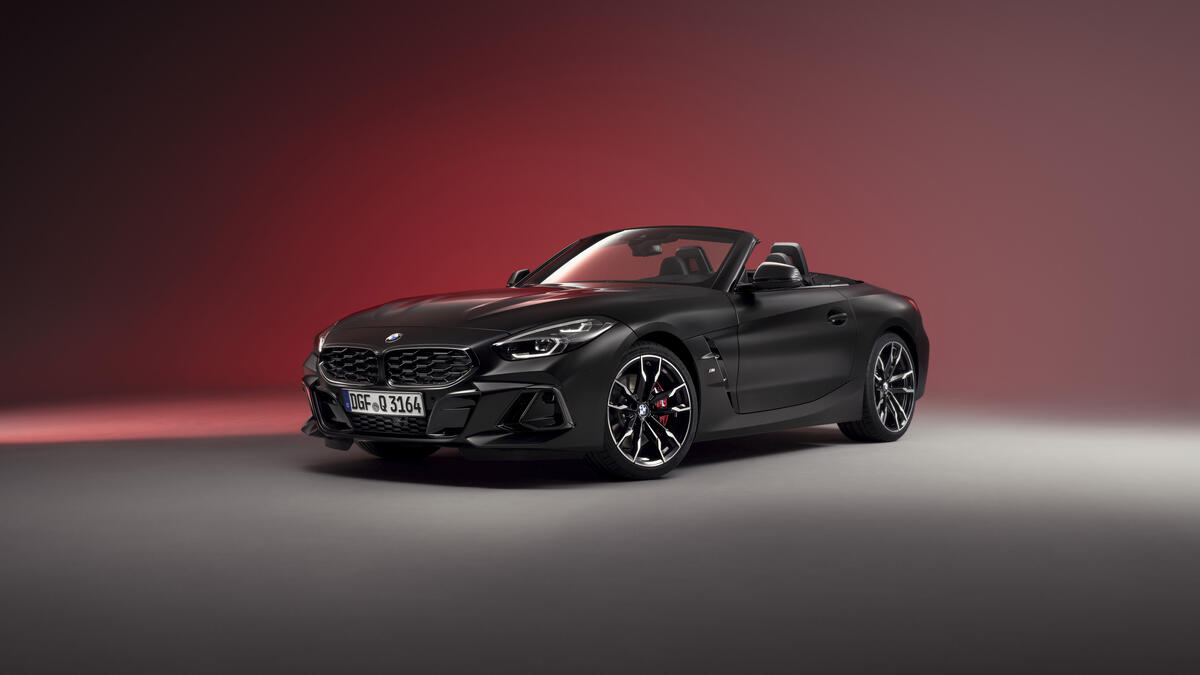
BMW Z4
The BMW Z4 is BMW’s sporty two-seat roadster. In this segment it’s just part of the list of cars the person has worked on.

BMW X7
The BMW X7 is BMW’s big, luxury SUV. It’s mentioned here as part of a list of cars the designer has worked on.

BMW X6
The BMW X6 is a BMW SUV with a more sloped, coupe-like shape. Here it’s mentioned as another model on the person’s CV.
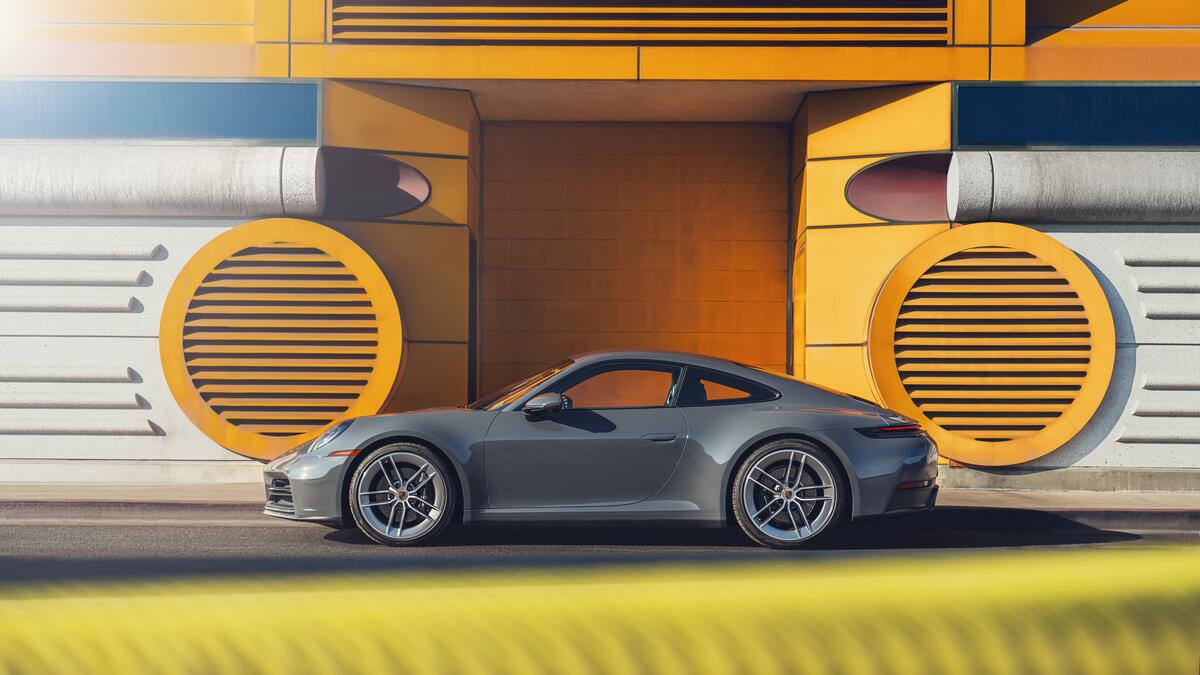
Porsche 992
The Porsche 911 GT3 RS is a very track-oriented version of the 911. The “992” part tells you it’s the newest 911 generation at the time, and it’s mentioned here to show the designer worked on a top-level performance car.

Lamborghini Temerario
The Lamborghini Temerario is a Lamborghini supercar. It’s mentioned here to show the designer has experience with top-tier, high-end car projects.

Rolls-Royce
Rolls-Royce is a luxury car brand. Here it’s mentioned to show the person worked on very high-end cars before.
Mercedes-Benz Vision GT
The Mercedes-Benz Vision GT is a concept car Mercedes showed to preview ideas for future design. It’s mentioned here to show the designer has worked on forward-looking projects.
car carrier
A car carrier is a specialized ship designed to transport multiple vehicles at once, typically on stacked decks. The segment highlights a record-sized carrier and notes it can carry EVs and hydrogen-powered vehicles, showing how logistics are scaling for new powertrains.
Guangzhou Shipyard International
Guangzhou Shipyard International is the company that built the huge car-transport ship. It’s mentioned because it shows China can scale the shipping needed for EVs going abroad.
HMM
HMM is the shipping company that took delivery of the new car carrier. The episode is connecting that logistics capability to how EVs get shipped overseas.
vehicle decks
Vehicle decks are the floors inside a car ship where cars are parked during transport. More decks means the ship can carry more vehicles at the same time.
vehicle carriers
Vehicle carriers are specialized ships designed to transport cars in bulk. The episode uses them to illustrate how much shipping capacity a manufacturer has, which signals intent to move vehicles around the world at scale.
test drive
A test drive is when you actually drive the car before buying it. The app described here helps set up that appointment.