large SUVs dominate new models
The host is saying that most of the newest electric vehicles being introduced are big SUVs. That’s important because bigger SUVs usually need bigger batteries and are often priced differently than smaller EVs.
Beijing Auto Show
The Beijing Auto Show is a major recurring auto exhibition where manufacturers unveil new vehicles and technologies. The episode notes it opens next week and includes large SUV displays and launches, making it a key event for tracking upcoming EV product plans in China.
biennial event and alternates with Shanghai
Calling it a “biennial” event means it happens every two years, and “alternates with Shanghai” indicates the show rotates between Beijing and Shanghai. For listeners, that helps explain why certain model debuts cluster around these major show calendars.
world premiers and brand launches
“World premiers” are first public reveals of vehicles anywhere in the world, while “brand launches” refer to new brands entering the market or making a formal debut at the show. These are useful metrics for gauging how many truly new products and entrants you can expect from the event.
three-row, six-seat SUVs
These are big SUVs meant for families. They have three rows of seats, and in this case six seats total, so there’s room for more people and luggage.

Volkswagen Bus
The Volkswagen Bus is a bus-shaped vehicle concept. In the podcast, it’s described as a “test bed,” meaning it’s used to try out new technology and ideas before they reach regular customer cars.

XPeng Xpong Gx
XPeng GX is a vehicle name mentioned in the podcast’s list of new electric SUV debuts. The podcast is connecting it to new technology being shown off in these upcoming vehicles.

ES9 Neo Es9
ES9 is a vehicle name the podcast lists among new large electric SUV debuts. The podcast is basically saying more big EVs are being introduced.

X9 Xpong
X9 is a vehicle mentioned in the podcast as a technology showcase. The point is that it’s used to demonstrate advanced features, and it’s described as being very luxurious.

Volkswagens Id
The Volkswagen ID. Buzz is an electric van-style vehicle. It’s designed to carry people comfortably, and the podcast is mentioning it as part of a wave of new electric vehicles being introduced.

Bmw Ix3
The BMW iX3 is an electric SUV made by BMW. The podcast is listing it among other new electric vehicles, which helps show how many different EVs are coming to market.

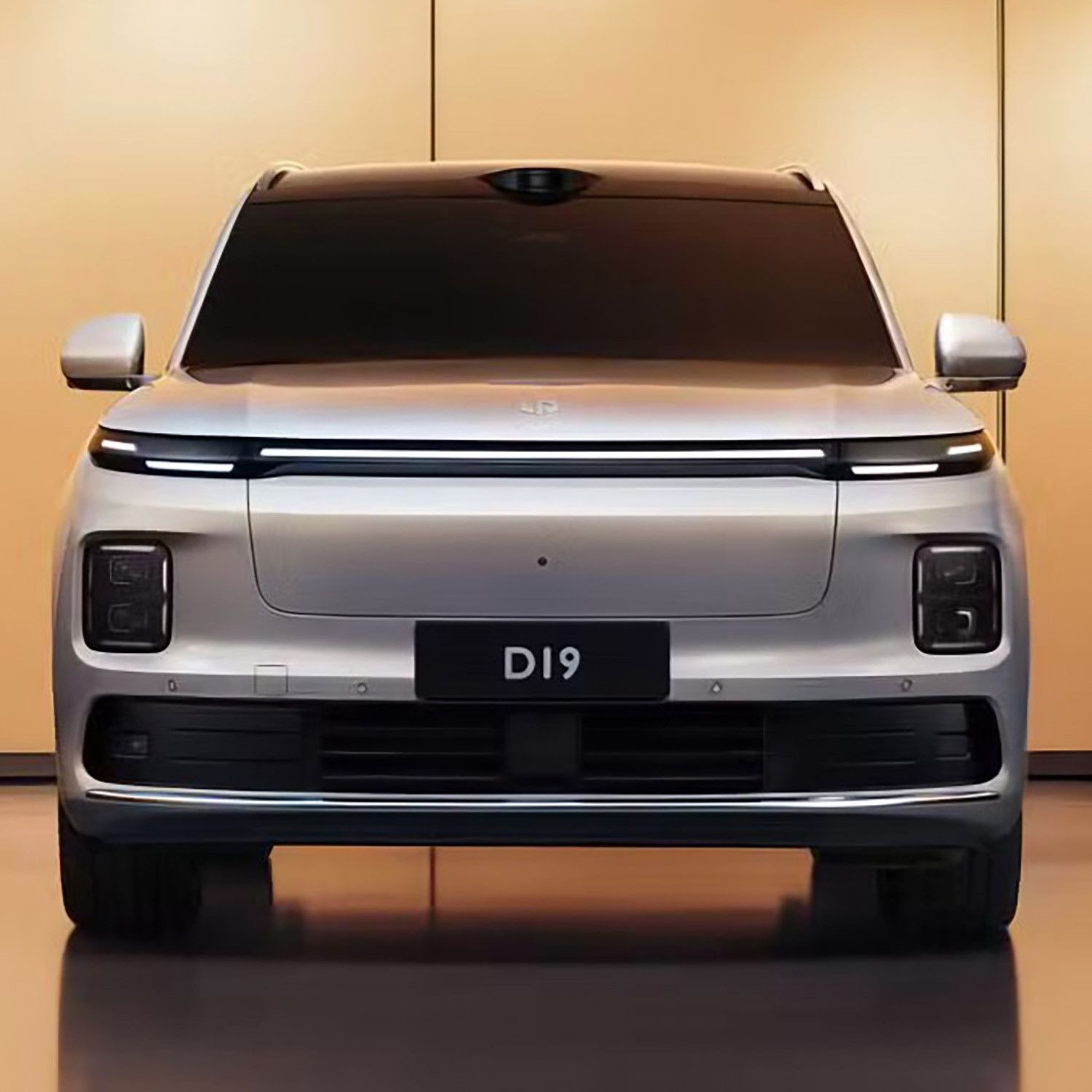
LeapMotor D19
The LeapMotor D19 is a big new SUV from LeapMotor. It’s meant to be a premium, high-tech family vehicle with lots of screens and safety/driver-assist features.

Bmw X7
The BMW X7 is a big luxury SUV. The podcast is using it as a measuring stick for size when comparing how long another vehicle is.
ER EV
An EREV is still an electric car, but it has a backup system that can make electricity to help you go farther. It’s designed to reduce worries about running out of battery.
zero gravity functions
Zero-gravity seats are designed to feel lighter on your body. The seat shape and recline aim to reduce fatigue on long drives.
augmented reality head-up display
This is a display that shows helpful info in your line of sight through the windshield. Instead of looking at the dashboard, you can see guidance and warnings right where you’re driving.
LiDAR
LiDAR is a “laser scanner” that helps the car understand what’s around it. It measures distance more precisely than many camera-only systems.
autonomous emergency braking
This system watches for danger ahead and can brake automatically if it thinks a crash is about to happen. It’s meant to prevent accidents or make them less severe.
navigate on autopilot
This is a feature that helps the car drive along a route with less manual effort. You still have to pay attention and be ready to take over.
continuous damping system
This is a suspension feature that adjusts how stiff the shocks feel as you drive. It helps the ride stay smooth without losing grip.
air suspension
Air suspension uses air instead of metal springs. It can raise or lower the car to make the ride smoother or to give more ground clearance.
BEV
BEV means the car is fully electric. It uses a battery to power the motor, and it doesn’t use a gas engine to drive.
dual-motor four-wheel drive
Dual-motor four-wheel drive means there are two electric motors working together to power all four wheels. It helps the car grip better and can feel quicker.
cell-to-chassis battery system
This is a battery design where the battery cells are built more directly into the car’s structure. The goal is usually more space and better packaging under the floor.
800-volt architecture
800-volt architecture means the car’s electrical system is set up for faster charging. With the right charger, it can add energy to the battery more quickly.
CLTC
CLTC is China’s vehicle testing standard used to estimate electric range. It’s not the same as EPA or WLTP, so numbers can be higher or lower depending on the test method.
0-60
0-60 is how fast the car can go from standing still to 60 mph. Lower time usually means quicker acceleration.
ADAS hardware
ADAS hardware refers to the sensors and computing needed for advanced driver-assistance systems (ADAS), like adaptive cruise and lane-related features. In the episode, it’s listed as part of what buyers expect in modern large SUVs.

Volkswagen ID. UNYX 08
Volkswagen’s ID. UNYX 08 is an all-electric SUV sold in China. The discussion highlights its starting price and higher pricing for the top trim.
Volkswagen ID UNIX 08
The Volkswagen ID UNIX 08 is a new electric SUV from Volkswagen. It’s designed to charge faster thanks to a high-voltage battery system, and it uses lithium iron phosphate (LFP) batteries supplied by CATL.
800-volt silicon carbide high-voltage platform architecture
This is about how the car’s electricity system is built. A higher-voltage setup (800 volts) can charge faster, and silicon carbide parts help the electronics handle that power more efficiently.
CATL
CATL is a company that makes EV batteries. Here, they’re the supplier of the battery packs that power the ID UNIX 08.
LFP packs
LFP is a type of EV battery chemistry. It’s generally considered durable and stable, and it’s commonly used when automakers want a good balance of cost and long-term reliability.
China cycle
“China cycle” is a specific testing method used to estimate how far an EV can go. It’s important because range numbers can change if the car is tested under a different standard.
over-the-air updates
Over-the-air updates mean the car can get software updates wirelessly. That can add new features or fix issues without you having to go to a shop.
store-in-store model
This is a way of selling cars where the EV brand is displayed inside an existing dealership showroom. It’s meant to make it easier for customers to find and buy the new model.
IM Motors LS8
The IM Motors LS8 is a big, premium electric SUV sold in China. It’s not purely battery-electric—it also has a small gas engine to help extend range, while the wheels are driven by electric motors.
800 volts architecture
This means the EV uses a high-voltage electrical system. Higher voltage can help the car charge faster, especially on compatible chargers.
dual motor all-wheel drive
Dual-motor all-wheel drive means there’s an electric motor on more than one axle. That helps the car put power down better and can improve traction and control.
rear wheel steering
Rear-wheel steering lets the back wheels turn too, not just the front wheels. That makes it easier to turn around and park, especially for a big SUV.
steer by wire
Steer-by-wire means the steering wheel sends signals to motors instead of moving a mechanical linkage. That can help the car turn more easily and behave more precisely at low speeds.
Nvidia Thor
NVIDIA Thor is the car’s “brains” for advanced driving features. It’s designed to process sensor data quickly so the car can make better decisions.
IM Ultra Agent 1.0
IM Ultra Agent 1.0 is the software in the car that powers its AI features. The segment suggests it’s using an AI model from Alibaba to run those capabilities.
Alibaba
Alibaba is a big technology company. In this context, the host says its AI model is used inside the car to power the vehicle’s AI features.

Cadillac Escalade
The host mentions the Cadillac Escalade as a reference for size. The idea is that this EV is so big it could be hard to park in tight spaces.
battery swap stations
Battery swap stations are places where you can swap your EV’s battery for a charged one instead of waiting to charge. The host is talking about Neo building more of these stations over time.
Lunqiang Digui
Lunqiang Digui is cited as the source of an update about Neo’s battery swap station rollout. This is relevant mainly as a provenance detail for the news being reported.
pilot stations
Pilot stations are small trial locations built first. The goal is to test the system before rolling it out more widely.
battery swapping
Battery swapping means you trade your empty battery for a full one at a special station. It’s like a quick “exchange” instead of charging for a long time, but it only works if the batteries and stations are set up to match.
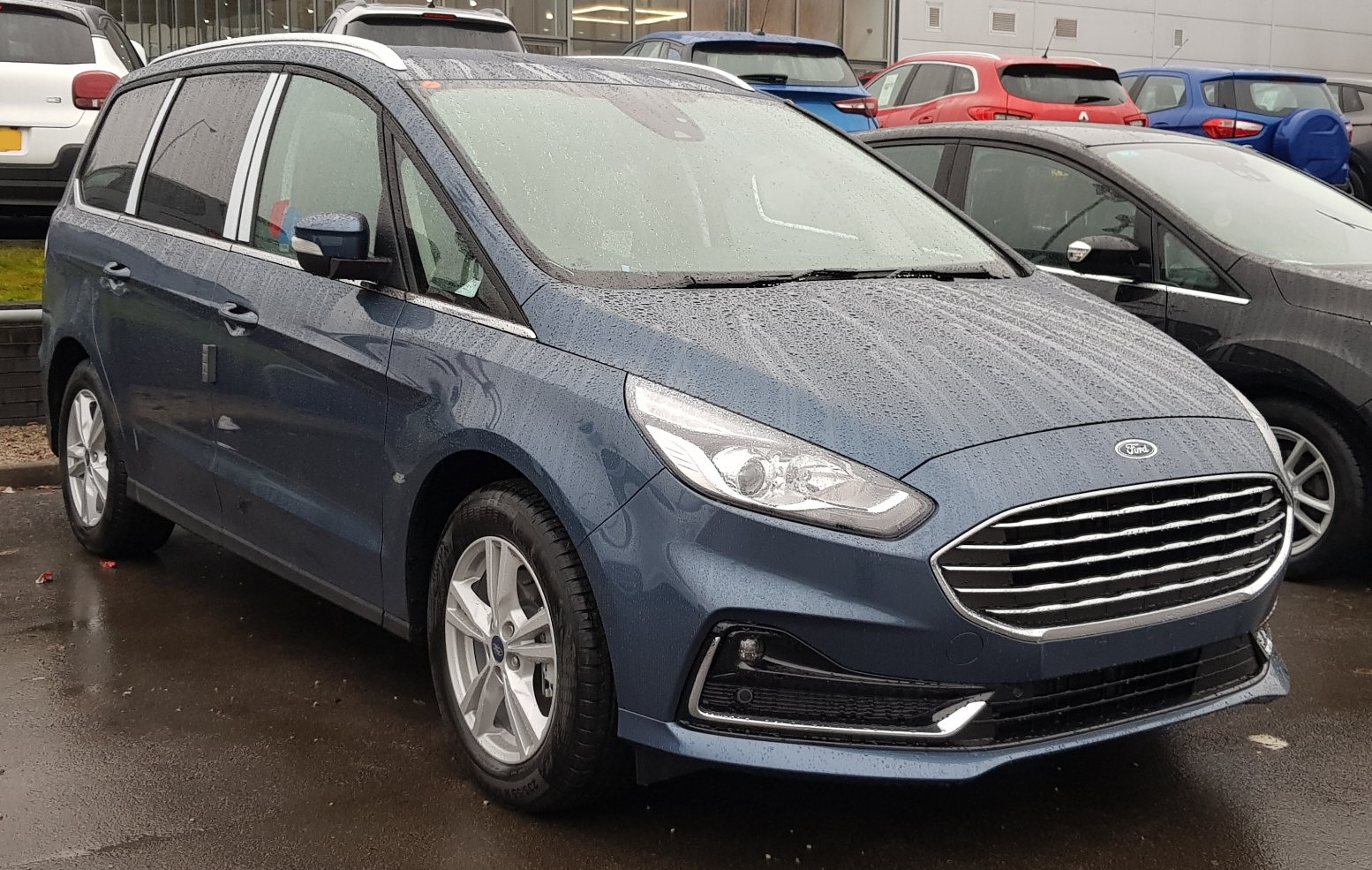
Ford Galaxy
The Ford Galaxy is a family-focused vehicle meant to carry people and luggage. The podcast mentions a “Galaxy Starshine 7” that uses a plug-in hybrid, meaning it can run on electricity for some trips and also use fuel.
BYD
BYD is a big Chinese EV maker. In this episode, they’re mentioned because they’re pushing charging tech that’s faster than battery swapping.

Geely Galaxy Starshine 7
The Geely Galaxy Starshine 7 is a plug-in hybrid sedan from Geely. It’s meant to be affordable for its size, with lots of screens and driver-assist features, and it can drive on electricity for a limited distance before the gas engine takes over.
plug-in hybrid
A plug-in hybrid is a car that runs on both electricity and gasoline. You plug it in to charge the battery, and then it can drive on electric power for everyday trips.
NOA
NOA is a driver-assist mode that uses the car’s navigation to help with driving tasks. It doesn’t mean the car drives by itself—your attention is still required.
adaptive damping
Adaptive damping means the shocks can change their firmness. That helps the car feel smoother on rough roads but still stay controlled when you drive more aggressively.
5-link independent rear suspension
This is a type of rear suspension where each rear wheel can move on its own. It helps the tires stay planted, which can make the car feel more stable and comfortable.

BYD Han EV
BYD is updating the Han EV. The podcast says it’s more about improved charging hardware than a completely new car design.
flash-charging hardware
Flash-charging hardware is the car’s upgraded system for faster charging. It helps the battery take in more power quickly, so you can recharge in less time.
Blade Battery 2.0 LFP pack
BYD’s “Blade Battery” is their battery design. Here they mention “2.0” and that it uses LFP chemistry, which is generally known for being durable and safe. The battery update is the main reason they say the car improves on charging and range.
charge curve
A charge curve describes how charging power changes over time as the battery fills up—typically high at first, then tapering as the state of charge rises. The host emphasizes “average charge rate over the entire charge curve” rather than just peak power. This matters because real trip charging time depends on how long the car can maintain strong charging power.
vision-only
“Vision-only” means the car’s driver-assistance system uses cameras instead of extra sensors like laser scanners. The host is pointing out that BYD is taking that approach for this update. It’s an important difference because it can affect how reliable the system feels in bad weather.
China-only brand strategy (AUDI without rings)
The host explains that AUDI is a China-only brand with different branding than the usual Audi logo. They say it’s a deliberate change from Audi’s normal global approach. The idea is to show how the company is adapting its strategy for the Chinese market.

AUDI E5 Sportback
AUDI (stylized without the four rings) is described as a China-only brand that will add models, including the E5 Sportback. The host positions the E5 as a crossover-style EV between an SUV and a wagon. This is important because it signals the brand’s product strategy and body-style focus for the new lineup.
AUDI E7X
The AUDI E7X is an upcoming electric SUV. The host says it’s full-size and will be added to the lineup next year. It’s part of the brand’s plan to build an all-electric range.
FAW
FAW is a major Chinese automaker group mentioned as part of how AUDI got into China. The host says the partnership started decades ago. It helps explain why the brand’s China business has deep local roots.
SAIC
SAIC is mentioned as the partner company for AUDI, with a partnership beginning five years prior to the segment. SAIC is one of China’s largest automakers, and joint ventures like this often shape which models get built and sold locally. The host uses it to illustrate how AUDI’s China development is organized.

A6L Etron
The A6L e-tron is an electric car connected to Audi’s manufacturing and partnerships in China. The podcast is explaining how it was developed through a specific joint venture, which affects how the car gets built and offered.

Audi Etron
The Audi A6L e-tron is an all-electric Audi sedan aimed at China. The discussion is basically about how Audi’s business partnerships and ownership structure influence which EVs get built and launched where.
producing cars at Nissan's plant overseas
It’s about one company making cars in another company’s factory, in this case in the UK. The goal is to use the factory more efficiently and build cars closer to where they’ll be sold.
Cherry
Cherry is a Chinese car brand the host says could partner with Nissan to build cars in the UK. The idea is to make cars locally so it’s easier to sell and grow in that market.

Nissan Leaf
The Nissan Leaf is one of the most well-known electric cars. Here it’s mentioned because Nissan’s factory capacity in the UK is being planned around the timing of the next Leaf EV.
50% capacity
This is about how busy the factory is—how much it’s producing versus how much it could produce. The host says Sunderland is running at about half capacity, and its setup makes it easier to produce cars for more than one brand.
separate production lines in different buildings
The factory is set up so different production lines are kept separate, even in different buildings. That makes it easier to produce cars for different companies without everything getting mixed together.
Stalantis
“Stalantis” appears to refer to Stellantis, the multinational automaker formed from Fiat Chrysler Automobiles and PSA. The segment lists Stellantis among companies Sunderland has discussed with regarding capacity sharing.

Nissan Juke
Nissan is planning an electric version of the Juke, and the host says it will be built in the UK starting in 2027. The point is that the factory is being lined up for the next wave of EVs.