Stellantis is a big car company. Here, they’re talking about working with Chinese brands and using shared technology to keep selling cars and make more profit.
A V8 is a type of engine with eight cylinders. The hosts are saying some brands are still trying to sell cars with that traditional engine sound and feel.
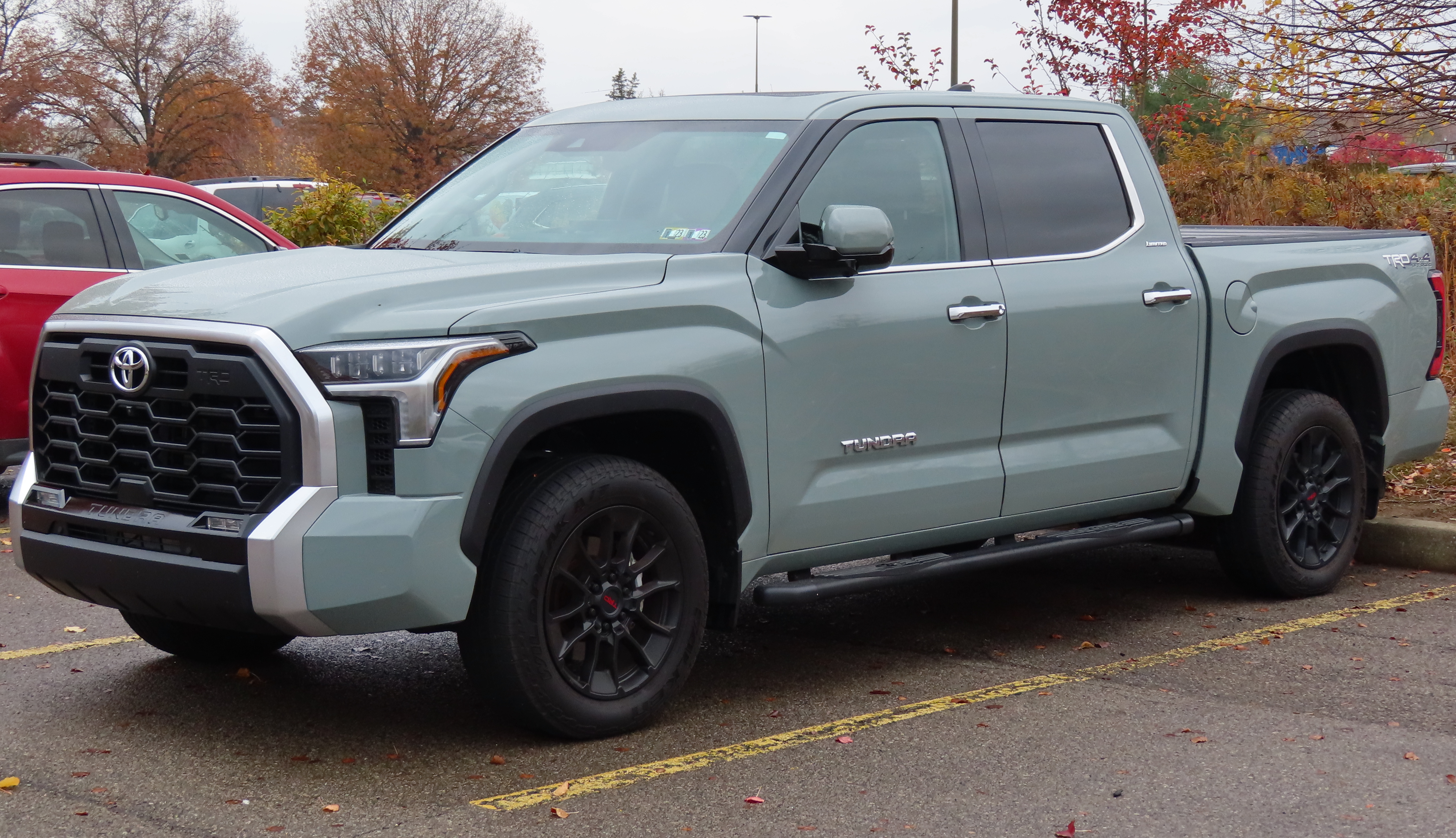
The Toyota Tundra is a large pickup truck. It’s made for carrying things and towing, and it has gotten bigger over time. That’s why people bring it up when talking about how truck sizes have changed.
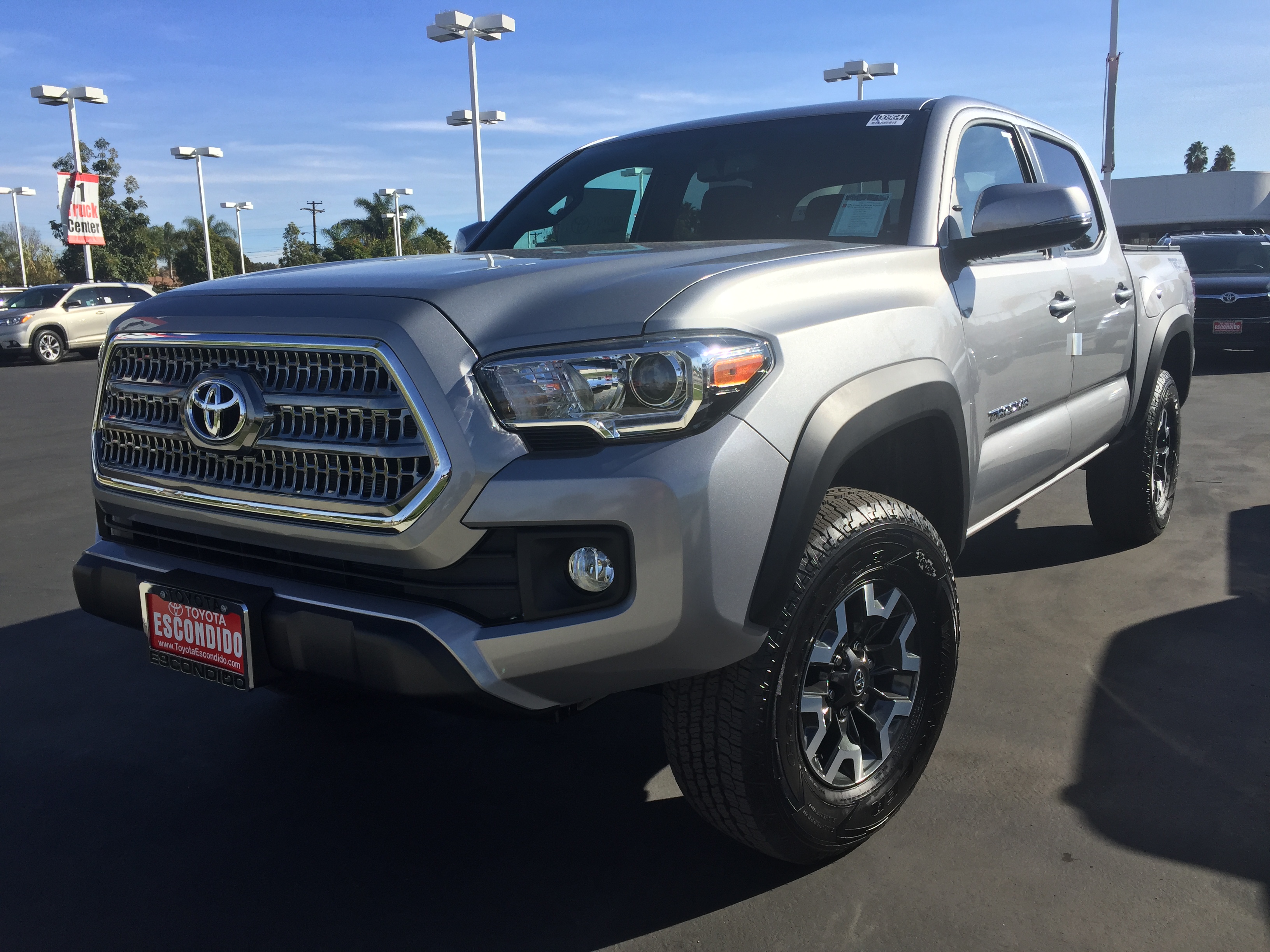
The Toyota Tacoma is a mid-size pickup truck. It’s designed to carry cargo and handle everyday driving without being as big as the largest trucks. It’s commonly mentioned when people talk about how Toyota’s smaller truck options have changed.
The Toyota RAV4 is a compact SUV. It’s designed to be a practical daily vehicle that’s comfortable for regular driving and carrying people or gear. The podcast mentions it because its basic design could be used as a starting point for something else.
The Ford Maverick is a small pickup truck. It’s meant for people who want the benefits of a truck—like carrying stuff—without needing a huge vehicle. It’s often compared to earlier, smaller truck sizes.
The Hyundai Santa Cruz is a small vehicle that mixes an SUV with a pickup truck bed. It’s meant for people who want to carry items in the back but don’t want a full-size truck. The podcast brings it up as part of the trend toward smaller pickups.
The Porsche Taycan is an electric sports car. Instead of using gasoline, it runs on a battery and an electric motor. The podcast mentions it when talking about Porsche’s electric vehicles.
Allocations mean the manufacturer only gives a limited number of certain cars to each dealership. So you might have to wait or go through a dealer to get one.
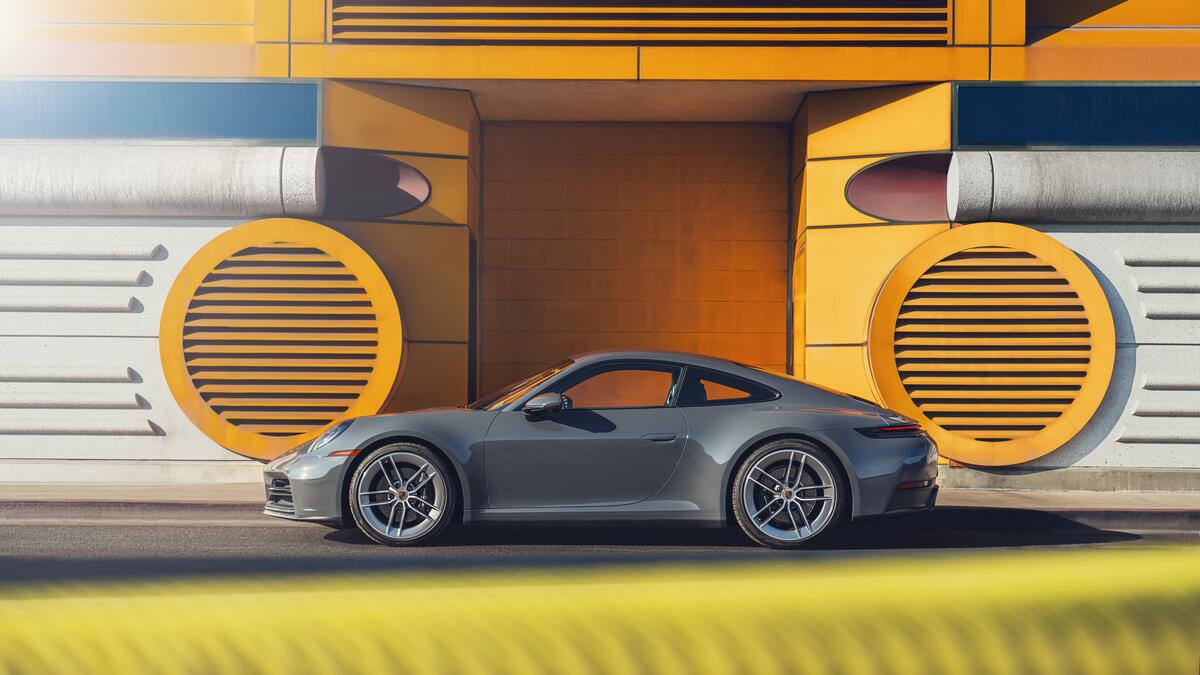
The Porsche 911 is Porsche’s most famous sports car. It’s known for being recognizable and for having many performance versions, which is why people argue about how easy it is to spot the difference.
The G-Class is a luxury SUV with a very recognizable, boxy shape. It’s built to handle rough roads and off-road conditions, while still feeling like a high-end vehicle. The podcast mentions it because the speaker has had fun driving one.
The Porsche Cayman is a sports car made for fun driving. It’s designed to handle well on the road, not like a truck or a family car. The podcast brings it up because it can be a bit more demanding to deal with than simpler cars.
The Tesla Model S is an all-electric car. It uses a battery instead of gasoline and is built to be quick and comfortable for everyday driving. The podcast mentions it because it’s a well-known electric option in the performance conversation.
“Tuning” usually means adjusting the car’s settings so it performs better. The host is saying some cars feel underwhelming stock, but after tuning they can be much more impressive.
A “sleeper” is a car that doesn’t look that fast, but can actually be very quick. The host is saying it’s the kind of car that surprises you when you realize what it can do.
Tariffs are taxes on imported products. If car parts cost more because of tariffs, car prices can go up. The question here is whether buyers should get money back if companies later find a way to offset those added costs.
Toyota Motor North America is Toyota’s U.S. business. In this episode, it comes up because there’s a legal fight over whether car prices were unfairly raised due to tariffs.
An addendum is extra paperwork added to the sale contract. Here, it’s being used to explain or justify extra charges—like claiming tariffs are the reason the price went up.
The FTC (Federal Trade Commission) is a U.S. government agency that enforces consumer protection and anti-fraud rules. Here, it’s described as going after a dealer group—auditing deals from years earlier—suggesting enforcement actions against misleading pricing or sales practices.
A “race to the bottom” means everyone keeps cutting prices to try to win customers. The hosts are using it to describe pressure on dealers to discount too much.
Rebates are discounts offered to help lower what you pay for a car. “Double stacking” means using more than one discount together, which can make the price drop more than you’d expect.
A doc fee is a dealership charge for handling paperwork. It can be added on top of the car’s price, so it’s important to look at the total cost, not just the sticker price.
Due diligence means doing your homework before you sign anything. For a car, that means checking the full price and fees so you don’t get surprised later.
TrueCar is a website/app that helps you compare car prices from different dealers. The point they’re making is that it can help you avoid getting hit with unexpected fees later.
CarEdge is mentioned as a service that helps shoppers with the buying process. The idea is to make it easier to understand pricing and avoid getting taken advantage of.
Delivered is brought up as a service that can help arrange or broker a car deal. The episode is using it to illustrate the broader shift toward third-party help.
Term
AI
AI here means computer tools that can read and analyze information, like car deal paperwork. The claim is that it could help shoppers spot hidden fees more easily.
ChatGPT is an AI chatbot you can ask questions to. The host’s point is that you can use it to understand what’s in the paperwork and question confusing fees.
Grok is another AI tool people can ask questions to. In the episode, it’s used to show that shoppers have more ways to understand deal details themselves.
A “middleman tax” just means you pay extra money to someone else to help you buy. The point is that you can either learn the process yourself or pay someone to do it for you.
CarMax is a car retailer known for selling used cars. The host is saying they used CarMax’s posted prices as a reference point to help justify what they were charging.
LIVE
Zach Fritz: Welcome back to the Automotive Informants. My name is Zach. I'm here with my buddy Chris Martinez. Welcome, Chris.
Chris J. Martinez: Thank you, Zach. How you doing,
Zach Fritz: I'm doing fantastic. am ready to deep dive into some of this automotive news and, you know, maybe stir the pot a little bit because we have some pretty interesting things going on in the industry today.
Chris J. Martinez: Yeah, you know, there's, there's quite a few things to discuss. amazing every week, they, these headlines just write themselves, right? Like you just look at them and you're like, this is kind of ⁓ The direction everyone's going. ⁓ the one that just came up this morning, ⁓ was one of the topics I wanted to discuss because I've got some pushback online. but ⁓ one, this specifically is.
Chris J. Martinez: Stellantis, and quote, this is an article I read, Stellantis to be signaling that partnerships with Chinese automakers, shared platforms and outside technology could become increasingly to remain globally competitive in the next phase of the auto industry. So this is part of their 70 billion turnaround that they expect to be profitable by ⁓
Chris J. Martinez: you know, when I think about it, you know, the Chinese, trying to come in the market somehow, and they can really, you know, disrupt a lot of things. Because think about some of these EVs that they sell for $8,000 that, you know, in this economy today, I'd argue there'd be a lot of customers ready to buy a brand new car for a grant.
Zach Fritz: I would, mean, personally, know, it's, interesting, because of Stellantis, right? Stellantis and their long history of acquisition. And, know, I could something happening there where Stellantis might, you know, acquire one of these brands.
And then therefore that helps bypass maybe some of the tariffs or manufacturing, which is a whole other topic. We could deep dive here in a minute, but it is interesting see that kind of play in them using that as leverage to enter.
the US market potentially. But Stellantis as a whole trying to, you know, increase their profit here and actually make money for once instead of losing. I think that's the bigger story. Stellantis is kind of doing it from both angles.
We see this EV play with the Chinese manufacturers, we also look at that launch that they just had with the new RAM lineup and the rumblebee and bringing back V8s and emphasizing battery.
Chris J. Martinez: Yeah, you know, a good topic because look, when read the article a little bit more, I think angle for the Chinese automaker right today is ⁓ in Europe, Because they do have, they have market share out there and what they want to do is there's a European assembly plant that's underutilized that they could move some of the Chinese platform there and ⁓ for their offerings in Europe, primarily because the Chinese are heavily in the European market.
⁓ it's easy segue for them to stay competitive in that ⁓ that and be profitable. So they could, you know, try to drive that, you know, turn around here as But with these tariffs don't look like they're going away.
I don't know that that's going to be possible, but they're ⁓ They're trying. I promise you that there's enough money that they're going to make a really good effort to push there. you know, with Trump and his administration just visiting China this last week or so, ⁓ knows what kind of conversations they were having.
Zach Fritz: and It's interesting because while we're on the topic of the Trump administration, we look at them kind of coming out and saying, well, these K cars, key cars, however you pronounce it, small platform vehicles that are highly affordable, that are popular in Asian countries.
We are seeing that start to be talked about here and promoted and we're seeing them start to be legalized for import, even without the 25 year rule. And so I wonder maybe that's where Stellantis is trying to get a little bit ahead of the curve and say, well, hey, these, you know, eight, 10 to even $20,000 vehicles, maybe that's what we're looking at because that also goes along with Dodge coming out and saying that they see these sub $30,000 sports cars and small vehicles being a big part of their lineup going forward.
Chris J. Martinez: Yeah. And that kind of leads me into that other article that I saw with Toyota talking about bringing back the small little truck, because look at, let's look at it. used to be a small little truck. The Tundra used to be a lot smaller. ⁓ And that little Tacoma, I mean, I remember seeing those little things around and thinking, man, why does anyone, why do people buy those things? ⁓ then the utility of them were just, it was so functional. ⁓
Chris J. Martinez: And so now they're talking about bringing that back and maybe be like a RAV4 platform type thing. But who knows? It'd be kind of cool to see a little Tacoma truck like they used to bring them back.
Zach Fritz: I would love it personally. remember when the Tacoma used to be the size of basically what the Ford Maverick is today. And then over the years, the Tacoma just kept bloating and getting larger to where it's the size of like an 05 Tundra. So we've just seen just grown in proportion and nothing really kind of come up from Toyota to replace that. Meanwhile, we've seen Ford capture a huge segment of the market. Same thing with Hyundai with their Santa Cruz.
Zach Fritz: and other small pickups that are based on a, you know, not a body on frame, but more of a unibody kind of front wheel drive sort of Honda Ridgeline-esque platform. And I think that would be a really interesting play given Toyota. It's just, can we keep that reliability and their brand behind it without jeopardizing that? Then I think it'd be a success. But what we've seen out of Toyota lately with some of their reliability problems on newer vehicles, I just don't know.
Chris J. Martinez: I don't know, but that leads me to the other article I was talking about, about Chinese products. There's a Ticon knockoff and it looks like pretty close to the same thing, except instead of spending $140,000, you can spend $36,000. And it's the new SAIC-Z7. It's a mouthful right there, but...
Chris J. Martinez: Yeah. It's, think they were going after Elon, know, Elon's, uh, named one of his kids, like, you know, X, A, Z, Y, or I don't know what his name is, but it's, it's a couple of letters or something, but yeah, now this is that Chinese, um, it's icon. looks nice. I saw a couple of pictures of it and I was like, this, you know, for 36 grand, you get a sports car and looks cool.
Chris J. Martinez: You know, I don't know. think that that would be a big deal if it's something like that came to the US.
Zach Fritz: Yeah, I mean, think that's where, you know, this this kind of leans a little bit more into Porsche and their brand identity at the moment. I think that we've seen so much, you know. I don't know, snobbery coming out, if that's the right word, especially surrounding the brand of Porsche, because Porsche used to not at the same tier as Ferrari, Lamborghini, Bugatti, and all these super high-end cars.
But now we're seeing Porsche start to try to knock on that door. We're seeing allocations for certain variants of 911 models. And thing with their EVs and their Taycons or Taycans, however you want to pronounce it.
We're seeing that too. So for somebody to come in and say, let's get back to the roots, offer a affordable, relatively, a Porsche variant where you can actually drive it, enjoy it, and not be afraid to, you know, go beat on it a little bit and enjoy it for what it is, which is a true sports car.
Chris J. Martinez: Yeah, you know, it's, when I think about Porsche, you know, I think it's a great brand. think they've done a great job, you know, making sure that to elevate that brand. the only thing that, like you said, they have increased those values, but remember we talked about this a couple of weeks ago where they, sold, you know, like a big portion of their Bugatti, ⁓ market or their manufacturing. So. ⁓
Chris J. Martinez: You know, I don't, I don't know, maybe they're, are trying to, you know, start going a different direction, maybe bring on more production on the Macon or the, the smaller SUV, try to, you know, get those more value type buyers. But you, you know, we didn't, when, when I was selling those forces, you keep the nine ⁓ 11s the ground, like those things. And the just kept seem like they kept.
Chris J. Martinez: creeping up and especially those GT3 RS like those things are mean you some of those and the markups on those are just you know next level for sure.
Zach Fritz: I miss the days where nobody really understood what those cars were. I really do. Those were, I think, the golden years of Porsche, where unless you were kind of in the know, you did not know and you could not tell in normal 911 from a GT2 RS or any variant like that. I really do miss that. Those were, like I said, the golden years before every broccoli-haired kid on the, yeah, every broccoli-haired influencer said,
Zach Fritz: Well, GT3RS and we're gonna touch and press all the buttons and make ASMR videos and just bastardize the cars are.
Chris J. Martinez: Yeah, no, I understand. It's it's, I think Porsche, it's a great vehicle. think if they can continue to keep innovating, the Ticon was, was definitely a challenge for sure. But really it looked cool.
It was an amazing looking vehicle. I, I, I enjoyed driving it. Um, but it's just that sports enthusiasts. maybe not so much because even though they're fast as heck, right? Like you could drive those things.
I had a guy buy one and he had to bring it back a couple months later and say, I just, I'm scared of it. Like it was so, it was so fast. So I don't know. think to each his own, I think they're beautiful cars.
But know, there's, there's the styling and the Porsche, the emblem, the way it looks, you know.
Chris J. Martinez: If you're if someone's going to spend a lot of money, they're going brand name ⁓ what it looks like it definitely is difference maker for sure.
Zach Fritz: Yeah, which is an interesting and I'll kind of touch on Porsche sharing selling their Bugatti shares and manufacturing. I have a theory. Now it's a little out there, but have you noticed how Bugatti and all these social media influencers are now buying Bugattis and talking about them and prices kind of seem to start coming down and they're starting to become this attainable thing.
Chris J. Martinez: Well, I don't know if they're attainable. The ones I've seen are still over, you know, 1.5 million and then some are going for six and $10 million. So yeah, I don't know. You know, for me, you know, that's definitely I'm not there. ⁓ and, even if I was there, I don't know that I'd want one of those cause just looking at how getting into them, I've seen you seen that guy. a big guy that came out on, one of the social media sites and he was in a McLaren.
Chris J. Martinez: And he must have been, he weighed probably 300 pounds and he's trying to get out of that McLaren. He's like crawling out of it literally. So time I see those types of cars, cause you know, I've driven some, some pretty cool sports cars, but the, the, biggest deal been a vehicle I've ever got was, you know, G wagon and you know, I had my fun with that.
It was great till, you know, it was just, it didn't no longer do anything for me, but. I think that's what happens. And once you get a, you get a taste of, you know, bigger things, you realize that it's not, it's, it's just, it's just stuff.
Chris J. Martinez: It's, funny, you know, I always tell my kids that I go, look, man, it's You see somebody so and then once you get it, you're like, it's cool. And then you're like, all right, let me try something else, you know.
Zach Fritz: Yeah. So on that subject, if you had could choose any sports car in the world, what would it be?
Chris J. Martinez: I don't know if could just have one in my garage and just open the garage door and look at it from time to time. It'd probably a hurricane.
Zach Fritz: Very interesting choice. I'm not opposed to it.
Chris J. Martinez: That would probably be the one that I would just kind of look at and say, hey, you know what? That's the one that looks cool. But I mean, for her, he's cool too. ⁓ But I don't know, something about the Lambo that kind of was cool. And I really looked at trying to get believe it or not. But I couldn't justify it. I'm like, know, ⁓ it would be, you couldn't write off. You couldn't do anything that could
Chris J. Martinez: mentally say hey look this is a good decision you know I'm saying I just couldn't get around I couldn't wrap my head around it I was just like yeah it's just not a good not a good decision you know and maybe if I was younger and didn't have as many kids as I have that that would have been a no-brainer I would have been like boom you only live once let's go but uh but then but my back I have a lower lower back challenges from time to time and so
Chris J. Martinez: I just went back to that guy crawling out of the McLaren and I'm like, yeah, I just, I'd hate to be in that car. then, you know, I try to get out of it and I'm just having to crawl out of it.
that, like that's just not I'd want to do. Cause for me, I in perfectly in a nine 11 and those ones I've driven, you know, plenty of times. And, but the, the Tycon ⁓ or not Tycon, the Cayman, that one was ⁓ a little bit more challenging getting out of.
You know what I'm saying? It was weird, but the 911 felt pretty good and comfortable.
Zach Fritz: Yeah. Yeah, if that was that was in my budget, I'd start looking at 9-elevens, but I just I'm in the same boat of not being able to really justify that, especially whenever I compare it against models like I've owned. had an Audi S5 back when they had V8s and were actual drivers cars. And that was probably one of the ultimate grand touring esque cars that I think I've ever owned or driven short an RS model. But even if I'm looking at sports cars or something fast,
Zach Fritz: I'd almost look at maybe an I mean, when you unlock those cars and tune them and actually get them to make true power, they are unbelievable. I mean, biggest sleeper out there.
Chris J. Martinez: I'll tell you what, you know, my cyber truck super fast too, sir. So, you know, if, if you've seen those videos where beat a nine 11 carrying a nine 11, ⁓ amazing sir. And it can be a nine 11. It's crazy. You know, it's yeah. But it can be, it can beat a nine 11 pulling a nine 11 sir. So, you know, I don't know. Yeah.
Zach Fritz: Yeah. I mean, yeah, it's the world's fastest refrigerator. Yeah, that's pretty good bragging rights. Yeah? Yeah?
Chris J. Martinez: All right, let's move on to the next one. for Toyota, and here's one that we've been hearing a lot about tariffs, right? And so this problem that may have just occurred is this lawsuit against Toyota Motor North America is now challenging Terra era vehicle price increases. So. ⁓
Chris J. Martinez: The argument is if automakers raised prices or pricing claims, claiming tariffs at supply chain costs, but later recovered those costs, received tariff relief or benefit from normalized supply chains, should consumers who paid inflated prices get compensated too?
And so, know, some of the rulings that just came out that some of these tariffs were not good. And a lot of consumer or lot of companies started getting reimbursements, tariff because of that. I did look into that, but I didn't see anything that stated automotive getting any relief.
Zach Fritz: Mm-hmm. I think from a micro perspective, absolutely. mean, it should be, are they getting it? I'm not, know, screw it. If people are getting money back, we should get money back. Like, I mean, that's, that's consumerism.
But then I think in the grand scheme, if automakers were going to get some of these refunds or get money back, maybe that money, as long as it's allocated to then increase U S manufacturing and actually making stuff here.
Well, then it would lower prices overall and then the tariffs really wouldn't be an issue. And then you create jobs and it would probably be to everybody's benefit.
Chris J. Martinez: Yes, think a lot to unpack with this one because you don't know ⁓ in the supply chain and is this how is this like a blanket? Are they coming after dealers? Because I'll tell you as a as someone who was in the front lines ⁓ a store during this time, there was that sense of urgency to customers to let them know, hey, look,
Chris J. Martinez: These prices are where they're at today. Who knows what the price is going to be like when these tariffs take an effect. But from everything that I can most dealers didn't raise prices, but that's not to say some dealers weren't raising prices because they were telling the customer, look, tariff, increased price ⁓ and a customer five grand more, ⁓ or, an addendum that said tariff, price. ⁓
Chris J. Martinez: You know what saying? Those dealers maybe, maybe those people may have a case.
Zach Fritz: It's tough. I think that's just the... If we look at it, I think that it's more so just crappy dealers, you know, saying, ⁓ there's putting all this urgency and pressure on their customers and saying, well, we're gonna charge more because we don't know if the price is gonna go up.
And it's the same thing that we see at gas stations with fuel prices, right? Like the other day we saw oil drop back down to what, $86 a barrel, and then we didn't see any change in gas prices. In fact, they went up.
I think that was a big moment of transparency for consumers to see.
Zach Fritz: Wow, gas stations are really just kind of screwing us anyways. And it's kind of goes to the same thing is I don't think consumers at this point really do enough research to figure out what a vehicle is worth. And if they can roll it in and it fits their monthly budget, then a lot of people just don't pay attention to it.
Chris J. Martinez: And there's the argument that there's some unscrupulous dealers that are going to just put you together and, ⁓ know, not be honest about it. and then once you go into finance, then they crack you over the head and have all kinds of different charges that you weren't aware of. know, so there, I've, you can like every side to this, this story, right. ⁓ and I, you know, I hate to even think that for, you know, because I wasn't that dealer. Like I, you know,
Chris J. Martinez: Fair disclosure going over everything like there was no, know, that I was trying to hide or, know, you're, trying to be upfront and tell them, Hey, look, this is what, much this costs.
This is what you're to pay for. And this is what it covers. And, but there's a lot of dealers that, know, there's, there's a dealer that just got a $70 million lawsuit. We about that. The FTC just charged that deal, that dealer group.
And they went back, you know, six years and audited deals and
Chris J. Martinez: FTC is cranking, you know, like they're going after a lot of dealers right now. And with AI, it's making it even easier to who to go after first. Cause they could literally just send in an inquiry using AI gets you to give them a price. And if it's not what ⁓ quoted online, guess They're coming after you.
Zach Fritz: Yeah. Yeah, it's funny because it just, you know, as somebody who I've always been, ⁓ know, I've always been an advocate more for the mechanic and the consumer, right? Less so the dealer.
And that's just kind of my take because my career has gone more in that direction. And I I just it's almost poetic to watch this happen because we are seeing those bad actors finally get called on the carpet and they're just Kind of standing there with something in their hand and not not being able to do anything about it and we're seeing the good dealers You know such as yourself rewarded because customers are like hey I was always treated fairly and they're not getting sued so clearly that's the people who are gonna survive this and actually make it through
Chris J. Martinez: I agree. think those are the ones you and I hear a lot of those dealers are like excited about what's happening. Like they're like, yes, because let's let's roll into this next article that just posted got a lot of pushback. True car, which they've never really been dealer friendly. ⁓ And let's be like they
Chris J. Martinez: They were trying to sell a service and dealers, sold a lot of leads. When I bought a lot of leads from them, helped me. ⁓ was one of their top performing dealers and conversions. But some dealers argued, hey, a race to the bottom.
They're making you lower your prices. That's the only way you're going to get my customers. And putting dealers against other, and it was just, it was not good. And so they're changing their strategy.
now they're, they just announced that they're sure that when they do show a price to a consumer, it has their addendums, has their doc fee, has all transparent pricing. If they're double stacking rebates, how getting to the price.
so that to me, think every, listing site should suit. ⁓ because it just makes, you know, when you know you're going in, it's not just, you know, advertising where you're saying, Hey, this is it's 20 grand and then you get there.
It's 25. You're like, happened to the 20 grand? Well, this is why. And then they tell you a higher price. ⁓
Zach Fritz: Mm-hmm. Yeah, that's, frightening because the same line of true car, know, you look at some of those people who are acting as brokers, for example, right? They'll charge you a flat fee to help negotiate all your, you know, car deal and make sure that you're not getting screwed on some of those doc fees or, hidden stuff.
And I to see a little bit more merit to that, especially whenever we see, you know, true car and things like that happening. But then at the same time, If we're going to say that a car is somebody's second largest purchase across their entire life compared to a house, well, whenever you're buying a house, feel like people take a lot more time.
You've got usually a 30 day close, all this due diligence. You have a realtor holding your hand. You've got people in finance that are holding your hand that aren't necessarily on the receiving end of some large commission other than the brokerage and the agent.
In the dealership world, it's literally just the customer kind of against the dealership. And I think a lot of consumers feel that way because they just don't understand the numbers. So if there was a lot more transparency out there and TrueCar were pushing that, unlike they have over the past few years by basically ranking dealers, I think consumers should feel a lot safer.
Chris J. Martinez: Yeah, you know, there's a lot new coming out. I know one of them is your favorite, but there ⁓ quite a that are coming out that are basically broker, dealer advocates, or not dealer advocates, consumer advocates.
There's one that's CarEdge. There's one that's called Delivered that they do brokers. And they're no way with us, but I just, you know, they're out there. ⁓ We discuss what's out there in the marketplace today.
There's other up and coming companies are doing more transparency and using AI to identify worksheets, things like that, that are going to be hitting the marketplace soon. And ⁓ I about of the things that are out there today, with AI, is it going even really those or is it gonna how hard is it gonna be to be a dealer that's gonna try to be unethical or do anything because everything now is just you can just ask chat GPT or grok or any of these other tools and a pretty good answer.
Zach Fritz: Yeah, I think we are seeing, you know, like you said, car edge delivered. We are seeing these people come out. And as much as personally, I do not like middlemen being involved in deals that I do. you as a consumer are not going to do your due diligence and learn about the process, learn what fees are standard, what's not standard and literally identify the exact deal that you want. Well, then you need to pay the middleman tax and hire a middleman to broker that deal for you.
Zach Fritz: It's kind of like real estate. You can buy a house without a realtor. You can. It is legal. But whenever you get screwed, you can't really cry about it.
Chris J. Martinez: Well, that's one angle. think here's, here's the thing I've got, you know, single mom, you know, growing up, you know, people are just trying to be good, do, you know, good, be good citizens.
You, they go into dealer or just someone that just doesn't have really big education, high school, maybe, or maybe they're forced to drop out at a young age because they're taking care of family. and then they go into this dealership to try to just buy what, you know, they think is a fair deal.
You know, to tell someone, Hey, you should be smarter or else I'm going to take advantage of you. Like that's not really ⁓ message you want to portray. although I do think at some you have to educate yourself and do something.
more with yourself because you can't just go through life saying, don't know. that's just, it's a shame on you. forgot, think it was, I forget, I forget who the billionaire was that said it. Like growing up poor is not your fault, but dying poor is, you know, like there's to be said in that quote, right?
Like you have to understand like, you know, self education with so much, you know, information. ⁓
Chris J. Martinez: in we're in the information age we have tool free tools like Gemini chat GPT like AI tools if you have more information at your fingertips than you've ever had in the history of mankind on you for not at least trying to you know ⁓ these things and then you can't just come in and say I'm just naive or I'm stupid like you've got a ⁓
Chris J. Martinez: some point you got to understand, hey, you are an adult. Make good decisions.
Zach Fritz: look, I think that as a dealer, right, because that's pretty much who we are here to try to help with this. Where it leads me is as much as we have these new customer advocates that are entering the marketplace and people are enjoying these types of services as dealer groups or dealerships or car salesmen or whatever we are in the industry, it would be a good idea for us to. start being customer and consumer educators at the same time and provide that value.
Chris J. Martinez: I don't disagree. think, you know, as a former operator and working in stores for 23 years, I always used third party validation to justify my prices and close deals. I'll tell you, you know, I hate to say it, you know, I used to work at CarMax, but I used to use their prices to justify my price 100, like, you know, all the time, you know, hey, they were a used car, and I'm selling a new car $15 cheaper, like Where in this world does that make sense?
But, and we'd show them like, this is your price and there's my new car price. That mine has zero miles. There's his use. Someone probably passed gas in it, did something that was just crazy. This one's brand new, you know, it smells like glue, you know?
Zach Fritz: Yeah. You get the first fart in the front seat
Chris J. Martinez: So look, think, to, ⁓ you, in this day and age, it's hard to say, I'm just, I just didn't know. Like, ⁓ get it. I understand. I've been there where I just, you don't know what you don't know. Right. But if fast, you know, rewind back when I'm 20 years old, 18 years old, and I have the information that I have today, man, out.
Chris J. Martinez: like, things, you what saying? Like, you're right now, like, in your age group, you're in a good spot. Like, this is, like, what you can do with the technology today is just ⁓ so you know, I don't even know what a good analogy for it is. it just, you're so much better off. It's pretty amazing, you know?
Zach Fritz: Yeah. mean, ignorance really is no longer a really good excuse. it's the same thing with, you know, using the tools at your disposal, like you said, and especially with AI and being able to Google search, hell, just getting on this stream. I bought a new laptop and was trying to connect and I couldn't figure out how to do it. So I took a picture, uploaded it to cloud and it said, hey, do this dummy. And I got connected this morning. it's amazing. And to apply that.
Zach Fritz: to car deal, to a transaction, just a general question. I think that more people, mean, everybody seems to have a cell phone these days, and if you don't, there's government programs that can help you get one. So there's no excuse not to utilize it.
Chris J. Martinez: But Zach, are some minorities like myself that it's not easy to get driver's license. It's
Zach Fritz: Yeah. Well, if they're not, they don't have a driver's license, they're probably not doing a car deal, right?
Chris J. Martinez: right, that was enough right there. Well, look, we talk about the FTC, a lot of challenges there. That's a ⁓ big topic for a lot of dealers. They should be really understanding what's going there.
If they haven't already made ⁓ the switch, they should do it now because all it takes is disgruntled employee, ⁓ one dealer down the street that is upset that you're beating him or her. There's a across the country that is trying to buy a deal for their friend.
Cause this just Okay. I'll tell you a friend of mine called me and said, Hey, you're in San Antonio. I'm trying to buy this Honda. That's literally in your backyard, they're trying to like charge me this big old fee and You know, it's just crazy.
What do you think? And I'm like, well, you know, hate, you know, hate to say it, but doesn't sound like they're, they're following the FTC guidelines. So you may just want to give, remind them what's going on and if they could just remove that charge.
So I don't know if he ended up, I got to follow up with them to see if he made that deal, but yeah, it's still happening as much as the news I've seen it. And maybe I'm just.
Chris J. Martinez: that guy that's, you know, obsessed with making sure that I'm like in the market. I understand what's going on, how to move, how to jump in and dominate any marketplace that I'm in. and that's why I'm always actively just, you know, take a few minutes a day just to read what's going on in the world in but some dealers are to be at hurt. This isn't the first dealer group that gets hurt. I promise you that.
Zach Fritz: Mm-hmm. No, I mean, opens the door and it sets precedent. And if you're not doing the right things for the right reasons all the time, you're eventually gonna get caught.
Chris J. Martinez: you Yeah. Well, so let's recap. We went over Chinese ⁓ trying to dominate the US tariffs. We talked about FTC. How do we tie all together, Zach?
Zach Fritz: I mean, I think it does go back to just doing the right damn things and not taking advantage of people. The market is going to continue to ebb and flow and change and be, I don't want to say volatile, but very dynamic as we've seen. now we are looking at a industry that is going to be controlled by an informed consumer and advantage of people is going to be a lot harder to do going forward. So stop doing that.
Chris J. Martinez: you Stop doing that. Do the right thing. Hey, the right thing is always the right thing to do. I promise you that like it's, even, ⁓ you I've even the other argument where people say, you know, the, sometimes the hardest thing to do is the right thing, but you still need to do the right thing. You know what saying? And, ⁓ cause it's easy to just, you know, take advantage of someone that just doesn't know. Right.
Chris J. Martinez: And the best thing is just like, just do right by people. comes back to you 10 fold. And, and that's it. Like that's, I think that's a good message for us to leave our dealers, our audience. think, know, stay, stay alert, stay focused on the marketplace because it doesn't if it's a down market or an up market. You can win.
Chris J. Martinez: Winners win, right? So all right, until next week, Zach, was great talking with you as always. ⁓ I look forward to next week. ⁓ right, man. Talk to you guys. Take care. Bye.
Zach Fritz: Likewise, Chris. Same here. All right, take care.
About this episode
Tariffs, partnerships, and pricing tactics take center stage as the hosts connect Stellantis’ potential use of “partnerships with Chinese automakers, shared platforms and outside technology” to staying globally competitive. They then pivot to how Porsche demand, influencer attention, and even tuning shape what feels “special.” The conversation also covers tariff-linked pricing litigation, FTC scrutiny of dealers, and how lead platforms and broker/advocate services affect transparency and final deal pricing.
The conversation delves into the dynamics of the automotive industry, including partnerships, market trends, and the impact of tariffs on consumer pricing. It also highlights the future of small trucks and pickups, the influence of Chinese automakers, and the need for consumer education and advocacy in the automotive market.