
China, Tariffs & the Fight for the Future of Automotive
About this episode
Tariffs, partnerships, and pricing tactics take center stage as the hosts connect Stellantis’ potential use of “partnerships with Chinese automakers, shared platforms and outside technology” to staying globally competitive. They then pivot to how Porsche demand, influencer attention, and even tuning shape what feels “special.” The conversation also covers tariff-linked pricing litigation, FTC scrutiny of dealers, and how lead platforms and broker/advocate services affect transparency and final deal pricing.
The conversation delves into the dynamics of the automotive industry, including partnerships, market trends, and the impact of tariffs on consumer pricing. It also highlights the future of small trucks and pickups, the influence of Chinese automakers, and the need for consumer education and advocacy in the automotive market.
Takeaways
- Automotive industry dynamics
- Consumer education and empowerment
Chapters
- 00:00 Industry Dynamics and Partnerships
- 05:59 Chinese Automakers and Knockoff Products
- 11:59 Dealer Practices and Consumer Advocacy
pre-purchase inspection
A pre-purchase inspection is when a mechanic checks a used car before you buy it. It can reveal issues that aren’t obvious during a quick look.
A pre-purchase inspection (PPI) is a professional inspection done before buying a used car to uncover hidden problems. It helps buyers avoid expensive surprises after the purchase.
shared platforms
"Stellantis to be signaling that partnerships with Chinese automakers, shared platforms and outside technology could become increasingly to remain globally competitive in the next phase of the auto industry."
Shared platforms mean different car models are built on the same basic underlying design. That helps companies build cars faster and cheaper.
Shared platforms are vehicle “architectures” (hard points like chassis structure, mounting points, and many engineering systems) that multiple brands use across different models. Automakers use them to cut development costs and speed up new model launches—especially when entering new markets or adapting to new regulations.
Stellantis
"Stellantis, and quote, this is an article I read, Stellantis to be signaling that partnerships with Chinese automakers, shared platforms and outside technology could become increasingly to remain globally competitive in the next phase of the auto industry."
Stellantis is a big car company. Here, they’re talking about working with Chinese brands and using shared technology to keep selling cars and make more profit.
Stellantis is a major automaker formed from the merger of Fiat Chrysler Automobiles and PSA Group. In this segment, the hosts discuss Stellantis’ strategy to stay competitive by partnering with Chinese automakers, sharing platforms, and using outside technology.
EVs
"Because think about some of these EVs that they sell for $8,000 that, you know, in this economy today, I'd argue there'd be a lot of customers ready to buy a brand new car for a grant."
EVs are cars that run on electricity from a battery. The segment is talking about how cheaper EVs could change what people buy.
EVs are electric vehicles powered primarily by electric motors and rechargeable batteries, rather than gasoline engines. The hosts mention low-priced EVs as a potential disruption to traditional pricing and demand in the market.
V8
"we also look at that launch that they just had with the new RAM lineup and the rumblebee and bringing back V8s and emphasizing battery."
A V8 is a type of engine with eight cylinders. The hosts are saying some brands are still trying to sell cars with that traditional engine sound and feel.
A V8 is an engine with eight cylinders arranged in a “V” shape. The hosts mention “bringing back V8s” to describe a strategy of offering traditional, high-displacement engines alongside electrification.
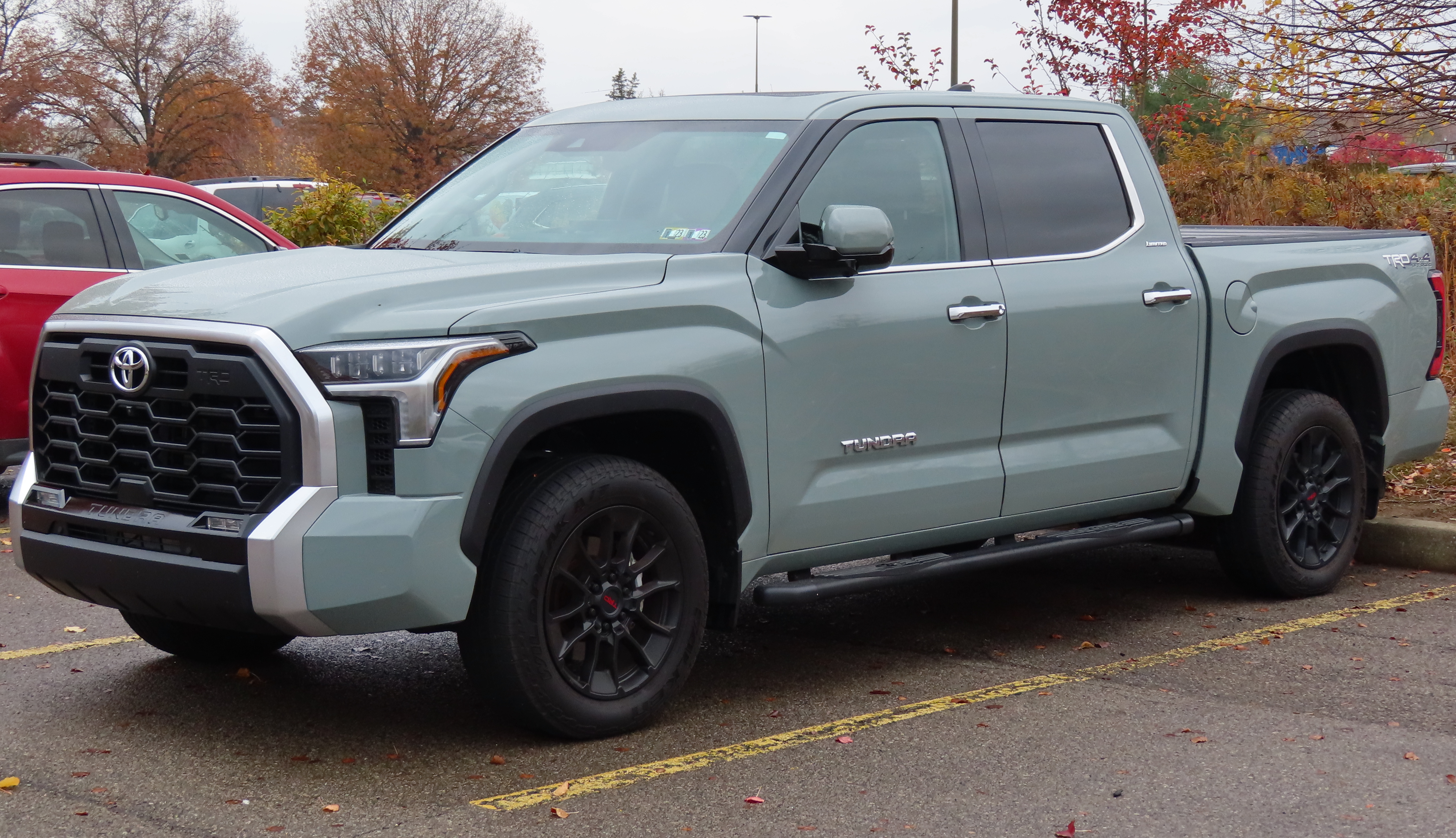
Toyota Tundra
"... look at it. used to be a small little truck. The Tundra used to be a lot smaller. ⁓ And that little Tacom..."
The Toyota Tundra is a large pickup truck. It’s made for carrying things and towing, and it has gotten bigger over time. That’s why people bring it up when talking about how truck sizes have changed.
The Toyota Tundra is a full-size pickup truck built for hauling and everyday driving. It’s often discussed because it has grown significantly over the years, moving from a smaller truck footprint to a more substantial, modern size. That evolution is a common topic when comparing how Toyota’s truck lineup has changed.
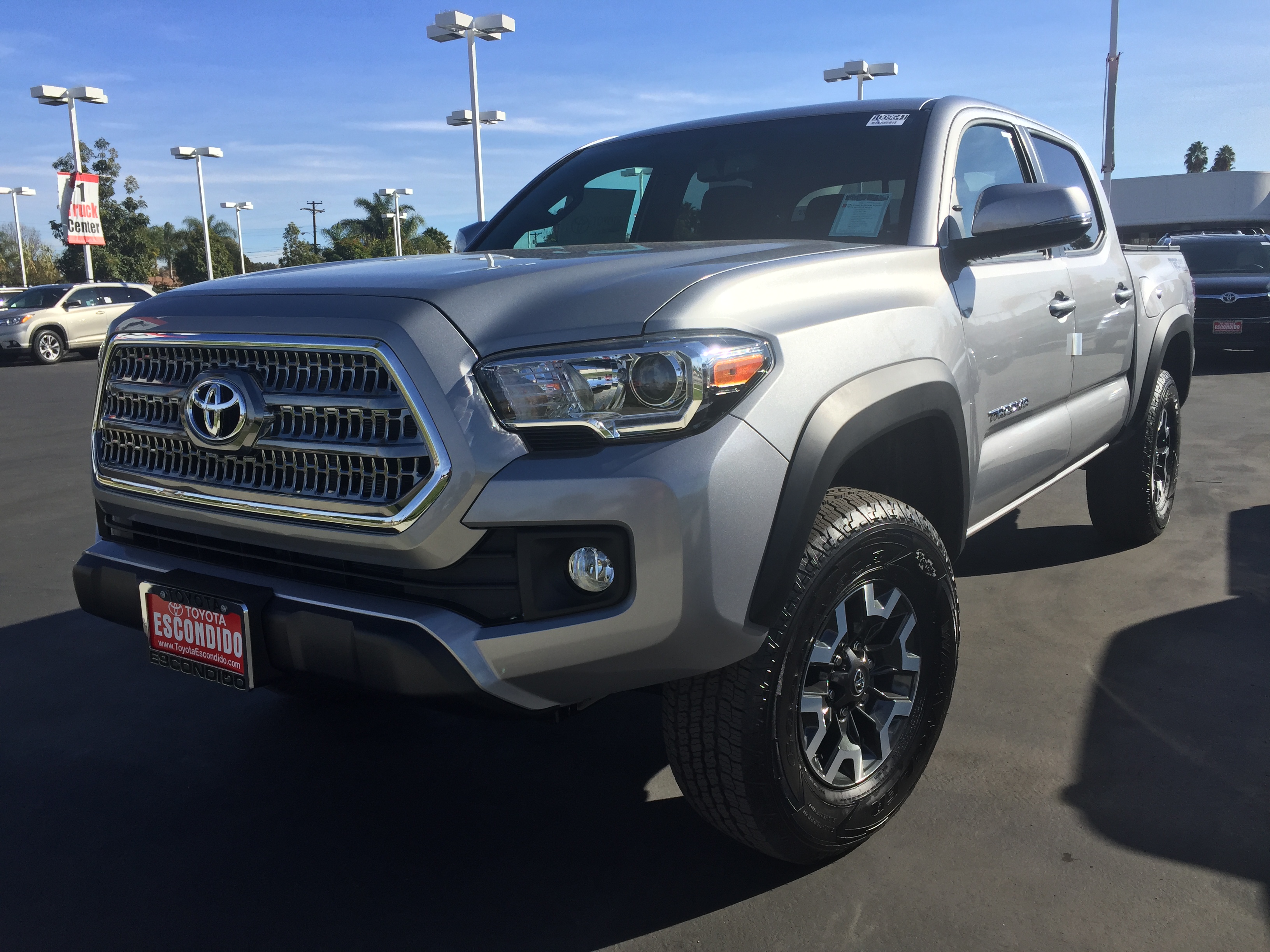
Toyota Tacoma
"...undra used to be a lot smaller. ⁓ And that little Tacoma, I mean, I remember seeing those little things ar..."
The Toyota Tacoma is a mid-size pickup truck. It’s designed to carry cargo and handle everyday driving without being as big as the largest trucks. It’s commonly mentioned when people talk about how Toyota’s smaller truck options have changed.
The Toyota Tacoma is a mid-size pickup truck known for being practical and capable, especially for people who want a smaller truck than a full-size model. In podcast discussions, it often comes up alongside the Tundra because the Tacoma represents the “smaller truck” end of Toyota’s lineup. That makes it relevant when talking about how truck categories and sizes have shifted.

Toyota RAV4
"...king about bringing that back and maybe be like a RAV4 platform type thing. But who knows? It'd be kind ..."
The Toyota RAV4 is a compact SUV. It’s designed to be a practical daily vehicle that’s comfortable for regular driving and carrying people or gear. The podcast mentions it because its basic design could be used as a starting point for something else.
The Toyota RAV4 is a compact SUV that’s widely known for being practical, efficient, and easy to live with. The podcast references it in the context of using a “RAV4 platform type” idea, which points to how the RAV4’s underlying design could influence another vehicle concept. That’s why it comes up when discussing potential new models or platform reuse.

Ford Maverick
"...ma used to be the size of basically what the Ford Maverick is today. And then over the years, the Tacoma jus..."
The Ford Maverick is a small pickup truck. It’s meant for people who want the benefits of a truck—like carrying stuff—without needing a huge vehicle. It’s often compared to earlier, smaller truck sizes.
The Ford Maverick is a compact pickup truck aimed at buyers who want truck utility without the size and cost of full-size pickups. It’s significant in the conversation because the podcast compares it to older truck sizing, suggesting it occupies a similar “small truck” niche today. That’s why it’s relevant when discussing how pickup categories have evolved.

Hyundai Santa Cruz
"...of the market. Same thing with Hyundai with their Santa Cruz. Zach Fritz: and other small pickups that are bas..."
The Hyundai Santa Cruz is a small vehicle that mixes an SUV with a pickup truck bed. It’s meant for people who want to carry items in the back but don’t want a full-size truck. The podcast brings it up as part of the trend toward smaller pickups.
The Hyundai Santa Cruz is a compact crossover pickup, blending SUV comfort with a truck bed for light hauling. It’s mentioned in the context of the market for smaller pickups, which is why it fits the podcast’s theme of “small truck” options. That makes it relevant when discussing how manufacturers are targeting buyers who want truck utility in a smaller package.
unibody
"other small pickups that are based on a, you know, not a body on frame, but more of a unibody kind of front wheel drive sort of Honda Ridgeline-esque platform."
Unibody means the car’s body is also the main structural support. It’s different from trucks that have a separate frame underneath.
Unibody construction uses the body structure itself as part of the vehicle’s main load-bearing frame, unlike body-on-frame designs where a separate frame carries most loads. Unibody pickups typically feel more car-like and can improve ride and handling, but they change how the vehicle is engineered for towing and durability.

Porsche Taycan
"...ls. And thing with their EVs and their Taycons or Taycans, however you want to pronounce it. We're seeing t..."
The Porsche Taycan is an electric sports car. Instead of using gasoline, it runs on a battery and an electric motor. The podcast mentions it when talking about Porsche’s electric vehicles.
The Porsche Taycan is an all-electric performance car from Porsche, built around fast acceleration and high-speed driving capability. In the podcast, it’s mentioned alongside discussion of Porsche’s EVs, highlighting that these cars are part of the brand’s modern lineup. That makes it relevant when the conversation shifts to how electric performance vehicles fit into the sports-car world.
allocations
"We're seeing allocations for certain variants of 911 models."
Allocations mean the manufacturer only gives a limited number of certain cars to each dealership. So you might have to wait or go through a dealer to get one.
In car sales, allocations are limited production slots assigned to dealers for specific high-demand trims or variants. When a brand uses allocations, buyers may face waiting lists or dealer-controlled availability rather than straightforward “walk in and buy” pricing.

Porsche 911
"I miss the days where nobody really understood what those cars were. I really do. Those were, I think, the golden years of Porsche, where unless you were kind of in the know, you did not know and you could not tell in normal 911 from a GT2 RS or any variant like that."
The Porsche 911 is Porsche’s most famous sports car. It’s known for being recognizable and for having many performance versions, which is why people argue about how easy it is to spot the difference.
The Porsche 911 is the brand’s iconic sports car, famous for its rear-mounted flat-six engine and long-running design. Here, the hosts talk about how hard it used to be to tell a standard 911 from higher-performance variants like GT2/GT3 models.

G-Class G Wagon
"... deal been a vehicle I've ever got was, you know, G wagon and you know, I had my fun with that. It was grea..."
The G-Class is a luxury SUV with a very recognizable, boxy shape. It’s built to handle rough roads and off-road conditions, while still feeling like a high-end vehicle. The podcast mentions it because the speaker has had fun driving one.
The Mercedes-Benz G-Class (often called the G-Wagon) is a rugged luxury SUV known for its distinctive boxy design and off-road capability. The podcast mentions it as a vehicle the speaker has owned or driven, which is why it’s relevant to personal experience and driving impressions. It often comes up because it combines serious capability with premium features.

Porsche Cayman
"...imes. And, but the, the Tycon ⁓ or not Tycon, the Cayman, that one was ⁓ a little bit more challenging get..."
The Porsche Cayman is a sports car made for fun driving. It’s designed to handle well on the road, not like a truck or a family car. The podcast brings it up because it can be a bit more demanding to deal with than simpler cars.
The Porsche Cayman is a sports car built for driving feel, with a focus on handling and performance. It’s discussed as a more engaging option in the Porsche lineup, and the podcast mentions it in the context of getting into or working with the car. That makes it relevant when talking about what makes certain sports cars more challenging to live with or operate.
grand touring
"Audi S5 back when they had V8s and were actual drivers cars. And that was probably one of the ultimate grand touring esque cars that I think I've ever owned or driven short an RS model."
“Grand touring” means a car meant for long trips. It’s usually comfortable enough to drive for hours, but still has enough power to feel exciting.
“Grand touring” (often shortened to “GT”) refers to cars designed to be fast and comfortable over long distances, balancing performance with everyday drivability. The host uses it to describe the Audi S5 as a car that feels especially good for extended highway driving, not just short sprints.

Audi S5
"Yeah, if that was that was in my budget, I'd start looking at 9-elevens, but I just I'm in the same boat of not being able to really justify that, especially whenever I compare it against models like I've owned. had an Audi S5 back when they had V8s and were actual drivers cars."
The Audi S5 is a sportier Audi than the regular A5. The host is talking about the older V8 versions and how they felt like great cars for long drives.
The Audi S5 is a performance-oriented version of the A5, typically offering a more powerful engine and sportier tuning than the base model. The host specifically references the era “when they had V8s,” using it as an example of a satisfying “grand touring” style car.

Tesla Rs Model
"...s that I think I've ever owned or driven short an RS model. But even if I'm looking at sports cars or someth..."
The Tesla Model S is an all-electric car. It uses a battery instead of gasoline and is built to be quick and comfortable for everyday driving. The podcast mentions it because it’s a well-known electric option in the performance conversation.
The Tesla Model S is a battery-electric sedan known for strong performance and long-distance capability. It’s brought up in the context of sports cars and personal driving experience, which is why it fits into a discussion about what the speaker has owned or driven. That makes it a natural reference point when comparing driving impressions across different types of cars.
tune them
"I mean, when you unlock those cars and tune them and actually get them to make true power, they are unbelievable."
“Tuning” usually means adjusting the car’s settings so it performs better. The host is saying some cars feel underwhelming stock, but after tuning they can be much more impressive.
“Tuning” in this context means modifying the engine control software (and sometimes hardware) to change how the car makes power. The host is saying that once cars are properly tuned, they can deliver “true power” beyond what they feel like stock.
sleeper
"I mean, when you unlock those cars and tune them and actually get them to make true power, they are unbelievable. I mean, biggest sleeper out there."
A “sleeper” is a car that doesn’t look that fast, but can actually be very quick. The host is saying it’s the kind of car that surprises you when you realize what it can do.
A “sleeper” is a car that looks ordinary but has hidden performance potential. The host calls something the “biggest sleeper out there,” meaning it can surprise people once it’s driven hard or modified.
tariffs
"for Toyota, and here's one that we've been hearing a lot about tariffs, right? And so this problem that may have just occurred is this lawsuit against Toyota Motor North America is now challenging Terra era vehicle price increases."
Tariffs are taxes on imported products. If car parts cost more because of tariffs, car prices can go up. The question here is whether buyers should get money back if companies later find a way to offset those added costs.
Tariffs are taxes a government places on imported goods. In automotive, they can raise the cost of parts and vehicles, which may lead to higher sticker prices. This segment discusses whether consumers should be compensated if automakers later recover those costs or receive tariff relief.
Toyota Motor North America
"this problem that may have just occurred is this lawsuit against Toyota Motor North America is now challenging Terra era vehicle price increases."
Toyota Motor North America is Toyota’s U.S. business. In this episode, it comes up because there’s a legal fight over whether car prices were unfairly raised due to tariffs.
Toyota Motor North America is the regional operating arm of Toyota that handles business in the U.S. This segment mentions it in the context of a lawsuit tied to tariff-related vehicle price increases and whether consumers should be compensated.
dealer addendum
"but that's not to say some dealers weren't raising prices because they were telling the customer, look, tariff, increased price ⁓ and a customer five grand more, ⁓ or, an addendum that said tariff, price."
An addendum is extra paperwork added to the sale contract. Here, it’s being used to explain or justify extra charges—like claiming tariffs are the reason the price went up.
A dealer addendum is an extra document attached to a vehicle sale contract that lists additional charges or terms beyond the standard paperwork. In this segment, it’s referenced as a way some dealers justified higher prices by citing tariffs.
FTC
"there's a dealer that just got a $70 million lawsuit. We about that. The FTC just charged that deal, that dealer group. FTC is cranking, you know, like they're going after a lot of dealers right now."
The FTC (Federal Trade Commission) is a U.S. government agency that enforces consumer protection and anti-fraud rules. Here, it’s described as going after a dealer group—auditing deals from years earlier—suggesting enforcement actions against misleading pricing or sales practices.
race to the bottom
"But some dealers argued, hey, a race to the bottom. They're making you lower your prices."
A “race to the bottom” means everyone keeps cutting prices to try to win customers. The hosts are using it to describe pressure on dealers to discount too much.
“Race to the bottom” describes a competitive dynamic where businesses undercut each other on price or terms to win customers. In this segment, it’s used to criticize how lead platforms and dealer competition can pressure dealers to lower prices aggressively.
rebates
"If they're double stacking rebates, how getting to the price."
Rebates are discounts offered to help lower what you pay for a car. “Double stacking” means using more than one discount together, which can make the price drop more than you’d expect.
Rebates are manufacturer or dealer incentives that reduce the purchase price, usually if you meet certain eligibility rules. When the transcript mentions “double stacking rebates,” it’s referring to using multiple incentives at the same time, which can significantly change the final price.
doc fee
"now they're, they just announced that they're sure that when they do show a price to a consumer, it has their addendums, has their doc fee, has all transparent pricing."
A doc fee is a dealership charge for handling paperwork. It can be added on top of the car’s price, so it’s important to look at the total cost, not just the sticker price.
A “doc fee” (documentation fee) is a charge dealerships add for paperwork and processing. It’s often listed in the fine print and can vary widely by dealer, so it matters when comparing “out-the-door” pricing.
due diligence
"You've got usually a 30 day close, all this due diligence. You have a realtor holding your hand."
Due diligence means doing your homework before you sign anything. For a car, that means checking the full price and fees so you don’t get surprised later.
Due diligence is the process of researching and verifying key details before committing money—like reviewing paperwork, comparing offers, and understanding all fees. In car buying, it’s the step that helps shoppers avoid surprise charges and misleading “final” numbers.
TrueCar
"So if there was a lot more transparency out there and TrueCar were pushing that, unlike they have over the past few years by basically ranking dealers, I think consumers should feel a lot safer."
TrueCar is a website/app that helps you compare car prices from different dealers. The point they’re making is that it can help you avoid getting hit with unexpected fees later.
TrueCar is a car-shopping platform that tries to make pricing more transparent by showing negotiated or estimated pricing and dealer participation. In the segment, it’s used as an example of how listing services can reduce “surprise” pricing at the dealership.
CarEdge
"There's one that's CarEdge. There's one that's called Delivered that they do brokers."
CarEdge is mentioned as a service that helps shoppers with the buying process. The idea is to make it easier to understand pricing and avoid getting taken advantage of.
CarEdge is referenced as one of the newer “broker/advocate” style services that aims to help consumers navigate pricing and dealer interactions. The discussion frames it as part of a trend toward third-party help and more transparent deal information.
Delivered
"There's one that's CarEdge. There's one that's called Delivered that they do brokers."
Delivered is brought up as a service that can help arrange or broker a car deal. The episode is using it to illustrate the broader shift toward third-party help.
Delivered is mentioned as another company offering broker-like services for car buying. In this segment, it’s grouped with other services that try to reduce friction and improve transparency between consumers and dealers.
AI
"There's other up and coming companies are doing more transparency and using AI to identify worksheets, things like that, that are going to be hitting the marketplace soon."
AI here means computer tools that can read and analyze information, like car deal paperwork. The claim is that it could help shoppers spot hidden fees more easily.
AI (artificial intelligence) is used here as a tool to analyze documents and identify deal details—like extracting information from worksheets. The segment suggests AI could make it harder for dealers to hide fees or act unethically because shoppers can verify details faster.
Chat GPT
"everything now is just you can just ask chat GPT or grok or any of these other tools and a pretty good answer."
ChatGPT is an AI chatbot you can ask questions to. The host’s point is that you can use it to understand what’s in the paperwork and question confusing fees.
ChatGPT is referenced as an AI chatbot that can answer questions and help consumers interpret information. In this context, it’s used to argue that shoppers can ask for clarity about fees and deal terms instead of relying solely on dealer explanations.
Grok
"everything now is just you can just ask chat GPT or grok or any of these other tools and a pretty good answer."
Grok is another AI tool people can ask questions to. In the episode, it’s used to show that shoppers have more ways to understand deal details themselves.
Grok is mentioned as another AI tool consumers might use to get answers about car deal terms. The segment uses it alongside ChatGPT to support the idea that AI can help shoppers verify what they’re being told.
middleman tax
"Well, then you need to pay the middleman tax and hire a middleman to broker that deal for you."
A “middleman tax” just means you pay extra money to someone else to help you buy. The point is that you can either learn the process yourself or pay someone to do it for you.
“Middleman tax” is a colloquial way to describe the extra cost of paying a third party (a broker/advocate) to handle parts of the buying process. The speaker argues that if you don’t do your own due diligence, you may end up paying for that help.
CarMax
"I'll tell you, you know, I hate to say it, you know, I used to work at CarMax, but I used to use their prices to justify my price 100, like, you know, all the time."
CarMax is a car retailer known for selling used cars. The host is saying they used CarMax’s posted prices as a reference point to help justify what they were charging.
CarMax is a used-car retailer that’s referenced as a source of “third party validation” for pricing. The speaker describes using CarMax’s displayed prices as a benchmark to justify their own pricing in a dealership context.
Request an Explanation
Heard something you'd like explained? We'll add it to this episode.
Sign in to request explanations for terms you heard.
Want to learn more?
Browse our glossary for plain-English explanations of automotive terms, jargon, and concepts.
Help improve this episode
See something that's not quite right? Our annotations are AI-generated and can sometimes miss the mark. Click the flag icon on any annotation to suggest a correction.