AI, FTC, CarGurus... The Rules Just Changed
About this episode
CarGurus letters and new FTC-style disclosure expectations are reshaping how dealers present fees and addendums, starting July 14. Hosts and guests debate whether regulators should target dealers or third-party listing sites, and how “doc fee” and dock charges could get normalized once they can’t be hidden. The conversation also widens to FTC enforcement, compliance auditing, and how AI could help dealers monitor social media and advertising—while legal rules around recording calls vary by state.
The conversation covers various topics related to the automotive industry, including the impact of CarGurus sending letters to dealers, the effect of addendums and fees on dealers, the value of add-ons and customer experience, the impact of disclosure on dealers' margins, competition and consumer experience, and the effect of FTC letters on dealers. The discussion also delves into the deceptive practices in the industry and the need for transparency and ethical conduct. The conversation covers various themes related to government involvement in car sales, impact of CFPB era on discrimination lending practices, incorporation of technology in government, technology and AI in dealerships, compliance analysis for dealers, social media and advertising audits, legal implications of recording conversations, ethical considerations in customer conversations, impact of technology on dealerships, technician compensation and dealership earnings, and transparency and compliance in dealerships.
Takeaways
- Impact of CarGurus letters on dealers' visibility
- Deceptive practices and the need for transparency in the automotive industry Government involvement in car sales raises concerns
- Technology and AI are transforming the dealership industry
Chapters
- 00:00 Introduction and Guest Introduction
- 05:22 Value-Adding Add-Ons and Customer Experience
- 10:45 Effect of FTC Letters on Dealers
- 23:04 Government Involvement in Car Sales
- 28:08 Technology and AI in Dealerships
- 35:44 Impact of Technology on Dealerships
- 45:19 Transparency and Compliance in Dealerships
car guru
"somebody posted something about carguru sending letters to dealers yesterday... So Dennis, you you wanna kinda like here jump in and tell us about your your two cents on this car guru thing? ...starting July 14th, dealers who don't disclose their fees, addendums, will have their used inventory labeled no rating."
CarGurus is a website where people shop for used cars. The hosts are saying CarGurus is pressuring dealers to clearly show extra charges and add-ons, and it may reduce visibility for dealers that don’t follow the rules.
CarGurus is an online used-car marketplace/listing platform that connects shoppers with dealer inventory. In this segment, CarGurus is described as sending letters to dealers about how fees and add-ons must be disclosed, and as changing how dealer listings are labeled and ranked.
addendums
"they we had to disclose some of this stuff. They would put it in the notes at the bottom, but they wouldn't really say a dollar amount. ...addendums started out with window tent... and then they've they kind of ballooned and evolved into these five thousand dollar addendums..."
An addendum is extra stuff added to the car deal—like extra coverage or fees—on top of the car’s advertised price. The point here is that some dealers don’t clearly show the real cost up front.
In dealer sales paperwork, addendums are extra contract line-items—often fees, warranties, or “protection” packages—added to the deal beyond the base vehicle price. The segment criticizes how these add-ons can be disclosed in a way that hides the actual dollar amounts until later in the process.
fees
"starting July 14th, dealers who don't disclose their fees, addendums, will have their used inventory labeled no rating. ...when you start it, when you advertise it... and then the installment contract, we need to tell the same story."
Fees are extra charges you pay on top of the car price. The discussion is about making sure dealers list those costs clearly instead of burying them.
Dealer “fees” are additional charges beyond the vehicle price (and sometimes beyond the advertised dealer price), such as documentation charges, add-on packages, or other line-item costs. The segment focuses on the requirement to disclose these fees clearly so shoppers can compare total out-the-door cost.
FTC
"if the FTC wanted to do something that was actually helpful, they would go after the third party listing sites. ...you know, this is the well from which it all springs..."
The FTC is a U.S. government agency that helps enforce rules meant to protect consumers from unfair or misleading practices. In this segment, they’re talking about whether the FTC should go after the websites and platforms, not just the dealers.
FTC refers to the U.S. Federal Trade Commission, a regulator that enforces consumer-protection and advertising rules. Here, the host argues the FTC could target third-party listing sites (like CarGurus) if they’re central to how misleading pricing or disclosures reach shoppers.
window tent
"addendums started out with window tent, you know, 499 window tent. And then they've they kind of ballooned... ...into these five thousand dollar addendums with some you know, weird protection..."
“Window tent” refers to window tinting sold as an add-on during the car-buying process. The segment uses it as an example of how addendums can start as relatively simple, understandable options and then expand into much larger, less transparent packages.
EGR
"we were cursed with selling the the six liter four diesels. ...the bulletproof EGR package. And so that was one of our add-ons, right?"
EGR is an emissions system that helps reduce pollution by reusing some exhaust gas. In this story, it’s being sold as an expensive add-on package to customers.
EGR stands for Exhaust Gas Recirculation, an emissions system that routes a portion of exhaust gas back into the engine to reduce combustion temperatures and lower certain pollutants. The guest mentions a “bulletproof EGR package” as a dealer add-on, implying it was marketed as a fix or upgrade for EGR-related issues.
installment contract
"All the way through your pencil, all the way into the buyer's order, and then the installment contract, we need to tell the same story. I agree. I think you know what what's what's funny is then you start looking at what's going on with these dock fees..."
An installment contract is the paperwork for paying for the car in monthly payments. The point here is that the extra charges should be clearly stated consistently in the final financing documents too.
An installment contract is the financing agreement that spells out the payment terms for a purchase made over time. The segment emphasizes that disclosures about fees/add-ons should be consistent from advertising through the buyer’s order and into the installment contract.
dock fee
"Now that they're gonna have to actually ⁓ that the website and put exactly what kind of dock fee they have. What's the likelihood you think that dealers are gonna actually start those or now margin goes away? Dennis: Well, you know, this is this is my kind of own hot take... reading the tea leaves for the doc fee, you know, is that that fee has to be obviously included in your overall price."
A dock fee is a dealer charge that’s supposed to cover moving the car from where it arrives to the dealership. The point of this discussion is that new rules may require dealers to list it clearly, so it’s harder to bury extra cost in the fine print.
A dock fee is a dealer-added charge tied to getting a vehicle from the port/transport “dock” to the dealership. In practice, it’s often bundled into the dealer’s pricing strategy, and the debate here is whether new rules force it to be disclosed clearly as a separate line item. The hosts are discussing how disclosure requirements could reduce the ability to hide profit in fees.
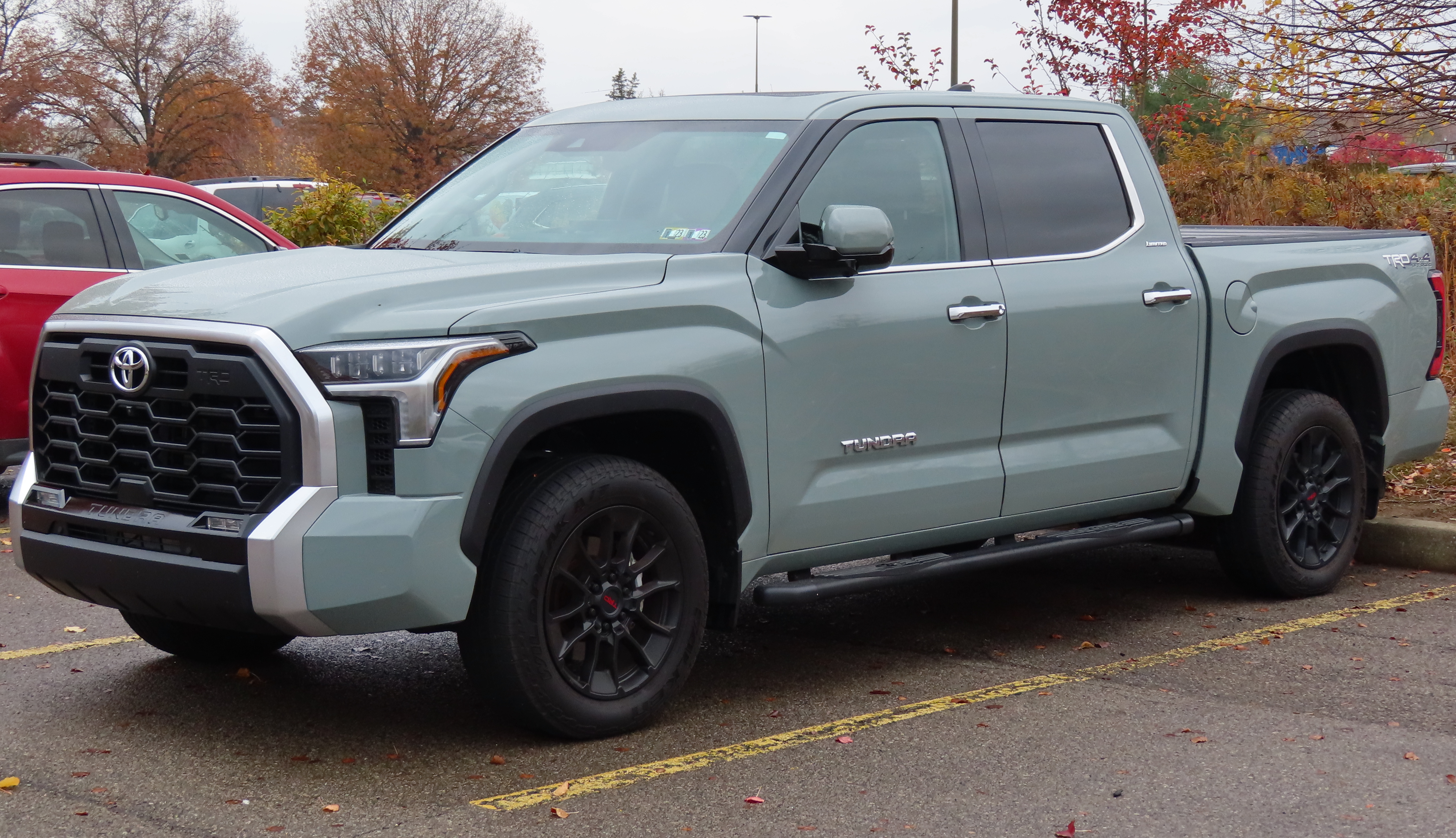
Toyota Tundra
"As a technician looking at an addendum, know, the best example I have is looking at Toyota dealerships because they're horrible about it. You go and look at a Tundra or Tacoma that's got a three you know, pro comp lift on it or some garbage lift and they're charging eight, $9,000 for that."
The Toyota Tundra is a big pickup truck. The hosts mention it because some Toyota dealers add expensive add-ons and charge a lot for them, and new rules may force those costs to be shown more clearly up front.
The Toyota Tundra is a full-size pickup truck, and the hosts use it as an example of how dealers can add aftermarket-style accessories and then charge large markups. Here, the point is less about the truck itself and more about the pricing tactics around dealer add-ons and fees. The discussion implies that disclosure rules could make these charges harder to surprise consumers with.
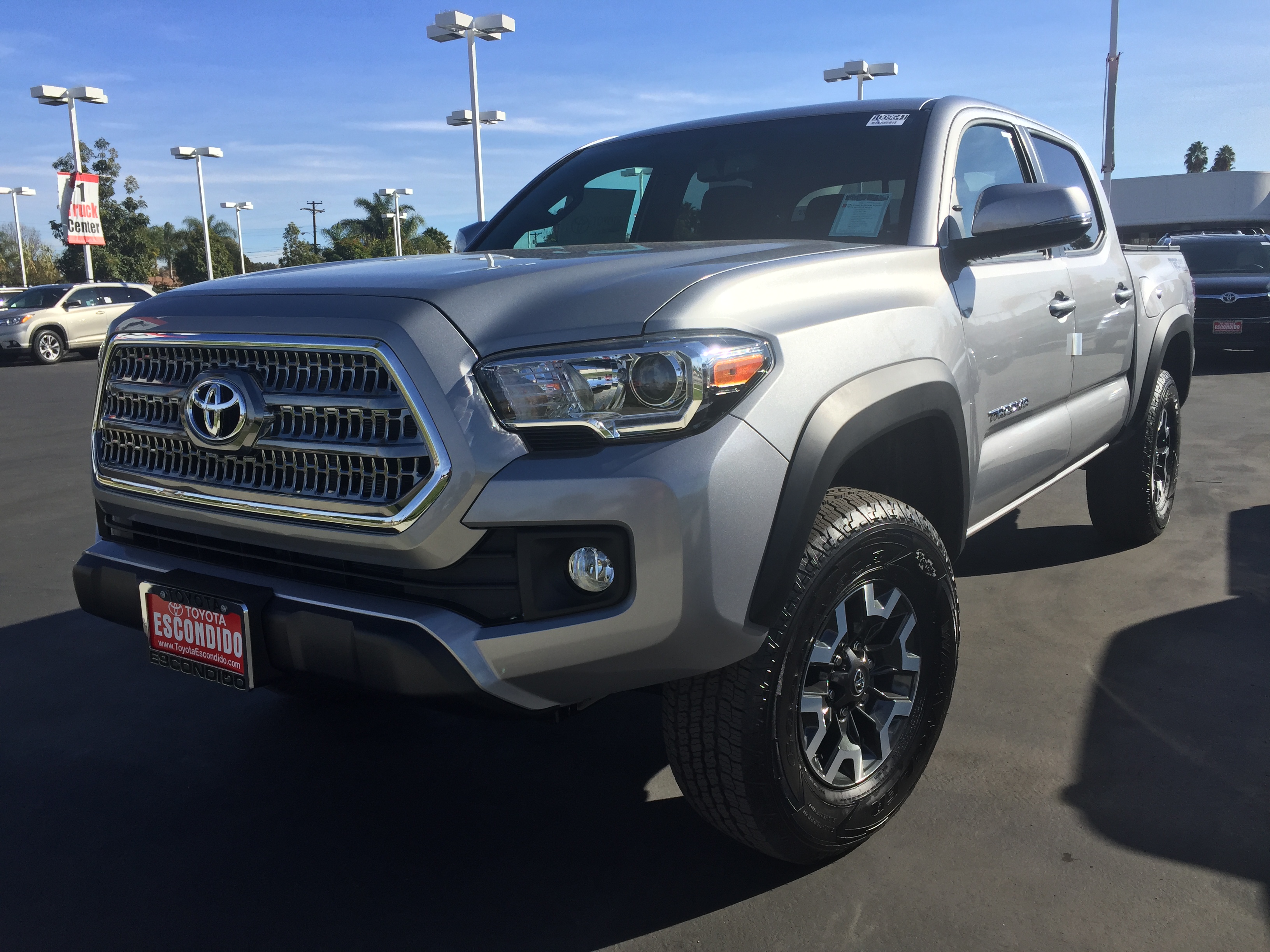
Toyota Tacoma
"As a technician looking at an addendum, know, the best example I have is looking at Toyota dealerships because they're horrible about it. You go and look at a Tundra or Tacoma that's got a three you know, pro comp lift on it or some garbage lift and they're charging eight, $9,000 for that."
The Toyota Tacoma is a pickup truck. It’s brought up because the hosts say some dealers charge huge money for lift-kit add-ons, and they’re discussing whether new disclosure rules will make that harder to do.
The Toyota Tacoma is a mid-size pickup truck, and it’s mentioned alongside the Tundra as an example of dealer pricing on lift-kit style add-ons. The hosts argue that dealers can charge thousands for accessories that are relatively straightforward to install, which becomes a consumer-protection issue when fees aren’t clearly disclosed. The broader theme is how regulation could change dealer profit strategies.
third party sites
"but then you look into dock fees and the bigger question I have, and maybe I'm just ignorant to this, but we see these, let's call it third party sites or more middlemen and people putting their hands in the cookie jar. Are we seeing all these dock fees and addendums start to go up..."
Third-party sites are websites or services that aren’t the dealer itself but help sell or advertise the car. The hosts are saying these middlemen can influence pricing and fees, and new rules may make it harder to hide extra charges.
“Third party sites” refers to non-dealer intermediaries that list vehicles, generate leads, or facilitate transactions between buyers and dealers. The hosts argue these middlemen can affect how fees and add-ons are presented, potentially allowing extra margin to be captured through pricing structures. The key point is whether new disclosure rules reduce the ability to pad margins through intermediated pricing.
ceramic coats
"Are we seeing all these dock fees and addendums start to go up on higher margin items such as that window tent, ceramic coats, which we know literally costs nothing to apply."
Ceramic coating is a protective layer put on a car’s paint to help it resist dirt and make it easier to clean. The hosts are saying dealers sometimes charge a lot for it, and they’re debating how transparent those charges will be.
Ceramic coating is a paint-protection product (typically a liquid polymer/silica-based coating) applied to a vehicle’s exterior to improve stain resistance and make washing easier. The hosts mention it as an example of an add-on they believe can be marked up heavily relative to the actual application cost. The discussion ties this to whether new rules will force clearer upfront pricing for such products.
True Car
"So then we talked about brokers. What's their role then anymore? IgniteUps.ai: Well, there's that, you know, 'cause you know, True Car for the longest time, made you wanna just, you know, or encourage you to discount your your cars or else you wouldn't get at the leads."
TrueCar is a website that helps people shop for cars by showing pricing information and deals. The hosts mention it because it used to encourage dealers to discount to get leads, and they’re comparing that to how things might change with new rules.
TrueCar is a car-pricing and shopping platform that historically encouraged dealers to compete on price to win leads. The hosts reference it to explain how lead-generation models can push dealers toward discounting strategies. In this segment, it’s used to contrast older pricing incentives with a future where fees must be disclosed more clearly.
gross
"Dennis: I I don't know that I can sign off on the on the make more. I think what we're gonna see is it's gonna be normalized. You know, so the dealers that were playing more of the straight up game, their I their margins probably aren't gonna increase, but their gross certainly is."
“Gross” here means the dealer’s profit amount on the deal. The hosts are saying that even if the percentage profit (“margin”) changes, the dealer might still make similar or different profit dollars depending on how the pricing is handled.
In dealer talk, “gross” usually means gross profit dollars on the transaction (how much profit the dealer makes before overhead). The hosts contrast “margins” with “gross,” arguing that even if profit margin percentages normalize, the total profit dollars can still change depending on how fees and pricing are structured. This is part of their prediction about how disclosure rules could flatten the market.
lift kits
"But you to to Zach's point, I I actually don't so much mind, you know, the the lift kits and that sort of stuff getting added. You I always wonder why Toyota doesn't have a TRD exhaust on every super that goes out."
A lift kit is an aftermarket suspension upgrade that raises a truck or SUV higher off the ground. In this episode, they’re talking about how dealers sometimes bundle these upgrades into the purchase price, and whether that should be disclosed clearly.
A lift kit is an aftermarket suspension package that raises a vehicle’s ride height, usually by changing springs/struts and sometimes adding spacers or control-arm components. The hosts discuss lift kits as an example of add-ons that can be legitimate and expected, even if they’re priced as part of the deal. The tension is between transparent pricing versus surprise markups.
warranties
"IgniteUps.ai: Yeah, and that that part I don't mind so much. I think it's the the the weird warranties that I've seen on some of these these addendums that I just, you know, I I just would don't really agree with."
Here, “warranties” means extra coverage plans dealers try to add to the purchase. The host is saying some of these add-on warranty offers feel strange or not straightforward, and they’re part of the bigger issue of hidden add-ons.
In this segment, “warranties” refers to add-on warranty products that can be bundled into dealer addendums—often separate from the factory warranty. The host criticizes “weird warranties” seen in some addendums, implying these products may be confusing, overpriced, or not aligned with what the buyer expects. The regulatory/disclosure angle is that these should be clearly presented so consumers can evaluate them.
margin compression
"So I think if anything, that's where some of that margin compression will happen because now that everyone has to disclose it, it's it's not it's not gonna be as ⁓ exciting you you try to hide it going in."
Margin compression means dealers make less profit on each car. If rules force them to clearly show all the extra charges, it can become harder to earn big markups.
Margin compression is when a dealer’s profit per car shrinks—often because costs rise or because pricing becomes more transparent and competitive. In this discussion, disclosure rules are expected to make it harder to hide fees, squeezing dealer margins.
Carmax
"I I don't know that that ever goes away. I think if everybody turned into Carmax maybe, but I just don't I just don't see that happening."
CarMax is a company that sells used cars with a more straightforward, less “negotiation-heavy” process. It’s mentioned as an example of a more transparent way to buy.
CarMax is a used-car retailer known for a more standardized, no-haggle-style buying process compared with many traditional dealerships. The hosts use it as an example of what the market could look like if dealers became more transparent.

Oldsmobile Bravada
"...IgniteUps.ai: him and trying to be, you know, the bravada that they have, knowing that they're still being ..."
The Oldsmobile Bravada is a mid-size SUV that was made to carry people and gear comfortably. It was designed for everyday driving like a family vehicle, but with the higher ride height typical of SUVs. It may come up in a podcast when people talk about older SUV models and what they were like to own.
The Oldsmobile Bravada is a mid-size SUV from the Oldsmobile brand, known for combining family-friendly space with an SUV-style driving setup. It’s often discussed because it reflects a specific era of GM’s SUV lineup and how those vehicles were engineered and marketed. In a podcast, it may be mentioned in connection with brand history, design choices, or ownership experiences from that time.
BDC
"and then when you watch somebody like Tommy, you know, go through this ⁓ you know, you see him call the BDC, who claims to be sales, and then they pass you off. And then somebody in pseudo sales or whatever gets the phone, they have no idea what you just talked about."
BDC is basically a dealership’s phone-lead team. They may answer calls, talk to customers, and pass leads along—sometimes in ways that can feel confusing if you expected to reach a salesperson directly.
BDC usually refers to a dealership’s Business Development Center—often a call center or phone team that handles inbound leads and schedules next steps. Here it’s used in the context of someone claiming to be sales but passing the caller to another person.
Carvana
"And the fact that nobody can seem to want to give customers a dual lane to buy a car. Right. There's some people that want the Carvana experience."
Carvana is a used-car seller that’s more online and delivery-based. They’re brought up as an example of a faster, simpler way some people want to buy a car.
Carvana is an online-first used-car retailer with a delivery-focused sales model. In the segment, it’s used to describe one “lane” of buying—where customers want quick pricing and delivery rather than a traditional dealership back-and-forth.
wire
"I know what I want. Give me the numbers. I'm gonna send you the wire, ship me the car, we're done. There's other people that, you know, I want a laser light show, I want to show up with palms waving to me as I walk in as the champion."
A wire is a way to send money electronically from your bank to someone else’s bank. The speaker is using it to describe a customer who wants to pay quickly and finish the deal fast.
A wire transfer is an electronic bank-to-bank payment method often used for large purchases. In the segment, it’s used as shorthand for a customer who wants a fast, fully processed transaction with minimal back-and-forth.
warranty time
"And then they come into the shop and it turns out to be a, you know, normal condition of operation when the technician wastes an hour of warranty time to diagnose it doesn't get paid."
Warranty time is the time a shop spends working on a car that’s covered by the manufacturer. The worry is that the shop may not get paid for the time spent diagnosing the problem.
“Warranty time” here means the labor/diagnostic time a technician spends on a vehicle under the manufacturer’s warranty reimbursement process. The speaker’s point is that diagnosing issues can consume billable time that may not get paid, creating incentives to move quickly or cut corners.
dealer groups
"IgniteUps.ai: ... why would the FTC send ninety seven letters to dealer groups? Not just like ninety seven stores, ninety seven dealer groups. And if you added how many stores that was in a collective..."
“Dealer groups” are multi-location dealership operators that own or manage many stores under a single corporate umbrella. The episode emphasizes that the FTC letters weren’t just aimed at one small dealership, but at larger operators.
CARS Act
"Dennis: ... watch the evolution of this, you know, where they started with the CARS Act and, you know, for procedural reasons that got thrown out."
The CARS Act is a U.S. law related to how car sales are regulated. The hosts are saying the FTC initially tried to use it, but it didn’t hold up in court on technical legal grounds.
The CARS Act refers to a U.S. consumer-protection law framework aimed at regulating certain aspects of car sales and dealer practices. In the segment, it’s mentioned as something the FTC initially relied on, but that was later thrown out for procedural reasons.
section five
"Dennis: ... they said, wait, we have the power anyway, we don't need that. We already have section five, you know, with our unfair and deceptive language, and we're gonna make it mean whatever we think it means, and off we go."
Section 5 is part of the FTC’s legal power. It lets the FTC go after businesses for things that are misleading or unfair to consumers.
“Section 5” refers to Section 5 of the FTC Act, which gives the FTC authority to act against “unfair” or “deceptive” acts or practices. The speaker argues the FTC expanded how broadly it interprets that authority.
unfair and deceptive language
"Dennis: ... We already have section five, you know, with our unfair and deceptive language, and we're gonna make it mean whatever we think it means, and off we go."
This phrase describes the FTC’s main rule for stopping bad sales behavior. It covers both outright misleading statements and other practices the FTC considers unfair to buyers.
“Unfair and deceptive” is the FTC’s core standard for enforcement: practices that mislead consumers or are considered unfair even if they’re technically legal in other ways. The episode frames dealer conduct as falling into this category via contract terms and disclosures.
C F P B era
"IgniteUps.ai: ... during the C F P B era, I remember them fining dealers you know, because they weren't, you know, they were bas they would base it on discrimination lending practices..."
The CFPB is a U.S. agency that polices consumer finance rules. In this episode, they’re talking about fines related to how lending terms were handled during the CFPB’s more active period.
The CFPB (Consumer Financial Protection Bureau) is a U.S. agency that regulates consumer financial products, including certain lending practices tied to car purchases. The segment references the “CFPB era” to describe how dealers and lenders were fined for practices involving discrimination in lending terms.
discrimination lending practices
"IgniteUps.ai: ... fining dealers ... because they weren't, you know, they were bas they would base it on discrimination lending practices, right?"
“Discrimination lending practices” refers to illegal or prohibited differences in loan terms (like interest rates or approvals) based on protected characteristics. The speaker claims lenders were charging different interest rates depending on the borrower group, which is why regulators fined them.
Wells Fargo
"IgniteUps.ai: ... Toyota was one of the ⁓ companies, Wells Fargo, there's a lot of l lot of lenders that actually I think got fined at some point."
Wells Fargo is a bank mentioned as an example of a lender that may have been fined for how it handled lending terms.
Wells Fargo is a financial institution mentioned as one of the lenders that the speaker believes was fined for lending practices during the CFPB era. In this context, it highlights that car-buying financing can be a regulatory target, not just dealership sales tactics.

Ford Expedition
"... that that you know, the disparate impact fishing expeditions, you know, I thought is is really what they were...."
The Ford Expedition is a large SUV made to carry more passengers and luggage than smaller cars. People often choose it for road trips, family use, and towing. It’s the kind of vehicle that gets discussed because it’s built for practical, everyday big-SUV needs.
The Ford Expedition is a full-size SUV built for carrying people and cargo, often used for family travel and towing. It’s a common topic in automotive discussions because it represents how large SUVs balance space, comfort, and powertrain choices. In a podcast, it may come up when talking about practical vehicle use, ownership costs, or how these vehicles are used day to day.
test drive
"he was making a raffle for anybody that came by to test drive a a truck to get a Rolex."
A test drive is when you drive a car to see how it feels before deciding to buy. The discussion is about how dealerships run promotions around that moment.
A test drive is a structured opportunity for a customer to drive a vehicle before purchase, and it’s often tied to dealership advertising and promotions. In this segment, the speaker criticizes a raffle tied to test drives, implying it could create legal exposure.
dealer compliance
"as as Tommy was ⁓ sure to remind me, you've only been doing this for six weeks. I mean, I've been living dealer compliance for 20 years."
Dealer compliance means the rules a car dealership has to follow. It’s about making sure what they do and what their employees post or say doesn’t break laws or get the dealership into trouble.
Dealer compliance is the set of policies and procedures a car dealership uses to follow laws and regulations—especially around advertising, sales practices, and how customer data is handled. In this segment, it’s framed as an ongoing effort to understand what’s allowed when dealers and salespeople post content online.
auditing
"what point does the you know the ⁓ the government go and start auditing some of these videos and now that the technology that you have exists where they could audit every Facebook YouTube video that is out there, where do they draw the line?"
Auditing means checking to see if someone followed the rules. Here, it’s about regulators reviewing dealership videos and ads to make sure they’re compliant.
Auditing refers to regulators reviewing records or content to check for compliance with laws. In this segment, the host is asking when government enforcement would start after dealers post marketing videos online and when automated technology makes it easier to review large volumes of content.
"where they could audit every Facebook YouTube video that is out there, where do they draw the line?"
Facebook is a social media site where people post videos and ads. The discussion is about how dealership posts on platforms like this could be reviewed for compliance.
Facebook is a social-media platform used for advertising and video posting. In this segment, it’s mentioned as part of the universe of content regulators could potentially audit.
YouTube
"where they could audit every Facebook YouTube video that is out there, where do they draw the line?"
YouTube is a video website where people upload and watch videos. The point here is that dealership videos there could be checked for rule-breaking.
YouTube is a video-sharing platform where dealerships and salespeople may post marketing content. The speaker includes it in the idea that regulators could audit large amounts of online video.
guardrails
"So, you know, you like I said, you you need a a comprehensive system, you know, to to look at these things and make sure that these guys are staying within the guardrails."
“Guardrails” means the limits of what’s allowed. The idea is that dealerships have to stay within legal boundaries when they advertise or sell.
“Guardrails” here means the boundaries of what’s legally and regulatorily acceptable for dealership marketing and sales conduct. The speaker uses it to describe limits that social-media content and advertising tactics must stay within to avoid enforcement actions.
TikTok
"because, you know, like you said, they wanna make, you know, their whole TikTok famous, you know, have a a dealership essentially within a dealership."
TikTok is a social media app for short videos. The concern is that some dealerships post content there to get attention, but they still have to follow the rules.
TikTok is a short-form video platform where dealerships may try to go viral. The speaker frames it as a temptation for dealers to create content that could cross legal “guardrails,” with enforcement risk falling back on the dealership.
recording
"could a customer come back and sue the dealership because this salesperson recorded the whole conversation without telling"
Recording means capturing what someone says. The concern is whether the dealership has to tell the customer first, and whether using the recording could cause legal trouble.
Recording refers to capturing audio (or video) of a conversation, which can trigger consent and disclosure requirements. Here, the speaker discusses whether recording a customer conversation without telling them—and then using their voice—could lead to legal claims.
one-party state
"in if you are in a a one party state and the customer reaches in and calls you, it's this call's gonna be subject to your laws."
In a one-party state, only one person in the conversation has to agree to record it. The speaker is saying the rules can change depending on where you live.
A one-party state is a U.S. legal jurisdiction where only one person involved in a conversation needs to consent to recording it. The speaker ties this to whether a dealership can record a customer call without the customer being aware.
broadcasting
"now, broadcasting is a different story. So you'll see on the lives where people are broadcasting, there are different laws that have governed"
Broadcasting means sharing something publicly, like going live. The speaker says public sharing can have different rules than recording a call for internal use.
Broadcasting means transmitting content to the public (or a broad audience), which can be subject to different legal rules than private recording. The speaker contrasts “broadcasting” with recording, noting that live or public-facing content has additional legal considerations.
name, image, likeness
"but it it is something you have to be careful of. And I would definitely encourage if you are a dealership that's doing lives, ⁓ especially with customers that don't know that they are on it."
Name, image, likeness means using someone’s identity—like their face or voice—in content. The speaker is saying there are rules about when that’s allowed.
“Name, image, likeness” (often abbreviated as NIL) is a legal concept covering rights to a person’s identity—such as their name, photo, or video appearance. The speaker mentions it to explain that using someone’s identifiable presence can be allowed only within certain bounds.
meta glasses
"Yeah, 'cause you're even seeing some of these guys with their their meta glasses ⁓ these conversations with customers while they don't even know."
Meta glasses are smart glasses that can capture audio/video. The issue raised is that people might record conversations without the customer realizing it.
“Meta glasses” refers to wearable smart glasses associated with Meta (the company behind Facebook). The speaker uses them to describe recording conversations in a way customers may not realize, raising consent and privacy concerns.
insurance policy
"I understand that. They're also floating the insurance policy, the shop, and most the lifts and equipment."
An insurance policy is coverage that helps pay for losses if something goes wrong—like accidents, damage, or lawsuits. The speaker is saying the dealership carries a lot of that risk.
In dealership operations, an “insurance policy” can cover risks tied to the facility, inventory, employees, and liability. The speaker lists it as part of the dealership’s overhead and risk when compared to technician compensation.
lifts and equipment
"They're also floating the insurance policy, the shop, and most the lifts and equipment."
“Lifts” are the big machines that raise a car so mechanics can work underneath. “Equipment” is the tools and hardware a shop needs to do repairs.
“Lifts” are vehicle hoists used to raise cars for inspection and repairs, and “equipment” covers the shop tools needed to perform work. The speaker uses this to argue dealerships carry major fixed costs that technicians don’t.
goodwill by service
"when you look at a dealership and you look at the hours that technicians are supposed to run, how much stuff gets goodwill by service, and then technicians get screwed, and then dealers want to come out and bitch and say, well, we don't have enough techs."
“Goodwill” in a dealership service context means the customer loyalty and future business a service department generates—often through repeat visits, trust, and brand perception. The speaker implies technicians help create that goodwill, but their pay doesn’t always reflect the value they generate.
NADA's earnings
"But Dennis, just to give you s a little bit more context on this this article, and it was really a breakdown of some YouTuber that did a really good job, but he went through ⁓ he just gone through NADA's earnings or release of whatever ⁓ however dealers get paid on labor sales, how how they pay their technicians, all of it."
NADA is an industry group for car dealers. The discussion suggests the article used NADA’s published dealer financial/labor data to estimate how much money goes to technicians versus the dealership.
NADA refers to the National Automobile Dealers Association, which publishes industry data used by dealers and analysts. In this context, the speaker is saying the article used NADA-reported figures to break down how dealers get paid on labor and how that money is split between the dealership and technicians.
cog
"And so what he came to the conclusion was the technicians are thirty percent of that cog the dealers make the the the rest of the the margin when it comes to charging customers."
“COG” is a business term for the direct costs of doing the work—things like labor and other costs directly tied to the sale/service. The speaker uses it to compare technician pay versus the dealership’s remaining profit.
“COG” is shorthand for “cost of goods” (or cost of sales), i.e., the direct costs tied to providing the service or selling the product. Here it’s used to argue technicians account for about 30% of the dealership’s direct costs, with the rest of the margin going elsewhere.
Tucson
"you know, and you got these you know, in my area, you know, in Arizona and especially in Tucson, you we're not exactly ⁓ the biggest metropolitan area."
Tucson is a city in Arizona. The speaker uses it as an example of how technician availability and repair-shop competition can vary by area.
Tucson is a city in southern Arizona. The speaker references it to describe local market conditions for technicians and independent repair competition.
flat rate
"And I don't know of a good tech that isn't flat rate making six figures. I mean, they there's just a lack of of people in the industry right now."
“Flat rate” is a pay system where mechanics get paid a fixed amount for a repair, based on an estimate of how long it should take. If the job takes longer than expected, the mechanic may not earn more.
In dealership and shop pay, “flat rate” means technicians are paid a set amount per job based on a published labor-time guide, not on the actual hours they spend. That can strongly affect technician income when jobs take longer (or shorter) than expected.
good body guy
"If you're a good body guy, you call your shots. there's there's just nobody out there."
A “body guy” is a mechanic who specializes in fixing collision damage—like dents, panels, and body alignment. The speaker is saying good people in that area are hard to find.
A “body guy” refers to a technician specializing in collision repair and bodywork (panel repair, alignment, and refinishing). The speaker implies skilled body technicians are scarce, which affects labor supply and pricing power.
Bondo
"It's always let's replace it and and fix it. I'm like, it's never like Bondo or I mean you guys just wanna replace the part and let's move on."
“Bondo” is a filler used to smooth out dents on a car before painting. The speaker is saying some shops prefer replacing parts instead of using filler to repair them.
“Bondo” is a brand name commonly used generically for automotive body filler, a putty-like material used to smooth dents and imperfections before sanding and paint. The speaker contrasts filler-based repairs with simply replacing parts.
Santa Monica
"I heard of a a dealer, I think it was an Audi dealer in Santa Monica, that's charging 420 an hour or just some crazy number."
Santa Monica is a city in California near Los Angeles. The speaker mentions it to give a real-world example of dealership pricing.
Santa Monica is a city in the Los Angeles area of California. The speaker uses it as the location of an example dealership with very high labor pricing.
culling your employees
"“...you need to start the herd, culling your employees and figure out what's get me through this...”"
“Culling your employees” is a metaphor for removing or replacing staff who are causing compliance or process problems. In a dealer context, it implies tightening controls by changing personnel rather than relying on luck or informal training.
audits
"“...keeping everything in line with incoming regulation and rules and audits.”"
An audit is when someone checks your paperwork and processes to see if you followed the rules. For car dealers, it often means reviewing how you list prices and what you actually do.
An “audit” is an official review of records and practices to check whether rules are being followed. In dealer compliance discussions, audits often focus on advertising, pricing, and documentation consistency.
social media
"“Yeah, with social media the way it is, it's it's I I you gotta be careful about those people that can't wait to put you on record.”"
In this episode, “social media” is treated as a compliance risk because posts can be interpreted as advertising claims. Dealers can be scrutinized if listings, pricing, or availability shown online don’t match reality.
bait and switch
"“...if your social media guy has a car that's posted for sale that's been sold, you know, it's not a bait and switch.”"
“Bait and switch” is a deceptive-sales practice where a business advertises something to attract customers (“bait”) but then changes terms or availability to steer them elsewhere (“switch”). In dealer contexts, it often shows up when advertised cars/prices don’t match what buyers experience in person.
buyer's order
"“...to the time they signed the buyer's order and they got the retail salesman contract...”"
A buyer’s order is the paperwork that spells out what you’re agreeing to buy and for how much. If it doesn’t match the deal you were promised, that can cause trouble.
A “buyer’s order” is the dealership document that records the agreed purchase details—typically vehicle, price, trade details (if any), and key terms. It’s central to compliance because it should align with what was advertised and what the customer was told.
retail salesman contract
"“...to the time they signed the buyer's order and they got the retail salesman contract...”"
This is the paperwork that finalizes the retail sale and ties the deal to the salesperson. Dealers need it to match what was promised so customers aren’t surprised later.
A “retail salesman contract” refers to the dealership’s sales agreement paperwork tied to the retail transaction and the salesperson’s role/commission structure. The key compliance angle is that the contract terms should be consistent with the advertised price and the customer’s experience.
GPT
"“...because now with AI answers and all these different, you know, there's I think it's like a billion users a week on GPT, and asking questions...”"
GPT is an AI tool people use to ask questions and get answers. The point here is that customers can use AI to fact-check dealers and spot inconsistencies.
“GPT” is a reference to OpenAI’s Generative Pre-trained Transformer models, used to generate answers and content. In the episode’s context, it’s used to describe how customers can ask questions online and compare what dealers say versus what’s true.
Request an Explanation
Heard something you'd like explained? We'll add it to this episode.
Sign in to request explanations for terms you heard.
Want to learn more?
Browse our glossary for plain-English explanations of automotive terms, jargon, and concepts.
Help improve this episode
See something that's not quite right? Our annotations are AI-generated and can sometimes miss the mark. Click the flag icon on any annotation to suggest a correction.