
The Great Automotive Shift: EVs, Carvana, China, and the New Rules of Retail
About this episode
Ford’s CEO Jim Farley’s stance on DIY work sparks a debate about right-to-repair, dealership scan-tool fees, and how EVs/software change what owners can safely do at home. The hosts then pivot to retail disruption, praising Carvana’s convenience-first model while noting EV adoption still runs into charging and range anxiety. They weigh whether cheaper EVs can land in the U.S. given grid capacity and real-world range, and connect China’s faster EV development to tariff and connected-vehicle restrictions.
The conversation covers a wide range of topics, including the challenges of working on modern vehicles, the impact of EVs on the automotive industry, the rise of Carvana, the influence of China on automotive innovation, and the importance of education and transparency in the industry.
Takeaways
- EVs are changing the automotive landscape
- China is becoming a benchmark for automotive innovation
- Transparency and education are crucial in the automotive industry
Chapters
- 00:00 The Importance of Education and Transparency in the Industry
right to repair
"Yeah. All right, so don't quote me exactly... but it kind of goes in with right to repair and what Ford's CEO, Jim Farley, just recently came out and said..."
“Right to repair” means car owners and independent mechanics should be able to fix cars without being forced to go to the dealership. It’s about having access to the information and tools needed to diagnose problems.
“Right to repair” is the idea that vehicle owners and independent shops should be allowed to diagnose, repair, and maintain cars using the same information and tools as dealerships. In practice, it often comes down to access to repair manuals, diagnostic software, and scan-tool data.

Ford Bronco
"... vehicles, you know, the difference being a 1970s Bronco and something easy to work on. versus a new one n..."
The Ford Bronco is a type of SUV made for rough roads and off-road driving. Older versions are often easier to repair because the systems are simpler and parts are more common. That’s why someone might mention a 1970s Bronco when talking about cars that are “easy to work on.”
The Ford Bronco is a classic American off-road SUV known for its rugged, truck-based design and strong aftermarket support. In a discussion like this, it often comes up because older Broncos are relatively straightforward to work on compared with many newer vehicles, which can make them popular for DIY maintenance and restoration. The “1970s Bronco” reference highlights that era’s mechanical simplicity and parts availability.
Jim Farley
"...what Ford's CEO, Jim Farley, just recently came out and said, with basically he doesn't want people working on their own vehicles..."
Jim Farley is the top executive at Ford. In this episode, they mention him because he commented on whether regular people should be allowed to work on their own cars.
Jim Farley is Ford’s CEO, and the hosts reference his public comments about limiting who can work on vehicles at home. The discussion frames his stance as part of the broader “right to repair” debate.
scan tools
"...needing to go into the dealership and be connected to scan tools and, you know, techs."
Scan tools are gadgets mechanics use to talk to the car’s computer. They help find what’s wrong by pulling error codes and data.
Scan tools are diagnostic devices that read a car’s onboard computer systems for fault codes and sensor data. Modern vehicles often require them to pinpoint issues and to perform certain repairs correctly.
diagnostic fees
"I this is essentially locking people into, you know, hundred and twenty to hundred and sixty dollar an hour dealership diagnostic fees."
Diagnostic fees are what you pay to have a shop figure out what’s wrong with your car. It’s usually the cost of the computer scan and troubleshooting time.
Diagnostic fees are charges for the time and labor required to identify the cause of a problem, often using dealership tools and procedures. In the segment, they’re framed as a cost barrier when DIY repair is discouraged.
software platform
"I think way technology has been been of the vehicle. It's no longer just, you know, an engine. It's, you more and more a a software platform."
A “software platform” means the car relies heavily on computers and software. So fixing problems can require reading the car’s computer data, not just adjusting mechanical parts.
Calling a car a “software platform” means many functions are controlled by computers and software rather than purely mechanical systems. That increases the importance of diagnostics, updates, and authorized tooling for troubleshooting and repair.
EVs
"so maybe how he worded it, but anymore with s you know, if you're look at EVs, they they tell you don't open the hood..."
EVs are electric cars. They use batteries and electric motors, and the episode argues that some parts are not meant to be opened by regular owners.
EVs (electric vehicles) are cars powered primarily by electric motors and a battery pack rather than an internal-combustion engine. The segment discusses how EV design changes what’s safe or practical for owners to open up and service themselves.
warranty repairs
"he just stated it's not appropriate for individuals to work on their vehicles at home when it comes to warranty repairs..."
Warranty repairs are repairs covered by the car’s warranty. The episode implies that warranty work may require going through approved channels like dealerships.
Warranty repairs are fixes performed under a manufacturer’s warranty terms, typically requiring approved procedures and documentation. The segment suggests that warranty work is where restrictions on DIY work are most likely to apply.

Ford F-100
"...especially Ford, right? Ford being this American brand where everybody's got an old story about an F one hundred sitting at home, right? a granddad's Model A."
The Ford F-100 is an older Ford pickup. The point of mentioning it is that older cars were often easier for regular people to work on at home.
The Ford F-100 is a classic American pickup that’s used here as an example of older, simpler vehicles that many owners feel comfortable maintaining themselves. The host contrasts that DIY-friendly era with modern cars that require dealership tools and software access.
ICE vehicles
"you don't have thousands of moving parts like you do in the ice vehicles. Like ice vehicles you have I don't know, thousands of moving parts..."
ICE vehicles are gas or diesel cars that run on an engine that burns fuel. The episode contrasts them with EVs to explain why repairs and DIY work can feel different.
ICE vehicles are internal-combustion-engine cars, meaning they generate power by burning fuel in an engine. The host contrasts ICE complexity with EVs, arguing that EVs have fewer moving parts in general.

Beetle Vw Bugs
"... uncle used to ⁓ buy he used to love these little VW bugs because ⁓ He literally knew how to fix those cars..."
The Volkswagen Beetle is a small car made by Volkswagen that’s known for being simple. Many people like it because it can be easier to work on than more complicated cars. That’s why someone might say they loved it and could fix it themselves.
The Volkswagen Beetle is a small, air-cooled compact car that became famous for its simple design and long production history. It’s often discussed in the context of ownership because many owners find it approachable to maintain and repair, especially on older models. That’s why a podcast might mention someone who “knew how to fix” these cars—its layout and parts availability made DIY work more feasible.
VR goggles
"you've got to have some VR goggles just so that they can show you how to fix the thing."
“VR goggles” are a headset that can show instructions in a virtual way. The host is saying that newer cars might require more guided, specialized steps to fix.
“VR goggles” here refers to using virtual-reality headsets to guide technicians through repairs. The implication is that modern cars can require more step-by-step, tool-assisted procedures than older mechanical jobs.
erosion of DIY
"Yeah. It's a challenge... I think there's definitely the erosion of, you know, some of the DIY out there."
“Erosion of DIY” means fewer people can fix their own cars anymore. Newer cars are harder to work on, so more repairs end up needing shops or dealerships.
“Erosion of DIY” describes how modern vehicle design, software integration, and restricted diagnostic access reduce the number of owners who can realistically repair cars themselves. The host frames it as a shift that benefits the service industry while making independent DIY harder.
CarMax
"It used to be, let's call it, you know, fifteen years ago maybe. It seemed like CarMax pretty much controlled the entirety of the used car industry. And then now you're seeing I mean, you know, I'm not the biggest Carvana fan myself."
CarMax is a big used-car seller with lots of physical stores. In this discussion, the hosts say CarMax didn’t adapt its marketing as well as newer online-focused competitors.
CarMax is a large used-car retailer that historically dominated the used-car market. Here, it’s used as a contrast to Carvana—CarMax is described as sticking to more traditional advertising and targeting the “wrong” audience, which the hosts say hurt it.
Carvana
"However, the other day I did submit a quote to Carvana on a project that I picked up and I might be selling a car to them, so who knows. just interesting to me because I even see the same thing in you know marketing on you know some of the rental side, you know, with Hertz and their marketing recently."
Carvana is a company that sells used cars mostly online. The big idea is making it easy—list your car, get an offer, and they handle pickup—so you don’t have to deal with a traditional dealership process.
Carvana is an online used-car retailer known for selling cars with a highly streamlined, app/website-first process. In this segment, the hosts credit Carvana’s social-media-focused marketing and “sell from your couch” convenience for driving high monthly store throughput.
Hertz
"just interesting to me because I even see the same thing in you know marketing on you know some of the rental side, you know, with Hertz and their marketing recently. They've kind of they followed kind of the path that CarMax did, where their marketing just isn't to who they should be selling to"
Hertz is a well-known car rental company. The point in this segment is that even rental companies change their marketing, and the hosts think Hertz’s recent marketing is better targeted than before.
Hertz is a car-rental brand referenced here as an example of how marketing strategies can shift toward better audience targeting. The hosts compare Hertz’s marketing approach to what CarMax did, implying that focusing on the wrong demographic can backfire.
Vroom
"Well, let me ask you, did was Carvana I don't remember them saying, you know, anything bad about dealers. The only one that really did come after after the dealers and not here anymore. That's Vroom. Vroom r really went after the dealers and said like I mean, their Super Bowl commercial was like some guy in a you know, interrogation room"
Vroom was an online used-car seller. The hosts say it tried to win by attacking traditional dealerships in its ads, and they believe that strategy didn’t help it survive.
Vroom was an online used-car retailer that, according to the hosts, aggressively targeted traditional dealers in its advertising. The segment claims that this dealer-bashing approach didn’t work out, and Vroom is now “not here anymore.”
range anxiety
"And for me, a twenty-seven thousand dollar EV might actually help in the US, but we still have the issues of charging stations, the range anxiety. a real issue for a lot of consumers, especially in Middle America where there's not, you know, a lot of charging stations."
Range anxiety is the worry that your electric car’s battery won’t last long enough for your trip. It’s especially common when there aren’t many charging stations nearby.
Range anxiety is the fear that an EV won’t have enough battery charge to reach a destination or charging station. It’s a major adoption barrier because it affects how confidently drivers plan trips, especially where charging infrastructure is limited.
charging station
"e you know, even in the bigger cities, there's still not nearly enough charging stations, or as convenient, you know, like a convenience store is."
A charging station is where you plug in an electric car to recharge it. The point here is that there may not be enough of them, or they may not be easy to use.
A charging station is the infrastructure used to recharge an EV’s battery. The hosts argue that even in big cities, there aren’t enough charging stations and they’re not as convenient as everyday places like convenience stores.
Stellantis
"They're that's their test market. I know Stellantis talked about doing something with China, so I don't know if this is that. but what do you think about this this EV strategy Stallantis is doing?"
Stellantis is a big car company that makes lots of different brands. Here, they’re being talked about because they’re planning an EV approach aimed at selling cheaper EVs.
Stellantis is a major automaker formed from the merger of Fiat Chrysler Automobiles and PSA Group. In this segment, they’re discussed in the context of an EV strategy and potential moves tied to China and lower price points.
home chargers
"And how do we remedy that? Is that everybody getting home chargers?"
Home chargers are EV chargers you install at your own place. The idea is that if more people can charge at home, EVs become easier to live with—especially if public charging is inconvenient.
Home chargers are EV charging units installed at a residence, typically in a garage or dedicated parking spot. The segment highlights them as a key solution to charging convenience, while also questioning whether the electrical grid and apartment setups can support widespread adoption.
grid
"But we run into the issue of do we have a grid to then support everybody trying to charge cars at home?"
The grid is the power system that supplies electricity to your neighborhood. If lots of people charge EVs at home at the same time, the local system might need upgrades.
The electrical grid is the network that generates and delivers electricity to homes and businesses. The hosts raise the concern that widespread home charging could stress local capacity unless the grid and infrastructure are upgraded.
renter's economy
"So from a home charging standpoint, keep in mind we talked about this, you know, as you know, the US we're in a renter's economy, right?"
A renter’s economy means lots of people live in apartments instead of owning a house. That makes it harder to charge an EV at home, because you may not be able to install a charger where you park.
A renter’s economy means many people live in apartments or rental housing rather than owning a home. That matters for EV adoption because home charging is harder to set up when you don’t control the parking spot or electrical infrastructure.
150 mile range
"But the problem with that vehicle is 150 mile range. That's terrible."
Range is how far an electric car can go before it needs charging. The hosts say 150 miles isn’t enough for most people, because you’d have to charge too often.
EV range is how far a vehicle can drive on a full battery charge under typical conditions. The segment argues that a 150-mile range is too short for US driving and charging habits, forcing frequent charging stops.
hybrid drivetrain
"Slate would have just said, we are going to take a tried and true four-cylinder right out of any Honda or GM product and create a hybrid drivetrain with that 150-mile range."
A hybrid drivetrain is a setup where the car uses both a gas engine and an electric system. The idea is to make the car easier to live with than a pure EV when charging is inconvenient.
A hybrid drivetrain combines an internal-combustion engine with an electric motor and battery to improve efficiency and reduce fuel use. The host suggests using a hybrid approach to keep a shorter-range EV-like package more practical by adding a gas motor.
four-cylinder
"we are going to take a tried and true four-cylinder right out of any Honda or GM product and create a hybrid drivetrain"
A four-cylinder is a basic type of gas engine with four combustion chambers. The host is saying you could pair that kind of engine with an electric system to make a more practical hybrid.
A four-cylinder engine is an internal-combustion engine with four cylinders, commonly used in compact vehicles because it’s relatively efficient and inexpensive to build. Here, it’s mentioned as the “tried and true” gas engine base for a proposed hybrid system.

Volkswagen Rabbit
"...s such a big on part. I won't go too far down the rabbit hole, but damn it, Slate would have just said, we..."
The Volkswagen Rabbit is a compact car made by Volkswagen for regular everyday driving. People sometimes talk about it when they’re discussing Volkswagen parts and repairs, because different years can have different components. That’s likely why it’s mentioned in a conversation about going “down the rabbit hole.”
The Volkswagen Rabbit is a compact car that’s closely associated with Volkswagen’s practical, everyday driving focus. In a conversation, it may come up as part of a “rabbit hole” of Volkswagen models and parts knowledge, since enthusiasts often track specific model years and components. Its mention suggests the speaker is referencing how deep the Volkswagen parts/repair topic can go.

Ford Maverick
"would be it, I think it would absolutely crush. Ford Maverick sales. Absolutely. Just hybrid."
The Ford Maverick is a small pickup truck that’s been popular because it’s cheaper than most trucks. The host is saying a similar-priced hybrid could sell extremely well.
The Ford Maverick is a compact pickup known for being relatively affordable and popular with buyers who want a truck without full-size costs. The host uses it as a benchmark, arguing a hybrid version with similar pricing could “crush” Maverick sales.
unions
"with all the other things that go into it, unions, the cost to to even build one of these things anymore is just is just gone too high"
Unions are groups that represent workers and negotiate their pay and conditions. Here, they’re mentioned as part of the reason building cars in the US can be more expensive.
Unions are worker organizations that negotiate wages, benefits, and working conditions. In this context, the host lists unions as one of the factors that can increase the cost of building vehicles in the US.
quiet part outlide loud
"IgniteUps.ai: You know, well I I do think I think the robots coming will answer a lot of that, to be to be honest with you. I think it could it it could happen, you know. So but talking about robots, you know, Nissan just admitted the quiet part outlide loud, so China is becoming the benchmark for automotive innovation."
It’s a joking way of saying, “they finally said the real thing out loud.” Here, it’s being used to set up a bigger point about what Nissan is admitting and how China is influencing car innovation.
This phrase is a humorous way to say someone admitted something indirectly but clearly. In the context of the episode, it’s used to introduce a point about Nissan’s stance and what it implies about China’s role in automotive innovation.
Nissan
"IgniteUps.ai: So but talking about robots, you know, Nissan just admitted the quiet part outlide loud, so China is becoming the benchmark for automotive innovation. So this was interesting."
Nissan is a big car company from Japan. In this discussion, they’re mentioned because they’ve been changing how they build and develop cars, including leaning more on China.
Nissan is a major Japanese automaker. In this segment, it’s referenced in connection with plant shutdowns and a shift toward China for faster engineering, testing, and software development.
dual, venture vehicle
"Like I know they're coming to Canada. They're really trying to make a push for the US Ford just talked about in an I haven't even posted this article. They they just talked about pushing the US to allow a Chinese dual, you know, venture vehicle. "
A joint venture is when two companies team up to make a product together. Here, they’re talking about a Chinese partner working with a U.S. automaker to bring a vehicle to the U.S.
A “joint venture” is a business arrangement where two companies partner to build and sell vehicles together. The host is discussing a proposed Chinese joint venture vehicle plan for the U.S., including a specific example involving Ford and Lincoln.
tariffs
"And You know, I I l I look at all the tariffs and everything that they've put in place to try to, you know, combat some of this stuff. but I don't know. What do you think?"
Tariffs are extra taxes on imported products. In this conversation, they’re talking about tariffs as a way the U.S. tries to limit or counter competition from imported cars and parts.
Tariffs are taxes the government places on imported goods. Here, the hosts discuss tariffs as part of the policy response to Chinese automotive competition and technology imports.
micro mobility
"Zach Fritz: Well, Ford, that's a little hypocritical with their ⁓ them bitching and complaining and wanting all that terror free fund money. So I mean that's that's cool. but anyways, China killed it a few years ago whenever they really on micro mobility."
Micro mobility means small electric vehicles for short trips, like e-bikes. The hosts are using it as an example of how quickly China scaled that kind of product and distribution.
Micro mobility refers to small, lightweight personal transportation devices—like e-bikes and electric scooters—often used for short trips. The segment uses it as a parallel to explain how China scaled battery/electronics and distribution quickly.
e-bikes
"And a to kind of probably make this relevant for everybody who's not in the loop on this, is have you the rise of like e-bikes, for example, and how it seems like every Teenage kid is now riding around an electric dirt bike or an e-bike around town and you know, HOAs and neighborhood."
E-bikes are regular bikes with a motor that helps you pedal. The conversation uses them as an example of how electric “small vehicles” are spreading—and also how accidents can happen.
E-bikes are bicycles with an electric motor assist. The hosts discuss them as part of the broader micro-mobility trend coming from China and note safety issues from accidents involving riders.
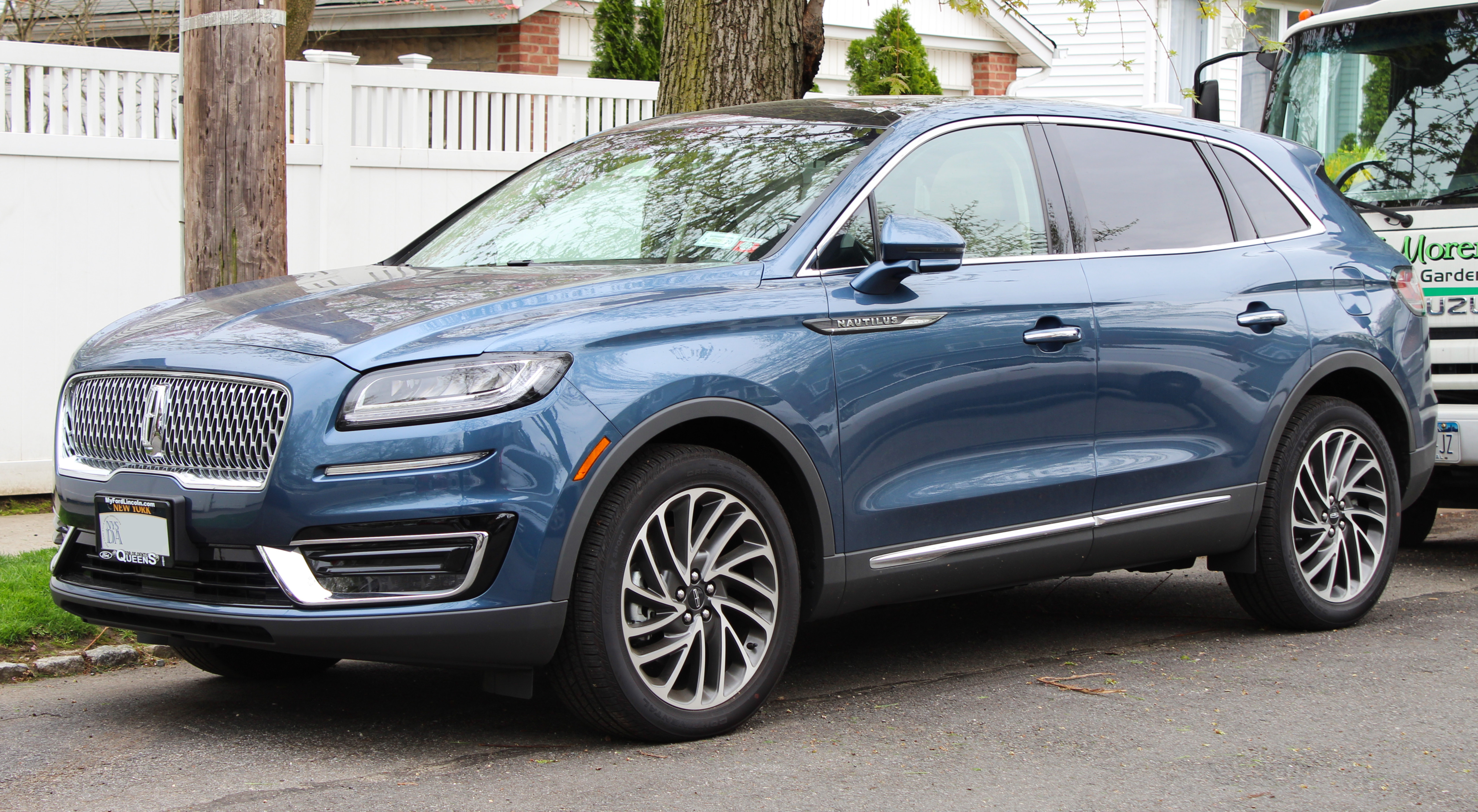
Lincoln Nautilus
"IgniteUps.ai: Yeah, well they it's actually a Ford Nautilus. no, Lincoln Nautilus, sorry. ... IgniteUps.ai: He's he ⁓ he might, sir. He's he's he has been doing the Lincoln one. So the Lincoln Nautilus, it's built at the Chang'an Ford assembly plant in Hangzhou, China."
The Lincoln Nautilus is a luxury SUV made by Lincoln. The hosts are using it as an example of a vehicle built in China and how the car’s connected-tech software affects how it may be treated by U.S. rules.
The Lincoln Nautilus is a midsize luxury SUV from Lincoln (Ford’s luxury brand). In this segment, it’s used as the example of a China-built vehicle and how connected-vehicle software can trigger U.S. trade and technology restrictions.
Chang'an Ford assembly plant in Hangzhou, China
"IgniteUps.ai: He's he ⁓ he might, sir. He's he's he has been doing the Lincoln one. So the Lincoln Nautilus, it's built at the Chang'an Ford assembly plant in Hangzhou, China. So"
Hangzhou is a city in China. The hosts mention a Ford-linked factory there because it’s where the example Lincoln SUV is built, and that matters for the policy and tech conversation.
Hangzhou is a major city in China, and the Chang’an Ford assembly plant there is referenced as the production site for the Lincoln Nautilus. The point is that manufacturing location ties into connected-software and trade-policy discussions.
connected vehicle software
"IgniteUps.ai: Because it's connected vehicle software is installed in China, the SUV falls under the Commerce Department restrictions on Chinese developed vehicle technology."
Connected vehicle software is the car’s “internet and app” brain—what lets it connect to services and send data. The hosts are saying that if that software is developed in China, it can affect how the car is treated by U.S. trade rules.
Connected vehicle software is the onboard system that enables a car to communicate with networks and services (often including telematics, updates, and cloud-connected features). The segment links it to U.S. restrictions on Chinese-developed vehicle technology.
Request an Explanation
Heard something you'd like explained? We'll add it to this episode.
Sign in to request explanations for terms you heard.
Want to learn more?
Browse our glossary for plain-English explanations of automotive terms, jargon, and concepts.
Help improve this episode
See something that's not quite right? Our annotations are AI-generated and can sometimes miss the mark. Click the flag icon on any annotation to suggest a correction.