“Right to repair” means car owners and independent mechanics should be able to fix cars without being forced to go to the dealership. It’s about having access to the information and tools needed to diagnose problems.
The Ford Bronco is a type of SUV made for rough roads and off-road driving. Older versions are often easier to repair because the systems are simpler and parts are more common. That’s why someone might mention a 1970s Bronco when talking about cars that are “easy to work on.”
Jim Farley is the top executive at Ford. In this episode, they mention him because he commented on whether regular people should be allowed to work on their own cars.
Diagnostic fees are what you pay to have a shop figure out what’s wrong with your car. It’s usually the cost of the computer scan and troubleshooting time.
A “software platform” means the car relies heavily on computers and software. So fixing problems can require reading the car’s computer data, not just adjusting mechanical parts.
Warranty repairs are repairs covered by the car’s warranty. The episode implies that warranty work may require going through approved channels like dealerships.
ICE vehicles are gas or diesel cars that run on an engine that burns fuel. The episode contrasts them with EVs to explain why repairs and DIY work can feel different.
The Volkswagen Beetle is a small car made by Volkswagen that’s known for being simple. Many people like it because it can be easier to work on than more complicated cars. That’s why someone might say they loved it and could fix it themselves.
“VR goggles” are a headset that can show instructions in a virtual way. The host is saying that newer cars might require more guided, specialized steps to fix.
“Erosion of DIY” means fewer people can fix their own cars anymore. Newer cars are harder to work on, so more repairs end up needing shops or dealerships.
CarMax is a big used-car seller with lots of physical stores. In this discussion, the hosts say CarMax didn’t adapt its marketing as well as newer online-focused competitors.
Carvana is a company that sells used cars mostly online. The big idea is making it easy—list your car, get an offer, and they handle pickup—so you don’t have to deal with a traditional dealership process.
Hertz is a well-known car rental company. The point in this segment is that even rental companies change their marketing, and the hosts think Hertz’s recent marketing is better targeted than before.
Vroom was an online used-car seller. The hosts say it tried to win by attacking traditional dealerships in its ads, and they believe that strategy didn’t help it survive.
Range anxiety is the worry that your electric car’s battery won’t last long enough for your trip. It’s especially common when there aren’t many charging stations nearby.
A charging station is where you plug in an electric car to recharge it. The point here is that there may not be enough of them, or they may not be easy to use.
Stellantis is a big car company that makes lots of different brands. Here, they’re being talked about because they’re planning an EV approach aimed at selling cheaper EVs.
Home chargers are EV chargers you install at your own place. The idea is that if more people can charge at home, EVs become easier to live with—especially if public charging is inconvenient.
The grid is the power system that supplies electricity to your neighborhood. If lots of people charge EVs at home at the same time, the local system might need upgrades.
A renter’s economy means lots of people live in apartments instead of owning a house. That makes it harder to charge an EV at home, because you may not be able to install a charger where you park.
Range is how far an electric car can go before it needs charging. The hosts say 150 miles isn’t enough for most people, because you’d have to charge too often.
A hybrid drivetrain is a setup where the car uses both a gas engine and an electric system. The idea is to make the car easier to live with than a pure EV when charging is inconvenient.
A four-cylinder is a basic type of gas engine with four combustion chambers. The host is saying you could pair that kind of engine with an electric system to make a more practical hybrid.
The Volkswagen Rabbit is a compact car made by Volkswagen for regular everyday driving. People sometimes talk about it when they’re discussing Volkswagen parts and repairs, because different years can have different components. That’s likely why it’s mentioned in a conversation about going “down the rabbit hole.”
The Ford Maverick is a small pickup truck that’s been popular because it’s cheaper than most trucks. The host is saying a similar-priced hybrid could sell extremely well.
Unions are groups that represent workers and negotiate their pay and conditions. Here, they’re mentioned as part of the reason building cars in the US can be more expensive.
Term
quiet part outlide loud
It’s a joking way of saying, “they finally said the real thing out loud.” Here, it’s being used to set up a bigger point about what Nissan is admitting and how China is influencing car innovation.
Nissan is a big car company from Japan. In this discussion, they’re mentioned because they’ve been changing how they build and develop cars, including leaning more on China.
Term
dual, venture vehicle
A joint venture is when two companies team up to make a product together. Here, they’re talking about a Chinese partner working with a U.S. automaker to bring a vehicle to the U.S.
Tariffs are extra taxes on imported products. In this conversation, they’re talking about tariffs as a way the U.S. tries to limit or counter competition from imported cars and parts.
Micro mobility means small electric vehicles for short trips, like e-bikes. The hosts are using it as an example of how quickly China scaled that kind of product and distribution.
E-bikes are regular bikes with a motor that helps you pedal. The conversation uses them as an example of how electric “small vehicles” are spreading—and also how accidents can happen.
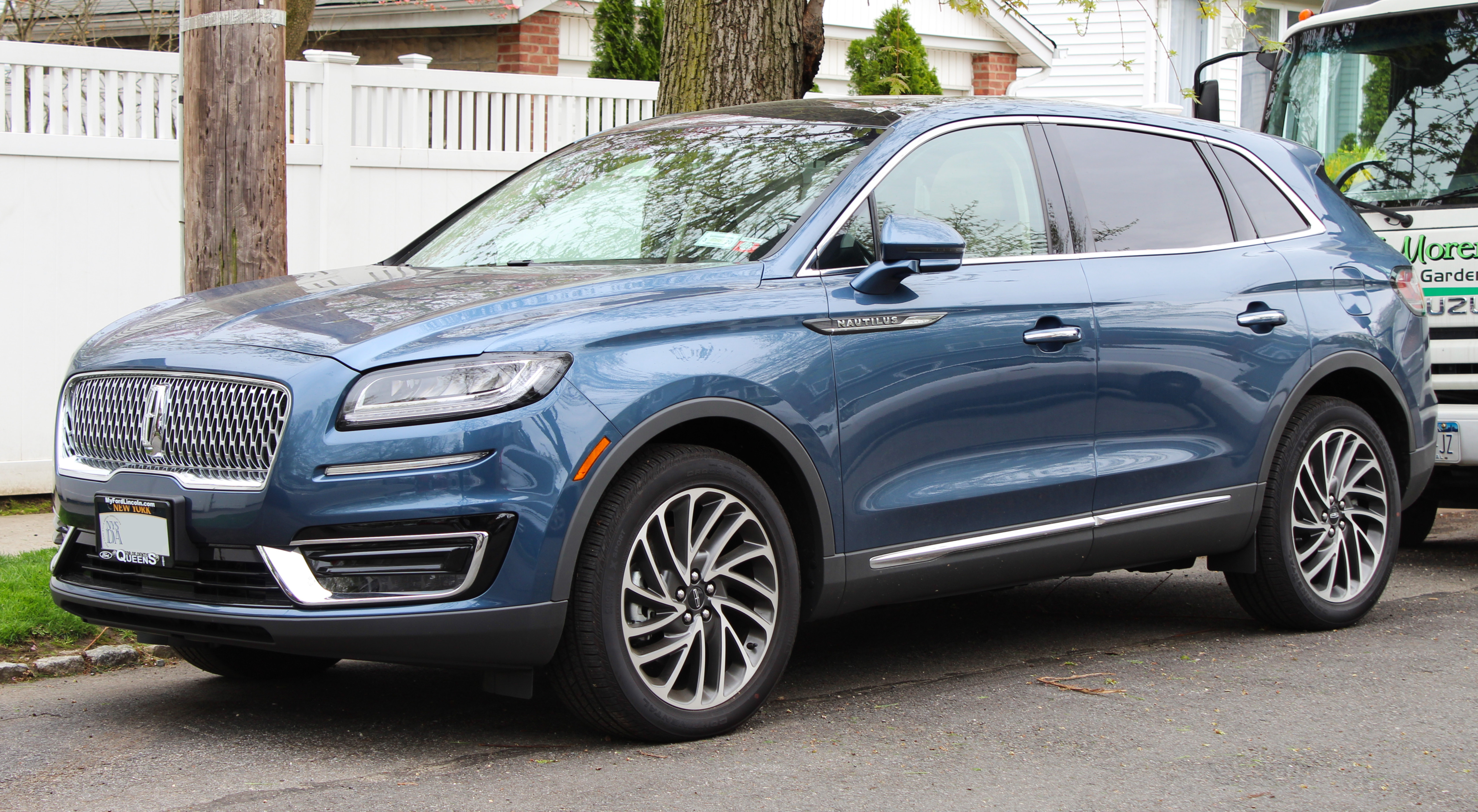
The Lincoln Nautilus is a luxury SUV made by Lincoln. The hosts are using it as an example of a vehicle built in China and how the car’s connected-tech software affects how it may be treated by U.S. rules.
Hangzhou is a city in China. The hosts mention a Ford-linked factory there because it’s where the example Lincoln SUV is built, and that matters for the policy and tech conversation.
Connected vehicle software is the car’s “internet and app” brain—what lets it connect to services and send data. The hosts are saying that if that software is developed in China, it can affect how the car is treated by U.S. trade rules.
LIVE
IgniteUps.ai: All right, welcome back. ⁓ at the automotive informants. ⁓ you know, I hadn't seen you in at least, you what's the that one saying a month of Sundays? ⁓ It's been a long time, sir. You know, feels like a long time. So what ⁓ what have you been up to, man? I heard you were doing some moves and had some little things happening at the house. So I'm glad you're back though. You know, we won't we don't have to jump into that, but I'm I'm glad you're back, sir.
Zach Fritz: Feels like it. It feels like Yeah. I'll give you the brief ⁓ elevator pitch on it. first, it's good to be back. I've missed you greatly. But we got the new studio set up at the new house and then discovered a black mold issue that got really bad, really ugly, and had ditch that property, into a new place, get the new studio set up, and it's been very dynamic over here, but I'm glad to be back and it's great to see you.
IgniteUps.ai: No, I'm glad I'm glad you're back. Hey, Z Zach, I I heard you had actually have quite a bit to talk about, but before we get into some of the stuff, some of the headlines I've seen, you you've brought up an interesting one that I I ⁓ read, but I hadn't had time to kind of really give my two cents on it. but why don't you ⁓ why don't you fill us in? You kinda go over the headline and then give us the play by play.
Zach Fritz: Yeah. All right, so don't quote me exactly, cause like I said, I've been in the middle of this move, but actually got a pretty big video in the works talking about this, but it kind of goes in with right to repair and what Ford's CEO, Jim Farley, just recently came out and said, with basically he doesn't want people working on their own vehicles, you know, the difference being a 1970s Bronco and something easy to work on.
versus a new one needing to go into the dealership and be connected to scan tools and, you know, techs. Sure, if you're a Ford Tech, no shade. But I a issue with this as a technician. I this is essentially locking people into, you know, hundred and twenty to hundred and sixty dollar an hour dealership diagnostic fees.
IgniteUps.ai: Well, twofold. I think way technology has been ⁓ been of the vehicle. It's no longer just, you know, an engine. It's, ⁓ you more and more a a software platform. And, you know, when I was at that ⁓ running the my Mercedes store, you if if you looked at some of the technology and like, you know, electrical that you have to go through just to diagnose an issue or fix it, you know, a little wire could be crimped and it mess up your whole thing.
so I don't know as a consumer, I'd want to even mess with any of that. So maybe how he worded it, but anymore with s you know, if you're look at EVs, they they tell you don't open the hood, know, or don't open certain compartments because you could die.
You know what I mean? Like there's there's certain things that, you know, I could see why he he might have said something like that. so that's the the angle I look at. and I I'm just trying to pull this up.
to see what he was saying. he just stated it's not appropriate for individuals to work on their vehicles at home when it comes to warranty repairs, primarily due to broad safety concerns. So that's kind of, you know, maybe the the article you read maybe, you know, clickbait ish, you know, set a headline, didn't really show the full context, but I don't know.
I'm I'm always curious to hear ⁓ What you say since you you've you work on cars and you have you worked on them forever?
Zach Fritz: Yeah, it's it's challenging because I think it reveals a broader scope issue across the industry with cars, you know, and especially Ford, right? Ford being this American brand where everybody's got an old story about an F one hundred sitting at home, right?
a granddad's Model A. And then for their CEO to be so ⁓ from reality here with their consumer base and say, ⁓ well, people shouldn't work on their own cars, well Are you calling your customers dumb or are you calling your cars too complex for who they're for?
That's really my big issue with it. And the fact that cars are getting more complicated and harder to work on, at what point does it start to become, okay, well let's hunt for a car from the 80s or 90s that we can work on?
So we're not locked into having to take it to the dealership or, you know, be waiting on parts, because we've seen that happen, especially at Mercedes-Benz.
IgniteUps.ai: Yes. Well, I mean, think about, you know, with with the the push for EVs, right? You you don't have thousands of moving parts like you do in the ice vehicles. Like ice vehicles you have I don't know, thousands of moving parts that and when you look at E V, there's a hundred and fifty moving pieces.
So really maybe you can change your tires, but even then you you would still need a machine to like, you know, s swap out the tire completely. You I mean There's there's a lot of nuances that I understand, you know, how how and why he ⁓ said it.
I I didn't look at it like s he meant it in a different way. It just they're just not being built that way anymore. Like you think about ⁓ my uncle used to ⁓ buy he used to love these little VW bugs because ⁓ He literally knew how to fix those cars, right?
I mean, it was super simple. You could literally go buy the parts quickly and and replace, you know, the engine. And there's there's a lot of little things you could have done on own. Now, fast forward to today, with the technology that we have, you know, i ⁓ anymore.
I don't I don't know that from a even from a technician standpoint. You you've got to have some VR goggles just so that they can show you how to fix the thing. You know what I'm saying? So I don't know that he's wrong, you know.
Zach Fritz: Yeah. It's a challenge. It is. It I think there's definitely the erosion of, you know, some of the DIY out there. And that's a little tough of a pill to swallow. But at the same time, for somebody who is a technician, it's a hell of a time to be because you're starting to become more and more specialized and that's really good for the industry as far as a, you know, retention standpoint, I think.
IgniteUps.ai: Yeah, well let's look at it from like a f a software t perspective. You know, I I remember when I built my first technology, this is 2015, right? Eleven years ago. ⁓ you needed some pretty high-tech developers to be able to generate pretty complex, you know, architecture the back end.
Now, you it's prompt. You know what I'm Like it's not It's not something that and and I'm saying that, you know, there's still a lot of complex things that you still need to have some deep understanding and deep learning.
However, percent of it you execute with a prompt. You know I'm saying? So there's you know, I can see, know, the developers were having to go in and do this manual code. 'Cause I even get a lot of crap from it too.
Like cust like I I get people on my social media channels, ⁓ you're just using AI to generate this image and this and that. And ⁓ how come you don't just write in your own words? And and I'm like, look, it's it's this I look at AI tools like a calculator.
Like I'm not gonna there's some, you know, math equations that I could sure, I could do it on my own, but why? You know, if there's technology today to simplify a lot of this process and a lot of manual like heavy lift, something that I could just literally get done going into a dealership, knock it out in an hour or two versus trying to figure it out on my own and buy all these special parts to and tools to try to fix all this stuff.
It it it makes a lot more sense to be able to just go somewhere, get it done, and and move on.
Zach Fritz: Yeah, it's it's wild. I mean, ten years ago we would have never thought that the industry would be trending this direction and then it almost feels like within the past twenty four months it has completely changed. It's insane.
IgniteUps.ai: Com completely changed. ⁓ but of that's just one of it. Look at what look at what Carvana's doing now. ⁓ And know, at first, hey, they're buying they're buying new car franchise dealers, you know. That that that's a cool headline.
IgniteUps.ai: Then you start reading what they're trying to do. Like they just announced this cube thing, right? And it's another little gimmick, kind of like their vending machine. Now they've got a cube.
Come to the cube, you know. almost feels like some kind of like we're straight out of a movie somewhere, right? Like, but here, look, now you're gonna get cubes. and it's it's interesting because you don't they're trying to remove they really they don't have salespeople or commissioned salespeople.
They don't have sales managers, no FI managers. Instead, they had they interact primarily through their phones, while non-commissioned customer advocates help answer questions and assist with the process.
So, you know, coming from, I'll tell you, I I've run a store that we took from 150 cars a month to over a thousand cars a month. That wasn't easy. It took four years to do it. In fact, when we went to we the first couple of months, we went from 150 to 220.
But it it took us about sixteen months to get to six sixty, which was in my in you know, back then I thought that was fast. These guys did it did two they broke seven hundred cars in in sixteen months.
It took us almost two years to break seven hundred cars. And then it took us four years to get to a thousand or over a thousand. But look, I just, you know, I posted this on our ⁓ this LinkedIn One of the the commentators basically said this month Carvana is pacing a thousand cars at that store.
IgniteUps.ai: And that this store was selling 30 cars a month, 30 to 50, apparently. Now it's it's breaking 700, and this month it's pacing a thousand. So and without salespeople, managers, F and I managers, about the economics.
You know they're still selling back end, they're still getting people approved. how many trades, even if they're trading at at 40%, but you it's a lot higher than that. ⁓ the economics there, it's just gonna be printing, it's gonna be a printing machine.
Plus, you get all the the reconditioning on the used cars that they're gonna be retailing. ⁓ the economics there is it's it's pretty strong. And then there you'll see some arguments in the comments that say, well, they're they're selling a lot of those cars are out of their market.
Well, they're still getting a lot of those trades, and I promise you, they're still selling some back end, and they're still
IgniteUps.ai: There's still some money in that whole process and seven hundred cars, know, you keep and that's not just the one store. They bought seven stores and all their other seven, other six stores now are all improving and and getting traction. So and that's just Stilantis. Wait till they start buying Nissan and and all these other OEMs. This is the model. The once they, you know, really dial it in.
IgniteUps.ai: They could start looking at different franchises.
Zach Fritz: It reminds me, a parallel I want to draw is think like Sonic Automotive and Echo Park. Right? You have your OEM dealerships, then you've got your used car recon side. So whereas we've seen, know, Carvana, we can talk about the, you know, the sketchy numbers and all that, but Carvana, for me, seems like they are taking all this risk, and it's likely going to pay off and get them out of whatever situation they may find themselves in.
However, if you look at companies such as Carmax, who, know, let's face it, just screwed up internally and just killed their culture and now is just stumbling, trying to, you know, dig themselves out of the ditch that they created.
But you look at Echo Park, who's been highly conservative and hasn't scaled, I I don't even know if there's a chance for them to try to get that back at this point with this growth that we're seeing out of Carvana.
I mean, ⁓ how do how do you recover from that in comparison?
IgniteUps.ai: Well, I don't they're they're deaf they Carvana definitely has momentum. and and let me tell you, I just read this this morning. this was this actually came out yesterday. I haven't reported on it yet. I just got the article this morning. I was gonna I'm gonna post something about it later today. but let's talk about it. Carmax shares fall after CEO flags high cost of operational shortcomings.
IgniteUps.ai: So on the one hand, you've got all this positive, you know, momentum, you know, first first quarter earnings with Carvana, they crushed it, they netted all kinds of money. CarMax was actually, you know, not in the the best position from a profitability standpoint comparing to Carvana.
And they've got and Carmax has a the bigger footprint. And then you read this This article from Reuters and it's basically it shares fell more than seven and a half percent on Wednesday. As CEO Keith Barr flagged elevated costs and operational shortcomings after the used car retailer posted a dip in first quarter profit amid squeezed margins.
And then he said they says used car companies have struggled to maintain margins as affordability concerns weigh on demand retail demand in an uncertain economy. So, you know, it's he says
IgniteUps.ai: Retail prices and selection must continue to improve and our costs must remain and our costs remain too high. Yeah. I I don't even know how I hate worded that, but it's interesting. I mean, we're differently in different times. You see what's happening in, know, the Middle East, ⁓ I don't even do they still call it that. I mean, I hate to say it. I mean, it's now it's just the straight of hor hormous, all that, you know, craziness that's happening, all the the the
IgniteUps.ai: you know, death and everything that's happening. It's unfortunate. It's it's sad and you don't know what's happening tomorrow. you hear the new f this new Fed possibly raising rates when really supposed to be lowering rates, but then just a of uncertainty right now.
New cars are all time high. I you know, I I I don't when I look at the good and and try to find out, hey, look, where where are the people that are winning? Because it doesn't matter if it's a down market or an up market, people that win win.
Winners win, right? You you've heard that saying. And right now, winning ⁓ and you're looking at some of this news information out there, I don't know that you can ⁓ stop machine. What do you think?
Zach Fritz: It's I don't I don't know if you can. I mean, if we're looking at who's truly it used to be, let's call it, you know, fifteen years ago maybe. It seemed like CarMax pretty much controlled the entirety of the used car industry.
It basically was that way. And then now you're seeing I mean, you know, I'm not the biggest Carvana fan myself. However, the other day I did submit a quote to Carvana on a project that I picked up and I might be selling a car to them, so who knows.
just interesting to me because I even see the same thing in you know marketing on you know some of the rental side, you know, with Hertz and their marketing recently. They've kind of they followed kind of the path that CarMax did, where their marketing just isn't to who they should be selling to, versus Carvana has been very dialed in from that perspective.
And it's the same way they can start turning 700 to a thousand cars a month at those stores because they're getting people in the door versus all these other companies, you know, look at CarMax. I mean, CarMax kind of did what Bud Light did, where they just targeted the crowd that was not their main demographic, and it just wrecked them.
And they haven't been able to recover since versus Carvana has just been dead on. Hey, you've got a car you don't want anymore, sell it to us, we'll come pick it up. No hassle, no problem. And they're selling that convenience.
IgniteUps.ai: Well, not only that, I mean their their marketing str strategy will will have to be like studied because, you know, for me, I gave up cable I don't know, fifteen years ago. I don't watched conventional I haven't watched conventional TV in you know, years. I don't I I I wanna say it was like two thousand ten, eleven is like the last time I really probably watched k like TV like like normal.
IgniteUps.ai: You know, like I don't see I every every media I consume is via social media I Carvana crushed it, especially s when I guess you started really hearing a lot about what they were doing during COVID.
And they literally they just they ⁓ owned that those on social it didn't matter where I went, you just saw something like, Hey, we wanna buy your car, we wanna buy your car, or we'll come pick it up.
We'll come Like, you know, sell us your car from your couch, you know, fr like you know, sell it to like you order pizza. You know, all of those marketing that they were doing was pretty spot on. I mean, CarMax, on the other hand, you didn't really hear ⁓ They went the conventional route.
T V, let's go to Super Bowl commercials and let's go this direction versus having a normal, you know, on social media that doesn't need to be ⁓
IgniteUps.ai: a highly produced commercial. It it could be somebody just on their their flip phone or cell phone and just talking about, you know, selling your car. I mean, that's that's what I saw and to see, and CarMax still just acting like a traditional, you know, retailer and not really going into where the attention is.
Zach Fritz: Well, it's it's not just that. Carvana focused on the mainstream issue of selling a car, quite frankly, is a pain in the ass, and they make it not hard. Versus CarMax and their advertising came out and said, yeah, selling a car sucks, but sell it to us because we're gonna buy your car even if you don't buy ours. ⁓ do that because we're gonna target niche issues and you know, not it just got weird.
IgniteUps.ai: Well, let me ask you, did was Carvana I don't remember them saying, you know, anything bad about dealers. The only one that really did come after after the dealers and not here anymore. That's Vroom. Vroom r really went after the dealers and said like I mean, their Super Bowl commercial was like some guy in a you know, interrogation room with jumper cables sparking and saying, Hey, I'm gonna s
Zach Fritz: Across their entire company to say that.
IgniteUps.ai: You wanna buy a car? Like they were really it w they really went after it, right? They were like, you know, saying bad things. And guess what happened? They they're not here anymore, sir. So I don't know that Carvana, I don't you know, I'll have to look at some of the advertising that they did. I don't remember seeing something where they were b bad mouthing dealers. I just really saw them easiness, the convenience from your couch. know.
IgniteUps.ai: buying a car or selling a car online.
Zach Fritz: Yeah. Yeah, it's just just not Not focused on Carvana focused on, which was how do we change the process, make this easy to wear whenever somebody thinks about, ⁓ this is gonna be a hassle, then they just go through Carvana because all the all the questions they have are already answered. It's already done. And I think that's why they're absolutely killing it. Same thing with targeting. Yeah, good.
IgniteUps.ai: Absolutely. Yeah, you know and ⁓ I think man, when you read something like that with the you know, from Rooters this morning, it was actually something they posted yesterday. It it's just you know, I I have this, you know, I started my career at CarMax, so I always think I always root for them, you know, because I just I think the the people that started that organization were great people.
and I I learned a lot from that organization that You know, you always want you can't always root for them, but you know, if they don't do some and I felt like they were doing some good moves where, you know, they decided to to move away from the the you know, the other s CEO and moved ⁓ to try to gen they even said they were gonna focus on advertising and cut expense and they even moved away from their was it their six month warranty to then they moved it back to ninety days or I I forget exactly what they did.
but You know, it's I it it sounded good, but then you start, you know, reading this new headline. I don't know. I don't know if they're on the right path yet. you know, I know you said we we had that conversation a couple months ago where the guy was putting ⁓ candy in in the the the driver's seat, the mint ⁓ as they drive off or something.
Zach Fritz: The mint? Yeah. ⁓ it whenever they gave Bill the boot and then the new CEO comes in and says, ⁓ we're gonna put a mint on the seat of every single car, and it's like, dude, get your head out of there. It just I I haven't seen
IgniteUps.ai: Well, he was from the hotel industry, sir, so you gotta give him a little grace, you know. Well, well here's here's another seg segment that we can kind of go through. We still got a little bit of time. So two of one of is twenty-seven thousand dollar EV experience that Stellantis is doing. Now Stilantis just launched a small electric vehicle in Europe and it's gonna be around twenty-seven thousand dollars.
IgniteUps.ai: And for me, a twenty-seven thousand dollar EV might actually help in the US, but we still have the issues of charging stations, the range anxiety. a real issue for a lot of consumers, especially in Middle America where there's not, you know, a lot of charging stations.
e you know, even in the bigger cities, there's still not nearly enough charging stations, or as convenient, you know, like a convenience store is. ⁓ so there's still a lot of that. But I don't know.
They're that's their test market. I know Stellantis talked about doing something with China, so I don't know if this is that. but what do you think about this this EV strategy Stallantis is doing?
Zach Fritz: Price point, I think, is perfect because this is kind of a lower barrier to entry. You know, no matter what financing you do on it, you can pay this off pretty quickly on the average salary.
I think it works. You know, we're not looking at a $60,000, $70,000 car, which for a lot of people is a lot to bite off and try to chew. But it comes to the charging station issue, that's still very present.
And how do we remedy that? Is that everybody getting home chargers? I mean, I Been approached recently by a few companies that have been like, hey, your YouTube channel, let's send you a home charger.
And it's like, guys, I don't have an EV. I can't, well, what do you want me to plug in? I can't show it off. It doesn't work for me. But I'm seeing more and more of this. But we run into the issue of do we have a grid to then support everybody trying to charge cars at home?
Do we it turns into larger issues, but unless we ⁓ create the problems such as getting more people into EVs at a cheap and affordable price point. Well we won't say cheap because that's still not cheap, but affordable, you really create the demand to solve the problem.
IgniteUps.ai: Well, ⁓ there's a couple of things. So from a home charging standpoint, keep in mind we talked about this, you know, as you know, the US we're in a renter's economy, right? Like there's more apartments than anything. So where are you gonna put the charging stations if you're at an apartment complex? You're you're not gonna just, you know, tell them to Yeah. So there's that. The next thing is
Zach Fritz: Extension toward out the window, it's fine.
IgniteUps.ai: Yeah, the twenty seven thousand dollar price point sounds good, but is it gonna be like Slate, you know, and you weren't here last week when we discussed it, but Slate has that, you know, twenty five thousand dollar car, that truck, little tiny truck that's coming out to the US, Amazon backed, Carvana even backed them too.
not big investment, but you know, still enough where you you see what they're doing in new car ⁓ stuff. Is this a segue for them to, you know, start selling slate vehicles too? I don't know. But the problem with that vehicle is 150 mile range.
That's terrible. And if gonna do if Stellantis is doing this smaller price point, does that mean it also has a hundred and fifty mile range? And as you know, in the US, that hundred and five fifty mile range.
doesn't do anybody good. And y you'd have to be at the charging station every day and who wants to spend thirty minutes a day trying to charge a car or truck.
Zach Fritz: It is such a big on part. I won't go too far down the rabbit hole, but damn it, Slate would have just said, we are going to take a tried and true four-cylinder right out of any Honda or GM product and create a hybrid drivetrain with that 150-mile range. You can still have a battery, but you still have a gas motor, it'd be a home run. Absolute home run. would be it, I think it would absolutely crush. Ford Maverick sales. Absolutely. Just hybrid.
IgniteUps.ai: I agree. That I agree with. I think and and I think I think you're gonna find, you know, there was the the administration early on in in the year or even last year was talking about tiny cars. So they were talking about yeah, they were talking about, you know, getting so and I remember someone posted on one of my stories I wrote about specifically about those tiny vehicles that
IgniteUps.ai: they're working on something that is gonna really just be that is a tiny truck type vehicle that is gonna have that little, you know, four cylinder engine or something like that. So it'd be it'd be great to see something like that that, you know, people can still win on that still make money and and can produce at scale. I think the challenge is when you start looking at trying to manufacture something here in the US with tariffs
IgniteUps.ai: with all the other things that go into it, unions, the cost to to even build one of these things anymore is just is just gone too high that I don't know can you even execute these types of plays where you can actually sell something that inexpensive.
Zach Fritz: It's gotta hurt at some point, whether that comes from investment in American manufacturing to avoid tariffs, because if you don't, then we're just controlled by other countries, which is the exact situation we they have us in right now.
So everything's expensive, hard to get, ship shortages, whatever you want to call it, and every every event that ever happens impacts us in some form or fashion in our automotive industry. So it's it's it has to hurt at some time.
At some point we have to rip the band-aid off and say, All right, great, yeah, it's gonna suck. It's either gonna be expensive, we're gonna have to, you know, work for cheap, we're gonna have to invest, and it's not gonna pay off until twenty, thirty years down the road.
But what point do you just bite the bullet and say, Well, yeah, it's gotta happen? Or hey, yeah, we're fine being controlled.
IgniteUps.ai: Well, you know, I think the opposite's ha been happening, right? A couple of years ago they started raising rates and they said it's gotta happen. You know, the economy's just on fire, you know, everything's gotten expensive.
We need to raise rate to control the inflation. We need to do something, right? It's gonna hurt for a little while, we'll get back, we'll get the market back. And everything's still going higher. I d I don't see I I think rates got went higher and everything else went higher.
And, you know, I don't know if they can correct it. Are we at the point now that, you know, th this is is where and then some would argue that, you know, I know you said that something about nobody wants to be occupied or nobody wants to be controlled.
But know, some would argue that too late. You know I mean?
Zach Fritz: Yeah, absolutely. Absolutely. It's too late. I mean it it's something big has to happen, something big has to change and you know, yeah, it is with the rates, you know, then you see fuel prices. I know we started off talking about some of the straight h her moose and oil prices and all that. It What's what's gotta give in the industry at this point? To make cars cheap and again, easy to work on? I mean ⁓
IgniteUps.ai: You know, well I I do think I think the robots coming will answer a lot of that, to be to be honest with you. I think it could it it could happen, you know. So but talking about robots, you know, Nissan just admitted the quiet part outlide loud, so China is becoming the benchmark for automotive innovation. So this was interesting.
IgniteUps.ai: We might as well just talk about it all, right? So you think about Jip Nissan's been having a lot of challenges l recently. They they shut down a lot of plants, trying to get capitalized, or sold a lot of plants so that they could have get some capital. but then they went to China and China, you know, faster engineering, faster testing, faster software development, faster vehicle launches, what normally costs s it
IgniteUps.ai: you know, development costs usually take sixty months. The China's doing it in thirty months. They're cutting that development time in half. And so when you think about how they build vehicles, not only are they owning the whole, you know, logistics, from the the hardware, the the batteries, ⁓ specifically in EVs.
you're you're looking at the n like the the turnaround time to create a new model and and iterate and do things faster than anyone is doing. You know that people need to really understand what's happening.
Like I know they're coming to Canada. They're really trying to make a push for the US Ford just talked about in an I haven't even posted this article. They they just talked about pushing the US to allow a Chinese dual, you know, venture vehicle.
I think it was the a Lincoln that they did together. They're trying to bring it to the US. I mean, it's it's a lot. Once you start really looking at, you know, this this is like a full steam train that's just, you know, I don't see this thing stopping at all.
And You know, I I l I look at all the tariffs and everything that they've put in place to try to, you know, combat some of this stuff. but I don't know. What do you think?
Zach Fritz: Well, Ford, that's a little hypocritical with their ⁓ them bitching and complaining and wanting all that terror free fund money. So I mean that's that's cool. but anyways, China killed it a few years ago whenever they really on micro mobility.
And a to kind of probably make this relevant for everybody who's not in the loop on this, is have you the rise of like e-bikes, for example, and how it seems like every Teenage kid is now riding around an electric dirt bike or an e-bike around town and you know, HOAs and neighborhood.
IgniteUps.ai: Yeah. There's been a lot of people that have died because of those too. I mean, they've there's been accidents where not only have they fallen, but they've run into people and killed them. So like a motorcycle. It's
Zach Fritz: Yes. Everywhere. Yeah. A hundred percent. But they're everywhere. everywhere. And I think China whenever you
IgniteUps.ai: Well, I think they're everywhere 'cause you you live in Colorado, sir. You know, that that I don't see that in San Antonio as often. It's not as prevalent. I'm just kidding.
Zach Fritz: ⁓ yeah. But they're so popular, and they're all coming from China, and they're produced by like the same five factories. when you look at this, China started focusing on that, and I think that at a smaller scale, but you know, smaller scale as far as production, but large scale as far as distribution, you see China and kind of perfecting this model with the batteries and their electronics, and then same thing with distribution.
If they could apply that to cars, which they are now. ⁓ my goodness, it would be everywhere. Every car would be the s exact equivalent. And I think that's really where they perfected this model and kinda got it together.
And for us to try to outpace that here in the US, I mean if Ford is to bring over a you know, whatever Ford or Lincoln branded or Mercury or whatever the hell they want to do, here in the US, it would it would it would kill everything.
IgniteUps.ai: Yeah, well they it's actually a Ford Nautilus. no, Lincoln Nautilus, sorry.
Zach Fritz: Mm. Yeah. it it would are we gonna get Matthew McConaughey to do a commercial for it? That's the real question if it's a Lincoln.
IgniteUps.ai: He's he ⁓ he might, sir. He's he's he has been doing the Lincoln one. So the Lincoln Nautilus, it's built at the Chang'an Ford assembly plant in Hangzhou, China. So
IgniteUps.ai: Because it's connected vehicle software is installed in China, the SUV falls under the Commerce Department restrictions on Chinese developed vehicle technology. So they're making a push to try to say, hey, don't don't include this in the tariffs, but I don't know, sir. It's gonna be
Zach Fritz: I was gonna ask. Is it gonna get the same treatment that DJI got from a national security standpoint because of all the tech being developed in China? And then what happens whenever it's got, you know, cameras and can track and I mean that that's my there ⁓ that's how ⁓
IgniteUps.ai: You know, I I really think that ⁓ Wow was it Huawei or I think I'm might be messing up that. I don't know if you've seen that technology Huawei. It's like an Apple, but it's got a lot of cool technology laptops.
If you saw I think they could be a real threat for ⁓ but they're including a lot of that technology in the vehicles in China. it it's actually really impressive technology. So I don't know. I think it's gonna be it.
We're definitely in interesting times. You know, I think I probably say this on every episode that we've had, but once you start really looking at all of this, what's going on, how do you how do you as a dealer today read through all of this?
Like all these headlines that you saw, they're already here. You know, I I I posted this on my newsletter this week and I basically said
IgniteUps.ai: I outlined it all, you know, transparency, all of this stuff. Somebody made the comment because I said, Look, it's gonna change everything in the in in the future. And he said, Well, it's actually already happening today.
So since it's already happening today, and I could have been a little bit more specific, meaning, you know, on a national level w the s a lot of these dealers aren't gonna be able to hide specifically with AI being able to audit and you know in investigate things that you know the human eye normally wouldn't be able to as quickly.
You'd have to hire a lot of people, create a lot of resources to do this with AI, you just eliminated all of that. Like you literally can investigate, audit, do everything that you want to do relatively quickly.
in today's with with AI. So knowing and l everything we spoke about, how does a dealer get better wha how can they learn from all this so that they can get better?
Zach Fritz: I think the key here is, you just said, to learn, to educate yourself. I mean, in with how quickly the industry is changing, right? With AI and that's that's a given anymore. If you are not doing the right things for the right reasons and being a transparent dealer or an operator, then yeah, you're gonna get caught, you're gonna get called on the carpet, and it's not gonna be a very fun time.
But The more that you can educate yourself on this new technology, new vehicles coming out, new mergers and partnerships and acquisitions, this industry is so rapidly changing that if you are not up to speed on it and you're not, you know, tuning into the automotive informants and learning about these new things as they evolve and come out, then know, you're gonna learn eventually.
IgniteUps.ai: And and the hard way, right? And the hard way. You know, because for every amazing story I can tell you that happens in the the automotive space every day, there's other stories where people are losing big, right?
So stay, you know, be wi be open and willing to learn. Understand that this is a game. We're in a game we we play every day, car game, and that there's a lot of winners and a lot of losers and y your job is to figure out how to be a winner.
And and d information at your fingertips. You just gotta know how to either find it, look for it, or just ask. You know what I'm saying? So it it's it's amazing many things I've learned by just picking up the phone and asking friends or people that I know in the in the in the marketplace that you know, just wanna ask ⁓ a quick question and you'd be surprised how many how many answers you can get just by asking.
So this has been fun. ⁓ has been fun, Zach. I'm glad you came back. I know we did miss one of the guys that was actually supposed to jump on today. so hopefully we can get him back next week. We do have a a special guest next week, ⁓ from Lotlaw.
IgniteUps.ai: He's gonna we're gonna kinda go through FTC, all the different things that we've been discussing recently. And he's got an angle because he's he's a he's a former attorney and or even still I think he's still the practicing attorney.
but he has some some really good information that we'll be able to ask good questions on. So I look forward to it. But as always, Zach, thank you for jumping on and ⁓ until next week to our audience.
⁓ Please subscribe, tune in. Every week we get this information to hopefully help you win in automotive. So thank you guys.
About this episode
Ford’s CEO Jim Farley’s stance on DIY work sparks a debate about right-to-repair, dealership scan-tool fees, and how EVs/software change what owners can safely do at home. The hosts then pivot to retail disruption, praising Carvana’s convenience-first model while noting EV adoption still runs into charging and range anxiety. They weigh whether cheaper EVs can land in the U.S. given grid capacity and real-world range, and connect China’s faster EV development to tariff and connected-vehicle restrictions.
The conversation covers a wide range of topics, including the challenges of working on modern vehicles, the impact of EVs on the automotive industry, the rise of Carvana, the influence of China on automotive innovation, and the importance of education and transparency in the industry.
Takeaways
EVs are changing the automotive landscape
China is becoming a benchmark for automotive innovation
Transparency and education are crucial in the automotive industry
Chapters
00:00 The Importance of Education and Transparency in the Industry