Rally is a type of car racing where drivers race on different kinds of roads like dirt, snow, or pavement. It is very exciting because the roads are tricky and drivers have to be very skilled.
DirtFish is a place where people can learn how to drive rally cars and watch videos about rally racing. It helps make rally racing more popular in the US.
Pike's Peak is a famous race where cars and motorcycles drive up a big mountain road with lots of turns. It's a tough race because of the steep climb and tricky corners.
The Nissan 240SX is a sporty car that’s good for people who like to customize and drive fast. It’s popular for fun driving but some older ones might have rust or need repairs.
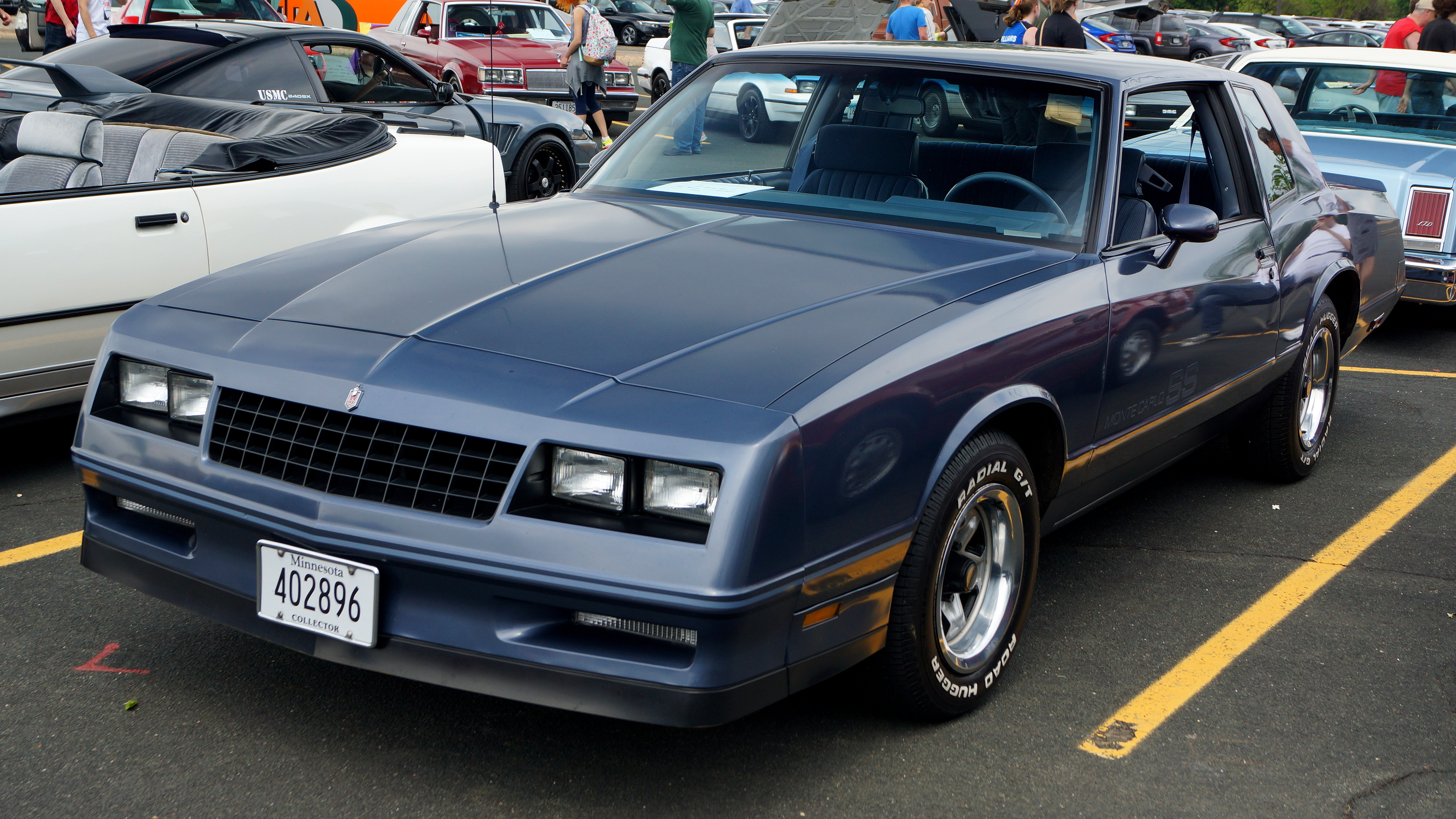
The Chevrolet Monte Carlo is a big, comfortable car from America that’s known for having a strong engine. It’s often linked to racing and is popular with people who like classic cars.
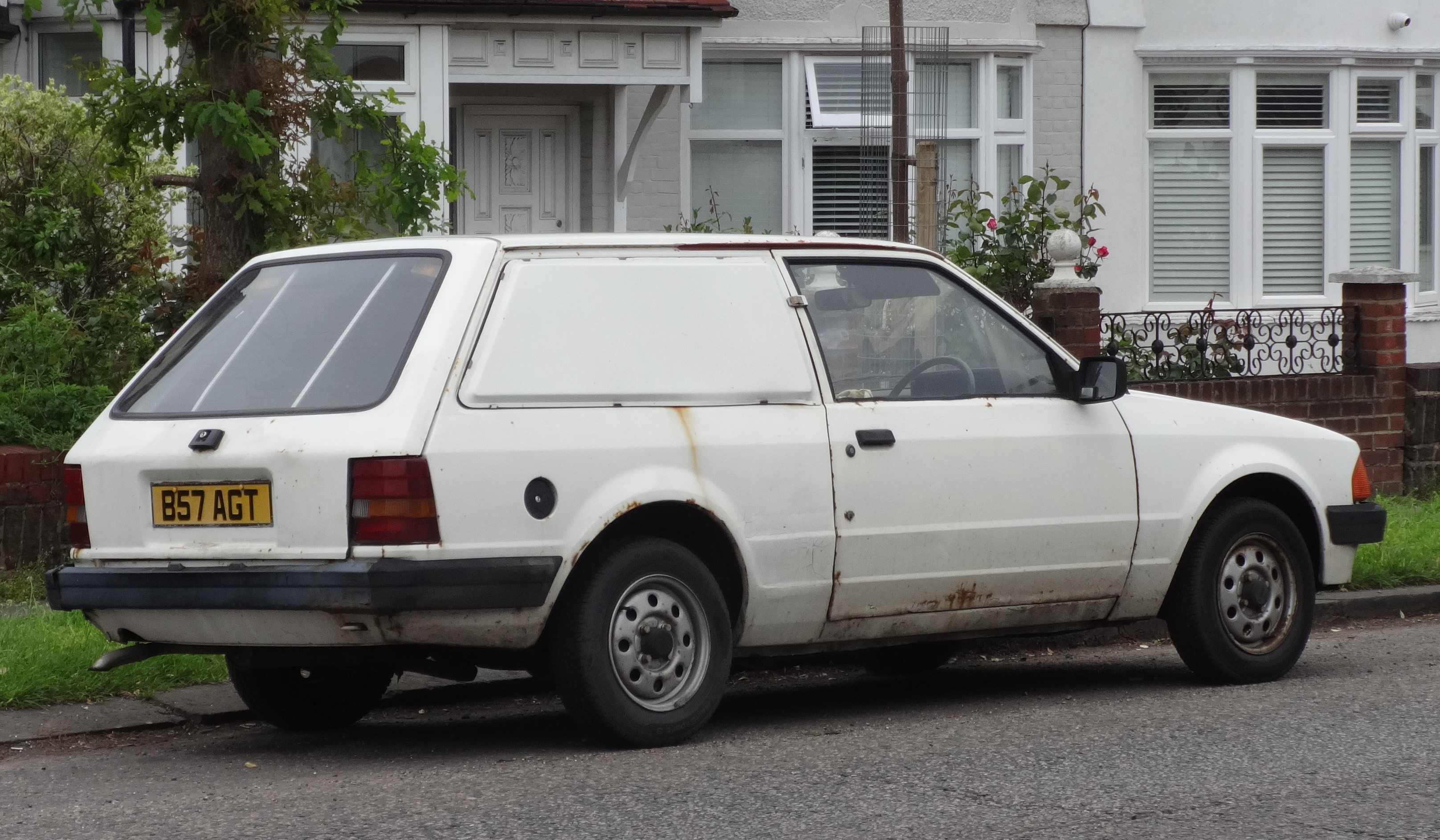
The Mark II Escort is an old Ford car famous for racing on rough roads called rallies. It's well-loved because it was very good at this kind of racing.
The Ford Fiesta Active is a small car that looks a bit like a little SUV. It’s higher off the ground and good if you want a car that can handle rough roads better than a normal small car.
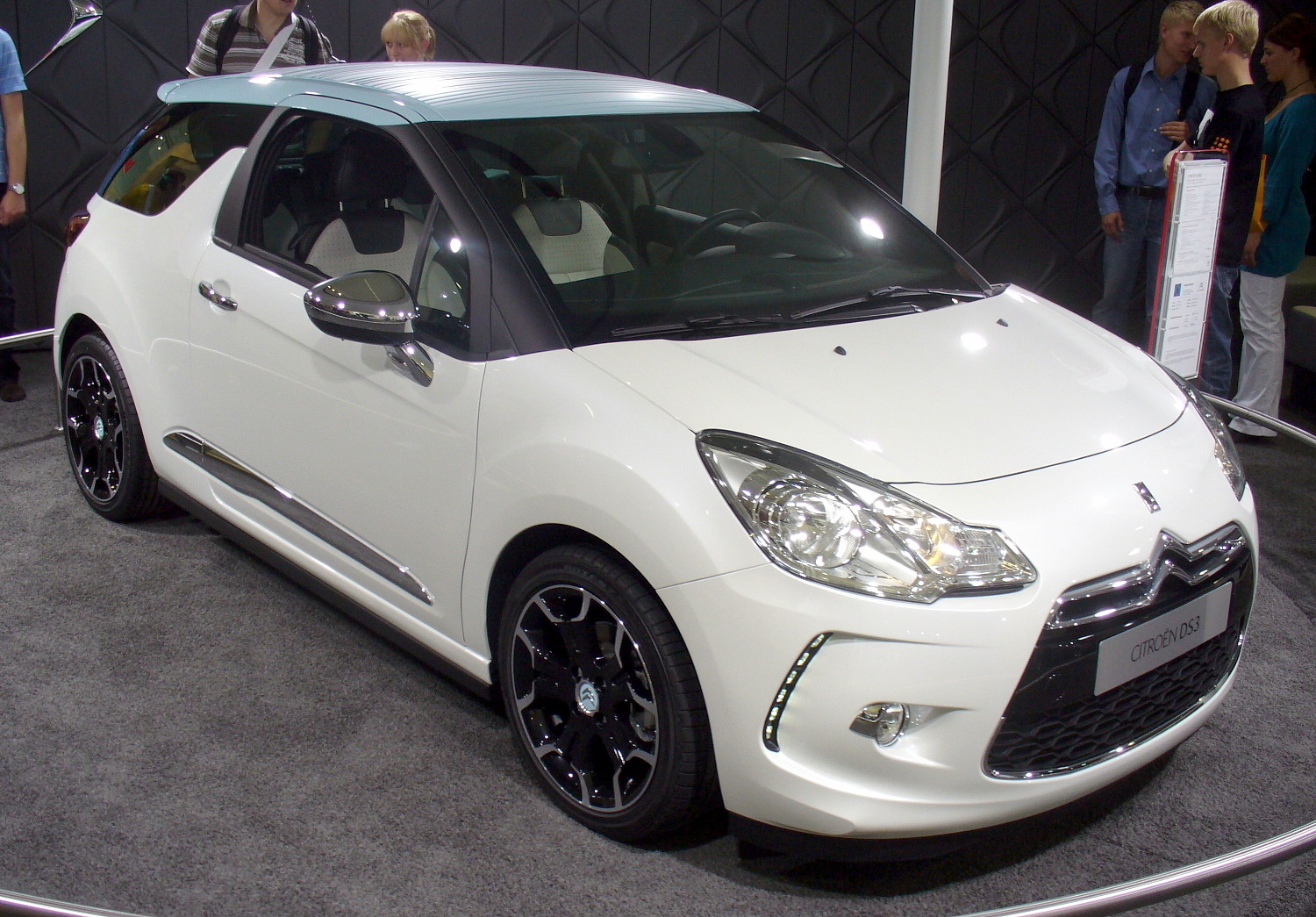
The Citroen DS 3 is a small, cute car that you can make look your own with different colors and styles. It’s easy to drive in the city and feels comfortable inside.
The Subaru WRX is a small sporty car that can drive well in snow and rain because it has power to all four wheels. Many people like it because it’s fun to drive and works well in places with bad weather, like Colorado.
The Alfa Romeo GTV is a cool-looking sports car from Italy that’s fun to drive. The GTV Cup is a special version that only a few people own, so it’s pretty rare and special.
And the drivers turned up early, and I was doing radio.
And I was chatting away to him, and there was Chris Meek,
there was one or two others.
And Oje was there and was chatting.
And he was leading by about two minutes.
And I said, this will be your fifth pair of cowboy boots.
And he went, oh, I should.
He said, my wife won't let me bring them home.
Because they smell.
He said, I've got these four pairs that I've never worn,
sitting in the cupboard at home,
and the smell of this new leather is doing her head in.
You'll be absolutely smelly.
I said, well, I'll tell you what's up.
I said, I've got a pair of, I've got a pair.
I bought the year before for about 30 bucks.
I bought a pair of pink, patent leather cowboy boots in Leon,
which I wore twice because you can't wear them
and wear I live in the middle of England.
I wore them twice, I love them,
and I own them for a couple of occasions.
I said, Sam, I've got this pair of pink cowboy boots.
I tell you what, they don't smell.
If you win today, I'll swap them with you.
Forgot all about it.
Forgot all about it.
Two rallies later, we're in Sardinia,
and I'd gone into the Volkswagen hospitality area for dinner.
And, you know, the drivers are there
and the team are there and you leave the drivers alone in the evening.
You tend not to go near them, you just leave them on.
And he's beckoning me across and I'm going, oh, what have I said?
What have I done today?
What have I said?
And I'm wracking my brain because I'm doing radio at the time thinking,
have I been critical?
Have I said something controversial?
I'm thinking, oh, God, so over I went to his table
and he gets his bag man and says,
go and get that bag that I brought in earlier on.
And he comes up with this carrier bag
and it's got the winner's cowboy boots in it.
And he goes, they are called, I promised you these.
You can have them.
And I mean, I haven't got the pink ones for you.
He said, he went,
I don't want the pink one, you give those.
But he asked the guy, yes, he remembered that conversation.
So I own a pair of winners cowboy boots from Raleigh, Mexico.
He had no need whatsoever to do that.
But the sort of guy is he remembered.
He brought them with him to a rally, two rallies later, and I love him.
I absolutely love him and love him.
He's a special champion.
That's cool. That's cool. That's cool.
I did want to just touch on something you said around, you know,
then these drivers being misunderstood and being very focused.
But you're in your day job, you know,
you have got to get the best story out of that driver.
And they may not want to talk to you.
Now, obviously, over time, you build up relationships,
you know who they are, they know who you are.
But how do you do that when they are probably so focused
on whatever the next stage is ahead?
But you have to get that story.
Yeah, you know, when I say that some of them are focused,
that happens very rarely, even though Seb was ultra focused.
Unless you asked him something silly, he would always give you an answer.
He was very polite, he was very 30 years.
You had to be really, you had to be winding him up
from to be a bit difficult with you.
But you know, there's one driver,
a guy called Loic Tanak, who was a world champion in 2019,
2019, Estonian, again, the most focused and driven man.
But also sometimes quite unpleasant, quite unpleasant to talk to.
And you just have to persevere, Dan, you just have to persevere.
And you have to you have to understand when.
You know, there might be an occasion where you just got to let them be.
You know, you just got to let them be.
It is quite a small community, the rallying community.
And you know, more than anything, the drivers have to trust you.
If you lose the trust of the drivers, they just won't speak to you.
They just won't speak to you.
If you try and stitch them up, you'll only do it once
and you'll never talk to them again.
So, you know, it is about you.
It is just about, you know, I'm reasonably.
Not flipping isn't the word, but you know, I like to have a bit of a laugh.
I like to have a bit of a joke.
I like to talk about things that other interviewers don't talk about, you know.
And I think the majority of drivers appreciate that and they enjoy it, you know.
Most of these kids these days that are coming through are very savvy.
They're very social media savvy.
They're very image savvy and they understand the value of communicating
with people like me and having a bit of a laugh and showing the sport
for what it is, which is real, it's fun.
Yes, it's the most challenging, the most difficult, the most
one of the most dangerous forms of motorsport.
But these are real kids.
These are real men and women who are taking part.
And, you know, they want to be seen that way.
So they do appreciate it when you can be a little irreverent with them at times.
Sure.
Well, you know, and, you know, and I like that.
I like, you know, I know how to ask the right questions at the right time.
I know how to be hard.
I know how to pick up on someone who is bullshitting, you know, if you like.
And there are times where you know they're not telling the truth,
but you let it go, you let it go.
And there are times when they're not and it's your job, it is your duty
to actually find out what's going on behind the top line answer that they're giving you.
If you just accept the top line answer all the time,
then you have no integrity as a pun that you have no integrity as an interviewer.
And I think picking that time, picking those moments
to be asking the hard questions, I think the drivers appreciate that.
I really do. I really do.
I think they know that they're not always going to get it from me,
but they know if they want to try and pull the wool over my eyes,
I'm going to ask questions. I'm going to ask hard questions.
And it takes a bit to build that rapport to that situation
where you can ask those questions and still have a chat and a laugh for them the next morning.
Yeah, Ryan, I don't know about you,
but this sounds like a set of skills that a journalist would have.
Well, that's exactly what I was going to say.
And it's something we see less and less of right in the automotive journalism world,
whether you're writing about, you know, whether you're writing car reviews
or you're covering races or whatever.
It's just there's there's so few folks that are critical anymore.
Right. I think you've got to be critical
and you've got to be a little bit skeptical.
You know, if you take everything at face value, then what's the point?
What's the point? You know, you have to be a skeptical.
You have to ask questions and, you know, people are doing things for the right reasons.
They won't mind that. They won't mind you asking questions.
They won't mind you.
You know, you've got to be able to justify what you're saying, what you're doing.
More more team bosses than team drivers, you know, in that regard.
But if if they're if they're not doing anything naughty, if they're not doing anything bad,
they ain't going to mind you asking questions, you know, but I guess that's too many don't.
It's too many don't.
I'm agreeing with what you said earlier.
Too many just don't these days to sanitize.
Right. And that's and that's it.
And I'm sure that's a skill that you've honed over the 25 years, right?
I'm sure that first time you went out there with that equipment, you were going to use later, right?
I mean, I was probably didn't come quite as easily.
Well, there's a bit of in the family.
My poor old granddad never lived to see me doing my current job.
My dad did thank goodness for that.
He used to love coming on events.
But my granddad was a journalist.
He was he was a headmaster in later years, but he started off his career as a journalist.
So I'm a dad.
My dad did a bit of soccer commentary and soccer writing back in the day.
And I'm really sorry, Dan, I'm saying soccer just because you talked
about some strange sport called football where they never use their feet.
I don't get that.
No, there's a couple of things since living over here.
Firstly, no one calls it football over here.
And and that is just highly frustrating.
People don't know the plural of Lego over here.
So the plural of Lego is Lego, not Legos.
And finally, it's pronounced Jaguar, not Jaguar.
Sorry, I'll get off my high horse at this point.
You know what, Dan, you're choosing to live here, so you might have to adapt, mate.
I think you might.
Tell us about soccer commentary and journalism.
No, it's there in the family a little bit.
So, so there's, you know, there was maybe some sort of DNA in me somewhere that
maybe I'm just just just a yeah, maybe I'm just a bit of a bit of a nosy bugger at times.
I think that's probably more likely what it is.
I think it's one of the most what you do has got to be one of the most difficult professions.
You know, Dan knows this, but I had an opportunity to commentate a race
at Laguna Seca a couple of years ago.
One of the historic races should be easy, right?
Well, I get up there and it's the, what was it?
The Andretti era.
F1 cars, which I know nothing about, right?
And it was the most tense and sort of stressful, you know, 20 minutes of my life,
but I'm so glad I did it.
I'm so glad it, but I don't know how someone does that, you know, for 20, you know, races
or does a day in and day out because you're walking such a fine line.
You have to be honest.
You have to be critical.
You don't want to piss anyone off, right?
You don't want to make a mistake because your credibility is out the window.
You know, it is such a fine, fine line.
Yeah.
How do you, how do you get up and do that, you know, every day?
Yeah, back in the day.
So when I started up until about eight years ago, it was radio, radio is what I did.
And radio with rallying was a very particular skill.
You know, I would stand at the stage ends and interview the drivers
and we would tell the story of the evolving event with myself at the stage end
and my co-host in the studio.
She had all the times, she had all the information,
but I had all of these incredible vistas, I had all of the drama, the views and, you know,
and a lot of that was about just conveying to people back home the atmosphere
and again, not forgetting how lucky we were to be there.
But I was quite good at being able to create an atmosphere,
not that you had to create it as such,
but if you like being able to convey that atmosphere at stage ends, which is very, very special.
You know, if you could get, so the MD 500, if you could get a reporter quite literally
jumping on the side of that winning card as it crossed the line, as it crossed the line,
as it's just beginning to slow down and sticking a microphone under the winning driver's nose
and asking him questions, that was what it was like at stage ends with every driver.
You know, they'd literally, 10 seconds before, they'd come round the corner
at 120 mile an hour, putting their life on the line.
They'd break, they'd come to a stop and I'm there waiting to interview them.
Oh my God, how special is that?
Yeah, incredible.
But it wasn't difficult to tell stories, it wasn't difficult to build up.
What was difficult was trying to remember all the facts
and you know, in the days of, you know, everything is in my head
and you've got people saying, oh, you got that wrong,
but that's nice and easy when you can sit in front of your computer
and go and research, you know, X, Y and Z.
But I'm having to tell the story.
I'm having to, you know, and it was about telling stories.
It was about building a storytelling environment and keeping people excited.
Number one, taking them to where I was, you know,
and that could be the side of a mountain in Greece overlooking a 4,000 year old ruin.
It might be on top of the stage end in Argentina overlooking the Andes.
Just some of the most incredible locations.
So it was about painting pictures, telling stories, creating drama,
building drama into what's going on with limited information.
And then getting the best out of the drivers at the stage ends.
I absolutely loved that and it was a great training ground for me
in my efforts to be accepted as a journalist.
Not that I want to be, but it was a great training ground and it was one of those things.
To me, it came really easily.
It came really, really easily.
But, you know, we were doing the British Rally Championship.
We were making a TV program for Channel 4 in the UK
and I was doing the presenting and I was doing all the interviewing
at the stage ends and all the rest.
And I got food poisoning one night.
We were on the Isle of Man.
And they had stages on the Isle of Man that finished after midnight
and I said to our producer, and he was like, we like it.
He's now really high up in Formula One, one of the most talented,
really one of the most talented kids I'd ever met.
He was 21 years old at the time, most talented kid.
I said to him, I said, I can't come out tonight.
I honestly don't trust myself walking out the front door.
It was that bad and that was the one and only time that I've ever missed it.
And he went, oh, don't worry, Cole, full of confidence in you.
I'll go and do the interviews. I'll go and speak to the drivers.
So I made it down to breakfast the next morning
and I was with the cameraman and the cameraman went, he said,
Colin, don't you ever, ever be ill again.
He said he absolutely wrapped himself and he just couldn't do it.
This was the most, the most talented kid I've ever met.
But when it came to, and it's a sport that he was immersed in,
when it came to asking questions, he just couldn't do it.
He just couldn't do it.
So some of us have the ability to put people at ease,
ask the right question at the right time.
One of the things I never, ever, ever did at a stop line
and you might be interviewing, you know, I don't know, same drivers,
but you might be doing 120, 150 interviews a day
as in your stop line interviews.
They're only one minute each.
For me, if I was asking how was it, how was the stage then?
You know, any monkey can ask that, any monkey, any recording.
But, you know, he couldn't get beyond that.
He couldn't get beyond that, this poor lad.
And a lot of people, a lot of people who look at what we do
at Stage Ns, what we do around rallies think, oh, that must be easy.
It's not so easy. I think it's easy.
I honestly think it's easy, but I know when other people have tried
that, you know, to really just encapsulate the locations,
the atmosphere, the adrenaline, the jeopardy, all of those things
and to convey that in a way that people will sit back home
and listen on a radio, for example.
Yeah, it takes, I guess, a little bit of skill.
That's a great answer, you know.
And it's something I think about, you know, in print or web journalism
or whatever you want to call it, you know, kind of the death of long form
writing, because that storytelling is harder and harder to do, right?
And you know what Ryan, it's all about storytelling.
And this is where we're missing out on rallying just now.
Rallying gives more stories than just about any other form of motorsport.
And we have stories all around rallying, the characters, locations,
the drama, the cars.
We have stories every turn.
You know, it's a Jack and Ores, a chronic copy of Jack and Ores.
And we're failing to tell the stories.
And it's criminal.
It's criminal that we're failing to do it in rallying.
But storytelling is everywhere.
And you're right, the art of storytelling.
You know, it's a dying art.
What a shame. What a real shame.
Well, and to be able to do it on the fly like you can,
I mean, that's a gift, right?
I think that's just something you may be born with, right?
That gift.
Well, maybe.
But I never... You know, that first one I told you about,
that first event I went to.
Yeah, yeah, there you go.
Strangely, strangely, I...
I lacked confidence speaking,
even though I'd been working a reasonably high-profile job
and marked it high-profile.
Not high-profile, but a good job at marketing.
I actually took my little brother along to that event.
Well, he was there. He was there with me when we were getting the recordings.
But he'd done a whole lot of...
My little brother's a natural performer.
He works in the Alps, and he'd done karaoke and all sorts of stuff.
He had no problems talking to people and talking to crowds.
And I said to him before the first part came in,
the first part was Toshihara, a Japanese driver.
And literally, you know, Toshihara was two minutes away,
and I said, Simon, if I can't do this,
I am going to hand you this microphone, and you will do it.
And that's how uncertain that was of whether I could do it.
I actually had him prepared, and he was like,
oh, yeah, I can do it, no problems.
And he stood there with a face like thunder, you know,
as I got more and more into it with his first stage.
But yeah, you know, I was very uncertain
about whether it was something I could do.
And I was just...
I was lucky, Ryan. It is luck.
People say, how did you get there?
Luck. Absolute luck.
Right place, right time.
And then there was a bit of talent there
that allowed me to develop what I do.
So, yeah, yeah.
Don't dismiss that part of it.
Yeah, I can't tell my son who wants to do that.
I can't tell him how to do it.
You know, there's no sure way of doing it.
Yeah, well, in your busy schedule,
you still enjoy getting out for a drive?
Yeah, look, I love driving,
but I'm not a Dan Pilling when it comes to driving.
I don't have that sort of skill and talent and commitment.
I've seen some of Dan's driving. He's a good driver.
I love driving. I do love a road trip.
But I'm... So, you know, when I ski,
which I do rarely,
I went skiing for the first time in a long, long time,
again with my little brother, lives in the mountains.
Great skier, fabulous skier,
and absolutely no fear whatsoever.
Chucked himself off of mountains.
And he said that as I went down, he said,
tell you've not skied for a long time
because you look like Lady Di when you're skiing down there.
And that's what I like.
I like that nice, nice kind of rolled legs together.
I know the picture. That's the funny part.
Yeah, so it was that real control.
And that's exactly the same when I drive.
I just like, you know, I like taking lines.
I like, you know, the occasional little squirt of power,
but I like to be in control and to be neat and to be tidy.
It scares the crap out of me when I start driving fast.
I scare myself. I scare myself.
I once had a 9-6-4-9-11,
which I bought when I retired from the tobacco company
with the massive payment that they gave me.
I wanted to buy, I tell you what I wanted to buy.
I wanted to buy an Alfa Romeo GTV Cup car.
There were only 500 of them made.
A beautiful thing, 3.2 litre, a beautiful thing.
And we went to look at one and Dad said to me,
he said, go, he said, yes, it's a great car.
You'll have a lot of fun if it's on the road.
A lot of time will be in the garage being fixed.
He said, you know, in a year or two,
his time will be worth half of what you pay for it.
And he said, go and get a Porsche.
And it was one of the best bits of advice he ever gave to me.
So I thought, yeah, never thought about a Porsche.
9-6-4-9-11.
And it was the best thing I have ever owned.
I could drive it to the shops.
I could drive it around town.
If it was a straight line, it went like a rocket ship.
I'm told it handled quite well,
but I was never brave enough to throw it into corners.
But I loved it.
I loved the fact that it was powerful,
but it was poised.
And it was a beautiful car to drive.
But I'm not one that gets my kicks from tire squealing
and the back end stepping out.
Scares me.
We've done one hour and 10 minutes
without saying the P-word.
We were doing so well.
So a regular theme on this show
is that we're always talking about Porsches.
So we had done so well up until this point.
A long time ago, Dan,
and when my kids are finished at school,
maybe I'll treat myself to another one at some point.
Yeah, yeah.
It's just so good, you know?
What can you say?
Look, the thing is right.
Again, one of those people, over the years,
cars have cost me a lot of money.
I spent a lot of money on them.
Sure.
And then sell them for a lot less,
or give them away.
One of only two cars that I've ever owned
that I've sold for more than I bought it from.
Really?
So I paid £21,000 for that car,
and sold it 18 months later for £22,000 to £23,000.
I think if I still owned it,
it would be about £70,000 or £80,000.
That's the truth.
Thank you, singer.
Yeah, it's...
Yeah, yeah, yeah.
So, yeah, but yeah, the other one.
The other one, interestingly,
was my second favourite brand, Saab.
Saab 95 convertible.
Paid £800 for it, sold it for £850.
Awesome.
Oh, I miss Saab.
I miss those interesting cars, you know?
I love it.
It had a button, it had a night mode button on it.
That's right.
Where you press the button,
and everything went dark apart from the speedo.
That's right.
The speedo and the...
Born of jets, right?
From the jets, exactly that.
It's great.
But I never treated the night mode,
as it should be treated.
That's pretty nice of Saab, for sure.
Yeah.
What's next for you, Carl?
What are you up to next?
Off to Kenya.
Off to Kenya in a few weeks.
And then it gets busy.
We go down to Otago in New Zealand,
and the Heartland Rally in South Australia.
Yeah, it just gets busy.
It gets busy.
I'd like to slow down a wee bit,
but it's, you know...
I mean, it's not like I'm going in
to do a proper job every day, but...
Yeah, it's a busy old time this time of year.
Yeah.
But Kenya, I love.
You know, we go and we rally amongst the giraffes
and the baboons and the lions and the tigers.
Or is it lions or tigers?
We don't do lions and tigers.
Someone like Dan will know.
What is it?
What is it we have in Africa?
Dan, is it lions?
I think it's lions, yeah.
I think tigers are other places,
like India and stuff, aren't they?
That's it.
Yeah, and it's the most remarkable thing.
I absolutely love going to Kenya.
So that's next on the agenda.
Fun.
Sounds fun.
Yeah, it is.
Always.
Cool.
If people want to follow your adventures,
what is the best way to do so?
Well, Dirtfish.
Dirtfish is a US company I work for.
We're probably the world's number one rallying media.
We're there on Instagram, on YouTube,
TikTok even.
I don't really know what TikTok is.
Kids do.
Apparently we've got a million followers on TikTok,
which you believe.
Yeah, apparently.
I don't get involved much in that,
but we're there.
We're on Facebook.
TikTok.
Is it what?
It's for the kids.
It's for the kids.
Absolutely, absolutely for the kids.
But yeah, they can follow that,
or just look me up,
call in Clark Rally,
and you'll find me on all of those platforms as well.
But yeah, just look up rallying,
and if rallying is something that's new to you,
and you're just discovering it with this talk then,
goodness me, you've got a wonderful voyage of discovery
in front of you,
because there's so much,
so much out there to enjoy with rallying.
Yeah, now if you go to YouTube,
for example,
in search for dirtfish,
you'll see multiple,
multiple videos with Colin sharing,
interviews with drivers,
sharing some of the highlights
from basically the different events.
So definitely do that.
Check Colin's personal Instagram account out,
because that's where he's got a lot of the car stuff,
and a lot of the photography that he does.
Yeah, I love taking pictures.
Any closing thoughts from you?
Yeah, just that our buddy John Deiste
at Porsche Colorado Springs recently,
well, I guess it was probably six months ago now,
was at dirtfish,
and he said that was the best time
he had ever had behind the wheel of a car,
and that says a lot,
because he's driven a lot of cool cars,
so shout out to dirtfish.
No, that's very kind of him,
and do you know what's great about dirtfish,
is that we have some really good cars,
but more than that,
we've got some top quality instructors.
They are the very, very best,
and they'll, we've got,
how many kilometers down you'll know,
we've got many, many kilometers.
300 acres of dirt, and woodland,
and the guys are actually in,
I think they're Northern Michigan right now,
teach people to do it on the ice as well,
so check out dirtfish.com for all the details.
Yeah, absolutely.
No, it's a great place to go to learn to,
you know what, even for folk who don't necessarily
want to become rally drivers,
if you just want to understand
how to drive your road car better,
you know, it's fantastically useful
to have a day or two skidding around
and learning about weight transfer,
about braking, about apexes and cornering,
it teaches you so much,
even for someone like me,
it taught me a huge amount about
how to get the best out of my car.
Yeah, no, I agree.
Well, Cole, thank you so much.
We really loved catching up with you.
Oh, this is great.
It's always entertaining,
it's always informational,
and, you know, those are certainly signs
of a true great journalist,
so I'm going to officially say
that you are a journalist.
And for those listening,
especially my friends in Peru,
thank you for listening.
Until next week,
this has been That Car Show,
and Ryan, take us out.
Until then, always be driving.
Thanks so much, Colin.
Thanks, guys, for having me.
Thank you.
About this episode
Colin Clark, a renowned rally commentator and former sponsor of the Subaru World Rally Team, shares his deep passion and unique insights into rallying. He discusses the sport's purity, its challenges in gaining traction in the U.S., and the missed opportunities in social media promotion. Colin highlights rally's thrilling elements, the skill of its drivers, and recounts stories involving legends like Ken Block and Michael Schumacher. The conversation explores rally's potential for growth, especially in America, and the need for better promotion to capitalize on its exciting, authentic motorsport appeal.
Today on That Car Show, it’s Colin Clark. And, if you follow rally at all, you know his name and you know his voice. From his beginnings sponsoring the famed 555 Subaru World Rally team and covering rally's larger-than-life personalities, to his current work with DirtFish and the sport’s exciting resurgence in the United States, we cover all. And if you don't know the first thing about rally, that's okay too, because Colin's just one hell of a nice guy and his enthusiasm for the sport will turn you into a fan by the end of the episode. It's Colin Clark—the Voice of Rally—and it's That Car Show.