Colin Clark, a renowned rally commentator and former sponsor of the Subaru World Rally Team, shares his deep passion and unique insights into rallying. He discusses the sport's purity, its challenges in gaining traction in the U.S., and the missed opportunities in social media promotion. Colin highlights rally's thrilling elements, the skill of its drivers, and recounts stories involving legends like Ken Block and Michael Schumacher. The conversation explores rally's potential for growth, especially in America, and the need for better promotion to capitalize on its exciting, authentic motorsport appeal.
Today on That Car Show, it’s Colin Clark. And, if you follow rally at all, you know his name and you know his voice. From his beginnings sponsoring the famed 555 Subaru World Rally team and covering rally's larger-than-life personalities, to his current work with DirtFish and the sport’s exciting resurgence in the United States, we cover all. And if you don't know the first thing about rally, that's okay too, because Colin's just one hell of a nice guy and his enthusiasm for the sport will turn you into a fan by the end of the episode. It's Colin Clark—the Voice of Rally—and it's That Car Show.
"if you follow rally at all, you know his name and you know his voice ... and his enthusiasm for the sport will turn you into a fan by the end of the episode"
Rally is a type of car racing where drivers race on different kinds of roads like dirt, snow, or pavement. It is very exciting because the roads are tricky and drivers have to be very skilled.
Rally is a form of motorsport where drivers race on closed public or private roads in various conditions, including gravel, snow, and tarmac. It is known for its challenging terrain and requires precise car control and navigation.
"to his work now with dirtfish and the sport's exciting resurgence in the United States"
DirtFish is a place where people can learn how to drive rally cars and watch videos about rally racing. It helps make rally racing more popular in the US.
DirtFish is a rally driving school and media company based in the United States that promotes rally sport through driver training and content creation. It plays a key role in the resurgence of rally racing in the US.
"You know, when we see road racing on motorbikes, well, it doesn't really get much more real for bikes."
Road racing is when cars or bikes race on real roads or special tracks that look like roads, testing how well the driver can handle the vehicle.
Road racing is a form of motorsport where vehicles race on paved public roads or closed circuits that simulate real roads, emphasizing driver skill and vehicle handling.
"...the promoter, the WRC needs to be doing a whole load, load more than they are doing."
WRC is a big car racing series where drivers race on dirt, snow, and roads in special cars. It's like a global competition for rally racing.
WRC stands for World Rally Championship, which is a top-level international rallying series featuring modified production cars competing on various terrains and conditions worldwide.
"And it was, um, uh, who was the last guy, the English guy that ran the FIA a few years ago? Help me out, Dan. Um, a lot of controversy around him when he got caught in a slightly compromising position."
The FIA is the group that makes the rules for big car races like Formula 1. They help keep the races fair and safe for everyone.
"There's another great story about, um, uh, Ayrton Senna."
Ayrton Senna was a famous race car driver from Brazil who won many big races and is remembered as one of the best ever.
Ayrton Senna was a legendary Brazilian Formula 1 driver known for his exceptional skill and three World Championships before his tragic death in 1994. He is often regarded as one of the greatest racing drivers in history.
"No, it wasn't Ayrton. It was Michael Schumacher."
Michael Schumacher was a very famous race car driver from Germany who won many championships and is known as one of the best in racing.
Michael Schumacher is a retired German Formula 1 driver who won seven World Championships, making him one of the most successful drivers in the sport's history.
"So from, from maybe the greatest Formula One driver that there's ever been,"
Formula One is a type of car race where the fastest and most advanced cars compete on tracks around the world.
Formula One is the highest class of international single-seater auto racing sanctioned by the FIA, featuring the fastest and most technologically advanced racing cars in the world.
"Being in Colorado started going to, to the Pike's Peak, you know, race every year, the hill climb rather is what they say."
Pike's Peak is a famous race where cars and motorcycles drive up a big mountain road with lots of turns. It's a tough race because of the steep climb and tricky corners.
The Pike's Peak International Hill Climb is an annual automobile and motorcycle hill climb race held in Colorado. It is famous for its challenging course that climbs over 4,700 feet in elevation over 12.42 miles with 156 turns.
"...nt hood, right? And, you know, the next car is a 240SX, right? That's struggling to, you know, you know..."
The Nissan 240SX is a sporty car that’s good for people who like to customize and drive fast. It’s popular for fun driving but some older ones might have rust or need repairs.
The Nissan 240SX is a rear-wheel-drive sports coupe popular in the tuner and drifting communities for its balanced chassis and modifiability. Despite its popularity, some models have struggled with rust and aging components, which can affect their condition today.
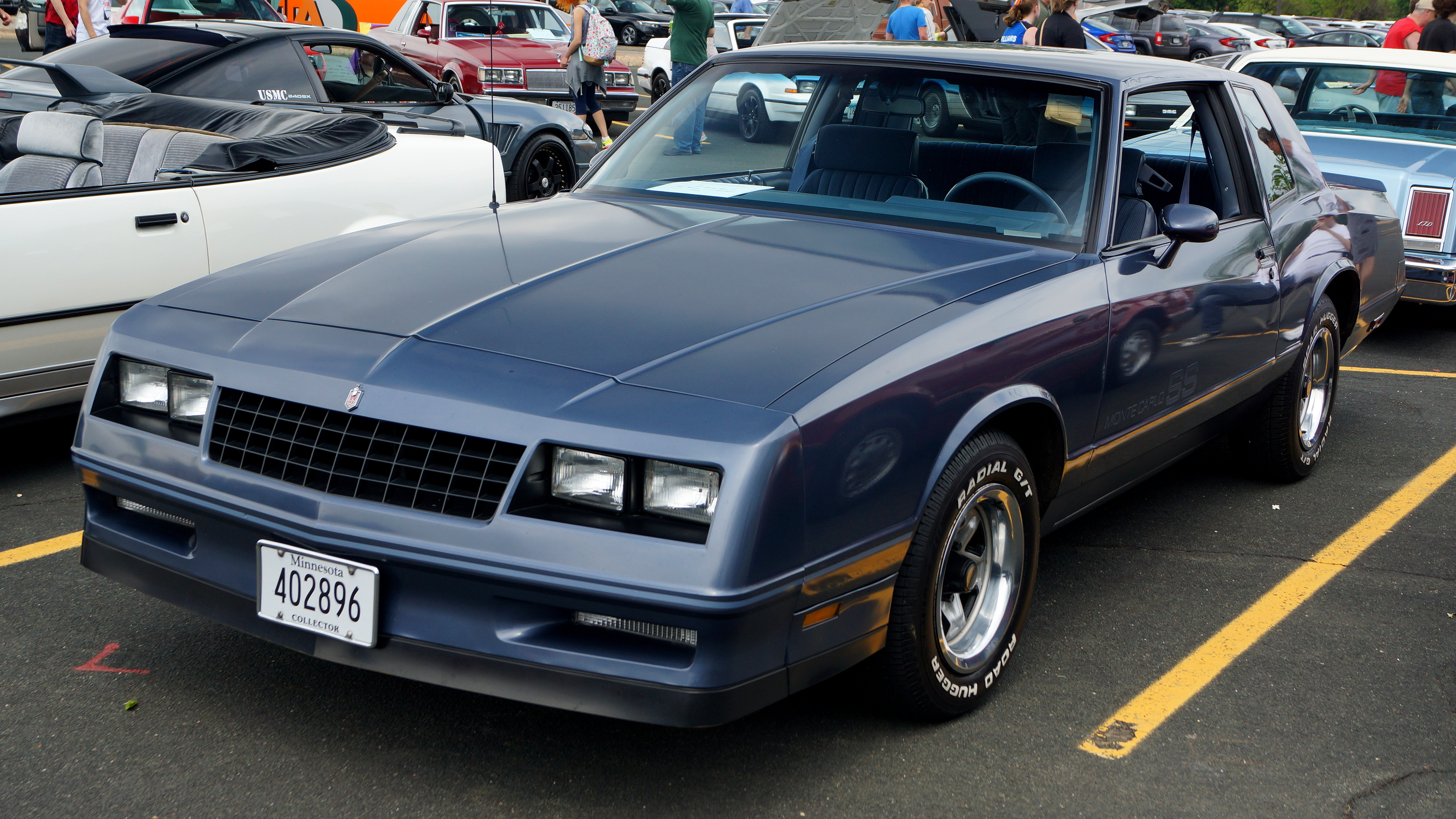
"...on the side of the Subaru and we're launching in Monte Carlo in a few weeks time. And that was the time I had..."
The Chevrolet Monte Carlo is a big, comfortable car from America that’s known for having a strong engine. It’s often linked to racing and is popular with people who like classic cars.
The Chevrolet Monte Carlo is a classic American coupe known for its comfortable ride and V8 power, often associated with NASCAR racing heritage. It’s a nostalgic model that represents American muscle and cruiser culture.
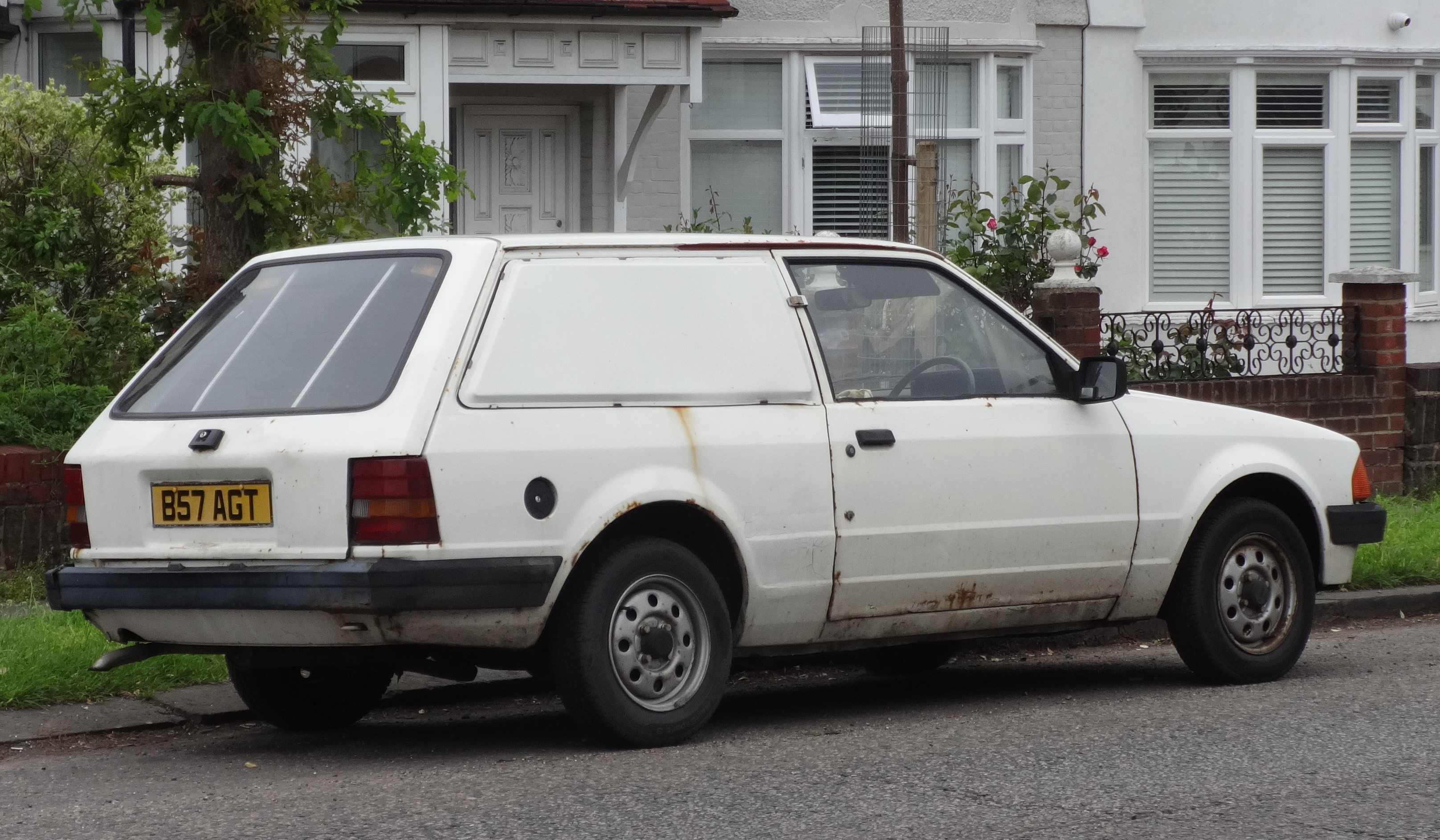
"Mark II Escorts, if you're a fan of the Mark II Escort, the Otago Rally in New Zealand, you'll see 40 or 50 of the best Mark II Rallying Escorts you'll find anywhere."
The Mark II Escort is an old Ford car famous for racing on rough roads called rallies. It's well-loved because it was very good at this kind of racing.
The Ford Mark II Escort is a classic rally car produced between 1975 and 1980, known for its success in rally racing and iconic status among enthusiasts.
"...ng industry. So, you know, we were talking about Volkswagen Polos. We were talking about Ford Fiestas."
The Volkswagen Polo is a small, easy-to-drive car that’s good for city driving. It’s known for being reliable and comfortable for its size.
The Volkswagen Polo is a compact hatchback known for its solid build quality and efficient performance, popular in Europe and other markets. It’s often discussed alongside similar small cars like the Ford Fiesta due to its role in the subcompact segment.
"...ng about Volkswagen Polos. We were talking about Ford Fiestas. We were talking, you know, Citroen DS3s."
The Ford Fiesta Active is a small car that looks a bit like a little SUV. It’s higher off the ground and good if you want a car that can handle rough roads better than a normal small car.
The Ford Fiesta Active is a crossover-inspired version of the popular Fiesta hatchback, featuring increased ride height and rugged styling cues. It appeals to buyers wanting a small car with a bit more versatility and a more adventurous look.
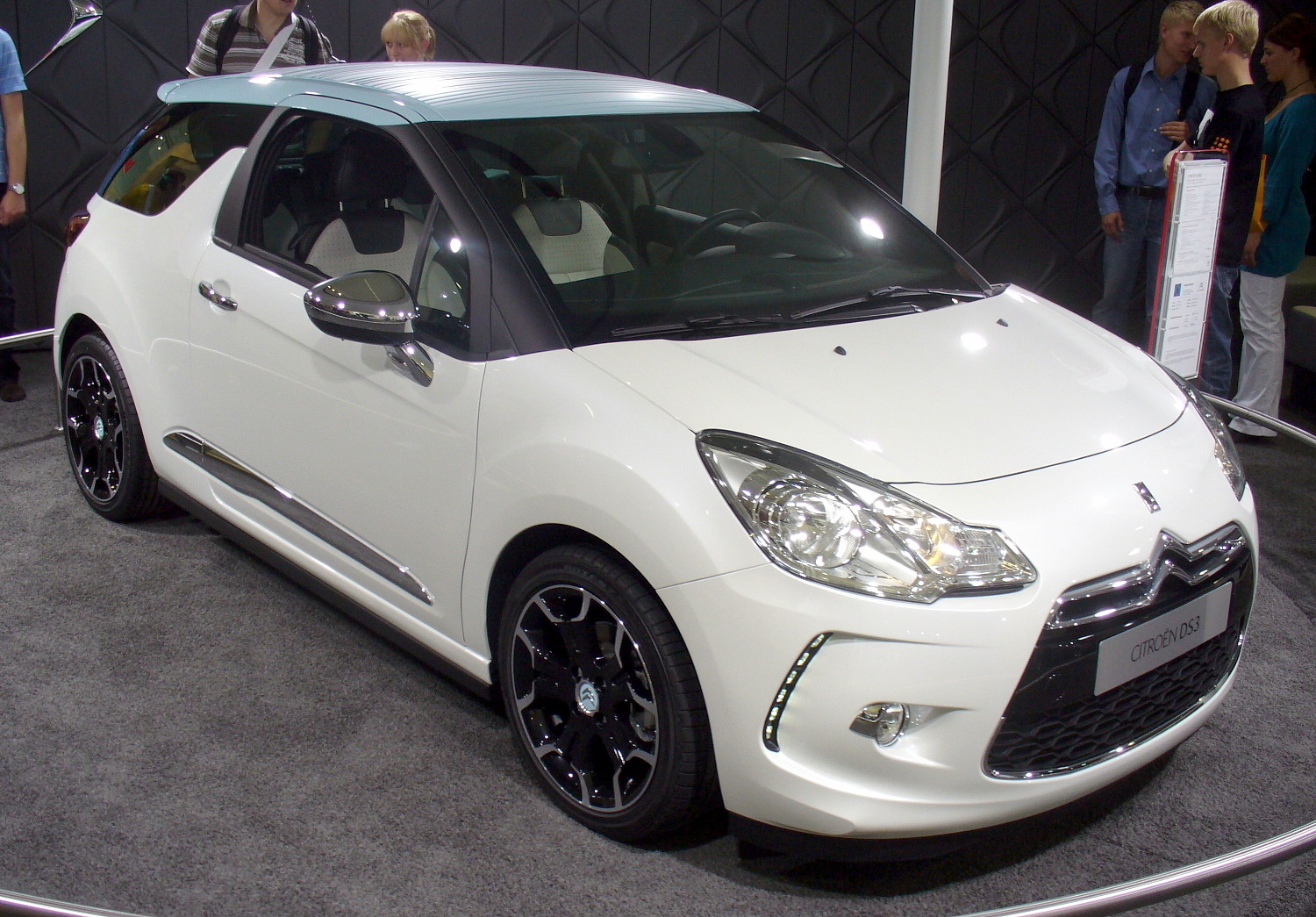
"...g about Ford Fiestas. We were talking, you know, Citroen DS3s. You know, these are small cars and very specifi..."
The Citroen DS 3 is a small, cute car that you can make look your own with different colors and styles. It’s easy to drive in the city and feels comfortable inside.
The Citroen DS 3 is a stylish supermini known for its customizable design and comfortable ride, representing Citroen’s premium DS line. It’s often praised for its distinctive looks and urban-friendly size.
"it can be hybrid, it can be diesel in the first year."
A hybrid car uses both gas and electricity to move, which helps save fuel and pollute less.
A hybrid vehicle uses two or more types of power, typically combining an internal combustion engine with an electric motor to improve fuel efficiency and reduce emissions.
"Well, you're a Land Rover, but we go back a few years at Dakar and we had Audi with their supposed electric vehicle that wasn't electric. You had four DTM engines, basically powering the electric motors."
An electric vehicle is a car that runs on electricity instead of gas or diesel.
An electric vehicle (EV) is powered entirely or primarily by electric motors using energy stored in batteries, rather than traditional internal combustion engines.
"...hink every 10th car here in Colorado anymore is a WRX, right? But it probably isn't."
The Subaru WRX is a small sporty car that can drive well in snow and rain because it has power to all four wheels. Many people like it because it’s fun to drive and works well in places with bad weather, like Colorado.
The Subaru WRX is a popular compact sports sedan known for its all-wheel-drive system and turbocharged engine, making it a favorite among driving enthusiasts, especially in regions with challenging weather like Colorado. Its rally heritage and performance capabilities often lead to it being a common sight, though the perception of its prevalence might be exaggerated.
""There is what they call a candidate event. So a test event, if you like, taking place in June this year.""
A candidate event is like a practice run to see if a place is good enough to host a big car race in the future.
A candidate event is a test or trial event held to evaluate a location or organization before officially including it in a major motorsport calendar. It helps assess logistics, safety, and suitability.
"And finally, it's pronounced Jaguar, not Jaguar. Sorry, I'll get off my high horse at this point."
Jaguar is a fancy car brand from Britain. People sometimes say its name wrong, but it's pronounced 'Jag-u-ar'.
Jaguar is a British luxury car manufacturer known for producing high-performance and stylish vehicles. The correct pronunciation is 'Jag-u-ar', emphasizing the distinct British accent.
"You know, Dan knows this, but I had an opportunity to commentate a race
at Laguna Seca a couple of years ago."
Laguna Seca is a well-known race track where car races happen. It has tricky turns that make racing there exciting and challenging.
Laguna Seca is a famous race track located in California, known for its challenging layout and iconic corners like the Corkscrew. It hosts various historic and professional racing events.
F1 cars are special race cars that go really fast and race on special tracks. They are built to be super quick and handle really well.
F1 cars are Formula 1 racing cars, the fastest and most technologically advanced open-wheel race cars used in the Formula 1 World Championship. They are designed for maximum speed, aerodynamics, and precision on race tracks.
"...ell you what I wanted to buy. I wanted to buy an Alfa Romeo GTV Cup car. There were only 500 of them made."
The Alfa Romeo GTV is a cool-looking sports car from Italy that’s fun to drive. The GTV Cup is a special version that only a few people own, so it’s pretty rare and special.
The Alfa Romeo GTV is a stylish Italian sports coupe known for its sharp handling and distinctive design. The GTV Cup was a limited edition with only 500 units produced, making it a rare and collectible model cherished by enthusiasts.
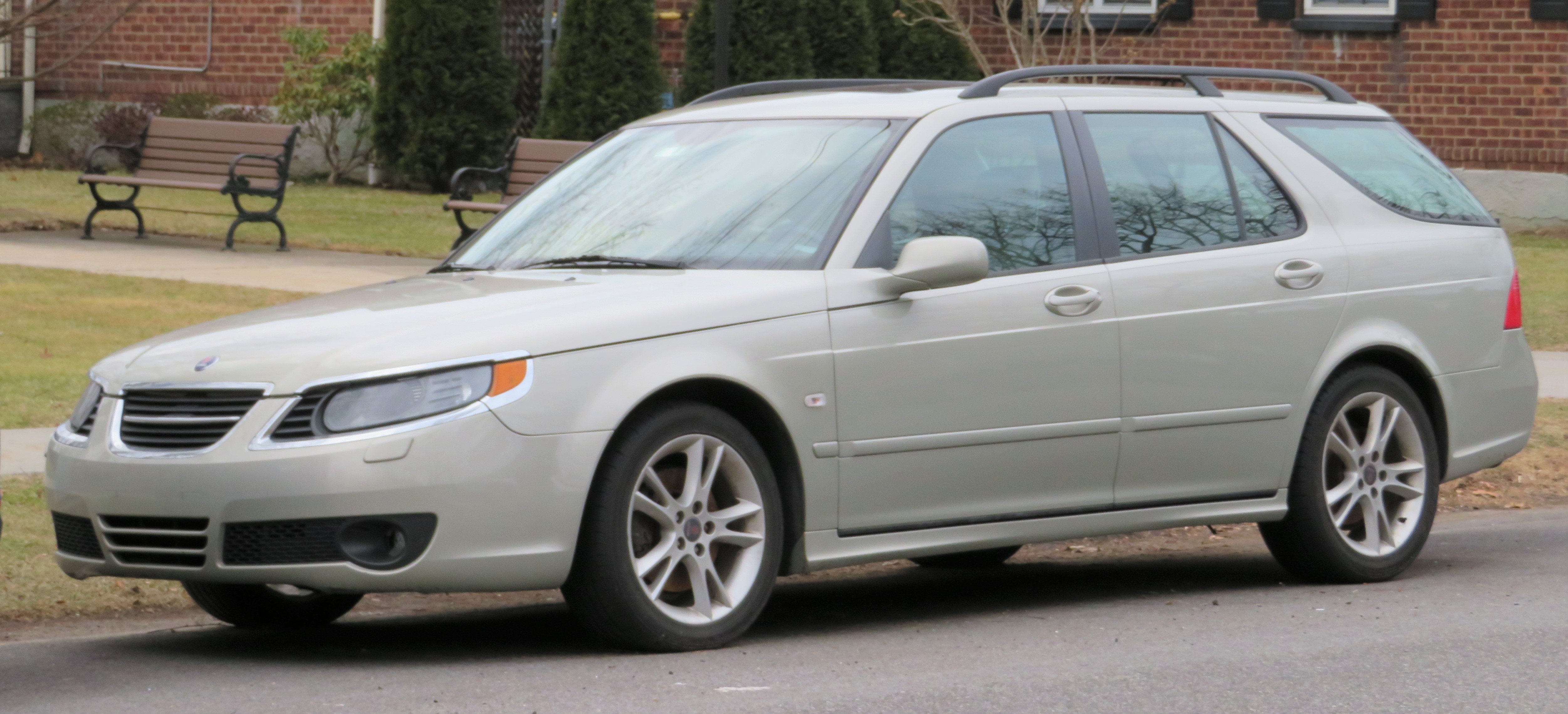
"was my second favourite brand, Saab. Saab 95 convertible. Paid £800 for it, sold it for £850."
The Saab 9-5 is a comfortable and safe car made in Sweden. It’s different from other cars and people who like it enjoy its special style and features.
The Saab 9-5 is a mid-size luxury sedan or wagon known for its unique Scandinavian design and turbocharged engines. It has a cult following due to its safety features and quirky character, though parts can be harder to find since Saab is no longer producing cars.
"Yeah, just that our buddy John Deiste at Porsche Colorado Springs recently,"
Porsche is a car company from Germany that makes fast and sporty cars. Many people love their cars for how well they drive.
Porsche is a German automobile manufacturer known for high-performance sports cars, SUVs, and sedans. They are famous for models like the 911 and the Cayenne.
Select text to request an explanation
I think you've got to be critical and you've got to be a little bit skeptical.
Um, you know, if you take everything at face value, then what's the point?
Today on that car show, it's Colin Clark.
And if you follow rally at all, you know his name and you know his voice
from his beginnings, sponsoring the famed 555 Subaru World Rally
team and rallies larger than life personalities to his work now with
dirtfish and the sport's exciting resurgence in the United States, we
covered all and if like me, you don't know the first thing about rally,
that's okay too, because Colin's just a hell of a nice guy and his
enthusiasm for the sport will turn you into a fan by the end of the episode.
It's Colin Clark, the voice of rally and it's that car show.
Welcome to this week's episode of that car show and we have a bit of a
special one around motorsport.
I'm joined as usual with Ryan.
Hey, Ryan.
Hey, it's good to see you this week, Ryan.
I am going to give you an education on rallying and I brought a subject matter
expert to come and help me do that.
Before I, uh, before we talk to Colin, let's do a quick introduction.
Uh, if you followed modern, if you followed modern rallying, I said that again,
it's good job we record, isn't it?
If you follow more, I can't say the word modern.
I have these moments.
It's fine.
Sometimes I can say introduce yourself, Colin, but let's do you right.
If you follow modern rallying, you've heard his voice.
Our guest today is one of the most recognizable voices in the sport.
Rally commentator, journalist and lifelong car obsessive, Colin Clark.
Colin has covered the highs, the heartbreaks, the politics and the
personalities of rallying at the highest level.
He's interviewed world champions after victory.
He's navigated on unpredictable service parks and he's brought fans
closer to the sport.
Colin, welcome to the show.
Wow.
Well, I've never had an introduction quite like that, Dan.
That was magnificent.
Thank you very much for inviting me on your show.
Just one point, Dan, journalist.
I think, I think maybe you're pushing it a bit far, describing me as a journalist.
But it was a lovely intro.
Thank you very much.
Have you seen those, those LinkedIn posts that say what you did and then
what you put on LinkedIn?
So it's almost like I made a cup of tea, but in, in essence, I conducted
a scientific experiment where I boiled water to a point and then applied
a third party material to that water to create.
So anyway, we're available for any intros if you ever need us, Colin.
Yeah, well, I know I love that.
No, I just always feel guilty.
I mean, a journalist is, is, is, uh, I get called a journalist a lot,
but, you know, I'm not a journalist.
You're trained to be a journalist and journalists of particular skills.
My biggest skill is that, um, I've always got an opinion.
And I'm not, I'm not sure that qualifies me as a journalist.
That's the most important part.
Right.
You don't want to hear from folks that don't have an opinion, do you?
So, and your opinion is, is, is created by a set of experiences and a set of research.
So I think you are a journalist.
That's fair enough.
And, and, and I guess, you know, I'm quite fortunate in that my experiences in
rallying, uh, certainly from the media side of things cover both sides.
You know, I started off in rallying on the other side as, as a sponsor.
You know, I was in charge of the, uh, the 555 sponsorship of the, the
Superworld Rally Team and its second iteration in the early 2000s.
Um, so I've kind of seen it from both sides.
I've seen it from the, you know, the sponsor side and I've seen it from
obviously the, the, the, the, the media side, the presenter, the commentator,
the inverted commerce journalistic side of it.
I've seen as well.
So yeah, I guess it is a reasonably unique set of experiences that I have in it.
And I always think it, you know, it does qualify me to comment on, on what's
going on in the sport.
Yeah.
Very much so.
Now, Ryan, I know we were talking about the world, the word rally and it gets
used in so many different ways, doesn't it?
It does.
Um, so Colin, how would you describe, I guess, what
I would call the noble sport of rally rallying is, is, is the purest form of
motorsport in my, my books, you know, these are cars that, um, you can more
or less buy in the, the, the showroom on the Monday morning.
Um, okay, you know, there's the argument with the space frames at the very
highest level.
We've moved away from that.
Uh, but we're on proper roads.
Um, we're, we're, we don't have arm course.
We don't have sand traps.
We don't have runoffs.
Uh, it is man and machine against the elements.
Uh, the roads.
And, and I think that is the absolute purest form of motorsport.
You know, when we see road racing on motorbikes, well, it doesn't really get
much more real for bikes.
Well, this is the same thing I suppose for, for cars.
And, and you know, this is the interesting thing for me, Ryan, is, is, is, you know,
you're, you're a big, obviously motoring person.
You, you, you're deeply involved in cars and in motorsport.
And I just, I wonder why rallying has struggled to take off in America.
Cause for me, it's so well suited for the Americas.
There's adventure.
There's excitement.
There's drama.
There's big cars with big engines.
There's jeopardy.
There's everything you could want, you know, as an American kind of motorsport
fine, but it struggles to, it struggles to get any traction.
And I wonder why that is, Ryan.
I don't know because it is great racing and there's a little bit of everything.
And I think the level of skill is arguably much higher than other forms of racing.
And I think it's so social media friendly too.
Right.
I mean, it's, it's made for like 2026.
Right.
It's, it's, uh, I don't know.
I don't know.
Maybe we just, we have a spoil of riches here in the States.
Right.
And, you know what, yeah, but, but you've absolutely hit it on the head
with the social media friendly side of things.
And I'm sure we'll get onto this as we talk a bit further, but you'll
see a lot of, a lot of discussion, a lot of debate, a lot of, um, you know,
there are controversy over the promotion of the sport just now.
And we're, we're just in the process of changing promoters.
And for a sport that is so, so right for the picking when it comes to social media.
Um, we let ourselves down by ugly and we're not, and that comes from the very top.
You know, we, uh, company I work for, Dirtbush, we do a fantastic job of it,
that you'll be sport itself.
The promoter, the WRC needs to be doing a whole load, load more than they are doing.
And it was, um, uh, who was the last guy, the English guy that ran the FIA a few years ago?
Help me out, Dan.
Um, a lot of controversy around him when he got caught in a slightly
compromising position.
Uh, what was his name at the FIA?
Oh, not mostly.
Max Mosley, mostly, Max Mosley, Max Mosley.
And, and, you know, whether or not you, you, you agreed with a lot that Max Mosley
did or said he was quite an intelligent guy who understood motorsport.
And one of the last things he said before he retired was, and this is what, 15 years
ago, I guess, Dan, that you retired must be 50, maybe more than that now.
15, 18 years ago, he said, um, in terms of all the assets that the FIA have, all the
championships that they cover, he said rallying is positioned perfectly to take
advantage of, and he was a bit of a visionary to take advantage of this
explosion in social media.
Now, social media was hardly a thing.
Well, it was, but not such a big thing 15, 18 years ago, but Max Mosley
recognized that, um, and we've, we've, we've let ourselves down as a sport.
We have let ourselves down and it's a shame, um, because we could have been, I
suspect, a lot more popular in places like the States and other parts of the
world if we'd actually jumped on that social media explosion and exploited it.
The thing I don't get is the elements that have originated in rally have made
it big in the U.S.
So you look at the Jim Carna series, for example, original with Ken Block and
obviously more recently with Travis, um, and the skills that they are using have
originated from their rally skills, but they get multi, multi million views.
The rally piece just doesn't seem to get picked up.
Well, I'll give you a story.
I'll give you a story which looking back seems almost unbelievable, but it's why
the current promoter has been so, um, so widely castigated for the lack of vision,
the lack of ability.
Um, Ken Block, you know, uh, a man that I watched for many, many years, he
competed in the World Rally Championship regularly.
And I remember when he first appeared with Travis 2006, 2007, so we're doing
the second level, if you like, and then Ken progressed into the top level.
Um, but Ken, at that point, you know, I remember going to Mexico and you
couldn't move when Ken and Travis were around.
They were absolute superstars.
Forget Sebastian Loeb as it was at the time and Pettus Allberg and the
top names in rallying.
You only could quite happily walk through the streets of Mexico.
Ken Block, Travis Pastrana.
It was the closest thing to, uh, your adulation that I've ever seen.
It was incredible.
You know, there were huge names around the world in the, the, the early days
of social media and Ken went, you know, when he progressed to the highest
level of sport, he could see there were issues and he went to the promoter
and offered his services said, I can help you with this guys.
You know, maybe one of the most six remember Ken, Ken was an older guy.
You know, he wasn't one of these young upstart, you know, upstarts that kind
of, uh, you know, the young kids basically affiliated with it.
Ken was a bit older.
He understood these things and he said, I can, I can help you with this.
And he said, uh, thanks very much.
No, thanks.
It's just, it's just inconceivable to think that anyone would turn down Ken
Block with all his ability to understand social media, to harness all of the
potential of that, you know, and this is when, you know, Jim Khanna was
already a big success.
So, so that's, that's just an indication of, of where we've, where we've
stuffed up along the way, sadly, but we're looking for a brighter future.
I think it's there.
The great thing is that rallying has all of those assets you need to be
successful in a, in a, in a modern media environment.
It's got all the assets, you know, and we're just waiting to, for someone
to come along and say, this is how you exploit it.
Yeah, yeah.
You take someone off, you know, take an alien off a UFO and put them down and
show them, I don't know, NASCAR and show them rally and they're going to go
rally every time, right?
I mean, the product is, is superior.
I mean, truly, right?
You've got all the elements.
It is.
And, and it's, it's, you know, the, the product is superior, I think.
Um, uh, and I think the drivers, as you already mentioned, they're superior as well.
There's another great story about, um, uh, Ayrton Senna.
No, it wasn't Ayrton.
It was Michael Schumacher.
Michael Schumacher, who had a home in Sweden, very close to where, um, Subaru
were testing for rally Sweden, middle of winter.
And Schumacher turned up at the test.
Schumacher turned up.
He was a Subaru World Rally Team.
Betta Solberg was testing and Schumacher just came along.
He heard there was a test.
So they got him in the car, uh, with Peter, uh, and they had a few runs.
And apparently Michael got out of the car and said, uh, he said,
there is no way in the world that I could do what you are doing.
He said, but I fully suspect that you can do what I'm doing.
That's what he said to Peter Solberg.
So from, from maybe the greatest Formula One driver that there's ever been,
uh, it shows the level, the level of kind of appreciation that these guys have
of what the rally drivers are doing.
But, but yeah, it is odd.
But do you know, I think it's, it's such a cultural thing with the states,
you know, you guys love social occasions quite clearly.
And you love sporting social occasions and something like NASCAR or any of
your big, roundy, roundy races, um, you know, it just offers a great, a great,
a great social sporting occasion.
Doesn't it?
Rallying is a little bit different.
It's more adventurous.
It's more smaller groups.
You've got to get out into the forest and you're always on the move.
You're always chasing the cars.
Remember Dan, that event we did.
Always chasing the cars around the countryside.
It's not such, um, I'm not saying it's not social because it is social.
You know, the weekend in Sweden, I was in a spectator area and there was
so much fun being had there.
It was nuts.
Yeah.
But, but maybe not quite the sort of social environment that the American
motor sport fans are looking for.
But I think you can learn, Ryan.
I think you can learn.
I think, and I think we can teach you and we can help you learn.
I'm an individualist.
I mean, this, this is appealing to me.
I don't really want to go sit in a big stadium, you know, under the
baking sun and drink, you know, 23 Bud lights.
I mean, that's just not really me.
You know, I mean, something like this really appeals.
Being in Colorado started going to, to the Pike's Peak, you know, race every
year, the hill climb rather is what they say.
And it's very much, I think what the rally experience must be like in that,
you know, you're in one place, you see one car go by and then you do a
little hike and then you find a new corner or something and you're in the
woods and it's great and it's, you know, I mean, yeah, so you don't have a
food truck, you know, 50 feet away or whatever, but it's an adventure to your
point and you know that you're stuck there until the race is done.
It's kind of great.
It did it a good time.
Yeah, it was fun.
It was, it was fun.
We got up way too early, but other than that, it was, it was a very good experience.
But did you get to the top, though?
Did you get right to the top of the mountain?
Is that an effort?
Been before, done it before, but on that occasion we stayed at the bottom
because you could get access to the service path, you could actually talk to
the drivers, you know, you, we had press passes.
So we then hiked up and we were able to take photographs on corners and stuff.
But yeah, not right to the top.
But it was an interesting year.
It was two years ago and it was a long day.
So the drivers that got up there.
So is it Danny Sandano?
Who's the, he's a WRC driver.
Oh, Danny Sordle, Danny Sordle.
Yeah, he was, he was there in the Hyundai.
Was he?
So he was, he was complaining because he was stuck up there for like nine hours.
Oh boy.
I spoke to him briefly at Goodwood afterwards and he was like,
I was there for nine hours at the top and there was nothing to do.
So, but the actual spectating of watching it is awesome.
Yeah, you need to come and cover that one, Cole.
Yeah.
No, I do.
I absolutely do.
And you know, I've talked to various people that have done it and they all say the same thing.
It's just one of the world's great motorsport challenges.
You know, when you talk to Michelle Mouton about it and she'll, she'll,
she'll tell you some great stories about bike speak, about how the Americans,
for sure, didn't she win it and she was disqualified or something?
So you had some controversy.
Yeah, yeah.
And I think it was 40 years ago last year.
Yeah.
But she was like, they didn't want a woman to win it.
So they put as many boundaries in the way as they could.
But things have changed a lot since then.
Amelia Hartford did very well last year, I think, Ryan.
Yeah, yeah.
Lani Yonser has done very well.
What are the cars they're using?
I mean, I'm thinking back to the days where Monster Tujima used to do it
in a ridiculous Suzuki with like a thousand horsepower
and that perjure they made for Sebastian Loeb to drive up the hill.
Are they one-off designs that one-off builds these days?
It's, I think, the most diverse group of cars you'll ever see at a single event
because there is homebrew stuff.
That's like the most amazing part about bike speak, right?
You know, it's families.
It's fathers and sons and grandfathers and granddaughters and things.
And they're running stuff they've built literally in their barn.
And then you mentioned Hyundai and these factory teams where, you know,
they're all in the matching outfits and they're, you know, they're
fielding eight cars or whatever.
And, you know, the EVs are a big part of it now.
But you have, you know, pickup trucks from the 1950s with 900 horsepower
and a big stack sticking out of the front hood, right?
And, you know, the next car is a 240SX, right?
That's struggling to, you know, you know, at the higher at the higher altitude.
So it's a mix, you know, I think as far as what's been winning recently,
it's a lot of EV stuff, right?
I mean, Ford very famously ran that that bread van thing a couple of years ago.
I've been in that. Have you really?
Oh, my God, what did they call that?
It looks like with the mass, with romantic mass.
No, I was in it with
Manfred Stoll and we did.
We did a stage of the Catalonia rally in Spain.
So we went through before the rally cars came through.
It was the most bizarre experience.
It looked to me like the Scooby Doo van.
And that's what I call it.
That's a very similar profile. Yeah.
It looked like the Scooby Doo van.
But what did it have?
It had a thousand plus horsepower and it was it made me feel quite sick.
I have to say, it was a strange, strange experience.
But we were actually following Michelle
because Michelle was the the safety commander on the stage.
And we were following her through the stage
and she did stop us at one point and say,
you just need to be a bit careful with this thing.
And Manfred, who is a fabulous driver?
He just let her get, you know, seven or eight corners in front.
And then we floored it and it was bonkers.
Absolutely bonkers.
Yeah, a kind of experience that you kind of you get out of and go,
yeah, did I enjoy that?
I don't care.
Is there a hell of an experience?
You've had a few interesting experiences
with professional drivers and cars, haven't you?
Can you talk about any of them?
Yeah.
Yeah, look, I am.
You know, I was I was in the Disney Park here today.
And my favorite ride was the I can't remember what it's called.
But it was in the kids kids part of Magic Kingdom
because it was a really gentle roller coaster.
You know, I'm not going on anything else.
I'm the world's biggest coward.
The world's biggest coward, the world's biggest coward.
But yeah, I had a crash a few years ago in a car
with a guy in Australia called Brendan Reeves.
And it was odd because I knew we were going to crash.
And I had a really uneasy feeling about this.
And Brendan had been on to me all week about going with him.
And he's a fabulous driver,
one of the best drivers in Australia.
And this section of road we were on,
he'd driven it eight or nine times that morning without any problems.
And we got in the car and there's a video of me saying, you know,
I shouldn't be doing this.
You know, I've always said I'll never get into a little car again.
And then five minutes later, we're up in the air at 90 miles
an hour spinning around and having smashed into a bank.
And we got back and my cameraman producer said to him, I said, look,
I said, and you, and you were going to crash.
And he went, yes, so did I.
He said, I had the feeling that you drove off.
He told me and we could have had a little discussion and we couldn't.
But no, I've had a few.
I've had a few like that where it's all been
a little bit entertaining.
But you know, any of those things,
whenever you get into a car with a professional driver,
whatever type of car it is,
you understand what they do and it gives you such a better understanding.
Particularly if, like me, you know, you're paid to commentate
and you're paid to understand what's going on.
The best way to understand is to get in a car.
I'm not suggesting the best way to understand is to have a crash.
Maybe not ideal, but no, I've been lucky over the years.
I've been in some some cars with some of the world's best drivers.
And and I wouldn't say I've enjoyed every minute of it because I am a coward.
But I've appreciated every minute of it.
Yeah. Yeah.
Yeah. You know, I read somewhere, Colin,
that you say that you have the best job in the world.
And I tend to believe that.
But how did this all start?
I mean, for you, go way back.
What's was your path?
I am fortunate, Ryan, and that, you know, I have seen the other side.
You know, I did work in corporate life for 12 years,
working for a tobacco company.
I worked in marketing that I worked in in promotion.
I moved from brand marketing for tobacco company into promotion.
And we it was part of our promotion portfolio.
We were involved in sponsorship and, you know, we sponsored, for example,
the it was at a time where we had our own Formula One team.
So it was the B.R. Formula One team.
And remember, we had that ridiculous car with the split livery that was zipped up
the middle with the five, five, five. Yeah.
Yeah, it was a large time. So the nineties, you know, five, five, five,
one side and Lucky Strike on the other side.
So we as a company, as a company, we had our own Formula One team.
I don't think this is protected information.
I think it's well known.
But in the three years, the first three years of that project,
they spent, we spent one billion dollars, one billion dollars
and achieved nothing, absolutely nothing.
So. So basically what happened was the boss, the big, big boss of BAT,
the big marketing director.
There's a guy called David Richards.
Have you come across David Ryan?
David Richards runs a company.
He runs a company called Pro Drive.
Oh, sure. Absolutely.
And he also has also been involved in Formula One.
So our boss wanted David Richards to come and run his Formula One team
because even by tobacco standards, a billion dollars and three years
with no, no results is difficult.
It's a lot of cigarettes. Yeah.
It's a lot of cigarettes to sell.
So David Richards, who had the Subaru World Rally Team at the time,
he said, yeah, I'll quite happily come and run your Formula One team.
And he took the whole of the rally team.
So the sporting director, the marketing director, the sales director,
the engineers took them all, moved them to Banbury,
which is where the Formula One team was based.
And went out to dinner with Rymyshevsky, the head of BAT.
And Rymyshevsky's, you know, quite got a big, bluff bloke scared me,
scared a lot of people.
And he asked David whether everything was OK.
And David said, yeah, yeah, yeah, fine.
We're all set to go Formula One team, all the people in place.
So we've got a small problem with the rally team.
And apparently, Rymyshevsky turned around and said, what's rally?
What's a rally team?
You very little about it.
David said, your biggest, your biggest rival is looking to
well, they've offered us a lot of money to sponsor.
And he said, it won't look right.
It won't look right if your biggest rival sponsors the rally team.
And I'm working for your Formula One team.
And Rymyshevsky said, well, how much? How much?
And the story goes that Richard said,
well, it's a three year deal and it's five million dollars.
And Rymyshevsky just said, OK, I'll give you 15 million for the three years.
And Richard's meant five million over three years.
So so basically this this happened on a Wednesday night
on the Thursday morning, I got a phone call saying,
we're going back on the side of the Subaru, you know,
and no one else in the company was particularly interested in rallying
because we had this enormous, really sexy involvement with Formula One.
So I'm told it was it was it was very late in December.
You know, we're going back on the side of the Subaru
and we're launching in Monte Carlo in a few weeks time.
And that was the time I had an interest in all motorsports,
but not not a particular passion for rallying.
But I went to Monte Carlo, set all up.
We got we got going with internal kind of launch
and then the external launch.
And I turned up and my first morning was in a helicopter at Monte Carlo.
I'd never been in a helicopter in my life.
And as I've already said, I'm a complete coward.
We're bumping our way up the hall between.
I'm thinking, I want out. This isn't this isn't fun.
You know, I really want out.
And there's a little Irish guy next to me and he's going, you'll be all right.
You'll be fine. Don't worry about it. A little old Irishman.
So he'd be absolutely fine.
He says it's your first time.
So no, first time in a helicopter, first time at a rally.
And he starts telling me all about the rally
and starts telling me a lot about your Monte Carlo rally about the cars.
And we get down to the stage we parked part as you do with the helicopter
parked at the side of the stage.
And he's talking me through the cars.
He's going, I'll just watch the line of this car.
And I turn around to my events.
I went, you seem to know an awful lot about this.
And he went, I won this event in 1964 in the mini.
And it was it was a legendary Paddy Hopcock.
And I've been sitting next to him for an hour.
Discussing, he'd been educating me.
So I spent my first morning rallying with Paddy Hopcock.
And it was just the best way.
It was the best introduction.
And at that point, it was like, oh, yeah, yeah, I think I could quite enjoy the sport.
And yeah, and we had went about a year.
Then then the UK government banned tobacco sponsorship.
So so I left took my redundancy.
And then then started missing rallying after about a year of being redundant.
And I set up a website selling motorsport ringtones.
And you boys are probably just about old enough to remember.
Sure.
People were making a lot of money from ringtones.
And I was going to become a ringtone millionaire.
I love it.
I have this brilliant idea.
It was speedtones.com, right?
So if you were a fan of Pedersalberg, if you were a fan of Jack Villeneuve,
you could have the sound of his car as your ringtone.
What could go wrong?
You know, brilliant idea, instant millionaire.
It didn't quite work out like that.
But I needed to record some sounds.
So I went to a rally and a friend of mine said, well, you know,
borrow some equipment from the guy who does the radio.
He's got some really good sound equipment.
So I went to speak to him and I said, yeah, yeah, yeah, you can borrow my equipment,
but you've got to do me a favor.
We're short of staff this weekend.
So I want you to help me out and do some interviews.
I can do this.
Yeah, why not?
I need these equipment.
So I'll just I'll just I'll just say yes to it.
And and I tell you what, I remember it was it was actually Cyprus.
And I stood at the end of the first stage and I've never known anything like it.
It was so totally intoxicating.
You've already been around rallying for a while,
but in a slightly more rarefied sort of atmosphere as a sponsor.
And just seeing seeing the damage to the cars,
you sensing and smelling the emotions and the fear at the stage
and from the drivers.
And at that point, I thought, no, speedtones can be someone else's million dollar problem.
I'm off to do I'm off to do radio.
And that's how I got involved.
It's a very long story.
That's fantastic. That's how I got involved.
That's how I got involved in rallying.
That was 20, 25, 26 years ago.
And I've been very, very lucky in that, you know, every year since then,
someone has wanted to pay me to work in rallying.
So it was a very fortuitous way in, I have to say.
But yeah, I must have been good at something because I'm still still here.
Absolutely. Absolutely.
So few people get to do something they love, right?
We seem to have a lot of them on the show, which is cool.
But but most people just.
You know, that's so special.
It is special.
And when when your job doesn't feel like a job, it's special.
But when you can really appreciate it as well.
I'm not saying that, you know, not everyone goes jobs like mine.
Appreciate them.
But you know, I did work in corporate life for 12 years, 15 years, you know,
so to come from a job we should do, you know, a lot of us are kind of prostitutes
to our work, aren't we? Yeah, you know, we don't love it necessarily,
but we do it because it pays well or whatever it might be.
It's convenient, whatever it might be.
But to actually be in a position, you know, I grew up wanting to be a golfer.
I grew up wanting to play, you know, the open championship is in Andrews.
But I get that feeling every week, every time I go to a rally now, you know,
I get that I'm, you know, I'm in a position where I'm part of what I think
is the greatest motorsport in the world.
And I'm privileged to be able to talk to the drivers, to talk to the fans,
the team bosses and it's like that.
It's like playing playing in the open of the Masters every time I go to a rally.
I get that kind of buzz is wonderful.
It's very, very cool.
I can't remember who said it, but someone said travel broadens the mind.
And with the World Rally, which obviously you cover, you know,
one week you'll be in the coldest part of Sweden.
You know, the next week you'll be obviously on vacation in Florida,
but the week after you'll be in Africa covering.
So you get to travel the world.
We have a lot of fans in Peru.
Are there any rallies near Peru that you've been to?
Yes, fully enough, then there are.
Yeah, there's, well, the Dakar went to Peru, didn't it?
But we go to we go to Paraguay and we go to Chile.
So I don't think that's too far from Peru.
And then we used to go to Mexico.
So that's a bit north of Peru, I guess, isn't it?
But no, we do go and rallying in South America is really, really popular.
They've got a really strong rallying community out there.
The level of rallying in South America, particularly in places like Paraguay
and Chile and Argentina, obviously, is really, really high, really high.
Our timing is perfect.
Having you on, yeah, let's do a shout out to everyone in Peru,
because we are number one in the automated podcast in Peru.
So we're not quite there for the US yet.
But I believe that Peru is always a leading edge listening group.
So it's only a matter of time, right?
Absolutely. Yeah. Thank you.
Thank you. What's your favorite rally to cover around the world and why?
Um, I do know that's a really difficult one
because I genuinely do enjoy them all
and I enjoy going along, I enjoy the the diversity in rallying.
And it's, you know, it is so diverse, it's quite difficult to pick a favorite.
But there was a time where I could all I could never tell you what my favorite was,
but I could always tell you which one I would miss, which my least favorite was.
And that was rally GB, my home rally.
I hated it for so many years, so many years.
I really disliked going to rally GB,
not because of the quality of the rallying, because the stages were magnificent,
but purely because of the people that ran the rally.
It's like anything, you know, the culture that the the the the organizers create
quite often is is how the rally is perceived.
And GB used to be a horrible one for me, really horrible.
Just disliked it, really dislike going.
But if you said, where do I like going?
I love going to Australia. I do quite a lot of work in Australia.
And sadly, there's no there's no round of the World Rally Championship in Australia just now.
But I cover the Targa series.
Dan, I'd love to see you down there for Targa one year.
I tell you, we should try and do something where we get there's a wonderful experience,
the Targa tour, five days, thousands and thousands of kilometers.
Oh, my goodness, it's great fun.
But, you know, I love those events.
More and more as I'm getting a little bit older and I'm getting a little tired
of the politics of, say, the World Rally Championship.
I kind of find myself gravitating towards more local events.
I do an event in South Australia called the Heartland Rally.
It's a blind rally, so no pace notes, just route notes,
which is quite a skill in itself to be able to and requires a lot of commitment.
But that's 550 Ks over two days of just, you know, in the Australian outback.
And it's astonishing, just a great community.
It's a great, it's a great leveler, you know, you're sitting around the campsite in the evening
and you're the bloke across there.
She sold these business for one and a half billion.
The guy next year works for $10 an hour.
And they're all sitting, they're all sitting, having a beer and a chat and talking about shared experiences.
And I love that.
I love getting back to the grassroots, the rallying, the basics.
And it's just, it just reminds me what's great about the sport.
Politics gets in the way of any sport, any sport.
And I find that more and more over the years at the very highest level,
politics has been a real hindrance to the World Rally Championship.
But, you know, as I say, I think things are changing and moving on.
But yeah, in terms of my favorites, if I had to name one, if I had to name one.
No, I couldn't. Sorry.
But probably one of the ones that were in Australia and New Zealand.
The Otago, let's say the Otago Rally.
Let's say the Otago in New Zealand.
I absolutely, Blumen, love that event.
It is, it is just a special event with special people and special cars.
Mark II Escorts, if you're a fan of the Mark II Escort,
the Otago Rally in New Zealand,
you'll see 40 or 50 of the best Mark II Rallying Escorts you'll find anywhere.
It's astonishing. There we go.
Let's talk about the cars a little bit, if we could.
How have they changed in the 25 years that you've been at this?
Look, you know, we've seen various different manufacturers
come and go from the sport over the years.
And yeah, particularly in the 20 or 30 years I've been involved, 25 years.
But, you know, the DNA of rallying was what I talked about earlier on.
The fact that these cars were always based on the chassis of the road cars.
So even at the highest level, our world rally cars, you know,
they were all irregistered, you know, the focus is the Volkswagen's.
They were all road going car chassis
that were then turned into these incredible, you know, machines on the stages.
That's changed over the past three or four years.
At the top level, it's now space frame based.
For the purest, that's a problem.
It's not such a problem for me because these cars still look like the road going versions.
But, you know, we'd be slightly held back, I think, by when we had the chassis.
There was certain segments within the motoring industry.
So, you know, we were talking about Volkswagen Polos.
We were talking about Ford Fiestas.
We were talking, you know, Citroen DS3s.
You know, these are small cars and very specific to certain markets.
With space frame, the manufacturers can put whatever they like on, you know.
If you want to put a Ram 500 into a world rally car, you can do it, right?
You can do it, it'll look blimmy strange.
The aerodynamics might not be great, but you can do it, you know, you can do it.
So, so the biggest change is being this shift towards at the top level,
space frame chassis and that's been a bit of an issue for the absolute purest.
But as I say for me, it's not an issue.
You know, what we have to do is we have to be as appealing as we can.
And that's in terms of the segments that we were allowed to to rally.
And in terms of the, you know, for a while, we were heading as a lot of motorsport
was headlong towards electric.
And then it was like, you know, this really isn't something
that's achievable in the near future.
So the new regulations they brought out, they covered just about any type
of of trans of, you know, of engine, you know, it can be electric,
it can be hybrid, it can be diesel in the first year.
It'll be a first few years, it'll be a standard ice petrol engine.
But, you know, the regulations will allow for the manufacturers to say,
this is where we're going and this is how we would like to prove our cars in rallying.
You know, and if it is electric, we'll come along and the regulations will allow that.
So it's becoming a lot more inclusive in terms of the type of cars that are involved.
And we've learned that from Dakar, you know, Dakar basically said,
you'll whoever wants to come, you bring what you want and we'll we'll find
the equilibrium in terms of the sporting side of it.
And they did it very well in Dakar and I think they can do very well in rallying.
Yeah, yeah, because they had Okta debut this year for Dakar, didn't it?
The Land Rover Okta, the Defender Okta.
Yeah, yeah, yeah.
It was a factory team from Land Rover.
I think they did pretty well.
Yeah, yeah, yeah, yeah.
OK, Sarah Price, Sarah Price is driving for them.
What a fantastic example of, you know, the system in America.
She is, she's done a great job just working her way through the ranks and proving herself.
She's a hugely talented girl, really enormously talented.
I saw her winning her first stage at Dakar and I think she was only the second
or third woman to win a stage out, not outright in her class.
Yeah, Dakar and when someone does that, you sit up and take notice.
Sarah is a very talented girl.
Well, you're a Land Rover, but we go back a few years at Dakar and we had Audi
with their supposed electric vehicle that wasn't electric.
You had four DTM engines, basically powering the electric motors.
But, you know, Audi wanted to run Dakar as a marketing and, I guess,
an engineering experiment and the Dakar organizers said, yeah, bring it in.
And we'll we'll find we'll find a way of not not so much balance of performance,
but, you know, our equalization of technology, but we'll find the way
of making it all fair and it worked. Yeah, yeah, yeah.
You talked a bit about, you know, the cars going to space frame and this kind of thing.
Something Dan and I have talked about is the cars being based on the cars
that, you know, you knew growing up and we didn't have that here in the States, right?
A lot of these cars were foreign to us, right?
So I think that's changed.
I think every 10th car here in Colorado anymore is a WRX, right?
But it probably isn't.
It's probably a Forester, but there are a lot of them, right?
I feel like that is sort of a climate has changed.
Where the car we now know the cars, right? We now know the cars.
But, you know, Dan talks about, you know, what was the car you lusted after as a as a kid?
Was it a I think we had it was the Mercurre, but it was it?
Well, yeah, the old Sierra Cosworth and the Sierra Cosworth.
And it just didn't, you know, we just grew up with different stuff, too, you know.
But that's so important, though, isn't it?
And I guess, yeah, that could be part of the reason, a good part of the reason
why maybe rallying hasn't quite as yet taken off in the States.
You know, there has to be something that's recognisable and desirable there, isn't it?
You know, we were running the fiestas for years.
And did you ever have the fiestas in the States? I'm not.
We did. I don't think it was the same same car.
We had a little three cylinder in the 90s, right, which was kind of the bottom barrel,
tiny little thing, you know, I don't think we've really had the good fiestas.
But until recently, until recently, until with the SD and all that.
So this room is that next year, there may be a WRC round in the US.
Do you think that's going to happen?
Yeah, look, it's enormously important.
I mean, how can you have a top level worldwide competition without the US?
Well, unless it's all American football.
I was watching the Seahawks won the Super Bowl the other week
and there was a bus that went through the centre of Seattle.
And sorry, we'll come back in a minute.
But this is important to me because the bus, the front of this bus,
had Seattle Seahawks, world champions.
They won the Super Bowl, but no other country was allowed to enter.
Yeah, yeah.
But going back to your point, sorry, Colin.
But that's, yeah, that's, that's an interesting concept, isn't it?
How do you can be world champions?
An interesting concept.
Yeah, for another day, a debate for another day.
I can't remember what I was saying now, Dan.
Yeah, we were talking about where they come to Chattanooga, Tennessee.
Yeah, yeah, look, you know, last time we were in the states was the Olympus rally.
And that was what, 30 years ago?
I don't know, it was a long, long time ago.
And we were never in the States on a regular basis.
It's a project that's been ongoing for many, many years.
And I love rallying in America.
But there are issues, there are issues with, obviously, the geography.
You know, you're on a championship in Britain, and the most you're going to have
to do is drive 500 miles to get to an event.
You know, you've got guys that are driving three and a half thousand miles
across America from one event to the other.
You know, the level of rallying and the championship in the States,
you know, it's taken a little while to build it and to build up to a level
that could then perhaps translate into a round of the World Rally Championship.
But there have been some really big efforts from some very talented people
to find the right place to rally in the States.
That's another big issue.
To find the team to put the rally on, maybe even a bigger issue.
And then to find your way to sell that, to sell that to Americans.
And it's looking really positive.
There's a really strong team that have been put together by,
I forget the guy's name.
You might know his name, Dan.
The guy who's heading up.
Is Lance involved with it?
Lance involved, but not Lance knows.
It's a guy who's got a tremendous background in promotion and sports promotion,
not of motor sports of other, which I think is great.
I think part of the problem with rallying is we've got too many people.
Yeah, we need people with outside ideas.
But yeah, Chattanooga is looking good for the base for the rally.
There is what they call a candidate event.
So a test event, if you like, taking place in June this year.
And fingers crossed, they'll confirm that the US will be back on the calendar
after WRC next year.
And that'll be the first time in 30 plus years.
And it'll be exciting, exciting just to see, you know, how well it's received.
And then what the legacy is, there needs to be a legacy.
And the legacy for me has to be rallying in America and the growth
and the strength of the American Rally Championship.
And I'm hoping that there are a lot of positives come out of the WRC coming to America.
But we have to be there. Goodness me.
We've got Hyundai or however you guys say it, I say it differently
from most other Scots people.
So I don't know how you pronounce Hyundai, but you've got Hyundai big in the US.
Ford, obviously enormous.
We've got other manufacturers looking to come into the championship.
If we've got around in America, it really does strengthen that proposition
for them as well. So it's so important that we come to America.
It's so important that when we do come to America, we get it right and we do it properly.
I'm excited. I'm excited already by it.
Absolutely. So Colin, you're an American like you're showing up.
Brian, sorry. I would love to.
I would love to.
You're number one on my VIP list.
That has never happened to me in my life, so I will be there.
I appreciate that.
So what am I looking for when I come?
What am I what am I watching out for?
What do I need to know? Like what's break it down for me?
OK, so, you know, number one, it's fun and it's an adventure.
So, you know, for me, there's a tremendous movement
and young people away from this this data kind of electronic.
You know, they want to find something they can get into that doesn't involve them
sitting on their phones all day or whatever.
And rallying is a great opportunity for like minded people
to get out into the countryside to discover.
You know, I discovered some of the most beautiful places in Scotland
where I come from through rallying.
You know, it's an opportunity for folk who are in that area to go out
and to find parts of the countryside that perhaps they didn't even know existed.
And then to get yourself in a position where you can actually sit and appreciate
on roads that you look at and go, I'm not even sure I want to drive that road
to watch cars coming down those roads at 100, 110 mile an hour.
It's the biggest thrill.
And, and, you know, and part of the fun, it's a three day event,
might even be a three and a half day event.
It's about getting out.
It's about, you know, getting the maps, getting hold of maps, not Google Maps,
but getting hold of proper maps and and planning your route,
planning your weekend, planning who you want to see and getting out there
and making a week of it and just enjoying the absolute adventure.
And here's the great thing.
You get to the service part, wherever that might be,
and they're not going to keep you 50 feet, 100 feet, 200 feet from the cars
and the drivers, you will practically be able to touch the mechanics
as they're servicing the cars.
You will walk through the service part with the greatest drivers
in the world walking through.
It is such a real sport.
You know, there's nothing.
You know, there's nothing pretentious or poncy or stuck up about rallying.
It's a proper, proper sport.
And then at the end of the evening, you can go and hopefully watch them
going around the streets of Chattanooga and have a few beers or a glass of wine.
Does it get any better?
I'm not sure it does get any better than that.
Yeah, I think it does.
And just as a public service announcement, if you do go to one of these rallies,
please don't touch any of the mechanics.
They don't like it.
That's not what I hear, Dan.
Some of them do, but that's that's a different story from other days.
That's another podcast.
You're a bit of a celebrity in the paddocks, though, Cole.
So, yeah, maybe they treat it differently when you touch them.
Well, no, it's a great event.
But if you do go along and you know, I think there'll be a lot of rally
newbies going along and it is really, really important just to
to familiarise yourself with the safety issues because, you know,
you'll go to places where there are no fences, there are no paddocks.
There, you know, you will be on your own.
You'll be free spectating.
How great is that free spectating?
But you need to be careful.
You know, it can be a danger.
Sport cars can do very, very unpredictable things.
So, you know, I would just ask that anyone going along just familiarises themselves
with the basics, you know, never stand on the outside of a corner.
Never, ever stand on the outside of a corner because if a car is going to go off,
that's where it's going to hit you.
Just be aware if it's gravel, which it will be rocks.
You know, I've been hitting the head, taking what I think are the greatest
photographs and then bang, you get hit in the head by a rock.
It turns through on your day.
So things like that.
Just, you know, just go along and spectate, have fun,
you know, treat it as the adventure that it is.
But obviously, number one is the safety side of things.
We need to make sure that everyone is spectating safely and I'm sure they will.
Yeah. And there's usually there's usually folks with vests on.
So, you know, if in doubt, there's nothing to be lost by asking.
Absolutely. Right.
And they'll be plenty.
Yeah, they'll be plenty.
I'm sure beforehand in terms of your there'll be plenty of little bits
and pieces on Instagram and Facebook and all the digital outlets.
Just to explain to people what what to do, what not to do.
Where to go, you know, but that's a great thing.
They'll tell you where you should go.
And the great thing is you can choose to go there or you can maybe just go
where you want as long as you do safely.
Right. It's great.
Good.
Lots of iconic drivers over the last 20 odd years.
Any favorite drivers, whether that's because of their talent
or just the rapport that you've built with them?
Yeah, my absolute favorite driver is Sebastian Oje.
Well, he is one of those guys.
You know, he's an absolute when it comes to the world greatness.
You know, this guy is, I think, one of the greatest drivers we've ever seen.
I would argue he's the greatest rally driver that we've ever seen.
You know, okay, he's won nine titles, Loeb's won nine titles.
Others, he might argue, won fewer titles, but were more talented.
But Loeb won all of his rallies, bar one, with Citroen.
Won all of his titles with Citroen.
Citroen built a car for him every year and he won.
And I'm not taking anything away from Loeb's achievements.
They were quite remarkable, utter domination during the naughties.
But then Oje came along and, you know, he drove a Volkswagen,
won his first title of Volkswagen.
The FI didn't like the absolute domination that he was asserting over everyone.
So they changed the rules to try and stop him winning.
They changed the rules to try and stop Oje winning.
And all it did was make him more determined and he still won.
He still won when they changed the rules to try and stop him.
He went to M Sport, you know, the absolute underdogs in the paddock.
And he shook them by the scruff of the net and he took them to the first
manufacturer's title, one driver's titles with M Sport, went back to Citroen.
Had a bit of a torrid time there, but went to Toyota.
Won a title or two, I think, won one title with Toyota.
Might have been two, I can't remember.
Then he retired, came back part time last year and won the championship
as a part time driver.
I mean, and do you know, on top of that, he was never, for me, he's
he reminds me a lot.
I said earlier, I was a golfer.
He reminded me of a lot of, you know, when he was focused, he was just
his focus was purely on driving and winning.
And the kind of fallout from that is that occasionally you'll say something,
you'll do something that's taken badly, you know, it's perceived as being
arrogant or rude or whatever.
It's not. It is the sign of champions.
It's the focus of the world's very best.
And I saw it when I was younger with Sevill Balisteros, the greatest
golfer that ever walked this earth.
And I was at the the open in 1983, 13 years old, the open championship
in St Andrews with my little brother, big brother at the time.
And we were camping 13 and 14 years old at St Andrews getting all these autographs
with the program, we're getting the autographs Balisteros.
He we followed him during the practice.
We followed him all day trying to get his autograph.
And he in his in his Spanish said, no, no, no, end of end of the round,
back up the clubhouse and dismissed everyone, dismissed everyone.
So all your little army of little friends that I'd made all went to
the back of the clubhouse. Who walks out first, Arnold Palmer?
Arnold Palmer walks out at the back of the clubhouse on the 18th
years and he spent 45 minutes signing autographs talking to all the kids.
Sevill appears having promised all these kids he was going to sign
the autographs, jumped in his car and drove off.
And at the time, at the time, I thought, what a.
You know, at 13 years old, I thought, what a nasty piece of work.
Yeah, who won the open that year?
Balisteros, Balisteros.
Who's the greatest golfer that ever walked this earth?
Balisteros, the nicest golfer that ever walked this earth.
Quite possibly Balisteros, but in that moment, he was a tosser.
He really was, but because we didn't understand.
We don't walk in the footsteps or the shoes of these people.
We don't understand what it takes to be a world champion.
It was the same with Sebastian Oshie.
People criticized him because he seemed as if he was rude as if he was arrogant
as if some of the things he did were unsporting.
No, all of that made him what he was and what he is,
you know, an absolute ruthless world champion.
And those of us who haven't been world champions,
you know, can't criticize that sort of behavior.
That's what it takes for a kid who didn't come from money,
from a kid who didn't come from privilege, from a kid who had to win
every step of the way, one, one loss.
And he wasn't going to be world champion.
He had to win, win, win, win, win.
You just can't imagine what that takes.
And what that takes is, I guess, is a single-mindedness.
So I've always loved them.
I've always absolutely loved them.
And one of the stories that I tell them,
it's like I don't have to defend them and I don't defend them,
you know, because, you know, he doesn't lead the family.
You know, his record kind of speaks for itself.
But we were in Mexico.
So the winner of Rally Mexico gets a pair of cowboy boots,
See something that's not quite right? Our annotations are AI-generated and can sometimes miss the mark.
Click the flag icon on any annotation to suggest a correction.