
Copperstate 1000 2026 Recap: Vintage Cars, Windy Car Show & On-Site Vibes
About this episode
Copper State 1000 recap from a windy Arizona car show weekend, with Jhae Pfenning bouncing between the paddock vibe and quick booth chats. Highlights include interviews with Frank Roberts about his British Racing Green 1970 Jaguar E-Type and the event’s camaraderie, plus sightings of everything from classic Jaguars and Renault Alpines to modern exotics and possible Cobra/RSK-style builds. The episode also pivots to a techy preview of the upcoming GIS Sport NSX kit car project (manual, limited 35 units) and how it compares to past widebody NSX conversions.
Episode 322: Copperstate 1000 2026 Recap
Jhae heads out to Tempe Diablo Stadium for the Copperstate 1000 kickoff car show on a windy Arizona day. Testing new wireless mics, he walks the field packed with cool cars, chats with attendees, and captures the pre-rally vibes for the 1,000-mile vintage adventure. Laid-back solo field reporting at its finest.
Timestamps:
- 00:00 – On-site intro & mic check
- 04:00 – Car show walkaround & Z impressions
- 15:00 – Rally energy & fellow enthusiasts
- 30:00 – Listener & supporter shoutouts
- 40:00 – Wrap up & see you next week
Listen on Spotify, Apple, or watch the full video on YouTube!
Contact
Email: [email protected]
Website: www.hardparking.com
Patreon: patreon.com/hardparkingpodcast
Instagram: https://www.instagram.com/hardparkingpod/
YouTube: youtube.com/@HardParking
Toyota
"This is our parking, brought to you by right honin' right Toyota out of Scottsville, Arizona."
Toyota is a major car company. In this episode, they’re mentioned because a Toyota dealer is sponsoring the show.
Toyota is the automaker sponsoring the segment. It’s a common way for local dealers to support events and podcasts tied to car culture.
Copper State 1000
"And I am out at the Copper State 1000. It is a very windy day."
The Copper State 1000 is a big vintage car event in Arizona. This episode is basically a recap of what it’s like to be there, including the car show vibe.
The Copper State 1000 is a long-distance vintage car rally/event in Arizona. The hosts’ recap focuses on the windy conditions and the car-show atmosphere surrounding the event.
Arcus Foundry
"But all that's going to come after this word from Sparkforge, Arcus Foundry."
Arcus Foundry is another company name mentioned during the sponsor break. This part of the episode is more about the ad than cars.
Arcus Foundry is also mentioned as part of the sponsor/advertising segment. In this excerpt, it’s not tied to a specific vehicle or automotive technology.
Sparkforge
"But all that's going to come after this word from Sparkforge, Arcus Foundry."
Sparkforge is a company name that shows up right before the show’s sponsor message. It’s not a car part mentioned in this clip.
Sparkforge is mentioned as part of a sponsor/advertising break. It’s not an automotive component here, but it signals the episode’s commercial segment.
Jaguar XK-E Roadster
"Frank Roberts, you're here with your Jaguar. Tell us a little about your car. Well, it's a 70 XK-E Roadster, British Racing Green."
The Jaguar XK-E Roadster is a famous old British sports car. It’s known for its classic design and driving feel, and “British Racing Green” is a traditional green paint color used on many British cars.
The Jaguar XK-E Roadster (often called the E-Type) is a classic British sports car known for its iconic styling and lightweight performance. In this segment, Frank specifies a 70 XK-E Roadster in British Racing Green, which helps listeners identify the exact era and look.
British Racing Green
"Well, it's a 70 XK-E Roadster, British Racing Green. I've owned it for about four years, and I like to rally it."
British Racing Green is a classic dark green paint color that’s strongly linked with British racing history. It’s a popular “authentic-looking” color for vintage sports cars.
British Racing Green is a traditional deep green paint associated with British motorsport and classic British cars. Mentioning it helps listeners visualize the car’s period-correct look and the enthusiast culture around vintage Jaguars.
rally it
"I've owned it for about four years, and I like to rally it. Is this your first time as a cop?"
To “rally” a car means you drive it in an organized event where the goal is to perform and handle well, not just park and look pretty. People do this with classic cars to actually use them.
“Rallying” a vintage car means using it in competitive or organized driving events, typically on roads or closed routes, where navigation and handling matter. For older sports cars like a Jaguar E-Type, rallying can be a way to enjoy the car dynamically rather than only showing it.

Jaguar XK-140
"Is this your first time as a cop? No, I was here last year with my XK-140, 56 XK-140."
The Jaguar XK-140 is another classic Jaguar sports car from the 1950s. It’s part of the same family of Jaguars that many enthusiasts love for their vintage road manners and looks.
The Jaguar XK-140 is a mid-century Jaguar sports car that predates the E-Type. Frank mentions bringing an XK-140 (and even a “56 XK-140”), which provides context for his history with Jaguar models and vintage driving/rallying.

Jaguar XKEs
"I was a country kid, you know, and I didn't know anything about sports cars, but I fell in love with Porsches, BMWs, 2002s, Triumph, TR4s, and Jaguar XKEs, and it was a wonderful experience for me."
“Jaguar XKEs” is the common nickname for the Jaguar E-Type (often abbreviated as XKE in the U.S.). The E-Type is one of the most iconic vintage sports cars ever made, famous for its design and performance reputation. The speaker’s mention places it among the classic sports cars that shaped their passion.

TR4s
"I was a country kid, you know, and I didn't know anything about sports cars, but I fell in love with Porsches, BMWs, 2002s, Triumph, TR4s, and Jaguar XKEs, and it was a wonderful experience for me."
“TR4s” refers to the Triumph TR4, a British roadster from the 1960s known for its classic styling and open-top driving experience. It’s part of the traditional “British sports car” identity the speaker is describing. The TR4 is often discussed by enthusiasts as a foundational model in the Triumph TR roadster line.
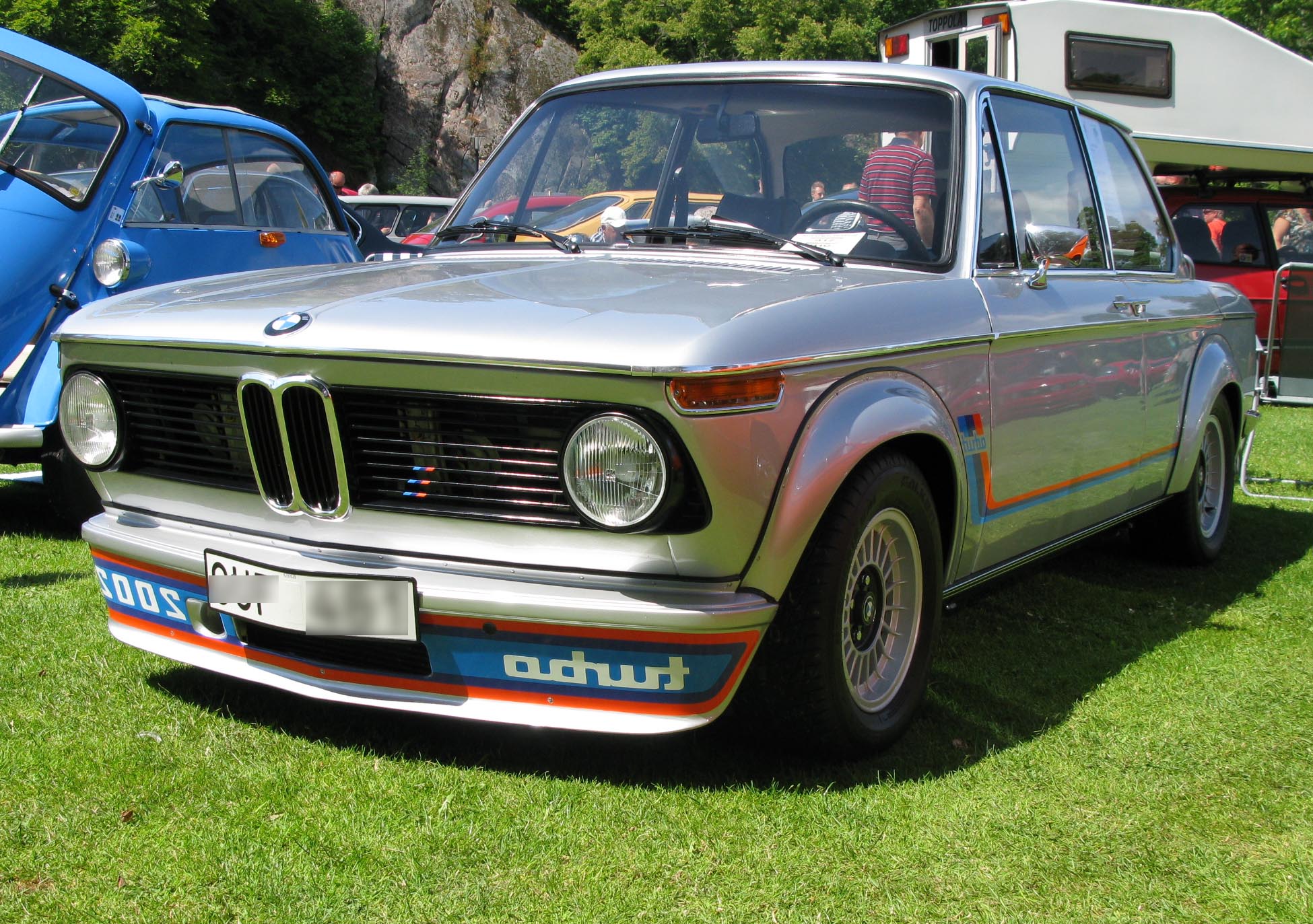
Bmws 2002S
"I was a country kid, you know, and I didn't know anything about sports cars, but I fell in love with Porsches, BMWs, 2002s, Triumph, TR4s, and Jaguar XKEs, and it was a wonderful experience for me."
“2002s” refers to the BMW 2002, a classic compact sports sedan/coupe from BMW’s enthusiast era. The 2002 is well known for its nimble handling and strong community following, and it’s often associated with vintage BMW driving culture. In a story like this, it’s a key example of the kinds of cars the speaker encountered.
PR clearance
"[357.1s] He's at kind of that level where you have to get PR clearance from his company, probably, [362.6s] because if you remember, if you've seen that interview, I talked about it."
“PR clearance” here means getting approval from someone’s public-relations team before having an unscripted conversation or interview. In car culture, this often affects how and when owners, executives, or media personalities can be quoted or recorded. It’s a behind-the-scenes reality of celebrity/brand access at events.
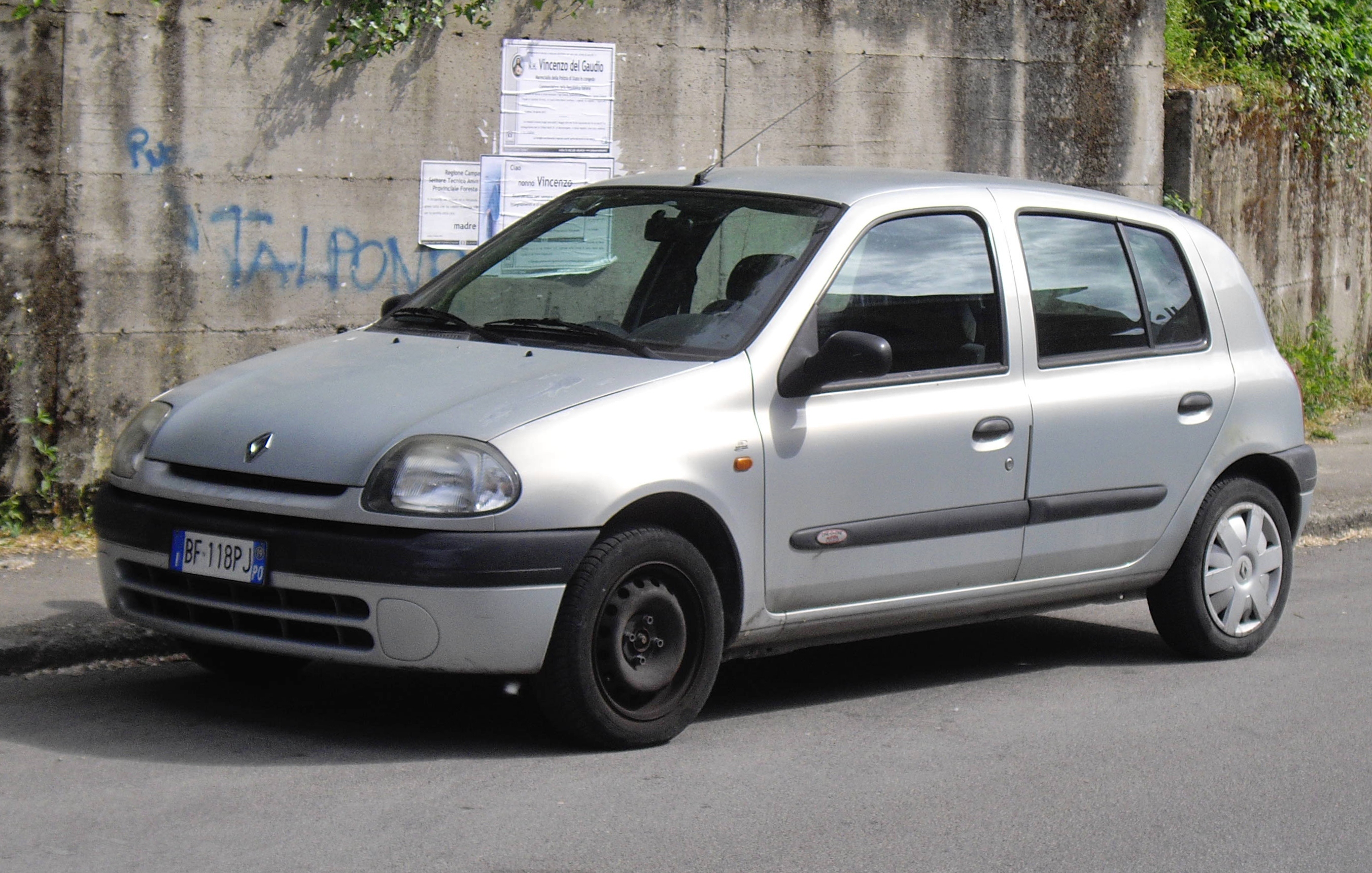
Renault Clio
"What did you bring out here today? I brought a Renault Clio B6. That was a buy. Where is it? 2001, it's on the far side of the parking lot next to an L-Pine A110."
This is a specific version of the Renault Clio. Car people use codes like “B6” to tell exactly which generation/trim they mean, because different versions can be very different to own and collect.
The Renault Clio B6 refers to a specific Clio generation/variant (often discussed by chassis/trim codes) that enthusiasts track separately from other Clio versions. In this segment, the host highlights it as a recent purchase and notes it’s in great condition, emphasizing why that particular variant matters to collectors.

Alpine A110
"2001, it's on the far side of the parking lot next to an L-Pine A110. We got the two French cars sitting next to each other."
The Alpine A110 is a classic French sports car known for its lightweight, nimble handling, and rally-bred reputation. Here it’s mentioned as a neighboring car to the Renault Clio, reinforcing the “French cars together” theme at the show.
import
"It was already the US, so I didn't have to import it. And it's a great condition. And it's fun to drive."
Importing is when you buy a car from another country and bring it home. It usually takes extra steps and can cost more, so “already the US” means it was easier to get.
Importing a car means bringing it into a country from elsewhere, which can involve paperwork, compliance checks, and additional cost. The host says the Clio was already in the US, so they didn’t have to go through that process.
Phase one car
"Color? Silver. Phase one car. Silver was the most popular color for the phase one cars. That was on a magazine cover color, wasn't it?"
“Phase one” means the early version of a car before later updates. Enthusiasts often care because early versions can have different details, and even the paint color can be part of what makes them special.
“Phase one” is a collector/enthusiast way of dividing a model’s production into distinct early and later revisions. In this segment, the host ties phase one to a specific popularity of silver paint, suggesting that color and revision phase can affect desirability and authenticity.
phase two cars
"And then there was a blue and a red and maybe yellow. And the phase two cars were mainly blue. And some other colors were less common."
“Phase two” is the later version of the car after some changes were made. The host is saying that the later cars were more often certain colors—here, mostly blue—which collectors notice.
“Phase two” refers to a later revision of the same model line, typically with changes that enthusiasts track when judging originality. The host notes phase two cars were mainly blue, implying that later revisions may correlate with different common colors and therefore different collector appeal.

Alfa Romeo Gtv6
"Sure. In age order, 85 or an 05 Turbo II, 86, Alfa Romeo GTV6, 91, Renault Alpine A610,"
The Alfa Romeo GTV is an older Italian sports coupe meant for comfortable, spirited driving. It comes in different versions, and the podcast is listing it as part of a set of cars from different years. That usually means it’s being remembered for a specific model/engine choice.
The Alfa Romeo GTV is a classic Italian grand touring coupe, offered in different performance versions over the years. In the podcast context, it’s referenced in an age-ordered sequence of cars, which points to it being part of a personal collection or a timeline of ownership. The mention of a specific GTV variant (like the GTV6) also signals it’s valued for its particular engine and driving character.

Renault Alpine A610
"In age order, 85 or an 05 Turbo II, 86, Alfa Romeo GTV6, 91, Renault Alpine A610, 94, Maserati Chammal."
The Renault Alpine A610 is a rare sports car made by Renault’s Alpine brand. Because it’s uncommon, it’s the kind of car people notice right away at a car show.
The Renault Alpine A610 is a rare mid-engine sports car from the Alpine brand, known for its distinctive styling and limited production. It’s a “vintage supercar” type of choice that tends to draw attention at shows because so few exist today.

Renault Clio B6
"The first one you named is the red one, right? 2001 Renault Clio B6. Now we jump to the modern stuff."
This is a specific version of the Renault Clio, and “B6” is the label for that generation. The speaker is pointing out the exact Clio they have, not just the general model name.
The Renault Clio B6 refers to a specific generation/variant of the Clio (with “B6” commonly used to denote that platform generation). Mentioning it by this code signals the speaker is talking about a particular, more specific Clio version rather than just any Clio.

Audi Sq8
"So then there's a... The modern stuff there is a 2020 Audi SQ8, which is the tow truck, the tow driver, the tow vehicle."
The Audi SQ8 is a sporty, higher-performance version of the Audi Q8 SUV. Here, they’re also using it as the tow vehicle, meaning it’s the car they use to move other cars or equipment.
The 2020 Audi SQ8 is a performance-oriented version of the Q8 SUV line, typically positioned as a fast, luxury SUV. In this segment it’s also described by function—used as the tow vehicle—showing how modern “super cool” cars can still serve practical roles at events.

Porsche 718 Spyder
"A 21 Porsche 718 Spyder. Okay. In python green."
The Porsche 718 Spyder is a Porsche roadster—basically a lightweight, open-top sports car. People like it because it feels nimble and fun to drive, especially at car shows and rallies.
The Porsche 718 Spyder is a mid-engine Porsche roadster known for its lightweight feel and open-top driving. In the transcript, it’s referenced by model year and color, which helps listeners identify the specific kind of vintage/enthusiast car being shown at the event.
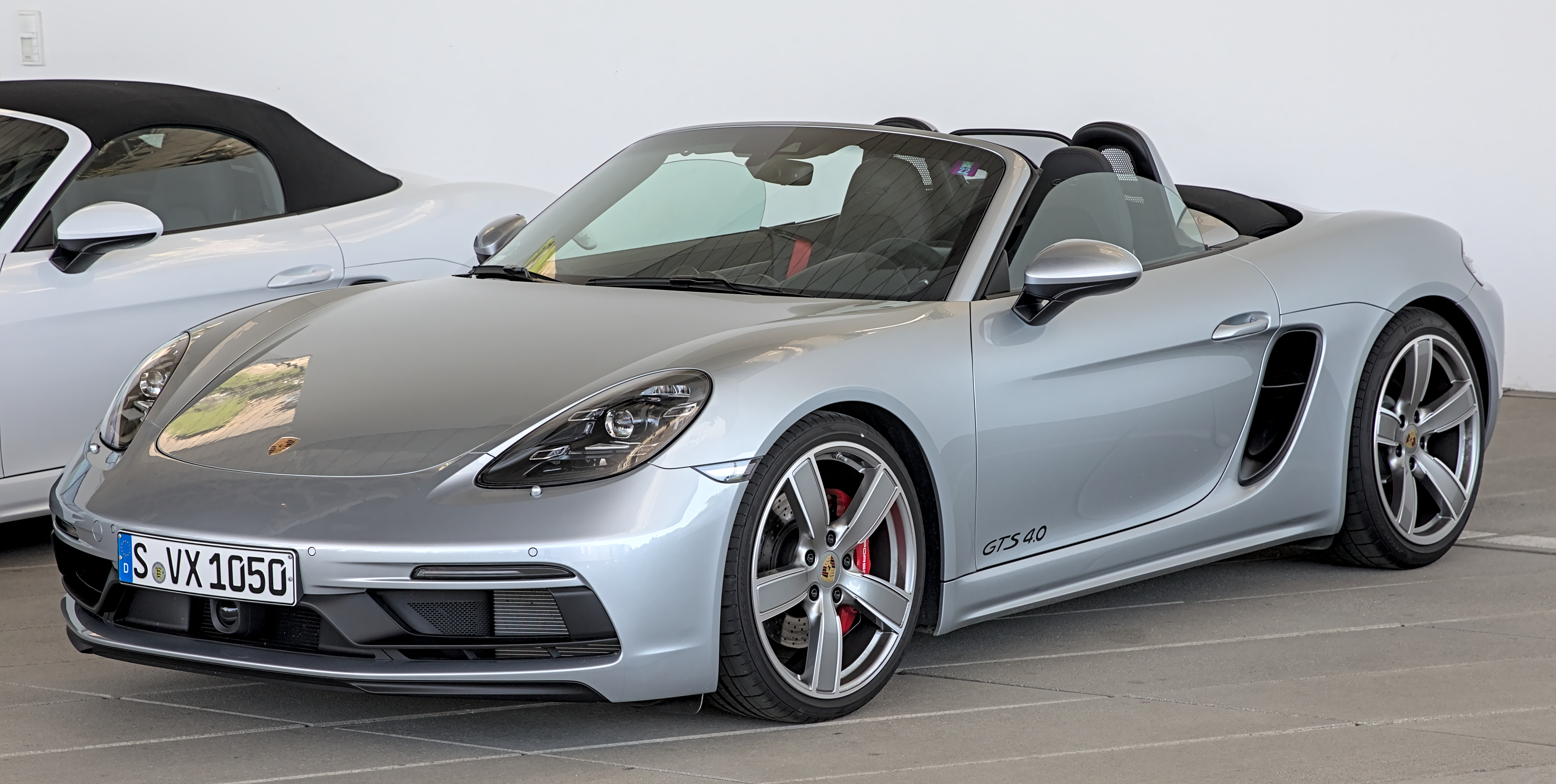
Boxster 718 Spyder
"...k, the tow driver, the tow vehicle. A 21 Porsche 718 Spyder. Okay."
The Boxster is a two-seat sports car made by Porsche, designed for driving with the top down. In the podcast, it’s mentioned because it’s connected to a practical situation involving towing or moving the car. That’s the kind of context that matters for owners and drivers.
The Boxster (more commonly spelled “Boxster”) is a Porsche two-seat roadster designed for open-top driving and balanced performance. In the podcast context, it appears as part of a towing/vehicle discussion, which suggests it’s being referenced in relation to how the car is moved or handled. That kind of mention often comes up when talking about real-world ownership situations rather than just performance.
python green
"Okay. In python green. And a 23 Ferrari Cortofino M."
“Python green” is just the car’s paint color name. At car shows, knowing the color helps you tell which exact car you’re looking at.
“Python green” is a paint color name used by Porsche (often associated with specific factory color options). Color names matter at shows because they help identify the exact spec of a car, not just the model.
Ferrari Cortofino M
"In python green. And a 23 Ferrari Cortofino M. Got some cars."
The Ferrari Cortofino M is a grand touring (GT) Ferrari with a focus on everyday usability compared to more track-focused Ferraris. The “M” indicates the updated version, and the transcript’s “23” suggests a 2023 example being shown.
multi-day rallies
"I don't think I would do this particular event, but definitely, you know, just getting a group of guys together and doing some multi-day rallies or something. Sure, we'd prefer talking about..."
A multi-day rally is like a road trip with car people, planned over multiple days. Instead of just looking at cars in one place, you drive together and make the whole trip part of the fun.
A multi-day rally is an organized enthusiast driving event where participants cover routes over several days, often with planned stops and a shared itinerary. The hosts are discussing the appeal of getting a group together for an extended drive rather than focusing on a single show.

Nissan R34S
"Yeah, there's such a great mix. [584.0s] Yeah, there's such a great mix. [585.5s] There's American muscle. [588.5s] There's some German tuner kind of stuff. [592.1s] There's R34s or 32s."
Those “R” numbers are different versions of the Nissan Skyline GT-R. People love them because they’re fast, turbocharged, and there are lots of parts and upgrades available.
“R34” and “R32” refer to different generations of the Nissan Skyline GT-R. They’re famous for their turbocharged performance and strong aftermarket support, so they show up a lot at enthusiast events.

Diablos
"There's two Diablos right through the window. [608.1s] Yeah, two Diablos. [609.1s] There's a Lotus Esprit over there. [611.3s] There's just such an eclectic mix,"
That’s the Lamborghini Diablo, a famous supercar from the 1990s. It’s rare, and it’s the kind of car that usually takes serious money and care to keep running.
“Diablos” refers to the Lamborghini Diablo, a late-1980s/1990s supercar known for its dramatic styling and V12 performance. Seeing two at once is a big deal because they’re rare and typically expensive to maintain.

Lotus Esprit
"[609.1s] There's a Lotus Esprit over there. [611.3s] There's just such an eclectic mix, [614.3s] which is fun. [615.9s] As you can tell, I'm not a one-mark hobbyist."
The Lotus Esprit is a classic British sports car with a mid-engine design. It’s known for its unique look and fun driving feel, and different versions can be more performance-focused.
The Lotus Esprit is a classic British sports car best known for its mid-engine layout and distinctive wedge-shaped styling. Depending on the specific version, it ranges from lightweight grand touring to turbocharged performance.
eclectic mix
"[611.3s] There's just such an eclectic mix, [614.3s] which is fun. [615.9s] As you can tell, I'm not a one-mark hobbyist. [620.6s] Sure."
An “eclectic mix” at a car show means the lineup spans multiple eras, countries, and styles—rather than being focused on one brand or one type of car. That variety is part of what makes events like this fun for enthusiasts, because you can compare different engineering philosophies side-by-side.

Porsche 718 RSK
"There's a Porsche 718 RSK. I assume it's a replica, but that's pretty cool."
The Porsche 718 RSK is a Porsche model that’s meant to feel more like a race car than a normal street car. Because the real ones are hard to find, shows sometimes have replicas. Either way, it’s a cool, sporty-looking Porsche people recognize.
The Porsche 718 RSK is a lightweight, track-focused Porsche built around the 718 platform and styled for racing. In vintage car shows, you’ll often see replicas or restomods because the original cars are rare. The “RSK” badge generally signals a performance/race-oriented spec.
replica
"There's a Porsche 718 RSK. I assume it's a replica, but that's pretty cool."
A replica is a car built to look like a specific vintage model, often using modern components or a mix of original and aftermarket parts. At shows, replicas are common for rare race cars because originals may be too expensive, hard to maintain, or not road-legal. Replicas can range from “close visual match” to full engineering recreations.
Oscas
"I think Oscas typically had fiat motors, but maybe not always. Maybe alpha motor too."
OSCA is an old Italian sports-car brand. The host is saying these cars often used engines related to Fiat, but they’re not sure about this exact one. So it’s a clue about what might be under the hood, not a confirmed fact.
OSCA (often written “Oscas”) is an Italian sports-car brand known for small-displacement racing engines and lightweight road-going cars. In the late 1950s era, it’s common to see OSCA cars associated with Fiat-based powertrains, though exact engine sourcing can vary by model and year. The host is pointing out that the specific engine in this particular car isn’t confirmed yet.
Fiat motors
"I think Oscas typically had fiat motors, but maybe not always."
This just means the engine might be from Fiat (or based on Fiat’s engine designs). Back in the day, smaller car makers often used engines from bigger companies. The host is saying that’s a common pattern, but they’re not sure for this specific car.
“Fiat motors” refers to engines sourced from or related to Fiat’s powertrains. In vintage Italian sports cars, it was common for smaller manufacturers to use available engine families from larger companies, especially for racing and early production. The host is using this as a likely clue for what’s powering the OSCA they’re looking at.
project cars
"And some project cars. So people that are, in the midst of, or they're newer to the hobby,"
Project cars are vehicles that are being worked on—often partially restored, modified, or awaiting mechanical fixes. At car events, you’ll see project cars because owners may be showcasing progress, parts, or the “before” state. They’re different from fully finished, show-ready cars and can be a window into the hobby’s ongoing work.
Scuderia Club
"He did a talk with the Scuderia Club a couple years ago. Okay. Very enjoyable."
They mention the “Scuderia Club,” which sounds like a car/motorsport group that puts on events and talks. It’s likely connected to racing culture, like the word “scuderia” used for racing teams.
The Scuderia Club is referenced as a group that hosted a talk featuring Ralph Jill. In car culture, “scuderia” is commonly used to describe racing stables, so the name often signals a motorsport-leaning community.
time-lapse video
"[747.4s] You know, I should take my cell phone [748.5s] and I should put it on the ground. [749.8s] I should just record [750.7s] like a time-lapse video"
A time-lapse video is when you record for a long time, but the playback is sped up. It’s a simple way to show what happens around a car show without filming every second.
A time-lapse video is a filming technique where the camera captures frames at a slower interval than normal playback, making slow activity appear fast. At car shows, it’s a practical way to document lots of people walking up, talking, and checking out the cars without recording continuously.

Shelby Cobra
"So what you just heard fire up is a Shelby Cobra. I doubt it's original. It's probably a factory five or whatever. But it looks great as it's pulling off there."
A Shelby Cobra is a famous classic sports car—basically a lightweight roadster with a powerful V8. At car shows, you’ll often see replicas, so it’s smart they’re saying it might not be the original factory-built version.
The Shelby Cobra is a classic American roadster originally associated with Carroll Shelby and built around a lightweight chassis with a big V8. In the segment, the host notes it likely isn’t an original Cobra, which is common at shows because many are replicas or kit-built cars.
Factory Five
"I doubt it's original. It's probably a factory five or whatever. But it looks great as it's pulling off there."
Factory Five makes kit cars—parts you can buy to build your own version of certain classics. When someone says a Cobra is “probably a Factory Five,” they usually mean it’s a replica built from a kit.
Factory Five is a kit-car company known for building components and complete kits that allow owners to assemble cars like the Cobra. The host’s “factory five” comment suggests the Shelby Cobra they heard may be a kit-built replica rather than an original Shelby-built car.

Volkswagen Carmen Ghia
"Kind of looking around, I see a Carmen Ghia. I don't know if you all know what a Carmen Ghia is. That's a really nice car."
The Karmann Ghia is a vintage Volkswagen coupe that looks really elegant and “old-school.” People love it at car shows because it’s stylish and has a classic, timeless shape.
The Karmann Ghia (often misheard as “Carmen Ghia”) is a classic Volkswagen-based coupe known for its stylish, curvy bodywork. It’s a popular vintage show car because it blends classic design with VW engineering.

Ford Bronco
"There's a really nice orange two-door Bronco old school sitting in front of me. All right, guys, so I'm back at the booth."
The Bronco is Ford’s classic SUV. When someone says “old school two-door Bronco,” they’re usually talking about the earlier generations that look very rugged and vintage.
The Ford Bronco is a classic off-road SUV that has multiple generations, including early “old school” models that are common at vintage events. The host mentions an “orange two-door Bronco,” which points to one of the early, enthusiast-loved Broncos.

Aston Martin DB2
"There's a really neat Aston Martin in DB2 silver could not run down the owner."
The Aston Martin DB2 is an old-school sports car made by Aston Martin. It’s a big deal at vintage car events because it’s from the brand’s classic era and is known for its classic looks and driving feel.
The Aston Martin DB2 is a classic early-1950s grand tourer from Aston Martin, known for its elegant styling and period-correct sports-car character. In vintage events, cars like the DB2 are often highlights because they represent a formative era of Aston Martin’s road-racing and touring heritage.
Bosch supercharger
"[946.3s] The thing has like [947.0s] a Bosch supercharger on it. [949.8s] Looking on here,"
A supercharger is a device that pumps extra air into the engine. More air usually means more power. If it’s been added with Bosch parts, it’s likely a performance modification rather than stock equipment.
A supercharger forces more air into the engine, which can significantly increase power compared to a naturally aspirated setup. Mentioning a “Bosch supercharger” suggests the NSX has been modified with a forced-induction system using Bosch components.
rechargeable batteries
"[980.2s] And I actually just bought [981.4s] two rechargeable batteries [983.4s] for my Sony cameras"
They’re talking about rechargeable batteries for their camera. That’s useful at car events because you can keep filming without needing to buy new disposable batteries. It’s basically about being prepared for long days.
Rechargeable batteries are commonly used for powering camera gear during events, especially when you’re away from outlets for long periods. For car shows and track-style events, having reliable rechargeable batteries helps you keep shooting without constantly swapping disposables.
Long Beach Grand Prix
"I want to preview next week's episode is from the Long Beach Grand Prix. Well, it's not from the Long Beach Grand Prix but Dre was in studio sitting right in front of me and we recapped our trip."
The Long Beach Grand Prix is a big racing event in Long Beach, California. Here, it’s mentioned because it’s connected to the trip the hosts are recapping.
The Long Beach Grand Prix is a major motorsports event in Long Beach, California. In this recap, it’s used as a reference point for where the guests’ trip content is coming from and why the next episode is worth listening to.
GIS Motorsports
"I'm on the GIS Motorsports site right now but the ones from last year. King Motorsports, if you go to King Motorsports on Instagram or their website, you're going to see probably a big article on it,"
They’re pointing you to a motorsports company’s website where prototype pictures are posted. If you want to follow what a build is doing, that’s where you’d look.
GIS Motorsports is referenced as the place where prototype images are hosted. In enthusiast circles, teams like this often build or develop limited-run performance projects, so their site becomes a key source for updates.
King Motorsports
"King Motorsports, if you go to King Motorsports on Instagram or their website, you're going to see probably a big article on it, Road and Track. Everybody's talking about it now."
King Motorsports is the group being talked about as having a big article and updates online. It usually means they’re closely tied to the project or its development.
King Motorsports is mentioned as a source for a major article and ongoing coverage on the project. When a shop or team like this is involved, it often signals a specialized build, development, or distribution of a limited car.
Road and Track
"you're going to see probably a big article on it, Road and Track. Everybody's talking about it now. It looks like the power numbers,"
Road and Track is a car magazine/website. Mentioning it here suggests the project got attention from major car media.
Road and Track is cited as the publication that has a big article about the project. Coverage from mainstream enthusiast media can strongly influence how quickly a limited car or build becomes “everybody’s talking about it.”
six speed manual
"It looks like the power numbers, it's still going to be a manual, six speed manual, which everybody wants but it kind of doesn't matter because there's only 35 of them being made."
This means the car uses a manual gearbox with six gears. You have to shift yourself, usually with a clutch pedal.
A six-speed manual transmission means the driver selects gears using a clutch and a gear lever, with six forward ratios. For many enthusiasts, a manual is part of the appeal—especially in limited-run performance cars.
only 35 of them being made
"which everybody wants but it kind of doesn't matter because there's only 35 of them being made. Originally they said it'd be right hand drive only"
They’re saying only 35 cars will exist. That usually means it’s rare, so it can be harder to buy one and harder to find parts later.
A production run of only 35 units makes the car effectively a limited-edition build. That scarcity can affect pricing, availability of parts, and how hard it is to find a specific configuration later.
right hand drive
"Originally they said it'd be right hand drive only and I'll link my little comment or my episode on it up in the corner but now it might be right hand drive and left hand drive,"
Right-hand drive means the steering wheel is on the right side. That affects where the driver sits and can change which countries the car is easiest to use in.
Right-hand drive (RHD) means the steering wheel is on the right side of the car. The transcript notes the project may have changed plans, which matters for buyers in different regions and for legality/fitment.
left hand drive
"but now it might be right hand drive and left hand drive, still not 100% sure. Looks like power delivery is going to be, or total horsepower is going to be around 420"
Left-hand drive means the steering wheel is on the left side. It’s the layout most common in the U.S., and it can matter for comfort and legality.
Left-hand drive (LHD) means the steering wheel is on the left side of the car. The speaker is comparing RHD vs LHD availability, which can be a major buying consideration depending on where you live and how the car will be registered/used.
total horsepower
"Looks like power delivery is going to be, or total horsepower is going to be around 420 but you still do need a donor NSX"
Horsepower is a measure of how much power the engine makes. Higher numbers usually mean faster acceleration, but it’s not the only thing that matters.
Total horsepower is the overall engine output measured as horsepower, typically from a dyno or manufacturer estimate. It’s a headline number, but the transcript frames it as less important than other factors for a limited-run car.

NSX
"Looks like power delivery is going to be, or total horsepower is going to be around 420 but you still do need a donor NSX"
They’re saying you can’t just buy the finished car—you need an Acura NSX to start with. That donor NSX provides the underlying parts the build uses.
The speaker says you “still do need a donor NSX,” meaning the project likely uses an Acura NSX as the base vehicle. A donor car is typically stripped and reused for chassis, drivetrain, or mounting points, which can strongly affect cost and sourcing.
carbon fiber wide body kit
"and it's essentially a carbon fiber wide body kit and then some, I don't want to reduce this to just being a body kit because it is more, it is a reimagined, redesigned version."
A carbon fiber wide body kit replaces or adds body panels to make the car wider, usually to improve stance and accommodate wider wheels/tires. Using carbon fiber keeps weight down compared with many other materials, but it also means the fitment and structural quality depend heavily on the quality of the kit and installation.
reimagined, redesigned version (not just a body kit)
"I don't want to reduce this to just being a body kit because it is more, it is a reimagined, redesigned version. So what do I think about it?"
They’re saying this isn’t just a simple “add-on” body kit. Instead, it’s more like a bigger makeover where lots of parts are replaced, so the final car feels like a new take on the original.
The hosts emphasize that the project isn’t merely bolt-on styling; it’s a broader redesign where many body panels are replaced. That distinction matters because a true “reimagining” often changes how the car looks as a whole and can require more extensive work than a typical cosmetic kit.
JAS Motorsports
"because this pen and farina and JAS Motorsports one called Tensei is a wide body NSX by any stretch"
JAS Motorsports is an aftermarket tuning company that builds performance and appearance packages for Japanese cars. Here, they’re referenced for their “Tensei” widebody NSX build, which the hosts use as a comparison for the modernized widebody look.
limited to 35
"but I don't know if we'll ever see one in person limited to 35. Maybe, I'm looking forward to it"
“Limited to 35” means only 35 of these were made. That usually makes it more rare and can make it more desirable to collectors.
“Limited to 35” means the car/build is produced in a very small quantity, which typically increases exclusivity and can affect pricing and collector interest. For buyers, it also means parts availability and resale dynamics can differ from mass-produced models.
Request an Explanation
Heard something you'd like explained? We'll add it to this episode.
Sign in to request explanations for terms you heard.
Want to learn more?
Browse our glossary for plain-English explanations of automotive terms, jargon, and concepts.
Help improve this episode
See something that's not quite right? Our annotations are AI-generated and can sometimes miss the mark. Click the flag icon on any annotation to suggest a correction.