Toyota
Toyota is a major car company. In this episode, they’re mentioned because a Toyota dealer is sponsoring the show.
Copper State 1000
The Copper State 1000 is a big vintage car event in Arizona. This episode is basically a recap of what it’s like to be there, including the car show vibe.
Arcus Foundry
Arcus Foundry is another company name mentioned during the sponsor break. This part of the episode is more about the ad than cars.
Sparkforge
Sparkforge is a company name that shows up right before the show’s sponsor message. It’s not a car part mentioned in this clip.
Jaguar XK-E Roadster
The Jaguar XK-E Roadster is a famous old British sports car. It’s known for its classic design and driving feel, and “British Racing Green” is a traditional green paint color used on many British cars.
British Racing Green
British Racing Green is a classic dark green paint color that’s strongly linked with British racing history. It’s a popular “authentic-looking” color for vintage sports cars.
rally it
To “rally” a car means you drive it in an organized event where the goal is to perform and handle well, not just park and look pretty. People do this with classic cars to actually use them.

Jaguar XK-140
The Jaguar XK-140 is another classic Jaguar sports car from the 1950s. It’s part of the same family of Jaguars that many enthusiasts love for their vintage road manners and looks.

Jaguar XKEs
“Jaguar XKEs” is the common nickname for the Jaguar E-Type (often abbreviated as XKE in the U.S.). The E-Type is one of the most iconic vintage sports cars ever made, famous for its design and performance reputation. The speaker’s mention places it among the classic sports cars that shaped their passion.

TR4s
“TR4s” refers to the Triumph TR4, a British roadster from the 1960s known for its classic styling and open-top driving experience. It’s part of the traditional “British sports car” identity the speaker is describing. The TR4 is often discussed by enthusiasts as a foundational model in the Triumph TR roadster line.
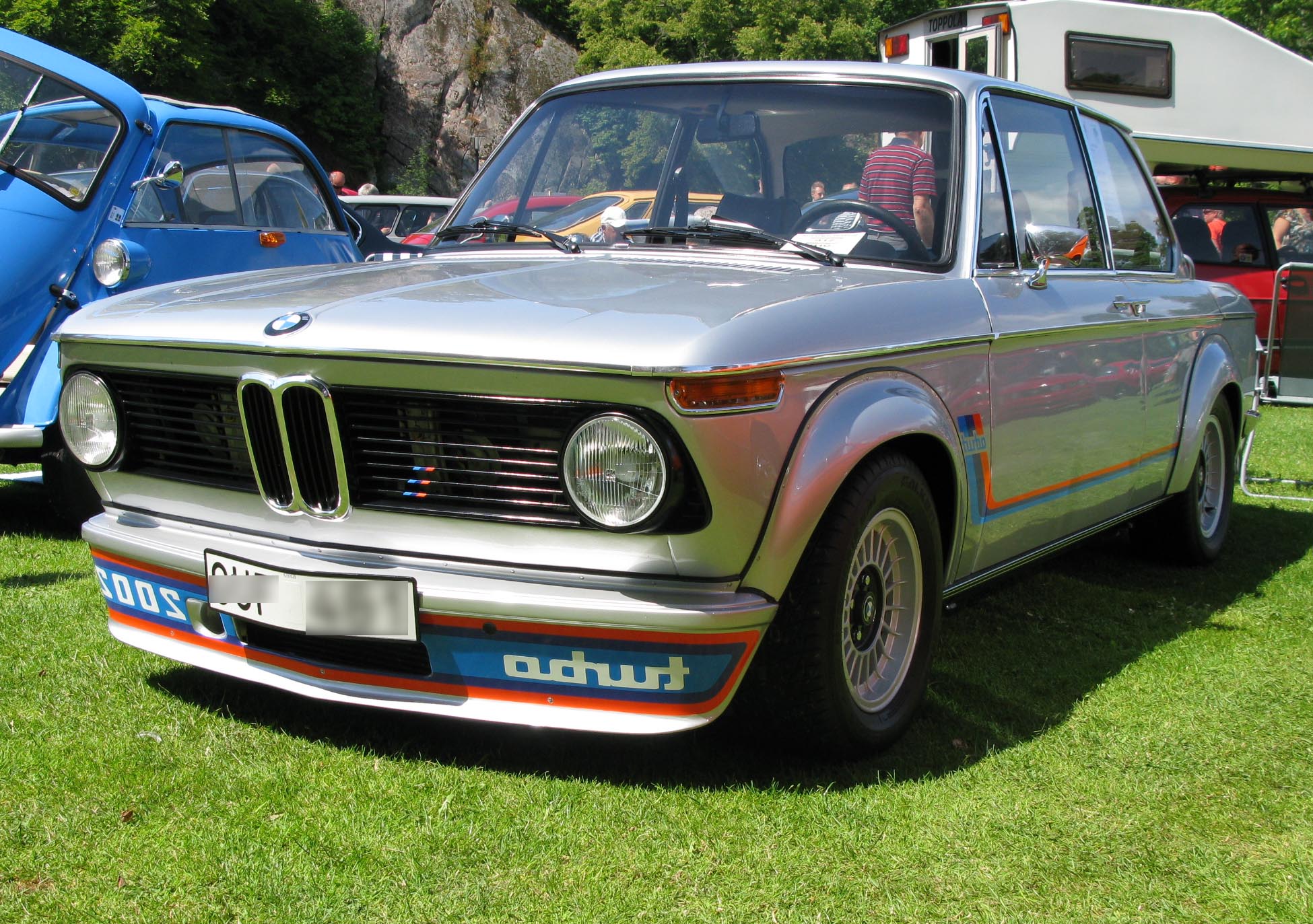
Bmws 2002S
“2002s” refers to the BMW 2002, a classic compact sports sedan/coupe from BMW’s enthusiast era. The 2002 is well known for its nimble handling and strong community following, and it’s often associated with vintage BMW driving culture. In a story like this, it’s a key example of the kinds of cars the speaker encountered.
PR clearance
“PR clearance” here means getting approval from someone’s public-relations team before having an unscripted conversation or interview. In car culture, this often affects how and when owners, executives, or media personalities can be quoted or recorded. It’s a behind-the-scenes reality of celebrity/brand access at events.
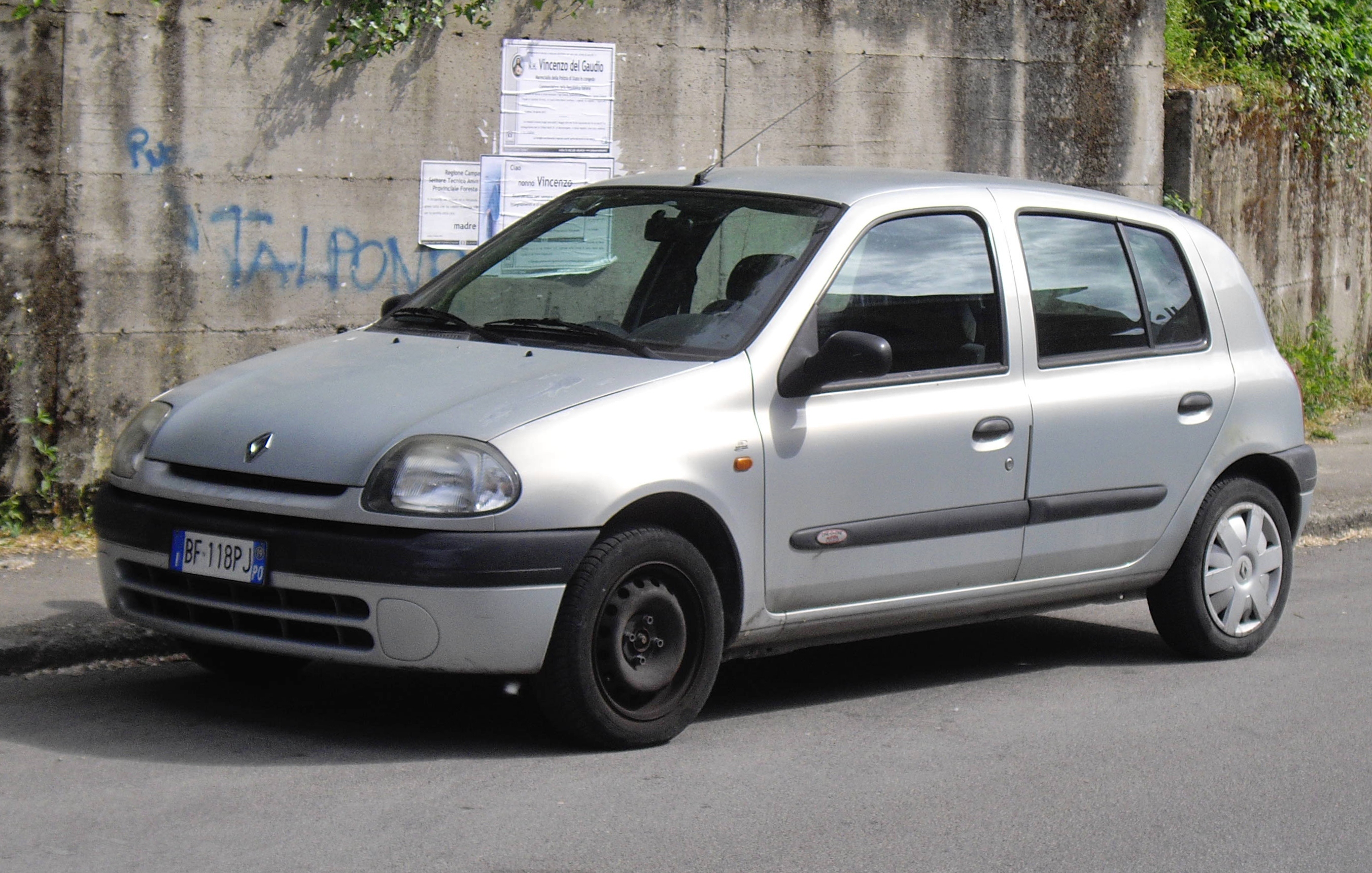
Renault Clio
This is a specific version of the Renault Clio. Car people use codes like “B6” to tell exactly which generation/trim they mean, because different versions can be very different to own and collect.

Alpine A110
The Alpine A110 is a classic French sports car known for its lightweight, nimble handling, and rally-bred reputation. Here it’s mentioned as a neighboring car to the Renault Clio, reinforcing the “French cars together” theme at the show.
import
Importing is when you buy a car from another country and bring it home. It usually takes extra steps and can cost more, so “already the US” means it was easier to get.
Phase one car
“Phase one” means the early version of a car before later updates. Enthusiasts often care because early versions can have different details, and even the paint color can be part of what makes them special.
phase two cars
“Phase two” is the later version of the car after some changes were made. The host is saying that the later cars were more often certain colors—here, mostly blue—which collectors notice.

Alfa Romeo Gtv6
The Alfa Romeo GTV is an older Italian sports coupe meant for comfortable, spirited driving. It comes in different versions, and the podcast is listing it as part of a set of cars from different years. That usually means it’s being remembered for a specific model/engine choice.

Renault Alpine A610
The Renault Alpine A610 is a rare sports car made by Renault’s Alpine brand. Because it’s uncommon, it’s the kind of car people notice right away at a car show.

Renault Clio B6
This is a specific version of the Renault Clio, and “B6” is the label for that generation. The speaker is pointing out the exact Clio they have, not just the general model name.

Audi Sq8
The Audi SQ8 is a sporty, higher-performance version of the Audi Q8 SUV. Here, they’re also using it as the tow vehicle, meaning it’s the car they use to move other cars or equipment.

Porsche 718 Spyder
The Porsche 718 Spyder is a Porsche roadster—basically a lightweight, open-top sports car. People like it because it feels nimble and fun to drive, especially at car shows and rallies.
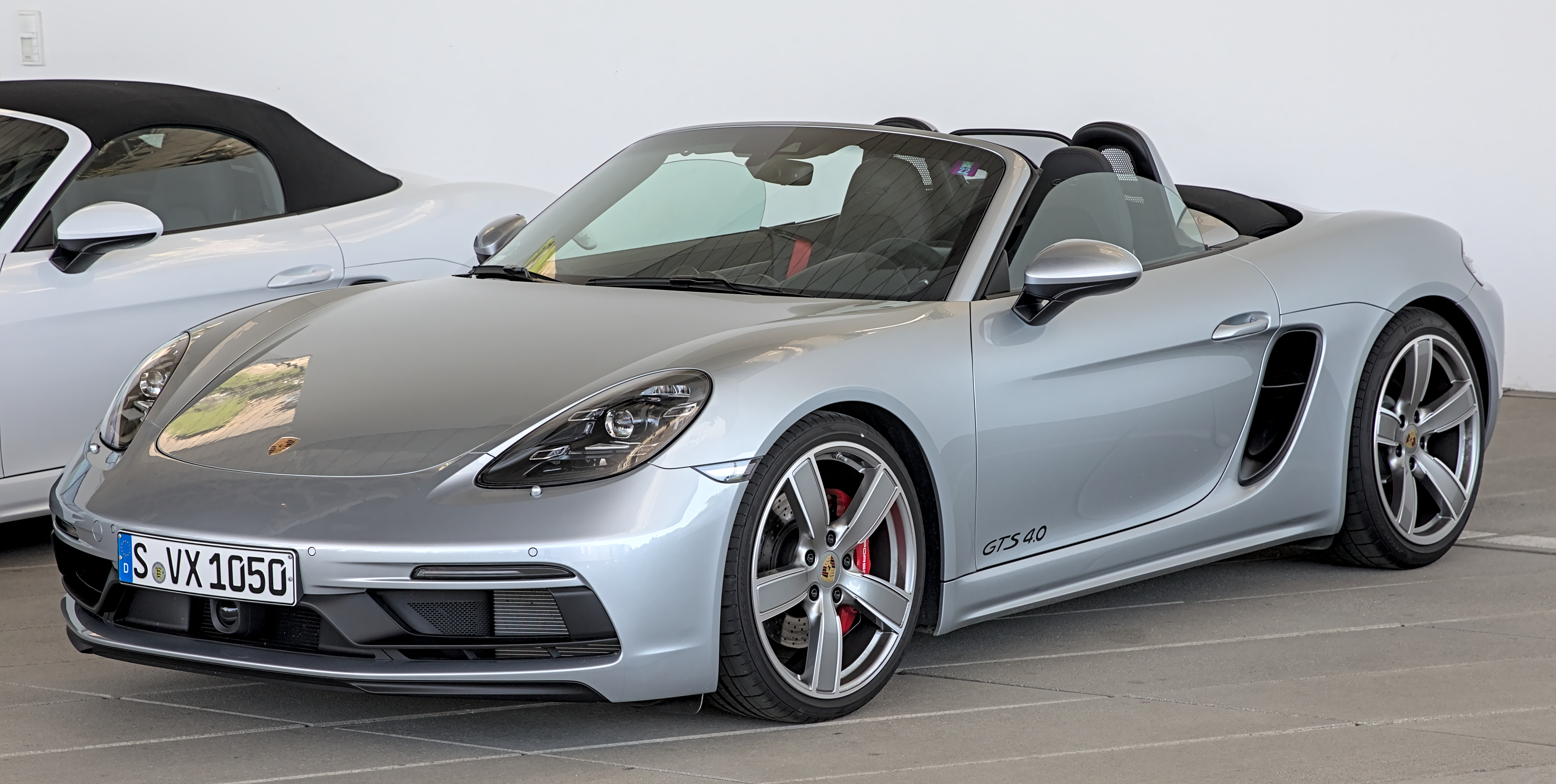
Boxster 718 Spyder
The Boxster is a two-seat sports car made by Porsche, designed for driving with the top down. In the podcast, it’s mentioned because it’s connected to a practical situation involving towing or moving the car. That’s the kind of context that matters for owners and drivers.
python green
“Python green” is just the car’s paint color name. At car shows, knowing the color helps you tell which exact car you’re looking at.
Ferrari Cortofino M
The Ferrari Cortofino M is a grand touring (GT) Ferrari with a focus on everyday usability compared to more track-focused Ferraris. The “M” indicates the updated version, and the transcript’s “23” suggests a 2023 example being shown.
multi-day rallies
A multi-day rally is like a road trip with car people, planned over multiple days. Instead of just looking at cars in one place, you drive together and make the whole trip part of the fun.

Nissan R34S
Those “R” numbers are different versions of the Nissan Skyline GT-R. People love them because they’re fast, turbocharged, and there are lots of parts and upgrades available.

Diablos
That’s the Lamborghini Diablo, a famous supercar from the 1990s. It’s rare, and it’s the kind of car that usually takes serious money and care to keep running.

Lotus Esprit
The Lotus Esprit is a classic British sports car with a mid-engine design. It’s known for its unique look and fun driving feel, and different versions can be more performance-focused.
eclectic mix
An “eclectic mix” at a car show means the lineup spans multiple eras, countries, and styles—rather than being focused on one brand or one type of car. That variety is part of what makes events like this fun for enthusiasts, because you can compare different engineering philosophies side-by-side.

Porsche 718 RSK
The Porsche 718 RSK is a Porsche model that’s meant to feel more like a race car than a normal street car. Because the real ones are hard to find, shows sometimes have replicas. Either way, it’s a cool, sporty-looking Porsche people recognize.
replica
A replica is a car built to look like a specific vintage model, often using modern components or a mix of original and aftermarket parts. At shows, replicas are common for rare race cars because originals may be too expensive, hard to maintain, or not road-legal. Replicas can range from “close visual match” to full engineering recreations.
Oscas
OSCA is an old Italian sports-car brand. The host is saying these cars often used engines related to Fiat, but they’re not sure about this exact one. So it’s a clue about what might be under the hood, not a confirmed fact.
Fiat motors
This just means the engine might be from Fiat (or based on Fiat’s engine designs). Back in the day, smaller car makers often used engines from bigger companies. The host is saying that’s a common pattern, but they’re not sure for this specific car.
project cars
Project cars are vehicles that are being worked on—often partially restored, modified, or awaiting mechanical fixes. At car events, you’ll see project cars because owners may be showcasing progress, parts, or the “before” state. They’re different from fully finished, show-ready cars and can be a window into the hobby’s ongoing work.
Scuderia Club
They mention the “Scuderia Club,” which sounds like a car/motorsport group that puts on events and talks. It’s likely connected to racing culture, like the word “scuderia” used for racing teams.
time-lapse video
A time-lapse video is when you record for a long time, but the playback is sped up. It’s a simple way to show what happens around a car show without filming every second.

Shelby Cobra
A Shelby Cobra is a famous classic sports car—basically a lightweight roadster with a powerful V8. At car shows, you’ll often see replicas, so it’s smart they’re saying it might not be the original factory-built version.
Factory Five
Factory Five makes kit cars—parts you can buy to build your own version of certain classics. When someone says a Cobra is “probably a Factory Five,” they usually mean it’s a replica built from a kit.

Volkswagen Carmen Ghia
The Karmann Ghia is a vintage Volkswagen coupe that looks really elegant and “old-school.” People love it at car shows because it’s stylish and has a classic, timeless shape.

Ford Bronco
The Bronco is Ford’s classic SUV. When someone says “old school two-door Bronco,” they’re usually talking about the earlier generations that look very rugged and vintage.

Aston Martin DB2
The Aston Martin DB2 is an old-school sports car made by Aston Martin. It’s a big deal at vintage car events because it’s from the brand’s classic era and is known for its classic looks and driving feel.
Bosch supercharger
A supercharger is a device that pumps extra air into the engine. More air usually means more power. If it’s been added with Bosch parts, it’s likely a performance modification rather than stock equipment.
rechargeable batteries
They’re talking about rechargeable batteries for their camera. That’s useful at car events because you can keep filming without needing to buy new disposable batteries. It’s basically about being prepared for long days.
Long Beach Grand Prix
The Long Beach Grand Prix is a big racing event in Long Beach, California. Here, it’s mentioned because it’s connected to the trip the hosts are recapping.
GIS Motorsports
They’re pointing you to a motorsports company’s website where prototype pictures are posted. If you want to follow what a build is doing, that’s where you’d look.
King Motorsports
King Motorsports is the group being talked about as having a big article and updates online. It usually means they’re closely tied to the project or its development.
Road and Track
Road and Track is a car magazine/website. Mentioning it here suggests the project got attention from major car media.
six speed manual
This means the car uses a manual gearbox with six gears. You have to shift yourself, usually with a clutch pedal.
only 35 of them being made
They’re saying only 35 cars will exist. That usually means it’s rare, so it can be harder to buy one and harder to find parts later.
right hand drive
Right-hand drive means the steering wheel is on the right side. That affects where the driver sits and can change which countries the car is easiest to use in.
left hand drive
Left-hand drive means the steering wheel is on the left side. It’s the layout most common in the U.S., and it can matter for comfort and legality.
total horsepower
Horsepower is a measure of how much power the engine makes. Higher numbers usually mean faster acceleration, but it’s not the only thing that matters.

NSX
They’re saying you can’t just buy the finished car—you need an Acura NSX to start with. That donor NSX provides the underlying parts the build uses.
carbon fiber wide body kit
A carbon fiber wide body kit replaces or adds body panels to make the car wider, usually to improve stance and accommodate wider wheels/tires. Using carbon fiber keeps weight down compared with many other materials, but it also means the fitment and structural quality depend heavily on the quality of the kit and installation.
reimagined, redesigned version (not just a body kit)
They’re saying this isn’t just a simple “add-on” body kit. Instead, it’s more like a bigger makeover where lots of parts are replaced, so the final car feels like a new take on the original.
JAS Motorsports
JAS Motorsports is an aftermarket tuning company that builds performance and appearance packages for Japanese cars. Here, they’re referenced for their “Tensei” widebody NSX build, which the hosts use as a comparison for the modernized widebody look.
limited to 35
“Limited to 35” means only 35 of these were made. That usually makes it more rare and can make it more desirable to collectors.