COULD CRASH TESTS BE KELLY'S NEXT MICRO-HOBBY? The Carpool with Kelly and Lizz · May 20, 2026
Annotations will appear as you listen
0:00
52:44
Concept
crashworthiness tests
Crashworthiness tests are safety tests that check how well a car protects people during a crash. The idea is to measure real protection, not just how the car looks or drives.
“Top Safety Pick” is a safety award label for cars. It means the car did well in crash tests, and it’s designed to be easier to understand than reading every single test score.
This is a crash test where the car hits a barrier with only part of its front end, not the whole width. The goal is to mimic real-world crashes more closely, and it’s done at 40 mph with a driver in the seat.
This is a safety test focused on people riding in the back seat. It checks whether the car does a good job protecting them in a crash, not just the front passengers.
This test checks whether the car’s safety tech can help prevent a crash from happening in the first place. If the car doesn’t do well, it may not qualify for the highest safety award level.
Automatic emergency braking is the car’s safety feature that can brake by itself if it thinks a crash is about to happen. It’s designed to either prevent the crash or make it less severe.
Evaluating crash prevention at higher speeds is important because braking distance grows quickly with speed. Systems that work well at low speeds may not perform as reliably when there’s less time to detect, react, and stop.
This is crash testing for the people sitting in the back-most seats of a vehicle. It’s important because those seats don’t get as much real-world crash data, so it can be harder to design tests that match what actually happens.
Crash data is information from real accidents. Safety organizations use it to figure out what kinds of crashes and injuries are most common, so their testing can better match real life.
A “ratings program” is how an organization turns safety testing and real crash information into a score you can compare across vehicles. They’re explaining that the data they find influences which parts of the car they focus on.
This means the people riding in the back seats. Safety testing has to consider them too, because injuries can be different depending on where someone is sitting—and there are fewer rear-seat crashes to study.
Here, “occupancy” means how often people are actually sitting in those seats. If not many people ride in the back, there are fewer crashes to study for the back seats, which makes testing harder to design.
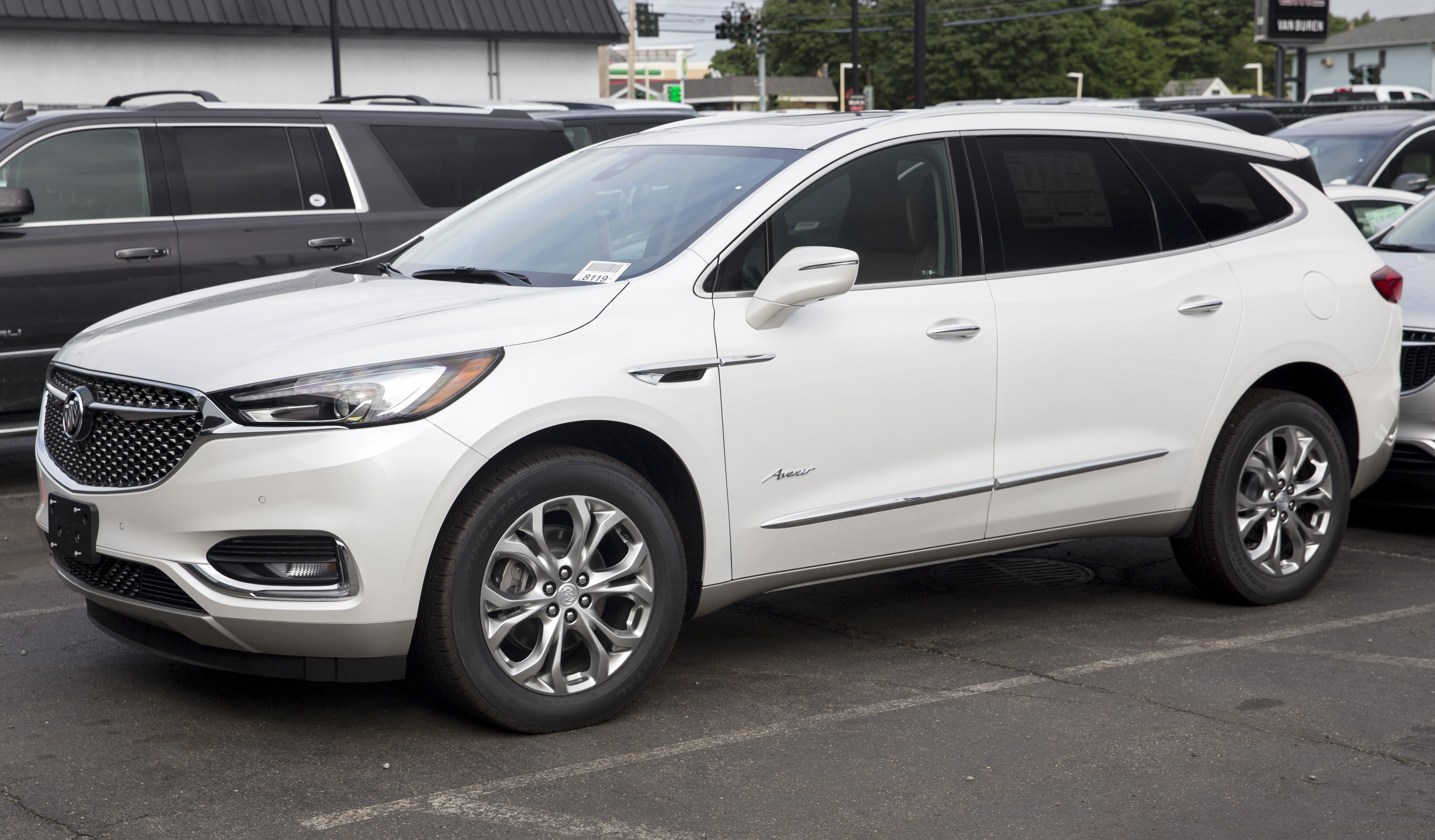
The Buick Enclave is a family SUV with three rows of seats. Here, they’re talking about how it did on crash-test style rankings compared with a closely related SUV.
Car
Buick Acadia
The Buick Acadia is a family SUV with three rows. In this discussion, it’s about why its crash-test ranking changed from one year to the next.
The Chevrolet Traverse is a three-row midsize SUV from Chevrolet, sharing a lot of underpinnings with other GM family SUVs. In this segment, it’s mentioned alongside the Acadia as a model that did (and then didn’t) meet the updated crash-test “list” criteria.
An airbag is a safety device that inflates quickly in a crash to help protect your body. They’re suggesting that two similar cars might have different airbag setups, which can change safety results.
A seat belt is the main safety strap that keeps you from being thrown forward in a crash. The discussion is about whether two similar cars might have different seat-belt setups that affect crash-test scores.
Concept
rear passenger
They’re focusing on how safe the back seat is. The back seat can behave differently in a crash, so the testing looks at rear-seat protection specifically.
Concept
vehicle structure held up
In crash testing, “vehicle structure held up” refers to how well the body and frame resist collapse and maintain occupant space. Strong structural performance helps reduce the forces transmitted to occupants and can work alongside restraint systems like seat belts.
A lap belt is the part of the seat belt that goes across your hips. In crash testing, they check whether it stays on the hips or slides up toward the stomach.
The Volkswagen Atlas is a big family SUV with three rows. Here, they’re talking about how it showed up on a crash-test “list” after the company changed something on the car—headlights—so the results weren’t just about how it handles a crash.
The Infiniti QX80 is a full-size SUV referenced as one of the only full-size options in the discussion. The hosts are contrasting it against the absence of minivans in the crash-test “list,” which frames how different body styles perform in specific test scenarios.
The Nissan Armada is a full-size SUV mentioned alongside the Infiniti QX80. It’s used to highlight that, in the crash-test “list” being discussed, minivans are notably absent while only a couple of full-size SUVs are represented.
Child restraints are the car seats you use for babies and kids. Crash tests check whether the seat and seat belt hold the child in the right position during a crash.
Rear seat tradeoffs means the back seat has to do several jobs at once. Designers have to balance adult seat-belt safety with making sure child car seats can be installed correctly.
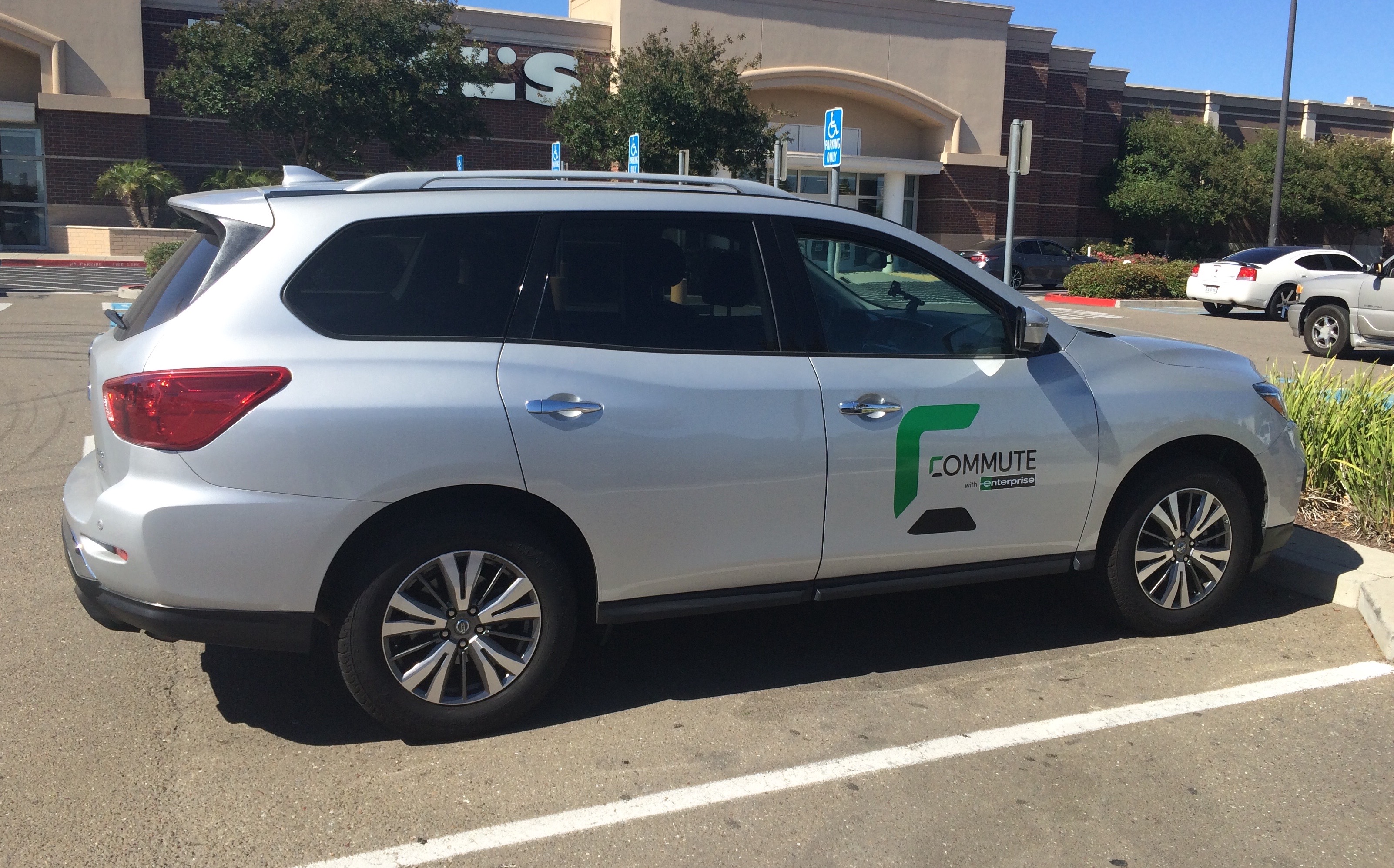
The Nissan Pathfinder is a larger SUV with three rows of seats, meant for carrying people and gear. It’s built for everyday driving but also for trips where you need more space. The podcast is likely mentioning it as an example of an SUV that can handle bigger needs.
They bring up the Honda Odyssey as another vehicle that can do well in safety testing. The takeaway is that its rear-seat setup can support the kind of restraint performance crash tests look for.
They mention the Kia Carnival as another minivan that can earn strong safety ratings. The discussion is about whether the back seat can be designed to work well with seat belts and child seats.
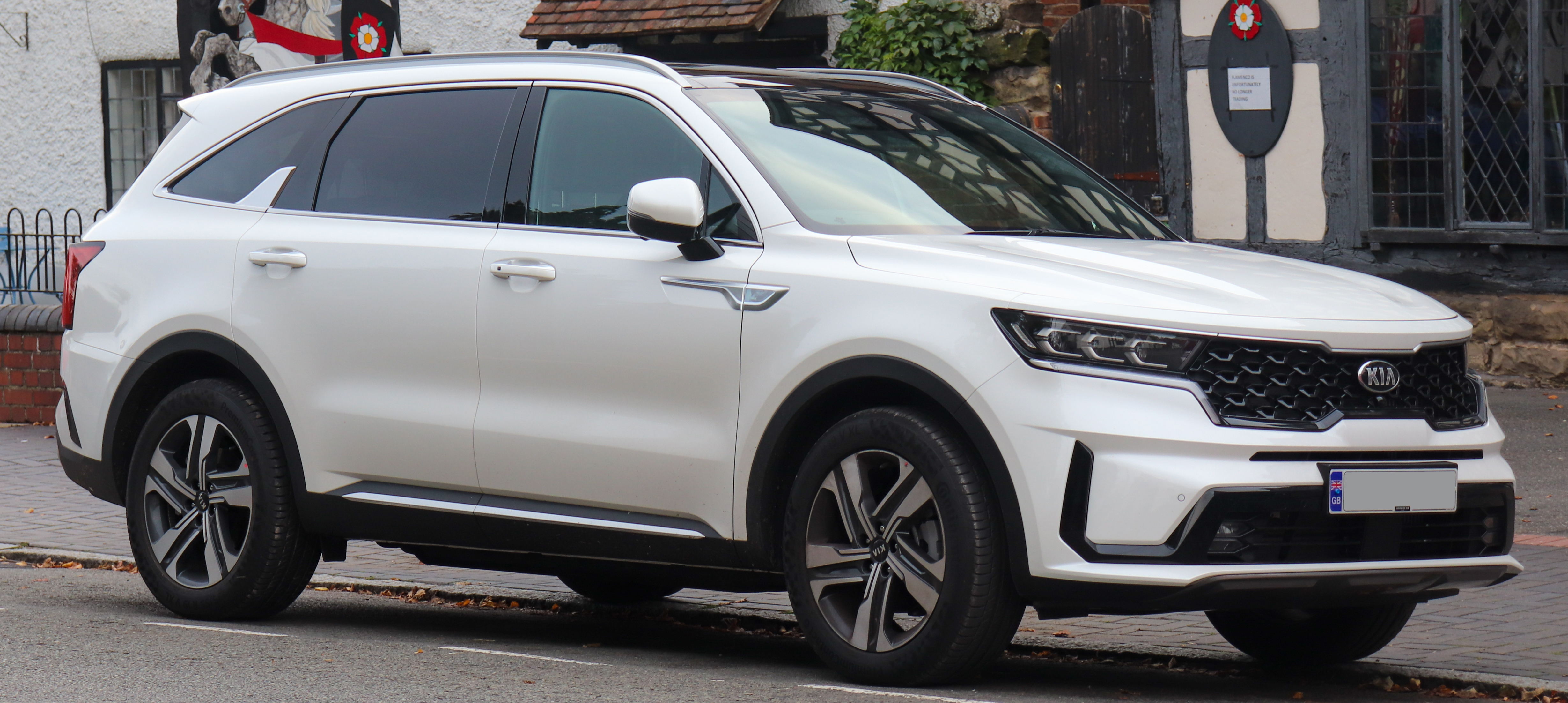
The Kia Sorento is a family-sized SUV that can carry several people, usually with three rows depending on the version. It’s meant for normal driving and practical errands, but it can also work for road trips. The podcast mentions it as one of the vehicles being considered.
Anchorage places are the built-in attachment points where seat belts (and child-seat hardware) bolt to the car. Moving them usually requires more than just swapping parts—it can mean redesigning the seat area.
A “full model change” is when a car gets a bigger redesign. Instead of quick fixes, engineers can rethink the layout so things like seats and safety restraints work better together.
“Stow and go” is a minivan feature where the back seats fold down and disappear into the floor. It’s meant to make cargo space easier, but it can affect how child seats and seat belts fit.
Term
magic slide
“Magic slide” is a minivan feature where a rear seat can slide to make it easier to get to the back. It can also change how you place and secure a child car seat.
“Car seat friendly” means the car is designed to help you install a child car seat correctly. The goal is to make it easier to buckle it in tightly so it protects kids better.
The second row is the back seat area of the car. In crashes, people in the back seat can be protected differently than people in the front. The hosts are saying it’s hard to make the back seat safe for everyone.
A vehicle class is just a group of similar vehicles. The hosts are talking about minivans as a group, because families use them a lot and the back seats matter a lot for safety. They’re hoping future safety evaluations will recognize improvements in that category.
Full-size SUVs are the biggest SUVs, usually meant for families and lots of space. The hosts are saying that safety testing for them has been limited or changed over time, and that’s part of why results may look different now. They’re connecting that to how automakers respond to testing.
Crash tests are safety tests where a car is tested in a controlled crash simulation. The goal is to see how well the car protects people inside. This episode talks about how crash testing has evolved and how it affects different kinds of vehicles.
Crash testing is when a car is intentionally crashed in a controlled way so safety experts can measure how well it protects people. It helps show whether the car’s structure and seatbelts/airbags do their job.
“Pass or fail” means the car either meets the safety rules for that test or it doesn’t. It’s usually based on whether the results hit required thresholds.
Instead of judging safety as one big number, they break it into separate crash scenarios. That way you can see how the car does in each specific kind of crash.
LIVE
Welcome to the Carpool podcast with Kelly.
I'd like to work my way up to at my school's dinner auction,
doing what my sister-in-law does,
which is donating four helped cooked meals
for the month of April, I know.
Now, as of today, I'm not there, wouldn't dream of it.
And Liz.
Someone said to Maddie the other day,
like, oh, she's pregnant and the baby's gonna come.
And Maddie's like, no, I can only focus on the fact
that she's pregnant right now.
Like, the baby is like separate.
Your mom time off starts now.
Welcome back to the Carpool podcast with Kelly.
And Liz.
And we just wrapped, this episode is gonna be so good.
We just wrapped, like, one of my favorite interviews ever
with Jessica Jermakian, the queen of the IAHS.
I don't even remember the title.
I think that's her official title as the queen.
Like, the 2026 top safety pick list,
like, really made some headlines.
Respectfully, it's the equivalent of me
of people's sexiest man alive.
Like, who's on the top safety pick list?
And it's jarring, the cars that fell off from 25.
It's jarring.
You know what we love is we love a girl with high standards.
And the IAHS standards just continue to get higher.
And we love that.
That's like their whole shtick.
Like, every year they're like, oh, you passed?
Well, now we're gonna make it harder.
I think they're so funny like that.
I know, they're like constantly thinking of ways
that they can like make it harder to pass.
And we love that about them.
So we have that interview at the end of this episode,
but before that, we have a lot to catch up on.
And I just wanna first say,
I'm in my third trimester today.
What?
Countdown is on.
Elizabeth, when I was talking on the phone the other day,
and I totally forgot that like she has to give birth.
I know, cause you were like,
cause we were talking about the podcast schedule
for like my maternity leave.
And she's like, you'll probably just like hop on the mic
anyway, like we can still record a podcast.
I'm like, no, like I do think I can hop on the mic,
but we do have to like leave space for like,
you don't know how your birth is going to go
and what your recovery is gonna be like.
And you were like, oh, shoot,
I forgot about the birth part.
It's like.
I totally forgot about the birth part.
I just thought you would like make up one day
with a baby, I guess, I don't know.
I know, someone said to Maddie the other day,
like, oh, she's pregnant and then the baby's gonna come.
And Maddie's like, no,
I can only focus on the fact that she's pregnant right now.
Like the baby is like separate.
Like we're not even just with the auto show,
with the summer, with just like the craziness of life right now.
Like we have not given a lot of headspace to the,
to the fact that there will be a third child like around.
So it's like kind of crazy, but it's coming up.
Do you feel like it's going fast?
Yeah, I do feel like it's going fast
because that first time I was there was really hard,
but I have felt pretty good.
And I know that then, you know,
the third trimester feels like a hundred years.
I feel like you have pretty,
historically, you have pretty,
don't take offense to this word.
You have pretty easy third trimesters.
I remember, I mean, like I specifically remember
with James crawling Maddie crying,
cause I was like, I can't believe I have to do this
for five more weeks.
And I, you know, I might have been spiraling
and emotional and like whatever.
But no, I mean, no, I do not have like,
people have way harder stuff.
So yeah, no, I don't have a lot to complain about
other than it's just like your body starts to hurt.
But I really feel like after the auto show,
I will be able to really focus,
like I don't know where I'm going to put her clothes,
what room she's going to sleep in.
I'm getting a new crit.
Like I just have a lot I have to figure out.
Totally.
I like, and also before I get,
well, I mean, I can have Maddie do this too,
but like I do want to practice.
If I'm going to take the set, the captain,
or the outboard seat out of my key of carnival
to put James in the third row,
I'm like, we need to practice that a few weeks
before the baby comes.
So that way when James is here and the baby's here,
it's not like there's not too many changes.
And so I need to practice that kind of stuff,
which is, so there's just a lot I have to do,
but I'm really, I'm not focused on it
until after the auto show.
No, like the world has stopped moving
until after the auto show.
Truly in our world.
Someone texted me like, we should get together.
And I'm like, can you text me like June 14th?
Like that's a month away.
I'm like, yeah, I know.
Like I just, I can't.
Yeah, yeah.
Speaking of your tickets at thecarmom.com,
it's really shaping up.
I mean, every week the event just keeps getting better
and better, more people are coming,
more cars are coming, more activations are happening.
I mean, yeah, it's incredible.
It has been, it's blown up.
Officially, almost.
This year has really blown up the auto show.
Like we've officially,
we've officially almost outgrown our venue.
Like I don't think we'll be able to have it.
I don't think we'll be able to have the next one
at this venue.
Yeah, I know.
Because we just need more space.
Crazy, crazy.
Anyway, today's also happens to be George's birthday.
Wow, I wasn't prepared to talk about that right now.
I know.
Oh my gosh.
Sorry, we're recording this two days before,
but like when this comes out on a Wednesday,
I don't want it to be like glaringly
that you didn't mention that it's George's birthday
and now you're gonna cry.
Well, people would talk.
Well, people would definitely talk.
Yeah.
Today is George's seventh birthday.
He's just the coolest.
He's just the coolest kid.
Like, I know.
And let me tell you what he's getting for his birthday.
This is just so George.
Here's everything George is getting for his birthday.
He's getting a couple of Lego motors.
So not like Legos, but Legos that can move Legos.
He's been wanting Lego motors for a while.
He's getting, he loves this YouTuber named Kendall Gray,
who's this just like little country kid from Kentucky
who just, you know, makes videos.
He's so wholesome.
So he's getting Kendall Gray merch.
He's gonna freak.
He's gonna freak over the merch.
He's getting a couple of like early reader books
because he's been really into reading right now,
which is so fun.
And Tyler bought him.
His like big present is a turtle trap
for the pond because George really wants a turtle.
And I just like can't stomach paint,
but like going out and buying him a pet turtle,
we like have so many turtles in a pond.
Yeah, please.
Free range.
Just like let's go catch one.
So he's getting a turtle trap for his birthday.
And then the last thing I bought him is like a last minute ad,
which I think is actually gonna be like
one of the biggest presents.
I found on Amazon for $7.
It looks like it's camo face paint.
Like what a guy would use to go hunting,
but like it looks like a little like blush,
but it's got three different colors in it.
It comes in like a tin.
And I think that's actually gonna be like
the most exciting present for him.
Yeah, no, for sure.
So he can like put on his own camo face paint
and go like play in the woods.
When he goes to like catch his turtle.
When he goes to catch his turtle.
I'm obsessed with him.
Yeah, he's so fun.
That's so exciting.
Yeah.
Like he's seven and you've been a mom for seven years.
No, it was so interesting
because I went to a wedding this past weekend.
And this wedding was a lot of my,
a lot of my like childhood friends were there,
like child, like not even high school,
like grade school and even like before grade school.
And it was so crazy because I'm like, they're all
just getting married, just had their first kid.
And they're like, when did you guys get married?
And I'm like, 2017, like I have a seven year old.
Like that's so crazy.
Yeah.
No, it is crazy.
I'm married so young.
You did.
But you met Tyler so young.
And just kind of like worked out that way.
Like it would have been weirder.
It would have been more weird if I didn't get married young
because that's how long Tyler and I were together.
So I got married at 25, 24, but we've been together
since I was 18.
Like that would have been weird to not.
Yeah.
No, it was just time.
No, yeah, it was time.
I'm so happy.
No, for sure.
I went to a wedding this weekend as well.
I was in a wedding this weekend.
I was like kind of so sad that we were at different weddings.
I know, I know it was kind of weird.
But I was in a wedding.
I literally had to order my bridesmaids dress
when I had just found out I was pregnant.
And they're like, what size do you think you're going to be?
And I guessed in literally next week, it's not going to fit me.
Fit me like a glove, no alterations, couldn't have been better,
felt good, beautiful day.
It was just a perfect wedding.
And you know what?
I always like love to nitpick a wedding.
Oh, I have my favorite thing.
Yeah, I have no notes on this wedding.
And I think what it boils down to, if you like want to have minimum
to no notes for me is scheduling.
I realize that's where I get like most like, oh, well, you know,
but dinner wasn't served till then or the speech.
They didn't start the speeches till this
and then you didn't get on the dance floor till that.
Like I always nitpick on the schedule.
The timing was perfect.
It was flawless.
Like as soon as you were ready to do it, it was time to do it.
It was time to do it.
Like, you know, they like did the dad's speech when the salads came out
and then by the time you're like eating your entree, the other speeches happened.
And then right after that, the dance happened.
It was just perfect.
And I do like when they when they do things during the dinner,
just to move on the night a little bit, a little bit more.
Well, especially if you don't know a lot of people
and then you are sat at a table with people you don't know,
like you're just a guest and like you're kind of like randomly there
and you like don't want to talk to everyone at the table.
It's nice to have something to listen to.
And those things have to happen during the night.
And the speeches, actually something that really bothers me
is when people do all the speeches at the rehearsal and there's no speeches
at the dinner or the wedding speeches.
Speeches are one of their parts.
Love speeches.
Like everyone's crying.
It's great.
I feel like I get to know the wedding party more like I love speeches.
So speeches were fantastic.
Food was great.
Entertainment was amazing.
But really, I think for me, like as long as the schedule flows,
then like I'm happy.
So the wedding I went to, which is this weekend,
they did something that had me there wasn't a dry eye in the crowd
and they wrote their own vows and they were the most beautiful vows
I had ever heard in my life.
That would be a really hard thing to do.
I feel like to read.
I couldn't do it.
Allow it.
It was and I'm it's so vulnerable.
Like it's already vulnerable to get up there and like say I do.
But like they were making these promises to each other.
And it's not that I felt uncomfortable, but it was like, you know, this is they are
being they're putting it all out there for all these people to hear right now.
Yeah, it was really that was really beautiful.
That is beautiful.
That would be really hard to do.
I could I didn't do it.
Couldn't do it.
Yeah, no.
And we just do the the Catholic ones.
Whatever they say, you do.
Oh, this was if anyone knows anyone who's getting married.
This was like the one of the best touches I've seen at the end of a wedding.
When the last when the last few songs were playing, they had
like platters set out plastic cups, plastic lid, plastic straw,
ice water inside of it, because at the end of the night, everyone needs a water,
especially if we were all dancing the entire time.
And at the end of the night, they just go grab yourself a water.
I'm like, and maybe it was like the pregnant woman of me because I wasn't
drinking, so I was only drinking water all night.
No, it's such a good touch.
Like, don't worry about the drunk food.
Like save your pizza and white castle.
Well, they did have the drunk food as well, but they also had the water.
And I like that they had it with the to go cup.
Like, you know, you can go to the car.
No, that's a really good touch.
It was my mom was at the wedding that I was at.
And we both clocked that.
And we were like, dang, that's good.
We all clocked.
So fun. Anyway, it was a lot.
It was a great time.
Um, OK.
So anyway, I am I just want everyone to know I just want to give everyone
kind of a heads up.
I am entering a new micro hobby phase.
Don't roll your eyes.
I didn't.
Um, so, you know, I feel like I have really gotten good at hosting,
you know, I'm feeling I'm feeling confident in my hosting abilities.
But a skill that I would like to work on is I want to get better at taking people a meal.
Yeah. OK.
I feel like I don't know what to make.
And more importantly, I don't know how to package it.
Yes.
So I placed a fat Amazon order, about $100 worth of disposable goods.
I know trigger warning, disposable goods.
So I can properly package meals and send them to my friends and family.
So I bought nine by 13th.
I bought two ounce plastic cups with lids.
I bought four ounce plastic cups with lids.
I bought smaller ones.
I bought like just things so I can properly pack up food because I've been
seeing these reels lately and like the best thing to take to a mom who had a baby.
And the food isn't what is the food is not what looks so hard and impressive.
It's the way they so beautifully package it.
But I want to work on.
Yeah, for sure.
So you're going to be my guinea pig.
I'm going to make you a third trimester specialty food.
OK, like I'm just going to package it.
And I'd like to work my way up if I can really nail this this summer.
I'd like to work my way up to at my school's dinner auction doing what my sister-in-law
does, which is donating for meals for the month of April.
I know now I'm as of today.
I'm not there wouldn't dream of it.
OK, but if I can perfect this, like how to and it's also what to cook
that transfers and reheats like there's a lot of parts to this.
Yeah. So that's kind of what I'm focusing on.
OK, well, I'm like happy to just accept any of the meals.
Third trimester, free, fresh baby phase.
Like I'm happy to to receive and to judge.
Let me give you an example of something I'm going to do,
because when I bring something to a person, I don't just want to bring them dinner.
I want to bring them a dessert, a breakfast, some washed fruit for their kids,
maybe a lunch even. I want I want to do it up right.
So I saw this one thing and this person just bought for like yogurts,
like Chobani yogurts, but then she made her own homemade granola.
Yeah.
And she put it in a little four ounce disposable cup
because you don't want to have a mom like we're about bringing that back to you.
And then she dropped off these yogurts and little cut up fruit
in this homemade granola, and she like brought them parfaits.
That's here. Parfait fixings.
That's cute. How cute is that?
I like that. I also like little like snacks, like muffins,
like protein energy bites, things like that.
Just like little like grab and goes, especially as like a breastfeeding mom.
You know, sometimes I don't want to like commit to everything,
but like need a little snacky. I like I like that when people do that.
Well, and I do remember thinking when I had George,
everyone brought me dinner, but I was like so hungry for breakfast.
I'll never know. I never had anything for breakfast.
I'll never forget Austin, our manager.
She was, I think, the only one who sent me.
She sent me a quiche, and she was the only one who gave me a breakfast thing.
And it lasted me like several days.
And I thought of her every morning.
So now I send people the same quiche when they have a baby
because I know no one's sending them a quiche.
Dorothy Lane Market. Never forget.
Yeah, Dorothy Lane Market quiche.
And that's where I get my chicken pot pies, too.
Yeah, if you it's so they do such a good job.
They do. Yeah.
And when I also like about it,
what I like about a quiche, too, is it's like, I know I just said muffins,
but like sometimes you do one like a real breakfast,
like with some protein and like some depth to it.
And like people love to just like give desserts to which is which is great.
But then I will just snack on a dessert all day.
And I don't need to do that.
I need to like snack on like nutrient dense foods.
But if you have someone in your life who doesn't live local to you,
I mean, a doordash gift card can be fine, too.
But that takes a lot of mental load off the person.
Just send them a Dorothy Lane Market.
That's my go to. Yeah.
OK, last hosting thing I wanted to talk about before we get to.
Sorry, this episode's kind of just all over the place.
But I was scrolling Pinterest because at night,
my phone gets bricked and my only social media app available is Pinterest.
And they had this calendar.
And it's like parties to host for every month of the year.
And I'm like, oh, that's like that's so fun.
So, for example, you know, January was like New Year's Eve party.
It's like obvious.
And then they had a soup night.
I'm like, OK, that's kind of fun.
And they had one for June that I think I'm going to do this year.
And it was just an ice cream social.
That's precious.
That is such an easy layup.
If you're wanting to dip your toe into hosting,
or you want to invite like a lot of people over
because you don't even have to go inside your house.
You don't have to cook anything.
You just get a couple of tubs of ice cream, some fixings,
and you let the kids run around the yard.
You make it like as fabulous or as or as basic as you want.
I mean, we just get like ice cream bars and drumsticks.
Like or you could do a whole ice cream Sunday bar.
Like it's so fun, depending on your budget, comfort level
and how much you want to feel like doing.
I seem to have you seen where people are making
like ice cream shop style, like cold stone style ice cream,
but they just put all the fixings in their kitchen aid mixer.
So that's perfectly evenly.
So you do like the Oreos or the M&Ms, maybe then you put it
in there with the ice cream, mix it up.
So then it's like a McFlurry, I guess.
Oh, that's so interesting.
So that's so I think I'm I think it's such a
people won't stay for too long.
So I'm just going to send out a text and be like ice cream
social at our house Sunday afternoon, you know, two to three
thirty or 330 to 430 or like maybe it's in
the evening. So it's like eat dinner.
I'm not having dinner for you, but come over.
I'm going to have an ice cream bar for the kids.
So cute.
Isn't that kind of a fun idea?
No, that's really fun. I love that.
You know, so I think I'm going to do that.
Yeah, you know, people said when I brought up my friend
with the bounce house, how everyone's surprised that you
don't don't you guys have a bounce house?
No, we do have a bounce house.
Yeah. So I'm surprised that you don't have a bounce house, but.
No, you have a bounce house.
We have to.
Police. Police.
It'll be at the ice cream social.
I probably will set it up at the ice cream.
You should. It's a good spot for the ice cream social.
Bounce house, ice cream, social two to four.
And you don't even come inside.
Yeah, have a couple.
I mean, you can go inside to go to the bathroom,
but it's not like I have to clean my whole house.
I think it's a good idea.
I think it's a good idea, too.
That's really that's really precious.
So maybe I can get ice cream social on the calendar this year.
I could attend.
Ice cream social sounds pretty good to me.
And you can even just like go to a local park
if you like really don't want to do it at your house.
It's just gathering guys.
And it's so important to gather.
It's so important.
OK, well, we should just probably get into our episode,
don't you think?
Yeah, there's more I want to talk about,
but I'll save it for Friday because we're going to talk about an interview
and we got a timeline.
So we'll talk to you then.
Thank you so much for listening to this episode and welcome to the podcast
for the fourth time, Jessica Jermakian.
This episode is brought to you by Quinn's.
Lately, I've been more intentional about what I wear day to day,
leaning into pieces that feel effortless, comfortable and still put together
and makes getting dressed simpler.
Quinn's has been my go to the fabrics feel elevated.
The fits are flattering and everything just works without overthinking it.
Quinn's makes it easy to refresh your every day wardrobe this spring
with pieces that feel as good as they look.
They use premium materials like 100 percent European linen,
organic cotton and ultra soft denim.
Their lightweight linen pants, dresses and tops start at $30
and are effortless, breathable and easy to wear on repeat.
Everything at Quinn's is priced 50 to 80 percent less than similar brands.
They work directly with ethical factories and cut out the middlemen.
So you're paying for quality craftsmanship, not brand markup.
Kelly and I mentioned this the other day, but you can find literally
everything on Quinn's.
I recently bought James's fabulous linen shirt that is so cute, so lightweight
and he's going to be so comfortable in all summer.
I also recently bought candles from there that are excellent.
So you can refresh your wardrobe every day with luxury you'll actually use.
Head to quince.com slash carpool for free shipping on your order
and 300 and 65 day returns.
Now available in Canada, too.
That's qince.com slash carpool for free shipping and 300 and
65 day returns quince.com slash carpool.
Today's episode is brought to you by Alma.
I'm so thrilled to see the amount of content and support that is out there
for mental health, especially when it comes to postpartum mental health.
It's something we talk about a lot, but when you're experiencing that,
it's very hard to know what the next step is to take.
Where do you find a therapist?
Where do you go?
Does that seem too daunting?
Which is why I'm excited, excited to share about Alma.
Alma has simplified your search.
Alma has a directory of over 26000 quality therapists
with different specialties, life experience and identities.
And 98 percent of them take insurance.
You go on their website, answer a few quick questions and they'll help
you find a match and most people find their match on their first try.
Clients with insurance pay twenty dollars on average.
And if you're hoping to improve your mental health, I recommend searching
for a provider through Alma.
So get started today at hello Alma dot com slash carpool.
That's hello Alma a l m a dot com slash carpool.
C a r p o o l Jessica Dramakian.
Welcome back to the carpool podcast for the fourth time, I think.
I think it's your fourth time.
I think it might be.
It's always a pleasure.
You're kind of a co-host at this point.
I would have said this is so exciting.
OK, well, we have had this date on the calendar for a while
because back in March, the IHS announced their 2026 top safety
pick lists and it kind of stirred the pot and made some headlines
because it took a lot of cars off the 2025 list.
Yes. Yes.
That is it is a challenge because every year we raise the bar.
That is the one of the goals of the top safety pick program
is to push the automakers to make improvements.
And so we use the top safety pick program.
One is a way to kind of bundle up all of our ratings into an easy
to understand way for consumers to pick vehicles.
They don't have to look at all the individual ratings.
They can look at whether we've designated it as a top safety pick
or a top safety pick plus.
But it also is important for the automakers to really push them
with those new really difficult tests.
And so every year we'll have a few coming off.
And, you know, hopefully the ones that are trying to catch up
will at least come on to the base level top safety pick.
And I want to talk about so was.
So much to dive into, but just on like a.
On a high level, was the jump from 25 to 26 more intense
and more dramatic than years past?
And what made the 2026 testing so much more difficult
for some manufacturers?
So in 2026 we did two things to the award criteria.
So the first thing we did is we required a good rating
for updated moderate overlap test in order to get the base level
of top safety pick.
And so that is the test where we are running a vehicle
into a barrier at 40 miles per hour.
And we have a driver in the driver's seat
and a rear occupant behind the driver.
I'm surprised. Yeah.
And that test is the the rear.
Adding the rear occupant has been a real challenge
for some of the automakers, vehicles.
And so last year you had to get a good rating
to get a top safety pick plus, but you only needed
an acceptable rating in that test to get a top safety pick.
And so this year you have to do well in that test.
You have to get a good rating in order to get that base level
of top safety pick.
And then the other thing we did was we added, again,
pushing the automakers to our, you know, newest test
that is that is difficult.
We added a crash, our updated front crash prevention test
to the top safety pick plus award.
So you needed to get a good or acceptable
in that new front crash prevention test
in order to get a top safety pick plus.
And so that test is the new
test where we are making sure vehicles can identify
and break or warn for vehicles at higher speeds
and motorcycles and truck trailers.
So thinking about automatic emergency breaking,
not just for other passenger vehicles,
but also those other road users.
Yeah, it's I love these additions.
And I think for families, it's super.
We should all be super encouraged and excited
by the second road crash testing.
And I think people just still this is something
like I am really trying to raise awareness to
because I just don't think people realize that when something
like previously or even like from NHTSA,
when something has five stars, it's about the driver
and it's about the driver only.
And it's I'm kind of going through
because the more I've the more like we've spoken
and the more I've learned, it's one of those things
where it's like the more I know
the wish I guess I wish I knew less some days.
But once you start diving into how much safer
the driver seat is than the second and the third row,
it is it's very sobering as a parent.
It is, but it's changing.
And I want to qualify that by saying kids
in child restraints are the safest people in the car.
That those do qualify.
I like that.
Yes, that it's in.
It's really important because we know how to keep kids
protected in crashes, those younger kids.
We know that putting them in the right restraint
for their age and size, they are literally
the best protected people in the in the vehicle.
And when we have, you know, when there are things
like, you know, tragedies involving younger children,
it's often because, you know, a child
isn't in the right restraint or not restrained at all.
I mean, half of our half of kids are not
who are fatally injured in crashes, aren't restrained at all.
But our crash testing is focused on occupants
using the vehicle belt.
And our dummy is about the size of a small female,
which is also about the size of an average 12 or 13 year old.
So it would maybe be out of the booster, like sitting,
just sitting in the vehicle seat.
Yeah. Yes.
And we and we picked that size dummy because we wanted
the rear seat to really do a good job of protecting those,
you know, tweens into teens into smaller adults
because that's who's sitting there, not restrained
in a child safety seat.
Um, what about third row crash testing?
Do you think that's something you guys will ever do?
So at this point, we don't have plans to do third row crash testing.
I will say when we when we developed the ratings program,
we did a whole deep dive into the field data.
One of the things that's really hard to study is.
Is what happens in second and third row
in the real world crash data because occupancy is so low
in the rear seat? I mean, as parents, our kids are back there all the time.
We, you know, our cars always have people in the rear seat.
But for, you know, if you look around at the vehicles on the road,
occupancy is more around like maybe 12 percent of vehicles
out on the road have and about 12 percent of crashes
have rear seated occupants.
And so finding.
What's happening there and really trying to understand
how people are getting injured is that's all necessary information
to design a crash test.
So when we were doing that, that initial research,
we had very few crashes that involved third row occupants.
And so we decided to focus on the second row, you know,
nearly all of well, vehicles that that families are looking for
involve at least a second row.
Some of them involve a third row,
but we really wanted to highlight the importance of thinking
beyond the driver and thinking beyond the front row.
And let's start focusing on those on those occupants who are behind the driver.
Yeah, it's it's such important work.
And I'm just I'm obviously like such a big fan of what you guys are doing.
OK, I wanted to kind of go through.
OK, I just have like some like really granular questions.
And then I kind of just wanted to kind of dive into the list a little bit.
OK.
So explain to me this is like this is more for me.
But explain to me how in 26 the Buick Enclave made the list.
In 25 the Acadia and the Traverse made the list.
But then in 26 the Acadia and the Traverse didn't make the list.
Oh, man, you're going to make me look these up because OK.
And I'm sorry, maybe that's maybe that's just what I was going to say.
That is that is super granular.
But I will say so let me know when I could have been bothered
to send you these questions ahead of time.
So I am totally.
So give me an example that Acadia, you said, was one that no longer made the list.
Yeah. OK, so so that is because it only had an acceptable
in that updated moderate overlap test.
And now you need to get that good rating in order to
in order to get on the list.
So interesting that the Enclave, though, that is basically the same car
as the Acadia did make it.
So is that a level of like they have a different airbag,
a different seat belt?
So it would be 100 percent related to what's happening in the rear seat,
because I can see in looking at the the ratings that
that the the driver, everything looked great for the driver.
The vehicle structure held up.
It was really 100 percent related to that rear passenger.
And looking at this.
What is happening here?
OK, so what happened in the Acadia is that the lap belt
pulled up over the pelvis into the abdomen,
which is a phenomenon we call submarining.
And that is something that is really, really tricky.
And it's one of the things that that is catching out a lot of different vehicles.
It is a type of injury that we see in the field.
We do see evidence that the lap belt didn't stay low on the pelvis
in in real people and real crashes.
And so it was something we specifically put in this test to make sure
that automakers are optimizing for keeping that that seat belt on the pelvis.
Wow.
Yeah, I mean, if I'm looking at, like, you know, the midsize category
and I don't I mean to your point, like I think it is important to to go in
with the knowledge of one cars are still safer than they've ever been.
Like these tests are difficult.
So this is not to give you like Pittsville, USA, if your car is not on this list anymore.
Like the point of this list is the point of these tests is to get harder.
And so many so many cars were on the 25 that have fallen off for the 26.
But that doesn't take away from how well those cars performed when the 25 was the test.
So like I said, Traverse, Acadia, the pilots no longer on the list.
Those cars are still super safe.
Yeah. And keep in mind that, you know, when we raise the bar,
we're asking the automakers to do things that they may not have,
you know, fully thought about in the way that we're thinking about it.
And it takes years to develop vehicles.
And so, you know, every year we increase the, you know,
the stringency of our our top safety pick awards.
But, you know, it's not always fair to think about older vehicles.
They were if they were top safety picks or top safety pluses in their model year,
you know, that represented the state of safety that we had at that time.
And so, yeah, I mean, like I drive a 2017 top safety pick award winner.
But it, you know, the the test got harder and it's no longer
it would no longer be a top safety pick winner.
Yeah. This is like blowing my mind.
Just like to think about it in this way, because we've been with our new website.
We refer to the IHS all the time.
So I'm always looking at the model years and like, oh, my gosh, it like what happened?
Why? What did what changed in the car that it's no longer a top safety pick,
but nothing changed in the car? No, no, the test changed.
Yes. So just because it said it was a top safety pick in 24,
don't like buy that used car because it's a top safety pick and it's not in 26.
It's the test, not the car.
Yeah. Yes. Yeah.
I would say like the IHS it's in the IHS ratings.
It's such important information to know it's not always going to be like
a final decision maker, though, for some families, because again,
to your point, like you and that's why I like that you can look up the cars
on the website and you can see like where maybe they made the list
or didn't make the list, because if I remember correctly,
in 23 to 24 the Atlas finally made the list.
And the reason the Atlas made the list was because they changed their headlights.
So like it really wasn't a matter of like how well it's performing in a crash.
Yes, it was like they were too cheap to put the good headlights in.
So like they weren't on the list.
Yeah. So OK, I wanted to kind of like read.
So another some cars that I think are glaringly not on the list,
which I think is worth mentioning, there's no minivans. No.
And the only full size SUV, full size in my world is the QX80 and the Nissan Armada.
That's so crazy.
Yeah. So a couple of things about that one,
that having no minivans is a huge disappointment, especially huge disappointment,
especially because the reason they're not on the list
is because of the rear passenger in that moderate overlap test.
That is where those minivans struggle.
It is it's really hard.
It's really hard to design that rear seat in a way that keeps the belts in a good position.
And and something I've heard you guys talk about, you know, thinking about
reviewing vehicles for installing child restraints, things like that.
Some of the things that automakers need to do to improve.
Outcomes for belted occupants are actually problematic for installing child restraints.
Like there are some tradeoffs there.
And so the backseat is all about tradeoffs.
It's all about how you're going to balance the needs of everybody who needs to be back there.
And it is a really difficult test.
And one of the biggest places we see it is in being able to keep that lap belt down on the pelvis.
But it's possible.
It is. So we see it in passing.
Yes, we have we have like 47 TSP plus winners and 17 top safety.
I'm sorry, I like that.
I appreciate your perspective.
But if like if the Nissan Pathfinder can do it, if the Nissan Pathfinder
can get a top safety pick plus the highest award.
Come on, yeah, Odyssey, come on.
What's crazy about you look at because the Kia Carnival is on the list, right?
The key. No, no, no, the Kia Sorento.
OK, your Kia Sorento is and your Kia Carnival can be.
I'm just like, I want to see a world where it's I just I want to see a world where they pass.
Yeah, that's all.
But another thing to keep in mind is again, it takes a long time to design vehicles
and the design process and the types of changes we need in the rear seat.
Some of them are easy fixes or relatively easy.
Some of them are, you know, maybe just changing out a seat belt with newer technology.
But some of them are more involved like changing locations of anchorage places for the, you know,
where the belts are anchored to the vehicle or changing the seat pan design, that kind of thing.
And so those changes take time.
So if you have something that will be phasing out and you'll be getting a full model change
in a newer vehicle, maybe you put your engineering focus on that full model change
versus trying to do a Band-Aid solution in in the older vehicle.
Yeah, and that makes sense because all have like party tricks in the second row.
That they're trying to accommodate, removing seeds, stow and go, magic slide.
So then that's more probably in their mind.
And sometimes in our minds, too, like that convenience is more important than
the seat belt being in, you know, the place.
So maybe prevent them from being right to stow and go or whatever it is.
And I feel like, to Jessica's point earlier,
you know, if they're designing it to be really car seat friendly and the car seat is keeping
the children safe, like in the. So there's something to say there.
So I think for some families who are like really concerned about safety,
it's a matter of like, OK, when my kids are in the car seat age, like,
I'm going to install their car seat correctly.
I'm going to do my research on what car seat I'm going to drive the minivan.
Because it also then sometimes these minivans in the full size SUVs,
they allow parents to keep kids in a certain type of car seat for longer,
which is also incredibly important.
Whereas some other cars, they might like, oh, you know, now I don't have,
you know, enough room anymore.
I got to move this kid to this car seat.
And so I think it's a matter of this is something that's really important to you.
It's considering relooking at this list when your kids are out of the car seat
phase and then kind of, you know, taking a look at this list and seeing if
there's a different choice that you could make.
Something that Jessica said that really stuck with me was she was like,
we're asking them to make the second row work for every type of passenger.
And we say that all the time when you're buying a car and you want to keep it for
10 years, you're asking your car to perform differently every single year
that you own it. And like, we think we understand how that's hard to do.
So, yeah, not that I'm like, I want the test to not perform well,
but I can kind of understand how it's difficult.
Yeah. And Liz, what you said about minivan specifically and the party tricks,
we hear that from the automakers that that people who buy minivans,
they want them to be able to do all these crazy things.
That's why they buy them.
And that just adds to the complexity of making, you know,
safety improvements to the rear seat.
You know, and so I my hope is that we'll continue to see the automakers respond
to that test. And especially in the minivan class,
I really hope that we'll we'll get some top safety picks in the future.
Yeah. Why do the full size SUVs have so much problem problems with it?
Because it was even just before this year, the full size SUVs have never crushed it.
So I think in a really interesting thing about the full size SUVs is
we only just recently started testing them for any number of reasons.
But they we've been we've been running crash tests for now 30 years.
Our first crash tests were back in 1995.
And throughout that whole time, we didn't we didn't test large SUVs
for a good chunk of that time.
And so we only started testing them very recently.
And so, you know, it it may be that that those testing programs
hadn't been a focus for the automakers, for those vehicles,
because we had never tested them before.
Yeah. So we'll see in the next like five to six years how they approve.
It's it's really one of the most important things about our ratings
programs is that I mean, of course, we're providing consumers
with information about the relative safety of vehicles.
But the really key part is that we're giving benchmarks for the automakers
that they should be meeting.
And once we put those benchmarks out and say we're going to be evaluating
their vehicles, they all strive to bring, you know,
everybody up to the level of safety that we set the benchmark at.
Yeah. So it's really it's both the audience is both consumers and the automakers.
So did they know like what the 27 criteria will be yet?
So yes, they do.
So every year at the beginning of the year, we send a note to all the automakers
with what we expect to be the top safety pick criteria for the following year.
We also in our conversations with them give them a I mean, they know
what research we're working on.
They know where we are in our testing programs.
And we forecast out a little bit what we're going to be expecting
to put in over the next few years.
But at the beginning of the year, maybe around, I don't know, February ish.
We typically send that letter out and say, OK, for 2027, this will be the criteria.
That's so cool.
OK, so two more things I want to talk about before we let you go.
One, I'm coming next week to the IHS.
We're so excited.
And I am I'm so excited.
So I was invited by Mazda and not the IHS, but
to see their new CX-5, CX-50 get crash tested.
And I am so excited.
Can you just tell me like without giving too much away, like what I can expect
to be able to see like how many is it just one crash test?
Like kind of paint me a little bit of a picture if you can.
Yeah.
So first of all, we're in rural Green County, Virginia.
And so the first thing you'll see as you come into our facility is you actually
drive in on Derry Road and their cows on either side.
It feels like home.
Yeah.
Love it.
Coming in the rolling hills into into the facility.
And then you see as you're cresting, kind of coming over the driveway,
you'll see this huge dome.
That's our covered track or we have an outdoor track that is open
and we have an outdoor track that is covered under like a big dome.
It looks like like a concert venue or something like that.
But when you come into the facility, we have
the whole workings of like churning out crash testing.
We only run about two crash tests per week.
We do testing out on our track all day, you know, every day.
But the amount of time it takes to prep vehicles, get the dummies ready.
Get, you know, everything set up the way we need it.
We run, we typically run two crash tests a week.
So you will only see one crash test that day.
They're typically, you know, happen at the same time every Tuesday and Thursday.
So what you'll do is you'll come in.
We'll tour you around the facility.
We have some we have a display hall that has kind of a museum of our work.
We have school.
I'm a little bit curious because we just did a really fantastic crash test
a couple of weeks ago, and I haven't walked back in our display hall
to see where those vehicles are.
But I hope you get to see this.
You mean you have like the crashed vehicles on display?
Yeah, yeah, that's wild.
Yep, you'll get to see the dummy lab.
Maybe hold a crash test dummy.
And yeah, at some point, we'll go back to the to the crash hall.
And the crash is very quick.
It's violent.
Crashes are violent.
You don't really think about it that much when you're looking at things
like crash test video, because all of that is like in slow motion.
Yeah, you know, it's but when you see it live, it's over like that.
But it is still really cool.
It's loud.
The crash will happen.
We'll be standing up on a gantry kind of looking over the crash hall.
And then when the when everything gets a little bit cleaned up,
like the glass off the floor and so we don't stepping on, you know,
fluids from the vehicle and things like that, then they'll invite us down
and we can take a closer look at the vehicles.
Oh, my gosh, I am.
I am so excited.
So I'll be don't worry everyone.
I'm going to be creating a ton of content as much as you guys will allow me.
And yeah, I can't wait.
OK, next, such a random question.
I just want to know your opinion on this.
Would you ever get in a Waymo?
Oh, for sure.
You would.
OK, like you would take a Waymo.
I would take a Waymo.
I would take a Waymo.
In fact, I've tried.
I've tried in a couple of different cities, but I haven't.
I tried in Austin before they were open to the public.
So but I didn't get an opportunity to.
And now we have Waymo's that are testing in DC.
So I've seen them around, but they're not open to the public yet.
So I haven't been able to call one.
But for sure, I would take a way.
Also, I would also take a Waymo.
But I'm laughing because there's this like I was going to choose
this for industry news, but there's this story about this like neighborhood
in Georgia and these Waymo's got like stuck on a loop and they just kept
driving around this cul-de-sac like 50 Waymo's are just going through this neighborhood.
So so I've heard some similar stories, some funny things that have happened.
Certainly some quirky things.
But I don't think that that is necessarily like I would still take one.
And and certainly you can call in if there's a problem.
Like you can make sure that but yeah, it is funny to to it's not funny for Waymo.
Sorry, Waymo now.
OK, that's so awesome.
OK, Jessica, before we let you go after a long day of crash testing at the IHHS,
you get home.
You have two twin boys, right?
Yeah, they're hungry.
What are you ditching the drive there with?
So this happened just last night.
We got home from something.
I was exhausted.
Nobody wanted to cook.
We talked about getting takeout.
And instead what we did is this is like my basic.
Any time we need something in 20, 25 minutes,
I put a cookie sheet out, throw whatever vegetables I have on, you know, olive oil,
salt, pepper, maybe some garlic powder and then some sort of protein.
But last night I did.
We had like hot sausage and I just like picked it up with a spoon and
scooped it out and like dumped it on there.
So it was just like ground sausage.
Yeah. Yeah.
And just like chucked it on there.
So it was like random chunks of ground sausage literally just had like the scoop.
And then then put it in the oven at like 400 for.
20 minutes.
Yeah.
And then put some lemon on it, dumped it in my kids' bowls and that was done.
Wait, sounds?
Oh, you know what?
And you know what I also added yesterday was gnocchi.
But I don't always do that.
Yeah.
Like a frozen gnocchi or something?
Like a like a shelf stable one.
Oh, like a shelf stable one?
Yeah, they get like puffy and crispy when they're.
No, that sounds really good.
And that's a pretty like a.
Pantry stable kind of meal, because you can have like frozen veggies or
whatever veggies you have, you have the shelf stable gnocchi and then yeah,
like choose a protein.
Like, you know, if you have chicken, great.
If you have ground sausage, great.
Like if you have hot dogs, great.
World's your oyster.
That's pretty good, actually.
Yeah. So whatever it was last night, really nice.
Last night we did broccoli, onion, like grape tomatoes.
And then, like at the last minute, I was just trying to throw some more,
you know, nutrients in there, like in the last five minutes,
I threw some spinach on top and then mix that in.
Look at you.
Okay, that sounds good.
I might try.
I actually have ground sausage that I bought to like make like a big ziti with,
but I don't see that in my future, so I honestly might try to do that.
Yeah.
It sounds good.
Yeah, it does sound good.
Crispy.
Yeah.
I recommend the hot sausage, too, because it adds a little kick.
It's good.
I love that.
Okay, Jessica, well, thank you so much for joining our Carpool podcast yet again.
Such good info.
Just can't say enough, like I love the IHS.
Like, I'm just, I'm such a big fan of your guys' work and I'm so excited to see more
manufacturers get it together with their second row crash testing.
And I really feel like my early prediction is that for 27 we'll have more cars on the
list.
That's my hope.
For sure, that's my hope, although we will raise the bar for 27, so she's like so probably
not.
You'll never know.
You'll never know.
But I am curious, and I know you guys don't, sorry, last question, last last question,
because I know you guys don't score it, like it's very much a pass or fail to us, but I
am curious like which minivan is like the closest to passing.
Well, so on our website, we actually give high level information, you know, whether
it's a top safety pick, we go down to each individual test where you, but also even within
each test, we give all the information, if you drill down in the website, of why it
scored the way it did.
And then if you're really technical, we even provide the technical details.
So like the actual measurements that we got from the dummy, the actual measurements we
got from, yeah.
Yes, you know, I'm not that technical, but I'll try.
Well, there are multiple levels of information that you can find on our website.
OK, I love that.
Oh, yeah, I see this technical measurements for the test.
No, I've never looked at me.
I've never looked at this down at the bottom and you have to click on them to see them.
But we do have people that are interested in that level of detail.
That's so cool. OK, Jessica, well, thank you so much.
We will I'll see you next week.
Excellent. Thanks for having me.
See you next week.
Thank you.
Thank you for listening to the Carpool podcast with Kelly and Liz.
Make sure you're subscribed so you never miss an episode.
And if you enjoyed riding with us, tell everybody, you know, there's room in the car for everyone.
About this episode
Kelly and Lizz kick off with personal updates, then pivot into a deep conversation about IIHS crash testing and the 2026 Top Safety Pick reshuffle. They explain how the program works, why the updated moderate overlap test is tougher (including a 40 mph barrier test), and how front crash prevention and rear-seat protection factor in. The hosts also discuss why five-star ratings can be driver-focused, how child restraints change the picture, and why third-row testing isn’t planned.