The Jeep Gladiator is a type of truck that can go off-road, meaning it can drive on rough terrain like dirt and rocks. It's popular because it can carry things in its truck bed while also being fun to drive on adventures.
An augmented reality module is a technology in some cars that shows extra information on the windshield or screen while you drive, helping you see things like directions or speed more easily.
EVs stand for electric vehicles, which are cars that run on electricity instead of gas. They are better for the environment because they produce no emissions while driving.
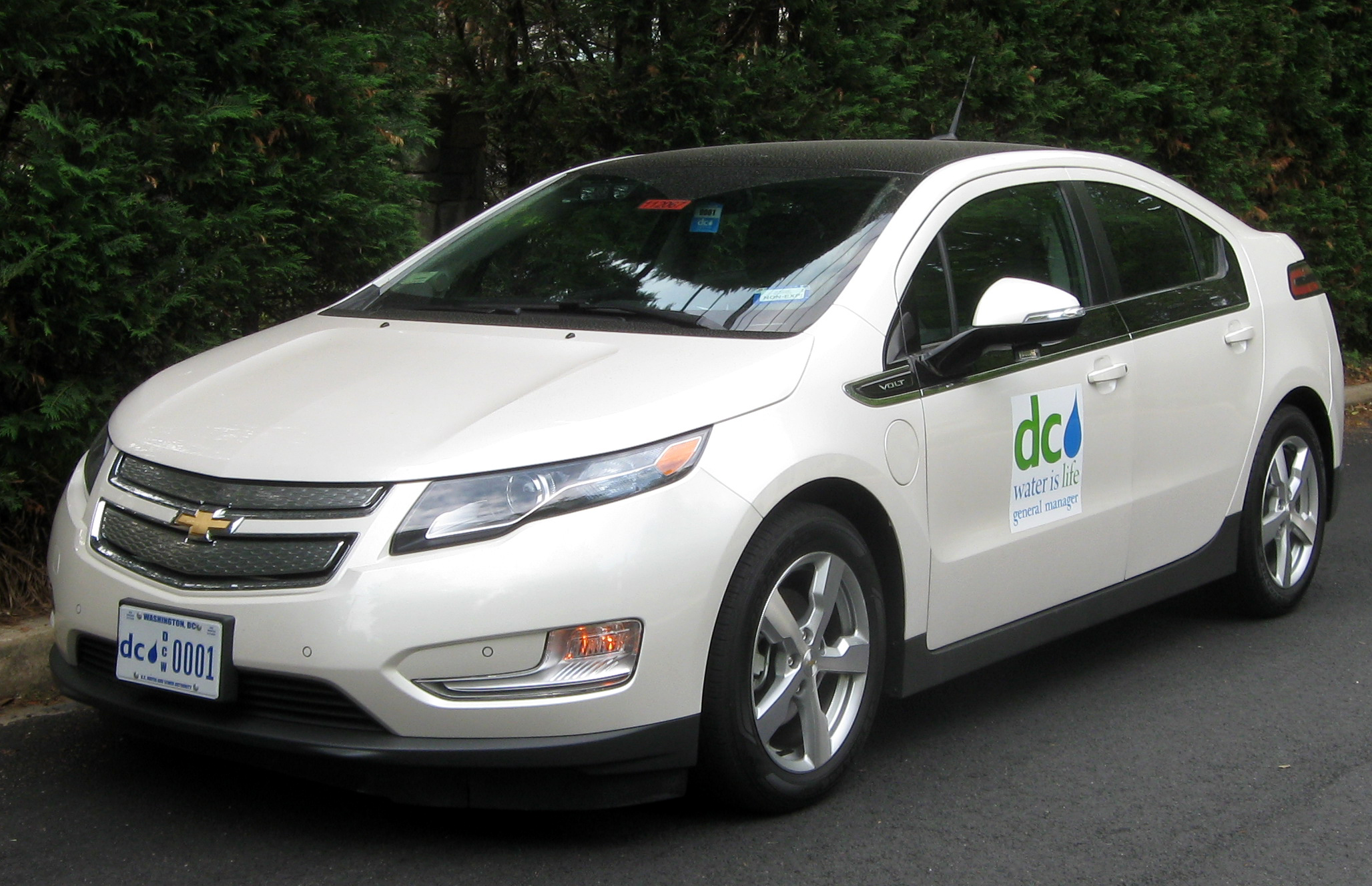
The Chevy Volt is a car that can run on electricity and also has a gas engine. This means you can drive it using just electricity for short trips and use gas for longer trips.
The Chevy Bolt is a fully electric car from Chevrolet. It runs only on electricity, making it a good option for those who want to drive without using gas.
The Tesla Model S is an electric car that can go really fast and has a lot of cool technology. It's one of the first electric cars that became popular for everyday use.
ASE certification is a way for mechanics to show they know a lot about fixing cars. It's like a badge that proves they are trained and skilled in their job.
Slip rings help connect wires in rotating parts of machines, like steering wheels in cars. They let electricity flow while the parts turn without getting tangled.
A kilowatt rating tells you how powerful an engine is. The higher the number, the more energy it can produce, which usually means better performance.
Car
Ford 5.4
The Ford 5.4 is a type of engine used in Ford vehicles. It's a V8 engine, which means it has eight cylinders and is known for being powerful and reliable.
High output diesel engines are more powerful versions of regular diesel engines. They can do more work and are often used in trucks and heavy machinery.
A long block is a type of engine that comes mostly put together, but without some parts like the intake or exhaust. It's used when replacing or rebuilding engines.
Custom fitted exhaust systems are special exhausts made to fit a specific car or engine. They can help the car run better and sound different from regular exhausts.
The Chrysler Sebring is a car made by Chrysler. The 2004 version was designed to be comfortable and stylish, making it a popular choice for many drivers.
The Chrysler 200 is a car that looks nice and is comfortable to drive. It was made for a few years and is often talked about because some people have had problems with it, especially when buying used.
The Chevrolet S-10 Blazer is a small SUV that was made for several years and is known for being tough and useful. People like it because it's good for both driving around town and going on outdoor adventures.
Snow tire season is when people change their car tires to special ones that work better in snow and ice. These tires help cars grip the road better during winter weather.
Engine oil is a special liquid that helps keep the engine parts moving smoothly and cool. Changing it regularly is important to keep the engine working well.
A systems approach means looking at how all the parts of a car work together instead of just fixing one part. It helps to understand the whole car better when making repairs.
The Nissan Titan is a big truck that can carry heavy loads and is great for work or family trips. It has a lot of space inside and comes with modern features.
The timing belt is a rubber belt in your car's engine that helps keep everything moving in sync. If it breaks, it can cause serious damage to the engine.
The serpentine drive belt is a single belt that wraps around several parts of your car's engine to help them work together. If it wears out, those parts might not work properly.
The Ford Transit is a large van often used by businesses to transport goods or people. It's popular because it has a lot of space inside and can be customized for different uses.
A light duty hoist is a machine that helps lift smaller vehicles off the ground so mechanics can work on them more easily. It's not meant for heavy trucks or larger vehicles.
Logistics in a car repair shop means figuring out how to move cars and tools around so that everything works smoothly and efficiently. It's about making the best use of the space available.
The Dodge Ram is a big truck that's great for carrying heavy loads and doing tough jobs. Many people use it for work or for fun activities like towing trailers.
A PCM is like the brain of the car that helps manage how the engine and transmission work together. It makes sure everything runs smoothly.
LIVE
Hey, it's Jeff here.
Let me tell you about something that's changing the game in our industry.
Promotive, automotive, recruiting.
Every shop says they're the best, right?
But here's the deal.
Good isn't good enough anymore.
That's where Promotive comes in.
They're not just recruiters, they're matchmakers,
and I've seen firsthand how they're shaking things up.
For techs like us, they're the real deal.
Actually listening to what we need
and helping us find shops where we're valued, supported, and can grow.
And for shops, they just don't throw resumes at the wall to see what sticks.
They dig deep to understand the shop's culture, story, and goals.
Then help build teams that actually work.
Promotive is bridging the gaps
and making this industry feel exciting again.
They're helping shops shine
and they're making sure technicians thrive.
It's not just about finding a job or filling positions.
It's about creating something better for all of us.
Let Promotive match you with the perfect shop,
or if you're an owner, use Promotive
to find the best tech for your shop.
Hit up the link in the show notes below,
or go to gopromotive.com backslash Jeff.
Start to get to know your people
where it's like, okay, they're now,
you're doing a break job on one side
and he's doing the breaks on the other side.
That's not optimal sometimes for consistency,
but you're working together.
You're going to catch little nuggets of,
oh, look at how he did that, you know?
And then you're going to come over there and help him
and you're going to start to really know your teammates
where their strengths lie, where their weaknesses are,
and then collectively we all get better.
Good morning and welcome back to another exciting episode
of the Jade Mechanic Podcast.
We're here in beautiful sunny Las Vegas, Nevada.
I can't even tell you what day it is of being here.
I know I got a little bit more.
I think I go home tomorrow, but I'm not sure.
Don't ask me what day.
Anyway, thank you again to our beautiful family
at Promotive.
Promotive has been so, so pivotal in what we've been able to do here.
And I just want to say thank you again to Promotive.
Thank you to Tech Metric for sponsoring these events,
for helping me able to get to these events.
I've got an absolutely incredible young man here today
who is the apex technician of the year.
His name is Mr. Tony Martinez and he's from Wisconsin.
Tony, how are you, bro?
Great, man. How are you?
Very good. I'm a little, I'm getting used to the American coffee,
because like back home, everything is Tim Horton's, right?
So I've had to take away my official protest of Starbucks.
And I've had to because it's right in the lobby of MGM
where we're staying, where I'm staying, excuse me.
And so I've had to pay the seven dollars
for a basic black coffee every morning.
Oh my goodness, yeah.
Either that or you get 200 grams of sugar in your coffee,
which I don't know, I'm more of that kind of guy.
So kind of fill me in on how, what is it, you've been a busy man.
You were supposed to be here yesterday
and we kind of got our scheduling mixed up
because you told me you were like, well, I got to be at Napa.
I'm like, okay, cool, come by on Thursday.
But how busy are you right now?
You know, there aren't too many obligations
that have been coming out.
I just wanted to make sure my schedule is wide open.
2X.
As a lot of things have come with just in time communication,
let's say.
Yeah, and I have to admit I've been terrible.
I didn't come here like, oh, I'm going to do a schedule.
No, that ain't how I go, right?
Me either.
I'm just trying to figure it out.
I'm looking at the Apex app and seeing.
But as I've been going and mingling,
a lot of invitations have come out.
Like, oh, hey, come and help support women in auto care
and stuff like that.
I had to scoot out of SEMA and walk all the way over there
to go support them.
Really, really great group of people.
Tell me what, how does Apex determine
that you're the Napa technician of the year?
Kind of give me that breakdown on what do you have to do
to qualify?
What makes you the stand out?
I know, listen, I know what makes you stand out.
You're a sharp, young man.
But how did they determine that?
Who nominates you going?
That kind of thing.
So initially, my journey started with,
I was nominated by one of our coworkers.
Put in a nomination packet with details about who I am,
where I came from and what I do in the shop,
how I like to mentor other young guys.
Obviously, certifications and professional development comes
in and training attended and whatnot.
We were talking, you're up to how many ASCs now?
49 out of 52.
And I'm absolutely getting 52 by the end of the year.
I refuse to fail.
How many people would you tell them that they didn't even
know that there is 52?
A lot of people, I was over at SEMA and talking to someone.
They were wearing a gold patch too on their shoulder.
You have what?
How many?
There's more than 10?
Yeah.
There's more.
I mean, there's 14 in just automotive
being master and then the advanced level certificates.
But yeah, I mean, you've got 52 in all sorts of different
sections.
You've got the collision, medium heavy duty truck.
So you're into a mentorship role at Silver Lake already?
Yeah, yeah.
It's interesting over the time that I've been there,
getting older guys that are skilled into the shop that have
good culture and would meld in with our culture has been
kind of difficult.
It's so much easier for us to bring in skilled young guys
and have them bring their culture and match ours.
And we can develop them into, we always call it the slack way,
which is just a great culture and mindset that they've bred in
the company.
So yeah, five or six years.
I was working next to a guy when I started.
Nick Espi out in Minnesota.
He's a great technician.
I don't know where he, he's in Rochester now.
And he's got a wonderful wife and he moved with her by us
because she was going to medical school and they ended up
moving back home.
Funny story.
I mean, I looked up to this guy a lot when I first came into the
industry and got my job there.
So he taught me an incredible amount.
And during that time, I ended up as a master tech.
And kind of started to get into more of a lead technician role
after getting that and kind of proven my worth and my value.
So one day, you know, I was talking to him and everything.
And he just kind of dropped a bomb on me.
He came over to our shop, which was really weird.
He came over to weld something.
And I was like, I could have welded it, but he offered to come
over and looked through my toolbox and he's like, well,
you're doing pretty good, kid.
And then a week later, he's like, yeah, man, I'm going back home.
And it was like, it was a bummer.
I'm like, man, this guy taught me a lot.
I was hoping he would be able to stay.
But yeah, that was the passing of the torch for me to be,
hey, you're the lead guy.
Like I trust you.
And this was happening at Silver Lake.
Yeah, right on.
Yeah, they've poured into me and invested in me.
And I absolutely give it back.
That's one of the most important things
that I've seen in the culture of our shop
is that the more that you pour into someone,
the more they give back.
And I know it's a subliminal wonderful thing.
Yeah, but it's nice to hear that somebody was able to share it
with you and pass it on so that it was already there.
You know what I mean?
Like I've had that thing where I've had one good mentor
or two good mentors in a place that had terrible culture.
It became an individual choice.
You get to work for somebody that has a collective team
culture that's so much more powerful than just an individual.
An individual can change an individual's life,
but a team of us all going for the same goal,
that changes the whole world.
Yeah, and it's to the point now where,
I mean, during the time that I've been with this company,
they've evolved so much in improving
and really being industry leaders
in a way that they set up their shop.
And now they're scaling and they're growing
and they absolutely deserve it
because they've figured out these things
so many different dynamics of how to do it.
There's kind of a point now where they have
almost a scalable point where,
well, we need a kind of a lead tech mentor guy.
We need a production manager.
We need a kind of a foreman.
And without that mentorship guy around the building,
you can't grow anybody.
And that position is not new, right?
Like any of us that have been up through the dealer systems,
all that used to be the thing is every dealer had a foreman.
But what was different was like they had them in a role,
whether they were good for the culture or not.
And it was always looking at like, well,
that guy was the producer.
He knew all the tricks of the how to keep everybody,
you know, tearing hours.
Just keep hours.
He might have been like me.
He might have been a grouchy old gatekeeping,
worn down, hurting, injured, whatever you want to think.
Person, that's not good for culture.
You're 26 years old and you're in a leadership role
within people that you mentor every day
that are older than you,
that are maybe more years in the trenches than you.
But yet you're tasked with mentoring them
to how to be the best that they can be in Silver Lake.
I want to hope that everybody is receptive to that.
You know what I mean?
The fact they don't give you this, hey, young kid, go.
Well, I'll be honest.
During that time, I think I was 26 at the time.
Even before that, I was a lead tech.
26, they allowed me the chance to be foreman.
And it included administrative stuff
that I was just not mature enough to do.
Going to meetings and trying to figure out stuff.
And I absolutely did not have the maturity
or understanding of what we were trying
to accomplish in the meetings.
And what they were trying to do was give me the tools
to improve the culture constantly
and improve myself through doing it.
And they would give me these little nibbles of information
and I would push them away.
Over a couple of years now I've become
a far more receptive to it and understanding.
And I listened to Jocko's Extreme Ownership.
I read that.
At first they said, you should read this.
It'll really help you just in your life.
If you don't take something from this for work,
you'll get something for this out of your life.
And I was like, I'm taking Extreme Ownership.
You know, I'm going to fall on my sword every time.
I'm going to go do all these cars by myself.
And it was absolutely the exact opposite
of what those kind of principles
that he's talking about in there
or general principles like that work.
And it took me a couple of years to finally listen to it.
And it really has helped that and other things.
Most automotive conferences, unfortunately,
only focus on one side of the shop.
But Tectonic 2026, presented by Techmetric, is different.
It's built for the whole shop.
Owners, advisors, and technicians
all have sessions designed for the work
they actually do day to day.
It's three days in Houston packed with workshops, panels,
and over 1,000 people from the industry are set to attend.
And you don't need to be a Techmetric customer to qualify.
Hit up the link in the show notes below
and check out Tectonic 2026.
Register now while you still can
to get the early bird pricing.
My brother turned me on to a book,
How to Think Like a Roman Emperor, following Marcus Aurelius.
From the Gladiator movie.
And he was a Roman Emperor in 200 BC, I believe, or 175 BC.
Very, very short-lived guy, like 35 years old.
But he was taught Stoicism by Socrates, right?
And Stoic practices are so interesting.
And it's like, well, we could go into battle
and get absolutely defeated,
but I'm not gonna sit here and worry about it.
We're gonna go do it.
And then whatever the results are,
or the results will analyze and will move on.
Yeah.
And stuff like that, too, really has also improved
the way that I kind of go through and say,
you know, a young guy, I'm working with mentor
and break something.
And it's like, you know, laugh, right?
Yeah.
Like, oh, man, that's funny.
I've done that before.
Yeah, because all of the, you know,
you can take, you've heard it, I'm sure.
Oh, just because you pass ASEs means you pass the test.
Doesn't necessarily mean you're a great technician.
Right.
Right?
What do you think about that argument?
Because, I mean, obviously, this is more than just for you,
like an ASE said, I can pass the test.
There's proof that you're a good technician.
Yeah.
But what are the people that counteract that
as saying there's no point in getting ASEs?
I've absolutely met a lot of people,
which, you know, even a couple of them were master techs.
A good, you know, guy that we had,
I love the guy, had that kind of attitude towards ASEs.
And, you know, it's really interesting
because we've got some guys right now that are,
they're trying, you know, me going out
and doing as much as I have,
getting an ASE world class last year,
being the 22 ASEs,
and then now pushing for Presidents Club at the 49.
Right.
We've been having kind of gentleman's competitions,
like, hey, I'm going to sign up and go take a couple this weekend.
Right.
You know, I'll take two if you take one.
Let's go, let's go push ourselves to do better.
I can see where the argument comes from.
Yes, it's a standardized test
that really can tell whether or not you're skilled.
And I can understand that,
but the reality is that those people
are also the same people that argue,
well, I'm a bad test taker.
Yeah.
And I think, you know, I absolutely understand
learning disabilities and everything like that.
You know, I have ADHD,
but I think that the bad test taker thing is
an excuse to not take extreme ownership.
An excuse to not really truly know the material.
Right.
If you know that material and have studied twice as much
as you think that you should have,
like I just watched a movie a million miles away, right?
Jose Hernandez, migrant farm worker,
first migrant farm worker astronaut for NASA.
Wow.
Yeah.
Absolutely incredible story.
And, you know, people, everybody should watch it, right?
Because he wrote a book about how he got to that place in his life.
He, you know, it's kind of six steps of, like,
no, figure out where you want to go, right?
And then make a plan, right?
Obviously, plan goes out the window at some point.
Always, right?
Plan contingencies.
And then once you think that you've gotten there,
go harder.
You got to keep working because you may think you're there,
but if you don't work harder at that point,
and that applies to that kind of testing thing where it's always
it's kind of an excuse because people that are trying to go out
and go get these things are already incredible,
but they just need to get that material really,
really internalized.
So if you understand the system.
I think it's the difference between I go to work
and I get the job done versus I go to work
and know that tomorrow with a little bit extra
that I pour into myself, I can get more jobs.
And that's sometimes, and you know,
or you're not in your head,
you know exactly what I mean, right?
But I can go to work and stay in my own little bubble
and just say I only do this.
To use that GSCB tech thing, right?
Right.
But if I want to go from being a B tech to an A tech,
I can go to work every day and just get the work done.
Or I can go to work every day,
get my work done, apply myself,
and see that progressional step
from going from a C to a B, a B to an A,
because here's the thing.
I don't honestly believe that anybody can't be an A tech.
I really believe that if you apply it
and learn, like I almost said, learn a product,
learn the processes, learn how the material,
you can be it.
Are you necessarily that intuition
that we talked about last night,
that instinct, that 20, 30 years of more and more
that you're faced with?
Can you develop that?
Some people have a window that we just can't learn it,
right, in terms of that instinct.
But you can go and understand the system
that you're working on and apply a process
and fix the damn problem.
Absolutely, yeah.
I mean, the key really is constant improvement, right,
and training.
If you're not constantly improving,
you're leaving yourself behind.
And I know that there are some guys that we work with
that I wish would do more, because it's not
that the training is for the company that you work for
or whatever, and our shop is a family shop.
It's family-owned, and they really treat us like family.
But if you're not doing these professional development things,
you're not doing it for yourself.
It's in our handbook to go and get 40 hours of training a year,
and I don't think that's enough
with how this industry is so rapidly evolving.
I just scanned a car for the first time,
saw augmented reality module in there.
And we still have guys stressing about EVs.
Yeah.
And it's like, well, those have been out, at least,
like Tesla, whereas the Chevy Volt and Bolt
have been out far longer.
Tesla has been out since 2013.
They released the Model S.
We've got these technologies that are rapidly,
rapidly advancing other than those kind of things.
And that's where that 40 hours of training is not enough.
And that training is how, yeah, you can go out
and you can go get those ASEs.
ASEs is a proof of your knowledge of the concepts
of, say, brakes.
If you absolutely understand that system through and through,
completely, whether or not you're bad testing,
there are some tactics to go and take those things.
I mean, they're written by subject matter experts, too,
by the way, where some people think, oh, ASE writes these tests.
No, actually, those are technicians, trainers,
and instructors that write those.
I have several friends that have submitted,
been asked to submit tests and then review
other people's test questions.
You know what I mean?
Before it gets used by ASE, so it's not like,
I think sometimes we think ASE has given
the same tests that were given 10 years ago.
No, no.
They're absolutely rapidly evolving.
There's the 10 questions that don't get counted.
They do get counted if you get it right.
So that's another thing.
So you have all that opportunity to get them right,
and they're constantly establishing a curve
that they need to evolve the questions and the tests.
But really, I mean, they're written by technicians.
They're written by guys just like you in the bay
trying to go take that test.
So this 40 hours a year, how do you seek,
like how do you personally seek that out?
So that's a good question.
I mean, I've signed up for every possible lead on training.
I mean, there are conventions that are phenomenal,
like vision in Kansas City.
I discovered that.
We hadn't sent anyone there,
and they sent me there as a pilot.
I think I went by myself the first time 2020,
COVID came around.
And actually, I got it.
I'm pretty sure they didn't have the tests back then,
but I came back on the plane.
I thought I was going to die.
We all have.
Oh, it was so bad.
But I got to go out there twice now.
There's like STX by WTI or Willpack Training Institute.
We've sent some guys down there,
but otherwise, we also use the Napa Autotech training.
And they come to us because we're an auto care center,
and they tell us when it is.
And anytime that's available, I go.
And you do a lot of online stuff too.
Yeah, yeah, absolutely.
I mean, I dig around and find stuff,
especially for ASC test guides.
I've done hours and hours of classes on motor age and stuff,
trying to get to a point where I understand
compressed natural gas fuel systems,
which I've never really worked on those vehicles in particular.
But if I can understand a system,
I can go and prove my worth on it.
I have to understand it through and through, though,
without having the hands-on knowledge.
I think that's another real thing of all these ASCs don't mean anything.
Well, you need the two years of experience.
And within that time, I think that you actually
should be able to learn enough to, say,
go past breaks and steering and suspension.
I'd say that 40 hours a year there,
get educated on those basics and kind of get a ball rolling.
But yeah, I've just tried to figure out as many ways
as I can seek out that training and improve myself
because I know it was going to get me somewhere in my career.
And at first, it was just kind of to earn respect in the building.
I was just this geek off the street with a man bun.
And when I started, a huge, huge man bun sticking out the back of my hat.
Let's back up a little bit.
Before you ever landed at Silver Lake,
were you a shop kid in high school,
or did you tinker with stuff before you had a driver's license?
Interesting question.
Kind of looking at it.
I was not in the industry.
I was absolutely fascinated with kinetic learning.
And I wanted to do technical stuff.
I thought high school was such a waste of time.
They weren't even teaching me how to do my taxes.
And I was really like, what am I sitting in this classroom for
when I know I want to go and get out into a job in manufacturing or something?
So I bagged my school district to sign on with a manufacturing apprenticeship.
Went through that, where I would actually still get my high school diploma.
That was the great deal of it.
Spent two hours a day in the basement of some factory out in Waukesha,
Wisconsin, and did training on blueprinting and AutoCAD and stuff like that,
and got certified by the MSSC Manufacturing Skills Standards Council.
I can't believe I still remember that.
That was a long time ago.
And during that time, they had us go and get jobs in local manufacturing plants.
My first job, real job, other than I helped out at a farm, which is kind of weird,
right? A little suburb kid, but out in the farm.
Kind of done everything, a little bit of everything.
But my first job job was at Aries Industries in Waukesha.
Everybody probably will remember this.
Aries Industries, there was a situation where a Chilean mine collapsed in Chile.
Yeah, I remember that.
Aries Industries flew down there, I don't know if it was a CEO or something,
and they brought one of their bore pipeline inspection cameras.
That was the camera they shoved down into the borehole that they made to prove that they
were alive. And then they continued that camera is actually in the lobby of Aries.
It's really cool. So they manufacture very, very nice high quality,
little mini tanks. These things are all controlled remotely from service trucks over sewer pipelines
and sewer mains. And they also have like lateral inspection cameras.
And now that when I was there, they came out with a cutter as well so that they could
service the pipes without ripping up the whole street. They would cut them and then they do
the new polymer lining stuff where it's like an inflatable polymer lining.
So I was there for about a year. I would always, I don't know, it's just kind of been
ingrained in me who I am of like I would work to the point where there was no work.
And I'm like, hey, give me more work. I want to learn. I want to do more stuff.
And I don't know how to breed that in somebody. I'll have to think about that for a while.
But yeah, I don't, I don't know if that can, right? And I don't know.
I don't know. That's one of the rubs that everybody says. Oh, the young people,
the young people don't know how to work. Well, it's not that the young people don't know how
to work, but the young people from my generation were raised that like my parents,
you just, if you got on the shovel at seven in the morning and it was seven o'clock at night
and you were finally done with the shovel, that was working. Yeah. And somebody that might have been
sitting somewhere else doing something else, running the tractor, they were working too,
but they weren't necessarily working as hard. Even though it's like they didn't understand
that team thing of like, well, that's, that's work. These young people now,
they feel like when I'm clocked in, I'm working. If you see me not necessarily
on the end of the shovel, it doesn't mean that I'm being lazy. It means that I'm
maybe doing something unrelated to the task. The old heads look at the guy and go,
he's not under the hood. He's not working. I'm standing at the desk reading on how this system
works before I go and apply myself to it so that I'm more efficient, more knowledgeable,
probably not going to break as much. And they go, listen, what are you doing? I don't need
you standing there at the computer. Right, right. Absolutely. And even with all of the stuff
that I know, it's minuscule, right? Still, every vehicle has different systems. You have to,
you cannot memorize every system. I don't care if you're a dealer guy, you can't memorize. Maybe
you've seen it a thousand times. You've done the same repair, but most of the diagnostic is
understanding the system, finding your test points. You're doing research on where you're
going to go test and you take your last 15 minutes, rip something apart and perform your
test. And sometimes I see those guys doing training. Same thing. That's another thing
about the training thing that's interesting, but it would be a lot easier for the guys to do it
in the shop rather than after hours. If it was during maybe lunch and learns or every once a
month we do training, we're talking about some stuff like that to see if we can figure
something out and try to build a curriculum as well to really give these guys of the tools
themselves to do it. So was Silver like your first job as a tech? Yeah, yeah. So I worked at the,
I built robots and I was loved it. I loved soldering and soldering like circuit boards,
surface mount stuff and all the wiring, the splice cables. I did the slip rings
that rotate and keep constant contact like almost a spiral cable type thing. But back in the day
they had slip rings behind the steering wheels of cars before airbags were around and we needed to
do engineer a different solution. But yeah, I would make those and assemble those. And then
after that, I worked at Generac Power Systems in Waukesha. They're corporate headquarters actually.
They have since renovated it, but back in the day they had a huge, huge plant in there. And
it was only three assembly lines and we did their industrial power generators,
which their kilowatt ratings is based off of the engines. Similar if you look at
engine specs, there's a kilowatt hour or kilowatt rating on it. So we used Ford 5-4s,
6-8 Tritons, definitely some sort of a Chevy 9-liter. That one was beautiful. It was a beautiful
engine and it would just roar to life and scream. Some sort of a 6-7 high output diesel and
2, 4, 3, 4 diesels as well for those generators. And I got to do through my time there every step of
assembly, taking just a long block and mounting custom fitted exhaust systems so that you could use
it, some of them. So I did everything there. I mean the exhaust, the wiring, putting in the
like load centers where it would have to transfer power in to power out. And I had the opportunity
there from learning everything and kind of the cross training to build some for Keystone
pipeline, which was, you know, that was a big deal when they had those built. Keystone definitely
was paying more. They got all of the accessories because they were putting these things in like
Alaska or whatever. They're in such hardcore environments, they would have to use the exhaust
of the generators in certain spots, just run a generator to heat the pipe so they could get
the stuff down there. So after working there, kind of got burned out on manufacturing a little bit,
but still kind of, and at that point too, I had to get my first car. It was absolute
interesting. You know, totally a first car. My brother sold it to me and I crashed it.
What was it? 2004 Chrysler Sebring. There you go. Good old diamond star unit and
Mitsubishi engine, whatever this thing. So it was weird. It was a coupe. It was cool. I
crashed it in the first month. I felt so bad. My brother sold me this thing and I
messed up. Bought an even more beautiful 1994 Chevy S10 Blazer Tahoe 2-door
Rattle Can Black. You could hear the ball joints about to fall out of this thing. I didn't know
though, right? I had no idea. And you know, during that time I was driving that thing around,
me and my buddy start having to fix these things. When I bought the, funny enough,
both vehicles, first vehicles I had had crappy radiators when I got them.
They were spraying steam out and I'm trying to drive these things home. So I just had to figure
this stuff out and had a good mentorship from like my uncle along the way there, teaching me what he
knew. And for some reason, I, you know, didn't get into the industry right away. I had some
friends that worked at Jimmy John's. Weirdly enough. And I went and worked at Jimmy John's for
a couple of years while I was going to school. Right. And I was kind of afraid to get into the
field. You know, all there's all these guys out there that know so much. And you know,
I got to go to school and get this schooling in and under my belt before I can go and get
in the shop or I'm going to be changing oil and sweeping the floor every day.
And see, that's the big loophole that we get, right? Sometimes it's because we,
we, what we sell to the young people is like, Oh yeah, you're going to get,
you're going to get a whole bunch of dirt on your fingernails and you're going to get to try a bunch
of this and do a bunch of that. And the reality is like, sometimes they do, but most get like,
put into a role of like, you know, I look quite like this, it's tire season. So like,
I say it all the time back home, they'll hire somebody in October. And if they have
experience, great. If they don't, they walk them over and go, this is a tire machine. You've
never used it before. Pay attention. This is how the machine works. Watch him how he does this
tire. Now repeat and do that 100 times tomorrow. Yep, right. And then it's like,
and then before you know it, wow, look at that. They're, they're awesome at doing tires.
And then maybe next week, it's like, okay, we're going to get you the tire
rush has died off, right? It's snow tire season. Let's get used to doing small changes
before you know it. And then nobody brings that next step in of like, hey, this is actually where
the learning begins now on how these systems on a car, the engine with its oil and the tires on
the car, how they're all linked together and where it actually becomes when we're fixing
something, looking at these systems as a system. We don't necessarily always do that. We get
we get a job that we need done. We get a person in that role to finish that job. And we never show
them the whole way of how do you start to become a craftsman and a master in this? Because again,
we don't appreciate, we don't approach it the right way. We say, I need a person to get this
for me done right now. I already have a guy like Justin that's over there in the bay and he's
doing, but we never think long term about like, what should happen if Justin leaves tomorrow,
hurts himself? God forbid? Who's our next Justin? Well, we haven't grown that crap. And
the brakes slam on and we try trying to find another Justin. Whereas if we if we would back
up in this industry and realize like, like Jocko the way he teaches, if that guy drops the rifle,
he might be a medic, but he can pick up that rifle and be able to fire that rifle effectively.
We need to start thinking about that in this industry a lot more of like,
they only do this or they only do that. No, you're all riflemen, right? That's the old Marines
saying you're all riflemen. Absolutely. You'll have to be able to pick that up and do that.
Manufacturing, they, when I was learning all those things, it was cross training. Yes.
They've got the term of cross training. And we would, that's why I learned everything. They
were like, Hey, we want you to learn everything first, right? But we would have a guy,
Hey, he's got a vacation. Somebody's got to fill in that slot. And I would do two
stations or whatever, but you got to know how the whole thing's built. And that's how you develop.
And I was worried about getting into the industry and not being given those opportunities.
Meanwhile, I'm swapping engines in my garage on my, you know, and figuring out like
problem solving, I get it done. It drove down the road again. The engine didn't drop it on
the highway. Like there were successes, right? Oh yeah. And there's plenty enough times there
were bolts that flew out on the highway. But, but I, you know, I was learning it. Thankfully,
it was on my own stuff, right? I definitely would prefer that than letting it be a customer's vehicle.
But that's the difference between mentorship of like somebody after you, okay, Hey,
call them Danny. Danny, you know, Tony's got this done. Go look at it versus if there's
no Danny for you, right? You're just putting it in, you're winging it down the road. And
you're like, Oh, I heard that fall off. That was that wrench that I forgot to put back at the toolbox.
Right. Or all the tires wobble and pull over and torque the lugs. We're still learning.
But that's that point of mentorship again, is that before something bad happens,
your Danny or whoever comes over and just says, let me check this real quick before you go.
We in this industry don't do that enough either because we're always rushing trying to,
you know, and it goes beyond a quality control thing. It's not just quality control. Quality
control is important. But it's before we get the customer involved and say they're done or the service
advisor to say, call Mrs. Smith. Danny's come over and said, Tony, I like how you did that or Tony,
okay, this is done. But before you let go, take that harness and flip it back the other way and
clip it in. And you know, and you might go, why? The lesson here is like, if it doesn't clip in
eventually, it could rub and it was designed to be clipped there, put it back. It's just
an example, but you know the difference exactly what I'm talking about, because
we miss out too many times if we're always rushing on like he goes over hits the key. Yep, it's starting
okay, Tony go drive this down the street now. Instead of taking a couple extra seconds to look
over what the person that you're supposed to be mentoring did, look at how they did it. That's
where the true lesson comes into like, great job. Now let's just next time we do this,
try about doing it this way or I was watching you I remember it was so funny. I had a
technician at Bay working next to a young kid and he got stuck doing a long block and a Titan.
So he gets all the, you know, this stuff, he gets the engine in and he goes to put
the timing or serpentine drive belt on. This is after he's already put the engine in,
put the fan shroud in, put the whole thing and he's fighting to get the belt on. I'm like,
Bryce, what if we did just put the belt on before we put the shroud in?
You know what I mean? Like it's a little coaching thing to say 15 minutes.
Now I wasn't beating up on him. I'm just like, I was watching the corner of my eye how long he was
and I'm like, he's like, you know, light bulb moment, right? And then it's all of a sudden,
you know, being able to coach someone and even just give them that little thing,
maybe they're not even going to think about it. If you don't bring it up
and what he have learned as he's doing it, he's probably thinking in his head,
if I had just done this first, instead of before I put the shroud in this wouldn't,
I wouldn't be scraping my knuckles. Whereas that's the whole point of mentorship is before
there's value in scratching your knuckles. There is, there's value. That's how we learn sometimes.
That's conditioning. But if we sit there and say, here's a little tip or I like, like I said,
that is good now, but I saw you struggling with that next time just do that first.
That's the biggest thing for a lot of technicians is like, I look at it and I
know what the end goal is that alternator has to come out and that alternator has to come in.
But if somebody shows me that like first thing I do is I disconnect the battery or first thing I do
is I pull the battery box out of the way. The next thing I do is I get the coolant ball all of the
way. That's some things that are not necessarily printed in service information. But if somebody
has done the job, they come over and say, this is how I have been able to cut this time in half
by doing this. None of that's ever published. That's where the mentor thing really becomes
powerful if we all slow down and let the mentor. Yeah, that's a thing. It's a systemic thing that
the more this industry is growing to figure this out in a better manner. I think because
it's always been a thing. This guy's got an apprentice attached to him, but giving someone
in the shop more, someone that's obviously ready and they are equipped with the tools.
You're giving them the tools to do that and help these guys out, but freeing them up too.
It's so difficult to measure how valuable that is in the shop. That time that that guy has to
go coach and grow the guys around him. I always look at it as, I want to train my replacement.
I want them to be better than me and train my replacement. How do they task you and look
at you and your job for how much time you spend mentoring? You're still obviously expected
to get through some cars too, right? How did they break that down, Tony?
Yeah, I mean, it's interesting and it's kind of a tactical moves versus strategic, right? This
strategy is long-term goal is to have me there mentoring the guys and grow my replacement.
Seriously, I mean, that's the end goal is to have five guys better than me. But it's day to
day trying to figure out we take in a lot of the broken cars and diagnostics. I'll take that because
you can always kind of walk away from that. All right, sure. I've got my scanner sitting
somewhere. I can walk away while someone's got a question and go help them out and then pour it
that value into them or they've got some sort of crazy diagnosis. I have those cars and
obviously we're trying to get them done as fast as possible, but also as good as possible.
That's kind of more of the strategy taking me out of heavier production where there are times I
got to do it because a guy's out or something and I'll do it. It's kind of always been either give
me a minute because I'm really in the middle of something or I just drop everything and go help
the guy out. Our layout in our particular shop is really interesting. So we've got
stacked racks. We have two garage doors on one side of the building and stacked racks four on one
side and then a drive-on and a two-post truck lift or 12,000 pounds. It's not, you know,
don't want to make it sound like it's a heavy duty truck lift because we have a couple 16,000
pounds. We have four 10,000 pound lifts that you have to pull through one to get to the
other. So it's always been imperative to work great as a team. Say I'm banging out a quick
brake job in the front and the guy behind me is taking apart something, you know, that's a little
bit longer of a job or it's going to take him a little bit longer. He's learning and trying to
figure it out. Oftentimes I'll have a car done and maybe it's a full-size truck. You can't
drive it underneath. That's right. You see it here all the time. It's actually pretty
standard that vehicles get driven underneath other vehicles on a lift where they're safely
on the locks and everything. It's totally understood. Which you can do. I mean, we can do that sometimes
if I get trapped, but that's another thing. Oftentimes I'll have a vehicle done and I'm stuck.
I can't get a full-size vehicle out. So I go back and, hey, what's going on back here?
How can I help you? Watch the guys. I'll let them struggle for a little bit. Just smile
and, hey, man, do this. And that's key. I worked in a shop where, same thing, we had stacked and it
wasn't a door at the other end. So it was like, and I worked on a lot of transits. So a smaller
light duty hoist was in front of the back one that we would put the full-size transits on.
So if you parked a brake job on the front bay or whatever, you could pull a transit in real
quick say to do an oil change on them, but you were expected that that thing had to be
able to roll because we didn't have enough room to get the car underneath, especially if it was a
truck, underneath that transit behind it. So you had to play logistics on like, okay, what do I do
first? Well, I can't put the transit on the front bay because it's not rated to lift it. And B,
if I put a truck on the front bay, it won't fit underneath the transit that's behind it.
The transits were always like our fleet of what we would rent. So they were always priority
or it didn't matter what. You never said, oh, it's got to wait until tomorrow to look at
it. It was coming in to get looked at. So we had to be, we were lucky, we were fortunate that
some customers, we could put their car on the front bay, take it apart, do what we had to do,
all you can have a water pump and we keep it overnight on the front bay while we were working
in on the stuff behind us. It's not optimal, but you can make it work, right? It's just having
to a team to come together, okay, get this one, the brakes apart, you know, or get it back
together so that we can get this car out of here. Just being flexible, right? Everybody can make
a lot more money and they get a lot more done if they are just willing to say, go help your
partner get that done. Absolutely, yeah. Working as a team, like, hey, check with your buddy,
you know, your battle buddy next to you. What's he going to pull in? Is he going to pull
something in and now we're jammed up? We've got a vehicle stuck there and all, man,
the amount of times it happens where we're waiting for a part. That just, it happens in
every shop, but then, okay, you know, now it's kind of the culture is spread around of, oh, well,
I'm stuck. I'm jammed up. I'm going to go help someone else and it's great. I mean, it's
starting to spread around in the shop where these guys are picking that up. I think that's
awesome too because it keeps everybody, like my episode that just dropped, we're talking about
two guys in a shop that absolutely, they hate one another and they keep a baby between each
other to keep them like, that's not good culture. Now, again, it's, you know, there's a whole lot
of animosity back and forth and one guy's jealous of the other guy because he knows he's fast tracking
to be, you know, a better tech than him, right? So there's a little animosity there, but like,
that's not healthy where if you would just go over there and go like, listen, whatever the beef
is here, but if you start to get to know your people where it's like, okay, they're now,
you're doing a break job on one side and he's doing the breaks on the other side,
that's not optimal sometimes for consistency, but you're working together. You're going to catch
little nuggets of, oh, look at how we did that, you know, and then you're going to come over
there and help him and you're going to start to really know your teammates where their strengths
lie, where their weaknesses are. And then collectively we all get better, but I think
you got to take away a lot of the way we've traditionally looked at the value of our
people as how many hours do they produce and instead look at like, how do they fit in with
the team? Right, right. Yeah, the culture is an ego. Because the team collectively, I'll win
more with a good team than I'll win with one star player who the rest of the people won't support.
Always I'll win better with a better team. Yeah, I mean, you could have half a million dollars
as shop tools all available if you don't have a good team working together to do it. Yeah.
And in support of each other, there's absolutely no way you could fail
in every possible manner, quality control and all that. You mentioned the part
thing. What's your biggest frustrations now with that side of the industry, the part stuff?
Because, I mean, NAP is pretty good, right? Yeah, NAP is great. They're phenomenal. They
have everything to us as fast as possible. I mean, they... But you've seen our good friend,
Sherwood, you've kind of seen him go on lately about the quality of parts that are out there.
Have you got a story like that that Sherwood had where it was like... I'm sure you got more than
one story, probably, of where a part really let you down or sent you down. Most of the time,
it's customer supplied. I do agree. Say he had that Amazon hood latch situation, taking down a
CAN network. Are you kidding me? It's crazy. Absolutely unbelievable. And here's what I
remind everybody about that, okay? What's so powerful is like, yeah, it was neat that
he managed to make that case study up and show it to everybody. Here's the incredible part of
that whole story that we don't talk about enough. That thing sat there 17 months.
17 months, he did not give up on that, right? Right, right. I never heard of somebody... I mean,
I know of people that after 12 months bought the vehicle from the customer. Right, right.
But they were not like, they were not still having those open conversations with the customer or
like, listen, you know, yes, they realize it's a year. And I'm sure that if it hadn't
been that lady's only vehicle, they wouldn't have even bothered because it would have been like they...
But the fact that somebody, so there's somebody who's very esteemed, a good friend of yours in the
industry, and they're going, I had this thing 17 months, it drove me crazy. So we all have to be
a little bit more patient with ourselves and patient with each other and forgiving of ourselves
because there's somebody that's arguably one of the best doing it right now. And he's got
one that's kicking his tail in the 17 months. He didn't call it quits. He didn't give up. He didn't
burn it down, hide it, you know, all this stuff. He saw it through. Oh, man, that kind of touches
on the point where that good old-fashioned culture of, oh, that guy down the street is not a
professional. That made me think of that immediately. And that has got to stop in the
whole industry right now. We've got to stop that and start respecting each other, that we're all
professionals in the industry. And, you know, situations like that do absolutely happen,
that there's no issue or point where he is not... It's still absolutely the most professional
thing. He sat there and figured it out. But it is difficult. I mean, it is a difficult job
and career to do. And it was through networking that he was able to reach out to somebody
to say, hey, dude, step back for a minute and think about what you actually got here.
Let's go at this from a different angle. And all of a sudden it put him on the path of solving the
car, right? If he was the type of shop or the type of person that was always like, I'm the best
there is and everyone else around me is beneath me, nobody would be reaching out to network
with him to help him through that. When he's stuck, he wouldn't have somebody else to lean
on for a different perspective. We all have to back up and go, I'm not picking on you. Well,
he's got 49 A's, so he's not only out of 12, but that means that he's not... You know what I mean?
You know it. It doesn't mean that he doesn't have anything to offer you, right?
Yeah, absolutely. I mean, these young guys teach me things. And it could be absolutely
some new trick they saw on TikTok or something. We talked about... You were asking me
yesterday about Chuck Engine Chuck, right? There's a guy that is... I don't know anybody
learning more every day than that dude. He puts himself out there every day,
learns something, gets his butt handed to him on some. He fixes it a lot more than he even
bothers to show. I talked to the guy and he's like, yeah, I knocked out five this morning,
and I'm going back to this one that's been kicking my teeth in for a week.
So he's figured out finally that it's like, the ones that kick my teeth in,
I'm going to have to have a different kind of conversation of expectations with that customer,
whether it be a shop or whatever, and we will get through it. But I have to continue to get my
gravy done, my programming and my easy stuff done, so that I can afford to be able to
put in the time on that tough one. Because that's the thing. If they all become tough,
then we're either like, we're spraying ourselves way too thin, not training on what
we're working on, or we have got to dial down that ego and go, I don't have to fix every one of
them. I want the low hanging fruit too. If you become a sadist and I want all the stuff that
nobody else could fix, you're crazy. You'll burn yourself out. I don't know. I'm kind of like
that. I love it. Really? Yeah, people bring it like other shops are referring stuff, apparently
directly to our shop, of our multiple locations. They're like, oh, no, Silver Lake will do it.
Yeah, man. I love the challenge. And kind of thinking back to talking about check engine
check, getting a hand at doing by some of these diagnostics, it happens to all of us,
and there's a certain point where obviously we've got to charge for some of it. But when
it comes to the hood latch situation on this thing, it's been there forever.
How do you charge the customer for months of diagnosis at a certain point? So you're married
to the thing, and you want to fix it. And the tenacity to get all the way through to the other
side is another reason why everybody in this industry should be respected. And you touched
on earlier some right to repair and stuff. There needs to be even more open communication,
more information, because they're holding so much. Nowhere is it written in service
information that that hood latch causes that frigging symptom. Nowhere. Yeah, I think
realistically we need engineering level explanations to everything. Because if so,
I talked to him about it, about how it's a simple switch, but what was happened,
it was shorting the ground inside the switch and pulling down the 12 volt supply,
similar to a shorted 5 volt reference. But it pulled down the entire 12 volt supply and
brought down modules and a CAN network. That's absolutely ridiculous, but we need that
access to the information like that. Because you hear us all the time say the way the
engineers do this is stupid. And they're not wrong, right? It's a lot of it is overengineered,
but we wouldn't be constantly throwing them under the bus and saying this is dumb if they would
give us the same information that they had when they built the damn thing. Then it wouldn't be like,
then we might see the logic of what their method, or it wouldn't matter if we don't
see the logic of the method, but the information that we need to be able to get through this
is there. That's not published that it can do that. Right, right. So we've got a guy that
has an engineering degree as well, and he's an auto technician, master tech.
And he kind of knows a little bit more, right? I haven't designed circuit boards or anything
in a while, nor do I have an electrical engineering degree. That's what I wanted to do first,
actually. And there was four semesters of calculus. No thanks. I don't feel like it.
That kind of steered me away and really led me more to the automotive because,
hey, I mean, this is more tactile stuff, and I'm not going to be behind a desk all day.
But so it's great, you know, someone like him has more of the knowledge of that,
and depending on who you are, right, in the industry, you may know something like that,
like, hey, those transistors are not powerful enough to overcome this short.
Sure. But the more information that we have, the better. Yeah. Some of it,
some of it's not even out there. The engineers don't know. There was a class I took, the GM
Duramax with two radiator caps and ones on the side. The guy said, he's a local AC Delco guy,
he's like, I have no idea. I have asked engineering and they have no idea they
can't explain to me. The guy that did it left. So that happens, right? That happens around,
and we joke at it and we go, I know why they did it because they had a whole bunch
sitting on the shelf and they wanted to sell them. But we also know the reality is,
if they could build it as cheap as possible without needing to, it wouldn't need to.
So there's a method there, right? But it's crazy when you think about that engineer didn't
even bother to write down why he did it that way. Right, right. Is this for the injection
molding process or something like that? We have no idea. So that, it's really funny.
What do you want to see? What do you want to see change for the industry and for the technicians?
I know that's a big question. That is a huge question. I mean everything, right?
Wow. Well, you can't answer. Just blew off my hat. That happened to you last night too.
We'll get you new hat. More things done. Well, I've got to cover my hair up anyway
because it's a hat hair now. I would say, there's several things I want to see. First off,
I want to see the Right to Repair Act pass. I think it's absolutely necessary. I've run into so many
different situations where even normal service information is inaccessible throughout multiple
things. Even going to OEM until you get to the OEM level, and maybe it's on dealer
information, but it needs to be available to the aftermarket. If it gets to a point where you need
a dealer login where I don't want to say specifics because I may very well be wrong. I feel like
there was something Chrysler I needed to get, dealer connector or something. I just don't have
access to that. I don't have access to that information or know how at this moment.
But the Right to Repair Act is one of the main things. I want to see industry-wide support for
that. They've got a little QR code that you can just submit, exact instances, give them time
stamps and dates. We can give them some evidence and get that just finished and done so we can
move on. Except for the technicians. I think there needs to be a culture shift and one of the
culture shifts. Obviously, the sublimit, that's probably not the right word, but make your ego
as small as possible and learn from everybody as much as possible in the industry and have them
teach you back and forth that shop down the street is no good, needs to stop. But
as an industry too, I want to see it shift to... We were having conversations about it about
the industry is not automotive at all. I don't think any industry is. I've just been led into
this information. Someone said it to me and it really just started to hit me that any industry
is people. If you prioritize the people more, you get better results. I've always just wanted
to do, when I work, I want five star reviews on Google from our customers. They don't even know,
they see my face on the inspection. Sometimes I get to talk to them and I'm very, very busy in the
back, so taking that time is difficult. Half the time, they don't even know who is there
doing their vehicle inspection or writing it up. The level of service from the people in the
front, the level of service from the technician providing to them, it all affects our metrics.
The metrics that we're looking at are those Google reviews. How satisfied are people with what
we're doing? It makes the business successful when we have that. That's a great measurement tool
to see how we're doing. The company shifted a couple years back to realizing that.
It absolutely changed everything. The way that they pour everything into us, give us all these
opportunities. I mean, flying down to a vision and whatnot and going to go get that training and
bring it back and share it with the other guys. Everything possible they can do for the culture
in their building has driven their success. I think the entire industry could be so much
more successful on small independent shops and everything. It'll change that. I always hear
guys bouncing from job to job to job. There are some people, maybe you can't coach them enough
yourself and they're going to do it. It's the correct coach and then kick them out, terminate
whatever. There's a three phrase thing. Initially, try to correct it, try to coach these people and
pour into them. I hope it's adopted by everybody in the industry. Most of the people down here
already are. That's why they're down here. That's so true. We come to these events and we
get really fired up and motivated and we feel good about where this industry is going.
The reality is it's 5% come to an event like this. It starts back home in our neighborhoods where we
don't keep throwing the shop down the street under the bus. We've got to start learning how to work
together. I've said it forever. The argument of the dealer is terrible and the independent is the
best thing in the world. It's too very different. It's an apple and an orange. It's two different
things. If you start to see how those guys that the dealer are treated by their culture, you can
understand how just because he's a mechanic and you're a mechanic, doesn't mean there's a whole
lot in common in the way because the culture steers the performance objective at the end
of the day for that technician. The guy that just wants to get paid is probably at the
dealership. Realistically, it doesn't mean you're any different either. We're all in the
same industry trying to get achieved. There are outliers at the dealer that are really
tuned in to turning out a really good product and fixing Mrs. Smith's car. But their culture
might be like, I don't, congratulations, you fixed Mrs. Smith's car. Here's half the money
that that guy that couldn't did. And then the independent shop down the street could be
always fussing to go on the dealer. I got to be less. I got to be less. I got to be less.
Or the dealer didn't bother to fix Mrs. Smith's car. We got to stop looking at that as like,
Mrs. Smith could be full of it. She might have taken it in for a break job.
It's the last thing you want to think. But it happens. Sometimes there's misunderstanding on
that end. I have to say, yeah, that totally does happen. But yeah, coming down here too to these
events, it's interesting to see the shop owners all get together. They're all friends. They're
talking to each other. But these are the high performers in the industry. And again,
especially me, I measure it in that the metric is people, right? These are the high performers
because they have great friends in the industry that they learn from every day. They work together
to strive for a better industry. And Dan Garlock wants to improve the industry as a whole. And
he's going out to go network with people, little shops around and try to build relationships with
them and stop that, hey, that shop down the street, it's expensive. Why are they expensive? Well,
they've got great guys that they pour training into. They have a great facility that costs a
lot in overhead. They're expensive because they charge for their die ag and the guy down there,
he doesn't charge me for the die ag because he's not really die agging the car.
That's the difference. You're not getting the same thing. No, absolutely not.
Did they maybe fix it by luck? Sure, sure. It's not the same thing.
Are we going to see you end up like Sherwood online? Is that something that interests you
going forward? I feel like it is. I'm going enough now to be like, yeah.
I would absolutely do it. I got to figure something out. I'm trying to figure out how to work
with Dan on doing it in the shop while still doing my duties, right? And then, you know,
gladly sitting at home and editing some footage and putting it together. Well, I mean,
you've got a power team in Sherwood and Sherwood to be able to teach you how to do it because,
I mean, I know like you probably know better than me. I keep wanting to call them senior,
but the second Sherwood, the second was pretty much just about retired. And then,
you know, the third comes in and says, hey, dad, come over here and just film this real
quick. And before now, the proverbial cats out of the bag, you know, the genies out of the bottle,
whatever you want to call it, they're not getting it back in. Like they're absolutely
full in, full invested on trying to build content that teaches these young people coming in
that how to rack a car, how to do the basic stuff. Like I was so impressed with where
they're thinking of going that it's really cool. And I think I'm going to look forward to seeing
you and the guys at Silver Lake, guys and girls at Silver Lake do the same thing because I think it's,
it only makes the industry better. Right. The level of people that they've reached,
my mom, I love my family, right? We're all close, really tight, small family, but that's great.
We have great relationships. And I go sit down when I visit now and I'm like, hey,
did you see this video they posted? And I, because I'll talk about work. She's like, oh,
how's work going and let her know. Hey, I was working on this Dodge Ram, whatever.
Put four PCMs in it. True story. But, you know, she's watching these things. She's
way smarter than the average bear, you know, consumer on this geek on the street. But
from those conversations, but she's watching it and spreading it to her friends
that don't know anything about it. And the format that he's doing is so amazing that
it's getting out to consumers. And I think that that's part of how we can reach people
outside of the industry to get that you dirty grease monkeys. I got dragged in that post because
my hands are clean. Yeah. And I'm like, I wear gloves so that I can rip them off, wash my hands
again, and then get into the customer's car and keep the fingerprints off and provide
world-class service. Yeah. You know, that's somebody's just calling you a sissy because
you wear gloves. Yeah. Yeah. You got it. Like, I totally didn't affect me. I laughed so hard at it,
but that kind of attitude, sure, that guy's the one, you know, one kind of guy that we don't
like. You know what they say? And I've embraced this. When you have haters, you've made it.
Yeah. And I got mine and you're going to have yours. Yeah, absolutely. Anyway,
thank you, man, for being here. This was a pleasure to get to know you while I was at
SEMA. I want to talk to you more. Like, you're that kind of person that I want to highlight and
showcase about a young man that's truly doing some pretty amazing things in this industry. So
thank you for taking the time out of your day to come here and sit with us. And by all means,
you know, you're welcome back any time. Yeah. Hey, thank you for having me on. I
appreciate having the time, you know, getting the time to have a conversation.
This was a definite bonus for being able to be here today. So everybody,
thank you. If you're around SEMA, you're around Apex, look up Tony, look myself up, come by,
say hello. We'd love to talk to you. So everybody, as always, I love you. Ciao.
Hey, if you could do me a favor real quick and like, comment on, and share this episode,
I'd really appreciate it. And please, most importantly, set the podcast to automatically
download every Tuesday morning. As always, I'd like to thank our amazing guests for
their perspectives and expertise. And I hope that you'll please join us again next week on
this journey of change. Thank you to my partners in the ASA group and to the change in the industry
podcast. Remember what I always say, in this industry, you get what you pay for.
Here's hoping everyone finds their missing 10 millimeter and we'll see you all again next time.
About this episode
Tony Martinez, the AAPEX Technician of the Year, shares insights on the importance of culture in the automotive industry. He discusses his journey from a young technician to a mentor, emphasizing the need for teamwork and continuous learning. The conversation highlights the challenges of parts quality, the significance of the Right to Repair Act, and the necessity for a culture shift towards valuing people in the industry. With a focus on mentorship and collaboration, Tony advocates for a more supportive environment where technicians can thrive and improve.
Wanna go to Tekmetric's first ever industry training event Tektonic? Register HERE
In this episode, Jeff Compton sits down with Tony Martinez who was the AAPEX Technician of the Year. Tony shares his perspective on mentorship in the automotive industry and the importance of team culture over individual performance. He and Jeff talk about the value of constantly learning and ASE certifications. They also discuss the growing need for open access to service information and support for the Right to Repair Act.
Follow/Subscribe to the show on social media! TikTok - https://www.tiktok.com/@jeffcompton7 YouTube - https://www.youtube.com/@TheJadedMechanic Facebook - https://www.facebook.com/profile.php?id=100091347564232