
multi-agentic AI
Multi-agentic AI means using several AI helpers working together instead of just one. For car shopping, that can help the system answer questions and guide you through steps like finding cars and booking tests more quickly.
Chat Concierge
Chat Concierge is an AI tool meant to make buying a car easier. Instead of only suggesting cars, it can also help you book a test drive and get steps like financing pre-approval and trade-in estimates.
live API checks
Live API checks mean the system looks up up-to-date information while you’re talking to it. That helps it give more accurate answers about things like what cars are available and what your trade-in might be worth.
pre-approved for financing
Pre-approved financing means a lender checks you and gives you an early approval for a loan amount or terms. It can make it easier to shop because you know what you can afford before you choose the exact car.
estimate trading value
Trade-in value is what a dealer might give you for your current car. An estimate helps you understand how much that will reduce the price of the new EV you want to buy.

BMW i7
BMW i7 is BMW’s big, luxury electric sedan. When people say it “gets updated,” they usually mean changes to the software and how it charges or drives, not just a new badge.
vehicle to grid
Vehicle-to-grid means your EV could potentially share electricity back to the electric grid. Instead of only charging from the grid, it can help the grid when demand is high.
CATL
CATL is a major company that makes EV batteries. If they have a “breakthrough,” it can mean batteries that charge faster, last longer, or cost less to build.
VW
VW (Volkswagen) is a major automaker heavily involved in China’s EV market. When EV news mentions VW in a China-focused segment, it often relates to local product plans, partnerships, or manufacturing strategy.
10 to 90% battery charge
“10 to 90% battery charge” refers to a commonly used test window for evaluating charging performance and battery behavior. It avoids the extremes (very low and very high state-of-charge) where charging speed and efficiency can differ significantly.
10 to 90 it's a full battery
That “10 to 90” number is about how fast the battery charges from 10% to 90%. It’s used because charging is usually faster in the middle range than near empty or near full.
LFP pack
An LFP battery is a type of lithium battery that’s generally safer and tends to last a long time. Automakers use it when they want good durability and often lower cost.
charge at 15C
“15C” describes how aggressively the battery is being charged compared to its size. Higher C-rates mean faster charging, but real-world results can vary based on conditions like temperature and how the car limits charging.
100 kilowatt hours
That “100 kilowatt hours” is how much energy the battery can store. More storage usually helps with range, but how efficiently the car uses that energy matters too.
600 miles, 1,000 kilometers
That’s the claimed driving range. Real-world range can be different depending on weather, driving style, and how the car is tested.
hybrid battery, which mixes LFP and NCM
This is a battery that uses two types of lithium chemistry together. The idea is to get the best mix of long life and good energy/range, depending on how each chemistry performs.
battery-swapping network
Battery swapping means you don’t wait for charging—you trade your empty battery for a full one at a station. It can be faster, but it only works well if the batteries and stations are set up to match.
sodium ion
Sodium-ion batteries use sodium instead of lithium for the charge carriers. They’re often discussed as a potential cost and supply-chain alternative, but they typically have different energy density and charging/temperature characteristics than mainstream lithium-ion chemistries.

BMW seven series
The BMW 7 Series is BMW’s big luxury sedan. The host says this update is a major refresh, affecting both the electric model and later plug-in hybrid versions.
Pricing will be up
“Pricing will be up” signals that the updated model’s MSRP (or UK starting price) increases versus the outgoing version. For EV buyers, higher pricing can offset benefits like improved battery tech or faster charging, so it’s important to compare total value, not just specs.
105,000 pounds
That “105,000 pounds” is the starting price in the UK. It’s the baseline number you’d use to estimate what the car might cost before extras.
kilowatt hours (kWh) battery capacity
Kilowatt-hours (kWh) measure how much energy a battery can store. A higher kWh number generally means the vehicle can travel farther, assuming efficiency and powertrain behavior are similar. Here, the segment ties the capacity increase to a range improvement.
Gen 6 cylindrical cells
Battery cells can come in different shapes. “Cylindrical” means the cells are like small metal cans, and “Gen 6” means a newer version of that cell design. They’re saying the i7 update uses the same newer cell generation as other BMW electric models.

BMW iX3
The BMW iX3 is another BMW electric vehicle, and the hosts mention it to explain how BMW is sharing technology across models. They use it as a comparison for the i7’s design and drivetrain choices. It’s basically a “related BMW EV” they’re drawing from.

BMW i3
The BMW i3 is a smaller electric BMW that the hosts bring up as part of BMW’s future EV plans. They’re using it to talk about how BMW’s electric cars may use different underlying designs. It’s not the main focus here, but it’s part of the comparison.
maximum range
Maximum range is the distance the car is expected to go on a full battery, based on testing rules. Real driving can be more or less depending on conditions like weather and how fast you drive. Here, they’re highlighting that the updated i7 can go farther than before.
DC charging (250 kilowatts)
DC fast charging is the quick-charging method that uses high-power electricity. 250 kilowatts is a measure of how fast the charger can deliver power to the car. How fast you actually charge can still depend on things like battery temperature and how full the battery already is.
electrically excited synchronous motor
This is the type of electric motor the car uses. “Electrically excited” means the motor’s magnetic field is created using electricity, not just fixed magnets. The point here is that BMW is carrying the same motor approach from the iX3 into the i7.
dual-motor drive
Dual-motor drive means there are two electric motors working together. Usually one helps the front wheels and the other helps the rear wheels. That can improve grip and make the car feel quicker and more controllable.
active rear steering
Active rear steering means the rear wheels can turn a little, controlled by the car. At low speeds it can make the car easier to maneuver, and at higher speeds it can help it feel more stable. BMW is offering this on the i7.
adaptive dampers
Adaptive dampers are shocks that can change how stiff or soft they feel while you drive. That helps the car stay comfortable on rough roads but also feel more stable when you corner. BMW is saying this feature is available on the i7 lineup.
22-inch wheels
22-inch wheels are just a measure of how big the wheel rims are. Bigger wheels usually mean thinner tire sidewalls, which can make the ride feel a bit firmer. They’re saying the i7’s wheel size looks well matched to the car.
front passenger touchscreen
This is a screen placed where the front passenger can reach it. It lets the passenger control things like entertainment and settings without bothering the driver.
14.6-inch unit
That’s the size of the front passenger screen—big enough to feel like a tablet. The point is to make it easy to use while you’re sitting there.
17.9-inch slanted central touchscreen
This is the main infotainment screen in the middle, tilted so it’s easier to see. The tilt helps reduce reflections and makes it simpler to interact with.
43-inch panoramic iDrive display
BMW’s iDrive is the car’s main computer and screen system. This 43-inch display is a huge screen that shows the driver’s information instead of the usual instrument cluster.
8K 31-inch cinema screen
A “cinema screen” is a large rear entertainment display designed for passengers, and “8K” refers to very high resolution. The 31-inch size suggests a theater-like viewing experience, typically used for streaming media or high-quality video playback.
folds down from the roof
The screen is built into the roof and drops down when you want it. When it’s not needed, it folds away to keep the cabin looking uncluttered.
35-speaker audio system
This means the car has a lot of speakers for better sound. The goal is to make music and movies sound more surround-like.
Alcantara-trimmed fully reclining executive seats
Alcantara is a fancy soft material used on seats. “Fully reclining executive seats” means the rear seats can lay back like a lounge chair.
Automatically opening doors
These doors open automatically when you approach or when you activate the system. It’s meant to make getting in and out easier and feel more high-end.
100K plus saloon car
They’re talking about a very expensive luxury sedan—over about $100,000. At that price, the car is mainly about comfort and fancy features, not value.

Rivian R2
The Rivian R2 is Rivian’s newer EV that’s meant to be cheaper and sold in bigger numbers. They’re talking about when people can start getting it and how the price changes as production ramps up.
customer deliveries begin in the spring
Production starting doesn’t always mean customers get cars right away. “Customer deliveries” is when the cars actually start being handed over to buyers.
reservation holders
Reservation holders are customers who signed up early to get one of the cars. The company then invites them to pick options and schedule delivery later.
configure the car
Configuring the car is picking the exact version you want—like options and features. Companies often do this in batches so production can be planned efficiently.
launch edition
A launch edition is the first version of a new car that comes out. It usually costs more because it’s the early run and may include specific features or limited supply.
run rate volumes
Run rate volumes is basically an estimate of how many cars they can make if things keep going the same way. It helps investors understand how fast production is ramping up.
scale of production
Scale of production means making more cars. When a company makes a lot of them, each car can cost less to build, so the price can drop.
autonomy plus package
This sounds like a bundle of self-driving or advanced safety features you can buy with the vehicle. Instead of being vague “someday” tech, they’re describing it as something that can roll out in specific places.
in-house self-driving chip program
This means Rivian is making its own computer chip for self-driving features. Building it themselves can help them control how fast and how well the car’s “thinking” works.
Uber
Uber is the ride-hailing company. The hosts are saying Rivian is working with Uber to help develop or use self-driving technology.
waning EV sales
It means fewer people are buying EVs than before. When that happens, companies often pause or slow down new EV projects because they’re not sure the market is ready yet.
internal combustion engine technology
This just means the normal gas/diesel engine technology cars have used for decades. The point here is that GM may be putting more effort into gas engines while EV demand is weaker.

Gmc Sierra
The GMC Sierra is a big pickup truck model. Here, the hosts are talking about GM’s plan to update an all-electric version of that truck to be cheaper and easier to build.
next-gen electric truck program was halted
It means GM paused the next big step of its electric truck plans. That can delay new EV trucks and also affect the companies that make parts for them.
platform
A platform is the shared “base” that different vehicles are built on. If two cars share a platform, changes to one plan can affect the other.
Super Cruise
Super Cruise is GM’s system that can help the car drive more automatically on certain roads. The update mentioned here is about improving what the car can do, potentially including more situations where you can take your hands off.
eyes-off driving
“Eyes-off driving” means the car can handle more of the driving so you don’t have to keep your hands on the wheel. Even then, you typically still have to pay attention and follow what the system allows.
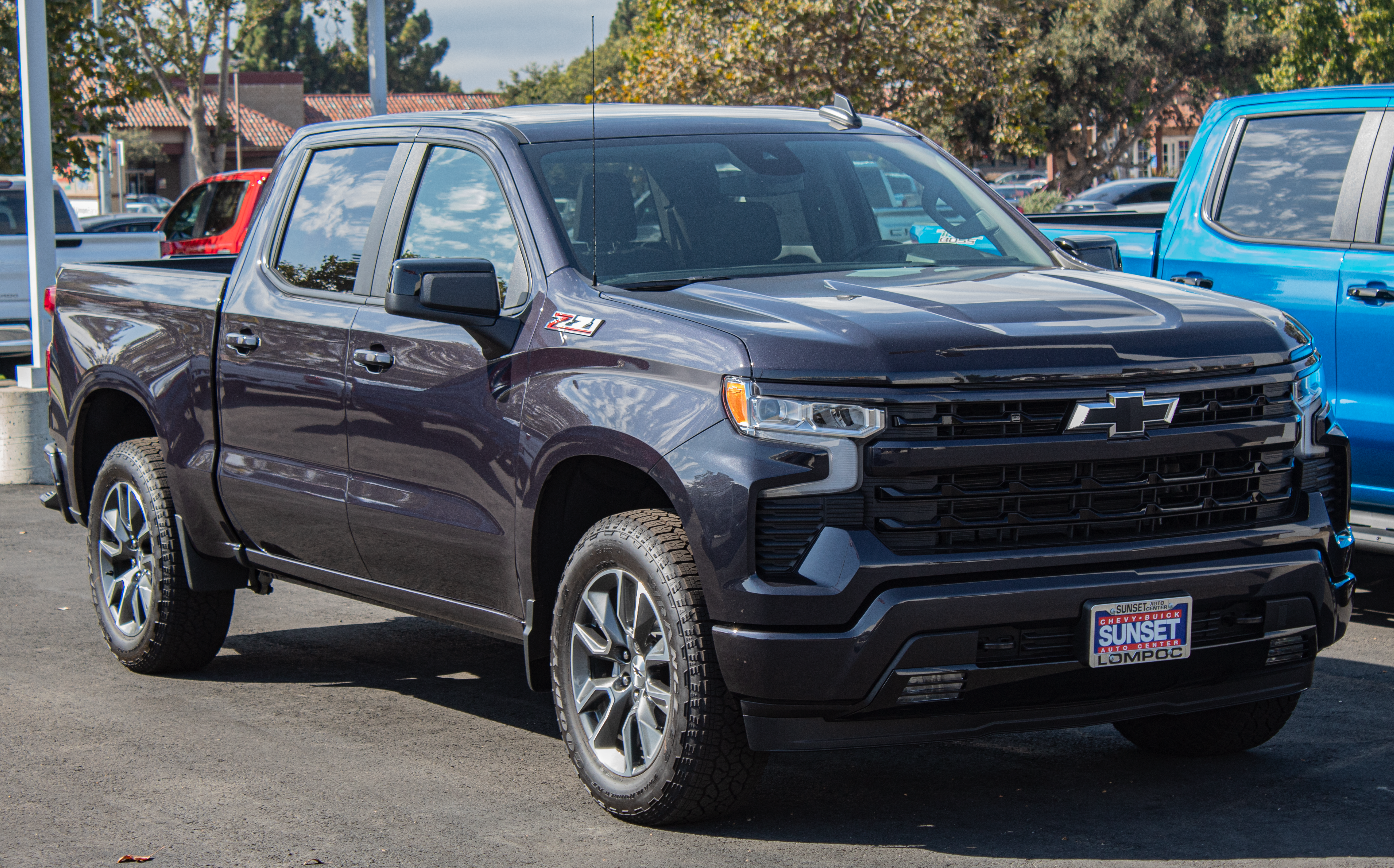
Chevrolet Silverado
The Chevrolet Silverado is a big pickup truck made by Chevrolet. The hosts are talking about GM delaying the next version of these trucks.

Gmc Hummer
GMC Hummer is a truck/SUV nameplate from GMC. The episode mentions it as part of GM’s lineup that could be affected by delays.

Cadillac Escalade
The Cadillac Escalade is Cadillac’s big luxury SUV. The hosts are saying delays to the next version would be a big deal for GM.
Smart hashtag two
Smart is planning an all-electric city car called “hashtag two.” It’s meant to follow the idea of the Smart 4-2, but as a smaller two-door, two-seat EV, and they’re saying it should go about 186 miles on a charge.
spiritual successor
A “spiritual successor” is basically a spiritual follow-up—same idea or vibe, even if it’s not the exact same car. Here, Smart is saying hashtag two continues the purpose of the Smart 4-2.
range of 186 miles
“Range of 186 miles” means how far the EV should drive on one full battery charge. Your actual miles can be more or less depending on how you drive and the weather.
10 to 80 charge in under 20 minutes
It means the battery can go from 10% to 80% in less than 20 minutes. Charging is usually fastest in the middle, and slows down near full, so this number is used to compare EVs fairly.
vehicle to load
Vehicle-to-load (V2L) lets an EV power external devices—like tools, appliances, or camping gear—using the car’s battery through an outlet or adapter. It’s especially useful for people who want backup power or off-grid convenience.
parking in small spaces
They’re saying a smaller EV is easier to park and maneuver in tight city spots. That can matter more than big power numbers for everyday driving.

Dacia Spring
They compare the new car’s size to the Dacia Spring. The Spring is a small, affordable EV, so it’s a good yardstick for how “tiny” this new vehicle is.

Renault Twingo
They’re saying the car is even smaller than a Renault Twingo. The Twingo is known as a very compact city car, so it helps you picture the size.

Volkswagen ID buzz
They’re talking about an update for the electric Volkswagen ID Buzz van. Updates can add new features or improve how the vehicle works, even without major hardware changes.
4-motion
“4-motion” is Volkswagen’s name for a 4-wheel-drive setup. It means the car can drive more than one axle, which can help with grip in rain, snow, or slippery conditions.
210 kilowatt rear motor
That number is how strong the rear electric motor is. In an electric AWD setup, the rear motor does some of the work, and another motor up front can add more power.
combined 250
This is the total power from both electric motors combined. It matters because it tells you how much the whole car can produce when you accelerate.
cherry red
This is just a paint color option. The interesting part is that the speaker says this color used to be reserved for the higher GTX trim, so the Pro can now look more like the top model.
towing limit
The towing limit is the maximum trailer weight the car is allowed to pull. If you tow bikes, boats, or gear, this number tells you whether the vehicle is up to the job.
short wheelbase
Wheelbase is the distance between the front and rear wheels. A “short wheelbase” version is more compact, and in this segment they’re saying it also changes the towing rating.
79 kilowatt hours net
“79 kilowatt hours net” is the usable battery capacity for the standard wheelbase version. Net capacity matters because it’s the portion of the battery you can actually use for driving, not the total physical pack size.
six-seat configuration
This means the van can be set up to seat six people. It’s useful for families or carpooling, and the speaker says it’s tied to the longer version.
86 kilowatt hour battery
This is the bigger battery option. A larger battery usually means you can drive farther before needing to recharge, and in this case it also pairs with the longer, more family-friendly layout.
LFP battery cells
LFP is a type of EV battery chemistry. It’s often chosen because it can last a long time and is generally considered safer than some other battery types. If the car is using different cell sizes or types, it can change how the battery performs and how expensive it is.
MEBs
MEB refers to Volkswagen Group’s Modular Electric Drive Matrix, a platform used across multiple EV models. Mentioning “other MEBs” suggests this update is changing battery/cabin features compared with other cars built on the same EV platform.
travel assist becomes connected travel assist
Travel Assist is a set of help features that can steer and manage speed in certain conditions. “Connected” means it can also use live information from the internet, not just what it sees with cameras and sensors.
pickup traffic lights
This means the car can recognize traffic lights and use that info to plan what to do next. If it knows a light is red ahead of time, it can slow down more smoothly instead of reacting at the last second.
One pedal driving
One-pedal driving means you can slow down mostly by lifting your foot off the accelerator. The car uses the motor to slow down and recharge the battery a bit, so you brake less often.
recuperation
Recuperation is the EV’s way of slowing down while also recharging the battery. When you lift off the accelerator, the car turns that slowing into electricity instead of wasting it as heat.
two kilowatts
Two kilowatts tells you how much power the car can provide to devices. It’s not the biggest number, but it can still run a lot of common electronics and small appliances.
EV News China
EV News China is a special project the show did to focus on EV news coming out of China. It’s basically a themed series within the podcast.
ChargePoint
ChargePoint makes EV charging stations and the systems that run them. Here they’re talking about a new fast charger they built to deliver a lot of power from one unit.
DC fast charger
A DC fast charger is the kind of charger that can add a lot of EV range quickly. It’s faster than regular home-style charging because it sends power in a form the battery can use right away.
600 kilowatts
600 kilowatts is how much power the charger can provide at maximum. Your EV may not always take the full amount, but higher-rated chargers are generally better for fast charging.
Express Solo
Express Solo is the name of a particular charging setup. The important point is that it can charge more than one car at a time, and it can also concentrate power for faster charging on one car.
NACS
NACS is a charging plug type. If your EV uses a NACS-style connector, this charger can plug in and fast-charge it.
CCS-1
CCS-1 is a type of charging plug used for fast charging in many places. It’s designed to deliver high power to an EV so you can charge quicker than with a regular outlet.
J3400
J3400 is the official standard name for the NACS-style charging connector. It helps ensure different chargers and EVs are compatible.
inverter
An inverter is an electronics box that switches electricity between AC and DC forms. The idea here is that this charger design can avoid some of that conversion work.
on-site energy storage systems
On-site energy storage is a battery at the charging site. It can store electricity and then help the charger run more efficiently, especially during busy times.
bidirectional charging
Bidirectional charging means your EV can act like a small power bank. Instead of only charging, it can also send electricity back to help power something else.
DC fast charging
DC fast charging is the high-power way to charge an EV quickly. Instead of using AC from the grid, it sends DC power directly for faster charging.
EV charging corridor strategy
This is a government plan to put EV chargers along busy highways and main roads. The goal is to make it easier to drive longer distances without running out of charge.