
battery swapping
Battery swapping means you replace the car’s battery with a fully charged one at a special station. It can be faster than waiting to charge, which helps people who worry about charging time.

NIO
NIO is an EV brand that offers battery swapping. Instead of charging for a long time, you can swap your battery for a charged one at special stations.
electric vehicle consideration study
This kind of study looks at whether people are thinking about buying an EV, not whether they already bought one. It also helps identify what’s holding people back, like charging availability.
JD Power
J.D. Power is a company that surveys car buyers and publishes reports about what people want. In this segment, they’re reporting how many shoppers say they’d consider an EV.
charging station availability
This means whether EV buyers think there will be charging stations where they live and travel. If they don’t trust they can charge easily, they’re less likely to consider buying an EV.
charging time
Charging time is how long you have to wait at a charger. If people think it will take too long, they may not want an EV.
price premium
A price premium means paying extra money for an EV compared to something else. The point here is that many shoppers don’t want to pay more just to drive electric.
range
Range is how far an EV can go on a full charge. Here, many people say they want around 500 miles, which is a big factor in whether they’ll consider buying one.

BMW New Bmws
BMW’s “New Class” is BMW’s plan for a new generation of vehicles, focused on electric cars. The podcast mentions it because it’s part of BMW’s effort to expand its EV lineup. It’s essentially a roadmap for what BMW wants to build next.
charging availability
Charging availability is about whether there are chargers you can actually use nearby. If chargers are hard to find or unreliable, it can make EV ownership feel stressful even if the car has good range.
impairments
An impairment is basically a financial “downward adjustment” when something a company owns or invested in is worth less than expected. It can create a big one-time loss on the company’s books.
shift the plan back towards dirty diesel polluting generating hybrids
The host is saying Honda is backing away from an all-electric plan and instead focusing more on hybrids and other older-style engines. It’s basically a change in strategy about what kinds of cars they’ll build next.

Honda Civic
The Honda Civic is a compact car meant for daily commuting and errands. It’s known for being practical and widely sold. In the podcast, it’s mentioned as another possible match for the silver fastback sedan they described.
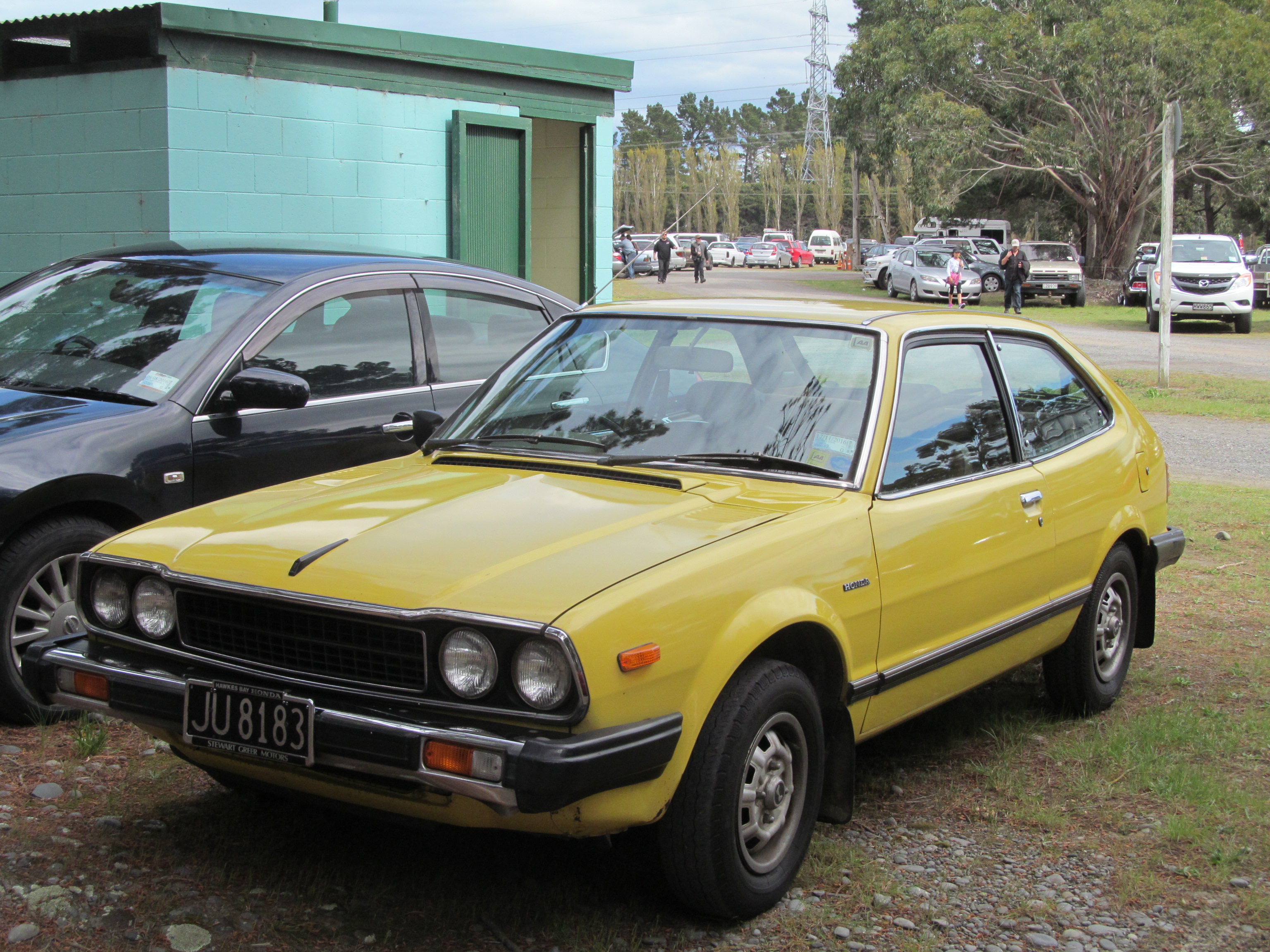
Honda Accord
The Honda Accord is a regular passenger car (a sedan) made for everyday driving. It’s popular because it’s practical and comfortable. The podcast mentions it as a possibility for a silver fastback-looking car they were describing.
EV transition
“EV transition” refers to the industry shift from internal-combustion vehicles to electric vehicles, which affects manufacturing, supply chains, and workforce planning. The host frames it as more than technology—jobs, pensions, and livelihoods are part of the stakes.
Slate Auto
Slate Auto is the EV company in this story. They’re planning to hire a lot of people and invest money in Michigan to support launching a cheaper electric pickup.

Ford Orion
Ford Orion is a Ford research and development location in Orion Township. The podcast mentions it because Ford is hiring or adding roles there for engineering work. It’s about where technology is developed, not a specific car model.
emerged from stealth
“Stealth mode” is when a company develops a product quietly without public details, then later reveals it. The hosts use it to explain why Slate Auto’s stripped-down EV design “caught people’s attention” once it was finally shown.
stripped down vehicle design
A “stripped down” design means removing non-essential features and simplifying systems to reduce cost and complexity. In EV startups, that approach is often used to hit a lower target price while still delivering the core functions customers want.

Land Rover Discovery
The Land Rover Discovery is a larger SUV meant for families and comfort, with the ability to handle rougher roads. It’s a premium vehicle, not a basic commuter car. The podcast brings it up in connection with a business and leadership story.
multi-path strategy
A multi-path strategy means Toyota isn’t betting everything on one type of power. They’re using more than one approach (like hybrid and diesel) while they also bring EVs to market.

Toyota Hilux
The Toyota Hilux is a workhorse pickup truck that’s sold worldwide. Here, they’re talking about an electric version coming to the UK, but also about Toyota keeping hybrids and diesel options for now.
price parity
Price parity means the electric version and the diesel version end up costing about the same. The hosts are saying people are more willing to buy EVs when the price is no worse than the older fuel option.
lease
A lease is like renting a vehicle for a fixed time with a set monthly payment. Here, the hosts are saying the lease deals are being structured so electric and diesel vans cost the same per month.
Vauxhall Combo
The Vauxhall Combo is a small work van. In this segment, they’re talking about the electric version and how the company is trying to make the monthly lease/finance cost match the diesel one.

Vauxhall Vivaro
The Vauxhall Vivaro is a bigger work van for businesses. Here they’re discussing the electric version and how they’re trying to keep the monthly cost similar to diesel, plus some basic EV specs like battery size and range.
PCP
PCP is a common UK way to finance a car where you make monthly payments and then decide what to do at the end—often either pay a final amount or hand the car back. They’re mentioning it because it affects the monthly price you see.

Opel Astra
The Opel Astra is a regular passenger car in the compact category. It’s the kind of car people buy for everyday driving. The podcast mentions it while talking about how prices and product lines compare.
battery pack
In an EV, the battery pack is the big battery inside the car. They mention its size (in kWh) because that’s closely tied to how far the vehicle can drive.
towing
Towing is how much weight the vehicle can pull with a trailer. They’re listing towing capacity to show the electric van is still practical for work.
payload
Payload is how much weight the van can carry. For a work van, that’s important because it affects how much cargo you can haul.

Ford Etransit
The Ford e-Transit Custom is an electric delivery van. They’re comparing it to another van by talking about how far it can go and what power options it has for tools.

E-Transit Etransit Custom
The E-Transit Custom is an electric van made for businesses. It’s designed to carry loads and do daily routes without using gasoline. The podcast compares its range and capacity to a similar electric van.
Pro Power on Board
Pro Power on Board is a built-in power outlet system in the van. It lets you run power tools from the vehicle, like you would with a generator.
Trayton Group
Trayton Group is a company that makes and sells trucks and buses. In this segment, they’re investing a lot of money to speed up electric truck technology.
battery electric drivetrain
A battery electric drivetrain is the full set of components that turn battery energy into motion—typically including the battery pack, electric motor(s), power electronics, and related control systems. Funding it usually means improving efficiency, range, and cost for EVs.
battery electric vehicle sales
Battery electric vehicle sales are how many fully electric vehicles a company sells. The segment says EVs are still a small share of their sales so they have more work to do.

Volkswagen Bus
The Volkswagen Bus is a van used to carry people or cargo. In EV discussions, it matters because electric versions show how EVs are moving into larger vehicle categories. The podcast brings it up while talking about EV sales trends.

MAN e-TGX
The MAN e-TGX is an electric truck. They’re mentioning it as part of MAN’s push to sell more electric commercial vehicles.

MAN Lion City e-battery
The MAN Lion City e-battery is an electric city bus model from MAN, designed for urban public transport. In this segment it’s used as an example of MAN’s existing EV bus lineup alongside new electric truck plans.
MAN Lion coach e-electric coach
The MAN Lion coach e-electric coach is an electric intercity bus that MAN plans to introduce. They’re using it to show the EV push covers multiple bus types.
efficiency in manufacturing
Manufacturing efficiency means how effectively a factory builds cars. If it’s higher, it can usually make vehicles faster and cheaper—important for EVs.
China speed
“China speed” is Renault’s way of making new car designs faster. They say they use Chinese suppliers and development work to cut both time and cost.
Renault
Renault is a French car company. The host says Renault’s factories are busy and that its electric models—especially the Renault 5—have been doing well.
Stellantis
Stellantis is a big car company. Here, they’re talking about using extra EV factory capacity by working with companies in China.

5 Renault 5
The 5 E-Tech Electric is an electric version of the Renault 5. It’s a small electric car designed for everyday driving. The podcast mentions it because it has sold very well in Renault’s home market.

Renault 4
The Renault 4 CV is an older Renault model that was very successful in its time. The podcast mentions it to highlight Renault’s history of making popular small cars. It’s used as a reference point while discussing Renault’s current EV direction.
plug-in hybrid powertrain
A plug-in hybrid is a car that has both an electric motor and a gas engine. You can charge it from a plug, and it can use electricity alone sometimes, then switch to the gas engine as needed.
generator
A generator is a device that turns the engine’s motion into electricity. In this hybrid, the gas engine can make electricity instead of only driving the wheels directly.
BYD
BYD is the company/brand behind the EV being discussed. The host is saying BYD has a particular way its system manages energy when you accelerate.
battery size
Battery size is how much electricity the EV can store. A bigger battery usually helps the car go farther, but it’s not the only factor.
front wheel drive
Front wheel drive means the front wheels are the ones that get the power to move the car. It can change how the car feels when you accelerate.
AC charging
AC charging is the common way EVs charge using household/standard chargers. The higher the charger power, the faster the battery fills up.
Google Automotive
Google Automotive is the car’s infotainment software that brings Google features inside the vehicle. It can include things like maps, voice help, and apps.
Apple CarPlay
Apple CarPlay is a way to connect your iPhone to the car so you can use apps and navigation on the car’s display. It’s meant to be easier and safer than using the phone directly.
Android Auto
Android Auto connects your Android phone to the car so you can use apps on the car’s screen. It helps you use your phone while driving more safely.
rain sensing wipers
Rain-sensing wipers automatically turn on and change speed when they detect rain. It helps keep your view clear without you constantly adjusting the wipers.
parking sensors
Parking sensors help you avoid hitting things when parking by warning you if you’re getting too close. They use sensors to measure distance.
360 camera
A 360 camera shows a stitched view around the car, often like a bird’s-eye picture. It makes parking and tight turns easier to judge.
vehicle to load
Vehicle-to-load means the EV can power things outside the car, like appliances or tools. It uses the car’s battery to run them through an outlet.
jaku
“Jaku” is mentioned as a new brand that started selling in the UK and sold a lot quickly. The host is using it as an example of how new EV brands can grow fast.
omoda
Omoda is a car brand mentioned as having launched in the UK recently. The host is comparing how well it’s doing versus another new brand.

Ford Ranger
The Ford Ranger is a pickup truck, usually used for hauling and general utility. It’s the kind of vehicle people recognize by its truck shape and stance. The podcast mentions it as a visual comparison for a vehicle that resembles a Ranger.
EV interest holds up
The hosts are saying EV buying interest is staying strong. They explain it by pointing to deals and incentives, plus how expensive gas is making EVs more attractive.
plug-in hybrid system
A plug-in hybrid is a car that has both a gas engine and an electric motor. You can charge it from a plug, and it can run on electricity for some trips before the gas engine takes over.
pump anxiety
Pump anxiety means people are stressed about gas and diesel prices. The hosts say that worry about fuel costs is now pushing more people toward EVs.