
DAILY: EV Interest Holds Up, Honda Retreats To Hybrids and Slate Adds Jobs | 15 May 2026
About this episode
EV interest in the US stays strong, with a J.D. Power study finding 26% of new-vehicle shoppers are very likely to consider an EV. Still, charging access and charging time are the biggest deal-breakers, even as some buyers want at least 500 miles of range. Honda’s losses are tied to a retreat toward hybrids and more gas models, while Slate adds jobs and readies a low-cost electric pickup. Commercial EVs get investment, and pricing parity plus “pump anxiety” are shaping demand.
You can read all the latest news on the blog here: https://EVne.ws/blog
Subscribe for free and listen to the podcast on audio platforms:
➤ Apple: https://EVne.ws/apple
➤ YouTube Music: https://EVne.ws/youtubemusic
➤ Spotify: https://EVne.ws/spotify
➤ TuneIn: https://EVne.ws/tunein
➤ iHeart: https://EVne.ws/iheart
JD POWER SAYS EV INTEREST IS HOLDING UP https://evne.ws/4txkP6F
HONDA SWINGS TO LOSS AS HYBRID STRATEGY HARDENS https://evne.ws/4dt4zxE
SLATE AUTO PLANS 392 MICHIGAN JOBS https://evne.ws/3PqNc8G
TOYOTA HILUX ADDS EV FOR 2026 https://evne.ws/4eOW2HB
VAUXHALL MATCHES EV AND DIESEL VAN PRICES https://evne.ws/4ujX838
TRATON RAISES €850 MILLION FOR EV DRIVE https://evne.ws/4dmsvCD
RENAULT CLAIMS EDGE OVER CHINESE RIVALS https://evne.ws/3RsaueV
BYD ATTO 2 DM-I PRICED FOR UK https://evne.ws/3RcIv2P
OMODA-JAECOO MAKES A FAST UK START https://evne.ws/4tBHNJY
POLESTAR SAYS FUEL SHOCK DRIVES EV DEMAND https://evne.ws/4uKA9hd
battery swapping
"[30.7s] NIO's Gen five swap stations are starting to roll out which is [36.5s] good news for Firefly, Envo and of course NIO main brand owners."
Battery swapping means you replace the car’s battery with a fully charged one at a special station. It can be faster than waiting to charge, which helps people who worry about charging time.
Battery swapping is a service where an EV’s depleted battery pack is exchanged for a charged one at a dedicated station. It’s meant to reduce “charging time” concerns and can make EVs feel more like refueling, especially for drivers without convenient home charging.

NIO
"[30.7s] NIO's Gen five swap stations are starting to roll out which is [36.5s] good news for Firefly, Envo and of course NIO main brand owners."
NIO is an EV brand that offers battery swapping. Instead of charging for a long time, you can swap your battery for a charged one at special stations.
NIO is an EV brand known for battery-related services, including battery swapping. The segment mentions NIO’s Gen five swap stations, which are designed to let drivers exchange depleted packs for charged ones quickly instead of waiting to charge.
electric vehicle consideration study
"[41.9s] Let's get into it then JD Powers 2026 US electric vehicle consideration study found [49.9s] that consumer interest in EVs has stayed high"
This kind of study looks at whether people are thinking about buying an EV, not whether they already bought one. It also helps identify what’s holding people back, like charging availability.
An “electric vehicle consideration study” measures how likely consumers are to include EVs in their shopping shortlist. It’s different from sales volume because it tracks intent—who is willing to consider buying an EV, and what barriers (like charging access) stop them.
JD Power
"[41.9s] Let's get into it then JD Powers 2026 US electric vehicle consideration study found [49.9s] that consumer interest in EVs has stayed high"
J.D. Power is a company that surveys car buyers and publishes reports about what people want. In this segment, they’re reporting how many shoppers say they’d consider an EV.
J.D. Power is a market-research and consumer-insights company that publishes studies on how people shop for and evaluate vehicles. Here, their “consideration study” is used to quantify how likely US shoppers are to consider EVs.
charging station availability
"[91.3s] EV another 35% somewhat likely charging station availability was the top reason for rejecting [98.6s] the move to EV 46% of shoppers who said they wouldn't consider an EV named charging station [105.3s] availability though that concern fell 6% over the last 12 months"
This means whether EV buyers think there will be charging stations where they live and travel. If they don’t trust they can charge easily, they’re less likely to consider buying an EV.
“Charging station availability” refers to whether drivers believe they can reliably find chargers when they need them. In EV adoption research, it’s a major rejection factor because it affects trip planning and perceived convenience.
charging time
"[105.3s] availability though that concern fell 6% over the last 12 months charging time was the second [111.6s] stated reason at 44% and that was down 2% over the last year and purchase price ranked [117.5s] third"
Charging time is how long you have to wait at a charger. If people think it will take too long, they may not want an EV.
“Charging time” is how long it takes to add enough energy to continue a trip, which depends on charger power and the vehicle’s charging capability. It’s often cited as a barrier because it can change how convenient EVs feel versus refueling a gas car.
price premium
"[125.1s] who said they were very unlikely to consider an EV 56% of them said they would not pay [131.7s] any price premium to drive an electric vehicle"
A price premium means paying extra money for an EV compared to something else. The point here is that many shoppers don’t want to pay more just to drive electric.
A “price premium” is extra money shoppers are willing to pay above the cost of an alternative (often a comparable gas car). The segment says many would not pay any premium, implying EV pricing remains a key adoption hurdle.
range
"[125.1s] who said they were very unlikely to consider an EV 56% of them said they would not pay [131.7s] any price premium to drive an electric vehicle 73% wanted at least 500 miles of range"
Range is how far an EV can go on a full charge. Here, many people say they want around 500 miles, which is a big factor in whether they’ll consider buying one.
In EV context, “range” is the estimated distance the battery can drive before needing a recharge. The segment highlights that many shoppers want at least 500 miles of range, showing how much battery range expectations influence purchase intent.

BMW New Bmws
"...ourse in an EV there are those on sale now we got new BMWs Mercedes and Lucid's and more you know you don't ..."
BMW’s “New Class” is BMW’s plan for a new generation of vehicles, focused on electric cars. The podcast mentions it because it’s part of BMW’s effort to expand its EV lineup. It’s essentially a roadmap for what BMW wants to build next.
BMW’s “New Class” refers to a next-generation approach for BMW’s lineup, especially tied to future EVs. The podcast frames it as part of BMW’s current EV push, alongside other brands that are already selling EVs. It’s discussed because it signals how BMW plans to structure upcoming electric vehicles and compete in the EV market.
charging availability
"43% said charging availability has to match petrol stations first well I've actually got a really close petrol station to me it's on the side of my house"
Charging availability is about whether there are chargers you can actually use nearby. If chargers are hard to find or unreliable, it can make EV ownership feel stressful even if the car has good range.
“Charging availability” refers to how easy it is to find working charging stations when you need them. For many buyers, it matters as much as battery range because it affects trip planning and whether charging feels convenient.
impairments
"they blamed electric vehicles a year ago they made 7.6 billion dollars profit but the swing to a loss came after they wrote off 9.9 billion dollars impairments"
An impairment is basically a financial “downward adjustment” when something a company owns or invested in is worth less than expected. It can create a big one-time loss on the company’s books.
In business accounting, “impairments” are write-downs when an asset’s value is judged to be lower than what the company previously recorded. In this context, Honda’s impairments are part of why the financial results swung from profit to loss.
shift the plan back towards dirty diesel polluting generating hybrids
"they use the opportunity to argue that they won't go EV... they're going to shift the plan back towards dirty diesel polluting generating hybrids Honda now plans 15 new gas guzzlers through 2030"
The host is saying Honda is backing away from an all-electric plan and instead focusing more on hybrids and other older-style engines. It’s basically a change in strategy about what kinds of cars they’ll build next.
This describes a strategic pivot in powertrain plans: moving away from a pure EV timeline and toward hybrids (and even more conventional engines). For listeners, it signals how automakers may respond to EV demand, costs, and competition by hedging with less disruptive technologies.

Honda Civic
"...silver fastback sedan maybe that's an accord or a civic the other was a red crossover that could be maybe..."
The Honda Civic is a compact car meant for daily commuting and errands. It’s known for being practical and widely sold. In the podcast, it’s mentioned as another possible match for the silver fastback sedan they described.
The Honda Civic is a compact car that’s been a long-running, high-volume model for Honda. It’s frequently discussed because it represents a key segment of affordable, efficient vehicles and is often used to illustrate design or technology shifts. In the podcast context, it’s mentioned alongside the Accord as a possible identification for a silver fastback sedan.
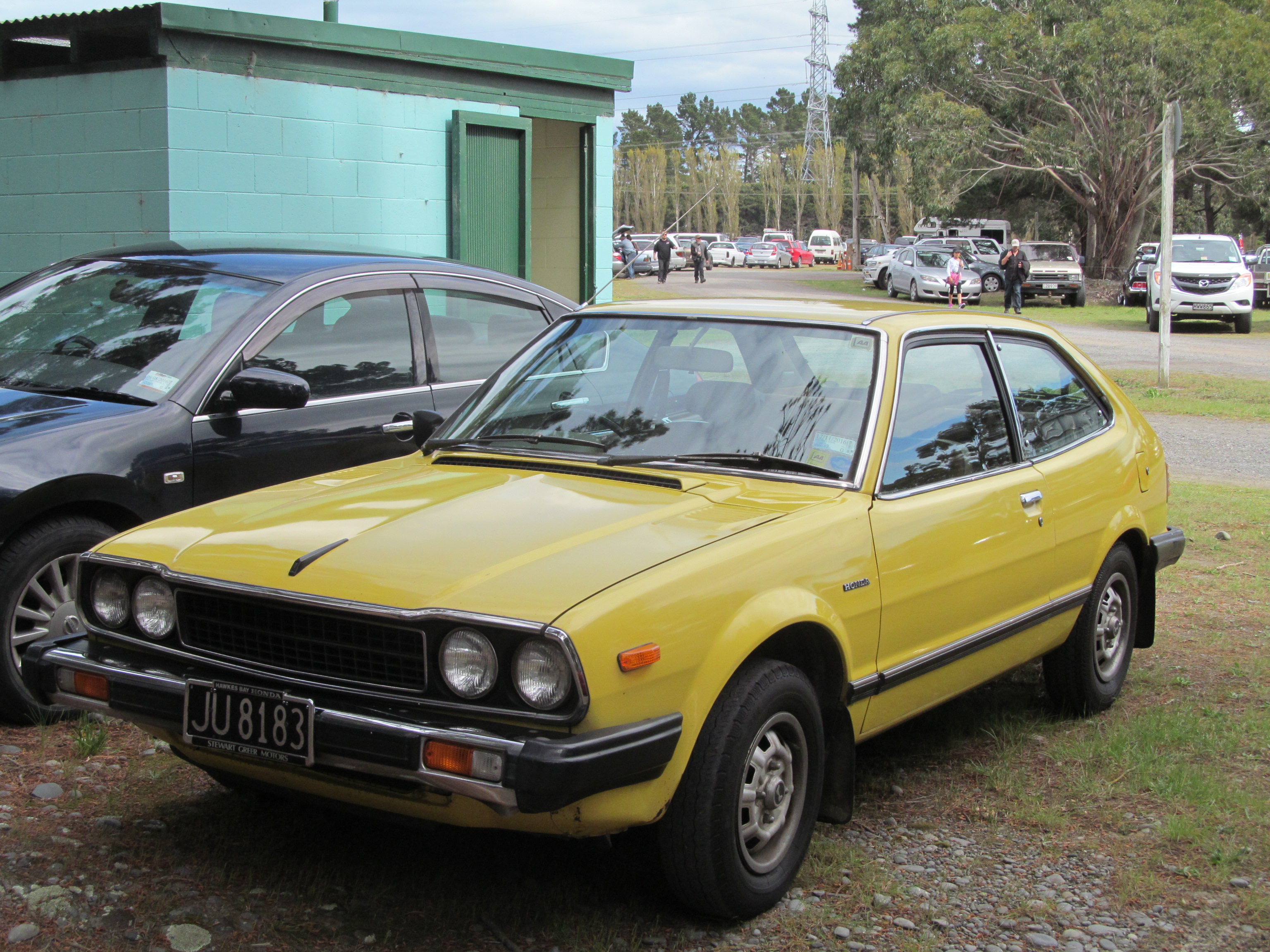
Honda Accord
"...rototypes a silver fastback sedan maybe that's an accord or a civic the other was a red crossover that cou..."
The Honda Accord is a regular passenger car (a sedan) made for everyday driving. It’s popular because it’s practical and comfortable. The podcast mentions it as a possibility for a silver fastback-looking car they were describing.
The Honda Accord is a mainstream midsize sedan known for balancing comfort, practicality, and everyday drivability. It often comes up in discussions because it’s a widely recognized model line that people use as a reference point for design and market trends. In the podcast context, it’s mentioned as a possible match for a silver fastback sedan being described.
EV transition
"and you know there's car companies that won't make the EV transition I think that's that's really rough because it's you're talking people's jobs and pensions and livelihoods and families"
“EV transition” refers to the industry shift from internal-combustion vehicles to electric vehicles, which affects manufacturing, supply chains, and workforce planning. The host frames it as more than technology—jobs, pensions, and livelihoods are part of the stakes.
Slate Auto
"Slate Auto plans to add 392 jobs and invest 10.4 million dollars in its Troy Michigan headquarters over the next five years ... Slate Auto emerged from stealth about a year ago or so"
Slate Auto is the EV company in this story. They’re planning to hire a lot of people and invest money in Michigan to support launching a cheaper electric pickup.
Slate Auto is the EV startup being discussed, including its hiring and investment plans. The segment ties those business moves to its plan to launch a low-cost electric pickup and to its leadership changes.

Ford Orion
"...y has more than 300 employees across Troy and the Orion Township R&D facility the new roles covering engi..."
Ford Orion is a Ford research and development location in Orion Township. The podcast mentions it because Ford is hiring or adding roles there for engineering work. It’s about where technology is developed, not a specific car model.
Ford Orion refers to Ford’s Orion Township R&D facility, which is part of the company’s engineering and research operations. In the podcast context, it’s mentioned in connection with staffing and new roles covering engineering work. It’s not a vehicle model here, but rather a location tied to how Ford develops technology.
emerged from stealth
"Slate Auto emerged from stealth about a year ago or so and it's a deliberately stripped down vehicle design that really caught people's attention"
“Stealth mode” is when a company develops a product quietly without public details, then later reveals it. The hosts use it to explain why Slate Auto’s stripped-down EV design “caught people’s attention” once it was finally shown.
stripped down vehicle design
"and it's a deliberately stripped down vehicle design that really caught people's attention ... cut production costs keep the price accessible"
A “stripped down” design means removing non-essential features and simplifying systems to reduce cost and complexity. In EV startups, that approach is often used to hit a lower target price while still delivering the core functions customers want.

Land Rover Discovery
"...with a former Amazon VP Peter Faracy who also led Discovery as well and Sunpower so they say they mean busine..."
The Land Rover Discovery is a larger SUV meant for families and comfort, with the ability to handle rougher roads. It’s a premium vehicle, not a basic commuter car. The podcast brings it up in connection with a business and leadership story.
The Land Rover Discovery is a midsize luxury SUV built for family use with off-road capability and a focus on comfort. It’s significant in business and product discussions because it represents a premium, technology-forward segment within the brand’s lineup. In the podcast context, it’s referenced as part of a broader conversation involving leadership and business direction.
multi-path strategy
"a dirty diesel version as well Toyota calls it a multi-path strategy all right in plain terms ... the Hilux will hedge its bets because hybrid makes some money and dirty diesel makes some money"
A multi-path strategy means Toyota isn’t betting everything on one type of power. They’re using more than one approach (like hybrid and diesel) while they also bring EVs to market.
A multi-path strategy means a company uses multiple powertrain approaches at the same time—here, hybrids and diesel alongside an eventual EV push. The point is to reduce risk: if one technology is slow to sell, the others can still generate revenue.

Toyota Hilux
"the Hilux will hedge its bets because hybrid makes some money and dirty diesel makes some money ... the electric Hilux comes to the UK in June in two"
The Toyota Hilux is a workhorse pickup truck that’s sold worldwide. Here, they’re talking about an electric version coming to the UK, but also about Toyota keeping hybrids and diesel options for now.
The Toyota Hilux is a popular global pickup known for being tough and work-focused. In this segment, the hosts discuss an electric Hilux coming to the UK, alongside Toyota’s continued use of hybrids and “dirty diesel” to keep sales and profits steady.
price parity
"voxels next in the news they've set their finance and lease price parity ... where a lot of people said that they're gonna be never bevers until price parity happens"
Price parity means the electric version and the diesel version end up costing about the same. The hosts are saying people are more willing to buy EVs when the price is no worse than the older fuel option.
Price parity is when the EV version costs about the same as the diesel version for buyers, especially when you factor in incentives and financing/lease terms. The segment argues that many customers won’t switch until the monthly cost is comparable, making parity a key adoption hurdle.
lease
"they've set their finance and lease price parity ... 36 months 10k miles six month initial"
A lease is like renting a vehicle for a fixed time with a set monthly payment. Here, the hosts are saying the lease deals are being structured so electric and diesel vans cost the same per month.
A lease is a contract where you pay to use a vehicle for a set period, usually with mileage limits and maintenance terms depending on the deal. In this segment, lease pricing is used to achieve “price parity” between electric and diesel vans for business buyers.
Vauxhall Combo
"between the electric and diesel versions of their vans there's the smaller one called the Combo ... it covers business contract hire business finance leasing for business users"
The Vauxhall Combo is a small work van. In this segment, they’re talking about the electric version and how the company is trying to make the monthly lease/finance cost match the diesel one.
The Vauxhall Combo is a compact commercial van used for business deliveries and day-to-day work. Here, the hosts discuss an electric Combo and how Vauxhall is setting finance/lease terms to match diesel pricing (price parity) to encourage fleet and business buyers.

Vauxhall Vivaro
"and a bigger one called the Vivaro that's the big van the firm says it makes the switch to electric ... the Vivaro electric the big van 75 kilowatt hour"
The Vauxhall Vivaro is a bigger work van for businesses. Here they’re discussing the electric version and how they’re trying to keep the monthly cost similar to diesel, plus some basic EV specs like battery size and range.
The Vauxhall Vivaro is a larger commercial van aimed at businesses that need more cargo capacity than a small van. The segment focuses on the electric Vivaro’s pricing strategy (matching diesel lease/finance costs) and gives battery and range figures for the EV version.
PCP
"on lease on finance PCPPC rental high purchase it's it's so common just ... it's like whatever powertrain you want it's the same price"
PCP is a common UK way to finance a car where you make monthly payments and then decide what to do at the end—often either pay a final amount or hand the car back. They’re mentioning it because it affects the monthly price you see.
PCP (Personal Contract Purchase) is a UK-style car finance plan where you pay a deposit and monthly payments, then typically have options at the end such as paying a final “balloon” amount or returning the car. The segment mentions PCP alongside other purchase/lease structures to explain how EV and diesel can be priced to feel equal to buyers.

Opel Astra
"...tended price parity as well to its other cars the Astra the frontera they do those passenger cars the com..."
The Opel Astra is a regular passenger car in the compact category. It’s the kind of car people buy for everyday driving. The podcast mentions it while talking about how prices and product lines compare.
The Opel Astra is a compact passenger car line that’s commonly discussed as part of Opel’s mainstream lineup. It matters in business and pricing conversations because it helps set expectations for volume sales and how a brand positions itself in the market. In the podcast context, it’s mentioned alongside other models as part of a broader comparison of pricing and product strategy.
battery pack
"the Astra the frontera they do those passenger cars the combo is a 52 kilowatt hour pack 213 miles of ... range"
In an EV, the battery pack is the big battery inside the car. They mention its size (in kWh) because that’s closely tied to how far the vehicle can drive.
A battery pack is the full set of battery cells and modules in an EV, typically described by its total capacity in kilowatt-hours (kWh). The segment uses battery pack size to compare the electric van’s expected range and capability.
towing
"759 kilograms payload 750 kilograms towing the Vivaro electric the big van 75 kilowatt hour"
Towing is how much weight the vehicle can pull with a trailer. They’re listing towing capacity to show the electric van is still practical for work.
Towing refers to the vehicle’s ability to pull a trailer, and it’s usually limited by the vehicle’s design and ratings. The segment lists towing capacity alongside payload to show what the electric vans can handle for work use.
payload
"the combo is a 52 kilowatt hour pack 213 miles of range 759 kilograms payload 750 kilograms towing"
Payload is how much weight the van can carry. For a work van, that’s important because it affects how much cargo you can haul.
Payload is the maximum weight the vehicle can carry in addition to its own weight, including cargo and passengers. For vans, payload matters because it determines how much stuff a business can actually transport.

Ford Etransit
"about 11 miles short of a Ford e-transit custom it's a bit pricier as well but also um yeah the [640.7s] the Ford e-transit that would come with pro power on board wasn't it"
The Ford e-Transit Custom is an electric delivery van. They’re comparing it to another van by talking about how far it can go and what power options it has for tools.
The Ford e-Transit Custom is Ford’s electric version of the Transit Custom van, built for commercial use. In this segment it’s referenced in the context of range, pricing, and available onboard power features for work sites.

E-Transit Etransit Custom
"pack 100 kilowatt motor 219 miles of range 1200 kilogram payload 1000 kilogram towing basically about 11 miles short of a Ford e-transit custom it's a bit pricier as well but also um yeah the the Ford e-transit that would come with pro power on board wasn't it um Fords normally do I'd need"
The E-Transit Custom is an electric van made for businesses. It’s designed to carry loads and do daily routes without using gasoline. The podcast compares its range and capacity to a similar electric van.
The E-Transit Custom is an electric version of Ford’s Transit Custom van, aimed at commercial customers who need zero-emissions operation. The podcast highlights performance and capability figures like motor power, range, payload, and towing, comparing it to a similar electric van. It’s discussed because it represents how EVs are being tailored for real-world delivery and service work.
Pro Power on Board
"the Ford e-transit that would come with pro power on board wasn't it um Fords normally do I'd need [646.3s] to check whether the the voxels and opal vans come with an equivalent of pro power to power tools"
Pro Power on Board is a built-in power outlet system in the van. It lets you run power tools from the vehicle, like you would with a generator.
Pro Power on Board is Ford’s onboard power system that can run tools and appliances from the vehicle. For EV vans, it’s a key feature because it determines how useful the van is at job sites without a separate generator.
Trayton Group
"[668.4s] all right welcome back to the podcast Trayton Group majority owned by Volkswagen has raised [673.9s] 850 million euros to speed up its battery electric drivetrain program"
Trayton Group is a company that makes and sells trucks and buses. In this segment, they’re investing a lot of money to speed up electric truck technology.
Trayton Group is a major commercial-vehicle group that operates truck and bus brands and invests in electrification. Here it’s described raising 850 million euros to accelerate battery-electric drivetrain development across its brands.
battery electric drivetrain
"Trayton Group majority owned by Volkswagen has raised [673.9s] 850 million euros to speed up its battery electric drivetrain program"
A battery electric drivetrain is the full set of components that turn battery energy into motion—typically including the battery pack, electric motor(s), power electronics, and related control systems. Funding it usually means improving efficiency, range, and cost for EVs.
battery electric vehicle sales
"battery electric vehicle [685.3s] sales across Trayton brands were just 1.4 percent of their total sales in Q1 so there's work to do"
Battery electric vehicle sales are how many fully electric vehicles a company sells. The segment says EVs are still a small share of their sales so they have more work to do.
Battery electric vehicle (BEV) sales measure how many fully electric cars and trucks are sold compared with total sales. In this segment, BEV sales are described as only 1.4% of Trayton brands’ total sales in Q1, implying electrification is still early for these brands.

Volkswagen Bus
"...ational in North America and Volkswagen truck and bus in Brazil battery electric vehicle sales across T..."
The Volkswagen Bus is a van used to carry people or cargo. In EV discussions, it matters because electric versions show how EVs are moving into larger vehicle categories. The podcast brings it up while talking about EV sales trends.
The Volkswagen Bus is a well-known van model associated with passenger transport and cargo flexibility, depending on configuration. In EV news, it’s significant because electric versions of iconic vans are often used to measure how quickly EV adoption is spreading beyond sedans and compact cars. The podcast mentions it in the context of broader EV sales and market activity.

MAN e-TGX
"MAN has the Lion City e-battery city bus and launched its e-TGX electric truck lineup it plans [700.1s] to debut the Lion coach e-electric coach this year"
The MAN e-TGX is an electric truck. They’re mentioning it as part of MAN’s push to sell more electric commercial vehicles.
The MAN e-TGX is MAN’s electric truck lineup, aimed at commercial freight and logistics. The segment pairs it with MAN’s electric bus products to highlight broader electrification across the company’s commercial-vehicle range.

MAN Lion City e-battery
"MAN has the Lion City e-battery city bus and launched its e-TGX electric truck lineup it plans [700.1s] to debut the Lion coach e-electric coach this year"
The MAN Lion City e-battery is an electric city bus model from MAN, designed for urban public transport. In this segment it’s used as an example of MAN’s existing EV bus lineup alongside new electric truck plans.
MAN Lion coach e-electric coach
"it plans [700.1s] to debut the Lion coach e-electric coach this year Scania based in Sweden I want an order for 91"
The MAN Lion coach e-electric coach is an electric intercity bus that MAN plans to introduce. They’re using it to show the EV push covers multiple bus types.
The MAN Lion coach e-electric coach is an upcoming electric coach (intercity bus) from MAN. The segment mentions it as a planned debut, showing MAN expanding EV offerings beyond city buses and trucks.
efficiency in manufacturing
"Renault CEO the Francois Provost led company says that they beat Chinese rivals [722.0s] when it comes to efficiency in manufacturing quite a claim"
Manufacturing efficiency means how effectively a factory builds cars. If it’s higher, it can usually make vehicles faster and cheaper—important for EVs.
Manufacturing efficiency refers to how effectively a factory turns inputs (labor, materials, energy, time) into finished vehicles. The segment discusses Renault’s claim that its manufacturing efficiency is better than Chinese competitors, which matters because it affects cost and how quickly EVs can be scaled.
China speed
"Renault draws on Chinese supply chains they draw on Chinese development [750.5s] to bring all new European models to market in 24 months that's what they call China speed"
“China speed” is Renault’s way of making new car designs faster. They say they use Chinese suppliers and development work to cut both time and cost.
“China speed” is Renault’s term for compressing the timeline to bring new European models to market by leveraging Chinese supply chains and development. The idea is to reduce cost and time by reusing or adapting parts and engineering approaches developed in China.
Renault
"sets Renault apart from Stellantis as well... the stance comes as Renault enjoys a really good spell but the new CEO... had a lot to get on with the electric Renault 5"
Renault is a French car company. The host says Renault’s factories are busy and that its electric models—especially the Renault 5—have been doing well.
Renault is a French automaker, and the host frames it as different from other groups because its European plants are running near capacity. The segment also ties Renault’s EV strategy to the Renault 5’s success and the leadership changes around its reboot.
Stellantis
"sets Renault apart from Stellantis as well which is talking to the Chinese about using some of their capacity which isn't being used"
Stellantis is a big car company. Here, they’re talking about using extra EV factory capacity by working with companies in China.
Stellantis is a major automaker formed from a merger of Fiat Chrysler and PSA. In this segment, the host mentions Stellantis discussing how to use unused EV production capacity by talking to Chinese partners.

5 Renault 5
"...ome changes had a lot to get on with the electric Renault 5 has been a top seller in its home market of Franc..."
The 5 E-Tech Electric is an electric version of the Renault 5. It’s a small electric car designed for everyday driving. The podcast mentions it because it has sold very well in Renault’s home market.
The 5 E-Tech Electric is Renault’s electric version of the Renault 5 nameplate, aimed at bringing a small, popular car concept into the EV era. The podcast notes it has been a top seller in its home market, which makes it relevant for understanding EV demand and product-market fit. It’s discussed as part of Renault’s broader EV focus and performance in sales.

Renault 4
"...ce and a very very successful run of good Renault Renault 4 Renault 5 the twin goes great follows the EV focu..."
The Renault 4 CV is an older Renault model that was very successful in its time. The podcast mentions it to highlight Renault’s history of making popular small cars. It’s used as a reference point while discussing Renault’s current EV direction.
The Renault 4 CV is a classic small car from Renault’s history, best known for its very successful run. It’s being mentioned in the podcast as part of a lineage of Renault models, especially when talking about how Renault’s past successes relate to current EV focus. The context suggests the “4 CV” name is used to connect the brand’s heritage to modern electric strategy.
plug-in hybrid powertrain
"a very small car with a plug-in hybrid powertrain... the petrol engine is a generator but it can mechanically connect to the wheels"
A plug-in hybrid is a car that has both an electric motor and a gas engine. You can charge it from a plug, and it can use electricity alone sometimes, then switch to the gas engine as needed.
A plug-in hybrid powertrain combines a battery-electric system with a conventional engine, and the battery can be charged from an external power source. In this segment, the host describes a setup where the petrol engine can generate electricity and can also mechanically connect to the wheels.
generator
"plug-in hybrid small SUV shaped car 1.5 liter engine with an electric motor driving the front wheels the petrol engine is a generator but it can mechanically connect to the wheels"
A generator is a device that turns the engine’s motion into electricity. In this hybrid, the gas engine can make electricity instead of only driving the wheels directly.
In a hybrid system, a generator is used to convert mechanical energy from the engine into electrical energy for the motor and/or battery. The host specifically says the petrol engine acts as a generator, which is a common strategy in hybrids that prioritize electric drive.
BYD
"it would do that under heavy acceleration which is interesting BYD have got some form in that kind of powertrain but mainly it wouldn't be mechanically driving the front wheels"
BYD is the company/brand behind the EV being discussed. The host is saying BYD has a particular way its system manages energy when you accelerate.
BYD is the EV brand being discussed, and the host attributes the described acceleration/energy-flow behavior to BYD’s powertrain approach. The key point is that BYD is positioned as having a distinctive EV system architecture.
battery size
"generating electricity to charge the battery depending on the battery size because there's two trims both front wheel drive active or boost active is £27,000"
Battery size is how much electricity the EV can store. A bigger battery usually helps the car go farther, but it’s not the only factor.
Battery size in an EV is usually measured in kilowatt-hours (kWh) and largely determines how much energy the car can store. More kWh typically means more potential range, though real-world range also depends on efficiency and driving conditions.
front wheel drive
"there's two trims both front wheel drive active or boost active is £27,000 this is list price"
Front wheel drive means the front wheels are the ones that get the power to move the car. It can change how the car feels when you accelerate.
Front wheel drive (FWD) means the car’s traction is delivered to the front wheels. In EVs, this affects packaging and how the motor(s) are arranged, which can influence driving feel and efficiency.
kWh
"an eight kilowatt hour pack which is small 24 miles of range and it's got 3.3 kilowatt AC charging ... 18 kilowatt hour pack 55 miles of EV range"
kWh is the unit for battery capacity. Think of it as how much energy the EV can hold.
kWh (kilowatt-hours) is the unit used to measure EV battery capacity. It represents how much electrical energy the battery can store, which is why it correlates with range.
AC charging
"it's got 3.3 kilowatt AC charging which is fine for a small battery check out the boost trim though it's less than £30,000 before offers this is list price less than 30 18 kilowatt hour pack 55 miles of EV range that's more than most commutes and 6.6 kilowatt AC charging"
AC charging is the common way EVs charge using household/standard chargers. The higher the charger power, the faster the battery fills up.
AC charging uses alternating current from the charger, and the car converts it to the battery’s required DC power. The charger’s power level (kW) strongly affects how quickly you can refill the battery.
Google Automotive
"12.8 inch touchscreen it runs google automotive which I speak from experience is the real deal google maps assistant google play all good plus it has apple car play and android auto"
Google Automotive is the car’s infotainment software that brings Google features inside the vehicle. It can include things like maps, voice help, and apps.
Google Automotive refers to an in-car software platform that brings Google services to the vehicle’s infotainment system. It commonly includes navigation, voice assistance, and app-style features.
Apple CarPlay
"google maps assistant google play all good plus it has apple car play and android auto 8.8 inch driver display as well"
Apple CarPlay is a way to connect your iPhone to the car so you can use apps and navigation on the car’s display. It’s meant to be easier and safer than using the phone directly.
Apple CarPlay lets you connect an iPhone to the car’s infotainment system to use supported apps and navigation through the vehicle’s screen and controls. It’s designed to keep phone use safer while driving.
Android Auto
"google maps assistant google play all good plus it has apple car play and android auto 8.8 inch driver display as well"
Android Auto connects your Android phone to the car so you can use apps on the car’s screen. It helps you use your phone while driving more safely.
Android Auto lets you connect an Android phone to the car’s infotainment system to access navigation, music, and messaging through the car’s interface. It’s similar to CarPlay but for Android devices.
rain sensing wipers
"alloys as standard full LED lighting rain sensing wipers electric mirrors heated mirrors rear parking sensors reversing camera"
Rain-sensing wipers automatically turn on and change speed when they detect rain. It helps keep your view clear without you constantly adjusting the wipers.
Rain-sensing wipers automatically adjust wiper speed based on how much water the windshield sensor detects. This reduces manual fiddling and helps maintain visibility in changing weather.
parking sensors
"heated mirrors rear parking sensors reversing camera 17 inch alloys on the big spec roof rails privacy glass panoramic sunroof"
Parking sensors help you avoid hitting things when parking by warning you if you’re getting too close. They use sensors to measure distance.
Parking sensors use ultrasonic radar to detect nearby obstacles and alert the driver, typically with beeps or a display. They’re especially helpful at low speeds when judging distance is difficult.
360 camera
"heated seats front parking sensors 360 camera on the top trim and and vehicle to load on a sub 30 grand car"
A 360 camera shows a stitched view around the car, often like a bird’s-eye picture. It makes parking and tight turns easier to judge.
A 360 camera system stitches multiple camera views to create a top-down or around-the-car image. It helps drivers judge clearance when maneuvering in tight spaces.
vehicle to load
"360 camera on the top trim and and vehicle to load on a sub 30 grand car with decent mileage"
Vehicle-to-load means the EV can power things outside the car, like appliances or tools. It uses the car’s battery to run them through an outlet.
Vehicle-to-load (V2L) lets an EV power external devices using its battery through a built-in outlet or adapter. It’s useful for camping, tools, or backup power when you’re away from mains electricity.
jaku
"because this next story is perhaps a clue jaku and omoda are two brands that launched in the UK in March last year"
“Jaku” is mentioned as a new brand that started selling in the UK and sold a lot quickly. The host is using it as an example of how new EV brands can grow fast.
“Jaku” is referenced as a brand that launched in the UK and quickly gained sales momentum. The segment uses it to illustrate how new Chinese EV brands can ramp up market share early.
omoda
"jaku and omoda are two brands that launched in the UK in March last year and wasted no time"
Omoda is a car brand mentioned as having launched in the UK recently. The host is comparing how well it’s doing versus another new brand.
Omoda is cited as one of the two Chinese brands that entered the UK market and is discussed in the context of market share. The host contrasts its early traction with another brand’s stronger launch.

Ford Ranger
"...mes jku 7 looks if you squint a little bit like a ranger over evoke giving it some visual credibility but ..."
The Ford Ranger is a pickup truck, usually used for hauling and general utility. It’s the kind of vehicle people recognize by its truck shape and stance. The podcast mentions it as a visual comparison for a vehicle that resembles a Ranger.
The Ford Ranger is a pickup truck designed for work and everyday use, typically with strong emphasis on durability and utility. It’s often discussed in EV and tech conversations because people compare how electrified versions or related concepts might look and function in the pickup segment. The podcast hints that a vehicle design “looks like a Ranger” when you “squint,” suggesting it’s being used as a visual reference point.
EV interest holds up
"visual credibility but price did the work omoda jku build their cars on offering more car for the money uh so if you face a higher monthly payment on a premium model and find you can get a pretty similar car"
The hosts are saying EV buying interest is staying strong. They explain it by pointing to deals and incentives, plus how expensive gas is making EVs more attractive.
This segment frames EV demand as resilient even when pricing and financing pressures exist. The hosts connect that resilience to incentives, dealer strategy, and the broader cost-of-living pressure from fuel prices.
plug-in hybrid system
"most of them are their plug-in hybrid system they call it their super hybrid system which is just a plug-in hybrid system"
A plug-in hybrid is a car that has both a gas engine and an electric motor. You can charge it from a plug, and it can run on electricity for some trips before the gas engine takes over.
A plug-in hybrid system (PHEV) combines an internal-combustion engine with an electric motor and a battery that can be charged from an external power source. That lets drivers use electricity for part of their driving, while the engine can cover longer trips or when the battery is depleted.
pump anxiety
"michael uh loschler said pump anxiety is the new range anxiety as the main driver of people buying evs consumers now look at evs because of a variety of reasons including rising costs at the pump"
Pump anxiety means people are stressed about gas and diesel prices. The hosts say that worry about fuel costs is now pushing more people toward EVs.
Pump anxiety is the idea that drivers are increasingly motivated to switch to EVs because they’re worried about gasoline and diesel prices. In this segment, it’s framed as replacing range anxiety as the main emotional driver of EV purchases.
Request an Explanation
Heard something you'd like explained? We'll add it to this episode.
Sign in to request explanations for terms you heard.
Want to learn more?
Browse our glossary for plain-English explanations of automotive terms, jargon, and concepts.
Help improve this episode
See something that's not quite right? Our annotations are AI-generated and can sometimes miss the mark. Click the flag icon on any annotation to suggest a correction.