DAILY: Ford Updates Puma Gen-E, BYD To Export Flash Charging and Anti-EV Propaganda Hurting Buyers | 10 Mar 2026
EV News Daily - Technology and Business of EVs
DAILY: Ford Updates Puma Gen-E, BYD To Export Flash Charging and Anti-EV Propaganda Hurting Buyers | 10 Mar 2026EV News Daily - Technology and Business of EVs · Mar 11, 2026
The Ford Puma is a small SUV that's easy to drive in the city. Ford has made new versions that use less gas or even electricity. People mention it when talking about new small cars that are better for the environment.
The Ford Puma Gen E is a small electric SUV that you can drive in the city or on the highway. The newest version has a bigger battery and uses energy more efficiently, so it can go farther on a single charge.
This number tells you how much battery power a car uses to go a certain distance. The smaller the number, the less power it uses and the better it is for saving energy.
This tells you how many miles a car can drive using a small amount of battery power. More miles per kilowatt hour means the car uses less energy to go farther.
The Tesla Model Y is a small electric SUV that can carry more people and stuff than a regular car. It's popular because it drives well and can go far on a single charge. People often compare it to the Model 3, which is a similar but smaller electric car.
The Tesla Model 3 is an electric car that can go a long way on a single charge and has lots of smart features that work together to make driving easier.
The Dodge Charger is a big, fast car from America that looks tough and has a strong engine. People talk about it when comparing old-style gas cars to newer electric ones. Sometimes it comes up when talking about how cars get power or charge up.
The D9 is a fancy electric SUV made by a company called Denza, which is part of BYD. It's designed to be a high-quality, expensive electric car. People talk about it when looking at new luxury electric cars.
The Zeekr 007 is a special electric car that looks like a sporty wagon. It's made by a company called Zeekr and is meant to be fast and stylish. People sometimes mix up its name with other cars.
Disinformation is when wrong or fake information is shared on purpose to trick people, like stories that make electric cars seem unsafe when they are not.
Total cost of ownership means all the money you spend on a car, like buying it, filling it up, fixing it, and insurance, added up over the years you own it.
The MG4 is a small electric car that doesn't cost too much. It's good for people who want an electric car but don't want to spend a lot. People mention it when talking about new small electric cars.
The Mercedes-Benz GLB is a small fancy SUV with lots of space inside and big screens to control things. It looks like some other Mercedes cars and is good for families. People talk about how it feels inside and what it offers.
A frunk is a storage area in the front of an electric car where the engine used to be in normal cars.
Car
MG4
The MG4 is a small electric car that comes with different battery sizes so it can go different distances. There's also a very fast version called the X-Power.
Dynamic plunge pricing means the price to charge your electric car changes depending on how much electricity is available. When there’s lots of wind or sun, charging gets cheaper.
The Porsche Taycan is a fast electric car that looks like a sports car. It doesn't use gas and is known for being quick and high-tech. People talk about it when Porsche thinks about mixing their electric and gas cars.
The Porsche Panamera is a fancy, fast car with four doors that is comfortable to drive. It's special because it mixes sports car speed with a nice ride. People talk about it when Porsche thinks about making their electric and gas cars work better together.
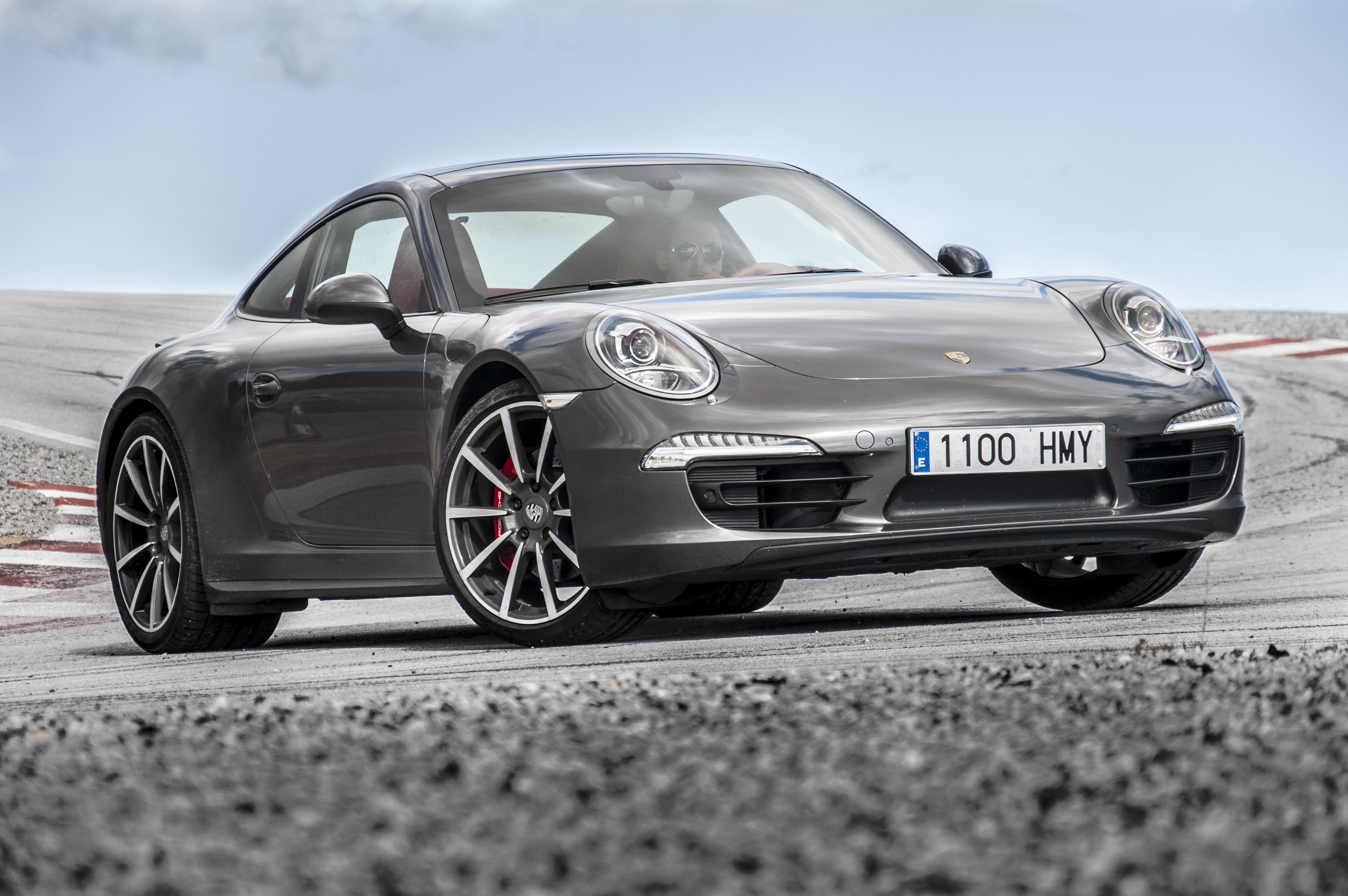
The Porsche 911 is a famous fast sports car that looks different from other cars because its engine is in the back. It's been around for a long time and is very special to Porsche. People talk about it when comparing different Porsche cars.
The Porsche Macan is a small, fancy SUV that drives like a sports car. It's good for people who want a nice car that can carry more stuff and passengers. Some versions still use regular gas engines, not electric ones.
SK Battery America makes batteries that power electric cars like the Ford F-150 Lightning. They had to let many workers go because fewer people are buying electric cars right now.
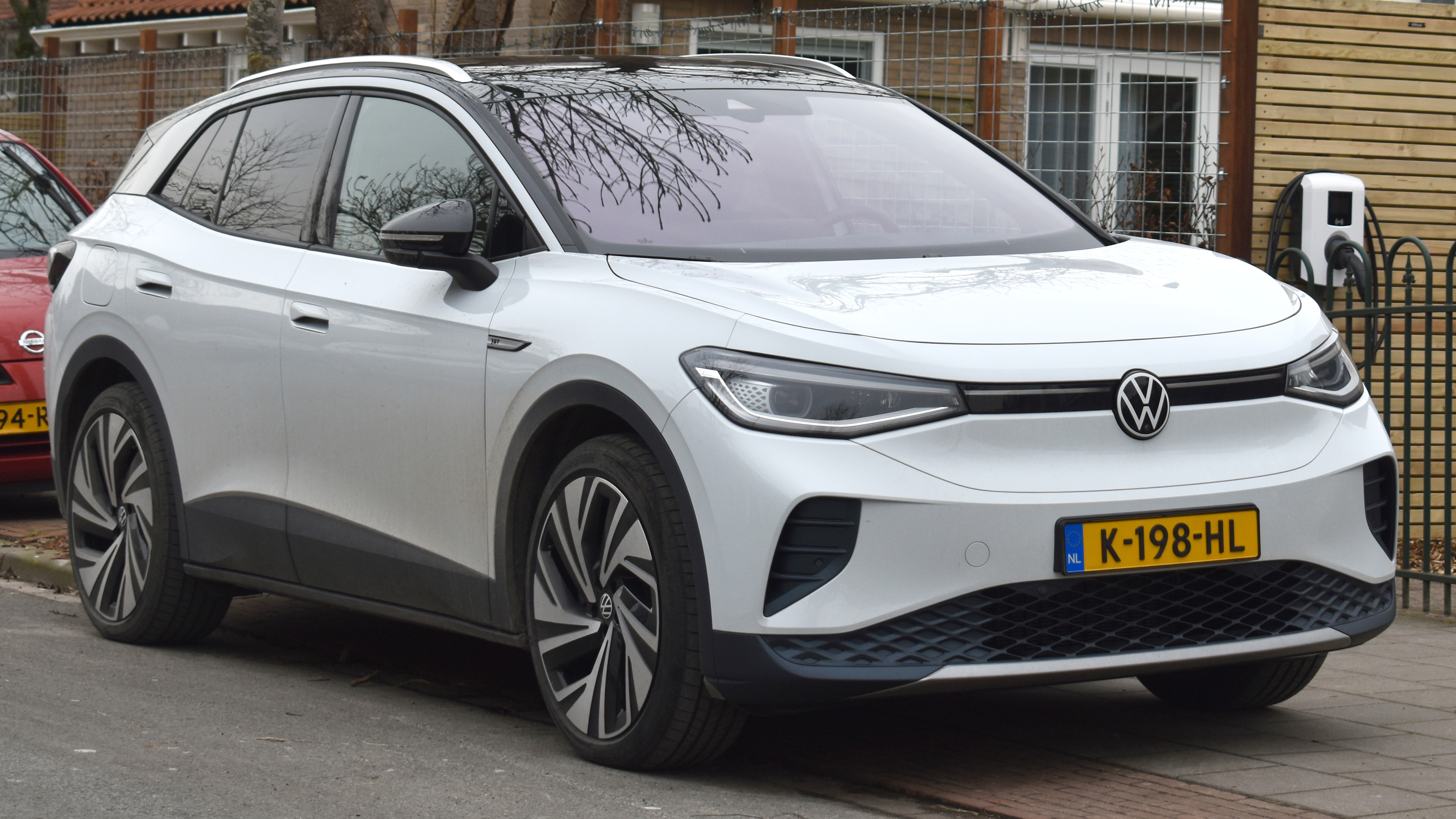
The Volkswagen ID.4 is a small electric SUV that many people can buy. It helps make electric cars more common and easy to use. People talk about it when comparing electric trucks and SUVs.
The Ford F-150 Lightning is an electric pickup truck that doesn't use gas. It's based on a very popular truck and can do many jobs while being better for the environment. People talk about how its batteries are made and how to charge it.
A software-defined vehicle is a car that uses computer programs to control how it works. This means the car can get better or change by updating the software instead of changing parts.
The Volvo EX60 is a new electric SUV that uses a lot of computer software to work better and get updates without going to a shop. It's one of the first cars in Europe to do this. People talk about it because it's very modern.
The Mercedes-Benz GLC is a fancy small SUV that is comfortable and has nice features inside. It competes with other similar cars from BMW and Volvo. People talk about it when sharing first thoughts about new cars.
The BMW X3 is a small, fancy SUV that is comfortable and fun to drive. It competes with other similar cars from Mercedes and Volvo. People talk about it when comparing nice SUVs that many families like.
The SPA3 platform is the basic design and parts that Volvo uses to build their new electric and hybrid cars. It helps the cars work better and share parts.
The Volvo EX90 is a big electric SUV that is very safe and uses new technology. It's one of Volvo's most important electric cars. Some people worry about certain parts not being perfect yet.
The Volvo ES90 is a big electric SUV that is fancy and uses no gas. It is part of Volvo's new electric car family. Some people worry that it might have some problems with its software or features.
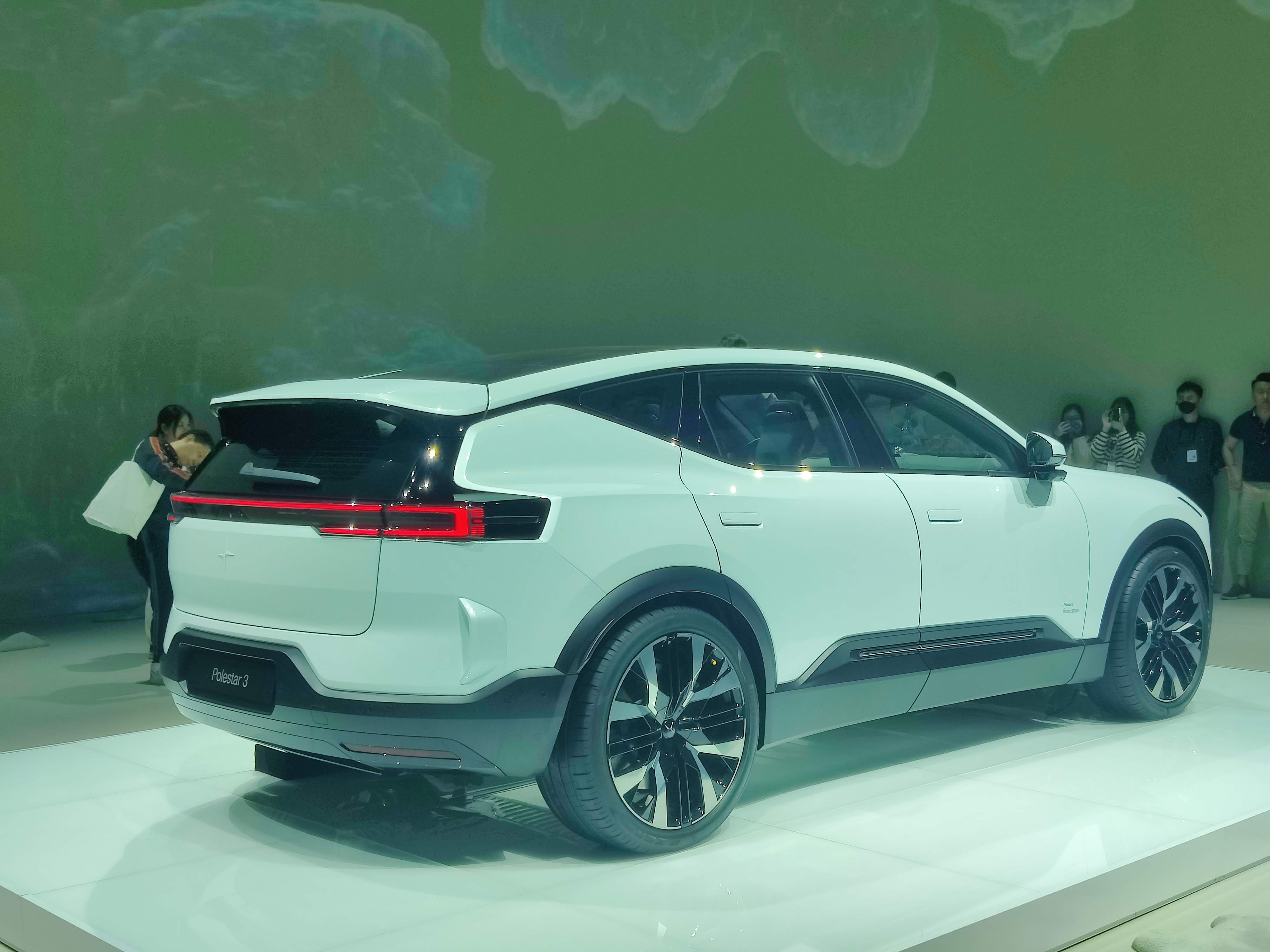
The Polestar 3 is a fancy electric SUV made by the same people who make Volvo cars. It uses only electricity to run and is very modern. Sometimes there are problems with getting parts or making enough cars.
The Polestar 4 is a stylish electric SUV that looks sporty and uses only electricity. It's a newer car from the same company that makes Volvo electric cars. Sometimes there are delays or problems getting the cars made.
LIVE
Welcome back to EV News Daily. Today, Ford updates the Puma Gen E, BYD to export flash charging and
anti-EV propaganda is hurting buyers, plus stay tuned. Later in the show, I'll tell you why battery
recyclers are refusing to tear down old battery packs because, well, honestly, the old packs are
still too good. On EV News China today, we're talking about BYD unlocking a battery future,
China's price war is cooling, and Lotus enters low tariff Canada. Alright, let's get into the show.
Ford has updated the all-electric Puma Gen E with changes to range, blue crews, that's the hands-free
driving, audio, connectivity, colors, and a new addition called Blue Crews Edition. What do we
need to know for this podcast? Though we won't worry so much about the fancy stereo system and
the new color palette, Ford said the Puma lineup makes it Europe's best-selling compact crossover
last year, while this year, so far, the Puma Gen E is the UK's most popular electric vehicle.
Alright, we're two months in, but we'll give them that. The biggest technical change is
on the Puma Gen E with the pack and the efficiency as well. Now, when Ford launched its 2024
Puma Gen E, it claimed the official efficiency of 13.1 kilowatt hours per 100 kilometers.
If you prefer your measurements this way, as I do, that's 4.74 miles per kilowatt hour.
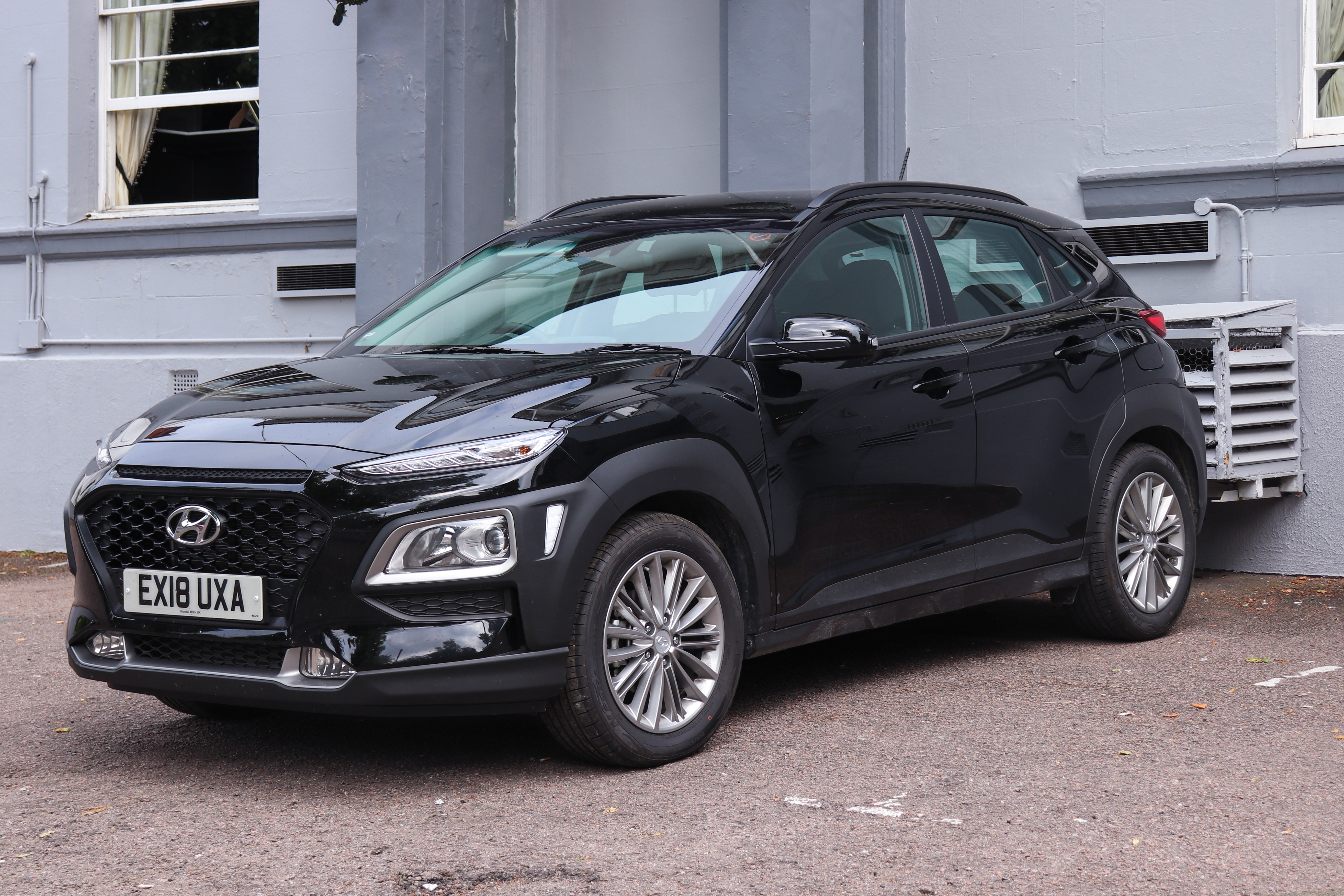
So, 4.74 brings me back to the heady days of driving my old Kona that I had for a year,
that was fabulously efficient without even trying hard, but as many Puma Gen E owners
listening to this podcast will tell you, without trying very hard, you can in the real world see
five or six or if you're popping to the shops seven miles per kilowatt hour. The Puma Gen E was
brutally efficient and never gets talked about with this car. In fact, the car generally never
gets talked about. It's a small city car. It was too expensive when they launched it. For the specs,
you could just go get a two-year-old Tesla Model 3 that wiped the floor with it and the car would
still feel new to you and it would go further and you'd be in the Tesla ecosystem and it's frankly
a much bigger car. It was hands down too expensive, but now it gets the full UK grant and the prices
come down. The monthly offers are very good. Puma Gen E now is genuinely a really good choice,
but they've made the pack bigger. So, it used to do officially 376 kilometers WLTP. That is now
lifted by 41, so it adds 417 kilometers or 260 miles. Ford is adding Blue Cruise to the Puma.
The system allows hands-off, eyes-on driving on preset roads. Ford says it will cut driver fatigue
on long commutes and motorway journeys and that's where I love self-driving. Launched in Europe in
the Mustang Mach-E in 2023 is 135,000 kilometers of Blue Zones in 16 markets. Buyers can add Blue
Cruise outright or subscribe monthly or annually and you get a three-month trial when you get it.
I think the Puma just got even better under the skin. Now, let's talk a little bit about BYD,
rolling out its ultra-fast flash charging. Flash charging 2.0, what specifically blade
battery 2.0? I'm not sure they ever called it flash charging 2. Flash charging network to
international markets. Now, they're going to roll it out at home in China first this year. 20,000
of those posts by the end of this year. 18,000 are going to be partner-hosted and 2,000 will be on
the major Chinese motorways. In major cities BYD wants everyone to be within 3.1 miles of a flash
charger, 90% of the time. As of now, they say they have 4,200 plus flash chargers, but that's not
the new ones, right? I've seen that reported a couple of times today that they have over 4,000
of them yet, but not the new T-shaped teal-colored ones that do 1,500 kilowatts. I don't think so
anyway. No, because no, but what we saw last week launched in China was 1.5 megawatt, 1,500 kilowatt
charging on your average passenger car. When I say average, I mean your 20,000-something passenger car.
These are not just the high-end, you know, densers and young ones, although they'll start with those
cars, of course. Each flash charger runs 1,000 volts, 1,500 kilowatts. Each charging pile works
as an on-site battery pack, so it stores up to 300 kilowatt hours of energy, always sipping from a nice
small, cheap grid connection, and then somebody turns up. They say the average charging session
is going to be 50 kilowatt hours of just a dump into your car, and then you're off in five minutes
time. It's incredible. Go check out our spin-off show, EV News China. We did a whole thing about it,
and it's coming to international markets. And then when the car leaves, if there is a period of time
there's not a queue, before the next one turns up, of course, then it just starts
refilling its onboard battery at the charger from that nice, cheap, slow grid connection.
It says the second-gen LFP blade batteries do 10 to 70 percent in five minutes.
We always talk in 10 to 80, don't we? At least on this podcast, I like it as an industry. We talk
about 10 to 80, anyone who doesn't is fudging the numbers, but they did it because they can say
five minutes. So we'll give them 10 to 70. But 10 to 97, in other words, it's a full charge.
Batteries normally slow down after 80 percent-ish, depending on the type of battery. They give the
10 to 97. In other words, it's just the last 3 percent where it tapers significantly, and that
is a nine-minute charge. But that's a full charge, right? 97 percent will give them that as well.
That's a full charge in nine minutes. And these charges are going internationally. The first ones
will be in the ground internationally before the end of the year. And so even at minus 22 degrees
Fahrenheit, they say it takes 12 minutes, not nine minutes. I mean, in northern Europe,
in some parts of North America, in some parts of northern China, that is a consideration.
Overseas rollout begins. They've got plants in Thailand, Brazil, and Hungary, which will make
these incredible. And we will have cars that can charge at that speed, because they still say
that the Denzer, now Denzer is the BYD premium brand, that the Denzer, let me get this right,
7 GT? I was going to confuse with the Zika 007, which is not called the 007 here. It's called
the Denzer, 7 GT. I'll correct myself in the show notes if I'm wrong. That's coming with
Blade Battery 2.0. So that's going to be the international car that comes to Europe and the
UK in right-hand drive. And you think of the right-hand drive, probably Australia and other
right-hand drive markets as well. And that's going to be Blade Battery 2. So LFP pack, 1500 kilowatts.
That's by the end of the year. All right, well, look, even if it takes another 12 months, I think
we can wait for 1.5 megawatt fast charging to come overseas outside China. Incredible. And if
you'd like to know the latest from what's happening in the East and how we decode that for the global
EV landscape, check out EV News China, which I thought would be a temporary thing and we're
still doing it. And I thought it would be a spin-off that no one listened to, just it showed up in
their feed and they deleted it. A bit like how people use EV News briefly. Some people love
briefly and then some people go, I never listened to it. Okay, it's fine. But I thought China would
be the same. EV News China, almost the same audience figures as this main show now.
People are really interested. Me too. I'm learning. So I never present myself as an expert on that
one. I'm not here either. But over on EV News China, the spin-off show, then I'm just learning with you
about what's happening in the East and how we decode that for the rest of us. Let's move on.
New polling for the Energy and Climate Intelligence Unit finds a wide knowledge gap on EVs
with non-EV drivers, all thanks to myths and disinformation shaping the views on EVs. Non-EV
drivers were asked 10 true or false questions about EVs, as simple as it gets. Over half scored two
or fewer correct on a yes-no answer for the correct answer. 84% scored five or less out of 10.
Fire risk was the biggest one. Petrol cars are statistically way more likely to catch fire.
But because petrol cars catch fire all the time, and we've all driven past one on the road,
either we've seen scorch marks on the road, or we've seen an incident, we've been stuck in
traffic and you think, oh my goodness, I hope it never happens to me. That's awful. EVs don't have
that problem. But with current battery technology, we know there can be thermal runaway in significant
accidents, not in China because the new laws are coming in to do with battery safety.
But there is a perception out there that EVs catch fire, and that's all because of the media
coverage, that when it happens, it's so rare. Cost is the same. Two-thirds of non-EV drivers
don't realize EVs are cheaper to own over total cost of ownership and run than petrol and diesel.
Colin Walker from the ECIU said, rising EV sales, sitting alongside a wave of disinformation
that distorts what non-EV drivers think they know about EVs, the UK has emerged as a front
runner in the move to EV, and yet some of the legacy media, the established media that relies on clicks
and declining newspaper businesses still rely on causing outrage and getting people to buy their
shabby newspapers by lying about electric vehicles because much easier to make someone feel annoyed
about something and outraged than tell the truth. In fact, our parliament has confirmed this two
years ago. Our House of Lords warned that disinformation is a major barrier to EVs. A 2024
Lords Committee report went further describing, and I quote, a concerted campaign of misinformation
around EVs and suggesting anti-EV propaganda narratives are deliberate and not accidental
in major newspapers. I'll take a break. We'll come back. We talk about Mercedes and its new
GLA and the MG4 Urban coming to somewhere else in the world. Stick around back in a bit.
All right, welcome back to the podcast. Now, new car wow research found that 64% of people in the
market for a new car don't know about the grants that exist. Among those who know about things
like grants here in the UK, 73% said that, well, almost £4,000 discount on EVs would make them
consider an EV more if they knew about it. EVs are a quarter of our new car sales and a third,
if you include plug-in hybrids, 46 models quantify for the grant, but eight models quantify for the
maximum almost £4,000. That's $4,725. Mercedes will launch the third generation GLA this year
in fully electric form and entry point to the Merck lineup. The new GLA on the same platform
as the CLA, the MMA platform, because it borrows all the same stuff, 800 volts, new supercomputer,
software-defined setup, and a path to autonomy. For EV buyers, there'll be three power trains.
The GLA 250 Plus is an 85 kilowatt hour pack and a rear motor, WLTP at 420 miles. That's going to
be the long range one. That's almost 700 kilometers. GLA 350 has 350 horsepower, is all wheel drive,
and the GLA 250, without the Plus, comes with a smaller pack, 58 kilowatt hours, and that's coming
later. The CLA, it's the donor car, if you like, where we get that tech right now, has an official
range of 484 miles, almost 800 kilometers. Real world, it's not that. Early CLA buyers are finding
that it's not quite matching that in the real world, but it's a 500-mile EV. I've only got 420
miles out of it. I'll buy your hand off of that. Of course, it cuts through the air better than a
boxy at GLA. Price will matter more than the range, though. The GLA is going to be the entry point
to Merck, and so it's going to be less than the CLA's 45,000 pounds. That's $57,000. Inside, it'll
mirror the CLA and the GLB, so a 10.25-inch driver display, 14.5-inch central touchscreen, optional
passenger screen, all run the fully connected MBUX system. Interior space will improve over the
Mark II car. EV versions adding a frunk under the bonnet. Now, let's move on. MG will bring the MG4
Urban to Australia in April this year as their new budget hatch. Also, the MG4, the existing one,
I think, is technically here called the new MG4, but if you see one, you'd never know,
because it looks the same. Not true. It's got a different wheel design. The spoiler at the back
is now a single unit, not a twin design, but you don't know till you get in it. Inside,
it's night and day different. The inside of the new MG4 is really nice, but we're talking about
the MG4 Urban here. That's coming to Australia. Oh, by the way, the old MG, sorry, the new MG4,
which looks like the old one, is going to move to a single battery pack. In Australia, because we've
dropped the small battery pack on the MG4, now that there's the Urban, but we can still get the
long range and the extended range. Oh, and the X-Power, which is bonkers. But Australia just
gets a single 64 kilowatt-hour pack, whereas the new MG4 Urban gets either a 43 or 54 kilowatt-hour
pack. It's a highly different platform. It's a whole different car. It's the E3 platform,
it's rear wheel drive, lots of cost savings in terms of the chassis. It's not as much fun to drive,
but if you're buying an MG4 Urban and asking, will it get down a back lane and put a smile
on my face, this car's not for you. If you're asking that question, this isn't the car for you.
This is about coming in at a cheap price. Looking at the UK pricing, the MG4 Urban
is £6,500 less to get into. If you apply that math, it's about $12,500
less than getting in the car at MG4, which starts at $38,000. So that's an under 30K car.
Wow. Hopefully. BYD Dolphin is also under 30K in Australia. Okay, let's move on. Octopus Energy
will extend its dynamic plunge pricing at public charging model from the UK to France. Plunge pricing
links public charging prices to wholesale power prices. When it's windy and sunny,
then the charges get cheaper. In France, they'll do 50% discounts on public charging
when plunge pricing windows open, including 7,000 ultra rapids across the country on the
Power.network. Electroverse already connects via roaming to 97% of France's public charging points,
172,000 of them, and a single Electroverse account and an app. It means you can find
compatible charges, star sessions, and even put it on your home electricity bill, which
is convenient. It's why I use Electroverse. Cheap charging now depends less on a loyalty
card or a monthly subscription and more on the weather. Now moving on. Porsche is exploring
a plan to merge Taycan and Panamera, offering a unified range. Today, the two cars are on
separate platforms, obviously separate names. Taycan is a J1 platform like the Audi E-Tron GT.
Panamera uses something different, the same as the Bentley Continental GT. Porsche had planned
to move a next-generation Taycan to SSP Sport from the Volkswagen Group mothership, but thanks to
Reasons, I think software links at Carriad, that keeps getting pushed back. Porsche has written
down almost 2 billion euros, that's 1.6 billion pounds, to delay platform development. The
company's exploring common model identities for the pair doesn't mean both versions have to sit
on exactly the same platform. You could call it the same car, you could either call it the
new Panamera Electric, or use the name Taycan. Does it matter? I mean, I'm not a Porsche buyer,
so whatever means the most to you Porsche fans. But a bit like the Macan and the KN,
you can still get them in petrol and EV, but they still have entirely different platforms,
so they could do that with Taycan and Panamera, even maybe even saying goodbye to the Taycan name.
And just calling them Panameras. Okay, let's talk about SK Battery America,
cutting 958 jobs in commerce, Georgia. That's 37% of the workforce. The company said that
weak EV demand in the United States meant they had to lay off a thousand people reducing the
workforce at the factory that makes cells for the Ford F-150 Lightning, the Volkswagen ID4,
Hyundai's and Kia's as well. Georgia Senator John Ossoff said the job losses were battery
manufacturing jobs gone because of the Trump administration's stance on hating electric
vehicles. Volvo's next in the news. Volvo has positioned the all electric EX60 as Europe's
first truly software-defined vehicle. Engineering chief Anders Bell called it massively pivotal
and a new era for the brand. Volvo showed off the EX60 in January and some early drives have come
this week, tells me an embargo was lifted with some of the media giving some first impressions
of the vehicle that goes up against the BMW X3, a Mercedes-Benz, GLC, Volvo Motors, Volvo
Batteries, Volvo Software, Volvo Platform, SPA3 and all the major systems under their roof.
They're making a real point of it. I think maybe word got around, maybe with their early adopters.
Let me be clear, the mainstream doesn't care. I think early adopters realized that some of the
Volvo stuff with EX30 and EX90 and ES90, some of it has been compromised because of the GLE
mothership, Chinese ownership. The Polestar's are affected by that as well, like the Polestar 3
and the Polestar 4. The ones that we get are probably a generation and a half behind what
China gets on things like the Zika 001, which is now at 900 volts and charged at 1500 kilowatts
like the BYDs and we get a 200 kilowatt charging, Polestar 4, like what Zika was doing years ago.
And so yes, Volvo making a big point of, no, this is Swedish, this is all Volvo and this is all
domain based. Used to have tons of ECUs running individual systems, lighting, steering, braking,
on and on and on. So if you wanted to add a feature, you added an ECU, more wiring, more cross
wiring, more packaging, and then weight, cost and complexity goes up. Now Volvo say they have
gone back to a blank piece of paper with the EX60. Centralized software, new functions will slot
into existing software stacks rather than adding more hardware. They save kilometers of wiring
and loads of ECUs, they say. These early drives in the media don't tell us too much,
but they say that it is, you know, spacious inside, very comparable to an E-segment car
at a D-segment price. And finally, Redwood materials, perhaps one of the more well known
battery recycling names, I think because it's set up by JB Straubel, co-founder of Tesla,
and, you know, very famous. And so they get a lot of attention. Redwood have said that they are not
tearing down the battery packs coming into the system and they told us why. Claire McDonnell is
the VP of Business Development for Redwood said that up to 18 months ago, the incoming feedstock
was the scrap from cell manufacturing. But now the mix is shifting towards old EV battery packs as
the car starts to come off the road. The problem is they have too much capacity than they were
expecting. Old battery packs are still good for a lot. They don't need to be torn down. Redwood
say the problem they've got is all these old battery packs are coming in at much higher quality
than they modeled and predicted. Therefore, they've had to change their business.
Redwood now assesses battery packs for remaining capacity. Don't waste time
recycling and tearing them down. And by the way, not a single bit of an old battery pack is wasted
is too valuable. But instead it goes into stationary storage developments until they really do
reach a true end of life and have to be recycled. And who knows when that is. They have their
Second Life Energy Storage System. They have a 12 megawatt or 63 megawatt hour project in Texas
using Second Life batteries. The largest Second Life Energy Storage System in the world, according
to Redwood, comparable to anything that may exist elsewhere, perhaps in China that hasn't been
publicly reported. But Redwood say they want to target gigawatt hour scale deployments for
data centers, AI, processing renewable energy products, utility scale, all using Second Life
batteries because they're still too good to recycle. Well, don't tell the never bevers about that.
It will destroy their whole narrative of EVs lasting five minutes like our mobile phone
batteries. Don't tell them whatever you do. Keep it a secret because it will destroy one of their
arguments. That's your podcast for today. Thanks to our premium partners, National Cart Charging
on the US mainland and the Low Heart Charge in Hawaii and Test EV, Avalu's trusted partner
for independent EV battery health testing in Australia and New Zealand. Have a good and
see you tomorrow. And remember, there's no such thing as a self charging hybrid.
About this episode
Ford enhances the Puma Gen E with a larger battery pack, improved range, and hands-free Blue Cruise driving, making it a more competitive and efficient electric crossover in the UK market. BYD is set to expand its ultra-fast 1,500 kW flash charging network internationally, promising full charges in under 10 minutes with its advanced Blade Battery 2.0 technology. The episode also highlights the impact of anti-EV misinformation on consumer perceptions, revealing widespread knowledge gaps about EV safety and costs. Additionally, Mercedes unveils the upcoming all-electric GLA with impressive range and tech, while MG prepares to launch the MG4 Urban in Australia.