DAILY: German Subsidies Add Hybrids, Rivian Makes R2 and Mercedes-Benz EQ Cars Back In U.S. | 19 Jan 2026
EV News Daily - Technology and Business of EVs
DAILY: German Subsidies Add Hybrids, Rivian Makes R2 and Mercedes-Benz EQ Cars Back In U.S. | 19 Jan 2026EV News Daily - Technology and Business of EVs · Jan 20, 2026
The Rivian R2 is a new electric car being made by Rivian, a company that specializes in electric trucks and SUVs. It's designed to be more affordable than their other models.
BMW is another famous car brand from Germany that makes luxury cars. They are also working on more electric cars and are focusing on selling them in China.
Plug-in hybrids are cars that can use both electricity and gasoline. You can charge them up like an electric car, but they also have a regular engine that uses gas when needed.
EVs stand for electric vehicles, which are cars that run on electricity instead of gasoline. They are designed to be more environmentally friendly by producing fewer emissions.
A BEV is a car that runs only on electricity and doesn't use gas at all. It has batteries that you charge up, and it doesn't produce any harmful emissions while driving.
An EREV is a car that mainly runs on electricity but has a small gas engine that helps charge the battery when needed, allowing you to drive further without worrying about running out of power.
Combustion range extenders are small gas engines in some electric cars that help charge the battery when it gets low. This means you can drive further without needing to plug in right away.
CO2 emissions are the gases that cars release into the air when they burn fuel. Lower emissions are better for the environment, and many cars are designed to produce less of it.
A kilowatt-hour is a way to measure electricity. In electric cars, it tells you how much energy the battery can hold and how far you can drive before needing to recharge.
An EV, or electric vehicle, is a car that runs on electricity instead of gasoline. This makes them better for the environment and can save money on fuel costs.
The Nissan Leaf is a popular electric car made by Nissan. It's known for being affordable and practical for everyday use, making it a good choice for many drivers looking to switch to electric.
The Tesla Model Y is an electric SUV made by Tesla, known for its long range and high-tech features. It's popular among people looking for a family-friendly electric vehicle.
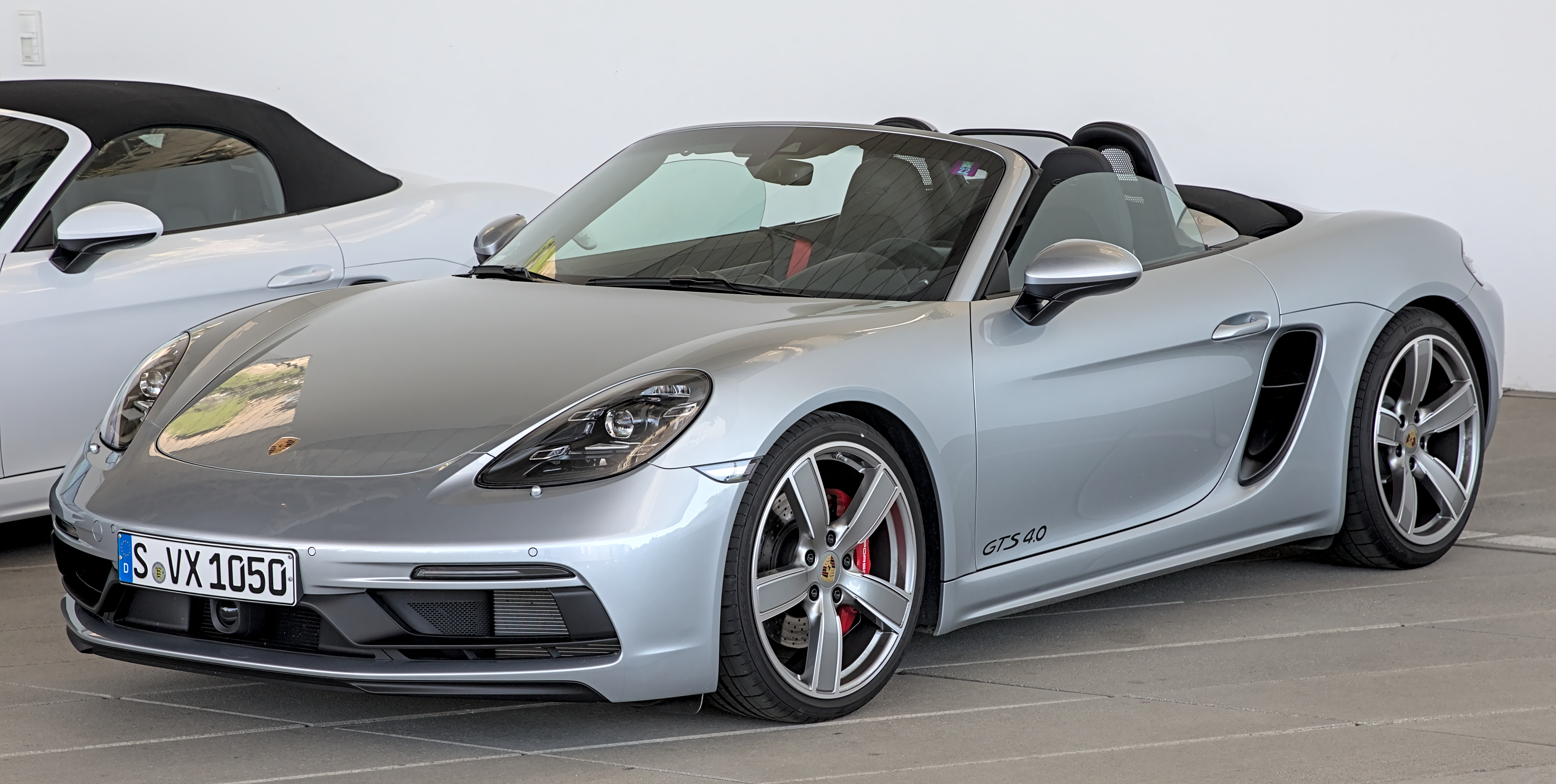
The Porsche 718 is a type of sports car made by Porsche. It includes models like the Boxster and Cayman, which are known for being fun to drive and having a sporty design.
The Porsche Taycan is a fancy electric car that can go really fast and has a lot of cool tech features. It's important because it's Porsche's first car that runs only on electricity, showing that they are moving towards greener options.
The Porsche Cayenne is a fancy SUV that is known for being powerful and well-made. It's popular among people who want a spacious vehicle that still feels sporty.
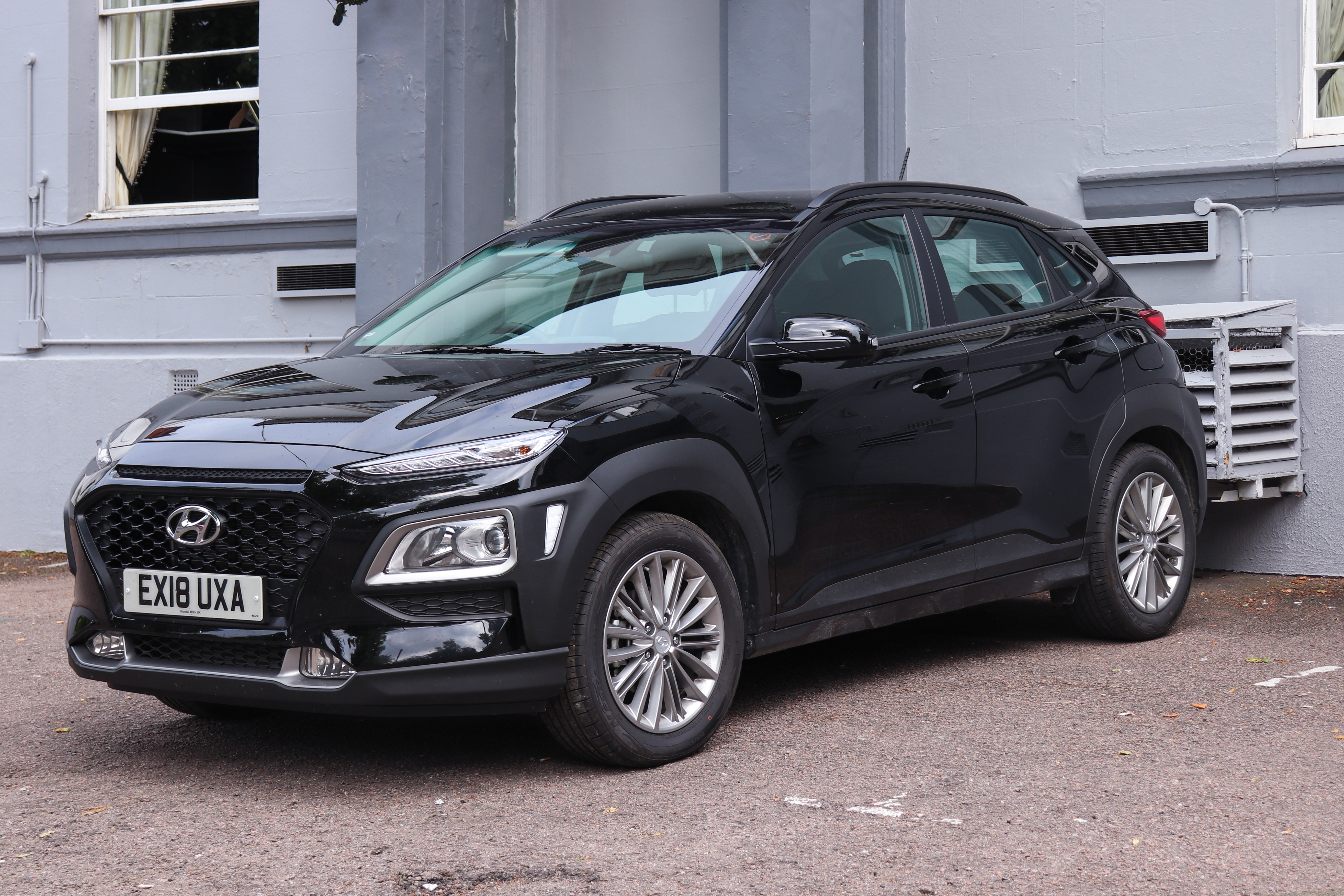
The Hyundai Kona is a small SUV that you can get with either a regular engine or as an electric car. It's popular because it's affordable and has a lot of useful features for everyday driving.
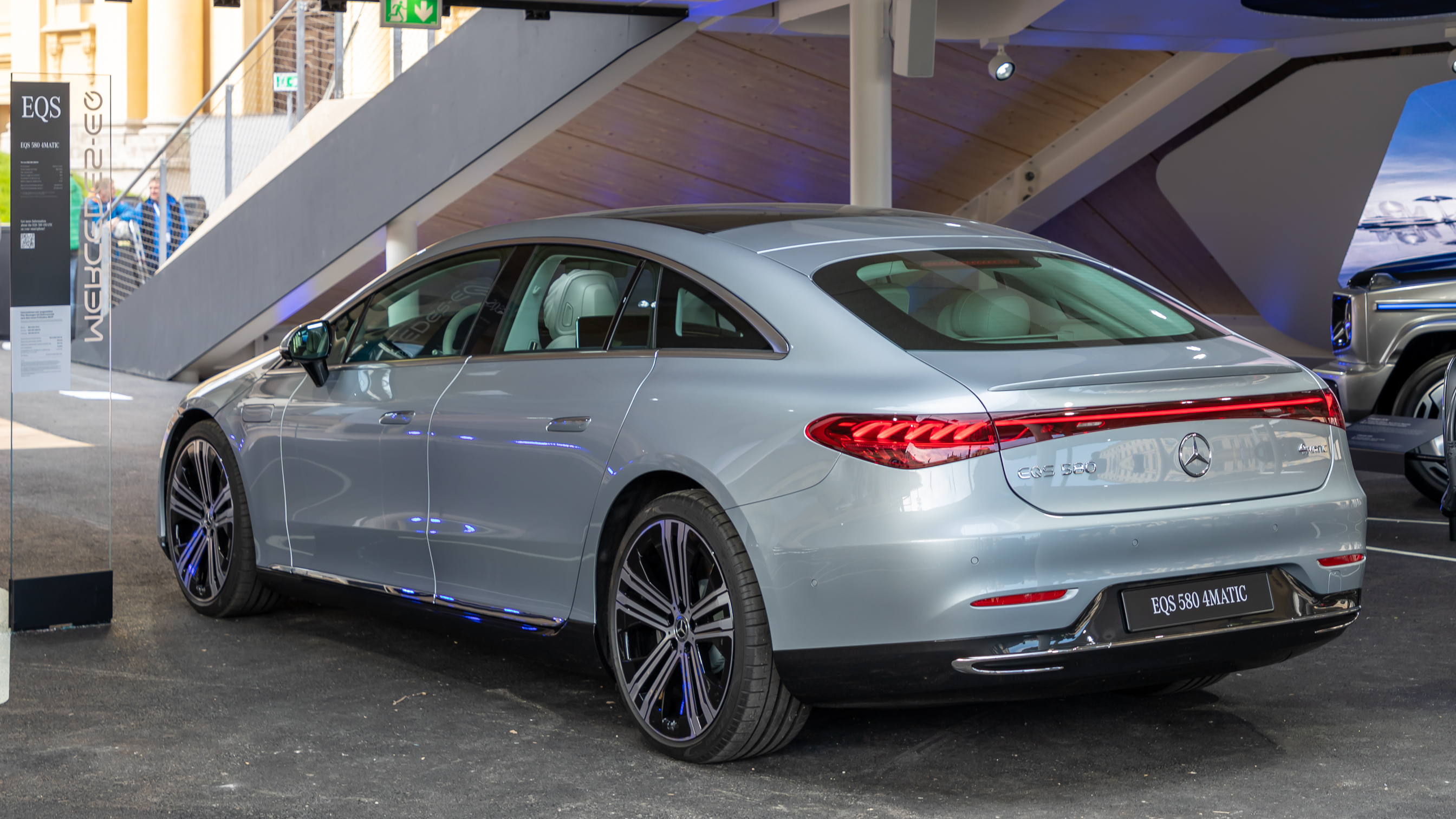
The Mercedes-Benz EQE is a stylish electric car that offers a comfortable ride and lots of high-tech features. It's part of Mercedes' effort to create more electric cars that are luxurious and fun to drive.
The Hongguang Mini EV is a small and affordable electric car that many people in China have been buying. It's known for being practical and easy to use.
The Volkswagen ID. Buzz is a new electric van that looks like the old VW buses but is updated with new technology. It's designed to be roomy and fun for families or anyone who needs a lot of space.
The Rolls-Royce Cullinan is a super fancy SUV that offers a lot of luxury and comfort. It's important because it's Rolls-Royce's first SUV, which means they are making cars that can be both fancy and useful.
The Rolls-Royce Spectre is a new electric car that will be very fancy and luxurious. It's important because it's part of Rolls-Royce's plan to make more electric cars while keeping their high-quality feel.
The Rolls-Royce Phantom is one of the most luxurious cars you can buy, known for its amazing comfort and high-quality materials. It's a car that many people dream of owning because it represents extreme wealth and luxury.
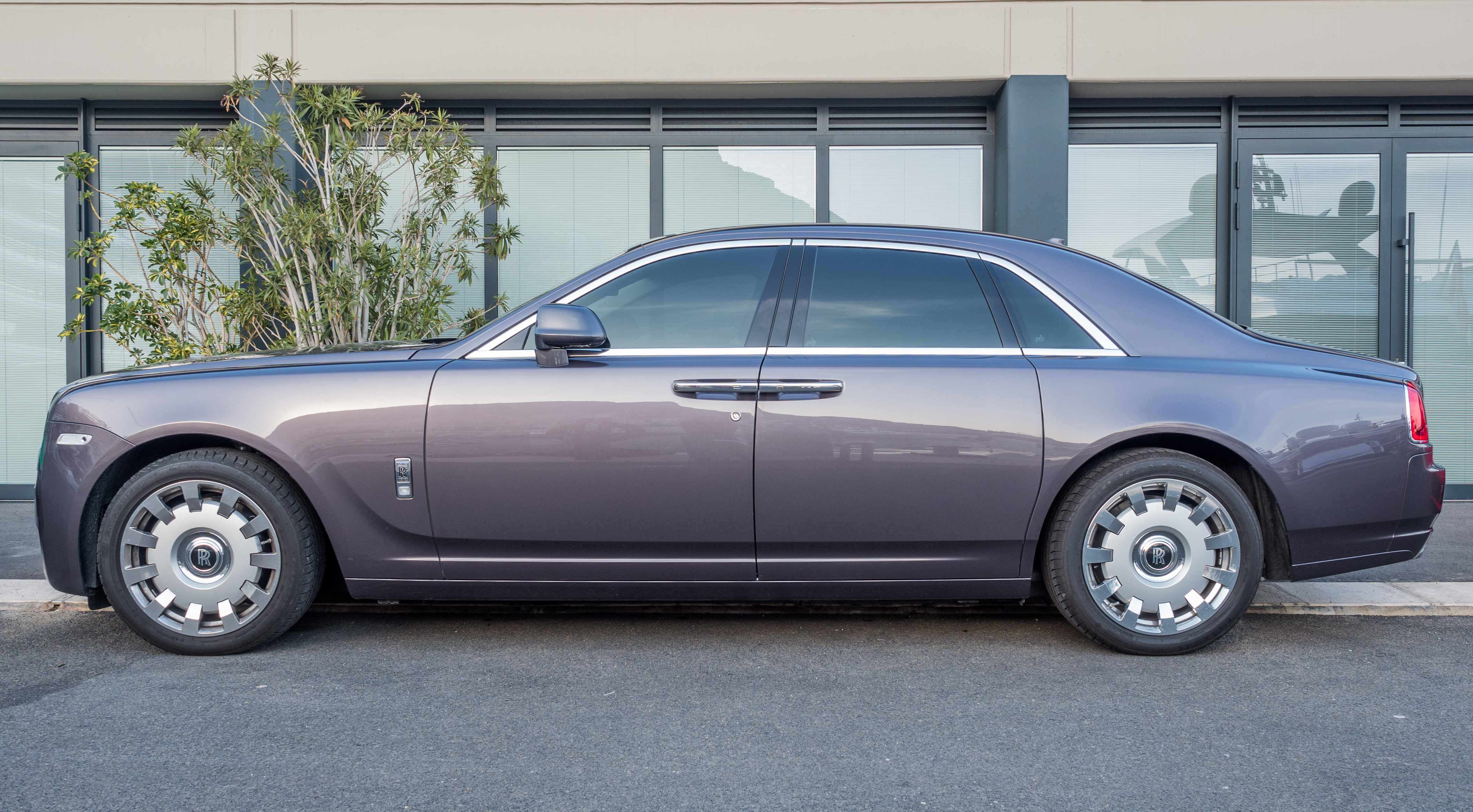
The Rolls-Royce Ghost is a very luxurious car that offers a smooth ride and high-end features. It's for people who want a fancy car that isn't as flashy as the Phantom but still very elegant.
The Volvo EX90 is a new electric SUV that is big and safe, perfect for families. It's important because it shows that Volvo is focusing on making cars that are better for the environment.
LIVE
The number one resolution for people last year was to save more money, but nearly half gave up by February.
Don't let that be you.
Download RocketMoney to reach your financial goals this year, track your spending, cut waste, and automate savings in one simple app.
RocketMoney shows you all your expenses and categorizes them, so you know exactly where your money is going and where you're overspending.
From there, the app cuts waste by canceling your unused subscriptions and lowering your bills.
No customer service needed.
With that money freed up, the app will automatically set some cash aside for your goals.
Whether it's an emergency fund, paying off debt, or saving for vacation, RocketMoney's got you covered.
Users love the app, with over 186,000 five-star ratings.
And, on average, users can save up to $740 a year when using all the app's premium features.
Make saving money a priority this year!
Go to RocketMoney.com slash cancel to get started.
That's RocketMoney.com slash cancel.
RocketMoney.com slash cancel!
I didn't even realize I was wasting $415 a month until I downloaded RocketMoney.
I thought I had my finances under control until the app laid out all my spending and categorized it for me.
Takeout, shopping, and unused subscriptions were quietly draining my account.
And as a result, my savings took a backseat.
But RocketMoney doesn't just tell you what you're wasting money on.
It takes action to save you money.
First, the app looks at your income and monthly expenses,
and calculates how much you can safely spend each day to stay on your budget.
RocketMoney also finds and cancels unwanted subscriptions for you,
and even negotiates better rates on your bills so you have more money in your pocket.
On average, RocketMoney members can save up to $740 a year when using all the app's premium features.
Users love the app, with over 186,000 five-star ratings.
It's time to simplify your finances and take control of your money.
Go to RocketMoney.com slash cancel to get started.
That's RocketMoney.com slash cancel.
RocketMoney.com slash cancel.
Welcome back to EV News Daily.
Today, German subsidies, the Rivian R2 is being made in the factory,
and Mercedes-Benz EQ cars are back on sale in the United States.
Well, stay tuned, because later in the show,
I'll tell you which car is one of the first to have Google's Gemini AI,
so you can talk to your car just like it's a human, and pretend you're a night rider.
On EV News, China Today, we're talking about BMW banking on China,
Mercedes-Benz defying the market, and Sun Woda being under the microscope.
Let's get into it. This is huge news. Germany will pay drivers to buy plug-in hybrids again.
This was a real surprise. Berlin widened their planned electric vehicle support.
We knew the subsidies were back, and earlier today, we now had confirmation
of the finer details that I said we've been waiting for.
And Germany will pay its drivers to buy EVs and plug-in hybrids and EREVs.
The scheme matters on three fronts, social, industrial, and trade.
Grants of up to 6,000 euros, that 7,000 US equivalent, per new car purchase,
targets low-to-middle-income households that still bulk at EV prices.
Environment Minister Karsten Schneider framed the package earlier today
as social and industrial policy meant to help buyers who can't afford EVs,
but also whilst shoring up the German car sector.
The design could skew the market, though.
The base grant starts at 3,000 euros for BEVs and 1,500 for plug-in hybrids and EREVs,
with support applying to purchases and leases of new vehicles,
regardless of the list price.
So, long as you're a recipient that keeps the car for 36 months, no flipping them.
Brands ramping up cheaper models around the 25,000 euro mark,
like Volkswagen, coming with the ID Polo, ID One, Renault, and Stellantis.
All stand to gain.
Berlin also offers limited support to combustion range extenders counters EV drivetrains.
Okay.
As long as they carry a small engine generator that operates to recharge the battery,
not connected in any way to the wheels to drive them, they can also get the subsidy money.
Plug-in hybrids and EREVs must meet some tighter rules, but I don't think they're massively onerous.
CO2 emissions must be below 60 grams per kilometer emitted,
or must have an EV-only range of at least 80 kilometers or 50 miles.
Frankly, with the way that batteries are going into Chinese EVs, there's some Chinese EREVs.
Okay, so the bigger ones, the three row SUVs that have 80 or 81 kilowatt-hour packs,
and that's just the electrical side before you fill it up with dinosaur juice.
And so, yeah, I don't think there's too many cars coming to the market
that will struggle to hit 80 kilometers of range electric only.
From the 1st of July, the Environment Ministry will review
whether newly registered plug-in hybrids will qualify based either on the CO2 emissions
or the real world. I did say this, the real world range of a hybrid or an EREV.
They won't take the current duty cycle, the test cycles, because they're wildly optimistic.
They also assume that people plug them in every night, and they're much better than they are,
but this is specifically all about the range.
The policy is also open to imports, including vehicles built in China.
So China had a massive couple of weeks, actually. They got rid of the subsidies.
Looks, well, it's not a done deal, but that looks like it's all going to be going away
in return for price flaws and assurances that they won't be just piling 10 grand cars
into Europe at bargain-basement prices.
But now, with Germany, they've got access to their subsidies.
That contrasts with Great Britain's grant rules, which in effect screen out Chinese cars,
because our money off an EV is not based on how far it will go on battery power,
because it has to be an EV.
But also, it's to do with the embedded carbon in making it,
and so if the cars are made in China and shipped halfway around the world and sold here,
then you don't get access to the money, whereas everything that is made in, certainly in this country,
the new Nissan Leaf, etc., and more locally, is likely to get the money.
You can argue that that's a better way of doing it than the German system or not,
but Berlin has set aside more money than we have, 3 billion euros, that's 3.5 billion US dollars equivalent,
and they say that will support 800,000 vehicles through to 2029, with applications allowed retroactively,
because this comes in from the 1st of January, as in 19 days ago.
The mix of generous scope and modest sums will show how much subsidy Europe needs to increase EV adoption.
Now, Rivian's R2 is being made in the factory, that's fantastic, they've begun building what's called a validation vehicle.
Manufacturing validation R2s, their plant is in normal Illinois,
and that is the next step between the prototypes and full scale factory output.
These are near production vehicles, and they'll be testing whether the factory can turn out the model reliably,
and at volume, and then obviously there'll be things that need tweaking.
The R2 matters more than most launches, priced from $45,000 with deliveries in the first half of this year.
It is Rivian's bid to survive, to move from a niche upmarket player to a mass producer.
The R1S and R1T are incredible, they win enormous praise, but they don't sell in big enough numbers.
The average selling price of one of the R1 vehicles is $90,000, a level that caps the volume.
Validation builds at the next stage, the question is no longer whether Rivian can build the R2,
but can it build enough of them at the right price with consistent quality,
and the phase is meant to expose any weak points in that process, so the hard work is being done.
The competitive target is clear, they want to take Tesla Model Y buyers,
or people that are maybe coming out of a two, three year lease on the Tesla Model Y,
or people that are cross shopping, and similar mid-priced crossovers as well.
To compete there, Rivian and Meshawit can combine a lot of things, cost discipline, quality, and scale in a way.
They didn't have to worry about with the R1 vehicles.
The stakes are so high for Rivian, previous entrants stumbled at exactly this point,
tripped up by bottlenecks, sometimes frustratingly small things in supply chains, quality lapses, even capital.
Analysts see the R2 as a bright spot in an uncertain sector.
If Rivian turns these builds into smooth mass production, it will move closer to the profitability that it so desperately needs.
Now, Porsche is one brand that is really struggling.
Porsche's global deliveries fell by a tenth last year to just 279,000 vehicles.
Its sharpest drop since 2009 when it went down 14% during the financial crisis.
The fall shows how even a high margin sports car maker can misread the market.
It also gives its new chief executive, who took it over at the start of the year, somewhat of an early headache.
Porsche blamed supply gaps for the 718 and the McCarn, its best selling model.
It halted petrol versions of both in Europe when they failed to comply with the EU cybersecurity rules
and chose not to develop compliant replacements.
At the same time, it shelved plans for some new electric models and shifted the emphasis back towards petrol and hybrids.
The regional pattern jars with Porsche's pitch as being a global luxury brand.
North America, despite higher US tariffs, was the best-performing region, slipping only a few hundred units down.
Sales in Germany were down 16%, though Europe as a whole 13%, and China, well, nobody say China.
Inside the Porsche offices, down 26%, less than half the level of 2022.
Porsche has responded with a restructuring plan. They're going to trim capacity, they're in talks with German trade unions,
the sales chief has warned against hopes of a quick bounce back this year, citing the production phase out of the combustion engine 718 and McCarn.
Instead, they want to push a value over volume strategy, which is nice, but I think they'd like the volume as well, wouldn't they?
And it is a head scratcher. I haven't paid enough attention to how Porsche have marketed the electric vehicles they've made
in comparison to how they would normally sell the combustion car.
But it goes without saying that the products they've made are second to none.
The Taycan, it's getting quite long in the tooth now, the Taycan at the time, nothing would charge as quickly or cross continents like the Taycan could do.
And then came the McCarn, another exceptional effort, and now comes the Cayenne, one of the best electric vehicles of the year.
Globally, not just think, oh, you know, ignore China for a bit. No, globally, the Cayenne is an engineering masterclass.
So what's going wrong with people not buying them?
Well, we know the depreciation has massively hit the Taycans, you have $100,000 vehicles, five minutes later, worth half of that.
Yes, I was doing some auto trader window shopping the other day, looking at some Taycans, not that I can afford one.
And I'm sure the insurance would be horrific compared to a little Polestar, but at 35 grand.
And these are, I paid 34, I paid 34 for the Kona a few years back.
That was when there was EV shortages, it was post lockdowns.
Before all the big depreciation hit EVs, I spent 34 grand on a Hyundai.
And now there's Porsche Taycans in Goodnick.
They've done some miles, but less than 100K at 35,000 pounds.
I could have been a Porsche owner.
Well, I wouldn't because I've got two children that hate me just smushing food into every possible surface.
But, you know, if I could, if I could have a car that my children wouldn't be in, it would be a Taycan because, oh, man, the depreciations hit so hard.
So lots of issues to deal with at Porsche.
Now we'll take a break.
Mercedes-Benz back on the road in America and China's most popular electric vehicle.
It might not be the one that you're thinking of right now.
I'll update you. Stick around.
But Rocket Money doesn't just tell you what you're wasting money on.
It takes action to save you money.
First, the app looks at your income and monthly expenses and calculates how much you can safely spend each day to stay under budget.
Rocket Money also finds and cancels unwanted subscriptions for you and even negotiates better rates on your bills so you have more money in your pocket.
On average, Rocket Money members can save up to $740 a year when using all the app's premium features.
Users love the app with over 186,000 five-star ratings.
It's time to simplify your finances and take control of your money.
Go to rocketmoney.com slash cancel to get started.
That's rocketmoney.com slash cancel.
Rocketmoney.com slash cancel.
Nada for flat repairs and Zilch for tire rotations every 5,000 miles.
That's $0 for all that.
So with this limited lifetime tire guarantee, you'll pay a whole lot of nothing compared to what the other guys charge for tire care.
That's the BS-free tire guarantee, only at Mitis.
The app gives you a list of all your subscriptions and reminds you of upcoming payments so you're not hit with any surprise charges.
On top of that, it also sends you alerts when subscription prices go up, so you always know the price you're paying.
If you decide you no longer want a subscription, you can cancel it right from the app.
No customer service needed.
And the best part is, Rocket Money even reaches out and tries to get you refunded for some of the money you lost.
On average, people that cancel their subscriptions with Rocket Money save $378 a year.
And overall, Rocket Money has saved its members $880 million in canceled subscriptions.
Stop wasting money on things you don't use.
Go to rocketmoney.com slash cancel to get started.
That's rocketmoney.com slash cancel.
Rocketmoney.com slash cancel.
The pause imposed in July blamed what they called market conditions at the time coming during a record quarter.
As people were pulling forward sales because the tax credits going at these conditions have now shifted, they say.
And Stuttgart says that the EQ models are now back underway in the United States.
Unlike some mass market brands, they sell most of their EVs to buyers who don't qualify for federal tax credits.
Leasing the loophole, leasing thing always softened the blow, but the brand still chose to stand aside.
Back in showrooms now, the EQ lineup returns with the EQE sedan, EQE SUV, and the EQS sedan and the EQS SUV.
All gain access to the supercharger network with an adapter for a J3400 or NACS.
Mercedes also plans what it calls its largest product offensive this year.
Center stage, of course, goes to the CLA EV.
Sometimes these cars are arriving in the US a little bit later, sometimes a lot later, than the rest of us have those cars.
The CLA EV now arriving in American showrooms, though, and that's going to pull people in to electric driving with Mercedes-Benz.
For now, the company offers no fresh incentives or pricing twists, only the assurance that orders are open again.
And so get one while you can.
Hey, what's the cheapest car in the most popular car in China?
So for years, the most popular car in China was the Hongguang Mini EV, a dinky little thing that didn't cost very much.
Well, the new most popular car in China is still a dinky little thing.
It was the Geely EX2, and that's going to be the name of it.
When it comes here, this is huge news, sold at home as the Geom Xingwan.
Think I've got that right.
It shifted over 500,000 units in 2023 alone, and it costs around £7,000 equivalent.
The British retail price, it's going to be near a £20,000, but that still puts the EX2
a fair chunk above the cheapies, the Dacia Springs, the Leapmotor T03s, etc.
But that's still only a little jump to go up to a Citroën EC3, a Renault 5, a Fiat Grande Panda.
Volkswagen's ID Polo is going to be a bit more, 22 grand, Kia's EV2, about 25.
Above them sits BYD's larger Dolphin, that's around a 30 grand car here.
The EX2 from Geely will make its case on kit, on levels of equipment, on space.
At just over 4.1 metres long, it counts as a small EV, but it offers ample rear legroom
and a 375-litre boot, larger than anything else in its class.
The cabin looks surprisingly polished for what is in China, a budget champion.
It's got a 14.6-inch touchscreen and an 8.8-inch driver display.
The car, inspected in Europe, runs much of the software at the moment in...
This was a Taiwan that came in.
And so, don't worry, you won't have to learn Thai to buy this car.
It's a sign of how fast Geely is repurposing.
It's global platforms and productions just getting the vehicle into the UK.
In China, it has either a 30 or 40 kilowatt-hour battery pack, up to 255 miles CLTC.
Now, that's not European WLTP, but still, a 40 kilowatt-hour battery pack
in a reasonably small light car is going to get you nudging towards 200 miles, surely.
Geely does not plan a one-off experiment, though it aims to launch at least seven models in Britain
by 2028, where we didn't follow the European Union by adding extra tariffs to Chinese imports.
There'll be the Geely EX5, that's an SUV, and a new plug-in hybrid SUV.
If they can repeat the EX2's sales success anywhere near what they did back home in China,
then Europe's small EV market is about to get very, very interesting.
Now, let's talk a little bit about how to sell an electric car.
So today, our government, the Department for Transport in the UK, launched a new campaign.
Now, the campaign is titled Get That Electric Feeling.
It's a national ad campaign to steer British car buyers towards buying electric,
and if nothing else, to educate people about the truth.
So, over here, we have a long history of government-funded ad campaigns.
I'm sure it's probably the same way you're listening around the world.
I remember growing up watching TV commercials about how to cross the road and stop, look, and listen.
And the Green Cross Code and all these kind of, you know, don't step out between parked cars.
There were some horrific ones where your kids getting run over.
We didn't actually see it, but you're like, oh my gosh, you'd never, like, that would traumatize kids now.
But when we were growing up, it's like, okay, that's pretty brutal.
And so there's a long history of the government running public information campaigns.
This is the latest one, and this one is all about how EVs are better because they're cheaper.
And I think this is wonderful.
Thank goodness they didn't say that you're saving any whales.
The Electric Car Grant takes almost £4,000 off a new EV.
Ministers ad that claims of up to £1,400 a year in fuel savings and maintenance savings are worth shouting about.
The ad campaign says you can drive for as little as two pence per mile if you charge a car overnight.
The media plan matches the scale.
Ads are going to run on TV, on the radio, on digital, backed up by social media and outdoor campaign as well.
Shopping centres, motorway service areas, and roadside displays.
The DFT, Department for Transport, wants to catch drivers at the pump and on the move.
Officials lean on visible kit.
They say the campaign points to more than 87,000 public charge points.
Go and look for a charger and you'll see one.
Says the ad campaign aiming at easing worries because people don't look what they don't look for.
You know, when you buy a new car or you get something new and you're driving that and everyone's got one.
It's because of the way that our brains work in pattern recognition and you can't possibly see everything all of the time.
So we all walk around with filters and so you buy a new car and everyone's got one of these.
The same kind of car is me at the same time.
And the same is with EV chargers.
If you don't drive an EV and you've never considered going EV and you read something in the newspaper
because it's, I don't know, going for clicks or whatever reason.
There's no, you know, saying EV charging is a problem.
Well, you're just going to believe what you read in, well, I mean, no one reads newspapers anymore,
but it's an industry that's clinging on by its fingernails and increasingly publishing clickbait negative stories
and that kind of stuff is stirring up people's negative emotions, making them feel bad.
That's the only way that legacy media is now in its final death throes by just creating, you know, almost like a social anxiety.
But that stuff does work, doesn't it?
And so people do click on that stuff.
Whereas this campaign says, look, look around and you'll see chargers there everywhere now.
I think that's really important.
Ministers say that behavior is as important as the hardware.
They claim that once drivers switch to electric, they never go back.
And I've seen data, data, data over the years to say, you know, at least 90 percent.
It's always higher than 90, but at least nine in 10 drivers once they go EV have no interest in going back.
BYD's Turkish factory is running behind schedule, but they say they will stay on track.
The $1 billion investment formalized in July 2024 will deliver 150,000 vehicles and 5,000 jobs.
It should be under construction six months ago, but it's still not.
They say paperwork is getting in the way.
But don't worry, we will start making BYDs on Turkish soil by the end of the year.
BYD topped the country's EV charts in Turkey.
About 45,000 vehicles sold there.
There's also local TOG, which is their local EV maker, and Tesla did well as well.
They might not have broken ground, but they say panic not.
We are on target.
Okay, moving on.
The charging network FASTNED ended 2025 with 406 fast charging sites in nine European markets,
60 more than a year earlier and 50 of the new locations in Germany alone.
Yet the more important change is not how fast they're expanding now.
FASTNED is moving into a new phase of trying to drive more value, making the sites work harder.
Revenue from charging in the fourth quarter was 38 million euros, up 44% for the year.
It was 124 million euros.
And more telling is they say that the average revenue per site.
Isn't this fascinating?
No one ever shares this stuff.
This is great.
Average revenue per charging site was 335,000 euros per site last year.
That's up 25% on 2024.
And the focus going forward for them is not going to be such breakneck speed expanding FASTNED,
but making what they've got now work harder.
Kia is betting on a halo EV to avoid any blandness in their lineup.
I don't think it is, by the way, but they now sell enough EVs to justify something a bit bonkers.
It's planned flagship will set the tone for its design and technology into the next decade,
like the Stinger once did for petrol.
This time the focus is the meta-turismo concept.
So the point is less about a show car, but they'll go to different shows with,
as to how Kia wants to go and play the game.
The brand sees a risk that EVs could drift into kind of bland commodity status.
They're quiet.
There's not much drama.
They get the job done, but there's no real sense of drama unless you buy a high-performance EV,
which I'm fine with that, by the way.
It's not a criticism.
A flagship with more emotional pull, though.
They say, well, drag the Kia brand and its core values to ensure people know that electric can be exciting as well.
Kia's head of advanced design says that the meta-turismo is more than just styling.
They're using it as a test bed, trying ideas for future road cars as well.
Now, Rolls-Royce plans an electric Cullinan sibling next year.
Rolls-Royce will launch the high-sided vehicle in 2027 to sit alongside the Spectre.
Different to a Cullinan, though I must say, the Spectre Coupe is just a ridiculous level of luxury.
It's the most expensive EV you can buy, at least here.
And rather than replace the Cullinan, they're going to target the same market with a similar-shaped electric SUV.
The new model will stretch the electric lineup upwards and sideways using BMW's Neuerklasse technology,
with an expected range of up to 400 miles per charge, all wheel drive.
There'll be a black badge version that's a bit more powerful, 600 horsepower.
But it's still a Rolls-Royce, so it's not meant to have any drama.
In fact, there should never be any drama in a Rolls-Royce.
It will simply be smooth and silent and have a big old shove in your back,
rather than push your head back into the headrest.
A third all-electric roller, like a phantom replacement, is going to be 2028.
There are spy shots now of this SUV, and yeah, it looks sleeker than a Cullinan.
A bit more of a wagon-like profile, it's hard to tell from these spy shots.
Maybe 5.4 metres long, somewhere like a ghost or phantom length.
These cars are just next-level amazing.
Aren't they? They're going to be £350,000, £400,000 base price.
I have solar-edge gear here. I have my solar-edge inverter.
I have a solar-edge DC-linked battery next to it,
and my solar panels all have solar-edge optimizers.
I think they are underneath.
That's the way it all worked with my system, and they're now launching a new EV charger.
They didn't EV charger, but I went with the Zappi number two,
but it's been outside many years now.
It's serviceable. I don't really need to replace the Zappi version two,
but I did notice that solar-edge's new charger is rolling out in European driveways now.
The firm is betting that tighter integration into solar and storage will sway buyers.
The charger goes straight into solar-edge's ecosystem.
It sits within the app, which will be handy because my energy app is, I think, just OK.
Very clever people designed it much smarter than me, but it doesn't blow you away like a Tesla app does.
It looks like it's on a bit of a budget.
The solar-edge app, I'm not saying is head and shoulders above everything else.
In fact, it's time's a little bit buggy.
I have had a few service requests in with solar-edge over the years,
and they've always got back to me really quickly and helped me fix my problems.
The smart energy management system, all integrated into the app,
would send solar power directs to the car,
matching, charging in real time to any surplus PV output.
I got excited when I saw this because I presumed it would come then with a DC plug,
so when it said it would send DC to the, sorry, surplus energy to the car,
I thought, wow, this must mean it comes with a DC plug, not just an AC type 2 plug,
and it would literally go from my rooftop straight into the car, the car's DC battery.
But no, no, no, no.
I'm looking at it as a type 2 plug, so it's going to go via the inverter.
I'll generate DC.
It'll change it to AC.
It'll send AC to the onboard charger on the car,
but it would still be pretty efficient.
It'll be single phase or three phase, they say,
and there'll be switches that will be able to work with European energy providers
so that you can work with the best tariffs and stuff like that.
All sounds like they all say the sort of similar thing.
They say bi-directional ready, whatever that means.
Vehicle to home and vehicle to grid functions just sit dormant
because there's no way for the standards to catch up.
We haven't done that yet.
So for now, the pitch rests on solar storage and being more efficient.
Not sure how it's more efficient because still going through my inverter,
still going DC to AC, but then the Zappi just puts AC into my car.
So I'm not sure how it's any more efficient.
Apart from it all goes in the Solar Edge app, which would be interesting.
And it says it then sends any surplus to the car, but so does the Zappi.
All right, let's finish off by talking about Volvo.
They're about to launch the EX-60 in two days time.
The medium size SUV, it's the most important model they'll launch
because the EX-60 is, it's just become the most popular model
they've ever sold in Volvo history.
And this is the electric version.
In fact, they won't be a petrol version of EX-60.
And, you know, much cheaper than the EX-90.
It's a perfect price point to get people into the Volvo brand
and they want people to focus less on screens and more on driving.
But you still want to interact with your car.
That's why Volvo will ship Google's Gemini built in with the vehicle.
Anders Bell, Volvo's chief engineering and tech officer says
the EX-60's most intelligent car they've made so far.
On its new platform, which pulls together Volvo's own software
with Google, Nvidia and Qualcomm, Gemini's at the centre of that.
And I pay for Google, I pay for a few actually,
Perplexity, Copilot and Gemini.
I love AI.
And so Gemini is, I would say, right up there.
And the great thing about putting AI into cars
and you might roll your eyes and my wife rolls my eyes when I talk about AI
and obviously it can be genuinely useful and it can be a bit of a party trick.
In car, it will understand natural human language,
multi-turn voice requests, navigate to a location,
how long will it take to get there?
If I stop at this shop on the way to charge and is there a charger
and how many chargers are free, I want to go to that Tesla Supercharger
at that one off the motorway there.
And how many chargers are free right now without having to jab at screens
or take your eyes off the road?
That would all work.
Because voice in car is terrible.
Voice in car sucks because you've got to use the exact phrases
and you feel like a bit of a Wally.
Natural language, AI, if you haven't.
And it is a bit of a bandwagon that people are jumping on
and it is a bit of a hype train.
Go with it.
Like, I'm really convinced and so none of this will matter
if the car is terrible and we think it won't be.
It's 800 volts architecture,
SPA3 is the new platform from Volvo,
505 miles of range.
It looks like the real deal we'll find out in two days time.
And that's your podcast for today.
Thanks to our premium partners National Car Charging on the US mainland
and Aloha Charge in Hawaii and Test EV.
Avalu's trusted partner for independent EV battery health testing
in Australia and New Zealand.
Have a good one tomorrow.
And remember, there's no such thing as a self charging hybrid.
I didn't even realize I was wasting $415 a month
until I downloaded Rocky Money.
I thought I had my finances under control
until the app laid out all my spending and categorized it for me.
Takeout, shopping and unused subscriptions were quietly draining my account
and as a result, my savings took a backseat.
But Rocky Money doesn't just tell you what you're wasting money on.
It takes action to save you money.
First, the app looks at your income and monthly expenses
and calculates how much you can safely spend each day to stay on your budget.
Rocky Money also finds and cancels unwanted subscriptions for you
and even negotiates better rates on your bills
so you have more money in your pocket.
On average, Rocky Money members can save up to $740 a year
when using all the app's premium features.
Users love the app with over 186,000 5-star ratings.
It's time to simplify your finances and take control of your money.
About this episode
German subsidies for plug-in hybrids and EVs are back, with grants up to 6,000 euros aimed at making electric vehicles more accessible. Rivian is ramping up production of its R2 model, crucial for its transition to mass production. Meanwhile, Mercedes-Benz has reintroduced its EQ lineup in the U.S., emphasizing its commitment to electric vehicles. The episode also discusses the challenges faced by Porsche and the rise of Geely's EX2 in China, highlighting the evolving landscape of the EV market and the importance of government campaigns to promote electric vehicle adoption.