
oil shock
An “oil shock” means oil prices jump because of a disruption. When gas gets more expensive, EVs often become more attractive, which can increase EV sales.
pre-sales
“Pre-sales” means you can order a car before it’s actually delivered. It’s a way to gauge demand early.
knock-on effect
A “knock-on effect” means one big event causes other changes afterward. The host is questioning whether the war is indirectly pushing EV sales by raising fuel prices.
50 tariff
A tariff is a tax on imported products. A 50% tariff is a big extra cost, so it can push up EV prices and affect how many get sold.
front loading shipments
It means sellers rush deliveries to happen before a new tax or rule starts. That can make sales look higher right now, even if demand doesn’t actually jump the same way.
quota
A quota is a cap on how many cars can be imported. Even if the cars qualify for a tax break, only a limited number are allowed in.
tariff-free entry
Tariff-free entry means the imported cars don’t get hit with an extra import tax. That can make them cheaper for buyers and easier to sell.
Volkswagen
Volkswagen is the company making the EV plans in this segment. They’re adjusting timelines and strategy because competition—especially from Chinese EV makers—is getting tougher.
SSP platform
SSP is Volkswagen’s planned EV “base platform” for future electric cars. They’re saying the first cars built on it won’t arrive until 2028.
800 volt architecture
800-volt architecture is an EV design that can help the car charge faster. It uses higher electrical voltage so the charging system can move more energy efficiently.
Rivian
Rivian is an EV company. In this segment, they’re mentioned because Volkswagen’s upcoming EV software is being designed with Rivian.
Audi
Audi is part of the Volkswagen Group. They’re saying Audi (and other premium brands) will get the new EV platform first.
Porsche
Porsche is part of the Volkswagen Group. The segment says Porsche will get the new EV platform first before the main Volkswagen brand.
margins
Margins are how much profit is left after expenses. Volkswagen is saying they need to build enough cars so the EV platform can make money.
business case
A business case is the “is this worth it financially?” argument. Volkswagen is saying they need enough production volume to make the EV platform plan profitable, and Chinese competition is changing the math.
price parity
Price parity just means EVs are expected to be priced similarly to gas cars. The idea is that you shouldn’t have to pay extra just to buy an electric.
connected vehicle security act
This is a proposed law about keeping “connected” cars secure. Connected cars use internet and communication features, and the bill would restrict certain imported vehicles.
connected systems
Connected systems are the car’s internet/communication features. They let the car send data, receive updates, and use online services.
Lucid
Lucid is an electric-car brand. The hosts mention it as one of the EV companies that’s doing well in the market.

Jaguar Type 01
Jaguar Type 01 is Jaguar’s first fully electric production car. The name is meant to signal a new era and zero tailpipe emissions, while still referencing Jaguar’s racing history.
Ford Energy
This is Ford’s business branch focused on storing electricity. Instead of charging a car, it’s about keeping power available for homes, businesses, or the electric grid.
stationary energy storage
It means batteries that stay put to store electricity. They help when the power supply is inconsistent, like when solar isn’t producing at full strength.
dc block
DC Block is Ford’s “battery box” for storing electricity. It’s built to be shipped and installed like a container, and it’s designed for long-term storage use.
prismatic lfp cells
These are the basic battery units inside the system. “LFP” is a battery chemistry that tends to last a long time and handle heat well, and “prismatic” describes the cell’s shape.
512 amp hour lfp cells
Amp-hours tell you how much energy the battery can hold. Higher Ah generally means the battery can run longer before it needs to be recharged.
liquid cooled thermal management
Batteries get hot when they work. Liquid cooling uses a coolant system to keep the battery at the right temperature so it lasts longer and works more reliably.
three level battery management system
A battery management system is the battery’s safety and control computer. It watches things like temperature and charge level so the battery doesn’t get stressed or damaged.
state of charge
State of charge is basically how full the battery is—like a fuel gauge for electricity. It helps the system know how much energy is left to use.
5.45 megawatt hours of storage
Megawatt-hours tell you how much energy the battery system can store overall. Think of it like the size of the “electricity tank,” not how fast it can pour it out.

Ford Lightnings
The Ford F-150 Lightning is a pickup truck that runs on electricity instead of gasoline. It uses a large battery pack, and the type of battery cells matters because it can change cost and how the truck performs. That’s why battery supply and manufacturing details come up in EV news.
SK on
SK on is a company that makes EV battery materials and packs. Here, it’s mentioned because it was part of a battery factory arrangement with Ford.
validation vehicles
Validation vehicles are test cars made before regular customer cars. They help the company check that the design, safety systems, and software work correctly.
real world performance durability safety software firmware
They’re testing the car in more realistic conditions to make sure it’s safe and holds up. They also test the computer software and built-in electronics so everything works reliably.
real world mileage
Real-world mileage is how far the car actually goes in normal life. With solar, it can change a lot depending on how sunny it is and whether the car is parked in shade.
efficiency is in the panels
Panel efficiency means how well the solar panels turn sunlight into electricity. If the panels are more efficient, the car can collect more energy from the same amount of sun.

Dodge Avenger
The Dodge Avenger is a regular, everyday sedan. It’s the kind of car where people may talk about how the screen can show phone navigation apps like Android Auto. That’s why it might be mentioned when discussing updates to in-car screens and apps.
Stellantis
Stellantis is a big car company. Here, they’re talking about whether Chinese EV brands will be able to sell cars in the U.S., and how Stellantis is already working with a Chinese EV maker through a partnership.
Leapmotor International
Leapmotor International is a partnership effort to sell Leapmotor electric cars outside China. It’s mentioned as the channel for getting Chinese EVs into other countries.
Android Auto
Android Auto is the Google system that shows your phone apps on your car’s screen. The episode says Google is updating it with a new layout that works better on different screen shapes and improves navigation.
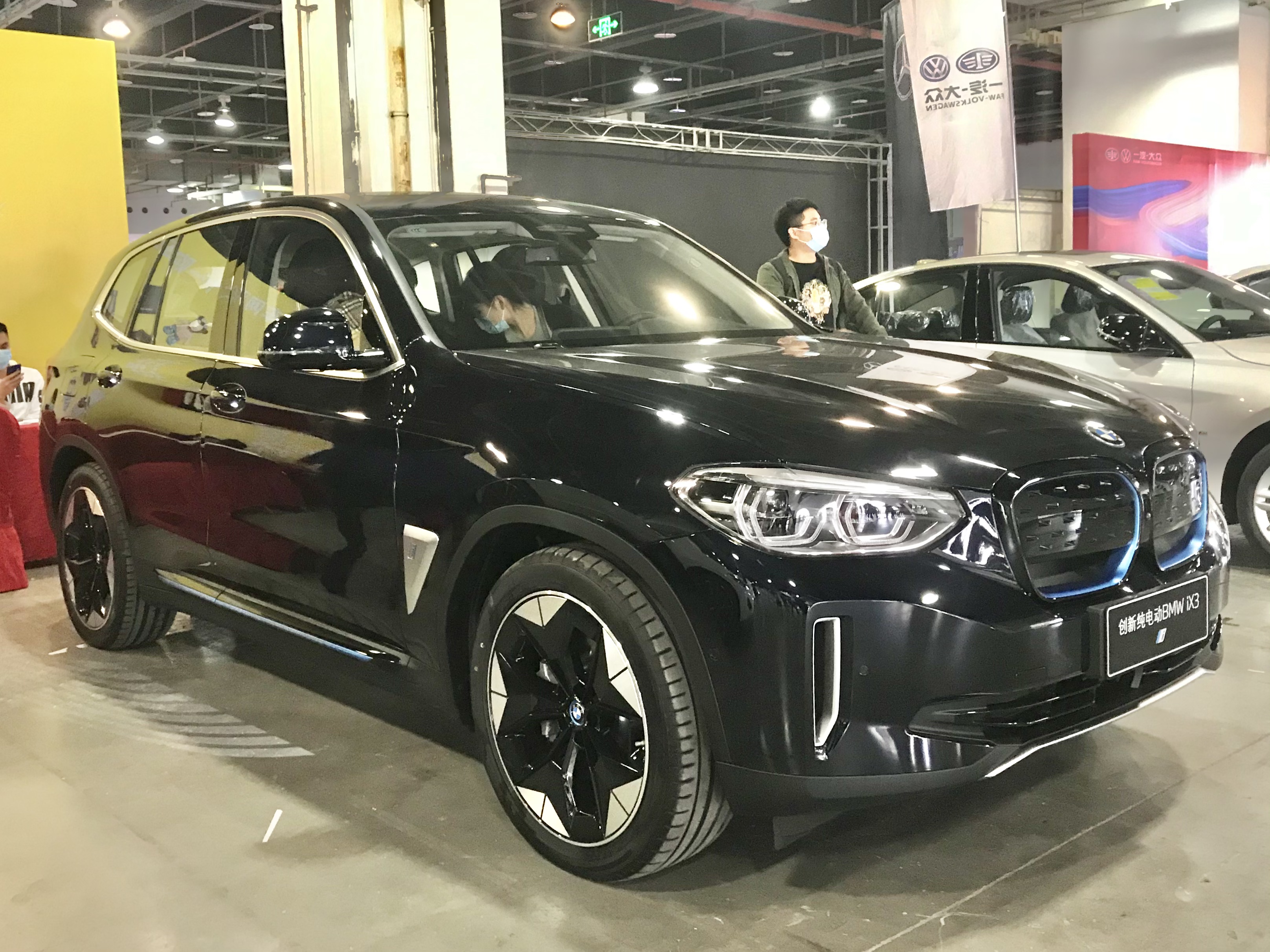
iX3 (G08)
The iX3 (G08) is an electric SUV from BMW. It’s the kind of car where the main screen can be updated so navigation apps like Google Maps take up most of the display. That’s why it may be mentioned when talking about new software and screen changes.
edge to edge
“Edge-to-edge” means the screen uses the whole display area. In this case, it’s how Google Maps and buttons are laid out so they fit the car’s screen better.
real-time details
“Real-time details” means the navigation screen updates information while you’re driving. The host mentions things like lane markings and traffic lights being shown as you approach them.
CATL
CATL is a major company that makes EV batteries. They’re building more battery module production in Hungary so they can supply more EV battery packs as their cell factory comes online.
gigafactory
A gigafactory is a huge battery factory designed to make EV batteries in large quantities. Here, they’re saying the factory can already assemble modules, but the cell-making part isn’t fully running yet.
gigawatt hours of annual module capacity
This is a way to say how much battery energy the factory can make each year. It’s about the size of the batteries they’re producing, not directly the miles a specific car can drive.

Jeep Avenger
The Jeep Avenger is a compact electric car designed for city driving. They talk about how far it can go on a charge and how quickly it can charge on fast chargers, along with the UK prices for the trims.
DC fast charging
DC fast charging is the quick-charging option for EVs. It uses higher-power chargers so you can add a lot of charge in less time than regular home charging.
WLTp
WLTP is a standardized test that automakers use to estimate how far a car can go on a charge. It’s a common way to compare EV range claims across models.
80 percent charge in 30 minutes
This is a charging test result that says how long it takes to get the battery up to 80%. Charging usually gets slower as the battery fills up, so 80% is a common way to compare chargers.
Tesla
Tesla is the company making EVs and charging gear. Here they’re talking about a new accessory that helps manage home charging so you don’t overload your house’s electrical system.
Gen 3 wall connector
Gen 3 wall connector is Tesla’s home EV charger model (the third version). They mention it so you know the remote meter is designed to work with that specific Tesla charger generation.
universal wall connector
A wall connector is the EV charger you mount at home. The segment says the new remote meter can work with Tesla’s wall charger hardware, including the universal version.
dynamic power management
Dynamic power management means the charger “thinks on the fly.” It watches how much electricity your home can safely use and automatically turns the EV charging up or down to prevent overload.
zero emission construction equipment
It means construction machines that don’t burn diesel while they’re working. So they don’t make exhaust fumes on-site, which helps in cities and can be quieter too.
tracked dumper
A tracked dumper is a small machine for moving materials around a job site. Tracks help it grip on uneven ground, and here they’re talking about electric versions.
scissor lifts
Scissor lifts are machines that lift people or tools up to a higher work area. They use a folding mechanism, and the segment is saying electric versions are becoming popular.
single charge
It means the battery is supposed to last through an entire workday. That matters because if it needs charging too often, it can’t keep up with the job.
slow charge overnight
It means charging the battery slowly while nobody’s using the machine—like overnight. That way it’s ready for the next day without stopping work.
micro excavator
A micro excavator is a small digging machine used in tight areas. It’s the kind of equipment that can be useful when you need to work in cities or small job sites.
self-charging hybrid
A “self-charging hybrid” is a hybrid that fills its battery without you plugging it in. But it still uses the engine and driving energy—so it’s not magic or unlimited power.