multi-agentic AI
Multi-agentic AI means using several AI helpers at once. They can split up the work—like one plans, another checks details—so the result is more accurate.
Chat Concierge
Chat Concierge is an AI tool from Capital One meant to make buying a car easier. It can help you narrow down cars and even guide steps like scheduling and financing.
live API checks
Live API checks mean the app looks up information in real time from other services. That helps it answer with fresher, more accurate details.
pre-approved for financing
Pre-approved financing means a lender has already reviewed you and is willing to offer you a car loan, pending the final details. It can make the purchase go faster.
battery electric vehicles
Battery electric vehicles (BEVs) are fully electric cars. They run on a battery you charge, not on gasoline.
BEV market share
BEV market share is how many of the newly registered cars are electric. If it’s near 100%, it means almost everyone buying a new car is choosing an EV.
plug-in hybrid
A plug-in hybrid is part-electric and part-gas. You can charge it with a plug, but it also has a gas engine for longer trips.
Nissan
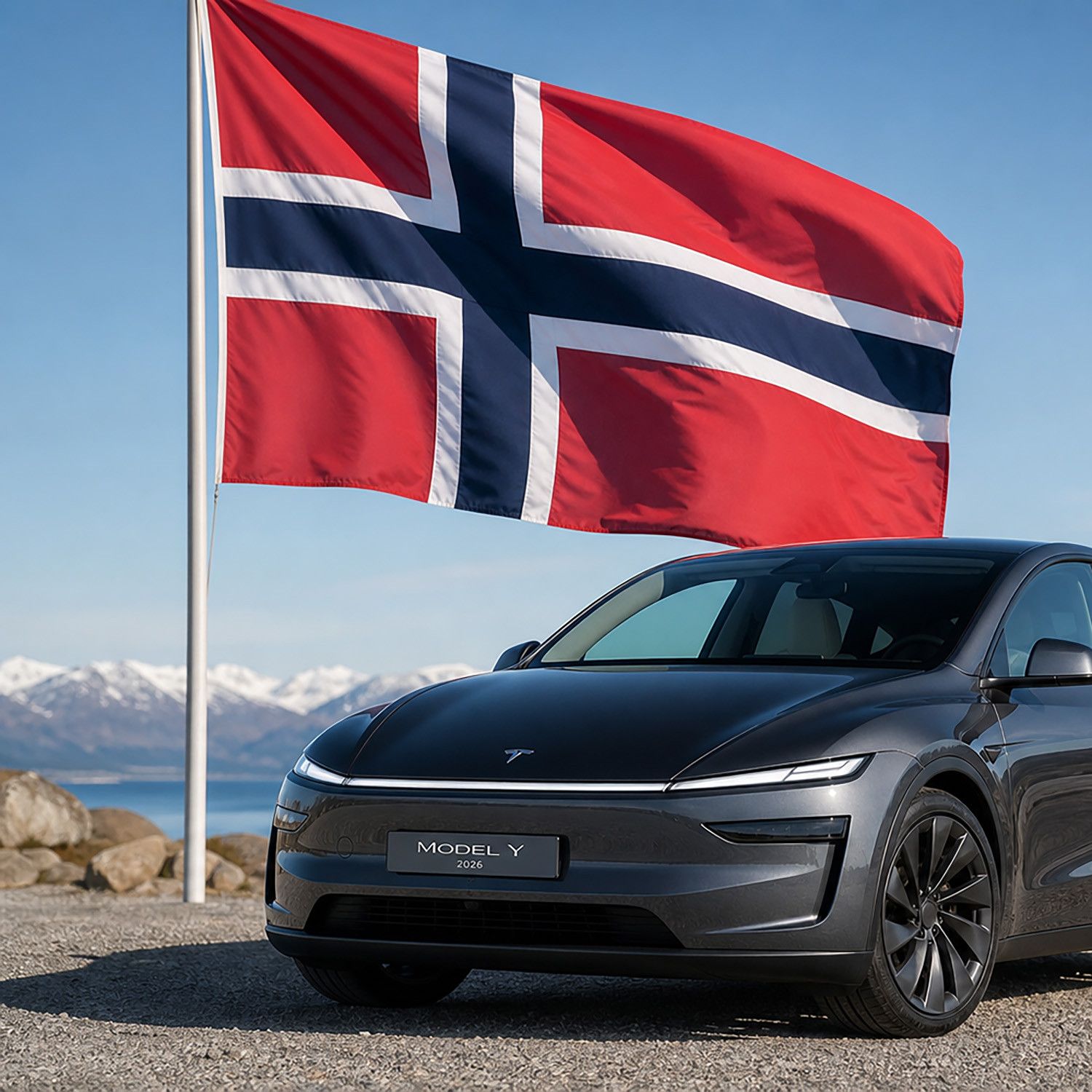
Nissan is the car brand being referenced. They’re being used as an example of electrified cars that aren’t necessarily plug-in BEVs.
full hybrid
A full hybrid uses both electricity and gas, but you usually can’t plug it in. It charges its battery using braking and the engine.
self-charging hybrid
“Self-charging hybrid” usually means a hybrid you don’t plug in. It keeps its battery charged using braking and the gas engine.
regen energy
“Regen energy” is the electricity a car makes when you slow down. Rather than turning all that motion into heat, the car turns some of it back into battery power. It helps the car use less energy overall.
12-volt under your bonnet
Most cars have a small 12-volt battery that powers things like lights and electronics. Even in hybrid or electric cars, you still typically need a 12-volt system for the car’s computers and accessories. The high-voltage battery is for driving, but the 12V battery is for everyday electrical needs.
pure BEV
A “pure BEV” is a fully electric car. It doesn’t use gasoline to drive, so you have to charge it with electricity. The point here is that Norway is buying more of these instead of hybrids.

Tesla Model 3 rear-wheel drive
The Tesla Model 3 is an electric car. “Rear-wheel drive” means the power goes to the back wheels, which can be a good fit if you don’t deal with lots of snow. In this episode, they’re talking about how this version is priced in Canada and what Tesla sells there.
all-wheel drive
All-wheel drive means the car can send power to all four wheels. That helps it grip the road better in snow or slippery weather. The hosts bring it up as the option if you expect bad winter conditions.
EPA range
EPA range is a standardized estimate of how far an electric car can go on one full charge. It’s meant to let you compare cars fairly, but your real range can be higher or lower depending on how you drive and the weather.
supply-change strategy
A supply-change strategy is a manufacturing and sourcing plan that changes where vehicles are built or how components are supplied. In this episode, it’s used to explain why Canadian Model 3 units are coming from a different factory. That kind of shift can affect pricing, availability, and how quickly Tesla can respond to demand.
Fremont in California
Fremont in California refers to Tesla’s manufacturing operations there, historically associated with Model 3 production. The episode contrasts this with cars coming from Shanghai, implying a change in factory sourcing. That kind of shift can be part of how Tesla manages supply and pricing.
Shanghai
Shanghai is where Tesla builds cars in China. The episode says Canada is now getting Model 3 cars made in Shanghai instead of the U.S. factory, as part of Tesla’s supply planning.
import quota
An import quota is a cap on how many cars can be brought into a country during a certain time. After that time, the rules can change or the cap can increase.
first-come-first-served basis
First-come-first-served means whoever applies/qualifies first gets the limited slots. If the slots fill up, others have to wait for the next round.
most favored nation tariff
An MFN tariff is a “standard best-rate” import tax a country charges under trade rules. In this case, it’s a relatively low tax Canada applies to imports from China.
section 232 tariffs
Section 232 tariffs are import taxes tied to a U.S. trade-law process. The point here is that the tax on U.S.-made cars is much higher than the tax on Chinese-made cars.
EVAP rebate
The EVAP rebate is a government cash discount for eligible electric-vehicle buyers. If a specific car version doesn’t qualify, the buyer may pay more than they otherwise would.
Factorial energy
Factorial Energy is a company working on next-generation EV batteries. The episode uses it to make the point that battery progress—especially solid-state—could decide who stays competitive.
solid-state batteries
Solid-state batteries are a newer type of EV battery that uses a solid material inside instead of a liquid. The claim is that they could be better than today’s common lithium-ion batteries.
solid electrolyte
A solid electrolyte is the ion-conducting material inside a solid-state battery. By using a solid instead of a liquid electrolyte, the battery can potentially be safer and may enable higher energy density and different cell designs.
15% to 90% in 18 minutes
This is a way to describe how fast an EV can charge. It means the battery goes from 15% to 90% in about 18 minutes, which is useful because charging usually slows down as the battery gets near full.
LFP cells
LFP is a type of EV battery chemistry. It’s generally considered safer and long-lasting, but the speaker is saying there may be a ceiling on how much you can improve it without changing the basic approach.

Mercedes-Benz EQS
The Mercedes-Benz EQS is an electric Mercedes sedan built for long-distance driving. Here, it’s being used to test Factorial’s new battery cells in real-world driving.
federal tax credit
A federal tax credit is a government discount that can lower what you owe in taxes when you buy a qualifying EV. The hosts are saying the EV market shifted when that credit ended, and some brands tried to make up the difference.

Tesla Model Y
The Tesla Model Y is a popular Tesla electric SUV/crossover. In this discussion, it’s mentioned to compare sales numbers.

Ford Mustang Mach-E
The Ford Mustang Mach-E is Ford’s electric SUV/crossover. The hosts mention it to compare how different EVs are doing year to year.
Volkswagen
Volkswagen is investing money into Rivian by buying more shares. The point is to strengthen their partnership and gain access to Rivian’s EV know-how.
software stack
A software stack is the collection of computer programs that make the car’s systems work. The hosts are saying Volkswagen will be able to use Rivian’s car software foundation.
zonal architecture technology
Zonal architecture is how a car’s electronics are organized into different areas. Instead of everything being controlled from one place, the car can use controllers by region, which can simplify the car’s wiring and systems.
electrical systems
“Electrical systems” means the car’s wiring and electronic control hardware that manages power. The hosts are saying Volkswagen gets access to Rivian’s approach, not just the software.
Rivian
Rivian is an electric-vehicle company. The point here is that Rivian designs a lot of the important parts and software itself, rather than relying on other suppliers.
Kariad
Kariad is Volkswagen’s software effort for EVs. The hosts are saying it didn’t meet expectations, so Volkswagen is looking for a different approach.
Scout
Scout is a brand within the Volkswagen Group that’s planning new EVs. The hosts say it will use software derived from Rivian and that early models will include range extenders.
range extenders
A range extender is extra equipment that helps an electric vehicle go farther. Instead of adding more battery, it provides power to keep the battery charged for longer trips.
Tesla base charger stick around back
They’re talking about a Tesla charging product and where it’s used or mounted. This part reads like quick EV news rather than a full explanation.
Capital One
Capital One is a company that provides financial services. In this segment, they’re using tech to make car shopping easier.
SSP
SSP is Volkswagen’s planned new “foundation” for electric cars. The idea is that it will help Volkswagen build EVs more efficiently, potentially using new manufacturing methods like large cast parts.
mega-casting
Mega-casting means making big sections of the car body in fewer, larger cast pieces. That can reduce the number of parts and steps needed to build the car.
high-pressure cast parts
High-pressure casting is a way to pour metal into a mold using strong pressure. It helps make large, consistent metal parts for the car body.

EX60
parallel assembly streams
Parallel assembly streams means building different parts of the car on different lines at the same time. The benefit is that if one part of the process slows down, it’s less likely to shut down the whole production line.
Volkswagen Golf
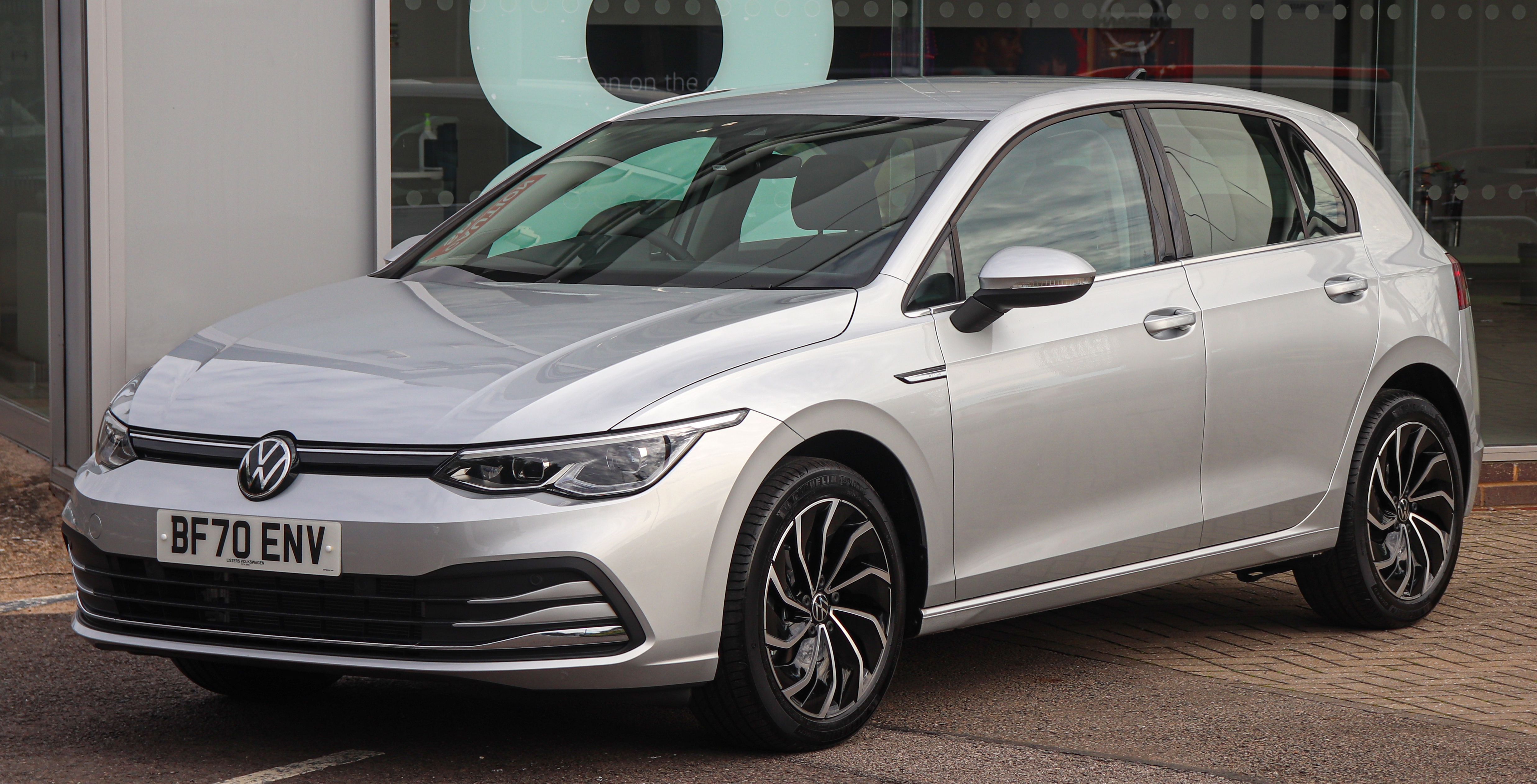
The Volkswagen Golf is being mentioned as a model that could be converted to electric using Volkswagen’s new EV platform. It’s an example of how mainstream models are moving to EVs.
DC fast charger
An EV DC fast charger is a public charger that can charge your battery quickly. It uses direct current, which lets it push more power into the car than a regular wall charger.
megawatt charging
Megawatt charging means charging at extremely high power—on the order of about 1,000 kilowatts. It’s meant to charge EVs very quickly, especially for fleets.
kilowatt output
Kilowatts (kW) tell you how strong the charger is. More kW usually means faster charging, as long as the car can accept that power.
V4 Supercharger
V4 Supercharger means Tesla’s newer generation of fast-charging hardware. They’re saying Base Charger looks similar from the outside, but the inside is different.
AC to DC conversion
AC to DC conversion means changing the electricity from the grid (AC) into the kind of electricity EV batteries use (DC). Fast chargers do this conversion so the car can charge.
power electronics trays
Power electronics trays are the charger’s internal electronics modules that manage and convert the electricity. They’re like the “power control” parts inside the charger.
dwell time
Dwell time is how long the truck sits still. Charging during that downtime is efficient because the vehicle isn’t on the road anyway.
amps continuous (150 amps continuous)
“Amps continuous” is the charger’s steady current rating—how much current it can safely provide for a long time. More current can help deliver more charging power.
voltage range (180 to 1,000 volts)
The voltage range is how wide a set of electrical voltages the charger can handle. A wider range means the charger can work with more kinds of EV battery systems.

Tesla Semi
The Tesla Semi is an electric truck designed for commercial use. The podcast is saying that, right now, only certain Semi operators can use a specific charging option called “Base Charger.” That matters because charging availability is a big part of whether fleets can use electric trucks.
CCS
CCS is the common plug/charging standard used for many EVs. The host is saying that trucks already set up for CCS aren’t able to use the same megawatt charging setup being described.
MCS 3.2
MCS 3.2 is a high-power charging standard for EVs—here, especially for electric trucks. It’s meant to support very fast charging at megawatt-level power, using an open approach.
Charin
CharIN (spoken here as “Charin”) is an industry organization that develops and promotes charging standards for high-power EV charging. In this segment, the host credits CharIN as the driver of the open standard behind MCS, contrasting it with Tesla’s past proprietary tendencies.
daisy-chained
“Daisy-chained” here means linking several chargers so they can run off the same electrical breaker. That can make installations cheaper and faster for charging depots.
ISO 15118-2
ISO 15118-2 is a set of rules for how an EV and a charger talk to each other. Mentioning it signals the charging system follows widely used standards, not a Tesla-only method.
OCPI
OCPI is a common “language” that lets different charging networks and apps work together. The point here is that the system should be easier to integrate with non-Tesla charging services.
Daimler
Daimler is a major truck manufacturer. The host is saying that if multiple companies like Daimler adopt the same open charging hardware, it makes fleet charging easier and less locked-in.
Volvo
Volvo is a truck brand. The host is saying Volvo (along with other makers) could use the same open charging hardware, which helps fleets avoid being locked into one system.
Scania
Scania is a truck manufacturer. The host is saying Scania could use the same open megawatt charging hardware, so fleets can standardize charging without being tied to one company.
plug and charge
Plug and charge means you just plug the car in and it starts charging automatically. You don’t have to scan a card or use an app to begin the session—your account is recognized in the background.
Hubject
Hubject is a service that helps different charging networks work together. It’s part of the system that lets your car/account be recognized on chargers from other companies.
RFID cards
RFID cards are contactless cards that identify you to a charger. You tap or present the card to start charging, instead of using an app.
roaming platform
A roaming platform lets you charge at different companies’ stations using just one app or account. The service also handles the payment so you don’t have to deal with each network separately.
ALEGO
ALEGO is an app for EV charging. It lets you use chargers from different companies using one account, and it manages the payment for you.
Octopus Electroverse
Octopus Electroverse is an EV-charging service from Octopus Energy. The host is talking about how a referral code can earn credits on your home electricity bill when someone else signs up.
AI-powered voice assistant
An AI voice assistant is software that listens to what you say and responds or performs actions. Here, it’s a new Rivian feature that’s taking longer than originally expected to arrive.
earnings call
An earnings call is when a company talks to investors about its recent results and plans. In this case, Rivian’s CEO mentioned when the feature might arrive, but didn’t give an exact date.
OTA updates
OTA updates are software updates that get sent to your car over the internet. The host is saying this feature didn’t arrive through those normal wireless updates.
Rivian R2
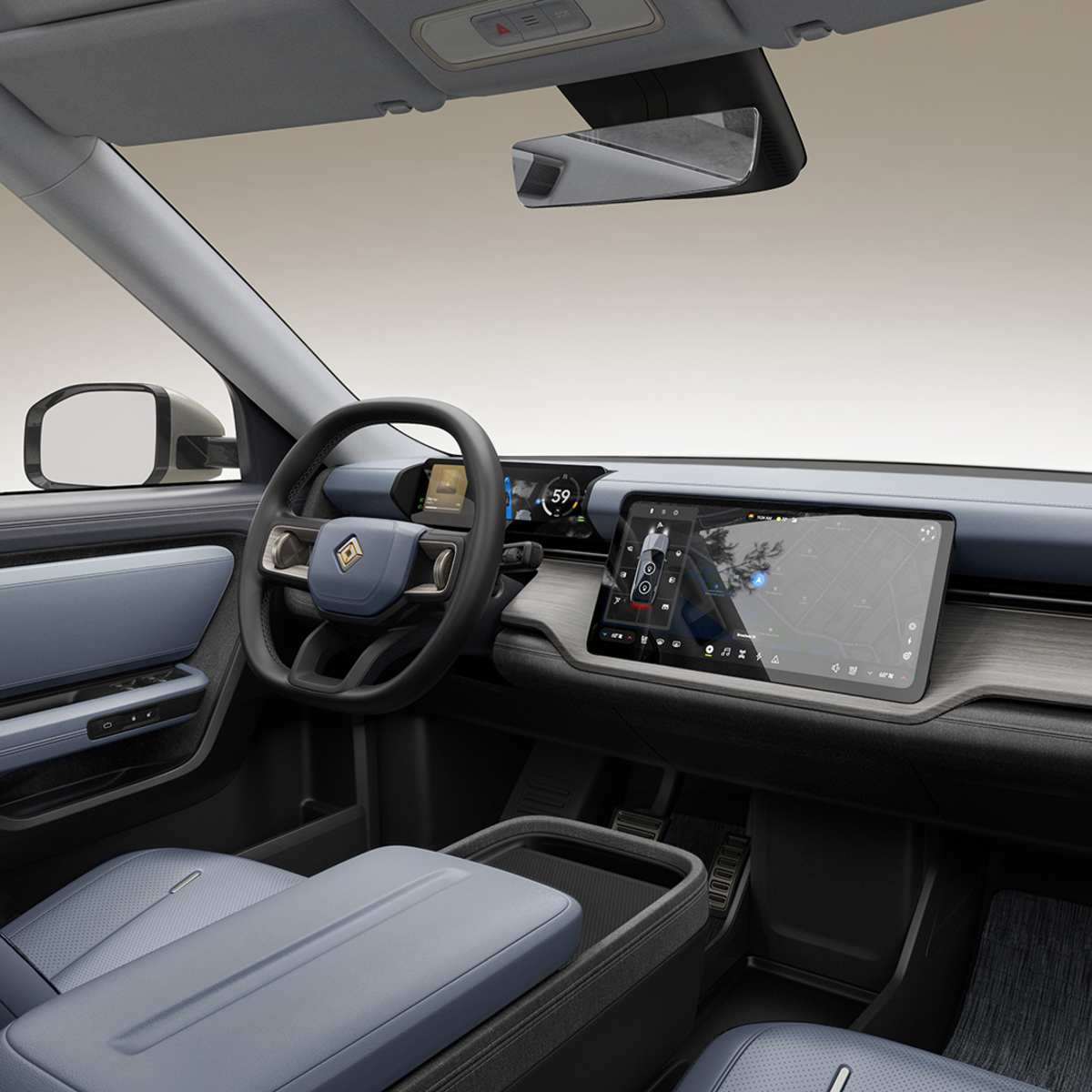
Rivian R2 is another electric Rivian model. The key point here is that the same AI assistant is planned to be built into it too.

Rivian R1S
Rivian R1s is an all-electric SUV. The hosts are saying Rivian’s new AI assistant will work in this SUV and can connect to apps beyond the car.
Google Gemini
Google Gemini is an AI “chat” system from Google. The hosts are saying it’s coming to certain EVs so you can talk to the car more like you’re having a conversation.
Android Automotive
Android Automotive is the Android software platform that runs in some cars. It’s what allows apps and AI features (like Gemini) to work inside the vehicle.

Polestar 2
Polestar 2 is an electric car from Polestar. The hosts are pointing out that it was an early adopter of Android-based software, which makes it a good fit for Google’s Gemini AI.
command-based voice control
Command-based voice control means you have to speak in specific, pre-set ways for the car to understand you. The hosts say the new system is meant to be more flexible and natural.
multi-turn dialogue
Multi-turn dialogue means the AI can remember what you and it said earlier in the conversation. That helps it understand your next request in context, not as a brand-new question.
destination planning
Destination planning means telling your navigation system where you want to go. The car can then suggest the best route and, for EVs, may also help plan charging stops.
sat-nav
Sat-nav is the car’s GPS navigation system. It helps you find where you’re going and can guide you with directions while you drive.
Google Home
Google Home is a smart-home app/service. The host is saying their car setup can connect with it, likely for voice control and convenience.
Android stuff
“Android stuff” means the car uses Android-like software. That can let the car get new features and improvements over time, like updating a phone.
National Car Charging
National Car Charging is a company involved with EV charging. They’re mentioned as a sponsor for the show.
Loha Charge
Loha Charge is a company that helps with EV charging in Hawaii. They’re mentioned as a sponsor/partner.
Avalu
Avalu is a company that checks how healthy an EV battery is. That can help you understand battery wear before you buy or after you’ve owned an EV.
trading value
Trading value is the price someone offers for your current car if you trade it in. That number can change how much you end up paying for the new car.