Fuel injection is how modern cars spray fuel into the engine using controlled valves. It helps the engine get the right amount of fuel at the right time.
Safety systems are features that help the car avoid accidents or lessen how bad they are. They often use sensors and computers to watch what’s happening around you.
Concept
keep on top of things
He’s talking about staying current with new car technology. As cars change, mechanics need training so they can diagnose and fix newer systems.
A carburetor is an older device that mixes fuel and air for the engine. These cars often need more tuning than newer cars that use electronic fuel injection.
Drum brakes are an older brake design where brake pads press inside a drum to stop the car. They’re different from the more common disc brakes you see on many modern cars.
A transmission filter is like a screen that catches dirt in the transmission fluid. Some transmissions let you service the filter more easily than others.
Your transmission uses fluid to keep its moving parts lubricated and cool. Over time that fluid gets dirty, so mechanics periodically change it or refresh it to help the transmission last longer.
In an automatic transmission, the torque converter uses fluid to transfer power. Some of that fluid sits in areas that don’t empty out easily, so a simple drain might not remove everything.
A flush is when a shop uses equipment to push fresh transmission fluid through the system and remove more of the old fluid than a simple change. It’s meant to refresh the fluid throughout the transmission.
“Lifetime fill” means the maker says you never need to change the transmission fluid. The host is skeptical because old fluid can still wear out and cause problems over time.
Concept
maintenance vs repair cost
The idea is that regular upkeep costs less than letting something fail and then paying for expensive repairs. Keeping up with services helps avoid bigger problems later.
If the steering wheel shakes at highway speeds, it usually means something on the front wheels isn’t spinning smoothly. It can be caused by things like uneven tire balance, tire problems, or worn front wheel parts.
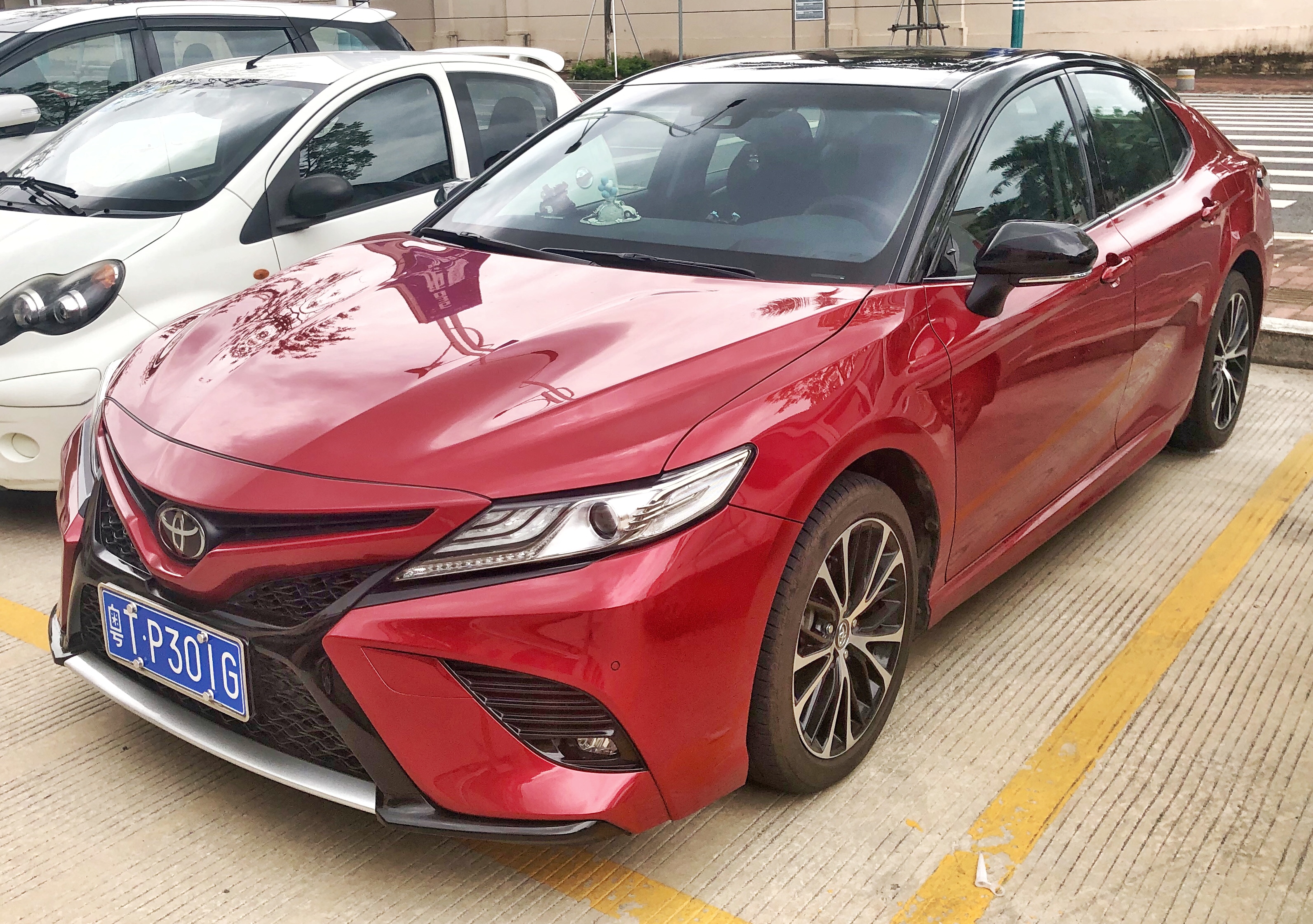
This is a Toyota Camry, a common everyday car. Here they’re using the 2014 Camry as the example while figuring out what might be causing a shaking feeling in the steering wheel at highway speeds.
Tire rotation means swapping the tires to different wheel positions. It helps tires wear more evenly, and in this case it’s also used as a clue to see whether the vibration is tied to a specific tire position.
Balancing is when a shop adds small weights to the wheel so the tire spins evenly. If it’s not balanced, the car can shake—often most noticeable at higher speeds.
Term
run on the hubs
This is a check for wobble. If the hub or brake part isn’t perfectly straight when it spins, it can cause shaking or vibration while driving.
This is a Toyota RAV4, a compact SUV. In this story, something like a squirrel got into the engine area and brought debris (walnuts) that could cause problems.
Here, “nesting” means animals making a home in or around your car. It can start as noise and debris, but it can become a bigger issue if they chew or get into important parts. If they keep coming back, it usually means they’ve found a safe place and you need to change where you park.
A cabin filter is like an air filter for the inside of your car. It helps keep dust and debris from blowing into the cabin through the vents. If critters or leaves get into that area, it can block airflow and is a sign something may be getting into the car’s air system.
Term
vehicle service
“Vehicle service” means bringing your car in for regular checks and maintenance. The point here is to have the technician look at the cabin filter so you can spot debris or critters early. Catching it sooner can prevent bigger problems later.
A clay bar is a car-cleaning tool that pulls off tiny dirt and grime stuck to the paint. People often use it before waxing so the wax can stick better.
Term
ceramic touch
“Ceramic touch” usually means the wax has additives meant to make the paint easier to clean and help it resist water. It’s basically a more durable type of wax/coating than plain paste wax.
“Wax on, wax off” is the usual waxing routine: put wax on the paint, wait a bit, then wipe/buff it off. Doing it right helps the wax look better and last longer.
A tow package is the set of parts and wiring a vehicle gets so it can tow a trailer. It usually includes the hitch and the connections for trailer lights, and sometimes extra cooling help.
Tongue weight is how much weight the trailer pushes down on the hitch of the towing vehicle. If it’s too high or too low, the vehicle can feel unstable and harder to control, especially when stopping.
A class three hitch is a rated hitch type meant for heavier towing. You still have to make sure the hitch rating and the vehicle’s towing limits both fit the trailer you’re pulling.
Vehicle owners manuals list specific towing capacities and weight limits for safe operation. These limits are based on engineering constraints like braking performance, cooling, suspension loading, and drivetrain stress, and they’re the baseline you should follow when matching a trailer to a vehicle.
They’re talking about a 2010 Chevy Equinox that has an oil warning/problem. The key point is that the warning is tied to oil pressure, and you generally shouldn’t switch to a different oil thickness just to try to make the light go away.
Oil pressure is a measure of how well oil is being pumped through the engine. If it’s low, it can mean the engine isn’t getting proper lubrication, which can lead to damage if ignored.
Oil weight is basically how thick the engine oil is, especially when it’s cold versus hot. The right oil weight helps the engine stay properly lubricated, so you generally shouldn’t switch unless there’s a good reason.
Towing a trailer means pulling something behind your car or truck. Because you’re hauling extra weight, the vehicle drives and stops differently, so you have to make sure it’s set up to handle that load safely.
Electric brakes are brakes on the trailer that are controlled electronically from the towing vehicle. They help the trailer slow down too, instead of relying only on the tow vehicle’s brakes.
Overloading your vehicle means you’re hauling more weight than it’s designed to handle. That can make the vehicle harder to control and can cause damage or unsafe braking—especially with a trailer.
Downshifting is when you put the vehicle into a lower gear. It lets the engine help slow the car down, which can reduce how much you have to rely on the brake pedal on hills.
“Riding your brake” means holding the brake pedal down for a long time. On long downhill grades—especially while towing—that can make the brakes overheat and work less effectively.
This is a Ford F-150 pickup. The issue is about changing spark plugs on a 5.4-liter engine, and the worry is that the plugs can get stuck in the engine so tightly that removing them can damage the cylinder head.
Spark plugs are the small parts that create the spark to start combustion in the engine. If they get stuck in place, changing them can become a bigger job and can even damage the engine head.
The cylinder head is the top part of the engine where the spark plugs thread in. If the spark plugs are hard to remove and something gets damaged there, the repair can become a lot more costly.
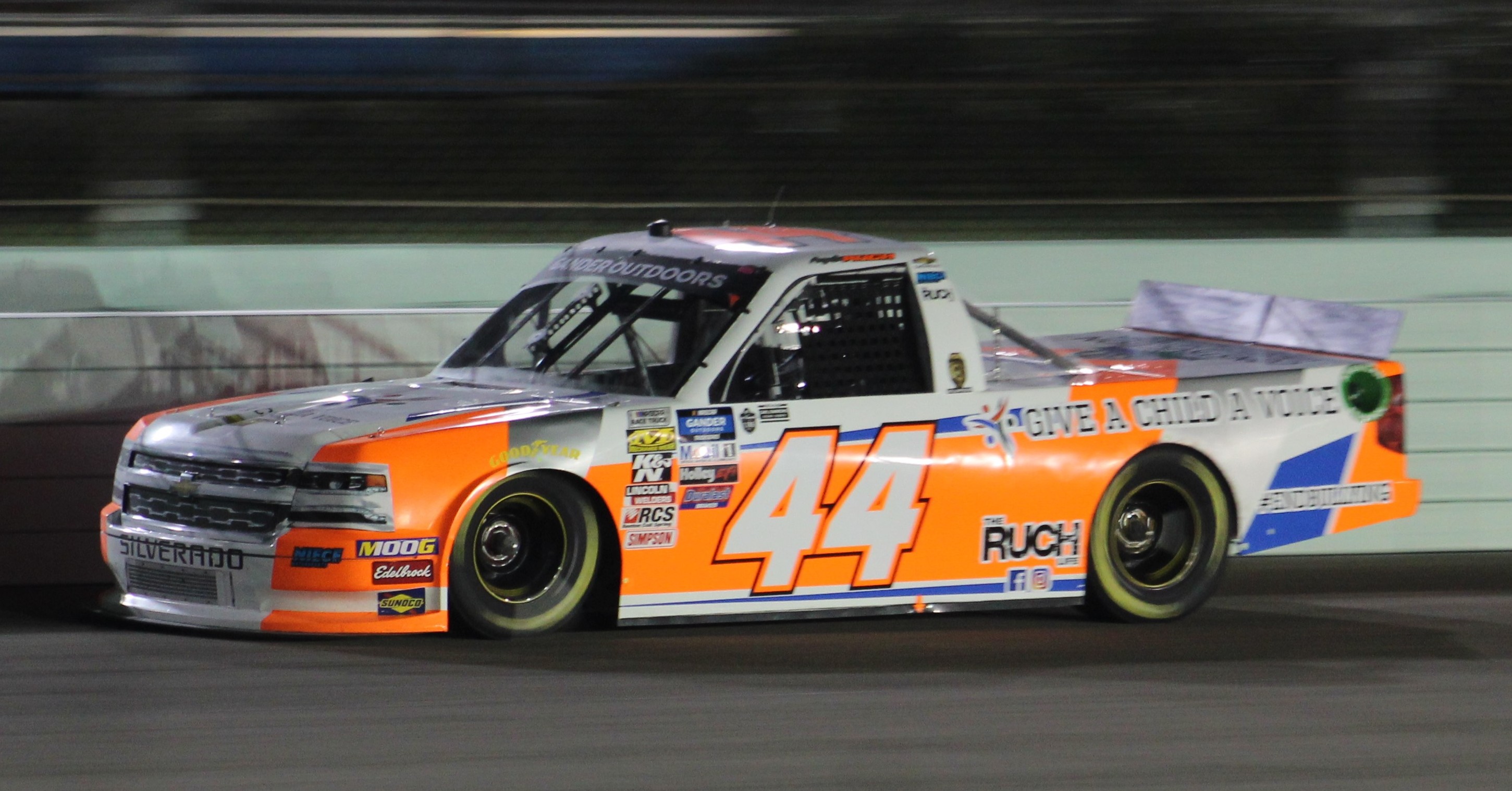
This is a 2017 Chevrolet Silverado (LTZ). The problem sounds like it’s coming from the dashboard area and happens sometimes, with a clicking noise—often caused by a component in the dash system turning on and off.
That message usually means the car thinks you have a trailer connected with electric trailer brakes. If it shows up when you’re not towing, it can point to a wiring or sensor problem.
Fault codes are error messages stored by the car when something isn’t working right. A mechanic can read them with a scan tool to figure out what part might be causing the problem.
Cars run on electricity, and every circuit needs a proper power feed and a solid ground connection. If either is weak or broken, the car can act up in weird, intermittent ways.
The Volvo S40 is the car being discussed, and the problem is that it sometimes won’t start right after filling up. The mechanic suggests it may be a fuel sensor or related reading, not just the gas cap.
The fuel pressure sensor checks how strongly fuel is being pushed through the fuel system. If it reports the wrong pressure, the car may not start until the system resets.
A 2017 GMC Sierra is a full-size truck, and they’re talking about a turn-signal problem on the right rear. The signal starts normally, then blinks too fast, which often means the bulb is failing or there’s an electrical connection issue.
Hyper flash means your turn signal blinks much faster than normal. That usually happens when the car thinks a bulb is out or there’s an electrical problem in the turn-signal system.
Resistance is an electrical property that affects how current flows. When the bulb heats up, its electrical behavior changes, which can change the flashing speed.
That light on your dashboard means the car’s computer found a problem. It doesn’t always mean the car is about to break, but it does mean you should get it checked.
Sway bars help keep the car from leaning too much when you turn or change lanes quickly. Front and rear sway bars work together to make the ride feel more controlled.
A subframe is a structural frame that the suspension components attach to, often isolated from the main body to help with ride quality and noise/vibration control. In this context, the sway bar is mounted to the subframe using bushings.
Sway bar links are the connectors that tie the sway bar to the suspension. When they wear out, the car can feel wobbly or less stable, especially during quick maneuvers.
LIVE
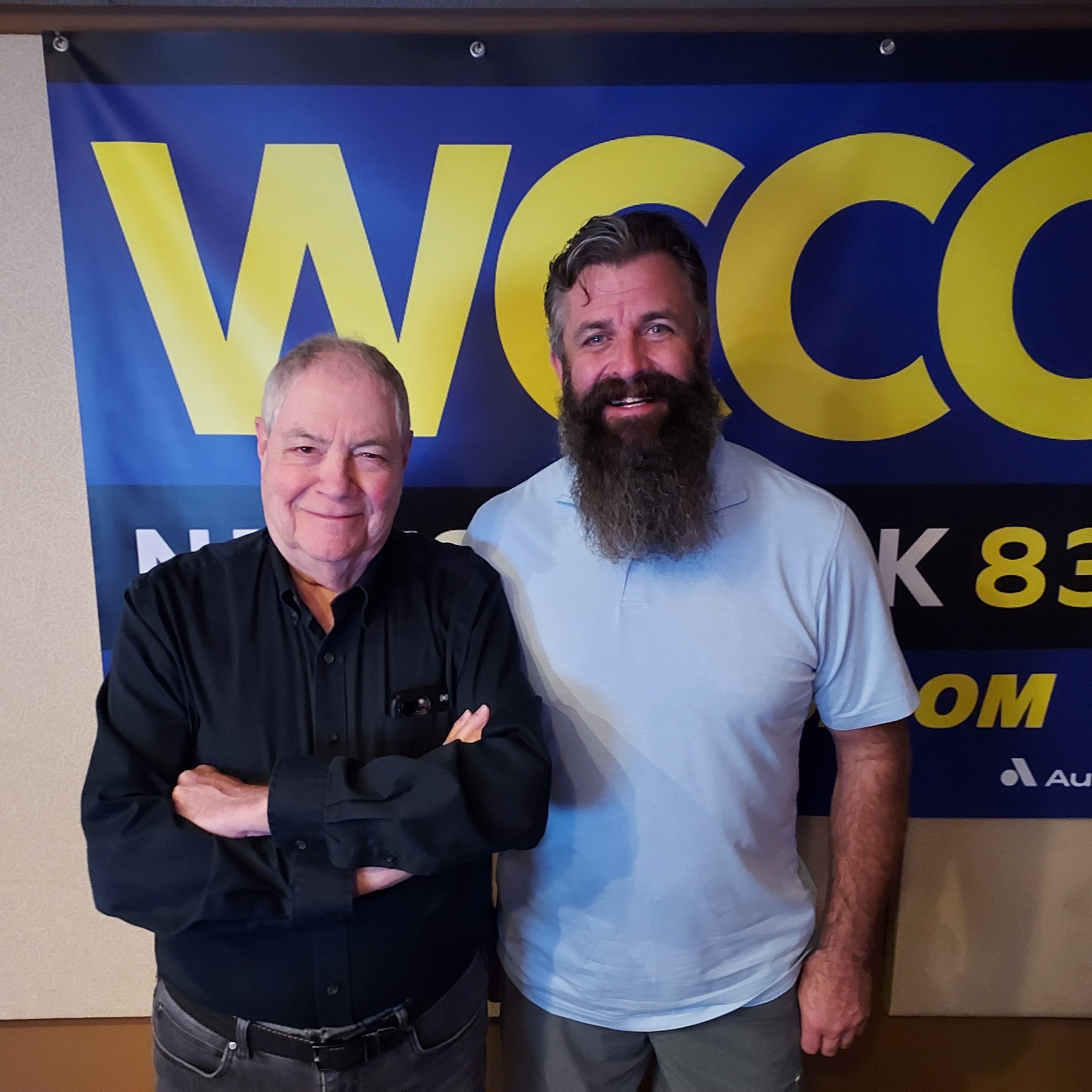
get those car care questions ready for next awful from Lloyd's automotive who just happens to be
surprise surprise uh in studio with me boy Nick thanks for coming down absolutely haven't uh
i'm not sure it's the last time i've been down here but i i found my way i remembered the way
that was uh it has been a few years uh thanks to covid uh but it's great to see you was there
surprise i had not uh and our friend Patrick Stelzer brought you down or at least invited you
down here i don't think he he didn't show for you here but no he did not yeah but anyway
but he invited me and i was happy to come well nick kustafal runs uh a place called
Lloyd's automotive in the st paul and grand avenue and i was just there uh with tony getting
oil change last week now uh a couple other places that we mentioned from time to time
are located where because if you're not busy enough with Lloyd's you've got two other places
yes we do uh so as you know we've had Lloyd's automotive which i've worked at since i
mean we're just discussing 1998 so it's been a long run uh we acquired parkway auto care on
the corner at Ford parkway and snelling back in 2022 i believe and then just this past fall we
acquired our third shop which is called longfellow automotive which is written along for the
neighborhood so we're we are uh figuring out what we're trying to do here when we grow up but
we're uh we're trying well is it one of those things be careful what you wish because you just
might get it very true uh there's a big a much larger learning curve than we anticipated but
as you know we have great people and great customers and yeah that makes the days fly by
and people get their cars fixed you guys are busy we are very busy in this heat this past week is
definitely but as we call it i turn the faucet on so we're we're scheduling a ways out so if
someone needs work at any shop for that matter they're all filling up quickly so if you're planning
on a road trip here soon get on somebody's schedule before you're left out in the cold
yeah absolutely you know you can call us or text us with any kind of a car care question you may
have and keep in mind we always like to say too that nick will be with us till just about 745
and our time goes by so quickly so by by omens any car care question call it in or text it in
ryan what's the phone what's the text in the phone number i want to see if you remember
a 6514619226 i'm paying attention here i'm just testing
all right very good yeah do call or text like we say sooner rather than later what has changed
is since you started the business so back up a little bit because you were a kid really working
for dan right i was i started at the filling station or server station if you remember those
we had full drive and or full service and we had to check oil on the drive and top off fluids and
there was an amical station in uh in st paul on edge come and randolph on the corner there
that i started when i was still 15 years old i think it was april that uh that year and
worked at work through high school and i said to myself after that i said no i don't want to
work in this car business the rest of my life so as you know i joined the marine corps and then i got
out of the marine corps and kept in touch with dan and he said well you're probably a pretty good
janitor so i started cleaning floors at loyden we're in back in 1998 and the rest is history
it was a long a long time what do you think you would have done uh had you not
gotten involved with uh with dan and loyds i have no idea probably wouldn't be here i can tell you
that yeah well it's uh it certainly served you well and still still is uh what's the toughest job
you've ever had to do as as a technician i recall i think my toughest job is being a dad but yeah
for sure uh you know i i don't know the cars have changed so much and they've evolved um they get
better each year i know there's a lot of you know frustrations concerns the unknown i suppose you
know people talk about electric cars and hybrid and they don't understand them so it's frightening but
those technologies are great uh they're going to help us going forward um you know and in the next
technology you never know how these things are going to evolve you know when i started back at
the you know back at the gas station for that matter we were still working on carbureted vehicles
and then with fuel injection electronic ignition now we have all these safety systems in the vehicle
so it's uh it's exciting to see what's coming down the road and we'll be ready because you know we
always train our guys and we do what we can to keep uh keep on top of things and you and i talked in
recent shows about carbureted cars do you ever see and you don't work on those as a rule no we don't
that's uh um it's it's a science you know it used to be just the norm now the guys that can
there the folks that can tune those and adjust those are far and few between so we stay out of it
because we just don't have the the know how you know we don't do it every day and we kind of fumble
our way through it at best so uh you know the carbureted cars drum breaks there's a lot of those
things that have just evolved and changed you know everything's electronically controlled
you know transmissions are different you know and and the truth is it's better in the sense
that like the maintenance we always talk about maintenance and fluid services and such and when
i started we were changing coolant like every other year now as we talked about it could be 100
thousand miles same with spark plugs so i think cars have gotten better much more reliable
as long as we do our part and maintain them uh 6514619226 yeah any kind of a
car question maybe you always wanted to talk to an auto mechanic technician uh about whatever the
case any question call us texas uh nick as i said it will be with us till uh just about
745 this morning what about uh we we get texts about this transmission fluid uh and i wanted to
ask you about the uh well i know the difference but there's a flush and then i've read about
some filters are there filters or gaskets what's the deal actually before that i want to know
how ryan strip went on to iowa last week oh yes yes it he's here folks so he made it back it was
it was just fine i was driving as if uh the wheels were going to fall off at any moment and uh you
know the car was about to explode so uh i was just i took it a little easy in the right lane and uh
it was fine and it didn't really did have any issues and it's out of my hands now the uh the
lady friend's parents are going to sell it hopefully and it's out of my garage so i'm a happy camper
nick congratulations thank you glad you made it back you know i thought about when we were fishing
i'm like i hope he's i hope it's not that bad it was fine yeah you wanted to hear the end of the
story for sure it's happy made it to iowa in uh three hours it was it was no issue man no
issue but thank you for uh you know the wise council not that you listen but
no do any of us i guess just crank the radio to go away you know i kept it low i took your advice
even though there was a good Leonard Skinner's song on it i was like okay well gotta keep listening
here 6514619226 any kind of a car care question you may have uh
what about transmission you're talking about 100 000 miles for plugs or what about transmission
fluid so transmission fluid services have definitely evolved i would say it was the normal
you know years ago we'd pull the pan you know clean clean all that debris off the little magnet
in the bottom of the pan there'd be a screen or filtered replaced reinstalled the pan with a new
gasket and top up the fluid maybe 56 quarts of fluid a lot of times the capacity might be 10
or 12 because you know there's a lot of different ports the torque converter areas where that fluid
would not drain from that evolved kind of into a a flush where you'd connect a pump with a reservoir
and we'd flush the fluid out and exchange it more recently now is that the norm now would be a drain
fill where there's a drain plug in a fill plug and you're doing that maybe a little more often
but it's not as costly because it's not as much fluid so it still might be you know 50 60 depending
on the vehicle some might even say i don't agree with this lifetime fill because that makes me more
worried to be honest but i would say that they've evolved the fluids are much better more refined
you know cost are going up with the price of oil obviously but i would say that they've changed
for the better the maintenance as long as we do it these vehicles should last hundreds of thousands
of miles yeah and we we kind of tend to take it for granted uh that we just leave it in the garage
or wherever we park the car we get out uh go to work whatever and we start it and don't really think
about it no we don't our lives are so full i you know my life myself you know trying to run three
businesses running kids the hockey and baseball and softball and you know everything in between and
you know you you get busy and you don't think of it you expect you're going to hop out and
turn the key push the button you're going to be good to go you do have to pause every so often take
it in have it serviced it like you know we say often it costs much more to repair a vehicle than
maintain a vehicle so when a car breaks you still have those maintenance items to do in addition to
some sort of repair yeah so be proactive yeah all right i tell you what let's take a quick break and
we come back we're getting a bunch of the text questions uh we'll uh have you field and answer
if you have any kind of a car care question we'd love to hear from you on this saturday
6514619226 from newstalk a three o w cco and a good saturday
morning to you welcome back to our car care show to any along here in my final go around with the
good neighbor and uh nick stoffel from Lloyd's automotive is in studio with us so it's great
to see nick in poison and answering questions via our text and phone calls as well yeah call us texas
at 6514619226 um in fact let's do this then i want to get a daughter
tina question answered here uh where's the question all right what could cause a slight
vibration in the steering wheel at speed above 70 had the tires rotated with regular maintenance
1700 miles uh ago uh the car is 160 000 miles on it's a 2014 camry what do you think typically if we
have a vibration we always want to think what's rotating so it's you know the tires the wheels
the brakes wheel bearings all those things at the four corners of the vehicle could create a vibration
the question is how do we find that um the first thing we were doing they mentioned the tires rotated
rotate them back see if it goes away we can try balancing the tires take a look at the run
on the hubs of the uh at the brake rotors themselves um likely though it's going to be a tire balance
issue i suspect you know get the tire pressures adjusted move those tires around to different
positions or different corners and i suspect that that vibration will not go away but at least change
uh for those just joining us excuse me on my final day here in cc of my daughter tina
and my son uh tony is here uh daughter angie your sister's listening at home she's probably taking
care of uh some other some other kids a busy day uh tina i wanted you to uh mention to nick well
nick knows about that but i still have the picture you uh uh you took of your vehicle with the hood
open and what damage a critter did to tell uh pull that mic over there and tell us and nick
exactly what happened okay so uh red squirrel um must have taken all the walnuts from the black
walnut tree next door and put them all in my 2019 rav four's engine there's lots of different
compartments underneath there it's called nesting they were nesting in your in your car
and they built a nest too so yeah that was um i took a picture like i think it was a 40 gallon
container that was taken out what what did they put in there they're kind of like
acorns and things like that or whatever it was black walnut oh black walnuts you know we had a
we had an incident with a customer that actually had a business right on grand kind of kitty corner
from us and she'd parked back on the alley side and she came in one morning disfrantic because
there's all this noise under the hood and the squirrels had nested under her hood and we cleaned
it all out and you know she was quite upset and and fine come back two days later the same thing
happened like i'm like you need to park somewhere else like they had marked that territory that was
their home and they were coming back so we cleaned it out degrees to try to get rid of any anything
they would draw them back told her not to park in the same spot and a lot and you know eventually
went away but that's uh they can create quite a bit of damage and um you know the
nesting you know i don't know how much damage like from like the walnuts and all that the debris
it's more when they get into the wiring and the hoses and they start you know eating or trying to
create a bigger problem there but uh it can be a little frightening that's for sure now nick have
you or your technicians found debris or critters in the cabin filter area of a car yeah you know
that that especially in the fall season we'll see more of that as things are starting to nest and
find a warm place um that's why you know back to maintenance if you have your vehicle service
have them inspect that cabin filter any that debris uh and then there'll be some signs or
warnings if there's any other critters trying to find their way through uh typically if they're
outside the vehicle so be it but they make their way into that air duct that cabin filter is kind of
your last line of defense before they're inside the vehicle so if there's any holes in that then
we have to look a little bit deeper to see if there's any other signs of nesting throughout the
the car itself you know we talk a lot down this show nick as you know about things like transmission
or you know spark plugs things like that but this texter wants to know do you use a paste or
liquid wax on your vehicles is there a quality difference now how often do you be honest now
as we know the expert on waxing your vehicle would be who it'd be denny denny even clay bars his vehicle
if you know what that is denny denny and dan burns are the two people i know that will hand wash
and wax their vehicle way more often than would ever be needed yeah that uh that that the clay
barring is definitely uh a labor of love i like actually they've come out with a lot of in my
opinion some good liquid wax i still like a paste wax especially the newer ones that have
kind of a ceramic uh touch to them you like the cry to kid wax on wax off yeah i go through the
machine that does it for me yeah but it again i prefer paste but hey you know that's what makes
horse or horse races again they make some really good liquid wax as well too um just get a good
brand name and you're good you're good to go uh we have a phone call uh ryan we do uh hank
calling it from hudson hank good morning hello are you there well i'm sorry you're cutting out
i am there now you're good okay um i have a question about i have a 2012 deep liberty jet
with a tow package and i have a small uh travel trailer i bought just got it are the brakes in
that vehicle adequate to be slowing that uh 21 foot trailer that's less than 5 000 pounds
and the tongue weight is about 300 pounds and i got a class three hitch on there but i'm wondering
about i haven't pulled it yet but i'm wondering about if the brakes on that jeep are adequate to
be slowing that much weight down out on the road you know to be honest i um trailers and all that
weight always make me a little bit nervous uh if you yourself you know as much as the vehicle how
comfortable are you obviously give yourself more space more time you're coming down that hill out
of hudson give yourself a lot of space and time there that's a lot of weight that's pushing the
vehicle also so it's more of a control issue it's a short wheelbase um you know i'm not going to tell
you yes or no to be honest i would just have to be very cautious i know that these vehicles will
tell you in the owners manuals that capacity or weight limit that the vehicle has the capacity to
i don't i always think that's a little generous i would always you know if it says the 5000 3000
you're well within the the transmissions capacity in the vehicle itself just make sure you're
comfortable yourself doing it um in the brakes you know give it time you don't want them heating up
if you're trying to stop on a quick dime here you're going to overheat those brakes work those
rotors and now you need to have a brake repair done because of that and that trailer will add that
extra weight and extra heat because it's pushing you forward all right good luck thanks Hank appreciate it
6514619226 and he kind of a car care question that's on your mind this morning for Nick Stoffel
from my Lloyd's automotive i was going to ask you like i always like to do for those
that maybe you want to pop into Lloyd's or one of the other places uh how do we get in touch
to the easiest way well as always you can call and as you know Denny uh we'll answer your questions
you don't have to bring your car to us you don't have to drive all the way across town there's a
lot of really good shops and dealerships in your neighborhood that you should frequent and service
get service done with them if you have a question though you can call us you can reach us at 651
228 1316 if you're in St. Paul you'll find us on the corner of Grand and Chatsworth which is
two blocks east of lexington parkway and for more more information you can look at our website
which is Lloyd's automotive.net and we'll get you that info before Nick takes his leave which
is about 745 this morning making a way for Ted Ferrell's wine chat uh okay let's do this uh we've
got more techs coming in here now we're going to take a break for weather but let's do this
2010 Chevy Equinox uh Texas says i've got an oil center problem so a mechanic suggested i used 1040
motor oil i've been running that now for two years and it's good but i'm wondering should i go back
to 530 motor oil which is the suggested motor oil the Equinox should be running will that start
the oil center problem again do you think? Well the oil center is just a sensor that's
reading the pressure so i'm not sure why they would recommend it i think maybe what they're
saying is that the oil pressure is low maybe there's some wear and tear there um not enough
information there i usually would advise people not to change from the oil weight that the
manufacturer recommended if we're trying to fix something we should fix it not try to band aid
it was something else obviously there's going to be exceptions to that but i would i would probably
advise you stick to what was in the vehicle uh you made a change it seems like working fine
if it's working fine i probably wouldn't change back to be honest i i don't know all the information
all right very good nick hang on please we'll take a break for weather and be right back with more
of our car care show you have a question for nick by all means call it in or text it in
6514619226 this is a 30W cco good saturday morning to you welcome back to cco's car
care show denny long with nick stoffel from Lloyd's automotive on uh nick's well nick will be here but
my last show is today thanks for all the wonderful comments we're getting here
via the text line it's much appreciated in the meantime uh back to the show mark is calling
on i believe uh from the var thank you mark what is your question well actually i just wanted to
do a follow-up to that fellow that just called about towing a trailer with his jeep um i didn't
catch what he was towing did you remember what he was towing i thought he mentioned like a utility
trailer uh oh okay i was wondering if it was a uh you know like a camper trailer or something like
those would have no it was a utility type trailer yeah he said it was 3 000 pound trailer so i don't
think it was anything equipped with electric brakes which i'm assuming that's what your
head is if it's equipped with brakes you should if the trailer itself is equipped with brakes you
should only tow it with a vehicle that can support that you should not overload your vehicle because
that would potentially create some damage right i think he said it was a 5000 by the way and then
the other thing i was going to mention is is that you're talking about you know going down hills and
such and you know uh like with my truck and many most cars and that jeep would have it too is a
manual transmission where you could drop that down in the manual and then use uh use your
transmission to slide you down the hill you know without having to ride your brake yeah you could
you could definitely downshift use the engine transmission you know my my concern is always
that people aren't uh they're trying to focus on staying on the road and not comfortable pulling
a trailer especially if you had that sensation i mean i'm sure you've experienced what's kind of
pushing you that could be a little nerve racking so i just would caution that anybody pulling a
trailer make sure you're experienced and have the know-how and understanding what's what's
happening behind you so you can keep your vehicle on the road yeah sure and you can still apply the
brakes well but that would save a lot of wear and tear on his on his brakes if we kind of use them
together as it were all right good good tips uh mark thank you appreciate the call in uh we got
another call is jim on the line there from a township hi jim good morning what is your question for
nick oh i have a 2011 Ford f-150 pickup truck my cousin there was a uh mechanic tells me with a
5-4 engine uh when you go to replace the plugs a lot of times they're frozen into place and
you have to replace the whole head uh is that have you had that problem nick uh there was a
vintage and i'm not going to give you the exact years i don't recall but there was a vintage where
the spark plugs were a bit of a challenge to get out of the the cylinder head there um and in the
heyday of that we got pretty good at it and we have a couple of our guys that were able to
to remove those spark plugs without uh breaking them and without damaging the cylinder head so
there are folks out there make sure when you make an appointment if you have a vehicle that needs
that that you talked about that specifically you don't want somebody hasn't done that and you know
the guys have been around for a while have for sure uh because there's a few tricks for them to
get those uh spark plugs out without creating more damage so just make sure you mention that part of
it when you make your appointment that also a problem with the 5-0 no it was i don't remember
the exact years but it was on the 5-4 it was a few years it was a window of 34 years um and
like i said you make the appointment you inquire they will know exactly what you're talking about
okay all right great thank you thanks for the call a lot of calls this morning appreciate that
Mike is next calling in from Plymouth thanks for waiting Mike what is your question yeah hi hey
great great listening to you over the years Dave and just wanted to say appreciate um uh
appreciate you so so good luck in your next chapter thank you so much yep and just a quick
question i got a 2017 Chevy Silverado it's an LTZ um and my my dash is acting strange or has
been acting strange every once in a while i'll hear a clicking like what you hear when you
hit a button on the dash it's got that electronic clicking sound to confirm that you've pressed a
button i'll hear that sound and sometimes my screen will change and then some and i have the
tow i do have the trailer uh uh brakes on this vehicle and in the in the dash uh display where
the speedometer is it'll say trailer brakes and it'll come up intermittently sometimes like yesterday
it was really hot i got in the car and i hear the ding i look down i see trailer
brakes and i'm not towing anything i'm just driving and uh and that happened intermittently for a few
minutes and then it kind of went away so just some really weird stuff going on with my dash and i'm
wondering what what that might be well you know i always start with the basics you know we'd gain
access to the computer see if there's any fault codes you know maybe there's a a sensor that's
not reading correctly or a connection that's bad we have a voltage code so we would start
getting fault codes once we have a little more information get out the wiring diagram and start
tracking powers and grounds at some point we're going to find either a break in a wire or something
loose or or damaged and hopefully that's the problem so i would say the first thing for you as the
the owner of the vehicle documenting all this stuff make down hey it was it was hot
this morning was on this situation i hit a bump the any any information you can write down to help
helps the shop the mechanic get to the bottom of that much quicker so get a little journal make a
bunch of notes get on somebody's schedule take it in go through those notes with them so they can
try to duplicate what you're experiencing and get to the bottom of what's going on very good thanks
mike for the call and the comments appreciate it so much uh texter says this nick uh 2010 volvo s40
130 000 miles on it after filling the car with gas it doesn't always start it cranks i give it a minute
and then it starts uh i think maybe the gas cap uh is original i'm so there's a little typo here
it does not always tighten the gas cap could that be the issue well the gas cap itself no
but i wonder if we have something like with a fuel sender or a fuel pressure sensor um obviously
just putting gasoline in the vehicle shouldn't prevent it from starting so there's something
that's being misread the car doesn't like it so it's not starting you give it a moment it resets
and it fires right up so i would you know just like this last the last caller make note of that
take it to the shop they might have to go to the gas station themselves and put some gas into try
to experience it you know we'll we'll do about anything we need to do within reason to try to
experience the concern the customer has so we can duplicate it once we can duplicate it we're
much more likely to figure out what's going on and fix it and i understand this text a listener's
kind of confused about talk about transmission fluid as for car care uh i've heard texter says
from various sources that transmission fluid should be replaced at various times product
literature with new cars also differ some say 15 000 and then every 30 000 others say it should be
good for a 100000 which is recommended is is that going to be in your manual yeah it's
you know each make and model to me a little bit different so i would i would check the owner's
manual look online check with the manufacturer uh try to get a schedule and you know most importantly
you follow routine and follow a schedule uh the the varying in time frame is important obviously if
it's 15 000 100 000 miles that's a huge difference but if it's 15 or 30 it's not a big enough of a
difference i'd be too worried but check with your owner's manual maybe check with the dealership
find the schedule for your vehicle and try to follow it the best you can
you have to help me with this one uh texter wants to know how effective do you think is
Honda tape to prevent critters from chewing up the wires in the car's engine bay have you heard
of such a thing yeah they made some tape that tasted bad to the critters i guess and they had
little little logos on it even and um i don't know you know the obviously we're you know as you've
mentioned in the past the critters start finding their way come mid-summer but um you know usually
come fall we'll see that kind of stuff and just keeping your garage clear of any of the the feeding
stuff you know don't park right up against the tree try to do the things you can to keep away
from the critters you keep away from the critters maybe they'll keep away from your car all right
and they can do some damage for sure uh texter asked this 2017 GMC Sierra the right rear turn
signal starts normally and then goes to hyper flash what's going on there likely the filament
and the bulb is worn so as it heats up it to the uh uh what would be the right word as it heats up
the amount of current that's flowing through it changes so it's going to flash faster it's all
based off resistance that the resistance changes which it does when it warms up because it's on
it might cause it to flash faster so it's telling you that the bulb is on its way out
all right on my drive home texter says on thursday my malfunction indicator light came on on
friday morning i call the car dealership to set up a diagnostic uh three plus weeks to get a
diagnosis create a greater risk of things going downhill and causing bigger issues i guess they
just want you to share your thoughts because you guys are busy and you you know you take appointments
as they come in we do and we talk about that especially this time of the year a lot of folks
are getting ready for the road trip we have kids coming home from college shops are busy it's 90
degrees out we want their conditioning working so uh we get through as many as we possibly can in a
day that being said get on somebody's schedule if you're going somewhere soon if you're planning
a road trip because the longer the wait the heart it's going to be to get into their schedule
um you know we're i'm sure we're a week or a week and a half out and it you know we try not to get
any more than that but there's at some point a capacity too so if you have a problem with your
vehicle make that appointment sooner than later i think we have time maybe for one more uh text
this texture needs front and rear sway bars i want you to tell me what those are uh in fact
they say what are they and can this fix weight it's a 2008 honda pilot's got 200 000 miles on it
so the stabilizer bar goes across the vehicle and they're mounted to the subframe with
bushings in the center each end there's a link and essentially if you're going on the clover
relief and the vehicle really has that you know that weighing sensation the stabilizer bar pushes
down on that link the link transfers the weight across the vehicle to keep it stable so if those
links go bad the vehicle can feel unstable not that you're going to have a a dangerous situation
but it definitely helps with the ride of the vehicle and the comfort especially in a situation
where you needed kind of maneuver quickly uh what do you tell folks who need some help uh
from Lloyd's and you kind of backed up a little bit we somehow figure it out you do
you're very accommodating we try we try really hard wait that's the name of the game you got to
give good customer service and we do the best that we can so if people need that customer service
at Lloyd's or one of your other shops how do we find you again yes sir so if you need an appointment
have a question we will always help you you can reach us at 651-228-1316 if you're in st
paul you'll find us on the corner of grand and chatsworth in st paul for all that information
and more check out our website which is loydsautomotive.net it is so good to see you in studio kind
of a great uh last effort here on my last show on cco thanks for coming in nick well thanks for
having me and thank you for all the years uh you know i always think about the first time i did it
the fair and the sweat dripping and i was saying um um um every other word and you've you've helped me
throughout the years i appreciate you well you've helped us and our listeners out quite
so much as well we appreciate that nick thank you i know i'll see you down the road
uh thanks next awful from Lloyd's automotive now ted ferrell's wine chat is straight ahead
and then in the eight o'clock hour our smart garden show continues julie weisenhorn and
john trap you're going to be in studio as well so we'll uh we'll enter we'll uh somebody let them
in will you please and so they can get in we'll be back with more 83 oh w cco stay with us please
About this episode
From shop updates and booking lead times to deep dives on modern maintenance, the hosts field listener questions across a wide range of car-care topics. They explain how transmission fluid service has evolved from pan cleanouts to flushes and drain-and-fills, and why “lifetime fill” is controversial. The show also covers steering-wheel vibration checks, critter damage (including cabin-filter protection), towing and brake overheating, and troubleshooting intermittent electrical issues.
The final Car Care show with Denny. How the auto mechanic business has changed since Nick started his career. The transmission changing process. What could cause a vehicle to vibrate? How critters can cause major damage to a vehicle. Why wax your vehicle. Issues when hauling a trailer. What are sway bars and what happens if they begin to fail? Ask our car care expert Nick Stoffel of Lloyds Automotive. Visit lloydsautomotive.net 651-228-1316.