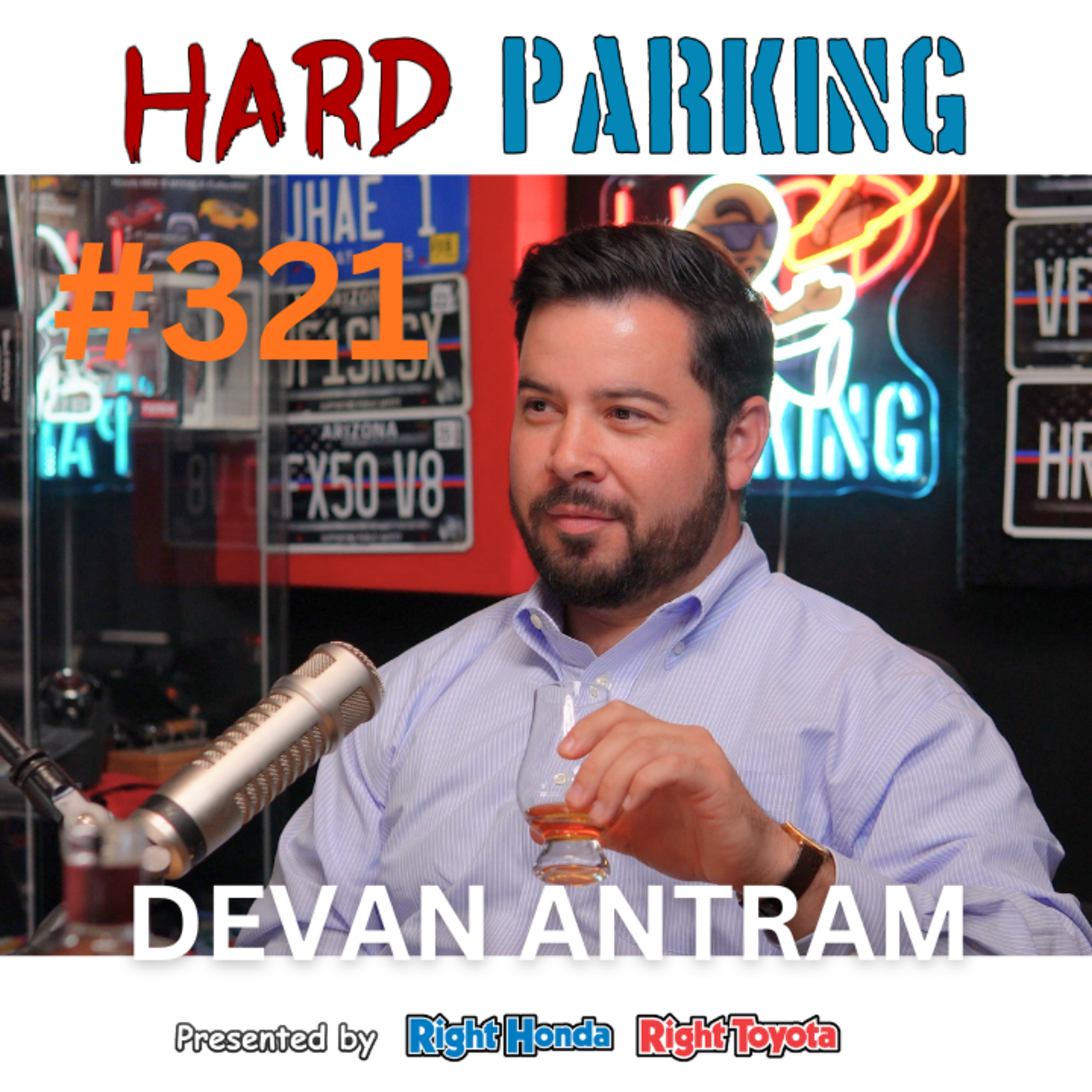
Devan Antram Returns: Funeral Cars + Oregon Bourbon | Hard Parking 321
About this episode
Devin Antram returns to Hard Parking with a hearse-meets-Honda story, explaining how his funeral business uses a modified Honda “Odyssey Hurst” built by American Coach for casket loading—complete with a floating/roller floor and procession strobe details. The conversation shifts to bourbon, featuring Oregon Spirit (including a cask-strength pour) and a lively tasting. Between laughs, they debate automaker pivots away from EVs, reliability impressions, and minivan practicality, plus Devin’s travel plans and a Miata-spec tip story.
Devan Antram is back for Hard Parking Episode 321! After his first visit years ago, he returns to the studio with Jhae Pfenning for another relaxed conversation covering life in the funeral industry at Queen of Heaven Catholic Cemetery & Funeral Home in Mesa, AZ, along with some memorable stories and real talk about helping families.
They also crack open a special bourbon Devan brought from Oregon and keep the laid-back Hard Parking vibe going with plenty of laughs. Perfect episode if you enjoy genuine conversations and interesting guests who come bearing good drinks.
Follow Devan on Instagram: @Dev_Dad_Dude
Support the show on Patreon and let us know in the comments what you thought of this return episode!
Timestamps- 00:00 – Intro & Let’s Get Rolling
- 01:30 – Devan Antram Returns
- 07:20 – Working in the Funeral Industry
- 12:10 – Queen of Heaven Cemetery Stories
- 18:50 – Oregon Bourbon Tasting
- 25:30 – Funny & Thoughtful Moments
- 35:45 – Life Reflections
- 48:00 – Shoutouts & Thanks
- 55:00 – Final Thoughts
- 1:02:00 – Outro – See You Next Week
Contact
Email: [email protected]
Website: www.hardparking.com
Patreon: patreon.com/hardparkingpodcast
Instagram: https://www.instagram.com/hardparkingpod/
YouTube: youtube.com/@HardParking

hearse
"...you rolled up in a hearse that I did. This has been kind of a little bit of a fun card..."
A hearse is a special car used for funerals. It’s built to carry the casket, and it often looks like a big, formal vehicle.
A hearse is a specialized vehicle used to transport a deceased person, typically with a rear compartment designed for the casket. In this episode, the host is talking about arriving in a hearse as a “fun car” and a company vehicle.
company vehicle
"...This has been kind of a little bit of a fun card that is actually a company vehicle."
A company vehicle is a car provided or used for work purposes rather than personal ownership. Here, the host notes the hearse is a “company vehicle,” framing it as part of the guest’s funeral business operations.
cars and coffee meetup
"...when I showed up to a little cars and coffee meetup he had in Phoenix. This was probably about two or three months ago."
“Cars and Coffee” is a casual car meet where people show up with their cars and hang out. It’s usually low-pressure and very social.
A “Cars and Coffee” meetup is an informal gathering where car owners bring their vehicles to socialize and show them off. In the episode, it’s used to set the context for where the guest’s vehicle was recently seen.
auction
"...This was probably about two or three months ago. Oh, was this after the auction? It was, yeah."
An auction is where cars get sold by bidding—people compete to offer the most money. In this story, it’s part of how the guest ended up with the vehicle.
An auction is a marketplace where vehicles are sold to the highest bidder, often including dealer and private sales. The host references an auction as the reason the guest had a car at a Cars and Coffee event.
limo
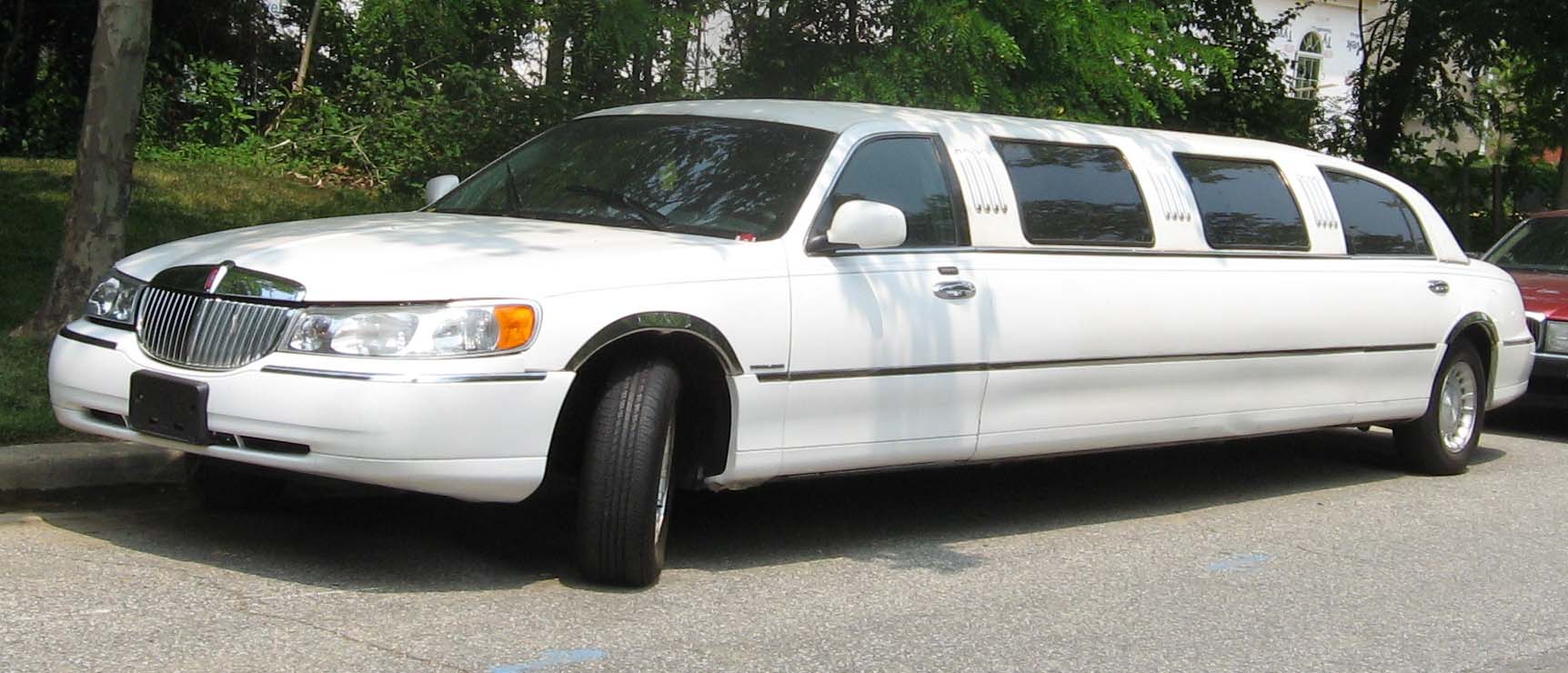
"...I was out there last year, but didn't have a car. I had my limo at the time, which no longer have limo. Panther limo's gone."
A limo is a long, fancy car used with a driver for special occasions. The guest is saying they used to have one for work but don’t anymore.
A limo (limousine) is a stretched, chauffeur-driven vehicle typically used for formal events. The speaker mentions they previously had a limo for work but no longer do, contrasting it with their current hearse use.
minivan
"So tell us a little bit about this Honda you have now. Yeah, yeah. So we, my work, we had had a minivan. We retired..."
A minivan is a roomy family vehicle, often used for lots of people and errands. Here it’s mentioned as a previous work vehicle before switching to hearses.
A minivan is a family-oriented vehicle with sliding doors and a focus on passenger space. The speaker contrasts using minivans for work with using hearses, explaining how their business vehicle needs have changed.
American Coach Company
"...we had it retrofitted out of a company in Cleveland, Ohio called American Coach Company. And nothing too crazy in terms of modifications."
They’re talking about a company that built or owned the vehicle before it was modified. Later, it was changed to better fit funeral-casket loading needs.
The American Coach Company is referenced as the company in Cleveland, Ohio that originally had the funeral vehicle. In this context, it’s part of the story of how the vehicle was retrofitted for casket loading and use.
floating floor
"It's got a custom fit floating floor in the back. So seats are gone... So what does floating floor mean?... They're floating floor... but it's got rollers built in."
This is a special back-floor setup in the vehicle. It’s designed to help slide a casket forward more easily using rollers, instead of moving it by hand.
A “floating floor” here refers to a custom loading platform installed in the back of the funeral vehicle. It’s mounted using the existing seat-bracket structure and includes rollers to help move a casket smoothly onto the end platform.
loading floor
"So loading floor. Oh, loading floor. Yeah, a little different. They're floating floor. Okay. That kind of floats, but it's mounted... their seat brackets."
They’re describing the same idea as a loading floor: a built-in platform that makes it easier to load a casket. The goal is smoother, safer movement during loading.
The speakers clarify that the “floating floor” is essentially a loading floor. It’s engineered to support casket placement and movement, with the platform mounted to the vehicle’s seat-bracket mounting points and assisted by rollers.
rollers built in
"...it's mounted into the... their seat brackets. Yeah, but it's got rollers built in. So when you have a casket, you're putting a casket in there... helps assist with rolling that forward..."
The platform has small rollers inside it. That way, when you put the casket on, it can slide/roll forward more easily.
“Rollers built in” describes the mechanical assistance integrated into the loading platform. When a casket is placed on the platform, the rollers help it roll forward toward the end of the loading area.
beer pin
"...You put a little call it a beer pin at the end holds a casket in place. So people could be watching or listening..."
They’re talking about a small locking/holding pin at the end of the platform. Its job is to keep the casket from moving while people are watching or listening.
The speaker mentions a “beer pin” at the end of the platform that holds the casket in place. While the exact term may be mis-transcribed, the function is clear: a retention point to secure the casket during viewing or transport.
strobe lights in the grill
"...that floor. Biggest modification is that outside of that, it does have a few little tricks on it. It's got some strobe lights in the grill for procession."
They added flashing lights up front for the procession. It’s meant to make the vehicle easier to notice during funeral events.
“Strobe lights in the grill for procession” describes lighting added to the front grille area to signal or support funeral processions. This is a common type of visibility/ceremonial modification on funeral vehicles.
chrome A, B and C pillar trim
"...It's got some strobe lights in the grill for procession. So it's got some chrome on the outside, got some chrome A, B and C pillar trim."
They’re talking about shiny trim on the vertical posts around the windows. It’s mostly for appearance, giving the vehicle a more traditional funeral-car style.
“Chrome A, B and C pillar trim” refers to decorative chrome pieces on the pillars between windows (A, B, and C pillars). On a funeral vehicle, these trims are part of the classic “carriage” look and can also help the vehicle stand out during events.
land out bar
"...got some chrome A, B and C pillar trim. It's got a land out bar, a little S bar on the window."
They mention an extra decorative bar on the window area. The exact name in the transcript is unclear, but it’s describing styling details on the vehicle.
The transcript mentions a “land out bar” on the window, which sounds like a mis-transcription of a specific trim/ornament. The context suggests it’s an exterior decorative bar associated with the funeral-vehicle styling.
proper bourbon
"everyone thinks that if it's proper bourbon, it has to come through Kentucky. And I think statistically, it's 80 something percent of them."
People often think bourbon has to be made in Kentucky to count. But the rules for what makes bourbon “bourbon” matter more than the state it’s made in.
The speaker is talking about the common belief that “proper bourbon” must come from Kentucky. In reality, bourbon is defined by production rules (like mash bill and aging requirements), not just geography, though Kentucky is a major producer.
120 proof
"this one is one of their stronger bottles, 120 proof. I mean, this is going to have a little bite."
“Proof” tells you how strong the alcohol is. 120 proof is very strong—roughly 60% alcohol—so it’ll hit harder than lower-proof spirits.
“Proof” is a measure of alcohol strength in the bottle. In the U.S., 120 proof is about 60% alcohol by volume, which typically means a stronger, more intense burn and flavor.
high proof
"It is. You can feel the high proof as soon as it touches your mouth. You definitely can. Does this say cash strength on here anywhere?"
“Proof” is just a way to say how strong the alcohol is. Higher proof usually hits harder at the start, and the flavor can feel more intense.
“High proof” means the bourbon has a higher alcohol concentration than lower-proof bottles. Higher proof usually tastes more intense and can feel “hotter” at first, then mellow as it finishes.
small batch distilled
"Hand selected for exceptional quality. It's a four grain straight American bourbon whiskey. Small batch distilled, but it tastes great."
“Small batch” means they made it in smaller runs. That can mean more attention to detail, but it’s still about the specific recipe and aging.
“Small batch distilled” indicates the whiskey is produced in relatively limited quantities rather than mass production. This often implies more careful selection and consistency, though it doesn’t guarantee a specific flavor style by itself.
Teslas on fire
"We were making fun of people. They were, they were keying Teslas and talked about people lighting the Teslas on fire. Oh yeah. And a woman got mad watching this on YouTube because all we did was talk about bourbon, some cars in parenthood."
They’re referencing reports that some Tesla electric cars caught fire. With EVs, people often focus on what could cause a battery to overheat and how those situations are handled.
“Teslas on fire” refers to high-profile reports of vehicle fires involving Tesla electric cars. When this comes up in car talk, it usually points listeners toward the broader topic of EV battery thermal events and what triggers them (crashes, charging issues, or other factors).
car show
"I saw him again, saw him at that car show where I kind of debuted that Honda Odyssey out there to him and some guys got a lot, probably to hit the show, to be honest, everybody was kind of gathering around like, what the heck is this?"
A car show is where people bring cars to display and talk about them. In this case, people were curious because the vehicle being shown wasn’t what they expected.
A car show is an event where vehicles are displayed for public viewing, often with enthusiasts gathering around specific cars. Here, the discussion highlights how unusual it is to see a Honda Odyssey in that context, which becomes part of the episode’s “funeral cars” theme.

Honda Odyssey
"I saw him again, saw him at that car show where I kind of debuted that Honda Odyssey out there to him and some guys got a lot, probably to hit the show, to be honest, everybody was kind of gathering around like, what the heck is this?"
A Honda Odyssey is a minivan—basically a family vehicle with lots of seats and space. The host is saying people were surprised to see one show up at the car show.
The Honda Odyssey is a minivan from Honda, known for family-friendly packaging and comfort. In this segment, it’s being shown at a car show in a way that draws attention because it’s not a typical “funeral car” stereotype.
VTEC
"Tyson kind of joked, you know, for those of you that want to get your last hit of VTEC before, you know, you hit the bottom of your head. Oh, it does. Yeah. Still got the, what do you think?"
VTEC is a Honda technology that changes how the engine breathes. It helps the car feel stronger when you rev it.
VTEC (Variable Valve Timing and Lift Electronic Control) is Honda’s system for changing valve timing and lift to improve performance and efficiency. The speaker references “getting your last hit of VTEC,” which is a common enthusiast way to talk about how VTEC engages at higher engine speeds.
J-Series
"It's got a J-Series, it's 35, 3.5 still. You should get a magnet for it."
“J-Series” is Honda’s internal name for a group of engines. The speaker is saying what engine family is in the car.
“J-Series” refers to Honda’s J-series family of engines used in various models, including some 3.5L V6 applications. In this segment, it’s used to describe the engine behind the speaker’s Odyssey, and it’s part of the broader “what engine is in it?” enthusiast talk.

Acura Integra
"Back when I had my Integra, I had a big, remember the big Intel inside thing? I had one that said VTEC inside, and I had the circle, I had it on my hood."
The Acura Integra is a sporty compact car from Acura. The speaker is talking about how his old Integra had VTEC branding, which is a big deal to car fans.
The Acura Integra is a Honda/Acura-era compact performance car that became famous in enthusiast circles, especially for VTEC-equipped variants. The speaker mentions an “Integra” with VTEC badging, tying it to the earlier conversation about VTEC identity and nostalgia.

Mazda MX-5 / Miata
"he's looking to get into Miata spec racing. Okay. So he was looking at 91 Miata, you know, fully basic skittles, first gen skittles... Guy in North Phoenix had a pretty good shape."
The Mazda Miata is a small sports car that’s popular for racing. “Spec racing” means you follow rules so cars compete more evenly.
The Mazda Miata is a lightweight, rear-wheel-drive roadster that’s popular for grassroots racing and track days. Here, the speaker is helping a new driver look at a “91 Miata” for Miata spec racing, which typically means building/maintaining the car to a rules-based spec for close competition.
Miata spec racing
"he's looking to get into Miata spec racing. Okay. So he was looking at 91 Miata, you know, fully basic skittles... Certainly a big time enthusiast to that, I think as many of those Miata guys are."
Spec racing is when race cars are limited by rules so they’re more similar. That helps keep costs down and makes it more about driving.
“Spec racing” is a format where cars are kept close to factory (or a defined rule set) to reduce cost and emphasize driver skill. Miata spec racing is especially common because the Miata platform is relatively affordable to maintain and easy to prepare within the rules.
Racing Junk (racingjunk.com)
"He had it advertised on, I think it was racing junk.com. I think I don't know if you're familiar with that."
They’re talking about a website where people buy and sell cars for enthusiasts. It’s like a classifieds site, but more focused on cars people actually want to modify or race.
The speaker mentions racingjunk.com, a marketplace focused on enthusiast vehicles and parts. It’s commonly used for finding project cars, track cars, and deals that don’t show up on mainstream listings.
Honda Civic Type R
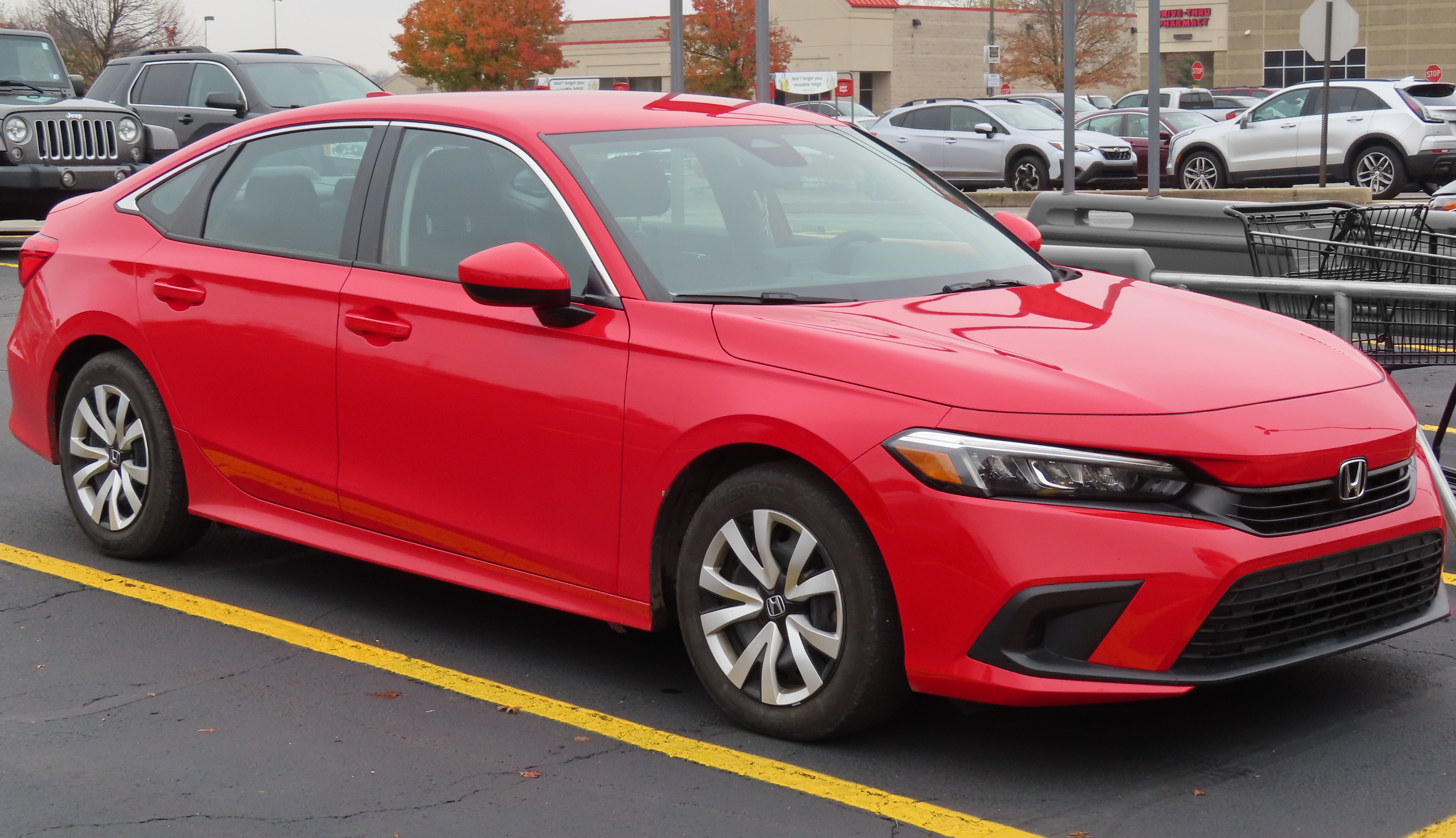
"We talked about the, the Civic type R versus the, uh, integrity type S."
That’s the Honda Civic Type R, a high-performance version of the Civic. It’s meant to be quick and fun while still being usable day-to-day.
The Civic Type R is Honda’s performance hatchback, built around a turbocharged engine and track-oriented tuning. The speaker is comparing it to another hot hatch, which is a common way enthusiasts evaluate daily-drive practicality versus performance.

Nissan Z
"Because I got the Z obviously that's my daily."
They’re saying they drive a Nissan Z every day. It’s a sports car that’s still comfortable enough for regular driving.
The speaker calls the Nissan Z their daily driver, highlighting how the Z is often chosen as a practical-but-fun sports car. In enthusiast circles, the Z is valued for its styling and driving feel without being as bulky or complicated as some larger sports cars.

Acura MDX
"...and then of course the MDX when it's time to switch it up."
They’re mentioning an Acura MDX, which is a more practical SUV. They’re basically saying they switch to it when they need more room or comfort.
The speaker says they had an MDX “when it’s time to switch it up,” using it as a practical alternative to their sports cars. The MDX is typically chosen for more space and family-friendly comfort while still being a premium SUV.
controlling interest
"Honda was trying to, you know, say, Hey, we want to buy you, but we would have controlling interest in you. They say, no, they turned that down."
“Controlling interest” means owning enough of a company to make the big decisions. The hosts are saying Honda wanted that level of control in a potential deal, and Nissan didn’t agree.
“Controlling interest” refers to an ownership stake large enough to control a company’s decisions, typically through voting power. The segment uses it to explain why Honda’s proposed acquisition of Nissan was rejected—Honda wanted control rather than a passive partnership.
EV development losses
"I understand that they're, they've taken a significant loss due to this. Something like 20 billion or something. All that money sunk into EV development. And now it's, you know, they're pulling back on that."
The segment cites a large EV development loss (around “20 billion”) as the reason Honda is pulling back. This highlights how high R&D spending without near-term returns can force manufacturers to change product plans and investment priorities.

Nissan Gtr
"...upcoming stuff. Exterus coming back. I guess the GTR might be coming back. I saw that too. Yeah. You k..."
The Nissan GT-R is a high-performance sports car. People talk about it because it’s built to be very fast and exciting to drive. In the episode, it’s mentioned as something that might be returning.
The Nissan GT-R is a performance sports car known for high-speed capability and a reputation for strong track-style performance. The podcast mentions it in the context of “coming back,” suggesting discussion about the model’s future or return. That’s why it’s brought up: it’s a well-known performance name that people follow closely.
AI-generated car rumors
"I don't know if they're real or not. No, it's hard to tell. I don't know what AI... And then you can say, you can use just the prompt and it could just be rumors, but you still see it. Like, we know that the pictures aren't real."
The hosts discuss how AI can generate convincing images that circulate as “news,” making it hard to tell what’s real. They recommend cross-referencing with credible reporting to separate genuine product updates from fabricated posts.
hybrids
"...a lot of those automakers are pivoting to, you know, hybrids or emphasizing, which Toyota pretty much took that path from the get go."
A hybrid is a car that uses gas and electricity together. The idea is to get better mileage than a regular gas-only car, and the hosts are talking about which brands are leaning into that.
Hybrids use both an internal-combustion engine and an electric motor to improve efficiency and reduce fuel consumption. The hosts connect the industry shift toward hybrids with Toyota’s early adoption and discuss whether other brands (like Honda) should do more.

Acura RDX
"...them dropping the RDX, you know, they're discontinuing that for what, two years... Dude, the RDX is sweet, man. Oh, they're cool. They're cool looking. They're fast. The one thing I hate about them though, the infotainment system in that touchpad..."
The Acura RDX is a small luxury SUV. The conversation is basically about whether it’s a great car overall, and what they don’t like about it—especially the infotainment system.
The Acura RDX is Acura’s compact luxury SUV. In this segment, the hosts discuss it as a desirable vehicle (“sweet,” “cool looking,” and “fast”) and then focus on its tech and packaging.
infotainment system
"They're cool looking. They're fast. The one thing I hate about them though, the infotainment system in that touchpad, God awful, which they did away with that."
Infotainment is the screen and controls you use for music, maps, and phone features. In this episode, the host says they don’t like how it works in the Acura RDX.
An infotainment system is the car’s in-dash interface for things like navigation, audio, phone connectivity, and vehicle settings. Here, the speaker criticizes the RDX’s touchpad-based infotainment as frustrating.
touchpad
"...The one thing I hate about them though, the infotainment system in that touchpad, God awful, which they did away with that. They did away with it because yeah, because that's, that's one of the selling points..."
A touchpad is like the trackpad on a laptop, used to control the car’s screen. The host is saying this particular touchpad control felt bad to use.
A touchpad infotainment controller uses a trackpad-style input instead of traditional knobs or a touchscreen. The speaker calls the touchpad setup “God awful,” implying it was a usability problem that Acura later removed.
massaging seats
"...that's one of the selling points for our new one outside, you know, that and the, the massaging seats. Oh, that's nice."
Massaging seats are seats that have built-in vibration to help you relax while driving. In the conversation, they’re treated like a feature meant to make the car more appealing.
Massaging seats are power-adjustable seats with built-in vibration or massage functions, typically offered on higher trim levels. The hosts mention them as a “selling point” alongside the infotainment changes.
captain's chair
"...do they all have the captain's chair that can come out, that center seat turning? Yeah. Yeah. We had it in the back in the old car too..."
Captain’s chairs are individual seats, not a single long bench. The conversation is about how that seating layout can be adjusted when you need an extra seat.
A captain’s chair setup refers to individual, separate seats (often in the second row) instead of a single bench. The hosts discuss whether the vehicle has captain’s chairs and how the center seat can be repositioned for extra seating.
2016 Ford F 150
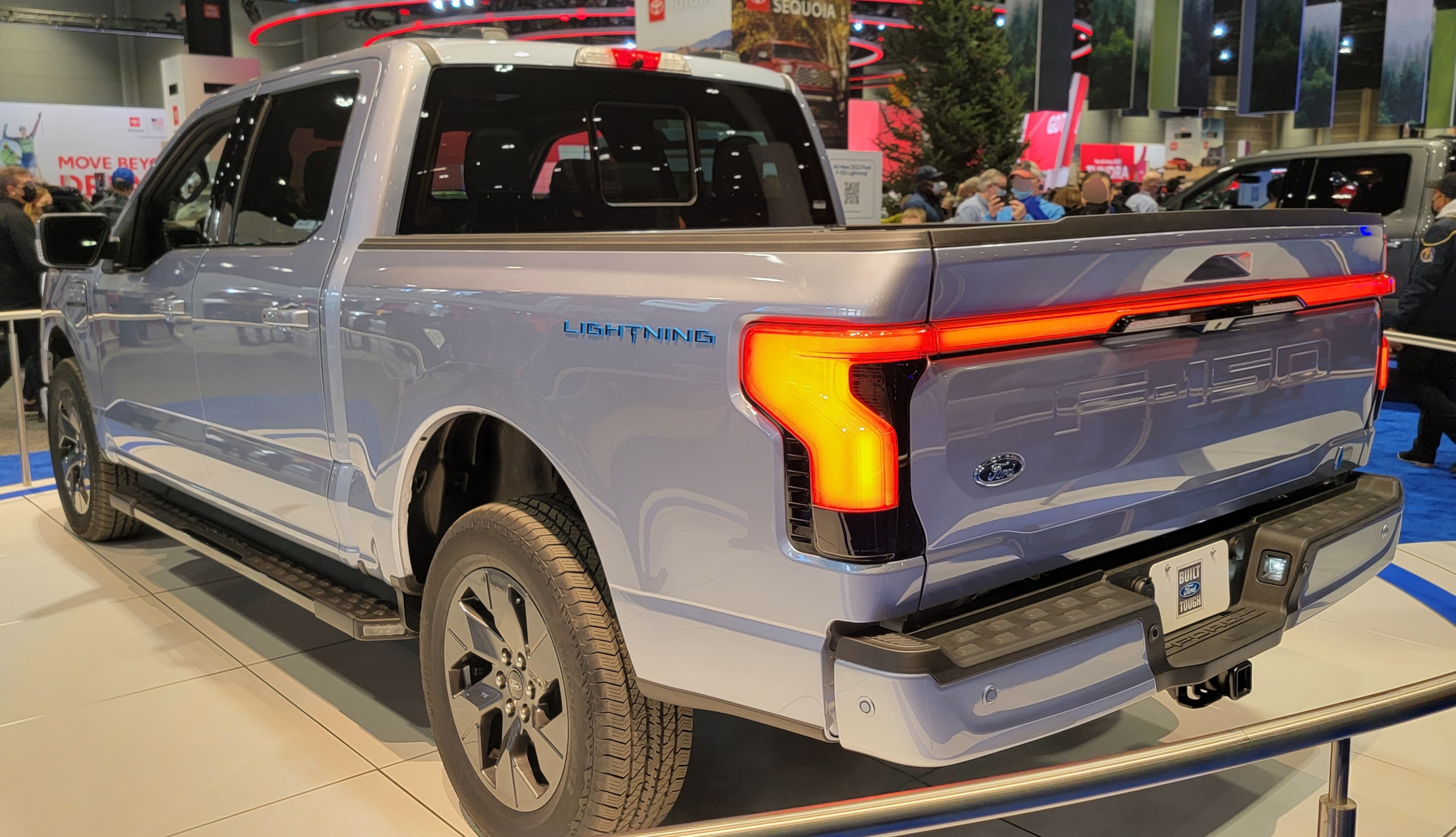
"I still got my 2016 Ford F 150. I bought that thing brand new... I've just rolled 160,000 miles on that truck."
They’re talking about their 2016 Ford F-150 pickup truck. They’ve owned it since new and it’s been a dependable daily for them.
The speaker’s daily is a 2016 Ford F-150, a full-size pickup known for strong availability of parts and lots of engine/transmission combinations. They mention it has been reliable for them over high mileage.
3.5 EcoBoost motor
"It's got the three, five EcoBoost motor in it. And I know folks have had issue..."
They’re referring to the Ford EcoBoost engine—basically a turbo gas engine. It’s the 3.5-liter version, and it’s known for being a strong, efficient choice in the F-150.
EcoBoost is Ford’s turbocharged gasoline engine family. The 3.5-liter EcoBoost is a popular V6 option in the F-150, balancing power and fuel economy, but it’s also a platform where certain maintenance items and known issues can matter.
cam phaser issues
"And I know folks have had issue, camp phaser issues, that kind of different stuff..."
Cam phasers help the engine open and close valves at the right times. When they have problems, the engine can run poorly or make noises, and it may trigger warning lights.
Cam phasers are components that adjust valve timing for better performance and efficiency. “Cam phaser issues” typically refers to failures or wear that can cause noise, check-engine lights, or rough running, depending on the engine.
timing chain guides
"...timing chain guides, knock on wood."
The timing chain helps the engine’s internal parts stay in sync. Guides are like supports for that chain—if they wear out, timing can get off and the engine can be at risk.
Timing chain guides help keep the timing chain properly positioned and tensioned. If guides wear or fail, it can lead to timing-related problems and potentially more serious engine damage.

Land Rover Range Rover
"So even, even Range Rover and Land Rover, they're not all going to blow up only 70% of them."
They mention Range Rover to make the point that even brands with a reputation for problems don’t have every single car failing. Maintenance and the specific vehicle matter a lot.
The speaker brings up Range Rover as an example of a brand where not every vehicle will fail, but some models/years can have higher risk of issues. It’s used to support their point about reliability being probabilistic rather than absolute.
McLaren
"McLaren's, there you go. You know, some have better reps."
They bring up McLaren to say that even expensive performance brands don’t all have the same reliability story. Some cars are generally better regarded than others.
McLaren is mentioned as another example where some models have better reputations than others. It reinforces the idea that reliability varies by specific design and ownership history, not just the badge on the hood.
reliability reputation
"...Honda Acura, I know, you know, their reliability reputation is kind of slid a little bit too..."
They’re talking about how people judge car brands based on how often they break. Their point is that reputation isn’t destiny—how you maintain the car matters too.
“Reliability reputation” is the idea that brands develop public perceptions based on reported failures and owner experiences. The speaker argues that these reputations can shift over time and that individual vehicles still depend on maintenance and the specific model.

Hyundai Santa Fe
"...we looked at the Kia Telluride and we looked at the Hyundai Santa Fe..."
They also looked at the Hyundai Santa Fe. It was one of the SUVs they compared while shopping for something practical.
The Hyundai Santa Fe is included in the speaker’s SUV comparison list. They mention it alongside the Telluride and other Hyundai models, implying they were evaluating similar-size family crossovers.

Kia Telluride
"...we looked at the Kia Telluride and we looked at the Hyundai Santa Fe..."
They considered the Kia Telluride as a potential SUV purchase. They liked it, but they felt it wasn’t quite perfect for what they wanted.
The Kia Telluride is referenced as a vehicle the speaker and their wife considered. It’s part of a comparison set of family SUVs they evaluated for comfort and “what’s missing,” suggesting they were weighing practicality versus appeal.

Hyundai Palisade
"...the Hyundai Palisade and we drove a Palisade, we is in Nevada. We didn't drive a Telluride..."
They drove a Hyundai Palisade while shopping for an SUV. They thought it was nice, but they didn’t feel fully sold on it.
The Hyundai Palisade is singled out as the one they drove during their shopping trip in Nevada. The speaker says it’s nice but felt like it was missing something, highlighting how subjective “fit and feel” can outweigh specs.

Infiniti QX60
"...the lady said the QX60 is like a jacket you buy from H&M. I knew exactly what she was talking about when she said it... it looks great. After a while. But it doesn't really work the way it's intended..."
The Infiniti QX60 is a luxury SUV meant to be comfortable and easy to live with. The point here is that it looks good, but the experience didn’t match what the speaker expected.
The Infiniti QX60 is a midsize luxury SUV known for comfort and family-friendly packaging. In the segment, the speaker compares its design/appeal to a fashionable purchase, then criticizes how it doesn’t perform as intended.

Lexus Gx
"...And then the Lexus GX 550s, which is sick... Kind of expensive and I guess they drive like a truck and you can't order them, you kind of get what you get... it's wait list and yeah, you get what you get, can't order those things..."
The Lexus GX 550 is a luxury SUV that’s built for durability and rougher use. The big takeaway is that it’s hard to get (dealers allocate them), and it drives more like a truck than a typical smooth family crossover.
The Lexus GX 550 is a luxury body-on-frame SUV positioned as a more rugged alternative to typical crossover SUVs. The discussion highlights real-world availability (waitlists and allocations), pricing/ordering limitations, and how it drives more like a truck than a car.

BMW 550S
"...t just wasn't there. Yeah. And then the Lexus GX 550s, which is sick. Oh, they're sweet. Kind of expens..."
The BMW 5 Series is a luxury sedan, meaning it’s a car focused on comfort and nicer features. The speaker is saying it didn’t feel like the right choice for them. It’s part of a comparison of different cars they considered.
The BMW 5 Series is a mid-size luxury sedan known for a mix of comfort and driving dynamics. In the podcast, it’s mentioned as part of a comparison where the speaker says “it just wasn’t there,” implying it didn’t meet expectations for what they wanted. That kind of comment typically comes up when someone is weighing luxury-car options.
dealer allocation / wait list (can't order GX 550s)
"...you can't order them, you kind of get what you get. They're hard to get. I mean, my dad's been... we've talked to about three dealerships here in town and you know, it's wait list and yeah, you get what you get, can't order those things."
Sometimes popular cars aren’t sold like normal “pick your options and order it.” Instead, dealers get a limited number of cars, so you may wait and only be able to choose from what arrives.
“Allocation” refers to how manufacturers limit how many vehicles a dealer can sell in a given period, often due to demand or supply constraints. When a model can’t be ordered normally, buyers may have to join a wait list and accept the specific build/colors the dealer receives.

Toyota Land Cruiser
"...it's basically a Land Cruiser, you know, deep, you know, rebadged with a little more creature comforts, but it's a rough ride."
The Toyota Land Cruiser is a tough, long-lasting SUV that’s built for rough roads. The speaker is saying the Lexus GX 550 feels closely related to it, just with more luxury features.
The Toyota Land Cruiser is a long-running, rugged SUV known for durability and off-road capability. The speaker uses it as a reference point, saying the Lexus GX 550 is “basically a Land Cruiser” with a luxury-focused rebadge and more comfort features.
Acura MDX Type S
"...once we did the comps, the MDX still came out on top or damn near on top in every category minus power. Yeah. Power wise. Yeah. Type S."
The Acura MDX Type S is a sportier, higher-performance version of the MDX family SUV. The speaker is comparing it to other SUVs and saying it won most categories, even if it wasn’t the strongest on power.
The Acura MDX Type S is a performance-oriented version of the MDX, typically positioned as a more powerful, sportier three-row SUV. The speaker says that after doing comparisons (“comps”), the MDX came out on top in every category except power, and they also mention their own Type S in the garage.
comps (vehicle comparison)
"...knowing that, you know, once we did the comps, the MDX still came out on top or damn near on top in every category minus power."
“Comps” means they compared cars against each other. It’s like looking at the whole package—comfort, features, and driving—not just one number.
“Comps” here means side-by-side comparisons against competing vehicles across multiple categories (not just acceleration or horsepower). The speaker uses it to justify why the MDX performed best overall except for power.
driver side door tweeter
"...Speaking of, you were saying Honda and Acura quality at times. I mean, I, I'm waiting on a call for warranty. My driver side door tweeter,"
A tweeter is a small speaker designed to reproduce high-frequency audio. Mentioning a “driver side door tweeter” suggests an audio system issue (likely distortion or failure) that’s significant enough to trigger a warranty call.
sensor to stop
"Yeah. It's crazy. You know, so, so thinking about the Palisade in the, in the Telluride too, with that big thing with the seats, not having the sensor to stop from holding in on, I mean, a child lost her life in that, that's pretty wild to see that."
This is a safety feature meant to detect an obstacle and stop the seat from moving. The concern described is that the seat didn’t stop when it should have.
This refers to an anti-entrapment or obstruction-detection sensor designed to stop seat movement when something (like a hand or child) is in the way. The segment argues that the system didn’t stop reliably, which is why the safety incident was serious.
stop sale
"No, I hadn't seen that. Wow. There was a stop sale, I think on, I think it was on a certain trims because it's like, again, the power seats, powerful down seats in the second row and third row."
A stop sale means the company pauses selling certain cars until they fix a problem. It’s usually done for safety reasons so people don’t buy a vehicle with a known issue.
A stop sale is when a manufacturer or regulator halts sales of certain vehicles (often specific trims or production ranges) until a safety issue is corrected. It’s commonly used when there’s a serious defect or safety risk that needs a fix before customers can buy the car.
power seats
"No, I hadn't seen that. Wow. There was a stop sale, I think on, I think it was on a certain trims because it's like, again, the power seats, powerful down seats in the second row and third row."
Power seats are seats you move with buttons or a switch instead of manually. Here, they’re talking about how the power seats move and why it matters for keeping kids safe around the seat mechanisms.
Power seats are seats that move using electric motors and buttons rather than manual adjustment. In this segment, the focus is on power seat movement in the second and third rows and how safety sensors (or the lack of them) affect pinch/entrapment risk.
technology vs. a lever you pull
"And I was listening, I was listening to, uh, I'm trying to think, I think this might have been Doug DeMiro's podcast that we're talking about some of this too. And it's like, you know, sometime, you know, technology is great, functionality and tension to that's cool, but there's nothing wrong with a lever you pull."
The speaker contrasts automated/technology-driven controls with simple mechanical controls (like a lever). The underlying idea is that while tech can add convenience, mechanical controls can be more predictable and fail less dramatically in edge cases.
Doug DeMiro
"And I was listening, I was listening to, uh, I'm trying to think, I think this might have been Doug DeMiro's podcast that we're talking about some of this too."
They mention Doug DeMiro as the source of a related discussion they were listening to. It’s mainly there to give context for the opinion they’re sharing.
Doug DeMiro is referenced as a podcast host whose discussion is being echoed in this segment. The mention is used to support the broader point about technology versus simpler controls.
Donut Media
"I used to be, be big on a donut media, you know, but there, there's been, I don't know if you followed that. I didn't realize they had a podcast."
Donut Media is a car-focused YouTube channel and media company. They make videos (and sometimes podcasts), and the conversation is about how the team changed over time.
Donut Media is a popular automotive media brand that produces YouTube videos and also has podcast content. In the segment, the hosts discuss how the company went through acquisitions and talent changes, which affected who was making the content.
Up to Speed
"Well, his personality is great. You know, he's very animated and, uh, I mean, I love his up to, up to speed segments. Those were some of my favorite videos, you know, a few years ago."
“Up to Speed” is a recurring series where the channel breaks down car topics in a fun, easy-to-follow way. The host is saying they really liked those episodes.
“Up to Speed” is a recurring Donut Media segment format known for explaining automotive topics in an accessible, story-driven way. The speaker references it as some of their favorite videos, implying it’s a key reason the channel resonated.
Big Time
"I think the other guys have a podcast or show called big time on YouTube. So that's a pretty good one. I'll, I'll catch those episodes from time to time."
“Big Time” is a show the speaker says they catch sometimes on YouTube. They’re talking about how car creators branch out into their own channels.
“Big Time” is referenced as a YouTube show/podcast the speaker watches occasionally. It’s mentioned in the context of automotive creators splitting off into their own projects after leaving larger media groups.

Acura NSX
"...my friend Brandon here, VQ V tech V eight, you know, with the red car, his NSX, he got so big on Instagram."
The Acura NSX is a sporty Acura that’s built more like a performance car than a regular commuter. People like it because it’s fast and feels special to drive.
The Acura NSX is a mid-engine sports car known for its performance and engineering. In the transcript it’s mentioned as Brandon’s “red car,” tying the model to car-enthusiast culture and social media presence.

Suzuki Jimny
"The last thing I had was the f***ing the Suzuki guy. What was it called? Jimny, the Suzuki Jimny in Costa Rica."
The Suzuki Jimny is a tiny off-road SUV. It’s the kind of car people rent when they want something simple and capable on rough roads.
The Suzuki Jimny is a small, body-on-frame off-road-capable SUV that’s popular for its compact size and ruggedness. The speaker rented it in Costa Rica, using it as an example of a different vehicle they got to drive.

Jeep Grand Wagoneer L
"...I rented a Jeep Grand Wagoneer L, so the big boy, long guy. And so drove that, it had that, the Hurricane V6 or the inline six."
The Jeep Grand Wagoneer L is a big, upscale SUV—bigger than most Jeeps. The “L” usually means it’s longer for more room inside.
The Jeep Grand Wagoneer L is a large, luxury-oriented SUV with a long-wheelbase “L” version for extra space. The speaker describes renting one for a wedding and focuses on its engine and power, comparing it to other big SUVs.

Jeep Grand
"... my best friend from high school. And I rented a Jeep Grand Wagoneer L, so the big boy, long guy. And so drov..."
The Jeep Grand Cherokee is an SUV made for both regular driving and light off-road use. It’s designed to handle different road conditions while still being comfortable. In the podcast, it’s part of the speaker’s Jeep experience and what they’ve driven.
The Jeep Grand Cherokee is a midsize SUV known for off-road capability and a wide range of trims. It’s a common choice for people who want both everyday comfort and the option to go beyond paved roads. The episode mentions it in the context of renting a large Jeep and driving it, connecting it to the speaker’s experience with the brand’s bigger SUVs.

Lamborghini Huracan
"...t, the Hurricane V6 or the inline six. It's got a Huracan V6 in it. And that's got like, I want to say tha..."
The Lamborghini Huracán is a very high-performance sports car. The speaker is describing its engine setup as part of what makes it special. It’s mentioned because it’s one of the well-known supercars people pay attention to.
The Lamborghini Huracán is a supercar known for its aggressive performance and distinctive design. The podcast specifically mentions a “Huracan V6” and describes it as an inline six, which is how the speaker is framing the engine in their discussion. It’s brought up as part of the episode’s talk about upcoming or notable performance vehicles.
Hurricane V6
"...it had that, the Hurricane V6 or the inline six. It's got a Huracan V6 in it."
The “Hurricane V6” is the name of the engine in that big Jeep. It’s basically what provides the power, and the speaker is saying it feels very strong.
“Hurricane V6” refers to a V6 engine family used in certain Jeep Grand Wagoneer models. The speaker connects it to the vehicle’s performance by mentioning high horsepower and quick acceleration.
electric bugaboos
"I know those cars have a reputation for a lot of electric bugaboos and stuff like that. But they look cool."
The speaker is basically saying people worry about the car’s electronics or electric systems. Even if there are concerns, they still think it looks cool and is fun to drive.
“Electric bugaboos” is a casual way to refer to common concerns about modern electrified systems—often things like reliability, complexity, or annoying electronics. The speaker contrasts those worries with the vehicle’s look and appeal.

Chevrolet Tahoe
"...It's a cool alternative to your, your Yukon's and your Tahos and all that stuff."
The Chevrolet Tahoe is a big SUV people commonly cross-shop when they want lots of space. The speaker is saying the Jeep is a cool alternative to that kind of vehicle.
The Chevrolet Tahoe is another full-size SUV that competes directly in the same “big family/luxury” space. The speaker groups it with the Yukon as a typical alternative to the Jeep Grand Wagoneer L.

GMC Yukon
"...it was pretty sweet. I mean, I know those cars have a reputation for a lot of electric bugaboos... It's a cool alternative to your, your Yukon's and your Tahos and all that stuff."
The GMC Yukon is a large SUV that many people think of when they want a big, comfortable vehicle. The speaker is saying the Jeep feels like a different option versus that usual choice.
The GMC Yukon is a full-size SUV often used as a benchmark for big, comfortable family hauling. The speaker uses it as a comparison point, saying the rented Jeep is a “cool alternative” to Yukons and similar SUVs.

Cadillac XT6
"...Cadillac Hurses that are built on an XT6. So that small SUV, three rows. They chopped that thing up, stretch it."
The Cadillac XT6 is a three-row SUV. The funeral shop uses it as the starting vehicle, then modifies it into a hearse.
The Cadillac XT6 is the SUV platform the speaker says the funeral home uses as the base for their Cadillac hearses. The XT6’s three-row layout makes it a practical starting point for stretching and adding a casket body.

Chevrolet Express
"We've got a, I ordered this actually, we got a 2025 Chevy Express 2500 cargo van. And what I found is... we wanted some windows just on the loading doors..."
They ordered a 2025 Chevrolet Express 2500 van for work. They wanted windows on the loading doors, because many cargo vans are built without them to reduce visibility and theft.
The speaker ordered a 2025 Chevrolet Express 2500 cargo van for their funeral-home fleet. They specifically discuss ordering it with windows on the loading doors—uncommon on many Express vans because some buyers prefer fewer openings for theft prevention and to keep tools out of sight.
6.6 liter
"...instead of that 4.2 V6, maybe get the 6.6 liter. Why not? Why not? Put the remote start on there."
They’re talking about choosing a bigger engine size (the 6.6-liter) instead of a smaller one. A larger engine can help the van feel stronger when it’s carrying stuff.
The speaker is comparing engine options for the Chevrolet Express 2500, choosing the larger 6.6-liter engine instead of the smaller 4.2 V6. In a cargo van, the bigger engine can provide better torque for hauling and stop-and-go driving, especially when the vehicle is loaded for work.
remote start
"...maybe get the 6.6 liter. Why not? Why not? Put the remote start on there."
Remote start means you can start the van without getting in first. It’s handy for warming up or cooling down before you drive.
Remote start lets you start the engine from outside the vehicle (typically via a key fob or app) so the cabin can warm up or cool down before you get in. The speaker calls it out as a desirable feature on a cargo van, not just a passenger car option.
blind spot alert
"It's got blind spot alert, you know, so for a cargo van, it's kind of tricked out."
Blind spot alert warns you if there’s a car in the area you can’t easily see next to you. It helps reduce lane-change mistakes.
Blind spot alert is a driver-assistance feature that warns you when a vehicle is detected in your blind spot area (often using sensors in the rear corners). The speaker notes it as part of the van’s “tricked out” equipment for a cargo vehicle.
GM 8-speed automatic transmission
"...it's got an eight speed automatic transmission where that's a vast technological improvement, but it's pretty analog."
They’re talking about the van’s automatic transmission having eight gears. More gears can make the van shift more smoothly and help it run efficiently.
The speaker mentions an eight-speed automatic transmission, highlighting it as a major technological improvement. More gears can help keep the engine in a more efficient range, improving drivability and potentially fuel economy compared with older multi-gear automatics.
physical key
"...but it's pretty analog. It's still got a physical key. Still got the radio from like all the early 2000s, General Motors products in it."
A physical key is the traditional key you put in the ignition and turn. The speaker likes that it feels straightforward and familiar.
The speaker contrasts modern keyless systems with a physical key, saying the van still uses a traditional key you insert and turn. This is part of their “analog” theme—modern tech features exist, but the vehicle still feels old-school in how you start it.
funeral car fabrication industry
"the trend right now is still the, the funeral car fabrication industry. That's kind of, it's been in a kind of a weird limbo lately..."
This is about the business of turning regular cars into hearses. The host is saying it’s gotten harder and more expensive because the kinds of cars that used to be easy to convert aren’t as common anymore.
This segment centers on the funeral car fabrication industry and how it’s been in “limbo” due to changing donor-car platforms. The speaker explains that modern hearses often start from different vehicle types (smaller sedans, SUVs, or minivans), which affects complexity, cost, and what builders can realistically convert.

Lincoln Town Car
"all those cars were built on full size American sedans, you know, the Lincoln town cars, the Cadillac..."
The Lincoln Town Car is a big, comfortable Lincoln sedan. People used to take cars like this and modify them into hearses because they had the size and smooth ride needed for the job.
The Lincoln Town Car is a long-running full-size luxury sedan that served as a common base for traditional hearse conversions. The segment contrasts it with newer, smaller platforms that require different fabrication approaches.

Cadillac DTS
"the Lincoln town cars, the Cadillac, the Villa or DTS. So now they shifted..."
The Cadillac DTS is a Cadillac luxury sedan. The point here is that older hearses were often built from big sedans like this before the industry shifted to smaller modern bases.
The Cadillac DTS is referenced as one of the older full-size sedan platforms used for hearse builds. In the discussion, it represents the “previous era” of larger body-on-frame style sedans that were easier to convert into long, coach-like funeral vehicles.
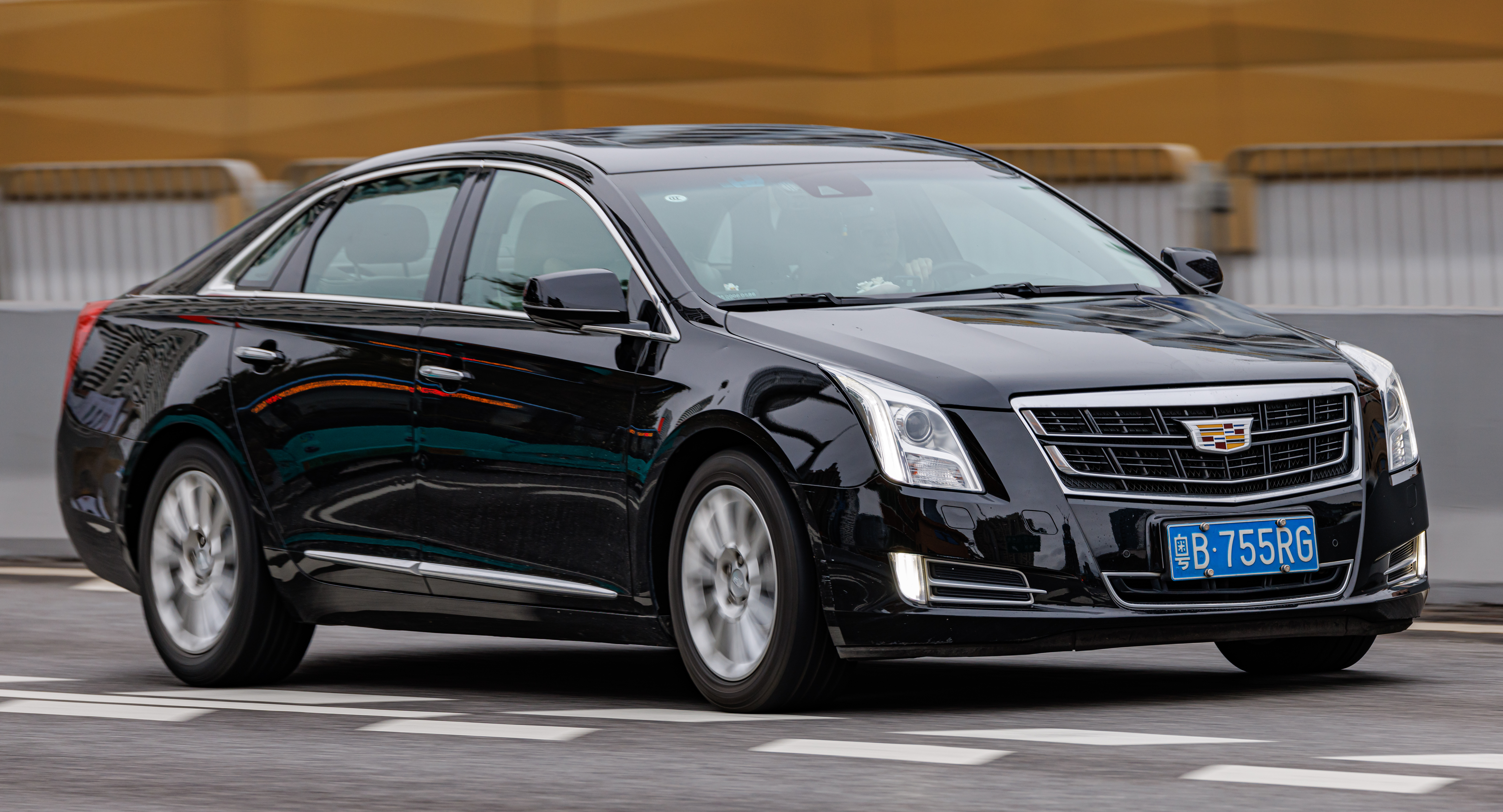
Cadillac XTS
"So now they shifted like the last iteration... this generation of hers is for us was built on the XTS..."
The Cadillac XTS is a Cadillac large sedan. The host is saying hearse builders started using newer sedans like the XTS as the base because the older, bigger cars became less available.
The Cadillac XTS is described as a newer “large sedan” platform that hearse builders used as the industry shifted away from older full-size sedans. The speaker notes these newer cars are smaller than the old body-on-frame sedans, which changes how much fabrication is needed.

Chevrolet Suburban
"...ng coach companies that'll build, you know, on a suburban chassis. So just a long SUV to not have to do as ..."
The Chevrolet Suburban is a very large SUV with lots of space for passengers and cargo. Because it’s so big, some companies use its platform to build special long vehicles. The speaker is describing it as a practical way to get extra length and room.
The Chevrolet Suburban is a full-size SUV built for maximum passenger and cargo space, often used where people need room for groups or equipment. It’s frequently discussed because its long-wheelbase design can be a strong foundation for specialized builds. The podcast specifically references using a Suburban chassis to create a long SUV setup.

Toyota Sequoia
"So is there a Sequoia hearse out there? Not that I know of... I know the Sequoia, it's a little high."
The Toyota Sequoia is a large SUV. The host is wondering if someone has built a hearse on one, but points out that the SUV’s height and the need for a wheelchair ramp make it a big consideration.
The Toyota Sequoia is brought up as a possible base for a hearse, with the speaker noting it would likely be “high” and that the ramp requirement is a key constraint. It’s used to illustrate how vehicle height and packaging affect feasibility of wheelchair-accessible conversions.

Chrysler Pacifica
"Usually like a Chrysler Pacifica. It's usually the most modified minivan for duty of a Pacifica. They're solid, honestly. Don't sleep on the Pacifica."
The Chrysler Pacifica is a minivan. The host says it’s a solid choice for funeral-related conversions because it has the space to fit what needs to be carried.
The Chrysler Pacifica is recommended as a common and practical base for modified funeral minivans. The speaker specifically contrasts it with other minivans and praises its interior space and suitability for carrying people and equipment.
sliding doors
"tons of room, tons of room, easier to park than all the creature comforts because they want to sell that, you know, both doors open usually. Yeah. Sliding doors. You don't have to worry about door dings because you kid opening your door, you just push the button."
Sliding doors are the side doors that move along the car instead of swinging open. They’re handy in parking lots because they’re less likely to hit other cars and they’re easier to use for families.
Sliding doors are a defining minivan feature that improves everyday usability. They reduce the chance of door dings in tight parking spaces and make it easier for kids or passengers to get in and out.

Ford Expedition
"...hey got an Eddie Bauer. My parents bought a 1998 Expedition Eddie Bauer. And we, as a kid, I was like, man, ..."
The Ford Expedition is a large family SUV. The speaker mentions their parents’ 1998 Expedition Eddie Bauer, which suggests they remember it from childhood and are comparing it to other big SUVs they’ve looked at.
The Ford Expedition is a full-size SUV designed for families and long-distance comfort, with seating and space meant for bigger groups. The podcast references a 1998 Expedition Eddie Bauer owned by the speaker’s parents, showing how the model has been part of their family history. That kind of personal context often comes up when discussing ownership experiences and what a vehicle feels like over time.
Copper State 1000
"You know, I, so we recorded this before the Copper State. [2483.2s] This is coming out after the Copper State 1000, which took place on April 12th."
They mention the Copper State 1000 as a date reference. It’s an event in the car world, and they’re saying this episode comes out after it happened.
The Copper State 1000 is a motorsports event the host references as a timing marker for when this episode was recorded and released. It’s relevant because it frames the episode’s context around a specific rally/competition weekend.
Request an Explanation
Heard something you'd like explained? We'll add it to this episode.
Sign in to request explanations for terms you heard.
Want to learn more?
Browse our glossary for plain-English explanations of automotive terms, jargon, and concepts.
Help improve this episode
See something that's not quite right? Our annotations are AI-generated and can sometimes miss the mark. Click the flag icon on any annotation to suggest a correction.