Building a car means putting together or changing a car, sometimes using parts from different cars. It’s like a big project to make a car special or better.
Limited Sportsman is a type of car race where drivers compete in special cars that are not too fast or too expensive. It helps people learn how to race on smaller tracks.
The sportsman division is a type of car race where drivers compete in special cars that are a bit less powerful than the fastest race cars. It's a place where new drivers can learn and get better.
NASCAR Cup Series is a popular car racing competition where teams race stock cars. People work on these teams doing jobs like changing tires quickly during races.
The NASCAR Xfinity Series is a popular car racing league where drivers race cars that look like regular cars but are specially built for racing. It's one step below the top NASCAR races.
A manifold is a part of the engine that moves air or exhaust in and out of the engine. Changing it can help the engine run better by letting more air flow through.
A crew chief is the person in charge of the race car team during a race. They decide how the car is set up and when to make pit stops to help the driver win.
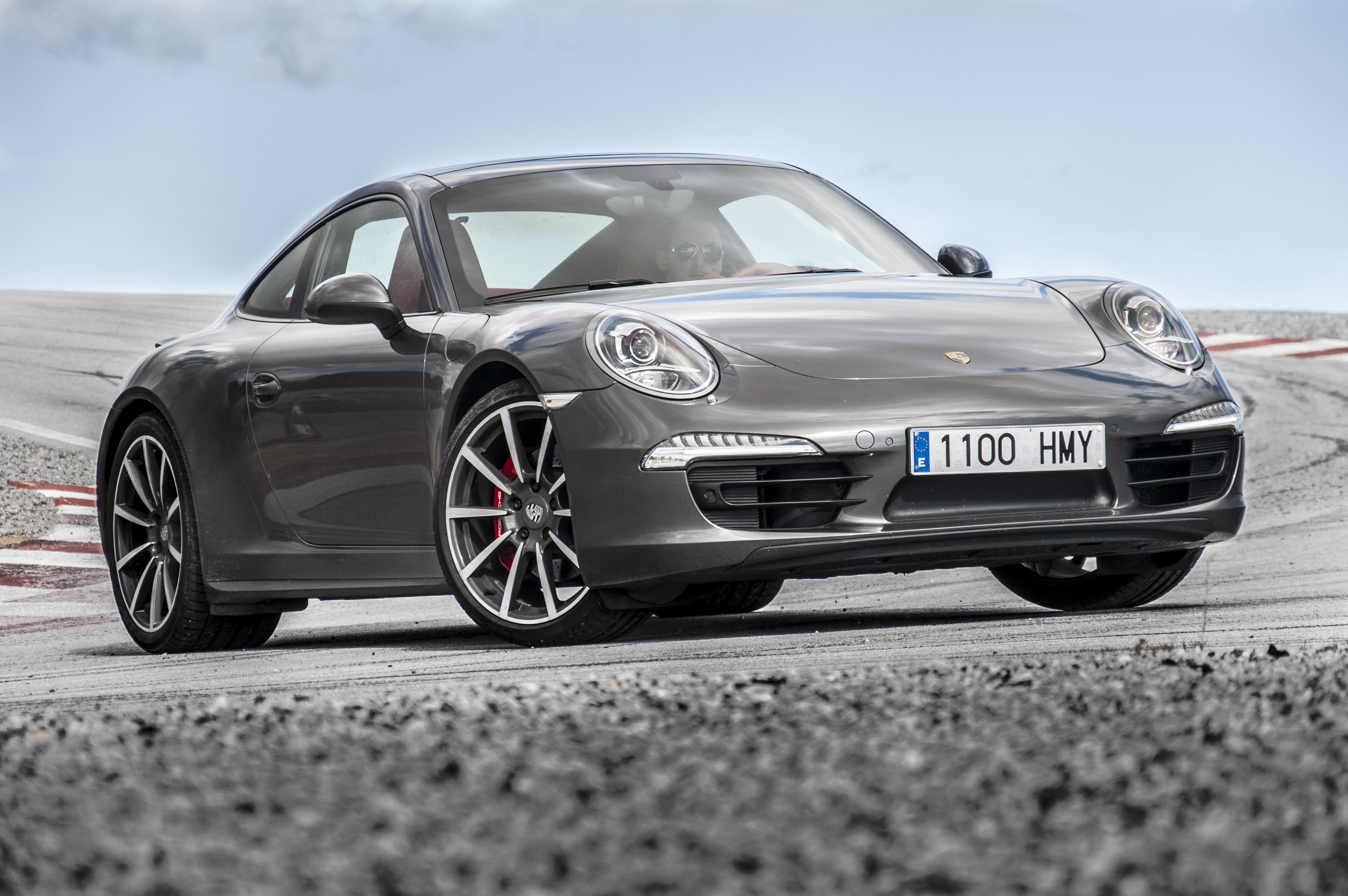
The Porsche 911 is a famous fast car that looks unique because its engine is in the back. People love it because it drives really well and has been used in many races, making it special and well-known.
The Nissan Pathfinder is a big car that can carry your family and all your stuff. It's made to be tough enough for trips and adventures but also comfortable for daily driving.
LIVE
At Marathon Gas stations, every stop is the start of fun, like the awesome fuel savings
you can get with Marathon Rewards.
Join Marathon Rewards today and start earning rewards on every gallon of gas.
You can redeem your rewards at any time, saving up to $1 per gallon.
And don't forget, Marathon stations are packed with all the conveniences you need to stock
up and live life on the go.
Marathon, where fun runs on full, available at participating Marathon locations, terms
and conditions apply, see MarathonRewards.com for details.
When you're looking to hire somebody, it's not just about finding someone to fill the
void.
It's about finding someone with the right background, experience, skills to get the
job done because you don't want to have to go through the hiring process again.
You want to do it once and get it right.
Indeed sponsored jobs help you match with candidates who can move your business forward.
Target candidates by skills, certifications, or location.
Join the 3.3 million employers worldwide that use Indeed to connect with quality talent
that fits their needs.
Spend less time searching and more time actually interviewing candidates who check all your
boxes.
Less stress, less time.
More results now with Indeed sponsored jobs.
And listeners of this show will get a $75 sponsored job credit to help you get your job
the premium status it deserves at Indeed.com slash podcast.
Terms and conditions apply, hiring, do it the right way with Indeed.
The following is a production of Dirty Mo Media.
You're Dale's Jr.
Should I say it?
It's Dale's Jr.
Podcast.
I gotta say it.
Hey, everybody.
It's Dale and Hart Jr.
Here with another episode of the Dale Jr.
Download.
We've got a classic for you today.
Andy Petrie, a crew chief broadcaster, team owner.
He's done it all and he's going to come in here and tell us about it.
Let's get him at the table and get started.
Brought to you by Arby's here in the Arby's studio and their new meat and three box.
You get more meal for your money at Arby's.
We have the meat.
What's up, man?
How you doing?
Oh, pretty good.
Have a seat.
Yeah, have a seat.
I'm just mine.
Yeah, but it's right there.
This is pretty cool.
Thanks, man.
We've been looking forward to you coming on the show.
Yeah.
Yeah.
I appreciate it.
I have to.
I've been watching a lot of them.
Have you?
Yeah.
You've had some characters on there.
You've had some fun.
Yeah.
Throw that headset on so you can hear us.
And by the way, first guest we've ever had that flew a helicopter in, I guess.
I don't think so.
Yeah, probably.
You and Rick Hendrick.
I guess there was that.
You hadn't had Chase on yet.
Yeah, he would fly a helicopter here.
He probably would.
So, Andy Petrie is on the show.
It's awesome to have you in here.
And I know that you got your hands full and you're busy working with RCR.
What are you doing these days?
What's your job title?
Well, I'm just, you know, the VP of competition over there and kind of everything that's
competition related falls under me.
Got great people, you know, that handle all the things, you know, from engineering to
operations.
You've got Sammy Johns and Eric Kominick and, you know, just a lot of good, good strong
people over there.
What made you want to go back and go back to work at RCR?
You had your own deal, you kind of were doing some TV and you seem to be like you
was settled into this sort of comfortable place.
You didn't really want to work all the time.
I was.
Now you're working hard again.
Look, it was great, right?
I was working for ESPN.
I was working in the booth and life was great.
I mean, it really was.
And then ESPN lost the contract to NBC and then you took my job.
So, here I see it.
We're all thinking it.
Yeah.
Right.
We'll go ahead and address it in the room.
No, I'm just kidding.
But after that ran out, I mean, I still do work for Fox, you know, on the Race Hub show,
which I really enjoy once a week or so during the season.
But that's it.
You know, I was just, you know, piddling things in my shop.
I was, you know, I'm obviously passionate about aviation.
And I, you know, I dabbled with, you know, I got my airframe power plant license to be
able to work on helicopters and airplanes.
And I bought a run out Robinson kind of like the one I'm flying now and overhauled it.
Okay.
That's a good way to, you know, make a little money.
I can, you know, occupy my time.
It was way too hard.
Well, it was really hard work and there wasn't a lot of money in it.
So I ended up selling that helicopter, making a little bit of money.
And about that time I was talking to Richard about some other things and we had lunch at
the winery and he said that he's, he's having, he just wasn't happy with the direction of
the team and, and one of, you know, what I thought and we talked about some things
and he, you know, what do you think about coming back over here?
And it really piqued my interest.
I mean, because I'm a super competitive guy, you know, I didn't, I didn't quit being
competitive just because I took on other things and you miss it a little bit.
There's things about, about racing that I really love that you can, you know, lay
awake at night thinking of how can I make this a little better?
How can we beat them this week?
How can, you know, and so I really kind of wanted to do it.
You know, and so it's been, it's been fun.
This is my fourth season there.
And I feel like that we've made some progress along the way.
One a few races and, you know, one next indie championship a couple of years ago with,
with Tyler and now moving him with his career along.
I think it's interesting.
And, you know, in Austin Dillon is sitting in this really good spot in his career where
he's, you know, tons of experience, very talented, you know, I feel the pressure of
being able to give him the equipment that he deserves right now.
And so it's been fun.
Let's go way back.
All right.
You got to go way back now.
We're going as far as we can.
We're going farther back than you can remember.
That's the challenge.
Doing this show is seeing how much you guys can remember.
I, you know, you, you call yourself a car freak from, from way back since you could walk.
But what was your family's involvement around automobiles?
What was the, what, what, what connected you to racing or to the car?
Well, it's a little different than your career, right?
I mean, your, your dad was super famous all in racing when you grew up, but my dad was
not.
I mean, my family really wasn't interested or really had any connection to racing.
And other than for cars, my grandfather was a car dealer, Chevrolet dealer in Newton,
North Carolina and Newsom Cross Chevrolet.
So that, that's one reason I would hang out in the dealership and, you know, aggravate
the mechanics like crazy.
You know, John Settlemire was one of the mechanics in there and he was five time, ended up being
a five time track champion at Hickory Speedway.
And I got, oh man, that's really cool.
Yeah.
He got race cars and he took me, you know, out to shop a few times when I was a kid, show
me the cars.
I just kind of got the first real interest I got though.
My, my uncle took me to Hickory Speedway when I was 11, 12 years old and I got there and
I heard those cars running from the parking lot.
I'm like, holy cow.
And I went running up that ramp, you know, that ramp in front, just running.
I didn't pay a ticket.
Nothing.
I ran top of that.
And I looked down at those cars.
They were practicing.
And I knew right then that was it.
I was done.
I'm telling you that nothing else in the world mattered.
How old were you?
I was 11 or 12 years old.
Okay.
Did you play any sports in school?
Nope.
But I build race cars when I was like still in high school.
Yeah.
Yeah.
From that point on, right?
Yeah.
So you, you go to your first race at Hickory and hear that motor and get all excited about
that.
How long, where, where, where did you finally, where were you able to get, finally get your
hands on the car and start tuning on one?
Well, it was kind of crazy.
It was like when I was still in high school and, and, and Dale Jarrett and Jimmy Newsom
were good friends of mine.
Well, Jimmy, I actually, Dale wasn't even in the picture yet, but Jimmy was actually running
the tire store there and Newton had graduated ahead of me a few years and, and I was trying
anything I could.
I was trying to call anybody to help me.
We didn't have any money.
My, you know, we were poor back then, but I was trying to find somebody to help me build
a car.
I want to go up in race.
What kind of car are you going to build?
Well, we started out.
We built this Nova, a 72 Nova out of a 64 Chevelle frame.
We go by all this stuff and, and I don't actually, I don't have a clue about any of this, right?
I'm just, I want to do it.
I got this, this want to, but I don't have any real skills and I started aggravating
John Settlemire and Tommy Houston, every like, I'd kind of lay off one for a while.
And I go to the other guy and wear him out to help me learn how to build this thing from
the frame.
I mean, we started with this frame and then we built this whole car up and about the time
we get it on wheels, Dale Jarrett walks in and he, with his dad, Ned, and I thought,
school, it kind of checks out, you know, and I didn't know what, cause Dale was a jock.
You know, he was a golfer, played three sports or more in high school.
He didn't seem, either his dad was a racer.
I didn't see.
Did y'all, did y'all know him around town?
Yeah.
Oh, he knew each other cause we went to the same high school.
Yeah.
That's what it was.
Yeah.
Yeah.
Same high school at the same time.
Oh man.
And, and so they basically, the reason for their trip there was they wanted to drive
that car.
He'd heard we're building a car and Dale wanted to drive it.
And I was like, I don't know, wait a minute.
Right.
How did that conversation start?
Oh yeah.
That's right.
Well, here's the deal.
I had a deal with Jimmy that we'd take it to the track and whoever was fastest would
drive it.
Right.
I mean, she already knew I was going to be the fastest.
Yeah.
You know.
I love that.
So when Dale shows up, it's like, oh man, this thing's not going to work out.
You know, this is not what I want to do.
But Jimmy.
So what you're, but you're splitting sort of the responsibility and ownership of this
car with Jimmy.
It was 50, 50, Jimmy Newsom and myself.
And so when Dale walks in, well, this is what happened.
We didn't have any more money.
We'd already spent everybody.
We had barred money and beg money from everybody and we were kind of a debt in any way because
we didn't have enough money to buy an engine for it.
And so Jimmy, you know, kind of reminded me of that and said, if we want to race this
car, we've got to do this deal.
I said, okay, you know, I did, I did want to race it because we put so much effort in
it.
And so I reluctantly agreed and that basically set my career path as well as Dale Jarrett's,
you know.
And so now we're actually, you know, three-way partners in this deal before we ever go to
the first race.
And we called it DAJ racing, which is Dale, Andy and Jimmy.
How good did the car perform?
Like, you know, what too bad?
It was kind of weird.
I've told the story many times that we get the car ready to go the first race and I've
got it sitting in this little garage, you know, garage we had a new Ned comes by and
he says, all right, and it had it all kind of just sitting to make it look right.
And, you know, he said, how much wedge you got in that thing?
And I'm like, holy cow, what is that?
What is the wedge?
Yeah, I mean, really, I was 17 years old, I thought it meant how much tilt from left
to right.
I said the inch and a half.
He goes, perfect.
We showed up the track, we ain't got a clue what you, I mean, a cross-way set, no idea,
right?
Dale starts in the back of a 24 car field and finished ninth.
First time you ever said anyone.
It's amazing.
Yeah.
Nice.
So, how, what happens?
Like how he runs a car a couple of times, yeah, we ran actually two, two seasons with
that car.
With Dale driving it?
Oh, yeah.
And limited sportsman is what it was.
It was limited sportsman division at Hickory.
I mean, what about you driving?
No, that was done.
Like I said, once he came in, I'm the deal was he wanted to drive it and that was it.
You know, so now my, like I said, it set my path as being a creature.
All right.
Are you not upset?
Oh, not really upset.
I actually enjoyed that part of it too.
I always wanted to drive.
You know, I always kind of, you know, I knew I, you know, I always wanted to do it, but
it just never, the opportunity just didn't come along for, for quite a few years.
So y'all run, y'all run that car, you're sort of, you know, learning the ins and outs
and mechanical side of a car and how it works and figuring out what wedge is and all this
I figured it out like the third race.
Yeah.
I'd gone to John Settler and I'm like, man, you got to help me with this.
I don't know what it means.
And he tried to explain it.
And man, he took a, you know, he takes us like a box or something.
He's trying to tell me, you know, you put a little shim, put a little shim under the
right front and put it up.
You know, and now you see how all the weight's on these two.
And as soon as he did that, a light bulb went off in my mind and I'm thinking, I got
it.
We're on our way to Asheville Speedway to run a race up there on Friday night.
Yeah.
And so he says, cars loose.
I got, I got, I got put a little wedge in.
Man, perfect.
So now, now we're on the road.
You're a wedge expert.
Yeah.
You're a wizard.
You have a wedge question.
Here's your guy right here.
He's actually the core of all of the race and suspension.
Right.
Yeah.
Once you understand what, then, then, then all the springs and everything you do then
kind of relates back.
Great point.
So it was, it was the base of it.
So you're traveling around Hickory, Asheville, um, and also now we're not making any money
doing this.
Right.
So I'm working for Jimmy Newsom in the tire store.
Oh, really?
Make $200 a week or something.
So you still after, after I graduated, this was the first year we, I was still in high
school.
The next year I graduated with a national auto diesel college for a little while and realized
I didn't want to be a diesel mechanic.
I was watching those guys come out of that stuff.
That's not for me.
Plus, I wanted to race anyway.
So did Ned kick y'all a little money or something?
Because he did a little.
Yeah.
And I'll take that back.
I mean, yes, if it wasn't for Ned, we wouldn't have been able to finance it, but it was still
thin, man.
I'm telling you, we were so poor.
Was there bush money?
Well, little, but it was just a little bit.
What was the drinking age back then?
Were y'all drinking a little bush, bush, bush beer, and it's a statute of limitations
right now.
Yeah.
It was 18.
What was the, what was the take us back to the atmosphere at Hickory Motor Speedway?
You know, it, it was kind of, I mean, this was back in the 70s, late 70s.
And you know, you had in the sportsman division, which I would, you know, had a big passion
for and still do.
It was, you know, Butch Lindley and Tommy Houston, Jack Ingram, John Settlemeyer.
Those guys were running in that division.
We're running the limits.
But it's, and it was, you know, it was, it was starting to get a little more polished.
You know, everybody used to just show up in T-shirts and just, you know, it was just
a redneck thing.
But, you know, one thing it really instilled in us, he was always just, you know, professional,
wanted us to, you know, show up the racetrack and clean clothes.
Don't, you know, so we, we had a, you know, consciousness about our image and it was starting
to change then.
And, but I, you know, 100 lap races for the, for the late models, we ran 25 or 35 lap races
and limited and it was fun, man.
Y'all working in the tire store during the day.
So you, you get out of work and run right over to the shop where, wherever the car is
at.
You had a little shop.
We just ended up renting a little place over in Newton and say, yeah, we'd work there
all night.
I mean, it was just the only time you used to eat and sleep, work.
But you'd get out of work, go over to the shop, you, Jimmy, they'll show up.
So yeah, they'll, they'll work on it quite a bit.
As a matter of fact, you'd be surprised how, he didn't know anything.
He didn't know what a spark plug was when we started.
And that, at the end of our, end of that, and then his career as an owner and he can
build a car.
I mean, he's really took on to it and he knows a lot about the race car.
You run that car for two years and then what happens?
Well, like I said, we went broke doing it and Tom Piston, I gotta say this, because
if it wasn't for Tom Piston, we would have never been able to pull this off.
He had a part store in Charlotte and he let us have an open account there to go buy our
parts and what it, and we weren't able to pay him like all year, the first year, nothing.
I mean, we couldn't pay nothing.
Why do you do that?
I don't know.
I think Ned probably just because of the relationship or something.
And so at the end of the year, we had to, we sold that car and then paid Tom.
Dang.
Yep.
And I've always sank Piston for that.
I mean, without him, we never made it happen.
So I hear that and I'm thinking, dang, I'd be so bummed.
I gotta sell my race, but y'all, what was the plan?
Well, then we ended up, well, after the first year we sold that car and then we ended up
generating enough money, was sponsored, whatever, I don't even remember, to do another one.
So we built another car for the next year.
So that was the two years of limited sports.
What was different about this car?
It was basically the same, but we had a little more professional help building it.
Like Carlos Johnson was one of the guys that built cars back then.
He helped us and we kind of knew a little bit more about what we were doing.
Came close a few times.
We finished second.
We never won with it though.
Who drove that car?
They all drove it both years.
Okay.
And then he went on to run for other people and sportsmen and, you know, Baby Gran and
his could do.
Well, I was, you know, I was working at the tire store and got married young.
I got an offer from a doctor in Newton to run a service station.
Dale actually worked for me there.
It was a service station.
Pumping gas and I worked on cars in the base.
Man.
It was just me and Dale.
Something.
But this was after our limited sportsman experience.
So you ran a gas station?
Just for a short time.
And this was, like I said, an eye doctor in town when he, he got a real estate opportunity
to sell that to the county to build a community center and so, boom, I'm out of work.
I'm sitting there with a pregnant wife.
I worked at gas station.
Yeah.
It was fun.
Not making much money.
No, but it's fun.
What gas station did you work at?
The Exxon station up on Exxon 36.
Still there.
Really?
Do you pump gas or did you work in the shop in the base?
I pump gas.
So you and Dale, you need to compare notes with Dale Jerry because he pumped gas.
Yeah.
Who did it better?
We still did it better.
They had a self-serve.
So Dale and Dale showed.
Yeah.
Again.
It was a small, they had a self-serve and a full-serve and I was, so when they pulled
the full-serve, go out there and do it.
We only had full-serve back then, but so now I'm out of work and I just bought a little
house and, you know, I got my wife's pregnant with my first son and I was like, what am
I going to do, you know?
And so I went to Ned Jarrett and I said, Ned, I really wanted to be in racing.
I wanted to work on, you know, in a cup team.
I swear I wanted to wind up and he went out on a limb for me.
He went out and talked to a good friend of his, Junior Johnson, and told Junior that
I was this great tire changer, right?
I got, he, Junior needed a rear tire changer and so he put in this, you know, big push
for me.
Keep in mind, I'd never changed a tire and he, did you know he was doing that?
No.
Did you know he was saying that?
I knew he was helping me get an opportunity.
I didn't know what he actually said.
You didn't know what he was saying.
But I know I showed up, met with Junior, Junior puts me in the hauler to go to Texas
World Speedway and then from 1981, Darrell Walter puts the driver and it was, they were
winning everything.
They were winning.
They'd already won a handful of races and were leading the points.
Okay.
I show up at Texas World Speedway with, right with Henry Benfield.
That was a trip.
That's another whole podcast.
Sure.
We talked about it a hundred times.
Yeah.
So anyway, so we get there and we qualify, not so good, but we ended up taking the lead
right off the bat and, and then unscheduled, he comes down pit road.
I don't have a radio.
I just kind of cue it off the other guys and I think, Oh God, we got flat tire or whatever.
And I mean, I'm so nervous.
You can't believe it comes down pit road and there's water running out the pipes on the
left side.
So I was like, Oh, thank God, I don't have change.
I mean, that's kind of what I felt.
So we go from there in the truck to Riverside, California, sit on the pole there and we're
running junior's jack in the car.
Jeff Hammond was a jack man, but he had that weekend had taken that off to go on his honeymoon.
He just got married.
And so junior's jacking, caution comes out.
He goes for tired.
Here he goes.
I'm telling you.
Here we go.
So we went out there and changed those tires.
It ended up working out.
We won the race.
Wait, wait, wait, wait.
Yeah.
So you have, you changed tires the first stop, right?
When you got around to the left side, are you kind of looking at the corner of your
eye if you're, if you're a head or.
No, I had enough going on with myself.
I was just trying to get, I just wanted to finish.
I just want to get it out.
Yeah.
You know, Tim Brewer was the front tire changer.
I was the rear, like I said, Hammond would have been the jack man, but it was junior Johnson
jack in the car.
What a fucking experience.
Yeah.
Junior Johnson thinks that you've been jacking over changing tires.
The expectations are high, right?
And so at that first stop, does junior Johnson still think you, you've got all this experience
and you still haven't changed a single tire yet?
I never told him.
He never knew.
I don't guess so.
Yeah.
Wow.
He didn't figure it out either.
But I, you know, I mean, I really needed Jared up because if without him doing that,
I wouldn't have gotten that opportunity.
How did you fit in with that group though, man?
Not good.
Not good.
That's a good point.
They're established.
You know, they're kind of been together a long time.
They got there.
It was not good.
And the reason is the guy that was changing the rear tire was one of those guys, one of
the established guys, and he had left a couple of them loose at a couple of races, and that's
why he wanted to change it.
Ah.
And so I got.
He was still there.
Oh, he was there in the shop.
Yeah.
It was kind of, it was rough for a while, but we, you know, I toughed it out the first,
you know, through the whole year we won the championship.
Did you work in the shop any?
A little bit.
Yeah.
I think, you know, but it was, like I said, they wouldn't let me work on the car.
It wouldn't, you know, they're all, it was just like pushing me over the corner.
It was just not good.
So I went and talked to Junior.
I went in his office one day and I said, look, man, I said, you don't need to be paying me
to sit around here.
They won't let me work on anything.
What do you say?
And so he said, I got to have you change in tires.
I said, all right, you just pay me on the weekends.
I'll keep doing.
And so we finished the season out and, you know, won the championship, went to New York
first time we ever did that.
And it was, it was great.
And then the next year they gave the other guy a chance back on the rear.
And so what happened to you?
That's when I met Johnny Hayes and Phil Parsons and the whole Skoll.
Who's Johnny Hayes?
Johnny Hayes was a Skoll representative, but actually owned the team.
You remember the 55 car that Benny drove that Copenhagen?
That was actually Johnny Hayes racing.
And but at the time, Phil was driving a number 28 Bush series car.
It was awesome.
It was.
Yeah.
He was good, man.
And so we, I was working on that team with him.
You know, I was actually selling batteries when I left full time out of junior shop and
still changing tires.
I was selling batteries out of a battery truck for, I don't know, a better part of a year
maybe.
And then so I was doing that.
And then I'd work on Phil's car at night at Harry Gantt shop in Taylorville.
Really?
That's where they raced out of.
Yeah.
And so we did that.
And then we kind of took that little core group at the middle of 1982 and made that little,
that team that went out with the 55 and Benny Parsons and ran like five races that year.
Yeah.
And then the next year we ran all the, you know, like the half season big, the big events
with Phil.
No, with Benny.
Okay.
Did you work on the car that Phil flipped at Dega?
No, it was in our shop.
I was actually on the team that Benny, Benny was in that race too.
We were in that.
And, um, well, I really miss Benny at Rick Happen, you know, and he drove by it.
He was, I mean, he was a myth.
Really?
Oh yeah.
Oh, you look at it.
I mean, good Lord.
He thought it killed Phil.
And, um, he was ready.
We were going to let him get out, you know, but then all of a sudden someone comes, hey,
Phil's all right.
It feels okay.
And, uh, somehow we, you know, Benny pulled it back together and we ended up finishing
second.
I almost won in that race, but we're kind of working with Benny.
What was that like?
Oh, he was so, he was so cool.
He was everything you see about Benny is true.
He says everything.
It's just who he is.
He's such a gentleman.
Um, you know, and I think he was one of the most underrated drivers ever.
You know, he was really good, man.
I mean, he was, he drove our car that year, that 82 and then 83 full-time.
I think in 83, you might have been the last race of that year, 83 at Riverside.
We went out there with him and the big wreck happens off turn nine.
It was, it was Tim Richmond and, and, and Daryl and was coming to the caution for rain.
Well, we were running third with Benny and I thought, Oh man, we just won this race.
You know, and Leo said, hang on.
It ain't over yet.
You know, because I still had run some caution laps.
Well, sure enough, they go back green for a half a lap.
It rains again and now it's at the very end and they're coming down, down the
back stretch to come to the caution and there's this redheaded guy kid that
hadn't won a race yet, run a second.
He drives in there and drives right by Benny.
Well, go back to step back to the 28, uh, Xfinity car that, um, that, uh,
Phil Parsons was driving.
He won at Bristol.
Yep.
Were you working on that car?
Oh yeah.
So Phil wasn't like his brother, Benny, you know, Benny, they won't, Benny's from
North Wilkesboro, but a lot of people like to talk about his taxi cab driving up
in Detroit.
Detroit.
He was a, uh, ARCA standout.
And, uh, before he came to the cup series in the early seventies and then won a
championship in just a couple of years, Phil, what was his driving experience?
Like when he comes to drive that 28 bush car, uh, like you, what do you, when
you look at Phil, what kind of driver are you looking at?
So Phil and our great friends still are.
And we were back then, but he was so cocky and he really was.
He thought he was just going to come in here.
He's going to dominate everything.
And so he had all this confidence and he had driven, uh, what baby grand before
that and a handful of, of late mall sportsman races before the Bush series started.
And so he was taking on this thing and then doing it right.
You know, got Skoll back in it and had really good cars and, and, uh, like I
said, had a ton of confidence.
We ran good.
A lot of places wrecked a lot and, you know, had speed, but had speed.
And then, but went to Bristol.
Harry Gantt set that car up for Bristol.
And he just put his setup in it in the shot.
I mean, he basically did it himself, but let anybody touch it.
My favorite Phil Parsons memory.
He's driving the 17 car in the cup series and yeah, has Skoll on it.
And he broke and Bristol and he's mad, but he gets, uh, he pulls down, he
pulls on the back stretch pit and he gets out of the car and, uh, he leaves a car
sitting there.
Somebody, uh, I think Bobby Allison had a problem in his, uh, with his steering
wheel.
Oh, I remember something or something.
And, uh, Phil runs over to his car and he's going to get the steering wheel out
of it and give it to Bobby who's over on the race.
Yeah.
Who's over on the race deck, but he didn't, this, he didn't disconnect the cord.
And he grabs that wheel and he's hauling ass around his car.
He's almost turning for a flip.
It's just really funny moment.
Oh my God.
I'll never forget.
It's like 1985, I think, but, uh,
that I feel, it feels great.
I'm one of my first races, a crew chief with Phil and cups in the cup
series at Talladega.
So we got some good memories about that race.
What, what year?
That was 88.
Yeah.
How did he win that?
Like to go, go, go, go, go back to the fastest car.
No, I know, but what was in that car?
Okay.
Statue of limitations that run out on that one.
No, it's run out.
No, I don't think so.
It's run out.
No, no, because listen, I'm going to tell you something.
We had, we had a few tricks back then.
Back then it was, you know, it wasn't so much.
If you, if you built a car by the rule book, you want to know where they went.
Oh yeah.
So you, the way you race is how you race to the enforcement, whatever the
enforcement level was, you were always snuggling right up at Nick, right next to
it.
And that's the good crew chiefs were the ones that knew where that was.
Like you couldn't, like no new guy could come in there and figure it out.
You have to just keep working.
You don't have to explain it to us.
We're, we're all about it.
We love this.
We love this.
We had a little advantage.
We love the innovation.
That's what we call it.
We love innovation.
Right.
We, we had a chagging now's pulling out all his tricks and we have everything.
Oh, I'm going to pull them all out.
I haven't had DW in here and I'm admitting some of his.
Cause he heard that thing about the lead dropping out.
You know how prideful he is.
He won everything fair and square.
Oh yeah.
Right.
But you, you were, um, you were a genius on the, on the pit box and set the
thing, where did this come from?
I mean, seriously, cause you, you, you are telling us that you didn't even know,
you didn't know what wedge was.
And now you're winning a race with Phil Parsons.
You are, let's say applying some, uh, some imagination to maybe not imagine
you're applying some of your, you know, things that you can, uh, you know, set
yourself apart on this car.
Where does this come from?
Well, a lot of, most of it's want to, right?
I wanted to do this.
I wanted to be successful so bad that I was willing to do whatever it took.
And I didn't like that.
I didn't have an engineering degree at it back then.
None of the creatures did, but you know, I, I was at least smart enough to
know what I didn't know.
And I would, I would always seek out people that I knew that had that had more,
you know, either experience or knowledge or, and I was never afraid to do
that.
Uh, I mean, I did that through my whole career.
You know, like I just told you about John Settlemire and Tommy Houston.
I mean, I aggravated them to the, to no end.
I mean, they just got tired of seeing me comment.
Cause I just have a list of questions a mile long, you know, about everything.
I just, I wanted to, I wanted it so bad that I was willing to just use every
resource that I could to get me there.
Do you tell drivers, I honestly, this could be a question for you to do.
How much does a crew chief tell the driver what, what things they're doing or
trying or the stuff that you don't want.
Okay.
So he knows a lot of things that were happening with this car.
I'll go and tell you that right now.
He might not admit it, but he knew about everything that was happening.
But you don't, you know, one reason you tell the driver, one reason you tell him
a little bit though, and you want him to know is you want him to think he's got
an advantage because that, that is usually worth more.
His, just him thinking he's got an advantage is usually worth more than
the actual advantage.
I used to race late models with Gary Hargett and I told him, I said, what, I
said, whatever you're going to tell me lie to me.
So that just like you say, I think that, man, this thing's going to fly.
Right.
And if it, you know, if you're going to, if you're going to take a little wedge
out, you're going to change right where spring, don't tell me that.
Don't even tell me, just don't even tell me.
Let me go out there and tell you how it drives.
I don't want to pre-determine idea in my head what it's going to drive like.
Right.
Cause I'm already, I'm already going to screw it up.
But if, but if you want to tell me you put rocket fuel in there, by all
means, tell me you put some rocket fuel in this thing.
Some people reacted to that different.
Like your dad, it wouldn't really matter to him much.
Really?
You know why?
Cause he was getting 105 to 10% of that car every lap all the time.
So you could, if you tell him that doesn't help any, right?
He's already giving you more than, than you should be getting.
But the other drivers with it.
It's a good story with Harry.
So we built this car and ended up being the car that we won the
foreign road with in 91.
We built it and it built it super, super light.
So we had a lot of ballast in the right hand side, but you, to make the
minimum weight, I think was 1600 pounds at the time.
And so we made this little deal, you know, exploiting some of the rules where
Harry had a little ratchet we would take in the right side battery box.
We didn't put a battery in it.
We just put some lead pieces over there.
And then on the line where we're putting him in the car, usually the
interior guy get in the car and help him, right?
So they would swap this over, Harry, but stick it over in the seat.
Besides, so you'd make total weight, right?
But they never really looked at the right side way.
And so we put these pieces over there and make it left side hit.
Well, shoot, man, Harry, you tell him, he, because he's doing it.
He knows he's got this advantage.
He's not going to let anybody beat it.
Well, by the time that foreign road deal comes around, this car's been run,
you know, quite a few times and you know what happens?
They get heavier as you run them.
Well, by the time we did, the thing was already 1600 pounds on the right
with no weight, you know, so we didn't even have any ballast in the right
side of this thing.
And so the interior guy, Scott Robinette says, you know, we still need
to be swapping that lead just so Harry could not lose that advantage.
Right, right.
The mental advantage.
So we were going like 40 pounds or 50 pounds over on the right with that
thing in there and just switch it over.
What do you mean illegal?
Harry's like, I got more or less that way than you.
I'm going to beat you and he did it.
Yep.
I don't even know if Harry knows that, but he does now.
Dude, these guys are playing mind games.
That was the advantage.
And then he had this in his mind that one certain car was better than the
other one.
So we just changed the stickers on the dash sometimes.
So he didn't know which one it was.
Yeah, that really happened.
Yeah.
Oh, yeah.
He was always usually smart enough to figure out that this is not the car
because the pedals are, you know, y'all know, you're sort of confirming
what I've always suspected.
Drivers are sort of mental, right?
They're headcases.
They're headcases, right?
And you have to just, just to get them sometimes just to shut them up,
drive the car and you have to trick them into like Jedi mind tricks.
Dirty Mode Media, Junior Brothers Sports and I have a new partner this year
and we couldn't be more excited about this.
A lot of y'all may have heard.
Arby's has come on board and we're loving every second of it.
And Arby's has entered the chat with a meal deal that raises the bar for value.
Introducing the new meat and three box for $7.99.
That's filled with Arby's quality favorites.
Each meat and three box includes your choice of one sandwich, the classic roast
beef that is hand sliced and slow roasted, the crispy chicken sandwich.
Or you can go with the crispy fish challenge.
All this comes with the melty mozzarella sticks, some crispy curly fries.
Everybody loves those and a peach cobbler roll for dessert.
Guys, you got to try that dessert.
It's really good.
And you get a small drink.
It's called meat and three, but you're actually getting five items all for only
$7.99. Nobody out there is giving you this much value for your money.
This is a value meal that won't leave you hungry.
You know, you don't have to settle for less when you get more from Arby's
available for a limited time at participating locations while supplies
last prices may vary.
Get your meat and three box at an Arby's near you today.
These days, it's all about choosing quality over quantity, especially when it
comes to wardrobe.
If a piece isn't well made and versatile, is it even worth having?
And that's why so many people love quints.
Their fabrics feel elevated.
The cuts are thoughtful and the pricing actually makes sense.
Quints works directly with safe, ethical factories and cuts out the middlemen.
You're not paying for brand markup or fancy retail stores, just quality clothing.
What I love about quints is no matter the season, they have what I need.
And here in North Carolina, we have been getting some warm weather and I wanted
some new stuff to wear in the spring.
So I headed to their website to do this from shopping.
They have some cute dresses, sweaters that you can layer and take from season to
season and a whole lot more.
My favorite item I got was their 100% European linen tapered ankle pants.
They're like, I don't think about it.
Throw it on every day kind of pant.
They're so comfortable.
Right now you can go to quints.com slash Dale Jr.
for free shipping and 365 day returns.
That's a full year to wear it and love it and you will now available in Canada,
too. Don't keep settling for clothes that don't last.
Go to quinc.com slash Dale Jr.
for free shipping and 365 day returns.
Quints.com slash Dale Jr.
Do we want to talk about it?
Here again, 91, because that's, uh, that was an amazing stretch right there.
It was, it was something special.
I mean, I still think we just try to pry out what was so good about that 1988
tell. They go, okay, good.
Cause all right, listen, let's go.
Listen, your, your stat, your statute of limitations may not be up.
Ours passed a long time ago.
So it is, it is assumed.
You don't have to say, I can't believe I'm going to do this, but I'm going to go
and tell you what it is. All right, let's hear it.
Okay. So we, we run the Daytona five hundred and 88 and we did.
Well, what happened was we were, you know, we were pitted around the 12,
I think it was the 12th car Bobby Austin was driving.
And anyway, I suspected they were sucking air under the restricted plate.
Back then there was Bobby won the Daytona 500 that year.
Yeah, he sure did.
And I was suspecting this.
I could hear the way it was idling.
I could hear all these things.
And, you know, then he obviously goes out there and wins the 500.
We ended up finishing third with Phil.
And, and I, and we just, even though we finished third, we couldn't even
compete with them. I mean, they were like in another league.
And so I went to Leo Jackson.
He's going to be really mad when he hears it, but I went and talked to Leo
about, you know, if we want to compete, then we got to do what they're doing.
I said, we got to figure out a way.
They're, they're finding a way to get air under around that restricted plate.
We have got to figure it out.
And so he said, all right, he was very lucky.
He didn't want to do it, but he, I said, matter of fact, we've got an argument.
I said, OK, you just want to go to the race and just show up.
We'll do that too.
So he got mad, went to work, fixed a manifold.
It's one of the most amazing pieces of art you've ever seen.
I mean, you cut it in pieces, made it, put these holes in it.
And it was, I still got it.
You still have it?
Oh, yeah.
Heck yeah, I got it.
Like, where do you keep?
I just keep it in my shop and shop somewhere.
That's so awesome.
And I guess I feel things too, but so, so we put that thing on there.
And and Leo did it right.
I mean, it was worth a pretty good advantage.
Yeah. And we don't sit on the pole, though, apparently everybody else doing it, too.
And so the last lap of the race, Bobby's trying to Bobby finish that
cut and we ended up winning and I was wondering how Bobby was making
that that front end on that Buick run so good on a plate track because that was
running, it was what's underneath the front end is making it run.
The the grill on the Buick at that time was like the opposite of what he was.
He was pretty good, too.
He was after the race was over.
We're tearing the engine down.
I look around and there's no Leo Jackson.
He went on me nowhere.
But we got it through.
He did a really good job with it.
But I tell you what he did do.
This is the best thing.
He goes back to the shop and he makes this thing that will actually
bolt on the engine, pull a vacuum on it and check for that and takes it
the next week to the garage and gives it to the series director.
And he says, if I can't cheat, nobody can.
This is what we need to be doing.
So you show them how to use it.
That thing is still being used in a garage today.
Wow. That similar thing.
Yep. That's why they take them now.
I know that I've never heard that about the Bobby's car.
I know that I thought that that was the big rumor on the four car
when it was winning all the plate races.
I think it's probably more than a rumor.
Yeah, they had drilled.
It had gotten so hard by that time, though.
That's why you got to give, I guess,
as Runt Pittman was building the engines and Tony Glover.
You got to give them a lot of credit because it was hard to get by with that back then.
Yeah, I heard that they had they were drilling the studs for the carburetor.
The carburetor studs.
They were drilling holes in those down in there and then routing into the.
You need to get Glover in here, put him on a hot seat, make him come clean.
Yeah, it's fun.
You've already got me.
Give us some context about Leo Jackson.
You've you've mentioned his name several times.
So like, who was he and what did he do?
OK, Leo Jackson was, you know, back in the 70s, you know, Bob Presley drove
and won all those races, a ton of races at red number four.
That was that was Leo and Richard Jackson's car.
That was. Oh, yeah, they built that.
Well, I didn't know that.
I thought that that was their family car.
No, no, that was Leo and Richard Jackson.
I got so many pictures of that car.
And they won over half the races all over the country.
Yeah, I mean, crazy how good they were.
They were ahead of their time.
And so he he ends up going cup racing with Dave Marcus a little bit.
And I was working for Johnny Hayes and he went, you know, with that fifty
five team were just kind of getting that thing off the ground with Benny.
And he goes and gets Leo to come over and kind of be the crew chief
and kind of abandoned what he was doing with his because he was going crazy
trying to do his own cup deal.
He said, yeah, I'll let somebody else pay for it.
I'll go do that.
And that ended up becoming Leo Jackson Motorsports a few years later
with when Harry Gantt came from from Travis Carter over to drive our car.
And we still had to thirty three.
Wow. So that's Leo Jackson Motorsports.
And we called it Skull Bandit Racing back then.
And that was the team that I ended up buying after I won the titles with your dad.
And and that's right. That's right.
All right. So we satisfied with the Phil Parsons explanation.
I am. OK.
So then we go move on to the next recreation car.
So I tried that.
So I heard I heard that y'all were doing that kind of stuff.
And when I ran my late model at Myrtle Beach, the Allen plugs in the in the in the intakes.
And yeah. Yeah.
I would drill a hole in the side of that Allen plug
and then valley it into the into the intake.
But then you could turn that Allen plug of, you know, a quarter of a turn seal it.
Yeah. So nobody, you know, wouldn't leak.
Then you when you get ready to go run,
you block that thing back a little bit and open it up.
It was good for it was big on two barrel carburetor,
but it didn't help me win.
But still had to go through the corner better.
So you talk about Harry setting up that car in his shop.
And so you've been around Harry for a while since the early eighties, right?
Actually, you know, I've been exposed to Harry Gantt back in the seventies.
You know, I first started going to Hickory.
He was racing there and he was actually a hero.
My I mean, it was like, I mean, just doesn't get much better than what he was doing.
He was, you know, his coolest guy on the track and winning races
and, you know, from my home track.
So how does the how do you how do you end up crew chiefing for him?
Like, how does why did you move from fields deal?
Like, how did all that happen?
Well, like I said, I worked on the Benny's Cup team
and Leo Jackson was, you know, the crew chief, then the owner of that car.
And when we won in 88, Leo was the owner.
And then in 1989 is when we kind of split that up with the 55
but came Richard Jackson's team.
And then we formed this new team that was, you know, Leo Jackson Motorsports
in Asheville for Harry Gantt.
And he, you know, he had already made me the crew chief
of the of the car that Phil was driving.
But so he wanted to know if I'd move up there and build this team.
And I didn't really want to move to Asheville,
but I knew it was a really good opportunity for me.
So I took it and Asheville is awesome.
It is. But it's just not where I'm from.
You know, I mean, I don't I don't have any regrets,
but just at that time, I didn't really want to move up there.
But sure. Cold.
But wherever wherever the work is, I'm going to build a team.
Yep. So we built a team up there, built a team.
Yep. And then I'm scratch.
Yep. And we put put it in the back of where'd you get cars from brand new banjo?
Yeah, banjo.
Brand new. And we we ended up at that first year,
we ended up designing our own front clip over the over the winter.
Me and Leo and Scott Robinette was the fabricator that built it all for us.
We we locked ourselves in there during the Thanksgiving week.
We were shut down and we built this thing.
Basically, why did you want to build the clip?
Because Harry Gantt liked these rear steer cars, right?
He really liked it.
But but rear steer cars were so out of favor
because there's just so many things wrong with that.
Yeah. And so we thought, again, we can maybe trick him a little bit.
We can we can build the whole front suspension that looks just like a rear
steer car, but put the steering box in front.
And so that's what we did.
We just packaged the whole steering, you know, assembly in front of the axle.
And so that's what we had.
We had our own front clip. We just built out of that.
And so you what do the lower a frame look like?
Just like the banjo car strut.
It was strut rod. Wow.
Had to forward lower controller.
All that was exactly like the rear steer car.
And when did Harry finally transition fully to a traditional front steer?
Well, it was after I left.
OK, because we ran that suspension all the way until I came up to.
And you were probably absolutely the last guy running any kind of lower
a frame with strut rod stuff. Yeah. Mm hmm. Wow. Yep.
And so I know we had a rear steer late model
from Robert Elliott, we bought for Kelly and I'm I still to this day
have no idea how to set that thing up.
Set the front in it is a mess.
Everything about it, like you just said, everything about it is wrong.
It is. I mean, it's just you find ways to crutch it to make it work.
But it was all wrong.
And once we moved the steering box in front, it really it was it was a good car.
It really was.
And I said, we that's the the suspension and snout that we ran when we won
for in a row with Harry. Yes.
So I've watched the video.
Mike sent this video to me the other day of you showcasing that car in your shop.
Yeah. And you talked to I always knew about the cambered housing.
We want to talk about that a little bit, just the ingenuity and creativity there.
But I didn't know any of the other things that you showed us about that car
as far as that front suspension. Mm hmm. That's pretty incredible.
You guys, I mean, that's a monumental chain.
It's not like, hey, man, we're going to we're going to trick up the the,
you know, the intake and we're going to try to camber this rear housing.
That's like a half of the race car that y'all really reinvented.
And we did. Yeah. Yeah. It was, you know, and that's
Leo Jackson was super smart.
And so he, you know, he with his engineering and machining capabilities.
So like I said, he he had a machine shop that was in front of our race shop
to make everything we needed.
And so, you know, we just built it.
And we didn't have any real engineering help, but we were able to make it work.
That's what I was wondering is that this is well before the, you know,
engineering boom of NASCAR.
And so like I'm just curious where these ideas seeded at, right?
Like, and what is the flow of information?
What? How drunk do you have to be to be able to say, hey,
let's do this to a car and everybody be like, that's a good idea.
You know, and people not look at you like you're crazy.
Yeah. That wasn't that far fish.
I mean, like you said, the the the, you know, the rear steer suspension
as far as the geometry was pretty well established, right?
That's what most cup cars were up until the, you know, the Mike Loughlin type
front steer cars came along.
And all you're really doing is just moving the steering box ahead.
And so it was kind of a logical thing, even though it did
took you took a complete rebuild to make it that way.
But it wasn't that big of a stretch.
You got that car in your collection that you won the four in a row with Harry.
And you said in the video that you thought you might be letting it go.
Well, I'm moving out of the building that I have now.
And I've got that one.
And I've got Jack Ingram's car, that Lake model sportsman car
that I'm going to have to find a home for. So why don't you want to keep?
I don't have anywhere to put it.
I'm going to downsize. I'm selling everything I've got in Hendersonville
and moving to Lake Norman.
I've got to just finish a smaller building over in Denver.
They make lifts, you know, and racks and stuff.
You can put them cars. I just I need to downsize my life.
I've got too much stuff. You can't get rid of those.
I mean, why don't you just get them to let the Hall of Fame store?
Well, actually, the Harry Gantt car was in the Hall of Fame for
they got a building. They'll put them in there.
Yeah, I'll figure out something.
I'll end up price selling them. Don't
don't let them go to the private collectors.
Yeah. Yeah, they need to stay in the right hands, man.
Yeah, it's a cool car. We took you to Darlington.
Do you see that video where you drove it, right?
I did drive. Yes, I did see that. That was about what?
Harry drove it too.
Harry drove it fast.
He was 75 years old.
He was I got a video show.
He's still getting it done. I know, right?
Yeah. How long ago was that?
That was in 15, I think.
That that's right. OK.
I took the Nova to Charlotte the other day and I couldn't.
I was scared to go over 90 or 100 mile an hour with it.
Is that a rear steer?
I don't think it is. No, it's not. OK.
But. That's a good question.
I don't think it is the last time I've clipped it on 88.
But. I was scared to drive it fast
because I know how hard it is to make it look the way it looks.
Oh, I know. So I take this car out of Darlin.
I've never driven, darling, never laugh.
You know, so I'm trying to get Harry to go out.
How to set stickers that Goodyear gave us to put on.
And, you know, go out there and try to run a lap.
And he said, I don't know, man, because he'd already run pretty quick.
He said, if I go out there again, he said, I'm going to try to hold it wide open
through one and two. And I don't want to hit that wall again.
He said, if you want to go fast, you drive it.
That's all right.
Just tell him that the weight.
Yeah, I saw that.
Hey, let me move some weight.
So I get in that thing and I pull off pit road and I get it in high gear.
I'm, you know, flat footed going down into three.
You know, I'm not going to, you know, pull around here.
Just go.
I turn in just a little bit too early and cliff the apron, getting into three.
That thing starts sliding like this.
And I'm like, you.
I was like, oh, God, no, no, don't hit that wall.
I thought I'd killed it.
That's all I did it.
But then I kind of gathered it back up and got my heart rate back down
and ran about five laps.
Listen, I know we're supposed to, I know we're supposed to talk about
all your, you know, your days with Dale Earnhardt and Rad and everything,
but I still got one more I want to ask you about, OK?
Because this stuff is fascinating.
And I'm impressed.
I was watching an interview that Ray Evernham gave
and where he was talking about this deck lid at Daytona.
He's one giving that up.
Well, I guess, I mean, it's on YouTube.
Really? All right.
What did you say about it?
Well, the deck pen, the pens, like somehow.
Was it his? No, yours.
He said this is yours.
Yeah, where Earnhardt could lower.
No, what an Earnhardt it was.
It was not. It was Harry Gantt.
It was Harry Gantt.
I've still got it.
I've still got the deck lid.
Is this on the same shelf as the.
It's close to it.
He's got a trophy case of all his most.
When it comes to selling your stuff, I want all those things.
I want all the all the little cheating up parts.
So listen, if Ray Evernham's out there talking,
he's on a PR tour to talk about all the stuff.
That's what the Hall of Fame needs.
Is it right? That's right.
They need to exhibit.
Yeah. So what can you tell us about this deck lid?
OK, so we go to and they tell us they came up with a spoiler angle rule.
And I guess it was 89 or 90.
I can't remember what year it was.
And we had always been good.
Like I said, we won an 88 at Talladega finish third, five hundred.
So we're always good at speedways and exploiting all the rules.
Well, some of that spoiler angle was some of it.
Some of it was height.
So a lot of things that we but Gary Nelson came along
and really tightened up every this is his first going to be his first season
as a serious director.
And so you got to clean it all up now.
We can't be cheating.
They're going to check heights.
And so now all of a sudden we we can't do our little things we were doing.
And we weren't very fast.
We were testing. We were really slow.
Motors were off at that time.
And I remember being on a plane coming back on this kind of my mind thing.
What are we going to do?
I thought if I could figure out a way to get that spoiler to lay down
and get it back up, because they're going to check it post-race.
And so I had in my mind before I even landed, I had in my mind how we could make
the hinge, you know, and conceal it and how all that would work.
And I didn't have what I didn't have was an actuator for it.
And so I go we got I mean, I go to work on it.
As soon as we get back, me and a guy named Dean Jones worked in our shop
and in a little locked up room on this thing.
Nobody knew. And we get to sing all working.
The spoiler hinge is perfect. Everything's good.
I've got the back plate of the spoiler.
I do this little deal with silicone where it looks like it's welded,
but it still has flexible and it's, you know, it's all good.
But I don't have a way to move it.
And I'm looking back then, no internet, right?
So you don't have a way to go to search this thing.
And I've looked in catalogs.
So one night I took my car that we drove
was Osmobile Delta 88 that they gave us to drive, you know.
So I'm driving it to the store and I get to the store, get some groceries
and I pop the deck lid, it pops up, you know, throw the groceries in the trunk.
I shut the deck lid.
And if you remember these cars, they would click
and then they would have this thing just pull them down tight, you know.
And so soon as that happened, like as soon as they went to click and went,
I was walking to the driver's door and I went, whoa,
wait a minute, I popped that deck lid up.
I said, where is that thing? What's doing that?
And so I take that thing right straight from the grocery store over to the shop
and I pop that thing out and I find that little motor and it is dead.
Perfect. It's got this little thing going up and down.
Man, this is perfect.
And so I take it, I make this, I go in there and fab up.
This is like eight o'clock at night.
I fab up this little thing to like hold the deck lid down this car, you know,
and take that thing.
And then I had to buy another one, right?
Because I needed one on each side of the spoiler.
OK, so we start making all the little linkages and everything.
But it has perfect.
We had a little limit switch and we had it.
We could set it and we got it, and it was nice.
Again, Leo Jackson, not one that wants to cheat.
And so how did you engage it?
So OK, that's that's the key to it.
So we get it on the car.
I told Leo, so look, I wasn't going to do it without telling him.
He said he didn't want to do it.
I said, tell me, let me put it on the car.
If you can find it, if you can find it, we won't run it.
And you know that for.
OK, I said, if you can find it, we won't run it.
I'll give you all the time you want.
I feel like we've somebody had that same exact story.
It was it was D.W.
It was the the the shot the the shot that would come out of the out of the frame rails.
Yeah, but he was like, they couldn't find the door.
He said that they were saying the same thing.
Like if you can find it, we won't do it.
Yeah, somebody else is uncomfortable.
That's pretty good.
We put that right.
I mean, because he knows it's in the car, you inspect it and see if you can find it.
So we roll the car is ready to go to Daytona.
Roll it in there.
Where was it?
Huh? OK, so we had a radio box.
Back then we had a different kind of radio system.
It was an analog thing and we put it in a box.
Everybody kind of had on their aluminum box that would keep out the interference.
And it's set on the tunnel the way we had ours right beside the driver.
And it had some switches on it and dials to turn the radio up and turn it on and off.
So we just put a little extra switch in there, a little three way, like middle and up and down
on the radio on the radio box.
And so I wired all the stuff through the roll bars.
I mean, the key to cheating is you got to do it right.
You got to really do the work.
And so we we spent hours and hours doing this and concealed it up in the hinged part, you know,
and all the stuff in the car.
Everything's ready, put it on there, check.
OK, so Leo checks the angle.
It's 45 or whatever the number was.
And he goes in there, starts looking at switches and he's raising the deck lid
and he's looking at this and he's looking at that.
And he's I mean, he's all over this thing.
Can't find it.
He said, I don't think it's on this car.
I reached in there at the radio box.
The spoiler goes, yeah.
That would have been so good.
I would be where did you have people in?
So I would be I'd be my pants if I was you, because I was.
I was the whole time you're like, oh, God, I just knew they were going to catch us.
I mean, I was I guarantee I looked so guilty.
I couldn't stand it.
They were all over that thing.
I'm good Lord.
And we get we get ready to qualify.
Rolls out there.
Gary Nelson is checking the spoiler.
The the first day on the job headed director.
He is supposed to be stopping all cheating.
He is doing it himself.
I said, I haven't somebody he's at the right before you go on the track.
He's going to put it on your car.
So I had it up a degree or so.
Just so I didn't have to mess with it.
Well, he says, knock it down.
I said, no, it's good.
I was wrong.
I said, no, he said, knock it down.
I'm like, oh, God, my heart's going.
I could see it beating through my shirt.
I guarantee you.
So I'm trying to get it.
It won't move, man.
It won't move.
No, it won't bend.
I mean, I've got linkages and everything.
And finally it goes down a tenth or something.
And he finally says, go.
And I was like, oh, so he takes off.
And at the end of Pit Road at Daytona, it's right close to the track.
And I'm standing there with my stopwatch.
I get a clock area when it comes by.
And, you know, Gary's standing right there in front of me, checking the next guy's
spoiler. I look at that car coming by and I think, oh, God.
Visually.
Oh, yeah. Oh, oh, and Gary didn't even look over there.
He didn't see it.
I mean, it was it was obvious.
Damn.
So after that, I said, guess we got to get that deck lid off the car.
I can't stand it anymore.
I just can't. This is no way to live back then.
They used to let you put the cars in the hauler.
And so we had another deck lid and I had them get in there and chop them wire
and put the stock deck lid on it.
That way I could breathe for speed.
We couldn't do it for two weeks.
Right. You only did it for qualifying.
Yeah. Oh my gosh.
You know what was bad with qualify third?
Yeah.
I find out years later, junior's cars were on the front row.
They were cheating more than we were.
Oh, I'm sure.
I'm sure.
That wasn't a legal car in the lineup.
Yeah.
Oh my gosh.
I think it's somewhat of a coincidence that I find that from Ray Evernham because
I don't know how he even told him.
How did he know that?
That's you got to sort out.
But who did we have on here recently?
And we said, like, who was the best?
Who was the most creative or whatever they like?
Ray Evernham.
Like, Ray Evernham was.
And you and Ray were good friends.
We were really close friends, yes.
We still are, yeah.
We're good friends.
So maybe that's how he knows, right?
I mean, y'all are close friends.
Damn.
All right.
So you, you know, let's transition.
You have to leave.
You have to tell Leo, Harry, and all them you're going to leave.
That was tough, man.
How'd you do it?
You catch on to the things that really matter, but I'll tell you,
that was one of the toughest things I've ever done in my life.
Because Leo Jackson was and is to this day, like a father to me.
I mean, he is, I don't have more respect for anybody on earth than him.
And to do that, I knew I didn't really want to leave.
You know, I wasn't looking to leave, but Kurt Schelmer Dean had retired.
So here's the, you know, the premier,
crew chief job in the sport is available.
I didn't go looking for it.
You remember Terry Satchel?
He was an engineer back at GM that I used early on.
I was one of the first ones in the garage to really embrace engineering.
And I had him working with me.
And then he ended up kind of transition to all of the GM teams working with everybody.
And he was telling me, you know, you need to go over there and, you know,
I think you could help them a lot now.
I think you could.
You need to go over there.
You know, get that job.
It's just, you know, we just won, you know, we're winning races over with Harry.
Things are going good, but Harry is 52 years old now.
Yeah.
I won't win a championship.
And I know this, you know, I actually tried to get Leo to hire Jeff Gordon and he wouldn't do it.
And so I've kind of had a dead end on that.
Jeff was just driving in the Bush series.
And then, so this happens that, that Terry Satchel says something to Richard and then Richard
ends up calling me one day.
I'm like, okay, man, I guess I got to go.
I just got to go see, you know, so I take my, my two boys.
They were young at the time and my wife and we go drive down there on Sunday.
This was after the season is over in 92.
And, and I go pull up in the parking lot and there's two cars in the lot.
And so I walk into the, what's now the museum, but that was the main shot.
And I walk over into Richard's office and there sits Richard and your dad.
He shows up on Sunday to meet me.
And that right there was like, that meant a lot.
Right.
You know, the best driver in the sport wants me to come there and enough to show up on Sunday.
Yeah.
So we, you know, we sat there and we talked and talked and talked about it.
By the time, you know, I left the room.
I decided to take it.
And so, but I was, I said, I really do need to talk to my family about it before I
make the final decision, but I'll let you know.
Feeling good about it.
So I get out to go live this.
I get out the car and start talking to the kids and we're driving a little bit.
I said, you know, I just make sure that we're making the right decision here.
I said, what do you guys, what do y'all really want me to do?
And my son, Joey says, I don't care as long as it's Earnhardt.
You know, that's pretty awesome.
Yeah.
That's what he wanted.
What was their best recruiting pitch?
They were all about winning the championship.
I mean, that's all that team was geared towards.
They didn't talk about winning races as much as the championship.
It came out, I mean, multiple, multiple times.
And that's, that was my goal.
Oh, it was 100% because that's what I wanted.
That was on my list.
I really wanted to win and I knew it was my best chance.
Right.
And so this is really cool.
So how much do you need to make sitting around this round table in Richard's office?
And at the time, I think I was making 70, 65, 70,000 a year working for him.
And, uh, but, but Leo knew we'd been winning races and he knew that he was going to pay me
more to keep me because.
And so he said, I will probably be able to make about 100,000 or something,
you know, the next year.
So I kind of throw that number out there.
And they go, Oh yeah, we can.
I saw him look at each other and they go, I'll say, Oh yeah, we can do that.
I'm like, Dang it.
I shot too much.
Should have asked for more.
And so I recovered real well though.
I said, but if we win the championship, it's going to be double.
And they're like, choked a minute.
I said, I saw what we've been talking about, right?
It was winning championship.
So it worked out first two years.
Good deal.
Yeah.
Yeah, it did.
So you go back to, to your shot.
How do you tell all those guys?
Okay.
So that was the tough part.
So, you know, go talk to Leo.
He somewhat understood, but he was really disappointed, man.
Because I basically ran the whole company.
You know, I was, he didn't even make budget decisions.
You know, if we could afford it, you know, I made the decision on what we could buy,
what we could do.
I mean, it was, you know, so it was going to change the way that whole team was operated.
And I just couldn't, I had to go, you know, and it hurt me.
I mean, it hurt bad.
I mean, it was painful to do that.
Even Harry, it was just a year or two ago.
Harry tells me talking to him on the phone and he said, you know, it really hurt me when you
live.
And I said, really?
I said, you know, I was like, hey, I didn't, he said, I would have paid you.
I would have paid you.
I'd have paid the difference myself to keep you.
Did they try to keep you or did they know that this was too good of an opportunity for
I think they knew that it was already decided.
I don't, I don't remember us talking about it.
Big difference in performance for that team after the fact.
And it wasn't, but a couple more years till Harry retired.
He retired, I think 95, I think was his last year.
No, 94 was his last year.
Yeah.
So a couple of years.
Yeah.
So your instincts were right about, you know, his career and how much more he had left in
a tank.
But do you think about like what might have happened if you'd stayed?
I don't have any regrets.
I didn't really look back on it.
Cause I just don't think that we, I know we couldn't have won it.
We couldn't have competed against Earnhardt in back in that time with, with what we had.
So you go to RCR.
One thing that I remember is, this is jumping ahead of the, ahead of it a little bit,
but I remember winning the championship and, or dad winning the championship, y'all winning
the championship and being at the banquet.
Yeah.
And I don't think I'd spent much time around you because I think I was piddling with racing
myself. So I wasn't really going as much anymore, but I remember seeing you and at the
banquet after the banquet running upstairs somewhere where he's going after.
Well, you don't know this part, but so we stayed actually the, the presidential suite
at the Waldorf Astoria is like a big, I mean, apartment.
I mean, gotta be two, three thousand square feet, multiple bedroom.
And so, you know, Dale, he convinces me and Patty to come up there.
Come on up here, young couple early.
Come y'all stay with us in our room for you, you know, this earlier in the week.
So we can stay at the presidential suite with them, which is kind of cool when we did.
But then we had to move out because junior was coming up.
Kelly too.
Move me out.
Kelly too.
Yeah, that makes sense.
Yeah, that makes sense.
Oh, yeah.
It's nice to know that I didn't get shoved in some room in the hall.
You were piddling around with late models, I guess, back then.
It might have been one of those, it's right in that timeframe.
I would run a late model racer too, you know, when we'd have an off weekend.
I'd show up at Hickory.
I think it's the only time we ever raced against each other was at either,
I think it was 100 lap or 200 lap at Hickory on a Sunday afternoon.
And, oh yeah.
Oh yeah.
So this is, you'll like this, Mike.
So I sit on the pole and finished second.
Me and Pete Silver had like identical cars and ran for the lead the whole race
and he ended up beating me a little bit, but we lapped him.
And so he, you hadn't been running Hickory long.
Like you've been running other places.
And so I remember seeing him later, he says, he wanted to rematch.
You want to rematch?
When are you coming back up there?
You want to rematch?
He's like, didn't I laugh you?
No, he'd gotten good and started winning.
Oh, so he wanted to rematch.
Yeah, for sure.
You got late models now, right?
Yes.
We won the national championship last year.
Oh, congratulations.
Thank you.
Hey, you got two of them?
Yeah.
We got three cars.
Oh, I see where you're going.
I see where you're going.
So, hey, if you go back, all right.
So when you go to RCR, what is the culture change from what you're used to?
Larry McRinalds talked about this as his experience.
So I was wondering, wondering what your experience was.
So I walk in the building and you know, you got banners hanging all over the walls.
I look at in your shop.
I'm trying to find your winning bow where you're hanging.
But the championship banners are hanging.
There they are.
I see them now.
But they have these, you know, all over the building.
And it's like walking into the Boston Garden or something.
You know, and it's over.
It's a little bit overwhelming.
And now you've got, you know, Will Linde, David Smith, you know, all these guys.
Flyin' aces.
Been there for years and years and years.
And I'm coming in there by myself.
I'm not bringing any of my people.
I'm coming in to lead these guys.
And they are looking at me like, I don't know who this guy is.
You know, they're, they're not, they're kind of reluctant to, to really move
in the direction that I want to move when I get there.
And, but there's a lot of things that need to be happening.
There were things that they had really got behind on.
Like what?
Everything.
I mean, just the way the cars were built and packaged and how heavy they were.
Heavy.
Holy smokes.
They were super heavy.
Dude, you look at dad's cars and.
Hey, you don't, you don't know how good it is.
So you'll love this part.
Terry Satchel, the guy I told you about that helped me, you know, get the interview with
Richard.
He comes in a few weeks later after I'd been there, maybe two or three weeks.
He comes walkin' in his little clipboard.
They said, well, what do you think?
I was like, oh.
Kind of rubbed my head and thinking, what am I going to say here?
And he says, he said, something goes good, didn't he?
That explains everything.
I could, I could explain it any better.
That's so funny.
What are you about to say about when you say reaction to that?
Well, they, they, they put a, they, any kind of mount, right?
Whether it's a hood pin.
Cornering it.
That ain't fallin' off.
Oh yeah.
He ain't gonna bend that.
So that's what I'm finding there.
And so we ended up fixing a few of the cars just, you know, as much as,
much as I could work on change or whatever with existing fleet,
because it was just a few weeks before we do the first race.
We do and, you know, we get all these, you know, cars kind of as good as we can get them.
We go and run pretty good.
You know, we, we almost won the Daytona 500, won the, won the Bush Clash,
won the qualifying race.
He won six in your race.
And we come within just a little win, 500.
Bill Jarrett beats us.
So it starts out pretty good.
And then we go to Rocky Ham.
I tell you, this is a funny thing too.
You'll get a kick out of this.
So the whole week at Daytona, he's, I'm trying to get in his lingo, you know,
trying to learn each other.
He keeps saying in the cars, neutrals, neutrals, neutrals, okay.
So it must be pretty good.
You know, so I don't really adjust on it much.
Well, then we get to Rocky Ham.
You understand on a truck, you can see the cars, right?
You can kind of see them.
He comes through three and four and I'm watching him.
I mean, he comes in, he says, I said, how's the car?
He says, it's pretty neutral.
And I'm like, all right, man, I think I look loose to me, but all right.
So he goes back out there again and that thing's sliding through.
I mean, it's like smoking right rear.
And if I ain't come down, I said, what's that car?
He said, I think it looks really loose.
He said, I told you it was neutral.
I'm like, neutral means loose.
That's what he meant.
I did not know that.
Yeah, right.
Finally, I got his head a little bit.
What neutral meant was like, he has no, no, you're not turning the wheel.
That's what he meant.
So neutral to me was not tight, not loose.
Of course.
Okay, now we're on the same page.
So we tied him up, you know, we, you know, end up finishing good there too.
Oh my gosh.
That's hilarious.
I told you it was neutral.
Like that's something that's like that, you know, you would think that dad was,
dad being as good as he was, he was, he was everything a race car driver is, but better,
but he wouldn't have like backward terminology or it was just something he'd been used to say.
And I'm sure Kurt Schelmer didn't understand it well, but I did.
Of course.
Yeah.
Yeah.
But who else uses the word neutral to describe a loose race car?
No one.
Nobody does that.
Right.
Okay.
So how was the relationship?
It's not good.
It's not good.
We're, we're butting heads with Earnhardt.
Yeah, we are.
We're really, we were a lot of light and, you know, I was pretty headstrong on what I want to do.
And, and he, he was really headstrong and kind of, he was a real dominant figure, you can imagine.
And, and it wasn't the way I was used to, you know, I was used to kind of steering this team
the way I want it to go.
And, and he just wasn't.
Why are y'all butting heads?
If he's not being, Hey man, I want this spring.
I know I want you to change.
I can't remember exactly what it was.
So a lot of it was on like pit calls and stuff.
He's like trying to, you know, bull me around a little bit on, on pit calls and this and that.
And, you know, it, so Richard, I can't remember all the things, but Richard calls
both of us in after about the fourth race.
And he said, look, man, you guys got to go on the same page.
And it was, you know, it was almost come, come Jesus meetings with him.
And he said, he told Dale Richard have, sorry to interrupt you.
Did he, did Richard have that kind of control over dad too?
Oh yeah.
Like when they sit down in the room, dad's a dad, a little bit.
He, he had as much control over your dad as your dad would give him.
Right.
But, so in other words, but he knew your dad was smart enough to know that just matter,
you know.
And so what he's trying to say is that if you guys cannot figure out a way to communicate
and he, what his term was bond, y'all got to bond.
And so you bond.
Okay.
This is this way it works.
So we're sitting, me and Dale are sitting beside each other and then,
you know, on the other end of Richard's desk and he goes from, reaches over and grabs you.
All right.
He said, we're going to, we're going to bond this weekend.
We're going to Darlington.
We're going to bond.
He said, the rich, we got this richer.
So we, so we walk outside.
He says, we're going to dinner.
Me and Trace are going to be going to dinner on, on Saturday night or Friday night,
whatever it was at Darlington and, you know, got some guys, I'm sure you'd go,
you're going to sit right with me.
We're going to bond.
But all right.
I was like, this is not going to work.
But it actually did, you know, it was, we're at Darlington.
At that time, we had a tire, right side tire that was really, you know, marginal at best.
It was, you know, you could fail it easily with too much camber and everything.
So it was real delicate.
And so I told Dale that we were going to go, I told him that dinner is on, I guess,
the Friday night.
So Saturday was the practice session.
I told him, we're going to, we're going to run that, that tire until it fails
because it gave you a good warning.
And he's like, what?
I said, we're going to see how many laps we can go.
And then we're going to keep changing the car till we get extended
and try to extend it.
But you need it to fail.
Right.
We need to know where it was, where the lap number was.
Yeah, that is a little bit.
But it was risky, but I had him on, but he bought into it.
He didn't, he was skeptical at first, but you know, so it gave pretty good warning.
It would give you a good little bit of warning before it failed.
And then you could see it, you know, where it was failing on the corner.
So he brings it in after 35 or 30 laps and sure enough, it's, it's failed.
So we take some camber out, we adjust the chassis a little bit for the balance
and we go back out and run another run extended about five laps.
And we do this and we come through about three sets of tires
until we really have changed the car quite a bit.
And still pretty fast, but a lot better on the tires.
We end up winning.
And cause we could go longer than anybody on tires.
And I remember going up in the, in Victor Lane, and I look at it and I said,
that's how you bond right there.
That was our first win.
Winning fixes on stuff.
I've done it.
I'm curious though, like if you, uh, you go to dinner, did you guys plan to talk
setups and stuff?
And I mean, I kind of imagine what, what is Teresa thinking at that time?
She wasn't all that, yeah, a big fan of it, but because y'all were,
well, because they had a big, it was a group of people.
There was a lot of friends or whatever.
So me and Dale were sitting there talking to, and so I basically just wanted to
tell him what my strategy was.
I didn't tell him what we were actually going to be doing on the car.
But this is, but he's like, all right, I'll try it.
That's impressive.
It is.
You know, I mean, I go back and I think Larry Mack was talking about how he had to,
you had, you had set the precedent.
Yeah, he came after me because he came after you.
And so hit a lot of the similarities of, you know, he's going from Yates to RCR.
And so the culture change was so different.
And he's like, you know, everybody was used to, you know, Andy Petrie was one of the
guys and, you know, Sherwin Dean, one of the guys, but it doesn't sound like that's
the way it was.
Certainly at the beginning.
No.
As a matter of fact, the beginning was so bad.
The first car that I got to build that was mine that I built, I mean, from the,
from the ground up, we'll use a Hopkins chassis, but everything, I mean, every single
system on the car was different.
Everything.
It was way lighter.
It was, you know, had a lot of innovative things in it.
And so we take it to, it was a road course car for Sonoma and we didn't get to test it
or anything, you know, you just got to load it in the car.
And I mean, that was like pushing a rope.
Everything I want to do in that car, they're like, that's not going to work.
That's not the way we do it.
But this way we're going to do this one, everything.
I mean, this went on for months, building that car.
This is your first car?
First car that's built that I built like I want.
Right.
Got it.
Okay.
So we get to Sonoma with this car that's radically different than anything's ever come out of
there.
And I know my career's on the line, you know, so we get, we were a little bit late getting
through tech.
I think there might have been a few little tech issues, but so we weren't on the track
right, right when the practice started and Richard was up on the truck, clocking cars and,
you know, finally get it out on track and, you know, go, you know, it goes out of sight
and you come down through there and you kind of see them.
And I've got to watch them clock and, you know, start before he goes into turn 11,
comes around there and I'm watching them go up there and look pretty good, you know,
and I look down at my watch, my hands are sitting are shaking because I think, you know,
if this doesn't work, I'm out of here.
And I mean, not just out of RCR, I'm out of the sport probably.
And so it comes around there and I clicked the, for the first lap, I click it.
And now I realize, I don't even know what a good time is.
You know, really the other ones a year, I look over at Richard.
I think I'm about in tears.
I'm like, is that, is that good?
He goes, oh yeah, yeah, yeah, that's good.
So we ended up sitting on the pole and, um, for Sonoma and, and then we should have won.
We got banged up by some lap car the way it, it worked out on one of the cautions where
people stayed out and we were, we led most of the race, but ended up finishing the top five or six.
You may have heard about a serious, but rare heart condition called ATTR cardiac amyloidosis,
or ATTR CM, because symptoms can look like other heart conditions.
A diagnosis may take a long time, but learning more about ATTR CM and a treatment called a
truby, also known as acoramides, can be vital for you or a loved one.
A truby is a prescription medicine used to treat adults with ATTR CM to reduce death
and hospitalization due to heart issues.
In a study, a truby helps slow the progression of ATTR CM and reduce heart-related hospitalizations
by 50% when compared to people not receiving a truby.
Tell your doctor if you're pregnant, plan to become pregnant or breastfeeding,
and about the medications you take.
The most common side effects were mild and include diarrhea and abdominal pain.
If you have ATTR CM, talk to your cardiologist about a truby or visit atruby.com.
That's ATTRUBY.COM to learn more.
Brought to you by BridgeBio.
Have you ever wished that you can make something happen just by thinking about it?
Well, Wix may have just answered your prayers.
Wix's new Harmony Editor makes it so easy to create a website, exactly how you imagined it,
that it's almost like you're just thinking out loud.
Experience the new way to create websites.
Wix Harmony is a hybrid website editor that offers the perfect blend of AI and precise
drag-to-drop tools, introducing the world to the next generation of website creation.
Switch back and forth between AI prompts and hands-on editing to build the exact
website you want, the way you want.
Wix Harmony is packed with some of the coolest, most useful AI features and agents built
specifically for small businesses, including ARIA, an AI agent that helps you create your
website and take care of business so you don't burn out.
And rest easy knowing that your Wix website is backed by 99.99% uptime and enterprise grade
security. No add-ons required. Check it out at wix.com slash harmony.
So y'all win the championship in 1994?
Yep.
How's the relationship at this point?
Oh, it's great, man. I mean, yeah, we were really, I mean, really about mid-season of 93,
we were really, really clicking, everything. I mean, there's times, you know, I got really
frustrated because he was getting so much attention, so many other things, you know,
souvenirs and all these things to just pull him away from what we're trying to do,
but he's just so good on racetrack. And, you know, it wasn't very good qualifier.
We didn't qualify good, but it didn't matter. We figured out a way to be in the top five every
week or win. And it was going really good.
Y'all, you drove a bush car for Dad at Martinsville.
Oh, yeah. That was in 94.
Yeah. So you've raced, you know, we talked about your...
I drove for DEI before you did.
Yeah. We talked about your driving career and how you said it kind of disappeared
when Dale Jarrett came in your garage and decided he was going to drive the car
when you were 18. But you did have a career in driving.
I mean, there's this picture that keeps popping up on my social media timeline
of that yellow five car, that late model stock.
And that Jimmy Hensley was driving the bush version of that. What team was that?
Okay. So we had advanced auto parts on our car back in, that was probably 87-ish.
And somebody that owned my... I guess the guy that owned my team had a relationship
with somebody at Advanced Auto Parts up in Roanoke.
And it was actually a decent sponsor for us, for a late model.
And we had it before Hensley and Sam Ard's team had it.
And I don't know how that transitioned to them.
That was Sam Ard's car.
That was Sam Ard's car.
Yep. And so they wanted... That was one of those double races at Hickory that...
So we put them out there to do that picture.
So you're working in the Cup Series, but also racing...
Every now and then.
Every now and then.
Yeah. I never ran more than maybe seven to ten races a year ever in my life.
So why in 1994 do you want to go racing the Xfinity Series at Martinsville?
Okay. This is how that happened.
So we take a brand new car, RCR, up to Martinsville for a test.
And we had broken a gear up there the year before.
And so we had come up with a different system of how we break in the gears.
They break them in on a machine now, the ring and pinion sets.
But back then we didn't have that.
So we had to do it at the track.
And it was meticulous to do it, you know.
And, you know, your dad had been out there running and he, you know,
I said, okay, we're going to start breaking these gears in.
And I knew he wouldn't like that. He hated that stuff.
You know. So...
But I said, we got to do it.
We have to get this done.
Let's go ahead and knock it out.
And he goes, I don't want to do it.
You just drive the thing.
I don't know. You know how to do it.
You just do it. I'm going to go fishing.
Had that pond over there.
You remember that pond that used to be outside at Martinsville?
There used to be a pond right there as you come in.
And he said, I'm just going to go over and go fishing.
You just do it.
Oh, yeah. It's up pond.
Yeah, the duck pond.
Yeah, yeah, yeah.
He said, just I went in there and put my pit crew uniform on,
you know, and I get in the car.
Put the thing in the procedure was you go out there and run it slow
for seven, eight or 10 laps.
It was, you know, kind of a pain.
But you do that and then you let it sit for a minute
and then you go out there and run 10 laps hard and then take it out.
You know, so it was kind of broke in.
Yeah.
And so I did the first one.
We did the first slow runs on two gears and then we put them back in
and then we did the, you know, the fast run.
So the first fast run we did put it in there.
Your dad had been running about 21 flat, basically.
And so I get in there and I go run it and I run about 22 flat.
And he might have never even drove a cup car before.
Right. Yeah.
And so, so he comes up to the window and he goes,
what's wrong with you, man?
Are you afraid to mash it?
Why don't you go, you know, just aggravating the heck out of it.
I thought he was fishing right.
But no, he's right there at the window as soon as I run.
And so I said, all right, I gotta go back out.
So it's first lap.
I go back out with the next one.
I hit the chip coming down the front stretch.
First time in 2010, first lap.
Nice.
So, you know, I mean, I mean, inside of, I was like, check with it.
I didn't want to wreck a new car.
You know, that's why I tell him, look, I'm just taking easy.
So it's, you know, it's a brand new car.
But after that, I said, screw it.
I'm gonna go as hard as I can go.
Challenge you.
Yeah.
And so after that, he's like, you know,
realize I actually could drive at Martinsville.
And I said, you need to let me run up here in your bush car sometime.
Well, turns out he ended up missing a race at Richmond, a short track race
at Richmond.
And he owed one.
And he owed one back to him, the Goodrich.
And I conned up this scheme to see if Goodrich, excuse me,
would actually sign off on me driving the car at that Martinsville race,
which was an off weekend for us in the fall.
And so they agreed and Earnhardt said, I do what, if we've,
if we got a good point lead in the Cup Series after Charlotte,
which is the last race before the off weekend, then I'll let you drive that car.
So Rusty, I think it's who we were running for the championship for.
He has problems.
We ended up gaining a bunch of points.
And I mean, before the white flag came out, I'm running to the hauler.
Because you know how he is.
He's gone.
I get in the haul right when he comes in there.
And I said, I'm coming to get that car in the morning.
He said, all right, come get it.
So I go to the deer head shop.
But you know, I think he had a truck and trailer.
Maybe I brought one.
I can't remember.
And the car's there.
It's the car he missed the race at Richmond.
I'm taking to Martinsville, the one that Dale Earnhardt didn't qualify with.
But it was an opportunity and I'm going to go.
You know, it's a, we get up there and it was a weekend off for his guys.
He didn't want his, his main guys doing it either.
Right.
So I take it back to RCR.
I get a handful of guys to take our weekend off.
We take the cup hauler up there and, you know, everybody goes with me.
And I don't have anybody to help me on Saturday for qualifying.
So I get Ray Overnham to go with me.
Dang.
Sure did.
So I've got Ray up there.
It's kind of my crew chief and your dad wouldn't let me change.
I was going to change the seat.
Had a banjo seat in it.
Nope.
He changed seat or he ain't going to drive.
Going to drive it in that seat.
I'm like, all right.
And he wouldn't even let me put break ducts in it.
He was not going to let me cut the nose and put break ducts in it until I made the field.
So he ain't going to make the field anyway.
So I don't want him to put, don't cut my front end up.
I said, all right, so I go up and then Ray's helping me get qualified.
And I'm really, really loose.
This is a funny story.
But he says, how loose are you?
Wrong pit road working on it.
And I said, it's pretty loose, man.
He says, and I look in my mirror and this guy backs in the wall.
Boom, hits the wall right behind me.
I said, turn around, Ray.
He said, oh, I said, that's going to be us if we don't tighten it up.
He said, oh, okay.
I get it now.
But we got it decent enough to make the field.
I think we qualified to mid to high 20 or something, but made the field and cut the
finish 16.
When you say you, you know, convince Goodrench to let you do it.
I mean, like, how did that happen?
Because it's like their alternative is Dale Earnhardt owes them a race.
You can have the, you know, greatest race car driver to ever hold a wheel
or his crew chief run at Martinsville.
I think that they, you know, Dale had so much clout with them.
That was his weekend off.
He was in the Bahamas.
He didn't even, he wasn't anywhere around.
He just wanted a weekend off.
And so that's all you had to say.
I mean, because he didn't want to give up his weekends off.
I remember, so I knew you were a driver.
After all that, I didn't know much about, I didn't know you'd really run any races.
I mean, thinking back to 1994, 95 or whatever, I didn't think, I didn't know that you had
drove a car and then you go race dad's bush car.
So then it's starting to dawn on me.
Maybe you, you was probably mad.
You probably want to drive it.
No.
So I'm running like a late model or I'm running a street stock or something.
Dad calls me.
I'm then changing all of the dealership.
My brother carries just a few feet away at the service manager's desk.
He's a service writer.
He said, Hey, get your helmet and your uniform come up to the airport tomorrow morning.
Don't tell your brother.
I said, All right.
Oh, I remember this.
What am I, what am I going to do?
So I got my little son, late model stock uniform, sundrop uniform,
and I'm getting on the King air.
And if we fly out of Talladega and
I'm starting to get it, right?
I'm going to do something at Talladega.
This is going to be amazing.
So they're testing the new V eight for the bus series.
They have V six is bad.
We had one of the RCR motors in it for that test.
Yeah.
And dad and dad and Dave Marcus have been driving the car a little bit.
Mainly Dave Marcus was driving that car and dad was driving a car.
We were, it was a pretty full test for us there.
So got you.
So he lets me go out in the in the bush car and I matched Marcus's time.
I was pumped.
Dave's giving me tips about why, you know, why lap was good or lap was bad,
like how you make a difference as a driver.
And I'm feeling pretty good.
And then right at the end of the day,
here comes Andy Pidgey be bopping out of the trailer.
Well, your dad says you want to drive it.
I said, Yeah, he said, Go get your uniform on.
I said, I want to drive it more.
There's like only 30 minutes left for the track closing.
He goes out there and matched our lap times.
And I'm like, you know why though, right?
So I go and get in the car and I know your dad says,
No, you can't run a thing part throttle now because you'll mess up Richard's motor.
You got to make, you got to make sure you don't run part throttle.
Same thing.
Okay.
It preaches it to me.
And I'm like, God, man, it's how they got.
Yeah.
You know, hold that thing wide open.
All right.
I pull off that road and I'll get wide open coming off turn two.
And I'm looking at that straight away and I'm like, God turn them poles.
I'm seeing that in that turn, it looks nice and broad from above.
You're looking at it down the straight.
Yeah, that thing looks like it's dead left.
I'm holding that throttle wide.
I know he's got a stopwatch, right?
So if I don't hold it wide open, he's going to know.
And I, I said, man, it sure would be nice to know how far to turn it.
You know, so I just like, I held it wide open first lap.
God, it took my breath.
Did you hold it wide on the first lap?
So dad told me the same thing.
We're in there.
Did you have that same feeling going into that first turn?
Well, he says to me, he's like, no, you can't lift.
If you lift, you're going to burn a pistol.
That's exactly what he told me exactly.
I know, but listen to how he interpreted this.
And I'm listening to dad and I'm like, he's only, he's full of.
No, he was serious.
He's in my mind.
I'm thinking he's full of, he's just telling me this.
So he, so I don't go out there and embarrass him, right?
And go out there and live.
And cause lifting in hindsight would have been silly
because it's such a, you know, it's such a big track
and easy to run wide open.
But he's like, now if you live, you run part throttle,
burn a pistol, and I'm thinking in my head,
how am I going to get through the pits wide open?
So I was, he pulls out of the garage.
Like just to move out of the stall into the garage
and out on the bit road.
I'm like, fuck, fuck, fuck.
Oh, that's funny stuff.
I didn't take him quite that long.
I took it literal, boy.
I took it literal.
I could just say it, man.
Oh my God.
And then you're right.
You're pulled out on the track.
You're going down the back straightaway
and you're thinking no way it's going to,
it's going to fly out of this place.
I mean, yeah, you're looking at this turn.
It's such a dead left hand turn at the end of the straightway
and you're going 190.
You're going to fly out of here.
But it's, once you do it, it's like, yeah.
Yeah, it's okay, but.
So much grip.
It was, it took my breath though, first time.
So I go out there and you're freaking out.
Are you going to hold this steering wheel?
And I go out there and I ran just as fast as Dave.
Maybe a couple of tents.
Like I was right there with him and I was like, oh, oh man.
Wait till I can go get out there again.
I'm going to run this next time.
I'm going to light it up.
Then you didn't get it next time.
I got to do it.
No, I got back out there and I let the wheel do whatever it wanted to do.
And I was relaxed and then I let it feed up off the corner and out, you know.
How much did you pick up?
A second slower.
What?
I come in.
I'm like, dad comes over.
What the hell?
I was like, I don't know.
You know, I kind of let the wheel
move around.
Don't do that.
Hold it.
Hold that.
Don't let the wheel move at all.
I was like, well, you know, kind of...
It was that much slower doing that.
And I was like, I kind of let it come up off the corner and he's like, what?
Don't do that.
And Dave Marcus is standing there and he's like, yeah, you just add feet to the lap.
Yeah.
He's like, man, you got to stay tight.
I was like, man, I just, every real race track we go to, we come out and go out to the fence.
He's like, you probably added 5,000 feet to this whole lap.
He's like, no wonder it's slower.
I got a chance to get back in there and I mean, I'm holding the wheel.
I'm like, lock my elbows into my legs so the steering wheel wouldn't turn in the corner.
Because in the corner, it's like the wheels trying to do this.
All right.
If you let go of it, it's going to just start going crazy.
Track was really rough.
And it used to jump around.
It was.
And I tied off the bottom real awkward.
Feels like it's bogging it down, but it was faster.
So when you see him come popping out of the haul over the driver's suit.
I wanted to run one.
I was like, I might get another run.
I might get another lap.
When he come running out there, I was like, no, everybody gets to drive today.
I knew the deal.
And I was like, all right.
And then he goes, he went out there and his run as fast as I run.
And I was like, damn, I thought I'd done something special.
But it was like, hell, anybody here can get an old mechanic.
Anybody can get in there and do this.
It'd have been awesome if you'd have been like, you know,
this is for taking my room at the presidential.
Yeah, right.
Get out of the car.
So that Martinsville race, I got to run in the, in his ex-unit car.
So I hit Terry Labani, like hard going into turn three on one of the restarts.
The brake pedal just went completely to the floor.
And I didn't, and I ran all over.
I don't hate it.
Didn't wreck.
That proved to me how good he was.
Well, the next week, you know, Terry is, he's real quiet.
See him at the next race.
I think it was rocking him.
He comes up, me and Dale were standing there and said, hey, Dale.
Yeah.
He says, next time you want to do something for Andy, he said, take him hunting.
That's awesome.
So you run that race.
I mean, like, I know you've, I'm looking at your, your statistics here.
You've had five Xfinity races, seven truck races, two Arkham and Ardge starts, a modified start.
Why, like, so why do you do that random one off run?
I just like doing it, you know, just when you find an opportunity.
I mean, I still love to drive.
You do too.
You do the same thing, you know, you just go, never get over it.
I mean, it's just, it's something I, you know, I've never had a full season of doing it,
but I always enjoy going and running a one off like when we ran the late model race at Hickory.
That was just a one off that year.
I hadn't driven in years and did it there.
And then, you know, Schrader's wanted kind of caught me into doing this whole thing with the truck.
We, you know, he goes and runs all these Arkham races.
He's driving for me and he's got all, he's just all over the place and I told him one time,
so I'm going to come show up with him Arkham races and, and outrun you, you know, just kidding
around with him.
And so about a month later comes, hey, I got a good idea on that Arkadiel.
I said, what?
He said, come to do coin Illinois.
I'm like, what?
That's a dirt track.
And he said, nah, man, you'll be fine.
It'll be, it'll be fun.
It's a, it's a Labor Day Monday, great event.
You got to just take one of your cup cars.
I'll give you the setup.
You know, you'll be fine.
It'll be fine.
I'm like, all right.
It sounds like something fun, but I know I'm going to, it's not going to work good.
Show up up there at new coin.
There's like 45, six cars there and, um, charators there, Tony Stewart, all these,
you know, Kimmel, all those guys.
And I don't have a clue.
I look at this track.
It's a one mile dirt track and it's, you know, they water it.
They've done, you've seen it now at Bristol, but how it's just, I don't even know what,
what I'm doing.
And so get ready to qualify.
I go out there and I said, I'm just going to drive as hard as I can, you know,
end up qualifying fourth.
Not all these guys.
And I said, I was telling somebody the other day, I think I'm a real dirt racer now, right?
Race starts, turn one or turn two.
I turn around backwards and then looking at all of them.
So it was a little harder than that.
I ended up finishing ninth though.
I was respectable, but it was not.
I wasn't as good as I thought it was.
But anyway, so we get a rematch.
He wants to rematch.
Our straighter out qualified him.
He qualified like 12 and he's mad and he wouldn't even talk to me.
And I'm like, dang, you know, man, one of my best friends won't even say anything.
And so he's parked right beside me.
Finally, I go up to him and I said, Hey, Kenny.
I said, what?
I said, I know you're mad, you know, but I said, if it makes you feel any better.
I got 20 minutes practice before, even though it's my first time on dirt,
I got 20 minutes practice and it makes you feel better.
He's getting so mad.
He said, you wait till that race starts.
So you were with dad for what, two years, three years?
Three, 93, four and five.
And you said by the end of 94, when y'all had the championship, things were good.
Why did you make a change?
Why did y'all, what was happening?
We were on roll and it was not the right time to move on,
but it was the only time this opportunity was going to come up for me.
Leo Jackson had come and asked me, he wanted to retire.
He wanted me to come back and buy the team and he was going to make it possible.
For me to do that.
I mean, how many opportunities am I going to get or somebody like me that can make that happen?
And it was hard decision.
You know, I've got the best job in the sport.
You know, crew chief for Dale Earnhardt, we're winning races champion,
you know, we came really close to winning it in 95.
And, but I had kind of checked the box, right?
I won a championship as a crew chief and this is here and it's now.
And so I took it.
I mean, it was real risky because I had to get sponsorship lined up too.
And there's a lot of risk involved.
Right.
But I thought if I'm ever going to do it, this is the only time.
When I saw you at the banquet after 94,
there was something about you where something like that wasn't,
there was your work.
That wasn't too big of a moment for you to become a team owner, right?
To, like you say, go find that sponsorship.
Man, I mean, I think about moving our Xfinity program to cup and it's almost an impossibility.
How?
How, you know, but you bite, you bite a chunk out of that sandwich like there's nothing to it.
You know, or you're willing to go for it.
Yeah, it was, I look back on it now and think, wow, that was bold to even think you could pull it off.
Because, you know, Skoll had been there for quite a few years,
but they were kind of wanting to wind it out and not, you know, return.
And so I had to go and convince them to come to sponsor me.
And we were going to do these things.
We're going to change the team.
We're going to, you know, had Robert Presley was driving, you know,
I promised him that we would find a top 10 caliber driver to put in there.
And it's just no slight to Robert.
We're good friends today, but it wasn't going good then.
Yeah.
And so they were, you know, I was lucky enough that they bought in, you know.
So we, we had a two year deal starting in 97, 98.
And I got somehow convinced Schrader to leave Hendrick and come drive for me.
So how did you tell dad?
Okay.
So I told him early in 95.
I gave him plenty of notice and told, you know, your dad probably first.
So you gave him the whole year to try to talk you out of it.
No, it was, it was a few months.
There's quite a few months and he tried hard.
And we went to, you know, I went to the boat and the Bahamas spent with him.
And he always had drawings of DEI.
He was trying to say, you know, come be a partner with me.
You know, just kind of, you know, I'll give you a part of this.
And we, you know, you can be over here and do this instead of that.
And I said, yeah, that's tempting.
It is.
I said, but I said, nobody's a partner with you.
I said, I'd be working for you.
I said, I want to be my own man.
I want to go out here and do this.
And he understood at that point, he understood.
Yeah.
And so we go on and we have a really good success.
Even after I told him, we win Martinsville.
I think it was one of the races and we're in victory lane.
He said, I'll come up in here and get you a picture.
He said, probably going to be last time for a while or something like that.
And I said, what about next week?
Cause we weren't finished with the season.
He says, oh, oh, yeah, yeah.
And we ended up winning actually another.
We won the, actually the last race of the year.
Atlanta, Atlanta.
He won Atlanta there for, man, he was so good there.
I remember they gave away ski nautics to the winner and he has a pile of them.
Had a building full of them.
Yeah.
And he would, it's very stingy with those very stingy.
Hey everybody.
This is Dale Jr.
And if you're looking for the latest Dirty Mo merch, check out shop.dirtymomedia.com.
You'll find the newest apparel for all of our shows right here.
That's shop.dirtymomedia.com.
Losing a tire, running out of gas, wrecking a teammate.
You never know what's going to happen.
NASCAR is full of crazy stories.
Make your race day story even more epic with FanDuel.
FanDuel, America's number one sports book is giving all new customers a shot at $100 in bonus bets.
New customers can bet $5 and get $100 in bonus bets if their first bet wins.
FanDuel has so many ways to bet on your favorite drivers and races.
From individual race winners to prop bets to which drivers are going to take home the championship.
Here on the Dale Jr. download each week on our Dirty Mo dose segment,
we are previewing the upcoming NASCAR race.
Before you place any bets, make sure you want to hear what we have to say.
We're talking drivers to win, head to head matchups, top manufacturers,
and a whole lot more.
Get in on the NASCAR action for a chance to win big.
Just visit FanDuel.com slash Dirty Mo.
That's FanDuel.com slash Dirty Mo for your shot at $100 in bonus bets.
Must be 21 plus in present and select states.
For Kansas, an affiliation with Kansas Star Casino or 18 plus in present and DC.
First online real money wager only.
$5 first deposit required.
Bonus issued as non-withdrawable bonus bets which expire seven days after receipt.
Restrictions apply.
See terms at sportsbook.FanDuel.com.
Gambling problem call 1-800-Gambler or visit FanDuel.com slash RG.
Call 1-888-789-7777 or visit ccpg.org slash chat in Connecticut.
Or visit mdgamblinghelp.org in Maryland.
Hope is here.
Visit gamblinghelplinema.org or call 800-327-5050 for 247 support in Massachusetts.
Or call 1-877-8 Hope NY or text Hope NY in New York.
So y'all have the split, right?
And apparently it sounds like it was a reasonable.
Everybody was respectable.
So much so that y'all form the RAD program.
And a lot of people today don't really know what RAD was.
Certainly everybody that had to compete against RAD knew what RAD was.
So talk about what RAD is and how that developed.
Okay, so Richard Childress comes to me at one of the races.
And, you know, we're all spending money on arrow development and went on time and
trying to use all the resources that GM provides.
But it's all these, you know, parallel programs.
And it was his idea, Richard Childress, to bring all three of our organizations together
and just do it collectively.
We'd have more resources.
We could go hire somebody to kind of run it for us.
I think he even came up with the, you know, as Richard Andy and Dale is what RAD meant.
Right.
And so we put that LLC together and we kind of, you know, forced all of the arrow people
and all three teams to work together.
Boy, they didn't like it either.
They didn't want to do it.
I can imagine.
Oh, they didn't.
They didn't.
It was very reluctant buying from all the teams.
And I was like, man, this is, we got to figure this out.
We got to make it work.
And I told my people, we are going to do this.
We're going to share every single thing.
Don't hold anything back.
And I said, we're going to, we're going to move the needle on this.
And so as a, as they finally started buying in, it, it was real quick.
It's like a wildfire just called up and I was like, okay.
So we were making big time gains and, and the creativity of three different organizations
piled into one was super successful.
What was the first race where you guys knew that RAD was something was a force to, to deal with?
I don't even remember.
I mean, this would, to be clear, this was like a restrictor plate because of the arrow.
This is a restrictor plate thing, right?
Oh no, it was all of them.
It was, it was downforce too.
Yeah, we did, we showed it all.
And obviously it was really evident at the, at the super speed ways, right?
Okay.
You know, the DEI cars, you guys were winning everything.
We actually won a couple of, won one race with APR at Talladega during that time.
And with Bobby Hamilton, that was part of that.
Yep.
So it showed up a lot at those tracks, but, but it also showed up at the other ones.
Yeah.
We made a lot more downforce too.
I remember that Bobby Hamilton was like laying on the ground after victory lane.
It was like, it never had a caution.
It was a hot day and they went green the whole way, 500 miles and stuff.
They had to pick him up just for his victory.
I got a picture of Joe Nemechek who's driving my other car in that race.
I think he finished, he finished in the top five or six and he comes to victory lane
to congratulate Bobby and they're both just sitting down by the car.
Right, just like exhausted.
Neither one of them could stand up.
Right, right.
So yeah, you guys had him covered at the, at the restrictor plates.
I mean, my goodness.
I don't even know.
Was it, was there a streak of wins?
Probably.
Yeah, I would look back.
I mean, between all the ones you won and I guess, uh, Michael and
How long did that last?
Did Seat Park win any of those super speedway races?
No, but, so it's between you and Michael and Bobby.
I mean, like, what made, what, when did rad go away?
After I, so in 2003, after the 2002 season, I, I lost one of my sponsors.
I actually both cup sponsors and ended up going and doing an XFINITY thing with Paul
Menard and Menards for just a short time.
So, I mean, I, I financially couldn't participate anymore.
So I had to bow out and it, it kind of, after that just fell apart.
Yeah.
You know.
So what was that like?
I mean, you, you, you, so in 96, seven, you know, late nine is your, your cup teams,
you know, performing, functioning.
Um, then the sponsor stuff, that stuff got harder, harder to find.
Yeah.
When, at what point are you like starting to realize you got to make a change?
Yeah.
So it was 2001, was our last season running two cars.
We had Joe Nemechek and, uh, and Bobby Hamilton.
And like I said, Bobby won my first race as an owner at, I guess it was in April.
And then we know that we're going to lose, we're not losing Square D.
We're, we're going to have them another year.
So Bobby was going to run in 2002, but Joe, we couldn't find a sponsor for the 33.
And so we were, we were looking everywhere.
We're trying, this is right after 9-11 and things were just really in turmoil.
We go to Rockingham next to the last race of the year, I think it was.
And we ended up winning there with, with Joe.
And so you're thinking, you're doing everything possible, right?
We were on the brink really at, at APR, we were on the brink of really making that step
to being, you know, to being able to make it.
And, uh, and so we just weren't able to get over that hurdle.
So I had to shut that team down going into 2002.
And so we only had one team and that's just, it's really hard, man.
When you're, when you're shrinking and, you know,
you're good people are finding other jobs and it's just hard to hold it together.
So you, so what did you do?
Like, um, but we did the deal with Balminar and an Xfinity, uh, kind of a combination.
Under your banner.
Yeah.
In your shop.
Yep.
We did all the engines and did the cars.
Uh, we ran a handful of races.
We won an Arca race with him at Talladega and then did a few of those Arca bush and
then cut, did a couple of cup races.
And then in 2004, we signed a deal with Menars to run the full season.
Actually, I think it was a five year deal we signed.
And, um, it just wasn't going well.
And we were, you know, John Menars, a great guy, I love him,
but he was making me spend a lot of money on things I didn't really want to spend money on.
And it was kind of telling me how to run the team.
And it was probably going to be the first years and owner, I was going to lose money.
And, um, I found out I got wind through about half the year that, that he was going to take
that and go to DEI, you know, even though we had a five year deal.
Wow.
And so I was like, so I was going to, if I finished the year, I was going to lose
money for the first year ever.
So I was like, okay, this is my sign to, I need to shut it down and just, you know,
do something else.
Cause I didn't want to, I'd made money every year.
I just didn't want to put it all back into the, how hard is it to dismantle a program?
It's hard.
It really is.
I mean, it was, um, you know, it was just something in my life at that time,
everything I tried, I tried everything to keep it going, right?
I kept running into dead ends everywhere.
You know, my wife tells me one day she says, well, yeah, maybe God doesn't want you doing
that anymore.
Yeah.
You know, maybe he's got something else for you.
He finally had to hit me over the head with a two before I got it.
And I went ahead and just, you know, auctioned everything off, sold everything.
And what year was that?
That was in 04, the middle, middle of the season.
So for two and a half years, I just, I basically was retired.
I did that retirement thing backwards, right?
I did it in, in 2004 and five and even six.
And, uh, you know, my daughter was playing softball.
She's, you know, great.
I mean, I had some of the best years of my life doing that.
So you're good into broadcasting.
So I'm out there on a tractor one day and come up to get something to drink.
And the guy that, you know, the suspension rigs, you've got to, I think you guys have
one or two here.
Yeah.
Y'all made, you were, that's right.
So you were building a pull down rig when pull down, when you were the only one.
Well, we invented it.
You invented a pull down rig.
So that basically teams can take the car and put it into max travel.
Like you'll only be able to produce out on the racetrack.
This was really, really amazing creative stuff.
When teams are coil binding, uh, or not wanting to coil bind, trying to create more travel.
This was such a great way to figure out how to do that and to be able to do that,
uh, so that you could hit the ground running when you got to the racetrack.
And so you developed this machine.
Did you make money doing that?
I probably made, I mean, it ended up, we sold 33 of those units.
Every, almost every major team has one.
And, um, so I had guys building that in the shop.
And yeah, I made, I made, I mean, I did well.
It was accidental.
I really didn't want to get into it.
It just kind of took off.
And so I kept a couple of guys working on it.
And, um, it's kind of doing weird, odd stuff like that.
Yeah.
So I come, I was like, so on tractor come up there to get a Gatorade and, uh, walk up in there.
Just one working for me.
So, hey, some, here's a note, some lady called from ESPN.
I don't know if she's selling magazines.
I don't know what to do.
Hands it to me with the number.
And I was taking my pocket and went back to work, end up calling the number later.
And it was Jill Fredrickson, which was a coordinating producer at ESPN.
You know, she was a big wheel and wanted to know if I wanted a shot at this.
I'm like, wow, I never thought of it.
Yeah.
Had you ever done any TV radio?
Nothing, nothing, not one race.
Nope.
Nothing.
What is your, what do you, what do you do?
So they had me, how do you go practice?
They had me come to Charlotte for an audition.
I think the first one I did was with Dave Burns.
Yeah.
And, uh, maybe it was Alan Bestwick.
I can't remember who it was.
We did a couple there and you're an analyst.
So, you know, it's a little easier to be an analyst than to be a real TV guy.
I said, that's doing, you know, that's hard.
But for what we do, we just talk about what we know and just, you know,
let your personality show.
You do a really good job at it.
I love watching you.
So we did one of those there and then did another one in Bristol, Connecticut
with, uh, I think it was Marty Reed, maybe some other people.
And so they offered me the job, you know, and, um, I remember thinking the money was decent.
I was pretty good, but I got to go back now and go to work.
But I think I really want to do this.
And so my wife says, well, don't, don't let the money worry you.
You know, let's go do it.
So I did it.
Did you find it, uh, you know, putting you back in the race track, was that fulfilling to you?
I mean, is that something you realized that you were missing?
Yeah, it is.
I mean, it's, it's definitely, it's better.
You know, you have an experience of time where you just don't even have,
because you'd kind of went out of the car into the booth, kind of all that.
But I had that time where I wasn't even anywhere near the track.
Yeah.
So yeah, it does help.
Quite a change.
It's going back and, you know, going in the garage and meeting and talking to the people,
keeping up with the technology.
Sure.
You know, it was, uh, I enjoyed all that a lot.
Well, man, it's been a great conversation.
Um, I have looked forward to this, uh, chance to talk to you.
And, um, I mean, I'm knowing you forever.
A lot, a lot like a lot of these guests that we get in here,
um, I've known you forever, but I don't know you.
And this is such an amazing opportunity for us and everyone else that listens to this show.
I love this show.
I learned so much too from these guys you've had on here.
And I think it's an honor to be on it.
So thank you for asking.
It's an honor to have you here.
Appreciate your time.
And, um, you gave, I mean, just a great, great conversation.
Great, great stuff.
So, um, again, thanks for, thanks for coming.
Thanks again for having me.
Yes, sir.
Andy Petrie on the Dell Junior Download.
And this is brought to you by Arby's here in the Arby's studio.
Arby's has the new meat in three bucks.
You get more meal for your money at Arby's.
Arby's, we have the meats.
We'll see you next week.
Check out Dirty Mo Media on Instagram, Facebook, X and TikTok.
There's an SUV that turns the unthinkable into the unforgettable.
The new Nissan Pathfinder built for big adventures and all that family chaos.
It's powered by a strong V6 engine with a nine-speed automatic transmission.
Inside, it's rugged and capable, but still premium and tech forward,
with room for up to eight passengers.
It's also available with seven passenger seating and second row captain's chairs.
With massive hauling capability,
now you can bring all the gear you and your family need for unforgettable adventures.
The new V6 Nissan Pathfinder, power your adventure.
To be a Team USA skier, it takes dedication, determination, and lots of hard work.
But it doesn't take all that to score unlimited 2% cash rewards on purchases.
Just use the Active Cash Visa Credit Card from Wells Fargo and tap to pay
with that natural-born talent and unwavering focus.
Earn unlimited 2% cash rewards on purchases with the Active Cash Visa Credit Card from Wells Fargo.
Terms applied, visit wellsfargo.com slash Active Cash.
Visa, proud sponsor of the Olympics and Paralympic Games.
About this episode
Andy Petree shares his journey from a car-obsessed kid in Newton, North Carolina, to a key figure in NASCAR as RCR's VP of Competition. He recounts building his first race car in high school, partnering with Dale Jarrett and Jimmy Newsom, and the early challenges they faced. Andy also discusses his aviation passion, TV broadcasting stint, and what drew him back to the intense world of racing competition. The conversation highlights his competitive spirit, team dynamics, and the evolution of his career in motorsports.
Dale’s on vacation this week, so we’re throwing it back to a DJD Classic from 2021 with long-time crew chief, car owner, and broadcaster Andy Petree. This conversation is filled with epic tales about Petree’s rich history, innovative practices in the sport, and what life was really like as Dale Earnhardt’s Crew Chief.
Petree’s path then paired him with Benny and Phil Parsons. Hear what tricks he had up his sleeve when he won his first Cup race as a crew chief with Phil in 1988. Andy was Harry Gant’s crew chief when he won four races in a row in 1991. Find out how the car was built differently than most. Hear what competitive advantages Gant had and the rulebook loopholes Petree attacked. Then, Petree goes into detail about his transition to taking the ‘premiere crew chief job in the sport’ for Dale Earnhardt at Richard Childress Racing. Find out how the first meeting with Dale and Childress went and the buzzword that motivated the trio. Once at RCR, Andy shares the reaction from the team seeing him walk in and the resistance he initially faced.
Arby’s Meat & 3 box is available for a limited time at participating locations while supplies last. Prices may vary. Get your Meat & 3 box at an Arby's near you today.
Subscribe on YouTube: https://www.youtube.com/@DirtyMoMedia
Check out our merch collection: https://shop.dirtymomedia.com/
Hosted by Simplecast, an AdsWizz company. See pcm.adswizz.com for information about our collection and use of personal data for advertising.