An air brake chamber is a part of the braking system in large vehicles that uses air pressure to help stop the vehicle. When the driver presses the brake, air pushes on this chamber, which then activates the brakes.
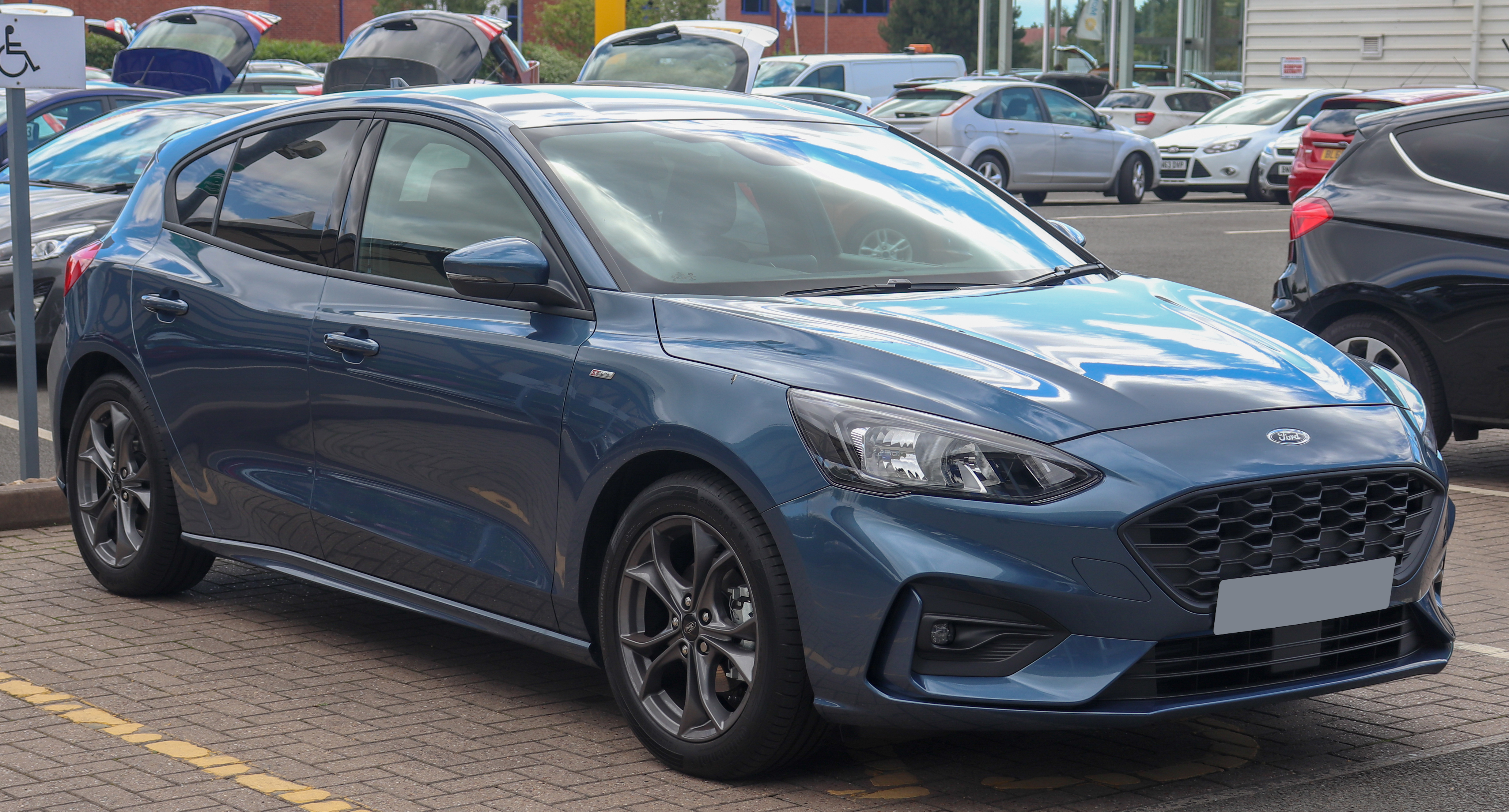
The Ford Focus is a small car that is popular for being easy to drive and good on gas. The 2014 version has a nice interior and comes with different engine options.
A transmission issue means there is a problem with the part of the car that helps it move. This can cause the car to not shift gears properly or make strange sounds.
Transmission repair means fixing problems in the part of the car that helps it change gears and move. If this part is broken, the car might not work properly.
Brakes are what help your car slow down or stop. They are made up of different parts that work together to create friction, which is what slows the car down when you press the brake pedal.
LIVE
Think your shop is good?
Good isn't good enough anymore.
Hey, I'm Jeff with the Jada Mechanic Podcast,
and if you're a tech tired of settling,
it's time to meet Promotive.
Promotive just doesn't find jobs, they find your job.
The one where your skills are celebrated,
your future is prioritized,
and your work actually excites you.
Picture this.
Your shop hosts paintball tournaments and cookouts,
invests in your growth,
and runs like a well-oiled machine
where every other team member has your back.
Selling a dream?
Promotive makes it real.
They're your advocate, your ally.
Your ride or die in finding the workplace you deserve.
Ready to turn your grind into something sustainable
and unstoppable?
Then hit up the link in the show notes below
to get started, or go to gopromotive.com slash jab.
Who are they mad at if they're on a highway,
broke down, no air conditioning with their wife and kids?
Who are they mad at?
They're mad at the last person who worked on that car.
Yes, yes.
Even if you did brakes on it,
and the AC is sitting around the side of the road
not working, they're mad at you.
Yes.
Right, because that used to drive me crazy.
Good morning, everybody.
Welcome back to another exciting episode
of the Jade Mechanic Podcast.
We're still here at Asta 2025
and beautiful Raleigh, North Carolina.
And I'm sitting here with a couple of friends of mine
from our wonderful family at Promotive.
Ethan and Stacey, how are you guys this morning?
Good, good.
Doing great.
Yeah.
They've got Starbucks in front of me,
so they're on the same vein than I am.
They need that caffeine first thing.
Yeah, you're my people.
When people come in with an energy drink,
I'm like, what's wrong with you?
So this is obviously, Stacey, is this your first show?
Yes, it is.
Okay, because I was going to say,
because I was at Apex last year and saw Ethan,
and I've seen you several times.
You're a new face to me, so that's pretty cool.
I was at SEMA last year and just briefly spoke with you,
but yeah, I kind of stayed behind the scenes for a while.
SEMA is a trip.
That's an experience, right?
It is.
It's almost overwhelming.
That is the craziest show I've been to yet.
I feel like you could just walk and then keep walking
and then never see the end of it.
It's insane.
I don't think you go to SEMA
and see all of SEMA in the four days that it runs.
I don't think that's even technically possible.
Not to see it like you could run by and glance at everything,
but if you want to stop and talk to people,
so I got to hang out at the promoter booth last year at Apex
and see SEMA.
That was pretty sweet.
I like that.
That was a lot of fun.
So you know, but it's the same thing,
like trying to get from one venue to the next
in the shuttle and the Tesla loop.
Did you do the Tesla loop when you were there?
I did not.
You got to do that when you,
if you're going back in November,
you got to do that.
Okay.
What's the Tesla loop?
So that's the, it's essentially like all these Ubers
that are outside of the convention center.
Okay.
And if you want to go from one side of the convention center
to the other,
instead of walking the five miles down the sidewalk,
you go walk down the escalator flight stairs.
And Elon has boarded out all these tunnels
underneath downtown Vegas.
And they run only with Teslas and literally,
so they're all the roads or highway.
It's essentially a highway.
The cars are all driving themselves.
Like there's somebody in the driver's seat,
but the car is driving itself down through these roads.
Oh man.
So it's, it's a trip.
If you're like just to see it,
it's pretty cool.
We're going to have to try that.
Yeah.
We saw the drifting event.
We saw the Google dolls.
Yeah.
You know, that was kind of the highlight for me,
but I didn't even know about the Tesla stuff.
Yeah.
It's, it's down belief and it's,
it's all free.
Like, you don't have to pay to get in there.
So, and I mean, it's just they're,
they're contracting Uber drivers with the Tesla
to sit there all week and run people
from wherever they want to go.
ABC, D&E.
That was pretty trippy because I spent more time
in a Tesla seat last year
than I have working on as a mechanic
because they don't come into a lot of the shops I work at.
So, yeah.
Yeah.
So, and what do you think?
There's something new.
Yeah.
What do you think of this event this year
that's our new, that's different, isn't it?
It's, it's pretty cool.
Yeah.
You know, this, this so far has been amazing.
Yeah.
I think it's, it's still got kind of that tight knit feel,
but it's also big enough
where you can meet a lot of people.
Yeah.
You know, events been good,
locations great.
Like this is my first time in Raleigh.
Yeah.
My, my uncle lives up here.
So I traveled from Denver, Colorado to get here.
Long journey, but this place is beautiful.
You know, it's starting to get chilly up in Colorado.
Did you drive down?
Oh, no.
You flew.
No, I flew down.
Yeah.
I've made the drive.
I'm, I'm good on that.
Yeah.
Yeah.
Yeah, yeah.
Yeah.
I would much prefer to drive,
but I mean, like we were talking, it's, it's a,
somebody says like an 18 hour drive to come from,
like where I would cross the border,
say at New York and then come down.
It's an 18 hour drive and I'm not,
ready to do that yet.
Yeah.
That's too, that's too much.
That's a multi-day trip right there.
So tell me a little bit about how,
what's new and exciting at Promotive?
There's so many great things at Promotive.
It's, uh, we've implemented a few programs to help enrich our shops,
and we're really excited about where we're headed.
Pull the, if you just pull the mic a little bit,
there you go.
Yeah.
Now we can hear you.
Can you hear me?
Yeah.
That beautiful voice right there.
Yeah, I hear.
Yeah.
So we've implemented Paige.
Okay.
And Paige is our virtual recruiter,
and she is pre-screening up to 50 candidates a week.
And the crazy thing is,
we have candidates talking to her for 10 minutes.
The average is anywhere from nine to 11 minutes
that they're talking.
And they're like, yes ma'am, no bam.
And it's a virtual,
but the great thing about it,
it's 24 seven now.
So we don't miss.
Right.
That candidate, that fantastic candidate
that wants to come and find a new beginning.
That's awesome.
AI is an amazing thing.
It really is, you know.
And it's going to get crazier.
I think like the big benefit of using this
is obviously we're not missing anybody,
but our recruiters can pick up where the AI left off.
And they can fill in the gap.
So it's speeding them up.
It's making us more efficient.
It just kind of helps out all around.
So it's exciting.
And I am assuming the response to Paige
has all been pretty positive so far.
It has.
It has.
We find that maybe they apply at three in the morning.
They get a text of, you know,
contact page and she rolls right into it.
So it's at their convenience
that we're able to get a prescreen in.
So super excited.
There's lots of mechanics.
I hate to say that at three in the morning
that are awake thinking about like,
you know, making a change.
It's crazy, right?
But that's sometimes what happens.
It's just the way it is.
So yeah, very cool.
Yeah.
We don't want to lose them.
We don't want them to think that we can't help them out.
Yeah.
Yeah.
And, you know, Promotive is,
I think is such a powerful tool
because of what you guys do.
You know what I mean?
Like it's, especially for the technicians,
like I'm starting to see a lot more texts
that in order to find the workplace
that they want to be,
they're moving farther away.
It's not just like you can throw,
it isn't like the 60s
where you could go around the corner
and get another job at another shop.
And they're all pretty much the same.
As the landscape is getting wider
in terms of varying levels
of what you want to do in this industry
or the technology you want to be exposed to,
some people are moving states, you know, away.
And that's a big commitment and a big change.
And I think it's pretty cool
that something exists now
that if you want to, you know,
oh, I want to find a job in North Carolina.
The old ways is you kind of had to get
to know somebody on Facebook.
And then maybe the interest was there
that you would think about trying
a working interview or whatever come down.
Now, Promotive is like,
if you're willing to work to move, excuse me,
we can help you out, you know?
Yeah.
Yeah.
That's powerful.
We just had a gentleman relocate
from I believe the West Coast to North Dakota.
Wow.
Yeah.
I've had him relocate across the country
from Alabama to Reno.
It's crazy to me,
the amount of people that are willing.
And what I find is
if their kids have just graduated
and they're ready to spread their wings
and go to the place they've always wanted to work at
and we find them a great job.
And the benefits that some of these shops
offer are second to none.
So, you know, these shops are aggressive
and they want quality tax
and they're willing to take care of them.
Yeah.
Yeah.
And those are the shops we want to represent.
And I think that's, you know,
and there's no, I mean,
there always are, you know,
people that think you're going to fit.
It's just like a relationship.
You know, you go on a couple dates
and then all of a sudden you realize, like,
I can't see myself spending, you know,
the years with you.
So, I move on to the next thing.
And unfortunately, sometimes jobs are like that.
I can tell you I've moved around a lot
in the last three years
and it's a personality thing
more than anything else.
It's just like, I don't,
we don't click on where you see me
and I see myself going, right?
And that's totally fine.
It's just, it's pretty cool that,
okay, you know,
promotive doesn't immediately drop me
because that relationship didn't,
you know, work out.
They just kind of,
we continue the relationship with promotive.
I think that's awesome, you know.
We really push the culture of the shop.
So when we're working with the shop owner
and we do an intake call,
we dive deep into what their culture is,
their expectations of,
do they expect ongoing training?
I have some shops that insist upon
so many hours a month.
They insist upon traveling to SEMA
or vision or whatever it may be
so they can learn and grow.
Most automotive conferences, unfortunately,
only focus on one side of the shop.
But Tectonic 2026,
presented by Tectmetric, is different.
It's built for the whole shop.
Owners, advisors, and technicians
all have sessions designed for the work
they actually do day to day.
It's three days in Houston,
packed with workshops, panels,
and over a thousand people
from the industry are set to attend.
You don't need to be a Tectmetric customer to qualify.
Hit up the link in the show notes below
and check out Tectonic 2026.
Register now while you still can
to get the early bird pricing.
There's people out there
that don't want to do that.
And that's okay.
But that's the requirement of a certain shop.
And so I stress to the shop owner,
even though they're not a good fit for you,
did they show up on time?
Were they professional?
Were they, you know...
Did they fix the car?
Absolutely.
And so let's get them into a place
that they feel good about what they're doing.
Yeah.
And because I think it's important
for you guys to stay neutral.
Yes.
You know what I mean?
Like a lot of the time,
if you're talking to shop owner
after shop owner after shop owner,
and I hear it all the time.
Like in my channels,
the shop owners are like,
there's no good techs out there.
And I talked to a lot of technicians
who are like,
I can't find a shop that is worth
rolling my toolbox into.
So I mean, it's on both sides, right?
It's not a situation of like,
I'm trying, we're trying to pit each other,
you know, in a battle royal.
It's a situation of it's like,
what do you need me to bring to you?
Cool.
Okay.
That's, I need you to bring competency.
I need you to bring reliability.
You know, I don't,
I don't want you to be missing a day of work every week
because you're sick with something,
all of those kinds of things.
And in turn, if I'm going to work for you,
and you're going to task me with
relatively new cars to fix and stuff,
I need training.
And I, you know,
and at the training,
if you want to send me,
you know,
five hours after work to train,
I want some pay for that,
because otherwise I could be with my family.
This is what a lot of technicians tell me is,
why don't you train?
I want to spend time with my family.
Okay, cool.
Totally get that.
So it's part of them if you're like,
if you're going to send them to training,
pay them for the training,
let them have that five hours
towards some holiday pay,
you know, that kind of thing.
Time off, like all that stuff.
It's, it's,
we have to be more flexible in this industry now
because it's becoming flexible
what it takes to,
to do this business.
So we as people need to be flexible.
I need to be better,
more rounded on it as of my skill set.
And in turn,
you have to be a little more understanding that,
like we're willing to meet you halfway.
But you have to,
the way that you used to expect everything,
you're just going to do it.
They're not interested in that anymore.
You know what I mean?
It's, we understand the relationship,
but it's, it's,
we talk about team,
but a lot of people don't really know
what that truly means.
You know,
I think that's where,
again, what I like about you guys
is you're really qualifying the shops.
That's important.
You know,
I think honestly it's,
it's both sides.
So Promotive obviously got started
to help technicians, right?
Keep them in the industry
because there's not a lot of young guys
coming in,
a lot of the other guys are leaving,
but it's also on the shop side.
So a lot of people come to me
because I'm the only one that
basically signs them on
and take them through our process.
And so I lay out the expectations,
everything in between,
and a lot of them don't know
what to offer at all.
And, you know,
I give them feedback on it
in the moment.
I tell them,
your account manager,
your point-to-point person,
they give you pretty much everything
you need.
They guide you in the direction
in order to get you
what you're looking for.
You know,
sometimes to stretch,
some people can't make it happen,
which is fine, right?
We can deal with what we have to deal with.
But it's also on the technician side
because a lot of them
don't know what they're worth.
Yeah.
You know,
like maybe they're really
a great A-level technician.
They're getting paid super low.
The culture is bad,
but they don't have it anywhere else to go.
That's right.
They talk to our recruiter and then,
oh my gosh,
my eyes are opening.
Yeah.
You know.
So it's both sides.
We're just kind of playing matchmaker.
Yeah, I get,
now my phone,
again, through my platform,
I get my phones blowing up with people.
Like I heard this episode and,
you know,
I'm working in a shop and
this is what I do all day long
and I'm only getting paid this amount.
Yeah.
And what should I do?
Well, I don't know, right?
Because I'm,
again, I have to remember,
and it's hard sometimes
because I'm only talking to the technician.
I'm not talking to the owner.
We all have a,
maybe an inflated idea
about how really good we are, right?
And that's fair.
That's human nature.
You don't want to beat yourself up.
Go, I always need to do better.
But, you know,
when I talk to them,
it's like,
I kind of only know the local market.
And if they say they can do these kind of jobs
and they're only going to pay it,
I go, well, you're underpaid for the market that I know of.
But I don't know where their market's like, right?
And so,
it's blowing up all the time.
I'm like, what do I do?
Realize right now,
for every five technicians
that are leaving the industry,
there's only one coming in
right now.
Every day,
five leave, one comes in.
So, you're in a super high demand.
So, if you're not happy,
don't just sit there and dwell on it.
Reach out to somebody,
promotive,
and say, hey,
what can you help me?
And they'll show you
like there's other shops in your area.
Wow.
I didn't even know that shop was there.
I remember, like,
I tell the story.
I remember seeing an ad,
somebody contacted me.
And I'm like,
I didn't know shops in that area paid that well.
Why?
Because they don't always talk like, you know,
it was one of the highest paying people around.
I didn't know that.
And if you were to look at the facility,
you would never assume that either.
That's the other ripple to this.
And, you know, from technicians,
we're very,
we're very visually oriented.
So, if it looks like you don't have
high pay,
we're not probably even going to bother.
Appearance is a,
you know,
if it looks like a junkyard,
you're not going to work there.
Simple.
I have a shop that actually offers
the technicians and their family
home doctor visits.
Yeah.
I mean, you talk about thinking outside of the box
and I have shops that have
side-by-sides four-wheelers
to where the guys can take it for the weekend
and go have fun.
I mean, they do stuff together.
And I've had technicians leave those shops
because they didn't think they deserved
to be in that good of an environment.
Yeah.
That blows me away.
We're still a very,
how do I say it?
It's almost like you went through trauma.
Yes.
And then you get into a situation
and you're like, when's the ball going to drop?
I can't believe that these shops exist.
And they're out there.
They're unicorns right now.
And on both sides.
There's same as I've had,
talked to shop owners who are like,
I hired this young person
and it is amazing how good they are.
Or it's amazing how dedicated they are,
how reliable,
how what I can task them with
and I don't even have to hold their hand through it.
They're just amazed.
Yeah.
Because we have to step back sometimes and go,
when we're in these groups
and we're in these conversations,
we're talking to 1% of the people.
There are a lot of people
don't even necessarily know the group is out there.
So there's all kinds of people
that are not the norm
or the stereotype
that we're not even reaching
because they just are living their life, right?
There's definitely the next,
Brian Pollock and all that,
to those amazing techs
that I know Brandon Stechler and keep working.
There's the next ones
are already in shop somewhere.
And it's just how are they,
we're going to find them.
Well, you have to make them aware
what you have to offer.
And I think sometimes shop owners,
for a long time,
it was just like, well, I put an ad up.
There's so much more to marketing yourself
than just putting an ad up.
You know, like you said, go back to like,
side-by-sides that you want to take home for a weekend.
Here's the side-by-side stuff like that.
Like I'm of the point where it's like,
if somebody was to say to me,
we have two shop dogs in the shop.
But like, I might work there for a dollar or less
just because I get to pet two dogs all day long.
Like it's, you know, you work at a shop
that has three running around
and all of a sudden you go to one that doesn't.
It's like, I really miss the dogs.
You know, it's just little things like that.
Like how are you about, you know,
you know, lunch every Friday?
Oh, I would love that.
We ask those questions.
I mean, I dive in and say,
do you have lunch and learns?
Do you bring vendors in to say,
hey, if you do this one thing
when you're doing breaks and calibers and everything
just to help just one little thing
to give them confidence.
I didn't know that.
And yeah, and you brought up the pets,
shops with cats, dogs.
Stacy has an interesting story from the other day.
I'd love to hear that.
So I went into a shop.
The shop is amazing.
They believe in training.
The staff, you can feel the positive energy.
You walk in.
They had no idea who I was.
Beyond friendly.
So the shop owner was taking me upstairs
to his training room
and there was this cat malnourished,
laying on the steps.
He had no idea where it came from.
I'm now the proud owner of Beamer.
Very cool.
Right on.
Yeah.
Yeah.
So isn't that amazing?
Yeah, right thing to do.
And he's a he's a good cat.
But getting, you know,
getting back to the shops,
the shop owners that understand,
that keep moving forward.
And when we talk to shops
and we bring up training,
we bring up,
or bring up,
are you clean and organized in your,
in your area?
Do you have a clean parking lot?
Do you have,
do you have a place
where they could sit down and have lunch?
I mean, similar things like that.
You know,
I don't think they understand
that the techs are looking at this.
And I mean,
we have technicians that say,
I don't need to train.
I've been a technician for 20 years.
And it,
that person's kind of set in their ways
to the point where
how are they going to grow
and how are they going to grow with the shop?
Yeah.
That's that's a,
from the technician in the room,
I can tell you that that's a really,
I'll say it,
it's a really poor attitude.
I mean,
there are people out there
that like
can learn it as they go.
And they don't necessarily need to invest
all these hours in training
to to to get the job done.
But how efficient are they?
Well,
yeah.
Now,
and that's,
that's the whole thing with efficiency is,
is it's like,
sometimes it's just,
we were having a conversation with this yesterday.
Sometimes the,
the age old technician,
there's just an intuition factor
that can save you a lot of time
and you look very efficient.
But when you're handed new technology
that you've had no experience on,
and you think,
I don't need to train
because I've been a technician for 20 years.
Guess what?
That doesn't matter
because that new technology
that you're faced with,
I don't care how good your process is and everything,
you have to learn how it works.
And if you're learning how it works on the job,
there's sometimes we just all end up doing that.
But if you could have had the opportunity
to learn how it was going to work
before one lands in your bay,
that's only to your advantage
and your employers.
So that's a caveat for
shops that don't want to train their people
in technical training.
Come on,
wake up.
And as your technician,
when somebody offers you training,
take the damn training
because it's only to your benefit.
I look back in my career
and it's like the only thing I ever took
from some of these jobs
was what I learned
while I was on the job
or what the training that I got.
Because it made me better
for the next employer.
I don't advocate for people
having to move around,
but think about it that way.
Otherwise you get stuck in that rut
where I've been a technician for 20 years.
You might be the same technician
that you were 10 years ago.
You're just older and slower
from a skill set
and an understanding and a knowledge set.
Is that what we want?
No, we don't.
People that are hiring us don't want that.
I don't want to bring them that.
Yeah, training is valuable.
Yeah, well, I mean,
whether you do it now
or you do it later,
everything's going to be evolving.
Technology is going to get crazy.
Man, wait till we have flying cars.
Well, it's...
Yeah, you know,
you could have to be training at some point.
Otherwise you're not going to be able to work on anything.
If in 1985,
when I was 10 years old
and somebody told me
there was going to be a driving,
a car that would drive itself by 2025,
I'd have said, you're crazy.
And yet, how many do we see now?
All the time.
It's...
Yeah, go to like Silicon Valley.
I mean, probably every five cars
there's a Tesla, right?
It's insane.
They're everywhere
and they're going to be gaining popularity
as time goes on.
It's just going to happen.
And 40 years was not overnight,
but 40 years still feels like a blink
when I think about like at 85,
all those cars are going to drive themselves.
No, I'm not.
I'm 10 years old.
I'm starting to feel that's never going to happen.
And yet now when I'm in the industry,
I go, that's perfectly...
Viable.
It's already happened.
You know what I mean?
It's cool.
So yeah, you cannot be the same tech
you were 10 years ago
and still think you demand the same value.
Yeah.
You can't.
So, you know, you want big money,
bring big training,
bring big ability
and it'll take care of itself.
What does some of the things
that when techs approach you
and say, this is what I'm really looking for,
it's not just about pay,
is it, Ethan?
No, definitely not.
You know, pay is, it's eye candy
on all the job boards.
You scroll down, you see the numbers.
Okay, X, X, X.
All right, this one's in my range, right?
They're looking for a lot more.
It's culture, it's cleanliness,
especially with benefits.
PTO is a big one.
Yeah.
Right.
I think a lot of shops,
they don't know
that they have to compete
with the dealerships, right?
Especially if you're looking for a technician,
maybe they're not happy with or at,
the culture's changed,
the ownership has changed,
whatever it is.
Those are the people
that are good technicians, right?
They've been working,
they're up to date on all the skills.
They're not going to leave a dealership
to go have one week of PTO
after a year of being there.
You know, they've got three weeks built up,
they've got a family at home,
they've got vacations planned.
Yeah.
They're just not going to do it.
Yeah.
You know, so like the health
and medical and stuff like that,
that's great to have, right?
It's fantastic.
Some of the times I'm speaking
to shop owners,
a lot of their technicians will have,
they'll be on their wife's plan
or something like that.
So it doesn't really make sense for them.
Yeah.
The PTO though, that's directly,
you know, that's directly for the technician.
And so that's a big one,
pays obviously big.
What other ones are there, Stacey?
What are the big ones?
So the training,
it goes without saying,
but then I have shops
that do four-day work weeks.
Yes.
And they will rotate it.
Their shop will be open
Monday through Friday,
so they'll flex it
to where the guys can do
four-day work weeks.
That is huge, huge out there.
Some shops close at noon on Friday
to where they can start a weekend early.
We have owners that will take their teams
to different events,
that sort of thing.
But I think flexibility,
I ask the question
when I'm talking to shops,
if you've got a tech
that's kid is traveling baseball.
I mean, there's just times
you don't want them to miss that.
Yeah.
And they're pretty adamant about that.
They're willing to work with them
as long as the tech gives back
what they're giving them.
Yeah, 100%.
Like, I had a great conversation
with Josh Barnell.
And it was because Josh and I,
from the Limitless Leadership,
we talked about how
like a lot of technicians leave
and pay isn't the number one thing
they're looking for.
And of course,
my comment thread blows up.
It's certainly always about pay.
No, man.
I worked for less money now
than I did a year ago
and I'm in a happier place.
Why?
Because somebody is not like,
push, push, push,
and I'm not watching the
the wheels fall off the wagon every day.
You know what I mean?
It's a little bit smaller operation.
It's like, I stay in my lane
and I let people do things.
It doesn't like more and more
is being put on me
because they're not putting it
where it should go.
And that's that for me
is a culture thing.
And it's not that I wish any ill to them.
It's just like some,
you're not a good fit everywhere.
And it's not about the
money.
I am when you're young,
yes, right?
You want to,
you want to get that nest egg started?
You want to buy a house
and have kids and all that kind of stuff?
I'm 50.
Like I've already learned
how to survive on what I have.
I'm looking after my future.
I don't need to at $1 difference in pay.
An hour doesn't matter.
Does not matter.
You know,
and people need to get past that.
Like if you can go to work
and make a little bit less money,
but you feel so
like appreciated
and so
viable to the team and valuable.
Man, that is worth way more
than I think a lot of us
are even realizing now.
And again,
from the technician standpoint,
some of us are so beat up
with the culture
that we've been exposed to
that it's almost like
you come out of those bad relationships
and you get into the good one.
You're like,
I don't know what to do here.
Like,
and it'll happen guys,
like and gals,
keep your head up.
It will change for you.
You will,
you just have to learn to trust again.
That's the key thing.
A positive environment.
Not worrying if a wrench
is going to be thrown
across the room.
Safety.
Yeah.
The environment,
the positive attitude,
the driven personality,
somebody who wants to laugh.
I have shops that say
we want them
to be able to laugh with us.
Yeah.
You know,
you didn't get that feeling
in other shops,
but you can walk in
as a consumer
and fill the tension
if the shop.
Is not doing what they should be doing.
Yeah.
I've seen technicians
and it's simple as like,
the music was very,
I'm like that.
If I'm working in a building
and the music is very,
very, very loud
and yet everybody's expecting
me to be able to concentrate,
I can't do that.
And then it's like,
so the technician may say,
okay, I want to,
I want to have headphones in
or earbuds in.
No, that's a safety thing.
We don't allow that.
Okay.
All right.
Like,
so or,
and you know what it is,
a lot of it is they play it up
as it's a safety thing,
but the surreality is that
they hate that they have to come up
and top somebody on the shoulder
to get their attention.
They feel like it's disrespectful.
Meanwhile, that person,
maybe on a certain part of the spectrum,
where like I am,
when it's very loud,
noisy music,
it's distracting for me
from what I'm trying to do
and I'm trying to get the job done.
But other people,
like they thrive in that environment
of loud and camp.
It just depends on who you are.
But to say,
no, you can't wear a headset
while you work because like,
that's nuts, man.
If we have to learn
to be a little more open-minded,
because I've seen texts
that will quit over that.
I don't like the music
that's contemplating here.
I ain't working here.
And again,
not to tell anybody
how to run their business,
but sometimes
if the customer is walking
through the back,
like it has to happen.
They want to see the car
and I don't necessarily,
I don't like the show and tell idea
all the time.
I think it's,
but when they come in
and they're hearing
some really loud music and stuff,
it's not necessarily saying
the best thing about your business.
Doesn't look to make the best image.
So, you know,
when somebody wants to have headphones in
because I think that's a better image.
So, well, I think
with Promotive,
like our goal is longevity
with technicians, you know,
the getting them in the shop is one thing.
The stars have to align
for most shop owners on their own
just to get them in the door.
But once they're in,
you know,
the real challenge kicks in
of keeping them.
And, you know,
we obviously want them to be in the industry.
We want them to be with the shop
so they retire ideally.
But if the culture is not there,
if they're not going to last,
you know, plain and simple,
you're only going to put up
with something for so long,
whether it's, you know,
you know, the shop attitude,
the music, stuff like that.
If the culture is there,
everything else can be where it needs to be.
They'll be there for a long time.
Yeah.
Right. So, that's why it's so important.
Can I ask you a question then
comes from my standpoint,
I sometimes think about it.
And maybe, you know, you've never,
but is there a point
when you're looking at a shop
and they're saying maybe they've been
with you guys
a couple of months or whatever year
or something and they're like,
every person that you've brought me
seems to want to leave
or doesn't last or doesn't work out.
What's the earmarkers that maybe
they are the problem and not the tech?
Those are tough conversations.
Right.
We're trying to change the industry.
We're trying one shop at a time,
one tech at a time,
and just saying,
look, you have to offer training.
Yeah.
You have to do this
or you're going to
lose the race, so to speak.
I do have shops that are that way
where constantly sending technician,
they don't like them for whatever reason
or they get hired
and they leave within a few months
and it's not the pay.
It is truly,
you get them on board with the pay,
you try to explain,
it's got to be a positive,
it's got to be clean,
it's got to be safe.
You want your kids to be able
to go in there.
And so it is tough conversations
and some of them
will take that advice
and run with it,
but it's really hard to change
what they've been doing for 20 years
and it's not going to happen overnight,
but it's a conversation
that we have,
you know,
every time we talk to them,
you know,
hey, did you do the training?
Hey, did you,
hey, did you,
and you know,
we're partners with them,
but we also need to have
a safe environment
for our technicians.
Yeah.
It's,
and there is a lot,
that's just,
I don't even,
I don't even think about that
or touch on it enough
because it's just,
it for me is like,
at my point in my career,
if it's,
there's no question about it.
Like if it's just somebody says,
go over there and do that.
And I go,
no, I'm not climbing
above 10 feet
without being tied off.
You know,
you can call me a sissy
all you want or whatever.
I'm not a person
that loves heights.
So, you know,
I'm not going to get on a ladder
and go up 18 feet in the air
to change a light bulb fixture.
Yeah.
You know,
you get me a harness
and strap me in
and somebody sits there
and holds a ladder.
Yes, I'll do it.
But just like,
I need that done real quick.
This is where the safety thing
comes in is
because we're always,
when we're rushed,
we're like,
I need that done real quick.
I need that done real quick.
You know,
jack that car up in the parking lot
and get under there
and do that part
because we screwed up
and we don't have a choice to do it on.
There's a whole other ripple there
that comes into the effect
of not just the efficiency
of the job and the time
and the just the,
it's the safety side of it
because it's like,
before you know it,
he goes out there or she
with the just the jack
and no jack stand
and something happens,
heaven forbid
and somebody gets hurt.
There was a,
there's a local shop
to me back home.
So it's a truck shop,
highway truck.
Now they're having
a really hard time
hiring people,
right?
Really hard.
So they've been hiring,
essentially what I call
a 310S,
which is not a motor technician
where I come from
and they're trying
to fill 310T spots
while they hire 310 to S,
sign them up
in the apprenticeship program
and they can now mentor
and work there
and legally it's all good.
Well,
this young lady then
starts doing
air brakes on a truck.
They involve removing
the big brake chamber.
She has not been shown
all of the risks
and inherent dangers
that can come with that
and there's an accident
happening,
she gets hit
in the side of the head
with a,
with an exploding
air brake chamber.
Now,
she's going to be okay.
She didn't die.
But that's a kind of accident
that kills a technician
every year,
that very scenario.
Now,
you can sit there and go,
well, like,
she's young.
That happens.
Right.
She hasn't been exposed to enough.
But the reality is
somebody that shouldn't even
be trying to
like give her that job
unless somebody is mentoring
right there going,
whoa,
stranger danger.
Watch out.
You know,
and that's the kind of things
that where we think about safety,
we don't think about it
until it's already
after the effect.
And that's,
we need to stop that.
Well, I'm Russian,
need this job done.
It can be the same
in the automobile space.
You go out,
no jack stand,
jack stand breaks,
jack stand fails.
Somebody does.
Why?
Because the part didn't show up
on time or something like that.
Safety.
Yeah.
What do you think about
the hoses
that are laying around
on the ground
and somebody's not paying
attention,
trips and goes.
So I've been in shops
for many, many years
and you see different things.
You know,
some of it's out of your control.
Some of it,
it can't be helped.
But just being cognizant
of it,
and you can see
I can give you examples
of shops that have worked
their way around it
and understood
the importance of safety.
But we just want
the technicians going in,
when they leave at night,
they felt like
they made a difference.
Yes.
They felt like
they contributed
and they felt
like they were appreciated.
We get those type of shops.
We're gonna,
we're gonna do everything
we can to find them
the right candidate.
And a clean shop
is a safer shop.
Yes.
Oh yeah.
100%.
You know, like
I can remember
if I worked next to a bay mate
and our hoist was there
and they were not rolling
their airline up
that it was done.
It was laying between the two hoists
and I'm walking over their airline.
It wasn't long before
I would take their airline off
and throw it in the trash can
and say you need to roll
because I have to walk here too.
And if you can't be bothered,
it's just little things like that.
You go,
you're being a jerk.
I'm not being a jerk.
Like,
I don't need to trip
and fall in that
because it's gonna be some,
at some point,
I'm gonna be looking over my
shoulder talking to one person
as I'm trying to get somewhere else
and you didn't roll it up
and I'm gonna step on it and trip.
And then what happened?
So it's the little things, right?
Like it really is.
What, um,
how do I,
how do I say that?
When,
when a technician is,
is coming to apply
for a job,
what advice can you give them
on how to go
about that process?
Be on time
and show up.
Yeah.
Is that still a big one?
Because I know in past interviews
I've had it
where people are like,
we have technicians and they,
and they go through the process
and use Promotive
and we,
we work to find them
and then they don't show up.
Yeah.
We've had it to where the recruiters
have been talking
to the candidate,
driving to the interview.
And then a half an hour later,
I get a call from the shop
saying Joe never showed up.
Where'd you go?
Where'd you go, Joe?
What happened?
Right.
What happened, Joe?
I,
part of me thinks
they just get nervous
about the interview.
I mean,
I've really changed my thought process
on why people ghost.
I think there's several
key factors in it,
but it's so disheartening
because the shop owner
clears their schedule
to be able to talk to them
or the shop foreman
or whoever it may be,
especially if they're
an A level tech,
they're super excited.
They feel like,
okay, this could be the guy
or gal
that's going to fit that need
that I've,
I've had open.
And when they don't show,
I don't understand.
Yeah.
Just like they don't understand.
And so
we try to get a hold of them
afterwards.
And a lot of times they'll
they'll give us a reason
why they didn't show.
But I think deep down there,
just afraid
to make a change.
Goes back to that,
you know,
trauma some.
Yeah.
That trauma thing, right?
Like, and for me,
like I'm just,
I'm,
I'm not different,
but I'm confident enough
that like,
if I'm one out of where I am,
there's no way I'm
missing the appointment.
Like, and I'll challenge my,
my listeners that
maybe have ghosted.
Like, don't,
don't do that A
because you look like a schmuck.
You know,
it's unprofessional,
but B,
like you're,
you're just,
if you needed to
go back maybe later,
maybe in six months time,
you really need to go.
And they're still running
an ad six months later.
They're going to remember
that you didn't bother to show up.
Oh yeah.
And even if they give you a second chance,
there's no second chance
to make a first impression.
They're immediately going to
wonder for a long time
how reliable really are you?
Yeah. Well,
I,
I speak to a lot of shop owners
and I ask them,
like,
do you have a list of people
that you've talked with
in the past,
whether it's through indeed,
do you have a bench
being built,
stuff like that?
Yeah.
A lot of them say,
I have a list of people
I would never want work
again my shop.
Right.
Which I totally understand,
right? But that's the thing that sticks
is the one that don't show up.
They have a bad experience.
In reality,
maybe that did happen.
Maybe one of those technicians
didn't show up for an interview
for something crazy.
Maybe they're a good tech.
Yeah.
You know,
a good person just had a bad day.
And so I think
using a company like Promotive,
we keep up with them.
We check in,
we keep tabs.
Things change over two years.
Yeah.
A C tech could become an A tech.
Yeah.
Same thing.
So, I mean,
that's,
that's kind of where we come in
is we can help the shops,
we utilize what they're doing
on Indeed.
We use their bench.
We take them through our process.
And then there's a little bit
of a benefit there.
So.
Yeah.
I know it's funny in my realm,
you know,
because I'm in a smaller little area
so we all talk,
right?
We all talk to the tool trucks
and you'll move
and somebody will,
the tool truck driver will tell you
who filled your spot
from where you were.
Yeah.
And you're like,
and I mean,
we all get to know each other
from a reputation,
but it's like,
you think,
oh, that's good for them
that they managed to get that person
because like,
that's a,
that's a win.
Or you just shake your head and go,
that's not going to work.
I just know.
Because you know,
then exactly like,
if you've left that place,
you know what they told them.
And you know that person,
that technician,
they're like,
they're not going to fit there.
And the list,
like you said,
the technicians,
some of them in my area
are known to the other
shop owners of like,
I wouldn't hire that guy.
A lot of your resume,
they look at it and it's like,
oh, you worked at John's.
And they know John
on a first name base.
He's in the Napa program
with them or something.
They call up John,
go, what was this technician
really like?
I've looked at his resume.
What's he really like?
He would come in 20 minutes
late every morning.
Super smart.
Friday afternoons,
I couldn't get any work done by him.
You know,
that kind of stuff.
And then that shop has to look at
and go,
well, I might be an owner.
It was like, yeah,
Friday afternoon,
I'm in Coast mode too.
But the,
supposed to start at eight,
strolls in at 825,
815, 830.
Like,
yeah,
it's not a good look for you.
And that people are becoming less
tolerant of it.
I joke,
my mentor,
one of the first ones I had,
he never started at eight o'clock.
Ever.
But if you needed to be working there
till eight at night,
he was there.
But he never started on time.
He's just one of those quirky people
that like,
you know,
he didn't,
didn't just couldn't do it.
Could not do it.
Well,
I was speaking with a shop owner
yesterday.
He's in California.
I'm not going to say who or where, but
same exact situation.
You know, he's a great shop.
But two of his technicians
showed up late.
They took insanely long lunch breaks
and they'd come back in
and he'd confront them and,
you know,
he was the bad guy.
Shop owner was the bad guy.
Yeah.
And so he dealt with it.
He pushed it to the side,
kind of shrugged it off for so long.
And then now,
he made a decision on it.
He's like,
I've had enough of this.
All right.
Let me go see what my options are.
And there's a lot of options out there.
Sure.
It's good that there's automotive
recruiting companies out there.
You know,
we're not the only one.
It is fairly new though.
You know, just in general,
this idea of automotive recruiting,
especially for a lot of older guys
that are kind of,
you know,
in their ways,
they're happy with what they've been doing.
Like you said,
for the past 20 years,
things are changing quick.
You know,
you kind of got to hop on the bus
before it takes off,
kind of thing.
Yeah.
Now,
so when you see
shop owners and they're like,
I need a technician.
So punctuality aside,
reliability,
what's the things that they're
still asking?
I really need somebody,
him or her,
to be really strong in what?
Diag.
Diag.
Very strong in Diag.
And they want somebody
to hit the ground running.
They don't want to have to,
if they have that position open
where they've got an apprentice,
great.
They're,
they have people in place already
that's going to help train them.
But the majority of the shops
are looking for somebody
to hit the ground running
that can be a decision maker.
They don't need,
hey, Ethan,
can you come over here?
I'm not quite sure.
They want that person
that can do that car
from start to finish
and just do it right
the first time.
Now parts break,
you know,
I get it.
I understand all of that.
And they are too,
but they don't have time
to hold hands
with a technician.
But Diag
is the first
constantly.
I get that.
And I,
as somebody that,
that I did a large portion
of my career,
that's what I was good at,
what I focused on,
and what I actually really enjoy doing.
That's the challenge, right?
I'm a big champion.
I advocate for that all the time,
that you have to be smart on that.
Because,
and I'll meet shoppers and like,
listen,
I do the Diag.
I just need them to bolt the parts on it
and then all the bolts go tight.
You know what I mean?
They can't forget stuff.
Totally cool.
I get it.
But we're talking about a unicorn
tech in it as an owner
that's still in the building
and it's like they're handling it.
These shops that are trying to
hire Diag techs,
and I see it shops are like,
I need a Diag tech.
What's your training budget last year?
My what?
Training budget.
Like I've been the Diag guy
and I haven't gone to training
in five years.
Okay.
But your guy that you're now
or gal that you're hiring
as a,
as a Diag tech,
they want the training budget.
They want to know,
I'm expected to know this
because they're a bit nerdy.
Right?
So they want to know the new technology
and they want to be trained
on the new technology.
And you go,
so a lot of when I see that
they want Diag techs is,
they don't really know what they want.
You know what I mean?
Like they want somebody that can do it,
but they don't know how to attract it.
They don't know how to cultivate it
when it's there.
They don't know how to look after it.
It's like getting an animal or pet
and not knowing how to feed that pet.
Yeah.
And then we can talk about the pay thing.
The Diag guys that I know,
they only want to work certain
pay plans.
Don't forget about the latest scan tools also.
That's right.
If they want a great strong Diag,
they've got to have the tools to support it.
And the Diag techs that are coming,
a lot of them have some pretty expensive
tooling of their own.
And they're going to bring it into your shop.
You're going to have to pay
for those tools to come in the shop.
If you, for instance,
we'll talk about this.
If you are,
I need a Diag tech.
And a lot of what we do in Diag now
is just software programming.
If you're not equipped to do that
and they come in with that,
whatever you thought you were going to
offer is pay,
probably put it up 25%
because if they're going to bring
those tools in that you don't have to
provide,
well, let's do the math real quick
on what that tool is worth
and all that jazz.
It's going to cost you more.
And if all of a sudden you,
I can't afford that,
well then what,
you can't really afford to be doing
Diag in your shop
because it's a package deal, right?
They're going to come in and expect,
I can fix this car
if I have this tool.
Oh, we don't have that tool.
Oh, I have that tool.
Do you think I'm just going to bring
it in to help you out?
Not really.
That's not really what we're
signing up for.
It's not a partnership, right?
I work for you type of thing.
We have a technician I just
spoke to last night
and he wants to constantly,
his shop is like,
oh, we're going to send it to the dealer.
We're going to send it to the dealer.
We're going to send it to the dealer.
Don't spend a lot of time on this.
Don't spend a lot of time on that.
He's now starting to,
where I'll be frank,
the shop that he works in
is under $100 an hour.
There's no service information system
in the shop.
No identification,
no protoman,
no all data, no nothing.
Did they still write on paper?
Yeah.
Yeah.
So, and I'm not trying to run this
shop down,
but here's the thing.
We have a young person
who's a very competent young person
in terms of getting the parts
on a car
in a real timely manner.
They're good.
Now, they want to grow
and not see so many cars
go to the dealer
because that's,
after a while,
it's like,
that car left,
I never knew what fixed it
because the customer doesn't
call you up and go,
hey, it went to the dealer
and the dealer did this.
My car specs,
they don't bother to fill you in on that.
You just might see the car
six months from now
for a set of tires
or brakes or whatever.
If you should be able to retain
that customer back,
that's all in the conversation.
So when we're not
like investing
in the true
dyague sense of the word,
what they need,
you're,
you really don't need
a dyague tech.
You need probably another
B tech
and you stay in your lane
as a shop owner.
And you go,
what does he mean
as a shop,
as a stay in my lane?
Stick to what you're good at.
Tires, brakes,
wheel alignments and stuff.
Don't get into the dyague thing
because the dyague guy,
Orgal is a different kind of animal
and will bring a different skill set
and the way we pay them,
the way we treat them
is going to be slightly different.
So people are listening,
I want a dyague tech.
I know you do.
Everybody wants one.
Everyone.
But when I go and interview for one
and I go,
this is,
they go,
you want to get paid how much?
Not.
Not flat rate?
Nope.
Well, are you that good?
Yeah.
I am.
You know,
okay.
Or that's not going to work for me.
You have to be flexible.
Right.
And it might mean changing,
bringing in a second tiered labor rate.
So when I'm doing dyague versus
nuts and bolts kind of stuff,
I have to charge more,
frankly,
because I'm paying that unicorn
right there
to get the job done.
It's,
we got to be willing to bend.
You know.
Yeah.
And some shops,
they just,
they just don't know.
They don't know what to do.
They don't know who to bring on,
what's going to fit their shop the best.
And so it takes time.
Like they'll come to me,
I need a dyague tag.
It's 90% of my conversations.
Wow.
I didn't think it would be that high.
It's that high.
It's that high.
And,
you know,
sometimes they give it a couple of weeks,
they sit down,
they think about it,
they talk it over with their wife,
they get back to me.
I actually need a BTEC,
you know.
And so,
great for them for figuring that out on their own.
But when you talk to your account manager,
this is something that we run through.
Right. We make sure everything aligns.
You know,
if you need feedback on what to offer,
who to bring on,
maybe we'll go in this direction versus that.
We're great for that kind of thing.
You know,
the account manager,
Stacey, one of them,
she kind of works central part of the United States.
She works with a lot of shops,
a lot of good shops.
And so she's kind of seen
what works for some people,
what doesn't really work,
where this needs to be versus that.
And so that's where the benefit of having her
being your account manager is,
is she can give you a guidance on that kind of thing.
The thing that we do,
we say pivot a lot,
but when we meet the shop initially,
they tell us what they're looking for.
They give us the whole rundown.
I want five years experience of this.
I want three years of that.
They give me the whole rundown.
Fan-astic.
Get the job posted,
couple weeks go by,
or however long it is.
We send them candidates.
No, that's not what I'm wanting.
No, that's not what I'm wanting.
The thing I stress to them is,
okay,
let's go back and look at what you originally wanted.
That was your baseline.
That's what you thought.
Well, now that you've interviewed
those type of candidates,
you really,
that's not what you're wanting.
Let's change it up.
Let's get it back.
Okay, maybe I only wanted this, this, and this.
Fantastic.
We're going to change it immediately,
and let's start getting those candidates into you.
Because a lot of them think they want this
when they really need that.
Yeah.
And that's the big conversation I got.
Because I want to stay neutral
between the tech and the shop owners.
I want to be able to show both sides
and perfect of what they really need.
But a lot of that is even tough too,
because it's just like saying
to that technician over there,
I understand you struggle with this,
but I need you to be better at it.
Well, when the shop owner,
it's like,
I understand that you want to go here,
but you can't go here yet.
Because you just like,
you need people to go there.
And when you bring those people on,
they'll help you get there for sure.
That's the tech's job is to help a shop,
profit and flourish and grow.
That's ultimately your job,
fix the car and help the shop owner
hit their goals.
But it's the flexibility side on the owner.
The leadership role now falls in a place
where you have to really then
make the harder choices.
And I think it's just the way it's going to be.
Right?
A lot of,
I'm not saying shop owners can't go out in the Bay
and get the car fixed.
I know they can.
But if you need somebody
that has a skill set that you don't have,
and you need them to go out into the Bay
and fix the car,
they are going to cost money.
And they're going to cost time
and just takes time.
There's nothing more frustrating.
I talked to a lot of Diag Techs.
I'm one.
And they go,
I can only sell around an hour Diag.
That's not feasible anymore.
Like we,
others European car that got towed in
has got 20 codes on and four different warning lights.
That's not an hour.
That's a four hour process.
Well, they can't afford it.
Okay.
So you believe that?
No problem.
That's fine.
But here's the reality.
Like that Diag Tech is the type of person
that doesn't want to see half a job done.
So if you say them,
I just want half a job done.
They're like,
I thought I was here to fix cars.
Because in our crazy brain,
leaving with one warning light on
isn't a complete job.
I took a car that didn't run
and it leaves with the ABS light on.
In my mind,
I fixed what the customer wanted,
but I'm still dissatisfied
because the car is not going out
to the standard that I wanted to go out at.
This is the kind of,
when we hire these people,
be prepared for some of that.
If you're a shop owner
and you're like,
you're okay with that.
Think about what you're trying
to really offer
and be honest with yourself
about who then you need.
It's tough.
It really is.
Like I feel for both sides,
I really do because I understand,
but it's the conversations
we're going to have, you know.
Diag is a,
it's a slippery slope.
It's not,
it doesn't fall,
I believe,
in the same kind of metrics
and scalable as just a work,
an oil change attire shop doesn't,
it doesn't work.
You have to be much more flexible
and you have to be,
that's where the advisor side of things
becomes very important
because they have to have
those tough conversations
that it's like,
your BMW has been to three other shops,
including the dealer,
and it's still broken.
I've got somebody
that can fix your car 100%.
But here's like,
are you really committed to this?
Because that person
will need this amount of time
that will cost you this amount of dollars.
Do you really want to go with that?
Yes?
Cool, let's start.
No?
Okay, have that hard conversation.
You can't just treat it
like another job
and go up there and go,
yep, okay, Mrs. Smith,
we'll start now.
Our labor rate's $150 an hour.
We're going to start at one hour
and then we're going to call you.
That don't work.
It does not work.
They need to ask the question,
how long are you planning
on keeping your investment?
If they're going to dump the car
and move on the car in six months,
their mindset is completely different
than I'm going to keep it
for another five years.
So, okay, let's talk about that.
Asking questions.
I'm good for that.
That just happened to me the other day,
like a couple of months ago,
my 2014 Ford Focus.
Okay, congrats.
Yeah, well, no,
not in this situation.
It had a transmission issue
and I've had this for-
I'll try to not look so shocked
because I mean they are very problematic.
Oh, that's good to know before I bought it.
That's great.
No, that's great.
Either way, no, no, no.
A couple of months ago,
I had transmission issue
and I'm going to have this car
for a couple more years
and the guy asked me that
at the front counter.
He's like, well, what are you
planning on doing with this car?
It's only worth probably
10 grand right now
if I were to resell it
and the transmission repair was three.
Yes.
Right?
And so I made that purchase
because while he asked me that question
first off and I realized
I'm not going to go out
and buy a new car right now.
I love this car.
Right, so that's a pretty big question right there.
And we can't assume
that the customer is only going to one.
We could have a whole other episode
on this whole thing.
But who are they mad at
if they're on a highway,
broke down,
no air conditioning
with their wife and kids?
Who are they mad at?
They're mad at.
The last person who worked on that car.
Yes, yes.
Even if you did brakes on it
and the AC is sitting there
on the side of the road
not working, they're mad at you.
Yes.
Right, because and I used,
that used to drive me crazy.
And now I realize that to them
the car is the car.
They don't understand the different systems
in the car
and how they can be related
to one another.
And I don't expect them to.
Right, but it's where instead of being like
what are you stupid?
I can't mess up your air conditioning
by fixing your brakes.
We have to go.
Unfortunately, I'm sorry
that this has happened.
We would not have caused this.
What can I do to help you?
You know, get back on the road,
get back in here.
What do you need me to do?
That's how you start that conversation.
Right.
That's where an advisor is so pivotal.
Let's kind of shift here.
You're placing,
you can place advisors as well in shops.
Right.
Yes.
How does that go?
I'm assuming it's a different kind of
conversation than trying to find a tech.
It is.
It's very much different.
They're looking for that salesperson.
They're looking for the people person,
the bubbly personality,
the person that can make eye contact,
the person that is just excited to see them
walking in the door.
And I understand we're not going to do that.
That person's difficult to find,
but you want them to fill,
the customer to fill warm
and so glad they came in
because they're there for a reason.
And they're spending money
and they're not happy.
Yeah.
So you want somebody that makes them
feel comfortable for being in there.
And that salesperson,
I've had some shops get away from the actual
service advisor experience
and they want a person
who's maybe in the hospitality.
Yeah.
That's not afraid to talk to people,
not afraid to talk about issues
to deal with things head on.
And you feel an energy
with some of these service advisors
and I'll have a recruiter call me
and say I've got a good one.
They're just so easy to talk to it
and so personable
and they want to learn the industry.
And like, okay,
so I'll send them over
and the shop owner will call and go,
wow, you know,
they were easy to talk with.
They seem coachable.
Yeah.
That sort of thing.
But they've got to start
from the very beginning.
These are the questions you have to ask.
Are you okay multi-tasking?
Are you okay with driving the ship?
Yeah.
Or the bus or whatever you want to say.
But service advisor,
it's a special person
that can get out there
and make the entire difference to that shop.
Yeah.
It is the most like,
I catch some flak for it
because like when we talk in the industry
about I need this training,
technicians need more training.
And I put my head up and go,
like I've been able to fix a lot of cars
without necessarily getting a ton of training.
But I have run into countless service advisors
that need so much more training
and I'm not talking about understanding
how the car works.
Like I've had employers are like,
I want them to understand
what all the parts do.
No, no, no, no, no.
I want them to understand
that when the customer comes in,
they have to be empathetic to understanding
and be able to relate to the discomfort
and how they feel.
But I need them to not be to that level
where they're emotionally discounting,
trying to give money back,
trying to make the price as low as possible
because that's what they think the customer,
that's what they need.
That may seem like to you
when you're talking to them
that must be the solution,
but it's not.
We need to give them the best repair
that we can give them.
Price then doesn't even fall into the top three
of what they're looking for.
So we have to be training our advisors
with good coaches
and good people empower them and say,
this isn't about making them your friend
and avoiding the easy conversation,
the hard conversation.
And fortunately, you're giving more bad news
than you are good news.
Oh yeah.
So you have to be comfortable with that dynamic.
If giving people bad news
makes you uncomfortable,
don't sign up to be in this customer service realm
because you're not going to enjoy it.
It's the one thing that people,
you can go have a bad experience at the restaurant
and if you smile your way through it,
they'll probably still come back as a waitress,
as an example, right?
I'm comparing the waitress to the thing.
If you come in here
and you think you're doing the right thing
by shaving $300 off the estimate
and putting on a cheaper part
or allowing the customer
to start to dictate the process
and then the car breaks down six months later
because you put on a really crappy
AC compressor,
they will not remember
that you are trying to do their best interest
and save the money.
They are going to be mad and feel ripped off.
That's shop owner and service advisor
because a lot of the times
that hat's worn by both, right?
Shop owner is oftentimes running service.
You got to get that out of your head
that this is about trying to do it cheap.
And I've worked with some
that like the advisor
did not want to have hard conversations.
Well, if you put your technician in the backward,
they're expected to make chicken salad
or chicken shit
because the parts that you want to put on
are you're asking for a divide to develop
between your technician and your advisor.
Nobody then gets along
because I want to do it at this level.
You want to do it at this level too
but you can't do it at this level
because your sympathy carries it.
It gets in the way.
Don't do it.
I think they need to ask the questions again
of, okay, we see today your breaks are,
we've got to replace those.
We know your AC is going to go out
in the next couple of months.
Why don't we set up an appointment
for you next month?
And this is roughly what the cost is going to be.
Prepare them.
Give them options that you have
to be honest and upfront of saying,
this is what's going to go wrong with your car.
Too many times I hear about service advisors
while they only came in for this.
They don't want to hear.
Again, that causes problems
down the road when that vehicle breaks down.
They may not have the money now
but if they know, hey, I've got two or three months,
they can plan for that.
Give them financing options
or whatever it may be.
But at least inform them.
If you inform them,
they're the ones who have the right
to make the decision.
They don't make the decision for them.
And informing is not just saying,
hey, by the way,
when we did your all change,
we noticed your breaks are getting low.
You're going to need to think
about breaks in the next three months
because the customer's like,
in any one ear or note the other.
Because if it wasn't presented to me
as like a number amount,
I'm not thinking about it
because I'm just the last $200 extra
that I had I'm paying for the swallow change
right now, today.
And I go on with life.
But if you follow that 300% rule
that we talked about it
and you table it and you present it to them,
now it becomes something that they schedule
and plan and expect.
It doesn't catch them
because if you don't give them that
in four months time
when the breaks are sounding awful,
they're going to whip in and go,
why didn't you tell me my breaks were so bad?
Well, I did.
I just mentioned it next time.
I don't remember that.
But if they have a piece of paper
or an email or something that says,
within six months,
expect a price amount of this,
they're planning for that.
They're expecting it.
It doesn't catch them off guard.
And that helps because
how do I say this?
I don't want them going to my competition.
I want to be their only service provider.
And they know that they have an expectation
they're going to come to me.
If all of a sudden they're out of town,
and they're on a road trip
and their breaks start to make noise,
if you think people won't pull over
and get that handled immediately
because they don't want to drive down
the rest of the summer freeway trip,
they will.
And then you're like,
you lost a sale
because instead of being a true advocate for them
and saying, hey, guess what?
This needs to be done before.
You just, in passing in the conversation,
mentioned it.
That's not true advocacy
for our customer or our car.
You think about it.
When we go to the Dr. Dennis
wherever, they always schedule the next appointment.
Oh, always.
Always.
When I take my dog into the groomer,
they always schedule the next appointment.
Why in the auto care do we not do that?
Because we're scared to, 100%.
I don't want to be upsold.
This is not upsell.
This is, unfortunately, cars are a wonderful invention
that are in a constant state of decay
and wearing out.
So you love this car.
We want you to love this car.
We want you to have a nice, reliable, safe vehicle.
Unfortunately, that means that this is,
we can kind of look at and go,
this is the next foreseeable thing
that is going to happen, right?
The tires that are low now
are going to be lower in six months
or the ball joint
that's a little bit of play right now
in six months
or a couple of potholes later
is going to be a lot more play.
We need you to be aware
that this is the thing
that you need to be budgeting for.
Everybody, and see,
what's always been my rub is,
everybody goes,
the customers don't have the money for it.
Some don't, true.
But you also, there's a realm out there
that shows that the customer,
when it gets to be three years old,
five years old or whatever,
and they're done making,
just about done making payments on it
and we hit them with a repair bill
that's all the stuff that needs to be done.
They just go and get another car
and make payments on it.
We know in this economic world,
that's not smart.
I'm not saying it's wrong for everybody
if you have the means.
Give or go for it.
But when we all of a sudden
tell ourselves and believe that
for the last five years, I don't,
they don't have the money,
they don't have the money,
they don't have the money.
They found money to replace the car.
That could have been your money
on the repair side.
I don't want to see salesmen thrive.
It's crazy that sounds right to work,
right, because I work.
But I want to see service.
I want to see technicians make money.
I want to see shops make money.
You don't do that by,
unless you truly advocate for them and say,
this is something to be expected to,
to don't just put gas in it and drive it.
There's much more to that.
Oh, I don't want to be upsold.
We're not upselling.
Any closing thoughts, guys?
Oh man, this has been great.
This is my first podcast I've ever done.
Really?
Yeah.
So I was going to have no expectation,
but I'm glad we did it.
Like it was a great conversation.
I actually learned a lot too.
Any, any.
So one little thing,
advice that you can give to the people
that are going to contact promoter.
What would it be?
Oh man, a little bit of advice.
Indeed is not the only thing out there.
Okay.
I think everybody agrees.
Well, 99% of people agree it sucks.
Yeah.
It's hard to use it sucks.
Yeah.
But really the big thing with promoter
is we're putting the best people in front of you,
the shop owner to make a decision,
and on the technician side,
we're just helping you out.
We're the helping hand.
You know, we'll get you to the spot
you need to be to find that forever home.
Stacey, same question.
I just think we're so passionate
about this industry, all of this.
I, you know, I hope when you talk
to anybody from promoter,
you can fill our energy, our drive,
our passion, because we just want
to make a difference out there.
We want to change technicians' lives
for the better, and we want to free up
the shop owner's time.
It's just so important,
and we're just grateful to be here.
Yeah.
Yeah, 100%.
I appreciate the heck of the promoter.
I don't always, sometimes it's
busy and chaotic to reach out
and say hello to everybody once in a while,
and I mean to do better with that,
but I can't think enough
for how important you guys are
to what I'm trying to do,
and I'm blessed to have you guys
in my corner.
It means so much to me.
I wouldn't, I don't just align myself
with just anybody, right?
I want to align myself with people
who have the same kind of goals
and mission is to make this industry
better, and like, you know,
if you have any kind of questions
or need help, reach out to promoter,
and they will help you as best
as they can, try and give you
the next place to go in life.
As a technician, service advisor,
any of those positions that we know
and love in this industry,
reach out to them, they can help you
with all kinds of things.
So thank you everybody
for listening today.
Thank you guys.
Thank you.
Great guest.
Thank you.
Thank you.
Yeah.
I hope to see you again.
I'll see you at SEMA.
Yeah, I'll be there.
Awesome.
Look forward to it guys.
All right.
And I hope that you'll please
join us again next week
on this journey of change.
Thank you to my partners
in the ASA Group
and to the Change in the Industry podcast.
Remember what I always say,
in this industry,
you get what you pay for.
Here's hoping everyone finds
their missing 10 millimeter
and we'll see you all again next time.
About this episode
Exploring the evolving landscape of automotive work, Jeff and his guests from Promotive discuss the importance of finding fulfilling jobs for technicians. They emphasize the need for shops to create positive work environments, invest in training, and understand the value of flexibility. With insights on the challenges of hiring and retaining skilled technicians, they highlight the role of Promotive in matching talent with the right opportunities. The episode also touches on the significance of service advisors and the need for effective communication in the industry.
Register NOW for Tekmetric's Tektonic Conference coming up HERE
This episode was recorded at the ASTA Expo in Raleigh, North Carolina. You should go next year!
Jeff Compton, Ethan Whidden and Stacy Black from Promotive have a conversation about how Promotive is now using AI with their virtual recruiter, Paige, to pre-screen candidates around the clock and ensure no great technician is unhappy at work. They also talk about how both shop owners and technicians need a good shop culture, continued training, and flexibility in benefits like PTO and four-day workweeks.
Timestamps: 00:00 Recording at ASTA Expo - Looking Forward to AAPEX
08:02 Shop Culture and Expectations
15:29 "Missing the Shop Dogs"
18:13 Embrace Continuous Technical Training
25:55 Headset Restrictions Spark Workplace Debate
29:52 "Prioritizing Safety Under Pressure"
36:01 Shop Owners' Hiring Frustrations
37:06 Hiring: Reputation and Compatibility Insights
45:46 Decision-Making and Consultation Process
47:27 Balancing Tech and Shop Perspectives
54:44 "Service Advisors Need Empathy Training"
58:27 Effective Brake Maintenance Communication
01:03:38 Aligning for Industry Improvement
Follow/Subscribe to the show on social media! TikTok - https://www.tiktok.com/@jeffcompton7 YouTube - https://www.youtube.com/@TheJadedMechanic Facebook - https://www.facebook.com/profile.php?id=100091347564232