The CLK63 AMG Black Series is a special version of a Mercedes-Benz car designed for speed and performance. It has a strong engine and is built to handle well on the road or track.
Hagerty is a company that offers insurance specifically for car lovers, especially those who own classic or collectible cars. They understand the special needs of these types of vehicles.
This saying means that car companies often use their success in racing to sell more cars to regular people. If a car does well in races, it makes people want to buy that car.
Lamborghini is another famous Italian car brand known for making super-fast sports cars with bold designs. They are very popular among car enthusiasts.
NASCAR is a type of car racing that happens mostly in the United States. It involves specially designed cars racing on circular tracks at very high speeds.
Formula One is a top-level car racing series where very fast cars compete in races all over the world. It's known for its advanced technology and exciting races.
A Roadster is a car that usually has two seats and can have its roof taken off, letting you drive with the top down. They are often sporty and fun to drive.
A Cabriolet is a car that has a roof that can be opened or closed. It's like a convertible, which means you can drive it with the top down on nice days.
The CLK DTM is a special, high-performance version of the Mercedes-Benz CLK. It's designed for speed and handling, inspired by a racing series in Germany.
The Mercedes-Benz CLK is a stylish coupe that offers a nice driving experience. It's considered a luxury car and is popular for its good looks and comfort.
Black Series is a name Mercedes-Benz uses for its fastest and most powerful cars. These cars are built to be better on the racetrack and have special features to make them more fun to drive.
The SLK 55 Black Series is a special, more powerful version of the Mercedes-Benz SLK sports car. It is designed for better performance and handling, making it more exciting to drive.
The Mercedes-Benz SL is a stylish convertible sports car that's very luxurious. People often talk about it because it's a great mix of comfort and speed.
The Mercedes-Benz 190E is an older luxury car that many people loved for its quality and style. It's still talked about today because it represents a classic era of Mercedes cars.
The Mercedes-AMG GT is a fast sports car made by Mercedes-Benz. It's designed for performance and has features that make it great for driving on tracks.
C209 is just a code name used by Mercedes-Benz to identify a specific version of the CLK car. It's like a model number that helps people know which version they're talking about.
C208 is another code name used by Mercedes-Benz for the first version of the CLK car. It's a way to identify that specific model from the earlier years.
The Mercedes-Benz C-Class is a smaller luxury car that's comfortable and has a lot of nice features. It's a good choice for people who want a fancy car without going for the biggest models.
The Mercedes-Benz A-Class is a small car that has a lot of nice features and is considered a good starting point for people who want a luxury car. It's popular with younger drivers.
The Toyota Camry is a popular car that many people choose because it's reliable and gets good gas mileage. It's a comfortable car that works well for families and everyday driving.
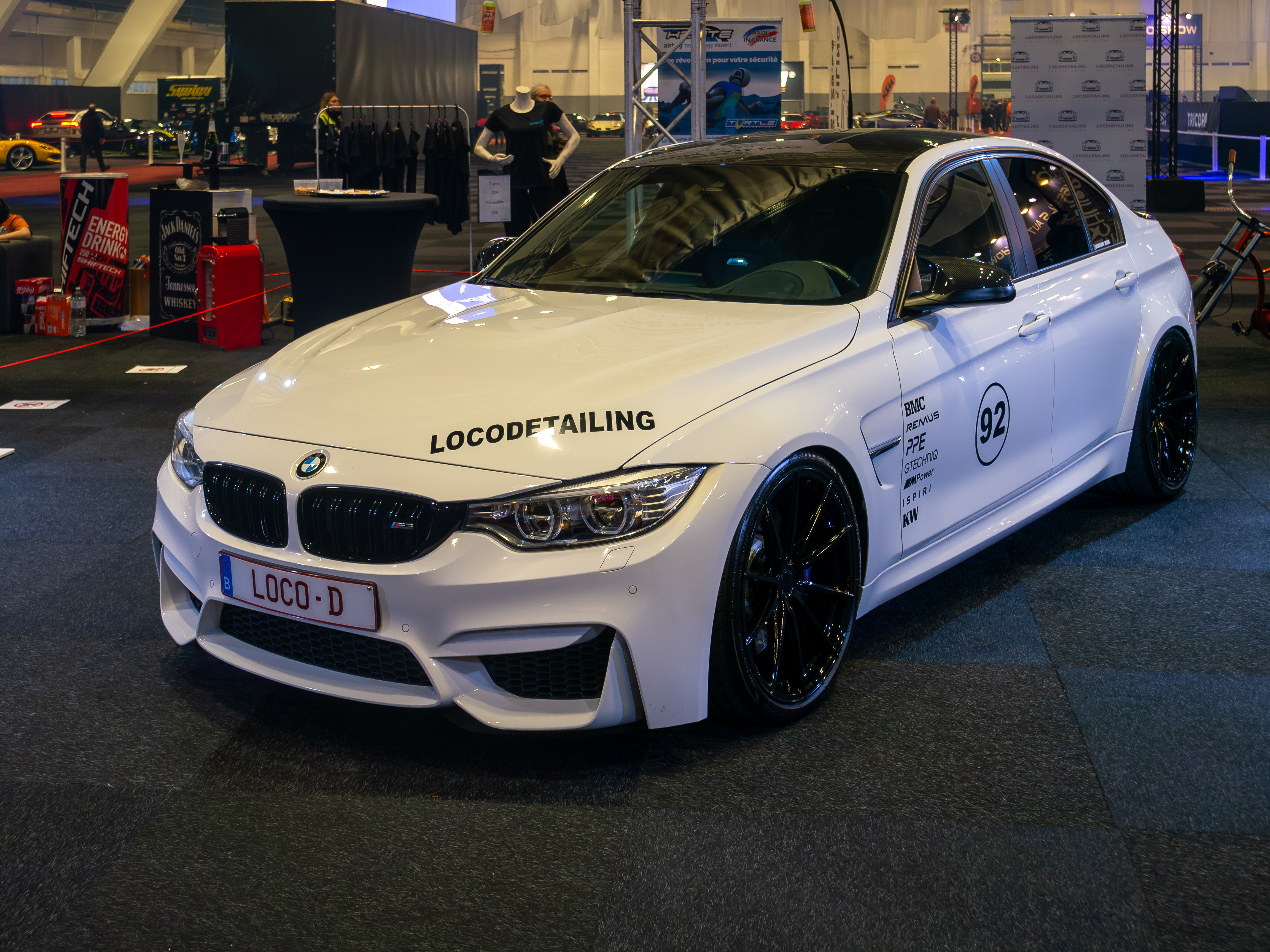
The BMW 3 Series is a small luxury car that's known for being fun to drive and very comfortable. It's popular with people who want a nice car that also performs well.
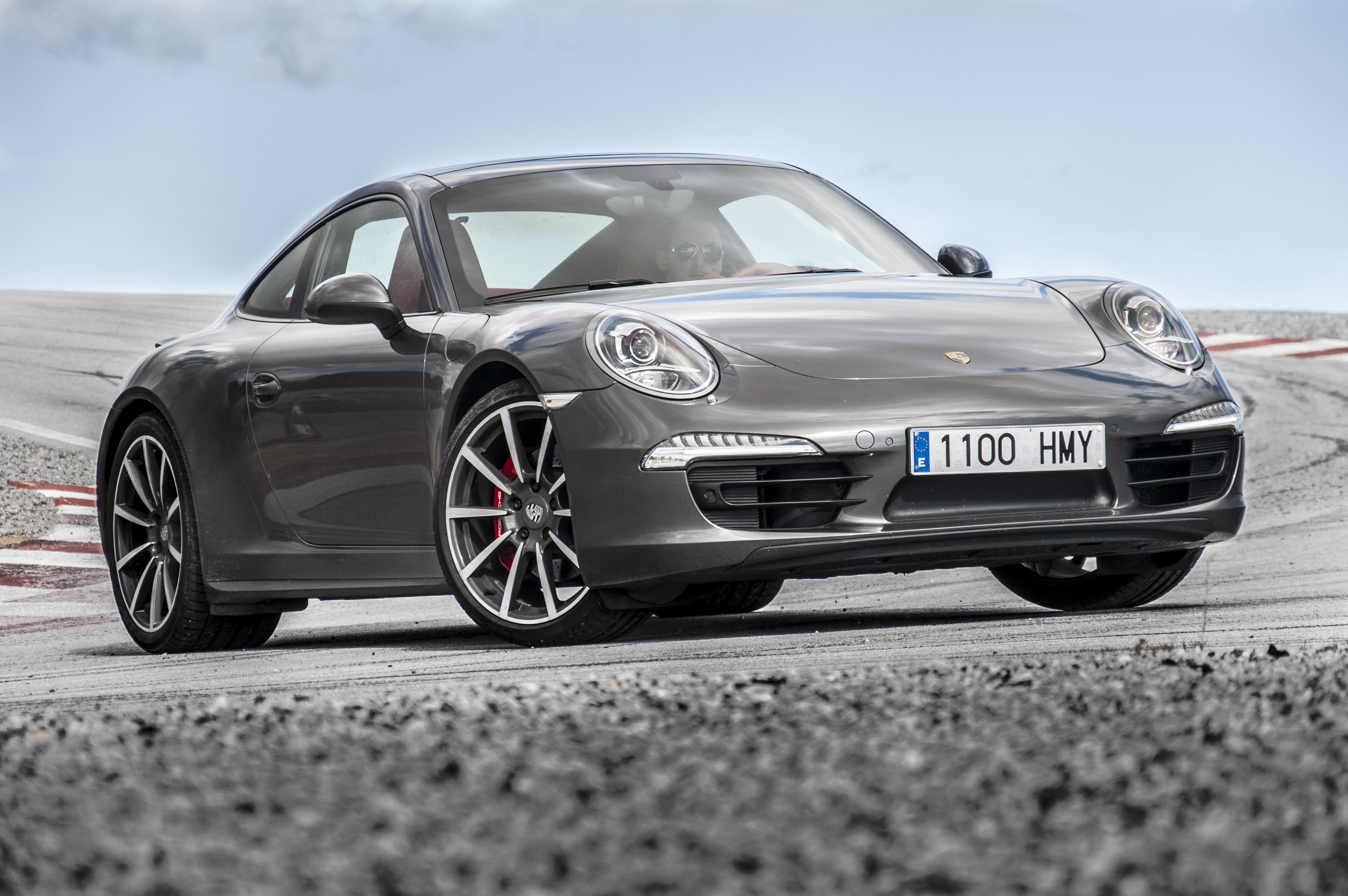
The Porsche 911 is a famous sports car that looks really cool and drives very fast. It's known for being a high-quality car that many people dream of owning.
The Mercedes-Benz S-Class is a super fancy car that's really comfortable and has a lot of high-tech features. People often talk about it when discussing luxury cars because it's one of the best.
The Subaru WRX is a sporty car that can drive really well in all kinds of weather because it has all-wheel drive. It's popular with people who like fast cars and racing.
The Toyota Supra is a cool sports car that's known for being fast and fun to drive. Many people love it because it looks great and can be made even faster with upgrades.
The Toyota 4Runner is a tough SUV that can handle rough roads and off-road adventures. It's a great choice for people who like to explore and need a reliable vehicle.
The Range Rover is a fancy SUV that's really good at driving off-road but also has a lot of luxury features inside. People often talk about it because it's both stylish and capable.
The Toyota GR 86 is a small sports car that's fun to drive and not too expensive. It's made for people who love the thrill of driving and want a car that feels sporty.
The Toyota Corolla is a small car that's very reliable and gets good gas mileage. It's a popular choice for people who want a dependable car for everyday use.
The Mitsubishi Eclipse Cross is a small SUV that looks sporty and is good for everyday driving. It's designed for people who want a mix of style and usefulness.
The Subaru 360 is a tiny car from Japan that was made a long time ago. It's known for being very small and efficient, and it's a part of Subaru's history.
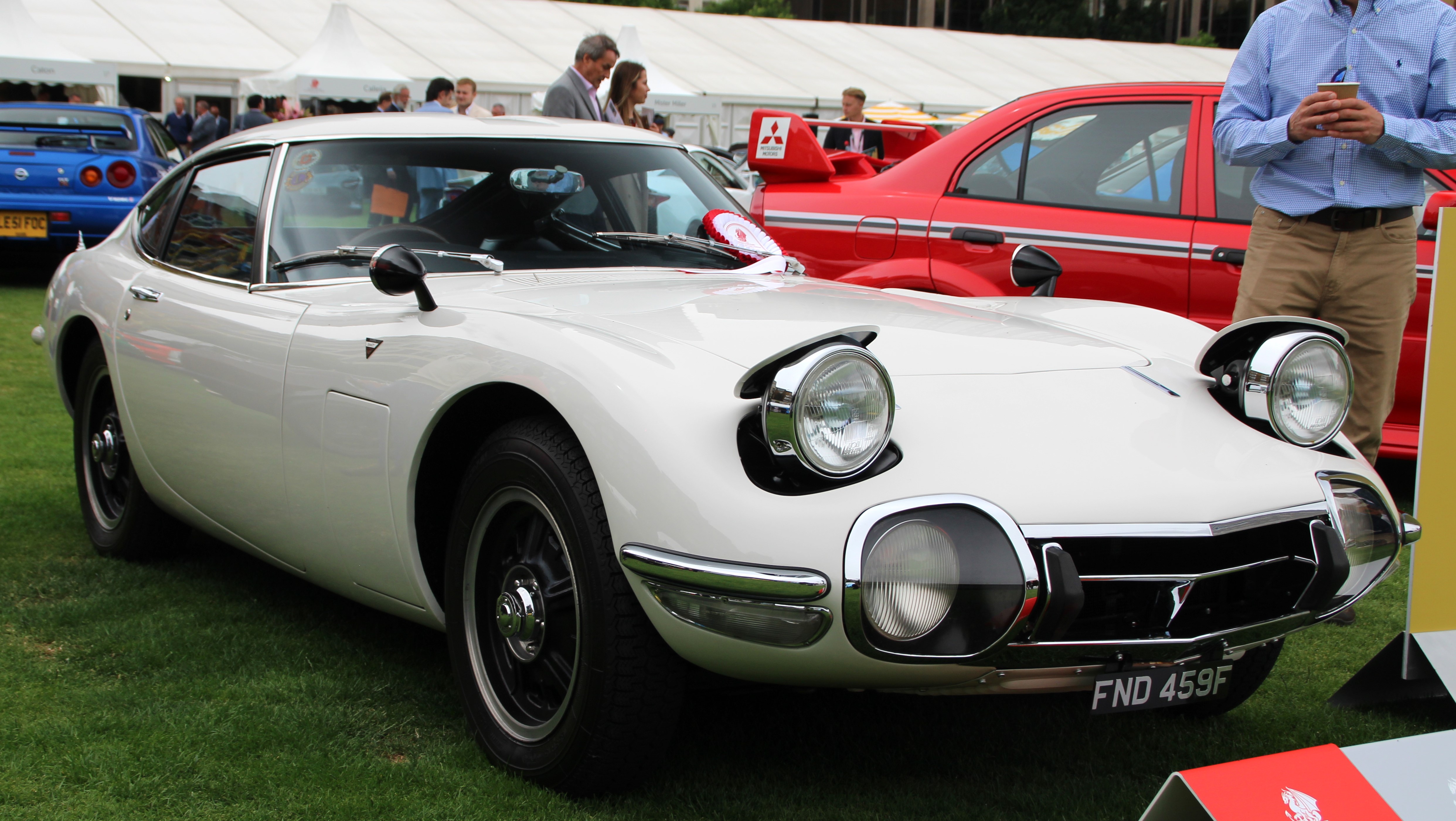
The Toyota 2000GT is a beautiful sports car from the 1960s that many people admire. It's special because it was one of the first really fast cars made in Japan.
The Chevrolet Corvette is a fast sports car that looks really cool and is made in America. It's popular because you get a lot of speed for the money compared to other fancy cars.
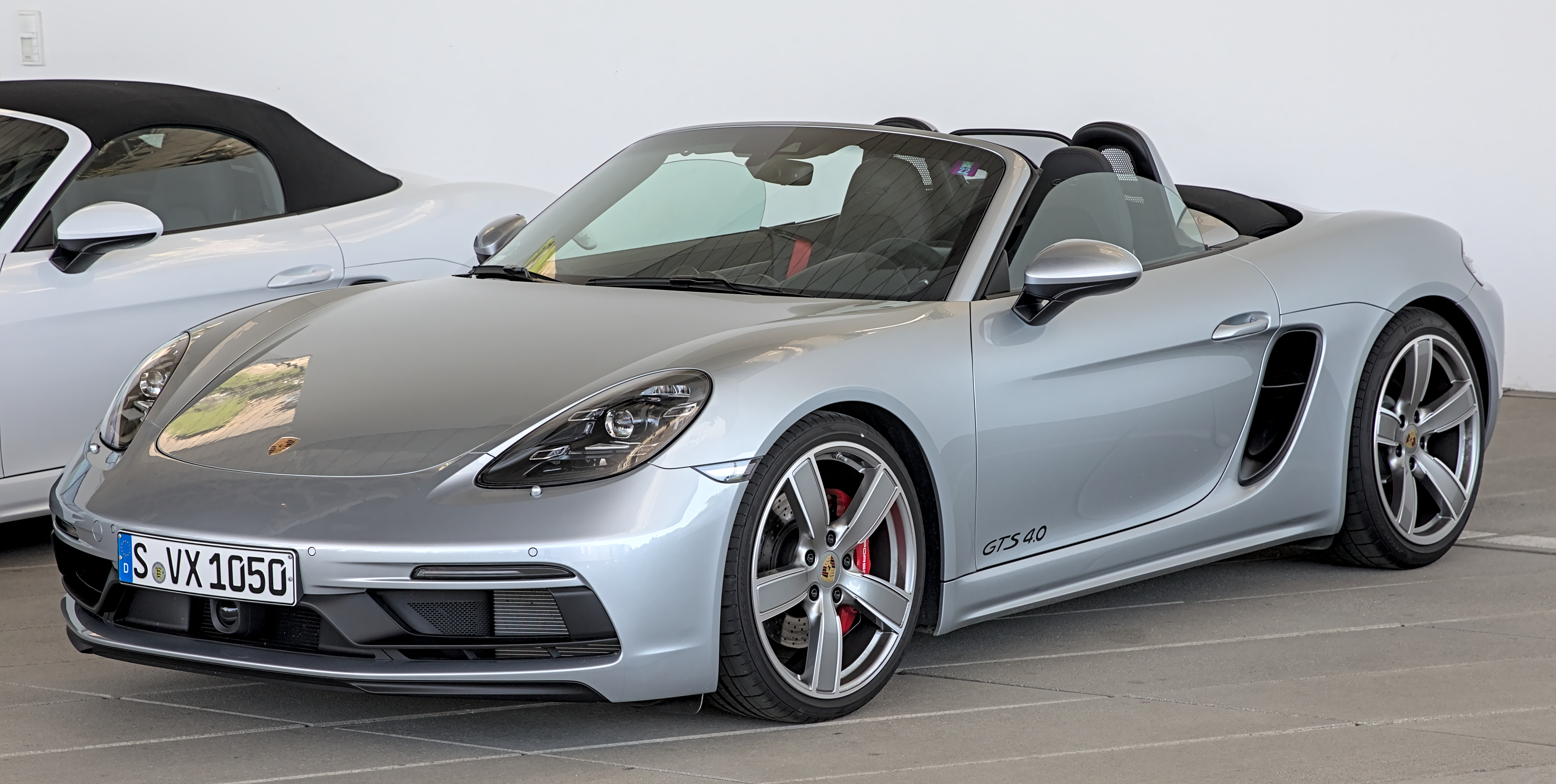
The Porsche Boxster is a sporty convertible car that’s fun to drive and not as expensive as some other Porsches. People like it because it combines luxury with a great driving experience.
The Mercedes-Benz CLK GTR is a super rare and super fast car that was made for racing. It's talked about a lot because not many were made, and it's very special.
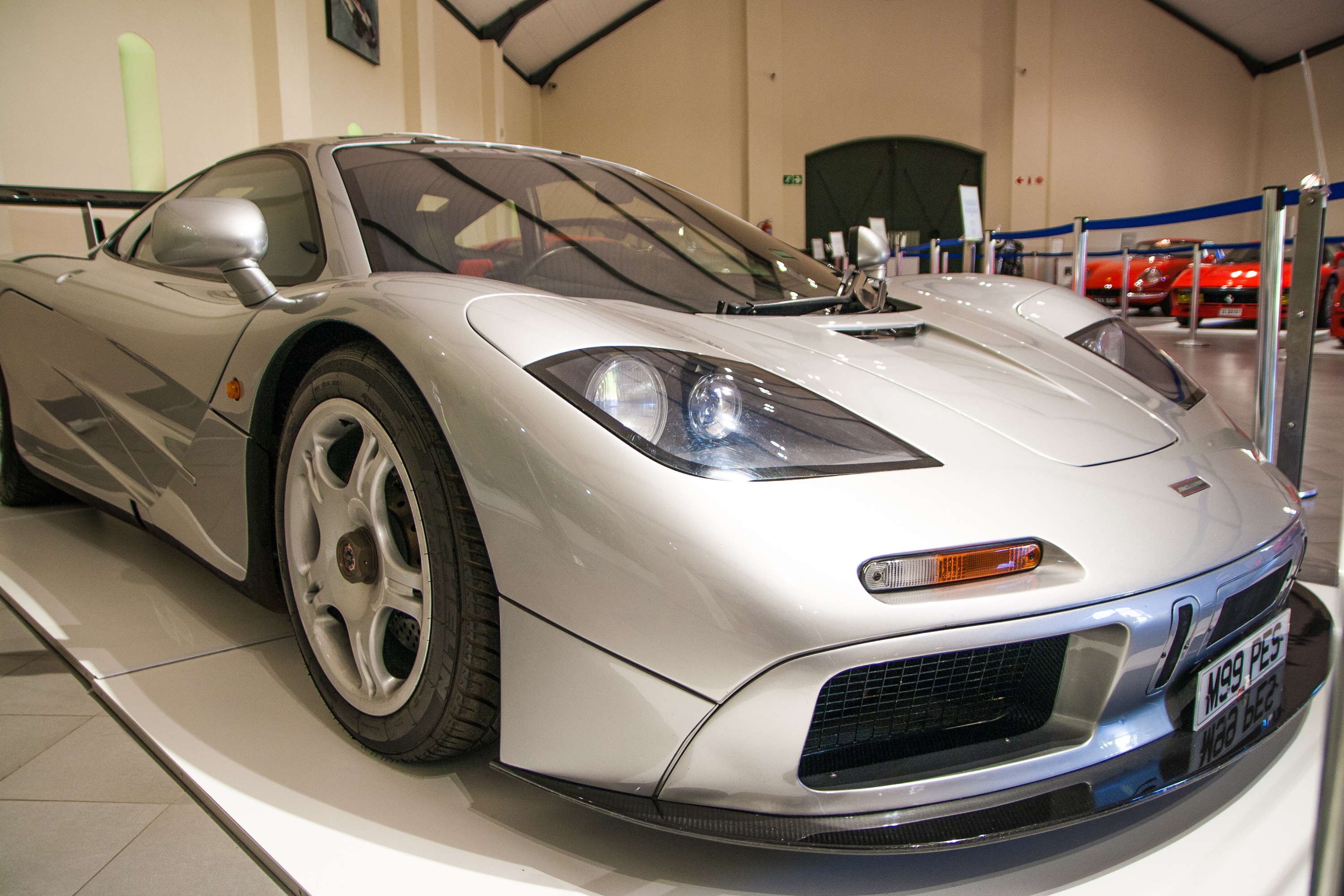
The McLaren F1 is a super-fast car that was really advanced for its time. It's famous for being one of the best sports cars ever made and is still talked about today.
LIVE
Hello.
Hi.
Hello to our guests as well.
Are we gonna acknowledge them?
No.
Okay.
Don't acknowledge the CLK63 AMG Black Series manual
or the CLK DTM AMG that are behind us.
Okay.
This episode of The Car Mudge and Show is,
like all episodes of The Car Mudge and Show,
is driven by Hagerty.
Hagerty is an insurance company for enthusiasts,
for drivers, by drivers.
My name is Derek Tamscott and that's Jason Camisa.
Or similar.
Sure.
This episode is about the philosophy of race
on Sunday, sell on Monday
and whether it is still relevant today.
And we come to a very clear conclusion,
which is that there's a lot more to this
than we understand.
Right.
So.
In other words, IDK, hello all.
A bit of a history lesson.
Yeah, there's a lot of history.
And for the record,
this is not another one of these,
like Mercedes, Mercedes, Mercedes episodes.
I think we talked about,
or we're about to talk about BMW.
We talk about Porsche.
We talk about Ferrari.
We talk about Lamborghini.
We talk about Subaru.
Subaru.
We talk about Toyota.
We talk about Mitsubishi.
Getting something.
NASCAR, big three.
DTM British saloon car champion.
Rover.
Formula one.
Rover makes a present.
Yeah, this is very much a brand agnostic exercise
about sales funnels and motorsport.
Yeah, okay.
I'm making a clap now.
It was a great day on a curve.
That was a solid A.
Why thank you.
Okay.
Okay.
We're gonna ignore the cars behind us, right?
Yes.
Okay, this does not mean that I'm,
where's the camera?
I'm not necessarily doing an episode on Mercedes CLK,
and that's why there's a CLK DTM and a CLK Black Series
in the studio behind me.
But if I, regardless of whether I am or not,
and if there were indeed a CLK DTM
and a CLK Black Series behind us in the studio,
oh my God, are those two cars so hot together?
What are you doing right now?
I'm looking for a thread of logic to grab onto you right now.
I'm trying to explain why there's a CLK DTM
and a CLK Black Series behind us,
and I'm not gonna talk about necessarily why they're here.
But I am gonna say,
those are the two coolest shapes to look together
next to each other that we've, I think, ever had in here.
The same shape.
It's two.
I know they're different, but they're also kind of the same.
I mean, one is a Roadster and one is a Coupe.
That is true.
Yeah.
Do they call it a Roadster?
Sorry, Cabriolet.
Yes, okay.
Cabriolet.
Yeah, one is a-
Cabriolet.
No, that's only if it's Mexican built.
Oh, I see.
If it's a German built.
Yes, if it's a Volkswagen Cabrio, mark three and a half.
It's a Cabriolet.
If it's a mark three, like mine is, it's a Cabriolet.
Okay.
Anyway, that's a CLK DTM will be for sale
at the Broad Arrow auctions at Amelia Auction.
Broad Arrow auctions at the Amelia Island Concorde.
And so when I found that out, I asked,
can I borrow that for a second?
I think it over.
And the owner slash seller of the car was nice enough
to say, no, and we ignored him or yes.
And he said, yeah, either way,
it showed up as it was backing off the truck
I about gave birth and then fully gave birth
when that CLK Black Series did, because it's a manual.
Yes.
It's one of the Matt Quick manual swaps
that belongs to my client.
I've actually never seen the car.
I helped him buy it without ever having seen it.
So it's cool to see it for the first time.
No, I'm glad I can help him.
Because it came from Southern California
and then went directly to Matt.
So it's never been here to Northern California before.
Want.
Yes, still.
That's all.
I haven't driven it yet.
I mean, the worst part is these two cars have sat
in the studio now for 10, 12 days, something like this.
And I've been too busy to even come by to drive them.
And here we are now recording an episode of a podcast
without striving them again.
You have at least driven that.
The Black one in the past.
I mean, I drove both of them
from the reliable truck outside into the studio.
So, what, six?
You've driven the Black one that we had last year.
Yeah, and Want.
Yes.
But I came away from that wanting, loving it,
but realizing I could not have a 500 horsepower car
of that capability.
And now upon secondary reflection, I don't care and I want it.
I did message the owner slash your client and told him,
the good news is your car arrived,
the bad news is you're not getting it back.
So tell me where to send the wire.
And he did not respond.
So I think he doesn't like my sense of humor
or is contemplating your offer.
In which case I had better start to stand on street corners
and start working over time.
So after hours you get double pay.
Yeah, I'm fine with that.
It's gonna take a lot of double pay anyway,
but they're a stand-in,
but it brings up an interesting concept.
The car on the camera's right, the CLK DTM,
was a car that was created by Mercedes-Benz
to celebrate its complete and utter dominance in DTM.
Of a car that I don't think anyone knows exists,
which was the CLK DTM.
So this is the race car was the CLK DTM,
the street car is the CLK DTM AMG.
The addition of the AMG means it's one of the 100 roadsters
or a hundred, excuse me, coupes
or 60 convertibles that they built
for this car that just absolutely just shat
upon everything else in DTM.
And so in writing the script for the revel,
I'm not admitting this.
In contemplating, I was in the shower,
I just typically don't give this stuff away.
You know, I was contemplating the script,
I'm like, what's the big picture for the CLK?
And the big picture to me is that no one thinks,
no one hears the letters CLK and thinks,
hmm, race car in the same way that they hear the name.
But if you add the right letters to it,
then you do think race car.
Right letters being potentially DTM, BS,
Black Series or perhaps GTR.
Well, so what CLK did was invent a bunch of,
seeded a bunch of other names, another brands, right?
For the US, the Black Series, the CLK 63 Black Series
was the first Black Series that we got.
Europe got an SLK 55 Black Series first, so we didn't get it.
So this was the genesis of the Black Series badge
and name in the US.
But without an additional brand name,
CLK has absolutely no brand equity
to enthusiasts whatsoever.
This is a very Mercedes-Benz experience
that you're describing.
Before we turn the cameras on, you said something,
which is what made us decide we were doing this episode.
You said that's because Mercedes, what?
Oh, it's gone.
I said it once.
You said it once.
It flashed through my mind.
I think, God, we weren't rolling.
We can't play back.
You said it's because Mercedes makes the frumpiest,
ugliest fucking cars in the world or something like that.
Yes, yeah.
Frumpy was definitely a word.
It's because, yeah.
It's just the frumpiest thing on earth.
Mercedes hasn't built a bridge
between their competition heritage
and their production cars.
Well, I don't know.
When have they ever done that?
In the 1950s, they did that, the 300 SL, for example.
Fair point.
And the 190E, they did a reasonable job of that.
Especially in Europe,
because Europe got the Evo one and two.
Yeah.
But I don't-
That was racing in a championship
that Americans didn't even know existed, I suspect.
And then I suppose you could say
that they did with the AMG GT.
It has genuine sporting intent.
Mercedes has been loathed to offer
really sporting road cars in the U.S. market,
if it's something that had any actual racing success.
The one thing that struck me
when I was doing CLK research is the idea that the-
So these are both C209s.
There were two generations of CLKs.
The first generation is C208.
And then there's-
And A209.
Oh, yes, fair enough.
Is it called the A209?
Yes.
A for Aperta.
No, that's not one of the Germans.
Otherwise known as nine.
But there are two generations
and the first one was based on the 202.
The car, the C-Class, the first ever car
that was named the C-Class,
but the successor to the 190E.
And it struck me as ironic
that that car had one hell of a run in DTM.
I mean, just absolutely defecated.
The 202?
The 202, defecated on everything.
The 201.
But they never offered a really sporting road car.
They had AMG versions, but they weren't like,
they were always getting last place in comparison tests
because they had automatic transmissions
and they were not as good as BMWs
and they cost $20,000 more.
Yeah, that's funny,
because that's exactly the number that kept coming up.
35 versus 55 for the M3 versus the C-43 or the C-36.
And it was the same thing when C-OK came out.
But either way, we're getting ahead of ourselves there,
but I find it incredibly ironic
that the 201 and 202 were responses to a fuel economy,
a set of fuel economy regulations.
And so Mercedes sort of begrudgingly
finally decides to build a small car.
And that becomes the second winningest
touring car champion in history, basically.
So you have the 190 EVO models, one the DTM,
and then the 202, one the DTM.
And that never translated to anything in the U.S.
If the irony is those cars existed
for fuel economy purposes, and here they are
in 500, 600, or so.
That's kind of the nature of DTM though, generally,
is that you take some pedestrian car
that has been created for whatever reason
the car was created that has absolutely nothing
to do with sporting intent, and then you race it.
This is a British touring car racing, right?
You just choose a Ford Monde or a Nissan Primera
or whatever sort of boring pedestrian car.
And then you put all these really competitive drivers
in very well-prepared converted race cars.
And so the car that it's based on,
the nature of touring cars,
that it's never something that had real sporting intent.
But on the other hand,
it's not like they ever took the A-class racing
or like Audi did an A1 race series.
I just think it's interesting.
This car existed, this lineage existed
for fuel economy purposes and winds up going on
to be a hell of a race car performer.
And by the way, in the case of the CLK,
not just in DTM, not just in touring car, in big leagues,
I mean, actual at Le Mans and such.
If you wanna call that a CLK, I mean, they did,
but nobody else, but it's like a silhouette car.
So is NASCAR.
Yes.
And so is DTM now.
And actually, so was DTM when the 203 one.
So there is actually, my question is,
so the CLK did a really horrible job
at translating from success on the racetrack
into success in dealerships, right?
I think it's possibly the best example.
I mean, they sold well, but not too enthusiast.
Certainly not too enthusiast, right?
So my question is like,
is this absolute proof that sell on,
win on Sunday, sell on Monday,
is just a bunch of bullshit?
Genuine question.
Well, I would say that the exception doesn't prove
that it never worked anywhere.
Like there's plenty of cars that did successfully race
on Sunday and sell on Monday, but this is not one of them.
Okay, so let's talk about that.
And there's like a lot of cars that,
you know, when we were ruminating for 46 seconds
before we started recording this episode,
you brought our Camry.
We're charging them by the hour, hours.
Yeah, of course I brought up Camry because-
Seconds or portion of the next hour.
But the, yeah, of course I brought up Camry
because you said, you know, name a car that wins
and doesn't translate to success.
And I said Camry because his race to NASCAR was-
Stock car.
Right, that's the nature of stock car.
These were all-
Although originally, and I mean,
if you go back to like older NASCAR,
like in the 1950s and 1960s,
I think there was a genuine like interest
in seeing your mark, you know,
they wouldn't use the word mark.
Your car go out there and do well, you know.
And so some people are Chevy guys
and some people are Mopar guys
and some people are Ford guys
and they're out there, you know,
competing against each other in NASCAR.
And that translated to, you know,
everyone who bought those cars,
if they had any enthusiasm would, you know,
less after the 427 four speed top loader,
fastback version of the car,
even if they had to buy the 289
or the mileage maker 223 inline six or whatever,
but at least they felt like there was some relationship
between their car and the cars
that they would watch racing on weekends.
I don't know if that's true among Camry people.
Maybe, I don't know, you see TRD graphics packs
and all kinds of absurd stuff on Camry sometimes.
So maybe it happens for a small number of people.
I don't really think it works.
And I think part of the reason is of course,
you know, these are really spec car series, right?
So, you know, even DTM at this point,
if I understand correctly,
it's one of the entrance makes all of the engines,
one of the engines entrance makes all of the chassis,
one makes the bodies and they, it's just there,
it's a shell NASCAR is certainly that way.
And I think that, you know,
how can you really root for your team?
I don't, I can't imagine anyone saying,
God damn that Camry one,
knowing that that Camry has literally not a toyed apart
on it other than the badge.
But I also-
Which is probably just a sticker anyway.
Yeah, it's probably true.
So it's not a toyed apart.
Right, it's not even a toyed apart.
It's just a picture of one.
Maybe Andrew, we should probably do some research
one of these days before we do it, I kid.
We just don't know where we're going, that's the problem.
What do you, how do you research this
if you don't know where the-
That's also true.
Where our conversation is going.
I mean, I'm too busy doing research on our,
you know, actual COKs that didn't win anything or did they?
Yeah, no, I just, I think,
so if we look back at examples of cars,
I don't think E30M3 sold all that many 325Is in the US.
Yes, because it's a mainstream car
and the nature of a racing car
that is built on a mass market car
is that the percentage of people who buy it
for its racetrack performance is probably smaller
than say a Porsche 911.
A significant portion of the buyers of 911.
Let's go to an era when, let's go to the 1970s
when before, let's go pre-yuppie.
There is an intentional choice to go pre-yuppie
because the people who are buying the cars
are less buying them for status and brand
and more buying them because.
But that status has to come from somewhere, right?
Correct, yes.
And so the reason I specifically mentioned E30
is to go German and not because, you know,
my proclivities towards German cars.
But because I think that was,
E30 was an example where they were racing in this series
that just wasn't present in the US.
But it was huge in Europe.
I mean, it was more widely consumed
than Formula One races in period.
I learned that when I was researching the 190E.
Absolutely.
I mean, it was, it's a religion there.
And so I would say that maybe it didn't sell 325s,
but I think a significant portion of the E30M3s
that were sold in the United States,
of which there were six or whatever,
how many sold they had sold in the United States.
It sold poorly is what I'm trying to backhandedly say.
I think that there's probably a higher percentage
of those buyers because they weren't,
they didn't sell very many of them
because the car didn't, I would say,
make super rational sense unless you understood
what it was and why it existed in that form,
then you would maybe buy one.
And so I'm sure that in Europe, it made a dent
or it was a contributory causal factor
to sales of E30M3s in Europe.
And because they sold a few enough of them in the US,
maybe it was also true of E30M3s in the United States as well.
Yeah, if you look at worldwide versus US sales numbers,
they sold 5,000 E30M3s in the US,
17,000 in change worldwide.
And that's typically not the case
where the US is less than one third of production.
I would say normally you're more than a half.
Right, 2.316s was way worse.
It wasn't 1800, oh my God,
it's been 20 years since I've looked this number up,
but it was something like 1800 out of 22,000
worldwide production of the 16,000 190s.
And I think that's because the series
didn't exist in the US.
So then the car conceptually,
like if you look at what it offers and how much it costs,
I think a lot of people arrived at the same conclusion,
which is this is absurd.
It was $42,000 for a 2.316 or something,
or 38, and then E30M3s were kind of similar.
32.
Yeah, so it was a sort of-
32 when a fully loaded 325IS
with every single available option was 27.
Yeah, and a five series was probably similar money as the-
my early 2.316, for the price that,
with just a couple of options on it,
I have the price guide.
The woman who purchased it could have had an S-class,
for the same amount of money.
It would have been a base S-class with no air conditioning,
but she could have had an S-class.
But I think it made a little bit of sense
if you understood the racing heritage.
So like I said, the reason I went to German
is because I wanted to then get to Porsche,
because Porsche's racing success story
seems to have permeated everyone.
And even the US market is sort of everyone's understanding
of what makes a Porsche special.
And so my question is, is that because it was a sports car?
Or is it because it's racing was actually viewed
or understood or known by Americans?
I think if you make a car that's that form factor
that represents that kind of functional compromise,
which is to say two doors and not very much of a back seat
and all that, you're automatically attracting
a different type of buyer than if you're selling
a C-class or a three series.
And so those people are already oriented
towards consuming a sporting car.
And so they will be interested in and motivated by
and be kind of turned on by the idea
that their car is derived from a race car,
whereas a person who's, you know,
I'd like a car to drive around in that is luxurious
and makes me look like I have money or something like that,
or whatever the motivation might be
for buying a C-class or a three series.
Those people are gonna be less oriented
towards like the car's competition heritage.
And I think it does have to do with the type of racing,
touring car versus more a genuine sports car.
So the reason I got you there is to ask the next question.
So what about the WRX?
Which is a standard four door form factor.
So I mean, I think to answer that question,
you look at like when you see these lists
of most commonly ticketed cars,
the GTI and the WRX are always kind of near the top.
It's a car that despite its form factor attracts enthusiasts.
So if it's a car, this is me spitballing
or my logic is forming as I'm talking.
But if it's a car that is like an intrinsically
an enthusiast car, then that stuff matters.
And it also has to do with the products
that the manufacturers offer, right?
The original Bug Eye WRX for the US market
was a intrinsically sporting car that was a sports sedan
that was intended for sporting drivers and-
Ish.
Oh, come on.
Like all the like high school boys
when the world rally blew for the intercooler scoop on-
Oh, I think you meant the Impressa as a-
No, no, not the Impressa, the WRX specifically.
Right, that variance-
Okay, so you've leaped one,
you're too smart for your own good,
you've leaped one logic step ahead.
So without the WRX, the Impressa was just nothing, right?
The Impressa was just-
Just a shit box economy car.
Exactly.
So my question is, is the success of the WRX,
I forgot about the STI, but the WRX in the US
solely a function of the fact that it was cheap speed
or do you think its success in world trial
and link to world rally championship actually helped-
I think they're inextricably linked.
You can't have to, well, no, because GTI.
Like GTI is a perfect example of a car that doesn't race
and it's just cheap speed, so people like it.
Yeah, and people who buy WRX are like,
mine's more legit, it's mine's cooler,
I'm a Subaru person and not a Honda-
Can't tell they're on the side of the road
with a broken head gasket.
Yeah, but they are buying those cars
because they view some connection
and that's why the blue is so iconic.
Blue with cold wheels.
Yes, especially it's part of the car's identity
and that's part of the appeal of buying that car
and that's why people bought those cars
instead of buying Integra or Civic SIs or GTIs.
You say this is something different,
it's a new genre of performance car
that we haven't had in the United States before,
but we have been sort of, if you're an enthusiast,
you've been watching them compete all around the world
and we never got anything exciting.
I mean, I just remember what a seismic shift
was created by the arrival of the WRX
when it first came out in 2002 model year
and then when the STI came for 2004, is that right?
Did I get that timeline right?
I think they were earlier than that.
04 was the first model year of STI and the WRX,
I thought was 02 and the 2005 RS,
which was not turbocharged but was the hottest thing
you could get prior to that was 98, I thought.
But yeah, that was like a very big deal
that was sort of the next evolution
for the sport compact scene,
because it had, I would say motor sports chops
that gave it a legitimacy
that didn't come from all the front wheel drive cars.
I'm curious about this, I don't know
because I'm not in the mindset,
I haven't seen studies of the mindsets of all these buyers.
I kind of feel like it was cheap speed
that got, that really sold the cars far more than it was.
It's motor sport connection.
The motor sport connection was really important
to some people for sure,
but I think the idea that you could get a,
what was it when it was new $21,000
or whatever $20,000 car that did zero to 60 on the fives,
even though in the real world it was about 42 seconds
because of the turbo lag,
cheap speed just always sold.
And so I'm wondering,
so I have a really interesting relationship with Subaru.
As you know, we constantly make fun of Subaru drivers.
The Supras made some great charming cars for the years.
But my boss asked a really interesting question last year
at Monterey Car Week,
which was that, why does Subaru exist?
And sort of the room just sort of gasped.
And he said, no, think about it.
This is a company whose cars are inferior
in every single way to all of its competition.
And then they're more expensive.
I'm like, what do you mean inferior?
You know.
What do you mean you didn't say that?
No, but I did.
They were like, inferior.
You know, they do crash well.
They do some, he's like, they're not reliable.
They get shit gas mileage.
They're miserable to drive.
They're ugly as sin.
And they're more expensive.
And I thought, okay,
I'm not gonna agree with all of those things at 100%,
but sure, I see that point from an objective standpoint.
You are better off as a commuter in a Toyota.
And so his theory was,
which I think was really intelligent,
was that this was all based around marketing.
And that Subaru is actually not-
But keep going.
Okay.
Ooh, that's an interesting one.
Yeah, his theory is that Subaru is really not
a four-wheel drive company.
Subaru is a marketing company.
And then that started a whole conversation.
I was actually at a,
this was at a dinner with a whole bunch of marketing folks.
It was fascinating to see their take on everything.
And they were talking about Subaru's spend every year
on marketing and it was all in animal rights.
Like their animal rights,
spending is like crazy so that they can have this image
of like, oh, put your dog in a Subaru.
Your dog will love you better.
And, you know, the sort of image that we have
that sort of contours and likes.
Yeah, they've cultivated an image for themselves
that is distinct and that resonates with people
because people seek authenticity.
And that's why I wanted to bring up the Toyota 4Runner
because there's a few nameplates out there
that have like really clear identities
in the names of buyers and that, in the eyes of buyers.
And that is always, I think, leads to a better performance.
So the Toyota 4Runner does this, the Mercedes G does this,
the Range Rover does this, the Porsche 911 does this,
Subaru has managed to do this, right?
Where there's this, like if you, it's a certain,
you always use this avatar word,
but it is a certain image that you are using the car
to project about what your values are
and who you are as a person.
And it's a very clear one that is associated
with companies that have very strong brands.
So when you ask like marketers,
how do you declare what a valuable brand is?
I think a lot of that is tied to like identity.
Like if you are surveying just random people
and you say, what is the identity associated with this brand?
Like a good brand, there will be something very clear
that strong people agree on or a list of three things
that everyone says and they're all,
choosing the same three things or whatever.
Whereas, if a company doesn't have that,
then they become sort of a wash
in the massive undifferentiated slop in the world.
And then that's a much tougher place to be in.
So protecting brand value or developing brand value
and being consistent and making it clear to consumers
what your brand is, even if the products themselves
do or don't advance that narrative.
Right, that's why I find Subaru so interesting
in this sense, right?
Because you have this company that really did well
for many, many, many, many years, decades
in World Rally Championship.
And even when it didn't well,
it was just such an ever present presence.
And you have Subaru that is sponsored
some of the Hoonigan videos with Ken Block
and just really into this motorsport side.
But on the other hand is cultivating this image
of like, you're an environmentalist,
you eat granola, you love deer.
It all depends on the speed snail,
whether the car is like a turbocharged hot boy car
or whether it's the...
Whether it's a GR86 or which doesn't make any sense at all.
Or if it's a legacy driven by a comatose boomer
in the left lane.
But to your point, how do you succeed
when you have that disparate of a brand image, right?
So I think the way it works when it works well
is you have the motorsport gets the nerds
interested in your brand
and gets them to love the brand.
And then they go out as evangelists.
Ooh, we both said the same word at the same time, James.
Evangelists for your brand
and then convinced their Aunt Susan to buy an outback.
And that's the way...
Yeah, or you take this,
what is the, I'm looking for the unifying factor.
Like in the Toyota world, you'd say like the forerunner
doesn't conceptually align that well with a Corolla.
But the thing that you get to is dependability, right?
Is that it's indestructible, that it's well engineered.
That's going to get you where you're trying to go.
And that's the Toyota like unifier
between products that are sort of disparate.
And I think in the case of Subaru,
I guess it's like traction or like outdoors.
Every Subaru has symmetrical all wheel drive
except for the ones that are wheel drive.
Yes.
But the idea that like it's a car for all weather.
It's rugged outdoor people.
It will fit with your rugged outdoor lifestyle
to get you all kinds of places.
Whether you're going there sideways at speed
or whether you're going slowly,
but at least still going like in a Subaru brat.
The hot take, I don't think Subaru's millions and millions
and millions of dollars of racing spend
has sold any significant portion of cars in the US
and certainly hasn't done a goddamn thing
for their brand in the US.
Well, yeah.
I mean, the only cars that that materially affects
should be the WRX and STI products, I would think.
Right.
And none of that DNA trickles down
to any of their other product.
You know, everything's a CVT,
nothing and even the WRX at this point.
And so, you know, I guess the question is
I mean, they've certainly peaked in this identity 20,
I would say years ago or so.
And I think sort of largely abandoned it other than the,
I mean, I guess other than the current WRX,
which I don't, doesn't even exist.
I think on most people's radars,
despite the fact that it's not.
I can't even picture it when you say it.
I don't know what it looks like.
I can picture it because I went on the press launch
and took a picture of one and it was really cool
because there was light streaming through trees
and it was a pretty picture.
And I, the car is so ugly as in, I couldn't,
it's got wheel wells that look like somebody sneezed
while they were making an arc.
Oh, yes, yes.
Okay.
And they have like a supplemental texture on them also.
Okay.
It's the black contrasting.
It's plastic.
They're fine.
It's like rigid, rigid or like lumpy or something.
Like a, like a tumor.
Yeah.
I just, I find it so interesting
that this company spends so much on a motorsport image.
That contradicts a lot of it.
I think a substantial portion of their sporting products
were sold through that and through that mechanism.
Curious, yeah.
It has, I think it has to be.
I mean, you would hope that that would be,
that would have worked for Mitsubishi with the Lancer Evo.
Well, they abandoned the product.
Well, they abandoned life.
I mean, they gave up.
Yes, they abandoned being alive also.
No, they still sell a car
and you can still get an eclipse cross sport.
I think they also sell like mini splits
and heavy industries and airplanes and ships.
I think we are warmed by virtue of a Mitsubishi, right?
A Mitsubishi mini split.
It's one of those like absurd, absurd conglomerations.
So Subaru, but you know, Fuji heavy industries.
Are there any other car companies that make like,
like just LG make refrigerators and cars, not in the US.
We've gone off on an absurd tangent,
but I mean, I'm curious to know now.
There's certainly companies that do this,
but not China market companies,
but nothing's sold in the US.
And I don't think Ford makes fridges.
The new Lincoln Mercury, 28.
GM used to make train locomotives.
Well, that's motive, that's similar.
Yeah.
I mean, in the same way that Rolls-Royce makes jet engines.
Well, those are separate companies
since the great bankruptcy of 1971 or whatever it was.
Okay, somebody else.
Other people make, people make other kinds of engines,
but like a totally different industry.
That could be a future episode.
Yeah, I just, I think to be honest with you,
the idea of racing selling cars was really a thing
in the Ferrari days, right?
Ferrari would be nothing today if it weren't.
And if you look at the view counts on the Testerosa videos
that dropped a couple of weeks ago,
Ferrari's nothing to no one.
I mean, this brand is dead.
I think, but it would be nothing without racing.
It's not dead, it's that they have moved so far away
from affordability or from accessibility
that people stopped giving a shit
because it's outside of the realm
of something they could ever aspire to.
I feel like if they made a product that was less aspirate,
like more aspirational and less just stratospheric,
that maybe people would give a shit.
That's an interesting take.
I don't disagree.
There's a world in which 355s and 348s and 360s
came within the reach of regular people.
You could buy those cars for $50,000
when they had depreciated.
And that doesn't happen with Ferraris anymore.
You're saying even on the used market.
Yeah, just if right, if you give a shit about this company
or you follow them in motorsports, you watch the F1 races
and you kind of root for them and aspire to own a Ferrari.
And then you say, okay, this is the best I could do.
I bought a Mondial and now I'm doing a little bit better.
And then I bought a 348 and then, you know,
I bought a Testerosa for $58,000
or even $48,000 or $38,000 at one point 20 years ago.
So there was like this sort of approachability,
but that has not happened like 458s
never dropped meaningfully below 150.
And so there was this maybe as the prices,
the MSRPs go up and the depreciation goes down,
they don't come within reach of regular people anymore.
And maybe they stopped giving a shit for that reason.
I mean, you could still get a 612 for $1.50, right?
FFs are cheap.
FFs are like 115.
Okay, you can get it.
Yeah, but these things used to drop into the 40s,
which was like a heavily loaded new three series.
Like it's a car that an enthusiast could choose
to like invisibly, I would say.
Although, I think, hold on, if I'm making,
if I'm trying to find an account or argument,
because I don't actually disagree with you,
GT Porsche GT cars would be in the same category,
but everyone does care about them.
So here's my feeling on that.
I think Ferrari has lost its appeal
to a sort of younger enthusiast buyer
because Ferrari has been absent from media
for 15 years at this point.
So McLaren came in and gave everyone a car.
Hey, you wanna test one of our cars?
This one, we were at the magazines,
but also then once the sort of magazines gave way
to influencers and social media, horse, like me, I guess,
you can, those cars were accessible to us.
You could get one of them.
Ferrari and Lamborghini to a slightly lesser extent
have removed themselves from enthusiast media.
And the only people that can get those cars
are people who bought them.
And then they are portraying a very different thing.
It's my car, look at how great I am, blah, blah, blah.
Rather than any sort of objective stuff,
that turns people off who are like that rich douchebag,
blah, blah, blah, wrecked his car, whatever else.
Yeah, it turns the masses off.
Exactly, but also stops any one of them
from being able to brag and saying,
this is a car that outran this or I did this
or beat this other car.
And so I really think Ferrari has done itself
a huge disservice by not allowing us
in the automotive media to do any real comparison tests
with their cars.
And they're sort of just, I think,
tipping their toes back into that
and allowing it from, they've given us a car.
Much of which I think is motivated
by the fact that the company has gone public
and they're probably looking to increase volume
and they realize that they have to do something
more democratic in order to grow
the volume of their business.
Because historically cars were selling so well
and that you had to be waiting in line
and all that stuff that they didn't need
to stoop to that level in their eyes
because the product, the brand was so valuable
and the product were so much in demand
or the delta between supply and demand was so great
that there was no need to do that.
Right.
And they will come.
Right.
To me, it's just amazing to look at what happened
when that new Testerosa just dropped.
I mean, you can argue that it's a bit of a cynical car
because it's not, the original Testerosa was a 250,
it was a race car, it was a Formula One car, right?
It's sort of continuously watered down.
Not Formula One, but sports car.
But now you're looking at a re-body of an SF90.
I haven't even read any of the reviews in
because frankly, I'm not all that interested in it.
And I will say that for I called me
and offered me a drive for the car
and I turned it down because I just don't have the resources
to go to Italy and produce a video on location
in Italy right now, Henry Ketchbull did it.
By all accounts, it's a brilliant video.
He did it for Haggerty.
I have not, again, haven't seen it yet,
but I said the view count is just appalling.
And it's not Henry, obviously.
The public is disengaged.
The public just doesn't care.
And my theory on this whole thing is-
They're not allowing people to do
the childhood bedroom wall thing, right?
If your car never appears in a magazine,
or their magazines are dead, right?
Never appears on a wall because you're gonna sue someone
or never appears on a YouTuber.
Yeah, that equivalent is now, yeah.
So you defaced our car, you defiled our car
by putting a wrap on it that we don't like,
so we're suing you, right?
This whole attitude means that car,
that brand has been absent
from an entire generation of enthusiasts.
From their psyche,
and that it's not part of their aspirations.
And I think every car company,
I think the most successful and the most collectible cars
of the next generation will have nothing to do with racing,
for example, like this car did,
and everything to do with video games.
Yeah.
It's cars that were in video games.
I see the dynamic play out all the time.
And I think I recounted this in the context of Car Week
when we took a Toyota 2000 GT,
and I was like, why do so many young people know
what this car is?
And everyone's like, it was in some video game,
I guess at some point, which I didn't know.
Of course, I don't know any of this either.
But there's what car did I buy recently that a parent,
one of my cars was in a video game
and people lost their mind over,
oh my God, it's a whatever bubble.
I'm like, what, you even know this thing?
Maybe it's the Rover?
Honda beat, must have been Honda beat.
That makes more sense.
Rover seems vanishing the unlikely.
But that's a car that absolutely kicked ass in racing
and no one knows anything about it.
People are like, what is that ugly fucking weird looking?
I mean, British touring car racing didn't make much of a dent
in the minds of Americans anyhow.
But if you drove that thing around in England,
people would know what it was.
Yeah, we heard.
Of a certain age.
Yeah, I find it really interesting that car companies
still put this kind of money into racing.
And when they're racing cars
that are not actually the street cars, number one,
that to me is kind of gross.
And I don't think it results in additional sales.
It really, I think depends what you're trying to sell.
But even so perfect.
I think for a 911s, it's absolutely worth doing.
Yes, because the street cars are the race cars, right?
They're so closely related.
And the people who are buying those cars
are doing so for that reason.
All of the people who feel that way,
it's just like people who want manual transmissions, right?
The people who feel that there's value in a car,
being able to drive around in a car that was raced,
they all buy that car because they've chosen
that that is something important to them
and they go to the place where they can find that.
So that's true of the 911 now.
It has been true of the 911 since basically its inception.
It certainly was true, I think,
for a segment of the muscle car era.
I think that was a material factor, certainly Corvettes.
Well, it's cheap speed plus racing.
I mean, that's a double whammy, right?
Yes. Plus they were sexy as fuck.
Yeah, I mean, so that's certainly true of the muscle car era.
So you're saying this was a thing in the past
but is less relevant now?
Is that the thesis or conclusion in here?
Yeah, and I think when I look at things
like the new Toyota GR GT,
which is not the LFA replacement, but kind of,
they sort of really...
Looks like a panos.
Oh, that's an interesting take.
Yeah, there is now this GT3 race car
that is based on the GT.
And now it's so, they want to so associate this car
with racing that they're not even putting a Lexus badge on it
when it's...
And they're selling it through GR dealerships
which don't exist, which will be a corner
of a Toyota or a Lexus dealership.
I don't know that any Toyota buyer wants their cars raced
that I think it's almost...
Well, there's a little compartment of enthusiasts
who are going to be into something that,
you know, people who are buying Supras, right?
If you're going to graduate from a Supra to something.
But see, that's the real problem.
So imagine you buy a Supra or a GR 86,
neither of which are actually Toyotas.
That's the other issue.
And so the BMW breaks down constantly
and the Supra blows had gaskets constantly, right?
Neither one of those are even close
to what I would expect from a Toyota
in terms of reliability, I'm talking in general.
Now you're doing damage to your brand
by saying to somebody trying to make an evangelist
out of your brand who's like,
that's just a fucking broken BMW
with a Toyota badge on it.
I don't think they're going to sell...
They're going to go tell their mom to go buy a Camry.
I think it's actually going to backfire.
And so I wonder about like, okay, now...
Camry has so much individual like brand equity though
that I think that people are going to do
what they're going to do with regards to Camry's.
And all the racing's work then.
As far as Camry's go, yes.
It's wasted effort.
I don't, I can't imagine people buying,
so, you know, that's Camry with in terms of NASCAR
or GRGT or GR86 or any of these other stuff.
You know, I don't think there's going to be too much
of a brand lift from racing.
Maybe making...
Are you looking for it to influence the entire brand
or just the model in question?
That's part of the question.
I don't know.
I don't know.
I mean, in theory, I should do both.
Certainly has for Ferrari and for Porsche.
Well, Ferrari makes exclusively sporting cars
and Porsche is...
Macan?
Well, Porsche's deal is that everything that they make
should be the most athletic car to drive in its category.
And I've certainly feel that way in terms of these...
Probably is, yeah.
I think you could, I think you could fairly say that.
And so I think that that...
And for Ferrari...
I mean, do you have the...
Like the goal is minimum frumpy, right?
It's the goal of a Porsche is whatever the product is
in that class, it's the least frumpy
or maybe even most sporting option
even in a sort of pedestrian category.
The Macan is far more sizzle to it than on Q5, for example.
Even though it's exactly the same car.
I thought it was like very much different
and that's why they're so dynamically different.
I mean, they're like certainly tuned differently.
Same platform.
Same platform, same everything.
Porsche made its own all-wheel drive system.
That's rear-wheel drive versus Audi's front-wheel drive.
But, and the Macan's all electric now anyway.
And...
This week.
Wow, that's cynical, but also true.
I don't know.
I was just looking at what happened with the Boxster
just saying, you know...
I don't know.
Well, it's still coming as an EV only.
I can't keep track of this.
No, they uneveied the...
Bro, they had to go back to...
So they're gonna have to make a new one, right?
The new one was an EV only platform.
Like that's completely...
They obviously decided it was worth the trouble and cost.
Yeah, because no one's buying EVs at the moment,
because currently they're unmandated.
They may be remandated, in which case, what's that?
Good luck.
So Mercedes did a poor job of getting the sizzle
associated with motorsports to translate
to their main product.
But I would argue that also the products
that Mercedes made that were sold to the masses
didn't have any sporting intent.
They're just, none of it translated into the production cars,
not withstanding cars like the Black Series or the DTM.
Even the CLK55 AMG, I mean, that was a comprehensive package.
Yes, but it was a car that never had a chance
to win a comparison test because it wasn't sporting enough.
The path that they chose when they realized that product
was such that it wasn't going to be able
to have true credibility among enthusiasts.
Yeah, I think AMG really came into its own
after the CLK cars, right?
After really Black Series was sort of beginning,
where after this, the next C63 AMG
was very much a Black Series baby,
where the cars now got limited different,
limited slip differentials,
and they got real performance, realistic performance.
In this era, the lack of a manual transmission
was a really material factor also.
That was true until, I don't know, 2010, maybe?
Yeah, 2010.
And now it's all about engine configuration,
and AMG fucked themselves with the four-cylinder C63.
I mean, that car was just DOA.
Yeah, I just find it really interesting
that when indigging into research on this car,
I think it's probably possibly the biggest example
of a car that, or a nameplate,
that did incredible in racing and had zero transfer.
Okay, so currently Porsche does well
at race on Sunday, sell on Monday.
Anyone else?
No?
I think the whole concept is dead.
I don't think Ferrari is selling cars
based on its formula one.
That's because they suck so bad at Formula One.
Okay, but Mercedes too.
I mean, I'm not sure in the US,
so I asked a bunch of friends actually this,
a bunch of friends who watch F1,
and I said, hey, does Mercedes' unbelievable success
in Formula One translate into lifting that brand
as a sporty brand and encouraging you to buy
one of their cars?
And I probably asked 25 people this.
Formula One's not a great example
because there's so much daylight between the product
and the, well not for Formula One, it has to be.
That's been true for since the beginning.
I mean, yes, fair point,
but there should be at least a link, right?
So elevating the brand saying,
hey, Mercedes-Benz won F1 78,000 times in a row.
Therefore, I should be able to get something
in a street car or it should lift that brand.
And the unanimous answer was no.
Like none of them have bottom or say,
they're all F1 fans and none of them have bottom
or say, he spends or would consider it
or thought that it would lift the brand's image
or thought that it had lifted the brand's image at all.
I feel the same with Audi's Le Mans, the diesel stuff.
Maybe it helped diesel a little bit.
Well, that was a bad idea
because diesels are effectively dead now.
I'm not sure.
Q7 V12 TDI.
Fuck, give me, give me, give me,
but also I don't think that was one of the races.
I think they sold 12.
Yeah, I'm not sure that there's any car company
whose racing efforts really do.
You know, look at Lamborghini.
Lamborghini's the perfect example of the opposite way.
Does Lamborghini really race anything?
No.
Lamborghini's never really racing.
I mean, now they race in GT and all that stuff, sure.
Yeah, cause they're Audi's, but they didn't need it.
In terms of prestige,
I kind of feel like a Lamborghini is often ahead of a Ferrari
in terms of certainly wow factor to the uninitiated.
Let it be clear also that we're speaking only
in today's terms.
I think it once was true
and it's maybe a whole idea over idea.
It's an old fashioned way of thinking
that was perhaps once relevant.
I don't know.
It's difficult for me to be objective
and think about this in a clear way
because I am an enthusiast.
And the question is, does this, you know,
do other enthusiasts or do not enthusiasts,
does it make a dent?
I mean, I would say there are so many different types
of enthusiasts that we can't speak for all of them.
Yes, of course.
I certainly can't.
For me, it's interesting.
I own a homologation car
because it's an amazing car to drive,
but I love that it did something.
This is my Mercedes, obviously.
I love that it created an entire category of sedan.
I love the story of it.
I love the story of the engineering.
I love the story of the internal bullshit games
that the engineers had to play to get this past the board.
I mean, there's so many great parts
to the story of the 190 Cosworth
and then you get to the driving experience
and the angel saying, and I have to have one, right?
It's been 14 years that I've had this one
and probably five years for the previous one.
But I don't think any other,
Mercedes could go win literally every race on the planet
for 10 years straight
and I wouldn't buy a single one of their cars.
Because of it.
And I just don't see anyone else doing that either.
It has a lot to do with how compelling the product is
that they sell.
I mean, I guess if they said, all right,
well, racing is going on.
If you could buy a car that represented
the ethos of motor sports from Mercedes-Benz,
you would do it.
What?
I don't know.
I don't know.
Notwithstanding all the bullshit associated
with modern cars that makes them all unbiable in your eyes.
Anyway.
Unbiable is a strong word.
Would you buy one?
Not unless you put a gun to my head, no.
Uh-huh.
Okay.
Unbiable.
Like I said.
No, not as attractive as on a per dollar basis
as an old car.
Yes.
Also, I'm cheap.
Yeah, I love it.
I agree with all of that.
Yeah, what I have driven since these two cars are here
is my $3,800 cabriolet, not one of these.
Although that's just,
so I can get the bugs ironed out on that.
Well, continue to enjoy that.
Okay, so I don't know what we learned here,
but racing doesn't pay.
It's just a conversation.
And you know, look,
I look forward to the commentary on this one
because there is no one answer on this.
Right, and a lot of this is about shaping perceptions.
This is all ultimately a marketing exercise
and the extent to which this activity works
is about shaping perceptions.
And you have this thing called the marketing sales funnel
where you have put lots of people in at the top of the hopper
and then hopefully some of them eventually make it far enough
down the funnel to actually buy something.
But like creating or establishing that relationship
is super difficult and that's what marketing
is always trying to do by various methods of tracking stuff.
But it's pretty damn hard to do.
And it's justified on the basis of it helping with sales
and maybe it does, maybe it doesn't.
But hopefully it just continues to happen
because it's intrinsically cool.
But the manufacturer has to come up with some rationale
to pay for doing all this stuff.
And I don't know.
So maybe disregard everything we just said
so that manufacturers continue to.
I mean, look, there are some examples.
Corvette, you know, racing Corvettes are cool.
You're talking about the C5R and all the, all the DotRs.
I think that's cool.
I just, I think the Corvette's selling itself
on its own merits.
You put it, you know, 1250 horsepower
all the drive Corvette on the, on the, on the market.
Yeah, and I mean, what number of elderly, new balance wearing,
George's wearing, people will know what Le Mans is
or whatever, like who knows.
But you know, guys who are out at track days
in those cars, much more likely to know.
Right, which is the CO6 buyer, I guess.
Yes.
And I find the whole thing very interesting.
Yeah, it's a good topic and brought to us
by Mercedes-Benz of all people who so, you know,
who saw that coming.
That car margins would be, yeah, nobody knows that those.
You know, the CLK GTR just comprehensively shit
on the McLaren F1 GTR long tail.
I mean, do we know what it is?
Wasn't like it originally a, just a rebodied.
You're going to have to learn more about that
on the revelation.
Which is coming up shortly and speaking of things
that are coming up shortly.
We are.
We're coming up short.
We came up short in this episode.
We've been given a short end of the stick.
You may not see us for a couple of weeks
and it's not because we don't love you.
It is because.
I don't know, it's because of scheduling.
Yeah, you've got a lot of video shoots coming
and some travel as well.
Yeah, this studio will be otherwise being used
for things that are here and not.
And then the, we're going to be on location
filming some other stuff.
So apologies for a couple of weeks.
Two to three weeks.
Think of it as a season break.
We didn't take one this year, right?
We went straight through banks,
straight through Christmas and New Year's
and the holidays.
Yeah, we took one in the summer.
I don't know.
We take one when it's convenient.
We'll try to take less summer break.
If you're in Australia.
Winter break, almost spring break.
Okay.
No, not yet.
It's still winter.
This is our winter break.
That's the end of this episode.
Thank you for joining us.
About this episode
Exploring the age-old adage 'race on Sunday, sell on Monday,' Jason Cammisa and Derek Tam-Scott delve into its relevance in today's automotive landscape. They discuss various brands, including Mercedes, BMW, and Toyota, and analyze how race success translates to sales. The conversation highlights the disconnect between motorsport achievements and consumer interest, using examples like the CLK DTM and the broader implications for brands in the market. With humor and insightful commentary, the hosts dissect the complexities of automotive branding and performance.
Today’s episode aims to answer a simple question: does “win on Sunday, sell on Monday” still apply in today’s automotive world?
===
Visit http://JasonSentMe.com to get a Hagerty Guaranteed Value (TM) collector-car insurance quote!
===
Spurred by guest appearances of Mercedes-Benz CLK DTM and CLK63 AMG Black Series, Jason and Derek explore all angles of the motorsport-to-road car pipeline in this episode. From the NASCAR Camry to the Mercedes-Benz CLK GTR, many race series manufactures feature cars that resemble road car counterparts but end up being entirely different under the skin. Other times, homologation road cars like the E30 BMW M3, Subaru WRX STI, or Mitsubishi Lancer Evolution end up being very similar to what consumers can go buy off the showroom floor.
But at the end of the day, what part of a marque’s motorsports marketing inspires an enthusiast enough to become a consumer of the product? Is racing ever enough?
Find out more on this week’s episode of The Carmudgeon Show.
(P.S - We’ll be taking a couple of weeks off due to scheduling conflicts. See you at the beginning of March!)
Learn more about your ad choices. Visit megaphone.fm/adchoices