
Draft for Publish on 2026-05-12
About this episode
After Watkins Glen, the Dale Jr. Download bounces between race talk and a deeper dive into what separates drivers: restarts, pit-crew ranking, and why “defense” stats don’t always apply. The conversation then turns technical—clutch modulation, engine braking, and wheel hop—tying it to V8 Supercar experience and how drivers learn these habits early. Later, they debate track changes, cautions, and strategy at venues like Sonoma and Chicago, before shifting to Trans Am/TA2 road-course development and an All-Star format discussion.
Shane Van Gisbergen’s road course dominance continues, and Dale Earnhardt Jr. is here to unpack it all on a new episode of Dirty Air. He joins co-host TJ Majors to chat all things Watkins Glen and look ahead to the All-Star race at Dover:
- Exactly what SVG is doing differently than all other NASCAR drivers at road courses
- The Trans Am Series is training a new generation of great road racers
- Catching up on all the calamity from Watkins Glen
- The risk of making unnecessary changes to tracks
- Race winner Shane Van Gisbergen joins the show
- Recapping this year’s format for the All-Star race
During the Ask Jr. portion of the episode, listeners sent in questions regarding:
- Cole Swindell at the CARS Tour race at Ace Speedway
- Kasey Kahne and Boo Weekley are still winning
- The new Hell Let Loose game
- Dale’s 1999 Busch Series win at Watkins Glen
- Cage diving with sharks
- Hats or die-casts
- Greenville-Pickens Speedway updates
- Multi-class racing in NASCAR
Check out Dirty Mo Media on YouTube: https://www.youtube.com/@DirtyMoMedia
Hosted by Simplecast, an AdsWizz company. See pcm.adswizz.com for information about our collection and use of personal data for advertising.
pit crew
"Um, yeah, SVG just kicked a bunch of ass, but it wasn't a perfect race for SVG. [224.0s] His, uh, pit crew was ranked 18th. [227.3s] That's terrible."
In racing, the pit crew is the group of people who work on the car during a stop in the pits. They try to do things like tire changes as fast as possible so the driver can get back on track quickly.
A pit crew is the team that services a race car during pit stops—typically changing tires, refueling (where applicable), and making quick adjustments. Their speed and coordination directly affect how much time the car loses during each stop.
restarts
"[227.3s] That's terrible. [228.3s] Can you imagine if his pit crew was good? [230.9s] That's so bad. [231.9s] Hey, he's only, he's only ranked second in restarts. [235.4s] What?"
A restart is when the race starts moving again after it was slowed down for an incident or caution. Drivers have to be careful and get a good launch so they can move up without spinning or crashing.
A restart is the moment racing resumes after a caution period (like a safety car or yellow flags). Drivers often have to manage traction and timing to gain positions without causing incidents, so restart performance can be a meaningful stat.
V8 Supercar
"Paul Morris is a V8 Supercar driver from years ago... So I'm standing on the scissor lift... watching SVG dominate this race... traditionally, now, this is something I think those guys in Australia do really well with the V8 Supercar."
V8 Supercar is a major racing series in Australia. It’s known for intense, close racing where drivers have to be very precise with how they slow down and control the car.
V8 Supercar refers to Australia’s top-level touring-car racing series, known for close competition and cars built around V8 engines. Drivers often develop very specific braking and driveline techniques because races are won by consistency and car control lap after lap.
wheel hop
"We don't use the clutch to control wheel hop or any of that bull. We don't use the clutch to try to improve tire life over the duration of a run."
Wheel hop is when a tire starts bouncing on the road instead of staying planted. It can happen during hard braking or when the car’s drivetrain suddenly loads the rear tires.
Wheel hop is a violent bouncing of a car’s driven wheel(s) that can happen under certain braking or traction conditions. It’s often triggered when the tires lose and regain grip rapidly, making the suspension and drivetrain oscillate.
rev
"you lift off the gas, you pop the revs to downshift."
“Rev” means engine speed. When drivers downshift, they may briefly raise engine speed so the shift feels smoother and the tires don’t get upset.
“Rev” is short for engine RPM (revolutions per minute), a measure of how fast the engine is spinning. In downshifts, drivers may raise RPM (“blip the throttle”) to match speeds and reduce driveline shock.
engine braking
"The rear, it's called engine braking. And so you're, you're desailing in a high RPM and it's, and it sometimes in bad cases can induce wheel hop."
Engine braking is when the car slows down because the engine is working against the drivetrain after you lift off the gas. Downshifting can make that slowing force stronger, which can affect tire grip.
Engine braking is the slowing effect that happens when you lift off the throttle and the engine resists rotation through the drivetrain. At a road course, downshifting increases this effect and can load the rear tires, sometimes contributing to instability.
left foot braking
"When you were racing, you were left foot braking in these zones, right? Yeah. You would left foot brake and then pop the gas pedal."
Left foot braking means you press the brake with your left foot instead of your right. Racers do it so they can keep the right foot ready to add gas while braking, which can help the car stay stable.
Left foot braking is a driving technique where the driver uses the left foot to press the brake while the right foot stays available for throttle. In racing, it helps the driver keep the car balanced and manage traction while still being able to “pop” the throttle during braking.
clutch
"he's right foot braking and he's got his foot on the clutch. Yes. And so what he... he will modulate the clutch just slightly to dampen the load on the drivetrain."
The clutch is what lets the driver smoothly connect the engine to the gearbox. In racing, drivers can “feather” it to make the power and braking forces change more smoothly, which helps the tires stay planted.
In manual-gearbox racing, the clutch connects and disconnects the engine from the transmission. Modulating the clutch during braking/downshifts can smooth drivetrain torque changes, helping control how much load reaches the rear tires and reducing instability like wheel hop.
dampen the load on the drivetrain
"he will modulate the clutch just slightly to dampen the load on the drivetrain. ... he's trying to dampen the load that the drive train is trying to put on the rear tires."
This means the driver tries to make the forces coming from the engine and transmission change more smoothly. That helps the rear tires keep traction instead of getting overwhelmed during braking and shifting.
“Dampening the load” means reducing sudden spikes in torque and mechanical stress transmitted through the drivetrain. By modulating the clutch, the driver can smooth the transition during braking/downshifts so the rear tires don’t get overwhelmed and lose grip.
driveshaft
"the effect on the, like the drive shaft, like they have, you know, different components in the next gen car than they don't have drive shafts anymore"
A driveshaft is a rotating shaft that sends power from the gearbox to the rear wheels. If a race car uses a different setup, the way forces travel through the car can change.
A driveshaft transfers rotational power from the transmission to the differential and rear wheels in many rear-wheel-drive layouts. The speaker notes that next-gen cars may use different driveline layouts (e.g., not using driveshafts like a rally car), which changes how drivetrain load reaches the rear tires.
pitch the car in the middle of the corner down deep in the braking zone
"he will modulate the clutch and pitch the car in the middle of the corner down deep in the braking zone. He kind of will release the clutch a little bit or use the clutch pedal in a way to help the car pitch and turn."
Pitching the car means the car’s front end dips and the weight shifts forward under braking. Racers use that weight shift to help the car turn and rotate more effectively.
“Pitching” the car refers to changing its fore-aft weight transfer (nose dipping under braking). In racing, controlled weight transfer can help the car rotate and turn-in by shifting load to the tires that need grip at that moment.
brake caliper
"And he's using a lot of more, he's using more brake caliper, brake clamp. [968.8s] He's using a lot more brake force to slow the car down."
The brake caliper is the part that clamps the brake pads onto the spinning brake disc. More caliper action usually means stronger braking to slow the car down.
A brake caliper is the component that squeezes brake pads against the rotor to create friction and slow the car. When the driver is said to be using more brake caliper, it’s describing stronger, more direct braking force at the wheels.
down shifting
"But this is a very, very precise, detailed technique that he has, how he uses the clutch pedal in the braking zone and down shifting."
Downshifting means going to a lower gear when you’re slowing down. Drivers do it so the engine is ready to pull when they accelerate again, and they time it carefully to avoid upsetting the car.
Downshifting is changing to a lower gear while slowing down, typically to keep the engine in the right rev range for acceleration out of a corner. In racing, it’s often paired with precise braking and clutch use so the car remains balanced and the drivetrain isn’t shocked.
turn the race car
"They teach that clutch is a, a tool. It's not just to get the car in and out of gear and using the transmission. It is a tool to turn the race car."
“Turn the race car” means getting the car to rotate and point where you want it for the corner. The host is saying the clutch can be part of making that happen, not just a way to change gears.
In racing, “turn the race car” implies using the car’s controls (including clutch and gear selection) to help rotate the car into the corner. The idea is that clutch use isn’t only about shifting—it can influence how the car’s balance and response feel during braking and downshifts.
VA super cars
"Cause they don't, they don't just drive like the VA super car is a, is like a stock car. It's vendors and bumpers and all that."
“VA super cars” is a reference to a major Australian touring-car racing series. The point in the conversation is that the driving skills you learn in junior cars don’t automatically transfer 1:1 to these race cars.
“VA super cars” refers to the Australian Supercars category (often called Supercars/V8 Supercars historically). It’s a touring-car-style racing environment where drivers transition from different junior series into heavier, more production-based cars with different handling and setup priorities.
Formula Ford
"So over in Australia, New Zealand, they run Formula Ford and all kinds of little, you know, the Vs, they run like a, it's kind of like a open wheel wingless, you know,"
Formula Ford is a training-level open-wheel race series. Drivers use it to learn how to handle a race car before they move on to bigger, faster racing.
Formula Ford is a junior open-wheel racing series used as a stepping stone for drivers. It’s known for teaching car control skills in relatively simple, lightweight cars before moving up to faster, more complex categories.
open-wheel wingless
"the Vs, they run like a, it's kind of like a open wheel wingless, you know, what do you call those things?"
That phrase means a race car with exposed wheels and little/no wing downforce. Because it doesn’t “stick” to the track as much from aero, drivers have to learn to control traction with their inputs.
“Open-wheel wingless” describes a type of race car where the wheels are exposed and there’s little or no aerodynamic wing downforce. Without wings, the car relies more on mechanical grip and driver technique, which can be great for learning fundamentals.
Skid barber
"Yeah, kind of like Skid barber. Yeah, and they would learn these techniques driving all of those things, right?"
Skip Barber is a racing school that helps drivers learn how to drive a race car. The idea is to practice the basics in a controlled way before moving up to tougher competition.
Skid Barber (often referring to the Skip Barber Racing School) is a driver development program that teaches racecraft in spec cars. It’s commonly used to build foundational skills like braking, corner entry, and car control before higher-level series.

Ford Mustang
"Mustangs and Camaros and sh**. And, and they raced like, they raced a little bit like"
A Mustang is a well-known Ford sports car. Here it’s being mentioned as one of the types of cars that were racing in a rough, contact-heavy style.
The Ford Mustang is a popular American pony car that has been used in various forms of racing, including series where production-based cars compete. In this context, the host is comparing race behavior among Mustang- and Camaro-type cars.
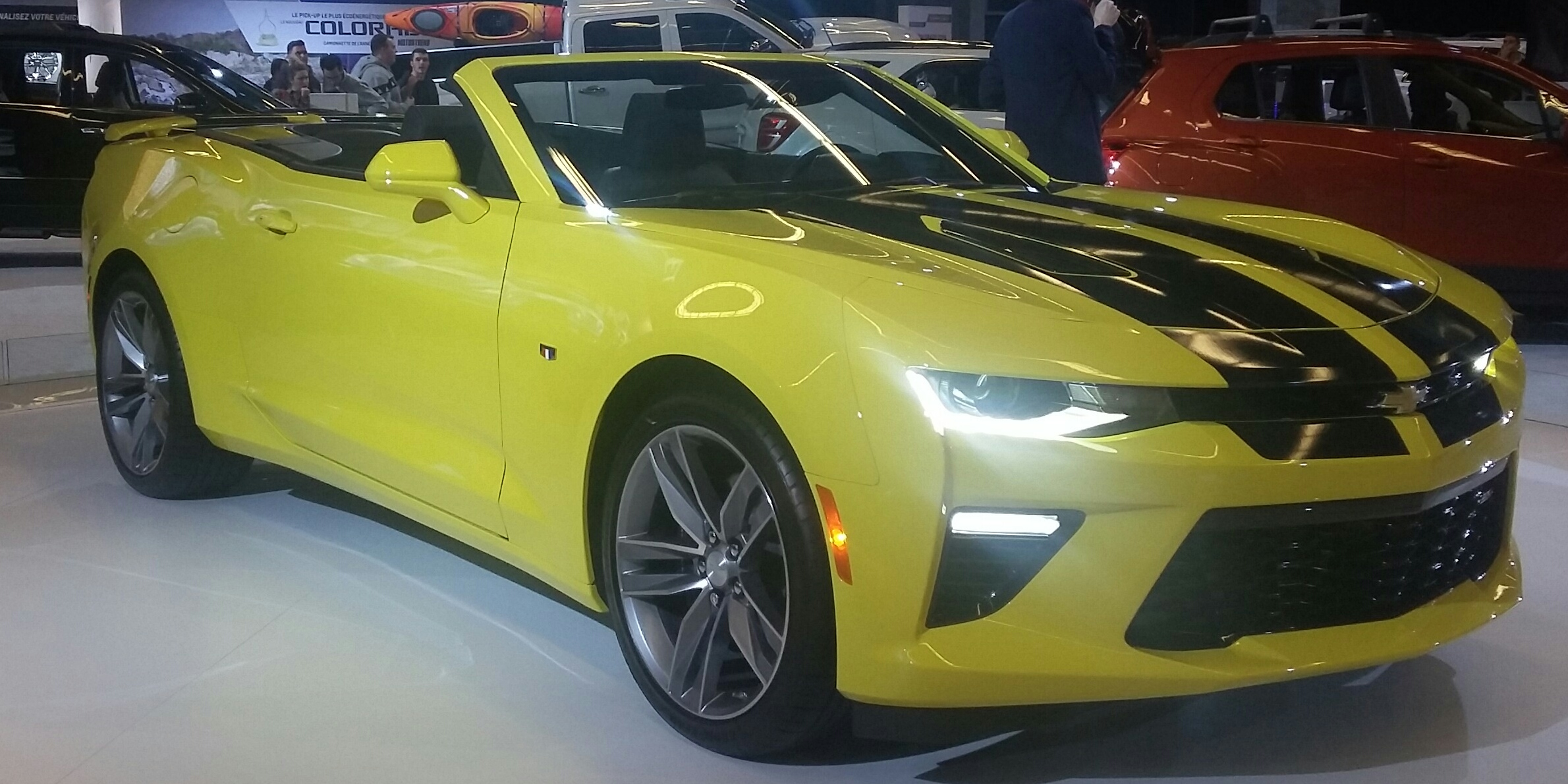
Chevrolet Camaro
"Mustangs and Camaros and sh**. And, and they raced like, they raced a little bit like"
A Camaro is a Chevrolet sports car. In this part of the conversation, it’s mentioned as one of the car types that were racing hard and making contact.
The Chevrolet Camaro is another classic American pony car that’s commonly seen in racing. The host is grouping it with Mustangs to describe the kind of hard, sometimes rough racing they were doing.
NASCAR
"And, and they raced like, they raced a little bit like NASCAR in the sense that there was contact, you know, they raced hard."
NASCAR is a major American racing series. The host is basically saying the racing they’re talking about felt similar—close and aggressive.
NASCAR is a stock-car racing series known for close racing, frequent door-to-door contact, and aggressive driving styles. The host uses it as a comparison point for how the Mustang/Camaro racing felt in terms of roughness and intensity.
Trans Am series
"So, but the Trans Am series is back and it's doing great things. And you see during the Raleigh series race, right?"
Trans Am is a famous American racing series. Instead of purpose-built race cars only, it often uses cars that are based on models you could buy from the street.
The Trans Am series is a long-running American road-racing championship known for touring-car-style race cars. It’s a major platform for drivers and teams to compete with production-based machinery, often featuring brands like Ford and Chevrolet.
Raleigh series race
"And you see during the Raleigh series race, right? Brent Crews is out there kicking ass, right?"
That phrase means there was a race event in the Raleigh area. Racing series visit different places, and each stop is a round of the season.
The “Raleigh series race” refers to a Trans Am–related event held in the Raleigh area. These location-based rounds are how racing series schedule competition across different tracks and dates.
Stage 1
"And Crews is out there, you know, putting a six second lead on them in the Stage 1. It's because of their, it's because of the time they're spending in Trans Am."
Some races are split into parts called stages. “Stage 1” is the first part, and drivers’ performance there can matter for the overall event.
“Stage 1” refers to an early segment of a race weekend where results can be tracked separately from the overall race. In series that use stages, drivers can earn momentum (and sometimes points) based on performance in each stage.
TA2 series
"But you got to value what the Trans Am series, the TA2 series is doing for guys like Brent Crews."
TA2 is a lower-level racing class tied to Trans Am. It’s meant to help drivers build experience and improve by racing regularly.
TA2 is a support/feeder class within the Trans Am ecosystem, designed to give up-and-coming drivers seat time in competitive machinery. The hosts connect it to driver development—learning techniques and becoming strong road-course racers.
road course racers
"It is giving them a platform to go out and really become freaking damn good road course racers."
A road course is a type of race track with lots of corners and braking. “Road course racers” are drivers who are especially good at that style of track.
A road course is a track layout with a mix of turns, braking zones, and varying corner types, unlike an oval. “Road course racers” implies drivers who specialize in that kind of technical driving and racecraft.
Kota
"He would, he ran, he goes and gets in the fire truck at Kota and out, you know, kicks everybody's ass by seconds in practice"
“Kota” likely means the Circuit of the Americas track in Austin. It’s a road course, so it tests braking, cornering, and overall driving skill.
“Kota” is a common shorthand for Circuit of the Americas (COTA) in Austin, Texas. It’s a road-course venue where practice and qualifying pace can quickly reveal who has strong car control and racecraft.
Millbridge
"Carson, uh, Quapple. [1702.2s] So, how does Carson, Carson, Quapple, who ran Millbridge and the Cars Tour,"
Millbridge is referenced as one of the places/series Carson raced before. The point is that he already had experience coming into Trans Am.
Millbridge is mentioned as part of Carson Quapple’s racing background, likely referring to a regional racing event/series. In this context, it’s used to show he has prior seat time before stepping into Trans Am-level competition.
Watkins Land
"So, how does Carson, Carson, Quapple, who ran Millbridge and the Cars Tour, can go out and be a top 10 guy at a Watkins Land because of his Trans Am experience?"
“Watkins Land” sounds like Watkins Glen, a well-known road-racing track. They’re saying drivers who cut their teeth in Trans Am can do well there too.
“Watkins Land” appears to refer to Watkins Glen, a famous road course in New York. The hosts are arguing that Trans Am experience translates into strong results at that kind of track.
Cars Tour
"So, how does Carson, Carson, Quapple, who ran Millbridge and the Cars Tour, [1709.1s] can go out and be a top 10 guy at a Watkins Land because of his Trans Am experience?"
Cars Tour is a racing series the driver competed in. They’re using it as evidence that he’s been racing and improving before moving up.
The Cars Tour is a stock-car racing series mentioned as part of the driver’s résumé. The hosts are using it to connect earlier racing experience to later success on road courses.
ARCA series
"I'd have him racing in the Cars Tour and I'd sprinkle in some Arca races. You know, I like the Arca series, but I don't love all their races."
ARCA is a racing series that helps drivers gain experience and move up the ladder. They’re saying you don’t need every ARCA race—just the right ones for the kind of track time you want.
The ARCA series is a U.S. stock-car racing ladder that often serves as a stepping stone for drivers aiming for higher-level NASCAR competition. The hosts discuss using only select ARCA events—especially at larger road-course-capable venues—to build specific experience.
Kansas
"But I would probably run them in a few select events in the Arca series to get some big track like Kansas, Charlotte, that kind of stuff."
Kansas is a well-known race track used for big events. The host is listing major tracks where certain races can give a driver useful experience.
Kansas refers to the Kansas Speedway venue, which is known primarily for oval racing but is often used in series schedules as a major track. In this context, it’s grouped with other big venues to describe “select events” for development.
Charlotte
"like Kansas, Charlotte, that kind of stuff."
Charlotte is a famous racing area with major tracks. The host is saying you’d pick certain big-track races to help a young driver.
Charlotte refers to the Charlotte-area motorsports venues (most commonly Charlotte Motor Speedway) that host major stock-car events. The host uses it as an example of a “big track” event to choose selectively.
road course racing
"Then I'd race some Cars Tour full time and I'd run a bunch of Trans Am races just to get them as much road course racing experiences. ... When you run ovals your whole life."
A road course is a type of race track with lots of corners and braking. The point here is that if you only race ovals, you may not be ready for road courses.
Road course racing is driving on tracks with turns, elevation changes, and braking zones, rather than steady left turns on ovals. The hosts emphasize that it’s a different skill set than oval-only experience and that drivers can struggle when they switch to road courses.
trucks
"... then they coming into the trucks or a rally, they're damn good road course racers right out of the gate. ... you're going to be, be struggling when you get in a truck in a rally series full time"
“Trucks” refers to a truck racing series (commonly the NASCAR Camping World Truck Series) where drivers move from other series into a different vehicle category. The hosts argue that road-course skill transfers, but oval-only drivers may struggle when they switch to road courses in trucks.
Ark at the Glen
"You learn the basics and you apply it to the trucks and even Ark at the Glen was there this weekend too."
This sounds like an ARCA race at Watkins Glen, which is a road-course track. The host is pointing out that road-course racing was happening right then.
“Ark at the Glen” appears to refer to an ARCA event at Watkins Glen (often called “The Glen”), a road-course venue. The mention reinforces the idea that road-course experience matters and that ARCA was competing there that weekend.
Pike's Peak racing for the championship
"So we're at Pike's Peak racing for the championship. We're in a battle with Matt Kenseth."
They’re talking about a championship race at Pike’s Peak and how the fight on track affected their chances.
This segment is about a championship race at Pike’s Peak and the on-track battle that shaped the outcome. It frames the rest of the discussion around race strategy and timing.
tire limitations
"NASCAR had rally, you know, NASCAR had tire limitations or tire rules for the Raleigh series back then, the Bush series."
It means the race rules limit how tires can be used. Teams have to plan when to switch tires, which can affect speed and track position.
In NASCAR, “tire limitations” are rules that restrict how tires can be used during a race (for example, limiting sets or when you can switch). These rules force teams to plan pit stops and tire strategy instead of simply running fresh tires the whole time.
tire strategy
"We had saved a set of tires and no one else did... We got a really, really good car, but we had been out on old tires long and we lost a lot of track position... NASCAR decided to give everybody in the field another set of tires with like 80 laps to go in the race."
Tire strategy is about deciding when to use old tires and when to switch to new ones. Since tires wear out and lose grip, that timing can decide whether you move forward or fall back.
“Tire strategy” is how teams plan tire usage over the race—when to run older tires versus when to switch to fresh ones. Because tire wear affects grip and lap times, strategy decisions can determine whether you gain or lose track position.
track position
"We got a really, really good car, but we had been out on, we ran on old tires long and we lost a lot of track position, but we knew, man, we're going to have a set of tires with 80, 60 laps to go."
Track position is basically your position on the track compared to other cars. If you fall back, it can be tough to catch up because passing takes time.
“Track position” is where a car sits on the circuit relative to other cars at any moment. In racing, losing track position—often due to pit timing or tire wear—can be as damaging as being slower, because it’s hard to pass on many tracks.
yellow
"I'm trying to get back forward in the race and I called him and I needed a yellow to trigger the gains I needed to make."
A “yellow” is when the race slows down because of something on the track. Since everyone slows together, it can help you gain spots or make a pit stop with less time lost.
In NASCAR, a “yellow” refers to a caution period triggered by an incident, where cars slow down and racing is controlled. Teams often time pit stops and strategy around cautions because the field bunches up, making it easier to gain positions.
track limits
"[2942.0s] What did you, uh, from the cup race, what did you guys think of the, uh, track limits? [2947.3s] I mean, or whatever you, the barriers they put up."
Track limits are the boundaries on the race track that drivers are allowed to use. If you go outside those boundaries, NASCAR can penalize you because it can become an unfair shortcut.
In NASCAR, “track limits” are the rules about where a car is allowed to drive on the circuit. If you go beyond the allowed area (often using curbs, runoff, or specific sections), officials may penalize you or treat it as an illegal advantage.
barriers
"[2947.3s] I mean, or whatever you, the barriers they put up. [2949.2s] I didn't care. [2949.8s] They're fine."
In oval racing, “barriers” are the safety structures placed around the track to slow and absorb impact. Changes to barrier placement can affect how drivers approach corners and how aggressively they can defend or pass.
carousel
"[2951.7s] I don't, um, [2953.0s] I kind of wish one was just a wall, like leaving the, leaving the carousel there. [2958.2s] You liked what they did down in the carousel and you want that in term one."
“Carousel” is a nickname for a particular set of turns on the course. Drivers talk about it because the way you go through those turns affects your speed and chances to pass afterward.
“Carousel” is a nickname for a specific corner sequence on some NASCAR road courses/road-course layouts. Drivers often discuss it as a distinct passing/entry/exit area because the line you take through the carousel can determine your speed into the next section.
term one
"[2958.2s] You liked what they did down in the carousel and you want that in term one. [2962.5s] I think it might be what I, so I, well, I think this created more passing"
Turn one is the first corner drivers hit each lap. It’s important because it’s a common place to pass, and track changes there can make passing easier or harder.
“Turn one” (spoken as “term one”) is the first corner of the lap, and it’s often a key overtaking spot. Changes to barriers or track layout near turn one can increase or decrease passing opportunities by affecting braking zones and run-off.
created more passing
"[2962.5s] I think it might be what I, so I, well, I think this created more passing [2966.7s] off of one because you couldn't run."
“Created more passing” means the track setup made it easier for drivers to overtake. Things like where the walls and safe areas are can change how drivers can attack and defend in corners.
When hosts say a track change “created more passing,” they’re referring to how circuit design affects overtaking. Layout elements like barrier placement, runoff, and where cars can legally run influence whether drivers can carry speed, defend, and attempt moves.
sand traps
"I want the damn sand traps back. Yeah, put sand there. I'm fine with that."
Sand traps are sandy areas next to the track meant to catch cars that go off course. The sand helps slow the car down so it doesn’t keep sliding back onto the track.
Sand traps are runoff areas filled with sand designed to slow and stop cars that leave the racing surface. They act like a mechanical brake—once a tire digs in, the car loses speed quickly, reducing the chance of a car rejoining at high speed.
caution
"Stopping the race and having to throw a caution. So the reason why we got away from that is you'd be, you'd be, uh, halfway into an orally or a truck race or whatever."
A caution is when the race slows down because something happened on the track. Drivers can’t race at full speed until officials say it’s safe again.
In racing, a caution (often shown with a yellow flag) means the race is slowed because of an incident on track. Drivers must reduce speed and follow the safety rules until the track is cleared, which can bunch the field and change strategy.
bus stop
"And some dummy running 28th would get spun around in the bus stop and end up stuck in the sand after a, on a restart, like not even a lap completed. And now we got another yellow. Yeah, that's true."
“Bus stop” is the name of a specific tricky part of a race track. It’s usually a tight area where it’s easy to make a mistake and end up in the runoff.
“Bus stop” is a track section name for a tight sequence of corners that forces heavy braking and careful car placement. Because it’s a low-speed, high-load area, mistakes there can easily send cars into runoff and trigger cautions.
runoffs
"And so they just started paving all the runoffs and maybe they didn't need to pave all of them. The bus stop, sure, paved the bus stop."
Runoffs are the extra space next to the track. If a car goes off the racing line, the runoff is where it can slow down instead of hitting something harder.
Runoffs are the paved or unpaved areas beside (or beyond) the track that give drivers a place to slow down if they miss the racing surface. How they’re built—sand vs. pavement—affects how easily cars can get back going and how often incidents lead to cautions.
turn one
"…where you had that silly ass turn one. …They've cut the curves down. You can run wide. You can get on the curb on the outside."
Turn one is the first corner on the track. It’s often where things get dicey because everyone is bunched up and drivers are trying to set up for the rest of the lap. The host talks about how changes to that corner can affect how drivers take it.
Turn one is the first corner of a circuit, and in NASCAR it’s often a high-risk spot where drivers can lose positions or get into incidents. The host discusses how some tracks have had problematic turn-one behavior and how changes (like cutting curves down) can affect what drivers can do there. They also mention running wide and using the curb on the outside.
stage breaks
"Restarts. So much so that they have put stage breaks in the race where we have two built in restarts."
Stage breaks are how NASCAR divides a race into sections. The race isn’t just one long run—there are checkpoints where the event is effectively split up. In this case, those breaks also lead to planned restarts.
Stage breaks are scheduled segments within a NASCAR race. Instead of running the whole event as one continuous contest, NASCAR splits it into stages, which can include points incentives and planned timing for cautions/restarts. In this segment, the host notes that stage breaks create built-in restarts.
restart zones
"And we've also moved the restart zones to help on the restarts as well. Help the restarts be cleaner."
A restart zone is a specific part of the track where the restart is supposed to happen. NASCAR can move that zone to change how orderly the restart is. The goal is to reduce chaos and make restarts smoother.
Restart zones are designated areas on the track where NASCAR requires cars to be positioned and where the restart procedure begins. Moving restart zones can change how cleanly restarts happen by controlling where drivers can accelerate and organize. The host says they moved restart zones to help make restarts cleaner.
Indy Road course
"…move the restart zone at Kota at Indy Road course and those type of tracks where you had that silly ass turn one."
“Indy Road course” refers to the road-course configuration at Indianapolis Motor Speedway (often called the Indy road course). The host groups it with other tracks where turn one can be problematic and where NASCAR may adjust restart zones to improve restart quality. It’s track-specific procedural context rather than a car tech topic.
Portland
"…Like Portland and so forth. The Glenn could get bad at times."
“Portland” is a race track venue. The host brings it up because some tracks have turn-one characteristics that can affect how restarts go. It’s track context, not a car modification topic.
“Portland” likely refers to Portland International Raceway, a road course used for racing events. The host mentions it in the context of tracks where turn one and restart behavior can be problematic, implying track layout influences how NASCAR manages restarts. This is mainly venue context.
The Glenn
"Like Portland and so forth. The Glenn could get bad at times."
“The Glenn” is a nickname for Watkins Glen International, a well-known race track. The host is saying that track can have rough moments at times, which affects how restarts and incidents play out. It’s about the venue, not a car part.
“The Glenn” is a common nickname for Watkins Glen International, a road course in New York. The host says turn-one/restart-related behavior can get bad there at times, reinforcing that track-specific geometry and runoff/curbing can affect race incidents and restart cleanliness. It’s venue context for NASCAR race management.
G forces
"You know, the G forces that were going through their heads, they had these mouthpieces in and they were seeing some stupid numbers on these G forces hitting them curbs and"
“G forces” are how hard the car is accelerating or turning, measured compared to gravity. If the number is high, it can feel intense and tiring, and it can make driving harder. The hosts are talking about how big those forces get in the corners.
“G forces” are the acceleration loads a driver experiences, expressed as a multiple of Earth’s gravity. In racing, high G loads can make the car feel “violent” and can also affect driver control and fatigue. The episode mentions drivers using mouthpieces while monitoring these loads.
curbs
"they were seeing some stupid numbers on these G forces hitting them curbs and I get it. But, you know, we've taken all the curbs out of the track and now we fly through the bus stop."
Curbs are the raised strips at the edge of the track. Drivers can use them to help take a corner, but hitting them can also make the ride feel rough and intense. The hosts say removing curbs changes how fast cars go and how easy it is to pass.
Curbs are the raised edges along the track that define the limits of the racing surface. Drivers often use them to help rotate the car and maintain speed, but hitting them can also increase loads on the car and driver. The segment says curbs were removed/knocked down, which changes speeds and affects passing.
passing zone
"That braking zone getting down into the bus stop, isn't as much of a passing zone as it used to be."
A passing zone is a part of the track where it’s realistically possible to overtake. It depends on things like how hard you can brake and how much speed you can carry into the corner. The hosts say the newer track configuration makes fewer areas good for passing.
A passing zone is the track area where overtaking is realistically possible, usually because braking, traction, and line choice create an advantage. The hosts argue that changes like shorter braking zones and higher speeds reduce the number of places where drivers can attempt a pass. They specifically discuss how the bus stop area used to be a strong passing spot.
mid-corner speed
"And then they knocked all the curbs down and now mid-corner speed and all of the turns is higher, which hurts passing."
Mid-corner speed is how fast the car is while it’s actually in the turn. If cars go through corners faster, it can be harder to get close enough to overtake. The hosts say the newer setup raises mid-corner speed, hurting passing.
Mid-corner speed is how fast the car is while it’s in the middle of a turn, not just at entry or exit. Higher mid-corner speed usually means the car carries more momentum through the corner, which can reduce the time and distance available to set up a pass. The hosts link higher mid-corner speed to worse passing.
dive bomb
"He is, but is the 42 not dive bombing too? That's a dive bomb. [3857.9s] I mean, you're going to fill the gap. Everybody does."
A “dive bomb” is when a driver waits until the very last second to brake, then tries to squeeze into a corner to pass. It’s exciting but can be dangerous if the other driver isn’t expecting it.
A “dive bomb” is an aggressive late-braking move where a driver brakes very hard at the last moment to get into a corner and challenge for position. It’s risky because it can force other cars to react suddenly and can lead to contact if the timing is off.
lift early
"If John Hunter lifts early, somebody's going to dive on him or run into him. [3863.9s] I don't know what's behind him."
“Lift early” means the driver lets off the gas earlier than usual. In a race, that can surprise other drivers and make it harder for them to time their passing move.
“Lift early” means easing off the throttle sooner than expected before or during a corner entry. In racing, that can change the car’s balance and speed, and if another driver is counting on a different pace, it can trigger a collision or a late dive.
apex
"Yeah, but look, John Hunter's missing the apex. [3867.6s] Watch his car. He's definitely going up, but there he's missing the corner."
The “apex” is the inside point of a corner that racers try to hit. If you miss it, you often lose speed or end up with a worse path through the turn.
The “apex” is the point on a race track where a car aims to be closest to the inside of a corner. Missing the apex usually means the car’s line is off, which can cost speed and make it harder to carry momentum through the turn.
stop the bleeding
"Bubba's turning and cutting across the racetrack to kind of, you know, [3882.9s] get into, you know, stop the bleeding, so to speak."
In racing talk, “stop the bleeding” is a metaphor for reducing the damage from a bad situation—like losing position or getting caught in traffic. It usually describes a driver’s attempt to regain control of the race line and prevent the situation from getting worse.
tire packs
"John Hunter was a bit aggressive there. [3890.3s] With them tire packs there, you could actually cross guys that were driving in."
“Tire packs” means groups of cars that are close together and running at similar tire wear and speed. When cars are bunched up, there’s more opportunity—and more risk—for drivers to make passes.
“Tire packs” refers to clusters of cars running close together on similar tire condition and pace, often creating traffic-like situations. When cars are bunched up, it becomes easier to cross paths and attempt moves that might be harder with more spacing.
tire wear management
"It's easier on the rear tire in the braking zone... [4178.2s] And you really see the, the benefit of that on the end of the run, [4182.2s] whereas your car is still making a lot of pace, [4187.5s] whereas other guys have pissed their tires off throughout the run."
Tire wear management means driving so your tires don’t get ruined too fast. If you protect them early, you can keep grip and stay quick later in the race.
Tire wear management is the strategy of driving in a way that keeps tires from overheating and degrading too quickly. The goal is to preserve grip so the car can still be fast later in the run, rather than losing traction as the tires get “pissed off.”
rear tire
"It's easier on the rear tire in the braking zone. [4172.2s] There's all kinds of things that you're doing... to allow the car to get down in the corner deeper and not beat the tire up."
Rear tires are the tires on the back of the car. If they get overheated or worn out during braking and corner entry, the car loses grip and can’t stay fast through the turn.
The rear tires are the tires at the back of the car, and in many race setups they do a lot of the work for traction and stability. If the driver’s technique (including clutch/braking coordination) causes too much slip or heat, the rear tires can wear quickly, reducing grip for the rest of the run.
lock diff
"it's all, all I've known, but I used to do it because you had to in a V8 supercar, you know, with the lock diff. Why did you have to?"
A lock diff forces the two wheels on the same axle to spin together. That can help when one wheel starts slipping, but it can change how the car turns.
A “lock diff” refers to a differential that can be locked so both wheels on an axle rotate together instead of allowing speed differences. That can improve traction when one wheel would otherwise spin, but it can also make the car less free to turn.
rear lock
"So you could control the rear lock and the brake zone. And then as you got to the brake zone, you'd, the clutch would be out as you turned in"
When you brake too hard, the back tires can lose traction and start sliding. Drivers try to control that slide so the car turns the way they want instead of getting unstable.
“Rear lock” refers to the rear tires losing grip and sliding during braking or turn-in. Controlling rear lock is important because it changes how the car rotates and how stable it feels while you’re braking into a corner.
brake zone
"So you could control the rear lock and the brake zone. And then as you got to the brake zone, you'd, the clutch would be out as you turned in"
The “brake zone” is the section of the track where you slow down before you turn. Hitting it at the right time helps the tires stay grippy and makes the car easier to steer into the corner.
“Brake zone” is the specific part of the track where the driver brakes heavily before turning in. It’s a key timing reference in racing because braking too early or too late changes tire grip and the car’s balance at turn-in.
diff is open
"But in this, you don't need to because the diff is open. So it, you don't really have rear locking because you can run so much more front brake bias."
An “open diff” lets the left and right wheels spin at different speeds. That means you don’t have to force the back end to slide or lock up to get the car to turn.
When the “diff is open,” the differential allows the left and right wheels to rotate at different speeds without forcing them to match. That reduces the need for braking-induced rear rotation tricks because the car can still turn without relying on rear wheel lock or limited-slip behavior.
front brake bias
"So it, you don't really have rear locking because you can run so much more front brake bias. Right."
Brake bias is how much of the braking happens at the front versus the back. More front bias usually keeps the back tires from locking up, so the car stays easier to control while turning in.
“Front brake bias” is how braking force is distributed between the front and rear axles. More front bias typically keeps the rear from locking, improving stability and allowing consistent turn-in without excessive rear slide.
down change every lap
"So Martinsville took me a little bit to do, because that's one where you really down change every lap."
At a track with lots of braking, you often shift into a lower gear. That helps the car slow down and then pull back strongly when you’re ready to speed up again.
On a short-track oval like Martinsville, drivers often need to brake hard and slow down repeatedly. “Down change” here refers to downshifting to a lower gear so the car can accelerate out of corners effectively after each slowdown.
Martinsville braking and pedal technique
"So Martinsville took me a little bit to do, because that's one where you really down change every lap... So yeah, now I just transition to two foot."
This segment focuses on how Martinsville’s braking demands affect driving technique. The discussion centers on downshifting frequency, timing coordination, rear-tire management, and switching from one-foot to two-foot control.
sync up the timing
"But now I'm sort of used to it and I can sync up the timing and look after the rear tires now."
Racing is all about doing actions at the right moment. Here it sounds like he learned the exact timing for braking and transitioning so the car behaves better.
In racing, “timing” is how precisely you coordinate braking, shifting, and throttle application relative to the car’s position on track. “Sync up the timing” suggests the driver learned the exact moment to brake and transition so the car stays stable and the tires work efficiently.
not right foot brake
"And then that may be not right foot brake. At first Martinsville, I was still doing that."
The phrase contrasts “right foot brake” with a different braking technique. It implies the driver initially braked using only one foot, then changed to a two-foot approach to better control the car during braking and transitions.
two foot
"So yeah, now I just transition to two foot. Yep."
“Two foot” refers to using both feet for braking and throttle control—typically one foot on the brake and the other on the accelerator. This technique can help drivers modulate deceleration and maintain balance, especially when transitioning through heavy braking zones on ovals.
break later
"Oh, tell Brad to break later. We'll follow you."
In racing, “break later” means you wait longer before slowing down for a turn. If you do it right, you go into the corner faster, but you have to be very accurate.
“Break later” is racing shorthand for braking closer to the corner entry rather than earlier. Doing it well lets you carry more speed into the turn, but it’s harder because you must judge grip and distance precisely.
roll off the brake
"And you couldn't just roll off the brake and stay around the outside of someone."
“Roll off the brake” means you gradually stop pressing the brake as you start turning. The point here is that the outside line didn’t work as easily—drivers needed more braking/precision than usual.
“Roll off the brake” means easing off braking pressure as you transition from slowing down to turning in. If you can’t “stay around the outside” while rolling off, it usually indicates the outside line doesn’t have enough grip or stability at that moment.
astroturf
"they have like a car width strip of astroturf on the exit of the corner. And if you go out there, there's a bit less grip, but you can still get away with it."
Astroturf is fake grass. On a race track it can be slippery compared to pavement, so if you end up on it you may lose grip—though sometimes you can still control the car if you’re careful.
Astroturf is artificial turf used on some racetrack runoff or exit areas. It typically offers less and more inconsistent grip than asphalt, which can make it easier to lose traction—but sometimes drivers can still “get away with it” if they manage speed and steering carefully.
race ender
"but those, those tie bundles, they're a race ender. And we saw that a couple of people hit them."
A “race ender” means something that likely ruins your race. Here, it’s basically saying that hitting those objects usually causes serious trouble.
A “race ender” is slang for something that all but guarantees a driver’s race is over—usually due to heavy damage or a situation that forces retirement. In this context, hitting the “tie bundles” is treated as catastrophic.

Chevrolet Corvette
"But I, I would, when, yeah, I, I started, I raced that Corvette no one with dad."
A Corvette is a Chevrolet sports car. On a race track, it’s known for being fast and for how it handles when you’re driving hard.
The Chevrolet Corvette is a long-running American sports car known for its front-engine, rear-wheel-drive layout and strong performance potential. In racing contexts, people often talk about how the car’s balance and power delivery feel on track, especially during close wheel-to-wheel driving.
H pattern shifter
"We, I wasn't, we had that H pattern shifter. And I had a real bad habit of I would, I would go into the bus stop and downshift."
A H pattern shifter is the usual layout for a manual car’s gear lever. You move the lever in a pattern that looks like an “H” to pick different gears.
An H pattern shifter is the gate-style layout used on many manual transmissions, where gears are selected by moving the shift lever in an “H” shape. It’s important in racing because your hand position and shift timing affect how quickly you can downshift and stay stable under braking.
dog rings
"And all the while, you know, I drive, I drove some of the race holding onto the shifter and I beat the, I wore out the dog, the dog rings. There's these things in the shifter that call dog rings."
Dog rings are small internal parts in a manual gearbox that help “lock” a gear so it stays engaged. If they wear out, the car can slip out of gear even when you’re driving hard.
“Dog rings” are parts inside a manual transmission’s gearset that engage to lock a selected gear in place. When they wear out, the transmission can pop out of gear or fail to stay engaged under load.
popped out of gear
"Like it just went into neutral and it wouldn't stay, even the full throttle wouldn't stay in gear. And so probably around 14 or 15 laps to go, I just had to start driving the whole lap"
“Popped out of gear” describes a transmission that loses engagement and drops back to neutral or another state unexpectedly. In a worn-gear scenario, it can happen during hard throttle or even while coasting, making the car unreliable to drive.
full throttle
"Like it just went into neutral and it wouldn't stay, even the full throttle wouldn't stay in gear. And so probably around 14 or 15 laps to go, I just had to start driving the whole lap"
Full throttle means the accelerator pedal is fully depressed, commanding maximum engine power. If a transmission is failing to stay in gear, even full throttle won’t produce the expected acceleration because the drivetrain engagement is compromised.
fuel pickup issues
"But Ron was having some fuel pickup issues and he was, he was sputtering down the straightaways and, you know, you could tell when I get the move off of turn seven, coming to the white flag,"
Fuel pickup issues mean the engine isn’t consistently getting fuel from the tank to the fuel system. On track, it often shows up as sputtering or hesitation during acceleration, especially under braking, cornering, or sustained high load.
holding onto the shifter
"And because if you let go of it literally, like anywhere on the racetrack, if you let go of it, it popped out of gear because I had been my bad habit of holding onto the transmission stick while we're driving around the racetrack."
Holding onto the shifter while driving can apply unintended force to the transmission’s shift mechanism. In this story, that habit is blamed for accelerating wear on the internal engagement parts, leading to gear retention problems.
joint all star race
"Next question. What do you think of the idea of having some sort of joint all star race with O'Reilly? And you find that's my idea."
It’s basically a special race where different groups of drivers come together instead of running separate events. The idea here is to mix NASCAR’s usual weekend structure with an All-Star-style event.
A “joint all star race” is a crossover event where drivers/teams from different series or organizations compete together in one race format. In this segment, the hosts are discussing combining NASCAR-style weekend elements with an All-Star concept tied to O’Reilly.
24 hours of Daytona
"when I was out there broadcasting with NBC at the 24 hours of Daytona, I thought, man, why can't NASCAR have a class in the 24 hours of Daytona?"
The “24 Hours of Daytona” is a race that lasts a full day. Teams have to manage things like tires and fuel while drivers rotate in stints.
The “24 Hours of Daytona” is an endurance race where cars run continuously for a full day, requiring careful fuel, tire, and driver-stint management. It’s used here as a reference point for the idea of NASCAR running a similar long-duration event.
Le Mans race
"and they end up doing this, right in the Le Mans race with a modified version of of the next gen car."
Le Mans is a legendary long-distance race in France that lasts 24 hours. The point being made is that endurance racing has already been attempted with a modified version of a newer NASCAR-style car.
The Le Mans race refers to the 24 Hours of Le Mans, one of the world’s most famous endurance events. The host notes that a modified “next gen” car concept has already been used in a Le Mans context, implying endurance-capable engineering and race strategy.
next gen car
"and they end up doing this, right in the Le Mans race with a modified version of of the next gen car."
“Next gen car” is a motorsports term for a newer generation of race car regulations and hardware. Here, it’s referenced as being modified for endurance racing (Le Mans), suggesting changes to make a NASCAR-style platform work in a different race environment.
Dover
"But when they when they said that they were going to take the All-Star Race to Dover, listen, no bulls***, everybody said Dover."
“Dover” is another major NASCAR race track. The host is saying people were excited about moving the All-Star event there.
“Dover” refers to Dover International Speedway, a well-known NASCAR venue. The host’s reaction (“everybody said Dover”) suggests Dover is a popular choice for special events because of its track character and fan expectations.
All-Star Weekend for all three series
"The way you do that is, you know, you put you have an All-Star Weekend for all three series and you could have you could tighten up the restrictions on how you get into the All-Star Race"
They’re discussing a NASCAR event format where multiple racing series run during the same weekend. The goal is to make the All-Star Race more exciting and harder to get into.
The hosts are talking about NASCAR’s All-Star event being expanded into a multi-series weekend, where different NASCAR divisions share the same overall event schedule. The idea is to make the All-Star Race feel more important and “spectacular” by combining series and adjusting how drivers qualify.
field size
"you could tighten up the restrictions on how you get into the All-Star Race, which would make the field size smaller and somehow find a way"
“Field size” is the number of cars/drivers entered in a race. In this discussion, shrinking the field is presented as a way to make the All-Star Race more exclusive and prestigious, since fewer drivers can qualify.
O'Reilly series
"you could even have all three truck O'Reilly and Cup in the same event. You know, if you could start 42, 43"
O’Reilly is a sponsor name attached to a NASCAR series. They’re talking about mixing cars from that series with others in the same on-track event.
“O’Reilly series” is the sponsor-branded name used for one of NASCAR’s national touring divisions (commonly the Truck Series). In the segment, it’s used to describe combining cars from different series in the same All-Star-style event.
moving chicane
"And you've got the moving chicane of slower cars that creates some unique situations and challenges for everybody involved"
A chicane is a set of turns that makes cars slow down and change direction. A “moving” chicane means the track setup changes, which can create tricky, unpredictable moments for drivers.
A “moving chicane” is a course layout where the track’s chicane (a sequence of turns that forces cars to slow and change direction) is adjusted or repositioned during the event. In NASCAR terms, it’s used to create variable racing situations—especially when faster and slower cars share the track—so drivers have to adapt in real time.
Chicagoland
"They showed, they were testing at Chicagoland and they showed the O'Reilly and the Next Gen on the racetrack together at the same time."
Chicagoland is a NASCAR race track. They’re referencing a test there where different types of NASCAR cars were on track at the same time.
Chicagoland refers to Chicagoland Speedway, a NASCAR venue where the hosts say they saw cars from different series tested together. The mention supports their point about how the cars compare visually and how mixed-series racing can work.
predictor
"How did the predictor do? TJ does not want to. TJ, you want to put your ear most on? ... Well, it was pretty spot on, I would say overall."
They’re talking about a prediction game they run for the race. They guess who will do well, then compare those guesses to the real results.
In this context, “predictor” refers to the show’s prediction game—picking likely performers for a race outcome. It’s basically a forecasting model or set of picks the hosts compare against what actually happened at Watkins Glen.
Watkins Glen
"but first off, let's talk about Watkins Glen. How did the predictor do?"
Watkins Glen is a well-known race track. The hosts are talking about how the race went there compared to their guesses.
Watkins Glen is a famous road course in motorsports, and it’s the venue they’re discussing for this all-star event. The hosts are evaluating how their predictions matched the on-track results there.
Request an Explanation
Heard something you'd like explained? We'll add it to this episode.
Sign in to request explanations for terms you heard.
Want to learn more?
Browse our glossary for plain-English explanations of automotive terms, jargon, and concepts.
Help improve this episode
See something that's not quite right? Our annotations are AI-generated and can sometimes miss the mark. Click the flag icon on any annotation to suggest a correction.