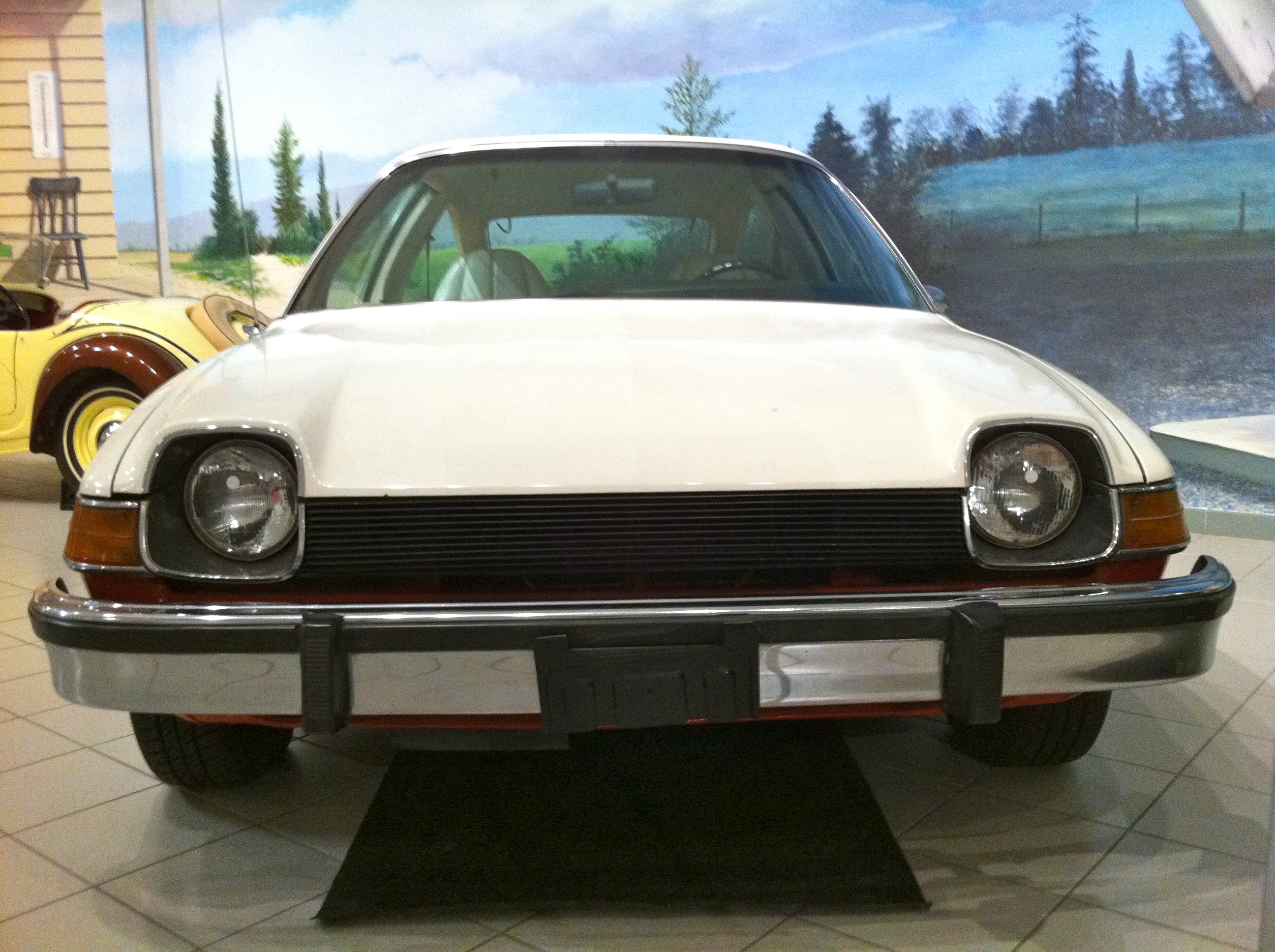
The Ford Pinto is a small Ford car that was made for everyday driving. It’s often talked about because it has a controversial reputation. In the episode, the host mentions a Pinto wagon they found while looking at cars online.
The Chrysler LeBaron is an older Chrysler model from the late 1980s into the early 1990s. This one sounds like a two-door convertible, and the host is describing how it smelled and felt—like a classic car vibe.
A digital dash means the car’s gauges are shown on a screen instead of with needle gauges. The host is wondering if this car has that kind of dashboard.
Front-wheel drive means the front wheels are the ones that pull the car forward. It’s a common setup in smaller cars because it’s practical and easy to package.
“No turbo” means the engine doesn’t have a turbocharger. So it makes power in a more straightforward way, usually with less peak power than a turbocharged version.
“Two point two liters” is the engine’s size. Bigger displacement often means the engine can move more air and fuel, which can affect how strong it feels.
A "fixed head coupe" just means a car with a roof that doesn’t open—so it’s not a convertible. It’s a specific type of body style you’ll see mentioned when talking about classic cars.
That phrase means the mechanic has to take out a big chunk of the power system—like the transmission and connected parts—to reach the clutch. It’s a lot more work than just swapping a small part.
“Flat floor four speed” means it’s a manual car with four gears, and the floor inside is mostly flat. It’s a specific setup detail that tells you how the car is configured.
“Smog solutions” are the emissions-control parts carmakers added to reduce pollution from the exhaust. The speaker is saying that, for cars of that era, those fixes didn’t really work the way people hoped.
“Labor strife” means problems between workers and management, like strikes. The speaker is suggesting that when factories were dealing with that kind of conflict, the cars coming out weren’t as well made.
MacPherson is a type of car suspension. It’s a design that uses a shock absorber that also acts like a structural support, helping the wheel move smoothly over bumps.
“Flat-rate” is a mechanic pay system. For each repair, the shop pays a fixed amount of labor time, even if the job takes more or less time in real life.
Restoration work means bringing a car back to a desired condition, often to look and function like it did originally. The speaker is saying it’s more straightforward and step-by-step than the custom engineering they do for other projects.
A restomod is an older car that’s been restored, but with modern upgrades. Instead of keeping everything exactly original, the goal is usually to make it drive better and feel more usable.
Suspension is the system that helps the car ride smoothly and handle bumps. When someone says they’re “building suspensions,” they mean they’re setting up the parts that control how the wheels move and how the car feels in turns.
An engine swap means replacing a car’s original engine with a different one. It usually takes a lot of custom work so everything fits and the car can run correctly.
“Short wheelbase” means the car’s front and rear wheels are closer together. That often makes the car feel more responsive in turns, though it can be a bit less stable when you’re going very fast.
The Ferrari 250 GTE is an old Ferrari model people recognize for its 3.0-liter V12. Here, they’re saying their car looks like one, but it’s not an original/fully authentic example.
“Fully injected” means the engine squirts fuel in electronically rather than using carburetors. That lets the engine manage fuel more accurately as you drive.
A Haltech ECU is the computer that controls how the engine runs—like fuel delivery and ignition timing. It’s how they’re able to tune the car instead of relying on the old factory electronics.
“Triggering ignition” means the engine uses sensors and a computer to decide exactly when to fire the spark. That gives more precise timing than older distributor systems.
A carbureted engine uses a carburetor to blend fuel and air. It’s not as precise as modern systems, so you can’t always turn the power up as aggressively without risking problems.
A distributor is an older ignition part that sends the spark to the right spark plug at the right moment. With older setups, timing control is less flexible than newer systems.
Detonation sensors detect knock (uncontrolled combustion) by listening for abnormal vibration or sound patterns in the engine. When the ECU detects knock, it can adjust ignition timing and/or fueling to prevent engine damage, letting the engine run closer to the edge safely.
Ferrari’s 250 is a famous classic sports car family from the 1960s. The speaker is talking about a build that aims to make one of these cars produce much more power safely.
Car
T 56 six speed
The T56 is a six-speed manual transmission. In this project, it’s being installed behind the engine to better handle stronger power and give a more modern driving feel.
The Ferrari 250 GTO is a very rare, high-end race car made by Ferrari in the 1960s. It’s known for being special and hard to find today. The podcast mentions it while talking about a custom mechanical setup built for that kind of car.
A bellhousing is the connector housing between the engine and the transmission. For a swap, it has to be custom-fit so everything lines up and bolts together properly.
A crank pulley is a wheel on the engine that turns belts. Those belts can spin things like the alternator or air conditioning compressor, so if it’s missing, adding accessories gets complicated.
The water pump moves coolant through the engine so it doesn’t overheat. Here, the host is saying the pulley that drives the alternator is tied to the water pump, not the crankshaft.
The AC compressor is the part that makes the air conditioner work by pressurizing the refrigerant. The host is saying the engine setup they’re working with doesn’t have an easy way to power it, so forcing it would be a bad idea.
Instead of running the air conditioner compressor from the engine belt, an electric compressor runs on electricity. That lets you add modern A/C to an older car even if the engine doesn’t have the right pulley setup.
The fender well is the area around the wheel inside the car’s fender. Putting the compressor there is about finding a spot to fit it without redesigning the whole engine bay.
The Alfa Romeo Spider is a classic Italian convertible. The 1983 version is from an earlier era, and people often drive them because they’re fun and feel light and direct.
The MG TC is an old-school British sports car. In this case it’s been modified with a supercharger, which is basically a device that boosts the engine so it feels faster and more exciting.
A supercharger is a device that pushes extra air into the engine. More air usually means more power, so the car can feel much stronger than it would in stock form.
“Five-speed” means the car has five forward gears. More gears can help the engine stay in the right range so driving feels smoother or more responsive.
They’re saying owning cars can feel like a responsibility. With multiple cars, you have to keep up with maintenance and care, so it can feel like a burden even if you love them.
This is a 1979 Z-car from Datsun/Nissan. It’s a classic Japanese sports car from the late 1970s, and people still talk about how it compares to other Z cars.
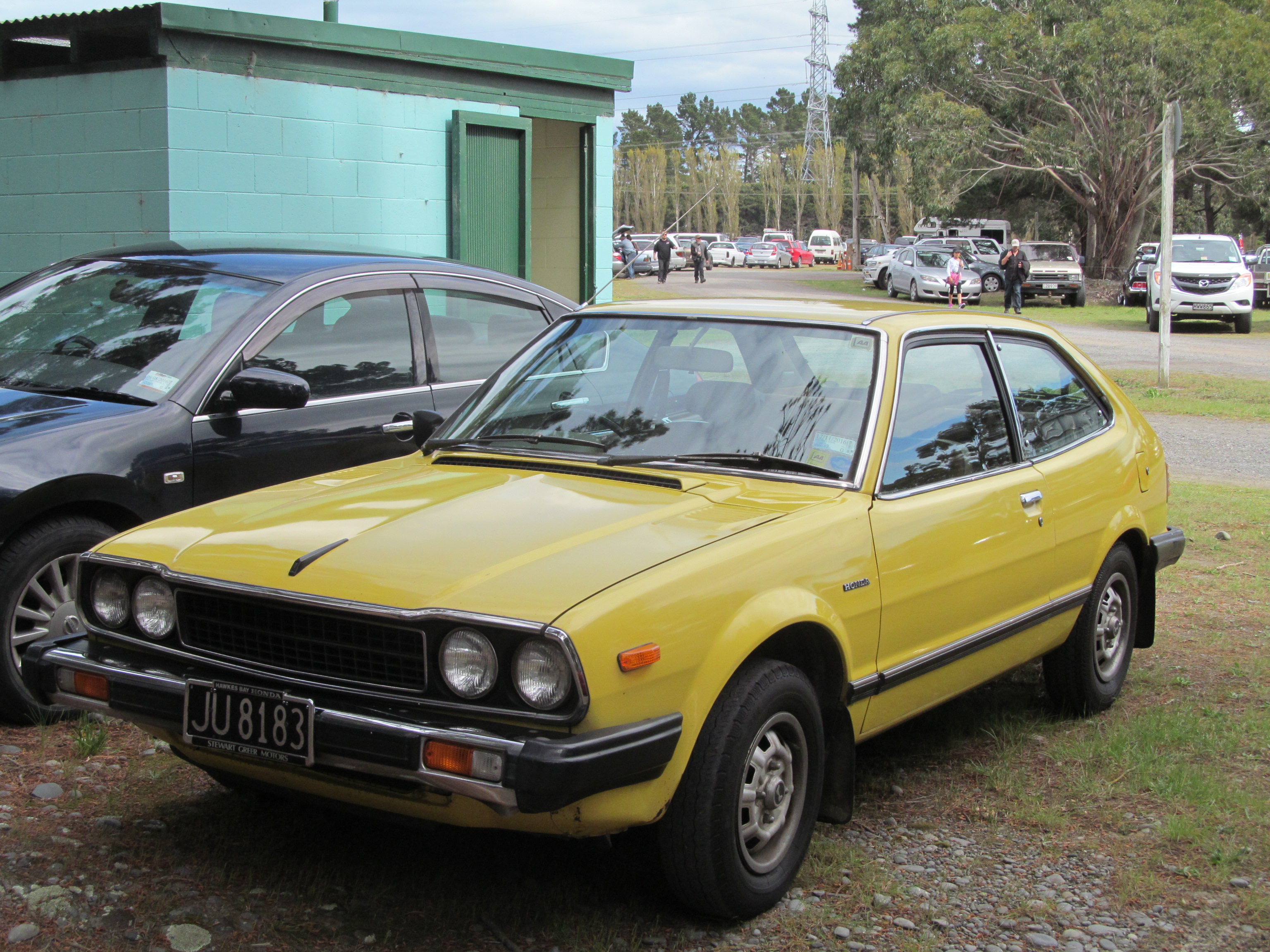
The Datsun 280Z is a sports car from the late 1970s, made to be fun to drive. It’s part of the Z-car line that many enthusiasts still talk about. In the episode, it’s mentioned because someone bought a 1979 model and had a bad experience with it.
The sidewall is the outer part of the tire. If the car leans so much that it’s basically riding on the sidewall, it means the tire stopped gripping the road the way it normally should.
If the car is “sideways,” it means it’s sliding rather than gripping and turning normally. The car is rotating, so it doesn’t follow the line you’re trying to drive.
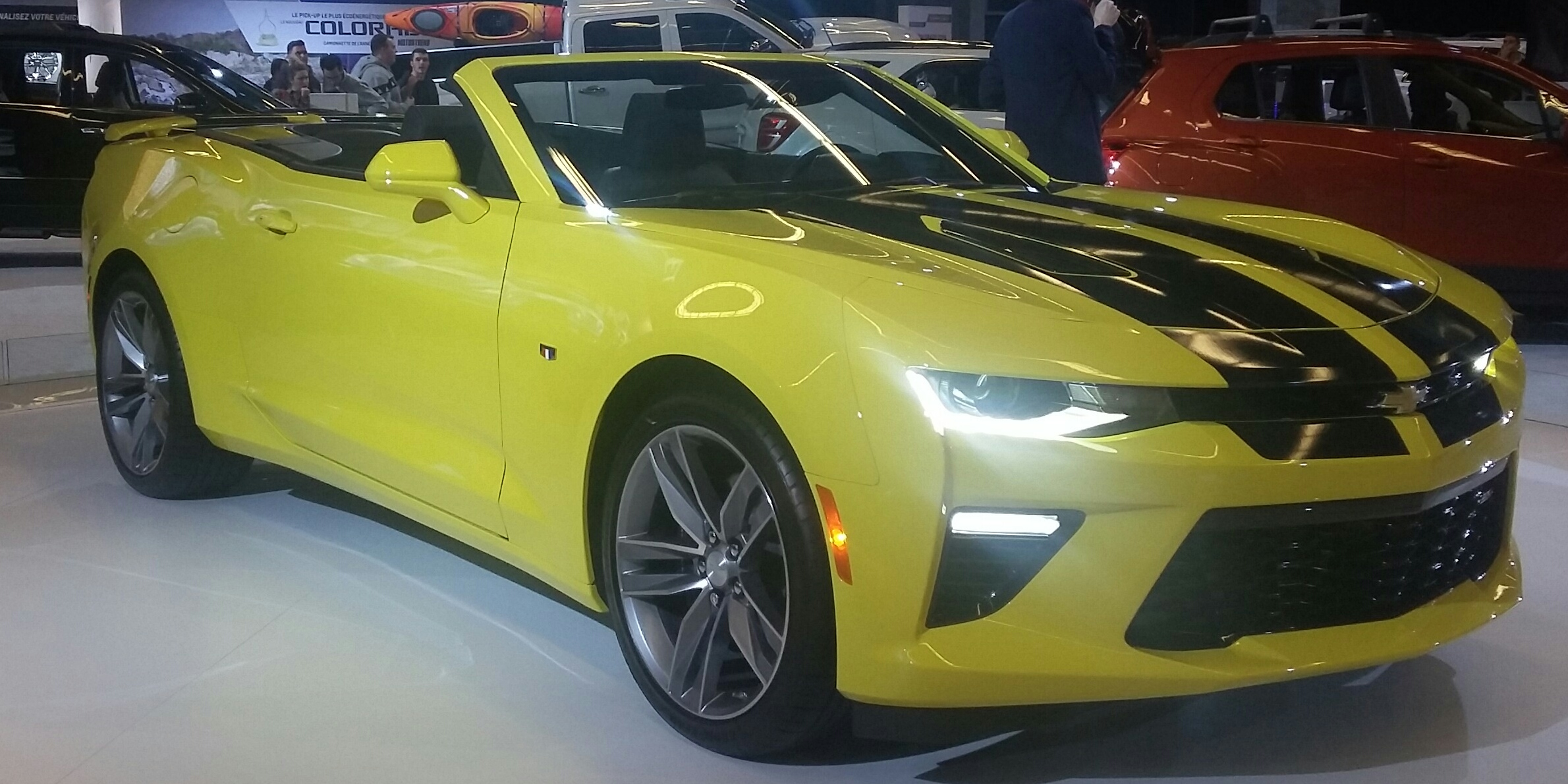
A Camaro is a classic American muscle car made by Chevrolet. Here it’s mentioned because the speaker and friends were driving it around back when they were younger.
A 1965 Stingray is a classic Corvette, a famous American sports car. The speaker is talking about his specific one and what makes it special under the hood and in how it drives.
Term
L79
L79 refers to a specific Chevrolet small-block V8 engine option (a high-performance 327) used in mid-1960s Corvettes. It’s a factory performance package designation, so it signals a more aggressive engine than a base 327.
Term
327
The 327 is the engine’s size—how much air and fuel it can move—measured in cubic inches. Here it’s the 327 V8 in the Corvette, and the speaker says it’s the higher-output version.
“Close ratio” means the gears are spaced closer together, so the engine doesn’t drop too far between shifts. With a four-speed, it helps the car feel punchier when you’re driving hard.
Knockoffs are a special way performance wheels can be mounted and removed quickly. They’re often seen on older race-inspired cars and look very “serious.”
Term
inside pipes
“Inside pipes” is about how the exhaust is routed on the car. The speaker is basically saying the exhaust setup makes it sound especially loud and aggressive.
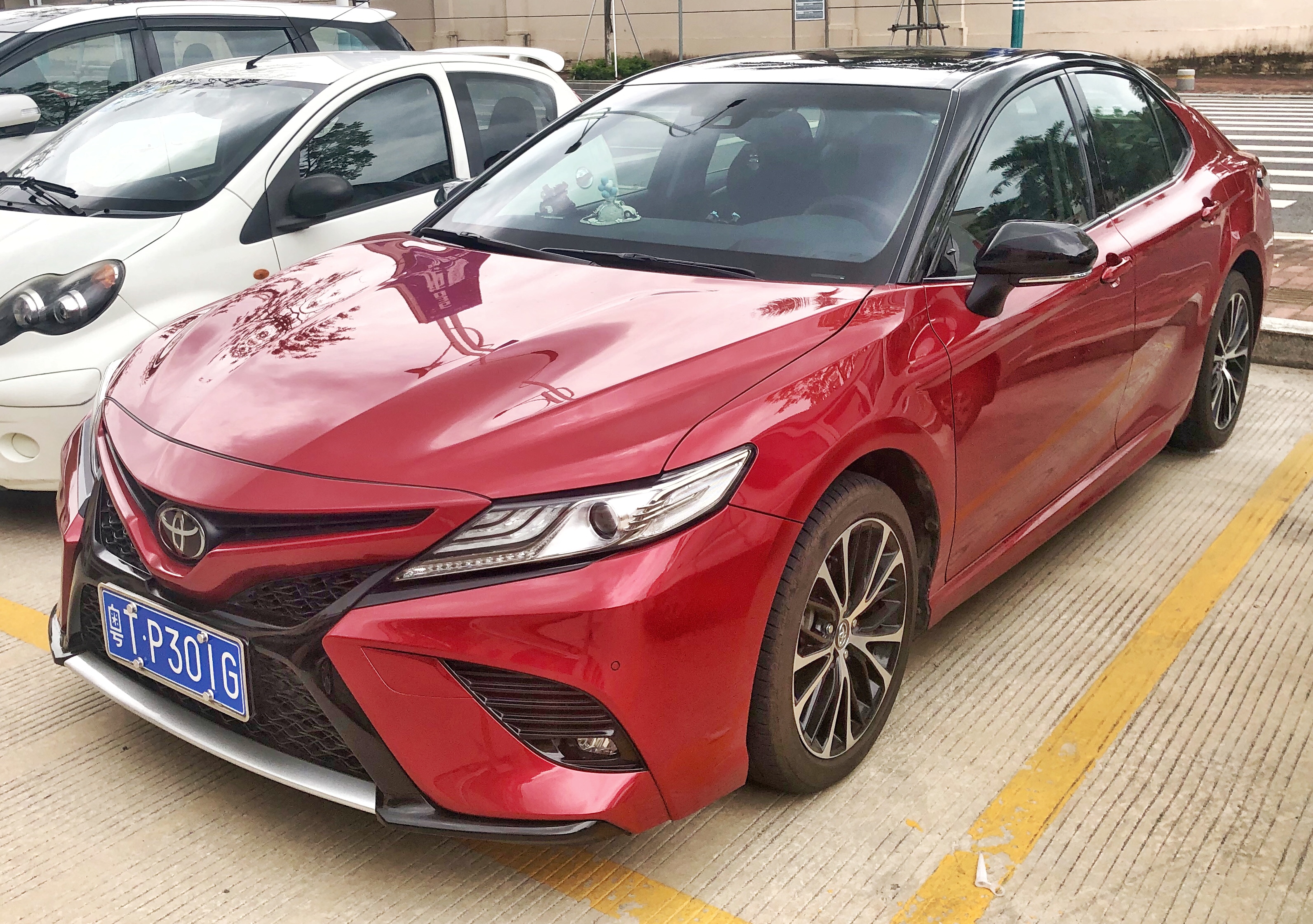
A Toyota Camry is a regular everyday car. The “V6” means it has a bigger six-cylinder engine, which usually makes it feel quicker than smaller engines.
The Volkswagen Bus is a van made by Volkswagen that’s designed to carry people or cargo. It has a recognizable, boxy shape. The podcast uses it as a comparison to describe what another vehicle looks like.
A crumple zone is a part of the car that’s designed to crumple in a crash. It’s meant to soak up crash energy so the people inside get hit with less force.
A “suicide door” is a door that opens from the back hinge instead of the front. It used to be considered risky if the latch failed, but modern cars use safer latches.
A detent is a mechanical “click-stop” that holds something in a specific position. Here, the speaker is describing a feature that likely prevents opening both doors at once so they don’t slam into each other.
A “four cylinder inline” engine means there are four engine cylinders lined up in a row. It’s a common engine layout and helps determine how the engine runs and feels.
Horsepower is a way to describe how much power the engine makes. “21 horsepower” means the engine is putting out very little power compared with most modern cars.
The Fiat Multipla is an unusual Italian car that’s famous for being boxy and different-looking. Here, the host is talking about the 1960 version and pointing out that it had a tiny engine and low power.
The AMC Pacer is a compact car made by AMC. It stands out because its shape and design are very unusual compared to most cars. The podcast mentions it to describe how it looks, using playful comparisons.
Term
70 liter fuel tank
The fuel tank is where the car stores gas. A 70-liter tank means it can hold a lot of fuel, so you can drive longer before needing to stop for gas.
A Corvette C706 is a Corvette race-car project. Here, they’re saying the engine they’re talking about came from a wrecked Corvette C706.
Term
Dyno 1294
A dyno is a machine used to measure how much power an engine makes. “Dyno 1294” likely refers to the specific dyno/test setup where they got the power number.
LIVE
Hey, all you gearheads and car fiends, welcome to Driven Radio Show, your weekly automotive
happy hour.
I am Brett Hatfield, here with my co-host and engineer extraordinaire, Mr. Mark Groves.
That's me.
And we are coming to you from Driven Radio Studios, where it's suddenly summer time.
Dude, yeah, but it's a nice summer time, you know, with your windows down and at 70,
it's nice and cool.
It's not bad, but if you got the top down on the car and it's 84.
Yeah, you get a little, probably a little toasty on that.
Sweaty back.
Yeah.
Sweaty back.
Hey, you know, you really should have another motorcycle.
You know what?
I was actually kind of sad.
There was one that I had saved just recently, just over the weekend because, you know, I'm
sitting there.
I've got all this time off and I'm like, I'll go just kind of look around.
I don't know.
I'll just get out.
I do exactly what my dad did because my dad, you knew a new car was coming when he was
like, oh, I just stopped by a lot.
I was just looking.
Yeah.
Just kind of seeing what's out there.
You are hunting for a reason.
And there was a gorgeous, what was it, was it a Suzuki and Truder?
It was lovely and low miles and right in my cheap ass price range, it went away.
And I might know where one is.
There are a couple.
In fact, I might be damn near finished with it, except for tires.
Oh, that's true.
That's true.
I buffed the paint on that heritage and it turned out a whole lot better.
And I thought it was going to and I'm down to like the big bath and polishing chrome
and the bikes turning out.
I got the saddlebags back on and I got a windshield on it.
It looks fantastic.
You've sent me a few pics and they look really nice.
Yeah, it's better in person.
You got to see it.
Yeah.
And I could probably be talked into selling it to you really cheap.
I may have to try to grind it down, work on it.
You know, I'm sure we can make it down.
Oh, oh, oh, oh, twist my arm, twist my arm.
I am I'm just so absolutely dead set on the idea of putting you on a Harley
against your will.
You want to.
Yeah, you want to do it just to say I told you I could.
Told you I could see you're on a Harley.
You damn skippy.
It's 100 percent hashtag life goals.
Well, and hey, floorboards, leather saddlebags, potato, potato, potato.
It's an old Evo that they're they're dirt simple to work on.
And if I hang on to that thunderbird, it would kind of look nice next to it.
I'm telling you, it would.
And I can make a jam out of that bike and I would do it just for you.
You make me feel special.
Well, I think I think it'd go well with the T-bird.
And until you get everything rectified with the T-bird, you could ride the bike
and still feel like you're having a good time.
Oh, there is that.
There is that.
So for all of you, Harley bargain hunters.
Come to Hatfields House of Harley.
A Hatfields house home over Calcitrant Harleys.
Sometimes hate filled.
Hatfields Harleys.
No, I want you to see that thing.
I think you need it.
Fair enough, I will I will keep that in mind.
There's, you know, I've done it.
I've done some farting around it.
There was actually some funny vehicles I found on Facebook.
Well, you said that Pinto that Pinto wagon.
There's a Pinto wagon with that's got the little moon roof or moon.
What is that? A moon window?
Yeah, you've you've got the the moon window in the back and the baby moons
on the wheels and it's got the shagging wagon.
It's got the stripes down the side.
Oh, yeah.
You look like you're trying to pick up the girls who are stuck at the bus stop.
And the interior kind of looks like your uncle's couch
from the trailer that he lived in.
Well, after after the divorce that went wrong
and your aunt with the big hair took all his stuff.
Yeah.
Yeah, it's a it's a hot mess, but I kind of like it.
And then there was that LeBaron.
Was that not sexy? Oh, God.
Was that that was rolling brute for sex.
It was it was what was it at 84?
That came with three bottles of high karate in the club box, man.
Exactly. I mean, you could smell it.
That's what the exhaust would smell like on that.
And I the exhaust on that smells like varnish.
OK, imagine a late 80s.
Might have been early 90s, but I'm pretty sure it was late 80s.
Chrysler LeBaron, two door convertible.
That wasn't late 80s.
That was early to mid 80s.
That thing was an 80.
You know, I need to look that up again.
Topps because it still was it's it.
Look, it's a car with a top cut off.
Looks like it's made out of Legos because everything on its square.
Oh, my God. Yes, it's an 83.
Well, I have that way wrong.
I called it 83 Chrysler LeBaron convertible.
But, you know, as doggy as that is,
it's kind of an off-white color with the, you know, the brown turd interior.
Folks, I think Elmo's Fire
because that's the only movie that ever had that car in it.
What makes it so damn special?
That makes it so high karate.
It's the faux wood trim on the sides.
It's like, oh, what was it?
A Timu truckster. Yeah.
It is so hideous.
Knock on knock on decal.
And it had like 14,000 supposedly.
Oh, no, Guy said 7,800 original miles,
which looking at the condition of it, honestly, I wouldn't be surprised.
I'll bet you that things got the digital dash in it.
This is door is open and crap like that.
And it's probably got half the pixels fried out.
It doesn't matter how many miles it had.
And I'm guessing it's
I know it's a front wheel drive.
I'm guessing it's like a two point two liter four banger and no turbo.
It's a Mitsubishi. Oh, no, no.
This is you got a pedal hard to get up that hill.
It's it's a two point two liter Mitsubishi, no turbo,
four banger, probably good for all of 100 and six horsepower.
And you can have the sucker, but I'm just going to point and laugh.
It's already it's already pending and it had been listed like 24 hours
before I posted it. So somebody's nailing down that sweet peach.
You ain't the only sucker out there. Yeah, not wrong.
All right, well, everybody's probably had enough of this crap.
Why don't we get to our guest? Here's a thought.
Hey, our special guest this week is Joe Potter of Vintage Underground.
Joe's been involved with cars and machines in general from an early age.
Nights and weekends were spent in his father's auto shop,
from which Joe's desire grew to restore and build cars as a career.
Joe's personal interests and cars board borders on eccentric
like somebody else we know, weird and over engineered,
which is why he's laughing while we're talking about this crap,
because he's looking at you going, I'm in touch with that emotion.
He is more interested in why something was engineered and built
than in showing cars. Joe, welcome to Driven Radio.
No, thank you. Yeah, appreciate it.
We're thrilled to have you and you probably know exactly the car we're describing.
Tell Mark, why not?
Why not what?
Why not drag that thing home and put it in your garage?
Oh, good money.
Number one, with a bullet.
Oh, I don't know.
The number of cars that I've tried to drag home and talk myself out of, oh, my God.
When did you first know you were a car guy?
I didn't really know it wasn't or there was an option.
That's fair.
Yeah, my dad, of course, like a lot of guys
always had cars and
they were just always around.
It was just and it's what he did to wind down in the evening.
He always had a shop.
You know, my dad didn't have a professional shop.
He just always had a shop, a personal shop by the house.
Well, that's where he spent his evenings.
And that's I just followed him out there.
Well, tell us about your dad's shop.
My dad was kind of a classic
collector and in two senses, one that he really liked pre-war classics.
So big packers and cabs and stuff like that.
And also, yeah, yeah.
And also, he was one of those guys that actually never got it done.
Hell, yeah, man, after my own heart.
Yeah, so those projects sat in there for a long time.
But we'd always find stuff to do in the shop.
And that's that's how he wound down at night.
He'd grab a a Schlitz or whatever other cheap berry drug home.
And we'd go out there and and and filly fart around in the garage all night.
What was your first car, Joe?
Well, technically, I was 14 and I was, like I said, I was out there
hanging out with my dad in the garage, breaking things.
And and I think he saw a level of interest and commitment.
So at some point, he drug home a 31 Model A.
Wow. And in need of a lot of assistance.
And and so we proceeded to tear that thing down.
That was first car I did.
He and I did that one together.
And it was I think it was the only car he ever restored.
They just I think just because he was with me and and he was dedicated to it.
And so that was that was the first one I put together.
Was it two seater or the sedan?
It was a pickup. It was the best.
Oh, that means you could haul on limited friends in the bed.
At 45 miles an hour.
So it still had the original engine in it.
Oh, yeah, it was we built a dead stock.
I think even back then you could get better gearing for the rear end
or I think Mitchell made a little splitter box where you could overdrive it.
Well, none of which we did.
You know,
OK, back to our previous conversation, first beer.
It was probably in that truck.
Yeah, yeah, 15 friends in the bed.
Well, I lived out of town to like like 10 miles
and which doesn't seem like much.
But in a Model A, when you're trying to get the school, that seems like plenty.
Thirty minutes later.
Yeah, well, you know, you're holding up traffic
and it's like everybody behind you is trying to get work on time
and you're doing 48 miles an hour with just.
With a nice vibration.
I have to jump in here.
I'm not trying to dominate your show, Joe.
My grandpa, Tom, had a similar pickup
and the family was he and my grandma
and my two aunts and my dad and my uncle, so six people.
So the girls got to ride in the cab
and my dad and uncle Mike got a ride in the bed
and grandpa drove a bus for Kansas City ATA for 33 years,
but he and his brother law brother in law always had side businesses
trying to make a little extra money.
And they lived in Payola, which is a good what, 45 minutes?
Oh, yeah, on I-35 now, except I-35 didn't exist back then.
It was a two lane road down to Payola, so it was a two hour drive.
Yeah, the side business they had
his brother in law worked for city service gas.
So he had a lot of pipe around and he had a lot of that really
brilliant phosphorescent silver paint.
And they were making clothesline standards.
So, you know, they they'd make a bunch of them
and bring them back to town and sell them to women
so they could put clotheslines up in their backyard.
And just before Thanksgiving, warm day,
they drove the pickup truck down to Payola.
And the other side business they had that year
was they were going to sell live turkeys
right before Thanksgiving and herein comes the rub.
They loaded the bed of that pickup with those
said clothesline teas, you know,
so the tea part was up against the the cab
and it was the leg was down the middle
and a pile of them creates two separate pockets,
one where my dad sit and one where my uncle sitting.
But in those pockets are also a crapload
of live turkeys and crates.
They start heading back home as the sun's going down
and it got a whole lot colder.
And my dad and my uncle are in the back of that Ford
shivering their butts off covered in turkey feathers
with dad said conservatively a hundred cars behind them
with their headlights on because that pickup truck wouldn't go any faster.
And he said that was the worst ride home ever.
Couldn't talk to Mike because he was on the other side of a wall of posts
and turkeys flopping around and beating the hell out of them
and getting them covered in feathers.
And yeah, so when you're telling me about your pickup,
I'm just picturing my poor dad and uncle covered in turkey crap.
And in the back of that truck, holding up traffic,
because it just wouldn't go any faster.
He said they were doing about 35 or forty all the way home.
So is at least at least it was a long drive along with being awful.
And my dad still listens to the show pop that one's for you.
Oh, man. So you did this with your dad.
At what point did you start thinking I could do this professionally?
Um, I.
I don't know if there was a moment in time.
It was it was just more of a desire to to keep doing to get.
Actually, the desire was to get good at it
because I didn't know anybody good at it.
I knew a lot of guys that did it on the on the low.
And I wanted to figure out how to get good at it.
And so that was kind of my mission.
And so I just set out.
I had an aunt and uncle that lived down in Santa Rosa, California.
And I figured the pickings were better down there.
And then I did. I got I got into a Mercedes shop.
And oh, yeah.
And it was it was fortunate because I was the old guy that his name
was Fran Duport. It was just a cool old old guy.
But he he was a very classical mechanic.
And he trained me that way.
And so I had this right right out of the box.
I had this opportunity with this guy that trained me in a very classic sense.
We've we we did everything from the bottom up.
And which was kind of the mistake in the Mercedes world back then.
Was very orderly.
And that's why that's how I was kicked off.
That's how I learned from the Germans orderly say it.
And so he's lost.
Does he sneak through?
But the fun part of that is is that I so I spent all that time with Fran.
And then I chased a girl over to Carmichael, California.
And I got into a British restoration shop.
So I went from a highly ordered Mercedes German world
to vintage British sports cars.
And it was chaos.
It just seemed.
It just seemed like this stuff is ridiculous.
And that was a bit of a shock.
Did you ever find yourself looking at the other guys working in there
and saying, what the hell are you doing?
Yeah, yeah.
Well, you got to remember, too, that, you know, back then,
it was a crappy career choice as a mechanic.
I could have gone across the street to the Honda dealership and doubled my wages.
It was a crappy way to make a living.
It, you know, you know, getting paid under the table sometimes and benefits.
Yeah, right.
You know, it was not a great way to to make a living.
It really had to be pretty dedicated to stay in it.
How long did you work in the British shop?
Four years, I think.
Four years. Yeah.
My my very first job there, they they dropped me on the floor.
And gave me the worst lift.
And it was.
It was an early flat floor E type over in the corner,
a little fixed head coupe.
And and they said that sure as it clearly had been sitting there for a while.
So that's yours.
And it's like, all right.
So when it had, somebody had started a clutch job on it
and had just never finished it.
I don't know if there was a period with the customer ran out of money.
I don't know.
But anyway, so you know, on an E type, you got to drop the whole drive train
to do a clutch.
Yeah.
And so I put this thing back together and I'm all proud of myself
and went really well.
And I I test drive itself and they and they called the customer
and this 80 year old woman showed up and her husband had bought it for her new.
And it was a flat floor four speed.
And she hopped in that thing and buzzed off like she'd.
Just hopped out of it.
Well, I was it awesome.
That's kind of sweet, man.
I like it. What a cool story.
Now, you spent four years working there after coming from a very orderly
classical mechanic shop.
What was the biggest surprise?
What was the biggest culture shock?
What did you in and going to that shop?
What was the thing that you found?
Most shocking, overwhelming, disturbing.
Yeah. Do you mean like in switching from to that to British cars?
I think so.
I used to describe that when you worked on German cars up through
even the modern ones, which, you know, that would have been early, early 80s.
If you were working on them, there was always a clear path in and out.
It was always an engineered path to whatever you were doing.
And and so when we go to move to
went over to the British cars, that wasn't true.
You know, they were they were assembled,
you know, by occasionally by five year olds that had small enough hands
and, you know, and things like that.
And it was just so in that regard, he's just you realize they were
I kind of fell in love with them because they were engineered to do things.
They weren't engineered to be easy to maintain.
And you kind of kind of you kind of got an understanding
of what they were trying to achieve.
They just left a lot of the details, you know, in their wake.
So I kind of fell in love with the way that they viewed
the British viewed cars out of that era.
They had very specific goals.
They were and and and that they met and made some phenomenal cars
that are an absolute pain in the ass to work on.
OK, a worse British car to work on quality wise.
Quality, you got to go like anything.
1977, whether that's M.G.B.
TR seven, any of those high production
cars of that of that era, they the build quality was abysmal.
They they it was smog, you know, the the smog solutions were in place
and they weren't solutions.
They were, yeah, anything right out of that era,
right in the middle of that labor strife that was just produced
these absolute, you know, abysmal cars.
I'm reminded of some of the cars that we've seen
the trio from Top Gear and Grant Tour.
I think they killed.
A hundred or more Morse marinas.
Those are just horrid lots of Rover cars were just absolute crap.
I'm wondering Lotus Jaguar.
I'm of the more desirable cars.
Is there one that's worse to to work on?
Well, I mean, once you got into like Jags
and they were difficult to work on, but they were much more
formidable machines, interesting machines.
OK. And so they were a lot a lot more.
Well, I was a lot more motivated to to work on them when you got into
things like, well, like, you know, Lotus is a good example
because they were they really weren't well made.
It was a it was just a brilliant engineering exercise
and a absolutely awful application or execution, you know.
Yeah, execution, yeah.
And so that that that kind of stuff can be, you know, really
frustrating to work on.
But once you once you get up into the really interesting stuff,
it really doesn't matter anymore.
You're just you're playing with an interesting machine
that was that had that was built for a purpose.
And you just have to kind of accept what that was and and lean into it.
So how do you go from the British?
What's the transition from the British
shop to founding Vita vintage under brand?
I so my dad was an entrepreneur.
My, you know, as long as I could ever remember.
And he starting in, I think, 1990 or 91.
He had his his business and he was looking for an exit strategy.
And so he asked me to come in.
And so I joined him there and we spent 13 years.
And I took it over.
We built it up and and we got it sold.
So it actually took a long time to evolve that business
and and get it up and ultimately get it sold.
It wasn't it was a business that I would, you know, I had no interest in.
But he taught me business.
He taught me how to run a business.
He taught me how to grow a business.
And so I learned all that, you know, on the fly.
And do you mind me asking what kind of business it was?
No, not at all.
It was he made equipment to produce sheetrock or a wall board.
Oh, OK.
And drywall. Yeah.
It's it's it's a weird process on how that stuff is made.
But and and there's just very few players in the world that did it.
But now I'm curious how that stuff is made.
It is they it is an interesting in that it's, you know,
it's basically, you know, plaster of Paris, you they cook the gypsum.
And it's kind of cool in these big kettles that actually boils
and the water leaves it.
And so it's it's chemically really water starved
and they and they mill it into a talc.
OK. And then if you can imagine
a 600 foot long flat rolling rubber table
that that bottom paper comes up and rolls on.
Yep. And then at what they call the head,
that powder is reintroduced with water.
Like one foot above where it lands,
because everything that gives wall board or sheetrock its strength
is the reformation of those crystal structures
when you reintroduce the water. Yeah.
And it makes a solid again.
So they would mix that stuff and just drop it right on that bottom paper.
And the top paper would come down and go through a sandwich and a foot later.
You got wall board.
OK. And the reason that line.
Yeah. And the reason that line was 600 feet long is because they had to give it
enough time to rehydrate and all those crystals to form
before they before they tried to manipulate it.
Sorry to go down the rabbit hole with this.
I come from a construction background and I've never seen how it's made.
So I was kind of curious.
Yeah. And at the end of that, they it cuts with an automatic knife,
turns and loads up into a massive dryer or kiln,
which is the part my dad made.
And the whole purpose, if you take
hydrated sheetrock, so it's it's they have to overexpose it with water
to make sure every molecule gets exposed and can reform a crystal.
So it's got excess water in it.
If they stack it up and leave it in the warehouse,
it will naturally migrate and six months later, it's usable board.
They don't want to do that.
So there's this whole massive piece of equipment
that gently dries out that excess water so they can ship it the next day.
That's wild. Yeah, it is.
I'm wondering how much of your your gypsum came out of Lensborg, Kansas.
Yeah, there's I spent a fair bit of time in the Midwest.
There are three gypsum mines outside of Las Vegas.
OK. Yeah.
And yeah, there's some weird locations around the world.
Lensborg is not far.
It's what, like 10 miles from Macpherson, I think so.
10 or 15. Yeah.
And Macpherson, Kansas is where Macpherson College is
and the restoration program and all that stuff.
So and that is the end of my knowledge of drywall right there.
Closest I've come to it was I acted in a play.
God, this is back in the early 90s in North Northwest Texas,
but Copperbrake State Park.
And they had a river there that all of us actors went out
and we got to go swim and spend a day and had a picnic.
It was real nice, blah, blah, blah.
The water was salty as F and it was from the gypsum.
Gypsum. Yeah. OK.
Yeah, it was loaded and it was the weirdest kind of salty river
that was fresh water, but it tasted funk.
And they're like, yeah, you don't want to drink it.
OK, aside from that, I've I've hung a ton of sheet rock
and built basements and built a bunch of houses and stuff like that.
But not a clue how it was made.
Just know how to score it, break it, hang it.
And now, you know.
Yeah, well, sorry for doing.
It's interesting business.
It is sorry about the punk Paul Harvey dive into drywall.
Well, the story.
No, that was it.
It was it ended up being a chunk of my life, you know, so it was fine.
And I got out of that and I knew how to run a business
and I then had the opportunity to turn that into a passion thing.
And so to go from there when when you and your dad sold the business.
And I assume you were partners with him, maybe limited.
Yeah, no, I actually I actually bought it from him at some point during that
that time frame earlier. Oh, terrific.
I had completely bought it from him and I was making payments back to him.
And that's how it was going to play out.
I really didn't have an end game.
The market changed towards the end of that time.
And we got approached to consolidate a company,
a German company wanted to bring it into their portfolio.
So the opportunity to kind of present it itself,
you know, because I was providing my dad an exit strategy,
but I didn't have one for myself.
Boy, the German theme keeps coming back with you.
I was just thinking that.
Yeah.
The stock like you scooped it.
Yeah, that was that's true, actually.
So what year did you start Vintage Underground?
Eleven. I I spent actually started
away prototyping business in but after that.
And and then so I knew I knew business.
I had the underpinnings of that.
I and I'm doing this whole time.
I'm still building cars.
I I've never stopped building cars.
I got my shop at the house.
I'm so that never stopped.
But I don't have an understanding of this business
and the pitfalls of it.
I was on the other side in those shops
and watching those mistakes made.
But I didn't I didn't have any experience.
So I had a friend that I made here in
in town that had a had a car shop.
And I just worked with him for, I think,
almost three years, helping him develop his shop
and applying what I knew.
And he taught me the car business, the the business of cars.
And so from that, I felt I had enough knowledge.
And I had a I think better than that.
And I had an understanding of what I was going to do differently
and what the basis of this new business was going to be.
So you you started the company.
And I mean, from looking at your website,
now it looks like you do a bit of everything.
Was that the idea from the jump?
Yeah. So one of the things I saw,
if you go back like in the 70s, restoration shops were big shops
and they tended to be almost kind of reasonably all inclusive.
They did almost everything.
And over the subsequent decades, that kind of got broken down
until it was finally there was a ton of like two guy shops out there
that they did this or they they just did this make
and sometimes just this model or they just did body
or they just did engines or whatever they did.
And I could see the writing on the wall
that the economics of that were not.
Sustaining and and so I knew
the the margins were ever decreasing in that business that I figured out.
So the only way to overcome that is with is with mass and volume.
OK. And so I knew that from the get go.
I knew I had to have volume to make it
efficient enough to succeed in amongst
a situation where shops are failing left and right for economic reasons.
So how many employees do you have?
29 now. 29 Nice.
Where are you finding your employees?
It's tough to find people who know how what they're doing.
Malaysia. Yeah. Well, Portugal.
Pardon me.
Yeah, we're getting around to MacPherson.
But I'm wondering, do you have any MacPherson grads there?
I have I have two interns this summer.
Oh, cool. We just got them. Yeah.
Yeah, we just got them in.
One is a mechanic and the other one is a metal shaper.
And I have.
Two other MacPherson grads as current employees.
Do you prefer to find people who already have an idea what they're doing
or do you like to train them to do things the way you like them done?
I'd answer that question by saying I like to find somebody
that's already seasoned and good and I can put into work and I can make money on them.
Sure. They don't exist.
And then I wake up.
Well, yeah, and I wake up and it's the dreams over.
But so
the the way I do it now is I do seek out these young these young people.
And they it used to be also in this business that you would pick from the trades.
So you would you would find somebody that did collision and they could be your body guy
and you could find a mechanic that worked the line and ran flat rated dealership
and bring them in and he's your mechanic and that kind of stuff.
And it just doesn't.
Move anymore.
You can't. It just doesn't translate anymore.
Body collision guys that do collision body and paint are useless to me.
They just don't understand what we're doing.
And mechanics are the same way.
They're trained for lack of a better term.
But to get her done, I mean, to get in and get out with touching
the least amount of things you can touch it.
They just replace stuff.
They don't restore it.
They don't repair it.
Right. And it's you know, it's a business, but it does me, you know, no good.
And, you know, those guys tend to not have the core basics.
They tend to not have a good understanding of basic electrical
or some basic mechanical things because they have just never had the opportunity
or reason to jump into it. Sure.
So, so, you know, so I take a if young man out of MacPherson,
he's one already knows what he's shooting for.
He understands what this business is.
That's he's been taught that he understands the goals
and he's hell bent to succeed at it.
And that I'll work with all day.
And I can if they give me the basics, I can teach them to move slowly,
methodically and, you know, and within procedures.
I'll take that all day.
It is painful to if you're trying to shop off the market
to to to outfit your restoration or build shop.
Man, it's brutal.
I can only imagine, you know, it's quality work is always expensive
because the achieving that quality requires years worth of training.
So most cars if you're doing a restoration job,
most cars probably require a larger investment
than the car will be worth when completed.
What do you think drives people to undertake the massive expense of restoring cars?
That's to this day, that's still somewhat of a mystery
and not not in the sense that I want them to want to do their work.
But it's the underlying thing is to it's just fun.
Right. And I think that's true of almost everyone that enters in it.
But what I what I witness is that especially guys, this is their their first one.
And and that's a lot of my clients.
There's a lot of clients that only do this once.
It's, you know, it was dad's car.
They want it back and they're going to do this whole thing.
So they're they're desperate to not be made a fool.
And to get it wrong, do it wrong, get the wrong guy.
And have it all go upside down and and and be an awful thing.
So they tend to come in with a lot of stress.
And it and so it one of the things we do and the the software we use
and how we interact with them is to it's just to make them comfortable.
And with what we're doing and show them everything
and see if we can get them to have fun with it.
You know, because it's I think that's I think it's true.
Everyone's just trying to have fun because there's there's absolutely
incredibly rare opportunities where you can hire
professionals to do restoration restoration work on a car
in a flip scenario and come out on the top side of it.
It just doesn't work anymore.
It doesn't happen.
And it's it's it the only way you can ever get close to that
is if you can do it all yourself.
And like you said, you don't find those guys.
They're they're not out there.
They're very, very few.
You used to back in the days, you know, you find a guy that, you know,
this guy's painting his grandma's garage or this guy's, you know,
then you could kind of find those.
And those have gone away as well.
It's not just the small professional businesses.
It's, you know, it's the guys that were moonlighting, too.
That that as a concept is just kind of died away as well.
In the course of trying to keep the things light and fun and enjoyable,
how do you go about managing customer expectations?
Do you ever have to tell somebody, you know, maybe you shouldn't.
Yeah, you're knuckin' futs.
Don't do it. Yeah. Hey, hey, hey.
Try trying to keep it classy here, mister.
Yeah. No, you do.
I mean, because I do try to we really try to get a read on why they're here.
And if the words come out of their mouth,
because I want to sell it when you're done, I'm like, all right, we're out.
Oh, yeah. That's because it's this is going to end in tears for you.
Oh, yeah. And and so it's yeah, we do try to do a lot of that up front.
We, like I said, we do try to really convey to them
a comfort and that were nobody's out to try to screw them.
And
there's been over the years, this business has attracted people that
that's the right word, shit work.
Yeah, and so, you know, that's out there.
That's a known thing that it that this can go horribly wrong.
Yeah. So I do some things, you know, I I take no money down.
That's the classic in a in a restoration shop.
Here's 30 grand. I'll see you in six months.
That the accounting of that money is gone from that point.
And it turns into a pawn in the hands of the rest of the world.
So, you know, how do I know this?
I've worked in those shops, but it is.
So and we invoice every month 100 percent.
I don't care if I've only done a dollar's worth of work on your car.
You're going to get an invoice for a dollar. OK, right?
I can only get 30 days ahead of you. Yeah.
And and then the other thing we do is we have this software that
that it was actually designed by these New Zealanders for the yacht industry.
So there's a ton of software out there for automotive repair shops.
And those are designed to interact with Napa and and other programs
so you can turn a car out in the day or, you know, whatever. OK.
Our projects are months to years and and complex.
And so it kind of suited that.
So they adapted this software for us.
In that software, the technician just via his phone
just keeps taking pictures during his work day and those automatically
port to the job. OK. At the end of the day,
he gets on and he writes a write up of what he did and any thoughts on it.
The project manager is in there making notes and the client is in there.
So the client can read everything that the technicians and look at all the photos.
They can post photos.
They can make comments.
So they end up with this running conversation between the guy working
on the car and the guy that owns it and it makes it
so much more connected and enjoyable and safe, I guess. Yeah.
Everybody knows what's going on.
Yeah. Yeah. Because that's I think I say it a lot to the guys.
No one wants to be made a fool.
You know, let's let's make sure they're not.
Let's make sure that they're having fun here or at least let's try to provide
the opportunity that they can have fun with this.
What do you find is the most rewarding part of your job?
Is it the satisfaction of turning out quality work
or maybe the reaction of the customer when they see the finished product?
What is it that that you find the most rewarding?
For me, the type of person I am and there's several people that work for me
that are like this, it's the it's the execution.
All right. So I'll give you an example.
We're you're going to rough on your customers.
Jesus. All right.
I know, right? Damn customers.
You want to smoke?
You want to you want to find some engineering?
Jesus. No, it's it's the it's the figuring it out.
So so part of our work, we do restoration work, which is just,
you know, that's a that's a procedure.
That's a nut and bolt process.
Another part of the business, we do bespoke builds, fabrication,
oh, resto mod, you know, kind of stuff.
And I really enjoy that because you you're doing engineering,
you're figuring things out, you know, we build suspensions.
We're putting different engines into things where they didn't belong
and and all that kind of stuff.
And so you're figuring all that out.
We're doing a little short wheelbase Ferrari right now.
And it's not a real one.
It was one of those in the 80s that was rebodied.
Oh, yeah, the 250 GTE. Mm hmm.
And but it was whoever did the body is brilliant.
It's just beautifully done.
But it's not a real car.
So and so we and the owner have kind of
license now to fart around with it and and see what we can make it do.
So we are have completely built the car.
We've taken that and it's the engine that was it's a 250
outside plug normal GTE engine and we've built the motor.
And it is fully injected and triggered.
So no distributors.
We designed and 3D printed out of out of aluminum,
our own intake manifolds to adopt individual throttle bought 12 individual throttle bodies.
Oh, I see this controlled with a Haltech ECU.
Nobody's hit 300 on a on a three liter Ferrari that I know of.
If anybody, if any engine should do it, we should get damn close.
But any rate is is that the target?
Is that the the hope?
Yeah, I don't know that we'll make it.
Well, I think we'll get close.
But yeah, normally, you know, you know, carbureted in the distributors,
it's you once you step into triggering ignition, triggering.
And so you have absolute control of the timing
and you have absolute control of the fuel, you can push them a lot harder
because you when something is carbureted and has distributors,
it's there's a fixed point of safety.
Everything else is everything else is risk.
And so because we have complete control of that, we can push this thing a lot,
a lot harder.
We've got, you know, we've got it has detonation sensors on it.
So we know the ECU will know if it's getting into any kind of danger.
So we can push it harder.
So like I say, if there was an opportunity to get
really interesting power out of a 250, this will this will be it.
We made it a a T 56 six speed behind it.
Oh, we we designed 3D printed out of stainless,
a bellhousing to adapt a T 56 six speed to the back of a 250 Ferrari.
You can 3D print stainless steel.
No, this is new to me.
Yes, I knew stainless and aluminum aluminum.
Yeah. Yeah, I didn't know they could do stainless either.
I want to see pictures of this thing.
Yes. No pictures.
It's pretty cool.
Yeah, but that's what I love.
It's just it's doing this kind of shit where you're just you're just
your mind is just in it.
It's like you're figuring this out how to make this thing go.
It's air conditioned, right?
Oh, and if on the front of a 250 Ferrari motor,
there's no crank pulley.
It has no presentation at the front of the motor.
All you've got is this weak ass little pulley
that comes out from the water pump and the drives the alternator.
OK. All right.
And so to try to strap on a AC compressor on that load
is just going to end in tears regret.
Yeah.
So it has an electric.
We hid an electric air conditioning compressor up in the fender well.
Cool, cool, cool. Cool.
And so it's just yeah, so stuff like that,
you're figuring this stuff out and you're you're designing,
you're fabricating, you're you know, yeah, that's that's what gets me going.
I love that kind of stuff.
So how what are the biggest changes
in the restoration business in the last 15 years?
Cost, you know, a constant product.
So, you know, there was a real lull
there for where the high schools were not encouraging kids to go into the trades.
And it created this.
It created this big valley of of anybody going into the trades.
And I don't care what the trade is, everybody was hunting for people.
And but that has come back around.
They have, you know, they have figured out now that that actually
they should have been doing that.
And that's these are actually good careers.
But if you take, you know, for instance, these young people that I'm
I'm pulling out of MacPherson and others are as well,
they have invested into a four year degree and all the college loans
and costs that that go with that.
And they're out there now and it's like they are highly valuable to me.
But they're also they want to get paid.
You know, they want to earn a representative income for their efforts.
So just in generally labor costs have probably.
Keeping inflation into the equation, but probably at least doubled in that time period.
So and that's the biggest cost in restoration by far is labor.
And yeah, so you've got some talent entering into the field now, finally,
but they're expensive.
And the other part of it is the product.
If you go back and you look at something that
so as a name, a white post or one of the old shops out of the 70s.
Yeah.
Turned out.
And you looked at that from today's eyes, you're like, yeah, swing and a miss.
You know, it wouldn't it wouldn't.
It wouldn't pass muster.
And I would argue that the labor to do what is acceptable,
expected now versus then is two to three times.
The labor just like to if you would if somebody restored
a an early E type in 1980 versus what an E type is expected to look like
when it leaves a shop now, there's two different things.
And the labor to accomplish that is significantly higher.
So the product's different.
And it's easy to say, well, just do lesser.
But that's everybody's expectation, you know, everybody's seeing those cars.
You know, it's like, who's going to come in and go make me a shitty one?
You know, so so that's it.
It is it's the labor and the product is different now, too.
Well, that kind of dovetails into our next question, which is, you know,
baby boomers are aging out of the hobby there in their 70s, 80s,
maybe a little older and now it's
many Gen Xers have disposal income, disposable income, as well as millennials.
And they're becoming a larger part of the collector car world.
How is the market changing with these new customers?
And I also assume is it changing the kinds of cars you're seeing in your shop?
Yeah, absolutely.
I will say that, you know, kind of
globally, it's experience based.
So if you take a 40 year old person now that's come in, they got a little bit
of bank and they want to play.
They want to drive the snot out of that car.
They want to use it.
Yeah.
And we're doing all right, we'll build it, maybe a little more juice,
a little more power, but a little bit, you know, a little bit better break,
a little bit better tire, maybe a different transmission.
They want to use it, drive it hard
and and make it perform.
Whereas before, you know, there was, you remember the old trailer queen thing
where guys would have cars restored and gently pull them down off to the trailer
onto the grass and take their shoes off before they guide them.
Yeah, no, they want to use them.
And and that's why all these driving events have picked up.
You know, it used to be the old guard, you know, the Colorado Grand,
the California Melee and, you know, a few others.
Now there's like they're everywhere and and some really funky cool ones
that and they're it's because that's where that audience is.
Yeah, they want to play.
Yeah.
Joe, what do you have in your personal stable?
Is there and along with that,
is there something you'd still like to own that you haven't laid your hands on?
Oh, yes.
That's part of that.
That's part of that disease there.
Oh, yeah.
Oh, yeah.
Right. Right now, I.
I had an alpha four C just that I just sold.
I have a an 83 alpha spider that's my if it's not raining what I'm driving daily.
And then I have a 48 MGTC that is modified supercharger, five speed 16 inch wheels,
blocky tires, I can actually do 70 miles an hour in it.
And and well, it's still scary.
But yeah, I was going to say how terrifying is that?
But I do 1000 mile tours in that thing.
I keep up.
Yeah.
So yeah, and that's just good, raw, visceral entertainment.
I've kind of I had I had more cars and I've just
paired it down and I can only describe it as
as they feel like weight to me.
I don't know, you know, you guys had Alex and Amy on here a while back.
And Alex, I think it's like 220 cars or something now.
It feels like weight to me.
It feels like responsibility.
Like I need to be.
I need to tend those cars.
Well, it is.
Yeah, and I feel like I have a responsibility to them.
And so it just feels like weight.
So I've learned to keep it to keep the keep it down.
Enjoy those cars.
And when I'm ready to do something else, move it on and bring
something else on interesting end to play with.
Well, it's it's absolutely weight.
My dad and I have a running joke about the more crap you on,
the more your crap owns you.
Yep.
So yeah, I don't know how I turn it into guilt, but I do.
Catholic.
Yeah, that was the next question.
So, Joe, it's the final question.
It's the biggie.
It's the one that everybody waits for.
What's the dumbest thing you've ever done in a car?
Oh, boy.
Yeah, I knew you guys were going to ask that and I was thinking about it.
So and here it is.
I I'm the youngest of three.
And I think it was my senior year of high school and my mom decided
to reward herself with a new car, I think, to celebrate successfully
raising three kids.
And she bought a 1979 Datsun 280 ZX.
Oh, terrible car.
Oh, come on, it hurt.
OK, it's from a lady's era.
It wasn't bad.
It's cool looking, though.
And only in the context of a if you compare it to a 240, then it looks like a sad.
Anyway, but it suited her really well.
And she got it with the five gave her credit.
She got it with the five speed.
She did the whole thing.
Camera, the free disco ball.
Yeah, yeah.
And so for some dumb ass reason, she lets me take it on a date.
Oh, no.
And we lived out of town on a on a rural highway.
And this highway was two lanes each direction.
It's pretty good size, rural highway.
And so we live out of town.
So I take it and I'm I bomb into town.
And of course, you're doing what you, you know, as a kid, you're like,
let's see how fast it will go because that's information I need.
And and so I just lay into it.
And and I, you know, in my memory, I did 120.
I don't know if that car was even remotely capable of that,
but that's that's what stuck in my mind.
And I hit what was an absolute.
Gentle, gentle, Ben.
And in the road, something that you wouldn't even think of slowing down
for at 60 miles an hour.
And I'm in the inside lane and I'm booking along and I start into that gentle
turn and it's and it's like the tires just went away.
It's like it rolled over onto its sidewalls.
It just very gently had no traction.
And I'm across this I'm across the line.
I'm moving into the next lane.
I'm still going around the corner.
I'm approaching the white line.
And this whole time I had I had done kart racing as a kid.
And so I had some car skills and I knew not to overreact.
I'm I'm I'm booking along so no brakes.
I didn't I didn't dump the throttle.
I just carefully let off and gently tried to back out of it.
But I'm going sideways and I hit the white line and next is going to be gravel.
And and I I'm just I'm just about there.
And enough speed had scrubbed off that I'm about there.
And it just gently picked back up and and and carried on.
And so if my mom listens to this, I've never told her that.
And it's very it's we won't we won't email or we promise Joe.
It's OK. There's been a lot of revelations on this.
And like I said, my dad listens to the show.
So every now and then I've said something,
admitted to something, told a story, and then I run into my dad and he says.
What the hell you did what?
So yeah, that was my dear near death experience,
because I don't think that would have went well.
Yeah, unfortunately, like I said,
about 75 percent of the really bad car stories I've got
start with a white Camaro I had when I was in high school.
And I I'll I'll tell you what,
I absolutely believe in God, because I've seen him a few times in that car.
Pretty close.
He wasn't smiling either.
So yes.
And the rest of the trip was spent at 55.
Yeah. Oh, yeah. Shaking.
No, no.
The next six miles was spent at 55 shaking.
And then you're like, hey, we're still alive.
Yeah, let's get stupider.
I bet this thing will go even faster.
Got to go and the saving grace of that car
was it had the creptastic 2.8
carbureted V six that, you know, I got outrun by an old lady
with a K mark card a couple of times.
Had I had anything that had real power, I wouldn't be here.
I'd be a smudge on a highway someplace.
You know, I was voted most likely to be scraped off a highway
by a puking fireman.
Can you imagine being a kid at, you know, and having access to the power
that kids have access to now? No, no, no, no, I live in the town
that I lived in when I grew up.
And so I still see a lot of my old friends still talk to a lot of my old friends.
And that's a frequent conversation.
If we would have had this in high school, we'd be dead.
Yeah, it wouldn't have gone well. No, yeah, no.
I would have smeared so many people, you know, high school reunions.
People are still coming up to me and say, remember that time
we were in your Camaro doing 100 and I'm not surprised we were doing 100.
I'm just thinking, I didn't even like you.
I let you ride in my car.
So yeah, that crap happens all the time.
Thank God we didn't have any power.
Yeah.
You know, imagine that 280Z with another 100 horsepower.
What would you have been?
Yeah, well, yeah, and that's that's the case.
I don't it's I find it so interesting.
I mean, just a standard Accord has the same power as a performance car in the early 60s.
Oh, yeah, it's just it's it's crazy.
I have a 65 Stingray with an L79.
So it's a 327 350 horse close ratio four speed knockoffs inside pipes.
Cool car sounds cool.
It sounds rowdy like you're doing illegal crap even before you're doing it.
Fantastic car.
I know full well a new Camry with a V6 would stomp the crap out of me on that thing.
And, you know, it just it's not it's not comparable.
It's not apples to apples.
But the thing that gets me is kids now, even if they've got, you know, 10, 15, 20 year old car,
even 20 year old cars had pretty good power to them.
And I'm just amazed that kids don't go out and turn themselves into corpses on a regular basis.
But the other thing is, you know, I got a couple daughters and my youngest daughter is 25.
And we've had the I've had the conversation with both of them a lot of times.
You guys couldn't you guys couldn't get away with anything compared to the crap that we got.
You know, you got pulled over.
That's true.
You got pulled over and you smelled like beer.
The cop made you pour it out on the ground or give it to him so he could drink it later.
And they sent you home.
Yeah, I think that's true.
The environment is dramatically different.
Maybe that's maybe that's the sum total of it is just a different story.
Yeah, because we did stupid stuff.
We did such dumb crap.
We had a lot of fun.
And that's what fuels this question with every interview is what's the dumbest thing you ever
did in a car?
Well, most of the stories are at least 25 years old, which means, okay, so the consequences
were probably not nearly so heavy.
And you just God, we did dumb crap.
We did so much dumb crap.
It was a lot of fun, though.
And I feel bad for my kids.
And I've told them about the stories and they just look at me like, you're lying.
Dad, there's no way you're telling me the truth.
I'm like, no, we did this.
Yeah.
And, you know, we had two kids sitting on top of the car because the tea tops were out and we were
doing 80.
Oh, God, yeah.
Yeah.
Crap like that.
Can you imagine the trouble your kids would get in now if you did crap like that?
You know, they'd bury him under the jail.
I remember I got pulled over one time and I was in a little Mustang
and I was a young kid and the cop does his whole routine, walking around the car and everything.
Come on, soon he goes, all right, you're on my list.
Like, all right, made the list.
I don't know what that means, but I'm glad to have made the list.
Now, didn't he have like a nice big bushy mustache too?
Yeah.
Yeah.
And mirrored sunglasses.
Dude, that was what was it?
Officer Terrell, Tom Terrell in Branson, Missouri when I was a teenager.
We called him Terrible Terrell because there was Terrell and Radar, which was this little
short cop guy.
Super nice, you know, understood the kids because he was about two steps away from having been one.
Yeah.
But, you know, I named after Radar or Riley.
And then there was the two of those and they were the two ends of the same stick
because Radar would be pretty cool with you.
Hey, man, just stop.
Just don't.
You got to press or things.
Pour your beer out and go home.
And Tom Terrell was like, we got a failure here to communicate with his boy.
And he even had a little bit of a curl at the end of his mustache.
I mean, it was bushy.
It was like Tom Sully going, damn, that's a mustache.
Needless to say, I got my first ticket from him.
So, yeah, he has a fond, warm memory for you.
You know, I told this story before about getting the dump truck loaded tickets and then having
to go to state sponsored driving school.
But one of the things about that that is just the worst is getting a speeding ticket and then
within a couple of months, getting another speeding ticket from the same cop.
Oh, you're not getting out of that second one.
I got damn it.
He realized this guy's just having fun with you.
Well, and stupid is stupid does.
I mean, I need your signature, your autograph.
I'd be dumb.
But he's telling his partner, hey, watch this.
You can't believe how stupid this kid is.
And then having a good chunk of the Olathe Police Department know who I was,
know me by first name, see him someplace else.
If I was out in a different car and I go, hey, where's your Camaro?
You know, crap like that.
Son of a bitch.
It's at home, sir.
Yeah, all that stupid stuff dovetails.
And, you know, if Mark and I are lucky, we'll keep doing this show for years to come and we'll
do a thousand shows and I'll get about a quarter of the really stupid stories out.
We've had a lot of guests ask me, what's the stupidest thing you've ever done in a car?
And I'm always thinking, crap, how am I going to narrow it down?
You've got to start working through them.
You know, we, there was that one time we had that Jeep Airborne,
you know, it's crap like that.
And it was never, it was never stuff that you went out and did with criminal intent.
It was more stuff you did just because you were a dumb kid.
Yeah, just lack of brains.
Yeah, yeah.
Yeah, lack of sense, young and dumb.
And I'll skip the rest of that, but just crap like that.
So I always like to ask everybody, and it's funny how frequently we have somebody tell
a story and I go, oh, yeah, I did something like that.
That sounds really, really familiar.
And Joe, oh, yeah, I did something like that.
That sounds really familiar.
We've been speaking with Joe Potter of Vintage Underground.
I think we talked more than he did.
This has been a weird show.
Joe, please tell us where we can find you online and on social media.
Hi, it's just vintageunderground.com.
And it's also same hashtag on Instagram and Facebook.
And yeah, we love to talk to folks on the phone more than anything else.
So give us a call.
Oh, be sure to go check out vintageunderground.com.
They've got a great website and fantastic photography.
And man, if you need something done for your car, they probably do it.
Joe, thank you so much for being with us.
We really appreciate you taking the time.
I appreciate it, man.
Thank you.
So if you go to their website, there's lots of fantastic pictures, great photography.
There's some video clips.
There's all kinds of stuff.
And we were scrolling through under the Body and Paint tab.
Yeah, services go to the dropdown and then click on Body and Paint.
And they've got a Montreal, an Alpha Montreal in here.
Which one's that one?
The red one, top of the page, the second from the left.
Yeah, yeah, yeah.
It looks kind of sporty.
The MG headlight and then the Montreal and then a Jaggy type.
And if you scroll down a little bit on the left hand side,
that thing that looks like a green blister.
Yeah, I kind of like it, Bill.
Of course I do.
It's ugly.
I'm 98% sure it's a fiat multiply with a set of inky wheels on it.
I really want to see the front end of that.
There's a lot of things that confuse me on it,
especially like how the hell you get into it.
Because there's one door.
Well, there's one door on the side.
If it's what I think it is, and it may be,
I think that's meant to hold six.
Which means you're going to figure out who's not wearing deodorant damn quick.
Yeah, and the door that when I'm talking about,
there's one door and you're like, well, you know, if it's odd.
It does look like a door off a refrigerator.
And it doesn't open to the front seat, you know,
and you fold the front seat.
And then no, I think it opens in the middle of the vehicle.
I think everybody just piles in kind of like a clown car.
You know, this might have a wrangling brothers sticker on it someplace.
Oh my God, that is so weird.
I mean, I like it.
It reminds me it's some of the lines are reminiscent.
And I cannot remember the name.
Was it the scout scarab?
Is that what I'm thinking of?
From back in times of your was a very few cars.
Yeah, scout scarab.
There it is.
Stout scarab.
That's what it is.
Stout.
S-T-O-U-T scarab.
And it's it's like the bus version of this car.
Oh, yeah, yeah, yeah.
I see what you're talking about.
Yeah, absolutely.
So somebody took that, put it in the dryer, kind of squished it together.
It's a Timu stout scarab.
I like that scarab.
That thing's cool looking.
Isn't it bizarre?
It's it's like a VW bus.
Well, it's a it's got VW bus and it's got the Chrysler.
Oh, the aero flow.
Yeah, yeah, yeah, yeah, yeah.
Is that right?
Dine flow?
Air flow?
Air flow.
Yeah, yeah.
So it's got a touch of that to the front end.
You know what I mean?
Yeah, it looks it looks very much like a car you would have seen in the movie, The Mummy.
Yeah.
Yeah, well, you know, so weird.
It is it is an oddball looking little car.
Boy, I bet you could cram 19 people in that damn thing.
Oh, yeah, the stout.
Yeah, I like this one that we're looking at though.
No, no, if that's what I'm pretty sure that's a fiat multiple.
I might be wrong, but it certainly looks like one.
And like I said, I think they're designed to hold six people.
And doesn't it look like the back end should have been the front end?
Like drivers thing should have been there with like a little bigger windshield.
More than a little bit.
Let me look this up real quick while I'm talking about it.
So I'm not just we're gonna do this on the break, right?
Before we record to the wrap up.
Oh, hell no.
Let's no, I am 100 percent right.
That is a fiat multiple.
And it is a weird ass little car.
Oh, look at that fiat.
Fiat multiply.
M-U-L-T-I-P-L-A.
P-L-A.
And take a look at that.
Oh, God, it got uglier.
Oh, no, no, no.
When you see the front end, it's hideous.
The fiat multiple of type 186 in 1998 to 2010, that one.
And it's got the no, the old ones, the new ones are even worse.
Oh, yeah, they're horrible.
You got to scroll scroll down and find a 1960 or, you know, 65 and they are hideous.
They've got that bigger one big refrigerator door on either side.
Um, you know, if you had to haul something really long, you could open the doors and
drive down the street.
Pretty God, you don't hit anything.
But it is kind of an odd ball looking little car.
God, there is a crumple zone.
We don't need the no stink crumple zone.
Your feet are the crumple zone.
Jesus, you are the crumple zone.
And that's, that's horrific.
You know, I can kind of, and it does have front doors on it, but they, it's, they open
suicide style and then the back doors are the same refrigerator doors.
Do they share the hinge with the middle door?
It looks like it.
You know what, I'm looking at a real old picture of it and people are having a picnic
in front.
Oh, that's so cute.
But there's, there's what it, yeah.
Oh my God.
They do, which means if you open them both at the same time, there's probably some
detent that keeps you from opening them both at the same time and smacking them together.
That's a terrifying thought right there.
So the driver's side is, is a suicide door, which is both accurate.
But it, it is a four cylinder inline auto OTT O auto cycle, 633 cubic,
633 CC engine producing 21 horsepower.
Wow. 21.
21.
Wow.
And you want to stick six, no.
Holy cow.
It, it sounds like they made them, made them a little bit bigger and a little bit faster
and then made taxis.
Yeah. 1960 Fiat Multipla that was, I see one.
You're right.
The damn thing does look like it's being driven.
It, it looks like a teardrop with the fat part in front.
Yep.
I would drive that.
I would.
It just, yeah.
I'd drive it for the novelty of it.
Now, by, when they brought it into the late nineties into the early 2000s,
they put a duck bill on the front of it and the rest of the body looks like a bad electric
Hyundai.
The new one is hideous.
It looks like somebody's stomp on your schnauzer's head.
It's like a duck bill platypus and justice poisonous.
It's horrible looking.
It looks a little bit like, oh God, who's the duck from the cartoons?
Oh, there was Daffy Duck, Donald Duck.
No, no, a little newer.
I will find him.
This is going to drive me nuts.
I'll find him here in a second.
Oh God.
Well, while you're doing that, I'm looking at a picture of the 1000 Tipla, the 1300 horsepower
Fiat Multipla.
No.
Approved and this is from September 25th on etalpassion.fr.
etalpassion.
.fr.
How to make the impossible.
Oh my God, no.
Do you see it with the white body kit and the big spoiler in the back?
Yeah, it's just, it's wrong.
Oh my God.
It's wrong.
They made crap bigger and stronger.
It's just wrong.
That makes me giggle.
I would drive that one.
I'll butt the thing goes like stink though.
Yeah, oh yeah.
Oh wow, it looks like an Italian pacer.
It looks like a vacuum.
You should see dust and cat hair flying around inside me.
You need a big handle coming out of the back of that sucker.
It looks like a vacuum.
Shoot that.
Shoot that.
And it's got the two little lights on it so you can see what's in front of the
vacuum.
Yeah.
Oh my God, 70 liter fuel tank.
You know, we were going to wrap up the show and thank Joe for being on,
but we kind of steered off into the weeds.
Gee, that's so strange when that happens.
It's never happened before.
I don't know what's going on.
Are you kidding me?
6.4 liter V8, 659 horsepower and American.
Taken from a wrecked Corvette C706.
Advertised at 1,000 horsepower engine delivered at the Dyno 1294.
All about coulda.
Not shoulda.
Frankincar.
Sweet Jesus Palomino.
That's delightful.
Oh my Lord.
But we digress.
By the way, sure nice having Joe on the show.
Yeah, oh Joe who?
Mr. Potter.
That would be Joe Potter.
We had initially scheduled to have him on almost a month ago and he had some kind of
technical difficulty on his end and we weren't able to have him on.
And so we've been trying to get him back on and I'm glad that we finally did.
And so now we got to have Amy and Alex on and we got to have Joe on and everybody from
Underground and a huge thank you to all of you.
Joe, Alex, Amy, thank you so much for taking the time and being on the show.
We really appreciate it and got to close it out with all our other thank yous.
Thank you so much for spending time with Driven Radio.
We really love what we do and we wouldn't be able to do it without the support of our listeners.
You can find us online at drivenradioshow.com.
Follow us on Facebook, Twitter and Instagram at Driven Radio Show.
And on LinkedIn as Driven Radio Show podcast.
If you have a story you would like to tell or someone you would like us to interview,
please contact me at Brett.
That's B-R-E-T-T at drivenradioshow.com.
I am Brett Hatfield for Mark Elgroves.
Thank you for listening and we'll see you next time here on Driven Radio.
About this episode
Joe Potter of Vintage Underground joins the Driven Radio Show to talk about how he became an enthusiast and mechanic, starting with his dad’s shop and early projects like a 1931 Model A. The conversation then shifts into shop philosophy—why restoration is labor-heavy, how they hire and train, and how their workflow keeps clients updated. Along the way, they debate British vs German serviceability and get into wild build details, from E-Types to a modernized Ferrari 250 with Haltech control and custom 3D-printed parts.
Brett and Mark welcome Joe Potter of Vintage Underground to discuss the glory of glacially slow Model A pickups, cars engineered to be worked on by five-year-olds, the difference between working on vintage German and vintage British cars, custom-built Ferraris, and employing McPherson graduates. All this and much more on Driven Radio Show!