Driven Radio Show #355: Joe Potter of Vintage Underground
About this episode
Joe Potter of Vintage Underground joins the Driven Radio Show to talk about how he became an enthusiast and mechanic, starting with his dad’s shop and early projects like a 1931 Model A. The conversation then shifts into shop philosophy—why restoration is labor-heavy, how they hire and train, and how their workflow keeps clients updated. Along the way, they debate British vs German serviceability and get into wild build details, from E-Types to a modernized Ferrari 250 with Haltech control and custom 3D-printed parts.
Hosted on Acast. See acast.com/privacy for more information.

Ford Pinto
"...vehicles I found on Facebook. Well, you said that Pinto that Pinto wagon. There's a Pinto wagon with that..."
The Ford Pinto is a small Ford car that was made for everyday driving. It’s often talked about because it has a controversial reputation. In the episode, the host mentions a Pinto wagon they found while looking at cars online.
The Ford Pinto is a compact car from Ford that became widely known—especially in the U.S.—for its reputation and the controversies that surrounded it. It’s frequently mentioned in car-history discussions because it’s an example of how design and safety issues can shape a model’s legacy. In the podcast, it’s brought up specifically as a “Pinto wagon,” tied to the host’s examples from online listings.

Chrysler LeBaron
"OK, imagine a late 80s. Might have been early 90s, but I'm pretty sure it was late 80s. Chrysler LeBaron, two door convertible."
The Chrysler LeBaron is an older Chrysler model from the late 1980s into the early 1990s. This one sounds like a two-door convertible, and the host is describing how it smelled and felt—like a classic car vibe.
The Chrysler LeBaron is a late-20th-century Chrysler model that’s especially remembered for its personal-luxury styling, including convertible versions. In this segment, the host describes a late-80s/early-90s two-door convertible LeBaron and jokes about its “exhaust” smell, which is a common enthusiast detail people use to characterize older cars.
faux wood trim
"[318.2s] What makes it so damn special? [320.4s] That makes it so high karate. [323.2s] It's the faux wood trim on the sides."
Faux wood trim is fake “wood” decoration on a car. It’s used to make the interior look more upscale, but it’s not real wood.
Faux wood trim is decorative trim designed to look like real wood, usually made from plastic or composite materials. On cars like the Chrysler LeBaron, it was a styling cue meant to give a “luxury” appearance without the cost and maintenance of actual wood.
digital dash
"[341.6s] which looking at the condition of it, honestly, I wouldn't be surprised. [346.3s] I'll bet you that things got the digital dash in it."
A digital dash means the car’s gauges are shown on a screen instead of with needle gauges. The host is wondering if this car has that kind of dashboard.
A digital dash is a dashboard instrument cluster where gauges and readouts are displayed electronically (often on an LCD or similar screen) instead of using traditional analog needles. The host is guessing this car may have been equipped with a digital instrument cluster based on its condition and era.
front wheel drive
"I know it's a front wheel drive. I'm guessing it's like a two point two liter four banger and no turbo."
Front-wheel drive means the front wheels are the ones that pull the car forward. It’s a common setup in smaller cars because it’s practical and easy to package.
Front-wheel drive (FWD) means the engine’s power is sent to the front wheels, which handle both steering and propulsion. It’s common in compact cars because it packages efficiently and can be easier to drive in everyday conditions.
no turbo
"I'm guessing it's like a two point two liter four banger and no turbo. It's a two point two liter Mitsubishi, no turbo, four banger, probably good for all of 100 and six horsepower."
“No turbo” means the engine doesn’t have a turbocharger. So it makes power in a more straightforward way, usually with less peak power than a turbocharged version.
“No turbo” indicates the engine is naturally aspirated, meaning it doesn’t use a turbocharger to force extra air into the cylinders. Without a turbo, power output is typically lower and the engine’s response is often more linear, but it can be simpler mechanically.
four banger
"I'm guessing it's like a two point two liter four banger and no turbo. It's it's a two point two liter Mitsubishi, no turbo, four banger, probably good for all of 100 and six horsepower."
“Four banger” just means the engine has four cylinders. It’s a common engine type in smaller cars because it can be efficient and affordable.
“Four banger” is slang for a four-cylinder engine. Cylinder count affects how an engine makes power and how it feels—four-cylinders are often chosen for efficiency and lower cost in compact cars.
two point two liter
"I'm guessing it's like a two point two liter four banger and no turbo. It's it's a two point two liter Mitsubishi, no turbo, four banger, probably good for all of 100 and six horsepower."
“Two point two liters” is the engine’s size. Bigger displacement often means the engine can move more air and fuel, which can affect how strong it feels.
“Two point two liter” refers to engine displacement, a measure of the total volume swept by the pistons. Displacement is one factor that influences how much air/fuel an engine can move and therefore its potential power and torque characteristics.

E type
"My my very first job there, they they dropped me on the floor. And gave me the worst lift. And it was an early flat floor E type over in the corner, a little fixed head coupe."
The "E-Type" is a classic Jaguar sports car from the 1960s. It’s the kind of iconic British car mechanics would work on in a vintage shop.
The "E-Type" is the Jaguar E-Type, a famous vintage British sports car known for its sleek body and classic front-engine, rear-wheel-drive layout. In this story, it’s specifically referenced as an early example sitting in a shop, which helps listeners picture the kind of car being worked on.
fixed head coupe
"And it was an early flat floor E type over in the corner, a little fixed head coupe. And and they said that sure as it clearly had been sitting there for a while."
A "fixed head coupe" just means a car with a roof that doesn’t open—so it’s not a convertible. It’s a specific type of body style you’ll see mentioned when talking about classic cars.
A "fixed head coupe" is a coupe body style with a permanently mounted roof (not a convertible). On vintage cars like the Jaguar E-Type, this matters because it affects how the car is built, stored, and restored.
clutch job
"So when it had, somebody had started a clutch job on it and had just never finished it."
A “clutch job” is work to fix or replace the clutch. The clutch is what helps you smoothly start moving and shift gears.
A “clutch job” means replacing or repairing the clutch assembly, which is the part that lets the engine’s power be connected to and disconnected from the transmission. On many cars it’s a straightforward service, but on some classics it can require major disassembly.
drop the whole drive train
"But anyway, so you know, on an E type, you got to drop the whole drive train to do a clutch."
That phrase means the mechanic has to take out a big chunk of the power system—like the transmission and connected parts—to reach the clutch. It’s a lot more work than just swapping a small part.
“Drop the whole drive train” describes a heavy repair procedure where the transmission and related drivetrain components are removed from the car as a unit or major subassembly. It’s mentioned here to highlight how labor-intensive clutch replacement can be on the Jaguar E-Type.
flat floor four speed
"And it was a flat floor four speed. And she hopped in that thing and buzzed off like she'd."
“Flat floor four speed” means it’s a manual car with four gears, and the floor inside is mostly flat. It’s a specific setup detail that tells you how the car is configured.
“Flat floor four speed” describes a manual-transmission configuration where the cabin floor is relatively flat (no big hump) and the gearbox has four forward gears. This is a period-correct detail that helps identify the car’s interior layout and drivetrain spec.
smog solutions
"[1281.3s] They they it was smog, you know, the the smog solutions were in place [1289.0s] and they weren't solutions."
“Smog solutions” are the emissions-control parts carmakers added to reduce pollution from the exhaust. The speaker is saying that, for cars of that era, those fixes didn’t really work the way people hoped.
“Smog solutions” refers to emissions-control hardware and calibration changes used to reduce exhaust pollution. In the late 1970s, many cars added systems that were intended to meet regulations, but the host argues they weren’t effective “solutions” in practice.
labor strife
"[1292.0s] They were, yeah, anything right out of that era, [1296.5s] right in the middle of that labor strife that was just produced"
“Labor strife” means problems between workers and management, like strikes. The speaker is suggesting that when factories were dealing with that kind of conflict, the cars coming out weren’t as well made.
“Labor strife” means industrial conflict—like strikes or tense labor relations—that can disrupt manufacturing. The host links that disruption to the production of “abysmal” cars, implying quality suffered when factories were under stress.
MacPherson
"Yeah, we're getting around to MacPherson. But I'm wondering, do you have any MacPherson grads there?"
MacPherson is a type of car suspension. It’s a design that uses a shock absorber that also acts like a structural support, helping the wheel move smoothly over bumps.
“MacPherson” refers to the MacPherson strut suspension design, a common front suspension layout in many cars. It uses a strut (a shock absorber integrated with a structural support) to control wheel movement while also helping locate the wheel.
collision
"it used to be also in this business that you would pick from the trades. So you would you would find somebody that did collision and they could be your body guy"
Here, “collision” means crash repair. It’s the work of fixing a car’s body after an accident so it’s straight, safe, and properly aligned.
In this context, “collision” means collision repair—restoring a vehicle’s body and structure after crashes. It’s a specialized trade that often includes panel replacement, metal shaping, and alignment of body components.
flat rated dealership
"and you could find a mechanic that worked the line and ran flat rated dealership and bring them in and he's your mechanic and that kind of stuff."
“Flat-rate” is a mechanic pay system. For each repair, the shop pays a fixed amount of labor time, even if the job takes more or less time in real life.
“Flat rated” refers to flat-rate labor, a pay system where mechanics are paid a set number of hours for a specific job (based on published time guides), regardless of how long it actually takes. It’s common in dealership service departments.
restoration work
"[2646.3s] So so part of our work, we do restoration work, which is just, [2651.2s] you know, that's a that's a procedure. [2653.4s] That's a nut and bolt process."
Restoration work means bringing a car back to a desired condition, often to look and function like it did originally. The speaker is saying it’s more straightforward and step-by-step than the custom engineering they do for other projects.
Restoration work is returning a vehicle to a specific condition—often stock or period-correct—using original parts or correct replacements. The speaker contrasts it with restomods/bespoke builds, framing restoration as a more “nut and bolt” process.
resto mod
"[2653.4s] That's a nut and bolt process. [2655.8s] Another part of the business, we do bespoke builds, fabrication, [2662.0s] oh, resto mod, you know, kind of stuff."
A restomod is an older car that’s been restored, but with modern upgrades. Instead of keeping everything exactly original, the goal is usually to make it drive better and feel more usable.
A restomod is a restyled and modernized classic car: it keeps the original body/identity but upgrades key mechanical systems for improved drivability, reliability, or performance. In this context, the shop is doing bespoke builds and fabrication work that goes beyond simple restoration.
suspensions
"[2665.1s] And I really enjoy that because you you're doing engineering, [2668.8s] you're figuring things out, you know, we build suspensions. [2672.2s] We're putting different engines into things where they didn't belong"
Suspension is the system that helps the car ride smoothly and handle bumps. When someone says they’re “building suspensions,” they mean they’re setting up the parts that control how the wheels move and how the car feels in turns.
Suspensions are the components that connect the wheels to the car’s body and control how the car rides and handles over bumps and during cornering. In a build context, “building suspensions” usually means designing or fitting a setup to match the car’s weight, geometry, and intended driving feel.
putting different engines into things where they didn't belong
"[2672.2s] We're putting different engines into things where they didn't belong [2675.2s] and and all that kind of stuff. [2677.6s] And so you're figuring all that out."
An engine swap means replacing a car’s original engine with a different one. It usually takes a lot of custom work so everything fits and the car can run correctly.
Engine swaps are modifications where a different engine is installed into a vehicle that originally came with another powerplant. This often requires custom fabrication, wiring, cooling, mounts, and drivetrain integration to make the swap work safely and properly.
short wheelbase
"[2675.2s] and and all that kind of stuff. [2677.6s] And so you're figuring all that out. [2678.6s] We're doing a little short wheelbase Ferrari right now."
“Short wheelbase” means the car’s front and rear wheels are closer together. That often makes the car feel more responsive in turns, though it can be a bit less stable when you’re going very fast.
Short wheelbase describes a smaller distance between the front and rear axles. That typically makes a car quicker to rotate and change direction, but it can also make it feel less stable at high speeds compared with a longer wheelbase.

250 GTE
"Oh, yeah, the 250 GTE. Mm hmm. And but it was whoever did the body is brilliant. It's just beautifully done. But it's not a real car."
The Ferrari 250 GTE is an old Ferrari model people recognize for its 3.0-liter V12. Here, they’re saying their car looks like one, but it’s not an original/fully authentic example.
Ferrari 250 GTE is a classic 3.0-liter V12 grand tourer known for its period-correct fuel and ignition setup. In this segment, the host clarifies it’s a rebodied “250 GTE” that uses a Ferrari 250-series engine rather than being a fully authentic car.
fully injected
"We've taken that and it's the engine that was it's a 250 outside plug normal GTE engine and we've built the motor. And it is fully injected and triggered."
“Fully injected” means the engine squirts fuel in electronically rather than using carburetors. That lets the engine manage fuel more accurately as you drive.
“Fully injected” means the engine uses fuel injection instead of carburetors. That typically allows more precise fuel delivery across different engine loads and speeds, which is important when building a high-performance, modernized classic engine.
individual throttle bodies
"We designed and 3D printed out of out of aluminum, our own intake manifolds to adopt individual throttle bought 12 individual throttle bodies. Oh, I see this controlled with a Haltech ECU."
Individual throttle bodies mean each cylinder gets its own throttle valve. That can make the engine respond more sharply when you press the pedal.
Individual throttle bodies (ITBs) use separate throttle valves for each cylinder or cylinder bank, rather than one shared throttle. This can improve throttle response and airflow control, especially on high-revving engines.
3D printed
"We designed and 3D printed out of out of aluminum, our own intake manifolds to adopt individual throttle bought 12 individual throttle bodies."
3D printing is a way to make parts by building them up layer by layer. Here they used it to create custom intake manifold pieces for the engine.
3D printing is an additive manufacturing method used here to create aluminum intake manifold components. In engine builds, it’s often used for custom-fit parts when packaging and airflow design are critical.
Haltech ECU
"Oh, I see this controlled with a Haltech ECU. Nobody's hit 300 on a on a three liter Ferrari that I know of."
A Haltech ECU is the computer that controls how the engine runs—like fuel delivery and ignition timing. It’s how they’re able to tune the car instead of relying on the old factory electronics.
A Haltech ECU is an aftermarket engine control unit that manages fuel injection and ignition timing. Using a programmable ECU is a common way to modernize older engines while still targeting classic performance goals.
triggering ignition
"But yeah, normally, you know, you know, carbureted in the distributors, and so you have absolute control of the timing"
“Triggering ignition” means the engine uses sensors and a computer to decide exactly when to fire the spark. That gives more precise timing than older distributor systems.
“Triggering ignition” refers to using electronic sensors and a control system to determine ignition timing based on engine position and speed. Compared with distributor-based timing, it enables more accurate, repeatable control of spark timing under all operating conditions.
carbureted
"because you when something is carbureted and has distributors, [2796.5s] it's there's a fixed point of safety."
A carbureted engine uses a carburetor to blend fuel and air. It’s not as precise as modern systems, so you can’t always turn the power up as aggressively without risking problems.
A carbureted engine uses a carburetor to mix fuel and air before it enters the cylinders. Because the fuel/air mixture isn’t as precisely controlled as modern fuel injection, it can be harder to safely push power without triggering knock or other issues.
distributors
"because you when something is carbureted and has distributors, [2796.5s] it's there's a fixed point of safety."
A distributor is an older ignition part that sends the spark to the right spark plug at the right moment. With older setups, timing control is less flexible than newer systems.
A distributor is part of an older ignition system that routes high voltage from the ignition coil to the correct spark plug at the right time. In carbureted setups, ignition timing and spark delivery are less adaptive than modern electronic ignition, which is why the host mentions a “fixed point of safety.”
detonation sensors
"We've got, you know, we've got it has detonation sensors on it. [2812.0s] So we know the ECU will know if it's getting into any kind of danger."
Detonation sensors detect knock (uncontrolled combustion) by listening for abnormal vibration or sound patterns in the engine. When the ECU detects knock, it can adjust ignition timing and/or fueling to prevent engine damage, letting the engine run closer to the edge safely.
250 Ferrari
"if there was an opportunity to get [2821.3s] really interesting power out of a 250, this will this will be it. [2826.4s] We made it a a T 56 six speed behind it."
Ferrari’s 250 is a famous classic sports car family from the 1960s. The speaker is talking about a build that aims to make one of these cars produce much more power safely.
The Ferrari 250 is a classic V12-era sports car line known for its high-revving performance and racing heritage. In this segment, the host is describing a project that targets “really interesting power” from a Ferrari 250 by pairing it with modern control and drivetrain components.
T 56 six speed
"We made it a a T 56 six speed behind it. [2832.6s] Oh, we we designed 3D printed out of stainless,"
The T56 is a six-speed manual transmission. In this project, it’s being installed behind the engine to better handle stronger power and give a more modern driving feel.
The T56 is a well-known six-speed manual transmission family used in various performance cars. Here it’s being used as a modern gearbox solution, mounted behind a Ferrari 250 engine to handle the power the builder wants to make.

Ferrari A250 Ferrari
"Oh, we we designed 3D printed out of stainless, a bellhousing to adapt a T 56 six speed to the back of a 250 Ferrari. You can 3D print stainless steel."
The Ferrari 250 GTO is a very rare, high-end race car made by Ferrari in the 1960s. It’s known for being special and hard to find today. The podcast mentions it while talking about a custom mechanical setup built for that kind of car.
The Ferrari 250 GTO is a legendary mid-1960s sports racing car from Ferrari, famous for its rarity and competition heritage. It’s often discussed in technical or enthusiast circles because of its distinctive engineering and the way it’s been adapted and preserved by specialists over the years. In the podcast, it’s referenced in a highly technical context involving custom fabrication to adapt a transmission setup.
bellhousing
"a bellhousing to adapt a T 56 six speed to the back of a 250 Ferrari. [2845.2s] You can 3D print stainless steel."
A bellhousing is the connector housing between the engine and the transmission. For a swap, it has to be custom-fit so everything lines up and bolts together properly.
A bellhousing is the housing that connects an engine to a transmission, aligning and supporting the mating components. In a drivetrain swap like this, a custom bellhousing/adapter is critical to ensure the T56 transmission bolts up correctly and the input shaft alignment is right.
crank pulley
"Oh, and if on the front of a 250 Ferrari motor, [2876.3s] there's no crank pulley."
A crank pulley is a wheel on the engine that turns belts. Those belts can spin things like the alternator or air conditioning compressor, so if it’s missing, adding accessories gets complicated.
A crank pulley is the pulley attached to the engine’s crankshaft that drives accessories via a belt. If a Ferrari 250 setup lacks a crank pulley, it can make it much harder to add accessories like air conditioning because there’s no straightforward belt-driven power source.
water pump
"All you've got is this weak ass little pulley [2885.7s] that comes out from the water pump and the drives the alternator."
The water pump moves coolant through the engine so it doesn’t overheat. Here, the host is saying the pulley that drives the alternator is tied to the water pump, not the crankshaft.
The water pump circulates coolant through the engine to control temperature. In this setup, the host says the only pulley comes out from the water pump and drives the alternator, which changes how (and whether) other belt-driven accessories can be added.
AC compressor
"And so to try to strap on a AC compressor on that load [2895.3s] is just going to end in tears regret."
The AC compressor is the part that makes the air conditioner work by pressurizing the refrigerant. The host is saying the engine setup they’re working with doesn’t have an easy way to power it, so forcing it would be a bad idea.
An AC compressor is the component that pressurizes refrigerant so the air conditioning system can cool the cabin. The host is explaining that trying to strap an AC compressor onto the existing accessory drive (given the missing crank pulley) would likely fail or cause problems.
electric air conditioning compressor
"So it has an electric. [2902.2s] We hid an electric air conditioning compressor up in the fender well."
Instead of running the air conditioner compressor from the engine belt, an electric compressor runs on electricity. That lets you add modern A/C to an older car even if the engine doesn’t have the right pulley setup.
An electric air conditioning compressor is an A/C compressor powered by electricity rather than by an engine belt. The host says they hid one in the fender well, which is a common restoration approach when the original engine accessory drive can’t support a belt-driven compressor.
fender well
"We hid an electric air conditioning compressor up in the fender well. [2907.2s] Cool, cool, cool."
The fender well is the area around the wheel inside the car’s fender. Putting the compressor there is about finding a spot to fit it without redesigning the whole engine bay.
The fender well is the inner wheel-arch area under the outer fender. Mounting an electric A/C compressor there is a packaging solution—using space that’s otherwise available while keeping the compressor out of the engine bay.

83 alpha spider
"I have a an 83 alpha spider that's my if it's not raining what I'm driving daily. And then I have a 48 MGTC that is modified supercharger, five speed 16 inch wheels,"
The Alfa Romeo Spider is a classic Italian convertible. The 1983 version is from an earlier era, and people often drive them because they’re fun and feel light and direct.
The Alfa Romeo Spider (the 1983 model year mentioned) is a classic Italian open-top roadster. It’s known for its simple, lightweight feel and for being a popular “daily-driver classic” among enthusiasts.

48 MGTC
"And then I have a 48 MGTC that is modified supercharger, five speed 16 inch wheels, blocky tires, I can actually do 70 miles an hour in it."
The MG TC is an old-school British sports car. In this case it’s been modified with a supercharger, which is basically a device that boosts the engine so it feels faster and more exciting.
The MG TC is a classic British roadster, and the speaker specifically mentions a modified supercharger. Adding a supercharger is a major change because it forces more air into the engine, which can dramatically increase power and make the car feel much more intense than stock.
modified supercharger
"And then I have a 48 MGTC that is modified supercharger, five speed 16 inch wheels, blocky tires, I can actually do 70 miles an hour in it."
A supercharger is a device that pushes extra air into the engine. More air usually means more power, so the car can feel much stronger than it would in stock form.
A supercharger is an engine-mounted forced-induction system that compresses incoming air before it enters the cylinders. When the speaker says “modified supercharger,” they mean the setup has been changed from stock, which can increase boost and power but also makes the car’s behavior more aggressive.
five speed
"And then I have a 48 MGTC that is modified supercharger, five speed 16 inch wheels, blocky tires, I can actually do 70 miles an hour in it."
“Five-speed” means the car has five forward gears. More gears can help the engine stay in the right range so driving feels smoother or more responsive.
A “five-speed” refers to a manual transmission with five forward gears. Gear count matters because it affects how the engine sits in its power band and how busy the driver feels during acceleration and cruising.
16 inch wheels
"And then I have a 48 MGTC that is modified supercharger, five speed 16 inch wheels, blocky tires, I can actually do 70 miles an hour in it."
“16 inch wheels” tells you the wheel diameter. Wheel size affects how the tires ride and handle, so it can change the feel of the car.
Wheel size is measured in inches across the wheel’s diameter, and “16 inch wheels” indicates relatively smaller wheels. Smaller wheels often pair with taller sidewall tires, which can change ride feel and grip compared with larger-wheel setups.
weight to me
"I've kind of I had I had more cars and I've just paired it down and I can only describe it as as they feel like weight to me."
They’re saying owning cars can feel like a responsibility. With multiple cars, you have to keep up with maintenance and care, so it can feel like a burden even if you love them.
The speaker is describing an emotional ownership concept: cars can feel like “weight” because they require time, attention, and care. In enthusiast circles, this often relates to the responsibility of maintaining multiple vehicles and keeping them roadworthy.

1979 Datsun 280 ZX
"And she bought a 1979 Datsun 280 ZX. [3397.4s] Oh, terrible car."
This is a 1979 Z-car from Datsun/Nissan. It’s a classic Japanese sports car from the late 1970s, and people still talk about how it compares to other Z cars.
The 1979 Datsun 280 ZX (often written as a Nissan 280ZX) is a late-1970s Japanese sports coupe known for its classic styling and the Z-car heritage. It’s a specific era of the Z lineup that enthusiasts often compare to later, more refined ZX models.

Datsun 280 Zx
"raising three kids. And she bought a 1979 Datsun 280 ZX. Oh, terrible car."
The Datsun 280Z is a sports car from the late 1970s, made to be fun to drive. It’s part of the Z-car line that many enthusiasts still talk about. In the episode, it’s mentioned because someone bought a 1979 model and had a bad experience with it.
The Datsun 280Z is a late-1970s sports coupe known for its classic Z-car look and enthusiast following. It’s often discussed as a period-correct performance car that many people bought as a fun, affordable sports option. In the podcast, it’s mentioned as a 1979 purchase that the speaker describes as a “terrible car,” indicating a negative ownership experience.
sidewalls
"It's like it rolled over onto its sidewalls. It just very gently had no traction."
The sidewall is the outer part of the tire. If the car leans so much that it’s basically riding on the sidewall, it means the tire stopped gripping the road the way it normally should.
“Sidewalls” are the flexible outer walls of a tire between the tread and the rim. When a car “rolls over onto its sidewalls,” it usually means the tire lost grip and the vehicle leaned so far that the tire’s side portion started taking load instead of the tread.
traction
"It just very gently had no traction. And I'm across this I'm across the line."
Traction is how well the tires can grip the road. If you have “no traction,” the tires can’t slow down, turn, or stay planted the way they should.
“Traction” is the grip between the tires and the road surface. When the host says the car had “no traction,” they mean the tires weren’t able to generate enough friction to keep the car following the intended path.
white line
"I'm approaching the white line. And this whole time I had I had done kart racing as a kid."
The white line is the painted boundary between lanes. In this moment, it’s basically the marker that the car has drifted toward the edge of the road.
The “white line” here is the painted lane boundary used as a visual reference for where the car is relative to the lane. In the story, hitting it signals the car drifted off-line and was approaching a lower-grip area.
sideways
"But I'm going sideways and I hit the white line and next is going to be gravel."
If the car is “sideways,” it means it’s sliding rather than gripping and turning normally. The car is rotating, so it doesn’t follow the line you’re trying to drive.
When a car goes “sideways” during a turn, it’s typically losing grip and rotating so the tires aren’t pointing in the same direction as the car’s travel. That’s a common description of oversteer or a slide, where steering input alone can’t keep the car tracking normally.
gravel
"But I'm going sideways and I hit the white line and next is going to be gravel."
Gravel is loose and slippery compared to pavement. If you hit it while turning, your tires can lose grip quickly and the car can start sliding.
“Gravel” is a loose surface that dramatically reduces tire grip compared with pavement. Even a small transition from asphalt to gravel can cause sudden loss of traction and make the car harder to control.
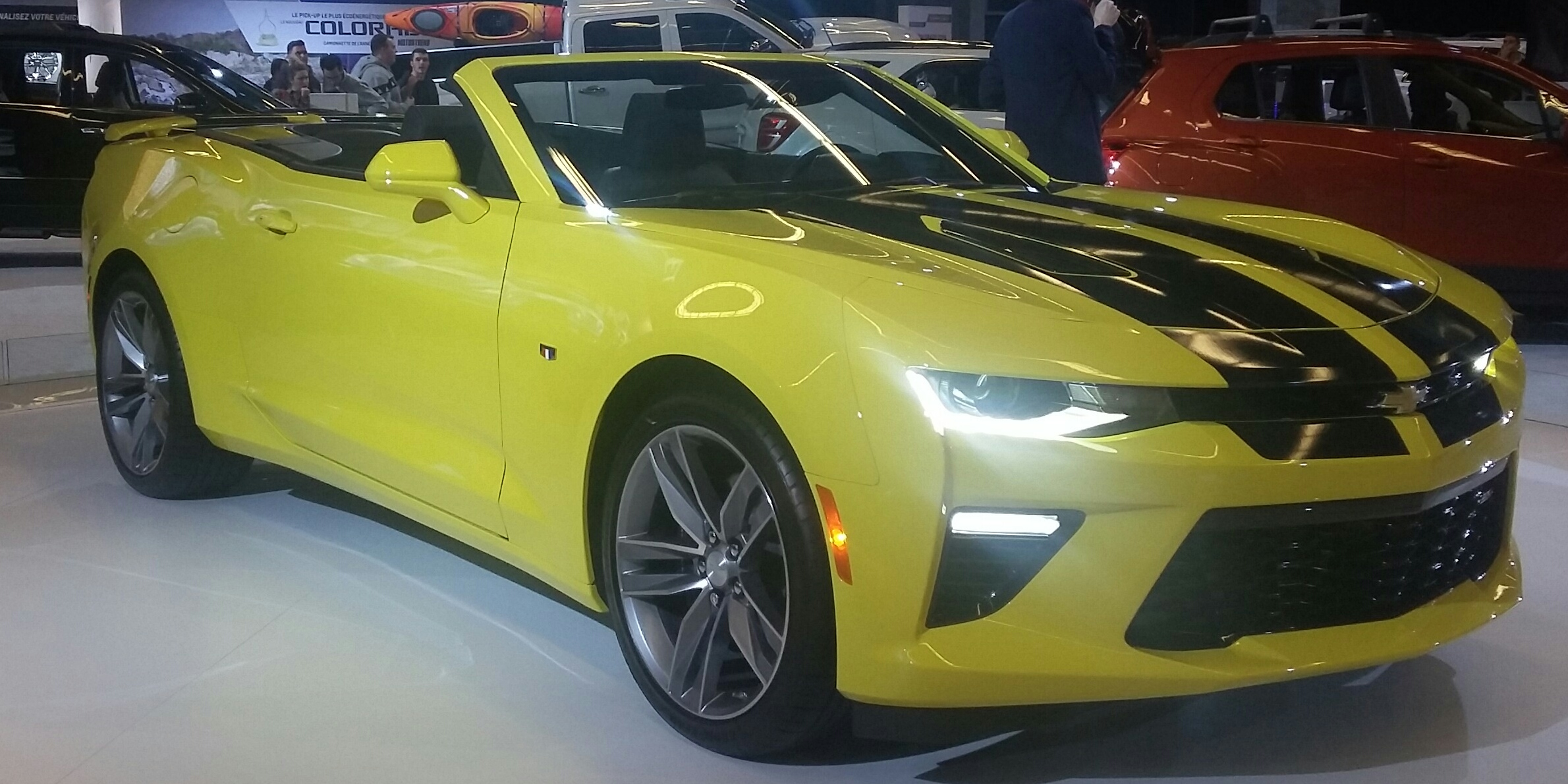
Camaro
"People are still coming up to me and say, remember that time [3712.8s] we were in your Camaro doing 100 and I'm not surprised we were doing 100."
A Camaro is a classic American muscle car made by Chevrolet. Here it’s mentioned because the speaker and friends were driving it around back when they were younger.
The Chevrolet Camaro is a long-running American muscle car, known for its V8 power and strong aftermarket support. In this segment, it’s used as a time capsule for high-school-era street driving stories.
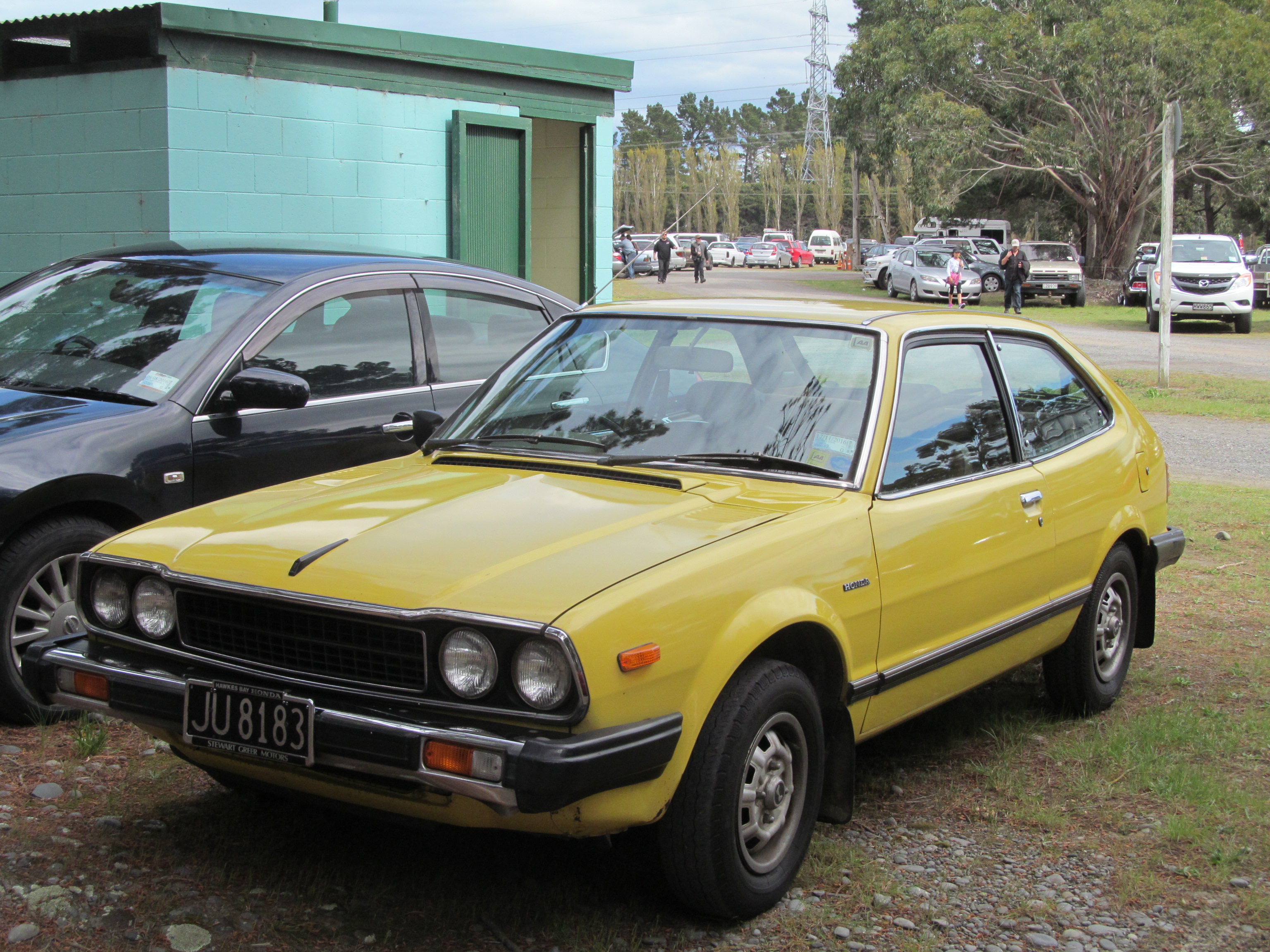
Accord
"[3741.7s] I mean, just a standard Accord has the same power as a performance car in the early 60s. [3747.1s] Oh, yeah, it's just it's it's crazy."
The Honda Accord is a regular everyday car. The speaker is saying that today’s Accord has enough power to feel like older performance cars used to.
The Honda Accord is a mainstream family sedan, and the point here is that even a “standard” modern Accord can make power comparable to older performance cars. The host uses it to illustrate how horsepower has grown over time.

65 Stingray
"[3749.4s] I have a 65 Stingray with an L79. [3752.9s] So it's a 327 350 horse close ratio four speed knockoffs inside pipes."
A 1965 Stingray is a classic Corvette, a famous American sports car. The speaker is talking about his specific one and what makes it special under the hood and in how it drives.
The Chevrolet Corvette Stingray (C2-era) is a classic American sports car known for its iconic styling and V8 performance. Here, the host specifies a 1965 Stingray and then gets very detailed about the engine and drivetrain, which is the real enthusiast point of the segment.
L79
"[3749.4s] I have a 65 Stingray with an L79. [3752.9s] So it's a 327 350 horse close ratio four speed knockoffs inside pipes."
L79 refers to a specific Chevrolet small-block V8 engine option (a high-performance 327) used in mid-1960s Corvettes. It’s a factory performance package designation, so it signals a more aggressive engine than a base 327.
327
"[3752.9s] So it's a 327 350 horse close ratio four speed knockoffs inside pipes. [3758.6s] Cool car sounds cool."
The 327 is the engine’s size—how much air and fuel it can move—measured in cubic inches. Here it’s the 327 V8 in the Corvette, and the speaker says it’s the higher-output version.
The “327” is Chevrolet’s 327 cubic-inch V8 displacement, a popular mid-1960s engine size. In this segment it’s paired with “350 horse,” indicating a specific high-output configuration rather than just the engine family.
close ratio four speed
"[3752.9s] So it's a 327 350 horse close ratio four speed knockoffs inside pipes. [3758.6s] Cool car sounds cool."
“Close ratio” means the gears are spaced closer together, so the engine doesn’t drop too far between shifts. With a four-speed, it helps the car feel punchier when you’re driving hard.
A close-ratio four-speed transmission uses gear ratios that keep the engine closer to its power band between shifts. That makes the car feel quicker and more responsive, especially during spirited driving.
knockoffs
"[3752.9s] So it's a 327 350 horse close ratio four speed knockoffs inside pipes. [3758.6s] Cool car sounds cool."
Knockoffs are a special way performance wheels can be mounted and removed quickly. They’re often seen on older race-inspired cars and look very “serious.”
Knockoffs are a type of wheel attachment used on some performance cars, where a hammering action “knocks off” the wheel’s retaining mechanism for quick removal. They’re associated with motorsport-style wheels and a more hardcore, period-correct look.
inside pipes
"[3752.9s] So it's a 327 350 horse close ratio four speed knockoffs inside pipes. [3758.6s] Cool car sounds cool."
“Inside pipes” is about how the exhaust is routed on the car. The speaker is basically saying the exhaust setup makes it sound especially loud and aggressive.
“Inside pipes” likely refers to an exhaust setup where the pipes are routed in a way that’s characteristic of certain Corvette exhaust configurations (often associated with more aggressive sound and packaging). In this context it’s part of the car’s overall “rowdy” sound.
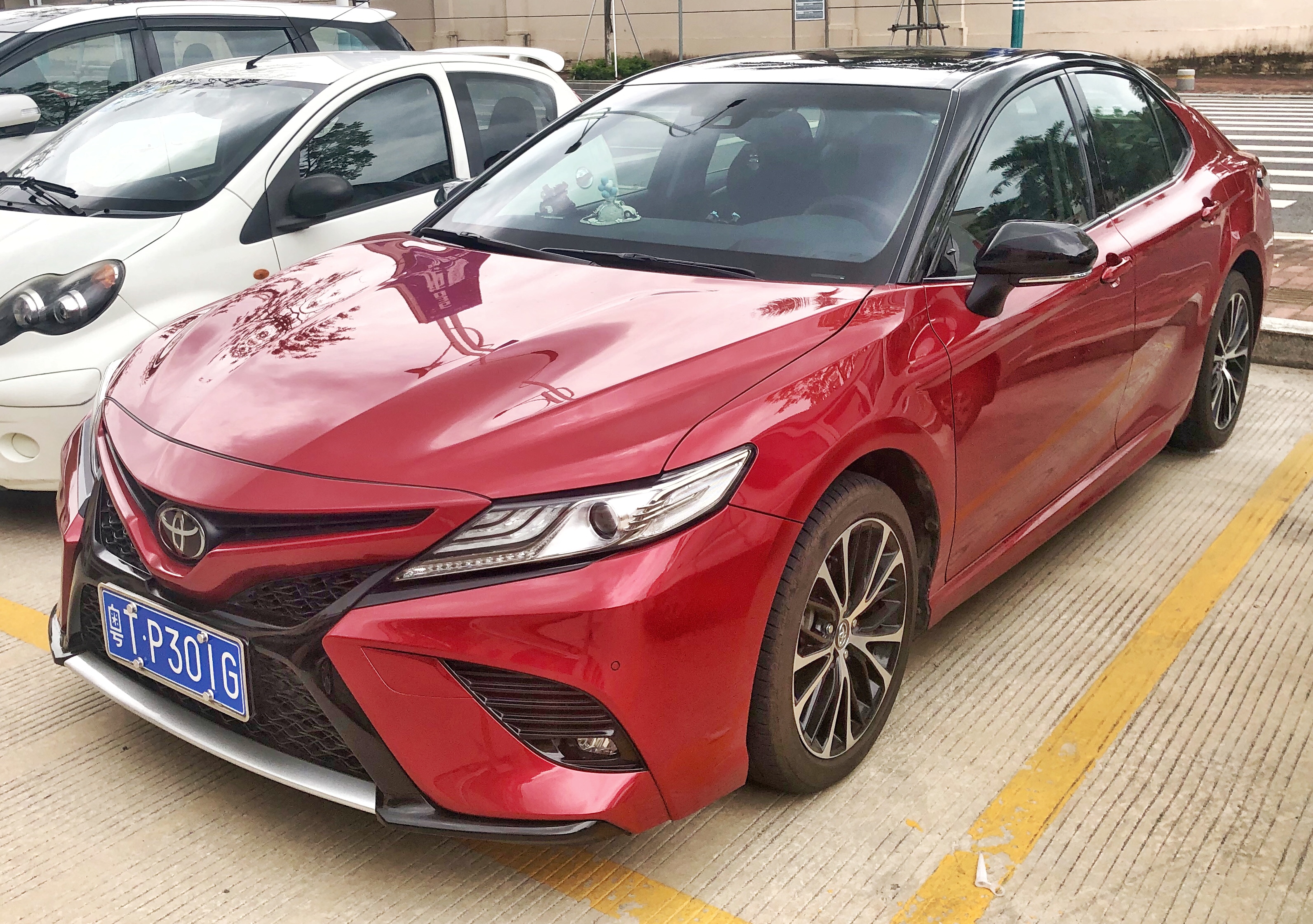
Toyota Camry
"I know full well a new Camry with a V6 would stomp the crap out of me on that thing."
A Toyota Camry is a regular everyday car. The “V6” means it has a bigger six-cylinder engine, which usually makes it feel quicker than smaller engines.
The Toyota Camry is a mainstream midsize sedan, and the “V6” version uses a six-cylinder engine instead of the more common four-cylinder options. In the context of this discussion, the host is comparing how a modern Camry’s power would feel versus an older car on a specific track or situation (“on that thing”).
pulled over
"You know, you got pulled over. That's true."
“Pulled over” means the police stopped the car and told the driver to pull to the side of the road.
“Pulled over” refers to when police stop a vehicle by directing the driver to pull to the side of the road. It’s a common setup for roadside enforcement, like checking for impaired driving.
smelled like beer
"You got pulled over and you smelled like beer. The cop made you pour it out on the ground or give it to him so he could drink it later."
The host is saying the driver smelled like alcohol, which can lead police to treat it like a drunk-driving situation.
“Smelled like beer” is a lay description of suspected alcohol impairment during a traffic stop. It’s used here to explain why the driver faced consequences and why the police handled the situation as a potential drunk-driving case.

Volkswagen Bus
"It's it's like a VW bus. Well, it's a it's got VW bus and it's got the Ch..."
The Volkswagen Bus is a van made by Volkswagen that’s designed to carry people or cargo. It has a recognizable, boxy shape. The podcast uses it as a comparison to describe what another vehicle looks like.
The Volkswagen Bus is a classic van platform known for carrying people and cargo, with a distinctive boxy shape that became iconic. It’s frequently discussed because it’s strongly associated with road trips and practical everyday use. In the podcast, it’s referenced directly as “like a VW bus,” suggesting the speaker is describing a vehicle’s look or layout.
crumple zone
"Jesus, you are the crumple zone. And that's, that's horrific."
A crumple zone is a part of the car that’s designed to crumple in a crash. It’s meant to soak up crash energy so the people inside get hit with less force.
A crumple zone is an engineered area of a car designed to deform in a crash. That controlled deformation helps absorb energy and can reduce how much force reaches the passenger compartment.
suicide style
"You know, I can kind of, and it does have front doors on it, but they, it's, they open suicide style and then the back doors are the same refrigerator doors."
A “suicide door” is a door that opens from the back hinge instead of the front. It used to be considered risky if the latch failed, but modern cars use safer latches.
“Suicide doors” are doors that hinge at the rear (so they open opposite the usual direction). They’re called that because historically they could be dangerous if a latch failed, though modern versions use stronger latching and safety design.
detent
"They do, which means if you open them both at the same time, there's probably some detent that keeps you from opening them both at the same time and smacking them together."
A detent is a mechanical “click-stop” that holds something in a specific position. Here, the speaker is describing a feature that likely prevents opening both doors at once so they don’t slam into each other.
four cylinder inline
"So the driver's side is, is a suicide door, which is both accurate. But it, it is a four cylinder inline auto OTT O auto cycle, 633 cubic,"
A “four cylinder inline” engine means there are four engine cylinders lined up in a row. It’s a common engine layout and helps determine how the engine runs and feels.
A “four cylinder inline” engine has four cylinders arranged in a single straight line. This layout is common because it’s compact and straightforward to build, and it affects how the engine’s balance and vibration characteristics feel.
21 horsepower
"633 CC engine producing 21 horsepower. Wow. 21."
Horsepower is a way to describe how much power the engine makes. “21 horsepower” means the engine is putting out very little power compared with most modern cars.
Horsepower is a measure of how much power an engine can produce. In this context, the speaker is emphasizing how low-output the engine is—only about 21 hp—making the car feel very slow by modern standards.

1960 Fiat Multipla
"It, it sounds like they made them, made them a little bit bigger and a little bit faster and then made taxis. Yeah. 1960 Fiat Multipla that was, I see one."
The Fiat Multipla is an unusual Italian car that’s famous for being boxy and different-looking. Here, the host is talking about the 1960 version and pointing out that it had a tiny engine and low power.
The Fiat Multipla is a quirky Italian microcar/people-mover known for its unusual, boxy layout and distinctive door configuration. In this segment, the host ties the discussion to a 1960-era Fiat Multipla, highlighting its very small-displacement engine and low power output.
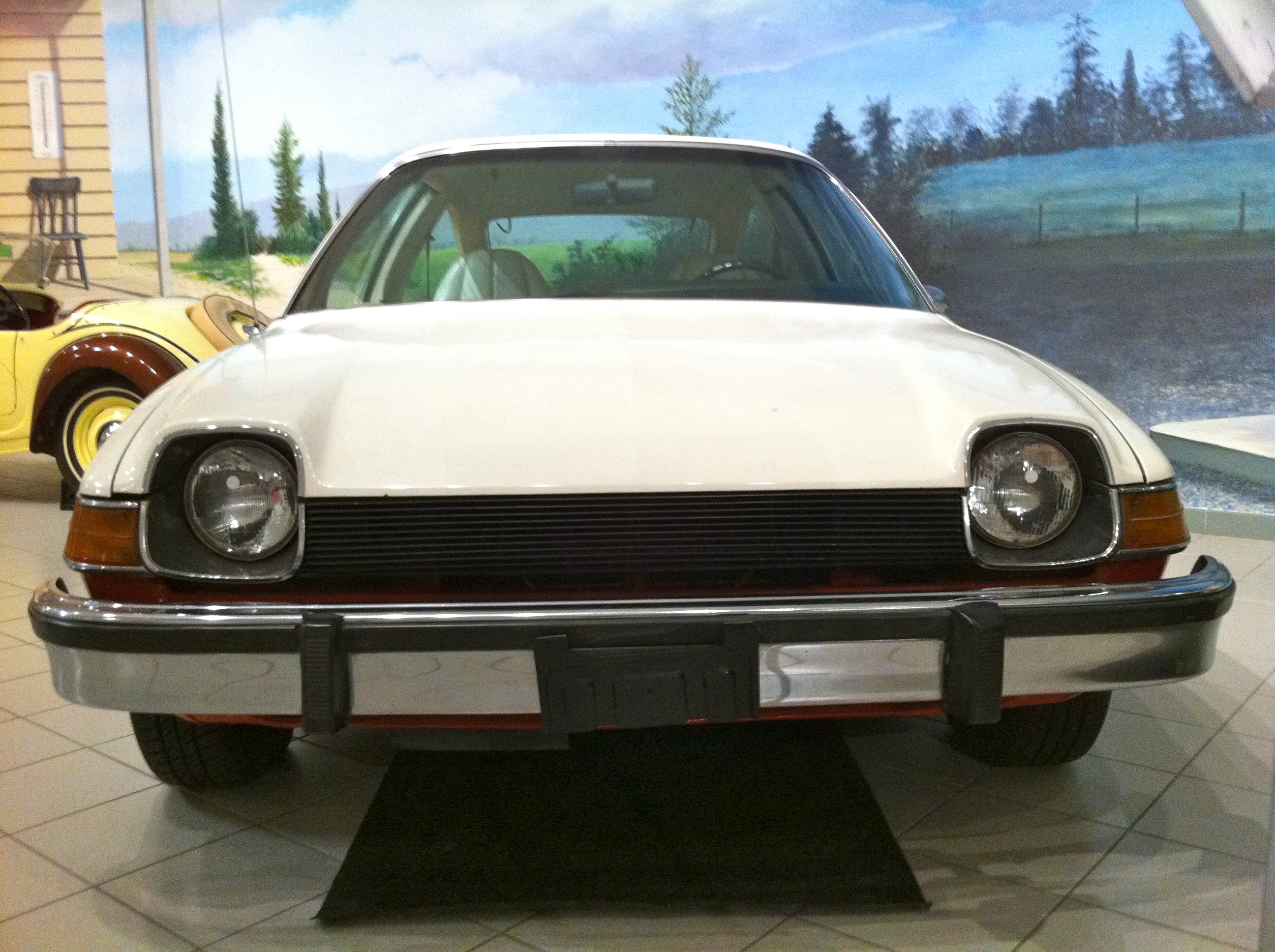
AMC Pacer
"Yeah, oh yeah. Oh wow, it looks like an Italian pacer. It looks like a vacuum."
The AMC Pacer is a compact car made by AMC. It stands out because its shape and design are very unusual compared to most cars. The podcast mentions it to describe how it looks, using playful comparisons.
The AMC Pacer is a compact car from American Motors Corporation (AMC) known for its unusual, rounded styling and distinctive proportions. It’s often remembered because it looks unlike most cars from its era, which makes it a frequent subject in “odd car” stories. In the podcast, it’s described as looking “like an Italian pacer” and “like a vacuum,” emphasizing its distinctive appearance.
70 liter fuel tank
"Oh my God, 70 liter fuel tank. You know, we were going to wrap up the show and thank Joe for being on,"
The fuel tank is where the car stores gas. A 70-liter tank means it can hold a lot of fuel, so you can drive longer before needing to stop for gas.
A fuel tank is the reservoir that stores gasoline or other fuel for the engine. A 70-liter tank is a large capacity, which typically supports longer driving range or endurance-style use without frequent refueling.
6.4 liter V8
"Are you kidding me? 6.4 liter V8, 659 horsepower and American. Taken from a wrecked Corvette C706."
A “6.4 liter V8” is an engine with 8 cylinders shaped like a V. The 6.4 liters is the engine’s size, and bigger engines often make more power.
“6.4 liter V8” describes an engine with eight cylinders arranged in a V configuration, with a total displacement of 6.4 liters. Displacement is a key factor in how much air/fuel the engine can move, which strongly influences potential power output.
Chevrolet Corvette
"6.4 liter V8, 659 horsepower and American. Taken from a wrecked Corvette C706. Advertised at 1,000 horsepower engine delivered at the Dyno 1294."
A Corvette C706 is a Corvette race-car project. Here, they’re saying the engine they’re talking about came from a wrecked Corvette C706.
The Corvette C706 refers to a racing Corvette prototype/competition car lineage. In this segment, it’s mentioned as the donor wreck from which a V8 making 659 horsepower was taken, highlighting how vintage race cars can be cannibalized for high-output builds.
Dyno 1294
"Taken from a wrecked Corvette C706. Advertised at 1,000 horsepower engine delivered at the Dyno 1294. All about coulda."
A dyno is a machine used to measure how much power an engine makes. “Dyno 1294” likely refers to the specific dyno/test setup where they got the power number.
A dyno is a dynamometer test stand that measures engine power (often horsepower) under controlled conditions. “Dyno 1294” sounds like a specific dyno unit or test setup identifier used to report the engine’s output.
Request an Explanation
Heard something you'd like explained? We'll add it to this episode.
Sign in to request explanations for terms you heard.
Want to learn more?
Browse our glossary for plain-English explanations of automotive terms, jargon, and concepts.
Help improve this episode
See something that's not quite right? Our annotations are AI-generated and can sometimes miss the mark. Click the flag icon on any annotation to suggest a correction.
1 community members have helped improve this episode.