
Driven Radio Show #359: John Ficarra of Ficarra Classic
About this episode
The hosts kick off with quick studio banter, then jump into classic-car shopping and reliability talk, including a jerky test drive from a driver unfamiliar with a five-speed. John Ficarra of Fakara Classic takes center stage: his background spans building/racing in 24 Hours of Lemons, researching/restoring/marketing cars, and even an illegal cross-country cannonball run. The conversation then zooms into shop work—custom fabrication, laser rust removal, and auction/concours culture—before ending with where to find John online.
Hosted on Acast. See acast.com/privacy for more information.

Toyota RAV4
"...ing now for a lazy man's good ride. I'm running a RAV4 of some sort. We had one for years."
The RAV4 is a compact SUV made by Toyota. It’s designed to be an everyday vehicle that’s comfortable and easy to use. The podcast is saying they’ve owned one for a long time because it’s a convenient ride.
The Toyota RAV4 is a compact crossover SUV that’s known for being practical and easy to live with. The podcast mentions running a RAV4 “for years” as a “lazy man’s good ride,” which points to it being a dependable daily driver. It’s discussed because the RAV4 is a common choice for straightforward transportation.

Mazda CX-5
"And it seems like Mazdas have kind of risen in, they can compete. The little CX. With the reliability. Yeah, the CX-5s."
The Mazda CX-5 is a small SUV/crossover. In this part, they’re comparing how reliable it’s been versus the Toyota RAV4 and mentioning that both have had their own issues.
The Mazda CX-5 is a compact crossover SUV, and the speaker is using it as a reliability comparison point. They mention the CX-5s alongside the RAV4 and talk about how each model has different problem areas and recall counts.

MX-5
"Like there was one year, I think, it was a 2015, 2017, MX-5 versus a RAV4. And the RAV4 had like 11 recalls. And the MX-5 had."
The Mazda MX-5 is a small two-seat sports car (a Miata). They’re comparing it to the RAV4 by talking about how many recalls each had in a specific year range.
The Mazda MX-5 (Miata) is a lightweight, fun-to-drive roadster, and here it’s being compared directly to the Toyota RAV4 on reliability/recall history. The speaker claims that in a certain model year range, the MX-5 had fewer recalls than the RAV4.
recalls
"And the RAV4 had like 11 recalls. And the MX-5 had. The RAV4 had recalls. Yeah. Yeah, they do."
A recall is when a car company admits there’s a problem and offers a fix. The host is mentioning how many recalls different cars had to compare their track records.
A recall is when a manufacturer notifies owners and fixes a safety or compliance problem in a vehicle. In this segment, the host uses recall counts as a proxy for how troublesome different models have been over certain years.

Mercedes GLK 350
"I'm still trying to convince you of the absolute perfection that is a Mercedes GLK 350. A 2015 Mercedes GLK 350 with 47,000 miles on it. Yeah. A little white one with a tan interior and ice cold air."
This is a Mercedes-Benz SUV called the GLK 350. The host is saying the one they’re looking at (a 2015) is in great shape and the air conditioning works really well.
The Mercedes GLK 350 is a compact luxury SUV from Mercedes-Benz known for its upright, practical shape and comfortable daily-driving feel. In this episode it’s specifically a 2015 Mercedes GLK 350, and the host highlights it as being in excellent condition with 47,000 miles and “ice cold” air conditioning.
six-cylinder
"I have been really impressed. It's a six-cylinder. But like just today in traffic, I had to put my foot"
A six-cylinder engine means the car has six combustion chambers. More cylinders can help the car feel smoother and give stronger acceleration when you press the gas.
A six-cylinder engine has six cylinders working together to produce power. Compared with smaller engines, it often provides smoother acceleration and stronger low-to-midrange pull, which is why the host links it to the car feeling “zippy” in traffic.

Thunderbird
"Just when I said I wouldn't pick on you about your Thunderbird. [328.6s] Oh, the Thunderbird, yeah. [330.0s] The Thunder Turd."
A Thunderbird is a Ford car model. They’re joking that it’s broken—basically calling it “Thunder Turd”—as part of the discussion about cars that aren’t running.
The Ford Thunderbird is a classic personal-luxury car from Ford, especially associated with mid-century and later “big American” styling. In this segment, it’s referenced as a broken project (“your Thunderbird”), and the nickname “Thunder Turd” adds to the humor around keeping older cars alive.
hot rod
"I'm scrolling through Facebook Marketplace looking for, looking for your next hot rod purchase."
A “hot rod” is a car that someone has modified to be more fun—usually for looks and driving. It’s often an enthusiast project rather than a completely stock car.
A “hot rod” is a car that’s been modified for a more exciting look and feel—often with engine, suspension, or drivetrain changes. In classic-car circles, it usually implies a hands-on, enthusiast-built style rather than a stock factory configuration.

Chevrolet Chevelle
"... for your next hot rod purchase. Ooh, look at the Chevelle. That'll be a little down the road."
The Chevelle is an older muscle car made by Chevrolet. People often buy them to restore them or modify them into hot rods. The podcast is saying it might be a future purchase.
The Chevrolet Chevelle is a classic American muscle car that’s popular with hot-rodding and restoration communities. The podcast mentions it as a “little down the road” for a future hot rod purchase, which signals it’s on the radar as a potential project. It’s discussed because the Chevelle is a well-known platform for customization and classic-car value.
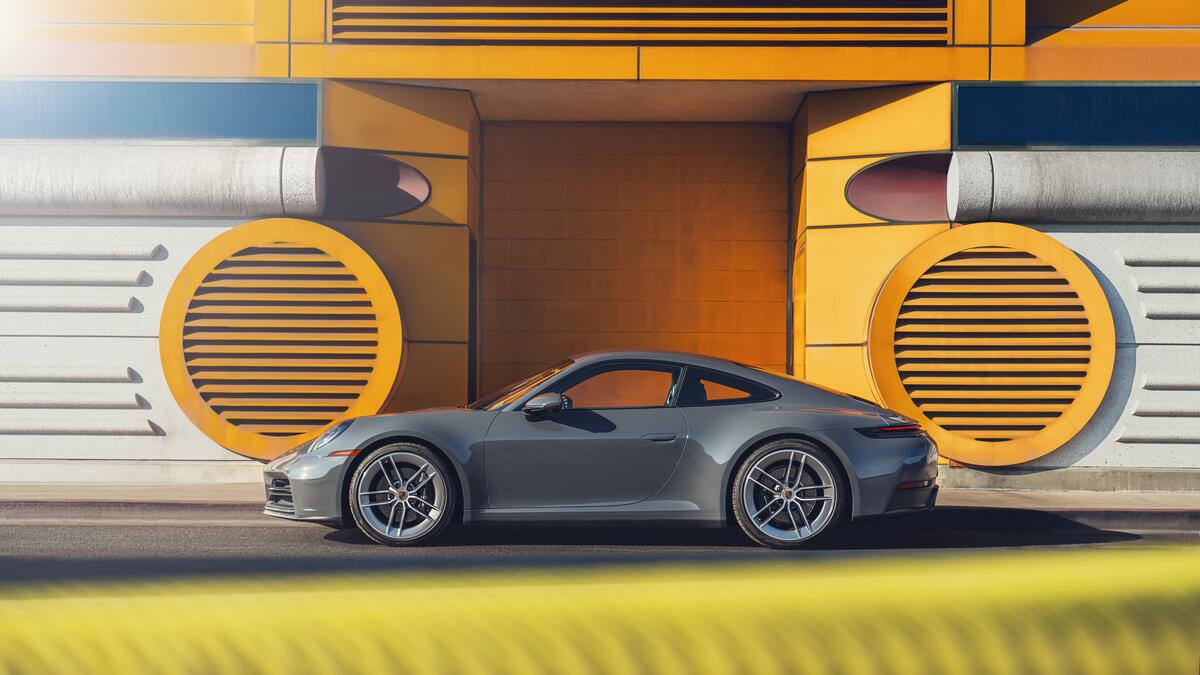
Porsche 911
"...we had you on last? How is the Rocky Aoka Portion 911 limo progressing? The Rocky Aoki machine is kind ..."
The Porsche 911 is a sports car made by Porsche. It’s known for its classic look and strong performance. In the podcast, it’s mentioned as part of a special “limo” style build.
The Porsche 911 is a rear-engine sports car famous for its distinctive shape and long production history. The podcast references a “911 limo” project, which highlights how the 911’s platform can be adapted for unusual builds. It’s discussed because the 911 is both a performance icon and a popular base for custom or specialty vehicles.
dragster
"Let's kind of dragster. Yeah, that stuff. He he built a dragster floor for it."
A dragster is a race car built for drag racing—mostly going fast in a straight line. In this conversation, they’re using that style of floor/structure for a custom build.
A dragster is a purpose-built race car designed specifically for straight-line acceleration in drag racing. The “dragster floor” reference suggests the build is using a drag-racing-style chassis/floor structure to package parts and controls efficiently.

Cadillac V16
"and I'm going to put a video out on my channel about this, a local guy. I was I have this crazy V 16 engine I'm working on. And the shop that it was at was doing it called me up and they go,"
A Cadillac V16 refers to an old Cadillac with a very unusual engine that has 16 cylinders. Engines like this are rare and take special work to build or repair. The podcast is talking about someone working on one and getting updates from a shop.
The Cadillac V16 is a rare, high-end engine configuration Cadillac built in the early 20th century, known for its smoothness and complexity. The podcast references a local guy working on a “crazy V16 engine” and a shop that called him about it, which highlights the kind of specialized restoration or engineering work these engines require. It’s discussed because the V16 is a historic engineering milestone and a major collector interest.
laser cleaners
"they go, there's a guy over here with laser cleaners [788.5s] because they do four by fours covered in rust and junk."
Laser cleaning is a way to remove rust and grime using a focused beam of light. Instead of sanding or blasting, the laser targets the dirty surface and leaves the metal underneath cleaner. It’s often used in restorations to avoid damaging the surrounding metal.
Laser cleaning is a method of removing rust, paint, and other surface contamination using a focused laser beam. In restoration work, it can strip corrosion from metal surfaces without aggressive blasting, which helps preserve surrounding material. Here it’s being used on car frames and other rusted parts.
pulse laser
"The smaller ones, a pulse laser, the big ones, continuous. And they're taking the rust off the frames of these cars."
A pulsed laser sends energy in quick bursts. That can help control how much heat goes into the metal, which can be safer for delicate surfaces. The idea is to clean without cooking or warping what’s underneath.
A pulsed laser delivers energy in short bursts rather than a continuous stream. That pulsing can help control heat input and reduce the chance of damaging the underlying metal or nearby coatings. The host contrasts pulsed operation with continuous output for different cleaning needs.
rust
"and they're just ripping the rust right off the chassis down to the metal. [815.4s] Perfect. Removes no steel."
Rust is the corrosion that happens when metal gets exposed to water and air. On cars, it can eat into steel and spread, so people try to remove it before repainting or sealing.
In car restoration, “rust” refers to iron oxide that forms when steel is exposed to moisture and oxygen. It can spread under paint and trim, so removing it down to clean metal is often the goal before repairs or coatings.
wire wheel
"We're going to do some kind of deal where I get one at the shop because all the years of using a wire wheel, like we've all done the wire wheel thing, right?"
A wire wheel is like a spinning metal brush. People use it to scrub rust off metal, but it can also be rough on other materials you want to keep.
A wire wheel is a rotating brush made of metal wires, used to scrub rust and old coatings from metal surfaces. It’s effective but can be aggressive, often leaving you fighting to avoid damaging nearby sealants or coatings.
seam sealer
"It doesn't bother like you can you can change the settings on it so it doesn't bother the like the sealer, the seam sealer. And of course, he uses a seam sealer because it's just basically spot welded together."
Seam sealer is a sealant put between car body panels. It helps keep water out of the seams so they don’t rust from the inside.
Seam sealer is a protective sealant applied along body panel seams to block water and corrosion. Because it’s often used where panels are spot-welded together, rust removal methods need to avoid destroying it so the joint stays sealed.
spot welded
"And of course, he uses a seam sealer because it's just basically spot welded together. Yeah."
Spot welding is a body-assembly method where two metal sheets are joined by localized weld “spots,” typically in a grid along seams. In car bodies, those spot-welded joints are commonly covered with seam sealer to prevent moisture from getting into the seam.
laser welder
"[1123.8s] And for most, a lot of it is, but this was like, it's, this is real. [1127.8s] And he's going to bring over next week. [1130.8s] He's got one of those laser welders."
A laser welder uses a laser beam to melt metal and join it. It’s a precise way to weld that can help avoid warping thin sheet metal during restoration.
A laser welder uses a focused laser beam to melt and fuse metal with high precision. In classic-car restoration, it can be used to make very small, controlled welds with less heat distortion than many traditional methods.
MIG welder
"[1136.8s] I, I, the laser welder. [1141.8s] You can throw your mig welder away and a TIG welder as well. [1145.8s] You can put, you can cut a soda can in half, put it together and weld it back together."
A MIG welder is a common type of welding that feeds a wire into the weld and uses gas to keep the weld clean. It’s great for many jobs, but some restoration tasks prefer more precise heat control.
A MIG welder (Metal Inert Gas) uses a continuously fed wire electrode and a shielding gas to protect the weld from contamination. It’s common in fabrication and can be fast, but it may introduce more heat than some precision processes used for delicate restoration work.
TIG welder
"[1136.8s] I, I, the laser welder. [1141.8s] You can throw your mig welder away and a TIG welder as well. [1145.8s] You can put, you can cut a soda can in half, put it together and weld it back together."
A TIG welder is a precise welding method that uses a tungsten tip and shielding gas. It’s often used when you want clean, careful welds—especially on thinner metal.
A TIG welder (Tungsten Inert Gas) uses a non-consumable tungsten electrode and shielding gas to produce very controlled, high-quality welds. Because it’s precise and typically puts heat in a more controlled way, it’s often favored for thin metal and detailed restoration repairs.
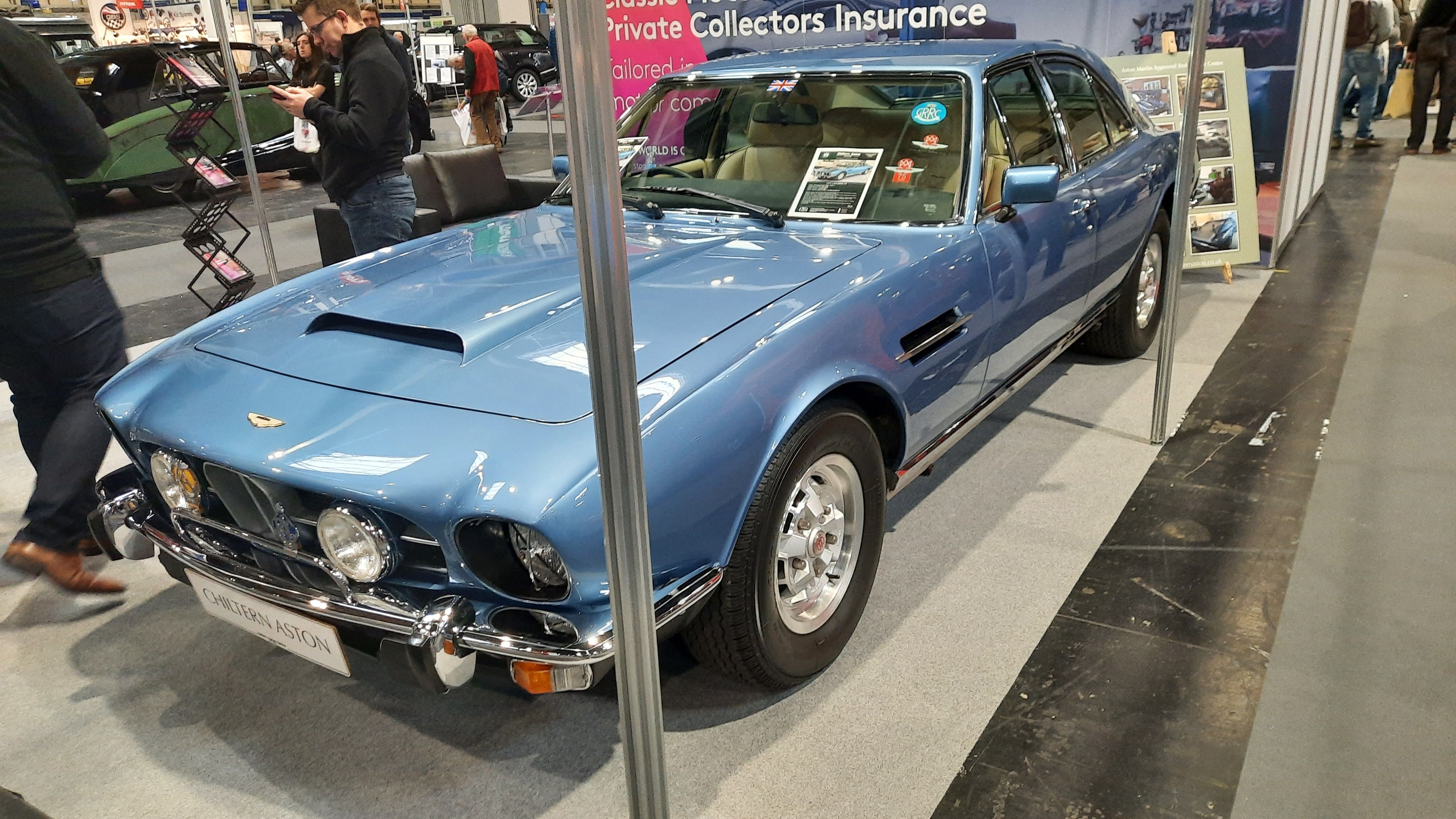
Aston Martin Lagonda
"So there is 82 Aston Martin Lagonda, which was the first car ever with a digital dashboard. Yeah. And they redid the dash and the paint before they put it into the French National Automobile Museum"
The Aston Martin Lagonda is a famous Aston Martin model, and this one is talked about because it had an early digital dashboard. The episode also explains that even though it had a modern-looking dash, the engine setup was still using carburetors at the time.
The Aston Martin Lagonda is notable for early adoption of a digital dashboard—this particular car is described as the first Aston Martin Lagonda with a digital dash. In the segment, the host also connects that dashboard revamp to the car’s older fueling setup, including carburetors, and later discusses how fuel injection arrived later for emissions purposes.
digital dashboard
"So there is 82 Aston Martin Lagonda, which was the first car ever with a digital dashboard. Yeah. And they redid the dash and the paint before they put it into the French National Automobile Museum"
A digital dashboard is the instrument panel that uses screens and electronics instead of classic needle gauges. It’s a big deal because it was an early example of that kind of modern display in a car.
A digital dashboard replaces traditional analog gauges with electronic displays. In this context, the Aston Martin Lagonda is described as the first car ever with a digital dashboard, making it a technology milestone rather than just a styling change.
carbs
"Okay, all functions. What it needed was the carbs redone. It's got four dual-throat webbers on it."
“Carbs” are carburetors, which are parts that help mix fuel and air for the engine. If the carbs are worn or out of spec, the car can run poorly, so they may need rebuilding.
“Carbs” is short for carburetors, devices that mix fuel and air before it enters the engine. The segment notes that the Lagonda “needed the carbs redone” and that it has “four dual-throat webbers,” tying the fueling system to drivability and performance.
fuel injection
"So fuel injection at that time for the British at least wasn't going to happen. They got into the fuel injection mid-80s. So I think 83 or 84."
Fuel injection is a system that sprays fuel into the engine using valves and sensors, rather than using carburetors. In the 1980s, many cars used it mainly to meet emissions rules, not to make them faster.
Fuel injection delivers fuel to the engine using electronically controlled injectors instead of carburetors. The host explains that in the late 1970s/early 1980s, British cars didn’t adopt it immediately, and later it was used heavily in the mid-80s—often more for emissions compliance than for performance.
smog
"It was primarily they put it on the car for smog rather than anything else. Oh, okay. Alrighty."
Here, “smog” means pollution that governments tried to reduce with stricter rules. The host is saying that many cars added fuel injection mainly to pass those emissions requirements, which sometimes hurt performance.
In this context, “smog” refers to air-pollution regulations that forced automakers to change engine calibration and fueling strategies. The segment specifically claims that fuel injection in the 1980s was often installed primarily to reduce emissions, and that this could make cars slower.
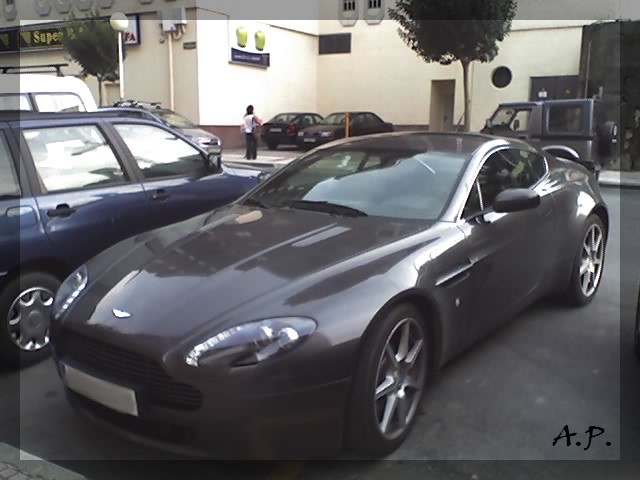
Aston Martin V8
"...ars got slower. Like the the carb version of that Aston Martin V8 made more power with the webbers than it did with..."
The V8 Vantage is a sports car made by Aston Martin. It’s powered by a V8 engine and is built for performance driving. The podcast is talking about how changing the carburetors can change how much power it makes.
The Aston Martin V8 Vantage is a performance sports car from Aston Martin, known for its V8 power and grand-touring character. The podcast references a carbureted version and compares power output when fitted with Weber carburetors, which points to how tuning changes can affect performance. It’s discussed because it’s a classic enthusiast car where engine setup details matter.
bench flow
"There's a few guys left where they will do everything. They have the old analog machines where they can bench flow them there."
“Bench flow” is like testing carburetor parts on a workbench to see how they flow fuel/air. It’s done so the carburetor will behave correctly once it’s installed on the engine.
“Bench flow” is a testing process where carburetor components (like jets and passages) are measured for how much fuel/air they flow under controlled conditions. It helps ensure the carburetor’s internal calibration matches the intended setup before installation.
carburetors
"He's like, you've done something wrong. He goes, call me before you mess up my carburetors because it is after he's done them."
Carburetors are the parts that mix fuel and air for the engine. Small adjustments matter a lot, so turning the screws too much can throw the setup off.
Carburetors are fuel-metering devices that mix fuel with incoming air before it enters the engine. The speaker emphasizes that turning the adjustment screws too far can “mess them up,” highlighting how sensitive carburetor calibration is.
tuning
"Sure enough, I got them on. I've started tuning them and they're all within a quarter of a turn of the screw."
Here, “tuning” means adjusting the carburetor settings so the engine gets the right fuel mixture. If it’s already close, you can make small changes instead of starting from scratch.
In this context, “tuning” means adjusting the carburetor settings (typically mixture and idle-related screws) to get the engine’s air-fuel ratio and throttle response correct. The host notes the screws were already very close, which makes fine-tuning easier and reduces the chance of chasing problems.
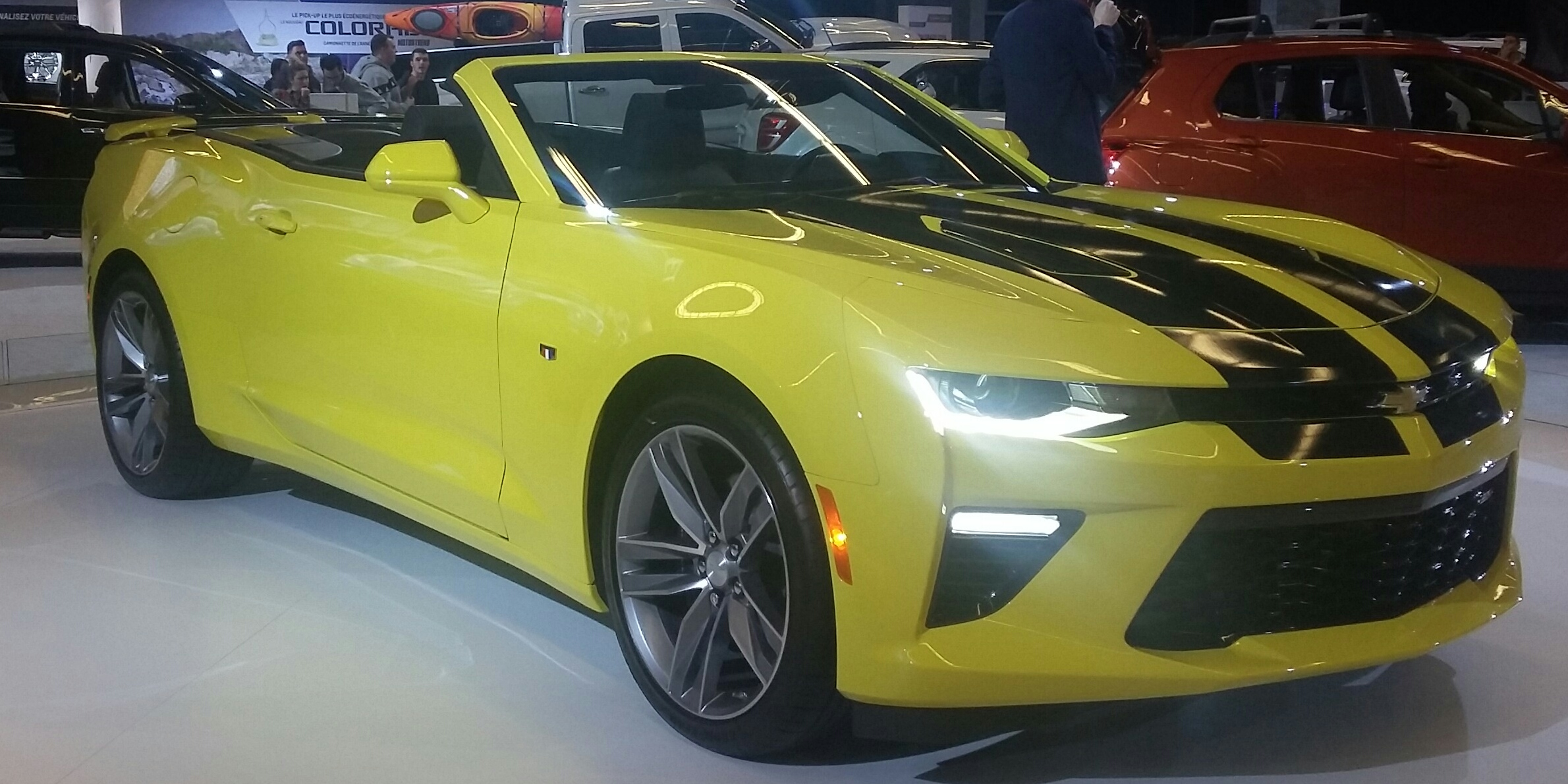
Chevrolet Camaro
"...you want to see it all in a simple thumbnail, 80s Camaro sell for more than 80s Corvettes. Period."
The Camaro is a muscle car made by Chevrolet. The podcast is talking about older 1980s versions and how they can be worth a lot to collectors. It’s mainly about resale value and what people want to buy.
The Chevrolet Camaro is a classic American muscle car that’s been produced in many generations, including the 1980s. The podcast notes that 1980s Camaros can sell for more than 1980s Corvettes, which points to how collector demand can vary by model and condition. It’s discussed because pricing and value trends are a big part of classic-car conversations.

Corvette
"And that's so strange to me, you know, especially being a giant Corvette nerd. But in high school, lots of guys wanted Irox because they seemed possibly achievable."
The Corvette is a famous American sports car from Chevrolet. It’s the kind of car a lot of car fans dream about, and here it’s used as the “big dream” compared to a cheaper alternative.
The Chevrolet Corvette is a long-running American sports car line known for its performance-per-dollar reputation and strong enthusiast following. In this segment, the host contrasts it with an “Irox/Irock” as a more “achievable” poster-car in high school.

Ferrari 360
"Like if I took the Lagonda to a show and I parked it next to whatever, you know, some bland Ferrari, like a 360 or something, nobody's going to look at the Ferrari."
The Ferrari 360 is a well-known Ferrari supercar. The host is basically saying that even a famous Ferrari might get less attention than a rare, weird-looking Lagonda.
The Ferrari 360 is a mid-engine Italian supercar model that’s widely recognized for its distinctive styling and enthusiast appeal. In this segment, it’s used as the “bland” comparison car—something that would normally draw eyes, but not as much as the host’s rare, loud Lagonda.
wedge sedan
"They're going to look at my crazy lime green wedge sedan they made 600 of. Yeah."
A “wedge” design means the car’s shape looks like a wedge—tall and narrow on top, wider near the bottom. The host is saying his Lagonda looks so unusual that people can’t ignore it.
A “wedge” design is an automotive styling shape where the car looks like a slanted wedge—typically wider at the base and tapering toward the top. In this segment, the host uses “wedge sedan” to describe a very distinctive, low, angular Lagonda that stands out at shows.
concours
"So they're not like concours done. They're done until you can take them on a thousand mile rally"
“Concours” is a fancy car show where people judge cars for being perfect and original. The point here is that these cars are meant to be driven, not just displayed.
“Concours” refers to concours d’elegance-style judging events where cars are evaluated for originality and immaculate condition. The host contrasts that with cars being built to be driven on long rallies rather than kept as showpieces.
rally lights
"He doesn't put bumpers on them. He just puts rally lights on them. They're all lots of fun."
Rally lights are extra headlights added to help you see better when driving off the usual well-lit roads. Here they’re saying the car is set up for real driving, not just looks.
Rally lights are auxiliary driving lamps mounted to improve visibility during rally-style driving, especially in low-light or unlit-road conditions. In the segment, the host says the builder doesn’t add bumpers, but does add rally lights—indicating a more functional, road-usable setup.

Porsche 356
"And it was a, you know, old 356 that Alan got. And there was a 914. And like the 356 has a 914 engine in it."
The Porsche 356 is an older Porsche sports car. It’s famous for being a classic, and in this story it’s one of the cars being mixed and sold as part of a collection.
The Porsche 356 is an early Porsche sports car known for its lightweight design and classic air-cooled flat-four layout. In this segment, it’s mentioned as part of a mixed collection where cars are being sold off and even swapped around in unusual ways.

Porsche 914
"And there was a 914. And like the 356 has a 914 engine in it. Like everything's kind of hodgepodgey together and weird."
The Porsche 914 is an older Porsche with a mid-engine layout. In this story, they’re talking about a 914 engine being put into a different Porsche, making the car unusual.
The Porsche 914 is a mid-engine Porsche from the 1970s, built as a more affordable entry into the Porsche lineup. Here it’s specifically referenced as an engine source—“a 914 engine”—being installed into a Porsche 356, creating a hybrid “hodgepodge” car.
delaminating
"Something's going to happen. Yeah. It's not delaminating because those old windshields will delaminate or I'm just crack."
Delamination means the windshield layers start to peel apart. When that happens, the glass can crack more easily and may not hold together the way it should. It’s something you can see more on older windshields.
In automotive glass, delamination is when the windshield’s layered construction starts to separate. That can lead to cracking, haziness, and eventual failure of the glass bond. It’s a common aging/wear issue on older laminated windshields.
analog flow benches
"Oh, he's, he's, he's awesome. And again, he's, he's a lot like Pierce where he's got the original flow, analog flow benches."
A flow bench is a tool for measuring how much fluid moves through a part. “Analog” here means it uses real gauges and dials instead of computer readouts, so the person can directly observe the flow.
An analog flow bench is a test setup used to measure fluid flow rates using physical gauges and dials rather than digital sensors. In the context here, it’s used to verify how fuel injection components deliver fuel by watching flow behavior in real time.
fuel ejection pump
"and they fill with this liquid and he puts the, the, the fuel ejection pump below it and it sucks the liquid in and pours it out the bottom and he just checks the flow"
This pump’s job is to move fuel and build pressure so the fuel system can deliver it properly. The key idea is that they test whether it’s pumping the right amount at the right rate.
A fuel ejection pump (in this context) is the pump that supplies pressurized fuel to the injection system. The host describes testing it by placing it below a reservoir so it can draw liquid in and deliver it, then checking the flow rate.
Analog fuel map
"It's anyway, he's brilliant. So I was down there with picking up that RSR pump and he's like, oh, it goes, I've shown you the, the, the big engine. I'm like, yeah, I've seen it before. He goes, come back on these like so I go in the back and this engine's been sitting in a shop for decades and it's massive. It's a V 16 out of a trawler. ... It's all, you know, wow, cool. Analog fuel map."
It’s a non-computer way to decide how much fuel the engine should get. The system uses physical parts that change the fuel amount as the engine runs, instead of using digital settings.
An analog fuel map is a mechanical (non-computer) way of determining how much fuel an engine gets. Instead of software tables, it uses physical shapes and linkages that change fuel delivery based on engine conditions like speed and throttle position.
turbo diesel
"It's a V 16 out of a trawler. Wind turbo diesel V 16. Oh, it's about it's about seven feet long and about three feet wide."
A turbo diesel is a diesel engine that uses a turbocharger to force more air into the cylinders. More air allows more fuel to be burned efficiently, which improves power and responsiveness compared with a non-turbo diesel.

Porsche Cayenne
"...o pick it up. So I brought my car trailer and the Cayenne pulling it and I figured, okay, you probably need..."
The Cayenne is a luxury SUV made by Porsche. An SUV is a bigger vehicle that can carry more people or gear. The podcast mentions it while towing a trailer, which is a real-world test of how well it can pull.
The Porsche Cayenne is a performance-oriented luxury SUV from Porsche. In the podcast, it’s mentioned in a practical scenario—using a Cayenne to pull a trailer—suggesting the owner was evaluating its capability for towing and real-world use. It’s discussed because the Cayenne is often chosen by people who want SUV practicality with stronger driving performance.
off-road recovery
"Hey, you've been doing some interesting stuff with the guys from Matt's off-road recovery. Tell us a little bit about that."
Off-road recovery means helping a vehicle get unstuck when it’s off the pavement and gets stuck in dirt, mud, or sand. People use tools and techniques to pull it out safely.
Off-road recovery is the process of getting a vehicle unstuck after it’s driven into conditions like mud, sand, snow, or ruts where it can’t move under its own power. It often involves traction aids, winching, and careful vehicle positioning to avoid damage.
cyber trucks
"just rescues cars in Utah from morons who get things stuck in cyber trucks that get stuck in side by sides that get stuck."
“Cyber trucks” means Tesla’s Cybertruck pickup. The host is saying people sometimes get them stuck off-road and then need help getting them out.
“Cyber trucks” refers to Tesla’s Cybertruck pickup, which is a battery-electric truck. In this segment it’s mentioned as the kind of vehicle that some people manage to get stuck off-road, prompting recovery videos.
side by sides
"from morons who get things stuck in cyber trucks that get stuck in side by sides that get stuck."
“Side by sides” are off-road vehicles with two seats next to each other, usually used on trails. They can get stuck in rough terrain, which is why recovery shows feature them.
“Side by sides” are off-road utility vehicles (often called UTVs) with two seats side-by-side and a roll cage. They’re commonly used on trails and farms, and they’re frequently involved in off-road “stuck” scenarios that require recovery.
cannonball
"And he wanted team cannonball because he, I did the cannonball of my 13 cannonballs. One of them was in a Buick Roadmaster station wagon."
A “cannonball” is a nickname for a super-fast long road trip where people try to set an extreme time. It’s more of a stunt than normal driving.
“Cannonball” refers to the informal, high-risk tradition of doing extremely fast long-distance drives—often across the U.S.—to beat time records. In this segment it’s used as a stunt label for the host’s and others’ extreme driving challenges.

Buick Roadmaster station wagon
"And he wanted team cannonball because he, I did the cannonball of my 13 cannonballs. One of them was in a Buick Roadmaster station wagon."
A Buick Roadmaster station wagon is a big American family car with a lot of space. Here it’s being used for a crazy long-distance stunt, not just everyday driving.
The Buick Roadmaster is a full-size American station wagon from Buick’s lineup, known for its big-body, family-car practicality with a classic 1970s-era vibe. In this story, it’s notable because the host mentions doing a “Cannonball” in it, which is an extreme long-distance stunt rather than normal family-wagon use.

Chrysler PT Cruiser
"...re were all kinds of vehicles out there. A lot of PT cruisers. There was a Mazda three."
The PT Cruiser is a compact car made by Chrysler. It has a unique, retro-looking design compared to many other cars. The podcast is just noting that there were many of them around.
The Chrysler PT Cruiser is a compact car with a distinctive retro-styled body. The podcast mentions “a lot of PT cruisers” among the vehicles they encountered, which suggests it was a common sight in that setting. It’s discussed because it’s a recognizable model that stands out visually and was widely produced.

Audi A4 Quattro
"There was a guy with a Audi A4 Quattro, which I knew was going to do horrible because Quattros don't like doing roundy round stuff."
They mean an Audi A4 with Quattro all-wheel drive. They’re saying that kind of setup may not be ideal for the type of track they were running.
An Audi A4 Quattro (Quattro) refers to the A4 with Audi’s all-wheel-drive system. The host claims it would do poorly for “roundy round” dirt-track style racing, highlighting how drivetrain and traction characteristics can matter for specific types of motorsport.
air box
"I knew a little bit about dirt track as far as like I knew to drill holes in the air box at the bottom of it so that dirt could fall out of the air box."
The air box is part of the engine’s air intake system. They drilled holes so dirt would drop out instead of getting sucked in and causing problems.
An air box (air intake plenum) is the enclosure that routes air from the intake into the engine’s intake system. The host mentions drilling holes so dirt can fall out, which is a common off-road/dirt-racing strategy to reduce clogging and keep the intake charge cleaner.
radiator
"Yeah. We had to clear as much of the radiator as possible because"
The radiator helps keep the engine from overheating. They’re saying they needed to make sure it had enough airflow while dealing with dirt and debris.
A radiator is the heat exchanger that cools engine coolant by rejecting heat to airflow. The host says they had to clear as much of the radiator as possible, which implies they were trying to improve airflow and cooling while running in harsh dirt conditions.

Chevy Lumina
"This was a tough, the Chevy Lumina, 91 Chevy Lumina tough car. Because in the end, other teams had to get spare cars by the end of it."
A Chevrolet Lumina is a regular family car from the 1990s. In this story, the host is saying it handled a rough, bumpy race course better than expected—without major damage.
The Chevrolet Lumina is a mid-size car from the 1990s, and this story highlights it as a surprisingly durable “tough car” in rough off-road-style conditions. In the segment, the Lumina survives repeated impacts from dirt ruts and cornering bumps without blowing a tire or breaking suspension.

Chevy Cavalier
"But the three cars, the two cars that finished was a Chevy Cavalier. Oh my God, really? Yeah."
The Chevrolet Cavalier is a compact car. In this segment, it’s mentioned because it was one of the very few cars that actually made it to the end of the run.
The Chevrolet Cavalier is a compact car that appears here as one of the only cars to finish the event. The host uses it as a comparison point to emphasize how few cars survived—only two finished under their own power, including the Cavalier.
Thunder Hill Raceway
"So they rented Thunder Hill Raceway here in California. Oh, wow. They were serious."
Thunder Hill Raceway is a real race track. The point is they didn’t just drive around—they did a serious track day there.
Thunder Hill Raceway is a road-course racing venue used for track days and motorsport events. Mentioning it signals that the cars were driven in a structured, performance-focused environment rather than just casually on public roads.
apexes
"So I said, I basically coached him for the first hour. Showing him how to go because he's an off-roader, right? So I'm showing him apexes and how to break and where to do things."
The apex is the closest point to the inside of a turn. Hitting the right apex helps the car stay grippy and go faster through the corner.
An apex is the point on a corner where a driver aims to be closest to the inside line. Coaching “apexes” is about choosing the best path through the turn to maximize grip and carry speed.
brake
"So I'm showing him apexes and how to break and where to do things. And very good student, very good guy, but he was obviously immensely overwhelmed."
They’re talking about braking—when and how hard to slow down for a corner. Doing it smoothly and at the right time helps the car turn without losing control.
In racing, “break” here is almost certainly “brake,” meaning the driver’s technique for slowing down before and while entering a corner. Proper braking timing and pressure are critical for staying balanced and not upsetting the car’s traction.
turbos
"We raced the 9 11 versus the Corvair's and the Corvair's were turbos. So they had a good chunk of power over the 9 11."
“Turbos” means turbochargers. They push extra air into the engine so it can make more power, which is why the Corvairs had an advantage.
“Turbos” refers to turbochargers, which force more air into an engine so it can burn more fuel and make more power. In this segment, the Corvairs being “turbos” is used to explain why they had a “good chunk of power” over the 911.
steering box
"And the steering is wickedly terrifying in that it's got a steering box instead of rack and pinion. So you can turn almost a quarter turn and nothing happens."
A steering box is the mechanism that turns your steering wheel into wheel movement. It can feel less immediate than some other steering designs, which can make a car harder to drive fast.
A steering box is a steering gear that converts the steering wheel’s rotation into the movement needed to turn the wheels, typically using a gear-and-sector mechanism. Compared with rack-and-pinion, it can feel slower or less direct, which matters a lot when you’re trying to place the car precisely for fast laps.
rack and pinion
"And the steering is wickedly terrifying in that it's got a steering box instead of rack and pinion. So you can turn almost a quarter turn and nothing happens."
Rack and pinion is a common steering design where turning the wheel moves a bar that turns the wheels. It usually feels more direct than a steering box.
Rack and pinion is a steering system where a toothed bar (the rack) moves left/right as the steering wheel turns a pinion gear. It’s often praised for quick, direct steering feel, which is why the host contrasts it with the Corvair’s steering box.
spool the turbo up
"And, you know, you trying to boost the kind of spool the turbo up as much as I could against the break, but I couldn't use second."
On a turbo car, “spooling” means the turbo is spinning fast enough to start pushing extra air into the engine. The faster it spools, the sooner you get that extra power.
“Spooling the turbo up” refers to building boost pressure in a turbocharged engine by accelerating the turbocharger until it reaches the speed where it can force more air into the cylinders. The host is describing how they were trying to get boost quickly while also dealing with braking and gear limitations.
SCCA
"then prepping them for SCCA and taking them out and running them."
SCCA is a big U.S. organization that runs amateur road racing and other track events. If they’re prepping cars for SCCA, it means they’re getting the car ready to race in an organized competition.
SCCA stands for the Sports Car Club of America, which organizes amateur and club-level road racing and autocross events in the U.S. Mentioning SCCA prep suggests the cars are being set up to compete in structured racing classes rather than just driving casually.
stage one
"Leno, I think, has one of the Yancos. Stage one, stage two and stage three."
“Stage one/two/three” is a way people describe upgrade levels. Higher stages usually mean more modifications and more power than the lower ones.
“Stage one,” “stage two,” and “stage three” are common performance-upgrade labels that usually correspond to increasing levels of engine and fueling modifications. Here, the speaker is talking about “Yancos” with multiple stages, implying progressively more aggressive tuning and power.
boost
"they talk about giddy up. Whoo. Yeah, they boost them and they go."
“Boost” is extra pressure from a turbo or supercharger that helps the engine make more power. More boost typically means the car feels quicker when you accelerate.
In turbocharged or supercharged cars, “boost” is the extra air pressure forced into the engine to increase power. The segment says “they boost them and they go,” linking boost to the cars’ acceleration and overall performance.

Corvair
"there's a lot of secret preparations going on to his Corvair. He's fixing everything that I suggested and he's doing some mods on it because he wants a rematch."
The Corvair is a classic Chevrolet with an unusual design compared to most cars. Here, they’re talking about turning one into a serious race car with upgrades so it can compete and potentially win a rematch.
The Chevrolet Corvair is a classic American compact that’s especially known for its unusual rear-engine layout. In this segment, it’s being prepped for SCCA-style racing and described as having “secret preparations” and mods, implying a performance build rather than a stock street car.

1970 Toyota Corona
"And and for the uninitiated remind them of the Suprona. [3924.8s] Suprona is a 1970 Toyota Corona with these front rear subframes from a"
The 1970 Toyota Corona is the “starting” car for a custom race build. The owner then mixes in parts from other Toyotas to make something unusual for racing.
The 1970 Toyota Corona is the base platform for the Suprona project. In this build, the host describes it as being combined with parts from other Toyota models to create a unique track car.

1989 Toyota Supra
"Suprona is a 1970 Toyota Corona with these front rear subframes from a [3924.8s] 89 Toyota Supra, Mark III Supra, and it's got a one JZ turbo engine and"
The 1989 Toyota Supra is being used as a parts source. In this project, pieces of its undercarriage help form the Suprona’s structure.
The 1989 Toyota Supra is referenced as a donor for the Suprona’s front and rear subframes. Using subframes from a different model is a major part of how this Frankenstein build gets its geometry and mounting points.
one JZ turbo engine
"Suprona is a 1970 Toyota Corona with these front rear subframes from a [3924.8s] 89 Toyota Supra, Mark III Supra, and it's got a one JZ turbo engine and"
A “1JZ turbo” means a Toyota 1JZ engine that’s been upgraded with a turbo. Turbos force extra air into the engine, which is how these builds can make a lot more power than stock.
A “1JZ turbo engine” refers to Toyota’s 1JZ inline-six family (from the JZ series) fitted with a turbocharger. This is a popular swap choice because the engine has strong aftermarket support and can make big power with the right setup.
T 56 transmission
"Suprona is a 1970 Toyota Corona with these front rear subframes from a [3931.8s] 89 Toyota Supra, Mark III Supra, and it's got a one JZ turbo engine and [3940.8s] T 56 transmission."
A “T56 transmission” is a six-speed manual gear box. People use it in swaps because it’s a well-supported transmission that can handle a lot of power.
The “T56 transmission” is a six-speed manual gearbox (commonly associated with the Tremec T56 family). In swaps, it’s often chosen because it can handle substantial torque and has a large parts ecosystem for shifters, clutches, and upgrades.
Laguna Seca
"And the 20th anniversary of the 24 hours of lemons is this year. [3950.8s] And they're having a special race at Laguna Seca. [3953.8s] My years. [3954.8s] The first time they've never raced Laguna Seca before because it's so"
Laguna Seca is a well-known race track in California. It has tricky corners and big elevation changes, so it’s a notable venue for any racing event.
Laguna Seca refers to WeatherTech Raceway Laguna Seca in California, a road course known for its elevation changes and the famous Corkscrew corner. The host says LeMons is holding a special race there and that it’s a first for them at that track.
arrive and drives
"You can do lemons is great cause you can do arrive and drives. So cause these, a lot of these teams need the money."
“Arrive and drives” means you can come to the race and drive a car that’s already set up. The team takes care of most of the work, so you don’t have to build your own race car first.
“Arrive and drives” are racing arrangements where a driver can show up and drive a prepared car for an event, usually with the team handling most setup and logistics. It’s a common way for new drivers to participate without building or fully preparing their own race car.
24 Hours of Lemons
"Oh, and just for those who aren't hip, if you are a driver looking for a car or a mechanic looking for a team who needs help, be sure to go to lemons and click on the tab that says, okay, stupid. [4113.8s] 24, 24 hours of lemons.com."
“24 Hours of Lemons” is a fun endurance race where people compete in cheap, imperfect cars. It’s designed to be an easy way for beginners to get involved without needing a super expensive race car.
“24 Hours of Lemons” is a grassroots endurance racing series that encourages inexpensive, often beat-up cars (“lemons”) to compete for fun and ingenuity rather than prestige. Teams typically share costs and effort, and the event is known for being an accessible entry point for new drivers and mechanics.
lemons races
"Well, Neil Lausie is one of the more famous drivers because I think he, he's driven more lemons races than any person alive."
“Lemons” races are endurance races where the cars are cheap and often not very reliable. The challenge is that you have to keep a rough car running long enough to finish.
“Lemons races” refers to endurance events where the emphasis is on low-budget, often unreliable cars—typically judged with a mix of racing and comedy. The “Lemons” format is known for punishing mechanical failures, so finishing requires smart preparation and quick repairs.
25 hour race
"want a team that I think will finish cause this was a 25 hour race, like a real 25 hour, two minute race. This isn't two separate days like it usually is. It was a straight race."
A 25-hour race is a long endurance event where the car has to keep going for about a day. It’s not just about speed—teams also need the car to stay reliable and manage stops and driver changes.
A “25 hour race” is an endurance format where the car must keep running for roughly a full day. It emphasizes reliability, driver consistency, and pit strategy as much as outright speed.
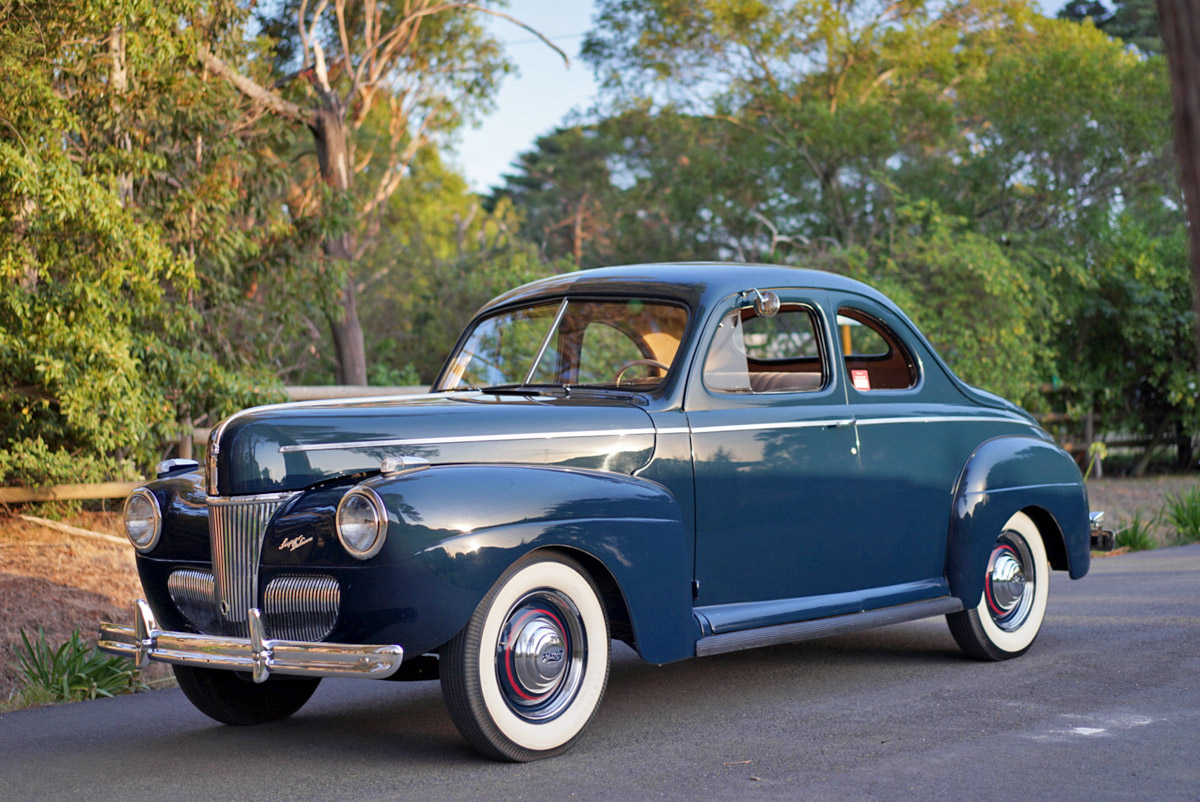
1941 Ford
"So we recommended, um, these guys and, uh, they drive a 1941 Ford. In that Ford is a six liter Escalade LQ nine V eight."
This is a classic 1941 Ford that someone is racing. The interesting part is that it’s been modified with a much newer engine than the original.
A 1941 Ford is a classic-era Ford that’s being used in endurance racing. In this segment, the key point is that it’s not stock—it’s described as having a modern Cadillac engine swap.

Cadillac Escalade
"In that Ford is a six liter Escalade LQ nine V eight. Oh my God."
They’re putting a Cadillac Escalade V8 engine into the older Ford. The “LQ9” is the specific engine version, and it’s popular for swaps because it’s strong and makes plenty of power.
The speaker is describing an engine swap: a Cadillac Escalade powerplant (a “LQ9” V8) installed into the 1941 Ford. The LQ9 is a specific GM V8 variant known for being a robust, high-displacement swap candidate for projects that need torque and durability.
mid engine car
"[4221.8s] with that's, that's behind the front axle. [4224.8s] So it's a mid engine car. [4225.8s] Um, it is."
A mid-engine car has the engine sitting in the middle of the car, not in the front. Putting the weight closer to the center can make the car handle more predictably in corners. That’s why many sports cars use this layout.
A mid-engine car places the engine behind the driver but ahead of the rear axle. That layout helps balance weight between the front and rear, which can improve turn-in and overall handling feel. It’s commonly associated with sports cars that prioritize cornering.
Wilwood brakes
"[4231.8s] I don't know if they're any good, but it's got Corvette brakes on [4234.8s] the front and willwood brakes on the back. [4236.8s] It stops on a dime, big tires, big wheels."
“Willwood brakes” are aftermarket brakes—parts made to improve stopping. The speaker is saying the car uses them on the back wheels. Upgrading brakes like this is often done to make a car stop better and feel more consistent.
“Willwood brakes” (likely referring to Wilwood) are aftermarket brake components known for performance-oriented calipers and rotors. The speaker says the car has Wilwood brakes on the rear, implying a brake upgrade tailored for stronger braking and better control. Rear brake upgrades can also help balance braking feel with the front.
50/50 balance
"[4264.8s] Cause I never driven the car before. [4266.8s] I wanted to learn it before the nighttime and, um, really, I [4270.8s] mean 50, 50 balance. [4272.8s] You can go into a corner of this massive car and just turn it in"
“50, 50 balance” means the car’s weight is about equally split between the front and the back. When that’s close to even, the car often turns in more naturally and feels more controllable. It’s a big part of why some cars handle so well in corners.
“50, 50 balance” means the car’s weight is distributed roughly equally between the front and rear axles. That balance can make steering response more predictable and reduce understeer/oversteer tendencies. It’s a common handling goal for sports cars, especially mid-engine layouts.
Baja
"[4352.8s] Like you've seen Baja or the, oh man, I love it. [4355.8s] They have like seven of them on the roof."
“Baja” is shorthand for famous off-road desert racing in Baja California. It’s the kind of racing where cars get dusty and visibility can be tough.
“Baja” refers to off-road racing in the Baja California region, commonly associated with long-distance desert events. It’s a context where visibility and durability matter a lot, which is why flashy lighting and robust setups show up.
clutch slipped
"[4369.8s] It's glorious. [4371.8s] Unfortunately, uh, the clutch slipped a little bit at my first [4376.8s] stint."
A clutch is what connects the engine to the car’s drivetrain. If it “slips,” it doesn’t lock up properly, so the engine revs but the car doesn’t pull strongly—and it can get damaged if you keep driving.
A “clutch slip” happens when the clutch can’t fully transfer engine torque to the drivetrain. Instead of gripping solidly, it allows the engine to rev while the car doesn’t accelerate as expected, which can quickly overheat and worsen wear.
stint
"[4371.8s] Unfortunately, uh, the clutch slipped a little bit at my first [4376.8s] stint. [4377.8s] And by the time I got it back, it was, it was slipping."
A “stint” is how long one driver drives the car during a longer race. After that time, another driver takes over.
In endurance racing, a “stint” is a timed period where a specific driver is responsible for the car before handing off to another driver. Strategy often revolves around tire wear, fuel, and mechanical limits—like managing a failing clutch.
torque
"Any torque would break it loose. The horsepower was okay, but the torque end of it just broke it."
Torque is the engine’s pulling force. If it “breaks it loose,” the tires can’t grip the road, so the car starts to slip instead of moving forward normally.
Torque is the twisting force an engine produces, and it’s what helps a car accelerate from low speeds and pull under load. In racing, if the torque “breaks it loose,” it usually means the driven wheels lost grip and the car started to spin or slide instead of accelerating cleanly.
throttle
"You just, I couldn't get down the straights and it got to a point where I felt dangerous because I couldn't use the throttle to get out of situations."
The throttle is the pedal that tells the engine to make more or less power. They’re saying pressing it didn’t help them accelerate safely when they needed to.
The throttle is the driver’s control of engine power (how much fuel/air the engine is allowed to make). The speaker says they couldn’t use the throttle to get out of situations, which suggests the car’s traction or driveline behavior made power application unsafe or ineffective.
checkered flag
"then the owner got into the last 45 minutes and brought it through the checkered flag. So eventually the car finished the race."
The checkered flag is the signal that the race is over. They’re saying the car made it to the end and finished.
The checkered flag is the signal that ends a race—waving it indicates the winner and that the session is complete. The speaker uses it to say the car ultimately finished the race despite earlier problems.
Mazda Miata
"Yeah. Um, wow, man, I bet a guy in a Miata seeing that coming up behind him is probably just..."
The Miata is a small two-seat roadster made by Mazda. It’s meant to be light and easy to drive, especially on twisty roads. The podcast is referencing how a Miata driver might react to something approaching from behind.
The Mazda MX-5 Miata is a lightweight, affordable roadster designed for fun handling and easy driving. The podcast mentions a Miata driver seeing something coming up behind them, which fits the car’s reputation as a nimble, driver-focused machine. It’s discussed because Miatas are common in enthusiast circles and often show up in stories about driving dynamics.

Studebaker Avanti
"...that have two on them, like the Chevy two and the Avanti two. And like we just, we just have fun and we ju..."
The Avanti is an older car made by Studebaker. It’s known for having a unique look and being a classic that people enjoy collecting. The podcast is mentioning it as part of their classic-car fun and talk.
The Studebaker Avanti is a classic American grand touring car known for its distinctive styling and limited production. The podcast mentions “Avanti” in a fun, enthusiast context, including references to “two” and “we just have fun,” suggesting it’s part of a broader conversation about classic-car projects and events. It’s discussed because the Avanti is a recognizable, collectible model with a dedicated following.
stock car
"[5165.8s] It's a 1922 page. [5168.8s] And in 1920 page was the fastest stock car made in America. [5174.8s] Um, they did a hundred miles over an hour on Daytona beach."
In this context, “stock car” means a car that’s based on a regular production model, not a one-off race car. The speaker is using it to say it was fast even without being fully custom-built for racing.
“Stock car” here means a production-based car—something closer to what you could buy than a purpose-built race car. In early racing talk, it’s often used to emphasize that the car’s speed came from a near-production platform, not a heavily custom race build.
Daytona beach
"[5172.8s] Um, they did a hundred miles over an hour on Daytona beach. [5178.8s] The page speedster, it's a six cylinder continental engine, like 300 cubic inch. [5184.8s]"
Daytona Beach is in Florida and it’s famous for speed and racing history. The speaker is saying this old car was able to hit very high speeds there.
Daytona Beach is a Florida location historically associated with early high-speed runs and racing. The speaker references it to describe the Page Speedster’s top speed achievement on a straight, high-speed course.
continental
"[5174.8s] Um, they did a hundred miles over an hour on Daytona beach. [5178.8s] The page speedster, it's a six cylinder continental engine, like 300 cubic inch. [5184.8s]"
“Continental” here is the name of the company that made the engine. The speaker is pointing out which engine brand was used in the car.
Continental is referenced here as the engine brand—meaning the Page Speedster used a Continental six-cylinder powerplant. In classic-car discussions, naming the engine maker can matter because it points to the specific design and parts sourcing.
speedster
"And this thing is what was left of a speedster. So it's basically the frame engine wheel suspension, but there's no body on it. There's no floor on it."
A “speedster” is a type of classic sports car that’s usually lighter and more stripped down than a normal roadster. The host is describing one that’s basically just the mechanical parts and frame, with no body panels left. That makes it a project car rather than a complete car.
A “speedster” is a named style of sports car body that emphasizes low weight and open-air driving, usually with minimal bodywork compared with a standard roadster. In the segment, the speaker describes a “speedster” as essentially a chassis with suspension and no body panels, highlighting how the body style is tied to stripped-down construction. That’s why a missing body can drastically change both value and what the car can be restored into.
bones
"So I was like, maybe I can build one if I find the bones. I can build a body for this thing. You'll find a panel, right?"
“Bones” is collector-speak for the underlying structural/mechanical foundation of a car—what remains when the body or other parts are missing or heavily damaged. Here, the speaker is talking about finding the chassis/frame and core components so they can restore or build the missing bodywork. In auctions, this distinction matters because a car with “bones” can be turned into a project, but it’s not the same as a complete, restored vehicle.
panel beating classes
"Maybe I can go take some panel beating classes and make a body for it."
Panel beating is car body repair work. It’s the process of reshaping bent or dented metal panels so they look straight again before painting.
“Panel beating” refers to bodywork metal-shaping and repair—typically fixing dents, creases, and damaged sheet metal on a car’s body. Classes in panel beating teach techniques like pulling dents and reshaping panels so the surface can be restored before paint.
Fiat Aero concept car
"And a couple of significant cars. They had this cool Fiat Aero concept car. That was, I think that went for the most in the auction for like over a little over $200,000."
Fiat made a concept car called the Aero, and it’s famous for its super streamlined, egg-like shape. Concept cars aren’t normal production cars, but they can still sell for a lot of money at auctions because they’re rare and interesting.
The Fiat Aero concept car is a design study from Fiat that’s remembered for its distinctive aerodynamic “egg” shape. In this segment, it’s mentioned as a standout auction piece, highlighting how concept cars can become valuable collectibles when their design story and rarity resonate with buyers.
operational concept car
"It is a operational concept car. They built it as a concept car, but it runs and drives, which is very unusual for concept cars."
A concept car is usually a show car—built to demonstrate ideas, not necessarily to be driven. This one is unusual because it’s described as actually working and being able to drive.
A concept car is typically a one-off or limited-build vehicle used to preview styling and technology, and many don’t remain fully drivable. Calling it an “operational concept car” emphasizes that this one actually runs and drives, which is unusual because many concept cars are kept static for display.

1950 Packard
"So as the auction wore on, another car came up that I thought is a very handsome car, which is this 1950 Packard that they had. And Packard, you know, that was their forward look design."
This is a 1950 Packard, a classic American luxury car. The interesting part here is that it’s described as having very low mileage and an original, well-preserved interior, which is exactly what collectors look for.
The Packard brand is known for big, upscale American cars, and the 1950 Packard sits in the post-war era when Packard’s styling and engineering were especially prominent. In this segment, the host highlights it as a low-mileage example with an original, immaculate interior and dark blue paint, making it notable for collectors rather than just as a generic classic.
forward look design
"And Packard, you know, that was their forward look design. It was, it was the early Packards and pre-war Packards were the big cars."
This phrase is about a particular styling direction—how the company designed its cars to look more modern. In the conversation, it’s used to explain how Packard’s look changed over time.
“Forward Look” refers to a mid-century design direction associated with Chrysler, but in this segment the host uses it as a shorthand for Packard’s styling shift. The key takeaway for listeners is that the speaker is contrasting Packard’s earlier pre-war/early post-war “big car” era with its later post-war design language.
pickled it
"They used it as a parade car, which means it ran at some point and then they pickled it. And I'm like, that car is gorgeous and original."
“Pickling” here means they stored the car in a preservation way to help stop rust and damage. It’s like putting it away so it stays in better condition for years.
“Pickling” a vehicle in collector terms usually means storing it in a way that prevents corrosion and deterioration—often by sealing it and treating it to reduce moisture and oxidation. Here, the host says they used the Packard as a parade car and then “pickled it,” implying it was preserved after being used.
straight eight
"And I would like to never played with a straight eight before. So I'd like to play with that."
A “straight eight” means the engine has eight cylinders lined up in a row. It’s a special, old-school engine type that many people don’t get to experience often.
A “straight eight” is an inline-eight-cylinder engine layout, meaning eight cylinders arranged in a single line. It’s a distinctive configuration that can feel smooth and characterful, and it’s relatively uncommon compared with V8s or inline-sixes.
engine bay
"So I'm going to get it running. I'm going to redo the engine bay is the only part that lets it down."
The “engine bay” is the space under the hood where the engine sits. “Redo the engine bay” usually means fixing it up and making it look right again.
The “engine bay” is the compartment under the hood where the engine and related components are mounted. When someone says they’ll “redo the engine bay,” they typically mean cleaning, restoring, detailing, or correcting issues in that visible area.
original paint
"[5649.8s] Wow. [5650.8s] Do you think it's is it original paint on that? [5653.8s] It's original paint."
“Original paint” means the car still has its factory paint on it. Collectors usually care because it can mean the car hasn’t been repainted much.
“Original paint” means the car’s exterior finish is largely the factory-applied coating rather than a later repaint. For classic cars, original paint is often a big deal because it can indicate fewer restorations and can affect collector value.
resprayed
"[5654.8s] So I went through the whole thing. [5656.8s] I found one section I think has been resprayed. [5659.8s] I need to go."
“Resprayed” means someone repainted part of the car. If only one area was repainted, it can tell you the car has had some restoration work even if the rest is original.
A “resprayed” section means part of the car was repainted after the original paint. Even if most of the car is original, a respray can be important for judging how much restoration work has been done and for assessing authenticity.
Pebble Beach
"That's good for the Pebble Beach sponsorship and so forth. [5983.8s] So I'm excited about that."
Pebble Beach is a major automotive event in California known for high-end classic and collector-car culture. The host ties it to sponsorship and to getting more people interested in cars.

1976 Range Rover
"And you talk about 1976 Range Rover, right? [6043.8s] People malign this stuff all the time."
A 1976 Range Rover is a classic Land Rover SUV from the 1970s. The host is mentioning it because people argue about whether these older Range Rovers are reliable or not.
The 1976 Range Rover is an early generation Land Rover that helped define the modern luxury off-road SUV formula. In this segment, it’s brought up in the context of reliability debates—whether these classic trucks are actually dependable or not.
roll cage
"Like I, I went and raced a, an old Chevy Lumina with no roll cage and three point belts on a dirt track against."
A roll cage is a strong metal safety frame inside the car. It’s there to protect you if the car flips or crashes hard, by keeping the cabin from crushing.
A roll cage is a reinforced metal framework installed inside a car to protect occupants during rollovers and crashes. In racing, it also helps keep the cabin structure from collapsing under impact loads.
three point belts
"Like I, I went and raced a, an old Chevy Lumina with no roll cage and three point belts on a dirt track against."
Three-point belts are the standard seat belts you see in most cars—one strap across your chest and one across your hips. Racing setups often use stronger multi-point harnesses, so three-point belts are usually considered less protective for track driving.
“Three point belts” refers to a three-point seat belt system that secures the driver across the chest and hips. Compared with racing harnesses (like 4-, 5-, or 6-point setups), it generally offers less restraint and less crash protection for motorsports impacts.
dirt track
"Like I, I went and raced a, an old Chevy Lumina with no roll cage and three point belts on a dirt track against."
A dirt track is a race course made of dirt instead of pavement. Dirt racing usually means less grip and lots of dust, which can make it hard to see where you’re going.
A dirt track is a racing surface made of loose soil or clay rather than asphalt. It typically creates heavy dust, reduced tire grip, and changing traction as cars throw up debris.
Days of Thunder smoke driving
"So, you know, the scene in days of thunder when the, he has to drive through the smoke. Yeah. And you know, maybe he's got to punch it through. Yeah, that's the whole track."
They’re referencing a movie scene where the driver has to go through heavy smoke. The point is that dirt tracks can get so dusty that you can barely see the racing line.
The speaker compares their experience to the “smoke driving” scene from the movie Days of Thunder, where visibility is extremely limited. It’s used as a reference point for how hard it can be to navigate a track when dust reduces sightlines.
gas mileage
"Mine had leather interior and it drove great. It got good gas mileage. It had a lot of interior room."
“Gas mileage” means how far the car can go on a tank of gas. Better gas mileage usually means you stop for fuel less often and spend less money over time.
“Gas mileage” refers to how efficiently a vehicle uses fuel—typically measured as miles per gallon (MPG) or liters per 100 km. It’s a practical ownership metric because it affects how often you have to refuel and your running costs.
Request an Explanation
Heard something you'd like explained? We'll add it to this episode.
Sign in to request explanations for terms you heard.
Want to learn more?
Browse our glossary for plain-English explanations of automotive terms, jargon, and concepts.
Help improve this episode
See something that's not quite right? Our annotations are AI-generated and can sometimes miss the mark. Click the flag icon on any annotation to suggest a correction.