Driven Radio Show #361: Ryan Williams of Car Curious
About this episode
Brett and Mark kick things off with sweaty studio talk, then dive into the chaos of heater-core replacements and the “island of misfit cars” at Darryl Ossipic’s shop in Merriam, Kansas. The conversation turns to Ryan Williams of Car Curious, a software engineer who rekindled his interest in cars as an offline hobby and built a visual, searchable podcast player/discovery platform. They discuss how he researches, what hooked him, and how software can make car audio easier to explore—while the hosts trade stories about rare finds and long-running projects.
Hosted on Acast. See acast.com/privacy for more information.
Ossipic Automotive
"Darryl Ossipic of Ossipic Automotive... He's got the daycare for broken toys."
The Kansas City repair shop where the hosts' project cars are being fixed. It doubles as an informal car museum worth visiting.
Darryl Ossipic's repair shop at 5920 Merriam Lane in Merriam, Kansas — 'the daycare for broken toys,' currently home to both hosts' project cars plus a collection the hosts describe as half car show: Corvettes, motorcycles, a giant race boat, and a GT40 replica.
Zip Corvette Parts
"So I ordered a heater core from Zip Parts. Zip Corvette Parts, I love them."
A mail-order company that sells replacement parts specifically for Corvettes. The host ordered the heater part from them that kicks off the episode's first story.
A specialist Corvette parts supplier Brett has done 'tens of thousands of dollars' of business with, dating to his stint as a would-be Corvette dealer. Source of the episode's ill-fated heater cores — one broke at the fitting, its replacement arrived looking 'like somebody threw a brick at it.'
firewall
"And he said that the angle that it goes through the firewall is a little odd and he was trying to put it in."
The firewall is the wall between the engine area and the inside of the car. Parts like heater lines often have to pass through it, so getting the angle right matters.
The firewall is the thick barrier between the engine bay and the cabin. Many hoses and wiring pass through it, so heater hoses/lines often need careful routing and correct angles to avoid damage during installation.
heater core
"And so we're on third heater core, fourth, if you include the one that was in the car. ... You don't need a heater core. No, heater core, heater core."
The heater core is the part that makes your car’s cabin heat work. It uses hot coolant from the engine, and if it breaks you may not get heat (and sometimes you’ll notice coolant where it shouldn’t be).
A heater core is a small radiator-like heat exchanger inside the dashboard that warms the cabin using engine coolant. When it fails, you can lose heat and sometimes get coolant leaks or contamination inside the car.

Jaguar XJ8
"Just for the record is the 2000, 2001 Jaguar XJ8. I've seen it. See, that's that really pretty kind of silver blue."
The Jaguar XJ8 is a fancy Jaguar sedan. It’s known for having a strong V8 engine and a classic, comfortable “grand touring” feel.
The Jaguar XJ8 is a luxury sedan from Jaguar’s XJ line, known for its smooth V8 power and classic British grand-touring vibe. In the 2000–2001 model years mentioned, it’s the late-era XJ8 generation that enthusiasts often seek for its blend of comfort and performance.
Austin-Healey
"I want his Austin Healy. That that was one. Oh, well, yeah, I don't blame you."
Austin-Healey is a classic British sports car brand from the 1950s and 60s. Their small open-top two-seaters are prized by collectors because they're fun to drive and look great.
Austin-Healey was a British sports car marque of the 1950s and 60s, best known for open-top roadsters like the 100 and the 3000 "Big Healey." The hosts don't say which model Darrell owns — just that it's the car in his collection they'd most want.

Porsche 930
"but apparently he's got a Porsche 930 and a 65 vet coupe in his garage at home"
This is a Porsche 911 Turbo from the older era. It has a turbocharged engine and a very recognizable, classic look.
The Porsche 930 refers to the 911 Turbo (1974–1989) generation. It’s known for its turbocharged flat-six and classic, wide-body “turbo” look, which makes it a favorite among enthusiasts.

1965 Chevrolet Corvette coupe
"...apparently he's got a Porsche 930 and a 65 vet coupe in his garage at home that haven't moved since..."
A very collectible mid-1960s Corvette. The hosts' mechanic supposedly has one parked in his garage that hasn't moved in decades.
A midyear C2 Sting Ray coupe — 1965 brought four-wheel disc brakes and the first big-block option, making it one of the most desirable Corvette generations. This one reportedly sits untouched in Darryl's home garage alongside his Porsche 930.

Ford GT40
"And he also has a really vicious GT 40 replica that pushes over 500 horse."
This is a copy of the famous Ford GT40 race car. It’s made to look like the original, and many replicas are built with modern parts.
A GT 40 replica is a car built to look like the original Ford GT40 race car. The GT40 is famous for winning Le Mans in the 1960s, and replicas often use modern running gear while aiming for that classic mid-engine supercar vibe.
Car Curious
"Soon he built Car Curious, an automotive podcast player and discovery platform that makes his shows visual and searchable."
The website and app the guest built. While you listen to a car podcast, it shows photos and explanations of the cars being discussed, and lets you search for every show that mentioned a specific car.
The guest's product and the episode's main subject: an automotive podcast player and discovery platform tracking ~270 active car podcasts. It transcribes episodes, identifies every car/term mentioned via a car database plus a fuzzy matcher, pulls photos from Wikimedia Commons, and lets listeners search shows by car — with a mobile app in the works.

BMW 330i ZHP (E46)
"It's a 330 I the ZHP. [782.6s] So it's a little bit like between a 330 and an M3. [786.6s] OK. In the in the E46 BMW world."
ZHP is a BMW package that adds performance-focused upgrades to a 330i. It’s meant to feel more like a sportier “driver’s” version, but it’s still not the same as a full M3.
“ZHP” on an E46 BMW 330i refers to a factory performance package (often associated with sportier suspension, steering feel, and other track-oriented upgrades). The host frames it as a step between a regular 330i and an M3, meaning it aims for a more driver-focused setup without going full M-car.
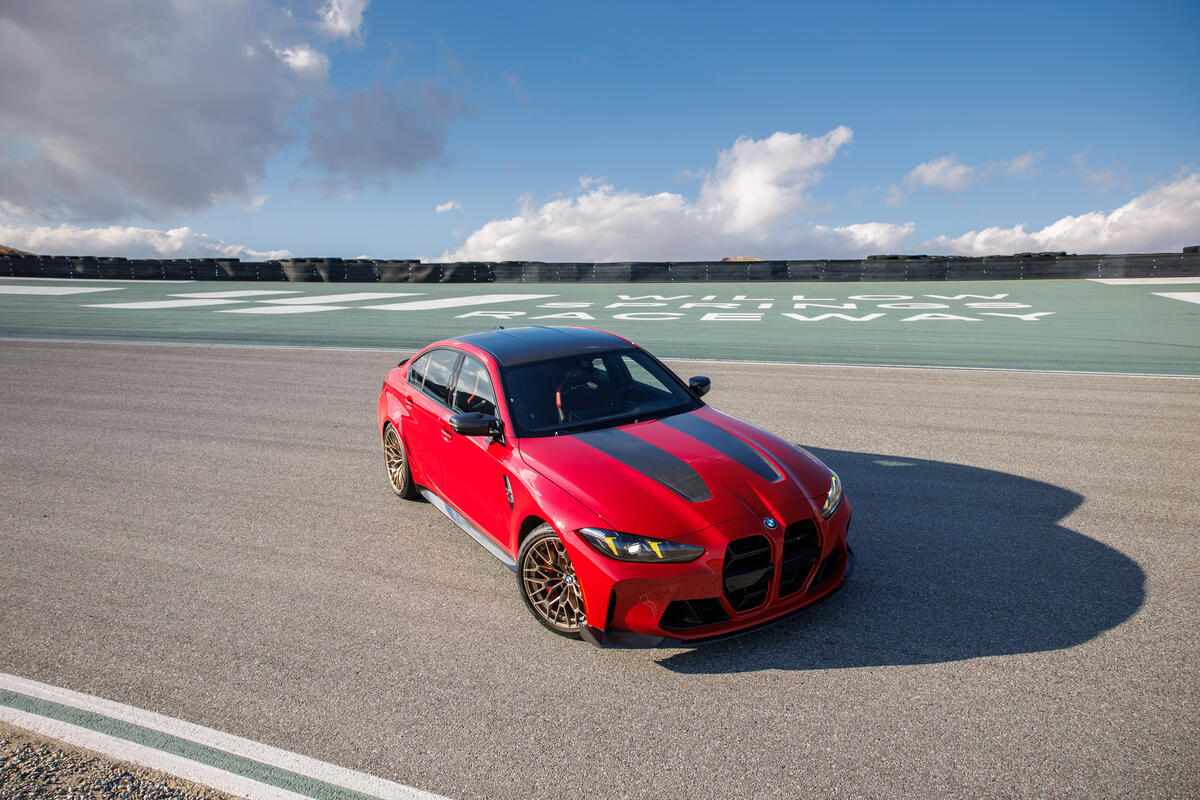
BMW M3
"...P. So it's a little bit like between a 330 and an M3. OK. In the in the E46 BMW world."
The BMW M3 is a sporty, higher-performance BMW version of the 3 Series. It’s made to feel quicker and handle more aggressively than the regular model. In the podcast, it’s mentioned as a reference point for performance in the E46-era BMW world.
The BMW M3 is a high-performance version of the 3 Series, built for drivers who want sharper handling and stronger power than the standard model. The podcast compares it to a “330” and references the E46 BMW era, which suggests the discussion is about how the M3 fits into that performance lineup. It’s often brought up because it’s a benchmark for enthusiast-focused compact performance cars.
Cars & Bids
"And I got it got in on cars and dids. I wasn't planning... on buying that car."
A website where enthusiast cars are auctioned online, started by YouTuber Doug DeMuro. The guest bought his BMW there.
Doug DeMuro's online auction site for modern enthusiast cars, where Ryan bought his BMW 330i ZHP. Later cited alongside Bring a Trailer as an 'entertainment platform as much as an auction platform' — people browse for fun, not just to buy.
chassis codes
"...all the mentions of like the different car models and the different code, the Chassis codes, the model codes, the car parts..."
Letter-and-number nicknames car fans use for specific generations of a model, like 'E46' for a certain era of BMW. They're confusing at first but you hear them constantly on car podcasts.
Manufacturers' internal codes for a model's generation — E46 for a 1999–2006 BMW 3 Series, Z31 for the first Nissan 300ZX. Enthusiasts use them as shorthand constantly, which is exactly the insider vocabulary Ryan built Car Curious to decode for newer listeners.
cash for clunkers
"Well, you know, if if you're old enough to remember cash for clunkers. [1003.4s] Yeah. And I think that was one that during"
“Cash for clunkers” was a U.S. program that gave people money to trade in an older, less efficient car for a newer one. The goal was cleaner air and better fuel economy.
“Cash for clunkers” refers to a U.S. government program that offered trade-in incentives to replace older, less fuel-efficient vehicles with newer ones. It aimed to reduce emissions and boost sales by subsidizing the purchase of more efficient cars.

Ford Explorer
"When's the last time you saw like a first generation Ford Explorer? ... taking, you know, perfectly decent cars and then pouring goop into the oil."
The Ford Explorer is a popular SUV model from Ford. “First generation” means the earliest version of that SUV, from decades ago, and it’s rarer today because many were scrapped.
The Ford Explorer is a midsize SUV line from Ford. The “first generation” Explorer is an older, boxier era of the model that enthusiasts often remember because it was common on the road before many were scrapped.

Geo Tracker
"I've seen trackers fricking trackers getting some premium cash for them now."
A little open-top SUV from the early 1990s sold under GM's budget Geo brand. Like the Samurai, survivors are now worth real money.
Geo's small convertible 4x4, a twin of the Suzuki Sidekick. Another 'disappeared cheap car' now fetching premium prices on the used market, to the hosts' disbelief.

Suzuki Samurai
"Or that Suzuki. What was that little four or five? ... Well, it's the Samurai. ... the Suzuki Samurai."
The Suzuki Samurai is a small SUV from Suzuki that’s known for being tough and good off-road. The host is using it as an example of an older, inexpensive car you don’t see as often anymore.
The Suzuki Samurai is a small, rugged off-road-capable SUV from Suzuki, known for its simple, lightweight design and cult following. It’s being referenced as another older “cheap” car that’s now rarer on the road.

1991 Geo Storm
"Geo Storm I bought in 94. It was a 91 Geo Storm and it was 7200 dollars at the time."
Geo Storm was a small car sold by Geo (a GM brand) in the early 1990s. The speaker is saying they bought one used in 1994 and it had low miles for what they paid.
The Geo Storm is a compact car from Geo, a GM brand that sold rebadged imports in the late 1980s and early 1990s. In this story, the host is talking about buying a 1991 Geo Storm with relatively low mileage for the price.

Honda CRX
"Anyway, rolled up with shrink wrap around it and stuck in the passenger foot well and over the back of the 60 Corvette. [1199.6s] OK, Ryan, what's the smallest piece of crap car you've ever driven? [1208.1s] I bought a Honda CRX brand new."
The Honda CRX is a small Honda hatchback that a lot of car fans liked because it was light and fun to drive. The host is saying that many of them got abused or heavily modified, so finding one that’s still clean and original is hard.
The Honda CRX is a small, lightweight 2-door hatchback that became popular with enthusiasts for its simple, rev-happy driving feel. In this segment, Ryan talks about how many CRXs were driven hard or modified, making clean, original examples rare.

Chevrolet Chevette
"It's like a two door chivette."
A very basic small Chevrolet from the late 1970s, often used as shorthand for a cheap, no-frills car. The hosts say the guest's first car looked like one.
GM's rear-drive economy hatchback of 1976–87, a byword for bare-bones basic transportation. Invoked as the visual comparison for Ryan's Mazda GLC.

Honda Civic
"... the storm? Is that the one I did by a 2001 Honda Civic? That was just a tin can piece of crap that I got..."
The Honda Civic is a small everyday car. It’s usually chosen because it’s practical and easy to live with. In the podcast, it’s brought up because the speaker is talking about their experience with a particular Civic.
The Honda Civic is a compact car that’s widely known for practical everyday use and broad availability across many model years. In the podcast, it’s mentioned as a specific example from the host’s past experience, which is why it’s part of a conversation about how certain cars can feel to own. That kind of personal ownership reference is common when discussing real-world satisfaction and durability.
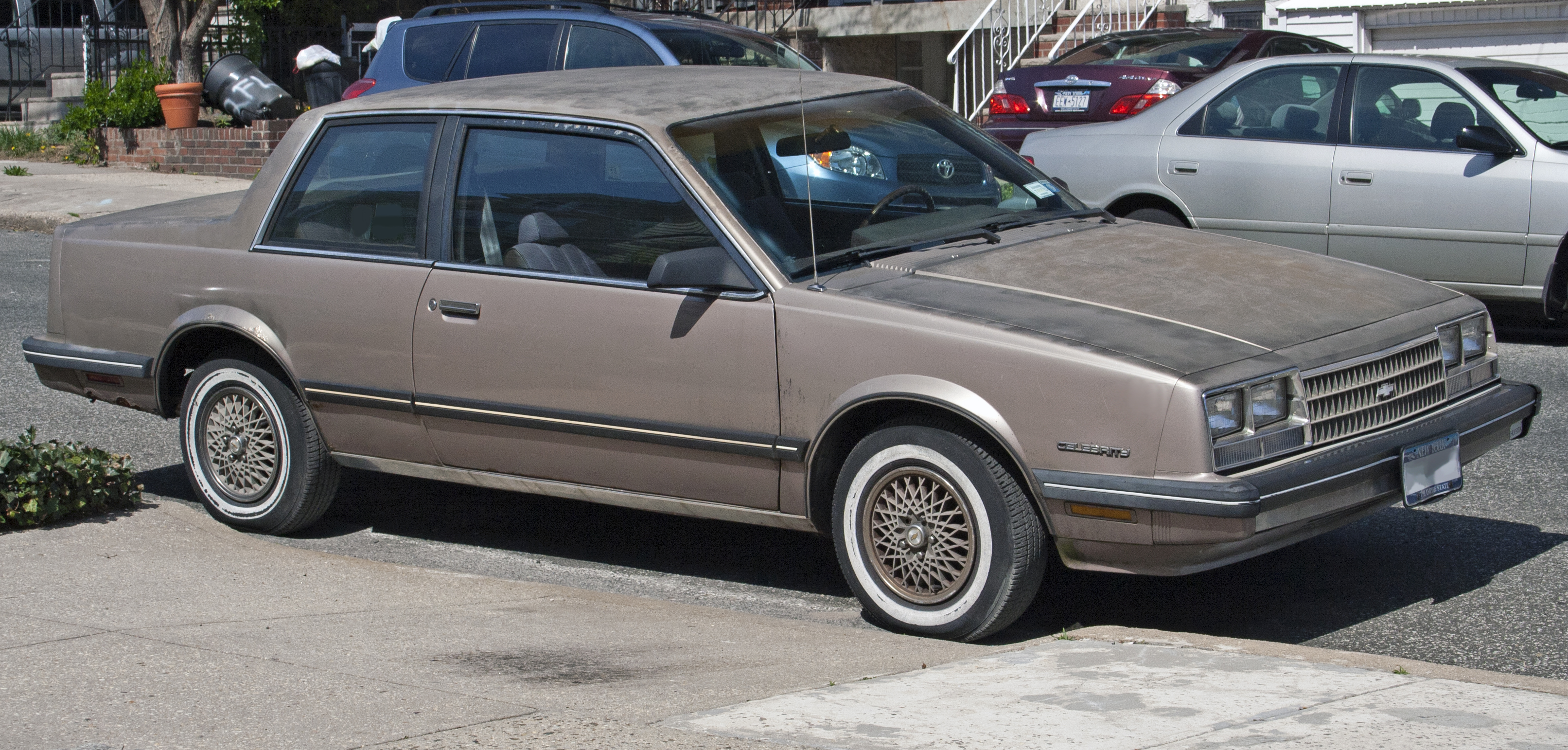
1984 Chevy Celebrity Wagon
"1984 Chevy Celebrity Wagon. Oh, wow. And that was right after Marissa was born."
This is a Chevrolet station wagon from 1984. Station wagons are basically family cars with extra cargo space, and the host is saying this one was especially roomy and easy to load.
The Chevrolet Celebrity Wagon is an early-1980s American station wagon based on the Celebrity sedan platform. In this segment, it’s notable because the host describes it as having a very flat, usable cargo area when the rear seat is folded—exactly the kind of practicality station wagons were known for.
shaggin' wagon
"If you were 17, you drop a piece of carpet back there and make it your shagging wagon."
A joke term from the 1970s for a van or station wagon with carpet in the back, implying it was used for more than hauling cargo.
Slang for a wagon or van with a carpeted, lounge-like cargo area, in the amorous 1970s custom-van tradition. Applied jokingly to Brett's flat-floored Celebrity wagon and his brother's '74 Vega Kammback.

1974 Chevrolet Vega station wagon
"My brother did it with the 74 Vegas station wagon."
The station wagon version of a small 1970s Chevrolet. Mentioned only as a quick family joke.
The Kammback wagon version of Chevy's troubled 1970s subcompact. A passing joke — Brett's brother turned his into a teenage 'shaggin' wagon.'

1985 Nissan Sentra
"Oh, and then it was the 85 Nissan Centra... it had like 10 more horsepower than the GLC."
The guest's second car, a basic small Nissan sedan from the mid-1980s. Slightly better than his first car, but still slow.
Ryan's second car — a light-blue two-door first-generation (B11) Sentra with a manual gearbox. His verdict: about 10 hp more than the GLC and 'not embarrassing,' but not fast.
how Car Curious works
"Tell us about car curious. Tell us what it is, what it does, how do you do it?"
The segment where the guest explains step by step how his app listens to podcasts, figures out which cars are mentioned, finds photos of them, and shows them to you at the right moment.
Ryan walks through the full pipeline: ~270 tracked shows, automatic download of new episodes, transcription (locally or in the cloud), a hand-built car database with a fuzzy matcher to identify mentions, Wikimedia Commons photos with attribution, ad-insertion timing drift, and the web player — with a mobile app nearly done.
AI transcription challenges
"And my original hypothesis was AI is great... Doesn't work like that. No."
The guest explains why computers struggle to correctly hear and identify car names in recorded speech, and what he built to work around it.
Why 'AI will just handle it' failed: transcription mishears car names, and general AI models lack deep car-model knowledge — which forced Ryan to build his own car database, alias system, and fuzzy matcher, continuously updated as new mishearings appear.

Nissan 300ZX
"... another guy and we were talking about the Nissan 300Z. No, no, no, car curious."
The Nissan 300 ZX is a sports car made by Nissan. It’s a two-door coupe designed to be fun to drive. The podcast mentions it while talking about a Nissan sports car that people know.
The Nissan 300 ZX is a sports coupe known for its performance-focused design and long-running enthusiast appeal. In the podcast, it’s mentioned as “Nissan 300Z,” indicating it’s part of a discussion about cars people recognize or talk about. It’s often brought up because it represents a classic era of Japanese sports-car styling and driving feel.
To All the Cars I've Loved Before
"So I was talking to my friend, Doug, who runs to all out to all the cars I've loved before is another automotive podcast."
Another car podcast, where guests share stories about the cars from their lives. The guest is friends with its host.
Doug Kay's automotive podcast built around guests telling the stories of cars they've owned and loved. New to the hosts, discovered through Ryan's 300ZX search anecdote.
Everyday Driver
"And so your show and his show and there was like every day driver were like the three that were talking about the 300Z."
A popular podcast where two friends discuss which cars are best to actually own and drive daily.
A long-running car-review podcast and video series in which two hosts debate real-world enthusiast car choices. One of the three shows that surfaced in Ryan's 300ZX search alongside Driven Radio and Doug Kay's show.
digital dash
"Yeah, he said it, you know, it had the digital dash, [2397.4s] so it had the the good light show and all that stuff going on. [2400.9s] So really, really cool."
A "digital dash" is a dashboard where the speedometer and gauges are shown on electronic displays instead of physical needles. In 1980s cars like the Nissan 300ZX, it looked like a video game and felt very high-tech for the time.
A "digital dash" replaces analog needle gauges with digital displays — glowing numbers, bar graphs, and animated readouts. It was a futuristic flex on 1980s Japanese sports cars like the Nissan 300ZX being discussed here, where the light-show cluster was a big part of the car's appeal.
cars and coffee
"...now that I have an interest in cars, like I'm going to like cars and coffee and going to car shows..."
Casual weekend morning gatherings where people bring their cars to a parking lot, drink coffee, and chat. It's the easiest way to meet other car people.
Informal weekend-morning car meets where owners gather in a parking lot with anything from exotics to projects — the default entry point into local car culture. Part of Ryan's story of the hobby actually getting him away from the computer.
Vintage Chevrolet Club of America
"...they'd been friends for 30 years from, you know, the vintage Chevrolet Club of America."
A club for people who own and love old Chevrolets. The guest mentions meeting lifelong friends who bonded through it.
The national club for vintage Chevrolet enthusiasts, founded in 1961. Ryan's example of car culture's social fabric: at his wife's grandfather's 103rd birthday, he met men who'd been friends for 30 years through the club.
podcast monetization debate
"So now you're doing all this work. How do you monetize it? I mean, that's the million dollar question."
A long discussion about how the guest's platform — and podcasts in general — can make money without annoying listeners with irrelevant ads.
From 'how do you monetize it?' through targeted automotive advertising, annotation sponsorship, a possible vertical podcast network with revenue share, and Brett's impassioned rant about mismatched ads and how corporate consolidation killed radio by selling audiences instead of serving them.

Chevrolet Corvette ZR1
"...whether it's like a, you know, a ZR1 Corvette or a Porsche 911..."
The fastest, most expensive version of the Chevrolet Corvette. The guest mentions it as the kind of dream car people research on his platform.
The top performance variant of the Corvette, a badge used on the most extreme versions from the C4's Lotus-engined 'King of the Hill' to today's 1,000+ hp C8. Ryan names it as a dream car worth building an interest-to-purchase pipeline around.
Bring a Trailer
"It's why, like, you know, bring your trailer and cars and bids or, you know, they're entertainment platforms as much as auction platforms."
The most popular website for auctioning collector cars online. Many people browse it daily just for fun, like a car magazine.
The dominant online collector-car auction site. Ryan's point: BaT and Cars & Bids succeed because they're entertainment platforms as much as auction platforms — a model relevant to how Car Curious might monetize interest-to-purchase journeys.
most-mentioned cars on Car Curious
"So here's a question. What do you think is your most mentioned car?"
The segment where the guest reveals which cars get talked about most across all the car podcasts his platform tracks.
The reveal of the platform-wide top five: Mustang #1, Corvette #2, Porsche 911 #3, then Dodge Charger and Ford F-150 — plus the Charger disambiguation problem and the hosts' delight that their own most-mentioned cars are Corvette and Mopar.

Ford Mustang
"Yeah, site wide. Um, so number one is drumroll Mustang number two. Oh, that makes sense."
The Ford Mustang is one of the most famous American cars ever made, in production since 1964. The hosts are looking at Car Curious's own statistics, and the Mustang turns out to be the single most talked-about car across all the shows on the platform.
The Ford Mustang comes up here because it's the number one most-mentioned car across every podcast on Car Curious — the hosts are reading the site-wide stats live. Sixty years of continuous production and every flavor from rental-spec V6 to Shelby track cars means the Mustang shows up in nearly any car conversation.
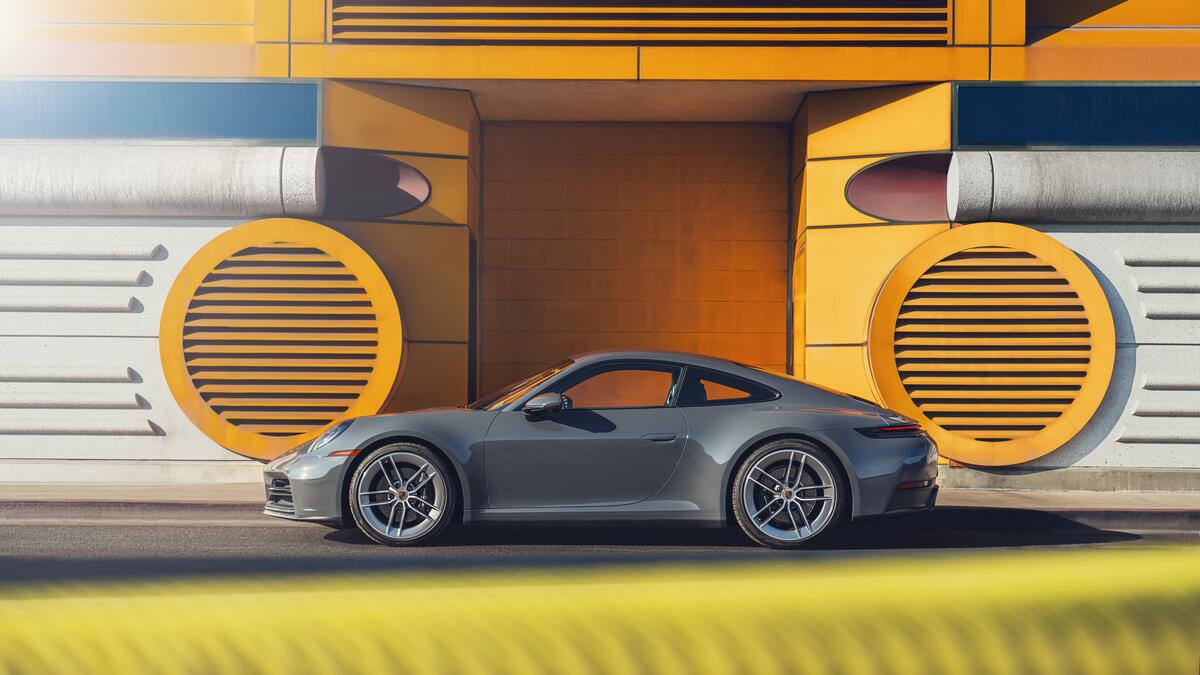
Porsche 911
"And then Portion 9-11. Number three... Well, 9-11 has been around since 63."
Porsche's most famous sports car, with its engine in the back, made in similar form for over 60 years. It's the third most-discussed car on the guest's platform.
Porsche's rear-engined, flat-six sports car icon, evolved continuously since 1963 — which, as the hosts note, is exactly why it ranks #3 most-mentioned on Car Curious: six decades of generations to talk about.

Chrysler Cordoba
"...galitarian taste. You got to come slumming with a Cordova. What's wrong with you?"
The Cordoba was a big, cushy two-door Chrysler from the 1970s, famous mostly for its TV commercials where actor Ricardo Montalbán praised its "fine Corinthian leather" seats. The hosts are teasing each other about it as a cheap-and-cheerful classic.
The Chrysler Cordoba was a mid-1970s personal luxury coupe, Chrysler's biggest sales hit of the era and forever tied to Ricardo Montalbán's "fine Corinthian leather" TV ads. Here it's the punchline of a joke — the Cordoba as the affordable way to "slum it" in personal luxury.
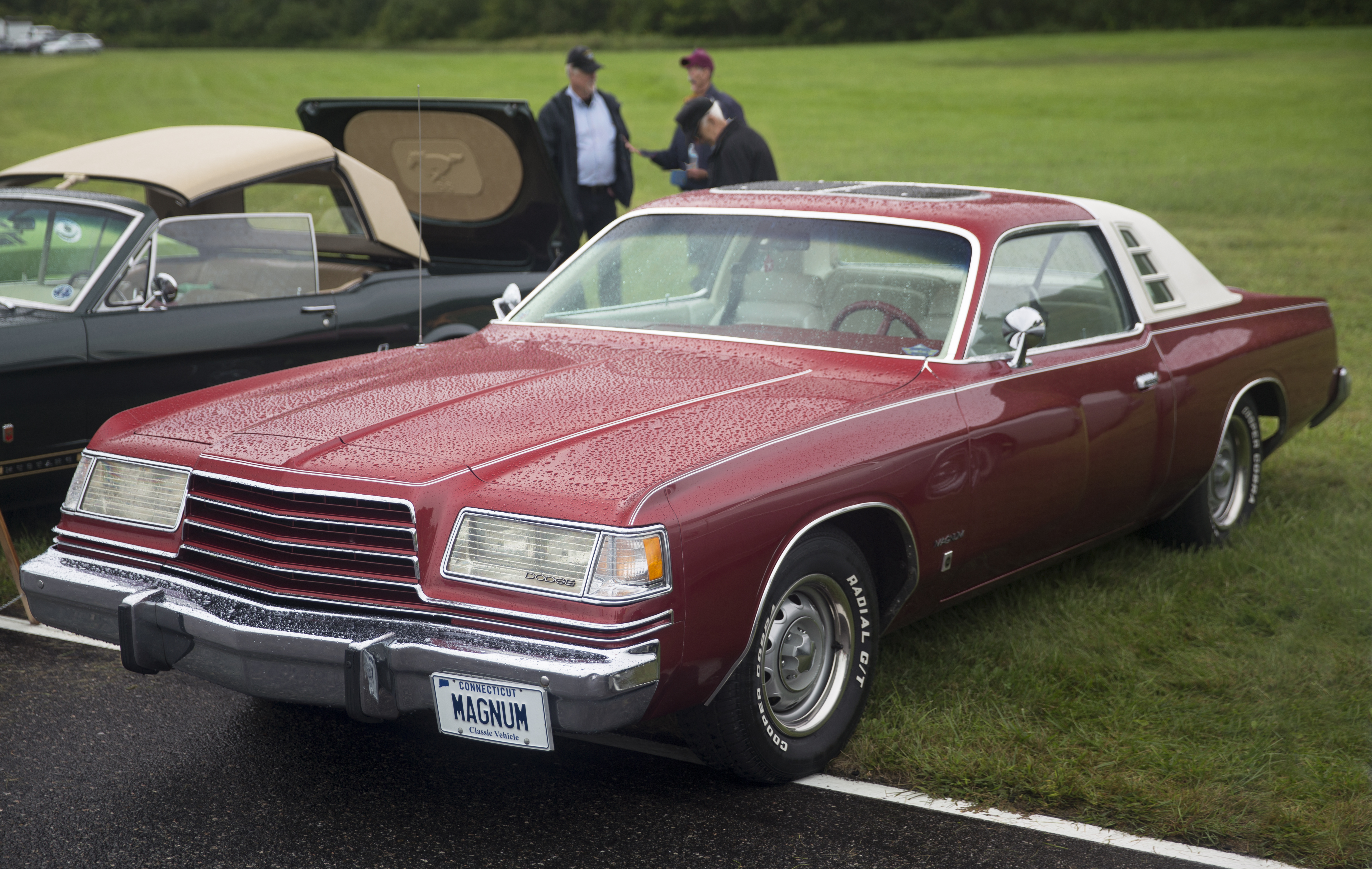
Dodge Magnum
"I'm fine. I'm sure a Dodge Magnum is showing up on it somewhere. Yeah."
The Dodge Magnum is a name Dodge has used on two very different cars: a big two-door from the late 1970s and a muscular station wagon from the mid-2000s. Here it comes up while the hosts joke about classic Chrysler-family cars, so they probably mean the older one.
Dodge used the Magnum name twice: on a late-1970s B-body personal luxury coupe (a sibling to the Chrysler Cordoba) and on the 2005–2008 Hemi-powered wagon. In this Mopar banter, right alongside the Cordoba, the hosts most likely mean the 1978–79 coupe.
Corinthian leather
"...the big advertising hook on it was fine Corinthian leather."
A fancy-sounding name Chrysler made up in the 1970s to describe the seats in one of its cars. It didn't mean anything special, but the TV ads made it unforgettable.
A marketing term invented for the 1975 Chrysler Cordoba's upholstery — it sounded exotic but signified nothing; the leather was ordinary and largely sourced from New Jersey. Ricardo Montalbán's silky delivery of 'fine Corinthian leather' made it one of the most famous phrases in car advertising.

Ford F150
"Okay. And then, yeah, Dodge Charger and Ford F-150. Yeah. And run back to top fives."
The Ford F-150 is a very popular full-size pickup truck. It’s known for being able to tow and haul, and it comes in lots of different versions.
The Ford F-150 is Ford’s best-known full-size pickup truck, built for towing, hauling, and everyday use. It’s also a major platform for performance and engine-option discussions because it’s so common and so frequently configured.

Dodge Charger
"Okay. And then, yeah, Dodge Charger and Ford F-150. Yeah. And run back to top fives."
The Dodge Charger is a famous American car known for strong engines and a sporty, muscle-car reputation. People often talk about it when they’re discussing performance versions.
The Dodge Charger is a long-running American muscle car/sedan that’s especially associated with V8 performance and drag-strip culture. In modern form it’s commonly discussed in the context of performance trims and powertrain options.
Mopar
"And run back to top fives. Mopar, number four. Well, it's funny enough with the chargers of going back to the AI."
Mopar is a nickname people use for Chrysler’s performance and parts world—especially for Dodge and other related brands. It’s basically shorthand for “the official/serious performance stuff.”
Mopar is the enthusiast nickname for Chrysler’s parts and performance ecosystem (Dodge, Chrysler, and Jeep). When someone says “Mopar,” they’re usually referring to factory-backed or enthusiast-supported parts, accessories, and performance heritage tied to those brands.
Classic.com
"...many people kind of doing that already, whether it's classic.com and there's some."
A website that collects sale prices of classic cars so you can see what they're really worth.
A market-data site that aggregates collector-car auction results and listings to show pricing trends. Named as an existing player when the hosts float whether Car Curious should track auctions.
Sports Car Market
"There's a bunch in your city. Yeah, I work for them. Yeah, sports car market."
A magazine that reports on classic car auctions and what cars sell for. The host writes for them.
The Portland-based collector-car magazine known for its auction coverage and price analysis — and Brett's employer ('I work for them'). Its orbit is why he covers auctions with a voice recorder in hand.
Hagerty
"One of them is HammerBid and another one is Hagerty. They track a lot of stuff almost in real time."
A company best known for insuring classic cars that also publishes widely-used price guides for collector vehicles.
The collector-car insurance giant that has grown into a valuation, media, and events company; its price guide is an industry reference. Cited as an app that already tracks auction results nearly in real time.
Gateway Classic Cars
"You've got gateway classic cars. You've got, oh my God, so many classic car sellers."
A big company with showrooms around the country that sells classic cars on behalf of their owners.
A large national classic-car consignment dealer chain with showrooms across the US. Named as an example of the commercial classic-car world Ryan could partner with — Kansas City alone has eight to ten classic-focused dealers.
The MB Market
"You've got cars and bids and bring a trailer and the MB market."
A website that auctions only Mercedes-Benz cars, for fans of that specific brand.
An online auction site specializing in Mercedes-Benz vehicles, listed with Cars & Bids and Bring a Trailer among the online players in the collector-car sales space.
Cars Yeah
"Cars, yeah, I remember. Yeah. Cars, yeah. Yeah. Mark Green... 2,500 episodes."
A car podcast that ran for thousands of episodes, interviewing people from every corner of the car world.
Mark Green's interview podcast, one of the most prolific in the hobby at roughly 2,500 episodes, published three to four times a week before he handed it off to a new host. Brett's benchmark for guest-prep professionalism.
audio vs. video podcasting
"But what do you think about audio versus video for podcast platforms? And should we build a YouTube channel?"
The hosts ask whether they should put their show on YouTube, and the guest explains the tradeoffs between audio-only and video podcasts.
Should Driven Radio start a YouTube channel? Ryan's take: audio and video serve different purposes; short clips and behind-the-scenes beat full-length uploads; and a stat he cites — 61% of podcast discovery happens on YouTube or social — makes some video presence nearly mandatory.

1935 Auburn Boattail Speedster
"...if you can look on that app and see a 19, you know, 35 Botel Auburn show up on there, it's like, Oh, my God."
A gorgeous, rare American sports car from the 1930s with a rear end shaped like a boat's hull. Used as an example of an obscure car the app could show you a photo of.
One of the great pre-war American classics — Auburn's supercharged straight-eight speedster with its signature tapered 'boattail' rear, each certified to have exceeded 100 mph. Brett's example of the app's magic: glance at your phone and see a car you'd never be able to picture.
blow by
"Yeah, how to tow it. How to get rid of that blow by. So much to learn, right?"
“Blow-by” is combustion gases leaking past the piston rings into the crankcase. It’s a sign of engine wear or ring sealing issues, and it can lead to oil contamination and reduced engine efficiency.
Bondo
"I still got that body putty left over from the Dodge. I have not broke open my Bondo."
Bondo is a type of car body filler used to patch dents and smooth out damaged metal. They’re saying they still have some left from a previous project.
Bondo is a brand name commonly used for automotive body filler—putty applied to smooth dents and rust before sanding and painting. Ryan mentions he still has body putty left over, implying a repair/restore project.
1978 Mazda GLC
"So with, with the GLC, you know, there was maybe once upon a time in high school where somebody's..."
The GLC was a small, inexpensive Mazda hatchback from around 1977 to 1985. The name literally stood for "Great Little Car." It was basic transportation — the kind of car a lot of people had in high school.
The Mazda GLC ("Great Little Car") was Mazda's entry-level economy hatchback of the late 1970s and early 1980s, sold elsewhere as the Familia/323. Cheap, light, and usually paired with a simple manual gearbox, it was a classic first car of the era.
cassette adapter
"...it was the portable CD player, like with the really like chocolate cassette adapter."
A fake cassette tape with a cable (or Bluetooth) that lets you play your phone or CD player through an old car's tape deck.
A cassette-shaped device that pipes audio from a portable player into an old car's tape deck — the pre-aux-jack way to get modern music into a vintage interior. Ryan ran one from a portable CD player in his GLC; Mark uses a Bluetooth version in his truck today.
stock head unit
"In the Mercedes, I found a company called Becker Auto Sound that added Bluetooth to the stock head [4805.0s] unit."
The stock head unit is the original factory stereo in the car. They’re saying Bluetooth was added to the factory stereo instead of swapping it out.
The stock head unit is the factory-installed car stereo/audio control system. The speaker says Bluetooth was added to the stock head unit, meaning the upgrade was done without fully replacing the original Mercedes-Benz audio hardware.
Becker Auto Sound
"In the Mercedes, I found a company called Becker Auto Sound that added Bluetooth to the stock head [4805.0s] unit."
Becker Auto Sound is a company that upgrades car stereos. In this case, they helped add Bluetooth to the original Mercedes stereo so you can play music from your phone.
Becker Auto Sound is an aftermarket audio company that modifies factory stereos. Here, they’re credited with adding Bluetooth to a stock Mercedes-Benz head unit so the owner can stream audio without converting the original system.

Mercedes-Benz S600 (W140)
"You're talking the big Mercedes, right? Yeah, yeah. The 600, okay."
The host's V12 Mercedes-Benz S-Class sedan from the 1990s (internally called the W140). He describes how good music sounds inside it and how he added Bluetooth without replacing the original stereo.
Brett's V12 flagship, nicknamed the 'Schadenfreude Express' on other episodes — he identifies it himself as a W140-platform S600 elsewhere on the show. Its factory Bose sound system got Bluetooth via a Becker Auto Sound head-unit retrofit, and its cabin is apparently a rolling concert hall for Pink Floyd.
Plymouth
"...so I looked up Plymouth and it came up with 41 results."
An old American car brand from the Chrysler family that was shut down in 2001. The hosts search for it on the guest's website live on air.
Chrysler's discontinued value brand (1928–2001), home of Mopar icons like the Road Runner and 'Cuda. Mark's live search demo: 41 shows on Car Curious mention Plymouth.

Porsche Cayenne
"Craggers. Cayenne. Two for Craggers."
The Porsche Cayenne is an SUV made by Porsche — sporty to drive but with family-car space. The hosts mention it while trying out the Car Curious app's search, which finds their own earlier episodes that talked about the Cayenne.
The Porsche Cayenne is Porsche's midsize performance SUV, the model widely credited with funding the modern sports car lineup. It comes up here as the hosts type car names into Car Curious's search during the live demo — Cayenne surfaces past Driven Radio episodes (shows 332 and 337) where they'd covered it.
Cragar
"Ryan, you need to add some more key phrases for your searches. Craggers."
A famous brand of shiny chrome wheels people put on muscle cars and hot rods in the 1970s. Saying a car 'has Cragars' instantly dates its style.
The classic American aftermarket wheel maker, famous for the chrome five-spoke Cragar S/S that defined 1960s–70s hot rod and muscle-car style. First of the 'weirdo search terms' the hosts tell Ryan to add to Car Curious.
land yacht
"Land barge. Oh, land yacht. Land yacht, too. Land yacht, absolutely."
A joking name for the enormous, floaty American cars of the 1960s and 70s — so big and smooth they feel like driving a boat.
Slang for the huge, soft-riding American sedans and coupes of the 1960s–70s — cars like Brett's Cordoba with trunks 'like an aircraft carrier.' One of the search phrases (with 'land barge') the hosts tell Ryan to add to Car Curious on air.

1958 Ford Thunderbird
"[5109.7s] I wonder if you'd trade it for a Harley? [5112.7s] No, for a T-Bird. [5114.7s] Well, tell him the T-Bird's got potential."
“T-Bird” is short for the Ford Thunderbird, an older Ford model people like for its classic style. The host is basically saying it could be a good project, but it might need some work to be great.
“T-Bird” refers to the Ford Thunderbird, a long-running personal-luxury coupe/convertible line. Here it’s mentioned as a potential trade option, with the idea that it “has potential” but needs “a little love,” implying it could be a project car worth restoring or improving.
1973 Chevrolet Vega
"You need to look up 1973 Chevrolet Vega in Pueblo, Colorado. Listed two years ago."
This is a 1973 Chevrolet Vega, a compact car from the early 1970s. People talk about it today because it’s a recognizable old model with a strong “love it or hate it” reputation, and it can be really interesting when it’s restored or customized.
The Chevrolet Vega is a compact car from Chevrolet’s early-1970s lineup, and the 1973 model is part of the first-generation Vega era. It’s become a cult pick for enthusiasts because it’s visually distinctive and has a reputation that makes it a frequent topic in classic-car circles.
T-tops
"...he put the tea tops in that thing, and that's not a car that ever came with tea tops."
Two glass or metal roof panels you can lift out of a car, leaving a bar down the middle. They were hugely popular on sporty cars in the 1970s and 80s.
Removable roof panels flanking a fixed center bar — the signature open-air style of 1970s–80s American sports coupes. The dragon Vega's owner retrofitted them onto a car that never offered T-tops from the factory, which the hosts find extraordinary.
Request an Explanation
Heard something you'd like explained? We'll add it to this episode.
Sign in to request explanations for terms you heard.
Want to learn more?
Browse our glossary for plain-English explanations of automotive terms, jargon, and concepts.
Help improve this episode
See something that's not quite right? Our annotations are AI-generated and can sometimes miss the mark. Click the flag icon on any annotation to suggest a correction.