Volkswagen’s ID Cross is an electric car concept—basically a preview of what the company wants to build next. When they say they “drove the concept,” it usually means a prototype that’s close to the real idea, even if it’s not the exact final production car.
Volvo’s EX30 is an electric SUV. “Cross Country” means a version meant to feel more rugged, like it’s ready for rougher roads. The host is mainly comparing how it drives and feels day to day.
All-wheel drive means the car can send power to both the front and rear wheels. That usually helps it grip better when roads are wet or messy. It can also make the car feel different when you steer or accelerate.
Rear-wheel drive means only the back wheels get power. That can change how the car feels when you turn or accelerate compared with an all-wheel-drive version. The hosts are using this comparison to judge the EX30’s driving feel.
A development cycle is the schedule for building and testing a car before it’s ready. If a version is pushed back, it might not be fully tuned yet—so it can feel unfinished, especially in how the steering responds.
The host is talking about steering feel—whether the wheel tells you what the tires are doing. If it feels too light or numb, it can make the car harder to place precisely in a lane. They’re comparing that sensation to an old video game controller.
Term
jump out of the lane
The host means the car didn’t stay centered and seemed to drift with minor steering changes. That can make it feel less confident on the road. It’s often related to how the steering and tires are set up.
Fog lights are extra lights meant to help you see better in bad weather. The hosts are complaining about how hard it is to turn them on because the controls are buried in menus.
Pre-production means an early version of the car that’s built to test things before the real customer cars start rolling out. It may have changes or missing features compared to what you’d get later.
The wireless system is how the car connects to the internet and your phone without plugging in. If it’s not turned on, some online features (like maps) may not work.
Embedded Google Maps is navigation that lives in the car’s screen. The hosts are saying it might not work unless the car has the right connection/data set up.
The infotainment system is the car’s main screen and controls for things like music and navigation. Here they’re saying some navigation features depend on connectivity.
Free Wi‑Fi means the car can provide an internet connection for you. The hosts are saying you have to activate it (often through an app) before the car’s online features will work.
Sometimes when a car’s connection settings change, it stops talking to your phone. Then you have to reconnect it so features like music, maps, and messaging work again.
Charging is how you refill an EV’s battery at a public station. The important part is whether the charger actually delivers the fast speed it promises.
The Dodge Charger is a car model made by Dodge. It’s often used as a sporty, performance-focused sedan. The podcast mentions it because it’s something you might come across while traveling and it relates to charging availability.
Sometimes you stop at a charger you didn’t plan to use, and it might be slow or not work well. They’re saying that in France, even those chargers usually work as expected.
A charge card helps you pay to charge at lots of different EV stations. It’s basically a single way to access many charging networks without juggling multiple apps.
A “press car” is a car that a company gives to media so they can review it. It’s usually not the owner’s personal car, and it’s often used for a short period. The host is saying the DS they saw had been used for press coverage before.
They’re saying they compared two cars directly, back-to-back. That way, it’s easier to tell what’s actually different about each car instead of blaming the situation. It’s like testing two things under the same conditions.
Eco mode is a setting that helps your car use less energy. It usually makes the car respond more gently when you press the accelerator, so you can go farther on a charge.
Normal mode is the regular driving setting. It’s usually less focused on saving energy than eco mode, so the car feels more responsive.
Term
wasteful mode
They’re joking about a mode that uses more energy. If a car has a “sportier” setting, it usually makes acceleration more aggressive, which can drain the battery faster.
The segment highlights how EV drivers manage range by changing driving style and even behavior around charging and acceleration. It also points to the extreme end of efficiency habits—like minimizing energy use at stoplights—to stretch the remaining miles.
The BMW i3 is an electric car. When the battery is nearly empty, it can switch into a special “save power” mode that turns off things you don’t need and limits acceleration so you can still make it home.
“Polo 13 mode” is an emergency power-saving setting for an electric car. It cuts back on power and turns off energy-hungry features (like heat) so the battery lasts long enough to get you to safety or a charger.
When an EV is running out of battery, it may limit how hard you can accelerate. That “throttle restriction” helps the car use less electricity so you can go farther.
Concept
run it to completely to its death and it does just completely stop
They’re talking about what happens when you push a car until it’s basically out of usable energy and it stops. Then they mention turning it off and waiting, which can help the car reset so it may start again.
Concept
turn the car off, wait for 10 minutes
They suggest turning the car off and waiting a bit before trying again. That can give the car’s computers time to reset, which sometimes makes the restart work better.
If the big battery is too low, the car may switch to using the small 12-volt system to keep certain functions going. It’s not enough for full driving, but it can help you reach a charger.
Company
VW
VW is Volkswagen, and they’re putting a lot of effort into EVs right now. The episode is basically saying they’re backing it with real money and big events.
They’re describing a big car reveal event where multiple upcoming EVs are shown in one space. It’s like walking through a themed display that highlights each model.
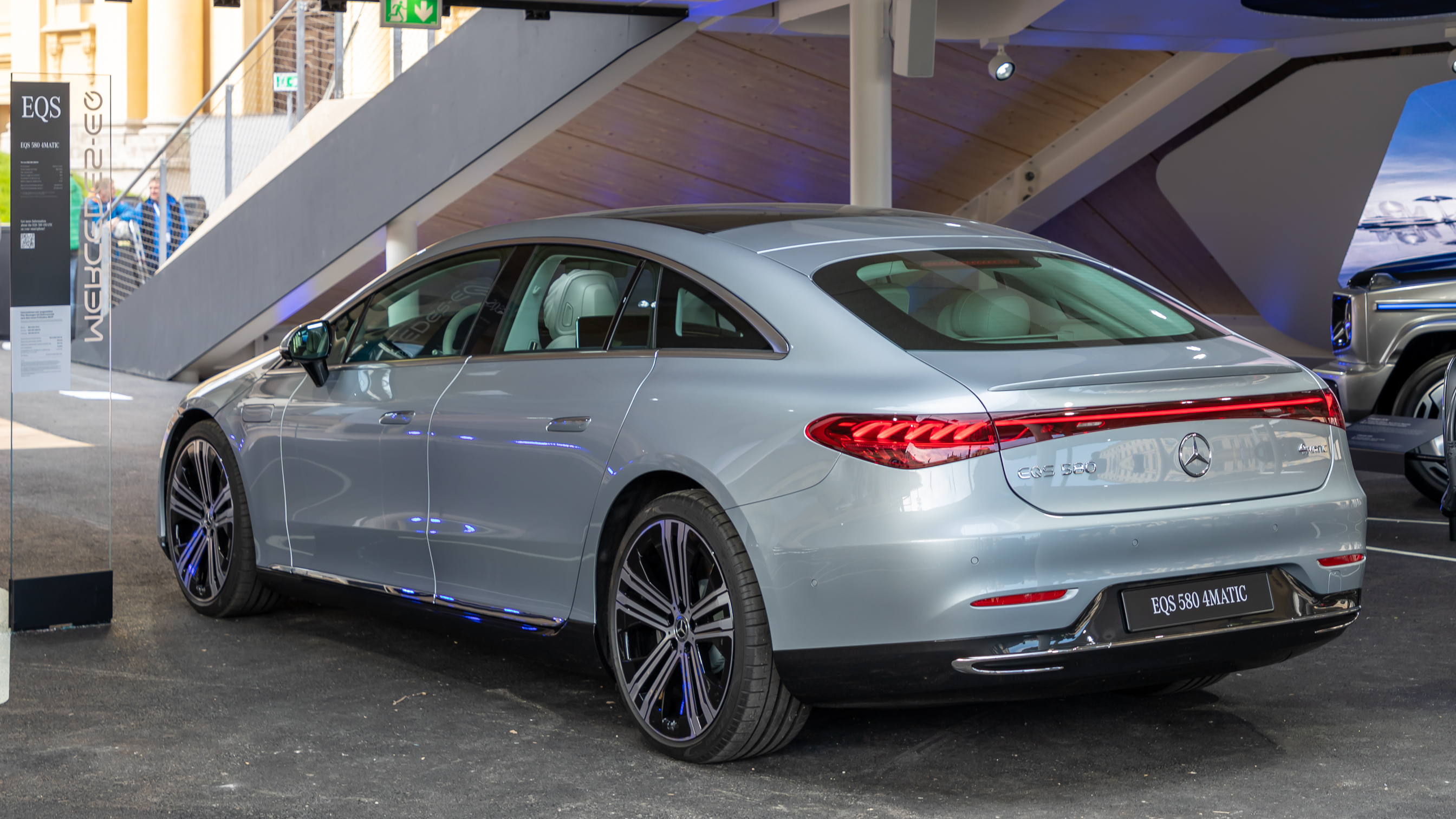
The Mercedes EQS is an all-electric Mercedes car. They’re talking about how far it can go on a full charge, and how bad weather can make that number drop. Even after that drop, they think most people could still manage their daily trips.
WLTP range refers to the vehicle range measured under the Worldwide Harmonized Light Vehicles Test Procedure. It’s a standardized lab test, so real-world range can be lower depending on speed, temperature, wind, and driving style. The hosts explicitly model this by “chopping” range for bad weather.
Electric cars often lose range in cold or harsh conditions because the battery and cabin heating require more energy, and tires may be less efficient. The hosts’ “chop 100 off for bad weather” is a practical way to translate a test-cycle range into a more realistic expectation. This is a key concept for EV ownership planning.
A “six-figure sum” means the purchase price is likely over 100,000 in the local currency being discussed. For high-end EVs like the Mercedes EQS, this frames the cost barrier and helps listeners understand why range and features are being emphasized. It also hints at the market positioning: premium pricing for long-range tech.
EV stands for electric vehicle—cars powered primarily by electricity stored in a battery. The discussion is about consumer expectations for EV range and charging practicality, which is a major part of EV adoption.
Concept
social media defensiveness
They’re basically saying people get overly defensive online about things they don’t like. Instead of discussing the facts, it turns into an argument just to push back.
The Nissan Juke is a small crossover SUV from Nissan. Here, the hosts are arguing about how the car looks—whether its styling is fun and distinctive or just too busy.
The Renault 4 is a classic, boxy small car from Renault’s history. The host’s point is that the Juke’s styling could have been more successful if it leaned into a retro, simple shape—then used Nissan branding to create a “winner” look.
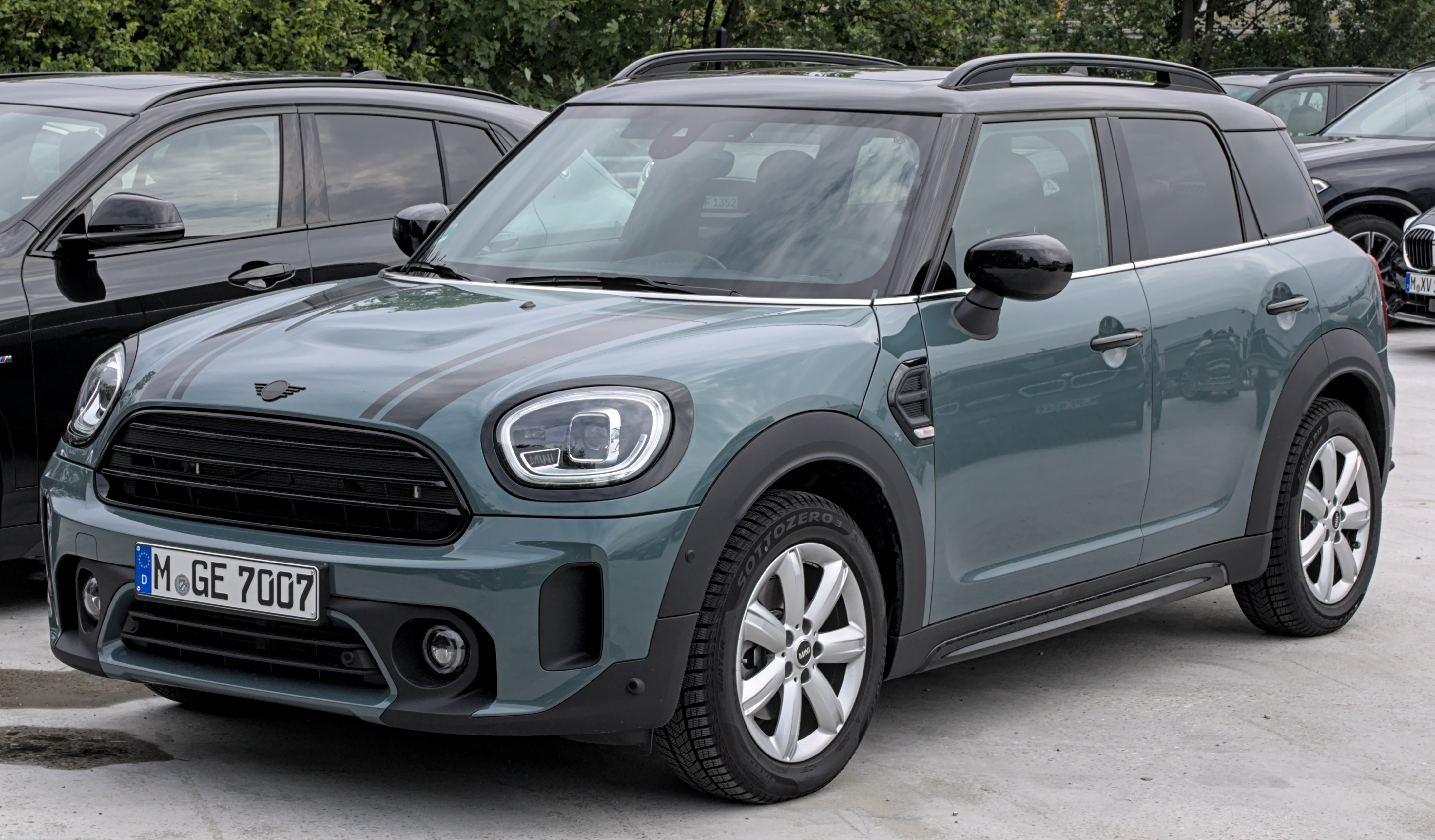
The MINI Countryman is a small crossover SUV. They’re basically saying the car they’re looking at has a similar overall shape, but with a very different, more aggressively sculpted side design.
“Invisible to radar” refers to reducing how well a vehicle can be detected by radar-based systems. In practice, this is usually about shaping surfaces and using materials/geometry that scatter radar energy away from the source, which can reduce detection range or tracking quality.
A faceted look means the car’s body panels are shaped with sharp angles instead of smooth curves. That makes the car catch the sunlight differently as you drive by.
Concept
controversial thing
“Controversial” here just means people don’t all agree on the styling. Some will think it looks cool or unique, while others will think it’s too weird or not attractive.
“Full self-driving” refers to Tesla’s driver-assistance and autonomy software package, which aims to automate more driving tasks than basic cruise control. Approval in a specific country (here, the Netherlands) typically means regulators have allowed broader use under defined conditions. Listeners should treat it as software with limitations and requirements, not a guarantee of fully autonomous driving at all times.
It’s a Tesla feature that helps the car drive, but it’s not “set it and forget it.” You still have to watch the road and be ready to take control if the system can’t handle something.
They’re talking about Tesla cars being tested for driver-assistance features. Even with advanced tech, the driver still has to supervise and be ready to take over.
Even if it feels like the car is driving itself, many systems are still basically advanced cruise control. They work best in certain situations and you still have to watch closely.
The system may allow the driver to remove their hands, but you’re still expected to stay alert. It’s usually only permitted on certain roads and in certain situations.
This refers to “driver monitoring” and “handover” requirements in advanced driver-assistance systems. Even when the car can assist steering or driving, regulations and system design require the driver to remain ready to take over immediately.
Different countries have different rules about how much a car is allowed to drive by itself. Those rules can affect whether you’re required to keep your hands on the wheel.
Concept
foiling with the little things in the gutters
They’re using a funny comparison to describe bouncing along the road edge instead of driving smoothly in the lane. It’s basically about how the car behaves when the tires aren’t on the ideal surface.
The Kia E-Niro is an electric Kia Niro. It’s a popular EV crossover, and the hosts are talking about how it’s been a big seller for Kia in the UK.
Concept
EV3, EV2, and potentially EV1
Those names are Kia’s plan for multiple new electric cars. The point is to offer EVs in different sizes and price ranges so more people can afford one.
The Kia EV2 is an electric car model mentioned alongside other EVs like EV3. The podcast says that when EV3 comes out, EV2 may not have a clear place in the lineup. In simple terms, it’s about how Kia’s EV options may be reorganized.
The Kia EV3 is an electric car model that’s being talked about as part of Kia’s next generation of EVs. The podcast mentions it because it changes what other electric models are meant to do in the lineup. It’s essentially about where EV3 will fit for buyers.
The General Motors EV1 was an electric car made by GM. It was one of the earlier EVs, before electric cars became more common. The podcast mentions it because newer EV plans are taking its place.
Concept
EV efficiency expectations vs lineup changes
They’re talking about how people expect newer electric cars to use less energy and go farther. But they’re saying the newer Kia/Hyundai options they’re comparing didn’t actually deliver the efficiency gains people hoped for.
Car
Kia Kona
The Kia Kona is a small crossover. This episode is talking about its electric version and how it used to be a good, practical EV choice before newer options replaced it.
The Hyundai Ioniq 5 is an electric crossover. The host is basically saying that they thought the newer car would be even better than the one it replaced, but in practice it didn’t end up being more efficient.
They’re talking about how if lots of the same car show up as taxis or ride-share vehicles, it can make that car feel less cool or less unique. It’s more about reputation and popularity than the car’s actual quality.
The Toyota Prius is a hybrid car that’s been around for a long time. The point they’re making is that when a car becomes super common as a taxi/ride-share vehicle, it can feel less special.
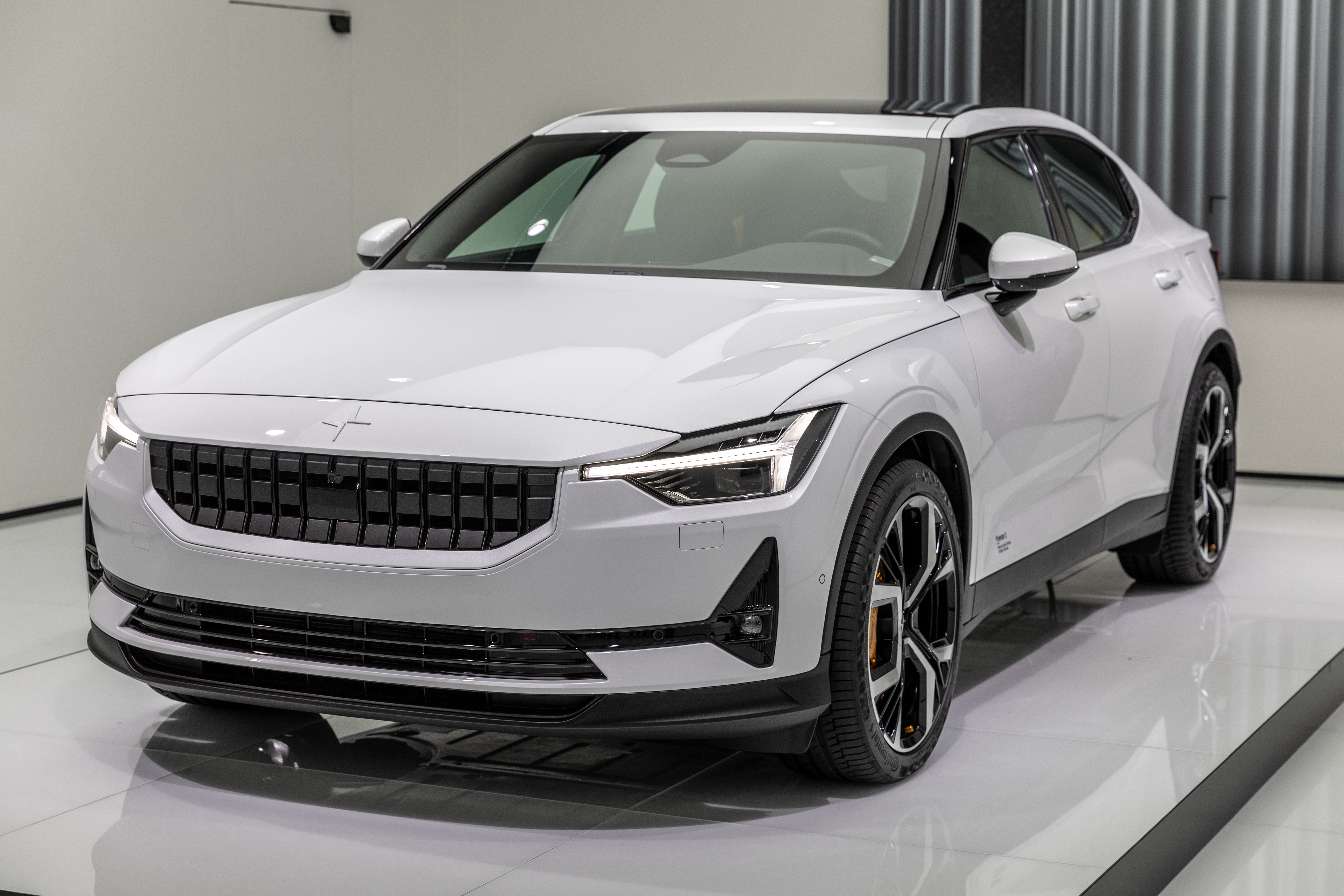
Polestar 2 is an all-electric car. “Dual motor” means it has two electric motors, which usually helps it feel quicker and can provide better traction than a single-motor setup.
“Dual motor” means the car has two electric motors. That usually helps the car launch harder and grip the road better, especially in slippery conditions.
EV “tariffs” are electricity pricing plans that can change the cost of charging depending on time of day and how you use power. If you don’t have solar panels or home batteries, your charging strategy and the plan’s rate structure matter a lot for total cost.
British Gas is an energy company. Here, they’re relevant because the podcast is talking about which electricity plan (tariff) to use for charging an EV.
An EV tariff is a special electricity pricing plan for people who charge an electric car. It can offer cheaper charging times, which helps reduce your overall fuel/charging cost.
Concept
peak vs off-peak electricity rates
Electricity can cost more at busy times (“peak”) and less at quiet times (“off-peak”). When you charge your EV, your savings depend on whether you’re paying peak or off-peak prices.
EcoTriesty is an electricity company the hosts are using as an example of a cheaper charging tariff. They’re comparing its price to other providers to show how much you could save.
A Zappi charger is a special home charger for EVs that can use your solar power first. In Eco+ mode, it tries to charge using the sun’s energy instead of pulling as much from the grid.
Eco+ is a charger setting that tries to use solar power first. If the sun isn’t producing much, it may charge more slowly or pause to avoid using grid electricity.
This is Kia offering a long warranty/coverage period for several years. The point is that you’re not just buying the car—you’re also getting peace of mind for a long time.
Term
basic air trim
Trim is the package of features a car comes with. “Air” here means this used Kia still has a certain equipment level, so it’s not the most stripped-down version.
The Mazda MX-5 is a small, fun roadster that’s built to handle well. The story is basically about how even a car that feels confident can get into trouble if the road surprises you and the tires lose grip.
A humpback bridge is basically a bump in the road that makes the car go up and then down. If you hit it at the wrong time—like while turning—it can reduce tire grip and make the car feel like it’s slipping.
If all four tires leave the road, the car can suddenly stop behaving normally because there’s no grip. Bumps and dips can make it happen fast, which is why it feels terrifying in the moment.
The Mustang Mach-E is Ford’s electric SUV/crossover. They’re saying it’s enjoyable to drive, even if they don’t always think of it first.
Concept
traffic jam efficiency (EVs)
They’re talking about how electric cars can feel better in heavy traffic. When you’re constantly slowing down and speeding up, the car can recapture some energy instead of wasting it.
The ID.3 is a Volkswagen electric car. Here, the person is sharing how efficiently it uses electricity in everyday driving so others can compare real-world results.
Term
19-inch hours
“19-inch” is the size of the wheels. Bigger wheels can make the car use a bit more energy, so efficiency can drop compared with smaller wheels.
Miles per gallon (mpg) is how far a gas or diesel car can go on one gallon of fuel. The host is saying that in the past, they used a rough default number when they didn’t have the real fuel-economy data.
Instead of one person collecting all the numbers, they’re asking lots of people to submit their own data. That can make the results feel more like real life.
800-volt chargers are a newer type of fast charger for EVs. They can charge some cars faster, but not every EV can use them the same way, and not every charger location has them.
InstaVolt is a UK EV charging network brand. The segment references an InstaVolt site to illustrate how an EV with the right voltage architecture can extract more power from high-power chargers. It’s essentially a real-world example of the charging behavior being discussed.
LIVE
Hello and welcome to the Kilowatt Half Hour, a podcast about the world of EVs brought to you by the team at electrifying.com
Well, blimey, has it been a week since the last podcast? Because last week I was moaning that it was too hot, but this week I think it's just about right for me.
It's like a nice 14 degrees outside. This is t-shirt and shorts weather. So welcome along. If you can hear anything in the background, it's because I've got a bit of stuffing that's going on.
I'm being stuffed, if that makes sense. Welcome to the Kilowatt Half Hour. I'm Nicola.
I'm Mike.
We have to introduce our newest member of the team. It's our amazing news editor. It's lovely Sam. Hi, Sam.
Hello. Lovely to be here.
Do I need to explain me being stuffed, by the way? It's probably best if I do. So our sofas arrived and they were very flat.
So we've got a guy around that's basically re-stuffing our sofas downstairs.
Okay.
Are you allowed to name brands or anything? Who let you down with understuffing sofa?
I think it was Furniture Village. It just turned up and it looked a bit creased and a bit naff, so they sent round a guide to add some extra stuffing.
So that's what he's doing, just in case you can hear some banging and some drilling because he's taking it apart and putting it back together again. All right.
Who knew that was a thing? There we go.
Yeah, there we go. Anyway, welcome to the Kilowatt Half Hour podcast. Also, welcome, Sam. It's nice to have you on for the first time.
I've actually been on three times before, but as middle-aged white men, we'll blend into the crowd.
Nice to have you on for the fourth time.
Do you realise you've been on it before? I'm so sorry.
No, I haven't. It's James, my first time.
Oh, you're hilarious.
You bugger. Right, OK. Let's talk about what we've been up to and what we've been driving this week.
So I've been on a busy one. I've been on date number four with the VW ID Cross.
Oh, my God.
We go again. This was a studio walk-around this time.
So now we've done a studio walk-around of the concept, then drove the concept, then broke it, and then drove the covered version,
and now gone to a studio to see the uncovered version, and then eventually we'll take the uncovered version for a drive abroad,
and then we'll do the same again in the UK. So that was just date number four.
And it was good. And I have to say, I'm not going to give anything away because I can't tell you anything.
But what I can say is the guys from VW were wonderful and they gave me some really good props.
Boom.
That's all you need. I've seen the pictures and I think it's definitely a video you're going to want to watch because it's, yeah.
Yeah, I've never seen anything like it in my life. So yes.
Thanks so much. Mike, what are you about to?
Well, this week, it's always a sad week when you say goodbye to a long-term result.
And the Volvo EX30 cross-country is departing on Friday.
So I spent the weekend cleaning it and clearing out life, really, out of it.
And it was a bit sad, isn't it? So yeah, I'll be sad as it goes.
I've only had it six weeks because I first have it for three months, but Bicky and I didn't do a swap for ages.
It's been nice. It was interesting driving because I went on the launch of the EX30.
And we drove the all-wheel-drive one, which is what this is.
And Ginny had driven the rear-wheel-drive one, I think the week before.
And we had one of those things where he said, what do you think about it?
And we both start the sense at the same time.
And I said, I really didn't like it. And Ginny said, I loved it.
So I realized, ah, OK.
But yeah, the all-wheel-drive one, I think may have been pushed back in the development cycle because it just wasn't ready.
The steering was like on the kind of 80s console games where there's no feedback or anything.
So it felt really, really light. It kept wanting to jump out of the lane.
It felt really, really unfinished.
But having driven this one now, it's almost gone the other way.
It's not only just sort of, OK, it's brilliant.
The steering and the weighting and everything is fantastic.
This is an all-wheel-drive one as well.
And it's just night and day compared to the original launch cars.
So yeah, it's been a lovely thing.
I'm still not 100% getting used to the fact that there are so few buttons in there.
And I appreciate this makes me sound old.
But a lot of the stuff that we flagged up on the launch to say,
look, why have you got to go through three menus to get to the fog light?
That kind of thing.
It was all kind of, and you've been on launch as well.
You'll have heard this as well.
Don't worry. This is just an early development of the...
Pre-production.
All we fix by the time the customers get it, it'll be on the front screen.
You won't miss it.
Yeah, it's still got all of those things.
And Vicky hadn't activated the wireless system.
So the fact that it wasn't, you couldn't use the embedded Google Maps
or part of the infotainment system to navigate if you didn't connect your phone.
I got a message about three weeks ago on my phone on the app.
So you haven't activated your free Wi-Fi yet.
Why not do it now?
So it says, cost you nothing.
All you need to do.
So it's obviously, it's clearly a data capture thing.
So name, address, all this kind of stuff.
They said, great, your Volvo will be completely connected next time you get in it.
What I didn't realise was it kind of disconnected everything else.
So you had to go through that kind of whole song and dance of connecting your phone again.
So it was...
Yeah, yeah.
Just as I was going to the airport as well.
It's always when you kind of, it's not when you go to the Sainsbury,
it's just when you think, right, I've got two hours to get to the airport.
But yeah, apart from that, I think it's been really good.
It's been a really nice car to drive.
I've enjoyed my time with it so I'll be sad to see it go on Friday.
So yeah, there we go.
Do you give it like a sad wave goodbye as it goes?
I don't like to look.
I mean, I...
Do you just kind of throw in the key and leg it?
I get horribly attached to cars, even long-termers that aren't mine.
I kind of, you know, you just kind of think,
I can't look out the window as it drives away.
So yeah.
Oh, see, I have to watch it go.
Do you?
If I get really attached to it, then I will stand outside the house
and just kind of watch it go down the road.
And just be like, oh.
Oh, no.
Karen and I, we parked higher cars at the airport
and said, oh, that was such a lovely holiday.
I'd be so sad to see that little car go.
So now I was going to get to drive it now.
I said, yeah, I'm horribly sentimental with cars.
I'll be interested.
Print more holiday snaps with it.
Yeah.
I've got probably more holiday snaps of the higher cars that we've had
than we have of the hotels we stayed in.
So yeah.
Sad fact.
Sam, what have you been up to?
Yeah.
Come on, Sam.
I drove to France the other week.
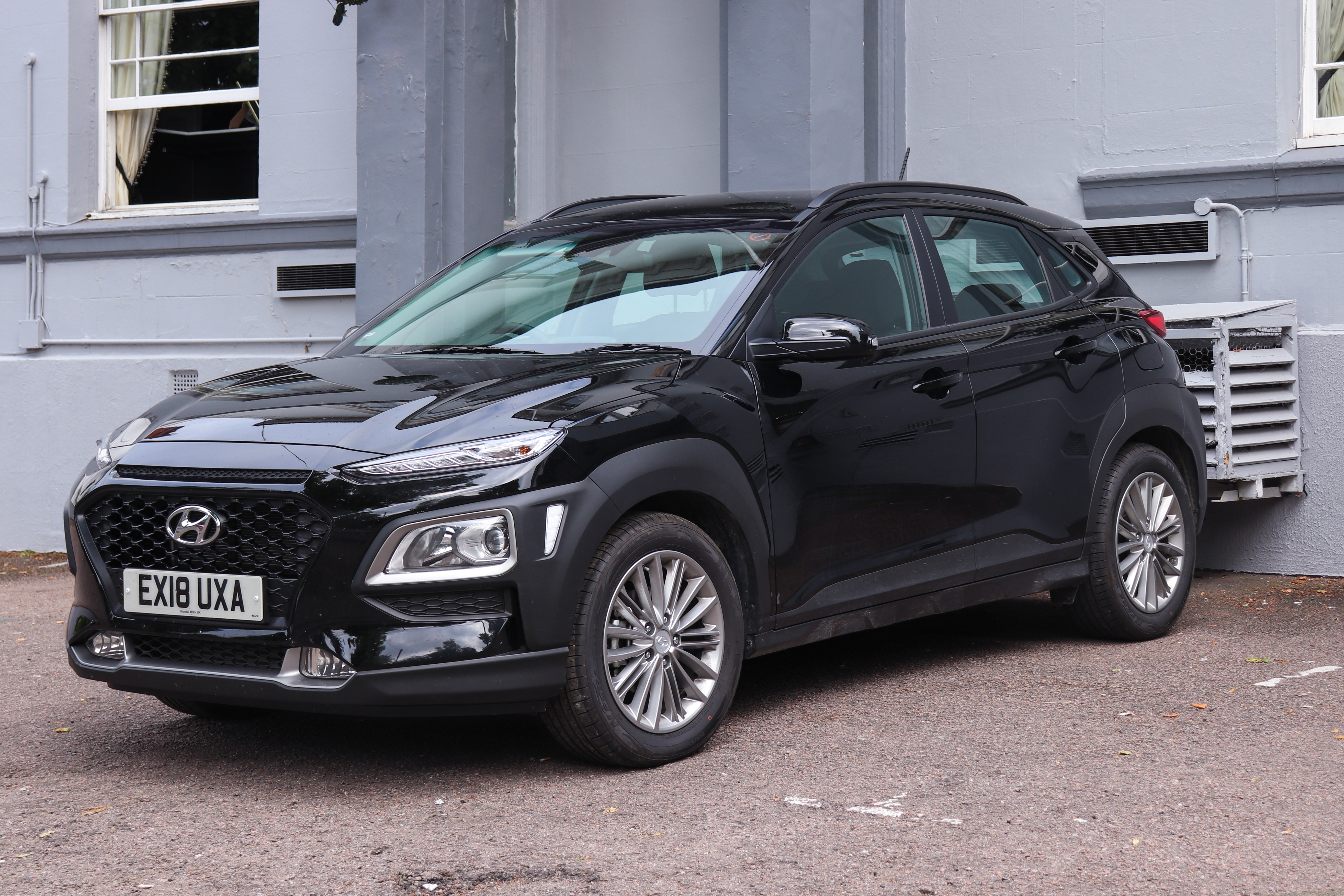
My trusty Hyundai Kona electric second hand.
It's not made of money, but it's, you know,
I won't hear a word against it.
It's the best car in the world and it's driven.
I've driven to Rome.
I've driven it to the south of France twice.
We drove it to Lyon last week and it's just brilliant.
I love it.
Amazing.
So I find charging in France is actually really, really good.
And even if you find like a random charger in the middle of nowhere,
they tend to charge at the full speed that they claim that they do.
Yeah.
I have, I've got this little card, like a charge map card,
and I can just swipe it on anything in France and it lets me charge,
which is brilliant.
I'm not sponsored by them.
Maybe I should be.
But the, we got, we had an e-golf like back in 2019,
and the infrastructure in France was terrible.
And I nearly killed my sister-in-law's dog in the middle of the heat wave
because we would air con off and everything,
but it's improved so much since then.
So we're well done France.
Okay.
Okay.
We're not killing dogs anymore.
So that's, that's a, that's a positive.
I did see lots of grande pandas in Lyon.
Did you?
Yes, I did.
That's exciting.
You were complaining the word.
I was, I got very excited.
I got quite excited and then five or six.
I was like, oh gosh, these things are everywhere.
No way.
I haven't seen, I haven't seen any.
I haven't seen any on the road whatsoever.
Wherever I've been in every country that I've been,
I haven't seen any.
I'm so gutsy about it.
Just keep my eyes peeled.
Yeah.
Although I did get excited the other day because I,
as we were driving up to the barn last week,
I got really excited because I saw in the wild a DS number eight
and I was like, no way.
Someone's actually bought a DS number eight.
And then it turns out it was Wookie's long-term a car,
I was a press car.
I was like, oh, okay.
I was a cloud shape.
Yeah.
I was like, oh.
It's like that.
We might see the mountain about.
It's like that Roy Hodgson meme, isn't it?
I sent you the other day.
But when he looks excited and he goes,
I think it's like, yeah.
I just realised that you're almost there, but not quite.
Yeah.
Yeah.
Yeah.
Never mind.
And then you took the Nissan Microback, didn't you?
I got to drive the Micro for the weekend.
And do you know what?
I actually like it now.
Yes.
Did you, right.
This is right.
Okay.
So last week we were filming at the barn.
And we were, that's incorrect.
So we put them head to head.
And as soon as Sam turned up,
we were like, what colours that's supposed to be?
But I think it was supposed to be orange,
but it looks red.
Definitely red.
It will fade to orange in the sun.
Hmm.
See what you think when the video comes out.
I'm pretty sure that was just red.
Just a red car.
I drove it.
I drove it to Milton Keynes at the weekend.
And I saw so many of these,
like fluorescent Renault fives driving around the place.
And I just think we can't look at everybody.
And I think a bright car is some people,
obviously not you if you've got one and you're,
and you're listening to this.
It's not a substitute for personality.
And the micro, I think it just,
it sidesteps that neatly.
It shows you're a bit of a connoisseur.
You know that the underpinnings are reliable,
but you're not too worried about the outside.
That's, that's my new take on things.
It's just an interesting choice.
And it's so slow.
It's really efficient.
I've got 4.7 miles per kilowatt hour out of it.
You're kidding.
That's not bad, is it?
Were you driving at eco mode or what the hell were you doing?
I only drive in eco mode, Nikola.
Of course you do.
You're just like Batch.
Driving nuts.
I think that's just eco mode.
Normal mode.
And then there should just be wasteful mode
and even more mindful mode.
Yeah, waste it.
That's what you're supposed to do.
What's the point in having an EV
if you're not going to put your foot down
and enjoy winning at every traffic light?
Do you know what I mean?
Come on.
But that is literally what Batch does.
Even if there's like 200 miles in the car,
you'll still drive it in eco mode because he's crazy.
Oh, I do.
You've got to, you know,
even get out and push away from the lights
just to save a bit of electricity.
I love the fact that my i3 had what was referred to as
a Polo 13 mode, which is, you know,
it's just kind of like nothing on.
It's like that when they're floating around in space
when they're about to switch everything off
just to survive.
That was kind of known to that.
It literally kind of turns everything off,
the heating off.
It restricts the throttle to like half power.
And anything else that uses electricity,
I'm sure that indicates flash half as frequently
as they do on normal mode, you know.
It was genius.
I mean, it's got me home a couple of times.
Yeah, it would appeal to you, Sam.
You know, you can say possibly say even more.
We did get the Kona down to 1% on the motorway in France.
I was very confident getting to the stop on the auto route
but Laura, Mrs. Burnett and the passenger seat
was getting very tense.
Yeah.
I would be.
I like to live life on the edge.
That's too close for me.
So if that's 1%, how many miles did you have in there?
Two or three.
It's not showing you after 10.
No.
No, I don't like this video, Sam.
Don't do that.
It's the only excitement I get in my life.
I'd be interested to know how many,
what cars people have run down to zero
and how many miles they've actually had left.
If you're watching this on YouTube
or if you're not going to YouTube,
leave us a message.
If you've got your car down to naught miles,
how many miles have you had available
before it actually conked out?
Because I think you'd be surprised.
I think it'd be in double figures for quite a few cars
but I don't want a chance at it.
So I'd rather the listeners told us.
But there is the added bonus
that I learned from doing the El Pri a couple of years ago
that if you do run it to completely,
to its death and it does just completely stop,
turn the car off, wait for 10 minutes,
turn it back on again,
you'll get a very, very slow, about 25 miles out of it
because that's technically running from the 12 volt.
That's not running from the main battery.
But if you do get stuck in the middle of nowhere,
you can just kind of turn it back on again
and it will gently keep you going
for a little bit longer to get you to a charger.
But boom.
If you press it to your chin when you turn it on as well,
that gets you an extra few.
I've also heard that.
Yeah, that's also a thing.
Shall we move on?
We've had loads of stuff come out on the YouTube channel this week.
So one of them that I also want to mention as well while we're here
is the VW event.
So where I did my fourth date with the ID Cross,
which was wonderful,
there was so many cars there
and they turn it into a massive, massive event.
And I have to say, fair play to VW.
They've thrown some money at this big time.
Someone's got some.
Well, it was up in Hamburg, right?
We had to get a boat over to,
we had to get a barge over to the other side of the river.
And then you turn up at this warehouse
and then there was like a whole presentation or whatever
and they were showing off the cars that are coming out soon,
which we all know what the cars are.
We know that there's the ID Polo, the ID Polo GTI,
the ID 3 Neo,
which is the video that's just come out on electrifying the ID Cross
and there's some others coming out as well
that we can't quite talk about yet.
But they did a whole presentation
and then the big screen at the back of the presentation
turned into big, exciting, slidey doors
and they opened up and then behind was like an outdoor street,
but it was also indoors.
It was an outdoor, indoor experience in a warehouse
that looked like you were on a road
and it looked like it was little shops.
So like every car was kind of in one little shop,
there's your ID 3 Neo.
In one little shop, there's your ID Polo.
In another little shop, there's an ID Cross
and they were all little studios
and then they had different food stands along the whole thing.
They had fake trees.
It was amazing.
It was amazing.
I'm allowed to tell you now, which is really nice.
Big times, big moments coming for VW.
Sounds like you're on Joan Coronation Street.
Yeah, yeah.
There wasn't a pub, unfortunately.
There was just a guy walking around with wine, which was nice.
That'll do.
It's my kind of pub.
Talking of big, we've got the EQS,
Ginny to the walk around of the Mercedes EQS,
which is 574 miles WLTP range.
I mean, every week there's like another 60, 70, 80 miles added
to the next game change.
I did the thumbnails for Electron.
I think I've used the word game changer
about six times already in the last month
because it keeps changing all the time.
But that is, you know, let's say that realistically,
you chop 100 off for bad weather.
That's still 470 miles of range,
which surely that's got to be enough for most people, isn't it?
I mean, it's going to be a six-figure sum, isn't it?
To buy that thing.
Would that mean it's got one percent?
You could run down to one percent.
Sam would be all right.
Yeah, you'd be fine with that.
I mean, that's crazy.
That's crazy numbers that people will still find something to moan about.
I think we said this before, didn't we?
It's like, people are going to start going,
yeah, but I'm only going to drive it.
You can do 600 miles.
I only drive electric if it can do 700 miles.
And they're like, well, here you go, here you go, here you go.
And then they still keep finding ways to complain about it.
Why are people so threatened about VVs?
You know, my social media half, everyone's very defensive.
It's a strange hill to die on, isn't it?
The fuel choice for your vehicle seems a very strange thing
for people to get annoyed about.
But people who don't like them are very much...
I find they're just the kind of people that, you know,
the type of people that if you recommend a TV show to them
and if too many people recommend that TV show,
they're like, oh, too many people banging on about it.
I don't want to watch it now just to be annoying.
I think it must be that.
There's got to be a degree of that.
But also out on Electrifying this week is the Nissan Juke.
Let's discuss, please,
because I feel like we're all going to have different feelings about this.
Yeah, we briefly chatted about it before I clicked the record button
and I realised I'm completely odds with you two because I don't mind it.
In fact, I quite like it.
But I'm gathering that I'm very much on my own with this.
What don't you like about it?
I don't like it.
I don't like it.
It's like they've just gone,
let's just add every possible line imaginable
and see this nice bonnet that can just be nice and straightforward.
Let's not do that.
You see this grill?
I just want to throw every possible material at this front grill
just because it's fun.
And down the side, I think we should just add at least 68 more lines
just down.
Just for styling and stuff.
Do you know what they should have done?
They should have got a Renault 4 and stuck a Nissan badge on it.
And then they would have been a winner.
Although we haven't seen the interior yet, so I don't actually know.
I think the first thing I thought when I saw it,
it looks like someone's taken a potato peeler to the side of a mini countryman.
That's pretty good.
They've just taken something.
It's actually quite sensible underneath, but it's just got all these,
I think the bonus side is it's invisible to radar.
That's going to be,
I think you'll just be able to zoom past a speed camera
and it will just bounce off at all angles.
Nice.
I think that's what they've gone for.
Yeah.
Yes.
It's a faceted look, isn't it?
I think that's the word they tend to use.
A glimpse on the sunlight.
Yeah.
I don't think it's different.
I think Duke's always been controversial thing, hasn't it?
You know, it's never been what you'd described as a conventional looker.
I'm just glad they haven't kind of taken the easy option really, but...
Okay, well we'll see what the public's saying.
If you've seen what the Duke looks like,
put it in the comments section below.
And as we know,
if you think Mike is wrong, then tell him to his face.
As you know, if I like something,
how many pressures need to worry?
Because I like the smart and the A2
and the original Mercedes-A class,
all of which nearly bankrupted their owners.
So, yeah.
I'm just giving it a kiss of death.
Nissan are probably redesigning it as we speak.
Someone's taking a plane to the side of it.
Make it nice and flat.
It's a vote of confidence in British engineering.
They've looked at the design and they've thought,
do you know who historically makes wonky body panels?
Send this to the UK on top of things.
They're going to smash it.
And they look like they did.
Yeah, very nice.
Right, what other news stories we've got going on, Sam?
Well, the big...
It's not a big story.
I mean, people who care about this thing,
they really care about this sort of thing.
But Tesla full self-driving has been approved in the Netherlands.
Except it's not really...
It's not full, full self-driving.
I mean, it's not even full or self-driving.
But it has been approved.
And that is the main thing.
That's a good news.
What?
Full self-driving supervised has been approved by the Dutch authorities.
And they've given a very lengthy explanation as to...
18 months.
They've spent 18 months driving Teslas around
and making sure they don't crash into things.
Right.
But really what it is, it's just fancy cruise control.
And they've given it this stunking great name.
You can get this...
There's a Ford one that you can drive through
all the way down from Sweden all the way down to Rome
on certain roads that will let you take your hands off the steering wheel
like on a roller coaster.
And then it will drive along the motorway.
So, I mean, the Tesla thing, you're allowed...
You can take your hands off the wheel, basically.
That's what they'll let you do.
Okay.
I mean, we already kind of do that anyway
in a lot of different cars.
And then you just get told to put your hands back on the steering wheel, right?
So they're just telling you you don't have to bother putting your hands back on.
Well, there are sensors in the car, so they'll be watching you.
So they've explicitly said to the Dutch
that you cannot read a newspaper while driving.
Ah, okay.
You can't raise the roof like you did in the 90s.
You can't do any of that while you're driving.
You could do the robot
because your hands would be near the steering wheel.
Yeah.
I mean, if you raised the roof, that would be too much out of control.
Got it.
Right.
Just so we know where the line is.
It's important.
It's pretty blurred that line in terms of what you can and can't do.
Yeah.
Basically nothing.
You can take your hands off steering wheel for inner Tesla.
Presumably only inner Tesla that's been approved and had all this regulatory.
Yeah, I wouldn't do it in any other car.
No, okay.
You'd just be off the road.
You can't drive your own car into the Netherlands and just say,
well, there we go.
Is it?
No.
Well, look, I mean, a lot of the cars we've, like, lane keys exist.
You can literally just go,
I'm not suggesting that you should.
No.
It's like when you go foiling with the little things in the gutters.
Just sort of bounce along the motorway.
Yeah.
It's fine.
Next slide for our entertaining.
Mike, what have you got?
Well, we've talked about lots of cars arriving.
We've got one that's disappearing.
The Kia E-Niro is disappearing.
Oh, Sammy, right.
I don't have a violin sort of sound effect I'm playing.
The Kia have sold 100,000 electric vehicles in the UK,
which is amazing, isn't it?
Considering where we were even, you know, four or five years ago.
And the Niro has accounted for a huge chunk of that.
But now, with the arrival of EV3, EV2, and potentially EV1,
there's no home for it because it doesn't really fit into the grand plans
of everything looking the same, I suppose, if you're a Kia.
So, yeah, I think it's the calling time on it,
which is quite sad, really.
It was a really economical thing as well, wasn't it?
It was kind of, I think everybody expected efficiency to kick on
when things like the car you've got as well,
the Kona and the Niro E-Niro, disappeared.
But in fact, the cars that replaced them were the same.
If not worse, I mean, when I got my Ioniq 5, I was thinking,
well, you know, I know the car that was replacing is very good.
So the Kona's really good.
So the Ioniq 5 is going to be even more when it wasn't.
It was even worse.
So the big, heavy car, I suppose.
But yeah, it's sad to see that.
A really sensible pair of shoes.
Yeah.
Comfortable shoes.
It's a bit sad that the option's gone now.
Yeah.
But there we go.
I mean, eventually those, the ones that they're releasing now
will be the comfortable pair of shoes.
They'll just be a newer pair.
We did consider a Niro when we bought our Kona.
Yeah.
But there are too many mini cab drivers in London
because we were living in London at the time
and every driver with an app has a Niro
and I feel like they've killed the image.
Yeah.
They killed off the vibe.
And that's what they did with the Prius as well, didn't they?
Like, no one bought Prius anymore because everyone was a cabbie.
Where are they going to go next?
I don't know.
I mean, you get a lot of Teslas.
They're all in Model 3s around here.
MG5s.
Yeah.
The estates, a lot of those around here are cabs.
Yeah.
In Sussex.
Nissan Duke next.
They would never.
They would never.
At least you've got a nice flat surface to put the stickers on though, Sam.
Haven't you?
On the side.
That's fine.
Yeah.
Shall we welcome some of our newcomers to the world of electric?
Yeah.
Okay.
The first one is cryptically.
It's from the chap, somebody called the Mavman.
Oh.
Have no more information than that.
I've been absolutely besotted with the Polestar 2 since its launch.
Thanks in part to your reviews.
I have saved up a few years and it will be collecting my first EV this coming Saturday.
True transparency.
The Mavman sent me this a couple of weeks ago.
I've only just got around to reading out.
He's probably got it now.
Let's hope he has anyway.
It's a dual motor Polestar 2 in black on a 71 plate with only 26,300 miles on the clock,
which is good.
Now comes another choice to make.
Which tariff to switch to.
I've got no solar or batteries as yet and I've opted to go with a hyperbolic tariff.
I'm tied in with British gas until later this year.
So going with their EV tariff to begin with.
Any inside info as to which tariffs would be good in our situation.
Well, I didn't get to finish on this note was the fact that he also works night.
So it's the opposite problem to what we normally have in so much as he needs the car at night.
Right.
So what you really want to find is something that has a low.
I would almost say don't bother with an EV tariff if you're going to be regularly charging during the day.
So the cheapest I could find was EcoTriesty on a two year fixed contract,
which is 23p for a peak.
Whereas on British gas, you're paying over 31 pence peak.
But if you want to find out what the latest and the best deals are on tariffs,
we have those on the website.
Tom puts those together every week and updates them.
So if you want to know which is the best one to move to,
I'll look at that.
But I reckon, yeah, you can get it down if you're charging during the day.
Don't bother with an overnight cheap one if you're only going to be charging the car during the day.
Just give the cheapest you can find for the day.
But yes, welcome Mavman to the world of electric.
Yeah, Mavman.
But also if you're saying that you don't have solar yet,
if you're only really going to charge during the day,
solar will be your friend.
That will be the perfect thing for you.
I mean, we have solar, but we don't have batteries for storage.
So I charge as much as I can during the day.
When I know it's just coming straight from solar,
we just on my Zappi charger,
you put it on eco plus, then it literally just trickles straight from the solar.
So there's the answer.
If you're working nights,
I would suggest charging from a neighbor's house after they leave for work.
Nice.
Then you just need to set your alarm before they get back.
That's really nice.
I like that.
Yeah.
Just don't tell them.
Yeah.
Yeah.
Screw the neighbors.
I'm Sam Burnett.
I suggest that tariff to them.
So then they get on the best value.
We've also had loads of questions come in as well.
So this is from Mark Fenterman who says,
I have a query that you might be interested in answering for me.
I do a mixture of driving short range around town,
medium range to the office and back and then long drives a few times a year
up to the Midlands to see my family.
I've been looking at buying a second hand EV for my next one.
And it seems like the Kia EV6 would be a fantastic choice.
Very nice.
For approximately 18,000 to 20,000,
you can get a three year old model with 40,000 miles on the clock,
still with the remains of the Kia seven year guarantee and their basic air trim.
And it has a lot going for it.
It also seems like it would suit my driving needs as I mentioned before,
and it'll be quite enjoyable along the A272.
I was wondering what your thoughts were on the matter
and whether you had any recommendations.
Well, I mean, straight away, Mark, I'm a big fan of the EV6.
I think I said this on last week's podcast, even probably the one before.
I think the EV6 is a fantastic car.
The only thing that has been pointed out to me about the EV6 and a few other
Kia's is a friend of mine doesn't like their font.
I like that.
I respect your friends.
I like that.
I wouldn't buy a car.
He took one for a test drive and he was like, I'm not buying this car.
I hate the font.
Fair play.
If you're a font guy, you might want to look elsewhere.
However, the EV6 is a cracking car.
He doesn't mention whether he's a font guy or not.
But A272, that's not your neck of the woods, isn't it?
A272, I think so.
I'm going to have a Google.
I've got fond memories of the A272.
I wrote a feature on it once on favorite driving roads.
I was in a Mazda MX-5 and I was absolutely ambushed
by a humpback bridge coming around the corner.
All four wheels left the road and I had about eight minutes
to contemplate my life and my career flashing before my eyes.
The A272 goes basically along all the way up to
sort of Winchester, Mid-Hurstway, goes through Horsham.
It's a wave at me when you pass through.
Nice.
You're very much team EV6.
You're telling them not to sway from that.
The only I could throw into that was a Cooper-Born,
which I thought was bad as a long-term.
I thought it was really nice.
Something bigger than that, I don't know,
but Cooper-Born would certainly give you the entertainment
that you would want and all the other kind of whistles and bells,
certainly for that kind of money as well.
Sam?
I spent my lunch thinking about this.
I basically considered looking at used cars as a hobby.
I invent lifestyle requirements for myself
and decide what I'm going to buy.
I would...
EV6, great shout,
and I love how weirdly specific parts of that account were.
I would go for a Polestar II, perhaps.
I think that would be a nice little car to have.
Mustang Mach-E, fun to drive.
That's true. We always forget about that car, don't we?
I always forget about the Mach-E.
IONIQ 5 would be my other wildcard.
5N, if you're feeling particularly fancy,
and all of those have good ranges.
Yeah, not for that money.
If you're going up to the Midlands.
I mean, it's only up to the Midlands.
It's not horrendously far, is it?
Why are you around the M25?
Yeah, you're just sitting at a standstill, aren't you?
That's the one thing. I keep telling my friends,
since I started driving electric,
I absolutely love a traffic jam because it's so good for regions.
Yeah, you crave a 50 mile an hour zone.
Oh, it's a lot of traffic.
That figure goes right back up again.
Yeah, it's perfect.
Okay, so Mark, we think we've sorted you out.
I think we've got plenty of options there.
Let us know what you go for.
One other from Alastair McClelland.
Thanks for a great podcast.
I've listened to every episode since first.
It's more than some of us have.
That's good. Well done.
I never write in, but I thought I would help with your spreadsheet.
I know you're looking for efficiency data.
We had a lot of these.
I've done 29,300 miles and an ID3 with 19-inch hours doing all those miles.
I've averaged 3.5 miles per kilowatt-hour.
It's a combination of country, city and motorway driving.
I hope this helps plug in the data.
I think 3.5 miles per kilowatt-hour is just generally the average, isn't it?
I just can't think of anything like that.
Yeah, that's just great.
Literally bang on the average that we would expect.
So that's pretty good.
When I used to work at Britain's best-selling weekly car magazine,
whenever we didn't have the figures for the fuel consumption,
it was always 45 miles per gallon.
That was just generally the default.
You'd spend two hours chasing up.
This is kind of like pre-internet time.
You'd find half your day trying to track down a PR person on a landline
to get the information.
It's 45.1 miles per gallon.
When I was ready to just put that in, this page could have gone three days ago.
Yeah, I think 3.5 miles.
So just chuck it in at 3.5 and you're good to go.
It's generally the thing.
So yeah, so there we go.
Thank you, Alice.
We did have a load.
And I think we're looking at trying to do a spreadsheet that you can fill in yourself
because we've had so many emails from people giving us figures and things
that I think, unfortunately, we can't possibly try to get them all put into our own ones.
But if we have a sort of crowd-sourced one, I think that seems to be the plan,
we're going to try and get some realistic figures from our podcast.
Did you miss out that final line on purpose, mate?
Yes, because my humility got the better of me.
So that's fine.
Read it.
It says, P.S. Mike, you are my favourite.
That's nice.
I don't know Alice, personally.
I must put that out.
Full disclaimer.
It's really nice of your brother to send a message like that.
And change his name so successfully.
He has gone up in three, actually.
Sam?
I'm 35,000 miles in my Hyundai Kona.
I've got 4.6 miles per kilowatt hour.
I'm just going to try that.
Oh, that's just showing off.
Oi, oi!
That's because he's in eco mode all the flippin' time.
Never put the air conditioning on.
Yeah.
We've had a message from Usman Likwat.
I'm apologised for butchering your name, Usman.
It says, love the podcast and the channel in general.
I don't know where to put the emphasis there, in general.
Oh, no, she's a huge fan.
He's a huge fan.
So really, he's a big nerd and excited in EV Tech in general.
But there is a point often repeated that Usman does want to correct.
Who's in trouble?
He says, when the Mercedes-CLA was announced, you complained, not me,
that it could only charge at 800 volt chargers.
And he implied, we implied there weren't many abouts,
but this is true for chargers installed before 2022
and Tesla superchargers, which totals around 25 to 35%
of 150 kilowatt plus chargers.
Usman has done his maths.
Most 150 kilowatt plus chargers,
that's the ratio about this,
installed in the last four years are actually capable
of outputting up to a thousand volts.
If you're the owner of an 800 volt car like mine,
you can actually pull up at many 150 kilowatt chargers
and get about 180 kilowatts out of them,
courtesy of the extra voltage.
He says, a pleasant surprise for his EV6 recently at an InstaVolt,
but it did send him down as really nerdy rabbit hole.
That's a really nerdy rabbit hole that I have no idea about.
Yeah.
I would say for me, the principle is that you shouldn't have to pay extra
to charge on 400 volt chargers on the slower ones.
To me, that, I'm outraged.
I'm outraged by it.
That's why I'm not getting this ADC LA.
We can get, you can sneak an extra 30 kilowatts of power
and you're only paying for 150.
Is that what you're complaining?
That's nice.
I'm going to plug in my Carina to a 150 kilowatt.
It all would explode.
I don't know what would happen.
It totally would.
I have worked this out.
I do not understand the logic behind it.
I grasped it for about 30 seconds and it went out of my head,
but I know I did look at this,
but yeah, because the IONIQ 5 would often charge at a higher rate
than I was expecting it to,
because obviously it's got the same 800 volt system
and it's only when I Googled it
and went down the equal rabbit hole to us
to find out that that was actually the reason why.
So good rabbit hole.
Nice.
Well, thank you.
Yeah, it was good.
Well, it was Osman's and I've done the heavy lifting there
because he's actually explained it.
Whereas I wasn't congratulating you.
I was congratulating you.
You know, good rabbit hole in us, man.
Very nice.
Thank you.
Right.
Let's have a little look at the comments from last week.
Because last week on the podcast,
we were talking about good cars for terrible roads
and the script, it's worded slightly differently,
but I've been told off for swearing quite a lot
over the last few weeks.
So I've gone with terrible.
So we've got Ian Goaty, who says,
if you do a feature on cars that cope well
with poor roads and potholes,
might I suggest either rural Romania
or better still eat Sussex as the test location now.
I can vouch for this.
And technically I'm West Sussex,
but I can vouch for the terrible roads
within Sussex in general.
We have got a road down literally round the corner from us
that we have to take quite a lot
when we want to make our way to the A24.
And it is like the team from the Artemis
to brought back a crater
and just put it right in the middle of the road.
And it's one of those roads that's 40 mile an hour,
but you have to make your way right to the middle of the road
to get out of the way of it,
because that will blow some tires serious.
It's so bad.
Have you got the same?
You must have the same.
Yeah.
Well, it's not a lot of bad.
Yeah.
No.
Yeah.
Yeah.
Anyway, so yes, which we fancy,
East Sussex or Romania.
What's more handy for you, Nicola,
if we can do that review?
Let's go to Romania.
That's probably good.
Okay.
I thought it would be.
Cheaper.
Go down the A272 to East Sussex, can't you?
Yes.
I mean, I can.
In an EV6.
This is all links together nicely, doesn't it?
Alan Gravey 27,
which is probably the best name of anyone
who regularly messages us.
Great.
A good choice for poor road is any Volkswagen group car
with dynamic chassis control, which DCC,
which is the name that Volkswagen, Skoda and Cooper
say at use.
You get 15 settings from a loping French back road
to ouch.
It's definitely optional in the I-77.
And you can air rock and standard on some GTX and BRS
versions.
Yeah, it is very good actually, DCC.
I'd say that it's probably the two parameters
you've mentioned are probably not the extreme.
It's like a lot of these dynamic and changeable systems.
You think, oh, this is great.
And then you think you press Sport,
and then you press Comfort.
And you think, I didn't really notice any difference.
Or is that just me?
Does anyone else think, oh, there doesn't seem to be
a whole hill of difference between one and another?
Yeah, it depends on the car.
It depends on the car.
But I really like the wording of the,
from loping French back road to ouch.
I think that's a really nice way of doing it.
And I might have to try and get that in some videos
at some point, because that's absolutely brilliant.
Good writing.
Yes, excellent.
Sam.
Tim Oliver 8-9-4-0 says,
I also live in rural central Scotland
and rarely drive in town or on motorways.
Parts of the A8-11 I drive on
are worse than a track a Land Rover would struggle with.
He does have a 2023 Land Rover Defender 90 on air suspension,
so he knows what he's talking about.
However, I find my mini countryman SE on the 19 inch wheels
handles the potholes really well.
Also, the ride is so bad everywhere,
you don't notice the difference.
That's what I was thinking.
Today, four miles of the worst pothole sections
of the western end of the A8-11 are closed to traffic,
because the surface is now so badly broken
that they aren't patching potholes,
they are rebuilding whole sections of the road.
Whoa!
Nice on that, isn't it?
The scandal.
I mean, I saw an article this week.
I'm not sure if you saw it, but I did see an article online
that basically people are blaming the weight of EVs
because of the amount of potholes and how bad they are this year.
But then at the same time, you go abroad,
we go abroad all the time,
and the roads in every other country,
literally every country we go to,
you're like, these roads are stunning,
even though they're also using a lot of EVs.
You go out to Japan or something,
and they've got the most beautiful stunning roads,
and they drive a lot of EVs, exactly the same in China.
It's just they know how to look after their roads.
It's not down to the weight of EVs.
So, stop complaining, everybody.
If everyone's driving, you can promote.
Then it would be fine,
and everyone would be late for everything.
This is from Mike Farmer, 82,
who says, a good vehicle for the pothole roads
is a Volvo A40G,
a bit too wide, perhaps,
but can't beat for dealing with poor road surfaces.
Had to look this up.
It's an industrial excavator used in Paris.
I typed it into Google,
because I thought, have I missed something?
Have I missed a launch here, as the A40G?
I'm going to Google it right now.
It's one of those things that's about 10 metres wide.
I was thinking it was a classic 70s estate.
That's what I thought it could have been.
I thought, that'd be nice.
Oh, it's a truck.
It's massive.
I'm sure it would.
It's a big digger.
I'm not sure it's electric either, is it?
But anyway.
No, it's not.
But it looks fun.
I'll drive one.
This is the automotive equivalent of getting Rick rolled.
NZR1 from YouTube says,
I switched to 18-inch wheels,
because the roads near me are suboptimal.
It's made them work for a much better ride
and a less stressful journey.
So I think that's pretty much the case.
We also got towed off according to 18-inch wheels,
small, because they're not to a,
you know, like 15-16 inches small,
for a lot of cars that used to be anyway.
Speaking of small,
I mean, this name is either,
either Mrs. Carey,
1942, or Mr. Carey, 1962.
I don't know which one it is.
I'm going to go for Mr. Carey,
because it's really fun that way.
Yeah.
So why are car manufacturers so obsessed
with large wheels and low-profile tires?
I had a Prius with 15-inch wheels.
I had my first leaf on,
my first leaf on 16-inch wheels,
and it was frugal and rode really well.
I now have a 2023 N Connector on 17-inch wheels,
which rides okay,
but would be nicer with squitty tires.
EVs need harder tires for economy,
but I'm tempted to use small wheels
with fat tires for improved comfort.
And yes, I would agree with everything you just said,
that Mr. Orvnis is Carey or Scary.
Yeah.
It's just vanity, isn't it?
I guess we have big wheels on stuff.
Designers, it looks better to some people.
You know what they say about cars with big wheels?
Yeah, expensive tires, yeah.
More like it's a pothole damage?
Yeah, nice.
Yeah, that's exactly the gag I was going for.
I bet.
Have you got little wheels on your coner, sir?
It's got cheap tires.
I mean, you don't know, you don't look at your wheels.
He has wheels.
No way.
Do you not know the size of the wheels on your car?
But it didn't come with a press pack, so I have no idea.
You know it's written on the tires, Sam.
How is it?
Yeah, I'll check.
I'll check.
I'll leave a comment.
Don't go now, because we need you to finish the podcast,
but you know.
Next time you're on.
If there is another time.
Yeah, yeah, okay.
That's fair enough.
Sam.
This next name.
John, one of my favourite parts of watching the podcast is
watching my colleagues struggle with people's usernames.
But actually, it's quite hard.
Octorine HK.
Yeah.
It says, consider the Jeep Avenger for bad roads.
I rented one this past weekend, a petrol, sadly.
You're no longer allowed to watch these.
And the ride over speed bumps and potholes was its only
redeeming feature.
Huh.
Poor little Jeep Avenger.
That's a bit mean.
Manos loves the Jeep Avenger.
Oh my God, he's obsessed with the Jeep.
Bloody time he sees one.
He's like, best car ever.
Best car ever.
Every time they drive past, he's such an idiot.
What is that?
Hi, Manos, who's editing this, by the way.
Am I his comment?
Yeah, I could have been.
And on the subject of apps and infotainment disasters,
this is off the back of me having a moan for the last couple
of weeks.
So we've got at W Wanderers who says, I found your chat about
vehicle apps really interesting.
So for me, it's now another aspect of the car that's equal to
driving characteristics or design.
I would love an episode or a video focusing on just this
topic.
As a Tesla owner currently, I look at replacement cars, but
I'm unsure if a dealer would allow you to allow you to access
the app until you bought the car.
For me, it's so important.
So for now, I just feel like it's best to stick to the Model
Y.
I'm keen to get into a BYD, so if you fancy doing an app review,
please make it top of the list now.
Yeah, you've got inside information on this, haven't you?
You had the BYD long term.
Well, I didn't have the app.
What?
I did the whole six months without the app.
However, moved into the Polestar 4 and the app for the
Polestar is brilliant.
Really, really good.
Really just like the most straightforward, easy to use app
ever.
It's literally got like six buttons on it.
Done.
And because my Zappy charger app has stopped working for
some reason, I can now see how many miles are actually in my
car and if it's probably charging through the Polestar app
rather than my Zappy app because that's not working.
So it makes me happy.
So there we go.
But it is an interesting thing, isn't it?
Because it's such a big part of ownership of cars is how the
app and how the app works with the rest of your cars from
setting the charging overnight and that kind of thing.
And it's also, it's a bit of a gray area with us because we
have a car for a week.
We don't necessarily want to set up an account which a lot of
the time requires you to put card details against it, all this
kind of verification stuff.
So we don't really get the full piece.
Only when we can't run cars as long term as that we tend to
download the app and make sure that we work at how it
integrates with the car.
So yeah, and dealers likewise, I doubt they spend the time
downloading apps and showing, but it needs to be like a demo
mode, doesn't it?
So they can show people how.
Yeah, yeah.
It's a good show.
Hi, when I downloaded the Volkswagen app for the first time
when I had my eGolf, it was an absolute game changer because
I'd lose my car all the time.
I always forget where I parked there.
And when I lived in London, I used to have three spots that
were parking so then I could go and check those first.
But if those were busy, I would never be able to find my car
again.
So having it, being able to find it on my phone, brilliant.
You're adorable.
That's the one function I've never used.
I don't think I've ever lost my car.
No.
I've never been in that scenario where I've just forgotten
where my car is.
I'll lose more time.
So interesting.
Supermarkets, holidays.
I always just remember.
And you can tell people it's the car with the 18-inch wheels.
And you say, you won't be able to do that because you don't know
what size the wheels are.
I'm checking all the tires.
Shall we have one last one, Sam?
Yeah, go on.
Let's go for one last one.
John Graham, 1321, says, regarding the EC3, he says,
yes, the app is paid for after only one year,
but as it doesn't really do anything, it's not worth paying for.
I see why Mike has put this one in.
It says, Mike is right that the promise of tough wear,
such as cabin preconditioning and schedule charging,
wasn't available even after a year of ownership.
The EC3 screen was unstable and would reboot several times
at start-up.
Many owners have the same problems, and some of us
rejected the car because of it.
I feel a bit bad for the EC3.
The Hyundai Insta app knocks citrons out of the park.
Oh, fight, fight, fight, fight.
I really like the Insta.
It's such a great little car.
I think it's such a weird time that we're in now,
where we're judging so many of our cars on the software
and not by how they drive a lot of the time.
One of the main questions that you're asking is,
what's it like within the software?
And you're like, God, that's crazy that we're now living
in that world like that.
Whereas you used to buy cars years ago and just be like,
I like how this drives.
It goes fast and I like it.
I like these dials.
That's great for me.
Oh, and look at that.
I can turn some fans on.
Brilliant.
I miss those days.
Sorry.
Thank you for coming back.
Yeah.
I miss my old Ford Puma coupe that used to rust
around the wheel arches and just had a CD player
that I got put in that got stolen every five minutes.
You know, I don't know, I just miss it.
I miss my little analogue dials and all that.
We should go.
Is it at this point?
I think we've reached a point where we've no return.
Yeah, we have.
Right.
I need to go and check on my shepherd's pie
because I've got one in the oven.
And you're stuffing.
Oh, my stuff.
I think he's done because there's no noise going on
downstairs, but that was what was triggering a lot of the dogs.
Okay.
I started to have a proper puffed up sofa.
Anyway, any comments and things,
then email them to podcast at ElectraFine.com,
put them in the comment section below.
If you're watching on YouTube,
subscribe, tell your friends and all the things.
And we'll see you.
I will say we'll see you.
I won't see you because I think next week there's a podcast
coming from China.
Yeah.
Yeah.
That's going to work well.
Yeah.
It's cheaper.
Which, well, the plan is to do a podcast from China.
We're talking about Ginny, by the way,
because she's going to be out there,
but whether it works or not is another thing.
So watch this space.
Nice.
Thanks, Jane.
Bye.
Bye.
About this episode
A lively Kilowatt Half Hour roundup mixes real-world EV ownership stories with fresh car news. Nicola and Mike trade impressions from multiple VW ID Cross events, while Mike says the Volvo EX30 has improved dramatically versus early launch cars—though the button-light, menu-heavy UI and Wi‑Fi setup still annoy. Sam reports smooth charging in France on a Kona, then digs into the Nissan Juke’s divisive styling. Other highlights include Tesla “supervised” approval in the Netherlands, Kia ending the e-Niro, and listener Q&A on EV tariffs, used EV picks, and charging voltage nerdiness.
It’s been another packed week in the fast-moving world of electric cars, and the Electrifying.com team are back to make sense of it all. Nicola, Mike and new presenter Sam Burnett settle in to chat through the latest EV headlines, what they’ve been driving, and answer your questions.
This week, there’s plenty to get stuck into – from the newly revealed Nissan Juke and the (sort-of) approval of Tesla’s self-driving tech in the Netherlands, to Kia making the surprising decision to axe one of its most successful electric models. Plus, there’s excitement around a Mercedes capable of a jaw-dropping 574 miles on a charge.
The team also share their latest drives, including the VW ID models, a long-term farewell to the Volvo EX30, and a cross-channel EV trip in a Hyundai Kona Electric.
As always, listeners are at the heart of the show. There’s advice for a soon-to-be Polestar 2 owner choosing the right home charging tariff, guidance on picking a used EV for mixed driving needs, and some fascinating real-world efficiency data from the community.
Add in your comments on pothole-proof cars, infotainment frustrations, and app reliability – plus a few laughs along the way – and you’ve got another lively half hour of EV chat.