Ep 102: Mad Juke, 574 mile Merc and Kia’s Shock EV Kill!
About this episode
A lively Kilowatt Half Hour roundup mixes real-world EV ownership stories with fresh car news. Nicola and Mike trade impressions from multiple VW ID Cross events, while Mike says the Volvo EX30 has improved dramatically versus early launch cars—though the button-light, menu-heavy UI and Wi‑Fi setup still annoy. Sam reports smooth charging in France on a Kona, then digs into the Nissan Juke’s divisive styling. Other highlights include Tesla “supervised” approval in the Netherlands, Kia ending the e-Niro, and listener Q&A on EV tariffs, used EV picks, and charging voltage nerdiness.
Kilowatt Half Hour – Episode 102: Mad Juke, 574-Mile Merc & Kia’s Shock EV Kill
It’s been another packed week in the fast-moving world of electric cars, and the Electrifying.com team are back to make sense of it all. Nicola, Mike and new presenter Sam Burnett settle in to chat through the latest EV headlines, what they’ve been driving, and answer your questions.
This week, there’s plenty to get stuck into – from the newly revealed Nissan Juke and the (sort-of) approval of Tesla’s self-driving tech in the Netherlands, to Kia making the surprising decision to axe one of its most successful electric models. Plus, there’s excitement around a Mercedes capable of a jaw-dropping 574 miles on a charge.
The team also share their latest drives, including the VW ID models, a long-term farewell to the Volvo EX30, and a cross-channel EV trip in a Hyundai Kona Electric.
As always, listeners are at the heart of the show. There’s advice for a soon-to-be Polestar 2 owner choosing the right home charging tariff, guidance on picking a used EV for mixed driving needs, and some fascinating real-world efficiency data from the community.
Add in your comments on pothole-proof cars, infotainment frustrations, and app reliability – plus a few laughs along the way – and you’ve got another lively half hour of EV chat.
Plug in, turn up, and enjoy the ride.
Hosted on Acast. See acast.com/privacy for more information.

VW ID Cross
"So I've been on a busy one. I've been on date number four with the VW ID Cross. Oh, my God. We go again. This was a studio walk-around this time."
Volkswagen’s ID Cross is an electric car concept—basically a preview of what the company wants to build next. When they say they “drove the concept,” it usually means a prototype that’s close to the real idea, even if it’s not the exact final production car.
The Volkswagen ID Cross is an electric concept/preview vehicle in the ID family, used to show Volkswagen’s design and technology direction. In EV coverage, “concept” typically means it may not be a final production spec, but it hints at future styling, packaging, and powertrain choices.
concept
"We go again. This was a studio walk-around this time. So now we've done a studio walk-around of the concept, then drove the concept, then broke it, and then drove the covered version,"
A “concept” car is like a preview of a future model. It may not be exactly what you’ll buy, but it shows the direction the brand is heading.
In automotive media, a “concept” car is a prototype or design study that previews future vehicles. It’s often used to gauge public reaction and to demonstrate new styling, interior packaging, and sometimes new EV systems before a production version exists.

Volvo EX30 cross-country
"And the Volvo EX30 cross-country is departing on Friday. So I spent the weekend cleaning it and clearing out life, really, out of it."
Volvo’s EX30 is an electric SUV. “Cross Country” means a version meant to feel more rugged, like it’s ready for rougher roads. The host is mainly comparing how it drives and feels day to day.
The Volvo EX30 is a compact electric SUV, and “Cross Country” refers to a more rugged, higher-stance style/trim. In this segment, the host is talking about living with it briefly and how it drives compared to other EX30 variants.
all-wheel-drive
"And we drove the all-wheel-drive one, which is what this is. And Ginny had driven the rear-wheel-drive one, I think the week before."
All-wheel drive means the car can send power to both the front and rear wheels. That usually helps it grip better when roads are wet or messy. It can also make the car feel different when you steer or accelerate.
All-wheel drive (AWD) sends power to more than one axle, typically improving traction and stability—especially on slippery or uneven surfaces. In EVs, AWD can also change steering feel and how the car behaves during acceleration and lane changes.
rear-wheel-drive
"And Ginny had driven the rear-wheel-drive one, I think the week before. And we had one of those things where he said, what do you think about it?"
Rear-wheel drive means only the back wheels get power. That can change how the car feels when you turn or accelerate compared with an all-wheel-drive version. The hosts are using this comparison to judge the EX30’s driving feel.
Rear-wheel drive (RWD) powers only the rear axle, which can make steering and balance feel more “natural” or predictable for some drivers. Comparing RWD vs AWD on the same model helps isolate how drivetrain layout affects steering response and stability.
development cycle
"But yeah, the all-wheel-drive one, I think may have been pushed back in the development cycle because it just wasn't ready."
A development cycle is the schedule for building and testing a car before it’s ready. If a version is pushed back, it might not be fully tuned yet—so it can feel unfinished, especially in how the steering responds.
A development cycle is the planned timeline of engineering, testing, and refinement before a car is finalized. The host suggests the AWD EX30 may have been delayed in development, which can lead to early-drive impressions like vague steering, reduced feedback, or a “not quite finished” feel.
steering was like on the kind of 80s console games where there's no feedback
"The steering was like on the kind of 80s console games where there's no feedback or anything. So it felt really, really light. It kept wanting to jump out of the lane."
The host is talking about steering feel—whether the wheel tells you what the tires are doing. If it feels too light or numb, it can make the car harder to place precisely in a lane. They’re comparing that sensation to an old video game controller.
This is a description of steering “feel” (feedback)—how much the driver senses through the wheel about grip, road texture, and front-end response. If steering feels light, vague, or like it lacks resistance, it can indicate calibration issues (e.g., assist tuning) or that the chassis/controls aren’t fully dialed in.
jump out of the lane
"So it felt really, really light. It kept wanting to jump out of the lane. It felt really, really unfinished."
The host means the car didn’t stay centered and seemed to drift with minor steering changes. That can make it feel less confident on the road. It’s often related to how the steering and tires are set up.
“Jump out of the lane” describes a stability/centering sensation where the car doesn’t track smoothly and instead wants to drift or wander with small steering inputs. That can be influenced by steering calibration, tire setup, alignment, and driver-assist systems (depending on how they’re configured).
fog light
"But a lot of the stuff that we flagged up on the launch to say, look, why have you got to go through three menus to get to the fog light? That kind of thing."
Fog lights are extra lights meant to help you see better in bad weather. The hosts are complaining about how hard it is to turn them on because the controls are buried in menus.
Fog lights are auxiliary headlights designed to improve visibility in poor weather like fog, heavy rain, or mist. The discussion here is about usability—how many steps it takes to reach the fog-light control.
pre-production
"Don't worry. This is just an early development of the... Pre-production. All we fix by the time the customers get it, it'll be on the front screen."
Pre-production means an early version of the car that’s built to test things before the real customer cars start rolling out. It may have changes or missing features compared to what you’d get later.
Pre-production cars are early builds made before full customer production. They’re used to validate design and software, and they often differ from final cars—sometimes noticeably—until fixes are applied.
wireless system
"Yeah, it's still got all of those things. And Vicky hadn't activated the wireless system. So the fact that it wasn't, you couldn't use the embedded Google Maps..."
The wireless system is how the car connects to the internet and your phone without plugging in. If it’s not turned on, some online features (like maps) may not work.
A wireless system in a modern car typically refers to connectivity features like Wi‑Fi, cellular data, and phone pairing. Here, it’s mentioned as something that wasn’t activated, which then limits navigation and other connected features.
embedded Google Maps
"So the fact that it wasn't, you couldn't use the embedded Google Maps or part of the infotainment system to navigate if you didn't connect your phone."
Embedded Google Maps is navigation that lives in the car’s screen. The hosts are saying it might not work unless the car has the right connection/data set up.
Embedded Google Maps means the navigation app runs inside the vehicle’s infotainment hardware/software rather than only on a phone. The segment highlights that it may require a phone connection or data service to work properly.
infotainment system
"So the fact that it wasn't, you couldn't use the embedded Google Maps or part of the infotainment system to navigate if you didn't connect your phone."
The infotainment system is the car’s main screen and controls for things like music and navigation. Here they’re saying some navigation features depend on connectivity.
An infotainment system is the car’s touchscreen/controls that handle media, navigation, phone integration, and settings. In this segment, it’s specifically tied to navigation features like embedded maps.
free Wi-Fi
"So you haven't activated your free Wi-Fi yet. Why not do it now? So it says, cost you nothing. All you need to do."
Free Wi‑Fi means the car can provide an internet connection for you. The hosts are saying you have to activate it (often through an app) before the car’s online features will work.
Free Wi‑Fi in a car usually means the vehicle provides internet access via cellular connectivity for a limited time or as part of a promotion. The segment suggests the feature is tied to an account/app activation step and may be required for certain connected services.
phone re-connecting / pairing after the car "disconnects everything else"
"What I didn't realise was it kind of disconnected everything else. So you had to go through that kind of whole song and dance of connecting your phone again."
Sometimes when a car’s connection settings change, it stops talking to your phone. Then you have to reconnect it so features like music, maps, and messaging work again.
This describes a common connected-car workflow issue: after a connectivity change (or a system update), the car may drop existing phone connections. That forces the driver to go through the pairing process again so the car can regain access to apps, contacts, media, and navigation integration.
charging
"So I find charging in France is actually really, really good. And even if you find like a random charger in the middle of nowhere, they tend to charge at the full speed that they claim that they do."
Charging is how you refill an EV’s battery at a public station. The important part is whether the charger actually delivers the fast speed it promises.
In EV driving, “charging” refers to adding electrical energy to the battery using public chargers. The key variables are charger power (kW), whether it’s fast charging, and how consistently the station delivers the advertised speed.

Dodge Charger
"... really good. And even if you find like a random charger in the middle of nowhere, they tend to charge at..."
The Dodge Charger is a car model made by Dodge. It’s often used as a sporty, performance-focused sedan. The podcast mentions it because it’s something you might come across while traveling and it relates to charging availability.
The Dodge Charger is a full-size American sedan that’s known for strong performance and a sporty driving feel. In a podcast about EV charging, it’s mentioned in the context of finding one “in the middle of nowhere” and still being able to charge, which points to its relevance as a charging destination or compatible vehicle setup. It may come up because it’s a common model people encounter during travel.
random charger
"And even if you find like a random charger in the middle of nowhere, they tend to charge at the full speed that they claim that they do."
Sometimes you stop at a charger you didn’t plan to use, and it might be slow or not work well. They’re saying that in France, even those chargers usually work as expected.
A “random charger” highlights the variability EV drivers can face when traveling—some stations under-deliver or are unreliable. The hosts are emphasizing that even non-planned chargers in France tend to perform close to their advertised charging rates.
charge map card
"I have, I've got this little card, like a charge map card, and I can just swipe it on anything in France and it lets me charge, which is brilliant."
A charge card helps you pay to charge at lots of different EV stations. It’s basically a single way to access many charging networks without juggling multiple apps.
A “charge map card” is a roaming access card used to start charging on many different networks. Instead of needing a separate app or account for each operator, the card typically authorizes you to use compatible chargers across a region.

Volkswagen Egolf
"But the, we got, we had an e-golf like back in 2019, and the infrastructure in France was terrible."
The e-Golf is Volkswagen’s electric Golf. When EV charging networks aren’t great, it can be harder to charge reliably on trips.
The “e-Golf” is Volkswagen’s all-electric version of the Golf. It was an early mainstream EV, and its real-world usability depended heavily on charging network coverage and reliability at the time.
air con off
"because we would air con off and everything, but it's improved so much since then."
Air conditioning uses battery power in an EV. Turning it off can help the car go farther on a single charge.
Turning “air con off” is a common EV range-management tactic because cabin heating/cooling draws power from the battery. In hot weather, reducing HVAC load can improve efficiency and help you reach the next charger.
press car
"[491.0s] And then it turns out it was Wookie's long-term a car, [493.8s] I was a press car. [495.0s] I was like, oh, okay."
A “press car” is a car that a company gives to media so they can review it. It’s usually not the owner’s personal car, and it’s often used for a short period. The host is saying the DS they saw had been used for press coverage before.
A “press car” is a vehicle provided to journalists or media outlets for evaluation and coverage. It’s often loaned by the manufacturer or PR team, and it may be driven for limited mileage under specific terms. In this segment, the host clarifies that the car they saw was previously used as a press vehicle.
head to head
"So last week we were filming at the barn. [531.0s] And we were, that's incorrect. [532.1s] So we put them head to head. [536.3s] And as soon as Sam turned up,"
They’re saying they compared two cars directly, back-to-back. That way, it’s easier to tell what’s actually different about each car instead of blaming the situation. It’s like testing two things under the same conditions.
“Head to head” means comparing two cars directly under the same conditions. This is a common way to evaluate differences in feel—like steering response, ride comfort, and overall usability—because it reduces variables. For listeners, it’s a reminder that impressions are more meaningful when the comparison is controlled.
efficient
"And it's so slow. It's really efficient."
They’re basically saying the car doesn’t feel quick, but it doesn’t waste much energy. So it can go farther on the electricity it uses.
When the speaker says the car is “so slow” but “really efficient,” they’re contrasting performance with energy use. Electric vehicles can feel slower if they have less power or softer tuning, yet still be efficient if they manage energy well and keep consumption low.
miles per kilowatt hour
"It's really efficient. I've got 4.7 miles per kilowatt hour out of it."
This is how efficiently an electric car uses electricity. If you get more miles from the same amount of power, the car is being more efficient.
“Miles per kilowatt hour” (often written as mi/kWh) is an efficiency measure for electric cars. It tells you how far the car can travel on one unit of electrical energy, so higher numbers generally mean better real-world efficiency.
eco mode
"Were you driving at eco mode or what the hell were you doing? I only drive in eco mode, Nikola."
Eco mode is a setting that helps your car use less energy. It usually makes the car respond more gently when you press the accelerator, so you can go farther on a charge.
“Eco mode” is a driving setting that reduces energy use by changing throttle response, limiting power output, and sometimes adjusting HVAC behavior. On an EV, it’s meant to extend range by making acceleration less aggressive and smoothing power delivery.
Normal mode
"I think that's just eco mode. Normal mode."
Normal mode is the regular driving setting. It’s usually less focused on saving energy than eco mode, so the car feels more responsive.
“Normal mode” is typically the default driving profile that doesn’t aggressively prioritize efficiency. Compared with eco mode, it usually allows quicker throttle response and more immediate power delivery.
wasteful mode
"And then there should just be wasteful mode and even more mindful mode. Yeah, waste it."
They’re joking about a mode that uses more energy. If a car has a “sportier” setting, it usually makes acceleration more aggressive, which can drain the battery faster.
“Wasteful mode” is a joking way to describe a more aggressive driving profile that uses more energy. In EVs, this would generally mean sharper throttle response and less limitation on power, which can reduce range.
EV range anxiety / range-saving behavior
"What's the point in having an EV if you're not going to put your foot down and enjoy winning at every traffic light? ... even get out and push away from the lights just to save a bit of electricity."
The segment highlights how EV drivers manage range by changing driving style and even behavior around charging and acceleration. It also points to the extreme end of efficiency habits—like minimizing energy use at stoplights—to stretch the remaining miles.

BMW i3
"I love the fact that my i3 had what was referred to as a Polo 13 mode, which is, you know, it's just kind of like nothing on."
The BMW i3 is an electric car. When the battery is nearly empty, it can switch into a special “save power” mode that turns off things you don’t need and limits acceleration so you can still make it home.
The BMW i3 is an electric car known for having a “Polo 13 mode,” which is a battery-saver strategy used when range is extremely low. It reduces power and shuts off non-essential systems to help the car stretch the remaining charge to reach a destination.
Polo 13 mode
"a Polo 13 mode, which is, you know, it's just kind of like nothing on. It's like that when they're floating around in space when they're about to switch everything off to survive."
“Polo 13 mode” is an emergency power-saving setting for an electric car. It cuts back on power and turns off energy-hungry features (like heat) so the battery lasts long enough to get you to safety or a charger.
“Polo 13 mode” is a tongue-in-cheek name for an extreme low-range power-saving mode. On the BMW i3, it can shut off systems like cabin heating, limit throttle output (so you can’t demand full power), and generally reduce electrical load to preserve battery energy.
restricts the throttle to like half power
"It literally kind of turns everything off, the heating off. It restricts the throttle to like half power."
When an EV is running out of battery, it may limit how hard you can accelerate. That “throttle restriction” helps the car use less electricity so you can go farther.
Limiting throttle output is a common EV strategy in low-battery modes. By capping how much power the driver can request, the car reduces peak current draw, which helps extend range and prevents the battery from being stressed when charge is critically low.
run it to completely to its death and it does just completely stop
"But there is the added bonus that I learned from doing the El Pri a couple of years ago that if you do run it to completely, to its death and it does just completely stop, turn the car off, wait for 10 minutes,"
They’re talking about what happens when you push a car until it’s basically out of usable energy and it stops. Then they mention turning it off and waiting, which can help the car reset so it may start again.
The hosts are describing what happens when a car is driven until it effectively runs out of usable energy (or fuel/charge) and then shuts down. This is a real-world test of how the car’s systems behave at the edge of range and how quickly it can be restarted after a shutdown.
turn the car off, wait for 10 minutes
"to its death and it does just completely stop, turn the car off, wait for 10 minutes,"
They suggest turning the car off and waiting a bit before trying again. That can give the car’s computers time to reset, which sometimes makes the restart work better.
Waiting after a full stop is essentially a “reset” strategy—turning the car off allows some electronic control modules to power down and reboot cleanly. In EVs especially, this can affect whether the car will accept a restart after a near-zero state event.
running from the 12 volt
"That's not running from the main battery. But if you do get stuck in the middle of nowhere, you can just kind of turn it back on again"
If the big battery is too low, the car may switch to using the small 12-volt system to keep certain functions going. It’s not enough for full driving, but it can help you reach a charger.
The idea here is that an EV can provide limited “get you to a charger” functionality by switching to low-voltage power rather than drawing from the main traction battery. This is essentially an emergency/limp mode strategy to extend usability when the main battery is too low for normal operation.
VW
"So one of them that I also want to mention as well while we're here is the VW event... fair play to VW. They've thrown some money at this big time."
VW is Volkswagen, and they’re putting a lot of effort into EVs right now. The episode is basically saying they’re backing it with real money and big events.
VW (Volkswagen) is investing heavily in EV programs and events to build awareness and momentum for its electric lineup. The host’s comments about “throwing some money” frame VW’s marketing and product push as a major factor in the EV scene.
VW event
"So one of them that I also want to mention as well while we're here is the VW event... there was so many cars there and they turn it into a massive, massive event."
This part is just the hosts talking about a Volkswagen event they went to. They mention the ID Cross and how big the event was.
This segment is about a Volkswagen event the host attended, including a drive with the ID Cross and the scale of the gathering. It’s a structural “what we covered this week” moment rather than a technical deep dive.
Hamburg
"Well, it was up in Hamburg, right?"
Hamburg is a city in Germany. The host is saying the VW event took place there.
Hamburg is referenced as the location of the VW event, which matters because VW has deep ties to Germany’s automotive industry and logistics hubs. For listeners, it signals the event’s “real-world” scale and European focus.
electric vehicle lineup presentation
"And then you turn up at this warehouse and then there was like a whole presentation or whatever and they were showing off the cars that are coming out soon"
They’re describing a big car reveal event where multiple upcoming EVs are shown in one space. It’s like walking through a themed display that highlights each model.
The hosts describe attending a warehouse-style event where Volkswagen showcased upcoming electric cars on display. This is essentially a product reveal format—using staged “shops” and screens to present multiple models at once.
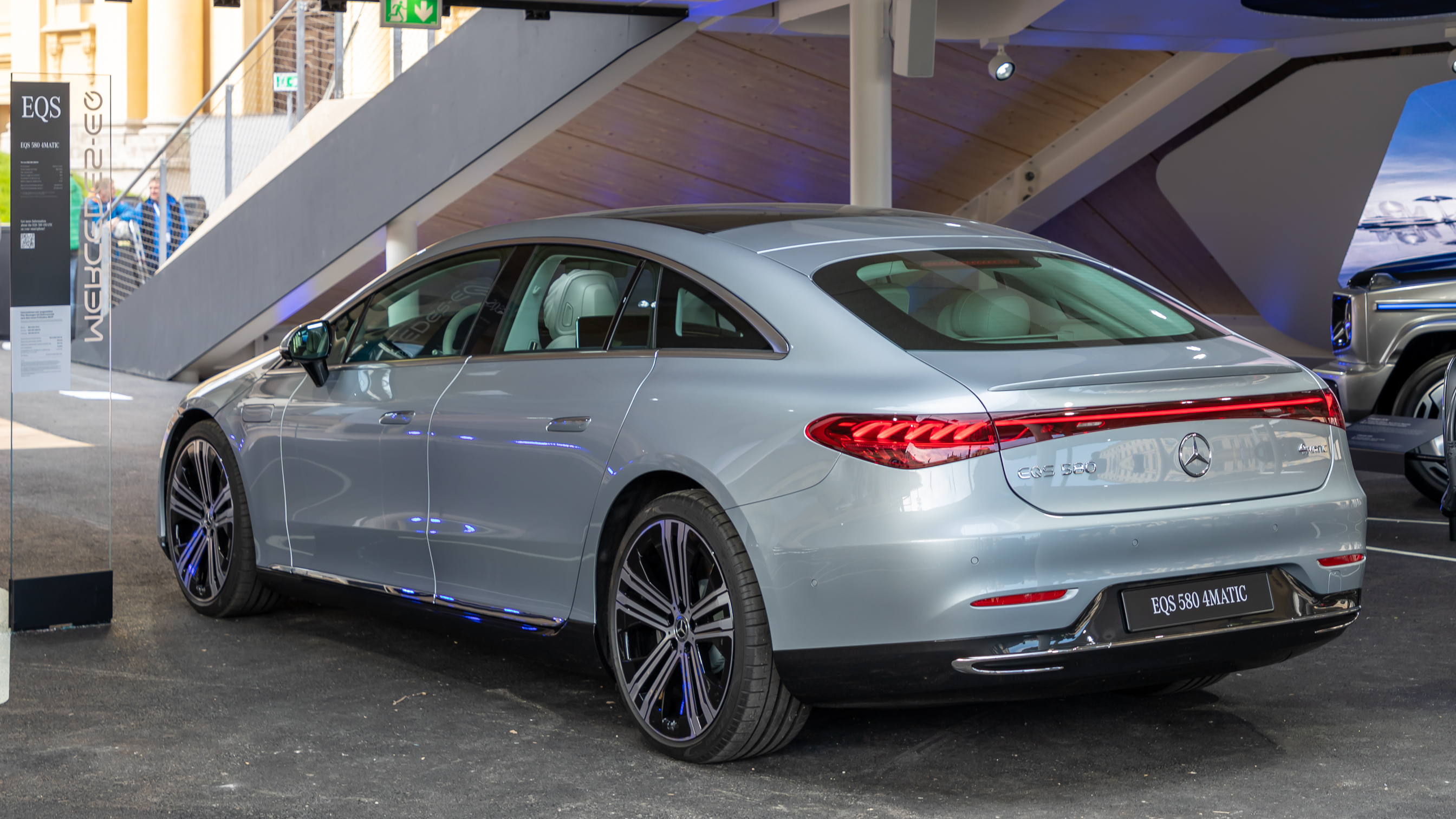
Mercedes EQS
"Talking of big, we've got the EQS, Ginny to the walk around of the Mercedes EQS, which is 574 miles WLTP range. I mean, every week there's like another 60, 70, 80 miles added to the next game change."
The Mercedes EQS is an all-electric Mercedes car. They’re talking about how far it can go on a full charge, and how bad weather can make that number drop. Even after that drop, they think most people could still manage their daily trips.
The Mercedes EQS is a fully electric luxury sedan from Mercedes-Benz. In this segment, they’re focusing on its real-world usability by discussing its WLTP-rated range and how weather can reduce it. The takeaway is that the EQS is positioned as a long-range EV for everyday driving.
WLTP range
"Ginny to the walk around of the Mercedes EQS, which is 574 miles WLTP range. I mean, every week there's like another 60, 70, 80 miles added to the next game change. But that is, you know, let's say that realistically, you chop 100 off for bad weather."
WLTP range refers to the vehicle range measured under the Worldwide Harmonized Light Vehicles Test Procedure. It’s a standardized lab test, so real-world range can be lower depending on speed, temperature, wind, and driving style. The hosts explicitly model this by “chopping” range for bad weather.
range drop for bad weather
"But that is, you know, let's say that realistically, you chop 100 off for bad weather. That's still 470 miles of range, which surely that's got to be enough for most people, isn't it?"
Electric cars often lose range in cold or harsh conditions because the battery and cabin heating require more energy, and tires may be less efficient. The hosts’ “chop 100 off for bad weather” is a practical way to translate a test-cycle range into a more realistic expectation. This is a key concept for EV ownership planning.
six-figure sum
"That's still 470 miles of range, which surely that's got to be enough for most people, isn't it? I mean, it's going to be a six-figure sum, isn't it?"
A “six-figure sum” means the purchase price is likely over 100,000 in the local currency being discussed. For high-end EVs like the Mercedes EQS, this frames the cost barrier and helps listeners understand why range and features are being emphasized. It also hints at the market positioning: premium pricing for long-range tech.
EV
"I only drive electric if it can do 700 miles."
EV stands for electric vehicle—cars powered primarily by electricity stored in a battery. The discussion is about consumer expectations for EV range and charging practicality, which is a major part of EV adoption.
social media defensiveness
"You know, my social media half, everyone's very defensive... It's a strange hill to die on, isn't it?"
They’re basically saying people get overly defensive online about things they don’t like. Instead of discussing the facts, it turns into an argument just to push back.
The hosts describe how online communities can become defensive about topics they disagree with, turning debates into “a hill to die on.” In car culture, this often shows up as people arguing about fuel choice or EVs even when the practical specs improve.

Nissan Juke
"But also out on Electrifying this week is the Nissan Juke... What don't you like about it? ... It's like they've just gone, let's just add every possible line imaginable"
The Nissan Juke is a small crossover SUV from Nissan. Here, the hosts are arguing about how the car looks—whether its styling is fun and distinctive or just too busy.
The Nissan Juke is a compact crossover known for its bold, quirky styling. In this segment, the hosts debate its design choices—especially the front end and side styling—suggesting the car’s look is intentionally busy rather than clean and simple.
Electrifying this week
"But also out on Electrifying this week is the Nissan Juke. Let's discuss, please, because I feel like we're all going to have different feelings about this."
This phrase sounds like the podcast’s weekly theme. It means they’re talking about electric or electrified cars this week.
“Electrifying this week” is a segment framing device, implying the show is focusing on electric or electrified vehicles. It helps listeners understand that the Nissan Juke being discussed is part of an EV-related news roundup rather than a general car review.

Renault 4
"Do you know what they should have done? They should have got a Renault 4 and stuck a Nissan badge on it. And then they would have been a winner."
The Renault 4 is a classic, boxy small car from Renault’s history. The host’s point is that the Juke’s styling could have been more successful if it leaned into a retro, simple shape—then used Nissan branding to create a “winner” look.
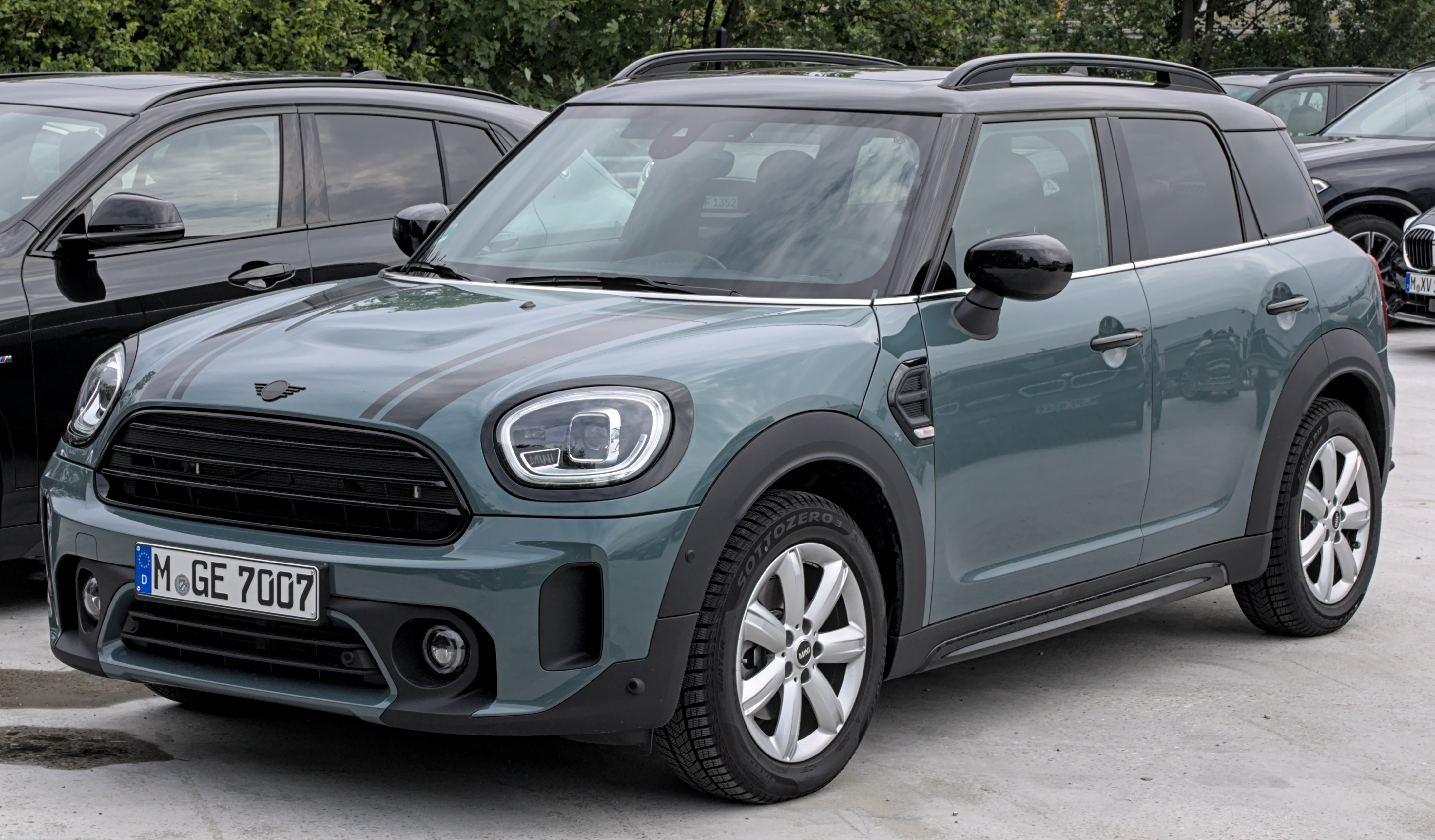
Mini Countryman
"I think the first thing I thought when I saw it, it looks like someone's taken a potato peeler to the side of a mini countryman. That's pretty good."
The MINI Countryman is a small crossover SUV. They’re basically saying the car they’re looking at has a similar overall shape, but with a very different, more aggressively sculpted side design.
The MINI Countryman is MINI’s larger, crossover-style model. In this segment, the hosts use it as a visual reference point to describe how the subject’s side profile resembles a “pared down” or reshaped Countryman-like form.
invisible to radar
"I think the bonus side is it's invisible to radar. That's going to be, I think you'll just be able to zoom past a speed camera and it will just bounce off at all angles."
“Invisible to radar” refers to reducing how well a vehicle can be detected by radar-based systems. In practice, this is usually about shaping surfaces and using materials/geometry that scatter radar energy away from the source, which can reduce detection range or tracking quality.
speed camera
"I think you'll just be able to zoom past a speed camera and it will just bounce off at all angles. Nice."
A speed camera is a device that checks how fast cars are going. Depending on the type, it may use radar or laser to measure speed.
Speed cameras are enforcement systems that measure vehicle speed, often using radar or laser. The hosts are discussing how the car’s design might affect the camera’s ability to measure or track the vehicle.
faceted look
"It's a faceted look, isn't it? I think that's the word they tend to use. A glimpse on the sunlight."
A faceted look means the car’s body panels are shaped with sharp angles instead of smooth curves. That makes the car catch the sunlight differently as you drive by.
A “faceted look” describes bodywork with angular, multi-plane surfaces—like facets on a gemstone. This kind of styling can change how light reflects off the car, giving it a more dramatic, shifting appearance as you move.
controversial thing
"I don't think it's different. I think Duke's always been controversial thing, hasn't it? You know, it's never been what you'd described as a conventional looker."
“Controversial” here just means people don’t all agree on the styling. Some will think it looks cool or unique, while others will think it’s too weird or not attractive.
When a design is described as “controversial,” it usually means it’s polarizing—some people love the styling while others dislike it. In automotive terms, this often comes down to how unconventional the exterior proportions, surfaces, or aerodynamics appear compared to mainstream designs.
Tesla full self-driving
"Well, the big... It's not a big story. I mean, people who care about this thing, they really care about this sort of thing. Tesla full self-driving has been approved in the Netherlands."
“Full self-driving” refers to Tesla’s driver-assistance and autonomy software package, which aims to automate more driving tasks than basic cruise control. Approval in a specific country (here, the Netherlands) typically means regulators have allowed broader use under defined conditions. Listeners should treat it as software with limitations and requirements, not a guarantee of fully autonomous driving at all times.
Full self-driving supervised
"[1179.4s] Full self-driving supervised has been approved by the Dutch authorities... [1192.4s] But really what it is, it's just fancy cruise control."
It’s a Tesla feature that helps the car drive, but it’s not “set it and forget it.” You still have to watch the road and be ready to take control if the system can’t handle something.
“Full self-driving supervised” refers to Tesla’s driver-assistance system that can handle more driving tasks, but still requires the driver to supervise and be ready to take over. In this segment, the hosts emphasize that it’s not truly autonomous, despite the “full self-driving” wording.
Supervised autonomy (driver monitoring)
"[1172.4s] But it has been approved... [1187.8s] They've spent 18 months driving Teslas around and making sure they don't crash into things... [1192.4s] But really what it is, it's just fancy cruise control."
Some cars can do a lot of the driving, but they still need you to pay attention. If the car gets confused, you’re the backup plan.
Supervised autonomy is the idea that the car can perform driving functions while the human remains responsible for safety. The “supervised” part typically implies driver monitoring and a requirement to intervene when the system reaches its limits.

Teslas
"[1187.8s] They've spent 18 months driving Teslas around [1190.2s] and making sure they don't crash into things... [1212.6s] So, I mean, the Tesla thing, you're allowed..."
They’re talking about Tesla cars being tested for driver-assistance features. Even with advanced tech, the driver still has to supervise and be ready to take over.
The segment references “Teslas” being used in a long approval/testing process. Tesla is known for driver-assistance systems that can steer and control speed on certain roads, but they still rely on driver supervision rather than true autonomy.
fancy cruise control
"[1190.2s] and making sure they don't crash into things. [1192.4s] Right. [1193.1s] But really what it is, it's just fancy cruise control."
Even if it feels like the car is driving itself, many systems are still basically advanced cruise control. They work best in certain situations and you still have to watch closely.
The hosts use “fancy cruise control” to describe advanced driver-assistance features that can steer/accelerate in limited conditions, but are still fundamentally not full autonomy. It’s a reminder that these systems usually depend on lane markings, mapping, and driver supervision.
take your hands off the steering wheel
"[1205.5s] on certain roads that will let you take your hands off the steering wheel [1208.4s] like on a roller coaster."
The system may allow the driver to remove their hands, but you’re still expected to stay alert. It’s usually only permitted on certain roads and in certain situations.
This describes hands-free operation under specific conditions where the system is allowed to control steering while the driver’s responsibilities remain active (often via monitoring). Approval language varies by region and road type, so “hands off” doesn’t always mean “eyes off.”
motorway
"[1208.4s] like on a roller coaster. [1210.4s] And then it will drive along the motorway."
A “motorway” is basically a highway. Driver-assistance systems often work best there because the lanes and driving conditions are more consistent.
“Motorway” here means a high-speed controlled-access highway where driver-assistance systems are often permitted to work more reliably. Many hands-free or semi-autonomous features are tuned for these road types due to consistent lane markings and predictable traffic flow.
put your hands back on the steering wheel
"And then you just get told to put your hands back on the steering wheel, right? So they're just telling you you don't have to bother putting your hands back on."
This refers to “driver monitoring” and “handover” requirements in advanced driver-assistance systems. Even when the car can assist steering or driving, regulations and system design require the driver to remain ready to take over immediately.
sensors in the car
"Well, there are sensors in the car, so they'll be watching you. So they've explicitly said to the Dutch"
Some cars have sensors that watch you while you drive. They can tell if your hands are on the steering wheel and whether you’re paying attention.
Modern driver-assistance systems use in-cabin sensors to monitor the driver’s attention and hands-on behavior. These sensors can include cameras and/or capacitive touch systems that detect whether your hands are on the wheel.
regulatory
"Presumably only inner Tesla that's been approved and had all this regulatory. Yeah, I wouldn't do it in any other car."
Different countries have different rules about how much a car is allowed to drive by itself. Those rules can affect whether you’re required to keep your hands on the wheel.
“Regulatory” here points to government rules that govern how driver-assistance features are allowed to work. Approval can determine whether a system can be used without hands-on monitoring, and under what conditions.
foiling with the little things in the gutters
"“It's like when you go foiling with the little things in the gutters. Just sort of bounce along the motorway.”"
They’re using a funny comparison to describe bouncing along the road edge instead of driving smoothly in the lane. It’s basically about how the car behaves when the tires aren’t on the ideal surface.
This is a metaphor for riding close to the edge/raised areas (like gutters) and “bouncing” along rather than driving normally. In an automotive context, it hints at how vehicle stability and suspension behavior change when you’re not on a clean, flat lane surface.

Kia E-Niro
"“We've got one that's disappearing. The Kia E-Niro is disappearing.”"
The Kia E-Niro is an electric Kia Niro. It’s a popular EV crossover, and the hosts are talking about how it’s been a big seller for Kia in the UK.
The Kia E-Niro is Kia’s electric version of the Niro crossover. It’s part of the brand’s early EV push in Europe, and it’s often discussed in terms of how much volume it helped Kia build in the UK EV market.
EV3, EV2, and potentially EV1
"“But now, with the arrival of EV3, EV2, and potentially EV1,”"
Those names are Kia’s plan for multiple new electric cars. The point is to offer EVs in different sizes and price ranges so more people can afford one.
“EV3,” “EV2,” and “EV1” are Kia’s naming scheme for upcoming electric models at different size/price tiers. The idea is to broaden the lineup so buyers can choose an EV that fits their budget and needs, rather than relying on one or two models.

Kia EV2
"...chunk of that. But now, with the arrival of EV3, EV2, and potentially EV1, there's no home for it bec..."
The Kia EV2 is an electric car model mentioned alongside other EVs like EV3. The podcast says that when EV3 comes out, EV2 may not have a clear place in the lineup. In simple terms, it’s about how Kia’s EV options may be reorganized.
The Kia EV2 is referenced in the podcast as part of a set of upcoming or planned EV models (EV3, EV2, and potentially EV1). The key point in the discussion is that with EV3 arriving, there may be “no home” for EV2 in the lineup, meaning it could be squeezed out by the new model’s role. It’s brought up to explain how product planning affects what’s available to customers.

Kia EV3
"...huge chunk of that. But now, with the arrival of EV3, EV2, and potentially EV1, there's no home for i..."
The Kia EV3 is an electric car model that’s being talked about as part of Kia’s next generation of EVs. The podcast mentions it because it changes what other electric models are meant to do in the lineup. It’s essentially about where EV3 will fit for buyers.
The Kia EV3 is discussed as part of Kia’s expanding electric vehicle lineup, alongside EV2 and potentially EV1. In the podcast context, it’s mentioned as the arrival of EV3 that changes where other EV models “fit,” implying EV3 is expected to take over a role in the lineup. It’s relevant because it affects how buyers choose between different EV sizes and categories.

General Motors Ev1
"...ow, with the arrival of EV3, EV2, and potentially EV1, there's no home for it because it doesn't reall..."
The General Motors EV1 was an electric car made by GM. It was one of the earlier EVs, before electric cars became more common. The podcast mentions it because newer EV plans are taking its place.
The General Motors EV1 was an early, purpose-built electric vehicle from GM, created when EVs were still relatively rare. The podcast suggests it no longer has a “home” because newer EV programs (EV3, EV2, and potentially EV1) are coming, implying the EV1 is being phased out in the lineup or replaced by newer models. It’s discussed as a historical reference point for GM’s EV efforts.
EV efficiency expectations vs lineup changes
"It was a really economical thing as well, wasn't it? It was kind of, I think everybody expected efficiency to kick on... But in fact, the cars that replaced them were the same. If not worse..."
They’re talking about how people expect newer electric cars to use less energy and go farther. But they’re saying the newer Kia/Hyundai options they’re comparing didn’t actually deliver the efficiency gains people hoped for.
The hosts discuss a common EV-market expectation: that when one model is replaced by another, efficiency (range and energy use) should improve. They argue that in this case, the replacements were “the same” or even worse, despite the new cars being positioned as progress.
Kia Kona
"...everybody expected efficiency to kick on when things like the car you've got as well, the Kona and the Niro E-Niro, disappeared."
The Kia Kona is a small crossover. This episode is talking about its electric version and how it used to be a good, practical EV choice before newer options replaced it.
The Kia Kona is a compact crossover that has been offered in electric form (often discussed alongside other EVs in Kia’s lineup). In this segment, the hosts mention it as part of a previous “sensible” EV option set that later got replaced.

Hyundai Ioniq 5
"...when I got my Ioniq 5, I was thinking, well, you know, I know the car that was replacing is very good. So the Kona's really good. So the Ioniq 5 is going to be even more when it wasn't. It was even worse."
The Hyundai Ioniq 5 is an electric crossover. The host is basically saying that they thought the newer car would be even better than the one it replaced, but in practice it didn’t end up being more efficient.
The Hyundai Ioniq 5 is a modern electric crossover that the host uses as a personal example of how expectations about “replacement” models and efficiency didn’t play out as hoped. The key point is that even though the Ioniq 5 is a strong EV, the overall trend the hosts are discussing is that newer replacements weren’t necessarily more efficient.
ride-hail/cab fleet effect on car image
"But there are too many mini cab drivers in London... every driver with an app has a Niro... and I feel like they've killed the image."
They’re talking about how if lots of the same car show up as taxis or ride-share vehicles, it can make that car feel less cool or less unique. It’s more about reputation and popularity than the car’s actual quality.
This segment discusses how ride-hailing and taxi fleets can dominate a model’s presence in a city, changing public perception. When a car becomes “the default cab,” it can feel less desirable to buyers who want something that signals individuality.

Toyota Prius
"And that's what they did with the Prius as well, didn't they? Like, no one bought Prius anymore because everyone was a cabbie."
The Toyota Prius is a hybrid car that’s been around for a long time. The point they’re making is that when a car becomes super common as a taxi/ride-share vehicle, it can feel less special.
The Toyota Prius is a well-known hybrid model that became strongly associated with taxis and ride-hailing in some markets. The hosts use it as an example of how a popular car can lose its “cool factor” when it becomes ubiquitous as a cab.

Tesla Model 3
"I mean, you get a lot of Teslas. They're all in Model 3s around here."
The Tesla Model 3 is an all-electric car. They’re saying they see a lot of them around, especially in the context of ride-share/cab usage.
The Tesla Model 3 is Tesla’s mass-market electric sedan. The hosts mention seeing many of them in their area, highlighting how ride-hailing and urban commuting can concentrate certain EV models.
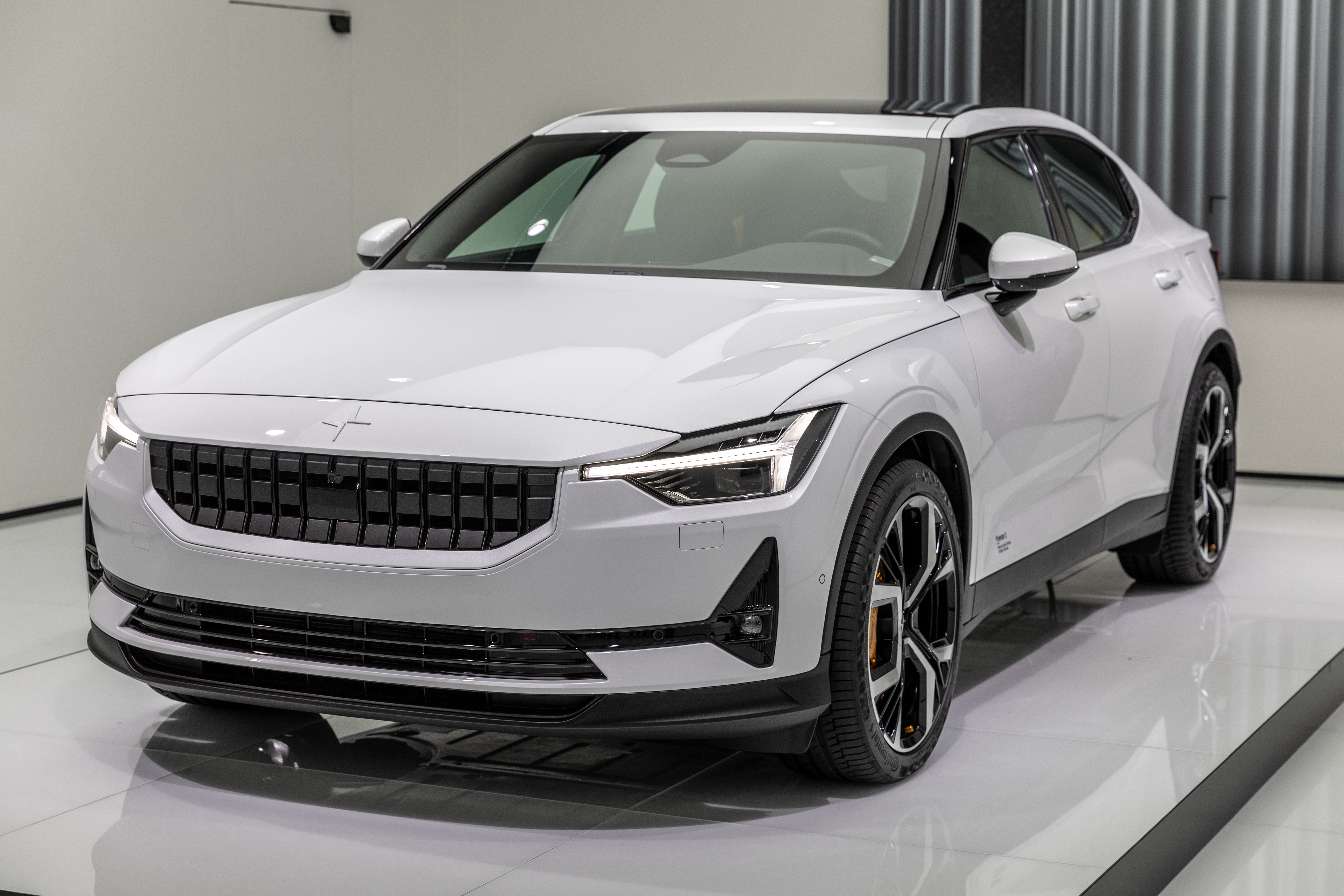
Polestar 2
"I've been absolutely besotted with the Polestar 2 since its launch... It's a dual motor Polestar 2 in black on a 71 plate with only 26,300 miles on the clock, which is good."
Polestar 2 is an all-electric car. “Dual motor” means it has two electric motors, which usually helps it feel quicker and can provide better traction than a single-motor setup.
The Polestar 2 is a battery-electric compact sedan from Polestar (a Volvo/Geely-backed EV brand). In this segment, they specifically mention a dual-motor version, which typically means power is split between two electric motors for stronger acceleration and all-wheel-drive behavior.
dual motor
"It's a dual motor Polestar 2 in black on a 71 plate with only 26,300 miles on the clock, which is good."
“Dual motor” means the car has two electric motors. That usually helps the car launch harder and grip the road better, especially in slippery conditions.
A dual-motor EV uses two electric motors to drive the wheels (often front and rear). This can improve acceleration and traction, and it also allows more flexible torque distribution compared with single-motor setups.
tariff to switch to
"Now comes another choice to make. Which tariff to switch to... I've got no solar or batteries as yet and I've opted to go with a hyperbolic tariff."
EV “tariffs” are electricity pricing plans that can change the cost of charging depending on time of day and how you use power. If you don’t have solar panels or home batteries, your charging strategy and the plan’s rate structure matter a lot for total cost.
British gas
"I'm tied in with British gas until later this year. So going with their EV tariff to begin with."
British Gas is an energy company. Here, they’re relevant because the podcast is talking about which electricity plan (tariff) to use for charging an EV.
British Gas is a UK energy supplier, and in this context they’re being used as the provider for an EV-specific electricity tariff. The key point is that different suppliers and plans can materially change charging costs for an EV owner.
EV tariff
"So going with their EV tariff to begin with. Any inside info as to which tariffs would be good in our situation."
An EV tariff is a special electricity pricing plan for people who charge an electric car. It can offer cheaper charging times, which helps reduce your overall fuel/charging cost.
An EV tariff is an electricity pricing plan designed for electric vehicle charging, often with time-based rates or dedicated charging windows. The plan can be especially important when you don’t have solar or a home battery, because you rely more on the grid for charging.
peak vs off-peak electricity rates
"So the cheapest I could find was EcoTriesty on a two year fixed contract, which is 23p for a peak. Whereas on British gas, you're paying over 31 pence peak. But if you want to find out what the latest and the best deals are on tariffs..."
Electricity can cost more at busy times (“peak”) and less at quiet times (“off-peak”). When you charge your EV, your savings depend on whether you’re paying peak or off-peak prices.
Peak vs off-peak rates describe how electricity costs change depending on the time of day. EV charging strategies often focus on charging during off-peak windows to reduce cost, but if you charge during the day, peak pricing becomes the key number.
EcoTriesty
"So the cheapest I could find was EcoTriesty on a two year fixed contract, which is 23p for a peak."
EcoTriesty is an electricity company the hosts are using as an example of a cheaper charging tariff. They’re comparing its price to other providers to show how much you could save.
EcoTriesty is mentioned as an electricity provider offering an EV-related tariff with a stated peak rate. The point is to compare provider pricing structures to find the cheapest plan for your charging schedule.
Zappi charger
"we just on my Zappi charger, you put it on eco plus, then it literally just trickles straight from the solar."
A Zappi charger is a special home charger for EVs that can use your solar power first. In Eco+ mode, it tries to charge using the sun’s energy instead of pulling as much from the grid.
Zappi is a solar-aware EV charger that can route power based on your solar generation. In “Eco+” mode, it prioritizes using excess solar energy and can “trickle” power when solar output is low.
eco plus
"you put it on eco plus, then it literally just trickles straight from the solar."
Eco+ is a charger setting that tries to use solar power first. If the sun isn’t producing much, it may charge more slowly or pause to avoid using grid electricity.
“Eco+” is a charging mode on Zappi chargers designed to maximize solar usage. It typically charges only when there’s enough excess solar available, which can reduce electricity costs and grid draw.
Kia seven year guarantee
"...still with the remains of the Kia seven year guarantee and their basic air trim."
This is Kia offering a long warranty/coverage period for several years. The point is that you’re not just buying the car—you’re also getting peace of mind for a long time.
A “seven year guarantee” is Kia’s long coverage promise tied to ownership, typically aimed at reducing buyer risk. In EVs, these warranties often cover key components (commonly including the battery and/or drivetrain), which can materially affect total cost of ownership.
basic air trim
"...still with the remains of the Kia seven year guarantee and their basic air trim."
Trim is the package of features a car comes with. “Air” here means this used Kia still has a certain equipment level, so it’s not the most stripped-down version.
“Trim” refers to the equipment level a car is sold with, and “Air” is likely a specific Kia model grade that bundles certain features. When buying used, the trim matters because it determines what you get (comfort tech, infotainment, styling, and sometimes driver-assist features).
A272
"...it'll be quite enjoyable along the A272... But A272, that's not your neck of the woods, isn't it?"
They’re talking about how the car would feel on a particular road (the A272). It’s basically a real-world route example, not just a test track.
The A272 is a specific road route, and the hosts use it as a stand-in for how the car feels on a particular kind of driving. Mentioning a real road helps listeners map the car’s comfort and drivability to their own routes.

Kia EV6
"Well, I mean, straight away, Mark, I'm a big fan of the EV6... I think the EV6 is a fantastic car... However, the EV6 is a cracking car."
The Kia EV6 is an all-electric Kia crossover. The hosts are basically saying it’s a really good EV to live with and drive, not just a tech demo.
The Kia EV6 is Kia’s electric crossover that’s known for strong real-world usability and a modern, efficient powertrain. In this segment, the host calls it a “fantastic” and “cracking” car, suggesting it fits the listener’s driving needs and is enjoyable on the road.

Mazda Mx5
"I was in a Mazda MX-5 and I was absolutely ambushed by a humpback bridge coming around the corner. All four wheels left the road..."
The Mazda MX-5 is a small, fun roadster that’s built to handle well. The story is basically about how even a car that feels confident can get into trouble if the road surprises you and the tires lose grip.
The Mazda MX-5 (Miata) is a lightweight, rear-wheel-drive roadster known for nimble handling and driver-focused steering. In this segment, it’s used to illustrate how quickly a road hazard can overwhelm a car when traction is lost.
humpback bridge
"I was in a Mazda MX-5 and I was absolutely ambushed by a humpback bridge coming around the corner."
A humpback bridge is basically a bump in the road that makes the car go up and then down. If you hit it at the wrong time—like while turning—it can reduce tire grip and make the car feel like it’s slipping.
A humpback bridge is a road surface that rises and then dips, creating a sudden change in pitch. That kind of geometry can unload tires and reduce grip, making traction loss more likely when cornering or hitting it unexpectedly.
All four wheels left the road
"All four wheels left the road and I had about eight minutes to contemplate my life and my career flashing before my eyes."
If all four tires leave the road, the car can suddenly stop behaving normally because there’s no grip. Bumps and dips can make it happen fast, which is why it feels terrifying in the moment.
When all four wheels leave the road, the driver can lose traction and stability immediately—especially over uneven surfaces like a humpback bridge. It’s a vivid example of how road geometry and sudden elevation changes can overwhelm even a capable car.

Ford Mustang
"[1777.9s] I think that would be a nice little car to have. [1780.3s] Mustang Mach-E, fun to drive. [1783.1s] That's true. We always forget about that car, don't we?"
The Mustang Mach-E is Ford’s electric SUV/crossover. They’re saying it’s enjoyable to drive, even if they don’t always think of it first.
The Ford Mustang Mach-E is Ford’s electric crossover, often praised for its driving feel and mainstream practicality. Here, the hosts highlight it as “fun to drive,” then note they sometimes forget about it compared with other EVs.
traffic jam efficiency (EVs)
"[1813.0s] That's the one thing. I keep telling my friends, [1814.8s] since I started driving electric, [1816.2s] I absolutely love a traffic jam because it's so good for regions. [1821.0s] Yeah, you crave a 50 mile an hour zone."
They’re talking about how electric cars can feel better in heavy traffic. When you’re constantly slowing down and speeding up, the car can recapture some energy instead of wasting it.
The hosts are discussing how EVs can do relatively well in stop-and-go driving because frequent slowing and re-acceleration can be supported by regenerative braking. They even joke that they “love a traffic jam” because it’s “so good for regions,” tying it to how EV energy use behaves in slower conditions.

ID3
"I've done 29,300 miles and an ID3 with 19-inch hours doing all those miles."
The ID.3 is a Volkswagen electric car. Here, the person is sharing how efficiently it uses electricity in everyday driving so others can compare real-world results.
The ID.3 is Volkswagen’s electric hatchback from the ID family. In this segment, the listener is using their ID.3’s real-world efficiency to help the show’s spreadsheet, which is a practical way to compare EVs beyond official test numbers.
19-inch hours
"I've done 29,300 miles and an ID3 with 19-inch hours doing all those miles."
“19-inch” is the size of the wheels. Bigger wheels can make the car use a bit more energy, so efficiency can drop compared with smaller wheels.
“19-inch” refers to wheel size, which can affect EV efficiency because larger wheels and tires often have more rolling resistance. Rolling resistance influences how much energy the car needs to keep moving, especially at highway speeds.
45 miles per gallon
"whenever we didn't have the figures for the fuel consumption, it was always 45 miles per gallon."
Miles per gallon (mpg) is how far a gas or diesel car can go on one gallon of fuel. The host is saying that in the past, they used a rough default number when they didn’t have the real fuel-economy data.
Miles per gallon (mpg) is a fuel-economy measure used for gasoline and diesel cars. The speaker mentions “45 mpg” as a default placeholder when fuel-consumption figures weren’t available, highlighting how EV efficiency metrics (mi/kWh) and fuel metrics (mpg) are often handled differently in reporting.
crowd-sourced one
"[1917.1s] But if we have a sort of crowd-sourced one, I think that seems to be the plan, [1920.5s] we're going to try and get some realistic figures from our podcast."
Instead of one person collecting all the numbers, they’re asking lots of people to submit their own data. That can make the results feel more like real life.
A “crowd-sourced” spreadsheet means they’re collecting data from many listeners instead of relying on the hosts to compile everything themselves. In automotive contexts, this can help build more realistic real-world figures like fuel economy or ownership costs.
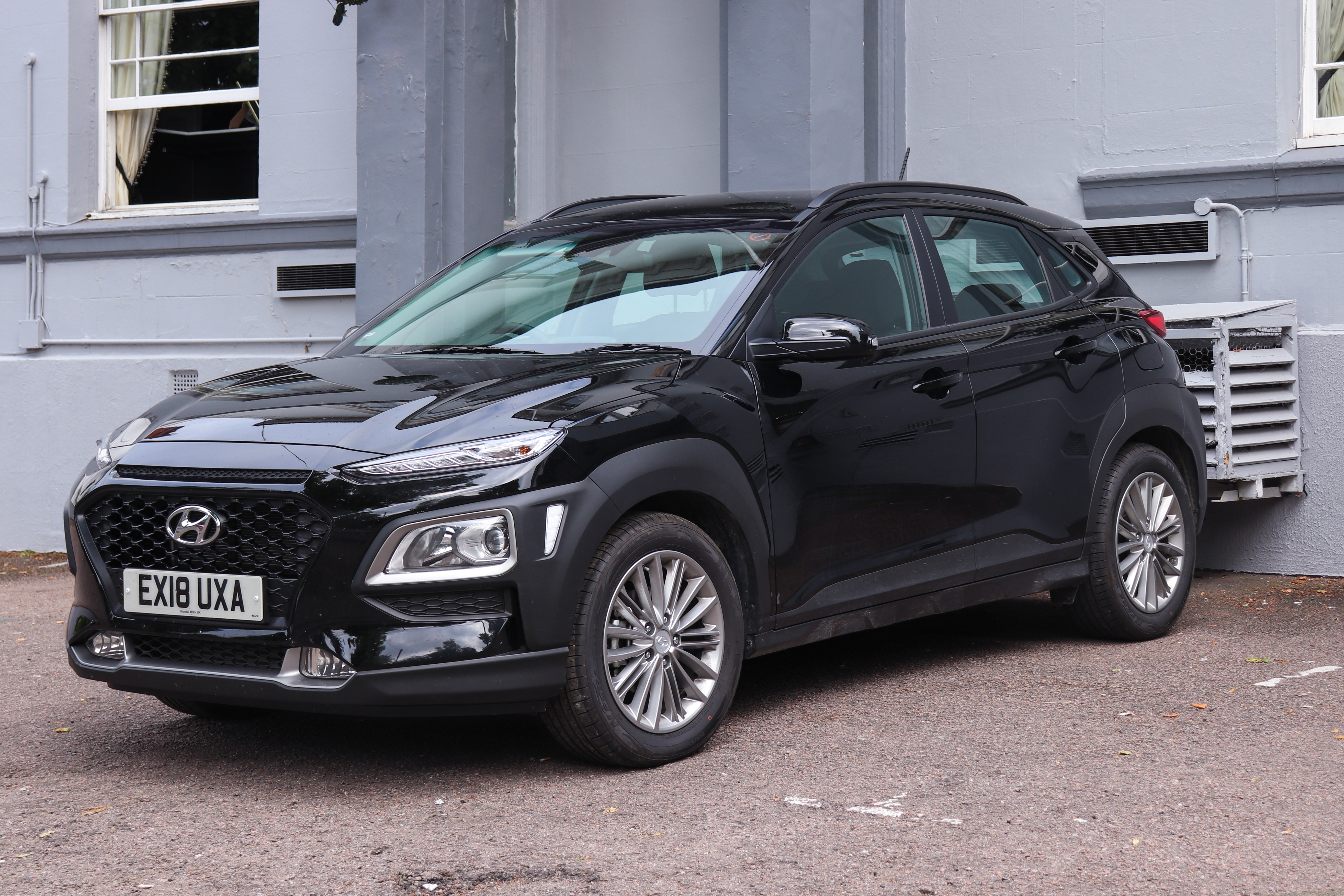
Hyundai Kona
"I'm 35,000 miles in my Hyundai Kona. I've got 4.6 miles per kilowatt hour."
The Hyundai Kona is a small crossover. In EV form, people track how efficiently it uses electricity—how far it can go for each unit of power.
The Hyundai Kona is a compact crossover that’s offered in EV form (and also as a gas model). In the EV version, efficiency is often discussed in terms of energy use per distance, like miles per kilowatt-hour.
800 volt chargers
"that it could only charge at 800 volt chargers. And he implied, we implied there weren't many abouts, but this is true for chargers installed before 2022"
800-volt chargers are a newer type of fast charger for EVs. They can charge some cars faster, but not every EV can use them the same way, and not every charger location has them.
800-volt charging refers to EV fast-charging systems that use a higher electrical voltage to deliver power more efficiently. Many modern EVs can use 800V charging to reduce charging time, but if a car is limited to 800V stations (or prefers them), it may charge more slowly or be incompatible with older 400V infrastructure.
InstaVolt
"He says, a pleasant surprise for his EV6 recently at an InstaVolt, but it did send him down as really nerdy rabbit hole."
InstaVolt is a UK EV charging network brand. The segment references an InstaVolt site to illustrate how an EV with the right voltage architecture can extract more power from high-power chargers. It’s essentially a real-world example of the charging behavior being discussed.
Request an Explanation
Heard something you'd like explained? We'll add it to this episode.
Sign in to request explanations for terms you heard.
Want to learn more?
Browse our glossary for plain-English explanations of automotive terms, jargon, and concepts.
Help improve this episode
See something that's not quite right? Our annotations are AI-generated and can sometimes miss the mark. Click the flag icon on any annotation to suggest a correction.