Ep 111: BMW i3 prices revealed, Best EVs for summer… and a superfast Zeekr
About this episode
Sun’s out in the UK, and the hosts kick off with EV picks for the season—plus a teaser for Zeekr’s superfast 7 GT. They share driving impressions from a Hyundai IONIQ 6N and talk BMW i3 pricing, including launch-edition numbers and early UK ordering. The conversation also swings through summer tech (giant screens and HUDs), small-EV value debates, and practical charging habits—like using apps and even unrolling the garage cable.
Welcome back to the Kilowatt Half Hour!
This week we’re celebrating our truly global community after asking where you’re listening from – and the response was incredible. From Tasmania to Türkiye, Canada to Chhattisgarh, South Africa to Spain, thank you for tuning in and making the Kilowatt Half Hour part of your week.
Joining Ginny this episode are Mike and Vicky, and there’s plenty to get through. We kick off with the latest cars we’ve been driving, including the all-new Zeekr 7GT, Hyundai Ioniq 6 N, Polestar 2 and Mitsubishi Outlander.
In the news, BMW opens early orders for the next i3, Dacia confuses everyone with a teaser for a new Spring, and we discuss our pick of the best EVs for summer.
There’s also the latest from the Electrifying video team, including first drives of the Renault 4 Plein Sud, Mercedes VLE and the highly anticipated Zeekr 7GT.
In Barnard’s Bargains, we ask whether the Alpine A290 is really worth the premium over the Renault 5, and uncover a nearly-new bargain that’s already shed almost £10,000 from its list price.
As always, thanks for listening, thanks for commenting, and thanks for being part of the Electrifying community.
If you enjoy the show, don’t forget to subscribe, leave a review and tell your EV-curious friends where to find us.
The Kilowatt Half Hour is brought to you by Electrifying.com – the home of electric car reviews, news and advice.
Hosted on Acast. See acast.com/privacy for more information.

Hyundai Ioniq
"...l you what I drove. So I drove a prototype of the Hyundai IONIQ 3 and that's all I'm going to say. End of."
The Hyundai Ioniq 5 is an all-electric SUV-style car. Instead of using gasoline, it runs on a battery and you charge it by plugging it in. People talk about it because it’s meant to be a practical EV for everyday driving.
The Hyundai Ioniq 5 is a modern electric crossover designed around efficient packaging and fast, convenient charging. It’s often discussed because it represents Hyundai’s push into mainstream EVs with a practical daily-driver layout. In a podcast, it may be referenced when the host is talking about what they drove or what’s coming next.

Ioniq 3
"...at I drove. So I drove a prototype of the Hyundai IONIQ 3 and that's all I'm going to say. End of."
The Ioniq 3 is an electric vehicle prototype that Hyundai was testing. A prototype is a near-final or experimental version used to show how a future car might drive and feel. The podcast mention is about the host’s experience driving that prototype.
The Ioniq 3 refers to a Hyundai Ioniq electric concept/prototype mentioned in your podcast context, with the host specifically saying they drove a prototype. It’s discussed because prototypes are used to preview future design, technology, and driving characteristics before a production model exists. The mention is likely about what the host experienced and what it suggests for upcoming EVs.
prototype
"So I drove a prototype of the Hyundai IONIQ 3 and that's all I'm going to say. End of."
A prototype is an early, test version of a car. It’s built so engineers can try it out and fix problems before the final version goes on sale.
A prototype is an early version of a vehicle built to test design, engineering, and—especially for EVs—software and control systems. Driving a prototype helps manufacturers find issues before the production car is finalized.
embargoes
"Otherwise, I get all sorts of very angry Hyundai people telling me about embargoes, but yeah, you can look forward to that."
An embargo is a rule that says you can’t share certain information about a new car until a specific date. It helps the company and media release details at the same time.
In automotive media, embargoes are agreements that restrict when reviewers can publish details about a car. They’re used so manufacturers can coordinate launch timing and avoid spoilers before the official reveal.

Hyundai IONIQ 6N
"So I've spent a lot of my week out with Hyundai and on the Hyundai note, I also had the IONIQ 6N in for a few days, the weekend prior to that, which was absolutely epic."
The Hyundai IONIQ 6N is a sportier, performance-focused electric version of the IONIQ 6. The “N” badge usually means it’s tuned to feel more exciting to drive than the regular model.
The Hyundai IONIQ 6N is an N-badged performance-oriented version of the IONIQ 6 EV, and the host calls the drive “absolutely epic.” The “N” designation typically signals a sport-tuned setup—more aggressive driving dynamics and performance focus than a standard trim.
dual motor
"Depending on when you're listening to this, there may be the first drive live, but driving [319.7s] impressions are under embargo and I drove the really punchy dual motor version, which [324.7s] is 0-62 in 3.3 seconds."
A dual-motor EV has two electric motors instead of one. That usually means better acceleration and the car can manage grip more effectively.
A dual-motor EV uses two electric motors—typically one driving the front axle and one driving the rear. That setup helps with stronger acceleration and can enable more advanced traction and torque distribution strategies than a single-motor layout.
0-62
"impressions are under embargo and I drove the really punchy dual motor version, which [324.7s] is 0-62 in 3.3 seconds. [327.7s] I'm a child of the 90s."
“0-62” is how fast a car goes from standing still to 62 mph. Lower time usually means the car feels quicker when you press the accelerator.
“0-62” is shorthand for the time it takes a car to accelerate from 0 to 62 mph (about 100 km/h). It’s a common benchmark for straight-line acceleration and is especially relevant for EVs because their torque is available instantly.
3.3 seconds
"impressions are under embargo and I drove the really punchy dual motor version, which [324.7s] is 0-62 in 3.3 seconds. [327.7s] I'm a child of the 90s."
A 3.3-second 0-62 means it reaches 62 mph in just over three seconds. That’s very fast and usually feels like a big shove when you accelerate.
A 3.3-second 0-62 time is extremely quick for a production car, indicating very strong acceleration. For EVs, this typically comes from high available torque and efficient traction control working together.

Mclaren F1
"That McLaren. [384.6s] The McLaren F1. [386.0s] Hypercar. [388.4s] So that was like one of the most celebrated supercars of the 90s."
The McLaren F1 is a legendary supercar from the 1990s. People talk about it because it was insanely quick and special compared to other cars back then.
The McLaren F1 is a 1990s hypercar famous for its lightweight design and extremely high performance for the era. It’s often cited as one of the most celebrated supercars of the 1990s, and it’s known for being unusually fast compared with most cars of its time.

BMW i3
"Because we have got some big news from BMW. The new I3. Orders have opened, I think, early because they had such massive demand for it... It looks incredible, but."
The BMW i3 is BMW’s electric car. Here, they’re talking about the new i3’s UK launch edition—what it costs, how far it can go on a charge, and how quickly it accelerates.
The BMW i3 is BMW’s compact electric car, known for its distinctive design and early adoption of EV tech. In this segment, the hosts focus on the new i3’s UK ordering timing, pricing, and performance/range figures for the launch edition.
launch edition
"So what they've done is they've brought the launch edition out a bit early. So you're now going to be able to order that in the UK."
A “launch edition” is the special early version of a new car when it first goes on sale. It usually has a particular set of features and a specific price for the initial buyers.
A “launch edition” is an early production version of a model that’s offered at the start of sales, often with specific equipment and pricing. Hosts mention it being brought out early due to strong demand, and they quote the launch edition’s UK price.
560 miles of range
"So it's under £58,000 for the launch edition for the 50X drive with more than 560 miles of range you're talking and 0 to 62 in 4.7 seconds."
“Range” is how far the car can go on one full battery charge. “560 miles” is the stated estimate, but your actual miles can be less depending on how you drive and the weather.
“Range” is the estimated distance the EV can travel on a full charge under standardized testing conditions. The “560 miles” figure is meant to communicate long-distance capability, though real-world results can vary with speed, temperature, and driving style.
0 to 62
"So it's under £58,000 for the launch edition for the 50X drive with more than 560 miles of range you're talking and 0 to 62 in 4.7 seconds."
“0 to 62” means how long it takes the car to accelerate from a standstill up to 62 (usually miles per hour, or about 100 km/h). Lower time generally means quicker acceleration.
“0 to 62” is shorthand for acceleration time from 0 mph (or 0 km/h depending on market) to 62 mph (or 100 km/h). It’s a quick, comparable measure of how fast a car can build speed.
50X drive
"So it's under £58,000 for the launch edition for the 50X drive with more than 560 miles of range you're talking and 0 to 62 in 4.7 seconds."
“50X drive” is the name BMW uses for a particular version of the i3. It’s the version they’re quoting for the price and the battery range numbers in this segment.
“50X drive” appears to be a specific drivetrain/battery configuration name used for the BMW i3 launch edition. In this context, it’s tied to the quoted price, range, and acceleration figures.
Neuer-class design language
"I think BMW are nailing it at the moment. [670.0s] I think they've got this Neuer-class design language is looking great. [677.4s] I think it's going to be really interesting."
BMW’s “Neue Klasse” is BMW’s next big direction for future electric cars. When they say “design language,” they mean the consistent look and styling features BMW is using across that new generation.
“Neuer-class” refers to BMW’s Neue Klasse (German for “new class”)—a planned platform and design direction for future BMW EVs. “Design language” means the recognizable styling cues (shapes, proportions, lighting, surfaces) BMW uses to make the cars look and feel like they belong to that new generation.
tech stack
"And, yeah, they said that the tech stack seems to work really well. [695.7s] The time I've spent in an I3, because I think we, you and I were both in one"
A “tech stack” is basically all the computer systems in the car working together. Here, the host means the EV’s software and electronics seem to be working smoothly.
In EV and software contexts, a “tech stack” is the layered set of systems that work together—typically the vehicle’s software, electronics, connectivity, and control units. The host is saying the new i3’s (or related EV’s) underlying software/electronics integration seems to function well.

Mercedes-Benz GLC
"...rcedes, again, just as it did the, oh, here's the GLC and here's the IX3 and we've got the Mercedes ele..."
The Mercedes-Benz GLC is a luxury SUV. It’s designed to be comfortable for everyday driving and it’s usually aimed at people who want a nicer interior. In a comparison, it can be used as a baseline for size and feel.
The Mercedes-Benz GLC is a compact luxury SUV known for comfort-focused driving and a premium interior. In the context you provided, it’s mentioned alongside other electric vehicles, suggesting it’s being used as a reference point for what a similar-sized luxury EV experience might be. It’s a common model people discuss when comparing vehicle categories and everyday usability.
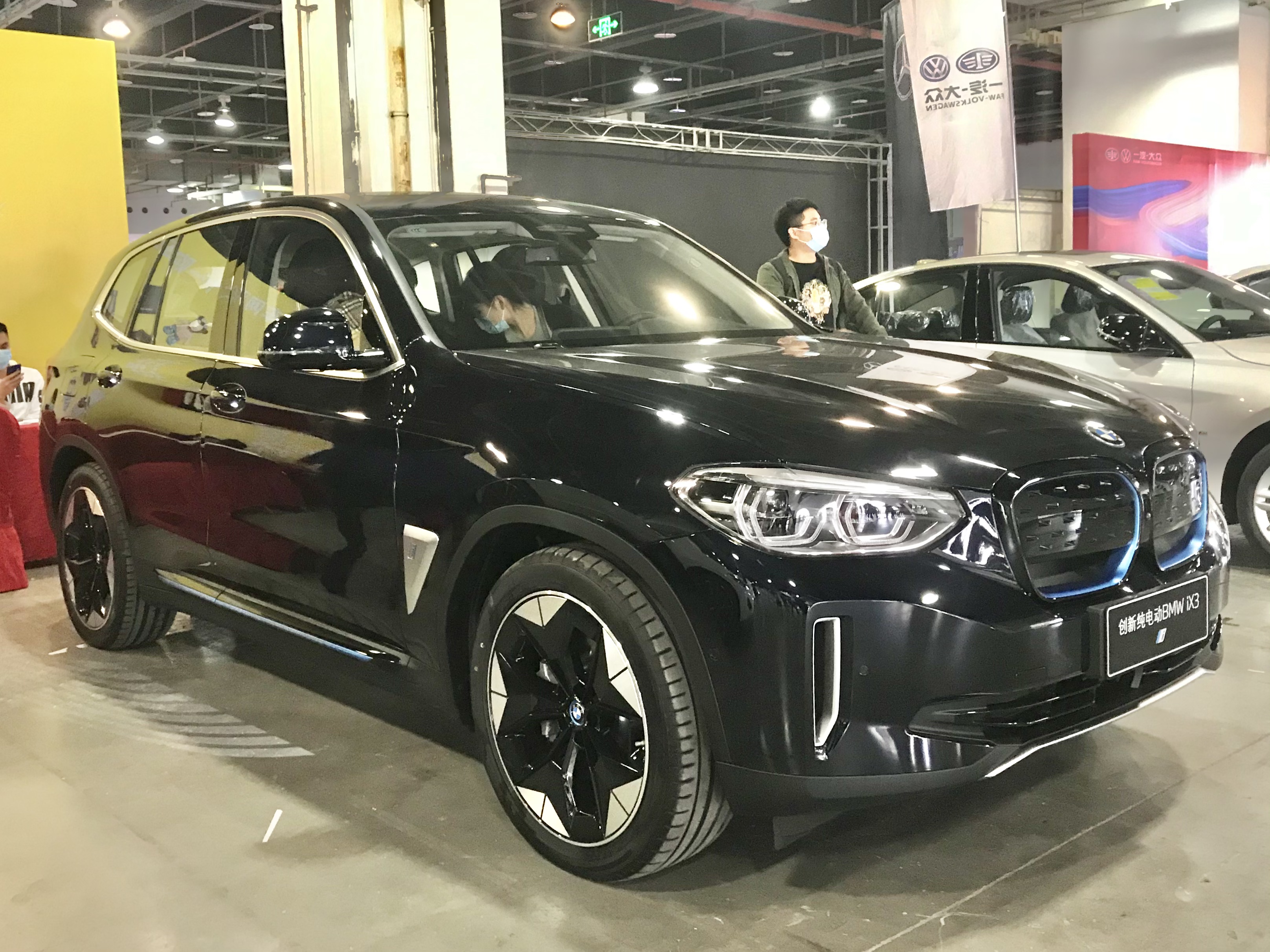
iX3 (G08)
"... as it did the, oh, here's the GLC and here's the IX3 and we've got the Mercedes electric C class comin..."
The BMW iX3 is an electric SUV. It’s designed to be similar in size and purpose to a regular SUV, but it runs on a battery instead of gasoline. In a podcast, it’s often brought up when people compare EVs that are meant for everyday driving.
The BMW iX3 (G08) is an electric version of the X3-sized SUV, built to deliver the practicality of an SUV with an electric powertrain. It’s likely mentioned in your podcast because it’s being compared or grouped with other EVs in the same general size/segment. That makes it relevant when discussing charging, usability, and how different EVs feel day to day.

Renault Twingo
"...culated or it might be a different version of the Twingo, I can't see that you're going to the huge extent..."
The Renault Twingo is a small car made for city driving. It’s meant to be easy to park and drive in tight spaces. People often talk about it when comparing different versions of the same model.
The Renault Twingo is a small city car focused on easy maneuvering and practical everyday use. It may come up in a podcast when discussing different versions or updates, especially because small cars often have multiple trims and configurations. The host’s mention suggests they’re talking about how a particular Twingo variant compares or fits into a lineup.
dacha hipster concept
"So or whether it takes the form of that [905.2s] the the dacha hipster concept you went to see. [912.3s] Yeah, which is kind of an in between a K car and a quadrocycled in a car."
A “concept” car is basically a show car that previews ideas. Here, “dacha hipster” is just a humorous way of describing the style or personality they’re aiming for.
A “concept” car is a design study meant to preview ideas—styling, packaging, and sometimes tech—before a production model exists. In this segment, the host uses “dacha hipster concept” as a playful description of a specific vibe or target audience rather than a formal engineering term.
quadrocycled
"Yeah, which is kind of an in between a K car and a quadrocycled in a car. [917.6s] But it's I wonder if they're going to kind of wait, though,"
“Quadrocycled” is a reference to very small, light vehicles (quadricycles) that are often treated differently by regulations than regular cars. The point here is that the car sounds like it’s aiming for that tiny, simple category.
“Quadrocycled” refers to a vehicle class associated with quadricycles—small, lightweight vehicles that are regulated differently than normal cars in some markets. The host is comparing the imagined/coming product’s size and character to something between a kei car (K car) and a quadricycle.
K car
"Yeah, which is kind of an in between a K car and a quadrocycled in a car. [917.6s] But it's I wonder if they're going to kind of wait, though, [920.6s] for K car rules to be firmed up,"
A “K car” (kei car) is Japan’s category of ultra-compact vehicles built to meet strict limits on size and engine displacement. The category is popular because it can come with practical benefits like lower running costs and easier city maneuvering.

VLE Mercedes Vle
"...st drive and also Nikki has been out to drive the Mercedes VLE as well. So those are heading onto the channel."
The Mercedes VLE is an electric Mercedes vehicle that the podcast host says someone has driven. Test drives are used to show what the car is like in real life, not just on paper. The key point is that it’s part of the EV lineup being reviewed.
The Mercedes VLE is referenced in your podcast as a vehicle Nikki has driven, implying it’s an electric Mercedes model or a specific EV variant being covered on the channel. It’s discussed because test drives help viewers understand real-world behavior like comfort, range, and charging practicality. The mention suggests upcoming content focused on that particular EV.
Barnard bargain
"Right, it's got a bargain for us. Has anybody got a Barnard bargain? Yeah, we've got a comparison."
They’re joking about a “bargain” deal. The important part is that they’re comparing cars based on what the deal costs you each month and what you put down.
This appears to be a playful reference to a “bargain” deal framing—using a catchy phrase to introduce a pricing comparison. The key automotive-relevant idea is that the hosts are evaluating EVs using deal terms like monthly payments and deposits rather than just sticker price.

Alpine A290
"... comparison here between the Renault five and the A290. When he's posing the question here, said on exac..."
The Alpine A290 is a small car that’s meant to be fun to drive. In your podcast, it’s being compared to another small car, the Renault 5. The comparison is likely about how they differ in driving character and overall package.
The Alpine A290 is a small performance-oriented car that’s being discussed in your podcast in a comparison with the Renault 5. It’s significant because it represents a modern approach to compact, fun-to-drive vehicles, often with an emphasis on driving feel and design. The host’s mention indicates it’s part of a direct comparison segment.
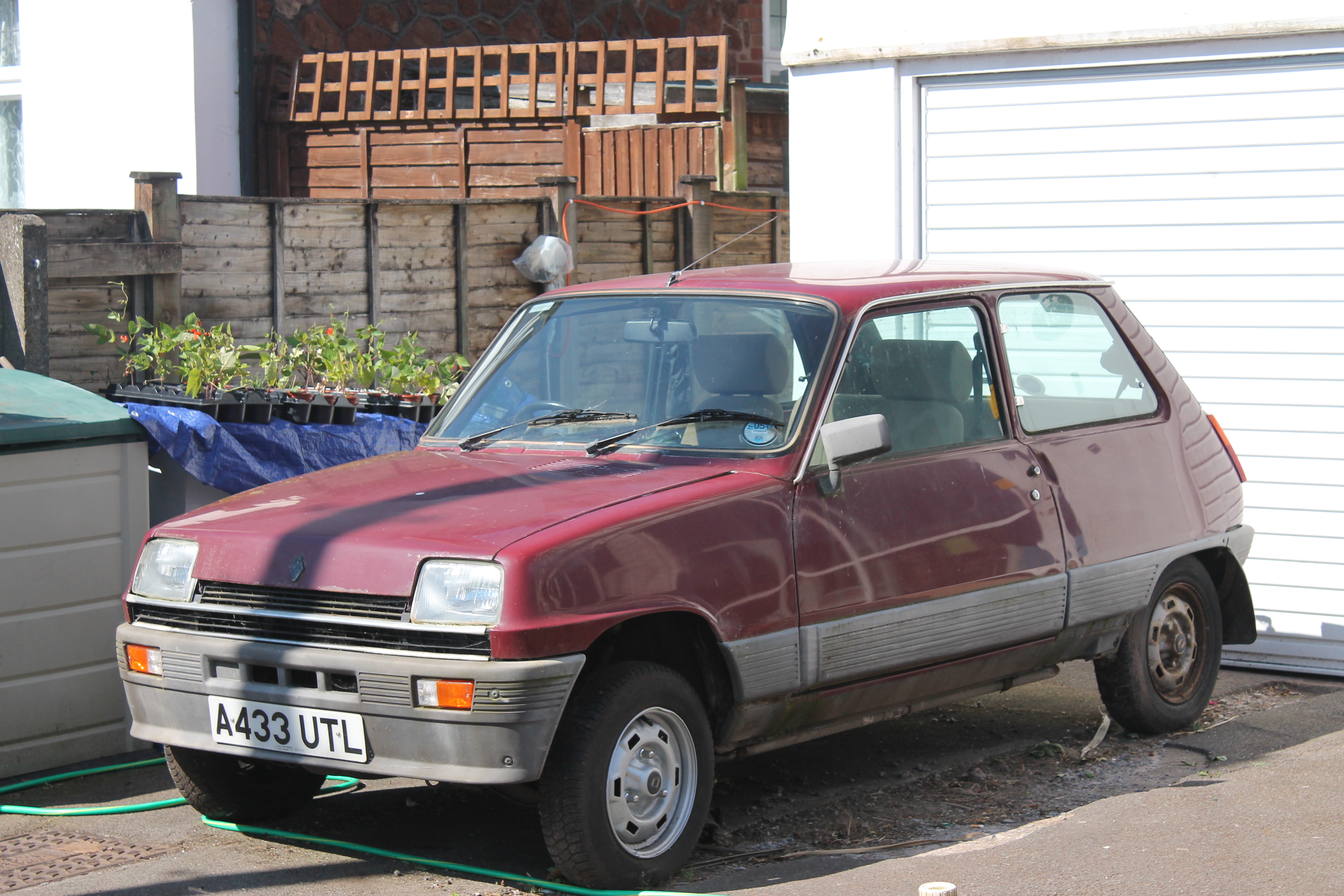
Renault five
"And but yes, the Renault five, that's good, isn't it? ... Would you fork out a bit more for the Alpine? Or would you save some cash and go for the Renault five?"
The Renault 5 is a small EV from Renault. Here they’re talking about which version to buy, and whether you should pay extra for features like heated seats.
The Renault 5 is a modern electric revival of the classic Renault 5 nameplate, aimed at being a small, city-friendly EV. In this segment, the hosts discuss a specific trim level and how equipment like heated seats affects whether it’s worth paying for.
Techno Plus
"So is it Techno Plus? Techno Plus. Still doesn't get the heated seats now, does it?"
“Techno Plus” is a more fully equipped version of the car. It’s basically the trim level, and in this case they’re saying it still doesn’t have heated seats.
“Techno Plus” is a trim level (equipment package) for the Renault 5 that determines which features you get. The hosts point out that, even in this higher trim, it still doesn’t include heated seats.
heated seats
"Still doesn't get the heated seats now, does it? I know, it's really annoying. Oh, deal breaker, deal breaker."
Heated seats are seats with built-in warming. They’re especially useful in winter, which is why the hosts call them a deal breaker.
Heated seats use electric heating elements in the seat cushions and/or backrests to warm the cabin quickly in cold weather. The hosts treat it as a practical comfort feature that can make or break a purchase decision, especially in winter.
Baloco
"I went to drive this on the launch at Baloco, which is a fear now for the Stalantis's test track in the middle of nowhere."
Balocco is a place where car companies test and evaluate vehicles. In this segment, it’s where the hosts went to drive the car for a launch.
Balocco refers to a test track used for vehicle development and evaluation, associated with Stellantis. The hosts mention it as the location where they drove the car during a launch event and describe it as being in a remote area.
Stalantis
"I went to drive this on the launch at Baloco, which is a fear now for the Stalantis's test track"
This is the automaker Stellantis (the transcript says “Stalantis”). They run test facilities and events where journalists can drive cars.
“Stalantis” appears to be a mis-transcription of Stellantis, the automaker formed from the merger of Fiat Chrysler Automobiles and PSA Group. Here it’s referenced in connection with its test track and journalist driving events.
Brimbo brakes
"Brimbo brakes, it's got all kind of like who's who of motorsport managed supplies that put bits in it."
Brembo is a company that makes high-performance brakes. If a car has Brembo brakes, it typically stops better and can handle repeated hard braking without overheating as quickly.
“Brembo” is a well-known performance brake brand. When a car is described as having Brembo brakes, it usually means upgraded calipers and rotors designed to provide stronger stopping power and better heat handling than standard brakes.
PCP
"Yeah, I thought it's great. I mean, if you if you were going on that one of those on a PCP for a couple of years, I don't think you'd regret it."
PCP is a way to finance a car with monthly payments and a big final payment at the end. You can usually hand the car back, trade it in, or pay the final amount to keep it.
PCP (Personal Contract Purchase) is a UK car finance type where you pay a deposit and monthly payments, then either return the car, trade it in, or pay a final “balloon” payment to own it. It’s commonly used for EVs and can make monthly costs look lower than traditional loans, but the end-of-term decision matters a lot.
boot space
"There will be. He's like, no, no, I won't be able to get the luggage in. [1573.8s] The boot space and all of that."
“Boot space” just means how much stuff you can fit in the back of the car, like suitcases. With EVs, the battery can change how much room there is.
“Boot space” is the amount of cargo room in the rear of a car—what you’d use for luggage. It’s especially relevant for EVs because battery placement can affect how much usable space is available.
N.Y.A.C.
"I've got it's got to be an N.Y.A.C. [1605.2s] Hasn't it? It has to be. [1606.8s] It was an N.Y.A.C."
“N.Y.A.C.” sounds like a shorthand for the EV brand/model they’re discussing. In this clip it isn’t spelled out clearly enough to confirm exactly which car it is.
“N.Y.A.C.” appears to be a spoken abbreviation for a specific EV brand/model, but the exact letters don’t unambiguously map to a known car name in this excerpt. The context suggests they’re talking about the car he bought second-hand from used EV listings.
82 kilowatt hour
"And it was it was the 82 kilowatt hour. [1622.8s] And it's it's that lovely blue colour."
“Kilowatt-hour” (kWh) is how big the EV’s battery is—basically how much energy it can store. “82 kWh” usually means the car can go farther than smaller-battery EVs, depending on driving and weather.
An EV’s “kilowatt-hour” (kWh) rating is the size of its battery pack—how much electrical energy it can store. An “82 kilowatt hour” battery generally indicates a larger pack, which usually means more driving range (though real-world range still depends on the car and conditions).
Race blue
"I can't remember the name of that blue colour, that bright blue. [1627.2s] Race blue. Race blue. [1629.1s] And it's got a brown interior. Nice."
“Race blue” is a named paint color—basically the car’s exterior color. People mention it because it can be a specific factory color, not just “blue.”
“Race blue” is a specific paint color name used by some manufacturers. Color names like this matter to enthusiasts because they can be tied to particular model years or trim/option packages.

Chevrolet Nova
"Who else have we got? So we've got at Debin Nova, Scotia. I've got a suspicion where they might be..."
The Chevrolet Nova is an older model of car from Chevrolet. It’s the kind of car people bring up when talking about classic cars or specific examples they’ve found. The key point is that it’s a well-known nameplate from earlier decades.
The Chevrolet Nova is a classic American compact car nameplate that’s been used across multiple generations. In a podcast, it may be mentioned as a historical or enthusiast reference, especially when the host is talking about where certain cars are located or how they’re being tracked. It’s significant mainly as a recognizable model from the past.

Kia EV3
"...ew Brunswick, Canada, waiting to hopefully buy an EV3 GT line limited within about nine months. Amazing..."
The Kia EV3 is an all-electric car from Kia. The podcast mentions someone waiting to buy a specific EV3 version called the GT-Line Limited. That means it’s about choosing an EV with particular features when it becomes available.
The Kia EV3 is an upcoming or newly discussed electric vehicle, with the podcast context mentioning a plan to buy an EV3 GT-Line Limited. It’s relevant because EV3 trims suggest different equipment levels and performance/feature choices within the same model family. The mention also ties into the practical side of EV ownership—waiting for availability and choosing a specific configuration.
one wiper
"Still own though. My 200 and 25000 mile, 23 year old A2 because it still works even if it has only one wiper, much to the noise of journalists."
They’re saying the car’s windshield wipers only work on one side. It’s a small but telling detail about the car’s condition and how it’s still functioning.
“One wiper” refers to a windshield wiper system that’s only operating on a single side or arm. It’s a practical detail that highlights how the car can still be usable even with a degraded or partially failed wiper setup.
app
"This is a question about apps and whether people use them at [2419.0s] Taylor, 43. Hello, ladies from South Oxfordshire. ... The app is essential and useful. [2446.8s] And I must ensure I unroll at least 50 percent of the garage charger cable."
They’re talking about the phone app that works with the electric car. It can help you control charging and see what’s going on without guessing.
In EV ownership, an “app” is typically the phone software that pairs with the car or charger to manage charging and monitor status. It can be used to start/stop charging, check battery/charge progress, and sometimes schedule charging times.
garage charger cable
"And I must ensure I unroll at least 50 percent of the garage charger cable. [2452.6s] There's a lot. There's a lot to unpack in that sentence, isn't there?"
They mean the cable you use to plug the electric car in at home. If it’s stored awkwardly or too short, it can be annoying to use every day.
A “garage charger cable” refers to the charging lead used to connect an EV to a home charging setup (often a wallbox or a standard outlet). The cable length and how it’s stored can affect convenience, especially if you need to route it from the garage to the car each time.
charging cable
"generally asking from somebody who is need to EVs about it. [2469.9s] Do they have to unroll charging cable? [2472.0s] Is there a right? [2473.5s] This is now making sense. Yes."
The discussion centers on how EV owners physically handle the charging cable—specifically whether there’s a “right” way to manage it. While the cable itself is a basic tool, the concept here is about practical charging habits (storage, unrolling, and setup) that can affect usability and daily routine.
secret charging spots
"And I'm just going to head on there to the secret charging spots that we've been talking."
They’re talking about EV chargers that most people don’t know about. Because fewer people use them, you’re more likely to find an open charger.
“Secret charging spots” is a community term for lesser-known public EV charging locations that aren’t heavily advertised or widely used. The idea is that these chargers can be less busy and easier to access than the popular stations.
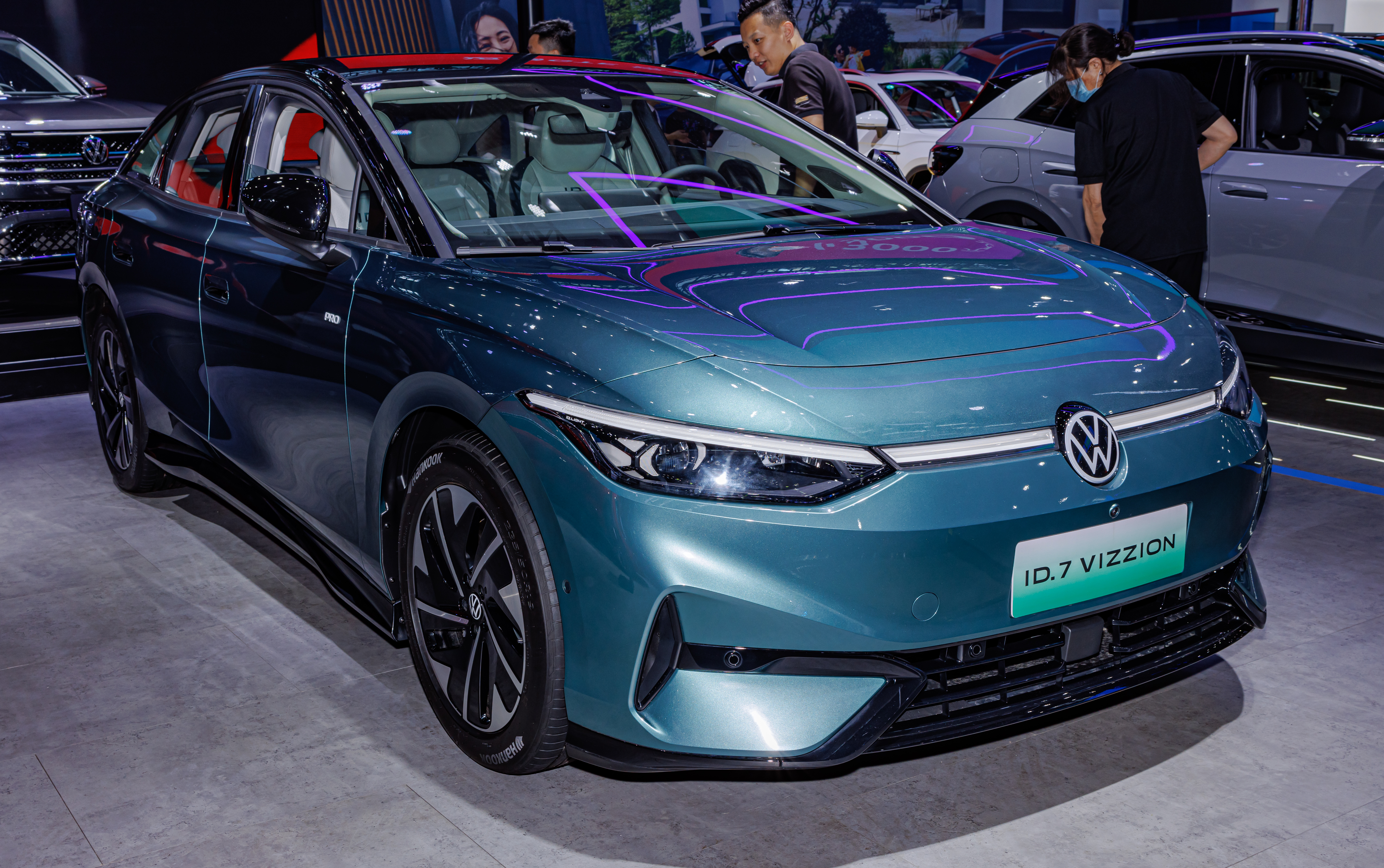
Volkswagen Id7
"And it was an FD ID7 tourer who said he knew a really good one in Cornwall."
This sounds like an electric Volkswagen wagon. The point is that it’s the kind of EV that needs charging stations, and people use apps to find the best ones.
“FD ID7 tourer” appears to refer to the Volkswagen ID.7 Tourer, an electric estate/wagon version of the ID.7. The key point is that it’s an EV that relies on public charging networks and app-based access to find convenient chargers.
Summercourt
"Tell us. And he's meshed back to the Cornwall charger is at Summercourt, five miles northeast of Newquay, hidden in the Bus Depot car park."
Summercourt is a place in Cornwall. They’re saying the charger is near there, so it’s easier to locate if you’re in the area.
Summercourt is a town in Cornwall, England, mentioned here as the location near which a specific EV charger is found. The hosts are using local geography to help listeners find the charger in real life.
electroverse octopus card
"Nice, shiny, fused charges and even cheaper if you have an electroverse octopus card."
They’re talking about an Octopus Energy charging card/program. If you use it at certain chargers, you can often get cheaper electricity than paying normally.
“Octopus card” here refers to Octopus Energy’s EV charging access/payment setup, and “Electroverse” is Octopus’s EV charging network/program. Using the card can unlock discounted charging rates at participating sites.
Mercedes Ben's World
"But it comes with a catch because you have to be at Mercedes Ben's World in Weybridge, but they do offer up to two hours free charging to visitors"
That’s a Mercedes-Benz visitor site. They’re saying you can get free EV charging there if you’re visiting.
“Mercedes Ben’s World” is a branded visitor location for Mercedes-Benz in Weybridge, used here as a charging destination. The hosts are highlighting that some automaker sites offer free charging for visitors.
Weybridge
"because you have to be at Mercedes Ben's World in Weybridge, but they do offer up to two hours free charging to visitors"
Weybridge is a town in England. They’re saying the free charging option is at a Mercedes-Benz place there.
Weybridge is a town in Surrey, England, mentioned as the location of a Mercedes-Benz visitor site that offers free EV charging. It’s included because the hosts are giving geographically specific guidance for where to charge.
22 kilowatt hour charges
"but they do offer up to two hours free charging to visitors using a 22 kilowatt hour charges, kilowatt charges, not hour."
They’re saying the free charging is limited by an amount of electricity (measured in kWh). So you might be able to charge for a while, but it stops once you’ve used up that free electricity allowance.
The hosts mention a limit of “up to two hours free charging” using a “22 kilowatt hour” charging allowance, which is an energy amount (kWh), not a power rating. In practice, that means the freebie is capped by how much energy you can take, even if the charger can deliver more power.
Request an Explanation
Heard something you'd like explained? We'll add it to this episode.
Sign in to request explanations for terms you heard.
Want to learn more?
Browse our glossary for plain-English explanations of automotive terms, jargon, and concepts.
Help improve this episode
See something that's not quite right? Our annotations are AI-generated and can sometimes miss the mark. Click the flag icon on any annotation to suggest a correction.