2026 Beijing Auto Show
They’re at a big car event in Beijing where companies show off new cars. The episode is basically a live report from that show.
Shanghai Show
They’re comparing this Beijing car show to another big one in Shanghai. The point is which show is bigger, not details about a specific car.
CATL
CATL is a big company that makes EV batteries. They’re talking about a battery design that’s meant to be safer than the usual kind used in many electric cars.
semi-solid state
A semi-solid battery uses a thicker, gel-like electrolyte instead of a fully liquid one. The goal is to make the battery safer and more stable if something goes wrong.
liquid electrolyte
In many EV batteries, there’s a liquid inside that helps the battery work. The hosts are saying that this liquid can be part of what makes a battery more dangerous if it fails.
thermal runaway
Thermal runaway is when a battery starts overheating in a self-feeding way. If it happens, it can turn into a serious fire risk, so engineers try to prevent it.
condensed gel
They’re describing a gel-like electrolyte instead of a liquid one. The idea is that the gel is less likely to lead to the kind of overheating that causes dangerous battery failures.
range
“Range” is how far an electric car can go before it needs a recharge. The number depends on how you drive and the conditions, so real life can be different from the headline figure.
energy dense
“Energy dense” means the battery can pack more power into a smaller or lighter package. That can help the car travel farther without needing a bigger, heavier battery.
battery tech
“Battery tech” is the way the battery is built and what it’s made of. Better battery tech can mean more range and faster, safer charging.
Audi
Audi is a car brand from Germany. Here, the speaker is talking about what Audi showed at the auto show and how their branding looked a little different.
Leap Motor
Leap Motor is a car brand from China. In this segment, the hosts use it as an example of how the brand’s different models are named in a way that can confuse people.
Leap Motor T03
The Leap Motor T03 is a small, city-focused car made by Leap Motor. The hosts are talking about how the brand’s model names are laid out, and why that system can feel confusing.
Ionix
Ionix is a name Hyundai is using for something in its lineup or branding. The hosts are pointing out that it doesn’t follow the usual “number” style naming, which is why it feels confusing.

Hyundai Ioniq V
The Hyundai Ioniq V is an EV concept from Hyundai’s Ioniq electric-car line. The hosts are basically saying it looks very “wind-cut,” because electric cars often need good aerodynamics to go farther on a charge.

Hyundai Ioniq
The Hyundai Ioniq 5 is an electric car that looks like a crossover. It runs on a battery instead of petrol. People bring it up because it’s an EV you can use day to day, not just for short trips.

Lotus Esprit
The Lotus Esprit S1 is an older Lotus sports car that many people know from James Bond. The host is comparing its sharp, futuristic shape to the Hyundai Ioniq V’s design.
aerodynamic
Aerodynamic means the car is shaped to cut through the air more easily. That matters for electric cars because less air resistance usually helps them go farther on the same charge.
Hyundai Ioniq E
The Hyundai Ioniq E is another electric-car name Hyundai is using in the Ioniq family. They’re making a joke about the letters meaning Venus and Earth, but the key point is it’s another EV offering from the same brand.
wedgie
A “wedgie” is a type of supercar look. It means the car is shaped like a wedge—low and wide with a pointy, slanted front—so it looks fast even when it’s standing still.

Lamborghini Countach
The Lamborghini Countach is a famous old supercar. People bring it up when a newer car looks like that same sharp, wedge-shaped 1970s style.
Simon Loseby
Simon Loseby is mentioned as a person involved with Hyundai’s design team. The point is that he’s helping shape the car’s look and wants it to appeal beyond just one country.
concept car
A concept car is basically a “preview” car that automakers show at events. It’s meant to show what they might build next, and it might not be exactly what you can buy.
production car
A production car is the real, customer version of a car. After the show, the automaker builds it for people to buy.
Ioniq five
The Ioniq 5 is an all-electric Hyundai. It’s one of Hyundai’s main EV models, and the “5” is part of the model name.
AION
AION is an electric-vehicle brand. The hosts are talking about it as a different automaker showing EVs at the show.
plug-in hybrid
A plug-in hybrid is part electric and part gas. You can charge it like an EV, but it also has a gas engine for longer trips.

Ford Ranger
The Ford Ranger is a pickup truck. It’s designed to carry things and handle everyday driving, and it’s a common choice in many markets. People mention it when they’re talking about what a typical pickup looks like or how a model has been successful.

Honda S600
The Honda S600 is an older small sports car made by Honda. It was built for fun driving and is known as a lightweight, two-seat car. The podcast mentions it because people may not be sure what the exact name should be.

Porsche Cayenne
The Porsche Cayenne is Porsche’s SUV. The hosts are comparing the new car’s look to the Cayenne.

Land Rover Freelander
The Freelander is a Land Rover SUV. It’s the kind of car that’s meant to handle both normal roads and rougher terrain, and the host is saying they liked seeing one at the show.
Zika
Zika is the name of the car company they’re visiting at the show. They’re saying Zika wants to sell cars in Europe—especially the UK—so you’ll see more of them there soon.
Zeekr 7GT
The Zeekr 7GT is an electric car. It’s a larger, more comfortable style of EV meant for longer drives. The podcast is mentioning it because it’s expected to be available in the UK.
Mercedes
Mercedes is a luxury car brand from Germany. The host is suggesting that Chinese brands are making better “premium” cars, which could make Mercedes’ market harder.
BMW
BMW is a luxury car brand from Germany. The host is saying that newer premium cars from Chinese companies could make it harder for brands like BMW to win buyers.
premium brands
“Premium brands” means luxury or higher-end car brands that usually cost more and feel more upscale. The hosts are saying Chinese companies are now competing directly with those luxury brands.

D9 Denzers
The D9 is a car model from a newer brand that’s trying to sell more premium vehicles. It’s being mentioned as part of a lineup of higher-end cars. The key point is that it represents a new entrant in the premium space.
B-Y-D
“B-Y-D” is likely BYD, a big Chinese company that makes electric cars. The host is mentioning it as one of the brands with a big presence at the show.
legacy car brands
“Legacy car brands” refers to established automakers with long histories (often European) that have to compete with newer entrants. In this segment, the hosts argue these brands need to watch out because low-cost cars can still be well built and backed by strong warranties.
Volkswagen
Volkswagen is mentioned as one of the brands whose “boats” (likely a mishearing of “cars” or “products”) are expected to face pressure from cheaper, well-built alternatives. The discussion frames Volkswagen as part of the established European lineup competing on price and perceived quality.
Skoda
They mention Skoda as another well-known European car brand. The idea is that cheaper new cars could make it harder for Skoda to compete.
warranties
A “warranty” is the coverage that helps pay for repairs if something goes wrong within a set time. They’re saying the cheaper cars can still come with strong warranty coverage.
wheelbase
Wheelbase is the distance between the front and back wheels. A longer wheelbase usually means more stability and often more room inside.

Kia EV9
The Kia EV9 is a big electric SUV. The hosts mention it to help you picture the size of the other car they’re talking about.
Jaguar Land Rover
Jaguar Land Rover is a car company from the UK. They make two main brands—Jaguar and Land Rover—and the hosts are talking about how that company is involved in what’s coming next.
Cherry Group
Cherry Group is mentioned as the group of dealers that would sell the car. The hosts are basically asking where the car will be sold through in the UK.
test drives
A test drive is when people get to drive a car before it’s widely sold. They’re saying test drives are already happening, so the car should be arriving soon.
right hand drive
Right-hand drive means the steering wheel is on the right side of the car. The UK uses left-side driving, so cars for the UK often need right-hand drive.

Land Rover Range Rover
This is an upcoming electric version of the Range Rover SUV from Land Rover. The speakers are saying it’s been taking a long time to arrive, and they’re comparing how big it’s supposed to be.
full self driving
This is Tesla’s system that tries to drive the car more automatically than normal cruise control. Even when it’s running, a person is supposed to watch closely and be ready to take over.
Ford's BlueCruise
Ford’s BlueCruise is a driver-assist system that can help with steering on certain roads. It only works when the car is in supported conditions, not everywhere.
geocache system
They’re saying the system works only in certain places it recognizes. Think of it like “only works where it’s been set up to work,” not everywhere.
level four
“Level four” means the car can do the driving itself in certain situations, without you needing to constantly watch and take over. It’s not “unlimited everywhere,” but it’s a big step toward true self-driving.
Geely
Geely is a car company from China. Here, they’re mentioned because they’re working on self-driving technology that can handle driving tasks on its own in certain conditions.
RoboTaxi
A “RoboTaxi” is basically a taxi that drives itself. Instead of a human driver, the car’s computer handles the driving, usually in a planned service area.
driverless cars
“Driverless cars” are cars that try to drive themselves using cameras and computers. The hosts are pointing out that these kinds of cars can still deal with complicated city traffic.
FSD tech
“FSD” means “Full Self-Driving.” It’s the car’s software that tries to handle more of the driving for you using sensors and cameras.
Tesla
They’re talking about Tesla’s self-driving software. The point is that Tesla is building its own system and training it with data.
Wave
Wave is identified as a British tech company partnering on the autonomous-driving stack. The speaker frames Wave as an AI startup with significant valuation, implying it supplies or enables key AI capabilities for the vehicle system.
full stack AI
“Full stack AI” means one AI system that tries to do the whole self-driving job, not just one small part. It’s meant to understand the road, decide what to do, and then drive.
LiDAR
LiDAR is a sensor that uses lasers to measure how far away things are. It helps the car “see” the world in 3D for safer self-driving decisions.
iDef cameras
They mention high-definition cameras. These cameras help the car recognize what’s happening on the road, like lanes and other vehicles.
Nissan
Nissan is a well-known car brand. The speaker is saying this kind of technology or system shows up in Nissan vehicles too.
supervised
“Supervised” means the car can do some driving tasks, but a person still has to watch closely. The driver is responsible if the system can’t handle a situation.
learning how you drive personally
They’re talking about a car system that watches how you drive and adjusts itself. So it can feel more natural to you instead of always driving the same way.
Different driving styles
This means the car can switch between preset “personalities.” For example, one mode is meant to be easier for city driving and another is meant to feel calmer when you’re out of town.
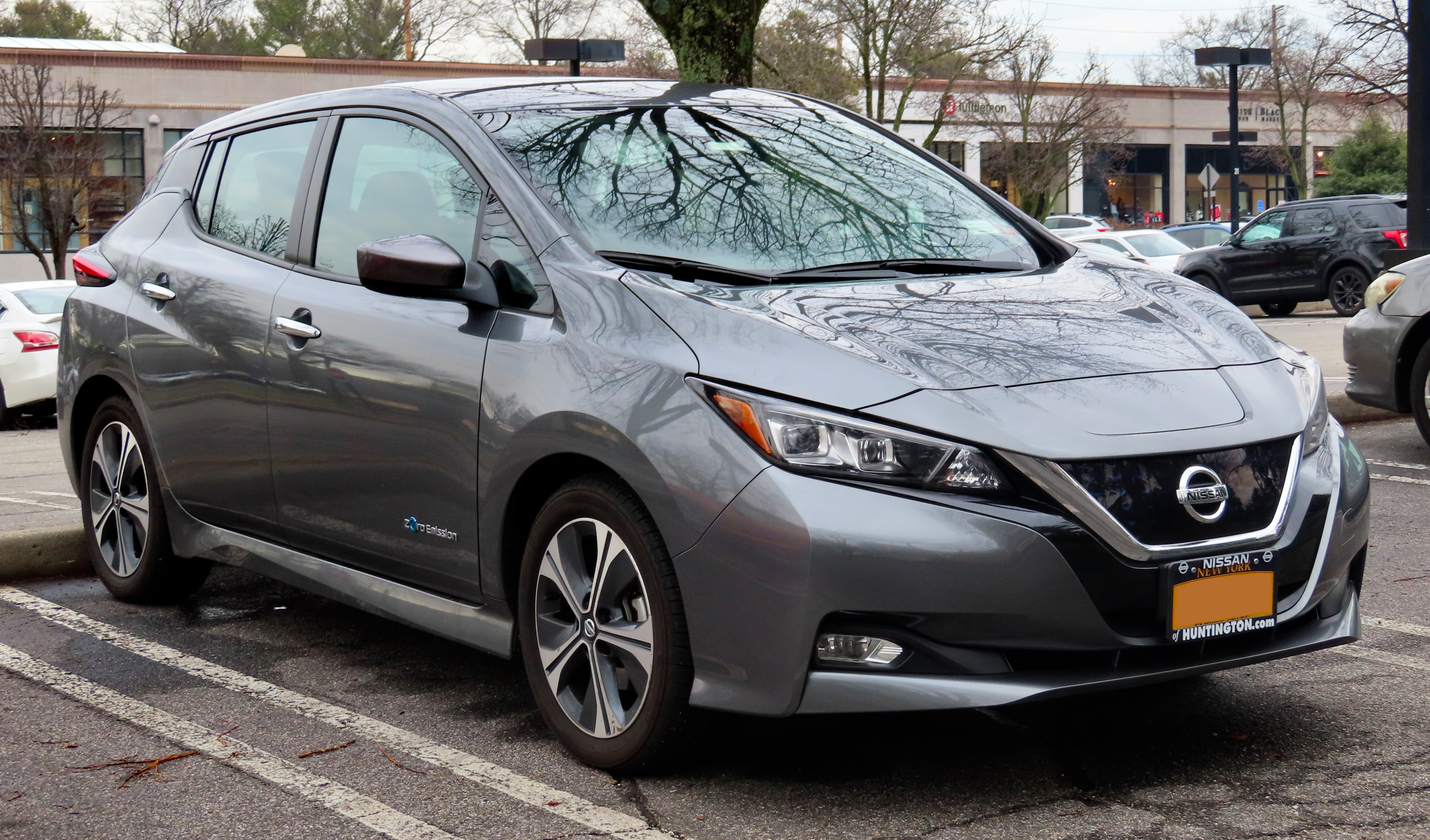
Nissan Leaf
They’re talking about the first Nissan Leaf—one of the earliest popular electric cars. It’s the “original” version they rode in long ago.
ProPilot
ProPilot is Nissan’s system that helps the car drive more easily, especially on highways. It’s meant to assist the driver, not fully replace them.
Holland
They’re talking about the Netherlands. The takeaway is that these advanced driving features don’t automatically work everywhere—they need approval in each country.
game-changing tech
They’re talking about a new safety feature in cars that could make driving easier and safer. Even if it helps a lot, you still have to pay attention and take over when needed.
intervene
They’re saying the car’s safety tech won’t do everything by itself. At some point, you may need to step in and drive manually.
roll out across Europe
They’re talking about the tech becoming available in more countries. Car safety features usually have to be approved by each region’s rules before they can be widely used.
self-driving technology
Self-driving technology is the stuff in a car that helps it drive by itself. Even when it’s “self-driving,” a person often still has to be ready to take over.
ICV
ICV usually means the car’s onboard computer. It’s the system that takes in information (like sensors) and helps the car decide what to do.
four blue crew systems
They mention “four blue crew systems,” but it’s not clear what that refers to. It might be a specific trial program or fleet name, but the audio/text isn’t clear enough to confirm.
level 2++
This is a marketing-style label for how “smart” a car’s driving help is. Level 2++ usually means the car can do more than basic assist, but you still have to watch and be ready to take over.
autonomous driving tech
This means the car has technology that can help drive itself to some extent. Usually it’s not fully self-driving—it's more like advanced “assist” that still expects you to pay attention.
autonomous parking systems
These are features that help the car park by itself. The car tries to steer into the right spot, but you still need to watch for obstacles and be ready to stop it.
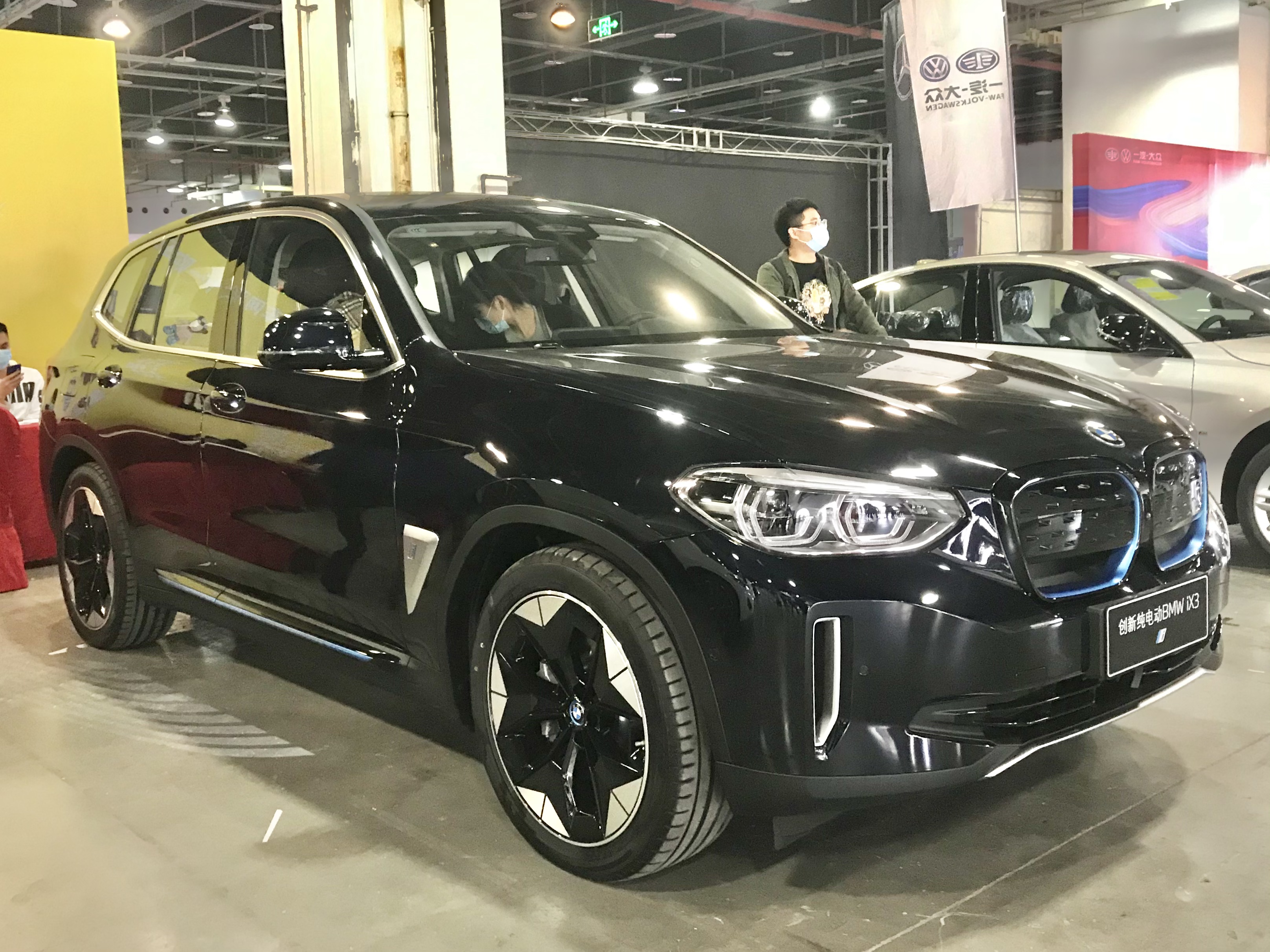
the new iX3
The BMW iX3 is an electric BMW SUV. In this segment, they’re saying its parking automation works better than what they’ve tried before.
adaptive cruise control
Adaptive cruise control is cruise control that can react to the car in front of you. If traffic slows, it slows too, and then resumes when the road opens up.

Geely EX5
The Geely EX5 is a family SUV made by Geely. They’re talking about it as a deal you can lease, and how much car you get for the monthly cost.

Galaxy Geely Ex5
The Galaxy EX5 is a car model you can get through leasing. Leasing means you pay to use the car for a set time instead of buying it outright. The podcast is bringing it up because it’s currently available that way.
8000 miles per year
That number is how much you’re allowed to drive each year under the lease. Drive more than that, and you can end up paying extra when you return the car.
36 month contract
This means the lease is for three years. The length of the lease affects the monthly cost and what you’ll pay overall.
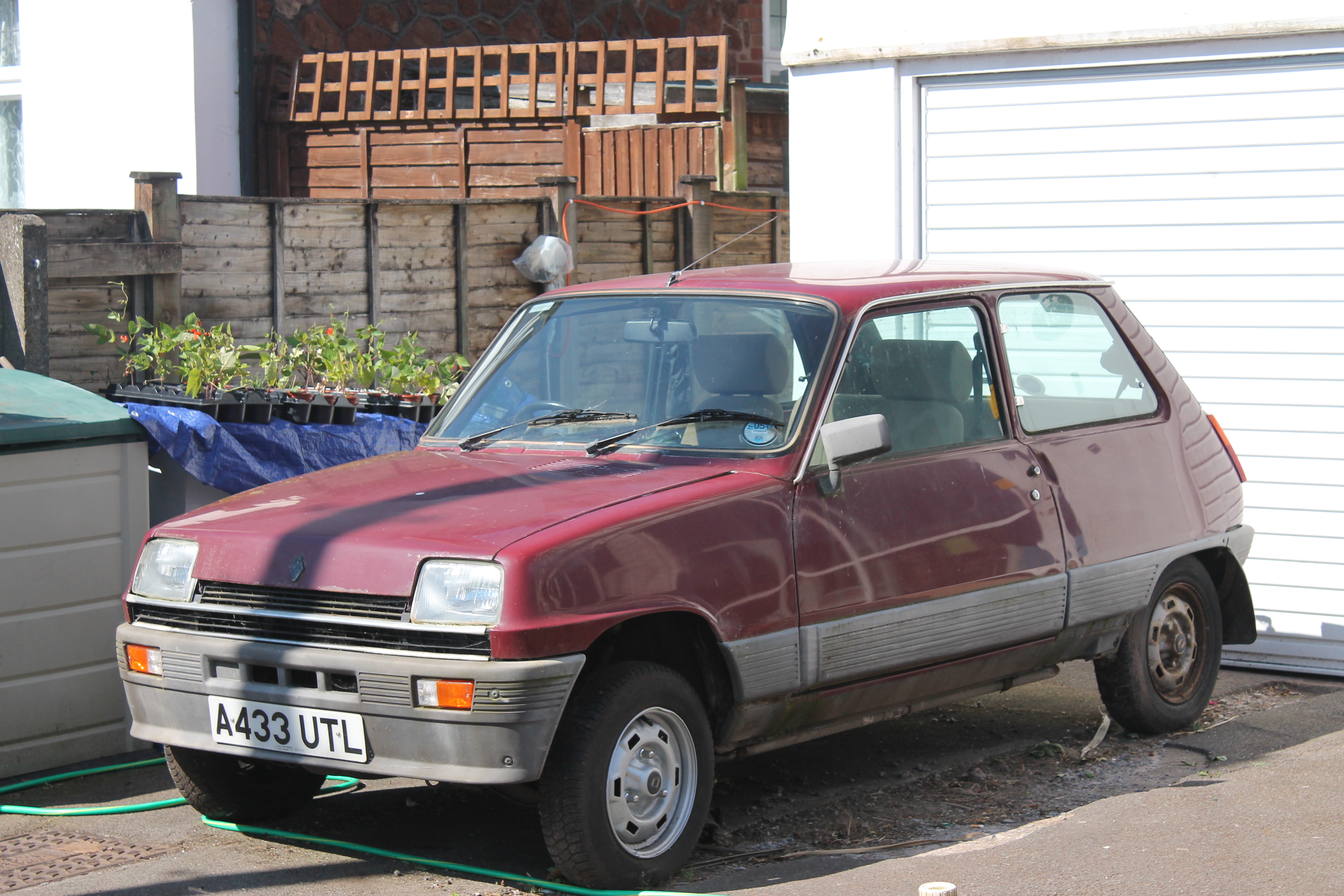
Renault 5
They’re talking about a Renault 5. Here, they’re focusing on how far it can drive on electricity before the battery needs recharging.
WLTP
WLTP is a standardized test used to estimate how far a car can go. Your real range in everyday driving may be different, usually lower.
60 kilowatt-hour battery
This is the battery size—“60 kilowatt-hours” is how much energy the car can store. Bigger batteries usually mean more range, but driving style and conditions matter too.
pre-registered
“Pre-registered” means you put your name down before the car is actually ready to buy. Usually it involves a deposit, and it helps you lock in pricing or priority.

S07 Changan Depal
Changan is a car brand from China. The Depal S07 is a particular model they’re discussing, and they’re comparing buying it outright versus leasing it based on cost and risk.
lease
Leasing is a financing method where you pay to use the car for a set period, typically returning it at the end. The hosts argue leasing can reduce the risk from depreciation—especially when you’re unsure how the car’s resale value will change.
depreciation
Depreciation is how much the car becomes worth less as time goes on. The hosts are saying you can’t always predict how fast that value will drop, so leasing can protect you from that uncertainty.
second hand value
“Second hand value” just means what a car is worth when you sell it used. If new cars are very cheap, used cars often end up worth less as well.
building in Europe
“Building in Europe” means the company makes the cars (or parts of them) inside Europe instead of shipping them in from elsewhere. That can help them follow local trade rules and sometimes keep the price lower.
rules of origin laws
“Rules of origin” are trade rules that decide where a product is considered to be made. For car imports, they can require some parts or production to happen in Europe so the car can qualify for better import terms and stay cheaper.
Love Electric
Love Electric is the company the listener used to get their EV. They’re talking about how smooth the ordering process was.
Salary sacrifice scheme
A salary sacrifice scheme is when your job lets you trade part of your salary for a benefit. In this case, it’s being used to help pay for an EV.
company car
A company car is a car your employer provides. You may be able to use it for work and sometimes for personal driving too.
NEOs
They’re talking about a specific electric car brand called NEO. The hosts like the cars and are hoping more of them become available in the UK.
virtual assistant called Nomi
Nomi is the car’s built-in “helper” that you can talk to. It’s meant to make the car easier to use with voice commands.
send feedback back to NEO
They’re saying the car can collect what you tell it and send that information back to the company. That way the manufacturer can learn from real driver feedback.