00:00
I tried to do a Lewis Hamilton when I saw the McLaren F1 team
00:04
principle in the car behind me when I was 13.
00:06
And I thought, I'm going to walk up to you,
00:08
and I'm going to tell you that I want to be a race car driver
00:11
and redesign your cars.
00:12
And you're going to go, cool, here's a bunch of money.
00:18
Did he even roll the window down?
00:20
Very, very hesitantly.
00:24
And now, Dinner Bites, a new spinoff of Dinner with Racers,
00:28
presented by Hot Nenil Tire with your hosts, Ryan Eversley
00:35
Hey, Dinner Bites, Ryan.
00:37
We're back with some more Dinner Bites.
00:40
One of them, Dinner Bites, the remote version of Dinner
00:43
We say it every time, but these are sort of the short form
00:45
remote recorded to put out a few more episodes
00:47
over the course of the year, because our good friends
00:49
at Continental Tire wanted to make sure that you, the fan,
00:51
had more and more stuff.
00:53
Stay tuned, by the way, because Thanksgiving,
00:56
Ryan, Thanksgiving is only a few weeks away.
00:58
Yeah, and we've been working hard all year
00:59
to make the regular Dinner with Racers podcast, which
01:02
we know is obviously the reason we're doing this.
01:04
So some great guests.
01:05
We just got back from a trip to Charlotte.
01:07
We did a trip to Indy.
01:09
And now we're going to bring you
01:10
a run of some young and up-and-coming racers
01:13
that we think deserve a little bit of a spotlight.
01:15
So this first episode is Henry Drury,
01:17
who I worked with last year in the Toyota GR Cup.
01:20
He is a recipient of the PT Autosport Young
01:22
Aspiring Driver Award.
01:23
And he's a face and a talent that I think
01:25
is going to be very, very popular with our guests.
01:28
If you get a chance to see this kid at the track
01:30
and you talk to him, he's really funny,
01:32
but he and Sean both share a background in figure skating.
01:35
And so that was something I knew Sean
01:36
would find interesting as well.
01:38
And like Ryan said, we're trying to do for this next run
01:40
of Bites, we were looking at ways
01:41
to sort of make Bites something different
01:42
from Dinner with Racers.
01:43
And we realized, you know what?
01:44
There's all this young, up-and-coming talent
01:46
in sports car, open wheel, stock cars, you name it.
01:49
So let's sort of grab some young folks
01:51
that have interesting stories.
01:53
And Henry, obviously, with your experience with them,
01:54
Ryan was a good fit.
01:56
So yeah, interesting young man.
01:58
Yeah, I'm a huge fan of his.
02:00
And also he ran on Continental Tires all last year.
02:02
And the cool thing about Continental
02:04
is not only are we still doing the normal podcast,
02:06
but they thought it'd be great if we did some up-and-comers
02:08
to kind of promote the talent that's coming through the sport
02:11
So once again, another reason to be thankful to Continental
02:13
Tire and please support them as much as possible.
02:16
If you're posting about us on social media,
02:18
please use the hashtag dinner with Conti.
02:20
And also, keep in mind, we have a Patreon series
02:22
that we're doing a lot of behind the scenes stuff.
02:24
We're doing extra interviews.
02:25
We're giving you tidbits from the long format interview
02:27
that might not make the show.
02:29
So please check us out on Patreon.
02:30
It's been a lot of fun.
02:31
We're doing monthly updates.
02:32
We're doing race reports from our personal races as well.
02:35
So please check us out on Patreon if you haven't already.
02:37
And again, hashtag dinner with Conti on Instagram
02:40
and all them social medias.
02:41
It means a lot if you're buying stuff
02:43
with any sort of Continental branding.
02:44
Let them know how much you support the show.
02:46
So on that note, Henry Jury.
02:50
All right, we're gonna start in five, four, three, two.
02:57
So we're doing a run of up and coming talent episodes
03:01
And you're obviously on that list for me,
03:03
but also what I thought would be a really good connection
03:06
is that you and Sean both have something very specific
03:09
and a little unique in common
03:10
is that you both were figure skaters.
03:16
And so I'm way more familiar with Sean's background
03:20
than yours in that regard,
03:21
but you were an Olympic hopeful and going for it.
03:25
And your career took a pretty drastic turn.
03:27
And I kind of wanted to get into that a little bit today
03:29
because the racing stuff I already know
03:30
and we'll go over that as well,
03:31
but I don't know that much detail
03:33
about your figure skating background,
03:34
but I just know that it was a big deal.
03:38
I mean, a bit of an unorthodox,
03:42
an unorthodox journey to racing,
03:45
in that having wanted to be a race car driver for so long,
03:49
I was told not bluntly, very politely,
03:53
but without a doubt that my family simply couldn't afford
04:01
for me to be a race car driver
04:02
and it simply wasn't going to happen.
04:05
So yeah, I kind of fell into figure skating
04:07
when my sister started it.
04:09
Which is notoriously cheap.
04:14
Hello, a lot cheaper than racing though.
04:16
That's fair, I'll give you that.
04:18
Yeah, but my sister started doing that
04:20
and then I sat at the side playing Mario Kart for a year
04:23
because why would I do a girl's sport?
04:27
And then after a year of sitting at the side,
04:29
someone mentioned to me that actually,
04:32
if you go and play football,
04:33
you're in a locker room with all the boys, right?
04:36
If you go figure skating, you're with all the girls.
04:38
And suddenly I thought,
04:39
huh, this girl's sport thing isn't so bad.
04:41
Maybe I'll give this a try.
04:43
I completely agree.
04:45
So yeah, I kind of fell into figure skating
04:47
and that became my life and my career goal, if you will,
04:51
which was the 2018 and 2022 Olympic cycles.
04:55
And that became every day.
04:57
Now my family moved to the US almost entirely for that,
05:02
for training ahead of 2018.
05:05
And yeah, that was my life.
05:07
That was my goal and that was every day.
05:11
And then yeah, it all came crashing down
05:13
and now I'm a race car driver.
05:14
Was your sister the same way?
05:17
Yeah, so she started before me.
05:20
We actually skated together.
05:21
So I skated both in singles and in pairs with my sister,
05:25
which any competitive partnership
05:31
where you're skating with a sibling
05:34
when you're teenagers is a bumpy, a bumpy road.
05:40
It seems like a recipe for disaster.
05:43
In pairs and also ice dances is not that uncommon
05:48
of an idea there have been brother, plenty of brother,
05:50
sister pairings that have happened through the years.
05:51
And yeah, it's notoriously fractious
05:53
because you're spending so much time
05:55
and because it's competitive, like every little thing
05:58
And so if one person doesn't do their end right,
06:00
especially in pairs where there's like,
06:03
I mean, yes, racing is a dangerous sport,
06:04
but there's some pretty serious that can happen
06:06
in pair skating as well.
06:07
And so yeah, that kind of matters quite a bit.
06:10
It's like, where'd you guys move?
06:12
So we moved to Florida at the time to Ellington, Florida,
06:15
which is where the US national champions were training,
06:19
the British national champions were training.
06:21
So it was actually a really, really cool experience to,
06:24
and obviously everybody works so hard
06:27
no matter which country in or you're in
06:29
or where you're training,
06:30
but to be skating every day and training
06:33
with Olympians, with world champions,
06:35
with national champions was incredibly eye-opening
06:38
and something that I learned a lot from
06:42
and people always ask me,
06:43
what does stuff from skating carry over to racing?
06:47
And I think any sports when you learn the mindset
06:50
and the discipline and what it truly takes
06:52
to compute at that level,
06:54
will carry over to another sport such as racing.
06:57
So yeah, it's super, super fascinating
07:00
to be a part of and to see.
07:03
And you were, as a young kid,
07:04
you were really fascinated by racing.
07:06
You really wanted to be a race car driver.
07:07
Your parents said no.
07:08
So even though you're doing the figure skating thing,
07:10
you'd switched to wanting to become an aerospace engineer
07:13
so you get into designing race cars.
07:16
So when I realized, I mean, racing was the pipe dream,
07:20
but realized that simply wasn't going to happen.
07:22
So sort of wanted to stay involved with that.
07:24
I thought, well, cool, I'll design race cars instead.
07:27
So, you know, went off down the academic pathway.
07:30
I tried to do a Lewis Hamilton
07:32
when I saw the McLaren F1 team principle
07:35
in the car behind me when I was 13
07:37
and I thought, I'm gonna walk up to you
07:39
and I'm gonna tell you that I want to be a race car driver
07:42
and redesign your cars.
07:43
And you're gonna go, cool, here's a bunch of money.
07:48
Did he even roll the window down?
07:51
Very, very hesitantly.
07:55
I think it's quite hard to look threatening
07:57
when you're 13, especially when I was about
08:00
three and a half feet tall.
08:02
So, you know, very, very hesitantly
08:05
because you're clearly not rolling it down to say,
08:07
hi, you know, just wanted to say I have a huge fat
08:09
and you're probably asking for something.
08:12
So it was, you know, you could see and think about it
08:15
and look at the other people in the car
08:17
and then slowly move his hands
08:18
and hover over the window button.
08:21
Yeah, but yes, I sort of threw myself
08:26
into that side of it and, you know,
08:29
went down that academic path,
08:31
which funnily enough was then also
08:34
impacted rather severely by being injured
08:36
and figure skating and that turns out
08:38
that when you have a super severe injury
08:41
and are effectively bed-bound, you know,
08:44
doesn't really help with motivation for school.
08:49
So my academic career fell behind a bit as well.
08:54
But so what was the injury?
08:57
So I was doing a press lift with my partner one day
09:00
when I was 14 and simply lifting incorrectly
09:05
didn't have the proper form.
09:07
I was effectively too young to be doing it really.
09:09
I mean, your spine is still plasticine at 14 years old,
09:13
but I ruptured the L4, L5 and L5 S1 discs in my lumbar spine.
09:23
And just to spell this out,
09:24
a press lift is basically in one hand.
09:25
You basically one hand that have to do sort of an
09:27
over the shoulder pushup on your partner.
09:30
And yeah, so all the way.
09:31
All the way up above you.
09:33
So like arm locked, straight above you, you know.
09:35
And I mean, I probably, I probably weighed 80 pounds.
09:40
You know, I was not the prime physical specimen
09:43
to be lifting another human person over my head.
09:49
So you can see where it may have gone wrong.
09:55
She's, I put her down.
09:58
So you didn't respond with this.
10:00
Okay, so you were still a polite Englishman.
10:02
You're like, oh, so sorry.
10:04
You just fall down and die now.
10:07
When this injury happens, like instantly in the moment,
10:10
like what, walk us through the next hour of your life.
10:13
The next hour is kind of difficult to say.
10:16
Cause I mean, like every athlete is accustomed to injuries.
10:21
You know, whether it's racing,
10:22
whether it's track and field,
10:24
whether it's casing, whatever it is, you know,
10:25
at some point you get hurt.
10:28
So, you know, for me, it was a pretty immediate,
10:32
you know, like a light switch, you know,
10:34
it felt a lot like being stabbed in the spine.
10:38
So it wasn't pleasant, but you know,
10:41
your mind immediately goes, right?
10:43
Okay. Well, that's not good,
10:45
but let's go lie down, put some ice on it
10:47
and I'll be back training tomorrow.
10:51
That's what I was curious about.
10:52
Like was this, was this like into the,
10:53
into the helicopter getting you out of there
10:55
to life flight or is like, just like,
10:56
oh, I don't feel good.
10:58
No. So I mean, it's actually
11:01
herniating or rupturing a disc is not an uncommon injury.
11:06
It's effectively just the severity of it.
11:07
So I mean, you or someone, you know,
11:09
has probably had a bulging disc.
11:11
It's effectively the same thing, just much more severe.
11:15
So, you know, I, I moved very, very slowly.
11:18
I effectively couldn't end my spine in either direction
11:23
So, you know, sort of walking like you're a stiff wooden plank.
11:29
But you know, I remember I went home
11:30
and just sort of forced to lie down and not move.
11:34
And that's where I stayed.
11:35
And I think it was about two, two weeks later
11:38
after I'd had two MRIs and probably four or five
11:44
doctors appointments where they said,
11:46
well, they gave me the verdict really, which was,
11:49
yeah, so this is a two year minimum recovery time.
11:52
You're probably not going to skate for at least those two
11:57
which, you know, my mind when I hear that is,
11:59
right, well, if it 2014 now and 2018 is the Olympics
12:05
So, yeah, that's not going to happen.
12:09
So, you know, it was again, pretty instantaneous
12:11
in that I knew my plans were sort of in the bin,
12:17
which was really interesting just because, again,
12:21
when that's your whole life, you know,
12:23
your routine effectively every minute of every day is,
12:26
well, I'm working towards this.
12:27
I know that I'm doing this.
12:30
And then suddenly it's, well, what do I do now?
12:34
You know, lost the routine, lost the goal, what's next?
12:38
It was, I mean, karting, racing,
12:40
and I think that was completely out at this point.
12:42
Yeah, I mean, not even in the,
12:46
for the first time in my life,
12:47
probably I wasn't thinking about racing.
12:51
Throughout my skating career, you know,
12:53
racing's always been the pipe dream.
12:55
You know, it's always a thing I still wanted to do
12:56
that doesn't go away.
12:58
That's probably the first time where it's, yeah, you know,
13:00
I have something bigger than my career goals to think of,
13:05
in that I'd quite like to be able to walk.
13:08
And just to put this out there,
13:10
you're a two-time national champion at figure skating.
13:13
So it's not like it was like,
13:15
man, it'd be really cool if this worked out.
13:16
Like you are competitive and it is quite possible
13:18
that you have that ability to get to the big show.
13:22
I mean, it had effectively been communicated
13:24
that on the path we were on, there was a slot available.
13:32
Dude, that's crazy.
13:33
So you end up lying in bed for two years,
13:35
which I'm sure was really easy and not hard on you at all.
13:40
Again, and that's the thing really is, you know,
13:43
you know exactly what to expect with the physical side
13:46
in that everyone gets injured.
13:47
You take some time off, you do some physical therapy.
13:49
There's lots of ice packs involved, you know,
13:52
but I was in no way prepared for the mental effects
13:57
of losing my goals, my routine, my career, you know,
14:01
and the social life along with it.
14:02
So had some very miserable years, if you will,
14:11
which again, fell behind in school.
14:13
I mean, literally just laying in bed all day.
14:16
And funnily enough, racing ended up being,
14:19
racing ended up coming from that in a way,
14:21
in that with nothing to do and being super miserable,
14:26
I ended up meeting with a friend of my father's
14:29
who was a GT3 driver in the NLS,
14:33
went back when it was VLN.
14:36
His name was George Richardson.
14:37
Yeah, he drove for Walkenhorst.
14:40
Yeah, I remember that too.
14:41
And NLS being the series that runs the Nürburgring.
14:47
And you know, talk to him and he said,
14:49
well, you know, if you did want to be a race car driver,
14:51
and he didn't really know about my back injury,
14:53
so you know, if he still wanted to,
14:55
I mean, here's a couple of ways you could get into it.
14:57
And effectively introduced me to sim racing.
15:00
It was a very helpful step
15:01
and that it gave me something to compete in again,
15:05
you know, to drive towards, to work on.
15:09
So I sort of threw myself at sim racing
15:10
and that became a very helpful step in recovery
15:14
and having something to do and work on and compete in
15:16
and drive towards, and also taught me
15:19
how to drive a little bit.
15:21
Yeah, that was a big part of it.
15:23
Yeah, I mean, and the way that I remember
15:25
he basically didn't let me leave Silverstone
15:28
in a Formula Ford until I'd worked out how to drive,
15:31
which without any input, by the way, it was just,
15:34
you'll work it out to drive this at some point.
15:37
Yeah, you'll figure it out.
15:39
Yeah, so, you know, weight transfer
15:41
is an interesting thing.
15:45
Yeah, that's a real thing you feel in real life.
15:48
So yeah, that kind of was how I was introduced to racing.
15:53
What was the sim that you started out with?
15:56
So I started out in R Factor 2, that was,
15:59
and that still is, I mean,
16:01
it doesn't really exist anymore,
16:03
but that was my baby and now it's dead
16:07
and I'm trying to learn how to drive iRacing
16:10
I have a lower iRacing than the commentators in SRO.
16:15
I have a lower iRacing than most of your viewers.
16:25
But the sim racing stuff leads you to an opportunity
16:28
to get to drive a real race car.
16:31
So after a few years of sim racing
16:33
and you know, sort of working my way up through it,
16:36
just learning everything that I possibly could,
16:41
I'm scrolling through Instagram one night
16:43
and I see an advert for a driver shootout
16:47
and you know, it promises this $100,000 prize
16:49
and my immediate thought is right, well, I mean,
16:52
that's a scam, but you know, why not?
16:59
And that led me to the PT Autosport
17:01
aspiring driver shootout,
17:02
which turned out not to be a scam,
17:04
was actually a wonderful group of people
17:07
offering a pretty incredible opportunity
17:10
and I was lucky enough to win that shootout program
17:13
that year, so I went to New Jersey Motorsports Park
17:15
and we drove on track, we did media activities,
17:19
fitness activities, basically testing everything
17:23
that you need to do to, or everything that you would need
17:26
to become a professional race car driver
17:28
and was lucky enough to win that,
17:30
which overnight sort of took me from being
17:34
a wannabe race car driver with a sim at home
17:37
to being an actual race car driver
17:39
who was driving real race cars, you know?
17:42
So that kind of changed my life in an instant, if you will.
17:45
How did the first event go, the first real race?
17:50
No joke, no joke, my first session on,
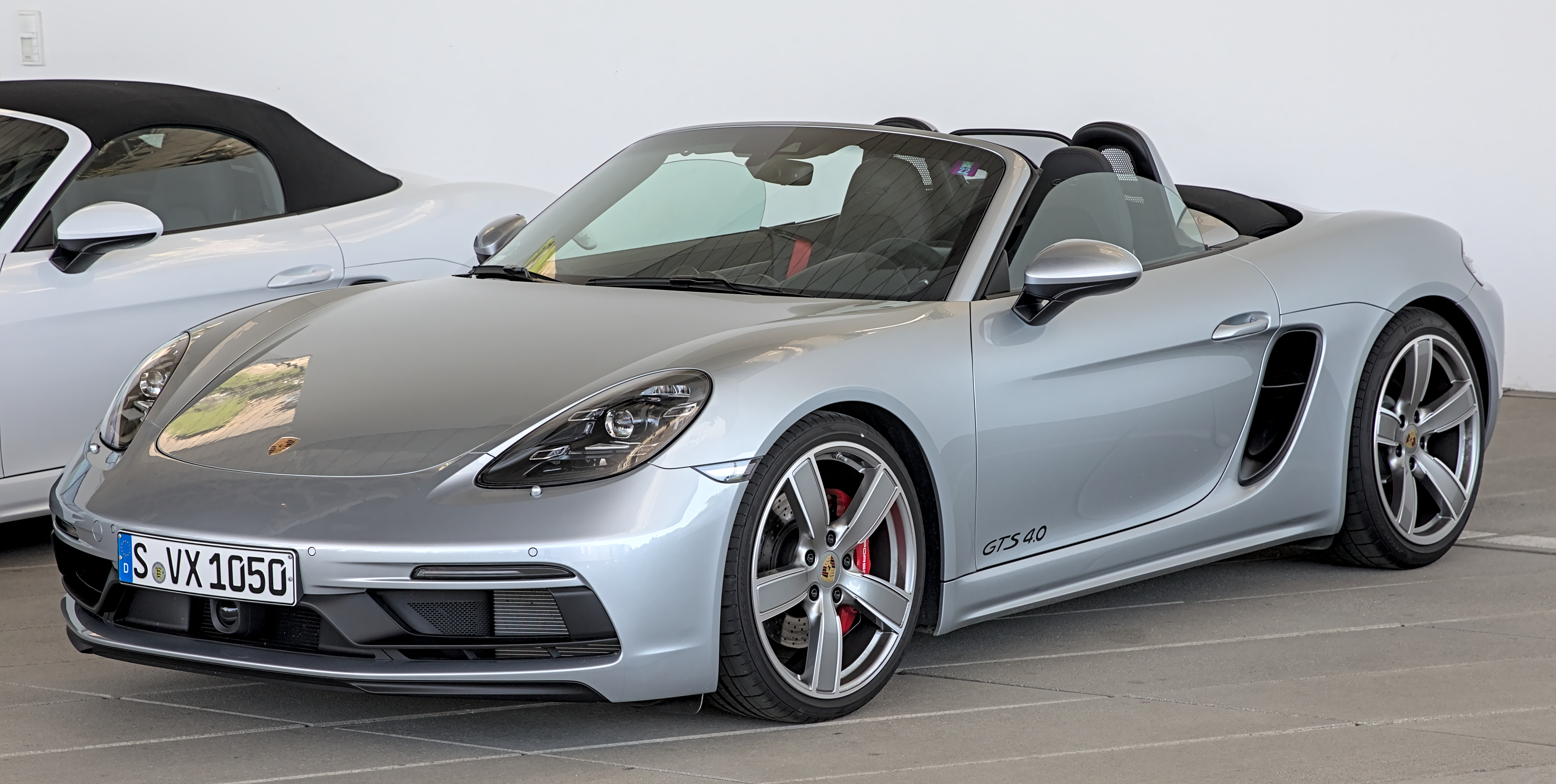
17:58
we were at Watkins Glen, I was in a 1999 spec Porsche Boxster,
18:04
neon turquoise, brightest car
18:06
you've ever seen in your life,
18:08
which I immediately hated and then slowly grew to love
18:11
because it did genuinely hurt the eyes at first.
18:15
It also had bright orange wheels, so it was hideous.
18:20
But first session, in what case, when going to the bus stop,
18:25
hit the first apex curve or jump the first apex curve,
18:29
Hit the second apex curve,
18:31
starts at the left-hander, everything's fine.
18:33
Hit the third curve, everything's fine.
18:36
The car lands and the door just peels back
18:42
And you see, we were running a camera looking at me
18:46
from effectively the passenger door,
18:48
and you just see my head do a double take, like what?
18:53
And my crew guys will never let me forget this,
18:58
in that apparently I come on the radio
19:01
in a very stereotypical British accent
19:03
and say, the bloody door's fallen off.
19:09
But yeah, as expected.
19:11
But yeah, so not an ideal start to my racing career,
19:16
and then just spun in the first race,
19:19
did a right in the second,
19:21
and then lost the clutch in the third race.
19:27
I then threw a hissy fit
19:28
because I'm a competitive person and was like,
19:30
right, well, I'm not here to finish last,
19:32
and in PCA, I don't want to be a professional.
19:37
I was humbled, humbled very, very quickly,
19:40
and given a lesson by the team on mindset and attitude.
19:47
So yeah, not the dream, you know,
19:50
sweet the weekend start that I'd maybe hoped for,
19:54
but a learning experience.
19:57
Eventually you end up,
20:00
actually I'll go back to when I first met you.
20:02
So the first time I met you
20:03
was at New Jersey Motor Sports Park
20:05
for I think the second year of the shootout.
20:07
And you were kind of helping out with the event.
20:11
I was there as an instructor
20:13
and like to help coach and judge and all that stuff.
20:15
And, you know, our friend Jason Myers
20:17
who runs that program alongside Jeff,
20:19
they were like, that's Henry.
20:21
He won the championship last year.
20:22
And what I liked about you right away
20:24
was that you were helping with like media stuff.
20:27
You had a camera, you're walking around
20:28
just getting content and trying to help build stuff
20:31
so they can promote this program
20:32
that's effectively helping your career
20:34
get launched for the next generation.
20:35
And I thought, okay, that like he's showing value.
20:38
And that's something I always try to offer
20:39
to people I race with is like,
20:40
how can I be different than all the other drivers?
20:42
If we're all turning the wheel the same way,
20:44
what can I bring that'll give me a little bit of an advantage?
20:46
So I thought, okay, he's already got that part figured out.
20:49
And so eventually when Jeff and Jason
20:52
and I talked about what we could do
20:53
together with my team Precision Racing LA,
20:57
we kind of partnered with PT Autosport
20:58
and brought you into the GR Cup series.
21:01
Yeah, I mean, I think
21:05
I think in two parts of it, first of all,
21:07
I'm just not very good at not doing things.
21:11
So I mean, I was under strict instructions
21:13
to stand around and be last year's winner.
21:19
But you know, not very good at standing around
21:21
and being an active, I think like many,
21:24
or like anybody who, you know,
21:26
has high expectations for themselves.
21:29
But then also at the end of the day,
21:32
driving is one, maybe 2% of this career, you know?
21:37
You've got to be just as good at the off track stuff
21:40
as you do the on track stuff.
21:42
And a large part of that is learning to market yourself,
21:45
learning the media part of it.
21:46
So, you know, in my mind,
21:50
there's just as much learning
21:52
and learning and advancement to do
21:57
on that side of things as on track.
21:58
So I always try to get involved where I can.
22:04
But yeah, that led us to last year, 2024,
22:10
So that was kind of my first experience
22:13
of professional racing.
22:16
Got to work with everyone at Precision Racing LA.
22:18
They had this new up-and-coming coach
22:19
called Ryan Eversley.
22:24
He was all right to work with, you know,
22:26
Moses' stuff a little bit.
22:29
But yeah, that was sort of the start
22:31
of my professional career.
22:34
And I didn't quite expect
22:38
how quickly I would have to learn things
22:40
or just how much there was to.
22:44
You did, however, have a pretty good first season.
22:46
Your goal was the top 10.
22:48
And I think we cracked that pretty fast.
22:51
But you're actually able to come away
22:52
with a couple of podiums,
22:53
which I was really impressed by.
22:55
Yeah, no, I mean, the entire year
22:59
sort of definitely exceeded expectations in my mind.
23:02
I mean, very conservative,
23:03
just knowing how strong the field is in GR Cup,
23:08
just knowing that it was such a big leap up to,
23:11
you know, proper racing and proper spec racing.
23:14
And also, you know,
23:15
just the quality of the field in Toyota GR Cup, you know.
23:19
Now, a lot of guys who are very likely to be
23:22
IMSA champions within the next, you know, few years.
23:26
So top 10s were with a goal.
23:28
And yeah, I think we had a rough start,
23:32
but we cracked that fairly quickly.
23:33
And I think for me,
23:35
one of the biggest things was just having, you know,
23:39
a full season to be able to say,
23:42
right, well, this weekend I'm working on this.
23:44
Cool, you know, we've learned how to break now.
23:47
Now we're working on this.
23:48
Now we're working on this, you know.
23:49
So we could have quantifiable steps forward
23:52
at every race weekend.
23:53
And at the end of the year, I could go, wow, you know,
23:55
I'm so much more complete of a race car driver
23:59
than I was at the start of the year.
24:03
That was pretty awesome.
24:07
Yeah, our running joke on the team with you
24:08
because you're by far the least experienced
24:10
out of the co-drivers of yours that we had your teammates,
24:13
but also in the field,
24:13
but your pace was extremely good very quickly.
24:16
And also your technique when we were looking at data
24:19
and stuff, there was a lot of things
24:20
that I recognized that were very good.
24:21
So we all joke that you were like a junior McLaren test driver
24:24
that changed your name
24:25
because at that first test in California,
24:27
I was like, no, this kid's pretty good.
24:29
Like this isn't just some guy that's like,
24:31
he won an award and they're hoping for it.
24:33
Like there's a lot of talent there.
24:34
So you getting those podiums were not surprising to me,
24:37
but still impressive because as good as you are,
24:40
that series is stacked.
24:43
And it's been awesome to see this year,
24:45
especially as, you know,
24:47
it's very funny looking on from outside the series now
24:51
Yeah, cause now you're coaching PTAuto Sports current driver
24:54
if that won the next shoot out.
24:56
And so you're standing next to me at a bunch of these races
24:58
and pointing out mistakes
24:59
and seeing some hilarious driving.
25:02
Yeah, no, it's definitely eye-opening
25:04
looking on it from outside, you know,
25:07
just because again, it is so hectic.
25:10
I mean, I think I described it at one point last year
25:12
as like having a fist fight
25:14
while trying to keep your head above water.
25:17
It's just so many cars,
25:19
so many young drivers with so much on the line,
25:21
you know, desperate to prove yourself.
25:24
So yeah, I mean, now coaching Max D'Alone
25:27
who won PT's last shoot out.
25:30
And yeah, it's an interesting perspective
25:33
or look on it from outside of the driver's seats.
25:39
Yeah, it's spec racing is confess.
25:42
Yeah, man, it's nuts.
25:43
And that series along with like
25:45
the MX five cup championship,
25:47
like you said, future IMSA champions
25:48
and SRO champions will come out of there,
25:50
but it's cutthroat and some of those guys
25:52
just don't have a choice but to push that hard
25:54
because this might be the last thing they ever get to drive.
25:57
Yeah, and that's part of what I love about it
25:59
in a sense in that you just have to figure it out.
26:03
You know, it's a bit sink or swim in that, you know,
26:07
people are watching, you're in the same paddock
26:09
as the GT4 teams and or the GT3 teams, you know,
26:12
those are the next steps you want to take.
26:14
So at some point you just have to work it out, you know,
26:18
get your head down, work out what you have to do
26:20
to learn to drive it or learn to do well in this series
26:24
and make it happen effectively.
26:26
Yeah, one of the things that stood out to me last year
26:28
is that we were able to bring in
26:30
another PT Autosport driver, Alex Sedgwick
26:33
to be your teammate at VIR and you never really,
26:37
well, you spend a little bit of time there
26:38
but like you're still figuring things out.
26:40
But in that race, Alex who's now currently winning
26:43
GT races in the SRO series teamed with Jan Halen
26:45
and showing the exact same pace as him,
26:47
you and Alex were like dead nuts even
26:50
in the GR cup cars at VIR.
26:52
And so effectively I look at that going,
26:54
Henry's got GT3 speed in a pro series
26:57
and I think that was a big weekend for you
26:59
because from that moment on,
27:00
you were able to really grow the rest of the season.
27:03
Yeah, and it was definitely great for my confidence
27:08
in a sense and it reminds me of a story
27:10
that I think you told at that weekend
27:13
about a similar weekend earlier in your career
27:16
where Alex is a very proven driver, like you said,
27:21
winning races and fighting for the title in GT World Challenge.
27:26
So for him to come in and I expected to be,
27:31
I didn't want to be 10 places behind him
27:32
but I assumed that I'd be a couple of 10s off him.
27:36
But to be, I think we were within hundreds
27:38
or within the space for like the entire weekend.
27:40
So the swapping places in each section.
27:44
So it was a huge confidence booster in going,
27:46
okay, I know that I can do that.
27:51
I know that I can find the pace or I have the pace
27:56
to compute at a level like that,
27:58
which is a great confidence booster.
28:01
It just gives you a little bit to fall back on
28:04
even when things go downhill.
28:06
So you do really good job for us in GR cup.
28:07
You're now coaching GR cup with PT AutoSport as well.
28:10
And then you're running in a Geneta North American series.
28:14
Yeah, so bit of an odd year
28:18
or an in-between year in a sense
28:21
and that obviously coming from GR cup,
28:23
the next step is GT4, that's the goal.
28:27
But with PT AutoSport and the way the program works,
28:32
I had funding for effectively two years
28:35
and a set amount of funding.
28:37
They very generously extended that slightly
28:39
to allow me to continue in GR cup.
28:43
But effectively this year, it's my turn to flee the nest.
28:46
And effectively they've said,
28:48
we've given you the tools and the experience
28:50
to raise your own funding,
28:52
to build your own network and effectively find drives.
28:56
And now it's on me to flee the nest in a sense
28:59
and make it on my own.
29:01
So bit of an in-between year in raising money
29:04
for a GT4 season next year,
29:08
doing some coaching with PT and GR cup,
29:10
doing some other coaching in various different places.
29:13
And I've managed to fit a few races in here and there.
29:17
So I got to run in Geneta Challenge North America.
29:19
I just got back from VIR a day ago, two days ago.
29:25
Which is really cool because Geneta is such a,
29:28
such a well-known brand back home in the UK.
29:32
Place where, especially in Geneta Juniors,
29:34
which is effectively the go-to junior spec racing series
29:38
in the UK, it's the place where Lando Norris started,
29:41
where George Russell started,
29:43
all of these British Formula One drivers
29:45
effectively start there.
29:47
And Geneta just isn't known at all here in America.
29:52
So it's kind of cool for me to,
29:54
given that I never raced in the UK,
29:55
it's a cool way to do a little bit of that
30:00
and race the classic junior spec car
30:04
from the UK, because I started so late.
30:08
So that's been really cool
30:10
and also a really interesting introduction
30:12
to GT4 cars effectively
30:16
because it's the same chassis as a GT4 car
30:18
effectively just with less power and electronics.
30:21
So it's also been a nice step
30:24
between something like the GR cup
30:26
and also then a proper full-fledged GT4 car.
30:29
Yeah, and VIR just being this past weekend,
30:32
pretty strong results, I'd say.
30:34
I'd say it was an all right weekend.
30:36
So yeah, how'd it go?
30:38
Two poles, two wins.
30:39
So I can't complain with that.
30:40
Just had to get through the first day
30:43
where we had an incident on an in-lap.
30:47
I saw this, you got into it with a,
30:49
Sean, you'll appreciate this.
30:51
I believe it was like a 1996 NASCAR cup car
30:54
that you got into it with?
30:55
Yeah, so it was the 42 Havelin NASCAR,
31:00
which NASCAR is famously not light or small.
31:05
Genettas are known for being quite light and small.
31:08
So we had a little incident on an in-lap
31:11
where, you know, I think just didn't know I was there,
31:15
but that's so big that it was such a stupid shit.
31:20
You know, we only bumped into each other,
31:22
but it knocked the V-box off of the trans tunnel,
31:25
it knocked the drinks off of it out.
31:28
Everything out of the inside.
31:30
But we had a rough first day,
31:32
so we had an incident on the in-lap
31:34
and then a wheel fell off a little bit later.
31:37
Once we got through that, we camp was great.
31:40
Two poles, two wins, lights to flag.
31:42
So yeah, I mean, maybe if I have more, you know,
31:46
more awful Thursdays,
31:48
I'll have great Friday, Saturday, Sundays.
31:51
Another thing you could do for future media training
31:54
is not mention the thing no one knows about
31:56
that makes you look bad,
31:58
and just mention the poles and the wins.
32:00
Yeah, that's not funny or relatable, is it?
32:03
Well, it depends on what you're looking to be,
32:07
So we've had a lesson learning this year with Rutledge
32:11
where he's been like, did you guys see when I spun back there
32:13
to like a group of GR cup drivers?
32:15
I'm like, no, no one knows, but now they do.
32:18
Stop helping them know.
32:20
Yeah, they did show it on TV, Rutledge.
32:24
So really strong results right now in the Geneta series.
32:28
What's the goal moving forward? Where do you want to end up?
32:31
Yeah, so I mean, like I said, GT4 is sort of the next logical,
32:35
logical step coming from GR cup.
32:39
So that's very much the goal for next year
32:42
and working hard on that
32:44
and raising the funds for it.
32:47
Obviously it's another very big step,
32:50
both in car and in funding.
32:53
So like I said, you've got to be just as good
32:55
at the off track stuff as you do the on track.
32:58
But hopefully running a GT4 America season next year
33:02
either in Pro-Am or Silver Silver.
33:05
This whole series is about up-and-coming drivers.
33:08
So the PT Auto Sport funding is effectively cut off here.
33:11
You're on your own to figure it out.
33:13
So at this phase in your career,
33:14
what does that mean when you're trying to raise the funds
33:16
or find your way in?
33:18
I was going to map out your next six months of what you have to do.
33:20
What are those steps?
33:22
Yeah, so I mean, and this was,
33:25
it's interesting now being in this position,
33:27
having learned so much in the last sort of two years
33:30
in that when I first got into racing,
33:32
I sort of had the naivete of an F1 fan
33:36
where it's like, cool, logo's on the side of a car,
33:39
is exposure, so therefore you get money for it, right?
33:43
And you know, as anyone who has spent time in racing
33:46
will learn that's not really how it works.
33:49
There's so much more behind the scenes
33:51
in the business side of it and who you're connecting
33:54
and generating ROI.
33:57
So for me, the next six months is continuing
34:02
relationships that I have with people
34:06
that have contributed funding before
34:08
and also tapping into a lot of what I'm trying to do
34:12
with my back injury.
34:14
A big part of raising funds for me comes from
34:17
the medical side of that
34:19
and the surgery or the recovery that I had
34:23
involved a procedure which is very rarely talked about.
34:28
And it's funny in that there's many, many athletes
34:31
and in fact, many race car drivers who've had this operation
34:34
but no one will talk about it
34:36
because I mean, at the end of the day
34:38
we all want to be professionals.
34:39
Nobody hires a footballer with a torn hamstring, right?
34:43
So no one will talk about an operation that they've had.
34:47
So a big part of raising funds for me is
34:51
how can I be an ambassador for that operation
34:57
and effectively increase the profile of that
35:00
so that people are more willing to consider it?
35:05
And that's been a very helpful avenue for me so far
35:09
in trying to raise funding.
35:10
But so much of it is just connecting people
35:15
and sort of seeing where I can generate revenue
35:19
for people over the next few months
35:22
throughout 2026 adjacent to what we're actually doing on track.
35:26
Are you an ambassador for the National Spine Health Foundation?
35:32
What does that entail?
35:34
So like I said with having had an operation
35:40
I had an artificial disc replacement in my Lombar Spine,
35:43
the L4 L5 disc effectively replaced
35:45
with a polyurethane artificial disc.
35:51
That is an operation which while it has been done
35:56
for a very long time, especially outside of the US
36:00
it's still quite difficult to have in the US.
36:05
So a huge part of working with the National Spine Health Foundation
36:09
is talking about my story and sort of sharing that
36:13
the artificial disc replacement is a feasible and safe option
36:20
and especially an alternative to a spinal fusion
36:23
which can allow you to continue to compete in sports
36:27
or have an active lifestyle.
36:29
So I've been working with the National Spine Health Foundation
36:32
for just started fairly recently this year
36:36
both in sharing the word about spine health
36:40
and alternatives to Lombar fusion
36:43
and also just helping them grow and get the word out
36:47
about what they're doing and educating as many people
36:50
Spine health or back pain is the number one cause
36:55
of doctors visits in the US.
36:58
I think it's something like two thirds of the population
37:01
will suffer from back pain at some point in their lives
37:04
and it's something which if you educate on it
37:07
and start to teach people about it very early
37:09
you can prevent a large majority of the issues that people have
37:14
but typically we only start to talk about it
37:17
when it starts hurting.
37:19
So trying to do what I can there to spread the message
37:23
and talk about my story
37:26
and the options that you have
37:28
especially as a young person with back pain.
37:37
Probably may not make the edit
37:38
but why is it so difficult in the US?
37:41
Is it a legal thing?
37:44
So Lombar fusion is a very common thing
37:48
which a lot of people have.
37:51
Technically officially lower risk.
37:56
However, if you have a fusion
37:58
you're going to have another one
38:00
and then another one.
38:04
So the artificial disk is technically
38:09
and scientifically proven to be a much better alternative.
38:13
We just don't have 80-year case studies on it yet.
38:17
We have 20 or 25 years of experience with it.
38:21
I know PT Auto Sports obviously the biggest proponent
38:24
on getting you into the professional side of racing
38:26
and continues to support you wherever they can.
38:28
Is there anybody else that's been helping you out?
38:30
Any sponsors you want to plug?
38:33
So I mean over the past two years
38:35
Wine Country Motorsports have been a huge supporter.
38:38
When I made the step up to GRCUP
38:41
I desperately needed a new helmet
38:43
as mine wasn't up to SRO spec or specifications
38:48
and also I literally couldn't fit a radio into it.
38:51
And you know the first people that came to mind
38:54
were Wine Country just as they've always gone
38:57
so far out of their way to help.
39:00
I mean even if you're just walking in
39:02
or walking into buying my first race suit
39:04
and they spent probably an hour trying to find me a discount.
39:11
So literally the first people that I reached out to
39:15
and were super super supportive
39:17
and were lucky enough to
39:19
and generous enough to provide a bell helmet for me.
39:24
So they've been super supportive over the last two years
39:27
and then that in part led to the relationship that I now have
39:30
with OMP Racing who also a partner of the Toyota GRCUP series
39:35
who have also been incredibly generous
39:38
and incredibly helpful in supporting my racing with gear along the way.
39:44
And again something where it's such a...
39:49
I don't know why I didn't expect this coming into racing
39:52
but both of those relationships have come purely from
39:56
personal relationships and people just going out of their way to help.
40:02
It's something where now anything I can do to support them
40:06
I do just because they were so good to me
40:08
which for some reason I didn't expect coming into racing.
40:11
I was thinking more exposure on the side of race cars
40:16
Well the one biggest takeaway that we've gained from the show
40:19
is that almost all the successful people in racing that we've interviewed
40:23
they have that common trait of being likable
40:27
In fact when you moved on from our program last year
40:30
we were all talking about it like
40:32
man I hope Henry finds something great
40:34
like we really want to see you do well
40:36
and we don't say that about every previous driver that's been on our program
40:39
I don't know that anybody does.
40:41
It's just you got to be likable also the talent matters
40:44
but when people are picking you for things like that PT AutoSport shootout
40:48
the driving was only one part of it.
40:50
There's a long Q&A thing that I was a part of
40:52
you know when I did my year of helping them out
40:55
and a lot of that came down to personality
40:57
and also wanting to give someone an opportunity
41:00
so as long as you have those personality traits
41:03
you're going to find that kind of vibe and you've got it in spades.
41:07
We say this a lot and I know we're winding down
41:09
but you could be the fastest driver in the world
41:12
but in sports car racing you're often times paired up with an AM
41:15
and if that AM's partner doesn't want to go to dinner with you
41:18
or they don't want to go to dinner with you
41:20
you could be the fastest person on the planet
41:22
you're probably not keeping that ride.
41:23
You know there's a lot of fast people
41:25
but are you going to want to hang out with a fast prick for 10 races
41:27
or a fast guy that's a nice person to get dinner with for 10 races
41:30
you know and that does make a difference.
41:32
Yeah exactly I mean again driving is what
41:38
It's a lot less than people think so yeah
41:41
Sean you got anything?
41:47
Henry where can fans follow you
41:49
and keep up with what you've got going on?
41:51
I'm on social media at It's Henry Drury
41:54
good luck spelling my last name.
41:56
You want to help that Henry?
42:01
It's Henry Drury which is D-R-U-R-Y
42:05
yeah everything everything's on there
42:07
so I'll be driving something again soon hopefully.
42:10
One of the components with PT was
42:12
media and likeability coaching?
42:16
I want to be clear that I was not there the year he got picked.
42:19
Yeah then I definitely wouldn't have been picked.
42:22
Yeah I'd be gone right away.
42:24
The last compliment I'm going to give you is
42:26
I guarantee you Rutledge Wood
42:28
and Carl Forman are sick of me saying your name
42:31
because I've been using your data
42:33
all year from last year
42:35
until we get the series data from that particular weekend
42:37
and I wouldn't do that if I didn't think
42:39
you were good at what you do.
42:41
So as much as they're probably sick of hearing it
42:43
I appreciate everything you did with us
42:45
because it gave me a great platform to build on
42:47
for our next customers.
42:49
Well thank you very much and thank you
42:51
for all of your coaching last year.
42:53
Thank you for having me.
42:55
I've been a long time listener of Dinner with Races
42:58
it's very cool to actually be here.
43:00
I still have some episodes to catch up on
43:05
Thank you both this has been awesome
43:07
and I'll see you in the Paddock at some point soon.
43:10
Yeah I'm like a week.