A deep dive into the life and experiences of Ben Keating, featuring guests Don Whitaker and Stephen Livesey. The conversation explores their long-standing friendship with Ben, his rise in the automotive industry, and the unique culture at Keating Auto Group. Listeners will hear humorous anecdotes, including a memorable Halloween incident and the infamous 'Cruising with the Monkey' debacle that left Ben visibly frustrated. The episode highlights the personal and professional dynamics that define Ben's character, showcasing his competitive spirit and the loyalty he inspires in those around him.
Re-visiting our MotorTrend episode titled “Dinner(s) with Ben Keating,” the partnership of long-time friends Don Whitaker and Stephen Livesay are a big part of Ben’s success. With Don, now CFO, knowing Ben since Elementary school and Stephen, now COO, holding family church connections that stem to Ben’s childhood, the two present a history and perspective […]
"...another car and a new grand Cherokee track. Yeah. Beautiful car."
The Jeep Grand Cherokee Trackhawk is a fast and powerful SUV that can handle rough terrain and also drive well on regular roads. It's known for having a very strong engine that makes it exciting to drive.
The Jeep Grand Cherokee Trackhawk is a high-performance variant of the Grand Cherokee, known for its powerful supercharged V8 engine and off-road capabilities. It's designed for both on-road performance and off-road adventures, making it a versatile SUV.
"...we're over at Monday Chevrolet in Houston. And now I look back on that and I just die laughing because we're calling him to get advice to buy a car from somewhere else..."
Chevrolet is a car brand that makes many different types of vehicles, like cars and trucks. It's part of a larger company called General Motors.
Chevrolet is an American automobile brand known for producing a wide range of vehicles, from compact cars to trucks and SUVs. It is a division of General Motors and has a long history in the automotive industry.
"...I bought a Taurus from him. I think it was 2002 Taurus. It was super hot chicks or everywhere on that deal."
The Ford Taurus is a family car that many people used for everyday driving. The 2002 version is one of the older models, known for being reliable and spacious.
The Ford Taurus is a mid-size car that was popular in the United States, known for its comfort and practicality. The 2002 model is part of the fifth generation, which was produced from 1996 to 2007.
"...u first found out that he was going to go do this Viper driving experience, did you think it would have l..."
The Dodge Viper is a really fast sports car that has a big engine and looks very cool. It's famous for being fun to drive and is loved by car enthusiasts. People talk about it because it's one of the most exciting cars you can drive.
The Dodge Viper is a high-performance sports car known for its powerful V10 engine and distinctive styling. It has a significant place in automotive history due to its raw performance and has garnered a dedicated fan base since its introduction in the early 1990s. The Viper is often discussed for its thrilling driving experience and as a symbol of American muscle cars.
"I mean, I've gone to Le Mans, I don't know, 10 times or so to watch and to see a brag. It's fine. Good to see him out there with the other racers and vehicles that are performing at that level."
Le Mans is a famous car race that lasts for 24 hours. Teams race their cars continuously, and it's known for being very tough and exciting.
Le Mans is a 24-hour endurance race held annually in France, known for its challenging conditions and high-performance vehicles. It is one of the most prestigious events in motorsport, attracting manufacturers and teams from around the world.
"...you might look at a new season of WEC is like a new reason to taste new car dealership because this may pay for my next season of this."
WEC is a racing series where cars compete in long races, like the 24-hour race at Le Mans. It's about how fast and reliable the cars are over a long time.
WEC stands for the World Endurance Championship, a prestigious racing series that features endurance races, including the famous 24 Hours of Le Mans. It showcases manufacturers and teams competing in long-distance races, testing both speed and reliability.
"OK, so the goods is is a loved movie, but Ashley Schaefer of Ashley Schaefer BMW."
Ashley Schaefer BMW is a place where you can buy BMW cars. They have a variety of models and are known for helping customers find the right car.
Ashley Schaefer BMW is a car dealership that specializes in selling BMW vehicles. It's known for its customer service and a wide selection of new and used BMWs.
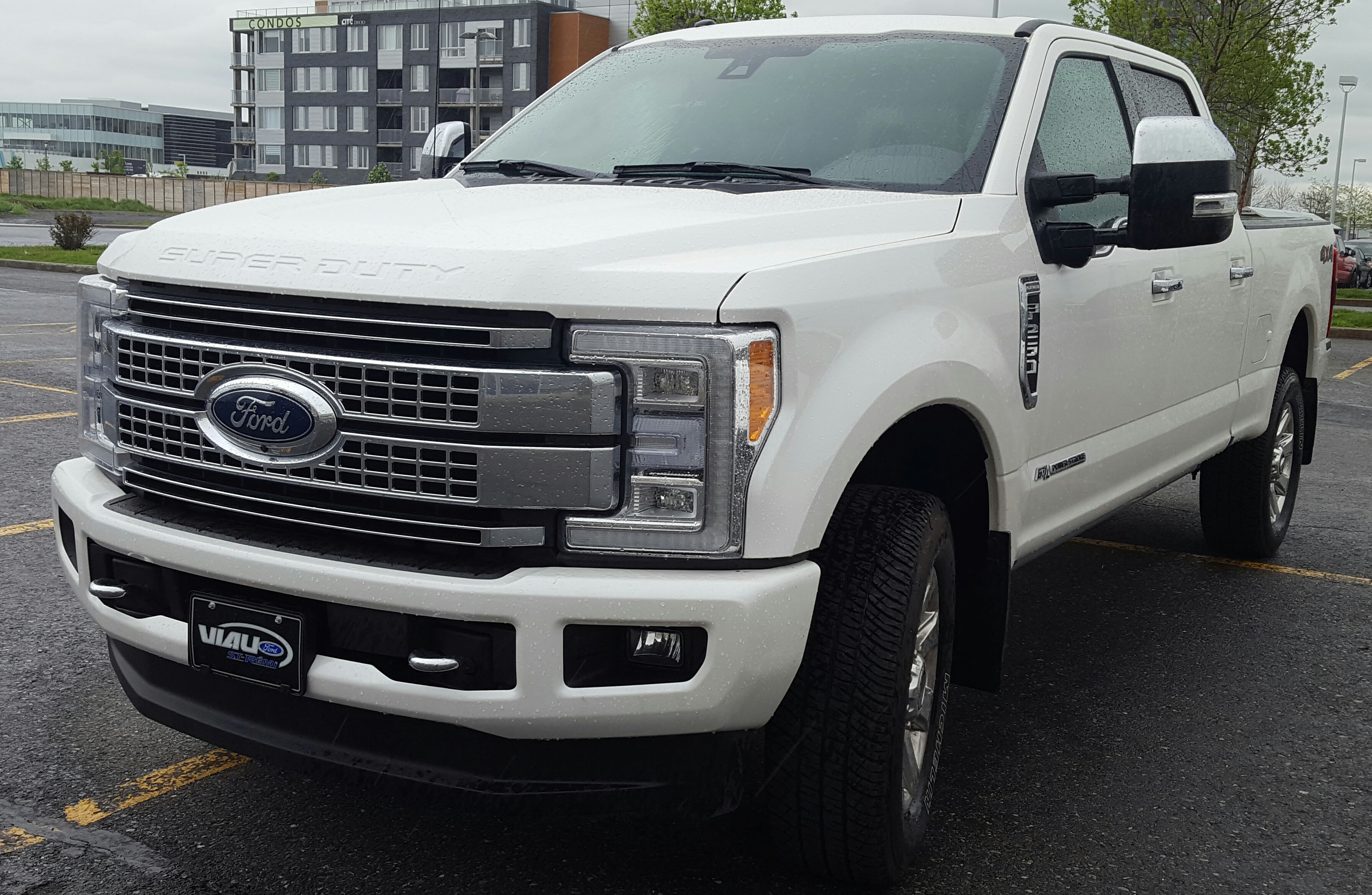
"he drove an F 250 power stroke diesel four wheel drive, a big truck."
The Ford F-250 Power Stroke Diesel is a big truck that uses a strong diesel engine. It's great for heavy work like towing trailers or carrying heavy items.
The Ford F-250 Power Stroke Diesel is a heavy-duty pickup truck known for its powerful diesel engine, making it suitable for towing and hauling heavy loads. It's part of Ford's Super Duty lineup, which is designed for more demanding tasks compared to standard pickup trucks.
Select text to request an explanation
Are you going to cruise with a monkey?
Go to cruisingwithamonkey.com to find out how you can spend a week with your favorite race
car drivers.
Bing Keating, Jerome Blakamolin, Bill Riley, Catherine Legg, and Christina Nielsen.
Come cruising with me.
Ow!
Mark Goosens, Mark Miller, plus gas monkey energy drag racer, Alex Laughlin.
March 19th through the 26th, right after Sebring.
All these elite racers and more will join Richard Rawlings and the Gas Monkey
Garage crew for some fun in the sun.
Special guests include the monkeys.
Yes, those monkeys.
Come cruise with me.
See you aboard cruising with the monkey.
Relax on vacation in the Caribbean and get a chance to spend some actual time with
the masters of the roadways.
Abort the new Amsterdam cruise ship from Holland, America.
Seven days, five ports of call, a cruise of a lifetime.
Go to cruisingwithamonkey.com now to find out more.
We'll see you aboard cruising with the monkey.
Cruisingwithamonkey.com.
And now for Dinner with Racers, presented by Continental Tire with your hosts,
Ryan Eversly and Shawn Heckman.
Please hold the radio.
Oh, it's cold!
I'm just driving on very angry.
This is the sound of a driver on the radio during a race.
What do you think I should do?
Welcome to Dinner with Racers.
I'm Ryan Eversly.
I'm Shawn Heckman.
And we are revisiting some of the experiences that we had with Ben Keating.
And we wanted to put these episodes out before the holidays start next week.
Give you guys a little bit of an appetizer for some of you that are
getting on the road early for Thanksgiving.
We always hear from fans that they were looking for something a little bit
earlier, so we decided to put out a couple of extended cuts from the Ben Keating
series that we did last year.
We drove down to Texas to go hang out with Ben and kind of spend a week in the
life. It was a lot of fun and we not only met some members of his family,
we met quite a few people that he works with.
So if you go to youtube.com forward slash motor trend,
you'll see there's a dinner with racers episode there called Dinners with
Ben Keating. And it's basically like a one hour mini documentary where we
have lunch and dinner with Ben.
People that work with him is wife, you name it.
And these are those less edited extended versions of those same dinners
because we only use a few minutes here and there when we do that, that
not a long special.
So these next couple of guests are Don Whitaker and Stephen Livese along
with Ben at the same table.
And Stephen Livese is somebody who has been with the Keating Auto Group for,
I think somewhere near a decade.
He is technically the COO,
but he has a great family history with Ben and Ben's family.
His father was a preacher, but then also Don Whitaker and Don Whitaker
is probably the longest standing friend that Ben has.
And certainly in that group in Victoria, Texas, Don Whitaker has known
Ben since elementary school.
They went to college together and they've basically been partners on almost
all of the dealerships they had together.
So we thought Stephen and Don would be great people to talk about Ben
in not only the business sense, but sort of that fun hanging out
with the guys, joking kind of sense.
And it delivered exactly what we were hoping for.
Yeah, both these guys are really cool.
And they're not into motorsports really at all.
Their entire background of racing is what Ben has introduced them to.
But they were very aware of what we were trying to accomplish by getting to know
him and what it's like to work with him on a daily basis.
So cool getting to talk to those guys.
Stephen had to leave a little bit early, but Don stayed with us the whole time.
And I got the impression very quickly from Ben all week,
meeting all these different people that once you're in with Ben tight,
you're there for life.
And so these two were awesome for us to kind of really understand
who he is as a person on the professional side and on the personal side.
So some of the things they're going to hear about the obvious working
for Ben Keating, which has a lot of quirks.
What not to do on Halloween.
And of course, the extended edit of the gas monkey garage story.
Yes. Yeah.
If you listen to the podcast we did with Ben initially a couple of years ago,
we brought up the gas monkey cruising with the monkey investment that Ben had.
And it was the most I rate I think I've ever seen him.
He didn't say a word, but his eyes turned red and he grew like 20 feet tall.
It was amazing.
We both to this day talk about the noticeable shift in Ben Keating's
behavior persona when we brought up the cruising with the monkey experience.
And this is after.
Yeah.
Hours of stories have been on triumph and tribulation
and all the challenges have come in his life.
But if the cruising with the monkey, it was like, oh,
I guess that's the no go zone.
And we cover that with that with Don Whitaker.
Yeah, getting to talk with his CFO about it and seeing that he took.
He actually appreciated that we had so much joy for the for the problem that it was.
I think he now knows how bad it was as well.
So that was a lot of fun.
What I loved about this meal in particular is that Kathleen had gone out of town
for the week and so it was kind of like a boys night at dinner.
And Ben's idea was, why don't we just order a bunch of Domino's pizzas?
And that's what we did.
We all sat there with our personal pizzas at the table,
like dudes that didn't know how to survive without women.
But I had a pepperoni, mushroom and jalapeno pizza.
And I had the Domino's pizza chicken sandwich, which you can see in the video.
Yeah, you can watch you just chopping down, like got the bun and everything.
And you're just going for it, right?
And the chicken in the bun because it's chicken sandwich from Domino's.
Right. Well, while we're on bits,
why don't we finish that whole continental tire bit
because this show doesn't exist without them.
Continental tire, what do they do, Ryan?
Now, they're just the reason this show exists after 10 years.
And so we've we've come up with a couple of ways
that you can help us by promoting continental tire.
Of course, we want you to buy tires whenever possible
because the show would not exist without them.
But what we've done is if you go ahead and go to dinner with racers.com,
go on our main page there.
You'll see there's a link that says
clicking below tells continental that we sent you.
If you go there, you click on that.
It directly gives us the credit that they are getting numbers
to their website through our website, which is how we keep the show going.
So if you've bought continental's and you want to tag them,
you can use hashtag dinner with Conti.
If you haven't bought continental's, but you're getting ready to and you just
want to go help us out, go to dinnerwithracers.com.
Click on that link and that really does a lot for us.
If you're on social media, especially Instagram, that's where they're really
tracking and you post a picture of your tires, tag us, tag continental,
but also use that hashtag dinner with Conti.
And that should keep us going.
And we also have a Patreon.
So if you go to patreon.com forward slash DWR show,
we have a couple of tiers in which we have sort of a private club
that gives you all kinds of access to old stories,
knowing who our guests are going to be.
We do a monthly podcast.
It's just sort of all about the show and throw stories in our own racing
and you name it, but it's a way to really get access to the show
in a way that we've never offered before.
Yeah, and both Sean and I are racing full time.
So we've been able to use this to not only talk about our race weekends
and give reviews and reports, but also discuss the sport in an
unsanctioned, uncensored way.
And we've just been having a lot of fun with it.
You know, we're telling stories about how the show got started,
some of the behind the scenes, things that happened on the road trips
or at the dinners themselves that just didn't make the final edit.
And honestly, I think it's been one of the most enjoyable things
that you and I have done together in a while, because when we're on the set
doing the show, it's all business.
But when we're doing these Patreon things, we're just kind of letting
our hair down and talking trash and we're laughing a lot.
So please join us on the Patreon thing.
If you can, there's a couple of different levels of that.
But for now, why don't you take it?
Listen to Don Whitaker and Steven Livesey from the Keating Auto Group.
Meow.
All right, we're going to start in five, four, three, two.
What's that story?
Well, when you think about boat crashing, things like that was Ben and I
were driving around Port La Vaca and he was very, you know,
he's in thought or came back from the body shop, driving through Port
La Vaca for just through the front, the new building.
He looks at couldn't go through the normal route.
So he was driving through the lot and he was like, oh, I can make that
between a light pole and another car and a new grand Cherokee track.
Yeah.
Beautiful car.
And of course,
he also had to do some dirt track races because he kept hitting cars.
So in this moment, he's he can make it.
And then all of a sudden he
destroys the side of the new grand Cherokee track Hawk up against the pole
and the other car. Oh, both not enough room.
Yeah, yeah, not enough room.
So that that definitely happened and it was expensive.
This is pre or post racing career.
Well, in the middle of it, I'd say this is this is prior to as much success
as he had for sure.
I would say a track Hawk's not that old.
So this is definitely another racing career.
I'm going to say 15.
Oh, so he's already racing an M.
So yeah, yeah, it's a bad look.
Yeah, I feel like one of my gifts is being able to know what space I can get
through and I would hope I was really wrong on this.
Yeah, sounds like it.
It's an obviously analogy for life and that too.
But we, you know, not only that, you know, he said, no, no, no, no.
You can't like watch me.
Oh, yeah, double down.
Yeah, we're like, oh, my gosh.
And then, you know, he's the owner.
He can do it every once in a big boss.
I got you.
Is that like a like a story that goes around?
You think by some of the sales guys or is that some of you guys covered up
pretty quickly? I never said a word about.
OK, that's that kept my trajectory going.
Got it. Got it.
But now that you your COO is that correct?
Yeah. So now that you're COO, you feel comfortable enough that you
can just put that out there?
I could. I could.
But, you know, I want to keep my job as well.
Oh, OK. So, you know, we got to be a little careful.
Got it. All right. Yeah.
Yeah. Secret save with us.
Thank you. Thank you.
Don, how long have you known, Ben?
Oh, I'm going to go 1980, 81, somewhere in there.
OK. Born in 73.
I was born in 73.
I'd say 1980, 1981.
So I knew his sister.
OK. Sister was two years younger.
OK. And so in Tom ball at that time,
Tom ball is a pretty relatively small town.
And I was in grade school with her.
There was one elementary school and we were in school together.
OK. And so Ben was the big brother.
He was the big brother. I see.
That's right. That's right.
So what do you remember about 1980, Ben Keating?
1980, not much.
I'm going to say that I remember his parents had a
a really cool house in Tom ball on property.
I think maybe I had an orchard, pecan orchard out there.
Really, really pretty, pretty place.
And we went out there.
I think the first time meeting was
was Laura's, his sister's birthday.
And as Ben has said over the years,
part of that birthday was doing a scavenger hunt
boys and girls and we were on the same team.
And we'll just say the boys kicked their ass.
That that was the that was the gist of it.
But back to your question, I don't remember a lot about 1980, Ben.
Two years older and the difference
between first grade and third grade is like the difference between 30 and whatever.
Right. So I remember a little later
and he was the rebel guy.
Yeah, that's he was in high school with me when I was going through all of my.
Yeah, did he have a ponytail yet?
Full ponytail? Well, not at that time.
OK, it wasn't allowed.
You couldn't have hair below your collar.
Not time. Oh, yeah.
But he was the he was the rebel guy, you know, a couple of years older
and as good of friends as I was with his sister at the time.
I would say we didn't know each other that well at that time.
I knew his family and his parents more so.
But then it was later in college at A&M when we started connecting again.
And then post college is when we started
working together a little bit.
And anyway, that led to Port La Vaca Ford.
So Don's wife, now wife, was my sister's best friend in middle school.
And Don's now mother-in-law was my mom's best friend.
OK, yeah, that's right.
We ask this question a lot about people in racing because so many drivers,
especially get started in go-karts at a young age and end up racing.
It's the same people their whole lives.
But in your case, it's a little different.
But did you have any idea when you met him when, you know,
45 years ago that he would be in your life to this day?
You know, I guess I'd not not surprised, you know.
And in some ways,
obviously, it's hard to project out like that.
I would say that I felt like and knew
that he had some talents in some certain areas where I felt like he would be very
had the potential to be very successful.
And so
when we had the opportunity to kind of work together and then this
opportunity around Port La Vaca Ford at the time,
it was certainly intriguing to to consider going into business together,
because I just felt like he had the background and the desire and the
competitiveness to to be successful.
And so you get it's hard in 2002.
When you're barely making it at Port La Vaca
Ford to think, oh, well, we'll have 31 dealerships one day.
And, you know, all this other stuff.
But even then it was talked about how the model is repeatable.
And if you find good people and you can do it over and over again.
And I feel like I feel like that's one of the
qualities that Ben has had over the years is is finding good quality people,
attracting good quality talent
and and giving people good opportunity to use that talent.
And so I think that's one of kind of the secrets of the success over the year.
So I'm not going to say I was so confident
in tooth in 1980.
But I would say in 97, 98,
just knowing his background, his family's background and
kind of how we thought about stuff.
And it was kind of this, you know, you're bringing kind of two different
components to it, you're bringing the kind of this engineering component.
But with a little with some business acumen and savvy around it,
along with just this, you know, wild, competitive nature.
And so that makes for pretty good business, you know.
And so anyway, that's fun to think back on that, because in some ways it's been,
you know, it's been, you know, it's been 22 years going on, almost 23 years since
we started Port Levoque 4.
But boy, it doesn't seem like it, you know, wasn't that long ago.
I mean, I've worn I've worn shower shoes one time in my life.
And that was when we were starting in Port Levoque in 2002.
We stayed at a we stayed at a condo, I guess you could say, kind of an apartment.
You would normally call it a duplex duplex.
It was a house that was split into quarters.
There were four, it was apartments.
Yeah. And so it was thin.
It was the roaches were thick.
Yeah. It was quadplex.
It was rough.
It was rough with a capital R.
And it's so it's fun to think back to that and where that started and kind of what
that led to. So well, it is now.
Yeah. Well, sure. Yeah.
At the time, you're like, give me, you know, new shower shoes.
Yeah. Yeah. Yeah.
Now it's it's it's definitely fun reflecting on that.
Stephen, when did you first meet Ben?
Wow.
Via really the phone on my dad making me go buy my cars from Ben.
Oh, OK. Tell me that story.
So I had known who Ben Keating was, but I didn't know what he did.
I didn't know who Ben Keating was from my dad.
Oh, not from the car commercials.
No. So I also grew up in spring in Northwest Houston.
And then Ben went to my dad's church.
So I'm a preacher's kid.
OK. Somebody had to go make an honest living, right?
So I got the car business.
I think it's an honest living. Yeah, that's right.
OK.
But my dad just loved Ben and
he, you know, Ben, I helped lead worship at the church, play the guitar,
sing occasionally when I'd come back from college.
I was a Baylor would come back and he would always come in after the music started.
Just come in for the sermon.
My dad would always call him out for being late and so late.
That's right. Yeah.
He loved Ben, very connected there.
And how old were you guys at this time?
So I'm in college in your.
I mean, Ali, I would have been 26, 27, 28, right in there.
Yeah. And the first really that I talked with him,
my brother actually called him and said, Hey, Ben, is this a good deal?
We're over at Monday Chevrolet in Houston.
And now I look back on that and I just die
laughing because we're calling him to get advice to buy a car from somewhere
else. I would be offended today.
We didn't know it was a big deal.
A car dealer, you know, but my dad is like, Hey, if your next car,
you need to go down to Port La Vaca, you're going to buy your cars from Ben Keating.
He's the only person you can trust doing this.
So but I had seen him and he had a group of friends,
a small group of friends that they would get together.
They'd go to my parents' house and I had I got to meet him there.
And then, you know, I bought a tourist from him.
I think it was 2002 tourists.
It was super hot chicks or everywhere on that deal.
So anyway, we I went down there as a $10,000 car, if you can imagine,
and it ran, they can't do that today, really.
But we bought the car and then one of the windows,
the actuators in the windows wasn't going up and I called him and I said,
Hey, I'm on 610 on the loop in Houston.
I said, Hey, man, if this, you know, and I'm calling up the dealer
and I don't think anything of it, I just know my dad.
OK, yeah, said, Hey,
if this thing doesn't work, then it rains, I'm going to send you a bill.
OK, and he starts laughing.
He's like, man, if you don't come sell, I mean, you got to come sell cars for me.
And that's when I told him I didn't go to Baylor to be a car salesman.
Yeah, I was working for a marketing company in Houston at the time.
And after that, we just ended up connecting when I was trying to figure
out what I was going to do next.
And so he told me to go talk with Tom Ball Ford, meet Brent Christianson.
The GM there went there and started working for him in 2005.
So just to clarify, you called Ben with a complaint.
Yes, I rate.
And he flipped you into a sale effectively by working for him.
Yeah, I mean, every the things that people may not know is the guy just loves
problem solving.
He's a Rubik's Cube is an opportunity, not a let me let's show what I can do here.
Also turns into dealmaking.
He loves making deals, whether that's a career, whether it's a car deal,
whether it's a contract, whatever it is he loves, whether it's cards.
He's competitive, but he loves bringing things together, winning
in just about anything on that.
And it's been very beneficial for that.
But yeah, he definitely turned that from a upset customer into you need to come
work for me, which is pretty funny looking back.
Are you going to hire the lady that called and bitched about the golf
course? Absolutely not.
Okay, just making sure similar.
Yeah. Yeah. Yeah.
Yeah. No, we're going to this doesn't work.
I'm sending you a bill.
Going to go ahead and put those in the comment box for her.
That's for sure.
So he flips you into coming to work for him and you start out just selling cars.
Just selling cars.
Well, now you're a big hot shot.
So yes, just selling cars.
So yeah, I mean, I would call it God's provision to my life.
How that whole thing went down between I wanted to start
my own company and then I look back, I'm like, man, I would have failed miserably.
I was not ready.
That would have been really bad for my wife and I at that time.
And it was a great time in the car business.
And in 2005, May, he told me to come up and watch Memorial Day
and to go up to the sales tower.
And I was like, sales tower, like, what is that?
What does that mean?
We give me up and like I'm I love all sports and I'm thinking this is
like a tower of the coaching towers.
Yes. Right. Right.
What he meant was just go stand behind the desk and watch the guys.
Right. But they called it a sales tower.
And so I came up and watched on Memorial Day.
I'm like, oh, Mrs. Cool, these customers come here to buy stuff.
And I don't have to go find all the customers.
Right. So that retail side of, you know, I love the relationships.
I love people in general.
I love that immediate transaction.
So that turned into after my first week,
managers told me I wasn't going to make it.
And that was a big moment in my life where I went home.
My wife was it was a summer school.
She was teaching and we had a decision to make.
And then I she told me, hey, you can do this.
And I just went back and sold a car every day the next 70 days.
Oh, wow. And yeah,
just put a chip on my shoulder in the right way and decided to start taking
some things seriously.
One of the best phone calls I ever received in my life.
You have to tell that story.
Is this star furniture or which one?
Yeah, I've convinced Steven to come sell cars and kind of hope for the best.
I think this is going to be good for him.
I hope for the best.
And, you know, we talk
relatively often, we have a decent relationship.
I'm trying to help nurture him along.
I'm aware that the managers have said, hey,
I think this is not going to work out for you.
And, you know, so there's a little bit of tension in the air,
as Ashley Schaefer might say.
And at the end of the next month,
you know, Steven calls me, he's all choked up,
all choked up and emotional because, you know,
I'm leaving star furniture right now.
I just bought a brand new dinette set for our house.
And I can't tell you how meaningful this is for me and my family.
You've changed my life because I just spent
forty five hundred dollars on a dinette set.
Yeah, it's true.
I mean, I love to tell people I was the exact same guy that was making
four grand a month working for a marketing company.
And then the next day, you realize if you take care of people,
the opportunity to go be successful, I had not had in that way.
I just very thankful for that.
And, man, we sold a lot of cars.
Yeah, let me let me tell you real quick,
because you've worked for Ben ever since that that that time.
And I know people that have jobs in the automotive industry that hate it,
but it means to an end.
But it sounds like if you work with people that you like,
because you're talking, you're not talking about the money you made,
you're talking about the sales that you made that helped the business grow.
So that tells me that you're ingrained at that point.
It's part of the team feeling, which if you're not in that world
and you don't like who you work with and it's just trying to get nine to five,
you don't think that way, right?
I never I did not.
I was very thankful for the income, for the money to be able to help take care
of my family and be a provider.
But it was all and that was all an outcome of if I could have been
a football coach, or that's what I were basketball, I just love coaching.
Yeah. And what I learned was that the automotive sector,
that the dealerships was just a locker room too. Yeah, right.
I could do there was so much training, there was so much people development.
There was just so many things that I was being fulfilled over what my passions
were and still are with people and in and bringing people together for a common
goal that I, you know, I wasn't a division one athlete.
I wasn't going to be a have an opportunity at that stage.
This became my stage where I could fulfill those things that I really loved.
So what year did you both start with Keating on a group?
For me, 2005 and 2002.
OK, so how many dealerships were in place when you both started?
Zero. So you started with zero dealerships and you started with four.
With four. Yeah.
So just in those couple of years.
The three and then Tom Ball Ford at the time
when you did you see it becoming what it is now in some ways?
I'll say this. It doesn't surprise me.
It doesn't surprise me.
I think the biggest and I've said this to others
and so this is no this is no super secret deal, but
I feel like one of the biggest
characteristics that Ben has that most people, I would say, do not.
Is that most would have stopped at five.
In terms of how many they want.
Well, just in terms of the risk.
What you want. Yeah, what you want to risk.
What is it worth?
I've got three in Port Lovac.
I've got two in Tom Ball.
This is 2007 and hey, I'm good.
Right.
I think most would have stopped there and been very content and happy.
Well, to that point, there's kind of two key areas.
So as I understand it, I don't know the car business,
but in the traditional model using your father as an example,
there's a belief that the more you expand, the money is not there
because now your your attention is so drawn that it's a recipe for disaster.
If you're to spread things that more or less what I would say.
Everything gets diluted exactly.
So there's a little bit of that.
But also the way Ben grew was by way over leveraging himself and just,
you know, incredible debt after debt after debt.
Sure. I promise you, Don remembers that.
Yeah, we look back and we laugh at some.
I mean, I remember literally being in the office after buying Port Lovac
Chevrolet, so this was our what was that in the this would have been an O4.
So which which number dealership was number three, number three, or was it four?
I guess you hadn't bought that's all Ford yet.
So it was number three and we're sitting there in his office.
That was in Port Lovac, a Ford still your original office.
And I remember going, how did they do this deal with us?
Like, how did they approve us?
Like the bank, the manufacturer.
Oh, I see. Like, I mean, it was just incredible at the time in terms
of just not having the capital, the amount of money like we look now.
And you look back at that deal and you just go, wow, like we had so little money
available, but we were able to get it done.
How healthy were the first two by this point?
I'd say relatively healthy.
I'd say they were healthy, but not with a margin to buy it.
I don't think, I mean, maybe except for getting through the credit crunch
in 2010, you know, I'm confident.
Oh, yeah, 910, yeah.
Yeah, when we had to finally work out the deal with the bank after they called all
of our notes, that was a very difficult time.
Yeah, but I don't ever remember being tighter on cash than we were when we
bought Port Lovac Chevrolet.
Yeah, I wanted it really badly because it was the only other store in Port
Lovac. It was right next door to Port Lovac Ford.
And I wanted to do whatever it took to put the deal together.
And we did and Don's exactly right.
I mean, it's laughable looking back that it was done and we got it done.
And we basically took all the operating capital from the other two to say,
look, we've got all this money, you know, you know, who cares that we really
needed over there here, you know, it's here right now.
Yeah, I mean, that says something real real
dog with a bone.
Yeah, when he wants it, he's going to go figure it out.
That is all of it from talking to you guys today and friends in the family
over the last couple of days.
It seems like once Ben is excited about something, he will do whatever it
takes to get it or be successful at it.
I think that's I agree.
Fair. Yeah, that's fair.
Yeah. Yeah.
I don't know if you've seen the trophy case.
I have. I think that's fair.
Yeah, sure.
Well, as one of his closest friends.
So 2004, you're about to buy your third
dealership based on basically trying to justify a loan on your operating capital
of the other two, which my business sense would go, holy s***, that's a bad idea.
Where were you when he was thinking about that?
Yeah, where were you done?
Yeah. Well, so at some level, when you have, I would say, when you have so
little, it's like, why not?
Yeah, right. Yep.
You know, to a certain extent.
Yeah.
But I would also say most people in that position would have played it way more
conservatively and not done it.
Yes. But there is something to be said for why not?
There's not a whole lot to lose over here because, you know.
Were you were you resistant at all?
I don't feel like I was.
And I don't remember being resistant at all.
I mean, you can see it working.
Yeah. And honestly, you just got to get
through, you know, it's probably like getting through like a 60 to 90 day period
was really all that had to be done.
And then from there on, you're in pretty good shape of just that turnover
of the new place kind of thing. Right. Yeah.
Yeah. Just a transition, getting the money established, all that.
So it might be me justifying it, which I fully admit I have a tendency to do.
But the other two were doing so well and so successful that it was like,
you know, this is going to work.
It's a no brainer.
I mean, it was the confidence that comes from some initial success.
Sure. Yeah. Yeah.
So, yeah, it had been so that was January, 18 months, January of 04.
So, you know, it had been about 20, 22 months in Port La Vaca, 20,
you know, 18 months since Port La Vaca died.
So, yeah, they had a little bit of history.
They were starting to do well the first few months after buying
Port La Vaca Ford and then Dodge right after that, which is crazy.
We had no idea really what we were doing in terms of operating these things.
I mean, Ben knew the sell side, but in terms of running a store and everything
that went with it was it was a lot.
Learning curve, super, super steep.
But after those like first like six months, which had a lot of struggle,
I would say there was a lot of struggle in those first like three to six months.
From there, we started to kind of hit a strike.
And then things began turning around.
And then yeah, pretty much since then they were very successful in Port La
Vaca were there for on your guys's end.
Was there ever some proper hand of mouth times?
No, I mean, not at that time.
And again, the context you have to realize is is way smaller than than what we're
talking about TV works.
Yeah. Yeah.
So so I would say those first couple of years were all fairly similar.
OK, it's not like, oh, we bought Port La Vaca Dodge.
Look, we got all this money and then, oh, we bought Chevy.
We got all this money.
I mean, it was those first few years are really wasn't I would say
really wasn't a whole lot of extra money.
I mean, most of the money that was coming in and then was turning around
and investing it in a new store.
And so lifestyle wise, things didn't change much.
I would say it was probably like once we got into like oh, eight when we bought
Bernie, oh, nine grapevine went through the credit issues and oh, eight,
oh, nine, 10 and then coming out of that,
you'd already bought Tom Ball, Tom Ball Ford, Tom Ball Dodge.
You'd work working things out with your mom and from that regard.
And that's to me that kind of time period.
The early teens is when the the the performance of the stores,
growth of the stores, there was enough to both make money, keep some.
Yeah. And also turn it back into more stores.
Sure. And so then you're at a point
where now it's kind of feeding itself and sure in growing.
But that the growth and sort of,
you know, reinvestment and debt never got to the place where you felt you were
taking a step back on your lifestyle.
No, no, no, not from that standpoint.
Because it was first few years, there wasn't a huge step up or back.
Got you. You know, just kind of steady.
I'd say we took a step back in terms of our ability.
I mean, the dealership was a little bit of a hand of mouth.
We had time periods where we couldn't afford to have used cars
because we didn't have the cash to own them.
Correct. Yeah.
We were having to sell used cars as soon as we traded for them because we needed the money.
Yeah. And so it was a little bit more of a hand of mouth from the operation of the
business side, but not personally. Not on it. Yeah. Got it. Yeah.
Yeah. When you first found out that he was going to go do this Viper driving
experience, did you think it would have led to where he is now with motorsports?
Man, these are really good questions.
You're good at this.
It was like the ninth time we've asked it in the last three days.
They may or may not use your answer.
Yeah. Yeah. Right.
You know, again, I'm going to say I'm not I'm not surprised.
You know, I think
Ben has so I went to a driving school.
What would that have been?
Probably oh nine, maybe?
Yeah, maybe a year earlier.
Maybe eight, oh nine.
When did you when did you start oh five, right?
Oh, five was the gift.
Oh, six was the first.
So I started racing in oh, seven.
OK, so it would have been probably oh seven, something like that.
When you say we went to a race school,
do you mean you were forced to go to a race school?
No, no, we set up a deal up at Texas World Speedway.
And so we had vehicles.
I don't know, there were probably eight of us or so.
And you get out there and I mean, it's a different world out there.
I mean, it is different.
And you learn that pretty quickly.
I would say after he started,
if I remember right, I think you were a little bit of a wild man early.
Right. That's very true.
On the on the track.
But the same skills.
And desire to succeed was there as it is in anything else that he's that he's going
to do, and I will say that the the the the engineering side,
I think comes out a lot in the racing side.
You know, the discussions he's
able to have, the understanding of all the different effects of different things,
acceleration and this and that.
And, you know, I do it, it does not come natural at all.
I think he does it.
I think it comes maybe a little more naturally,
but he's also able to work at it in a way and use the thinking side of it
to become good.
And I think the example I say is, you know, he's using.
He pushes the limit so much that it hurt him for a while.
Got in trouble, right?
A couple of times, got some whatever.
But I think that was his way of figuring out where that line was.
And again, that competitive comes out,
figuring out where that line is through the kind of the analytical side of it.
And so I at the end of the day, I say, I'm not surprised.
Now, I would say he's gotten so good
that the level is pretty incredible.
I mean, I've gone to Le Mans, I don't know, 10 times or so to watch and to see
a brag. It's fine. Good to see him out there with
the other racers and vehicles that are performing at that level.
I mean, it's it's pretty incredible.
So it's one thing to be this good and that pyramid, you know,
everything's kind of a pyramid, right?
The closer you get to the top, the harder it is.
And so to see the success is that part of it is I mean,
that's a little surprising just because of what it takes to get there.
But I'm also the desire to win, the desire to improve and keep getting better.
Is there stronger?
Yeah, so he's he's willing to put in that time and effort to figure it out.
So Ben's been very open about his former addiction issues that he faced as a
young guy, I would say that his addiction now is motor sports and being competitive
at it. Is that something that you would agree with?
Yeah, yeah. I mean, there's no it's I would say yes.
I mean, it's hard to go after something that hard and that long without
having a strong addiction, right?
Absolutely. Yeah.
Put it, you know, put your put your life on the line or whatever you want
to call it. That's what's there's a there's a strong desire there to perform
and do well. And so and I think it's I think another aspect of it that's cool
is taking the business and taking kind of the business day to day to the track.
Yeah, I think it's fun and seeing him around the fans.
And I mean, you know, I see it.
So I'm on the you know, I'm seeing the success.
I'm seeing what's happening to go to France and go to a restaurant in Le Mans
and see somebody given the Viper sign, you know, several years ago.
Yeah, that's pretty cool.
That's pretty cool. Yeah.
Yeah, it's your buddy from Texas.
Right. I'm like, yeah, this has been driving.
Anyway, there's there are fans out there.
So it's been it's been cool to see.
Steven, I know you have to leave relatively soon.
So it kind of hit you with a few questions.
Can you tell when Ben's had a bad weekend if he doesn't say it or you
didn't watch the race?
So I don't watch racing.
OK, so I will I will be banished, I'm sure, by people and get bad comments.
It's fine. I actually used to make fun of it a little bit.
Yeah, I really did.
And it was because it's nowhere near as exciting as golf.
Yeah, for sure, right?
They go in a circle, right? Don't do that.
So I used to make fun of like, hey,
people don't remember the name of the jockey.
They just remember that it was the horse.
Sure, sure. Secretariat.
What's the name of the jockey?
Nobody knows.
So until he made me go do a hot lap.
OK.
I didn't know whether to throw my hands in the air or puke out the side or both or both.
It was that I mean, it was unbelievable.
And I had never experienced that.
That was pretty crazy.
But what was your question again?
So you don't watch racing.
But if Ben has a bad race weekend and comes into the office and you don't
watch it or you don't know what's happened, can you tell?
I think he channels that very, very well.
I don't think that he lets that dictate his attitude.
I think that's pretty, you know, for the investment of time and energy and financial,
all of that stuff, he does not let that walk in.
We may hear him yelling through the door the next day.
If somebody did something wrong or or whatever it was, he was frustrated about.
Probably answer, probably yelling at something like that.
That's real for sure.
I remember those, actually.
But I don't it hasn't it does not affect his decision making for us or our
business. I would say around us, around the day to day of the office,
you don't really know.
Sure, if you don't ask, you don't know, but you will hear maybe later.
If he wins, you hear maybe follow up interviews or if there was a guy's
I'm busy, sure, if there was a controversy, you know, that came up.
Sure, you may hear about what guys I'm busy.
Is he going to stick in?
I can't make the call tomorrow morning because I just one day tone.
Is that a thing?
You know, there's not a whole lot.
No, I say it sounds like even if he wins, it doesn't come up in the office either.
It doesn't. OK, all right.
I think that I think when he leaves, he leaves and he does and he leaves out at
the track, does his racing like this make him better at work?
I think so. I think so.
I think it's a we need for him to go out and well, I think adrenaline.
Yeah, like we need to get out of the office for a week.
I think he has a desire need for for the adrenaline or the competition or
whatever. And so I think the chance to get away.
Like you said, you kind of draw that line.
You go over that line, you go you go race.
You do that for three days, you come back and then you kind of.
And maybe this is a different world.
This may not be correct, but I also think at this level of success on the
business side, you might look at a new season of WEC is like a new reason
to taste new car dealership because this may pay for my next season of this.
There was a time period of that for sure.
Yeah, there was a time period where I felt like I was spending more money
than I should, you know, whatever internal regulator I have of more than I should.
Yeah, right.
There was a time period where I was like, you know, OK,
that looks like a car dealership, but that's a racing program.
Right. But to me, that's that's the good is what I'm saying.
Is that you can actually when you now see like, OK, if I can do this season
of this, I need to pay for it by making sure I have this level of success in business.
It there were years when I was spending more than I should have.
Gotcha.
And now it's easier to justify.
Now I can say, you know, yes, it's OK for me to go do a season of WEC
because I now I know I can afford it.
So there's a bit of a dark topic, but I think it's something that's of interest
because racing is inherently dangerous and you're competing at a very extreme
level compared to some people.
If something were to happen to you, both of you guys are basically running
his operation for him.
Is that a concern that if you were to be injured or not be able to perform daily
tasks that he's responsible for, it could affect the automotive group?
I mean, that's a good question.
Obviously, we've talked there's some there's some direction around what
that might look like.
Yeah. And so clearly a lot of that would be driven by Kathleen.
OK, sure.
Ben's wife about what her desires would be.
I think in terms of kind of the day to day,
I don't see a whole lot changing or needing to change.
I think the idea of growth or what that might look like could be
could certainly be different depending on what on what she wanted.
But the way we're set up, I think we've got really good people running our stores.
Stephen does a great job with with them and leading them.
And, you know, Ben and I kind of work
together on more of the back end business side of things and and working
with the partners on whether legal partnership aspects and just different
things like that, as well as the growth buying a store.
And so I'd say the day to day, I don't see maybe changing a whole lot.
Yeah.
I think the only question would be would we continue to grow or scale that back?
And that would be based on what Kathleen would want.
Right.
You almost look proud when they started answering that question.
You know, we have addressed it.
Yeah.
There's a memo that was written many years ago.
Been updated like three times.
Been updated.
You know, Kathleen's got a copy of it.
I've got a copy of it in my desk drawer.
They've got a copy of it.
There's a plan for that.
Yeah. Yeah.
I mean, you are responsible for a lot of people's.
You bet.
Yeah.
So it's something that has to be.
I mean, even like I don't own a massive company or anything,
but I still have, you know, all that stuff sorted out for something
that happened because we do the same kind of thing.
But in your case, there's a lot of responsibility on your plate.
Any weird quirks about Ben?
Man, the only thing is if he's eating a lunch sometimes and not around much
for dinner, but he will he will lick and kind of suck off the end of his
fingers after eating a good bite of something he will actually he loves
guacamole.
Hell, yeah.
Who doesn't write?
So he will use his finger to lift up the end of the guacamole facts.
Well, hey, that's one, one, it's a fact, but two, I'm going to extend the
guacamole story.
Please do.
We've been around.
Y'all been y'all were at our office.
You saw the table.
We sit there often for lunch.
And one day there was a guacamole incident, I'm going to say.
And I don't I still to this day, do not know how this happened.
There was guacamole on the inside of his jacket.
It was what are you doing, man?
It was everywhere.
The guacamole was everywhere.
And every time he opened his jacket or did something, it would pop up somewhere else.
It was one of the most amazing things ever.
I still laugh at thinking about that.
I'm just digging in there.
And just let's say, is that the competitive side?
I've been like, this is mine now.
Yeah, he will not leave food.
Yeah, he will eat it all.
Does it does it bother you how much he can eat and look like this?
He does burn a bunch of calories.
So I do understand that side of it.
He's he's up whenever late night, early morning, going through all that.
But he the only thing that bothers me is when he pressures pressures you to eat.
Right.
He's like, hey, only eight nuggets.
I'm like, hey, man, I'm good.
It's not enough.
They're nuggets not enough for you.
I'm like, I'm actually OK.
I'm trying to burn a few, you know.
But he will pressure you on your ordering for sure.
Interesting. I will say he'll sell you.
He is an incredible order of food.
Yes.
He will make sure you have plenty and it's always really good.
So it's a joy to be able to go out and break bread with him.
Yeah, it's going to be quite the meal.
I would don't know if I'd call this a quirk,
but I have been lucky enough to go gambling with Ben.
Oh, that sounds dangerous.
On many occasions.
And when it comes to following the rules of what you are supposed to do,
he will do it no matter no matter what.
And so we were in Shreveport.
We were in Shreveport and the thing about the Shreveport Casino is I think they
give odds of a hundred to one.
OK, it might have been a hundred to one.
It might have been 20 to one, but it was big.
Yeah, we're playing craps.
Right. And so the odds behind the pass line were really big.
Yeah. And I know that's the rule, the statistics in the math.
So when you say, really, you're talking about playing to the probabilities.
He will not deviate from what the probability says you can do.
This is what you've got to do.
Even if that means I put, you know, 25 down and then I put five grand down.
I'm doing it.
It's the same probability because, you know,
that's how you limit the house's advantage.
That's also how the house can clean you out.
Let's just say Shreveport didn't last long.
OK, that money was gone quickly.
Yeah, super important question because this is the first time we've had three
people in the car business together.
The goods, how often is the goods reference it?
Keating out a group.
Ben takes the whole group.
Tom Ball in Tom Ball.
All the managers, we all take off for lunch to go see on opening day.
To go see the goods.
Nice.
You know, the goods, I want to say the goods is not referenced a whole lot.
Much, much more is is eastbound and down.
Ashley Schaefer, Ashley Schaefer,
the motors that we love that scene.
OK, and that that scene comes up a lot.
OK, so the goods is is a loved movie,
but Ashley Schaefer of Ashley Schaefer BMW.
It just seems like that scene comes up a lot.
Talladega Knights, are there do's and don'ts when he's at the track in terms
of like, oh, he's at a race weekend.
I'm going to bother him less.
Any of that kind of thing?
Hmm.
He kind of lays it out for you a bit.
I think he lays it out.
Yeah, I mean, I'd say a little bit.
I mean, I'd say for the most part,
there's nothing that's going to come up that can't wait a couple of days.
You know, so I'm definitely not going to bother him or mess,
you know, mess with his time there on something that can wait till Monday.
And most most of the time it can.
I'll say that any time I've gone, I've probably gone to four or five,
24 hour races at Daytona.
It energizes him so much to be with people.
He he it's unselfish to share the experience.
He's all about sharing that experience.
And that is something that, yeah,
and kind of the partnerships and the dealerships,
he wants to share the success.
He wants you to be a partner with him in it all, which is pretty cool.
Yeah. And I think it's how he's wired.
If we hadn't spent this week with him,
we wouldn't know that that extends beyond motor sports because we went to the
Texas A&M game with him against LSU.
And he was like, I mean, a month or 12 months ago was saying, like, hey,
by the way, on that Saturday, I've got plans, but you guys can totally come
and we'll go to this game.
And then he had a couple of people that work with him on the plane with us
and that were with us at the game.
So that's not just a motor sports thing.
That's just you in general.
But Ryan, you need to show the photo of us with the yeah.
Yeah, I mean, they went all out.
We can put it in here.
Oh, yeah. Oh, yeah.
No, like I'm still I'm rockin' my Aggies bracelet.
I love it. I grew up right next to UGA.
Like we have Sanford Hedges in our front yard.
My family's played there.
I got I got a note from my uncle who played with Herschel Walker.
Oh, no. Oh, boy.
You have got to be kidding me.
Wow. Take us to an A&M game.
Why don't you all not wind up on TV?
Yeah, I know. Too attractive.
But yeah. Oh, my goodness, thanks.
That's incredible. Yeah, we had a great time.
Way up there. We had a great time.
And like a lot of people that stopped us, like we're going to get hot
dogs or something like, did you look great?
Yeah. Yeah, they don't know that we are new.
Yeah, no, that's that's unbelievable.
I love that.
But to your point, like it's not just like he's come enjoy
this racing thing with me, because that's my thing.
It's like, hey, I'm getting to do this neat thing.
Come on with me, because that's what it was for us with the Texas A&M game.
Sure. So anything that has impacted his life,
that has been a formative part of his life,
he wants to share that if it's been for good, right?
Even his tough experiences, he wants to share for your good.
That's pretty unique, my opinion.
What's a phrase I could say that would immediately tell Ben Keating
that I'm not good enough to work for him?
I have two things that come to mind for me.
Yeah.
And, you know, y'all will be able to think of individuals.
But when we have an interview with someone and, you know,
and throughout the interview, before they say everything,
they say, yeah, yeah, I'm going to be honest with you.
Perfect. That's perfect.
Oh, oh, to be honest, you know, and, you know, I mean, no kidding.
I'm I'm I'm telling you the truth here.
I've never thought about the whole time throughout the deal.
I'm like, that guy you cannot trust.
Yeah. Or, you know, the other one that really gets me is, you know,
this just somebody that thinks they are hot.
OK. You know, really cocky.
Yeah. Really, you know, there's there's nobody better
at in this business than I am.
That doesn't work. Yeah.
Yeah. I mean, somebody who's really cocky.
I've got I've got some names.
Yeah.
So look right.
Or, yeah, a similar version to, you know, I got to be honest with you here is,
you know, we talk about 10 different people and this guy says,
well, he's one of my best friends 10 different times.
Oh, right. Yeah. Everybody we mentioned, he's like,
oh, that he's one of my best friends.
You are within sort of the group of people that we've met,
the one who's known Ben the longest.
You and Ben weren't necessarily friends in high school,
but you were obviously in the same general vicinity of each other.
What do you remember about sort of the high school Ben Keating?
I actually didn't know him in high school because he was went to high school
in Oklahoma City. Oh, OK. OK.
I was gone by the time in two years.
Yeah. You know, I I got shipped off.
Yeah, you were. Oh, I see.
OK, OK. So then so I our connection began at A&M. Right.
OK, so few years later.
So the bad years, you weren't necessarily correct right next.
Correct. Because you knew his sister,
did you know the legend of Ben Keating?
And so what were the stories that you were hearing about him?
Well, I just I mean, I knew some of the general struggle that was going on.
I didn't know details at that time. Sure.
But that would that would have been about it. Yeah. You know.
Yeah. But, you know, two years older, you know,
knew he was smart, right?
New but knew he was getting in some trouble and had some issues.
But then really, I would say by the time
we connect, reconnected A&M, at least from my perspective,
that seemed like that was a past for the most part.
That's right. And the personal aspect of that in high school.
I mean, I would say from my perspective, I was just having fun.
And I would say I got, you know,
my first trip into treatment, I was kidnapped by my parents
and and and and put into treatment.
And at that point in time, my mom was president of the school board
and didn't want to advertise the fact that I had been shipped off.
And so most people just was like,
where'd Ben go? What happened?
And nobody talked about it. Yeah. Yeah.
So were you even aware at that time?
Not not really. I mean, not at that level.
Yeah. You know, kind of like he's saying, I just.
Yeah. Well, something.
Distant guy you knew through this thing is going on.
So by the time you guys connect in college,
that's not that much longer after that.
So was there any like reservations in your mind about being friends
with somebody that was having all these troubles? Oh, no, no, no, not at all.
So we continued through other connections,
still knew his parents, stayed close, you know, would visit his parents.
Actually, Ben's dad and my grandfather were pretty close in Tombaul.
They talked regularly.
They were kind of cut from the same cloth, I would say, in some ways.
And so my grandfather had a real estate office and Ben's dad,
I found out this later, but Ben's dad would stop by and they'd talk for hours
in there. And so, you know, there were family connections
just from being close in Tombaul.
But I would say it was and I remember specifically,
it was really about the time you started dating Kathleen.
And I remember I remember meeting her at the Black Eyed Pea.
Woo, yes. And I remember Laura, your sister, saying,
I think I think Kathleen might might be the one, you know, kind of that talk.
And we met her and my wife, Allison and Kathleen
hit it off well as well at the time and have become good friends.
And so I'd say that's kind of when things began.
Relationship really began.
Do you have any memories of Ben's dad?
Oh, sure. Yeah, yeah, a lot.
You know, stand out.
You know, Ben's dad, I think, was probably very obviously was very smart.
And I would say the word conservative comes to mind in terms of business
and outlook and a little bit of kind of a doomsday prepper,
if you will, is that a fair assessment?
That's that's how I described it.
Yeah, yeah, perfect.
And but a very interesting man, interesting guy.
And I remember one time we were actually over there at a dinner party.
It was that it was that you still have the picture, the old costume.
Murder. Yes, murder.
Yeah, murder mystery, a mystery deal deal.
And I remember being out on the front porch and your dad came out
and and my father-in-law was out there and we were all talking.
And he said, he said,
somebody mentioned something about Tom Ball Ford and he said,
yeah, I just I just don't know who's going to run Tom Ball Ford
if I'm done, you know, if I don't want to do it.
Right. And I'm going, what are you talking about?
Like, how do you not, you know?
And so just an interesting dynamic in like how he thought about things.
Was that kind of your first insight to the strain that would have existed between him?
Yeah, maybe so.
And it was insightful in some different ways.
Yeah, yeah.
And because you had such an obvious answer that it would be right.
Right. It's what it seemed like.
It kind of took me back a little bit.
But, you know, obviously he was very smart, very successful,
probably a little bit quirky in some ways, looking back,
you know, kind of wore the same things
regularly like every day and some different characteristics like that.
But was very successful at what he did.
But I would say conservative and and again, him and my grandfather,
I think, were pretty similar in that way.
They grew up in that in that Tom Ball business world, kind of together
and thought about things very similarly.
And it was like, you know, it was always kind of like the downturns
right around the corner. Oh, I see.
You know, my my grandfather, as, you know, did very well for himself
by having four or five, six hundred dollar rent houses.
You know, that was his way of doing it and how he could be successful.
But kind of that same way, just that super conservative type of attitude.
Yeah, I think you I didn't I haven't talked about the way that he dressed.
But I think that's a pretty good picture.
Yeah, you know, if a little is good, then more is better.
And, you know, I think one day somebody told him that what he was wearing looked good.
And he had 20 pairs of the same pant.
He had 40 of the identical same shirt
and several of the identical same sport coat.
He wore the same thing every day.
And he just said, it's my uniform. Right.
You know, yeah, he didn't think twice about it.
Yeah. And, you know, so, you know, when I was going through all this,
you know, treatment stuff, you have family week and everybody comes in.
It's an opportunity for everybody to air their grievances.
And, you know, my mom says, you know, it really bugs me
that you wear the same thing every day. You know, and, you know,
and he says, hey, you know, I'll do whatever you want.
You know, take me shopping.
And she took him to Neiman Marcus and they bought a bunch of different things.
But they bought he used to wear a white shirt with blue pants and a blue blazer.
And they bought a red shirt.
One of the things they bought was a red shirt.
And he showed up at the office and everybody was like, oh, my gosh.
Wow, you look good in a red shirt.
He went home and ordered 40 red shirts.
And from that moment on, his uniform was a red shirt.
Yeah. So I mean, this won't make it.
I scanned all those photos this morning.
I scanned a bunch of red shirts. Yeah.
It's like I know exactly what you're talking about.
You scanned a photo of me dressing up as my dad for Halloween.
And you're wearing the same.
And I'm wearing that same red shirt.
Yeah, that's so funny.
There were just some interactions with his dad.
So when Ben bought Port La Vaca Ford,
I at the time did not have a background in the car business.
And Ben's dad was nice enough to let me go to Tombaul Ford,
visit with the guy, Steve Boone, who was kind of in a similar role at Tombaul.
And so I go up there just to kind of learn, get my head wrapped around
what's going to happen here soon.
And we get in the car to go to lunch.
And two things happened.
One, he went in reverse.
I mean, we had to be going 60 or 70 miles an hour in reverse in the parking lot.
Why exactly? I don't know.
But we were.
And then we pulled out onto Spring Cypress, which is kind of the main road.
Tombaul Ford's on 249.
Side road is Spring Cypress.
And it's a pretty busy road, but it's like a two two lane road.
And we come out to the side and we're going we need to turn left to go to lunch.
I don't know how we didn't get hit, honest to goodness.
He pulls out and it's just hammered down.
And I mean, we had to get this close to the car that was coming 50
miles an hour at us.
And I looked at Boone, we get to the restaurant and I look at talk to Boone.
I'm like, what is he's like, oh, yeah, this is just normal.
You talk to anybody that rode with my dad.
Those two same things will come out.
He was he loved to go really fast in reverse.
Yeah. And he he drove a really
he drove an F 250 power stroke diesel four wheel drive, a big truck.
Yeah. And he always said, I'm bigger than they are.
They're going to get out of my way.
He would pull out into in front of anybody.
Awesome. I think some of the aggressiveness on the track comes naturally.
Ben did eventually end up working for his father.
Right. Didn't go well. Right.
Were you around during that? Oh, yeah. Yeah, for sure.
So by then we had developed a good friendship between us,
between the wives and, you know, doing stuff together pretty regularly.
And yeah, we're very much, I would say, aware of of what was going on.
And some of those some of those difficulties might even say an integral
the support system. Yeah.
But I'll say it went extremely well for four years.
Yeah, it went extremely poorly for one year.
I guess I guess a better expression would be it didn't end well. Yeah.
Yeah, I didn't end well.
And I would say, yeah, prior to that, it seemed like I'd say the future was set.
Right. I mean, like, I think Ben had a plan of buying into the store
and then continuing to buy.
And that seemed like it was going well.
And there for a few years and kind of moving into different roles
and taking on different responsibilities and even bought.
I think it was land, right?
Yeah, land for a house, impressive memory outside of Tombaul.
And so it was certainly the thought was this is it.
This is what I'm going to do.
And then obviously, you know, that switched on like what?
November 1st or 2nd in 2001, right? Something like that.
Yeah. Yeah. Right after the first 2001.
Yeah. So explain that timeline.
Why do I remember that? Yeah.
I remember that because this is there's some controversy here
over exactly why Ben got fired.
So he the story is the business story is that 9 11 happened
and they came out with zero percent financing.
And so new cars were selling like crazy.
As you sell new cars, you take in used cars.
Nobody wants to use car, use car values are falling.
So Ben's dad, again, this is actually I could totally see this.
He's sitting there going, wait a second, as I make money,
I'm losing money.
You factor in how conservative he was on how he viewed things
kind of that doomsday side of things earlier.
And it's like, this is it.
This is it's over, right?
And so I think there were some discussions about how to get out of this,
how to deal with it.
I probably some disagreements or what the directives were.
And so there's no doubt that was part of it.
But also what doesn't get mentioned is for Halloween
been dressed up like his dad in the red shirt.
Oh, wait, this is a part.
Yeah, we didn't hear this part face because this is.
So I mean, just to lay out the time on here.
So I mean, this is weeks after a major crisis.
Global, we're in the middle of it.
Yeah, right.
And so economically, it's weird for a while.
It was weird, but in the car, if you put yourself in the position
of the car business and what was going on.
Yeah, it's kind of a weird time back.
It was actually a good time.
Yeah, right.
It was not too different than what we went on.
It was great times from my perspective.
We're selling more cars than we'd ever sold before.
Very parallel to say, 2020, when people could have gone
any number of directions.
Correct, correct.
But hold on.
So yeah, again, I scanned this photo.
Yeah, OK, at no point.
Because well, but also, I mean, from racing,
I know you when you're annoyed with somebody and.
So by Halloween of 2001, were you and your father already
kind of getting fractious about how you wanted to handle the.
I'd say so.
I think, I mean, I've never made this connection.
I never had this connection.
Yeah, in racing, when somebody pisses you off, you mock them.
That's true.
Yeah, that's true.
You mock them hard.
I might have helped ghost race and press releases.
I'm also hearing the Twitter sound of our episode right now.
It's like a Nandy Lally tweet popping up right now.
But that's my point.
Like, we have a vegan friend.
Well, just for perspective, we have a very close vegan friend.
And Ben had a run in with him.
And so Ben had a run in with his girlfriend.
Do you know anything about this?
No, I don't think so.
It's amazing.
I don't think so.
And then then plastered his rear bumper with stickers
of meat, just to provoke.
Like T-bone steaks on the back of the Mercedes.
We're getting my Andy Lally conflicts mixed up.
Well, this could be a part of this.
So at VIR, we were leading the race, by the way.
This is my fault.
At VIR, we were leading the race.
And Andy got underneath Jerome and spun him out.
And we lost the race because we got punted off by Andy.
And so the very next race, I put T-bones on the back of the car
because I figured that the vegan that Andy is,
he wouldn't want to touch the T-bones.
Yeah, right, right.
Stay away from me.
Yeah.
It's one of my best friends.
So it's like, smell of Ben, stay that away.
Point being, I will attend to mock people.
As we look at those photos, the one that comes to mind,
one of my favorite photos is the fat suit
that I wore to the driver's meeting
because I was protesting how much weight we had been given
in the BOP.
Yeah, the one is the triangle hat.
Yeah, yeah, yeah, we saw that.
Don was there for that.
That's a good one.
Yeah, that's a good one.
We're way out of topic.
But it proves the point that you,
dressing up like your father, who you're already kind of at odds
with, could lead to him not taking it well
if it was especially meant.
I suppose it could have.
Is this the first time you thought of that?
Yes, absolutely, it is.
It is, yeah.
OK, maybe I could have something to do with it.
So in your heart, you think that dressing up
was not a good move?
Well, I think it might have been the final straw.
Sure.
In the middle of a very tense, difficult situation,
I'm just thinking his dad, knowing his dad fairly well,
just thinking he probably didn't take that very well.
Does that add up to you?
Is it possible?
Sure.
I've never thought of it that way.
To me, it was, everyone was extremely respectful
of my dad in the business, in the office.
My dad could be very forceful in his communication sometimes.
And we had gone round and round for a couple of weeks
on how to deal with the used cars.
And he was asking me to do something
that I thought was just completely unreasonable.
And he told me to have a business plan ready to go
for the next morning's 9 o'clock managers meeting.
And I didn't do it.
And so after the meeting, he came into my office,
which was right on the showroom floor
and said that the word he used was that I
was being insubordinate.
And I think it was the yelling match
we had on the showroom.
But by this point, he's already in a bad mood.
Oh, yeah.
Again, Halloween didn't help that.
But I got it.
Quite possibly.
Yeah, but if you have a public yelling match with somebody
and you're the boss, especially if it's a father-son
argument.
That's the deal.
That's not OK.
It's not OK.
In a place where he is very well respected
and nobody's going to stand up to him,
he doesn't deal well with somebody who stands up to him.
Well, I'm sure not when it's in front of all the people
I work for.
That's right.
Wait, did you dress him as him at like a company Halloween
party by chance?
No, this was just a regular work day.
But at work, at his house.
Yeah, yeah, yeah.
OK.
When things ended with work, did you
see any difference in Ben or in the behavior?
No.
Yeah.
More motivated.
He, at the time, so I remember two things,
just kind of from a work perspective at that time.
He began wholesaling vehicles as a way
to make money and also, at the same time,
began looking for a dealership to purchase.
And so that's where we began having some conversations.
I was coming from a world where kind of had that background
and did some of that on a kind of day job.
And so we began kind of talking about that.
I've got to let the cat out of the bag on Mr. Whitaker
here.
So Don kind of worked his way up
to where he was somewhat of a one-man department
doing financial valuation.
And his one client for a long time
was Bob McNair with the job of determining
the financial feasibility of bringing the NFL back
to Houston.
And so he did all of the modeling
that eventually became the Houston Texans.
That is true.
That is true.
And so we're at dinner.
And I'm telling him, I'm all excited about this dealership
I've found to buy.
And I'm all excited because I think
that these things could make $100,000 a year.
And this is going to work.
And I keep telling him about what the financial statement,
the income on the financial statement is going to say.
And Don keeps saying, OK, great, but what
about your depreciation?
And what about your cash flow?
And he's asking me all these questions.
And I'm like, Don, it's going to make money, man.
Why are you asking me all this stuff?
And he says, well, I've got this giant, unbelievable
spreadsheet that I've created for the Texans.
I can come in and I can ask you about 20 questions.
And I can print all this stuff out for you.
And so that's how it started.
Yeah.
Yeah, yeah, yeah.
I took the, it was a gigantic spreadsheet.
I mean, it was crazy.
And I paired it down to an Inputs page and a Product page.
And it was pretty simple, but gave you what you needed.
And yeah, use that on the first few deals, actually.
So yeah, the manufacturer needs stuff, the bank needs stuff.
And so, yeah, it was helpful.
But that's kind of how we started talking about it.
And at that point, do you realize how special he
is because he's able to do something like that
for a big, big deal like the Houston Texans?
Like that's a big deal.
I knew he had already in my life, you know,
for the super big Star Wars fans,
he'd already been labeled as the Luke Skywalker
of Microsoft Excel.
Okay, that is true.
The people in his office have labeled him
the Luke Skywalker of Excel.
Is that how you landed your life?
That's right.
Not exactly, not exactly.
I don't want to give away all my secrets, but yeah.
So yeah, I could work in that world a little bit.
And so, yeah, it was a good,
I feel like it was a good match.
It was a good match.
Ryan and I, our best projects are fueled by spite.
Do you think in those first few years after that
that had been not been so fueled by anger
of how that had gone down?
I don't know, he would have to answer that.
Not once did I hear that.
Not once.
I don't think it was about that.
I think it was about understanding a business,
understanding how it works and how it operates
and what makes something successful
and kind of using a model
of a hyper competitive environment out of Houston.
At that time in an environment
that wasn't hyper competitive, the Victoria area,
at the time and using kind of the same mindset
and it kind of changed the world down here
in terms of the auto business, honestly.
I mean, we were doing commercials like crazy.
I mean, radio, you can't imagine.
I mean, maybe y'all've talked about it.
Just a ton of radio commercials, a ton of TV commercials.
I did some of the commercials.
We would leave, never forget.
We left Benningens.
We were at Benningens one night
and we're walking out and somebody yells
as we're walking out.
Stop doing so many commercials.
That's a win.
That is a win.
Yeah, yeah, yeah.
There you go.
There you go.
So.
Prior to you guys coming in
it was sort of small pond with small fish.
Yeah, I mean, I would say it was kind of a
little bit of a gentleman's agreement.
Like we're gonna sell what we need to sell.
We're gonna, you know.
I see.
And I think it's good.
I think it's good for the customer, actually.
And just a different mindset,
but it was super competitive.
It was, we're gonna spend a lot of money on advertising.
We're gonna try to sell a lot of cars.
And yeah, it worked.
Was your dealership the first in the area
to have an inflatable?
Ooh, I don't know about that.
I would guess not.
Oh, okay.
I would guess not.
That's kind of a,
you remember the real men of genius commercials.
Yeah, of course, yeah.
So, I mean, that's kind of a standard.
Okay.
That's kind of a you.
That's kind of a standard.
Yeah, nothing sells cars like a giant pink gorilla.
Do you have a favorite commercial that stands out?
So I'm gonna talk about mine.
Is that okay?
Absolutely.
Yeah.
I love my show.
So, we did, if we have time,
I can go on this for a while.
So, and as I talked,
more things were coming to mind.
So, for my commercials,
I did Port La Vaca Chevrolet commercials.
And at the time,
I forget what year it was,
probably like 06, 07,
Chevy GM was a sponsor of March Madness.
And so, we were doing some commercials,
kind of with a basketball theme.
And so, we set up a basketball goal
and I go, and I really, I wanted tube socks.
I wanted it all.
I did get a headband and wristbands.
And it's fun being corny in this stuff.
You gotta have fun with it.
And so, the voiceover's going,
they're doing B-roll,
and I'm in the background
shooting these little bitty shots.
It's kind of fun.
And then, the ending shot was actually Ben's cousin
was doing sports here in town.
And this is the only time I remember
him doing a commercial.
That's right.
And so, I'm doing it with him.
And he had never done it before.
We had never done a commercial together before,
first time.
And the ending of the commercial was going to be
me standing there.
We deliver, you know, he says a line
with the phone number.
I say a line and then I shoot the ball
back behind me.
Oh, like over your head.
Over the head.
The old Elvin Hayes, if you remember,
the Houston people will remember,
Yellow Cab, Elvin Hayes.
Same idea.
I'm gonna do it back.
And they're gonna get a ladder,
they're gonna catch it and then finish it, right?
So, while they're going to get the ladder,
we're like, hey, we know our lines.
Let's do one.
So, we roll it.
We both get our lines right.
I flip it back right in the center.
First attempt, no practice.
And the great thing about it,
the great thing about it is the guy kept rolling.
Good.
He kept rolling and he got the reaction.
And then the reaction was in the commercial.
Yeah, absolutely.
Yeah.
I mean, it was unbelievable.
We could have done it.
We could have done it 10,000 shots
and it never would have happened.
But the first one hit.
So, that's probably my favorite.
But we did a series of commercials
where at the time, prior to that,
I was doing Dodge commercials.
And the truck was the mayor of Truckville,
if you remember that.
Yes, yes.
And so, we did these spots
where I was the governor of Truckville.
And they were a massive hit.
Massive to the point where people
started calling me governor.
Nice.
Like in person.
In person, out and about.
He was out and about.
Right, right, right.
Here's what's on Hey, Governor.
Hey, governor.
And Stephen still calls me that.
Tonight.
He just said, hey, what's up, governor?
Yeah.
That was 20 years ago, right?
Those were a ton of fun.
And then I would say,
Ben has done some that I think have been unbelievable.
Right.
The one specifically that comes to mind
was one where the Mayan calendar,
did this come up?
This came up?
No, pretend it hasn't.
So, okay.
So, the one that comes to mind is the Mayan calendar.
And Ben is decked out in the suit.
And there's the background.
And it's like pyramids or whatever.
I guess not pyramids.
But the Mayan.
Yeah, and so that's in the background.
And I remember specifically that it ends with him
like, or maybe they're right.
You know, and I remember this lady saying,
you have got to take these commercials down.
My seven year old kid can't sleep at night
because they're scared to death
that the world's actually gonna end.
So that's probably my favorite one that he's in.
But there have been a lot of good ones over the years.
We did a governor and Trump one.
I was Trump once.
Yeah, we're gonna need to copy that.
Was it make Port LaVocca great again?
Exactly.
I think it's something like that.
Oh, the hats on your chest.
That one's make great buying great again.
The hat is make great buying,
but the commercial was make Port LaVocca great again.
Those were fun.
So, it's fun to do.
You have fun with it.
The one that I was thinking of
that I thought you might mention is,
I mean, you remember the AT&T commercials
where they're sitting around with the little kids?
The little kids, you know, like so easy a kid can do it,
kind of a deal, but we did a series of those.
Those were great.
And, you know, we did one with Don's son
who's now in college or 19 year old.
19 year old.
He was probably about five or six at the time.
And, I mean, he was super young,
but a super serious kid.
And a massive vocabulary.
Really big vocabulary, huge reader.
And, you know, his, you know, as a elementary school kid,
his like icon was Warren Buffett.
Was reading.
Oh, wow.
Was reading Warren Buffett.
Yeah.
And, so in the commercial.
In the commercial, I mean, it's, you know,
I'm trying, you know, we're doing all this filming
at the elementary school at Trinity Elementary,
you know, sitting in the little chairs in a circle
and I'm trying to act like exactly,
but you've filmed all these things
to get this one little snippet.
And I'm trying to get the right words out of him.
And, you know, he is so serious.
I can't remember exactly what the response was.
I can't, I cannot remember exactly,
but I remember the response was golden and it was perfect.
I mean, it's like, you know, you know,
I'm talking about saving money.
Yeah, right.
And, you know, he ends up saying, you know,
he ends up giving a very serious
Warren Buffett type response of, you know,
why you want to save money.
Yeah, it was good.
Yeah.
Those were very memorable.
Very good.
Were you, were you in the decision making
on the X-ray mailer?
No, no, I wasn't, but what, what a moment.
Yeah.
What a moment.
Yeah, that's the way of putting it.
One of the best phone calls ever.
That's right.
Brian Wallace got that phone call
and did an amazing job.
And by the time-
Is Brian Wallace a salesman?
Yeah.
Oh, it was unbelievable.
By the time they were talking about going horse riding.
Yeah.
Yeah.
You still have that audio right at the phone call.
I do.
Oh yeah, I've got the audio.
We're putting that in, yeah.
It's incredible.
Yeah.
We're gonna move some product on this episode.
Yeah, yeah.
I think we are.
You're gonna get cars.
Yeah, cars.
What are you, part of the key mailer?
No, no, no, no, not the key mailer.
Okay, that was Tom Ball Ford.
Oh, right, copy.
Yeah.
That was before Port La Vaca.
That's right.
Has Ben ever had an idea that you could talk him out of?
You know, there've been a couple of store purchases
that we looked at.
Oh, like actual dealerships.
Yeah.
Yeah, that I was like, oh, I don't know about that.
We might wanna think about that, you know.
But if you raise a real objection, he'll listen.
Yeah.
No, I feel like, you know,
he's not always necessarily gonna agree, but he'll listen.
How many people do you have that you will listen
if they say no?
I'm guessing it's a small circle.
There are a lot of people I respect.
It just depends on what the topic is.
If I really think you're wise
and you know what you're talking about,
then absolutely I'm gonna listen.
You know, if I just think it's an off-handed,
you know, uneducated opinion.
Some being honest.
I'm not gonna listen.
Some being honest.
I'm being honest.
Yeah, I'm being honest.
I don't think it's a good idea.
Exactly.
Do it, yeah.
Yeah.
Were you around when the phone call came
about his father?
You know what?
I remember where I was.
I was at my parents' house in High Metal Ranch when that.
In Tom Baldwin Magnolia area.
Magnolia area.
Man, that gets me emotional thinking about that.
It was December of 03.
Is that right?
So yeah, I remember where I was.
I mean, obviously those next several weeks were
tumultuous, you know, however you wanna put it.
I thought he handled it incredibly well.
I know you spoke at your dad's funeral.
And I remember being there for that.
Handled all that really well.
And in that, at that time, obviously there's a lot going on.
There's all the personal aspect.
And then the aftermath is all the
kind of business side of it.
And I mean, I hate to say it,
but in this world, people know what an event like that
causes.
And so it just raises a lot of questions,
a lot of unknowns, a lot of people trying to, you know,
capitalize on an opportunity.
And so I thought I felt like
been handled all that really well
and was able to both kind of manage
the Port La Vaca situation in stores
and what was going on there
and kind of deal with all of that at the same time.
And obviously that's not easy, that was not easy to do.
But yeah, handled all that incredibly well.
Obviously your friends with his sister
and I assume, you know, much of the family by this point.
Yeah.
Did you, given the lead up to that,
did you see anything, I don't know a good way to put it,
did you see anything coming
or any behavior within the family
that this kind of surprised you at all?
No, I mean, not from a family standpoint, I did not.
You know, it was obviously the events that happened
were very sad and you learn about some of the details
later and kind of what maybe led up to some of that.
Obviously incredibly unfortunate,
but from a family standpoint, I would say no,
there was nothing that would indicate anything,
you know, anything like that was on the horizon
or expected or anything along those lines.
Does Ben blame himself?
Uh, man, I know, I don't believe so, nor should he,
you know, and I know they had reconciled
their relationship by the time that happened.
And so no, I don't think, I don't think he does
and I would certainly hope he doesn't.
And so no, I mean, it's, you know,
I'm certainly not gonna try to figure out
what was going on at that time,
but I would hope he doesn't think that way.
You think your life's better because Ben's in it?
Oh, 100%, yeah, yeah, for sure, for sure.
You know, I said earlier, it's been crazy.
We have shared a lot of fun times, a lot of good times,
been together through a lot of difficult times too, you know,
and so absolutely, you know,
the, you know, we're probably somewhere
in the 2,500 employee neighborhood.
And I think to be able to work with somebody
who's a friend, but also work together
as closely as we have over the years is pretty special.
And to be able to try to, you know,
I feel like we have a very good reputation
in our world, in our business.
We have a lot of people that seek us out.
And I think it's because of his leadership
and what he started from, you know,
kind of go top down type of deal.
And so he gets all the credit around that
and creating a atmosphere that people wanna be a part of.
And, you know, our world sometimes does not attract
all the best people, I don't know how to put it,
but I've heard from numerous people,
whether it's, you know, competitors
or, you know, our bankers or whomever that we come across
that they feel like we try to do things the right way.
And I think that's important.
If someone to watch this, you know,
10, 12 years from now down the road, whenever,
what would you hope they take away about Ben's legacy?
Man, very good question.
Take away about his legacy.
I think his ability to want to share success with others
and bring people along is, that's a legacy.
I would say that's pretty good legacy to have.
You know, I think investing in people
is a great legacy to have.
And I think, you know, there's different motivations
and reasons to buy stores and buy dealerships.
And, you know, I think one of the reasons that we do that
is I think Ben really truly wants someone else
to maybe have the same opportunity that he did.
And the industry can be a little bit closed.
You know, if you're in it, you are able to stay in it
and grow, and if you're not in it,
it can be hard to get in it at that level.
And so I think it's a win-win that he creates
in giving people opportunities to be invested,
be a part of it in a way that they otherwise
wouldn't be able to.
That, I think that model is becoming more common.
I don't think it was not that common 20 years ago.
The Vantile Group used it, you know, way back in the day.
And I know there were one offs here and there,
but not a lot of people use that.
And I know Ben admires Larry Vantile
and took some of the things that they viewed as important
and took those and has used some of those same ideas.
That's one of them that I think was certainly different.
Again, 20 years ago.
And I think makes people want to be a part of it,
you know, and so I think that's a pretty big legacy.
I would say in terms of legacy,
I think that having people share in success,
I think would be a big piece of Ben.
Do you agree with that?
Yeah, I do.
I do, you know, I am not the one out there selling cars.
I'm not the one out there talking to the customers.
I'm not the one working bell to bell six days a week.
And I recognize that especially,
I can't be in 31 places at once.
And so especially scaling at the way we have,
the only way I am successful is if I've got really good people
who are successful and I love allowing them to have
the opportunity to be involved in that success.
And, you know, quite frankly, you know,
we've got it set up in such a way
that they can become extremely successful
but only by making me successful.
Yeah, yeah, yeah.
And so it's kind of a self-fulfilling prophecy, if you will.
But, you know, I'll use Don as the example.
You know, in the 31 stores,
we are partners in 29 of them.
And we are also partners in multiple ancillary businesses.
You know, we're probably partners
in 32 different businesses,
33 different businesses.
And that's part of it, you know.
He's in on the ground floor from day one, you know,
and that's important to me.
Is there a story you were hoping we didn't ask about?
You know, I don't know.
I mean, it depends on what you'd want to get into
or what you're trying to gather.
You know, I think business-wise,
and I don't know how much of this is racing
versus business or what you're trying to gather,
but, you know, I would say there has been incredible success,
but it is not easy, right?
And I think there were some times
when most people would have shut it down,
would have stopped,
and we had, you know, been has continued
to want to grow and want to push that.
And I think it's incredibly admirable.
And there were some, you know, a few times in 09
that were wildly tough.
And man, you know, you look back on that
and you just, you're incredibly grateful to be in this spot.
But it's fun, you know, it's a fun industry.
It's a fun business.
And yeah, it's just, it's been incredible.
And so I would say that the perseverance through,
it's easier to look back now and go,
and things are awesome.
Everything's gone smooth.
And that's not always the case, you know?
And I think it's important for people to know
that a lot of hard work, a lot of tough decisions
that he has made and things that he's been committed to
that have led to the success.
And so it doesn't just happen.
So this probably won't make the edit.
When we sat down to the podcast with Ben
a couple of years ago, we talked about addiction issues.
We talked about his father's death
and a lot of things like that.
And the only thing that made him visibly frustrated with us
was when we brought up gas monkey energy drink.
Oh wow, that was a real response.
Okay, yeah.
Did that ever come up at any point?
Just in terms of frustration?
Cruisin' with the monkey.
I think specifically we're talking about the cruise.
The cruise, yeah.
Cruisin' with them, cruisin' with the monkey.
The cruise.
Just for context, so cruisin' with the monkey.
Yeah, cruisin' with the monkey.
Was an idea in which Richard Rawlings
and the brand trust behind the gas monkey brand.
That's right.
We're going to invite all of sports car
and racing fans on to a private cruise.
That's right.
And you could hang out with Richard Rawlings.
Yeah.
I mean what major name and most of it.
You wouldn't want to do that.
Yeah, yeah, yeah.
That would be a better thing to do.
Apparently a lot of people would not want to do that.
Yeah, we still joke about this when we're just talking about it.
Because literally it was dark.
We were sitting outside on that cool outdoor patio
and we could still see your eyeballs glowing.
Yeah.
Even though it was pitch black.
That was nothing that made you madder.
That was one of the worst decisions I ever made.
Oh, that was a tough one.
But because it was, I mean, so there was the,
if I understand the business structure,
was basically you paid for the ship, so to speak.
And you're going to make that money back on sales.
And you paid an appearance fee.
That is true.
And you paid an appearance fee to her, Richard Rawlings?
No, I didn't have to do that.
But I had to pay for the trip.
I had to pay for the ship.
That doesn't sound shit.
I was blind, blind with how much money
that we were going to make and how easy it was going to be.
I was blind to the fact that it could cost me
a ton of money, which it did.
When you say a ton of money, we can either ask you the number
and bleep it, or we can compare it.
Where does it compare to a WBC budget?
It is equal to a WBC budget.
Holy shit.
Oh, buddy.
Oh, I didn't know it was that bad.
Buddy.
Oh, yeah.
That bad.
Was that a point of contention?
Did you hear about this?
No, I mean, it was just, that was a tough deal.
Yeah, yeah, that was a tough deal.
Yeah, yeah, we had to pay for that one.
Yeah, we still talked about it at your expense, Ben,
at the fact that you were so willing to talk about things
that are so painful and real.
And then you're like, yeah, yeah.
And then we were like, what about this?
And we didn't know it was a point of contention.
But we remember, even in the dark, you were like,
I was like, oh, god.
Hey, certain things, when you think about them,
they seem like.
Well, so let me ask you this.
No brainer.
So the cruising with the monkey.
You can look at how mad he is now.
It worked out.
He's fine.
Yeah.
What was he more mad at?
The expense or the fact that it was a bad idea?
Probably the bad idea.
Yeah, I can see what I'm saying.
Yeah, because he's competitive.
The money comes and goes, right.
Right, right.
But the idea that I got sold on this bill of goods.
And you're a problem solver by nature.
Yeah, I'd have to agree with that.
It was such a good idea.
I was clearly wrong.
It was a bad idea.
Since that happened, have people presented you with ideas
that you might have thought more into before?
That now you're like, no.
Absolutely.
What about dinner with the racers?
Hey, hey, he's here.
He's like, yeah, this was a bad idea.
Yes, I have lots of ideas that I'm just
absolutely not.
That are presented to you.
Presented to me.
OK, what's your favorite bad partnership pitch?
You don't need names, but we want them.
My favorite bad partnership pitch is I
want to sponsor your race team.
I want to give you a bunch of money,
produce all this money for you to be able to go racing.
And the way we're going to do it
is you're going to buy a bunch of stuff from me.
Yes, yes, yes.
You're going to buy a bunch of stuff from me,
and it's going to make you a lot of money.
You're right, right.
That happens so much.
And it's never a good idea.
This is only spurred by the cruising with the monkey thing.
Does Ben know he can fail?
I think so.
I think so.
I mean, I think there's always, I think,
a little bit of fear of failure is a pretty good motivator.
Yeah, yeah, yeah, yeah.
And so everything hasn't always gone perfectly.
We thought we were going to make more money selling
insurance policies.
Gotcha.
And that selling insurance, we'd only
buy a dealership because we could sell insurance policies.
And that did not work.
That did not work well, right?
So we've made some mistakes along the way.
But I think we've learned from them.
And I think our opportunity to succeed has gone way up
because now we focus on kind of stay in our lane maybe
a little bit better after those first handful of years.
There were some different things that were tried,
and they didn't work out.
And so I'd say through that we learned.
And now we've grown the business,
but within the business, if that makes sense.
Well, you focus on the core principles.
Exactly.
Yeah, that 80-20 rule.
Exactly.
So yeah, I think that possibility of failure is out there.
So it's a good motivator.
Yeah, I don't.
All right, if you could describe Ben Keating in one word,
what would it be?
The word that comes to mind is competitive.
I don't know if that encapsulates everything I'd want.
But I would say that's a pretty good one,
regardless of what area, whether it's a track or life,
See something that's not quite right? Our annotations are AI-generated and can sometimes miss the mark.
Click the flag icon on any annotation to suggest a correction.