Did you know that every day companies you've probably never heard of are making billions
off your personal data? Your name, your address, phone number, even details about your family
are pulled from public records and the internet and then sold without your consent. There's an
entire marketplace making money off your privacy and most people have no idea it exists.
And that's when Aura comes in. Right now you can try Aura Free for 14 days when you visit
aura.com slash remove. That's enough time for Aura to start removing your personal
information from data broker sites. Sign up today at aura.com slash remove and get
peace of mind that your privacy identity and finances are safeguarded. That's Aura.com slash
remove. Certain terms apply. See site for details. Ring Central's AI receptionist uses voice AI to
answer on the first ring. So you'll never miss a call again. In just a few minutes,
you can personalize your own AI receptionist to answer questions, route calls, schedule
appointments, and even send texts in multiple languages. Plus it's easy to scale.
Create unlimited AI receptionists across any phone system. It's all powered by one reliable
platform for effortless AI communications. See for yourself at ringcentral.com. Ring
Central voice of your business. Tommy, I am so tired. We've had such a long day
because yesterday we had quite the misadventure. Yeah. So we got stranded a few hundred miles
from home in a car that we were pretty unfamiliar with without the correct parts to get us back
on the road in like 85 degree heat, 90 degree heat. So it was a pretty big day and a rainstorm
and a rainstorm. We'll tell you. And of course, diarrhea. Yes, there was a lot of
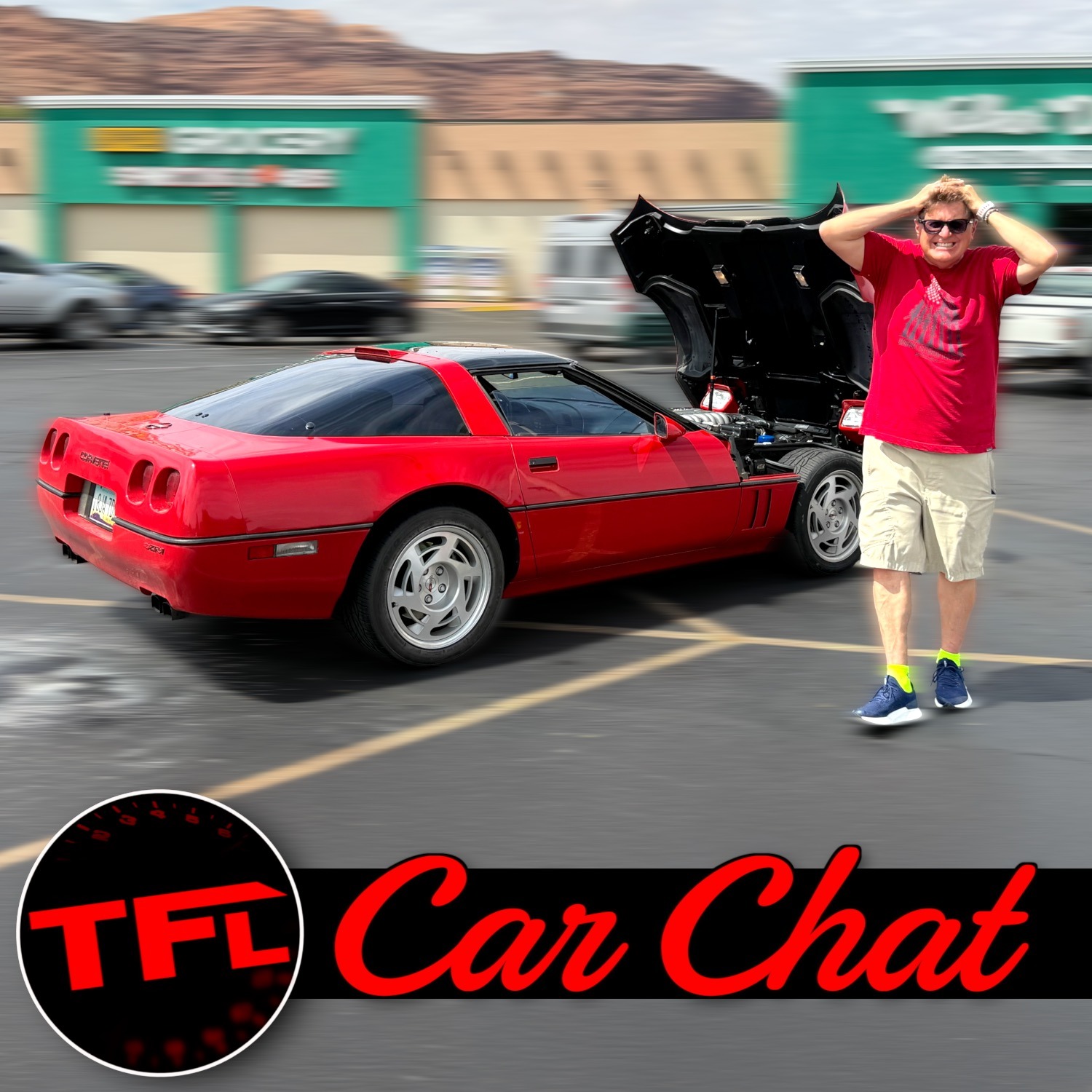
diarrhea. There's a lot of diarrhea. So for our 300th episode, let's talk about the pitfalls
of buying classic cars because there are a lot of mistakes you can make. And we have done them all.
Yeah. Well, we did them all in one day, which was pretty amazing. Yeah, it is pretty amazing.
But then we managed to fill all of the mistakes into one day. But I have to say, Tommy,
most people when they buy a classic car would probably not fly down a thousand miles to go
drive it back a thousand miles without actually having a pre-purchase inspection. And yet that
was the very first mistake we made. So let's take a step back and let's go back to a car that we
bought like a month ago, which is the Dodge Viper, the very first generation, the 94 that we own.
Yeah. So we bought this RT-10 Viper to do a series on Tilo classics with
as a really cool car, right? It was one of the top dog American performance cars of the
1990s. So we thought it would be cool. We had this idea a little bit after buying that.
Everything went right with that. We bought it here, found it on Craigslist. Yeah.
And the car was everything the owner said it would be and more. And we had a really great
experience. It's been bulletproof. I spent a little bit of money on it because it didn't
have the right wheels, but this is not a big deal. So we found the right wheels. We found
the right tires. I also was pleasantly surprised when the car had this like, you know,
really goofy Kenwood radio with all the lights that light up. And then the owner said,
I think there's something else in this box. I opened the box and it was the original radio.
So we had that put in just a delightful experience and a car that is every bit as good
and as every bit as fun as I thought it would be. And the owner also without even
mentioning in the ad had both the soft top and the hard top. By the way, those hard tops
are worth a lot of money. We bought the car for 40K, which is, you know, for a Viper,
not that bad. I think it's kind of top of the market for that car.
You think? Yeah. I mean, I think the reason that that car was so good is because we paid
all the money for it. I'm not sure. I'm not sure. I've seen them up as much as the roadsters,
at least the GTs are more. The GTS is all like 60. No, they're like 90. Yeah, but a roadster,
I think an early roadster like ours, even with the low miles, 40 is kind of all the
money. Maybe 45 on an auction site. But I mean, I think we got lucky with that car
and that it was very well loved and very well maintained. But we also really paid out the
nose for it. I kind of think I don't think so. I think I think we got a fair price. I think the
guy threw in everything that he had. So we have the soft top. We have the hard top.
And that car is, you know, in great condition. Everything works on it. There's one issue
with it. But that I mean, you're never going to buy a classic car even, you know,
sub or post million dollars without some issues, right? Every classic car is going to just
come with a slew of issues. This one has one issue and it's not a big issue.
It's a very much a Viper issue. When you first go to start it, it just cranks because it takes
to fuel pump a little bit of time to get the fuel into it. Got two issues. What's the other issue?
Air conditioning doesn't work. Yeah, but that's pretty apparently the air conditioning,
even when it did work wasn't very. So let's keep going. So we bought this Viper. Yeah.
And we thought it'd be really cool to find the stable mate of the Viper. We can
do some really neat videos if we can track down a C4 Corvette 01, which was King of the
Hail back in the 1990s. That's what Chevrolet, that's what Chevrolet called the C4-01.
They both had about 400 horsepower. It would have been a direct competitor to the Viper.
Yeah. And they were both very expensive machines. When the C4-01 launched in 1990,
it was one of the fastest cars on the planet, not even for American cars. At a top speed of
180 miles an hour, did zero to 16 under five seconds. It set all these endurance records
by traveling 12 hours, 24 hours at averaging over 170 miles an hour. I mean, it was an amazing
performance machine. LT5 overhead cam V8. Really a cool car. And pretty hard to find. They only
built about 6,900 from five years from 1990 to 1995. So they're not that common.
And now with the new ZR1 coming out, we thought it'd be a good time to get that classic ZR1.
It also has this cool feature where you get a key and you can change the horsepower
from basically low power mode to high power mode. What is that all about? How does that work?
Well, the ZR1 engine, the LT5, was a real technological marvel, especially for General
Motors who had been producing largely the same architecture small block for many, many years.
So General Motors at the time owed Lotus and they went to Lotus and said,
we'd love to do an overhead cam engine. So Lotus took their L98 C4 engine at the time,
put overhead cam heads on it, and it didn't work. It didn't fit in the car because C4 engines amount
from underneath in the assembly line. It didn't fit through the wheel wells and frame rails.
So then they designed an all ground up new engine called the LT5, which was dual overhead
cam based on an engine they already had in development. Problem is they had the wrong
bore centers. So then they did it again so they could keep with GM small block heritage,
get those standardized bore centers. And what you ended up with was a 5.7 liter small block
V8 that was an all aluminum construction with 16 fuel injectors, 16 intake runners,
and three throttle bodies. So when you turn that key, it enables eight of the 16 intake runners
and injectors. How many valves? 32 valves in total. So it was a magnificent engine.
It's a moonshot for GM. Three hundred percent horsepower. And the crazy thing is is
Lotus didn't have the capacity to build it. GM didn't have the facility to build it,
so GM then took that Lotus design and went to Mercury Marine to their Merck cruiser division
who had a lot of experience doing aluminum boat engines. And the Merck cruiser largely hand built
the LT5 specifically for the 01. Yeah. And then the car, kind of uninterestingly,
looked very similar to the regular C4. This is where I think GM kind of screwed up because
they didn't make it look as, I would say, fierce as the engine was. And the reasoning
I've read behind that is they didn't want to outstage the standard Corvette buyer. So they
didn't want the standard Corvette buyer to feel like they're getting second fiddle, which is a
dumb thing. We know now that Corvette buyers love having differentiation in their cars.
They don't mind being outstaged by a Z06 or Z01 or Z51 package. It's kind of just part of the
appeal, right? So it was wider, but you couldn't really tell. It was wider and then it had
square lights instead of round lights and the tail lights. But then in 1991,
every Corvette got the square tail lights. So you really had to be an enthusiast to tell Z01.
These little black tabs next to the license plate that let you know that it's a Z01 because
it's wider and they had to put something in there. So they put these little black
tabs, I guess. Yeah. And then it's got the center high-mounted stop light instead of the
brake light in the rear fascia. So there are ways to tell Z01 for a normal C4. If you know,
you know. Yeah. And then there were a lot of other changes. I had 315 with rear tires, which was
insane. It had standard sport bucket seats. It had active suspension. We'll get to those in a second.
Yeah. 18-way active suspension. I mean, it really advanced stuff from the 90s. Very electronically
controlled, but it was an amazing car. It just didn't look amazing enough. How much did regular
C4 cost? It was about $28,000. And how much, if you got the Z01, there was a Z01 package,
how much did that cost? Roughly doubled it. So standard Corvette 30, Z01 option package,
the single most expensive option ever installed in an American car. It was another 30 grand. So it
was a $60,000 car. And then the one we bought, somebody actually paid $20,000 over Sticker
when they originally bought it. And today's money, how much would that be? So the sticker
on the car is $61,000. That's about $158,000 in today's money. But the original owner
bought it for $85,000, which is the equivalent of $222,000 is what someone paid for this Corvette.
Yeah. So we found this one in Phoenix. And I love Phoenix because it allows us, I love
flying down and then driving home. I think that's one of the, for me, more than the car,
the experience is what I really value. And the chance for me and my son here to go pick up
a dream car, one of my dream cars on my birthday, which it was my birthday,
was an opportunity too good to miss. So we went out, bring a trailer and we found this car and
without a pre inspection purchase, we purchased it. And I think the problem with bring a trailer
is that you get a lot of pictures. And if you know what you're doing, you can make a car
look really good without knowing what the internals are, right? So the exterior and the
interior are fabulous. How many miles on our car? 26,000, which is great, right? For that 35-year-old
car, 26,000 miles. But, you know, you don't know what's going on with the mechanically,
which we will get to in a second. So for me, it was kind of a bucket list on my birthday,
fly down to Phoenix, pick up this car, drive to Moab halfway. Well, and it's worth noting
too that like realistically bring a trailer and cars in business, all these sites recommends that
you get a pre-purchased inspection. But nobody does. But it's in the real world, especially when
you're a thousand miles away, facilitating that owner to take time out of their day to go bring
the car to some mechanic. You don't know if you can trust the mechanic. You don't know anything
about them. You can bring it to his buddy. You just don't know. Yeah, to go look at the car
and then facilitate that over the phone. And then you got the auction ending in three days
when we found this car. Like it's realistically, I know we should be doing it, but it's very
difficult to make that happen. So these cars are coming up in value. We paid $27,000 for ours.
If you go to Hagerty, it says it's worth like $23,000. And I always feel like that there's
like a 25% premium, at least when you buy stuff on Bring a Trailer. There's, you know,
there's just this like a restaurant sheen. When you go to a restaurant and foods,
there's a Bring a Trailer sheen on these cars. And I always feel like you're overpaying.
But having said that, they're not easy to find. It's like when we bought that World War II Jeep,
right? You're not going to find one probably on your local Craigslist or you might, but it's going
to be far and few between. And realistically, like if you go to BAT right now and just type
in C401 and you look at some of the prices that these things are commanding, like they're
pretty, they're pretty big money. So let me let me just run down some of the recent sales.
So one sold for $29, one sold for $27.5, one sold for $45, $32, $45. So like they can be anywhere
from $25 to like $50. This one sold for $53 even. So, you know, pretty big one sold for $100. Look
at that one. So they can be very expensive. And it's because they're very interesting cars,
not that many made, only $6,900. Most of them are pretty low miles. Very few of them
have miles on them. They were just kind of stored and not driven as collector's items.
So yeah, I mean, they're they're expensive cars. Yeah, so the first problem came right away. And
that is you came to pick me up at like six in the morning so we could fly down there
and get there early so that we could drive back up. And you had you were having some stomach
issues. You were having a little bit of diarrhea, I believe. Yeah. So that was already a bad sign.
And it should have been a precursor or a premonition of what was to come
or foreshadowing, I might add. So we get on the plane and the plane is of course delayed.
Actually, we got very lucky. I guess there was a hubbub. Is that what they're called?
There's basically a huge sandstorm in Phoenix. Yeah. So we get to Phoenix. We Uber over to the
owner. My bank doesn't like when I send money orders because they feel like if you transfer
money via like a wire, they don't like wires because once that wire is gone. So luckily, our bank
was also in Arizona. So we had agreed to go to my bank. And then we would cut a cashier's check at the
bank for the $27,000, which reassures the owner that the money is in the account because once you
and on a cashier's check, once you cut that cashier's check, they take that money out of your account
and you can't like use it. But you can forge them. You could. But which is why people don't
like cashier's check. But if you do it at the bank, it's pretty hard to forge. Yeah. Unless
you have some kind of surreptitious agreement with the bank teller. And listen, the big problem
with this whole process is that we had to be back in Boulder Tuesday night. Yeah. So we had,
we had two full days to drive a thousand miles and that includes flying out, looking at the car,
buying the car, getting the title sorted and then driving it a thousand miles back to Colorado.
So we were very much under time crunch. So we got there, took a quick look at the car
and it looked fantastic. Yeah. I mean, the owner was wonderful. He had polished it.
Exterior was like a 10. It was a two owner car. So it lived in California,
which is great for much of its life. And then I think the Arizona owner had owned it for five years.
Something like that. Yeah. So it really like visually, it's pretty much flawless. The
salad spinner wheels are great. Tires are new. Has some service records with it.
Interior is perfect. Have the original window sticker. Yeah. It's got both tops. So visually,
it looked great. Right. I did want to just take it for a quick drive, even though technically
we were committed to buying that car because that auction had ended. Right. Like it,
that we were on the hook for $27,000 for that car, but hopped in it, started out,
started first try, took it around the block. First gear, second gear, third gear, got out to fifth,
felt pretty good. Engine was cold, fired up, transmission was cold, all good. Right.
Parked the car, go to the bank thing. Right. Come back and get in the car.
And then that's where things get a little sketchy. Well, so when we got there, we were
like, okay, there's like five different things, you know, that are good about the car. There's
of course the engine. We thought the engine was strong. Right. There's the transmission.
There's the interior. There's the exterior. And then there's kind of just the overall,
like, like feeling that the car gives you and all five of those things when I saw it were great.
So like, okay, we got really lucky. We got another Viper. I'm just, you know, living a good
life. So God has rewarded me on my birthday. Little did I know that that was not true.
But anyway, so we get in the car. And the first issue that I had even on the test drive is
it's got these sports bucket seats. This isn't the test drive at this point. This is after we bought
I know, but I noticed it on the sport on the test drive. Yeah. And the problem is if you're aware of
like modern BMW competition seats, right, or Porsche competition seats, these bucket seats that have
very high side sills on the side, and then of course very much bolsters on the side as well.
And if you look if you're looking at these pictures, you can see that the vet has kind
of a confusing array of buttons to control how the seats work. On the right side, there's these
three little buttons which are unmarked on the left side, there's two buttons which are marked.
So I'm figuring on the test drive, what I can do is I can kind of open up the side bolsters and
the bottom bolsters so that my big fan American ass fits into them. So I get in the car on our
drive back. And the first thing I do is I figure out how to open up the side bolsters
and I'm like, wow, that's great. That's much more comfortable. They're no longer squeezing
me on my side. Right. And now the problem is that I'm not sitting in the seat. I'm sitting on top
of the seat because the side bolsters are open, but the bottom bolsters are closed and there is no
way to open them up. Home service pros like you show up, get jobs done and put in the long days.
But this is the year you get more, more money, more recognition and more balance.
This is the year of the blue collar champion. Start your free trial today at Jobber.com.
In other words, if you have a big ass like me, you either sit with one cheek in the seat or
you sit with both cheeks kind of resting on top of those bolsters, which is not a comfortable
way to drive for a thousand miles. Right. And then the other issue we figured out,
especially as the transmission warmed up, is that the first gear grinds. So you can kind
of sort of get around it by going a second. Basically, we think in my opinion, the
synchro has probably gone bad on first gear. First gear synchro is gone. So you can use a
second gear synchro to get in the first smoothly, which basically shifts into second than first,
but first gear synchro grinds. First gear works like it holds, it doesn't pop out,
it accelerates like it should, but it does grind going into first. So that was like the
first kind of really big disappointment. And that was, I take full responsibility,
I feel really bad about it. I should have driven the car more on the test drive
and experienced more that transmission. And the owner kind of gave us a hand,
we should have listened. He said, never downshift into first. I was like, well,
maybe that's like a ZR1 thing. But basically what it is, is you can downshift into it because
the synchro is gone. Right. And the problem is, it doesn't have a standard Corvette transmission.
Well, it's got a ZF6, but it's like a different ZF6 compared to a standard Z4. So
it's going to be a, it's going to be very expensive fix to get that thing back.
Yeah. Yeah. I mean, there are specialists who work on these, but it's not going to
be like you take it to your local transmission shop and have that synchro fixed. It might
be a transmission outfix if we want to not live with it. So that was kind of disappointing.
Look, I don't blame the owner. I blame us, right? We bought this car. Sure. Right.
We should have known better. I don't think the guy was being dishonest. I just think he had the
car and he used it to drive, you know, on the weekends, the cars, the coffee. It's one of
those cars where, where I think he probably spent more time polishing the exterior than
fixing the interior. I say interior. I mean, even though he did tell us he spent $10,000,
like replacing injectors and putting on new tires. So I could be wrong about that.
Yeah. I think when you mean interior, probably mean like engine and, you know, mechanics.
Yeah. Mechanics of it. I think that there's a lot of really good things about the car.
Like it's a very straight car. It's got a pretty good ownership history, right?
Engine feels pretty strong. Suspension is excellent. Brakes are good. Steering is really good.
It's just like we learned pretty quickly that that transmission is going to need some love.
And I was hoping maybe we could get away with like maybe it's just like a master cylinder
for the clutch master that's gone bad, but that's been replaced. That's been gone through.
So that tells me that this has probably been a persistent issue for quite some time.
But regardless. And you don't need first. It's not a very, you know, pop. I'm kidding.
You need first. First is a pretty big one. Yeah. But so we went and we took the car
and we went to our favorite hot dog chain in Phoenix. Well, I don't want to, I don't want to.
So this, here's the problem. So we went to Portillo's and I'm from Chicago and I love
Portillo's. And I had my Italian beef, which is great. And then like eight hours later,
I was fertilizing Northern Arizona and Southern Utah jumping out of the car. Luckily,
you had brought some toilet paper. Yeah, because I was having issues a little bit earlier.
So it could have been that we just both got a stomach flu, right? Well, I'm also using that
like not ozempic, but like the like something like ozempic, which is supposed to make you
thin and sick to your stomach, which it has accomplished that. Not those goals. Not
the first one yet. So it could be, it could be the drugs that I'm on, you know, to try
to get some weight loss or it could be, you know, whatever I ate. But anyway, it turned out to be
a pretty bad, like, you know, like, I couldn't make it. When I had to go, I had to go. I was like,
it was like, pull over now, Tommy, and run into the bushes and, you know, do my thing
and then run back into the car. So that was already unpleasant. But before we even got
to that part of the journey, we did the great pillow hunt. Right. Because we got, we got
our hot dog. We got gas. We had some stomach issues. But we, the big thing is we, those seats,
even for me and I'm a pretty skinny guy, like those bolsters are pretty unlivable. I know Kase
had his car and he, he lived with them, but I just, the bottom bolsters are so tight that after
two, three hours of squeezing your, your, your hips, like you, you just want to be out of the
seat. So we had the idea, well, let's see if we can find a pillow to kind of elevate us
above the worst portion of the bolster, which is against the bottom. So first we went to
tractor supply. It was the closest store. And we found two pillows. Yep. So we got like a little
outdoor pillow. And that actually worked for you. That did the trick for me. Yeah. Cause it elevated
me like an inch off the cushion. And then I was pretty comfy. Yeah, it could be also, how much
do you weigh? 180. Well, I am, I have about 70 pounds more than that. Well, I, I no doubt
that's part of the problem. So it could be that my, my big ass was squishing the pillow
too much. But you combine the, that problem with the fact that the wheel well is super
tight. I was just listening to Doug's podcast and he was driving his
Kuntas around Pebble Beach. And he was doing it without shoes. I remember when we did that
Marcielago video and the guy showed up and he didn't have his shoes. Yeah, there was something
like in the nineties where all these super cars had very tight footwells. And this is no
exception. So it's not as tight where you can drive it with your shoes. But once you put
both feet into the footwell, they're not going anywhere. Yeah, sure. So now I'm like
one cheek into the seat, one cheek out, one foot into the footwell, one foot out of the
footwell because like two don't really fit. And I'm kind of, you know, going between one
cheek to the other cheek. And it was just fricking miserable. So we got these pillows
and it made it better. But then I was able to kind of raise myself. But then the problem
becomes that my head hits the ceiling. Right. So we drive from Phoenix to Flagstaff,
Arizona and then go for the great pillow hunt again. Yeah. So we, we find a JC
Penny and they have a huge variety of pillows in a horrible, horrible rainstorm. Yeah,
really. This car has not seen rain in like five years. I don't know if it's seen rain in 20 years.
I mean, yeah, but God, this thing got just drenched. And then of course, when it got drenched,
the TPMS light came on, which we were, I guess it's a common failure point on these,
but we were like, Hey, it doesn't have the TPMS failure point. Then of course,
the second it got wet, the TPMS light came on. It came on. Yeah. But we, we
found a JC Penny. We went on this great pillow excursion. We tried the Tempur-Pedic pillows
and the normal down pillows and all these different types of pillows. And finally,
I found a memory phone on sale for 50 bucks, settled on the memory phone
and then put it in the car. And that was that kind of solved your problem for most of the
trip. Well, it solves one problem. The other problem is when this car was built,
they wanted to make a target top and this came with the two tops. But unlike most
target tops, you have to have a tool to actually put it in place because it's actually a structural
part of the vehicle. And to solve the fact that they had a target top, they made the
sills super tall. And so back in the day, the reviewer said you either, you know, climb out of
or fall into it. And it's absolutely true. So now I've got this tiny seat with this pillow
that I'm trying to position underneath myself as I'm trying to climb over this
like 10 foot sill to get into it. And it's just a comedy of errors getting into the car
and getting the pillow actually positioned in such a way that, you know, blood circulation
is not cut off to either one leg or the other. So it was not a very poetic way to, you know,
get in and out of the car. But to the car's credit, we did drive it from Phoenix to Moab
Uta. That was our plan. That was about a seven and a half hour drive. And it did that,
I think it was like 400 miles, 450 miles. Yeah, once you're in fifth or sixth,
it's great. Yeah. And it was a pretty good cruiser. Like it's very stable on the highway.
An active suspension works. Yep. You've got, you've got comfort, sport, and then performance. And that
really does change the whole character of the suspension, which is very impressive. And
it was a great road trip car at 70, 75, 80 miles an hour. And it got pretty good fuel economy.
Like when you had it on the highway in sixth, you do over 21, 22 MPG. So like there's really
good. And then the, like the part that was the riskiest of this drive is like
flagstaff to Moab, you go through the reservation. And there's nothing there.
There's just nothing. And then there's Monticello, right? Yeah, but there's like almost no city,
like hundreds of miles of just kind of desolate desert. So that, it would have been a really,
really big problem if it had broken down in that stretch. The way that it did when we're about
to tell you how it did. Yeah. So it did, it made it through that section. And it did great,
drove it through into Utah, was running great, got to the place that we stayed at about 10
PM. Yeah, we bought it. We, as you guys know, if you follow us, we bought like a little
two bedroom apartment because we spent so much time there. So we have a little bureau in Moab.
So we got there. And I was happy to have a toilet. Yes. Which was, you know, it was a
godsend. So I was like, okay, no more jumping in out of the car, dealing with the pillow.
And then I spent the whole night, of course, on the toilet. Yeah. So that was a bad night.
But we get up in the morning. We've got some internet guys come do some stuff.
And they were like, well, let's go take it to breakfast. Then we'll go hit the road.
No, we're going to go get some emotium. So I don't, I didn't have to.
That's right. Yeah. So we're going to go to Walker Drunk, which is like the biggest store
in Moab. Yeah. And there's not a lot in Moab, Utah, but there's a little drug store,
and there's a, there's an auto parts store, and there's, you know, some restaurants and stuff.
So we drive the five minutes from our place down the hill into town.
And this is important because now the car is cold. Yes. This will become important in a second.
It is cold. So I'm going down the main road, everything's fine.
Pull into the parking lot, everything's fine. And then as I'm parking the car,
I noticed two things. First of all, the steering is really heavy. Yeah.
And then there's a little ding on the dash that says check gauges. And when you look at the warning
panel, there was a battery charge light on. Yeah. And we're like, Oh shoot. Oh, because we've
experienced, we bought a Mercedes and Georgia and drove back and had the alternator go out.
So you can't drive without an alternator, at least not very far.
Well, yeah, you're kind of stuck. Yeah. You're kind of stuck. So we're like,
Oh, so I'm like, Hey, let's open the hood. And the second we went to open the hood,
like all this like smoke comes out from underneath the car.
And Tommy had turned it off and I'm like, Wow, what's going on?
I'm like, Tommy, turn it on. And the second you turn it on, I look down.
And the fuel, the oil line between the oil cooler and the engine has become disconnected.
And now the car is pulsing oil out all over the place. I mean, at high pressure,
like, like a car artery, right? It's just like, yeah. And the whole engine is covered in oil.
The whole underside of the car is covered in oil. We went through like, I think it takes
seven and a half quarts. We went through seven and a half quarts in like 22 seconds.
Yeah. Well, and then when I said when it went out of the car, I mean, we got in
in retrospect, we got incredibly lucky that it didn't happen in the middle of the desert
at night, which would have been a big problem. And B that it happened when we were
basically parked because you could see in the parking lot where that line had let go.
Because maybe 15 feet from the Valdes parking spot. Yeah, there's like a
puddle and then a huge stream of oil into the parking spot. Now the problem is,
so the oil cooler line, like you mentioned, connects the oil cooler with
the fuel filter assembly, right? And this is a line that that's the fitting on it. There's a
knot on one end and then it goes into the oil cooler on the other end. And it's a crimped line,
right? You've got like this little nipple that it's crimped to with the nut on the end.
So it's a part that's designed to be replaced as a whole part, right? It's not something
that you can replace just the rubber tube and call it. And it had come out of the engine side.
Yes, it had come out on the engine side and the high pressure line and the low pressure,
actually, if you look at it was also starting to come on crimped and working its way off that
side as well. So like clearly it needed oil coolant lines. And it had soaked the alternator
in oil. So we were literally everything. The reason the alternator like came on
in the power steering got heavy is the serpentine belt just became a river.
Well, we didn't, at that point we didn't know yet. So what we thought was we didn't have any oil in the
car. We didn't have a way of getting that part because you're not going to get that part for a
ZR1 in Moab. And we certainly didn't know whether the alternator was working or whether the serpentine
was coated in oil so that it was just slipping. We didn't know any of that. And at this point
we're arguing because we're like, what the hell do we do? And Tommy said to himself, I can
fix this. You decided that you could fix this. Right. And I decided you couldn't.
It was reaching a lot. And I thought, of course, the heavens opened up and it started pouring.
Now, I didn't fully understand that at that point that the little brass insert on the rubber hose had
come uncrimped from its nipple. You thought that that nut would tighten on that rubber brass fitting
and then you could, I thought it just backed off. So I went out in the rain and I stuck
it back on there and, you know, started the engine and like it, there was no oil coming
out of the engine. But like it, there was no oil in the engine at that point. Well,
there's very little oil in the engine. But I think it was important to realize like this was not,
clearly it's some nerd putting it back on. This is going to fall right off again.
So went to the nap auto parts store and they're like, we could probably get you one by Thursday.
And it was Tuesday. So that was not going to happen. But the problem was Moab is not far
enough from the office to warrant waiting a full day or a couple of days for parts.
Six hours. And luckily we're very fortunate. We have a team here. We've got Andre. We
got case. We've got trucks and we got trailers. Like it would have made more sense to just to have
them come drag us back home. Yeah. So my solution was come get us guys. We're stuck. We're stranded.
Please help. And of course Andre and case were like, yeah, we can help you. Yeah, which is great.
Now, as we called them, they said, all right, we'll go get the trailer. We hooked up. It's
like, I don't know, 10 in the morning at this point. Stop raining. Luckily, about six and
a half hour drive from our home base to where we were at. So we're like, well, let's do a video
because we have to document this. So we start filming. And then this guy comes up,
likes guy named Matt and said, Hey, watch channel, big fan. And we're like, oh, that's super nice of
you. And we got to chatting. And we're like, so what do you do here? Moab Matt, he's like,
well, I'm a mobile mechanic. We're like, you are. Well, hello. Yes. So I was like, do you
mind looking at the car for us? Because clearly, like us two numbskulls aren't going to do much
with it. We could we saw what the problem is. We could see a potential fix would be new lines.
But like we couldn't get the new line. So what do we do? So he goes by and takes a look at it.
It was like, well, it's probably going to be a problem because we can't get those lines
anytime soon. Yeah. So we're like, well, that's about where he's like, but listen,
like I've got a day off. I'm waiting for part for another project. And he basically said,
let me see what I can do, right? So I was talking to him and he had this idea,
which was a great idea. He's like, maybe what we can do is we can just remove the
rubber portion of that line, right? And then you're going to be left with two
fittings, one on either side. And then maybe we could find a rubber hose of the same diameter,
bridge that gap, and then find some kind of semi permanent clamp that can clamp the hose to
the little nipples. You know, keep in mind this car has clamps that are holding the hose onto it,
but they're these special clamps that once you put them on, they don't come out.
They're like crimp clamps. I don't know much about these clamps I haven't seen,
but they're like a more permanent solution. And when he was looking at it,
he made up the good point. He's like, well, look at this side and has crimp clamps on it.
When I was looking for the parts of this car, there should not have been any clamps on this at
all. It should be one piece. So clearly this hose has fallen off before.
Yeah, somebody had fixed it before, and poorly.
And the side that had fixed was holding. The other side that they didn't fix had fallen off.
So he took the hose and then it went into town to try to find those crimp clamps,
basically. Which was scary because 80 pounds of pressure is a lot.
Yeah. And that runs a lot of oil pressure, right? And it's all coming through that little pipe.
So he comes back with a hose and then he comes back with like just a standard little worm gear
clamp. The ones that you screw on, right? Got a little wrench on and they tighten.
Now, it's funny. I was talking to Case, who's kind of our C4 guy at the office about this,
and he has tried something like that as a quick fix on his lander when it broke.
And those little clamps typically fall right off because they're not designed to hold coolant
pipes, right? Yeah, you'll see them on your car, but they're like coolant or there's some
other non-pressurized oil lines. So Matt doubles up on either side. We really crank it down. He's
like, this might get you home. So we say thank you. We pay him for his time. And then the hard
part is, look, we dumped like six and a half, seven quarts of oil in that parking lot all over
the place. Like I say, it was an oil disaster. But thank God we were next to a grocery
store, a hardware store and a Napa. Which had a bathroom. Thank God for me.
Which is good for you. But for me, what was good is they had like the oil soak up stuff.
So I was able to go to the U.S. and Napa and you bought like the big bag of the oil soak up
and then we spread it around the parking spot that we had ruined and let it soak in.
And then we spread around the second parking spot that we had ruined.
Yeah, because it kept dripping. So spread around that one and then I went into the
hardware store and I bought like a little broom kit and we cleaned it all up.
As much as we could, given the circumstances. I kind of felt like we were doing an episode
of roadkill, except roadkill would have had a supercharger on by the time we got cleaning
up the oil that we spilled. And we paid someone to put on two hose clamps.
That's another thing, yeah. Which, yeah, four hose clamps.
And then we could have potentially driven it or try to drive it all the way home.
But the problem with driving at home is we have to go up two mountain passes,
veil pass and basically the Icon. And we were afraid that if we did that,
putting that much pressure would and then the other problem is the value in this car
is the engine. And if you lose those, at the parking lot, we lost oil in about 22 seconds.
Imagine if you're doing 80 miles an hour and or 75 going up by 70,
a veil pass and you lose that clamp. You're going to be no place to park and you're going to
blow the engine and you're going to be done. The car is going to be worthless.
So we decided to keep Case coming with the trailer and we would meet him halfway.
Yeah, exactly right. So Case left and then we ultimately met up outside of Glenwood and
the goal is like we meet up in a place before we hit the Rocky Mountains because going through
the Rocky Mountains, like that's going to need third, fourth gear, higher pms, high oil pressure,
like there's a good chance something's going to blow. Plus I 70 is always under construction
and if that pipe blew going to veil pass when there's no shoulder, like you'd have basically
you'd have to forfeit the engine to save the car. Plus I'm visiting every bathroom
along the way. It's not a pretty sight. No. So Case comes, we load the car up
in the trailer and then he drags us home and we got home late, late last night and
we were able to get the car unloaded and it's still running and like that hose never let go
but basically now the process we need to go find some new oil coolant line hoses.
Yeah, but they make a good kit for it apparently. Yeah, or oil lines to the
oil cooler. Yeah, kids. So we could probably fix that ourselves. That's not that hard,
but the transmission is going to be harder to fix. Look, so it turned out to be a bit of a
disaster train wreck, but I had a memorable birthday. Well, I will never forget. I'll tell you that.
It could have been way worse. Like it could have blown up into the city, right?
Yeah, it could have been way worse. We could have not had. And then we had some wonderful
people come by. Yeah, ask us how people were really nice because the hood's up and
clearly there's oil on the ground. The liquor store next to the parts store, he
was a big fan of ours. He's like, you need anything. And I'm like, well, you know,
it's a key let if we don't get this thing sorted. Right. I'm just joking.
But yeah, it was it was an interesting it was an interesting moment in time. And I'm
really happy I got to spend it with you. And even though everything kind of went wrong,
we did get the car back. And I'm not upset at all about the fact that the gear I was upset.
I mean, the funny part was like as we as the trip progressed, you know, we had those five
points. By the end of it, it was well, the body's good. Yeah, exactly. Yeah,
yeah, exactly. Right. So the car, I mean, I think that there's probably this is this is
why I'm figuring out and the Viper is a little bit of an exception, I think, but not a total
exception is like these really low mile cars have a lot of problems. The most difficult car
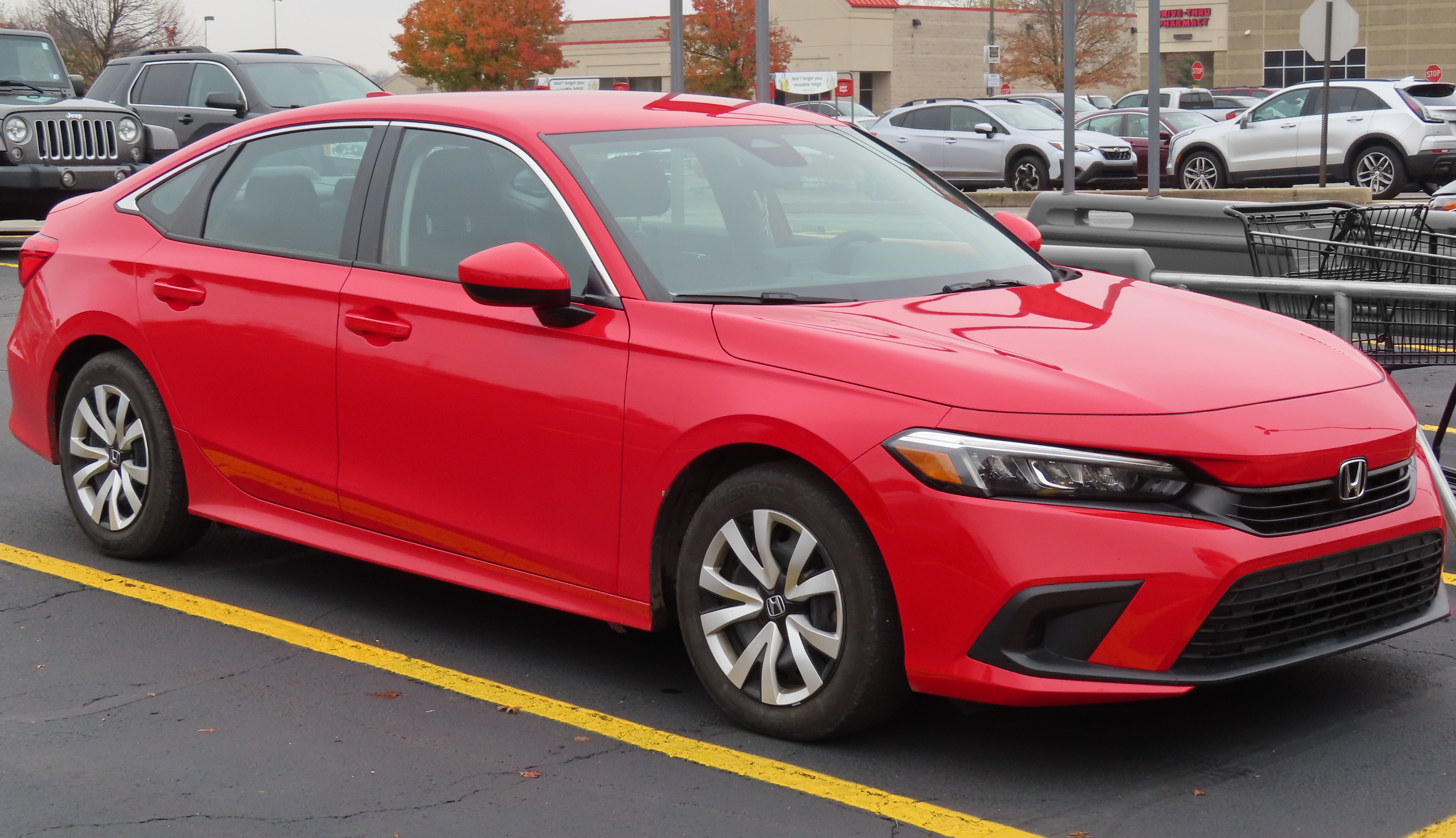
that we've ever had to drive in road trip was a brand new Honda Civic with 69 miles
that 1984 Honda threw up a fight every single step of the way. And this is proof that
like if you want a car to die, no matter how good it looks, let it sit and don't drive it.
Yeah, I think two things happen. First cars age when they sleep just like us. Sure.
So so things degrade, things deteriorate. And just because it's low mileage and hasn't been
driven doesn't mean it's going to be, you know, ready to go like it's out of the showroom floor.
In fact, it's going to be the opposite. And then the other thing that happens,
and I see this quite a bit is deferred maintenance, right? Yeah, the more expensive the car is,
the more expensive the parts are. And so in some ways it's a lot easier to shine it up
than to go and replace the transmission. And so that's what people do. I mean, I think a lot of
times people think that the car doesn't need maintenance, because they'll say like, well,
why would I serve assisted only has 18,000 miles? Like, yeah, it is 18,000 miles,
but it's been sitting for 27 years, right? Like things are going to degrade,
parts are going to degrade, plastics are going to fall apart for 35 years in this case,
right? Nothing's getting heat cycled like it's supposed to be. So like the, I'm almost at the
point now where like, when I'm looking for these classic or used cars, like I would rather find one
that has 50, 60, 70, 80,000 miles on it, that one that has 10 or 15,000 miles on it, because I know
that car has been driven and has had some heat in it and has been used and then likely,
because of that has been at least somewhat maintained, right? I mean, I think there's
a limit once you get to 200,000 miles and you're going to, a lot of things are going
to have to be replaced. You've probably used up a lot of the parts.
But yeah, like 20,000 miles, 26,000 miles for a 35 year old car, right? Like this car is averaging
800 miles a year, which likely it's been a lot of those years not averaging any miles at all,
right? So I think that we're going to get this car to a point where it's going to be very good
and it's not far off. Like I don't want to complain about it. It's got a good AC,
mostly electronics work. The engine's pretty good. The chassis is excellent, right? Like we
can get it there, but it's good. Yeah. Yeah. There's a lot of great things about this car,
but this is what happens when you let a car sit. I would rather have a car with rock chips
than a car with degraded everything. Yeah, I agree. And the paint is good. And a lot of these
cars, you know, were driven hard and put away wet. And so to have a car that, you know,
the body is in good shape. Interiors in good shape is nice. And it sounds like I'm
rationalizing, which I perhaps am, but it's also fun than to take a car that needs some
love and give it that love. And then, you know, come out of the tunnel at the other end and see
the light and see just how much you, you know, could have made this car so much better than
when you bought it. That was a horrible sentence, by the way, Tommy. So some comments
about our adventure here on Patreon. And if you want to get to show early, if you want to
ask us questions, patreon.com slash TFL car. We also have exclusive episodes like
Carish Unbuckled, which is live right now over at the Patreon. Check that out. Don says,
Roman really trying to own each generation. I'm sure he thought he was getting a good
deal on this one. It looks like it's going to bite him in the butt. I still think it's
like a pretty good place to spark money. I really don't think that we're going to lose a
lot of money on this car because it only built 6,900 of them. And they're kind of having
their moment in the sun with the new zero one out now. So it's a really special car
that's kind of undervalued. So I think we're going to lose some money because we always do,
but not that much money. And you know, there's this there's this collector world where you get
into these hyper expensive cars. And a lot of the YouTubers are Doug is there with his Porsche and
his contage. So so is Matt, right where it's hard to lose money on it because they're so
expensive and they're so unique. And then you get to a point where it becomes kind of the
idea is that you buy a classic car. And then because of COVID and because of the fact that
it's so sought after, no matter how much money you put into it, I think I think Matt is, you know,
having his engine rebuilt in Italy for like $50,000 or something, that it will still
maintain or increase in value. We're not there, Tommy, you know, we're not we're the exact
opposite of the world. If we buy a car and we put money into it, it's probably not going
to make money, but I'm okay with that. I'm really good with that because I'm making
something that is, you know, broken into something that is usable and passing it
on to you or the next generation of collectors. And I never came from this world where, like,
you expect to fix a car and make money on it. I expect to lose money on the car. So
if I don't lose a lot of money on the car, if we don't lose a lot of money in the car,
I'm very happy because the car is, you know, the way it should be. Sometimes my grandfather
was like that. Everything, you know, the way it should be. Well, in Dante on Patreon too,
he said, I think you guys are falling into the YouTube car channel pit where you buy
the high performance cars and test them. I understand they are older now,
but the only people buying these are people who can spend $40,000 on a car that really
should never be driven and kept in a garage. I like when you buy these older cheap cars
and you test them. So, like, I think my response to that is, first of all,
we're doing a series on a $1,500 Cadillac rate.
And a $900 Tracelle. So I think we're far from that world, Don. Sorry to burst your bubble.
We still have quite a few. But, I mean, the reality of 2025 is, especially with
the rate that an inflation is going, like, $27,000 is a lot of money,
especially for what's largely a toy. I don't think it's a lot of money.
Well, objectively, it's a lot of money. It's a piece of automotive history.
It's GM's moonshot, and it's the cost of a used Honda Civic. I don't think it's a lot of money.
I think a lot of money is when you're talking, like, kuntashes and...
I mean, it's all relative, right? It's all relative, but in the world of collecting cars...
For me, $27,000 is a lot of money. Like, $5,000 is more realistic for someone like me, right?
But I also think that for the experience you get, like you said,
the average new car price now is $29,000, or $49,000.
Hubee just bought a Bugatti Veyron.
Well, he sold it because he said his audience wasn't interested.
And what's his name? Bought one, too. I'm a YouTuber.
No, no. Ed Bullion just bought it. And this is the world that we're...
And I appreciate what you're saying is, for me, it's a lot of money.
But we don't live in your world. We live in the YouTube world, where the Strandman
and where Doug and where Matt are buying kuntashes, right? This is our world.
And we're competing for views in that world.
And so I think to do it with a $27,000 ZR1 is doing it on a budget.
And I also think in the classic car collector world, in the Mekam world,
if you watch those auctions, we are at the very bottom of what most people will spend
for a classic car that is more than just, let's say, a fancy Camaro.
But I do think we're seeing a lot of pushback on that now, because...
I hope you're right. I agree.
So I just saw Hubee video. He's selling that Bugatti.
Of course. Well, he's spending $12,000 a month on it.
Yeah, but...
It's just an interest.
But keep in mind, what he was seeing is people want to see the cheap cars again.
So the cars he's buying now is a $30, $300 minivan, right?
An old BMW he got for free, right?
Like that's the stuff I think that's getting interest.
So now he's coming into our world.
Well, we're coming in. He's always been in that world.
No, we're not even close to the Veyron world type.
No, no, but I'm saying...
That is so far from where we're at.
He started in the Hoopti world, right?
That's where he got to start.
Well, he did, but it didn't...
How long I'm going to take him before he bought a kuntash, right?
I can't...
Ten years.
Yeah, yeah. And 10 years ago, we weren't buying kuntashes.
No, but I'm just saying, like, I think to Don's point,
there is a lot of interest on the really cheap cars.
I know, I agree.
Yeah, Hoovey makes them sell out to be the everyman,
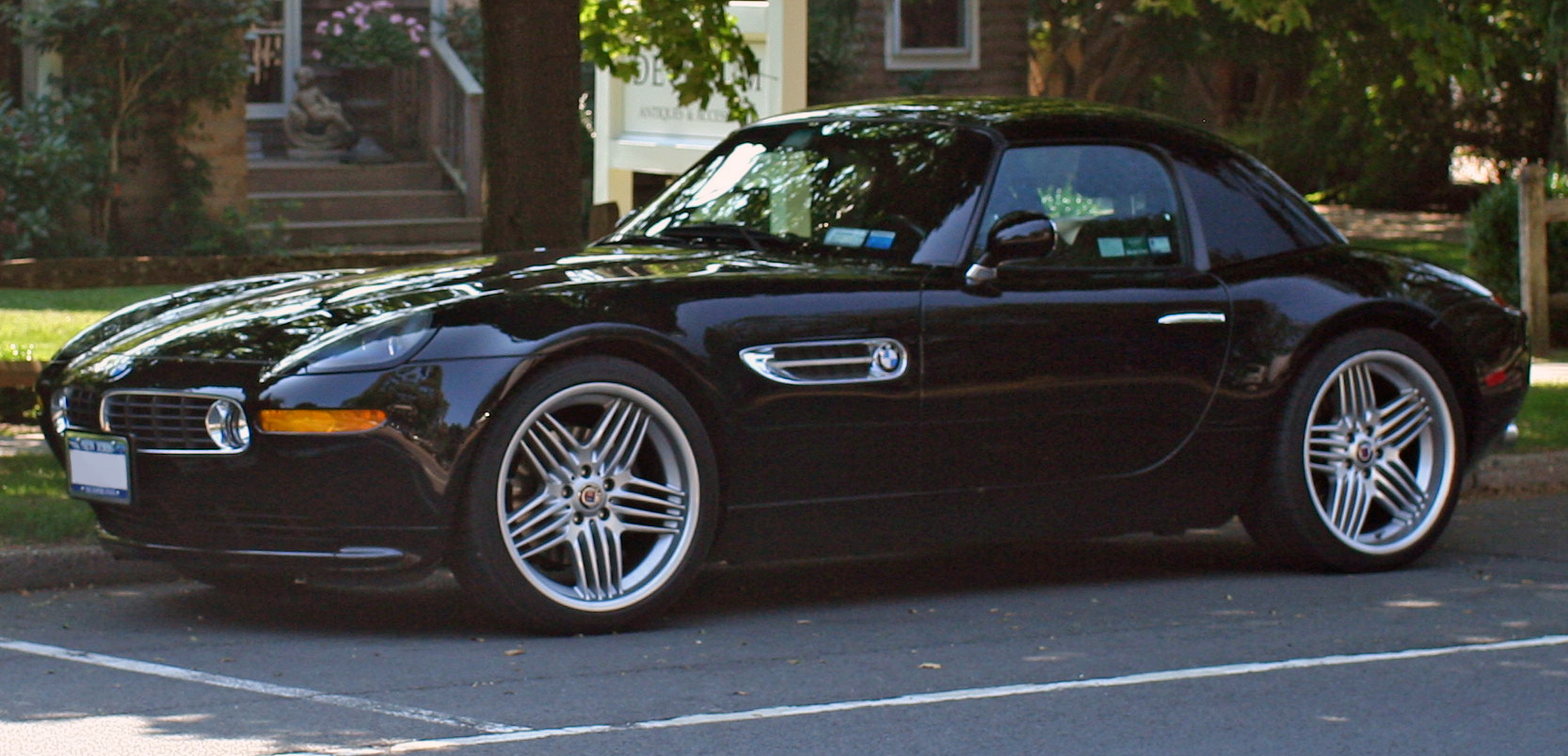
but you look at his car collection, a Mercedes SLR, a BMW i...
What was that, the really expensive BMW that he had?
The one that...
I don't know. I don't follow stuff that closely.
Oh, yeah, you do. You know this BMW.
It's the convertible Roadster Z8.
Okay, yeah.
But the point is...
These are very expensive cars.
I think he's seeing that there's a lot of interest in the cheap stuff,
so that's why he's going back to it.
And I think that we're never going to leave that, right?
So we're not going to abandon the cheap cars.
But we don't have the money to.
Yeah, but look, we're doing pretty well.
We have a C8 Corvette and an I8.
Yes, but...
So like, those are expensive cars.
Yes, but not compared to the world of Veyrons.
I know, but that's not our audience.
I don't think our audience would want to watch that.
We're arguing. I don't want to argue.
I guess I just take offense at you making...
Hoofie has...
I like Hoofie.
He's great, but he has kind of this way of being kind of folksy
and making himself seem like he's the everyman.
But if you look at his car collection,
it is certainly nowhere near what an everyman car collection would be.
Well, so Tad P brings up a good point.
Hoofie started in Hoopti land
and followed the influencer trend when he got into exotics,
but he admitted that's not what his audience was really into
and has been rewarded with the more modest Hoopti, right?
So like, I think that there's a trend back now to more affordable cars,
which we're not going away from, right?
We still got Terry...
Is there a trend back?
Or is it just him doing it?
No, I think there's a push against the expensive stuff these days.
Like every comment now on any new car we review is like,
these cars are too expensive, right?
So I think there is genuine interest and excitement
around that really affordable end of the spectrum.
I'm not sure. I don't see it.
I just see Hoopti maybe flew too close to the sun
and so it got his wings burned and so he came back down.
Look at what Tavarish is doing, right?
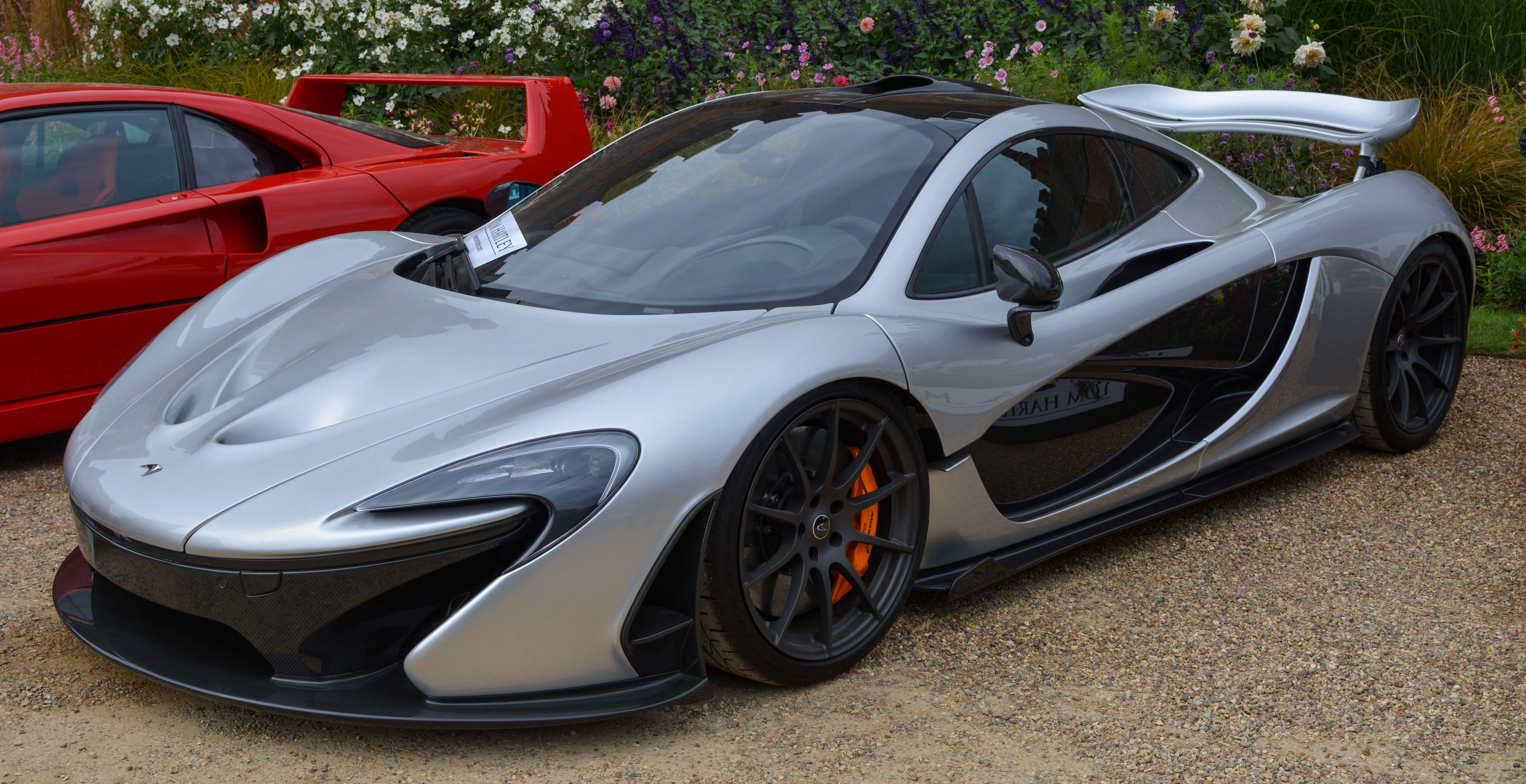
He's not doing cheaper stuff.
He's doing McLaren P1s, which is, once again, same level as a Bugatti.
I just think Bullion, Bayron as well, Doug, Porsche 918,
Qantas, Matt Farah, Qantas,
he just spent $100,000 on a Manx.
And I think the reason for this is because
people on YouTube want to see interesting and unique
and I think kind of crazy stuff.
And, you know, yeah, we're doing it to ourself,
but what are the views on the to ourself?
It's going to be limited because it's kind of, you know,
it's kind of an every man car.
Watch it. People like Terry.
Terry's performing really well though.
I'm not saying he's not performing well,
but in terms of views compared to what these guys are getting
with Bayrons, you're not pulling a million views on a to ourself, Tommy.
No, but we pulled 9 million on a Model T.
Yes. Yes. So we got lucky with that.
Once again, our audience, I think,
likes that because that's a $10,000 car.
Yeah.
So I just feel like, you know, we're,
we've always been what we've always been,
which is kind of the every man channel, right?
And we don't stray away from that.
So when Don says we're doing these super cars,
I think to myself in YouTube world, it's not that super.
Well, let's move on.
Yeah, great.
What else do you want to talk about?
Well, I want to talk about some of the other pitfalls
of buying classic cars because we bought a lot of them.
Not really. I think we should move on to other stuff.
I think we've really hit the classic car thing.
I want to talk about the Jeep Cherokee.
So there's a new Jeep Cherokee out there.
New generation called the KM,
which is creating quite a bit of controversy online.
So Jeep has done this thing where they're,
they're, they're trying to tie back to their Cherokee lineage
and with the XJ and they did this big reveal
of this new Cherokee in New York,
where they had a barge and then they brought out all these
old Cherokees and they brought out LL Cool J
and they're trying to do like this 90s thing.
But I almost feel like they've gone a little too far with it
because they're, they're trying to lean deep into that heritage.
But the car doesn't really reflect that heritage.
How so? What, what, what about it doesn't reflect?
Well, what about that says Jeep Cherokee?
Well, I'm not talking about the design,
but does it have the off-road DNA that a Wrangler would have?
No.
That's, that's a fountain head, right?
That's what everything flows from.
Does it have?
No.
Is there a Trailhawk version?
No.
Oh, that's a problem.
I just think that like,
and I think they are working on a Trailhawk version.
They haven't announced anything,
but like what, what made that old Cherokee so special
is it was relatively affordable, first of all.
You can get into it pretty affordably.
And it represented a lot of capability in a very simple package
that was very accessible to everybody.
That was different than what Honda was doing
with the CR-V at the time.
It was different than what Toyota was doing
with the introduction of the RAV4, right?
It was, it was very uniquely American
with the solid axle construction
and this really kind of flexible suspension setup.
The new Cherokee, I'm not sure why you'd buy a new Cherokee
over like a RAV4 or CR-V
because it's got a lot of the same components.
It's a turbo four cylinder with the hybrid
and a planetary gear set CVT.
And it just like, it doesn't,
it doesn't move the needle in any way
and it's relatively affordable.
I think it starts like in the mid to high 30s,
gets 500 miles on a single tank, which is cool.
But I feel like Jeep has fallen on that trap
where they, they went so far toward like,
this is what the consumers are buying.
It's working for Toyota.
It's going to work for us.
And I'm not sure that's, that's good.
That's the case with the Cherokee nameplate.
So it's no secret, Tommy,
the Jeep has, since Jim Morrison left,
has gone through a series of different CEOs.
And that always signals to me
that the company isn't sure where it should be going,
right?
They're trying to find a path forward.
And the path forward is very straightforward.
It's very actually easy to spot
if you know what to look for.
And take a look at what's happening
in the rest of the industry
where Honda's coming out with these trail sport
and Hyundai's coming out with these XRTs, right?
These are all vehicles that are on-road vehicles,
but have kind of an off-road heritage to them.
I shouldn't say heritage,
have an off-road sheen to them
where they put on knobby tires,
where they put on maybe some recovery points,
and make them much more off-road worthy.
I think Jeep needs to lean in or double down
on its off-road heritage.
And that all starts with the Wrangler.
And the problem was, of course,
that Jeep had that world all to itself
until the Bronco came along.
And the answer, when the Bronco did come along,
was a refreshed grille and a bigger screen.
And I think what Jeep needs to do
is kind of go back,
understand what its DNA is,
which is the DNA of the Wrangler,
and then have everything flow from that.
Instead of leading with this Cherokee,
they should have led with the Trailhawk.
For sure.
Right?
That's the one that they should have came out with,
because that would say to the buying public,
this is...
And it's funny because everybody else is doing that,
and yet Jeep somehow was shying away from that.
And I'm guessing that may be because of Carlos...
What's his name?
Tavares.
Tavares, who was looking at it
from a very much a European standpoint,
and not an American standpoint.
And so, for him,
the things that were important was fuel economy,
and styling,
and all the values that probably sell cars in Europe,
and parkability,
whereas he wasn't looking at it from an American point of view,
which is it's all about what this vehicle says about me as a person.
And that, looking at that,
that doesn't say, even though it's in an overgrown field,
it doesn't say if you were to take away those weeds
on this picture that we're looking at right now,
and put it into New York City,
it would look just as comfortable there
as it does in the wild.
And what I want is I want a car that wears car hearts,
and not a car that wears, you know,
I don't know, what's a brand that's very urban?
I don't know.
I'm not the one that...
We're not good with clothing brands.
Forever 21.
I don't know.
American Eagle.
I'm just taking that from the news.
Yeah.
But you see what I'm saying?
That doesn't scream to me off-roader.
That just screams to me, you know,
want to be off-roader.
And so, make it, make it...
Yeah, I think that's great.
Make off-roading what your heritage is.
And Americana.
Make it, you know,
and Stilance certainly knows how to do it in the Ram.
You see anything that says American on this thing?
Well, apart from the 7-slot grill,
it really could be any other brand.
Exactly.
Yeah.
Yeah.
So I think there is some criticism to be had here.
And I think just Jeep needs to go back to
figuring out, you know,
what Moab means to the brand
and how you take that DNA
and sprinkle it into the rest of the...
Yep.
Yeah.
There you go.
Here's my Jeep.
Jerky.
All right.
Got anything else?
Well, there's a little bit of news
that's kind of interesting.
It's a bit that's kind of near and dear to my heart
because I have this split personality
where I love off-roaders,
but I also love sports cars.
And this week,
Nissan just announced the last
G...
What am I trying to say?
GTR.
Yeah, GTR.
The last GTR.
Mm-hmm.
Just rolled off the production.
And I'm kind of sad about that
because I kind of started my career
at the same time that the current GTR came out.
So it was about 15 years ago,
give or take.
And it's kind of sad to see it go away.
And I've kind of followed that car
throughout all of its different versions,
always lusted after it right when it first came out.
It was a relatively affordable supercar
that showed many of the exotic Ferrari Lamborghini
that you can spend $70,000
and have the same performance
as a two, $300,000 car.
So it was very much an every man kind of vehicle.
And then finally, last year or two years ago,
we got to go to Japan
and I got to see the car culture there
and I got to understand the GTR in that context.
So I'm kind of sad that it's going away.
I kind of think it became iconic
and then it got very expensive
because the last Nismo versions were, what, $200,000.
And then they became collectibles.
So all those guys who collect cars
and don't drive and start buying them
because they knew...
I think those people are actually ruining in a way
a lot of the hobby for us.
All these people who are into...
The one theme I saw at car week was one of one.
That was everybody just wanted the one of one thing,
whether it's the one of one singer
or whether it's the one of one Pagani.
And the people who want the one of one,
they don't drive them,
they just collect them
and then they eventually flip them.
And that could be the Ford GT.
That could be the new Mustang GTD.
I think to some extent that could be the ZR1X.
And I'm really sick of these super high-priced cars
that only billionaires can afford
while the rest of us struggle to afford basic transportation.
It's become this kind of split thing
where there's a billionaires and then there's everybody else.
Yeah, I mean, I think...
Maybe that's my perspective
because I just came out of car week.
Yeah, I think car week is kind of a little bit of a...
I mean, when there's 19 Ferrari F50s
and one town, I think that's kind of a...
But it just drives a point home.
It just drives a point home.
Yeah, but it's always been like that.
I don't think it's always been like that.
I think it's gotten much crazier over the years.
I mean, don't you think in the 1920s,
all these Duesenbergs, those were one-off cars?
Yeah, I mean, you could look at it like that,
like we're living in this gilded age
where the high before the fall, right?
This is what happened in the 1920s
before the Second World War.
We could be living in that kind of a time.
But I'm just tired of...
You have to beg for an allocation
from Porsche to get a GT3.
You have to know somebody at Ford to get a GTD, right?
You have to be extremely wealthy
and have bought 15 Paris Enguies to get an F80.
And I know most people don't, aren't in that world,
but it bugs me that once upon a time,
you could still get a 911.
Not that long ago for $99,000,
and now the cheapest 911 is going to be like $130,
and I know that's still extremely expensive,
but it's just kind of a sign of the time.
And where are the affordable sports cars?
The Mustang.
People don't buy affordable sports cars.
This is true, yeah.
Like you got the GR86 and that,
I mean, it's a great car,
but it's just not a huge seller.
Miata, right?
Kind of the same problem.
So I think that like it's one of those things
where people say they want,
they want more affordable sports cars.
Fewer and fewer people are buying this.
Here's my hot take.
Miata is not the answer.
I think everybody who's wanted a Miata,
we just had one at the office, right?
And I kind of feel like everybody who's had
or wanted a Miata has had a Miata.
Well, the generation's old,
but wait till the next gen.
It'll come back into the interest.
You think?
Yeah.
I just think it's, so we had,
I bought an NC,
which is the largest of them,
so I could fit into it.
And then you bought it from the company.
I didn't drive it much.
You didn't drive it much.
Why was that?
For such a, the answer is Miata.
Why did we barely drive it?
Well, I think for me,
it's because I'm weird.
And I just like that experience,
like I like Model T's.
Yeah.
And a Miata person's not interested
in a Model T, right?
So like, I think that,
like I just,
I like cars with bigger experiences,
so it wasn't for me.
But I...
It's not the answer for you.
No, but I think for most people,
it is the answer.
I disagree.
If you just want a fun sports car,
it kind of does that perfectly.
Yeah.
So I had a wonderful drive
and it going down the peak to peak highway.
And then I redid that drive
in our CA Corvette.
And I gotta tell you,
I had a much more fun drive
in the CA Corvette
because there's this thing,
there's this cliche, right?
It's more fun to drive a slow car
fast on a fast car slow.
It was actually more fun to drive
the fast car slow
than it was to drive the slow car fast.
Because the problem with the Miata,
especially at peak to peak elevations
where you're almost at 9,000 feet above sea level,
is it just doesn't have enough power.
You're always upshifting.
You're always trying to search.
And then when you do try to pass somebody
because they're going so slow,
you need such a long runway
to get past them
that it's just not fun.
And yes, the car is lively.
The car has a lot of handling attributes
that make it fun to drive.
But I don't fit in the thing.
There's no room for luggage.
Like, and that's always,
if you're a big person,
Miata is not the answer.
But I think if you fit in the Miata.
So if you're a model team,
Miata is not the answer.
If you're a model team person,
Miata is not the answer.
And if you're a big person,
Miata is not the answer.
I just don't think it is anymore.
I think it's just been there, done that.
You know, what, what,
there was a moment in time
when I was young,
when my friend Fred collected
all these pretty sports cars.
And you know these pretty sports cars, right?
The roadsters.
There's just,
Yeah, but they were terrible.
Bug-eyed Sprite,
Yeah, and they broke.
And they rusted and they were bad.
And they had Lucas electronics.
So the Miata came in
and did that formula correctly.
Yeah, and that was wonderful.
Fred, my friend Fred,
who was into the body,
he loved it.
The N.A. was just a wonderful car.
But that was like 35 years ago.
And they kept that same formula.
And it's just old and stale.
And like I said,
anybody who's wanted one has had one.
And so it's time for something new
and different and fresh.
I don't, I don't agree.
I mean, I think that this Miata
we have now is stale.
But I think the Miata philosophy
of a small, naturally aspirated manual transmission,
that's never going to go stale.
It's just, it's never going to.
That's like what makes a car guy a car guy
is a small sports car
you can drive yourself.
Okay, I understand that statement.
Let me, let me say an analogy.
You could say like,
bread is never going to go stale
because people-
Well, bread does go stale.
But you know what I mean?
Like the idea of bread-
Quite famously.
The idea of bread is never going to go stale
because people always love bread.
And then you go to the bakery
and there's all this bread
and no one's buying it.
People are buying bread.
But I think bread is a pretty big seller.
Listen to the analogy, please.
Miata, bread, they're analogous.
Yeah, I agree.
People love bread.
Okay, yes.
But you go to the bakery.
You go to the Mazda store
and no one is buying bread.
I don't know why,
but they're not buying it.
And no one is buying Miatas.
In other words, the bread has gone
both literally and figuratively stale
because time has moved on,
people have moved on,
and they're bored of bread.
I think people are buying bread.
I think that there's too many-
You get past the real bread.
But that's your analogy.
There's too many different types of bread.
But people fundamentally-
You will never let me win an argument.
Because that's a dumb analogy.
Bread is like the number one food
stable people buy at stores.
It's like milk, eggs, and bread.
That's what people buy.
What am I missing?
Milk, eggs, and bread.
Once again, I'm not sure
that's what people buy.
Cole over there introduced me to-
Do you buy bread?
Cole introduced me to this ramen noodle bowl.
Yeah.
At Trader Joe's.
That's pretty damn good, dude.
Peanut noodle bowl.
I bet it is, but Cole still-
I didn't buy bread.
I went and bought the noodle bowl.
But he buys the noodle bowl and the bread.
That I think if we were to run a poll right now,
drop me a comment below.
Just type the word bread if you buy bread.
I think a lot of people buy bread.
Quite famously, I think bread is very popular.
It's like, okay, how about white bread?
Even better.
Do people still buy white bread?
Yes.
People love white bread.
People go and buy artisanal bread.
They buy whole wheat bread.
Do you buy white bread?
I buy white bread.
Yes.
Every single person I know buys white bread.
They buy sourdough, but white bread.
Wonder.
You buy Wonder Cole?
No, no.
Yeah, see, all right, Wonder Bread.
That's Wonder Bread.
Now you're making it too small.
I grow up in the Midwest.
Yeah, the whole Midwest.
I grew up in the Midwest.
Yeah.
But you grew up as a little weird European kid.
I know what your parents ate.
You know what's funny, Tommy?
I think what I'm saying is true.
And because you can't stand to be wrong,
you will argue this point.
No one is buying Miata's.
They're no longer in fashion.
But people are buying bread.
Miata's are not popular.
Bread is still popular.
I agree with you.
I think Miata's are out of fashion right now.
Yes.
Because the Miata's old.
I think it's an old car.
It's not just a car.
The concept is old.
No, right?
We had this conversation.
Back in the 60s, if you showed up,
let's say, with some young hot thing in a TR3, you were cool.
I mean, that was cool, right?
Because you had this like British sports car,
and it was something very different
from all the muscle cars.
I was very young in the 60s,
but I'm guessing that if you had some beautiful young lady
in this undress and you showed up in this Triumph TR3,
you were just cool.
Now that car is just like some old professor in his 80s
with that weird hat is driving it around.
I don't know.
It's no longer cool.
It's no longer happening.
Go to CU.
Half the kids are driving Miata's to cool kids.
Seriously, the CU car club is like half Miata's.
People love them.
Dad, they're just like a staple.
I don't think people love them.
I think people buy them because they're cheap.
I actually think the bread.
And they're reliable.
Yeah, which is fine, but they're also fun.
The bread is a good analogy.
You accidentally did a good analogy.
He will not let me win an argument.
The bread is a good analogy.
Did you hear what I just said?
Because you're saying that because you won't let me win.
Because it's the flip of what you're saying.
The Miata is bread.
It's just...
That's what everybody says.
I completely disagree.
It's a safe...
It's a boring little car that's underpowered
and doesn't fit anybody and is past its prime.
It was past its prime probably 10 years ago,
but he got to be a,
if you're a cool car guy, the Miata's the answer.
And I'm like saying, no, it's not.
There are other cooler cars that have become that.
Damn, dude, those electric bikes that everybody's doing
wheelies down Main Street on, those are cooler than Miata's.
So I would argue that throughout history,
a small two-door sports car has always been cool.
And it's cool today, you know why?
That's why the Camaro's not around.
It's cool today, you know why?
Not because...
I'm not saying they're big sellers.
I just think they're fundamentally cool.
I just think they're uncool right now.
Back in the 1960s, they were cool
because everyone was in big yachts
and the little car was interesting.
Now they're cool because everybody's in boring SUVs.
You know what's cool about?
What?
Trucks.
Trucks are cool.
Trucks are always been cool.
Trucks are cool.
Yeah.
Trucks are cool.
Trucks are cool.
Stop the presses.
Trucks are cool.
Trucks are what people...
For every Miata that Mazda sells,
Ford sells 100,000 trucks.
I agree.
Look, the Miata is not...
It's not the perfect car.
I'm not saying that.
I just think as a staple of the sports car,
in my opinion, it is still the answer.
It's something old men drive.
Now, well, you should go see you
car club one of these times.
All right, we got to go.
Cole is...
Cole is...
Hey Cole, where are you going?
Tell me.
Come on, tell Tommy.
He's going to Detroit.
And what are you looking at?
Rams.
He's looking at Rams, Tommy.
Rams, not Miata's.
I bet he'd be happy if he was looking at Miata's.
All right, guys, we'll see you next time.
Hey, we'll have a new warlock here in the office.
Yeah.
With the heavy.
Yeah.
You upset because you didn't win the argument?
No, I'm upset.
We'll just see you next time.
I'm going to have some bread, Tommy.
See you next time.
About this episode
Stranded in a classic car on a long journey, the hosts share their misadventures and mistakes when buying classic cars, particularly focusing on a Dodge Viper and a C4 Corvette ZR1. They discuss the importance of pre-purchase inspections, the pitfalls of low-mileage vehicles, and the challenges faced during their road trip, including unexpected repairs and discomfort. The episode is filled with humor, personal anecdotes, and insights into the classic car buying experience, making it relatable for anyone considering a vintage vehicle.
( https://www.alltfl.com/ ) Check out our new spot to find ALL our content, from news to videos and our podcasts! On this episode of TFL Car Chat, Roman and Tommy share the story of their disastrous road trip in our newly purchased C4 Corvette ZR1. What was supposed to be a fun adventure quickly turned into a nightmare when the oil lines failed, leaving them stranded in Utah. After a full day of roadside fixes and limping the car toward Denver, the trip ended with Kase coming to the rescue and hauling the ZR1 home.
Alongside the Corvette chaos, the guys also dive into new car news, including the unveiling of the latest Jeep Cherokee and fresh updates about the beloved Mazda Miata. Between breakdowns, rescues, and exciting new model discussions, this episode has a mix of road trip drama and plenty of car talk for enthusiasts.
( http://www.patreon.com/tflcar ) Visit our Patreon page to support the TFL team!